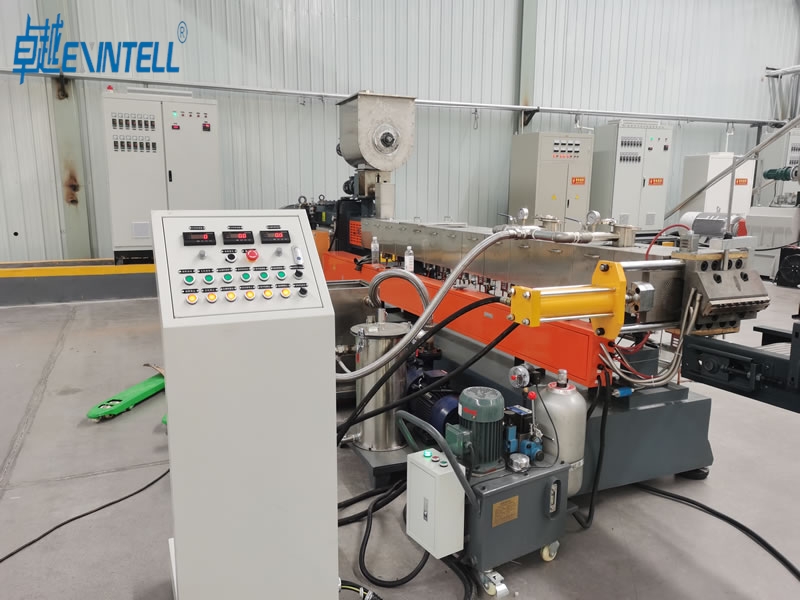
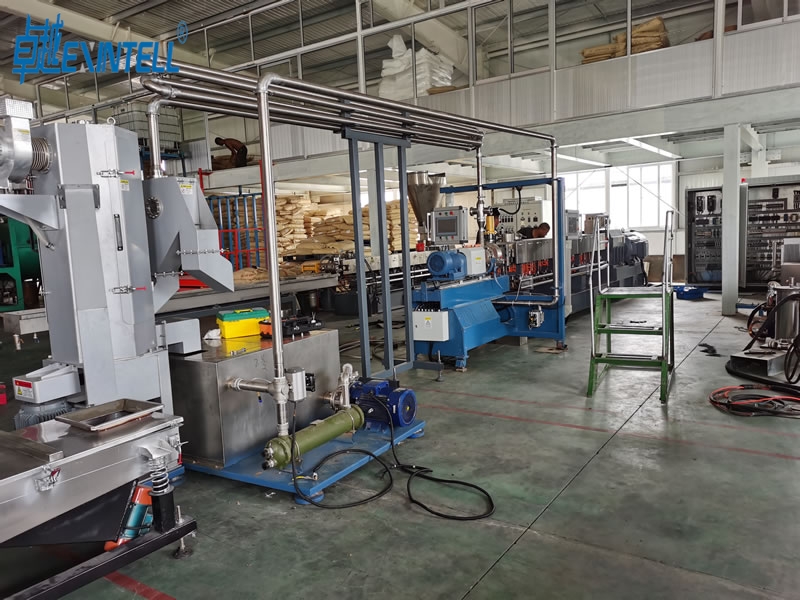
ພິຈາລະນາ ຄວາມໄວການຜະລິດແລະຄຸນນະພາບ ເມື່ອເລືອກເຄື່ອງຍ່ອຍ. Underwater systems provide high-quality pellets, while strand systems offer cost-effectiveness for general use.
Evaluate your facility’s space and maintenance capabilities. Water-ring systems require moderate upkeep, underwater systems need more attention, and strand systems are easier to maintain.
Match your pelletizer’s throughput with your production needs. Ensure the machine can handle your expected output to avoid bottlenecks in your process.
Use a screening machine for consistent pellet quality. This equipment helps remove impurities and ensures your final product meets industry standards.
Core Differences Comparison Chart
When you evaluate pelletizer machines for plastic processing, you need a clear overview of how each system performs. The followingcore differences comparison chart ເຮັດໃຫ້ທ່ານເບິ່ງຂ້າງຄຽງກັບວົງການນ້ໍາ, ໃຕ້ນ້ຳ, ແລະ strand pelletizers. ຕາຕະລາງນີ້ຊ່ວຍໃຫ້ທ່ານລະບຸໄດ້ໄວວ່າເຄື່ອງຈັກໃດທີ່ສອດຄ່ອງກັບເປົ້າຫມາຍການຜະລິດຂອງທ່ານ.
ເຈົ້າຈະພົບເຫັນ ລະບົບ pelletizing ວົງນ້ໍາ ດໍາເນີນການໂດຍການຕັດພາດສະຕິກ molten ຢູ່ໃບຫນ້າຕາຍ, ບ່ອນທີ່ແຫວນນ້ໍາຫມຸນຈະເຢັນທັນທີແລະເຮັດໃຫ້ເມັດແຂງ. ຂະບວນການນີ້ສະຫນັບສະຫນູນລະດັບຄວາມກວ້າງຂອງ thermoplastics, ລວມທັງອ່ອນ, ເຄັ່ງຄັດ, ບວມ, ແລະທາດປະສົມທີ່ອ່ອນໄຫວຕໍ່ອຸນຫະພູມ. The enclosed design of the water-ring pelletizing system reduces operator exposure to fumes and dust, making your workspace safer.
Key features of the water-ring pelletizing system include:
ເຄື່ອງ pelletizer ໃຕ້ນ້ໍາດີເລີດໃນອຸດສາຫະກໍາທີ່ຕ້ອງການຄຸນນະພາບສູງ, ເມັດເປັນເອກະພາບ. You will see these systems in packaging, ລົດຍົນ, ແລະຂະແຫນງການແພດ. Each industry values the precise pellet characteristics and consistent quality. The following table shows how different industries benefit:
Requires consistent pellet quality for production efficiency.
ການແພດ
Needs precise pellet characteristics for medical-grade materials.
You should select underwater systems when you need instant cooling and minimal dust, especially for heat-sensitive or specialty plastic compounds.
Strand Applications
Strand pelletizer systems work best for rigid and semi-rigid plastic types. You will find these machines in general-purpose manufacturing, engineering plastics processing, and small to medium-sized production lines. Operators appreciate the straightforward design and low investment. You can easily maintain these systems, making them ideal for facilities with limited technical staff.
ໝາຍເຫດ: Choose strand pelletizers if you process clean, stable-melt plastics and want a cost-effective solution.
Matching System to Production Needs
You must match your pelletizer system to your production requirements for optimal results. Consider the following factors:
ປັດໄຈ
ລາຍລະອຽດ
ປະເພດວັດສະດຸ
Consider the hardness, ຄວາມຊຸ່ມຊື່ນ, and temperature sensitivity.
ຂະໜາດການຜະລິດ
Match the pelletizer’s capacity with your production needs.
Desired Pellet Size
Choose a machine that produces pellets suitable for your application.
Industry Requirements
Ensure compliance with industry-specific standards.
Understand the types of plastic materials you plan to recycle.
Calculate your output requirement.
Select the machine features, including cutting and feeding types.
Choose additional equipment options for your process.
You will achieve the best performance when you align your system choice with your material, ຄວາມອາດສາມາດ, and quality goals.
Decision Checklist for Pelletizer Machine Plastic
Essential Questions
Before you select a pelletizer machine, you should ask yourself several critical questions. These will help you clarify your requirements and avoid costly mistakes:
What type of plastic do you process most often?
What is your target throughput in kilograms per hour?
How important is pellet uniformity and surface quality for your end product?
Do you need to process sticky, elastic, ຫຼືວັດສະດຸທີ່ມີຄວາມອ່ອນໄຫວຕໍ່ຄວາມຮ້ອນ?
What is your available floor space for new equipment?
How much can you invest in initial purchase and ongoing maintenance?
Will you require advanced process control or automation features?
Do you need to meet specific industry standards or certifications?
ເຄັດລັບ: Write down your answers to these questions. This will help you compare different pelletizer systems more effectively.
Final Steps
Once you have your answers, you can move forward with confidence. Follow these steps to finalize your decision:
Review your material compatibility and match it with the recommended pelletizer type.
Compare the throughput of each system with your production goals.
Evaluate the quality requirements for your pellets and consider if you need a screening machine.
Check the maintenance needs and ensure your team can support the chosen system.
Assess your available space and plan for future expansion if needed.
Request quotes from reputable suppliers and ask for references or case studies.
Schedule a trial run or visit an existing installation if possible.
You should always align yourfinal choice with your long-termbusiness strategy. The right pelletizer machine will help you achieve consistent plastic quality, efficient production, ແລະຄ່າໃຊ້ຈ່າຍໃນການດໍາເນີນງານຕ່ໍາ.
You can see clear differences amongແຫວນນ້ໍາ, ໃຕ້ນ້ຳ, and strandpelletizer machine types. Water-ring systems balance automation and flexibility. Underwater machines deliver high-quality pellets for heat-sensitive plastic. Strand pelletizers offer cost-effective solutions for rigid plastic. ໄດ້ comparison chartbelow helps you match features and throughput to your needs:
ປະເພດ Pelletizer
ຄຸນນະສົມບັດທີ່ສໍາຄັນ
ຄໍາຮ້ອງສະຫມັກ
ຜ່ານ (ກິໂລ/ຊມ)
Strand Pelletizers
Cuts extruded strands, ຄຸ້ມຄ່າ
PP, PE
500– 2,000
ເຄື່ອງຍ່ອຍໃຕ້ນ້ຳ
Water cooling, ວັດສະດຸທີ່ລະອຽດອ່ອນຄວາມຮ້ອນ
PET, ໄນລອນ
1,000–5,000
Air-Cooled Strand Pelletizers
ການລະບາຍອາກາດ, budget-friendly
HDPE
300– 1,500
Die Face Pelletizers
Cuts at die face, water cooling
PVC, viscous polymers
500–3,000
You should use the comparison chart and decision checklist to select the best system. ປະຈໍາວັນ, check knives and dies. ອາທິດ, sharpen knives and calibrate settings. ປະຈໍາເດືອນ, clean the system and inspect cooling. Align your machine choice with your material, ຜ່ານ, and pellet quality goals for efficient plastic production.
FAQ
What is the main advantage of an underwater pelletizer?
You achieve the highest pellet uniformity and quality withunderwater pelletizers. This system instantly cools pellets, which prevents sticking and deformation. You should choose this option for heat-sensitive or specialty plastics.
How do I know which pelletizer suits my material?
You must check your material’s melt flow index and sensitivity to heat. For sticky or elastic plastics, select underwater or water-ring systems. For rigid plastics, strand pelletizers work best.
Can I upgrade my pelletizer system later?
You can often upgrade with advanced controls or screening machines. ແນວໃດກໍ່ຕາມ, you should confirm compatibility with your current equipment. Consult your supplier for available options.
How much maintenance does each pelletizer type require?
ແຫວນນ້ຳ: ປານກາງ, focus on die and blade care.
ໃຕ້ນ້ຳ: ສູງ, regular cleaning and water system checks.
Strand: ຕໍ່າ, mainly knife sharpening.
ເຄັດລັບ: Schedule preventive maintenance to avoid costly downtime.
Do I need a screening machine for my pellets?
You should use a screening machine if you require consistent pellet size and minimal dust. Screening improves product quality and supports strict industry standards.