

Comprehensive Guide to Recycling and Granulating Plastics and Sulph
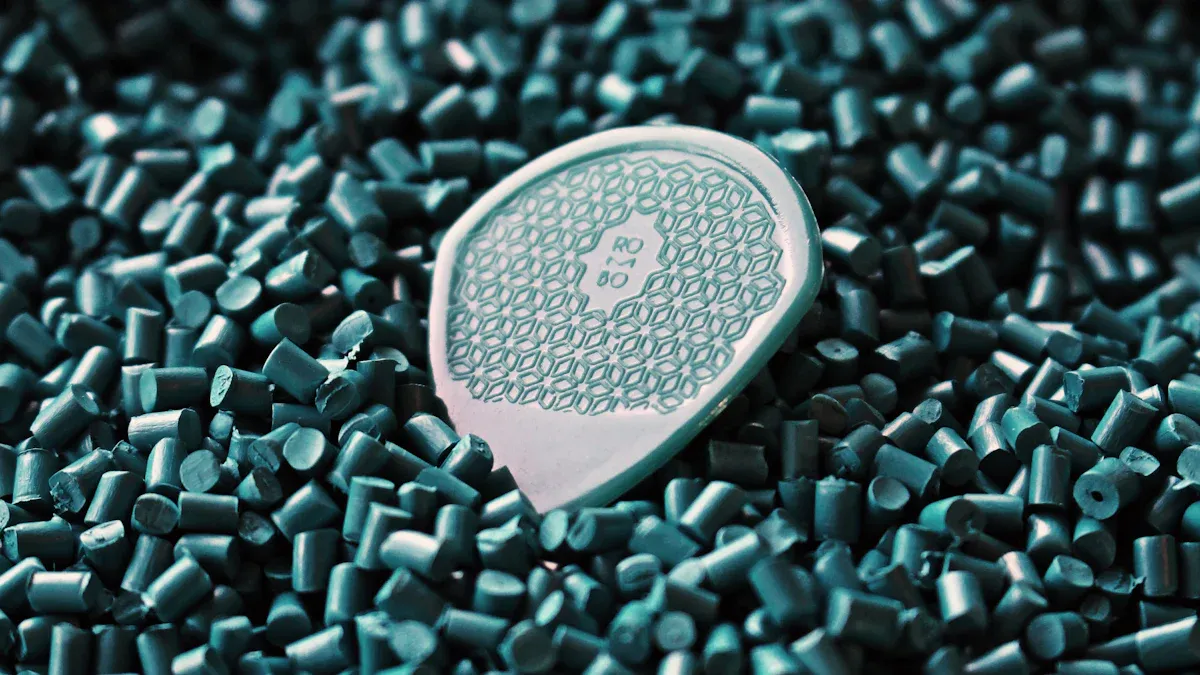
Ech gesinn datt sécher an effizient Recycling ufänkt mam Verständnis vun den eenzegaartegen Eegeschafte vu Plastik a Schwefel. Chemesch Kompatibilitéit ass wichteg, besonnesch wann Ueleger mat Plastik interagéieren. Déi meescht industriell Plastiksoffall gëtt mat engem Taux vun iwwer 9%, wat e Besoin fir besser Léisungen weist. Ech vertrauen op fortgeschratt Ausrüstung wéi d'IPG Pelletizing Machine Plastic fir d'Recyclingsresultater ze verbesseren. An Plastik a Schwiewel Industriell Veraarbechtung, bescht Praktiken fir Schwefelgranuléierung a Vermëttelung hëllefen Risiken ze reduzéieren an d'Qualitéit ze stäerken.
- Global industriell Plastik Offall Recycling Taux: iwwer 9%
Schlëssel Takeaways
- D'chemesch Kompatibilitéit tëscht Plastik an Ueleg ze verstoen ass essentiell fir Schued beim Recycling ze vermeiden.
- Plastiks zerbriechen reduzéiert de Volume a verbessert d'Qualitéit, de Recycling méi effizient a rentabel maachen.
- Mechanesch Recycling Wierker beschte fir propper, zortéiert Plastik, wärend chemesch Recycling gemëscht oder kontaminéiert Materialien handhabt.
- D'Benotzung vu Resistenzkaarten an Tauchtesten hëlleft sécher Recycling vu Plastik, déi op verschidden Ueleger ausgesat ass.
- Granuléierend Schwefel verbessert d'Sécherheet andeems Staub reduzéiert gëtt an d'Handhabung méi einfach mécht, iwwerdeems fortgeschratt Ofkillung suergt staark granules.
- Wiel vun der richteger Ausrüstung a Material fir Schwefelvermëttelung verhënnert Korrosioun, Stëbs Gefore, an Ausrüstungsfehler.
- Regelméisseg Ënnerhalt, Stëbs Kontroll, a Systemintegratioun erhéijen d'Effizienz a Sécherheet a béid Plastikverwäertung a Schwefelhandhabung.
- Nohalteg Praktiken, inklusiv energieeffizient Ausrüstung a Biocarbon-baséiert Zousatzstoffer, eng méi sécher a gréng Industrie ënnerstëtzen.
Chemesch Kompatibilitéit vu Plastiken an Ueleger
Schlëssel Variablen
Polymer Typen
Ech fänken ëmmer un mam Polymertyp z'identifizéieren ier ech Plastik recycléiert. All Polymer reagéiert anescht op Ueleger. Polyethylen (PE) an polypropylene (PP) weisen staark Resistenz géint vill Ueleger. Polystyrol (PS) a Polyethylenterephthalat (PET) dacks zerbriechen wann se u bestëmmten Ueleger ausgesat sinn. Polycarbonat (PC) an Acrylnitril Butadien Styren (ABS) kann nom Uelegkontakt knacken oder brécheg ginn. Nylon ënnerscheet sech fir seng Haltbarkeet géint Ueleger. Ech kontrolléieren de Polymertyp fir virauszesoen wéi et sech beim Recycling behuelen.
Ueleg Zorte & Temperaturen
Uelegtyp an Temperatur spillen eng grouss Roll bei der Kompatibilitéit. Kachen Ueleger wéi Olivenueleg a Canola verursaache normalerweis mild Effekter op PE a PP. äthereschen Ueleger, wéi Zitroun oder Eucalyptus, enthalen Verbindungen déi Plastik wéi PS a PET och bei Raumtemperatur attackéieren. Motorueleg a syntheteschen Schmiermëttel kënnen PE zerbriechen a Stressrëss am PC an ABS verursaachen. Hydraulesch Ueleger, mat hiren Zousätz, kann zu Brëtschheet a Schwellung a Plastiks net fir hydraulesch Notzung bewäert ginn. Ech betruechten ëmmer d'chemesch Make-up vum Ueleg an d'Temperatur beim Recycling.
Tipp: Ech recommandéieren souwuel d'Uelegart wéi och d'Temperatur ze kontrolléieren ier Dir Plastik an Ueleger an all Recyclingsprozess vermëschen.
Thermesch vs. Chemeschen Effekter
Schmelzpunkte
Ech oppassen op d'Schmelzpunkten. PE schmëlzt bei ongeféier 120°C, PP bei 160°C, an PET bei 250°C. Wann Uelegbelaaschtung d'Temperatur no bei dëse Schmelzpunkte erhéicht, Plastik kann deforméieren oder schmëlzen. Chemesch Reaktioune kënne méi séier bei méi héijen Temperaturen optrieden. Ech iwwerwaachen d'Temperatur fir ongewollt Ännerungen ze vermeiden.
Ueleg Temperatur Beräicher
Uelegtemperatur beaflosst wéi Plastik reagéiert. Kale Ueleger verursaachen selten direkten Schued. Hot Ueleger beschleunegen chemesch Reaktiounen a kënne Plastik erweichen oder kräischen. Zum Beispill, waarm Motor Ueleg kann séier embrittle PE an PC. Ech halen d'Uelegtemperaturen niddereg beim Recycling fir Plastikqualitéit ze schützen.
Resistent vs. Vulnerabel Plastik
Ueleg-resistente Typen
E puer Plastik widderstoen Uelegbelaaschtung gutt:
- Polypropylen (PP)
- Nylon
- Polyethylen (PE)
Dës Materialien handhaben Motoröle, hydraulesch Ueleger, a Kachen Ueleger mat minimalem Schued.
Ueleg-Vulnerabel Zorte
Aner Plastik weist Schwachstelle:
- Polystyrol (PS)
- Polyethylenterephthalat (PET)
- Polycarbonat (PC)
- Acrylonitril Butadien Styren (ABS)
Dës Plastik kann opléisen, knacken, oder warp nom Ueleg Kontakt, besonnesch mat äthereschen Ueleger oder waarme Schmiermëttel.
| Plastik Typ | Ueleg Resistenz | Typesch Reaktioun |
|---|---|---|
| PE, PP, Nylon | Héich | Minimal Ännerung |
| PS, PET, PC, ABS | Niddereg | Knacken, warping, Opléisung |
Ech passen ëmmer Plastik an Ueleger virsiichteg fir Recyclingsfehler ze vermeiden a sécher Veraarbechtung ze garantéieren.
Test Kompatibilitéit
Resistenz Charts
Ech kontrolléieren ëmmer Resistenz Charts virun Recycling Plastik un Ueleger ausgesat. Dës Charts weisen wéi verschidde Plastik op verschidden Ueleger a Chemikalien reagéiere. Ech fannen se nëtzlech well se séier Äntwerten iwwer Kompatibilitéit ginn. Zum Beispill, eng Resistenz Chart kéint polyethylene Lëscht als “excellent” géint Motor Ueleg, iwwerdeems polystyrene weist “aarm” Resistenz. Ech benotzen dës Charts fir Feeler ze vermeiden an déi richteg Materialien fir ze recycléieren.
| Plastik Typ | Motor Ueleg | Kachen Ueleg | Essential Ueleg |
|---|---|---|---|
| PE | exzellent | exzellent | Gutt |
| PP | exzellent | exzellent | Gutt |
| PS | Aarmséileg | Fair | Aarmséileg |
| PET | Fair | Gutt | Aarmséileg |
| Nylon | Gutt | Gutt | Gutt |
Tipp: Ech recommandéieren aktualiséiert Resistenz Charts am Recycling Beräich ze halen. Dëst hëlleft jidderengem séier e séchere Choix ze maachen.
Immersion Testen
Heiansdo, Resistenz Charts Cover net all Ueleg oder Plastik Typ. Ech benotzen Immersiounstest fir Kompatibilitéit an dëse Fäll ze kontrolléieren. Ech schneiden eng kleng Probe vum Plastik a setzen se an den Ueleg. Ech verloossen et fir eng bestëmmte Period, normalerweis 24 zu 48 Stonnen. Nom Test, Ech sichen no Ännerungen wéi Schwellung, knacken, oder Faarf Verréckelung. Wann de Plastik bleift onverännert, Ech weess datt et sécher ass fir mat deem Ueleg ze recycléieren. Wann ech Schued gesinn, Ech vermeiden dës Materialien ze vermëschen.
Ech notéieren meng Resultater an engem Notizbuch. Dëst hëlleft mir e personaliséierte Kompatibilitéitsguide fir meng Ariichtung ze bauen. Immersion Tester gëtt mir Vertrauen wann Resistenz Charts sinn onkloer oder vermësst.
Gemeinsam Mëssverständnis
Thermesch vs. Chemeschen Schued
Vill Leit mengen datt Hëtzt eleng Plastikschued verursaacht. Ech hunn geléiert datt chemesch Reaktiounen grad esou schiedlech kënne sinn. Ueleger kënne Plastik souguer bei Raumtemperatur zerbriechen. Hëtzt beschleunegt dës Reaktiounen, mee chemesche Schued kann ouni héich Temperaturen geschéien. Ech kontrolléieren ëmmer souwuel thermesch wéi och chemesch Risiken virum Recycling.
Note: Ech vertrauen ni nëmmen op Temperaturmessungen. Chemesch Belaaschtung ass sou wichteg wéi Hëtzt.
Laangfristeg Beliichtungsrisiken
Kuerzfristeg Tester verpassen dacks laangfristeg Risiken. Ech hu gegleeft datt Plastik sécher wier wa se séier Tauchtests passéieren. Am Zäitoflaf, Ech hunn Plastik gesinn no Méint vun Uelegbelaaschtung knacken oder schwächen. Laangfristeg Kontakt kann lues awer eeschte Schued verursaachen. Ech iwwerwaachen elo Plastik fir verlängert Perioden an iwwerpréiwen al Proben regelméisseg.
Ech roden anerer fir direkt a verspéiten Effekter ze berücksichtegen. Dëst verhënnert onerwaart Feeler an hält Recycling sécher.
Plastiks Zerstéierung & Recycling Methoden
Firwat Crushing Matters
Plastik zerbriechen ass den éischte Schrëtt deen ech an all Recyclingsprozess huelen. Dëse Schrëtt formt alles wat duerno kënnt. Wann ech Plastik Offall zerstéieren, Ech maachen et méi einfach ze handhaben, sortéieren, a Prozess. D'Virdeeler ginn doriwwer eraus just Stécker méi kleng maachen.
Volume Reduktioun
Ech mierken, datt réi Plastiksoffall vill Plaz hëlt. D'Kräizung reduzéiert de Volume, d'Lagerung an den Transport vill méi effizient maachen. Kleng Stécker passen besser an Poubellen an Hoppers, wat hëlleft Downstream Ausrüstung glat ze schaffen. Ech vertrauen op dëse Schrëtt fir meng Ariichtung organiséiert a kosteneffektiv ze halen.
| Beweis Punkt | Beschreiwung |
|---|---|
| Volume Reduktioun | Crushing reduzéiert de Raum, dee vu rauem Plastikoffall geholl gëtt, mécht et handhabbar fir Downstream Ausrüstung. |
| Material Qualitéit Verbesserung | Eenheetlech Gréisst vum zerdréckte Plastik verbessert d'Wäscheffizienz a reduzéiert d'Kontaminatioun. |
| Effizienz am Recycling | Entscheedungen, déi wärend der Zerstéierung getraff ginn, beaflossen d'Qualitéit vum finalen recycléierte Produkt, beaflosst all spéider Prozesser. |
Qualitéit Verbesserung
Uniform zerquetscht Plastik verbessert d'Qualitéit vum recycléiertem Material. Wann ech Plastik zu enger konsequent Gréisst zerstéieren, Ech maachen d'Wäschen an d'Sortéieren méi einfach. Dëse Schrëtt reduzéiert d'Kontaminatioun a verbessert d'Effizienz vun all Prozess deen duerno kënnt. Ech fannen datt héichqualitativ Zerstéierung zu héichqualitativen recycléierte Pellets féiert.
Tipp: Ech kontrolléieren ëmmer d'Gréisst an d'Form vum zerdréckte Plastik, ier ech op de nächste Schrëtt plënneren. Konsistenz hei spuert Zäit a Suen spéider.
- Crushing beaflosst d'Trennung vu gemëschte Materialien, wat de Recycling komplizéiere kann, wann et net richteg geréiert gëtt.
- Fortgeschratt Sortéierungstechnologie ass wesentlech fir Erausfuerderungen unzegoen, déi aus zerquetscht Materialien entstinn.
- Kontinuéierlech Prozessanpassungen a Leeschtungsbewäertunge si kritesch fir héich Qualitéitsnormen a recycléierten Outputen z'erhalen.
Mechanesch Recycling
Mechanesch Recycling bildt de Réckgrat vu mengem Plastikveraarbechtungsworkflow. Ech benotzen et fir Plastiksoffall an nei Matière première ze maachen ouni hir chemesch Struktur ze änneren. Dës Method ass energieeffizient a kosteneffektiv, besonnesch fir Single-Typ Plastik.
Crusher Zorte
Ech wielen Crushers baséiert op der Aart a Form vu Plastiksoffall. Fir dënn Filmer, Ech benotzen Granulatoren mat scharfen Blades. Fir voluminös Saache wéi Fläschen oder Këschten, Ech vertrauen op schwéier-Pflicht shredders. E puer Plastik brauche spezialiséiert Crushers fir hir Zähegkeet oder Brëtschegkeet ze handhaben. Déi richteg Crusher garantéiert effizient Gréisst Reduktioun a preparéiert d'Material fir weider Veraarbechtung.
Manuell vs. Mechanesch
Manuell Crushing funktionnéiert fir kleng Chargen oder wann ech Material mat der Hand trennen muss. Allerdéngs, mechanesch Crushers verschaffen grouss Bänn séier a konsequent. Ech léiwer mechanesch Methoden fir déi meescht Operatiounen well se Aarbecht spueren an eenheetlech Resultater liwweren. Mechanesch Recycling dominéiert d'Industrie, besonnesch a Regioune wéi Europa, wou et Konte fir iwwer 99% vu recycléiertem Plastik.
Mechanesch Recycling reprocesséiert kierperlech Plastik, produzéiert Materialien mat Eegeschafte no bei virgin Plastik. Et funktionnéiert am beschten mat homogene Plastik, also ech sortéieren a botzen Materialien grëndlech ier ech zerbriechen. Ech weess datt widderholl Recycling Polymereigenschaften degradéiere kann, also ech iwwerwaachen d'Qualitéit vun all Batch.
Pre-Schredderung
Pre-Shredding ass e Schrëtt deen ech ni iwwersprangen wann ech mat groussem oder gemëschte Plastiksoffall handelen. Ech benotzen Schredder fir voluminös Saachen an handhabbare Stécker ze zerbriechen ier ech endlech zerbriechen. Dëse Schrëtt schützt meng Haaptcrusher vu Stau a Verschleiung. Pre-Schredder hëlleft mir och Kontaminanten oder net-Plastikmaterialien fréi ze gesinn, wat de Recyclingsprozess propper an effizient hält.
Schlëssel Leeschtung Facteure
Verschidde Faktoren beaflossen wéi gutt meng Kraaft- a Recyclingsausrüstung funktionnéiert. Ech oppassen op dës Detailer fir maximal Effizienz an Ausgangsqualitéit ze maximéieren.
| Leeschtung Faktor | Beschreiwung |
|---|---|
| Material Typ a Form | Verschidde Plastiker erfuerderen spezifesch Schneidkräften a Bladesarten fir effektiv Zerkulatioun. |
| Blade Gap | D'Entloossung tëscht de Blades beaflosst d'Schnëttqualitéit; méi enk Lücken bréngen méi propper Schnëtt, awer erhéijen d'Verschleiung. |
| Écran Mesh gemaach Gréisst | Bestëmmt d'Ausgabpartikelgréisst; méi kleng Gréissten reduzéieren Duerchsetze wéinst recirculation. |
| Rotor Vitesse | Beaflosst den Duerchgang an d'Hëtztgeneratioun; méi héich Geschwindegkeet erhéijen d'Ausgab awer kënne fein Partikel erstellen. |
| Feed Rate | Déi richteg Ernierung ass entscheedend; overfeeding kann Equipement Schued, iwwerdeems underfeeding reduzéiert Effizienz. |
| Ënnerhalt | Regelméisseg Blade Ënnerhalt ass essentiell fir Qualitéitsfäll an Ausrüstungsbelaaschtung ze vermeiden. |
| Contamination Management | Richteg Stëbs a Loftflowmanagement ass noutwendeg fir Iwwerhëtzung an Ausrüstungsfehler ze vermeiden. |
Blade Auswiel
Ech wielt Blades baséiert op der Art vu Plastik an der gewënschter Ausgangsgréisst. Hard Plastik brauch méi haart Blades, wärend méi mëll Plastiks méi schaarf Kanten erfuerderen. Ech kontrolléieren d'Bladespalt regelméisseg well méi enk Lücken méi propper Schnëtt ginn, awer méi séier verschwannen. Ech ersetzen oder schärfen Blades dacks fir eng héich Leeschtung ze halen.
Écran Mesh gemaach
Den Ecran Mesh kontrolléiert d'Gréisst vun de zerdréckte Plastikstécker. Méi kleng Mesh Gréissten produzéiere méi fein Partikelen awer verlangsamt de Prozess well Material recirkuléiert bis et duerch d'Mesh passt. Ech balancéieren Mesh Gréisst mat Duerchgang fir meng Produktiounsziler z'erreechen. Konsequent Partikelgréisst verbessert d'Wäschen an d'Pelletiséierung méi spéit.
Rotor Vitesse & Feed Rate
Rotorgeschwindegkeet beaflosst wéi séier ech Plastiksoffall veraarbechten. Méi héich Geschwindegkeet erhéijen d'Ausgab awer kënne méi fein Partikelen an Hëtzt erstellen. Ech passen d'Geschwindegkeet un fir de Plastikstyp an de gewënschten Ausgang ze passen. Feed Taux wichteg, och. Iwwerfütterung kann d'Maschinn blockéieren, während Ënnerernährung verschwendt Energie. Ech iwwerwaachen béid fir meng Operatioun glat ze halen.
Note: Regelméisseg Ënnerhalt a Stëbs Kontroll halen meng Ausrüstung effizient ze lafen a verhënneren onerwaart Decompte.
Integratioun vun fortgeschratt Léisungen
Ech vertrauen op der Exintelmach IPG Pelletiséierungsmaschinn Plastik fir mäi Verwäertungsprozess ze streamline. Dës Maschinn kombinéiert Kraider, kompaktéieren, schmëlzen, an pelletizing an engem System. Seng personaliséierbar Schrauwenextruder a fortgeschratt Pelletiséierungsoptioune loossen mech eng breet Palette vu Plastik veraarbechten. D'IPG Pelletiséierungsmaschinn benotzt präzis Temperaturkontroll a fortgeschratt Filtratioun fir eenheetlech ze produzéieren, héichwäerteg Pellets. Automatisatiounsfeatures reduzéieren d'Aarbecht a garantéieren konsequent Output. Ech fannen datt dës Technologie net nëmmen d'Effizienz verbessert, awer och d'Qualitéit an de Wäert vu menge recycléiertem Plastik verbessert.
Chemesch Recycling
Chemeschen Recycling gëtt mir e Wee fir Plastik iwwer mechanesch Methoden ofzebriechen. Ech benotzen dëse Prozess wann mechanesch Recycling kann net héichwäerteg Material produzéiere. Chemesch Recycling baséiert op Léisungsmëttelen a chemesche Reaktiounen fir Plastik an hir Basis Bausteng ze transforméieren. Ech fannen dës Method nëtzlech fir gemëscht oder kontaminéierte Plastik, déi mechanesch Recycling net handhaben kann.
Léisungsmëttelbaséiert Methoden
Solvent-baséiert Recycling benotzt Chemikalien fir Plastik opzeléisen. Ech wielen Léisungsmëttel wéi Aceton, dichlormethan, oder Tetrahydrofuran (THF) baséiert op der Polymer Typ. Ech setzen gerappte Plastik an engem Léisungsmëttelbad. De Léisungsmëttel brécht d'Polymerketten of, Trennung vu Gëftstoffer a Faarfstoffer. No der Opléisung, Ech filteren Verschmotzungen a recuperéieren de pure Polymer. Ech fällt dann de Polymer aus andeems Dir eng aner Chemikalie derbäigesat oder d'Léisung ofkillt. This process produces clean, high-quality plastic ready for reuse.
I always monitor solvent use carefully. Solvents can generate hazardous waste and require proper disposal. I use protective equipment and follow safety guidelines to prevent exposure. Solvent-based methods work best for plastics like polystyrene, polyvinylchlorid, an PET.
Depolymerization
Depolymerization takes chemical recycling a step further. I use heat, catalysts, or enzymes to break plastics down into monomers. These monomers serve as raw materials for new plastic production. I apply depolymerization to plastics like PET and nylon. The process involves heating the plastic in a reactor, sometimes with acids or bases. The plastic breaks apart into its original chemical units.
I prefer depolymerization for producing high-purity materials. Dës Method erlaabt mech Plastik ze recycléieren déi mechanesch Methoden net op hir originell Qualitéit restauréieren kënnen. D'Depolymeriséierung hëlleft mir och d'Schleifen an der Kreeslafwirtschaft zouzemaachen.
Tipp: Ech vergläichen ëmmer chemesch a mechanesch Recycling ier ech eng Method auswielen. Chemesch Recycling produzéiert méi pure Output awer erfuerdert virsiichteg Ëmgank mat Chemikalien.
| Aspekt | Chemesch Recycling | Mechanesch Recycling |
|---|---|---|
| Prozess | Benotzt Säuren a Léisungsmëttel fir Plastik opzeléisen, gëfteg Chemikalien generéieren. | Involvéiert kierperlech Ofbriechen Plastik, déi hir Struktur schwächen kënnen. |
| Ausgang | Produzéiert héichwäerteg, pure Plastik gëeegent fir verschidden Uwendungen. | Resultater zu manner Qualitéit recycléiertem Plastik, deen sech mat der Zäit verschlechtert. |
| Ëmwelt- Impakt | Generéiert méi héich CO2 Emissiounen a geféierlech Offäll wéinst benotzte Chemikalien. | Benotzt méi fossil Brennstoffer awer produzéiert allgemeng manner geféierlech Offäll. |
Gemeinsam Feeler
Ech gesinn vill Feeler an der Plastiksveraarbechtung a Recycling. These errors reduce efficiency and create safety risks. I always review my process to avoid common pitfalls.
Equipment Mismatch
I notice that using the wrong equipment causes frequent interruptions. Recycling machinery can jam 3–8 times per shift, cutting processing capacity by bis zu 25%. I match my crusher and pelletizer to the plastic type and batch size. I check feed systems for compatibility and adjust settings to prevent jams.
Contamination
Contamination remains a major challenge. Iwwer 75% of contaminants in recycling facilities come from plastic bags and films. These materials clog machinery and lower product quality. I sort and clean plastics before crushing. I remove plastic bags, Filmer, and other non-recyclable items. Emily Malik, a conservation coordinator, points out that contamination complicates recycling. Ech averstanen a maachen Kontaminatioun Kontroll eng Prioritéit.
Ënnerhalt Problemer
Vernoléissegt Ënnerhalt féiert zu Ausdauer an deier Reparaturen. Ech implementéieren präventiv Ënnerhalt Programmer fir meng Maschinnen glat ze halen. Reegelméissegen Ënnerhalt reduzéiert ongeplangten Ausdauer ëm bis zu 75%. Ech Zäitplang Blade Schärft, Écran Botzen, a Schmieren. Ech kontrolléieren Ausrüstung all Dag a fixen Probleemer ier se eskaléieren.
Stëbs Kontroll
Staubopbau schaaft Gefore a beschiedegt Ausrüstung. Ech installéieren Stëbs Extraktioun Systemer a benotzen zouene Crushers. Ech botzen Stëbsfilter regelméisseg. Richteg Stëbs Kontroll schützt Aarbechter a verlängert Maschinn Liewen.
Ausgang Gréisst
Inkonsistent Ausgangsgréisst beaflosst d'Downstream Veraarbechtung. Ech ajustéieren Écran Mesh gemaach an Rotor Vitesse fir eng produzéiere eenheetlech Partikel. Ech kontrolléieren d'Ausgabgréisst no all Batch. Uniform Pellets verbesseren d'Wäschung, schmëlzen, an Finale Produit Qualitéit.
- Equipment jams reduce processing capacity by up to 25%.
- Preventive maintenance cuts downtime by up to 75%.
- Plastic bags and films cause most contamination in recycling facilities.
- Dust control and output size management improve safety and product quality.
Note: I always review my process for these mistakes. Addressing them boosts efficiency and ensures high-quality recycled plastics.
Plastic Dissolution & Degradation
Why Plastics Resist Dissolving
Molekulare Struktur
I often wonder why most plastics do not dissolve easily in common solvents. The answer lies in their molecular structure. Plastics have long polymer chains with strong carbon-to-carbon bonds. These bonds resist breaking in everyday environments. Conventional plastics, like polyethylene and polypropylene, show remarkable durability because of these bonds. Semi-crystalline plastics have a tight structure that blocks solvents from penetrating. Amorphous plastics are more vulnerable to certain organic solvents, but they still resist water.
| Art vu Plastik | Charakteristiken |
|---|---|
| Conventional Plastics | Long polymer chains with strong carbon-to-carbon bonds that resist breaking in common environments. |
| Semi-crystalline Plastics | Tight structure that prevents solvents from penetrating. |
| Amorphous Plastics | More vulnerable to certain organic solvents but still resistant to water. |
I always check the structure of the plastic before choosing a recycling method. The molecular arrangement determines how the material reacts to solvents.
Solvent Compatibility
Solvent compatibility plays a big role in plastic dissolution. I notice that plastics resist dissolving unless the solvent matches their chemical nature. Non-polar plastics, like polyethylene, do not dissolve in water or alcohols. Polar plastics, such as polyvinyl alcohol, dissolve in water. I select solvents based on the plastic’s polarity and structure. This step helps me avoid wasting time and resources.
Solvents That Dissolve Plastics
THF
Tetrahydrofuran (THF) stands out as a powerful solvent for plastics like polyvinyl chloride (PVC) an polystyrene. I use THF in laboratory settings to dissolve these plastics for analysis or recycling. THF works well because it matches the polarity of the polymers.
Acetone
Acetone dissolves plastics such as polystyrene and some acrylics. I use acetone to clean equipment or remove residues. Acetone does not affect most conventional plastics, but it can break down certain types quickly.
Dichloromethane
Dichloromethane dissolves plastics like polycarbonate and PVC. I use it for industrial applications where rapid dissolution is needed. Dichloromethane works best with plastics that have less crystalline structure.
| Solvent Type | Effektivitéit | Notizen |
|---|---|---|
| Toluene | Héich | Best overall performance in solubility tests |
| Xylene | Héich | Outperformed other solvents |
| Cyclohexane | Mëttelméisseg | Effective in blends with cyclohexanol and xylene |
| Cyclohexanol | Mëttelméisseg | Enhances solubility in mixtures |
| Alcohols | Niddereg | Generally poor solvents for non-polar plastics |
| Ketones | Niddereg | Not effective alone, but mixtures may improve solubility |
| Esters | Niddereg | Not effective alone, but mixtures may improve solubility |
I find that solvent dissolution retains the chemical structure of polymers. This method reduces emissions and energy use compared to other recycling methods. It broadens the recycling scope for plastics, especially for polypropylene and polystyrene. Companies like Purecycle and Polystyvert use these solvents to recycle plastics that were once unrecyclable.
Solvent-based recycling lets me recover pure polymers without breaking their chemical bonds. This approach saves energy and supports sustainability.
Dissolvable & Biodegradéierbar Plastik
PVA & Water-Soluble Types
I use polyvinyl alcohol (PVA) when I need a plastic that dissolves in water. PVA films break down quickly and leave no residue. Water-soluble plastics help me create packaging that disappears after use. These materials work well for single-use items and reduce waste.
Bioplastik
Biodegradable plastics offer another solution. Ech vertrauen op petroleum-based polyesters like polycaprolactone (PCL) and poly(butylene succinate) (PBS) because microorganisms and enzymes can degrade them. Bio-based plastics, such as poly(hydroxybutyrate) (PHB), poly(lactide) (PLA), and starch blends, come from renewable resources and are also biodegradable. Their degradation rates depend on chemical structure, melting point, and crystallinity. E puer Plastik, like polyethylene and Nylon 11, may be bio-based but remain non-biodegradable. Acetyl cellulose can be biodegradable or not, depending on its acetylation.
I choose biodegradable plastics for applications where environmental impact matters. These materials break down through enzymatic and microbial action. Their rates of degradation vary based on composition and environmental conditions.
I always match the plastic type to the intended use and disposal method. This practice helps me support sustainability and reduce pollution.
Degradation Pathways
UV & Hëtzt
I see plastics degrade through several pathways. UV radiation and heat play major roles in breaking down polymers. When sunlight hits plastic, UV rays cause photodegradation. This process breaks polymer chains into smaller fragments. Heat speeds up this reaction. Oxygen in the environment also accelerates degradation. I notice that high temperatures can trigger depolymerization reactions in synthetic polymers. These reactions break plastics into their basic chemical units.
During mechanesch Recycling, plastics face heat and shear forces. These conditions lead to thermo-oxidative and thermo-mechanical degradation. Chain-scission reactions start, breaking the long polymer chains. I monitor temperature and oxygen levels in my facility to control these effects. Chemical degradation, such as hydrolysis or oxidation, happens at near-ambient temperatures. Environmental factors like temperature and oxygen presence influence how fast plastics degrade.
- Photodegradation breaks down polymer chains with UV radiation.
- Heat and oxygen speed up the degradation process.
- High temperatures cause depolymerization in synthetic polymers.
- Mechanical recycling introduces heat and shear, leading to chain-scission reactions.
- Chemical degradation involves hydrolysis or oxidation, often at lower temperatures.
I always check for signs of degradation in recycled plastics. Changes in color, brécheg, or texture signal that UV and heat have affected the material.
Mikroplastik
Microplastics form when larger plastic pieces break down into tiny fragments. I see this happen during photodegradation and mechanical recycling. UV light, Hëtzt, and oxygen cause plastics to fragment. These small pieces do not dissolve. Amplaz, they persist in the environment.
Microbes can help degrade plastics. I use strains like Kocuria palustris M16, Bacillus pumilus M27, an Bacillus subtilis H1584 to enhance the breakdown of polyethylene films. The strain Brevibacillus borstelensis accelerates degradation of UV-treated low-density polyethylene at higher temperatures. Hydrolytic enzymes such as cutinase can completely degrade PET into monomers within 24 hours under specific conditions.
- Microbes and enzymes speed up plastic degradation.
- Microplastics result from fragmentation, not dissolution.
- Microplastics persist and pose environmental risks.
I track microplastic formation in my recycling process. I use biological methods to reduce their presence and support cleaner recycling.
Misconceptions
Dissolution vs. Degradation
Many people think plastics dissolve like sugar in water. I learned that conventional plastics do not dissolve. They degrade through photodegradation, where UV radiation breaks them into smaller pieces. Plastics do not vanish; they fragment and remain in the environment. This misconception leads to improper disposal and recycling practices.
- Plastics do not dissolve; they break into smaller fragments.
- Photodegradation causes fragmentation, not disappearance.
I explain this difference to my team. Understanding the distinction helps us manage plastic waste responsibly.
Environmental Risks
Some believe plastics break down on their own. I know this is not true. Most plastics persist for decades unless exposed to specific degradation pathways. Microplastics pose serious environmental risks. They accumulate in soil and water, affecting wildlife and human health. I use controlled recycling methods to minimize microplastic release.
Tipp: I always educate others about the persistence of plastics and the importance of proper recycling. Awareness reduces environmental harm and supports sustainability.
Sulphur Granulation Processes
Why Granulate Sulphur
Sécherheet & Handling
I granulate sulphur to make it safer to handle in industrial environments. Granulated sulphur reduces the risk of dust explosions. The larger, uniform granules do not create airborne particles as easily as powdered sulphur. Workers face fewer hazards when moving granulated sulphur. I notice that granules flow smoothly through conveyors and storage bins. This reduces spills and minimizes contact with skin or eyes. I always prioritize safety by choosing granulation methods that produce strong, dust-free granules.
Granulated sulphur improves workplace safety by lowering dust levels and making handling easier.
Ëmweltvirdeeler
Granulating sulphur helps protect the environment. I see that granules release less dust into the air, which means cleaner facilities and reduced air pollution. The uniform size of granules prevents accidental spills and makes cleanup simpler. I use advanced cooling systems to create granules with a strong crystalline structure. These granules resist breaking apart during transport. This reduces the risk of sulphur entering soil or water. I believe that granulation supports sustainability by minimizing waste and preventing environmental contamination.
Granulation Steps
Schmelzen
I start the granulation process by melting sulphur at controlled temperatures. Sulphur melts at about 115°C. I use specialized heaters to keep the temperature steady. If the temperature rises too high, sulphur can decompose or release harmful gases. I monitor the melting stage closely to ensure safety and product quality.
Seed Generation
Nom Schmelzen, I generate small sulphur seeds. I freeze droplets of molten sulphur to create these seeds. Pressure control is important during this step. The seeds act as nuclei for granule formation. I make sure the seeds are uniform in size to produce consistent granules later.
Granule Formation
I form granules by rotating the seeds in a drum. The drum rotates at a set speed, causing the seeds to roll and pick up layers of molten sulphur. This builds up the granules to the desired size. Drum rotation is a key factor. If the drum spins too fast, granules become uneven. If it spins too slowly, production slows down. I adjust the rotation speed to balance quality and efficiency.
Ofkillung
I cool and solidify the granules to ensure proper crystallization. Cooling rate affects the strength and structure of the granules. I use air or water cooling systems to control the process. Rapid cooling can cause cracks, while slow cooling produces strong, uniform granules. I monitor the cooling stage to prevent defects and maintain product quality.
| Schrëtt | Beschreiwung | Schlëssel Faktor |
|---|---|---|
| 1 | Melting sulphur at controlled temperatures | Temperatur Kontroll |
| 2 | Generating small sulphur seeds through freezing | Pressure Control |
| 3 | Forming granules by rotating in a drum | Drum Rotation |
| 4 | Cooling and solidifying to ensure crystallization | Cooling Rate |
- Granulation improves product quality by ensuring uniform granule sizes.
- Dust reduction during handling enhances workplace safety.
- Advanced cooling systems lead to better crystalline structure and stronger granules.
Granulation Techniques
Drum Systems
I use drum systems for large-scale sulphur granulation. Déi rotary drum method pours molten sulphur into a rotating drum. Granules form as the seeds roll and pick up layers of sulphur. This technique produces uniform granule sizes and handles high throughput. I rely on drum systems when I need consistent quality and efficient production.
Prilling Towers
Prilling towers spray molten sulphur droplets through a nozzle into a tall tower. The droplets cool and solidify as they fall, forming spherical granules. Air cooling in the tower creates smooth, round granules. I choose prilling towers for applications that require perfectly spherical granules. This method works well for moderate production volumes.
- Prilling Tower Method: Sprays molten sulphur droplets through a nozzle into a tower where they cool and solidify into spherical granules.
- Rotary Drum Granulation: Pours molten sulphur into a rotating drum where it forms granules by rolling and cooling on the drum surface.
The rotary drum granulation method stands out for its efficiency in large-scale production. It delivers high throughput and uniform granule size. The prilling tower method excels at producing spherical granules through air cooling.
Fluid Beds
Fluid bed granulation suspends sulphur particles in a stream of air. I inject molten sulphur into the fluidized bed. The particles mix and cool rapidly, forming granules. Fluid beds allow precise control over granule size and cooling rate. I use this technique when I need flexibility and fast cooling.
Steel Belt
Steel belt granulation spreads molten sulphur onto a moving steel belt. The belt cools the sulphur as it travels, forming solid granules. This method produces flat, uniform granules and works well for continuous production. I select steel belt systems for applications that require gentle cooling and minimal dust.
Each granulation technique offers unique advantages. I match the method to my production needs and quality requirements.
Process Controls
I pay close attention to process controls when granulating sulphur. These controls help me produce high-quality granules and maintain safety in my facility. Each stage of the process requires careful monitoring and adjustment.
Temperatur & Drock
Temperature control stands out as the most important factor during sulphur melting. I set the temperature just above sulphur’s melting point, usually around 115°C. If the temperature rises too high, sulphur can decompose or release harmful gases. I use precise heaters and sensors to keep the temperature steady. Pressure control becomes critical during seed generation. I adjust the pressure to create uniform sulphur seeds. Stable pressure ensures that the seeds form consistently, which leads to better granule quality.
I rely on a table to track key factors at each step:
| Schrëtt | Beschreiwung | Schlëssel Faktor |
|---|---|---|
| Sulphur Melting | Heating sulphur to liquid state | Temperatur Kontroll |
| Seed Generation | Creating small sulphur seeds | Pressure Control |
| Granule Formation | Building up granules in drum | Drum Rotation |
| Ofkillung a Solidifikatioun | Hardening granules | Cooling Rate |
I check these factors every day. This routine helps me prevent defects and maintain consistent quality.
Cooling Rate
Cooling rate affects the strength and structure of sulphur granules. I use air or water cooling systems to control how quickly the granules solidify. Rapid cooling can cause cracks or weak spots. Slow cooling produces strong, uniform granules. I adjust the cooling rate based on the size and shape of the granules I want. I monitor the cooling process with sensors and visual checks. This practice helps me avoid defects and ensures that the granules meet industry standards.
I always remind my team that careful cooling leads to safer, more reliable sulphur products.
Modern Technology Benefits
Modern sulphur granulation technology offers several advantages. I see improvements in product quality, dust reduction, and energy efficiency every day.
Produit Qualitéit
Advanced granulation systems produce sulphur granules with uniform size and shape. Prilled sulphur stands out for its superior physical qualities. The round shape and consistent size make the granules flow smoothly and predictably. This uniformity helps me plan storage and transport more efficiently. I notice that high-quality granules reduce waste and improve performance in downstream applications.
| Benefit Type | Beschreiwung |
|---|---|
| Produit Qualitéit | Prilled sulfur exhibits superior physical qualities, including better flowability and less dust. Its uniform size and round shape enhance predictability in use. |
Dust Reduction
Dust reduction remains a top priority in my facility. Modern air treatment systems capture and remove dust during the granulation process. These systems keep the workplace cleaner and safer. I see fewer airborne particles, which lowers the risk of dust explosions and respiratory hazards. Cleaner air also means less contamination in the final product.
| Benefit Type | Beschreiwung |
|---|---|
| Dust Reduction | Air treatment systems are employed to significantly reduce dust generation during the granulation process. |
Cleaner air and less dust make my facility safer for everyone.
Energieeffizienz
Energy efficiency helps me lower costs and reduce environmental impact. Indirect heat transfer methods optimize temperature control. These methods use less energy and minimize thermal waste. I track energy use with sensors and adjust settings to avoid excess consumption. Efficient systems help me meet sustainability goals and keep production costs down.
| Benefit Type | Beschreiwung |
|---|---|
| Energieeffizienz | Indirect heat transfer methods optimize temperature control, reducing excessive energy consumption and thermal waste during production. |
- Uniform granule size improves product quality.
- Air treatment systems reduce dust and enhance safety.
- Indirect heat transfer methods save energy and support sustainability.
I believe that investing in modern technology pays off with better products, safer workplaces, a manner Betribskäschte.
Sulphur Conveying Best Practices
Sulphur Properties
Forms & Densities
I handle sulphur in several forms, including granules, Pudder, and molten liquid. Each form has its own density and flow characteristics. Granulated sulphur flows easily and packs tightly, making it ideal for bulk transport. Powdered sulphur creates more dust and requires careful handling to prevent airborne particles. Molten sulphur moves through pipelines and needs precise temperature control to stay liquid. I always check the bulk density before selecting conveyor systems. Zum Beispill, granules have higher density than powder, so I adjust conveyor capacity accordingly.
| Sulphur Form | Typical Density (kg/m³) | Handling Notes |
|---|---|---|
| Granules | 1,200–1,400 | Flows easily, manner Stëbs |
| Pudder | 800-1.000 | High dust risk, needs control |
| Molten | 1,800 | Requires heated pipelines |
Corrosiveness
Sulphur can corrode metal surfaces, especially when wet or exposed to moisture. I prefer stainless steel or corrosion-resistant alloys for conveyor parts. Wet sulphur accelerates corrosion, so I avoid using carbon steel. I inspect equipment regularly for signs of rust or pitting. Choosing the right materials prevents costly repairs and extends equipment life.
Equipment Selection
Bucket Conveyors
I use bucket conveyors to move granulated sulphur vertically or horizontally. These conveyors handle bulk material efficiently and minimize spillage. I select buckets made from abrasion-resistant materials to withstand sulphur’s rough texture. Enclosed bucket conveyors reduce dust emissions and improve workplace safety.
Heated Pipelines
For molten sulphur, I rely on heated pipelines. These pipelines maintain sulphur above its melting point, usually around 120°C. I install insulation and heating elements to prevent solidification. Heated pipelines must use corrosion-resistant materials to avoid leaks and breakdowns. I monitor temperature closely to keep sulphur flowing smoothly.
Material Wiel
Selecting the right materials is crucial. I choose stainless steel for most conveyor parts because it resists corrosion and abrasion. For areas exposed to high temperatures or moisture, I use special alloys. I avoid plastics and carbon steel, which degrade quickly in sulphur environments. I also consider the bulk density and flowability of sulphur when sizing conveyors.
I always match conveyor design to sulphur’s physical properties. This practice ensures reliable operation and reduces maintenance needs.
Factors I consider when selecting equipment:
- Operational requirements—scope and scale of sulphur handling.
- Efficiency and performance—energy use, Duerchgang, dust suppression.
- Materials and durability—corrosion-resistant alloys.
- Safety features—explosion-proof components, emergency shutdowns.
- Maintenance and serviceability—easy access for repairs.
- Cost and total ownership—purchase, Energie, and maintenance expenses.
Dust & Explosion Control
Enclosed Systems
Sulphur dust poses explosion risks. Ech benotzen fully enclosed and sealed conveying systems to prevent dust emissions. These systems comply with ATEX or NFPA standards, which set safety requirements for explosive atmospheres. Enclosed conveyors keep dust contained and protect workers from inhalation hazards.
Konformitéitsnormen
I follow strict compliance standards for sulphur conveying. ATEX and NFPA guidelines require explosion-proof motors and grounded equipment. I install safety alarms and video monitoring to detect dust fires early. Regular inspections help me spot hazards before they escalate.
Grounding
Grounding all equipment is essential. I connect conveyors, Motoren, and pipelines to earth ground to prevent static buildup. Static electricity can ignite sulphur dust, so grounding reduces explosion risks. I check grounding connections during maintenance and replace worn cables promptly.
- I maintain dust suppression sprays on silos and conveyors.
- I conduct emergency drills and train personnel in fire response.
- I use atomizing water cannons instead of direct water jets for fire control.
Early detection and proper equipment keep my facility safe from dust and explosion hazards.
Ënnerhalt & Integratioun
Botzen
I always make cleaning a top priority in my sulphur conveying systems. Sulphur dust and residue can build up quickly, leading to blockages or even equipment failure. I schedule regular cleaning routines for all conveyors, chutes, and storage bins. I use industrial vacuums and brushes to remove dust from hard-to-reach areas. For sticky sulphur deposits, I sometimes use steam or warm water, but I make sure to dry all surfaces thoroughly to prevent corrosion. I check for residue after every cleaning session. This habit helps me catch problems early and keeps my system running smoothly.
I learned from industry presentations that integrated surface protection and reliability-based maintenance can boost plant uptime, Sécherheet, and asset longevity. I see the benefits every time I stick to my cleaning schedule and use the right protective coatings.
Anti-Stick Coatings
Sulphur tends to stick to metal surfaces, especially in humid conditions. I apply anti-stick coatings to key areas of my conveying system. These coatings create a smooth barrier that prevents sulphur from clinging to chutes, hoppers, an Fërderbänner. I choose coatings that resist both abrasion and corrosion. I inspect coated surfaces regularly for signs of wear or peeling. When I spot damage, I reapply the coating right away. This practice reduces downtime and helps me avoid costly repairs. Anti-stick coatings also make cleaning much easier, saving me time and effort.
System Integratioun
I believe that integrating all parts of the sulphur conveying system leads to better performance and fewer breakdowns. I connect my conveyors, storage bins, and control panels into a single automated network. This setup lets me monitor the entire process from one location. I use sensors to track material flow, Temperatur, and equipment status. When a problem arises, the system alerts me immediately. I can then respond quickly and prevent bigger issues. I also link my maintenance schedule to the control system. Automated reminders help me stay on track with inspections and repairs.
- I always coordinate with my team to ensure everyone understands the integrated system.
- I train new staff on how to use the monitoring tools and respond to alerts.
- I update my integration plan as new technology becomes available.
By focusing on cleaning, using anti-stick coatings, and integrating my systems, I keep my sulphur conveying operations safe, effikass, an zouverlässeg.
Plastic and Sulphur Industrial Processing Overview
Integrated Challenges
I see that Plastic and Sulphur Industrial Processing brings unique challenges to every facility. Plastics often arrive mixed, contaminated, or degraded. Sorting and purification require careful attention to detail. Sulphur presents risks like dust explosions and corrosion. I must balance safety, Effizienz, an Ëmweltverantwortung. Handling both materials demands specialized equipment and strict process controls. I notice that integrating these processes can strain resources and increase maintenance needs. Managing waste streams and preventing harmful emissions remain top priorities for me.
Safety always comes first. I monitor dust levels, check for leaks, and train my team to handle emergencies. Regular inspections help me catch problems early.
Advanced Solutions
I rely on advanced machinery and technology to overcome these challenges. The IPG Pelletizing Machine Plastic streamlines recycling by combining crushing, kompaktéieren, schmëlzen, an pelletizing an engem System. This machine produces high-quality pellets and removes impurities efficiently. For sulphur, I use enclosed conveyors and automated monitoring systems to reduce dust and prevent explosions. Modern granulation techniques, like drum systems and prilling towers, improve product quality and minimize waste.
Déi transformation of mixed plastic waste involves sorting, purification, pyrolyse, and heteroatom removal. These steps produce hydrocarbon feedstocks that fit into existing refinery technologies. Advanced recycling technologies help me meet the growing demand for recycled plastics. They turn waste into valuable materials and support the circular economy.
- EVERCYCLE™ supports circular solutions with sustainable additives.
- NAUGARD BIO-XL offers a biocarbon-based accelerator for sulfur curing, avoiding harmful nitrosamines.
- Ech benotzen biocarbon-based accelerators and PFAS-free additives to minimize emissions.
- Strategies like nonylphenol-free additives further reduce environmental risks.
Automation and smart controls make my operations safer and more efficient. I track material flow, Temperatur, and equipment status from a central control panel.
Nohaltegkeet Focus
Sustainability guides every decision I make in Plastic and Sulphur Industrial Processing. I choose technologies that reduce waste and energy use. Advanced recycling methods let me recover pure polymers and integrate them into new products. I select additives and accelerators that support circular solutions and avoid harmful chemicals. Minimizing emissions and dust protects both workers and the environment.
I believe that integrating sustainable practices improves product quality and lowers costs. Cleaner air, safer workplaces, and reliable equipment help me meet industry standards. I always look for new ways to enhance sustainability, from biocarbon-based additives to energy-efficient granulation systems.
| Sustainability Practice | Virdeel |
|---|---|
| Fortgeschratt Recycling Technologien | Reduces waste, supports circular economy |
| Biocarbon-based additives | Lowers harmful emissions |
| Energy-efficient equipment | Cuts costs, protects environment |
| Dust and emission controls | Improves safety and air quality |
I encourage others to invest in sustainable solutions. These practices build a stronger, safer, and more responsible industry.
I learned that safe recycling and granulation depend on understanding material properties and using the right equipment. Chemical compatibility guides my choices in Plastic and Sulphur Industrial Processing. I rely on advanced machines like the IPG Pelletizing Machine Plastic and follow best practices for sulphur handling. Regular maintenance and system integration keep my operations efficient. I always consult specialists for tailored solutions. I encourage everyone to adopt sustainable practices for a safer industry.
FAQ
What plastics can I recycle with the IPG Pelletizing Machine Plastic?
I recycle polyethylene, polypropylene, nylon, polystyrene, PET, an ABS. The machine handles most common plastics. I check compatibility charts before processing new materials.
How do I prevent contamination in recycled plastics?
I sort and clean plastics before crushing. I remove films, Poschen, and non-recyclable items. Regular maintenance and dust control help me keep the process clean.
Is sulphur granulation safe for workers?
I use enclosed systems and dust suppression to protect workers. Granulated sulphur reduces explosion risks. I train my team on safety procedures and monitor air quality.
What is the best way to test plastic-oil compatibility?
I use resistance charts for quick checks. When charts are unclear, I run immersion tests by soaking plastic samples in oil and observing changes.
How does the IPG Pelletizing Machine improve recycling efficiency?
The machine combines crushing, kompaktéieren, schmëlzen, and pelletizing. Automation reduces labor. Precise temperature control and impurity removal produce high-quality pellets.
Can I recycle plastics exposed to oils?
I check the type of oil and plastic. Some plastics resist oils, while others crack or dissolve. I test samples and consult compatibility charts before recycling.
What are the environmental benefits of sulphur granulation?
Granulated sulphur releases less dust. It reduces air pollution and makes cleanup easier. I use advanced cooling systems to create strong, uniform granules.