

How Recycled Extruders Transform Plastic Waste into New Materials
You can see a Recycled Extruder change plastic waste into new things. This machine melts old plastic. It shapes the melted plastic into something new, like strong 3D printing filament. You help the planet when you use recycled plastic. This keeps plastic out of landfills and oceans.

-
Recycled extruders make new things from thrown-away plastic.
-
They work with many kinds of plastic waste, even scraps from homes and factories.
-
These machines help a circular economy and cut down plastic pollution everywhere.
-
You help lower plastic waste and support local recycling.
Extrusion technology gives you a fast way to turn plastic waste into useful products.
Schlëssel Takeaways
-
Recycled extruders change plastic waste into new things. This helps cut down on trash in landfills and oceans. The recycling process starts with collecting plastic. Then, workers sort and clean the plastic. After that, they melt it to make new products like 3D printing filament. Using recycled plastics saves energy and water. It also saves fossil fuels. This is better for the environment. You need to pick the right extruder for the job. Dir kënnt e benotzen single-screw or twin-screw extruder. The choice depends on the plastic type and product quality. New recycling technology is making things easier. It also helps make better recycled materials.
How Recycled Extruders Work
Extrusion Basics in Plastic Recycling
A recycled extruder can turn old plastic into new things. The machine uses heat and pressure to melt the plastic. It shapes the melted plastic into something useful. Éischten, you collect and sort the plastic by type. Then you clean and dry it to get rid of dirt and labels. Next, you grind the plastic into small pieces. These pieces go into the hopper of the recycled extruder. The machine melts and mixes the plastic. It pushes the melted plastic through a die to make new shapes like pellets or sheets. You cool the new material so it gets hard and ready to use.
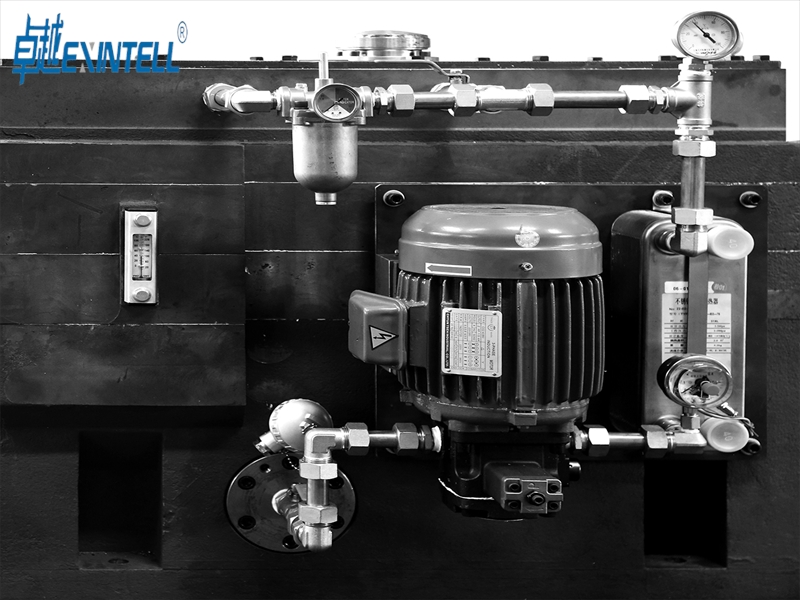
Tipp: Recycling plastic keeps waste out of landfills and gives it a new use.
Here is an easy list of the extrusion steps in plastic recycling:
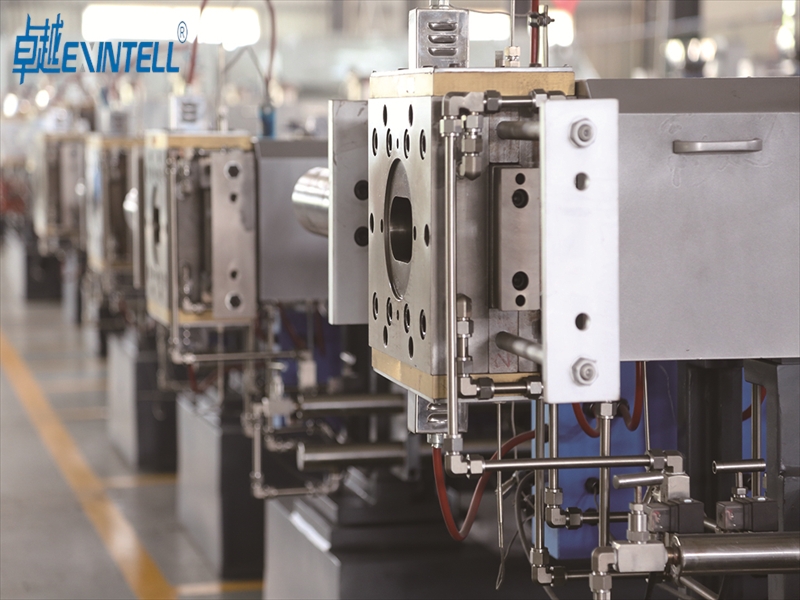
-
Clean and dry the plastic pieces.
-
Grind or shred the plastic into small bits.
-
Mix with other materials if you need to.
-
Put the plastic into the recycled extruder.
-
Melt and mix the plastic inside the machine.
-
Shape the melted plastic with a die.
-
Cool and harden the new material.
-
Cut or trim the finished product.
This process lets you recycle plastic and make new things. It helps the environment and saves resources.
Key Parts of a Recycled Extruder
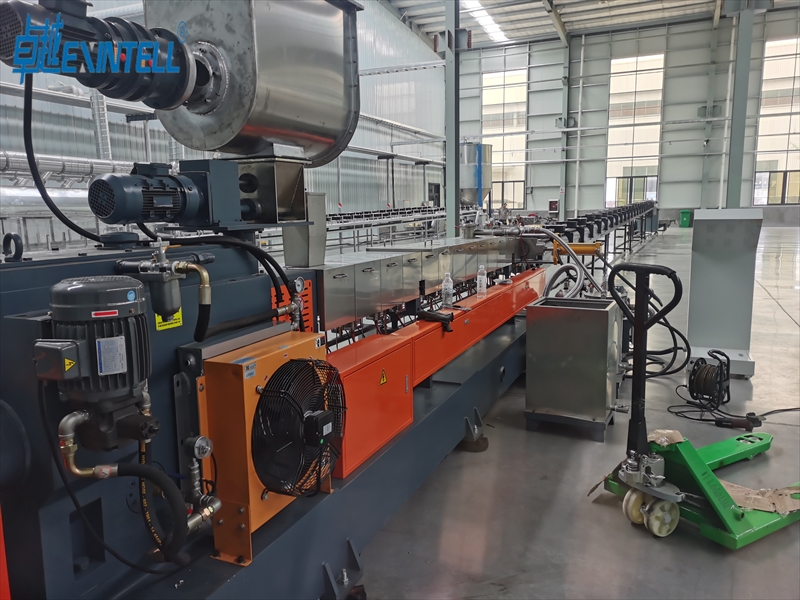
A recycled extruder has many important parts that work together. Each part does a special job to change plastic waste into new materials.
|
Komponent |
Funktioun |
|---|---|
|
Tubular Barrel |
Holds the plastic and heats it up so it can melt. |
|
Revolving Screw |
Moves, melts, and mixes the plastic as it travels through the barrel. |
|
Hopper |
Feeds the ground plastic into the recycled extruder. |
|
Die |
Shapes the melted plastic into forms like pellets, Päifen, or sheets. |
|
Single Schrauwen |
Good for making simple products from one type of plastic. |
|
Zwilling-Schrauwen |
Helps mix different plastics and removes air or moisture for better quality. |
You also find special heating zones in a recycled extruder. These zones melt the plastic evenly. The screw design can handle many types of plastic, like LDPE, HDPE, PP, PET, PS, an PVC. Some machines have degassing systems. These remove moisture and gases. This makes the final pellets stronger and cleaner.
You use a recycled extruder to turn clean plastic into new raw materials. These materials can be used again to make new products.
Single-Screw vs. Twin-Screw Extruders
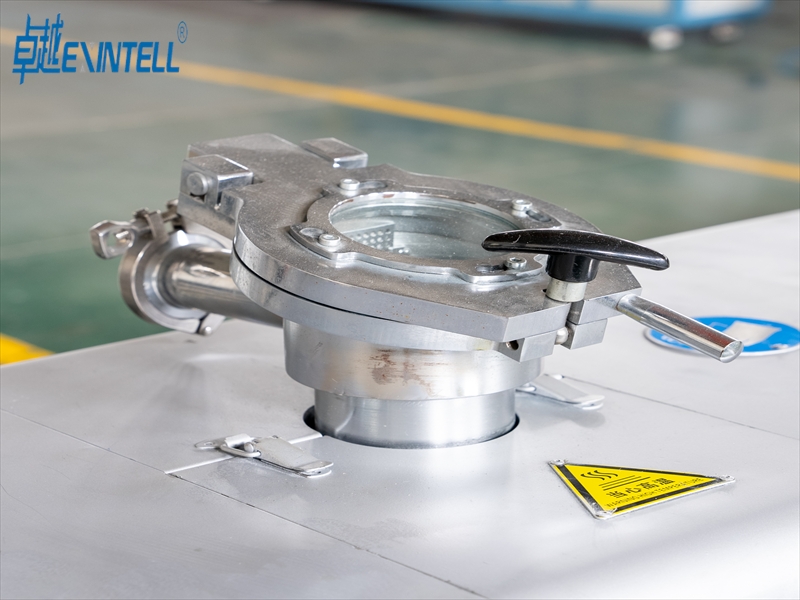
You can pick single-screw or twin-screw recycled extruders. The best choice depends on what you need. Each type has good and bad points. Here is a table to help you see the differences:
|
Fonktioun |
Zwilling-Screw Extruder |
|
|---|---|---|
|
Vermëschung Kënnen |
Basic mixing for simple plastics |
Excellent mixing for complex materials |
|
Duerchgang |
Ënneschten, good for small batches |
Méi héich, méi séier Veraarbechtung |
|
Design Complexity |
Einfach, easy to use |
Méi komplex, needs more skill |
|
Temperatur Kontroll |
Basic control |
Better control for tricky plastics |
|
Flexibilitéit |
Manner flexibel, best for one type of plastic |
Very flexible, handles many types |
|
Käschten |
Niddereg Käschten, energy efficient |
Higher cost, uses more energy |
|
Ënnerhalt |
Easy to maintain |
Needs more care and attention |
-
Single-screw recycled extruders are good if you recycle just one kind of plastic, like PE or PP. They are simple and cost less to use.
-
Twin-screw recycled extruders are better if you want to mix different plastics or add color. They mix better and make more material, but they cost more and use more energy.
You can choose the right recycled extruder by thinking about the plastic type, how much you want to recycle, and your budget.
Plastic Recycling Process
Sorting and Preparing Plastics
You begin by picking up plastic waste from homes and factories. Next, workers or machines sort the plastics by type and color. They also check how thick the plastic is. Sorting helps keep recycling clean and easy. The plastic is then cut into small pieces. Washing takes away dirt, Iessen, and labels. After washing, you dry the plastic to stop water problems. Another sorting step checks for leftover trash. Careful steps help make good recycled plastics.
|
Schrëtt |
Beschreiwung |
|---|---|
|
Collection |
Pick up plastic waste from many places. |
|
First sorting |
Sort by type, Faarf, or thickness. |
|
Shredding |
Cut the plastic into small pieces. |
|
Washing |
Wash the plastic to get rid of dirt. |
|
Second sorting |
Check again for clean plastic before use. |
|
Extrusion |
Get the plastic ready for melting. |
Feeding and Melting in the Extruder
You put the clean, dry plastic flakes into the extruder. A conveyor moves the plastic and a metal detector finds hidden metal. The extruder has a screw inside a hot barrel. The screw pushes the plastic forward. Heat and friction melt the plastic. The machine keeps each zone at the right temperature. The feed zone is cooler to stop early melting. The barrel zones get hotter to melt and mix the plastic. The die zone is hottest to shape the plastic. Gutt temperature control makes the melted plastic even and strong.
Mixing, Filtering, and Pelletizing
Inside the extruder, the plastic melts and mixes together. The machine filters out any dirt or metal left behind. The melted plastic goes through a die and forms strands. You cool the strands with water or air. A cutter chops the strands into small pellets. Drying takes away any last bits of water. Now you have strong pellets ready to use again. This step makes sure the recycled plastic is good quality.
Integrated Regrind Systems
Integrated regrind systems help make recycling faster and cheaper. These systems let you reuse plastic waste right away. You save money because regrind costs less than new plastic. Prices stay steady, even if the market changes. You help the planet by keeping plastic out of landfills. Integrated systems help make old products into new ones again and again.
Tipp: Careful sorting and good temperature control help you get the best recycled plastic.
Applications of Recycled Extruders
Industries Using Recycled Plastics
Many industries use recycled extruders to make new products. They want materials that are strong and flexible. They also want materials that cost less and help the planet. These industries care about sustainability. Here is a table that shows where recycled plastics are used most:
|
Industrie |
Reasons for Usage |
|---|---|
|
Automotive |
Durability, Flexibilitéit, cost reduction, sustainability practices |
|
Bau |
Durability, Flexibilitéit, cost reduction, sustainability practices |
You help these industries by giving them recyclable materials. These materials fit what they need. Using recycled extruders helps green manufacturing grow.
Common Products from Plastic Recycling
Recycled plastic pellets can make many useful things. These products help you every day. They also keep waste out of landfills. Here are some common products made from recycling:
-
Polyethylen (PE): Bottles, containers, piping, flexible packaging, plastic bags.
-
Polypropylen (PP): Automotive Deeler, food containers, medical syringes, bottle caps.
-
Polyvinylchlorid (PVC): Baumaterial, Päifen, medical tubing, electrical cable insulation.
-
Polystyrol (PS): Disposable utensils, CD cases, Verpakung, insulation, food containers.
-
Polyethylene Terephthalate (PET): Beverage bottles, Liewensmëttel Verpakung, synthetic fibers.
-
Acrylonitril Butadien Styrene (ABS): Automotive Deeler, LEGO bricks, electronic housings.
-
Biodegradable & recycled plastics: Compostable packaging, disposable cutlery, eco-friendly packaging.
You can see how recycling gives new life to many plastics.
Value-Added Products and Case Studies
Twin-screw recycled extruders help make value-added products. These machines turn plastic waste into things like 3D printing filament. This makes recycling work better. It also lets you make advanced products. As technology improves, you find more ways to use recycled materials.
“Indaver picked Coperion’s twin screw extruder for its ‘Plastics2chemicals’ plant. This plant gets materials from mixed polyolefin and polystyrene streams. It keeps the quality high. The Coperion ZSK Mc18 Zwilling Schraube extruder is very important in this new recycling process.”
You can learn from real examples. Prad and Lala in Chennai, Indien, use their extrusion machine to make furniture. Joop from Haute Plastique in Rotterdam makes stylish products from recycled plastic. Indaver’s “Plastics2chemicals” process uses advanced extruders to recycle mixed plastics with high quality. These stories show how you can turn waste into valuable items and help the planet stay clean.
Benefits and Challenges in Recycling
Environmental and Economic Benefits
When you use recycled extruders, you help the Earth. This process saves important resources and keeps nature safe. Here are some main benefits:
-
You use less fossil fuel. For every kilogram of recycled plastic, you save up to 2 kilograms of crude oil.
-
You need much less water. Recycling plastic uses 90% less water than making new plastic.
-
You save a lot of energy. Mechanical recycling uses 70% zu 90% less energy than making new plastic.
-
You keep plastic out of landfills. Each ton you recycle saves about 7.4 cubic yards of landfill space.
-
You protect animals and water. Recycling stops plastic from getting into oceans and keeps soil and water clean.
You also spend less money with recycled extruders. Making recycled pellets costs 30% zu 50% less than making new ones. Zum Beispill, if new polypropylene costs $1,200 per ton, you can make recycled polypropylene for $600 zu $800 per ton. A medium-sized plant can earn over $2 million each year and pay off its investment in less than two years.
Erausfuerderungen: Contamination and Compatibility
There are some problems in plastic recycling. Contamination is a big issue. Different steps in recycling can add harmful things. Here is a table that shows common contaminants and what they do:
|
Stage of Recycling |
Common Contaminants |
Impact on Extrusion Process |
|---|---|---|
|
Washing |
PCBs, PBDEs, plastic additives |
Toxic emissions during melting and extrusion |
|
Shredding |
Heavy metals, PAHs, particulate matter |
Equipment wear, lower product quality |
|
Melting and Extrusion |
VOCs, ultra-fine particles, plastic additives, PAHs |
Poor material flow, weaker final product |
|
Facilities |
Heavy metals, PBDEs, microplastics |
Lower material quality, less efficient processing |
You also need to think about compatibility. Mixing different plastics can cause trouble. Some plastics do not mix well together. This can make the recycled plastic weak or easy to break. Zum Beispill, if you mix PVC with PET, the quality gets worse because of chemical reactions. You can use compatibilizers to help different plastics mix better. This makes the recycled products stronger and more useful. Both mechanical recycling and chemical recycling have these problems, but new ideas are helping.
Innovations and Future Trends
There are many new ideas in recycled extruder technology. Companies now use co-rotating extruders to handle tough materials and get better results. Energy-saving systems help you use less power and save money. Advanced upcycling systems give old plastic a new use. Some plants use artificial intelligence to make recycling work 60% better. Twin screw extruders and better filters also make recycled plastic higher quality.
In the future, there will be more focus on sustainability. Vun 2026, experts think 30% of plastic products will come from recycled materials. New screw designs and energy-saving motors can cut energy use by up to 40%. Industrie 4.0 technology will help you run closed-loop systems and make less waste. Predictive maintenance will keep machines working well and improve your results.
You help make the world cleaner when you use recycled extruders. These machines turn plastic waste into good recycled materials. They help keep trash out of landfills and save energy. They also help the circular economy grow. You need to solve problems like dirty plastic, broken plastic, and mixed types. This helps you get the best recycled products. If you want to know more, kuckt op dës Linken:
FAQ
What types of plastic can you recycle with an extruder?
You can recycle many plastics like PE, PP, PET, PVC, an PS. Some machines can handle mixed plastics too. Always read the machine’s guide for best results.
How do you keep recycled plastic clean and strong?
You sort, wash, and dry plastic before recycling. Good temperature control and filtering inside the extruder help make strong, clean pellets.
Can you use recycled extruders at home?
Most recycled extruders are used in factories. Some small desktop extruders are made for home use. You need safety training and the right setup to use them.
What products can you make from recycled plastic pellets?
You can make bottles, Päifen, Miwwelen, 3D printing filament, and packaging. Many industries use recycled pellets to make new products.
Why does sorting plastic matter in recycling?
Sorting helps you get high-quality recycled material. Mixed or dirty plastics can make weak products. Careful sorting gives better results.