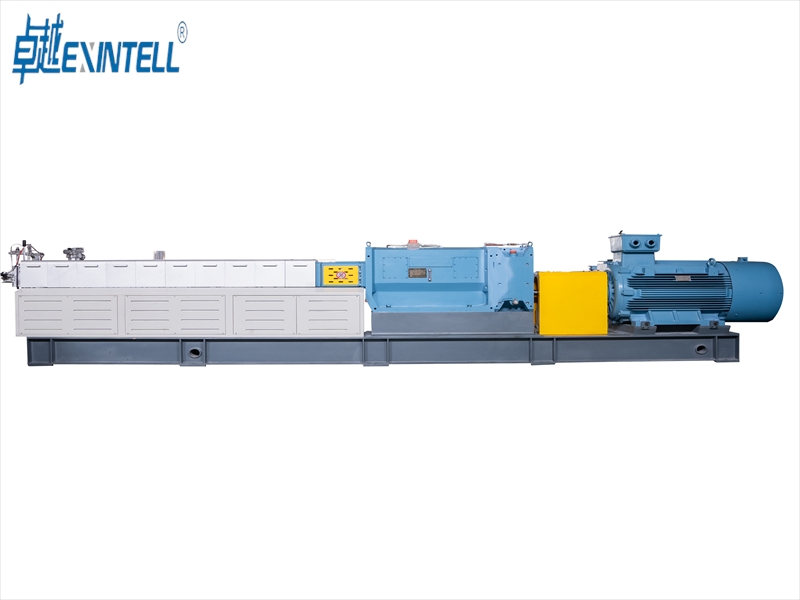
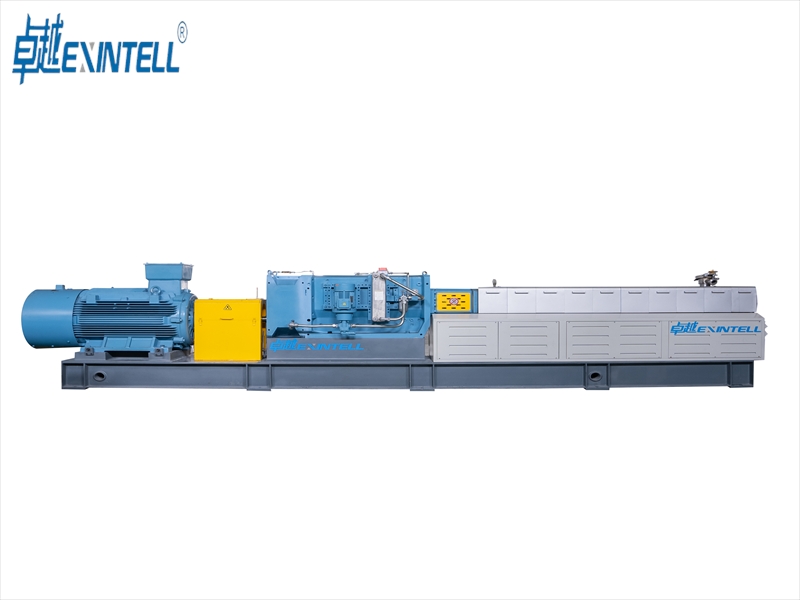
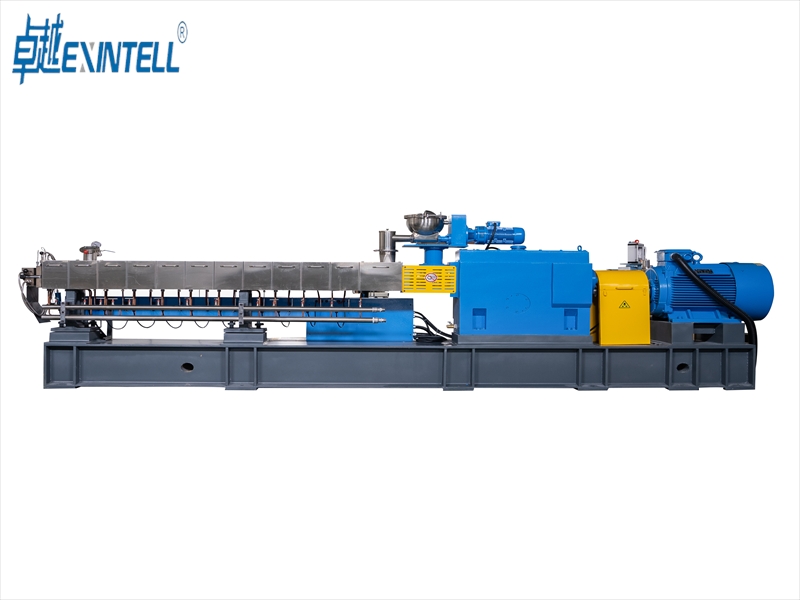
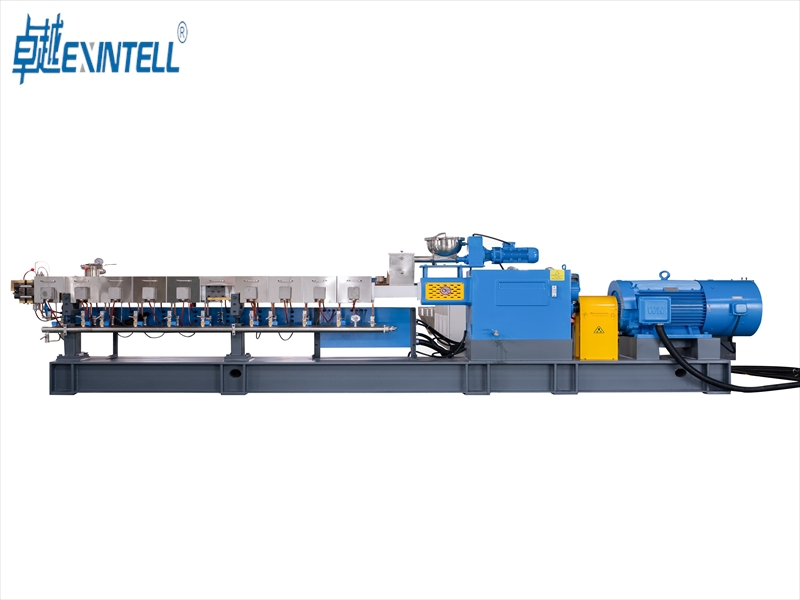
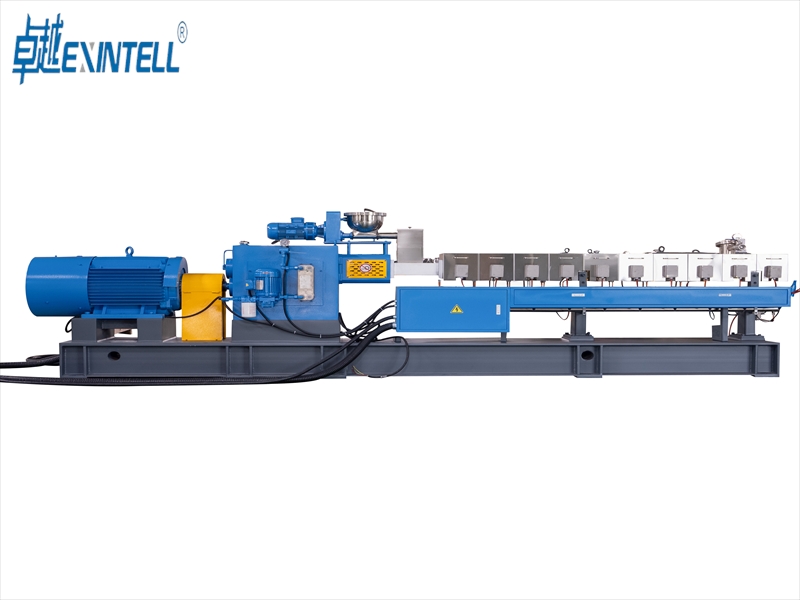
When you use apelletizing extruder, you change raw material into pellets by following clear steps. You put material into the extruder. The machine melts and mixes it. deinde, it pushes the material through a die to make pellets. Each step is important for making strong and even pellets. If you know how pelletizing works, you can make your extruder better and fix problems faster.
Compesce proprietates materiales ut processum pelletizing operandum optimum pro diversis materia plasticis faciendis.
Quid est Pelletizing Extruder
Praecipua Function
A pelletizing extruder vertit rudis dignissim vel polymer in parvis globulos. Apparatus permittit te regere quam magnus et rotundus quisque globulo. Manufacturers uti extruders globulo ut products ut dignum praecepta stricte. Vasa fragmenta vel nova resina in globulos bene fluentes mutare potes et in aliis machinis operari.
Pelletizing extruders magni momenti sunt in faciens plastic et polymer. Illi citius operaris, perdere minus, atque stabilis eventus.
Hic mensam ostendens quid sit pelletizing extruder facit:
Shapes melted plastic, controls pellet thickness and pressure
Ratio refrigeratio
Makes pellets hard, stops them from changing shape
Cultrum rotating System
Cuts cooled pellets into the same size and shape
You can change the design of these parts to fit your needs. Automation systems help you control heat and warn you about problems. Cooling and drying systems keep pellets strong and protect their quality.
Pelletizing Extruder Process
The pelletizing extruder works in steps. Each step changes raw material into pellets that look the same. You need to know every stage to getgood pellets.
Material Feeding
Primum, you put raw material into the extruder. The hopper holds the material. This material can be plastic flakes, granula, aut pulveris. Some common materials are polyethylene, polypropylene, ABS, nylon, and PLA. Speciali feeders uti potes ad regere quantum materia intrat. interdum, vos postulo ut excoquatur in materia prima. Siccatio est momenti pro materia plastica quae sumunt in aqua. Exsiccatio cessat bullae et aliae difficultates in globulos.
Systema pascendi moderatur quantum materiae intrat. Si pascat eadem copia omni tempore, globulos melius. Magnitudo fragmentorum et quomodo umida sint etiam materia?. Particulas et ius aquae auxilium validum globulos.
Liquefactio et Homogenization
Proximum, pressione materia promovet deinceps. Hydria calefit ac plastica dissolvit. Cochleae figura hic magni momenti est. Quidam cochleis meliorem materiam miscent et calorem etiam servant. Adjuvat miscere in rebus sicut color sive stabilimenta ".
Rectum calorem pones pro singulis plasticis. Exempli gratia, polypropylene dissolvit inter CC ° C et CCLX ° C *. Abs dissolvit inter 210 C et CCL° C *. Mensa infra ostendit fluere temperaturis pro diversis materia plastica:
Polymerus plasticus
Practical confla temperatura Range (°C)
ABS (Acrylonitrile Butadiene Styrene)
210 - 250
Polycarbonate (PC)
280 - 320
Polypropylene (PP)
200 - 260
Nylon 66 (PA66)
280 - 310
Polyethylene (HDPE)
210 - 260
Polyoxymethylene (POM)
190 - 220
Bonum liquefactionem et mixtionem faciunt liquefactum plastic lenis. Hic gradus tollit bullas aeris et omnia simul miscet. Nunc liquefactum est plastic ad proximum gradum parata.
Per extrusionem die
Liquefactum plasticum movet ad mori systema. alea fingit plasticum in fila vel alias formas. alea operatur sicut fingunt. Magnitudinem et figuram regit globulos. Figura alea magni momenti est. Decernit quam crassae et late globulos are?. Bene mori tibi globulos omnes idem.
The pressure and speed here change how good the pellets are. You need to keep these steady for the best pellets.
Ratio refrigeratio
After leaving the die, the plastic is still hot and soft. The cooling system makes the pellets hard and keeps their shape. Water cooling is used a lot because it cools fast and evenly. Some machines use air cooling for plastics that melt at lower heat. Underwater cutting cools the pellets right away. This is good for plastics that melt easily.
Refrigerationem Methodo
Descriptio
Suitable Polymers
Water Cooling
Uses water to cool pellets fast and keep them good.
Many plastics that need even cooling.
Air Cooling
Not as fast, used for plastics that melt at low heat.
Plastics with low melt index.
Underwater Cutting
Cuts and cools pellets in water right away.
PP nonwoven, melt-blown fabrics.
Cooling must be even. If you cool too fast or too slow, pellets can break or change shape. Good cooling keeps pellets strong and looking right.
Cutting Into Pellets
When the pellets are cool, they go to the cutter. The rotating knife cuts the strands into pellets. The speed and type of blade change how long and thick the pellets are. More blades or faster cutting make shorter pellets. Where you put the cutter matters too. If it is too close to the die, it wears out fast. If it is too far, the pellets are not even.
You can cut pellets in different ways:
Strand pelletizing: Cut after cooling in water.
Hot-cut pelletizing: Cut right at the die face.
Underwater pelletizing: Cut in water for fast cooling.
Each way works best for certain plastics and jobs.
Collection And Quality Control
You collect the finished pellets at the end. interdum, excoquatur vos postulo ut removere aquam. Hoc est ubi quaeras globulos pro magnitudine, figura, et puritatem. globulos temptas et malas removes. Quaedam societates specialibus probationibus utuntur pro materia plastica quae opus est valde purus.
Orbis terrarum regulas sequi debes ut bona tua globulos fac. Bonum checks intelliguntur tuae globulos bene operari in aliis machinis.
Indicium: Reprehendo globulos saepe cum collige illis. Iuvat hoc invenire problemata diluculo et bene operatur machina tua.
Si sequi gradum, tu conversus rudimentum in bonum globulos. Omnis scaena magni momenti est pro ultima producto.
Factores afficiens Pelletizing
Cum uteris extruder pelletizing, oportet control aliquas res. Haec omnia adiuvant te fortes et etiam globulos. Vos postulo ut vigilo temperatus, cochlea celeritas, et proprietates materiae tuae. Each one can change how your pellets look. They also affect how well your machine works.
Temperatus Imperium
You have to check the temperature all the time. The right temperature helps pellets stick together well. When the temperature is near a special point calledT*, time in the die matters. This time changes how tough your pellets are. If you go over T*, pellets stick faster but get weaker. Good temperature control makes pellets last longer and not break. It also keeps your pellets good and stops waste.
Indicium: Use sensors to check temperature often. This helps you fix problems fast.
Screw Speed
The screw’s speed changes how fast you make pellets. If the screw goes too fast, pellets may not look even. They can also get air bubbles. If the screw is too slow, you make fewer pellets. Opus est ut optima velocitate pro materia et machina tua. Conare celeritates diversas et vide in globulos tuos saepe. Hoc iuvat te globulo quale idem retinere et problemata prohibere.
Materia Properties
Qualem materiam uteris, magni momenti est. De humore et viscositate cogites. Ecce quomodo haec tua globulos mutant?:
Plus aqua globulos aquosissimas et fortiores facit, sed vultus obscuriores.
Minores partes faciunt materiam crassiorem et magis ad ventilabis.
Extruder mutare potes pro diversis materiae. Exempli gratia, uti potes peculiari figura mori. Mensa infra ostendit quomodo processus tuos mutare potes!:
Usus computatrum exempla ad designandum perit pro dura figurarum.
You can also use co-extrusion systems. These let you mix materials and make layered pellets for special uses.
If you control these things, you make better pellets. You also keep your pelletizing process working well.
Pellet Extruder Troubleshooting
Common Pellet Quality Issues
interdum, you see problems with your pellets. These problems can change how your pellets look or work. Here are some issues you might find:
Agglomeration or big clumps happen if pellets get too hot or water is too low.
Fines and angel hair show up if orifice tips break or the knife does not move right.
Twins, triplets, and chains form if the knife is too fast or the product is too hot.
Dog bones and dumbbells appear if blades are worn out or the material is not thick enough.
Tails form if the gap between the knife and die is too big or the die is not flat.
Longs and elbows happen if the knife is too slow or the extrusion rate is high.
Internal voids and popcorn can show up if the polymer has water or cools too fast.
Dimples and dust appear if the product shrinks too fast or is brittle.
Surface or melt fracture and trash or shavings happen if the extrusion rate is high or the knife is not adjusted often.
Pellets that do not look the same can come from temperature changes or uneven die heating.
You can use tools like theIshikawa fishbone diagramor the 5 Whys technique to find out what is wrong. These tools help you list causes and look deeper into the problem.
Mechanical And Process Problems
Mechanica et processus difficultates etiam nocere pelletizing. Videres inaequales output, humilis productio, aut malum globulos. Hic sunt aliquae quaestiones et modi eas figere:
Si globulo magnitudine et figura non recte, mutare alea temperatus, ut scapulas acuti, ensem gap et morentur.
Si vides minus output vel haeret, Mori foramina clausus quaerere et certam materiam movens tam in Hopper.
Si extruder vel motricium accipit nimium calidum, reprehendo refrigerationem ratio exspectent frictionem vel motor opus difficile.
Si globulos non sunt, temperatus reprehendo, tractamus materiae cum cura, et arida materiae, quae in aqua sumunt.
Vos quoque reprehendo pro stupra lapsum, novis sonos, quatiensque. Signa haec significare possunt partes tritas vel aliquid in materia esse quod non sit. Checking and fixing things often keeps your pelletizing smooth and your pellets the same.
Indicium: Write down problems and how you fix them. This helps you see patterns and fix things faster next time.
You can learn each step of the pelletizing extruder process. Controlling temperature and cooling helps make strong, uniform pellets. Improving how you run your machine reduces waste and saves money. When pellets flow smoothly, jams are less likely, and work stays steady. Proper melting and mixing create pellets that meet high standards. This also helps cut material loss and makes production faster. Whether you’re new or experienced, keep practicing to make the best pellets every time.
Even melting and mixing produce consistent pellets.
Pelletizing saves material and increases efficiency.
FAQ
What materials can you use in a pelletizing extruder?
You can usemany kinds of plastic. Some examples are polyethylene, polypropylene, ABS, nylon, and PLA. Some machines can also use recycled plastic or blends. Always make sure your extruder works with your material.
How do you keep pellets from sticking together?
Dry your material before you feed it in. Pick the best cooling method for your plastic. Keep the temperature the same. These steps help you getstrong pellets that do not stick.
Why do pellets sometimes have uneven shapes?
Pellets can look uneven if the die or cutter has issues. Check if the blades are worn out or if die holes are blocked. Wrong screw speed can also cause this. Fix these things to make pellets even.
How often should you clean your pelletizing extruder?
Clean your extruder after every time you finish making pellets.
Take out leftover material and look for any buildup.
Cleaning often keeps your pellets good and your machine working well.