

Double Screw Extruder vs Single Screw Extruder for Modern Manufacturing
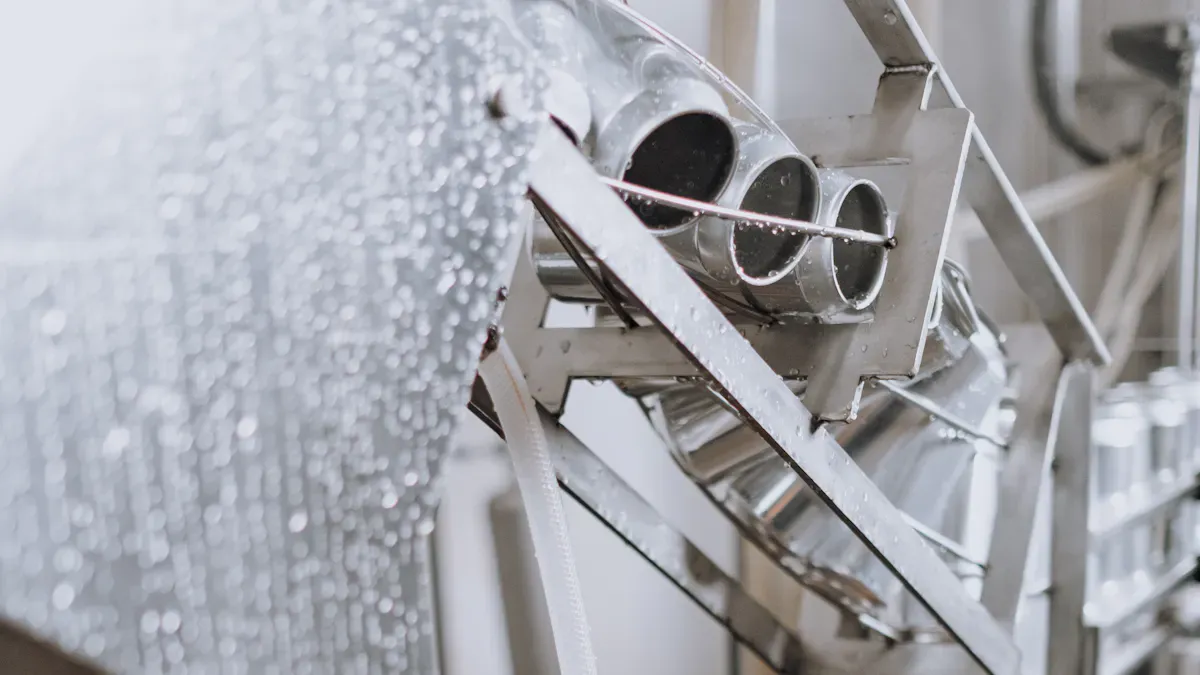
When I compare the options for modern manufacturing, I see that the una stupra extruder works best for high-volume production of single, simple thermoplastics. I often recommend the single screw extruder for single-layer pipes, membrana, and sheets where single material consistency is key and single-process efficiency matters. For more complex jobs, I choose the Double Screw Extruder to handle single batches with multiple additives or challenging ingredients. Extruder boosts efficientiam ius discriptis, ensures single product quality, and reduces single manufacturing costs.
Key Takeaways
- Single screw extruders work best for simple, high-volume production of uniform thermoplastics like pipes, membrana, et pretium.
- Geminae stupra extruders offerunt superiorem mixtionem, temperatus imperium, and flexibility for complex materials with multiple additives or sensitive compounds.
- Single screw extruders are energy-efficient, easy to maintain, and cost-effective for standard manufacturing with consistent materials.
- Twin screw extruders handle specialty plastics, blends, and filled materials better, reducing defects and improving product quality.
- Choosing the right extruder depends on material complexity, productio volumen, quality needs, and budget to maximize efficiency and ROI.
- Twin screw extruders require higher initial investment and maintenance but provide long-term benefits through flexibility and advanced processing.
- Regular maintenance and monitoring help prevent wear and defects, ensuring reliable operation for both extruder types.
- Upgrading to a geminae stupra extruder is wise when facing frequent defects, poor mixing, or new material challenges to stay competitive.
Technical Differences
Single Screw Extruder Structure
Basic Operation
I see the single screw extruder as a straightforward extrusion system. It uses one helical screw rotating inside a cylindrical barrel. The screw pushes material forward, melts it, and shapes it through a die. The single screw extruder generates high shear mainly in the narrow gap between the screw flight and the barrel. I rely on this design for consistent processing of uniform materials. The extrusion system offers basic heating and cooling, which keeps operation simple and reliable.
- The una stupra extruder works best when I need to process single thermoplastics.
- The extrusion system maintains steady pressure and temperature for standard manufacturing lines.
- I find it energy-efficient and easy to maintain.
Applications ad Simpliciores Materias
Libet unum stupra extruder pro jobs quod involvere unum tibiae, membrana, et pretium. De extrusione systematis auricularum mercimoniarum materia plastica cum minimis additivis. Cum volo summus volumen productionem et qualitatem uniformem, Ego confido unum extruder stupra.
Didymus stupra Extruder Structure
Intermeshing Cochleas
Geminae stupra extruder features duas cochleas intermeshing rotationis intus figurae octo dolii informibus. Haec extrusio systematis mihi concedit ut tondendi vires coerceat iungendo diversis elementis stupra. Geminus consilium mihi dat flexibilitatem ad accommodare permixtionem et processus pro singulis batch.
- Extruder cochlea gemini articulata doliis utitur ad temperatus imperium provectus.
- Cochleas cochleis vel contra-rototing secundum materiam et processum necessitates eligere possum.
- The extrusion system supports internal cooling systems for precise thermal management.
Versatility for Complex Materials
I rely on the twin screw extruder when I need to handle complex materials. The extrusion system excels at mixing, degassing, and processing batches with multiple additives. The twin screw extruder improves melt homogeneity and reduces unmelted particles. I use it for specialty plastics, blends, and sensitive compounds.
Difference Between Single and Twin Screw Extruder
Mixing and Shear Capabilities
The main difference between single and twin screw extruder lies in mixing and shear. The single screw extruder provides basic mixing, suitable for simple materials. The twin screw extruder delivers superior mixing and shear, which I need for compounding and blending. Systema extrusionis cum geminis cochleis stabilem pressuram et temperatum efficit, et lacessendo feedstocks.
Modulationis et Efficiency
Invenio geminae stupra extruder plus modularis quam una stupra extruder. Exclusio systematis me permittit cochleae elementa et segmenta dolii ad invicem processus aequare. Extruder stupra gemina cito adaptat ad novas mixturas et materias. Una cochlea extruder vexillum jobs efficiens manet, sed gemina stupra extruder maiorem flexibilitatem et imperium praebet.
Indicium: Semper congruit extrusio systematis materialis multiplicitatis et productionis metarum. Geminae stupra extruder mihi bene provectus vestibulum, dum una cochlea extruder servat exercitatione jobs simplex et sumptus efficens.
| Aspect | Una stupra Extruder | Didymus stupra Extruder |
|---|---|---|
| Screw Design | Una helica cochlea rotating in dolio | Duo intermeshing ANISOCYCLUM (co- aut contra gyratur) |
| Ferocactus Structure | Simple cylindrical barrel | More complexu, often segmented barrel |
| Temperatus Imperium | Basic heating and cooling | Advanced multi-zone temperature control with internal cooling systems |
| Type of Extruder | Key Features | Performance Impact |
|---|---|---|
| Unius stupra Extruder | Simple consilio, energy-efficient, reliable for uniform materials | Efficient for standard recycling lines with controlled feedstock quality |
| Didymus stupra Extruder | Excellent for mixing, degassing, and handling complex materials | Improved melt homogeneity, stable pressure and temperature control, reduced unmelted particles |
Comparatio euismod
Throughput and Consistency
When I evaluate throughput, Animadverto unum stupra extruders deliver high output rates for straightforward jobs. I rely on them for continuous production lines where speed and volume matter most. The single screw design maintains steady pressure and temperature, quae me adiuvat consequi consistent productum dimensiones et superficies qualis. Hoc praecipue utile invenio cum materias plasticas magnas batches mercaturae.
Didymus cochlea extruders offerunt leviter inferiore throughput ad singulas machinis cochleae, sed maiori potestate compensant. Parametri processus subtiliter canere possum cum singulis requisitis materialibus congruit. Haec flexibilitas permittit mihi constantiam conservare etiam cum inter recipes vel ansam provocans feedstocks muto. Hanc potestatem aestimo cum defectus minuere debeo et uniformitatem in specialitate productorum curare.
Mixtio et Homogenization
Mixtio et homogenization ludere criticam partem in extrusionem. Dilucidam differentiam video inter singulas cochleae et geminae cochleae extruders in hac provincia.
- Twin screw extruders operate on the principle of positive displacement combined with intense mechanical shear. This leads to better mixing efficiency.
- Single screw extruders rely on chaotic mixing dependent on turbulence, which is less effective for achieving homogeneity.
Geminae stupra design, with two intermeshing screws, gives me superior mixing and shearing action. I can adjust screw elements to optimize dispersion and distribution of additives. This design enables better control over processing parameters, making twin screw extruders particularly effective for sensitive materials. When I need to produce blends or compounds with uniform properties, Semper eligere geminae stupra extruder.
Materia tractatio
Thermoplastics
I use single screw extruders for simpler thermoplastics like polyethylene (PE) et polypropylene (PP). These materials require minimal mixing and respond well to basic temperature control. The single screw extruder offers cost-effective processing and high output. I trust it for jobs where material purity and throughput are the main priorities.
Twin screw extruders handle more complex thermoplastics, such as PVC and engineering polymers. I benefit from their advanced mixing and temperature control, which prevents degradation and ensures consistent melt quality. When I work with heat-sensitive plastics, I rely on the twin screw extruder to maintain product integrity.
Filled or Sensitive Materials
Filled or sensitive materials demand precise processing. I find that twin screw extruders excel in this area. They provide superior mixing and temperature control, which is essential for heat-sensitive and filled materials like wood-plastic composites (WPC) or flame-retardant compounds. I can disperse fillers evenly and avoid hotspots that cause defects.
Single screw extruders struggle with filled materials because they lack intensive mixing capabilities. I use them only when the formulation is simple and the filler content is low. For advanced applications, I always select the twin screw extruder to achieve the best results.
Indicium: I match the extruder type to the material’s complexity and the desired product quality. This approach helps me maximize efficiency and minimize waste.
Energy Efficens
When I evaluate extrusion systems, I always consider energy efficiency as a key factor. Energy costs can make up a significant portion of total manufacturing expenses. I have seen that the choice between single screw and twin screw extruders directly impacts the energy required for each kilogram of material processed.
In mea experientia, single screw extruders stand out for their energy efficiency. The simple design, with only one rotating screw, means less mechanical friction and lower power requirements. I often use single screw extruders for high-volume production runs where the material is straightforward and does not require complex processing. This approach helps me keep energy consumption low and maintain predictable operating costs.
Geminae stupra extruders, in alia manu, use two intermeshing screws. This design increases the mechanical complexity and requires more power to operate. Animadverto configurationem dualem-coegi et necessitatem temperaturae subtilis temperationis in multiplicibus plagis conferre altior industria usus. Cum processu materiae vel mixtionis intensive postulantes mixtionis, Accipio commercium energiae superioris consummationis melioris producti qualitas et processus flexibilitas.
Nota: Semper expendo beneficia processus contra auctam industria sumptibus. Proprium applicationes, meliore mixtione et potestate geminae stupra extruder saepe iustificare extra industriam usus.
Hic est velox comparatio characterum industriae consummatio:
- Una cochlea extruders typice consumit minus industriam per kilogramme materialis processit.
- Plerumque geminae stupra extruders plus requirere potentia ob eorum duplicem-cochleae consilium et superiores mechanicas postulata.
- The advanced features of twin screw extruders, such as segmented barrels and internal cooling, add to the overall energy draw.
I have found that the actual energy efficiency depends on the specific application. Exempli gratia, when I run a single screw extruder with commodity plastics, I achieve excellent energy savings. If I switch to a twin screw extruder for compounding or processing filled materials, I see an increase in energy use, but I also gain better product consistency and fewer defects.
I recommend that manufacturers consider the following when choosing an extruder based on energy efficiency:
- Assess the complexity of the material and the need for advanced processing.
- Calculate the expected energy cost per production batch.
- Balance energy savings with the quality and flexibility required for the final product.
Applicationem idoneitatem
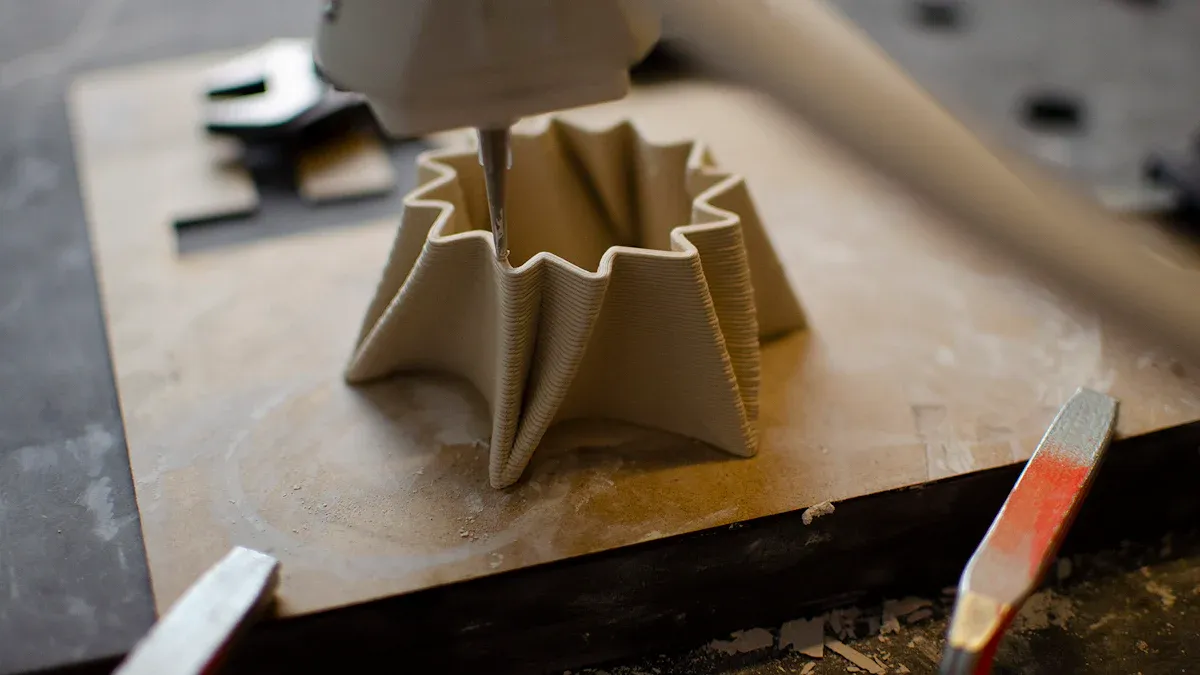
Single Screw Extruder Applications
Commodity Plastics
I often select the single screw extruder when I need to process commodity plastics. This extruder handles materials like polyethylene and polypropylene with ease. The simple design allows me to achieve high throughput and consistent quality. I see the single screw extruder as the best choice for straightforward jobs where the material does not require complex mixing or multiple additives.
High-Volume Production
When I manage large-scale manufacturing, I rely on the single screw extruder for its efficiency. The system supports continuous production lines and delivers steady output. I use it for products such as pipes, membrana, and sheets that require uniformity and speed. The single screw extruder also excels in recycling and food production. Summatim main application areas in the table below:
| Applicationem Area | Industry Segment |
|---|---|
| Redivivus | Plastics and biodegradable materials |
| Food Production | Snacks, prandium cereals, instant pasta, noodles |
| Chemical Processing | Polymerus, thermoplastics, specialty chemicals |
Double Screw Extruder Applications
Compositionem et mixtionem
I turn to the double screw extruder when I need advanced compounding and blending. The twin screw extruder design gives me precise control over mixing, which is essential for producing materials with multiple additives. I can adjust the screw configuration to match the requirements of each batch. This flexibility allows me to achieve uniform dispersion of fillers, colorantes, and stabilizers.
Specialty and High-Performance Materials
The double screw extruder stands out in specialty and high-performance applications. I use it for engineering plastics, flame-retardant compounds, et materiae sensitivae quae exigunt temperiem et tondendum imperium. Geminae stupra extruder etiam deformes et instigantes sustinet, quae me adjuvat ponere productum species. Duplex extruder cochleae inveni cito adaptare ad novas formulas et mixturas compositas.
Hic sunt frequentissimae applicationes pro geminis cochleae extruder in fabricandis modernis:
- Plastics industria: utar geminae stupra extruder componendi, liquefactio, et thermoplastic materias ad formandas productas sicut fistulas et membranas.
- Purgamentum et elastomer processus: Geminae stupra extruder processus Flexilis compositorum pro sigillis et hoses.
- Cibus industriam: Ego confido in geminae stupra extruder pro laborum et frugum, ubi agentibus coctione et textisation materia.
- Pharmaceuticae applicationes et biomedicae: Extruder stupra gemini producit systemata medicamento partus systemata ut tabulas-release sustinetur.
- Redivivus et Reprocessing: Ego utor geminae stupra extruder redivivus plastic vastum in utibile materiae, quae sustineri sustineri.
Industria Exempla
Vidi unum cochlea extruder dominatum in productione plastic sacculos, irrigationes fistulae, et simplex packaging films. Haec industries aestimant alta output et humilis pretia. Una cochlea extruder etiam partes clavis agit in fabricandis cibis, maxime products ut pasta et libamenta.
E contra, ex duplici cochlea extruder excellit in autocineto et electronics sectores. Utor geminis stupra extruder ad producendum summus perficientur componit ad partes currus et electrica velit. The pharmaceutical industry benefits from the twin screw extruder’s ability to mix active ingredients with precision. In recycling plants, the twin screw extruder transforms post-consumer plastic into high-quality pellets.
Indicium: I always match the extruder type to the complexity of the material and the performance requirements of the final product. This approach ensures I achieve the best results for each manufacturing scenario.
Product Quality Impact
Finished Product Properties
When I evaluate finished product properties, I always consider how the extruder type influences strength and uniformity. I see that single screw extruders work well for simple materials, but they struggle with complex formulations. Twin screw extruders give me superior mixing and precise control over shearing. This leads to better uniformity and improved mechanical properties in the final product. I rely on twin screw extruders when I need to incorporate additives or fillers, or when I want to optimize the strength of the material.
Hic comparatio velox est:
| Extruder Type | Mixtio Capability | Applications |
|---|---|---|
| unum stupra | Limited mixtionis, struggles with complex formulations | Apta homogenization non alta, high-filler loading, or fiber reinforcement |
| Didymus stupra | Superior mixtio, precise control over shearing and mixing | Ideal for plastic compounding and modification, handles diverse materials effectively |
I choose twin screw extruders for jobs that require high uniformity and strength. Their ability to handle high-viscosity compounds and heat-sensitive materials ensures that the finished product meets strict quality standards. I also benefit from their degassing and devolatilization features, which help me maintain qualis est productum consistent.
Indicium: When I need to achieve the highest level of product uniformity and strength, I always select a twin screw extruder.
Tolerance and Defect Rates
I know that tolerance and defect rates play a critical role in manufacturing. Twin screw extruders provide better mixing and granulation control, which helps me achieve uniform pellet size and density. This reduces the risk of defects in the final product. I also notice that twin screw extruders offer better process control and throughput stability. This means I can maintain stable output pressure and enhanced temperature control, which are essential for dimensional accuracy.
- Twin screw extruders provide better mixing and granulation control.
- They achieve uniform pellet size and density, which reduces defects.
- Melior processus imperium ac stabilitatem throughput.
- Reducitur periculum aestus et defectus in operatione.
- Consectetur temperatus imperium et stabilis pressura output.
- Superior permixtio et homogenization ducunt ad qualitatem productam consistentiam.
- Alta tolerantia in fillers et REDIVIVUS contenti materiam mobilitatis auget.
Cum utar unum extruders stupra, Plures video variationes in productis dimensionibus et in periculo vitiorum superiori, praesertim cum universa aut repleti materiae. Pro applicationes quae exigunt tolerantias strictas et defectus rates humilis, Semper potius geminae stupra extruders.
Flexibilitate pro Product Mutationes
Saepe necesse est meas lineas productionis ad novas formulas accommodare aut mercaturam mutatam postulare. Didymus stupra extruders da mihi flexibilitate opus. Eorum modularis consilium permittit mihi elementa cochleae ac dolii segmenta cito accommodare. I can scale up or scale out production by deploying multiple identical lines. This flexibility supports rapid product changes and helps me respond to customer needs without major downtime.
Twin screw extruders enable me to switch between recipes and materials efficiently. I do not see the same level of flexibility with single screw extruders. When I need to innovate or introduce new products, I rely on the adaptability of twin screw systems.
Nota: If your business requires frequent product changes or custom formulations, a twin screw extruder will give you the agility to stay competitive.
Pretium et ROI
Equipment Investment
When I evaluate new extrusion equipment, I always start with the initialis obsidione. Single screw extruders require a much lower upfront cost. I can usually purchase a single screw extruder for $15,000 to $50,000. This price range makes it accessible for most manufacturing operations, especially when I need to scale up quickly. The cost savings compared to a twin screw extruder can reach 60% to 80%. I find this difference significant when I plan capital expenditures.
| Type of Extruder | Initial Investment Cost | Cost Savings Compared to Twin-Screw |
|---|---|---|
| Una stupra Extruder | $15,000 – $50,000 | 60-80% |
| Didymus stupra Extruder | N/A | N/A |
Twin screw extruders demand a higher initial investment. The advanced design, modular components, and automation features increase the price. I see many manufacturers hesitate because of the higher entry cost. tamen, I know that the extra investment often pays off when I need advanced processing capabilities.
Indicium: I always match my equipment investment to the complexity of my products and the long-term goals of my business.
Operating and Maintenance Costs
I pay close attention to ongoing costs. Single screw extruders have a simple structure. This simplicity means lower manufacturing and maintenance costs. I spend less on spare parts and routine service. Energy consumption also stays relatively low, which helps me control utility bills.
Geminae stupra extruders, in contrast, come with higher operating expenses. The complex design requires more specialized maintenance. I need skilled technicians to handle repairs and adjustments. Manufacturing costs rise because of the advanced components. Energy consumption is greater, especially when I run demanding recipes or process filled materials.
| Type | Structure Complexity | Manufacturing Costs | Sumptibus sustentationem | Energy Consummatio |
|---|---|---|---|---|
| unum stupra | Simple | inferiora | inferiora | Relatively Lower |
| Didymus stupra | Complexa | Superius | Superius | Maiora |
- I find single screw extruders cost-effective for high-volume production of simple products.
- Twin screw extruders offer better mixing and process control, but I accept higher costs and complexity.
Downtime and Reliability
Reliability impacts my bottom line. Single screw extruders rarely break down. Their straightforward design means fewer moving parts and less risk of failure. I can keep my production lines running with minimal interruptions. When I do need maintenance, I complete it quickly and return to full operation.
Twin screw extruders require more attention. The complex intermeshing screws and segmented barrels introduce more points of potential failure. I schedule regular maintenance to prevent unexpected downtime. When issues arise, repairs take longer and may require specialized parts. Despite these challenges, I value the advanced capabilities of twin screw extruders for demanding applications.
Nota: I always factor in downtime risk when I choose between extruder types. For routine jobs, I rely on the proven reliability of single screw extruders. For advanced manufacturing, I accept more maintenance in exchange for process flexibility.
Diu terminus ROI
When I evaluate extrusion equipment, I always look beyond the initial price tag. Long-term ROI shapes my decision more than any other factor. I have learned that the right extruder pays for itself many times over, but only if it matches the production needs and business goals.
For single screw extruders, I see a fast payback period. The low upfront cost and minimal maintenance mean I recover my investment quickly, especially in high-volume, low-complexity operations. I often recommend single screw extruders to manufacturers who process commodity plastics or run continuous lines with little need for recipe changes. Over several years, compendia de industria et reparationibus adde. Video has machinis raro maiorem iude requirere, quae custodit me pretia laboris pretia.
Didymus stupra extruders ad alia fabula. Initialis investment est altior, et conservationem attentius postulat. tamen, Diu terminus ROI vidi superare illam machinarum unius cochleae in applicationibus rectis. Provectus mixtionem et flexibilitatem patitur me ad altiorem valorem productos producere, intra novum mercatus, et respondent elit citius. Non possum switch inter materiae, addere novas formulas, reducere vastum de off-spec batches. Haec commoda saepe in superiores margines altiores transferunt ac magis stabilia negotia augent.
Hinc est quomodo ROI comparare longum tempus pro singulis speciebus:
| Factor | Una stupra Extruder | Didymus stupra Extruder |
|---|---|---|
| Payback Tempus | Brevis (1-3 annos) | Medium ad Long (3-7 annos) |
| Product Range | Limited | Lata et apta |
| Facultatem addere Value | low | Summus (proprium, custom products) |
| Flexibility for Market Shifts | low | Summus |
| Sumptibus sustentationem | low | Superius, but manageable |
| Potential for Innovation | Limited | Fortis |
Indicium: I always align my extruder choice with my long-term business strategy. If I plan to expand into specialty products or need to adapt quickly, I invest in a twin screw extruder. If my focus stays on high-volume, standard products, I stick with single screw systems for the best ROI.
I have found that the most successful manufacturers revisit their ROI calculations every few years. Markets change, and so do material requirements. By staying proactive, I ensure my extrusion lines deliver maximum value year after year.
Single Screw vs Twin Screw: How to Choose
Key Decision factores
When I help manufacturers decide between a single screw extruder and a twin screw extruder, I always focus on four main factors. These include material complexity, productio volumen, qualis iudicium, et budget. Genus utar ad arbitrium meum dirigere et ius extruder pro unaquaque applicatione lego curare.
Materia complexionem
Ego satus aestimandis multiplicitate materiae opus est ad processum. Si opus munda, constantius, ac firmum materiae, Libet unum extruder stupra. Haec machina tractat vexillum thermoplasticorum et REDIVIVUS materias cum additivis minimis. Cum faciem complexus vel contaminari feedstocks, Et geminae stupra extruder vertas. Geminus consilium mihi dat flexibilitatem et mixtionem superiorem ad formulas provocandas. Ego confido in geminae stupra extruder ad pharmaceuticals, provecta redivivus, ac proprium materia plastica. Extruder cochleae geminae etiam processus materiae quasi polyethylene cross-linkable et impleta compositione cum facilitate.
- Cochlea extruder simplex pro uno uti, uniform materials.
- I select a twin screw extruder for complex, multi-component, or sensitive materials.
- The twin screw extruder reduces scrap rates and ensures consistent results for advanced applications.
Productio Volume
Production volume shapes my extruder choice. Nam summus volumen, continua productio, I prefer a single screw extruder. This machine delivers stable pressure and consistent wall thickness, which is ideal for pipes, membrana, et pretium. When I need to change materials often or run smaller, specialized batches, I turn to a twin screw extruder. The twin screw extruder adapts quickly to new recipes and supports frequent material changes without sacrificing efficiency.
Quality Requirements
Quality requirements drive my decision. If I need basic mixing and standard product quality, I use a single screw extruder. For applications that demand superior mixing, precise temperatus imperium, and uniformity, I choose a twin screw extruder. The twin screw extruder excels at dispersing additives, blending fillers, and processing heat-sensitive materials. I rely on the twin screw extruder for products that require tight tolerances and low defect rates.
Budget
Budget always plays a role in my selection process. The initial cost of a twin screw extruder can be much higher than a single screw extruder. I have seen prices for a quality twin screw extruder reach $150,000, while a single screw extruder may cost as little as $60,000. tamen, I consider the total cost of ownership, non solum in emptio pretium. Over time, the twin screw extruder can save me money through reduced energy consumption, lower maintenance, and less downtime. Investing in GENEROSUS qualis geminae extruder stupra me servavit usque ad $220,000 per quinquennium in quibusdam casibus.
Mensa hic est, uti ad factores clavis comparandos:
| Clavis Factor | Una stupra Extruder | Didymus stupra Extruder |
|---|---|---|
| Metrics | Firmum pressura, consistent muro crassitudine | Optimum mixtionis, handles materiae æstus-sensitivo |
| Pretium | Sumptus efficax pro summus volubilis productio | Superiore initiali pretium, melius in universa processibus |
| Formae materiales | Optimus products ad de mensuris (HDPE, LDPE) | Specimen pro PVC *, materiae requirit mixtionem |
| Mixtio Capabilities | Limited mixtionis | Superior permixtionis et dissipativae facultatum |
| Operational Efficiency | Infra sustentationem costs | Melius frequentes mutationes et degassing |
Indicium: Semper hoc maculoso utar, cum opus est ut respondeam quomodo eligat plastic extruder ad novum project.
Erroribus communibus
Multi artifices vidi errata pretiosa, cum eligens extruder. Maxime communes errores includit:
- eligens iniuria materia ad stupra or barrel. Using inappropriate steel grades can cause pinholes and cracks.
- Ignoring mechanical wear. Poor alignment and high-pressure conditions increase wear and lead to failures.
- Overlooking operational conditions. Improper temperature control and processing abrasive materials can damage the extruder.
I always recommend regular maintenance and careful material selection. I also monitor temperature and pressure closely to prevent unnecessary wear.
When to Upgrade
I know when it is time to upgrade from a single screw extruder to a twin screw extruder. I look for these signs:
- Visible surface damage on the extruder or product
- Recurring blockages or machine jams
- Inconsistent product quality or uneven melting
- Inability to process new materials or additives
- Poor mixing and frequent defects
When I see these issues, I consider investing in a twin screw extruder. The twin screw extruder gives me better mixing, more flexibility, and higher product quality. Upgrading helps me stay competitive and meet new market demands.
Nota: I always review my production lines regularly. If I notice any of these warning signs, I plan for an upgrade to a twin screw extruder before problems affect my bottom line.
I recommend single screw extruders for simple materials and lower volumes. Twin screw extruders suit high-viscosity compounds and complex production needs. I always advise manufacturers to use a checklist when choosing equipment:
- Ask about recommended extruder type and size.
- Request examples of similar applications.
- Confirm throughput estimates.
- Check spare parts availability.
- Inquire about operator training.
- Review warranty and support.
- Request live demonstrations.
- Consummatio industriae petere figuras.
- Quin ratio integration imperium.
Nam adhuc ductu, Ego suadeant:
- Prioritize industria efficientiam.
- Evaluate gearbox qualis.
- Reprehendo amni convenientiam.
- Quaerite realis-mundi references.
- Considerans post-Sales firmamentum.
FAQ
Quod est principale utilitas geminae stupra extruder?
Video geminae cochlea extruder ut optimum arbitrium in universa materiae. Hoc me superiorem mixtionem, precise temperatus imperium, et mollitiem consequat mutationes.
Potest uti unum stupra extruder ad repleti materiae?
Ego ne per singulas extruders stupra ad materiae repleti. Contendunt mixtionem et dissipationem. Malo geminae cochlea extruders quia repleti vel sensitivo compositorum.
Quoties debeo extruderem meum??
Ego RATIONARIUM sustentationem omnibus tribus mensibus exercitatione. Ego reprehendo stupra lapsum, dolium Gratia diei et noctis, et temperatus controls. Regular service keeps my production lines reliable.
Is a twin screw extruder worth the higher investment?
I invest in twin screw extruders when I need advanced processing. The higher cost pays off with better product quality, mollitiem, and fewer defects in specialty applications.
Which extruder is more energy efficient?
I find single screw extruders more energy efficient for simple, high-volume jobs. Twin screw extruders use more power but deliver better results for complex materials.
How do I choose the right extruder for my business?
I match the extruder to my material complexity, productio volumen, quality needs, et budget. I use a checklist and review similar applications before making a decision.
Can I upgrade from a single screw to a twin screw extruder?
I upgrade when I see frequent defects, poor mixing, or need to process new materials. Twin screw extruders help me stay competitive and meet changing market demands.
What industries benefit most from twin screw extruders?
I see the automotive, electronics, pharmaceutical, and recycling industries benefit most. Twin screw extruders handle specialty compounds and advanced formulations with ease.