

Кантип суу астындагы пеллетизаторлор кадам сайын иштейт
Суу астындагы гранулизатор эриген пластмассаны тегиз гранулдарга айландырууга мүмкүндүк берет. Алгачкы, чийки затты киргизесиз. Булар көбүнчө суудан кутулуу үчүн кургатуу керек. Кургатуу алардын жакшы эришине жардам берет. Материал машинанын ичинде эрийт. Бул аны тегиз кылып, кирди кетирет. Кийинки, машина эриген пластмассаны түртүп чыгарат. Бул кадам пластикти жакшылап аралаштырып, камалган абаны жок кылат. Суу астындагы гранулдаштыруу системалары ысык пластмассаны суу астында жүргөндө майда гранулдарга кесишет. Суу гранулдарды дароо муздатат. Бул алардын формасын сактап калууга жардам берет жана алардын бири-бирине жабышып калышын токтотот. Суу астындагы pelletizing системаларынын ар бир кадамы жакшы гранулдар үчүн маанилүү.
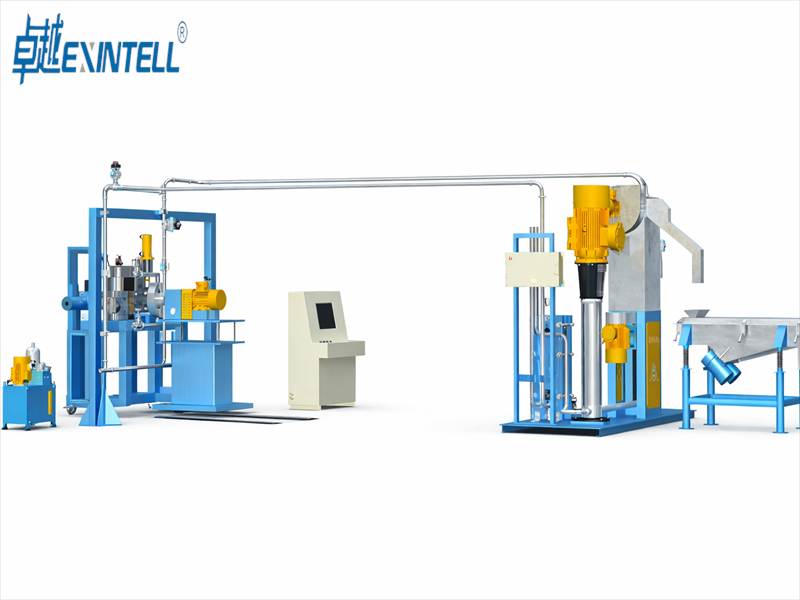
Төмөнкү таблица ар бир кадам гранул сапатына кандай таасир этээрин көрсөтөт:
|
Этап |
Пеллеттин сапатына кошкон салымы |
|---|---|
|
Азыктандыруу |
Сууну чыгарып, материалды эрүүгө даярдайт. |
|
Эрүү |
Баарын бирдей эритип, кирди кетирет. |
|
Экструдциялоо |
Абаны аралаштырып, чыгарат, пластмассаны жакшыраак кылуу. |
|
Кесүү |
Көптөгөн колдонуу үчүн да гранулдарды жасайт. |
|
Муздатуу |
Гранулдардын жабышып калышын токтотуп, формасын сактайт. |
Суу астындагы гранулдаштыруу системалары кандай иштээрин билүү сизге ар дайым жакшы гранулдарды жасоого жардам берет.
Негизги алып салуулар
-
Алгач чийки затты кургатуу маанилүү. Кургатуу алардын жакшы эришине жардам берет. Бул ошондой эле акыркы гранулдардагы көйгөйлөрдү токтотот.
-
Пеллеттөө учурунда материалдардын агымын туруктуу кармаңыз. Туруктуу агым гранулдарды бир калыпта кылат. Ошондой эле ката кетирүү мүмкүнчүлүгүн азайтат.
-
Watch the пластинанын температурасы кылдаттык менен. Туура температура гранулдарды жакшы калыптандырууга жардам берет. Ошондой эле гранулдарды сапаттуу кылат.
-
Кесүүчү камерада айлануучу бычактарды тез-тез текшерип, алмаштырып туруңуз. Курч бычактар таза кесип кылат. Алар ошондой эле гранул өлчөмүн бирдей сактайт. Бул сапатты жакшыртат.
-
Муздатуу камерасында суунун температурасын жана агымын көзөмөлдөө. Бул гранулдарды жакшы абалда сактайт. Ошондой эле алардын жабышып калышын токтотот. Бул процесстин жакшыраак иштешине жардам берет.
Пеллеттөө процессине сереп салуу
Суу астындагы пеллетизатор деген эмне?
Ан суу астындагы гранулизатор эриген пластмассаларды майда гранулдарга алмаштырат. It полимер жиптерин суу астында турганда кесип салат. Суу гранулдарды дароо муздатат. Бул алардын формасын жана сапатын сактоого жардам берет. Башка гранулдаштыруу ыкмалары өлчөмдүн бетинде гранулдарды кеспейт. The кесүү бөлмөсү сууга толуп калат. Бул ар бир гранул тегерек жана жылмакай кылат. Суу астындагы гранулдаштыруу процесси кычкылданууну токтотот. Ошондой эле гранулдардын бири-бирине жабышып калуусунан сактайт.
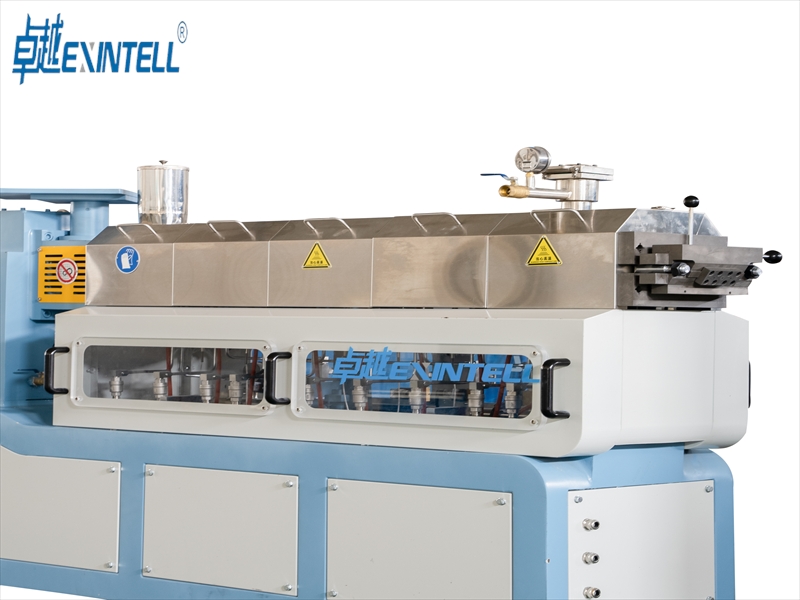
The суу астындагы гранулизатордун негизги бөлүктөрү болуп саналат:
-
Экструдер пластиктерди эрип, алдыга түртөт.
-
Пластина эриген полимерди жиптерге айлантат.
-
Кесүүчү камерада жиптерди суу астындагы гранулдарга кесүүчү бычактары бар.
Бул бөлүктөр тез гранулдашуу процесси үчүн чогуу иштешет. Материал пластинадан жылат. Суу өлчөмдүн бетинен өтөт. Пеллетизатор убакыт белгиленген ырааттуулукта башталат. Бул гранулдардын топтолуп калышын токтотуп, аларды бирдей кылат.
Пеллеттөө процесси кантип иштейт
Сен ээрчи суу астындагы гранулдаштыруу системасындагы кадамдар жакшы гранул даярдоо үчүн. Алгачкы, Сиз чийки пластмассаларды даярдап, аларды экструзия системасына бересиз. Экструдер эрийт, аралаштырат, жана материалды тегиз кылат. Кийинки, эриген полимер пластинкадан өтүп, жиптерди пайда кылат. Суу астындагы гранулдаштыруу процесси жиптер кесүүчү камерага киргенде улана берет. Айлануучу бычактар жиптерди суу астында гранулдарга кесип. Суу гранулдарды дароо муздатып, формасын сактап калат.
The гранулдоо процесси ар дайым чуркайт. Бул заводдорго дагы гранул жасоого жардам берет. Сиз жогорку өндүрүштү аласыз, узак мөөнөттүү машиналар, жана жеңил колдонуу. Суу астындагы гранулдаштыруу системасы азыраак орун жана муздаткыч сууну талап кылат. Бул энергияны үнөмдөйт жана айлана-чөйрөгө жардам берет. Процесс бир аз ызы-чуу жаратат жана аймакты таза кармайт. Ошондой эле эмгекке жана тейлөөгө азыраак сарптайсыз.
Төмөнкү таблицада үзгүлтүксүз суу астындагы гранулдаштыруу системасы заводдорго кандай жардам берери көрсөтүлгөн:
|
Пайда |
Description |
|---|---|
|
Натыйжалуулук |
Чоң пластмасса өндүрүү үчүн дагы гранулдарды жасайт. |
|
Энергия керектөө |
Энергияны аз колдонот жана чыгымдарды азайтат. |
|
Пеллет сапаты |
Пеллеттерди бир калыпта жана жакшыраак кылат. |
|
Туруктуулук |
Көптөгөн пластиктерди колдонот, анын ичинде кайра иштетилген. |
|
Автоматташтыруу |
Акылдуу башкаруу каражаттары менен иштебей турган убакытты кыскартат жана иштөөсүн жакшыртат. |
Сиз жасай аласыз чейин 77,000 фунт/с суу астындагы гранулдаштыруу системасы менен. Бул процессти сонун кылат жогорку эриген пластмассаларды жана атайын материалдарды. Система кычкылданууну аз кармайт жана көптөгөн максаттар үчүн жогорку сапаттагы гранулдарды берет.
Материалдык азыктандыруу жана эритүү
Тоют чийки зат
Сиз чийки затты системага киргизүү менен гранулдаштыруу процессин баштайсыз. Көпчүлүк суу астындагы pelletizing системалары пластмассалардын көптөгөн түрлөрү менен иштейт. Булар кирет жалпы термопластикалык полимерлер сыяктуу:
-
LDPE
-
LLDPE
-
HDPE
-
PP
-
EVA
-
PS
-
SAN
-
ABS
-
SB
-
PMMA
-
TPR
-
TPU
-
PC
-
TR
-
PVC
-
Поликарбонат
-
PBT
-
PB1
-
ПЕТ
-
SBS
-
SEBS
-
PA6
-
PA6.6
Баштоодон мурун чийки пластмассалар таза жана кургак экенин текшеришиңиз керек. Процесс учурунда нымдуулук көйгөйлөрдү жаратышы мүмкүн. Кургатуу акыркы гранулдардагы көбүктөрдү жана кемчиликтерди болтурбоого жардам берет. Туруктуу азыктандыруу жакшы гранул сапатынын ачкычы болуп саналат. Эгерде материалдардын агымы өзгөрсө, көрө аласыз гранул келишпестик. Бул калып туура эмес болсо же чыгаруу өтө көп өзгөрсө болот. Туруктуу тоют ар дайым бирдиктүү гранул алууга жардам берет.
Кеңеш: Ар дайым өзүңүздү текшериңиз тамактандыруу системасы жараянын туруктуу сактоо жана гранул консистенциясын жакшыртуу.
Эрүү жана гомогенизация
Пластмассаларды азыктандыргандан кийин, экструдер бурамасы же эритме насосу ээлейт. Бурама пластмассаларды алдыга жылдырып, ысытат. Пластмассалар эрип жатканда, бурамалар аларды жылмакай аралаштырат, ал тургай массалык. Бул кадам процесс үчүн маанилүү, анткени ал бардык полимерлердин бирдей эришин камсыз кылат. The Мэддок механизми эрүү жука пленка пайда болуп, кырылып калганда болорун көрсөтөт. Бул бирдиктүү эрип алууга жардам берет.
Бураманын дизайны пластмассалардын канчалык жакшы аралашканына таасир этет. Узун бурама жакшыраак аралашууну жана бир калыпта эрүүнү берет. Изилдөөлөр көрсөткөндөй, бурама жана калыптын дизайны агымды жана басымды көзөмөлдөйт. Бул эритме бардык жол менен бирдей болушу үчүн маанилүү. Жакшы аралаштырганда, сиз гранулдун сапатын жакшыртасыз жана процессти ишенимдүү кыласыз.
|
Бурама дизайн өзгөчөлүгү |
Процесске жана сапатка тийгизген таасири |
|---|---|
|
Узун L/D катышы |
Жакшыраак аралаштыруу жана эрүү тектүүлүгү |
|
Мэддок механизми |
Ал тургай, эрүү жана жылмакай полимер агымы |
|
Туура Die жана Насос дизайн |
Туруктуу агым жана жакшыртылган гранул консистенциясы |
Пеллеттөө процессин жылмакай сактоо үчүн сизге жакшы иштелип чыккан эрүү кадамы керек. Бул сизге жолугууга жардам берет катуу сапаты керек пластмасса енер жайынын.
Экструзия жана пластиналарды иштетүү
Экструдиялык эриген полимер
Пластмассалар эрип кеткенден кийин, кийинки кадамга өтөсүз. The экструдер эриген пластмассаларды түртөт пластинкага карай. Бул эриген материалды ичке жиптерге айлантат. Бул жерде процесс кандай иштейт:
-
чийки пластиктерди салыңыз азыктандыруучу бункер.
-
Экструдерге пластмассаларды бериңиз, алар эрийт.
-
Экструдер эриген пластмассаларды өлүү пластинкасына жөнөтөт.
-
Тиштүү насос агымдын туруктуу болушуна жардам берет.
-
Эриген пластмассалар пластинкадагы тешиктерден өтүп, ичке жиптерди түзөт.
-
Айлануучу бычактар жиптерди гранулдарга кесишет.
-
Суу гранулдарды дароо муздатат, ошондуктан алар жабышып калбайт.
Жада калса гранулдарды алуу үчүн процессти туруктуу кармашыңыз керек. Кесүү жогорку кыркуу ылдамдыгын колдонот. Бычактын чети полимерге түртүп, стрессти кошот. Стресс жетишерлик жогору болгондо, жип таза үзүлөт. Бул жылмакай жана тегерек гранул түзөт. Бул процесс пластмассалардын көп түрлөрү үчүн иштейт.
Пеллетизациялоодо пластинка функциясы
Өлгөн табак гранулдаштырууда абдан маанилүү. Ал эриген пластмассаларды калыптандырат жана гранул өлчөмүн көзөмөлдөйт. Сиз өлчөм плитасын керектүү температурада кармашыңыз керек. Ал өтө салкын болсо, гранулдар жакшы пайда болбошу мүмкүн. өтө ысык болсо, гранулдар жабышып же формасын жоготуп коюшу мүмкүн. Пластина дагы процессти туруктуу кармап, гранулдарды бирдей кылат.
Кеңеш: Пластмассаларыңыз үчүн эң жакшы температураны сактоо үчүн пластинкага орнотулган жылыткычтарды колдонуңуз.
Төмөнкү таблицада кантип көрсөтүлгөн пластина температурасы гранул сапатына таасирин тийгизет:
|
Негизги табылгалар |
Description |
|---|---|
|
Температуранын таасири |
Дие пластинкасынын температурасы материалдын кантип байланышып, гранулдарды түзөөрүн өзгөртөт. |
|
Материалдык өзгөргүчтүк |
Ар кандай пластмассалар жакшы натыйжаларды алуу үчүн ар кандай өлчөм температурасы керек. |
|
Төмөн температура эффекттери |
Төмөн өлүү температурасы жаман гранул жана машина көйгөйлөрдү алып келиши мүмкүн. |
|
Оптималдаштыруу стратегиялары |
Пластинадагы жылыткычтар гранулдаштырууну жакшыртат. |
Процесс учурунда пластинанын температурасына көз салуу керек. Бул сизге эң жакшы гранул формасын жана өлчөмүн алууга жардам берет. Калып пластинкасын жакшы башкаруу сизге ар дайым жогорку сапаттагы гранулдарды берет. Ар бир бөлүгү pelletizing жараяны ийгиликтүү болушу үчүн бирге иштеши керек.
Суу астындагы пеллеттөө системасы: Кесүү жана муздатуу
Айлануучу бычак монтажы
Айлануучу бычактын түзүлүшүн көргөндө, сиз суу астындагы гранулдаштыруу системасынын жүрөгүнө жетесиз. Процесстин бул бөлүгү эриген пластмассаны майда бөлөт, материал өлүү пластинасынан чыгып жатканда да гранулдар. Бычактар тез айланып, дайыма суунун астында калат. Бул суу астындагы pelletizing жараяны сизге бир нече маанилүү артыкчылыктарды берет:
-
Айлануучу бычак пластмассаны суу камерасына киргенде эле гранулдарга кесип салат.
-
Суу муздайт жана гранулдарды заматта катуулатат, алардын өлчөмүн көзөмөлдөөгө жардам берет.
-
Суу астындагы параметр гранулдарды бири-бирине жабышпай, тегерек жана жылмакай кылат.
-
Бычактар дайыма суунун астында иштейт, ошондуктан ар бир гранул да муздайт.
Сиз бычактардын курчтугуна жана орнотулушуна көңүл буруу керек. Курч бычактар пластикти таза кесип, бардыгы бирдей өлчөмдөгү гранулдарды берет. Эгерде бычактар куурап калса, куйруктуу же чынжырлуу гранулдарды көрө аласыз, сапатын төмөндөтөт. Бычактын ылдамдыгы курчтугунан азыраак мааниге ээ, бирок дагы эле эң жакшы натыйжаларга жетишүү үчүн ылдамдык менен басымды тең салмакташыңыз керек. Сиз бычак-өлүү байланышты туура койгондо, таза болосуң, цилиндрдик гранулдар. Пеллеттөө процессиндеги бул кадам өндүрүштү натыйжалуу жана гранулдарыңызды ырааттуу сактоого жардам берет.
Кеңеш: Бычактарыңызды тез-тез текшерип, күңүрт болуп калганда алмаштырыңыз. Бул сиздин суу астындагы гранулдаштыруу тутумуңуздун үзгүлтүксүз иштешин жана гранулдарыңыздын бир калыпта иштешин камсыздайт.
Суу камерасы жана пеллет муздатуу
Суу камерасы суу астындагы pelletizing системасынын негизги бөлүгү болуп саналат. Айлануучу бычак гранулдарды кесип салаар замат, алар суу камерасына түшөт. Суу гранулдарды дароо муздатат, ошондуктан алар формасын сактап, бири-бирине жабышпайт. Сиз таза колдонуу керек, гранулдарда тактарды же тактарды калтырбоо үчүн минералдан тазаланган суу. Суу ошондой эле гранулдарды кесүүчү аймактан алып жүрүүгө жардам берет.
Төмөнкү таблицада суу камерасы кандайча иштейт суу астындагы гранулдаштыруу процессинде:
|
Кадам |
Description |
|---|---|
|
Кесүү |
Айлануучу бычактар жиптерди гранулдарга кесишет, алар калыптан чыкканда. Бул гранулдарды заматта муздатуу жана катуулатуу үчүн суу астында болот. |
|
Муздатуу & Транспорт |
Суу ваннасы гранулдарды көбүрөөк муздатат жана аларды кургатуу жана текшерүү үчүн кийинки баскычка өткөрөт. |
Мыкты муздатуу үчүн суунун температурасын жана агымынын ылдамдыгын көзөмөлдөө керек. Көпчүлүк суу астындагы гранулдаштыруучу системалар сууну 20°C жана 40°C ортосунда кармайт. Бул диапазон пластмассалардын көптөгөн түрлөрү үчүн иштейт. Эгер жарым кристаллдык полимерлерди колдонсоңуз, туура кристалл түзүмүн алуу үчүн муздатуу ылдамдыгын тууралоо керек болушу мүмкүн. Суу жылуулукту алып салуу үчүн жетиштүү ылдам кыймылдашы керек, бирок гранулдарга зыян келтиргидей эмес. Көпчүлүк системалар гранулдарды берет 10 чейин 30 секунд суу мончодо. Бул убакыт аларды морт кылбастан муздатуу үчүн жетиштүү.
Эскертүү: Суу астындагы гранулдаштыруу тутумуңуздагы суунун температурасын жана агымын дайыма текшериңиз. Жакшы контролдоо гранул сапатын жакшыртып, кийинчерээк азыраак көйгөйлөрдү билдирет.
Суудагы гранул ташуу
Муздагандан кийин, суу астындагы гранулдаштыруу системасы гранулдарды кургатуу аянтына жылдыруу үчүн сууну колдонот. Суу гранулдарды шламда ташыйт, бул гранулдар суу агымы менен сүзүп жана саякат кылат дегенди билдирет. Бул ыкма гранулдарды бири-бирине жабышып же чаң басып калуудан сактайт. Калыптын бети жана айлануучу кескич суунун астында калат, ошондуктан гранулдар тез жылып, муздак бойдон калат.
Сиз гранулдашуу процессин баштоодон мурун суу системасын орнотосуз. Суу насосу жана чыпкалары жакшы иштешин текшериңиз. Сиз ошондой эле суунун тунук жана туура температурада экендигин текшериңиз. Операторлор өндүрүш учурунда системанын иштешине көз салып турушат. Камерадагы суунун тереңдиги гранулдардын канчалык ылдам кыймылдаарын көзөмөлдөөгө жардам берет. Эгерде суу өтө тайыз болсо, гранулдар жетиштүү муздабашы мүмкүн. Ал өтө терең болсо, алар сууда өтө көп калып, өтө муздап калышы мүмкүн.
-
Суу гранулдарды суусуздандыруу жана кургатуу стадияларына алып барат.
-
Сиз гранулдар туура ылдамдыкта жылышын текшерүү үчүн суунун агымын көзөмөлдөйсүз.
-
Насостун жана чыпкалардын үзгүлтүксүз текшерилиши сууну таза жана натыйжалуу процессти сактайт.
The суу астындагы гранулдаштыруу системасы жогорку сапаттагы гранул даярдоонун ишенимдүү жолун берет. Сиз дагы муздайсыз, жылмакай транспорт, жана кемчиликтердин азыраак ыктымалдыгы. Бул процесс көптөгөн тармактардын муктаждыктарын канааттандырууга жардам берет жана өндүрүш линияңызды жакшы иштетет.
Кургатуу, Таңгактоо, жана системалык интеграция
Пеллет кургатуу процесси
гранулдар суу астындагы pelletizing системасында муздагандан кийин, аларды кургатуу керек. Кургатуу гранулдарда калган сууну алып кетет. Бул сапат эрежелерин аткарууга жардам берет жана көйгөйлөрдү кийинчерээк токтотот. гранул кургатуу үчүн мыкты жолу болуп саналат ысык аба. Ысык аба муздак абага караганда жакшыраак иштейт же жөн гана суунун агып кетишине жол берет. Ошондой эле гранулдарды тезирээк кургатуу үчүн ысык сууну кургатуу ыкмасын колдонсоңуз болот.
Эгерде гранулдарда дагы эле суу болсо, ала аласыз төмөнкү айнек өтүү температурасы. Гранулдар башкача агып, таңгактоо көйгөйлөрү болушу мүмкүн. Пеллеттин сапатын жогору сактоо үчүн кургаткычыңыз дайыма жакшы иштешин текшериңиз.
Бул жерде суу астында муздатуу кийин кургатуу өзгөртө аларын көрсөткөн таблица болуп саналат:
|
Фактор |
Description |
|---|---|
|
Бычактан өлүмгө чейин байланыш |
Начар байланыш кемчиликтерди жаратып, көбүрөөк суу калтырышы мүмкүн. |
|
Октук күч |
Топурактардын кантип кесилгенин жана канча суу калаарын өзгөртөт. |
|
Кесүү ылдамдыгы |
Пеллеттин өлчөмүн жана кургатуу канча убакытты талап кылат. |
|
Бычактын саны |
Көбүрөөк бычак гранулдардагы сууну азайтууга жардам берет. |
|
Агымдын бирдейлиги |
Суунун бир калыпта эмес агымы гранулдарда көбүрөөк суу калат дегенди билдирет. |
|
Температураны көзөмөлдөө |
Жакшы контролдоо гранулдарды жакшы кургатууга жардам берет. |
|
Кургаткычтын иштеши |
Жакшы кургаткычтар гранулдарды кургатат. |
Даяр гранулдарды таңгактоо
гранулдар кургак болгондо, сиз аларды таңгактоого жылдырасыз. Автоматташтырылган пакеттөө системалары гранулдарды тез жана коопсуз таңгактоого жардам берет. Бул машиналар тараза, толтуруу, мөөр, жана бир аз жардам менен баштыктарды үйүп. Машиналарды көрүү үчүн бир-эки адам керек. Бул акчаны үнөмдөп, заводуңуздун жакшы иштешин камсыздайт. Сиз материалды аз жоготосуз жана гранул сапатын жогору сактайсыз.
Эгер гигроскопиялык материалдарды колдонсоңуз, абанын нымдуулугун көзөмөлдөө керек. Ошондой эле суу кирбеши үчүн туура таңгактарды тандоо керек. Бул кадам гранулдарды коопсуз жана колдонууга даяр сактайт.
Системанын интеграциясы жана ишенимдүүлүгү
Сиз туташтырышыңыз керек суу астындагы гранулдаштыруу системасы сиздин заводдогу башка машиналарга. Бул экструдер жана кургаткыч менен пеллетизатордун ылдамдыгын тууралоо дегенди билдирет. Ошондой эле ар бир кадам сайын гранул сапатын текшерүү керек. Эгерде сиз кирди же тегиз эмес гранулдарды көрсөңүз, сизде кийинчерээк көйгөйлөр болушу мүмкүн. Бул көйгөйлөр кирет тыгылган кургаткычтар же гранулдарды азыктандырууда кыйынчылык.
Жакшы системаны орнотуу үчүн негизги пункттар болуп саналат:
-
Материалыңыздын касиеттерин билүү
-
Башка машиналар менен канча акча табасыз
-
Пеллеттин өлчөмүн жана формасын бирдей сактоо
-
Оңой оңдоолорду жана арзан чыгымдарды пландаштыруу
Суу астындагы гранулдаштыруу системасына кам көргөндө, продукцнянын сапаты жакшыр-тылат жана коп гранул аласыз. Сиз ошондой эле жиптерди гранулдаштырууга караганда азыраак кемчиликтерге жана жакшы автоматташтырууга ээ болосуз.
Типтүү өнөр жай колдонмолору
Көптөгөн өнөр жай ишканалары суу астындагы гранулдаштыруу системаларын колдонушат. The автомобиль енер жайы аларды жеңил жана күчтүү гранулдар үчүн колдонот. Курулуш индустриясы жылуулоо жана пол үчүн жакшы гранулдарга муктаж. Таңгактоочу өнөр жай бул системаларды тамак-аш жана башка товарлар үчүн колдонот. Электрондук өнөр жай аларды тетиктер жана капкактар үчүн колдонот.
Сиз ар бир тармакта суу астындагы гранулизаторлордун пайдасын көрөсүз. Суу астындагы гранулдаштыруу технологиясы жакшыраак сапатты берет, дагы гранулдар, жана дагы ишенимдүү өндүрүш. Бул системалар катаал эрежелерди аткарууга жана рынокто алдыда болууга жардам берет.
Суу астындагы гранулдаштыруу системаларын колдонгондо, сиз жөнөкөй кадамдарды аткарыңыз. Ар бир кадам жакшы гранул даярдоо үчүн маанилүү. Алгачкы, пластмасса менен азыктандырып, аны эритесиң. Анда, сиз эриген пластмассадан жиптерге форма бересиз. Андан кийин, сен гранулдарды кесип жана муздатуу сууда. Кийинки, сиз гранулдарды кургатасыз жана аларды таңгактоого даярдайсыз. Бул системалар жакшы гранулдарды жасоого жардам берет, тезирээк иштөө, жана пластмассалардын көптөгөн түрлөрүн иштетет. Төмөнкү таблица заводдор эмне үчүн суу астындагы гранулдаштыруу системаларын жакшы көрөрүн түшүндүрөт:
|
Пайда |
Description |
|---|---|
|
Көптөгөн гранулдарды тез даярдайт |
|
|
Ар бир гранулга акча үнөмдөйт |
|
|
Акыркы технология |
Процессти жакшыртат жана гранулдарды сапаттуу кылат |
Заводдор суу астындагы гранулдаштыруучу системалардын ар дайым жакшы иштешине ишене алышат.
Көп берилүүчү суроолор
Суу астындагы гранулдаткычта кандай пластмассаларды колдоно аласыз?
Сиз көп колдоно аласыз пластмассалардын түрлөрү, мисалы, PE, PP, ПЕТ, PVC, жана ABS. Көпчүлүк термопластика бул системаларда жакшы иштейт. Баштоодон мурун ар дайым материалыңыздын эрүү температурасын жана агымынын касиеттерин текшериңиз.
Кантип гранулдарды бири-бирине жабышпасын?
Сиз гранулдарды жабышып калбоо үчүн, аларды кесип жана суу астында муздатуу менен сактайсыз. Суу гранулдарды тез муздатат. Бул кадам ар бир гранул өзүнүн формасын сактап, өзүнчө болууга жардам берет.
Эмне үчүн гранулдарды кургатуу маанилүү?
Кургатуу гранул бетинен сууну жок кылат. Эгерде сиз кургатуудан баш тартсаңыз, гранулдар топтолуп же кийинки кадамдарда көйгөйлөрдү жаратышы мүмкүн. Кургак гранулдар жакшыраак сакталат жана иштетилет.
Бычактын түзүлүшүн канча жолу текшеришиңиз керек?
Сиз бычактын түзүлүшүн ар бир сменада же белгиленген сааттан кийин текшерип туруңуз. Көңүлсүз бычактар тегиз эмес гранулдарды түзөт. Үзгүлтүксүз текшерүү гранулдун сапатын жогору сактоого жардам берет.