

Extrusion Plastic an Molding Injection Ku Precision çêtir Pêşkêş dike
Min dît ku şilkirina derzîlêdanê rastbûnek çêtir û toleransên hişktir peyda dike Extrusion Plastic. Bo nimûne, şilkirina derzîlêdanê dikare toleransên bi qasî teng bigihîje ± 0,005 inches, dema ku extrusion bi gelemperî ± 0.010 inches digire. Li vir berhevokek pêvajoyê ye ku li ser serîlêdanên tîpîk û toleransê ye:
| Tîpa Serlêdanê | Pêvajoya Bikaranîn | Toleransên hevpar |
|---|---|---|
| Dirêj, parçeyên yekgirtî (wek mînak., tubes, rods) | Extrusion | ± 0,010 inches |
| Parçeyên tevlihev an berfireh | Injection Molding | ± 0,005 înç an hişktir |
| Bilind-volume, bilind-teqez | Injection Molding | Ji derxistinê tengtir |
| Bêbirrînî, şêweyên sade | Extrusion | Hevhatî, kêmtir rast |
Dema ku pêvajoyek hilberandinê hilbijêrin, Ez her dem geometriyê dihesibînim, toleransên pêwîst, qebareya hilberînê, û mesrefa.
Key Takeaways
- Daxistina derzîlêdanê toleransên hişktir digihîje, bi gelemperî bi qasî ± 0,005 înç rast, çêkirina wê ji bo beşên tevlihev îdeal e.
- Extrusion plastîk ji bo dirêj çêtirîn e, şeklên yekreng ên mîna lûle û daran, bi toleransên li dora ± 0,010 inches.
- Dema ku pêvajoyek hilbijêrin qebareya hilberînê bifikirin; şilkirina derzîlêdanê ji bo bezên mezin biha-bandor e, dema ku extrusion bi hilberîna domdar a volga bilind re xweş tê.
- Hilbijartina materyalê bandor li ser rastbûnê dike; li ser bingeha daxwazên taybetî yên serlêdana we materyalan hilbijêrin.
- Tevliheviya beşê binirxînin; şilkirina derzîlêdanê sêwiranên tevlihev ji derzîlêdanê çêtir digire, ku bi şeklên sadetir sînorkirî ye.
- Qalîteya qedandina rûkê bi gelemperî di şilkirina derzîlêdanê de çêtir e, ber bi parçeyên hêniktir ve bêyî gavên qedandina zêde.
- Ji bo lêçûnên amûrkirinê plan bikin; şilkirina derzîlêdanê veberhênana destpêkê ya bilindtir hewce dike lê bi dûbarebûnê de teserûfên demdirêj pêşkêşî dike.
- Her gav hewcedariyên projeya xwe zû binirxînin; têgihîştina geometriyê, tolerans, û budce di hilbijartina pêvajoya çêkirina rast de dibe alîkar.
Pêşveçûna Extrusion Plastic
Bingehên Pêvajoyê
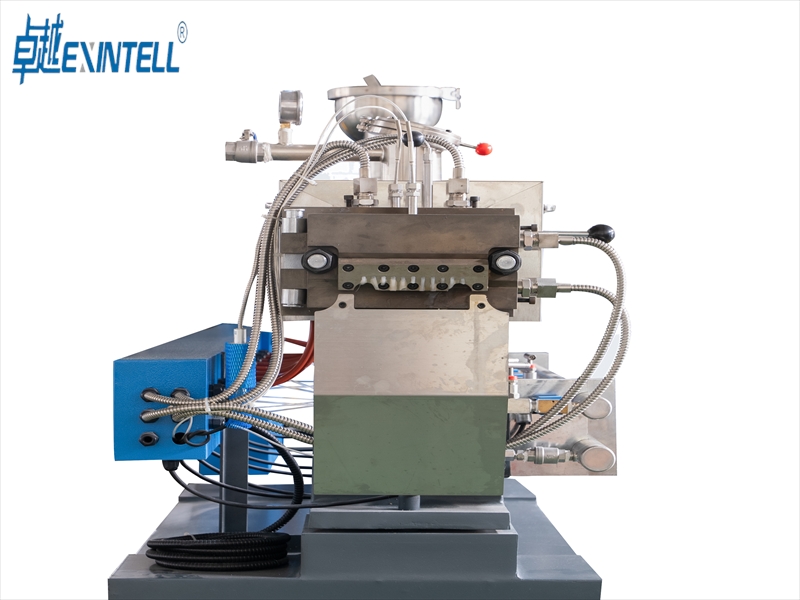
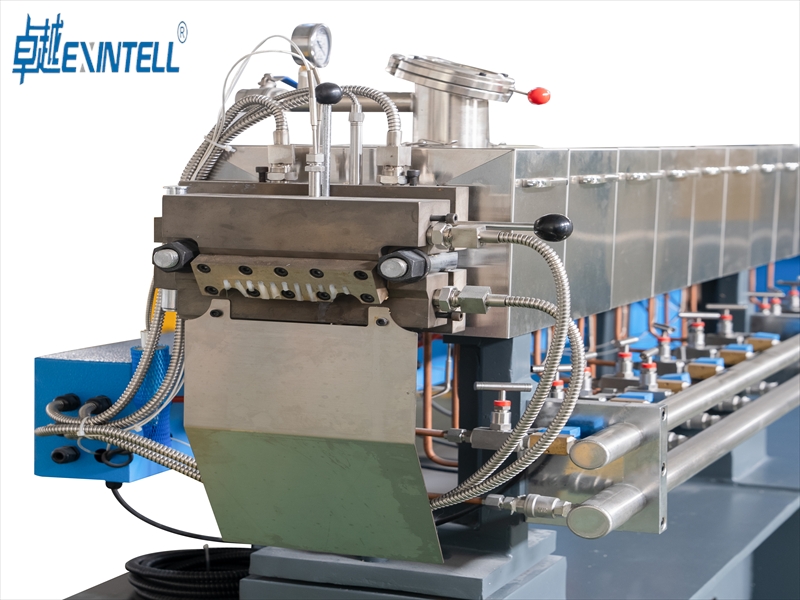
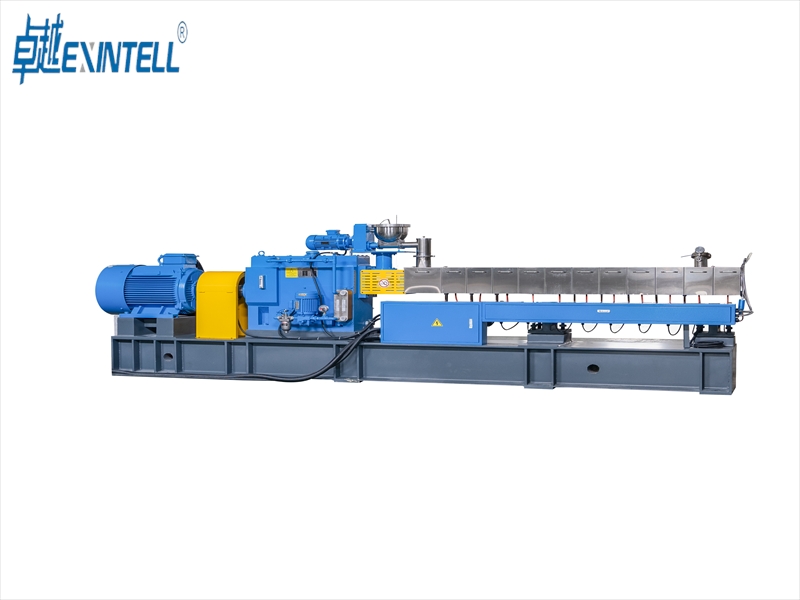
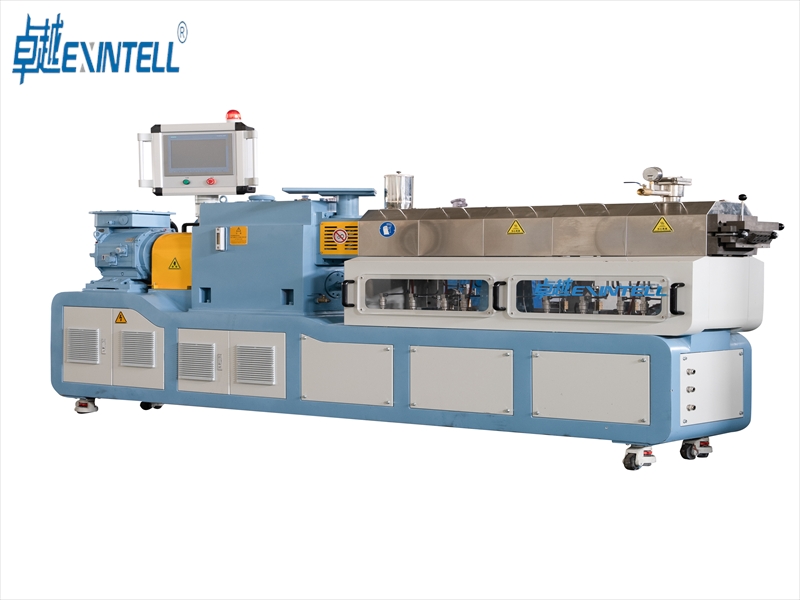
Min pê re kar kiriye extrusion plastîk bi salan û me dît ku ev rêbaz çawa materyalên termoplastîk di profîlên domdar de çêdike. Pêvajoya derxistinê bi hilbijartina materyalê dest pê dike, ku ji bo bidestxistina taybetmendiyên xwestî di hilbera paşîn de krîtîk e. Ez pellet an granûlên plastîk bar dikim di hêlînek li jora extruderê de. Makîne pêçek zivirî bikar tîne da ku materyalê di nav bermîlek germkirî de bimeşîne. Wekî ku materyalê rêwîtiyê dike, ji ber lêkdan û germa derve dihele. Dûv re plastika şilandî di nav çîpek bi şeklê rast re derbas dibe, ku profîla xwe dide hilberê. Piştî avakirin, şiklê extruded dikeve pergalek sarbûnê, bi gelemperî hemamek hewa an avê, ji bo zexmkirin û domandina rastbûna pîvanê. Paşan, Ez hilberê dibirim an dizîvirim, li gor serîlêdanê. Vê nêzîkbûna gav-gav dihêle ku ez dirêj biafirînim, şeklên yekreng ên bi çarşefên hevgirtî.
Serlêdanên hevpar
Derxistina plastîk di nav de rolek girîng dilîze gelek pîşesazî. Ez pir caran dibînim ku ew ji bo pakkirinê tê bikar anîn, automotive, navmalî, û tiştên xerîdar. Pêvajoyek cûrbecûr hilberan çêdike, ji lûleyên hêsan bigire heya profîlên tevlihev. Li vir tabloyek heye ku hin serîlêdanên hevpar kurt dike:
| Ava | Products |
|---|---|
| Packaging | Films, sheets, bags, pêça, trays, û tas |
| Automotive | Mohrên hewayê, tuba plastîk, profîlên trim bikin |
| Navmalî & Mijarên Serfkaran | Edge banding, rêkên perdeyê, panelên kef PVC yên sivik |
| Xane Appliances | Handles, morên ji bo sobe û mîkro |
| Plumbing & Pizişkî | Tubing, lûleyên |
Min ew dît extrusion plastîk custom destûrê dide hilberîneran ku ji bo hewcedariyên pispor profîlên yekta dîzayn bikin. Ev nermbûn extrusionê ji bo domdar vebijarkek populer dike, hilberîna cildê bilind.
Materyalên Bikaranîn
Hilbijartina materyalên di derxistina plastîk de hem li ser pêvajoyê û hem jî li ser rastbûna hilbera paşîn bandor dike. Ez gelek caran bikar tînim polypropylene, polyethylene terephthalate, û polystyrene. Van materyalan taybetmendiyên cûda pêşkêş dikin, wek nermbûn, qawet, û zelaliyê. Awayê ku ez amade dikim, helandin, û sarbûna materyalan bandorek rasterast li ser rastbûn û lihevhatina parçeyên jêkirî heye. Li vir hin materyalên herî gelemperî ku ez bikar tînim hene:
- Polypropylene (PP)
- Polyethylene terephthalate (MIZDAN)
- Polystyrene (PS)
- Polyvinyl chloride (PVC)
- Polîtîlenê bi density bilind (HDPE)
- Polyethylene kêm-dans (LDPE)
- Acrylonitrile butadiene styrene (ABS)
- Elastomerên termoplastîk (TPE)
- Nylon (PA)
- Polycarbonate (PC)
- Polymethyl methacrylate (PMMA)
Dema ku ez li ser projeyên extrusion plastîk ên xwerû dixebitim, Ez her gav materyalê bi daxwazên serîlêdanê re li hev dikim. Vê bijartina baldar piştrast dike ku hilber hem performans û hem jî standardên rastdariyê pêk tîne.
Pros and Cons
Dema ku ez ji bo projeyek extrusion plastîk dinirxînim, Ez her gav berjewendî û kêmasiyan dinirxînim. Ev pêvajo hêzek bêhempa pêşkêşî dike, lê di heman demê de ew bi tixûbên ku bandorê li rastbûn û toleransê dike jî tê.
Li vir a tabloya ku avantaj û dezawantajên sereke berhev dike Min di karê xwe de çavdêrî kiriye:
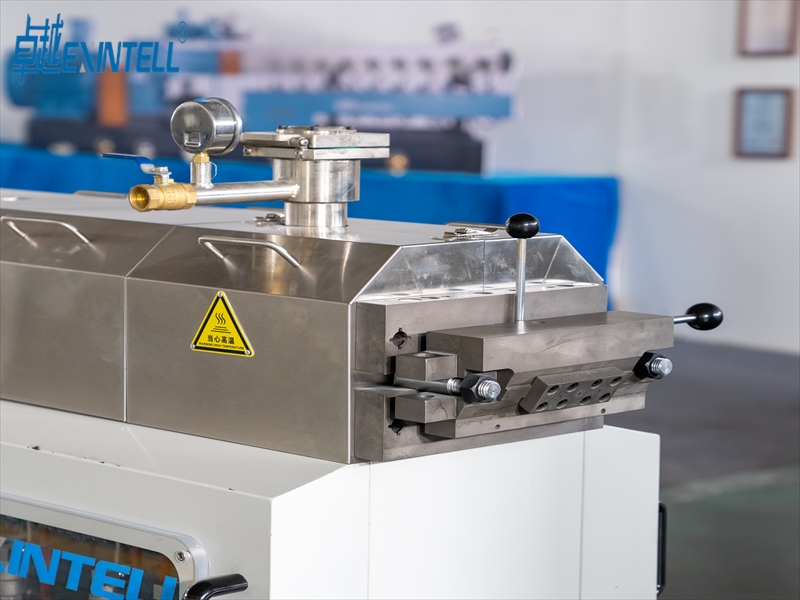
| Avantajên | Dezavantajên |
|---|---|
| Berbiçav û pîvana bilind | Sînorên di hilberîna şeklên tevlihev de |
| cildên hilberîna bilind | Zehmetiyên bi mirinê re bandorê li rastbûnê dikin |
| Mesref-bandoriya ji bo cildên navîn û bilind | Kêmasiyên rûyê potansiyel ên ku pêdivî bi qedandinê heye |
Avantajên
Ez pir caran ji bo karbidestiya wê ya bilind derxistina plastîk hildibijêrim. Pêvajo bi berdewamî dimeşe, ku tê vê wateyê ku ez dikarim beşên dirêj bê navber hilberînim. Ev scalability wê ji bo fermanên mezin îdeal dike. Dema ku ez hewce bikim ku bi hezaran lingên tub an profîlan çêkim, extrusion encamên domdar peyda dike. Her ku qebareya hilberînê zêde dibe lêçûna her perçeyê dadikeve, ji ber vê yekê ez ji bo projeyên navîn û cildê bilind pir lêçûn dibînim.
Avantajek din jî şiyana afirandina perçeyên yekgirtî ye. Ez dikarim di dirêjahiya beşê de pîvanên domdar biparêzim, ku ji bo serîlêdanên mîna boriyan an çarçoveyên pencereyê girîng e. Pêvajo di heman demê de cîhek berfireh a termoplastîk jî piştgirî dike, ji ber vê yekê ez dikarim materyalên ku bi hewcedariyên mekanîkî û kîmyewî yên hilbera dawîn re têkildar in hilbijêrin.
Dezavantajên
Tevî van hêzan, extrusion plastîk hin kêmasiyên xwe hene. Pêvajo bi şeklên tevlihev re têdikoşe. Ger perçeyek hûrguliyên tevlihev an quncikên tûj hewce dike, Ez extrusion kêmtir guncaw dibînim. Plastîka heliyayî dema ku ji mirinê derdiket, diwerime, diyardeyeke ku bi navê die swell tê zanîn. Ev bandor dikare gihîştina toleransên hişk dijwar bike, nemaze ji bo parçeyên ku hewceyê pîvanên rastîn in.
Dawiya rûkê jî dibe pirsgirêkek. Carna, parçeyên extruded xêzên an nîşanên ji mirinê nîşan dide. Ez pir caran hewce dikim ku gavên qedandina duyemîn lê zêde bikim, wek qutkirin an paqijkirin, ji bo baştirkirina xuyangê û bicîhanîna standardên kalîteyê. Van gavên zêde dikarin hem dem û hem jî lêçûn zêde bikin.
Bexşîş: Ez her gav pêşniyar dikim ku berî hilbijartina extrusionê geometriya beşê û toleransên pêwîst binirxînin. Ger sêwirandin hêsan e û ferman mezin e, extrusion bi gelemperî nirxa çêtirîn pêşkêşî dike.
Injection Molding Overview
Bingehên Pêvajoyê
Min bi salan bi şilkirina derzîlêdanê re xebitî, û ez pêvajoyê hem balkêş û hem jî bikêr dibînim. Rêbaz qalibek bikar tîne, ku plastika şilandî di formên rast de çêdike. Ez her gav rêzek gavan dişopînim da ku her beş bi standardên qalîteya hişk pêk tê. Li vir ev e ku ez çawa nêzikî pêvajoya çêkirina derzîlê dibim:
- Clamping: Ez qalibê hişk digirim da ku ji bo gavên din amade bikim.
- Derzîkirinî: Ez derzî germ dikim, plastîk heliyaye nav valahiya qalibê.
- Dwelling: Min hişt ku plastîk ji bo demek kurt di hundurê qalibê de rûne da ku ew her cîhê tije bike.
- Cooling: Dema ku plastîk di hundurê qalibê de sar dibe û hişk dibe.
- Mold Opening: I open the mold after the part has cooled.
- Ejection: I remove the finished part from the mold.
This cycle repeats quickly, which allows me to produce large quantities of identical parts. I rely on injection molding when I need complex shapes, fine details, and high-quality finishes. The process gives me excellent control over dimensions and surface appearance.
Not: I always monitor temperature and pressure closely during injection molding. These factors affect the final part’s precision and consistency.
Serlêdanên hevpar
Injection molding plays a vital role in many industries. I have used this process to create parts for automotive, pizişkî, consumer electronics, and packaging sectors. The versatility of injection molding allows me to produce both simple and highly complex components. Li vir tabloyek heye ku hin serîlêdanên tîpîk kurt dike:
| Ava | Berhemên Hilberandin |
|---|---|
| Automotive | Parçe û beşên cihêreng |
| Pizişkî | Xaniyên cîhazê, amûrên cerrahî |
| Serfkaran Electronics | Cases, bişkokên, û pêkhateyên din |
| Packaging | Kîpên şûşeyan, konteynir |
Ez pir caran tiştên mîna lensên têkiliyê çêdikim, şûşeyên şûşeyan, û pêkhateyên bi cildê bilind ên bi geometriyên tevlihev. Mêkirina derzîlêdanê ji min re dibe alîkar ku encamên domdar peyda bikim, heta ji bo projeyên daxwaz.
Materyalên Bikaranîn
Hilbijartina materyalê di çêkirina derzîlêdanê de pir girîng e. Ez materyalên li ser bingeha hêza pêwîst hildibijêrim, nermbûn, û durustî. Ji bo parçeyên rast-bilind, Ez bi polîmeran tercîh dikim kêmbûnek kêm û yekgirtî, herikîna melt stabîl, û berxwedana germî ya baş. Hin ji yên herî materyalên hevpar Ez têde bikar tînim:
- ABS: Zehmetiyê pêşkêş dike, a finish surface nerm, û berxwedana bandorê.
- Polypropylene: Berxwedana kîmyewî peyda dike, nermbûn, û erzanî.
- Polycarbonate: Zelaliyek bilind peyda dike, qawet, û berxwedana germê.
- Polyethylene: Sivik e û li hember şilbûnê berxwe dide.
- Nylon: Bi hêz tê zanîn, berxwedana wear, û aramiya termal.
- PEEK: Ji bo germê awarte, şîmyakî, û berxwedana wear.
Gava ku ez hewceyê toleransên hişktir jî hewce dikim, Ez berê xwe didim polîmerên pola endezyariyê. Materyalên wekî polîmera krîstal a şil (LCP), polyether ether ketone (PEEK), û acetal (POM) îstîqrara dimensîyonê ya hêja û piçûkbûna hindik bide min. Bo nimûne, Ez LCP-ê ji bo girêdanên elektrîkê û hêmanên sensor bikar tînim, dema ku PEEK ji bo implantên bijîjkî û parçeyên hewayê baş dixebite. Polycarbonate ji ber zelalî û hêza wê bijareya min ji bo lens û hêmanên optîkî ye.
Bexşîş: Ez her gav materyalê bi hewcedariyên serîlêdanê re li hev dikim. Hilbijartina rast piştrast dike ku pêvajoya şilkirina derzîlêdanê hem rastbûn û hem jî performansê peyda dike.
Pros and Cons
Ez gelek salan bi şilkirina derzîlêdanê re xebitîm. Ev pêvajo gelek avantajên pêşkêşî dike ku ew ji bo perçeyên plastîk ên pêbawer bijareya min dike. Ez dixwazim hem hêz û hem jî sînorên ku min dîtiye parve bikim.
Avantajên Molding Injection
- Ez dikarim bi şilkirina derzîlêdanê rastiyek pir bilind bi dest bixim. The process allows me to produce parts with tolerances as tight as ±0.005 inches. This level of accuracy is difficult to match with other plastic manufacturing methods.
- Ez dubarebûna şilkirina derzîlêdanê dinirxînim. Carekê min pîvanên qalib û pêvajoyê saz kir, Ez dikarim bi hezaran an jî bi mîlyonan parçeyên wekhev hilberînim. Her beş ji nêz ve bi sêwirana orîjînal re têkildar e.
- Ez pir caran hewce dikim ku perçeyên bi şeklên tevlihev û hûrguliyên xweş biafirînim. Mêjûkirina derzîlêdanê geometriyên tevlihev baş digire. Ji bo bidestxistina van taybetiyan ne hewce ye ku ez gavên zêde an pêvajoyên duyemîn lê zêde bikim.
- I find that injection molding delivers excellent surface finishes. Parçe di pir rewşan de ji bo karanîna xweş û amade ne.
- Ez dikarim cûrbecûr termoplastîk û polîmerên endezyariyê bikar bînim. Ev nermbûn dihêle ku ez taybetmendiyên materyalê bi hewcedariyên serîlêdanê re li hev bikim.
Dezawantajên Molding Injection
- Berî ku ez dest bi hilberînê bikim divê ez di qalibên kalîteya bilind de veberhênan bikim. Mesrefa destpêkê ji bo çêkirina qalib dikare girîng be. Ji bo hilberîna piçûk dimeşîne, dibe ku ev lêçûn ne rastdar be.
- Ez fêr bûm ku tevliheviya sêwiranê dikare pirsgirêkan peyda bike. Pêdivî ye ku ez sêwirana qalib û beşê bi baldarî plan bikim. Şaşiyên di qonaxa sêwiranê de dikarin paşê bibin sedema guhertinên biha.
- Ez carinan di destpêka projeyekê de bi demên dirêjtir re rû bi rû dimînim. Sêwirandin û çêkirina qalibê wext digire, bi taybetî ji bo parçeyên tevlihev.
- Ez bala xwe didim ku vebijarka materyal û mîhengên pêvajoyê baldariyek baldar hewce dike. Ger ez germê kontrol nekim, çap, û rêjeyên sarbûnê, I risk defects or dimensional errors.
Here is a table that summarizes the main pros and cons I have experienced with injection molding:
| Pros | Cons |
|---|---|
| High precision and tight tolerances | High initial mold cost |
| Excellent repeatability for large volumes | Design complexity requires careful planning |
| Supports complex geometries and fine details | Longer lead times for mold development |
| Smooth surface finishes | Process control is critical |
| Wide material selection | Not cost-effective for low-volume runs |
Bexşîş: I always recommend injection molding when a project demands high precision, complex shapes, and large production volumes. For simple parts or small batches, I consider other methods to save on costs and lead time.
Precision and Tolerances
When I compare plastic extrusion and injection molding, Ez her gav balê dikişînim ser ka her pêvajo çawa rast û tolerans dike. Van faktor diyar dikin ka dê parçeyek hewcedariyên tolerasyona sêwiranê bicîh bîne û wekî ku hatî armanc kirin kar bike. Ez fêr bûm ku tewra cûdahiyên piçûk di toleransê de dikare bandorê li civînê bike, birêvebirinî, û kalîteya hilberê.
Toleransên Extrusion Plastic
Dimensional Consistency
Di ezmûna min de, ekstrusyona plastîk ji bo dirêj domdariyek mezin peyda dike, şêweyên berdewam. Ez bi gelemperî rêzikên tolerasyona tîpîk li derdorê dibînim ± 0,010 inches. Ev nirx ji bo tiştê ku ez dikarim ji extrusionê di warê guheztina pîvanê de hêvî bikim pîvanek destnîşan dike. Pêvajo ji bo parçeyên bi beşên yekbûyî yên yekbûyî çêtirîn dixebite, wek lûle, rods, û profîl. Lebê, Ez bala xwe didim ku domandina toleransên hişk li seranserê dirêjahî dikare dijwar be. Faktorên mîna mirinê diwerimînin, kêmbûna materyalê, û rêjeyên sarbûnê dikare bibe sedema guhertinên sivik. Ez her gav van guherbaran ji nêz ve dişopînim da ku pîvanan di nav sînorên pejirandî de bihêlim.
Dawiya Rûyê
Di extrusion de qedandina rûyê erdê bi kalîteya mirinê û pêvajoya sarbûnê ve girêdayî ye. Ez pir caran xêzên piçûk an nîşanan li ser parçeyên extruded dibînim, ku ji mirinê an ji sarbûna neyeksan tê. Van nîşanan dikarin li ser xuyangê û carinan jî lihevhatina parçeyê bandor bikin. Dema ku rûyek nerm krîtîk e, Dibe ku ez hewce bikim ku gavên qedandina duyemîn lê zêde bikim. Min dît ku extrusion kêm kêm digihîje heman astê sivikbûna rûxê wekî şilkirina derzîlêdanê. Hîn, ji bo gelek sepanan, qedandina bêyî xebata zêde tê qebûlkirin.
Injection Molding Tolerances
Dimensional Accuracy
Mêjûwa derzîlêdanê ji ber şiyana xwe ya bidestxistina toleransên pir hişk radiweste. Ez bi rêkûpêk bi toleransên bi qasî ± 0,005 înç re dixebitim, and sometimes even tighter for high-precision parts. This level of accuracy comes from the rigid mold and the controlled process parameters. I rely on standards like DIN EN ISO 20457 û ISO 2768-1/2 to guide my work. These standards define tolerance groups and classes for different part sizes and features. Bo nimûne, DIN EN ISO 20457 specifies tolerance groups such as TG5, which allows about 0.23 mm for a 32 mm part. These guidelines help me ensure that every part meets strict dimensional requirements.
I pay close attention to injection pressure and holding pressure during molding. Proper tuning of these settings ensures the mold fills completely and minimizes defects. This control is essential for precision applications, where even a small deviation can cause problems in assembly or function.
Dawiya Rûyê
Surface finish in injection molding can be excellent. I can produce parts with glossy, rûberên paqijkirî an bi tevnvîsên ku girtinê baştir dikin û kêmasiyên piçûk vedişêrin. Hilbijartina qedandinê hem li xuyang û hem jî performansa beşê bandor dike. Bo nimûne:
- Pîvanek paqijkirî ronahiyek dide, xuyabûna nerm.
- Zeviyên birêkûpêk dikarin perçeyan hêsantir bikin û îhtîmala ku xişandinan kêm nîşan bidin.
- Pîvana cihêreng jî dikarin bandorê li domdariyê bikin û çawa beş bi pêkhateyên din re têkilî daynin.
Ez her weha dihesibînim ka awayên paş-pêvajoyê çawa ye, wekî anodîzekirin, pêla toz, an elektroplating, dibe ku li ser pîvanên dawîn bandor bike. Van rêbazan materyalê zêde dikin an rûyê xwe diguherînin, ji ber vê yekê ez wan di sêwirana xwe de hesab dikim da ku rastdariyê biparêzim.
Tabloya Berhevdana Toleransê
Ez bi gelemperî tabloyek bikar tînim da ku toleransên tîpîk ên ji bo derxistina plastîk û şilkirina derzîlêdanê bidin ber hev. Ev kurtasî ji min û xerîdarên min re dibe alîkar ku fêm bikin ka ji her pêvajoyê çi hêvî dikin:
| Doz | Toleransên tîpîk | Qalîteya Dawî ya Rûyê | Repeatability |
|---|---|---|---|
| Extrusion Plastic | ± 0,010 inches | Navînî | Ji bo beşên dirêj baş e |
| Injection Molding | ± 0,005 înç an hişktir | Pirrbidilî | Pir bilind |
Not: Mêjûkirina derzîlêdanê ji derxistina plastîk toleransên hişktir û dubarebûna çêtir digihîje. I always recommend injection molding when a project demands high precision, complex shapes, an daxwazên hişk toleransê.
Min dît ku hilbijartina pêvajoya rast bi geometriya beşê ve girêdayî ye, toleransên pêwîst, û serîlêdanê. Mêkirina derzîlêdanê ji bo hûrgulî encamên çêtirîn dide min, parçeyên rast-bilind. Extrusion plastîk ji bo sade baş dixebite, şeklên domdar ên ku toleransên piçûktir têne qebûl kirin.
Faktorên ku li ser rastbûnê bandor dikin
Hilbijartina materyalê
Ez her gav bi fikirîna xwe dest pê dikim dema ku ez dixwazim rastiyek bilind bigihînim materyalê di parçeyên plastîk de. Taybetmendiyên plastîk bandor dike ka ez çiqasî baş dikarim toleransê hem di dema derzîlêdanê û hem jî di şilkirina derzîlê de kontrol bikim. Bo nimûne, awayê ku materyalek diherike, kêmbûna wê, û aramiya wê ya germî hemî di encama dawîn de rolek dileyzin.
Li vir tabloyek heye ku bi kurtî destnîşan dike ka taybetmendiyên materyalê yên cihêreng çawa bandorê li rastbûn û toleransê dikin:
| Taybetmendiya Materyal | Bandora li ser Rastbûn û Toleransê |
|---|---|
| Flow Behavior (MFI/MFR) | Materyalên MFI yên bilind bi hêsanî diherikin, ku alîkariya dagirtina qalibên tevlihev an dîwarên tenik dike. Lebê, dibe ku hêza wan kêmtir be. |
| Materyalên MFI yên nizm stûrtir û dijwartir in ku têne çêkirin lê di encamê de bihêztir dibin, parçeyên bandor-berxwedan zêdetir. | |
| Shrinkage | Plastîkên amorf ên mîna ABS û PC-ê kêmtir û bi rengek wekhev piçûk dibin, ji ber vê yekê ez dikarim toleransên tundtir bi dest bixim. |
| Plastîkên nîv-kristal ên wekî Nylon û POM bi pêşbînî kêm û kêm kêm dibin, kontrolkirina rastbûnê dijwartir dike. | |
| Stability Termal | Stabiliya germî ya nebaş dikare bibe sedema kêmasiyên mîna şopên şewatê an şorbûnê, ku rastbûna pîvanê kêm dike. |
| Stabiliya germî ya baş ji bo beşên zirav an tevlihev ên ku li wan deran pir girîng e girîng e. |
Dema ku ez materyalek hilbijêre, Ez her gav taybetmendiyên wê bi hewcedariyên beşê re li hev dikim. Bo nimûne, eger ez beşek bi toleransên pir teng hewce bikim, Ez plastîkek amorfek bi piçûkbûnek kêm û aramiya germî ya baş hildibijêrim.
Complexity Part
Tevliheviya beşê bandorek rasterast li ser rastbûna ku ez dikarim bi dest bixim heye. Şêweyên hêsan têne kontrol kirin, dema ku sêwiranên tevlihev bêtir dijwariyan destnîşan dikin. Ez bi baldarî bala xwe didim taybetmendiyên mîna xetên dabeşkirinê, rûberên xêzkirî, û pîvanên krîtîk.
Li vir tabloyek heye ku destnîşan dike ka ramanên sêwiranê yên cihêreng çawa bandorê li rastbûnê dikin:
| Ponijîn | Bandora li ser Precision |
|---|---|
| Bicîhkirina Xeta Parçebûnê | Tesîra tevliheviya qalibê û kalîteya hilbera qediyayî dike. |
| Dûrkirina Herêmên Krîtîk | Helps prevent dimensional changes and ensures a better fit. |
| Positioning on Curved Surfaces | Demands higher mold accuracy, which can increase costs and risk of defects. |
| Use of Natural Split Lines | Makes mold construction easier and improves the demolding process. |
When I design a part for injection molding, I try to place parting lines in less visible areas and avoid putting them on critical surfaces. This approach helps me maintain better tolerances and reduce the risk of defects.
Volume Production
Production volume also affects the level of precision I can achieve. Ji bo hilberîna cildê bilind, I invest in high-quality molds and precise process controls. This investment pays off because I can produce thousands or millions of identical parts with consistent tolerances. For smaller runs, I may use less expensive tooling, lê ez dizanim ku ev dikare di beşên paşîn de bêtir cûdahiyê bike.
Bexşîş: Ez her gav pêşniyar dikim ku ji bo hilberîna volga bilind çêtirîn amûr û kontrolên pêvajoyê bikar bînin. Ev stratejî piştrast dike ku her beş bi taybetmendiyên pêwîst pêk tîne û bermahiyê kêm dike.
Tooling Quality
Dema ku ez dixwazim di hilberîna plastîk de bigihîjim rastbûna bilind ez her gav bala xwe didim qalîteya amûrkirinê. Amûrên ku ez bikar tînim, wek mir ji bo extrusion û qalibên ji bo lêdana derzîlêdanê, di diyarkirina toleransên dawîn û rûkala her beşê de rolek krîtîk bilîzin. Ez fêr bûm ku tewra kêmasiyên piçûk ên di amûrkirinê de jî dikarin di hilbera qediyayî de bibin sedema xeletiyên girîng.
Di ezmûna min de, Amûrên kalîteya bilind bi sêwirana baldar dest pê dike. Ez bi endezyaran re dixebitim ku nexşeyên hûrgulî û modelên 3D biafirînim. These models help me visualize the part and identify areas where precision matters most. I select materials for the tooling that resist wear and maintain their shape under high temperatures and pressures. For injection molding, I often use hardened steel or high-grade aluminum. For extrusion dies, I prefer tool steel with a polished surface.
I have seen that the manufacturing process for tooling affects its quality. Precision machining, such as CNC milling and EDM, allows me to achieve tight tolerances in the mold or die. I inspect the tooling after each step to ensure there are no defects or inconsistencies. If I find any issues, I address them immediately. This attention to detail prevents problems during production.
Maintenance is another factor that influences tooling quality. I schedule regular inspections and cleaning for all my tools. I replace worn parts before they cause defects in the plastic parts. Proper maintenance extends the life of the tooling and keeps the production process running smoothly.
Here is a table that summarizes how tooling quality impacts precision in both processes:
| Tooling Aspect | Bandora li ser Precision | My Approach |
|---|---|---|
| Hilbijartina materyalê | Reduces wear and deformation | Use hardened steel or aluminum |
| Machining Accuracy | Achieves tight tolerances | Employ CNC and EDM |
| Dawiya Rûyê | Improves part appearance | Polish dies and molds |
| Lênerrînî | Prevents defects | Schedule regular checks |
Bexşîş: I always recommend investing in high-quality tooling for projects that require tight tolerances. The upfront cost may be higher, but the long-term benefits include fewer defects, better repeatability, and lower maintenance costs.
I have found that tooling quality often determines the success of a manufacturing project. When I use well-designed and well-maintained tools, I consistently produce parts that meet strict precision requirements. This approach builds trust with my clients and helps me deliver reliable results every time.
Cost vs. Tamî
Extrusion Cost Factors
Dema ku ez ji bo projeyek extrusion plastîk dinirxînim, I always consider how cost and precision interact. Several factors influence the final price of extruded parts:
- I often need materyalên premium to achieve higher precision. These materials cost more but help me meet strict tolerances.
- Custom tooling becomes necessary when I want unique profiles or tighter tolerances. This requirement increases the initial investment.
- If I focus on speed and low cost, I sometimes see a drop in precision. Parts may not meet the required tolerances, which can lead to quality issues.
- When I prioritize quality and precision, I spend more time on setup and inspection. This approach slows production but ensures better results.
I find that balancing these factors is key. If a project allows for looser tolerances, I can save money by using standard materials and tooling. Ji bo serîlêdanên krîtîk, I invest more to guarantee precision.
Injection Molding Cost Factors
Injection molding presents a different cost structure. I have learned that several elements drive the overall expense, especially when aiming for high precision. The table below summarizes the main cost factors and their relationship to precision:
| Faktora Mesrefê | Relation to Precision |
|---|---|
| Tooling Costs | High-quality molds stabilize production and maintain tight tolerances over time. |
| Material Consumption | Premium materials improve accuracy but raise initial costs. |
| Cycle Time | Shorter cycles reduce costs, but sometimes compromise precision. |
| Machine Tonnage Rate | Larger machines hold tighter tolerances but use more energy. |
| Labor/Automation Level | Automation boosts precision and lowers labor costs in the long run. |
| Scrap Rate | Poor precision increases scrap, which drives up total costs. |
I always weigh these factors before starting a new injection molding project. For large production runs, investing in better tooling and automation pays off. I see fewer defects and more consistent parts.
Balancing Cost and Precision
Choosing between extrusion and injection molding often comes down to finding the right balance. I look at the part’s geometry, toleransên pêwîst, and the production volume. The table below helps me decide which process fits best:
| Process Type | Ideal For | Core Advantage | Trade-off |
|---|---|---|---|
| Injection Molding | Complex, enclosed 3D parts | Extreme precision and consistency | Higher initial mold cost; best for large batches |
| Extrusion Plastic | Bêbirrînî, uniform profiles | Lower tooling cost, efficient output | Limited to linear shapes; less suitable for complex geometries |
If I need complex shapes and tight tolerances, I choose injection molding despite the higher upfront cost. Ji bo hêsan, continuous profiles, I rely on extrusion to keep costs low and production fast. I always match the process to the project’s needs, ensuring I deliver both value and quality.
Bexşîş: I recommend discussing your precision requirements early in the design phase. This step helps me select the most cost-effective process for your application.
Hilbijartina Pêvajoya Rast
Selecting the right process for manufacturing plastic parts can determine the success of a project. I always start by evaluating the part’s geometry, toleransên pêwîst, qebareya hilberînê, and cost targets. My experience has shown that both plastic extrusion and injection molding offer unique strengths. The best choice depends on the specific needs of the application.
When to Use Plastic Extrusion
I turn to the pêvajoya extrusion plastîk when I need to produce long, continuous shapes with uniform cross-sections. This process excels at creating items like tubes, lûleyên, morên hewayê, and profiles for windows or furniture. I find that extrusion works best for high-volume production runs where the design does not require complex 3D features.
To ensure a successful and high-quality plastic extrusion, several key factors must be carefully evaluated during the design phase: Functional Requirements, Compatibility Material, Profile Complexity, Wall Thickness, Tolerans, Mating Parts, Tooling Collaboration, and Cost Efficiency.
When I assess whether the extrusion process is the right fit, ez dihesibînim:
- Application requirements, such as temperature resistance and UV exposure.
- Mechanical properties, di nav de nermbûn, serhişkî, and tensile strength.
- Environmental conditions, like weather and temperature fluctuations.
- Aesthetic and finish requirements, wek reng, gloss, and surface texture.
- Regulatory and compliance needs to meet industry standards.
I also weigh the cost benefits of the extrusion process. Here is how I approach the decision:
- Assess material costs against budget constraints.
- Consider long-term savings from durability and reduced waste.
- Work with experienced partners to find the best balance of performance and price.
Different plastics behave uniquely during the extrusion process, affecting the final product’s shape and performance. I pay close attention to thermal stability and melt strength, especially for applications that require precise tolerances. When the design calls for simple, linear shapes and the process must remain cost-effective, extrusion often provides the best solution.
Example Scenario:
Last year, I worked with a client who needed thousands of feet of custom tubing for an irrigation system. The process required a material that could withstand sunlight and temperature swings. I recommended the extrusion process using UV-stabilized polyethylene. The process allowed us to maintain consistent wall thickness and meet the client’s budget. The result was a durable product that performed well in the field.
When to Use Injection Molding
I choose the injection molding process when the part design involves complex geometries, toleransên teng, or intricate details. This process is ideal for producing high-precision components, such as medical device housings, automotive connectors, or consumer electronics enclosures. The process supports a wide range of materials and finishes, making it versatile for many industries.
The injection molding process stands out when:
- The part requires enclosed or 3D shapes that extrusion cannot achieve.
- High repeatability and consistency are critical for assembly or function.
- The application demands a smooth surface finish or specific textures.
- The project involves large production volumes, justifying the investment in tooling.
I always consider the initial tooling cost and lead time for the injection molding process. For high-volume projects, the process delivers excellent value through low per-part costs and minimal variation between parts. I also rely on this process when regulatory compliance and material traceability are essential.
Example Scenario:
Recently, I partnered with a medical device manufacturer to produce a new type of handheld diagnostic tool. The process required a housing with complex internal features and a flawless surface finish. I recommended the injection molding process using medical-grade polycarbonate. The process allowed us to achieve the necessary tolerances and pass strict regulatory tests. The client appreciated the consistency and quality of every part.
Lêkolîna Case:
I have seen how companies use data-driven approaches to select the right process. Bo nimûne, Amcor conducted a pilot test comparing emissions from different plastic sources and production sites. The process helped them make informed decisions about low-carbon procurement and supplier relationships. By analyzing the process at each step, they improved transparency and achieved their sustainability goals.
Bexşîş: I always advise clients to define their precision requirements, qebareya hilberînê, and budget early in the design phase. This clarity helps me recommend the most suitable process and avoid costly changes later.
How I Decide Between Processes
I use a simple checklist to guide my decision:
- Does the part have a uniform cross-section and require long lengths? I choose the extrusion process.
- Does the part need complex shapes, toleransên teng, or a high-quality finish? I select the injection molding process.
- Is the production volume high enough to justify tooling investment? I lean toward injection molding.
- Is cost efficiency for simple shapes the main goal? I recommend extrusion.
The process selection shapes the entire project, from design to final delivery. I always match the process to the application’s needs, ensuring the best balance of quality, tamî, û mesrefa.
Fikrên Additional
Dema pêkhatinê
I always pay close attention to lead time when planning a manufacturing project. Lead time refers to how long it takes to go from design approval to finished parts. Di ezmûna min de, pîlastîk extrusion usually offers shorter lead times. The tooling for extrusion is simpler and faster to produce. I can start production quickly once the die is ready. This makes extrusion a good choice for projects with tight deadlines or urgent needs.
Injection molding requires more time upfront. The mold design is complex and demands careful engineering. I often spend weeks or even months creating and testing the mold. Once the mold is ready, production moves fast, but the initial setup slows the process. I recommend injection molding for projects where precision and volume matter more than speed.
Bexşîş: If you need parts quickly and the design is simple, extrusion can save valuable time.
Flexibility Design
Design flexibility shapes what I can achieve with each process. I have learned that extrusion limits my options. The process works best for simple, repeated shapes like tubes or profiles. I cannot create intricate features or complex geometries with extrusion.
Injection molding gives me much more freedom. I can design parts with fine details, binxetê dike, and complex shapes. The mold captures every feature, so I can meet strict requirements for accuracy and appearance.
Li vir a table that compares design flexibility between the two methods:
| Awa | Flexibility Design | Complexity of Parts |
|---|---|---|
| Extrusion Molding | Limited design flexibility; best for simple, repeated shapes. | Not suitable for intricate features. |
| Injection Molding | High design flexibility; ideal for complex shapes with fine details and accuracy. | Capable of creating sophisticated designs. |
I always match the process to the part’s needs. If the design is simple and repeated, extrusion works well. For complex or detailed parts, injection molding is the clear winner.
Sustainability
Sustainability has become a major concern in my work. I look for ways to reduce waste and use eco-friendly materials. Plastic extrusion stands out for its ability to incorporate recycled content û materyalên biyolojîk. I can use these options without sacrificing performance or quality. This gives extrusion an advantage when clients want greener solutions.
Injection molding is less flexible in this area. The process does not always support recycled or biodegradable plastics. I must choose materials carefully to avoid defects or quality issues. When sustainability is a priority, I recommend extrusion for its environmental benefits.
🌱 I always encourage clients to consider recycled or biodegradable materials in extrusion projects. This choice supports sustainability goals and helps protect the environment.
I have seen that injection molding delivers better precision in plastic manufacturing, especially for small to medium-sized plastic parts. The process uses balanced clamping force and optimized resin viscosity to reduce defects. Multi-cavity molds and rigid frames help maintain consistent results. When I choose between plastic extrusion and injection molding, I always consider plastic geometry, tolerans, qebareya hilberînê, û mesrefa. I recommend injection molding for complex plastic shapes and tight tolerances. Extrusion plastîk ji bo hêsan baş dixebite, profîlên plastîk ên berdewam. Tecrûbeya min destnîşan dike ku plansaziya baldar di hilberîna plastîk de rê li ber hilberên plastîk ên pêbawer vedike.
| Faktor | Injection Molding | Extrusion Plastic |
|---|---|---|
| Tamî | Ji bo parçeyên plastîk bilind | Ji bo parçeyên plastîk nerm |
| Tolerans | Di çêkirina plastîk de teng | Di hilberîna plastîk de windatir |
| Volume Production | Ji bo bezên plastîk ên mezin çêtirîn | Ji bo gerîdeyên plastîk ên domdar çêtirîn |
| Nirx | Ji bo qalibên plastîk bilindtir e | Ji bo mirinên plastîk kêmtir |
Ez her gav ji xerîdaran re şîret dikim ku pêvajoya hilberîna plastîk bi hewcedariyên xwe yên plastîk ên taybetî re hevber bikin.
FAQ
Feydeya sereke ya derxistina plastîk çi ye?
ez dibînim extrusion plastîk îdeal ji bo afirandina profîlên berdewam. Pêvajo bi bandor dimeşe û dirêj hildiberîne, formên yekreng. Ez dikarim zû beşên mîna lûle û daran ji bo gelek pîşesaziyan çêbikim.
Dikare şilava derzîlêdanê bi şêwazên tevlihev re mijûl bibe?
I rely on injection molding when I need intricate designs or detailed features. The process allows me to produce parts with complex geometries and tight tolerances. I achieve high precision every time.
Which process is better for high volume production?
I choose injection molding for high volume production. The process delivers consistent quality and repeatability. I can produce thousands or millions of identical parts with minimal variation.
Are continuous profiles possible with injection molding?
I do not use injection molding for continuous profiles. The process works best for discrete, individual parts. Ez vedigerim extrusion when I need long, uninterrupted shapes.
What materials work best for extrusion?
I select materials like polypropylene, PVC, and HDPE for extrusion. These plastics help me create continuous profiles with reliable performance. I match the material to the application’s requirements.
How does surface finish compare between the two processes?
I notice that injection molding produces smoother surfaces. Extrusion sometimes leaves marks or lines on continuous profiles. I may add finishing steps to improve appearance when needed.
Is extrusion cost-effective for small batches?
I usually recommend extrusion for larger orders. The process becomes more cost-effective as I produce more continuous profiles. For small batches, setup costs may outweigh the benefits.
Can I use recycled materials in extrusion?
I often use recycled plastics in extrusion. The process supports sustainable manufacturing and lets me create continuous profiles with eco-friendly materials. I help clients meet their environmental goals.