

Masterbatch Machine Showdown Extruders Twin-Screw û Makîneyên Kneader
Hilberînerên di pîşesaziya masterbatch de bi gelemperî ji bo kapasîteya wan a peydakirina tevlihevkirina bilind û encamên domdar extruderên du-pişkên hev-zivir hildibijêrin.. Dema ku malzemeyên hesas an nirxdar ên ku hewcedariya pêvajoyek nerm daxwaz dikin, xwe dispêrin makîneyên kemîner. Hilbijartina makîneyê di her operasyona Makîneya Masterbatch de rolek girîng dilîze. Hilbijartina rast rasterast bandorê li kalîteya hilberînê û karîgeriyê dike, wekî extruderên nûjen û alavên piştgirîyê herikîna hilberînê saxlem dikin û radestkirina pêbawer piştgirî dikin.
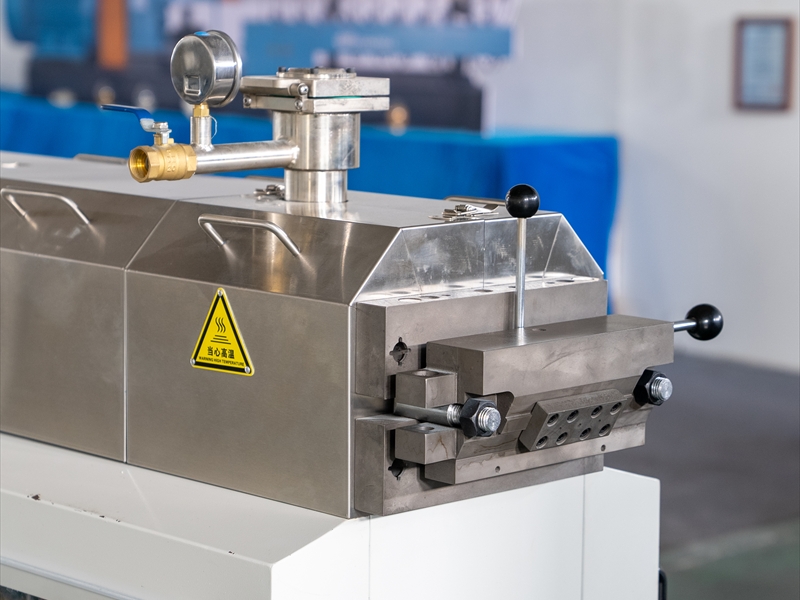
- Hilbijartina alavên rast hem qalîteya hilberê û hem jî karbidestiya hilberînê xweş dike.
-
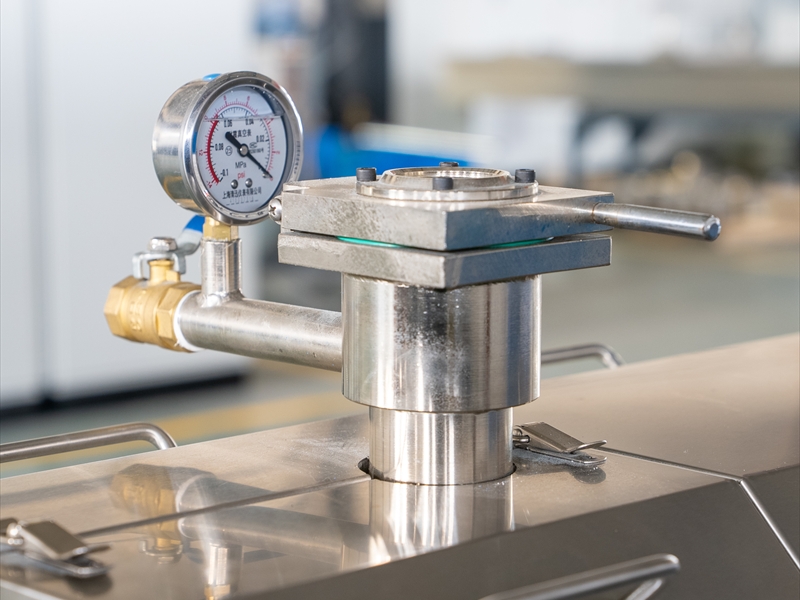
Makîneyên pêşkeftî lêçûnên xebitandinê kêm dike û tengasiyan, dabînkirina karûbarê çêtir û razîbûna xerîdar.
- Lihevkirina hilbijartina makîneyê bi kapasîteya hilberînê û taybetmendiyên materyalê re encamên domdar garantî dike.
Key Takeaways
- Makîneya rast hilbijêrin ji bo hewcedariyên we. Extrudersên du-screw di tevlihevkirin û hilberandinê de pêşde diçin, dema ku makîneyên kneader ji bo materyalên hesas îdeal in.
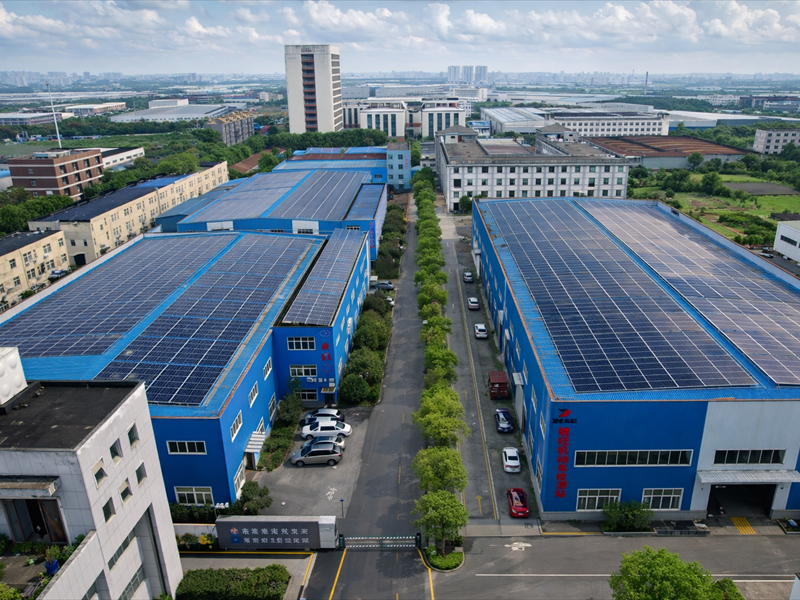
- Pêşî kalîteya hilberînê bidin. Hilbijartina alavên rast rasterast bandorê li serhevhatî û performansa masterbatchê dike.
-
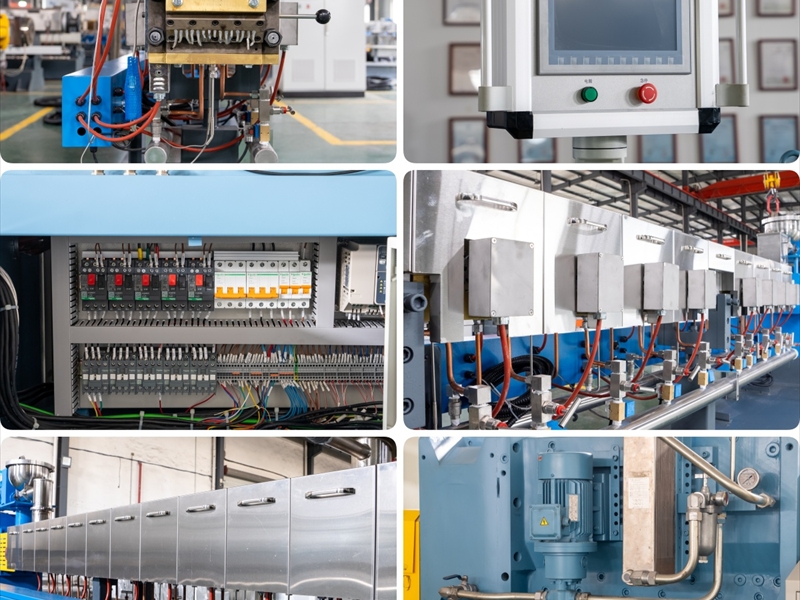
Bi makîneyên pêşkeftî re karîgeriyê zêde bikin. Extruderên du-pişk lêçûnên xebitandinê kêm dikin û herikîna hilberînê baştir dikin.
- Lihevhatina materyalê piştrast bikin. Testkirina hişk bikin da ku piştrast bikin ku pigment û lêzêde ji bo encamên çêtirîn baş tevdigerin.
- Li ser hevrêziya belavbûnê bisekinin. Tevlihevkirina kalîteya bilind pêşî li kêmasiyan digire û rengê yekreng di hilberên plastîk de peyda dike.
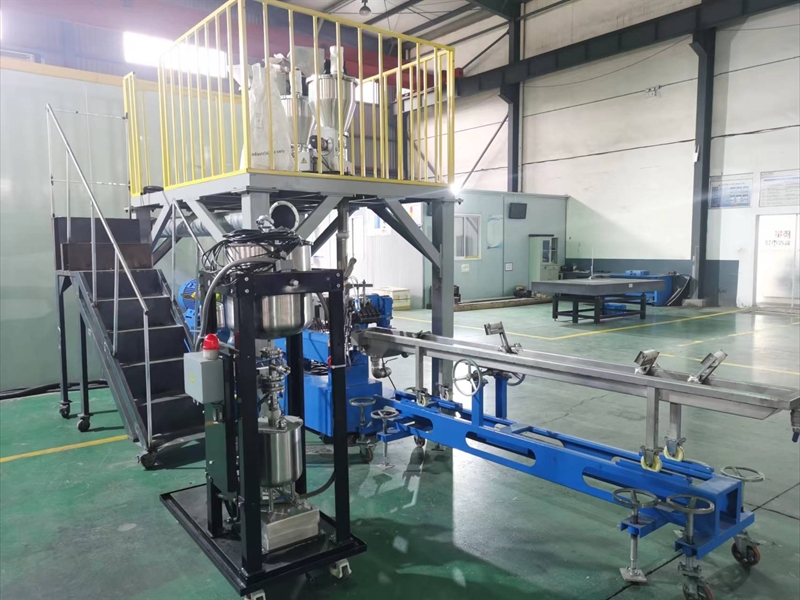
- Pêdiviyên lênêrînê bifikirin. Extruderên du-pişk hewceyê lênêrînek bêtir hewce dike, di heman demê de ku makîneyên kneader rûtînên lênihêrînê yên hêsan pêşkêş dikin.
-
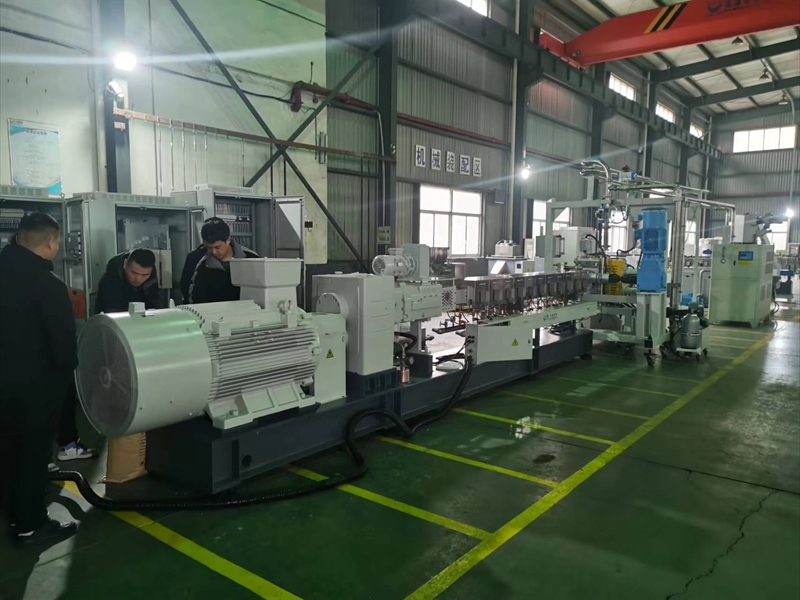
Butçeya xwe bi baldarî binirxînin. Extrudersên du-screw lêçûnên destpêkê yên bilindtir vedigirin, lê bikêrhatina wan dikare lêçûnên bi demê re berteref bike.
- Plan ji bo pîvandinê. Extruderên du-pişk dikarin bi hêsanî li gorî daxwazên hilberînê yên zêde biguncînin, dema ku makîneyên kneader dibe ku yekîneyên zêde hewce bike.
Masterbatch Manufacturing Overview
Masterbatch çi ye
Hilberîna Masterbatch tevliheviyên pigmentan ên konsantrekirî diafirîne, additives, û resinên hilgirê. Ev tevlihevî, jê re masterbatch tê gotin, ji bo rengîn an zêdekirina taybetmendiyên hilberên plastîk têne bikar anîn. Pêvajo tevlîhevkirina madeyên xav e, tevlihevkirina wan bi riya derxistinê, û çêkirina pelletan ji bo karanîna hêsan. Hilberîner pişta xwe bi masterbatchê digirin da ku bigihîjin rengê domdar, domdariya baştir, û performansa pispor di serîlêdanên plastîk de. Pîşesaziya masterbatch gelek sektoran piştgirî dike, di nav de pakkirinê, automotive, û tiştên xerîdar.
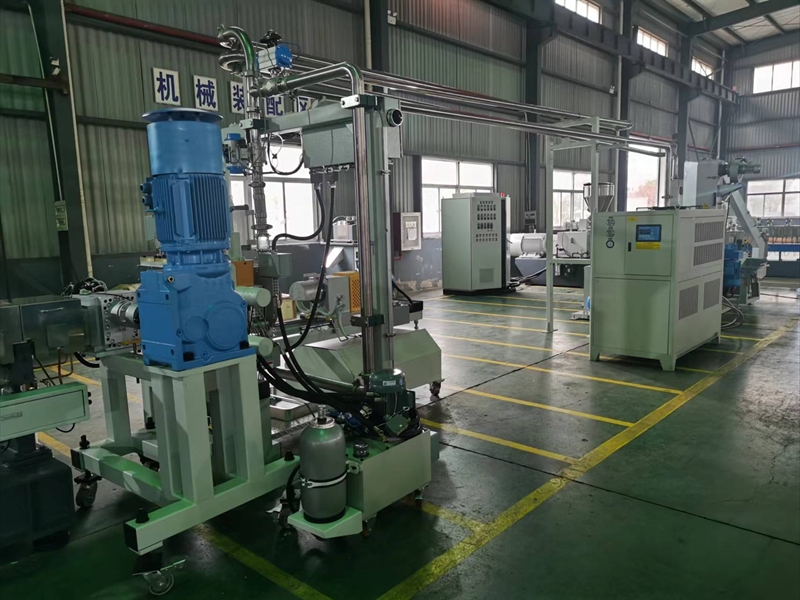
Pêvajoya hilberîna masterbatch di her qonaxê de kontrolek baldar hewce dike. Her gav, ji hilbijartina maddeya xav heya pakkirina dawîn, bandor li kalîte û performansa hilbera qediyayî dike. Tabloya jêrîn gavên sereke û wan destnîşan dike pêdiviyên krîtîk:
| Gav | Pêdiviyên krîtîk |
|---|---|
| Hilbijartina Madeya Rawê | Bê toz bikar bînin, kêm-moisture, û malzemeyên bi germî bi îstîqrar ji bo qalîteya domdar. |
| Girankirin û Tevlihevkirina Rast | Ji bo rastbûna pergalên dozan ên otomatîkî; mîkserên leza bilind ji bo pêş-tevliheviya yekgirtî. |
| Extrusion and Compounding | Serlêdana germê ya kontrolkirî û tevlihevkirina bilind-birçîn ji bo belavkirina bêkêmasî ya lêzêdeyan. |
| Cooling û Damezrandina pellet | Bi lez sarbûn û qutkirina tîrêjên extrudkirî di pelên yekgirtî de. |
| Kontrola Kalîteya hişk | Pir ceribandinên kalîteyê tevî yekrengiya reng û kontrolên lihevhatinê. |
| Packaging û Radestkirina Demkî | Di nav paqij de hilînin, tesîsên-kontrolkirî yên germahiyê û balê dikişînin ser radestkirina ser-dem. |
Pêdiviyên Hilberîna Key
Pêdengiya Belavbûnê
Di hilberîna masterbatch de hevrêziya belavbûnê wekî hewcedariyek bingehîn radiweste. Belavbûna yekgirtî ya pigment û pêvekan piştrast dike ku her hilberek plastîk reng û taybetmendiyên armanckirî destnîşan dike. Tevlihevkirina kalîteya bilind rê li ber pêkhatina wê digire pişkên hişk an nepakî, ku dikare di masterbatchê dawî de bibe sedema kêmasiyan. Hilberîner teknolojiyên pêşkeftî yên tevlihevkirin û tevlihevkirina extrusion bikar tînin da ku bigihîjin belavbûna hêja. Belavbûna domdar di heman demê de qedandina rûkalê çêtir dike û pirsgirêkên hilberînê kêm dike, ku ew ji bo performansa masterbatch-a pêbawer pêdivî ye.
Rêwîtiyê
Rêjeya mîqdara masterbatchê ku di çarçoveyek demek taybetî de hatî hilberandin dipîve. Hilberîna bilind piştgirî dide hilberîna mezin û bi bandor daxwaziya bazarê pêk tîne. Pêvajoya tevlihevkirinê divê bilez û kalîteyê hevseng bike, ji ber ku hilberîna bilez divê belavbûn an yekrengiyê tawîz neke. Xetên hilberîna masterbatchê yên nûjen pergalên otomatîkî û extruderên kapasîteya bilind bikar tînin da ku karûbarê herî zêde bikin.. Pergalên sarbûn û pelletkirinê yên bikêr pêvajo hêsantir dike, temînkirina ku armancên hilberînê bêyî qurbankirina kalîteyê têne bicîh kirin.
Compatibility Material
Lihevhatina materyalê di hilberîna masterbatch de rolek girîng dilîze. Pigmentên hilbijartî, additives, û rezînên hilgirê divê di dema tevlihevkirinê de baş tevbigerin. Materyalên lihevhatî dikarin bibin sedema belavbûna nebaş, xetên rengîn, an performansa plastîk kêm kir. Hilberîner ceribandina kalîteyê ya hişk dikin, di nav de berhevkirina reng û analîza belavbûnê, ji bo pejirandina lihevhatinê. Vê gav piştrast dike ku masterbatch bi hêsanî di nav sepanên cihêreng ên plastîk de yek dibe, piştgirîkirina encamên domdar ên di nav beşên hilberîna cûda de.
Not: Hilberîna masterbatch-a-kalîteya bilind bi kontrola rastîn a tevlihevkirinê ve girêdayî ye, tevlihevkirina bi tevahî, û bi baldarî hilbijartina materyalan. Van faktor garantî dikin ku masterbatchê paşîn standardên pîşesaziyê ji bo rengîn pêk tîne, xweparêzî, û tevgera pêvajoyê.
Twin Screw Extruder in Masterbatch Machine
Cureyên Twin Screw Extruder
Extruderên du-pişk bûne bingeha çêkirina masterbatchê ya nûjen. Ew li gorî sêwiranên yek-pişk nermbûn û kontrolek bêhempa pêşkêş dikin. Tabloya jêrîn ronî dike ciyawaziyên xebitandinê yên di navbera extruderên pêça yekane û cêwî de, tekez dike ka çima konfigurasyona ducan serdestiya hilberîna masterbatch dike:
| Taybetî | Single Screw Extruder | Twin Screw Extruder |
|---|---|---|
| Kapasîteya tevlihevkirinê | Limited | Enhanced |
| Flexibility | Nizm | Bilind |
| Kontrola li ser herikîna materyalê | Navînî | Bilind |
| Îdeal ji bo Recipes Complex | Na | Erê |
| Serlêdan di Masterbatch de | Limited | Dirêjkirî |
Co-Rotating
Extrudersên cêwî yên hev-zivirîn pêlên ku di heman alî de dizivirin vedihewînin. Ev sêwirandin karbidestiya tevlihevkirin û tevlihevkirinê herî zêde dike. The co-rotating action ensures that materials experience both dispersive and distributive mixing, which is essential for producing high-quality masterbatch. Manufacturers prefer this type for its ability to handle complex formulations and maintain consistent output.
Intermeshing vs Non-Intermeshing
Twin screw extruders can be intermeshing or non-intermeshing. Intermeshing designs allow the screws to overlap, creating a self-wiping effect that reduces material build-up and improves self-cleaning. This feature supports continuous operation and minimizes downtime. Non-intermeshing types keep the screws separate, which can suit specific compounding needs but generally offer less intensive mixing.
Features of Twin Screw Extruder
Design Modular
Twin screw extruders use hêmanên screw modular. Ev taybetmendî destûrê dide operatoran ku pergala derxistinê ji bo reçeteyên cûda yên masterbatch xweş bikin. Sêwirana Modular veguheztina enerjiya mekanîkî ya çêtirîn piştgirî dike û di sazkirina pêvajoyê de guhertinên bilez çêdike. Hilberîner dikarin pergala derxistinê li gorî materyalên nû an hewcedariyên hilberan bêyî demdirêjiya mezin biguncînin.
Kevir û Kontrola Zextê
Kontrola rast a li ser şilbûn û zextê bandorkeriya extrudera duçikan diyar dike. Operator dikarin eyar bikin speed screw, veavakirina, û germahiya bermîlê ji bo başkirina pêvajoya tevlihevkirinê. Ev kontrol belavkirina yekreng a pigment û lêzêdeyan misoger dike, di encamê de kalîteya masterbatchê ya domdar. Pergala derxistinê jî zexta domdar diparêze, ku malzemeyên hesas diparêze û taybetmendiyên strukturî yên hilbera dawîn zêde dike.
Avantajên
Mixing Superior
extruders Twin-screw teslîmî tevlihevkirina belavker û belavker xurt. Vê kapasîteyê piştrast dike ku pigment û pêvek di dema tevlihevkirinê de bi tevahî tevlihev dibin. Encam masterbatchek bi reng û performansa yekreng e.
Rêjeya Bilind
Hilberîner ji bo hilbera bilind xwe dispêrin extruderên duçikan. Van makîneyan cildên mezin ên masterbatch bi bandor çêdikin, pêkanîna daxwazên hilberîna pîşesaziyê. Sêwiran piştgirî dide xwarina stabîl a pigmentên toz û pêvekan, ku hilberîneriyê zêde dike.
Xwe Paqijkirin
Çalakiya tevlihevkirinê ya di gelek extruderên dûvikê de bandorek xwe-paqijkirinê peyda dike. Ev taybetmendî bermahiyên maddî kêm dike, rîskên gemarî kêm dike, û demên guheztinê di navbera formulasyonên masterbatch ên cihêreng de kurt dike.
Bexşîş: Feydeyên teknolojiya extruderê ya duçikan ji tevlihevkirinê derbas dibe. Van makîneyên bikaranîna materyalê çêtir bikin û kontrola rastîn li ser her qonaxa pêvajoya tevlihevkirinê piştgirî bikin.
Dezavantajên
Nirx
Twin screw extruder systems require a significant initial investment. Manufacturers often face higher upfront costs compared to single screw machines. The advanced engineering and modular design of twin extruders contribute to this expense. Many facilities must also invest in specialized alavên alîkar to support the twin screw extruder. These costs can challenge small-scale producers or those with limited budgets. Bi derbasbûna demê, the efficiency and output of twin screw extruder technology can offset the initial expense, but the barrier to entry remains higher than with simpler machines.
Lênerrînî
Maintenance for twin screw extruder equipment demands skilled technicians and regular attention. The intermeshing screws and modular components experience wear during continuous operation. Operators must monitor the condition of screws, bermîlan, û mohr dike ji bo pêşîlêgirtina demdirêjiyê. Lênêrîna plansazkirî û guheztina parçeyê dibe alîkar ku performansa domdar bimîne, lê ew lêçûnên xebitandinê zêde dikin. Meclîsên tevlihev ên di pergalên extruderê yên duçikan de dikarin dema ku ji bo paqijkirin û tamîrkirinê hewce dike zêde bikin. Tesîsên ku materyalên abrasive an pir tije tijî pêvajoyê dikin dibe ku cilbûna bilez bibînin, hewceyê lênêrîna hîn bêtir caran hewce dike.
Not: Lênêrîna birêkûpêk piştrast dike ku makîneyên ekstruderê yên duçikan encamên pêbawer peyda dikin û jiyana karûbarê xwe dirêj dikin. Ihmalkirina lênihêrînê dikare bibe sedema kalîteya masterbatchê ya nehevgirtî û rawestana hilberînê ya nediyar..
Serlêdana Twin Screw Extruder
Reng Masterbatch
Teknolojiya extruderê ya duçikan di hilberîna masterbatchê reng de rolek navendî dilîze. Pişkên duçik tevlihevkirina zexm peyda dikin, ku piştrast dike ku pigment bi rengek wekhev li seranserê rezbera hilgir belav dibe. Ev pêvajo pelletên bi rengek yekgirtî diafirîne, ji bo hilberên plastîk ên bi kalîte girîng e. Hilberîner pişta xwe bi extruderê duçikan ve girêdidin da ku cûrbecûr cûrbecûr û hûrguliyên pigmentê bi dest bixin.. Zehfbûna sêwirana ducan rê dide guheztinên bilez di navbera formulên rengîn ên cihêreng de, piştgiriya daxwazên mişterî cihêreng.
Additive Masterbatch
Serîlêdana pergalên extruderê yên duçikan berbi hilberîna masterbatchê ya lêzêde dibe. Van makîneyan pêvekên fonksiyonel - wekî stabîlîzkerên UV-ê tevlihev dikin, retardantên agir, an ajanên antîstatîk - di nav matrixa polîmer de. Pişkên duçik belavbûna bêkêmasî piştrast dikin, ku bandora her lêzêdeyê herî zêde dike. Tevlihevkirina domdar pêşî li kombûnê digire û garantî dike ku her pellet performansa armanc peyda dike. The modular design of the twin screw extruder allows operators to adjust the process for different additive types and loadings.
The table below summarizes the main application areas for twin screw extruder systems in masterbatch production:
| Bikaranînî | Terîf |
|---|---|
| Hilberîna Masterbatch | Ensures uniform dispersion of pigments and additives for color and functional masterbatches. |
| Reng Masterbatch | Provides consistent color distribution and supports rapid formulation changes. |
| Additive Masterbatch | Delivers precise incorporation of functional additives for enhanced plastic properties. |
Twin screw extruder machines support a wide range of masterbatch applications. Their versatility and control make them the preferred choice for both color and additive masterbatch production. The application of twin screw extruder technology continues to expand as manufacturers seek higher quality and efficiency.
Makîneya Kneader ji bo Hilberîna Masterbatch
Cureyên Machine Kneader
makîneyên Kneader di hilberîna masterbatch de rolek girîng dileyzin, nemaze dema ku meriv bi materyalên bi nirx an hesas re mijûl dibe. Çend cureyên makîneyên kederê ji pîşesaziyê re xizmetê dikin, her yek ji bo hewcedariyên tevlihevkirinê yên taybetî hatî çêkirin:
- Banbury Mixers: Van makîneyan di berhevkirina polîmer û lêzêdeyan de jêhatî ne, çêkirina wan di hilberîna masterbatch de bingehek bingehîn.
- Dispersion Kneaders: Hilberîner van ji bo bidestxistina belavbûna yekreng bikar tînin, ya ku ji bo kalîteya masterbatchê ya domdar pêdivî ye.
- Mikserên Navxweyî: Laboratorî bi gelemperî ji bo lêkolîn û pêşkeftina piçûk bi mîkserên navxweyî ve girêdayî ne. Van makîneyan rê didin kontrola rast li ser pîvanên tevlihevkirinê.
- Sigma Blade Kneaders: Ji bo materyalên bilind-vîskozîtî hatî çêkirin, kevroşkên sigmayê tevhevkirina bêkêmasî piştrast dikin û ji bo karên tevlihevkirinê yên dijwar îdeal in.
Kneader machines operate by mixing materials under controlled temperature and shear conditions. This approach ensures uniform dispersion and effective compounding, which are critical for producing high-quality masterbatch.
Features of Kneader Machine
Tevlihevkirina Intensive
Kneader machines deliver intensive mixing, which enables precise dispersion and blending of pigments, additives, and resins. This feature proves especially important in masterbatch manufacturing, where high-fill and high-demand modified materials require uniform distribution. The robust mixing action prevents agglomeration and ensures that every batch of masterbatch meets strict quality standards.
Efficiency Energy
Karbidestiya enerjiyê stands out as a key advantage of kneader machines. Their design minimizes energy consumption during compounding, which helps manufacturers reduce operational costs. Makîne dema ku cûrbecûr materyalan hilberandin hilberîna aram diparêzin, çêkirina wan hem ji bo hilberîna masterbatch-a mezin û hem jî ji bo taybetî.
Operasyona Batch
Makîneyên Kneader bi gelemperî di moda hevîrê de dixebitin. Ev rêbaz rê dide verastkirinên parametreyên maqûl, piştgirîkirina hilberîna formulên masterbatch ên cihêreng. Operasyona Batch di heman demê de encamek aram peyda dike, ya ku ji bo domandina hevgirtinê dema ku materyalên hesas an bi nirx têne hilberandin girîng e. Operator dikarin her beşê ji nêz ve bişopînin, temînkirina ku pêvajoya tevlihevkirinê bi taybetmendiyên pêwîst pêk tîne.
Avantajên
Tevlihevkirina Precision
Makîneyên Kneader tevlihevkirina rast pêşkêşî dikin, ku ji bo hilberîna masterbatch-ê ku bi pêkhateyên tevlihev an hesas ve girêdayî ye, pêdivî ye. Makîneyên’ şiyana bidestxistina belavbûna yekreng piştrast dike ku pigment û lêzêde bi rengek bêkêmasî di nav rezîna hilgirê de yek dibin.. Ev rastbûn hilberîna masterbatch bi reng û performansa hevgirtî piştgirî dike.
Xerckirina Enerjiyê ya Kêmtir
Hilberîner qîmetê didin makîneyên kevçîyê ji ber xerckirina enerjiya wan ya kêmtir li gorî alavên din ên tevlihevkirinê. Sêwirana bikêr hilberîna germê kêm dike û hilweşîna materyalê kêm dike, ku ji formulên masterbatch-hesas ên germê sûd werdigire. Bikaranîna enerjiyê ya kêm di heman demê de beşdarî pêvajoyek hilberîna domdartir dibe.
Robustness
Makîneyên Kneader zexmiya awarte nîşan didin. Avakirina wan li hember daxwazên tevlihevkirina zirav radiweste, tewra dema ku malzemeyên abrasive an pir dagirtî têne hilberandin. Ev domdarî operasyona pêbawer misoger dike û jiyana karûbarê amûrê dirêj dike, making kneader machines a sound investment for masterbatch manufacturing facilities.
Not: Kneader machines combine intensive mixing, karbidestiya enerjiyê, and robust construction, making them ideal for masterbatch manufacturing that requires precise compounding and stable output.
Dezavantajên
Lower Throughput
Kneader machines operate in batch mode, which limits their throughput compared to continuous extrusion systems. Operators must load, lihevxitin, and discharge each batch before starting the next cycle. This process restricts the volume of masterbatch produced within a given timeframe. Facilities that require high production rates often find kneader machines less suitable for large-scale manufacturing. The batch operation also increases downtime between cycles, which can affect overall efficiency. Manufacturers who prioritize speed and volume may prefer extruders for their ability to deliver consistent output without interruption.
Limited Flexibility
Kneader machines offer less flexibility when adapting to new formulations or rapid product changes. The batch process requires manual adjustments for each recipe, which slows response to shifting market demands. Operators must clean and prepare the machine between batches, especially when switching between different materials. This limitation makes kneader machines less ideal for facilities that handle frequent changes in masterbatch composition. The design suits stable production environments but presents challenges for manufacturers seeking versatility in their application range.
Not: Kneader machines excel in precision mixing and energy efficiency, but their lower throughput and limited flexibility can restrict their use in fast-paced or highly variable production settings.
Serlêdanên Tîpîkî
Highly Filled Masterbatch
Kneader machines demonstrate exceptional performance in highly filled masterbatch production. These machines handle ultra-high loading astên, gelek caran zêde 85% naveroka dagirtina. The intensive mixing action ensures difficult-to-disperse additives integrate thoroughly into the carrier resin. Manufacturers select kneader machines for filler masterbatch compounding because they maintain uniform dispersion and prevent agglomeration, tevî materyalên dijwar. The table below highlights the primary application type and its characteristics:
| Tîpa Serlêdanê | Taybetmendî |
|---|---|
| Filler Masterbatch Compounding | Ultra-High Loading, >85% filling levels, difficult-to-disperse additives |
This application requires robust mixing and stable output, which kneader machines provide. Operators achieve consistent quality in batches with high filler content, supporting demanding industrial requirements.
Rubber Compounds
Rubber compound production represents another key application for kneader machines. The equipment processes elastomers, dagirtin, and additives under controlled temperature and shear conditions. Kneader machines deliver uniform dispersion, which enhances the physical properties of rubber products. Manufacturers rely on kneader machines for their ability to handle viscous materials and maintain batch-to-batch consistency. The process supports specialty rubber applications, including automotive parts, mor dike, û pêkhateyên pîşesaziyê.
Bexşîş: Facilities that produce highly filled masterbatch or rubber compounds benefit from the kneader machine’s robust mixing and stable batch operation. These applications demand precision and reliability, which kneader machines consistently deliver.
Cûdahiya Di Navbera Extrudera Single û Twin Screw de
Mixing Quality
Kalîteya tevlihevkirinê stands as a critical factor in masterbatch manufacturing. The single screw extruder provides mainly distributive mixing. This means it spreads materials but does not break down agglomerates as effectively. Twin screw extruders deliver both dispersive and distributive mixing. They can break down pigment clusters and distribute additives evenly. This capability results in a more homogeneous masterbatch, which is essential for high-performance applications.
The table below highlights the main differences in kapasîteya tevlihevkirinê:
| Taybetî | Single Screw Extruder | Twin Screw Extruder |
|---|---|---|
| Kapasîteya tevlihevkirinê | Nizm (bi giranî belavker) | Bilind (Dispersive & Distributive) |
Manufacturers often choose twin screw extruders for compounding tasks that require intensive mixing, such as blending glass fibers, retardantên agir, or pigments into resins. The single screw extruder works best for simpler formulations where basic mixing suffices.
Bexşîş: For masterbatch products that demand uniform color and additive distribution, twin screw extruders offer a clear advantage.
Rêwîtiyê
Throughput measures how much material a machine can process in a given time. The single screw extruder excels in continuous, straightforward processes. It handles large volumes efficiently when the formulation does not require complex mixing. extruders screw Twin, ji alîyek dî, provide superior throughput for complex masterbatch production. Their design supports excellent material conveying, tevlihevkirin, and shear dispersion.
The following table compares throughput capabilities:
| Type Extruder | Throughput Capability |
|---|---|
| Single Screw | More efficient for simpler, continuous processes |
| Twin Screw | Tevlihevkirina bilind, ideal for complex masterbatch tasks |
- Extruder Single screw: Best for high-volume, simple recipes.
- Twin screw extruder: Preferred for high-intensity mixing and advanced formulations.
Production lines that require both speed and advanced mixing often rely on twin screw extruders. Facilities focused on basic compounding may select the single screw extruder for its efficiency.
Berfirehiya Serlêdanê
The application scope defines where each machine performs best. The single screw extruder suits basic plastic processing, wek hilberîna lûleyan, filman, or simple compounds. It offers reliability for straightforward tasks. extruders screw Twin handle a broader range of applications. They excel in masterbatch production, especially when recipes involve multiple additives or require precise dispersion.
Key application areas include:
- Extruder Single screw: Used for continuous processes with minimal mixing needs.
- Twin screw extruder: Essential for masterbatch, compounding with glass fibers, pigments, an retardantên agir.
The difference between single and twin screw extruder technology shapes the choice for manufacturers. Those who need advanced mixing and flexibility select twin screw extruders. Those who prioritize simplicity and volume often choose the single screw extruder.
Not: Selecting the right extruder depends on the complexity of the formulation, desired throughput, and end-use requirements.
Masterbatch Machine Comparison
Birêvebirinî
Performance defines the core value of any makîneya masterbatch. Twin-screw extruders set the industry standard for high-performance compounding. These machines handle complex recipes with ease. Operators can adjust process parameters quickly, which supports consistent output. The twin design ensures stable feeding and precise temperature control. This leads to reliable production of masterbatch with uniform properties.
Kneader machines excel in specific scenarios. They deliver outstanding results when processing highly filled or sensitive materials. Their robust construction allows them to withstand demanding conditions. Lebê, batch operation limits their overall speed. Facilities that require continuous, high-volume production often prefer the twin screw extruder for its superior performance.
Single screw extruder systems offer reliable performance for basic tasks. They suit straightforward masterbatch formulations. These machines do not match the advanced capabilities of twin-screw extruders or kneader machines in complex compounding.
Not: Selecting the right masterbatch machine depends on the desired balance between speed, hevgirtî, and material requirements.
Mixing Quality
Mixing quality remains a critical factor in masterbatch manufacturing. Twin-screw extruders provide both dispersive and distributive mixing. This means they break down pigment clusters and distribute additives evenly. The result is a homogeneous masterbatch with consistent color and performance. Operators can fine-tune the extrusion system to match the needs of each recipe.
Kneader machines also deliver high mixing quality, especially for challenging materials. Their intensive mixing action ensures thorough dispersion. This proves essential for highly filled masterbatch or rubber compounds. Lebê, batch operation can introduce slight variations between cycles.
Single screw extruder machines offer basic distributive mixing. They work well for simple formulations but struggle with complex recipes. These machines cannot achieve the same level of pigment dispersion as twin-screw extruders or kneader machines.
The table below summarizes mixing quality across different masterbatch machine types:
| Type Machine | Mixing Quality | Doza Bikaranîna Baştirîn |
|---|---|---|
| extruders Twin-screw | Baştir (Dispersive & Distributive) | Complex masterbatch, reng, additives |
| makîneyên Kneader | Bilind (Zexm) | Highly filled, sensitive materials |
| Extruder Single screw | Bingehîn (Distributive) | Simple masterbatch |
Flexibility
Flexibility determines how well a masterbatch machine adapts to changing production needs. Twin screw extruder systems stand out for their versatility. They allow operators to modify screw configurations, adjust shear levels, and control residence time. This adaptability supports a wide range of masterbatch formulations. Manufacturers can switch between recipes with minimal downtime. Ew strong mixing capabilities of twin-screw extruders enhance flexibility, making them essential for consistent color quality and efficient production.
Kneader machines offer moderate flexibility. They handle various materials and filler levels but require manual adjustments between batches. This process can slow response to new market demands. Batch operation also limits the speed of recipe changes.
Single screw extruder machines provide the least flexibility. They suit stable, high-volume production of simple masterbatch. These machines do not support rapid changes in formulation or advanced compounding tasks.
Bexşîş: Facilities that produce multiple masterbatch types benefit from the flexibility of twin screw extruder technology. This advantage supports innovation and quick adaptation to customer needs.
Rêwîtiyê
Throughput measures the volume of material processed by a masterbatch machine within a set period. Twin screw extruders deliver high throughput, supporting large-scale production environments. Operators can achieve output rates from 30 kilograms per hour up to 4000 kîloyan di saetekê de. This capacity enables manufacturers to meet demanding schedules and maintain consistent supply. Kneader machines operate at lower throughput levels, with maximum output reaching up to 1000 kîloyan di saetekê de. Batch operation limits their speed, making them suitable for specialty or high-value masterbatch production.
The table below compares throughput capacity:
| Cure Amûra | Kapasîteya derketinê |
|---|---|
| Twin Screw Extruder | 30kg/h to 4000kg/h |
| Kneader Machine | Up to 1000kg/h |
Twin screw extruders dominate high-volume masterbatch manufacturing. Kneader machines excel in applications where precision and material sensitivity outweigh speed.
Lênerrînî
Maintenance requirements differ significantly between twin screw extruders and kneader machines. Twin screw extruders demand regular attention due to their complex design and high operational loads. Operators must monitor screw wear, gearbox integrity, û mor dike. After-sales service contracts typically cost navber 2% û 5% of the machine’s value her sal. Ji bo $200,000 extruder, annual maintenance expenses range from $4,000 ber $10,000. Spare parts add to the cost, with screw sets priced from $15,000 ber $25,000 and gearbox replacements costing $30,000 ber $50,000. Preventive maintenance extends the interval between major overhauls from five years to seven years, reducing long-term expenses.
- Twin screw extruders require frequent inspections and specialized technicians.
- Kneader machines feature robust construction and simpler maintenance routines.
- Preventive maintenance increases reliability and reduces downtime for both machine types.
Facilities that operate twin screw extruders must budget for higher maintenance costs and plan for regular service intervals. Kneader machines offer easier upkeep, making them attractive for smaller operations or specialty production.
Nirx
Cost plays a decisive role in masterbatch machine selection. Twin screw extruders involve substantial initial investment. Manufacturers pay for advanced engineering, modular components, and auxiliary equipment. Ongoing maintenance and spare parts further increase operational expenses. Kneader machines present lower upfront costs and reduced maintenance requirements. Their batch operation suits facilities with limited budgets or those focused on specialty masterbatch production.
Operators must weigh the benefits of high throughput and flexibility against the financial commitment required for twin screw extruders. Kneader machines provide a cost-effective solution for precision mixing and stable output, especially in applications where speed is not the primary concern.
Bexşîş: Analîzkirina lêçûnê ya baldar piştrast dike ku hilberîner makîneya masterbatchê ya ku herî baş ji armancên hilberîn û çavkaniyên darayî yên wan re guncan e hilbijêrin.
Scalability
Scalability destnîşan dike ka makîneyek masterbatch çiqasî mezinbûnê piştgirî dike û bi zêdebûna daxwazên hilberînê re adapte dibe. Hilberîner bi gelemperî dema ku ji bo berfirehbûnê plan dikin an bersivê didin guheztinên bazarê, pîvandinê dinirxînin. Di vî warî de extruder û makîneyên çolê yên duçikan avantaj û kêmasiyên cihêreng pêşkêşî dikin.
Twin Screw Extruder Scalability
Extrudersên duçikan di hawîrdorên hilberîna berbelav de bi pêş ve diçin. Operator dikarin bi nûvekirina pîvaza pêçanê hilberînê zêde bikin, dirêjî, an hêza motorê. Sêwirana Modular destûrê dide berfirehbûn û xwerûkirina hêsan. Tesîs dikarin alavên alîkar lê zêde bikin, wek feeder an pelletizers, ji bo zêdekirina kapasîteyê. Manufacturers often choose twin screw extruders for their ability to handle both small and large batch sizes without sacrificing quality.
- Modular configuration supports rapid adaptation.
- Upgrades enable higher throughput and advanced formulations.
- Integration with automated systems streamlines scaling.
Kneader Machine Scalability
Kneader machines present challenges in scalability. Batch operation limits continuous output. Operators must process each batch separately, which restricts overall capacity. Scaling up often requires purchasing additional machines rather than expanding a single unit. This approach increases floor space and operational complexity. Kneader machines suit specialty production where precision matters more than volume.
- Batch processing restricts seamless scaling.
- Expansion involves adding more units, not upgrading existing ones.
- Best suited for stable, low-to-medium volume production.
Not: Facilities planning for rapid growth or fluctuating demand benefit from the scalable design of twin screw extruders. Kneader machines fit environments with consistent, specialty production needs.
Scalability Comparison Table
| Type Machine | Scalability Features | Expansion Method | Ideal Production Scale |
|---|---|---|---|
| Twin Screw Extruder | Modular, upgradeable, automation-ready | System upgrades, add-ons | Small to large-scale |
| Kneader Machine | Limited, batch-based | Additional machines | Xûreka taybetî, low-to-medium |
Manufacturers seeking flexible, high-volume production often select twin screw extruders. Kneader machines remain valuable for niche applications where batch consistency and precision outweigh the need for rapid scaling.
Bexşîş: Evaluate future production goals before investing in masterbatch machinery. Twin screw extruders offer a pathway to growth, while kneader machines deliver reliability for specialized operations.
Hilbijartina Makîneya Rast a Masterbatch
Faktorên Biryarê
Selecting the optimal masterbatch machine requires careful evaluation of several core factors. Each facility must align its equipment with operational goals and material demands.
Volume Production
Production volume determines the scale and speed of manufacturing. Facilities with high production capacity need machines that can sustain continuous output. extruders screw Twin excel in large-scale environments. They process significant quantities of masterbatch without frequent interruptions. Kneader machines suit smaller batches or specialty runs. Operators should match machine throughput to their target production levels.
Cureyê materyalê
Material type influences machine selection. Some masterbatch recipes use wood, bamboo, or straw fibers. Others require advanced additives for mechanics, degradability, or unique functionality. Twin screw extruders handle a wide range of plastic resins and complex formulations. Kneader machines perform well with sensitive or high-value materials. The choice depends on the compatibility of the machine with the raw materials and the desired properties of the final product.
Quality Requirements
Quality requirements shape the compounding process. Manufacturers producing masterbatch for high-performance plastic applications must ensure uniform dispersion and color consistency. Twin screw extruders deliver superior mixing and precise control. Kneader machines provide intensive blending for highly filled or specialty masterbatch. Facilities should assess the level of quality needed for their end-use products.
Sermîyan
Budget remains a decisive factor in equipment investment. Twin screw extruders require higher initial costs and ongoing maintenance. Kneader machines offer a lower entry point and reduced upkeep. Financial planning must consider both upfront expenses and long-term operational costs. The final decision should balance production goals with available resources.
Bexşîş: The selection process involves more than just machine specifications. Operators must consider the type of fiber, desired masterbatch performance, and financial constraints to make the best choice.
Twin screw extruders deliver high throughput and superior mixing, making them ideal for complex, large-scale masterbatch production. Kneader machines excel with sensitive or highly filled materials, offering precision and energy efficiency. Aligning machine choice with production goals and lihevhatina maddî ensures consistent quality, smooth processing, and fewer defects. Manufacturers who match machine capabilities with resin and polymer systems achieve better surface finish, encam stabîl, and long-term success in masterbatch manufacturing.
FAQ
What is the main advantage of a twin-screw extruder in masterbatch production?
extruders Twin-screw provide superior mixing and high throughput. They handle complex formulations with ease. Manufacturers rely on them for consistent quality and efficient large-scale production.
When should a manufacturer choose a kneader machine?
A manufacturer should select a kneader machine for highly filled, sensitive, or specialty materials. Kneader machines offer precise mixing and energy efficiency, making them ideal for demanding or small-batch applications.
How does maintenance differ between twin-screw extruders and kneader machines?
Twin-screw extruders require frequent inspections and specialized technicians. Kneader machines have simpler maintenance routines and robust construction. Facilities with limited technical staff often prefer kneader machines for easier upkeep.
Can a single-screw extruder produce masterbatch?
A single-screw extruder can produce simple masterbatch formulations. It cannot achieve the same mixing quality or flexibility as twin-screw extruders. Manufacturers use single-screw machines for basic, erkên volta bilind.
What factors affect the cost of a masterbatch machine?
Machine size, asta automation, and auxiliary equipment impact cost. Twin-screw extruders have higher initial and maintenance expenses. Kneader machines offer lower entry costs but may require more units for scaling.
Which machine offers better scalability for growing production needs?
extruders Twin-screw offer modular upgrades and automation options. They scale easily for increased output. Kneader machines require additional units for expansion, which increases operational complexity.
Are kneader machines suitable for color masterbatch production?
Kneader machines can produce color masterbatch, especially for high-fill or specialty batches. Twin-screw extruders remain the preferred choice for high-volume, consistent color masterbatch production.