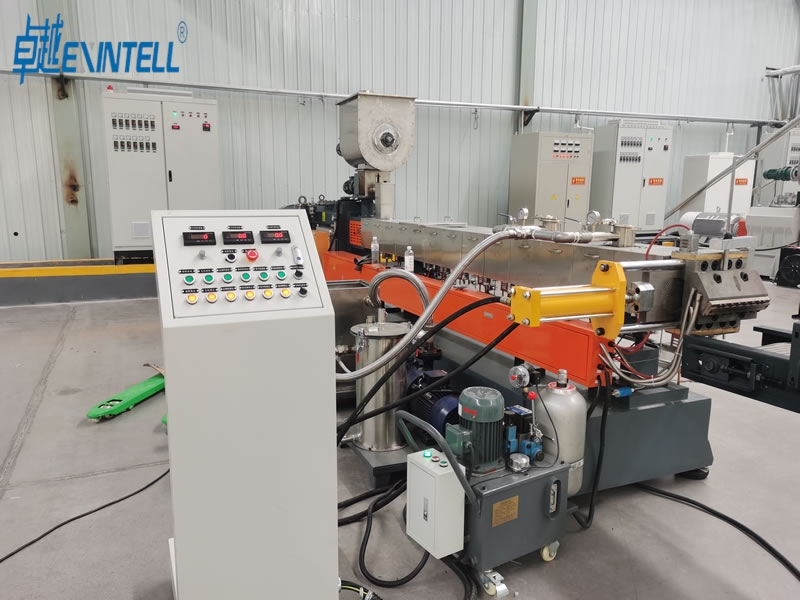
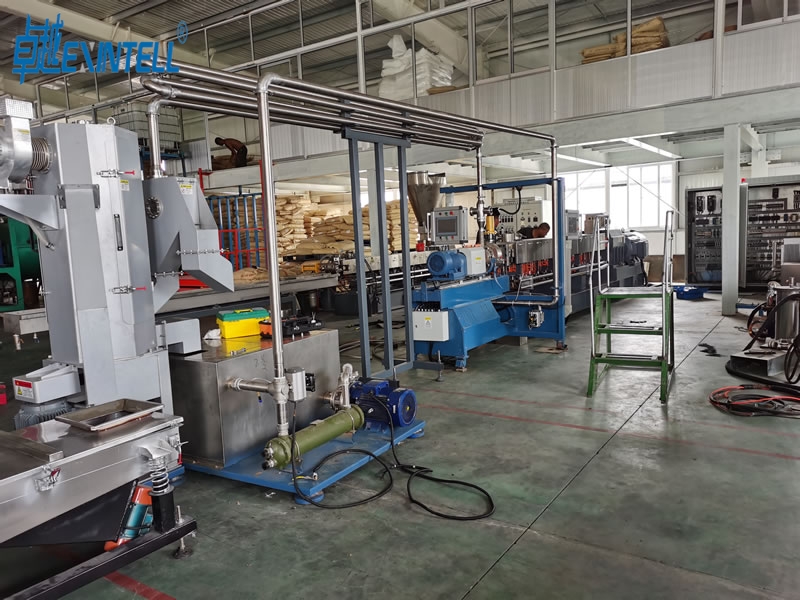
Choosing Between Water-Ring and Underwater Pelletizer Machines for Plastics
Tabloya naverokê
Choosing Between Water-Ring and Underwater Pelletizer Machines for Plastics
Selecting the right pelletizer machine plastic type shapes your production efficiency and end-product quality. You will find three main options: zengila avê, underwater, û pelletizers strand. Each system offers unique advantages. Bo nimûne, strand pelletizers provide flexibility and work well for rigid plastics, while underwater models deliver instant cooling for sticky or heat-sensitive materials. Water-ring systems strike a balance between flexibility and automation, making them ideal for medium viscosity plastics in recycling. Compare features, performance, û mesrefa. Always match your choice with your material, derbasbûna, and quality requirements.
Key Takeaways
Select the rightpelletizer type based on your material’s properties. Water-ring suits medium viscosity plastics, underwater excels with heat-sensitive materials, û strand ji bo plastîkên hişk çêtirîn dixebite.
Dîtin leza hilberînê û kalîteyê dema hilbijartina pelletizer. Pergalên binê avê pelletên kalîteya bilind peyda dikin, dema ku pergalên strand ji bo karanîna gelemperî lêçûn-bandoriyê pêşkêş dikin.
Cihê sazgeha xwe û kapasîteyên lênihêrînê binirxînin. Pergalên zengila avê hewceyê lênihêrîna nerm in, pergalên binê avê bêtir baldarî hewce dike, û pergalên strand parastin hêsantir in.
Hêza pelletîzatorê xwe bi hewcedariyên hilberîna xwe re hevber bikin. Piştrast bikin ku makîne dikare hilberîna weya bendewarî bi rê ve bibe da ku di pêvajoya we de tengasiyan dûr bixe.
Ji bo qalîteya pelletê ya domdar makîneyek pîvandinê bikar bînin. Ev alavan alîkariya rakirina nepakiyan dike û piştrast dike ku hilbera weya paşîn standardên pîşesaziyê bicîh tîne.
Çarçoveya Berawirdî ya Cudahiyên Core
Dema ku hûn makîneyên pelletîzatorê ji bo hilberîna plastîk dinirxînin, you need a clear overview of how each system performs. The followingcore differences comparison chartgives you a side-by-side look at water-ring, underwater, and strand pelletizers. This chart helps you quickly identify which machine aligns with your production goals.
Bexşîş:If you process sticky or heat-sensitive plastic, you will benefit most from an underwater pelletizer. For rigid materials, a strand pelletizer offers simplicity and lower costs.
Key Features and Performance
You should focus on several key features when choosing a pelletizer. Each system delivers unique performance characteristics:
Water-Ring Pelletizer: You getmoderate pellet qualityand consistent sizing. This system works best for medium viscosity or recycled plastic. Maintenance and operating costs remain manageable. Production speed fits most recycling operations.
Pelletizerê binê avê: You achieve premium pellet quality with uniform shape and minimal dust. This system excels with sticky, elastîk, or heat-sensitive plastic. You will see higher initial and operating costs, but you gain top-tier performance and high throughput.
Strand Pelletizer: You benefit from a straightforward design and low investment. Pellet quality can vary, especially if you process materials with inconsistent melt flow. This system suits rigid or semi-rigid plastic and general-purpose applications.
Not:Industry benchmarks show that underwater pelletizers consistently deliver the most uniform pellets. Water-ring systems offer a balance between cost and quality, while strand pelletizers provide flexibility for a wide range of plastics.
By reviewing this core differences comparison chart, you can match your production needs with the right pelletizer system. Consider your material type, desired pellet quality, and budget to make the best choice.
Pelletizer Machine Plastic Types
Water-Ring Pelletizer Features
You will find thewater-ring pelletizing systemoperates by cutting molten plastic at the die face, where a rotating water ring instantly cools and solidifies the pellets. Ev pêvajo destekek berfireh a termoplastîk dike, di nav de nerm, tacky, dişkê, û pêkhateyên hestiyar-germ. Sêwirana dorpêçkirî ya pergala pelletkirina zengila avê, rûdana operatorê ji dûman û tozê kêm dike, cîhê xebata xwe ewletir bikin.
Taybetmendiyên sereke yên pergala pelletkirina zengila avê tê de hene:
Têkiliya avê ya rasterast ji bo sarbûna pelletê ya bilez û yekgirtî.
Operasyona otomatîkî ya ku destwerdana destan kêm dike.
Plansaziya kompakt ji bo karanîna bikêrhatî ya cîhê.
Berjewendî
Terîf
Shape Pellet Yekgirtî û Hevgirtî
Geometrîya genimê yekgirtî û rûberên nerm misoger dike.
No Strand Breakage
Bêîstîqrariya stûnê ji holê radike, îdeal ji bo materyalên şil an nerm.
Efficiency Cooling Nayab
Pêşî ji deformasyonê di hilbera bilind de digire.
Ji bo materyalên nerm an kêm-vîskozîtî îdeal e
Materyalên ku di pergalên strandê de têdikoşin digire.
You should note that the water-ring pelletizing system requires precise water temperature control and regular maintenance, especially for the die plate and cutting chamber. The initial investment can be higher than other systems, but you gain reliability and quality.
Underwater Pelletizer Features
The underwater pelletizer machine cuts molten polymer strands in a water-filled chamber. This method cools and solidifies pellets instantly, combining cooling and cutting in one efficient step. You will achieve high-quality pellets with minimal defects, making this system a top choice for specialty applications.
Automatic, continuous production with energy savings.
Clean, low-noise environment with no dust.
Lebê, dibe ku hûn bi polîmerên bi vîskozîteya bilind an amorf re rû bi rû bibin, û mezinahiya amûrê dikare mezin be. Pelletkerê binê avê jî bêtir hêz dixwe û dibe ku hewceyê lênihêrîna tevlihevtir be.
Taybetmendiyên Strand Pelletizer
Pergala pelletkirina hêlînê plastika şilkirî di nav rêzan de derdixe, wan di hemamek av an hewayê de sar dike, û paşê wan bi pelletan dike. Ev nêzîkatî ji bo çêtirîn dixebite hişk, plastîkên hişk bi herikîna melt stabîl, wek ABS, PC, û homopolymer PP.
Taybetî
Strand Pelletizers
Tîpa Materyalê Optimal
Hişk, plastîkên hişk (ABS, PC, PP homopolymer)
Pellet Shape & Çêwe
Cylindrical, pîvanên yekgirtî
Kapasîteya hilberînê
50-1,500 kg/h
Lênerrînî
Tûjkirina kêrê / guheztin
Pellet Uniformity
Lihevhatina dirêjahiya ± 0.3mm
Pergala pelletkirina stûnê ji pir operatoran re hêsan e ku tête parastin û naskirî ye.
Hûn ê wê ji bo xwarinên paqijtir û karanîna gelemperî çêtirîn bibînin.
The system offers medium energy consumption and moderate noise levels.
If you need a flexible, cost-effective plastic pelletizer system for rigid materials, the strand pelletizing system provides a reliable solution.
Advanced Plastic Pelletizer System Options
Single vs. Double-Stage Systems
You must decide between single-stage and double-stage systems when designing an efficient plastic reprocessing system. Single-stage systems offer a smaller footprint andlower initial investment. You will find them easier to install and maintain, especially if you process well-sorted materials. Double-stage systems provide superior mixing and independent temperature control for each stage. These systems handle diverse or contaminated materials, including those requiring pre-processing impurity removal. The following table highlights the main differences:
Taybetî
Sîstemên Yek-Qonaxa
Double-Stage Systems
Veberhênana Destpêkê
Kêmkirin (40-60% kêmtir)
Bilindtir
Lênerrînî
Kêmkirin, sadetir
Bilindtir, tevlihevtir
Şopa pê
Piçûktir
Larger
Kapasîteya tevlihevkirinê
Limited
Baştir
Karûbariya Rêwîtiyê
Kêmkirin
Bilindtir
Flexibility
Kêm nerm
More nerm
Heke hûn ji bo cûrbecûr cûrbecûr plastîk hewceyê hilberîna volga bilind û nermbûn in, pergalên du-qonaxa encamên baştir didin.
Kontrolkirin û Şopandina Pêvajoyê
Makîneyên pelletîzatorê yên nûjen kontrolên pêvajoyê yên pêşkeftî bikar tînin û çavdêriya dema rast. Hûn dikarin germê rast bikin, çap, û leza birrîna bixweber. Ev teknolojî mezinahî û şeklê pelletê domdar misoger dike, ku ji bo serîlêdanên jêrîn krîtîk e. Analîzkirina daneya rast-ê ji we re dibe alîkar ku hûn hilberînê xweş bikin û dema domandinê kêm bikin. Hûn karbidestiya xebitandinê û kalîteya hilberê bilindtir digirin. Teşhîsên pêşkeftî jî pirsgirêkên potansiyel nas dikin berî ku ew bandorê li pêvajoya we bikin.
Rêzeya bihayê û veberhênanê
Dema ku hûn li makîneyek pelletîzatorê veberhênanê dikin divê hûn lêçûnên pêşîn û domdar bifikirin. The tîpîk price rangevaries by machine type:
Machine Type
Rêzeya bihayê
Water-Ring Pelletizer
$38,000
Pelletizerê binê avê
$95,000
Strand Pelletizer
$8,000 – $18,000
Qûfle investment considerationsinclude maintenance costs, access to spare parts, production capacity, and material processing capabilities. You should also evaluate the potential return on investment to ensure long-term value for your operation.
Key Factors for Choosing a Pelletizer Machine Plastic
Compatibility Material
You must evaluate material compatibility before you select apelletizer machine plasticfor your operation. Each system handles different polymers and additives with varying efficiency. The following list shows themost common materials processedwith these machines:
PP
PE
MIZDAN
TPU
PA
EVA
PLA
PBAT
PHA
starch-based polymers
ABS
TPE
plastîkên endezyariyê
hot-melt adhesives
elastomers
reactive polymers
Material properties such as melt flow index (MFI), stickiness, elasticity, brittleness, and thermal sensitivity directly affect your choice. You can use thetable belowto match your material’s MFI with the recommended pelletizer machine plastic type:
MFI Range
Recommended System
Low MFI (<5 g/10 min)
Strand or underwater pelletizer
Medium MFI (5–30 g/10 min)
Water-ring or underwater pelletizer
High MFI (>30 g/10 min)
Underwater pelletizer preferred
Tacky or elastic materials like TPE and EVA perform best in water-ring or underwater systems.
Brittle compounds, such as glass-filled plastics, may shatter in strand systems. Hot-cut or underwater methods are preferable.
Thermal-sensitive plastics, including PVC and some bioplastics, require air-cooled configurations to prevent degradation.
You should always align your pelletizer machine plastic selection with the physical and chemical properties of your feedstock to ensure optimal performance and minimal waste during recycling or reprocessing plastic materials.
Throughput and Capacity
Throughput and capacity determine the efficiency of your production line. You need to match the pelletizer’s output with your extrusion system to avoid bottlenecks. High-volume operations benefitfrom advanced pelletizer machine plastic systems that maximize throughput and minimize downtime. Medium and low-volume operations often prefer strand systems for their flexibility and lower initial costs. This adaptability supports manufacturers who anticipate growth in production needs.
The table below helps you select the right system based on your required throughput:
Throughput Range (kg/h)
Recommended Pelletizer Type
Jêrîn 300
Strand or air-cooled systems
300–1,000
Water-ring pelletizers
Above 1,000
Underwater pelletizers
The pelletizer’s capacity should always match or exceed the upstream extrusion output.
A mismatch of 10–15% can cause melt-pressure fluctuations, which negatively impact pellet quality and grading.
You must consider future expansion and the potential for increased recycling volumes when choosing a pelletizer machine plastic. This ensures your investment remains valuable as your business grows.
Pellet Quality and Screening
Pellet quality plays a critical role in downstream applications, especially in industries that demand high consistency and purity. You achieve this through effective grading and screening. Plastic pellet screening machines are essential for separating granules by size and removing unwanted parts. This process ensures that your final product meets strict specifications for injection molding, extrusion, or medical-grade plastic purity screening.
Plastic pellet screening machines provide several benefits:
Consistent size, which is critical for injection molding performance.
Removal of impurities such as oversized materials and fines, preventing defects in final products.
Prevention of variations in shot weight and dimensional inconsistencies in molded parts.
Support for rapid screening of bulk plastics in high-throughput environments.
Enhanced screening accuracy for precision grading and particle size classification.
Selecting common plastic pellet screening machines for your line ensures that you maintain strict quality control. You can achieve consistent grading and size, which supports both recycling and new product manufacturing. Screening also enables you to meet regulatory requirements for medical and food-grade applications.
Maintenance and Space
Maintenance and space requirements influence your operational costs and facility layout. Each pelletizer machine plastic type has unique maintenance needs. The table below summarizes the main focus areas:
Cureyê pelletîzer
Maintenance Focus
Special Notes
Water-ring Pelletizer
Maintain appropriate contact pressure between blades and die surface.
Check seal integrity of the water ring cover and ensure stable cooling water temperature.
Pergala pelletkirina Strand
Ensure blade sharpness and adjust the gap between moving and stationary blades.
Pellets must be fully cooled and dry to prevent sticking to blades.
Pelletkirina binê avê
Maintain cleanliness of the die surface and inspect water circulation system.
Avabûna nepakî bandorê li şiklê pellet dike; kontrolên birêkûpêk ên li ser fonksiyona valahiya derdor hewce ne.
Pêdivî ye ku hûn vekolînên birêkûpêk û lênihêrîna pêşîlêgirtinê bikin da ku ji demsala bêplansaziyê dûr bikevin. Vê pratîkê jiyana amûreyê dirêj dike û performansa pîvandinê û ceribandinê diparêze.
Cihê sazgehê jî bandorê li biryara we dike. Pergalên mezin zêdetir qada qatê hewce dike, ku bandorê li sêwirana nebat û xebata we dike. Nexşeya jêrîn cîhê erdê ku ji bo modelên cihêreng ên plastîk ên makîneya pelletîzatorê hewce dike destnîşan dike:
Pêdivî ye ku hûn ne tenê ji bo pelletker, lê di heman demê de ji bo makîneyên kontrolkirina pelletên plastîk jî cîhê têr plan bikin, embarkirinî, û hilanîna materyalê. Bikaranîna bikêrhatî ya cîhê piştgirî dide operasyonên ewle û pêvajoyên vezîvirandinê yên bêkêmasî.
Bexşîş: Dema ku hûn xeta hilberîna xwe sêwirînin, her gav entegrasyona pîvandinê û alavên venêrînê bifikirin. Ev nêzîkatî piştrast dike ku hûn pelletên kalîteya herî bilind bi dest bixin û operasyonên vezîvirandinê yên bikêr bidomînin.
Ji bo Pergala Pelletîzatorê Plastîk Dozên bikar bînin
Serlêdanên Avê-Ring
Hûn ê bibînin sîstemên pelletizer av-ring di gelek hawîrdorên pîşesaziyê de ku îstîqrar hewce dike, hilberîna berdewam. Van makîneyan cûrbecûr materyalên plastîk digirin, bi taybetî yên bi vîskozîtî navîn. Pergalên zengila avê li nebatên vezîvirandinê li hev dikin, tesîsên tevlihevkirinê, û xetên hilberîna masterbatch. Operator van makîneyan ji bo xebata wan a hêsan û lênihêrîna hêsan tercîh dikin. Tabloya jêrîn ronî dike avantajên sereke:
Berjewendî
Terîf
Bi hêsanî xebitandin
Destpêka makîneyê zûtir e û kêmtir destwerdana operator hewce dike.
Hilberîna stabîl
Bezandina domdar bêyî metirsiya şikestinê.
Lênêrîna hêsan
Veguheztina kêrê pelletkirinê hêsan û bi lêçûnek kêmtir e.
Bexşîş: You can reduce downtime and training costs by choosing water-ring systems for large-scale plastic recycling.
Underwater Applications
Underwater pelletizer machines excel in industries that demand high-quality, pelletên yekgirtî. You will see these systems in packaging, automotive, and medical sectors. Each industry values the precise pellet characteristics and consistent quality. The following table shows how different industries benefit:
Requires consistent pellet quality for production efficiency.
Pizişkî
Needs precise pellet characteristics for medical-grade materials.
You should select underwater systems when you need instant cooling and minimal dust, especially for heat-sensitive or specialty plastic compounds.
Strand Applications
Pergalên pelletîzatorê Strand ji bo celebên plastîk ên hişk û nîv-hişk çêtirîn dixebitin. Hûn ê van makîneyan di hilberîna gelemperî de bibînin, pêvajoykirina plastîkên endezyariyê, û xetên hilberîna piçûk û navîn. Operator sêwirana rasterast û veberhênana kêm teqdîr dikin. Hûn dikarin van pergalan bi hêsanî biparêzin, çêkirina wan îdeal ji bo tesîsên bi karmendên teknîkî yên tixûbdar.
Not: Ger hûn paqijiyê pêvajo bikin pelletîzatorên stûnê hilbijêrin, plastîkên bi îstîqrar dihelin û çareseriyek biha-bandor dixwazin.
Pergala Lihevanîna Pêdiviyên Hilberînê
Pêdivî ye ku hûn pergala pelletîzatorê xwe bi daxwazên hilberîna xwe re ji bo encamên çêtirîn li hev bikin. Faktorên jêrîn bifikirin:
Faktor
Terîf
Cureyê materyalê
Serhişkiyê bifikirin, naveroka şilbûnê, û hestiyariya germê.
Pîvana Hilberînê
Kapasîteya pelletker bi hewcedariyên hilberîna we re hevber bikin.
Mezinahiya pelletê ya xwestî
Choose a machine that produces pellets suitable for your application.
Industry Requirements
Ensure compliance with industry-specific standards.
Understand the types of plastic materials you plan to recycle.
Calculate your output requirement.
Select the machine features, including cutting and feeding types.
Choose additional equipment options for your process.
You will achieve the best performance when you align your system choice with your material, capacity, and quality goals.
Decision Checklist for Pelletizer Machine Plastic
Essential Questions
Before you select a pelletizer machine, you should ask yourself several critical questions. These will help you clarify your requirements and avoid costly mistakes:
What type of plastic do you process most often?
What is your target throughput in kilograms per hour?
How important is pellet uniformity and surface quality for your end product?
Do you need to process sticky, elastîk, or heat-sensitive materials?
What is your available floor space for new equipment?
How much can you invest in initial purchase and ongoing maintenance?
Will you require advanced process control or automation features?
Do you need to meet specific industry standards or certifications?
Bexşîş: Write down your answers to these questions. This will help you compare different pelletizer systems more effectively.
Final Steps
Once you have your answers, you can move forward with confidence. Follow these steps to finalize your decision:
Review your material compatibility and match it with the recommended pelletizer type.
Compare the throughput of each system with your production goals.
Pêdiviyên kalîteyê yên ji bo pelletên xwe binirxînin û bifikirin ka hûn hewceyê makîneyek pîvaziyê ne.
Pêdiviyên lênêrînê kontrol bikin û piştrast bikin ku tîmê we dikare pergala bijartî piştgirî bike.
Cihê xweya berdest binirxînin û heke hewce be ji bo berfirehkirina pêşerojê plan bikin.
Ji dabînkerên bi navûdeng jêderan bixwazin û referans an lêkolînên dozê bipirsin.
Ger gengaz be ceribandinek ceribandinek plansaz bikin an biçin saziyek heyî.
Divê hûn her gav xwe li hev bikin hilbijartina dawîn bi weya demdirêj stratejiya karsaziyê. Makîneya pelletîzatorê rast dê ji we re bibe alîkar ku hûn kalîteya plastîk a domdar bi dest bixin, hilberîna bi bandor, û mesrefên operasyonê kêmtir.
Hûn dikarin cûdahiyên zelal di nav de bibînin zengila avê, underwater, û strand cureyên machine pelletizer. Pergalên zengila avê otomasyon û nermbûnê hevseng dikin. Makîneyên binê avê ji bo plastika hesas a germê pelletên bi kalîte peyda dikin. Strand pelletizers offer cost-effective solutions for rigid plastic. Ew comparison chartbelow helps you match features and throughput to your needs:
Cureyê pelletîzer
Taybetmendiyên sereke
Applications
Rêwîtiyê (kg/h)
Strand Pelletizers
Cuts extruded strands, mesrefa-bandor
PP, PE
500–2,000
Underwater Pelletizers
Water cooling, heat-sensitive materials
MIZDAN, nylon
1,000–5,000
Air-Cooled Strand Pelletizers
Air cooling, budget-friendly
HDPE
300–1,500
Die Face Pelletizers
Cuts at die face, water cooling
PVC, viscous polymers
500–3,000
You should use the comparison chart and decision checklist to select the best system. Rojane, check knives and dies. Heftane, sharpen knives and calibrate settings. Mehane, clean the system and inspect cooling. Align your machine choice with your material, derbasbûna, and pellet quality goals for efficient plastic production.
FAQ
What is the main advantage of an underwater pelletizer?
You achieve the highest pellet uniformity and quality withunderwater pelletizers. Ev pergal tavilê pelletan sar dike, ku pêşî li zeliqandin û deformasyonê digire. Divê hûn vê vebijarkê ji bo plastîkên hesas ên germê an taybetî hilbijêrin.
Ez çawa dizanim ka kîjan pelletîzator li gorî materyalê min e?
Pêdivî ye ku hûn nîşana herikîna helandinê û hesasiya germê ya materyalê xwe kontrol bikin. Ji bo plastîkên hişk an elastîk, pergalên binê avê an zengila avê hilbijêrin. Ji bo plastîkên hişk, pelletizerên strand çêtirîn dixebitin.
Ma ez dikarim paşê pergala pelletîzatorê xwe nûve bikim?
Hûn pir caran dikarin bi kontrolên pêşkeftî an makîneyên venêranê nûve bikin. Lebê, divê hûn lihevhatina bi alavên xweya heyî re piştrast bikin. Ji bo vebijarkên berdest bi dabînkerê xwe re bişêwirin.
Her cûre pelletîzator çiqas lênêrîn hewce dike?
Avê-zengil: Navînî, balê bikişîne ser lênêrîna mirinê û tîrêjê.
Binav: Bilind, paqijkirina rêkûpêk û kontrolên pergala avê.
Strand: Nizm, bi giranî tûjkirina kêrê.
Bexşîş: Lênêrîna pêşîlêgirtinê plansaz bikin da ku ji demsala lêçûn dûr nekevin.
Ma ez ji bo pelletên xwe makîneyek pîvandinê hewce dikim?
Ger hewceyê mezinahiya pelletê ya domdar û toza hindiktirîn hewce bike divê hûn makîneyek venêrînê bikar bînin. Vebijêrk kalîteya hilberê çêtir dike û standardên pîşesaziyê yên hişk piştgirî dike.