

របៀបដែលម៉ាស៊ីនបូមទឹកក្រោមទឹកដំណើរការជាជំហានៗ
គ្រាប់នៅក្រោមទឹកអនុញ្ញាតឱ្យអ្នកប្រែក្លាយផ្លាស្ទិចរលាយទៅជាគ្រាប់សូម្បីតែ. ទីមួយ, អ្នកដាក់វត្ថុធាតុដើម. ទាំងនេះច្រើនតែត្រូវការការស្ងួតដើម្បីកម្ចាត់ទឹក។. ការស្ងួតជួយឱ្យពួកគេរលាយកាន់តែប្រសើរ. សម្ភារៈរលាយនៅខាងក្នុងម៉ាស៊ីន. នេះធ្វើឱ្យវាសូម្បីតែនិងយកកខ្វក់ចេញ. បន្ទាប់, ម៉ាស៊ីនរុញផ្លាស្ទិចរលាយ. ជំហាននេះលាយផ្លាស្ទិចឱ្យបានល្អ ហើយយកខ្យល់ដែលជាប់. ប្រព័ន្ធ pelletizing នៅក្រោមទឹកកាត់ផ្លាស្ទិចក្តៅទៅជាគ្រាប់តូចៗខណៈពេលដែលនៅតែស្ថិតនៅក្រោមទឹក។. ទឹកធ្វើឱ្យគ្រាប់ត្រជាក់ភ្លាមៗ. នេះជួយឱ្យពួកគេរក្សារាងរបស់ពួកគេ និងរារាំងពួកគេមិនឱ្យនៅជាប់គ្នា។. រាល់ជំហាននៅក្នុងប្រព័ន្ធ pelletizing នៅក្រោមទឹកគឺមានសារៈសំខាន់សម្រាប់ pellets ល្អ។.
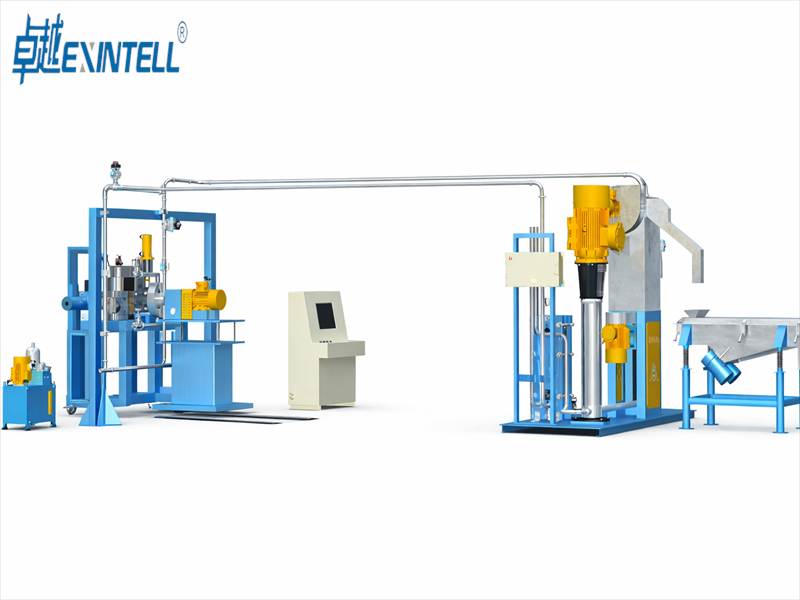
តារាងខាងក្រោមបង្ហាញពីរបៀបដែលជំហាននីមួយៗប៉ះពាល់ដល់គុណភាពគ្រាប់:
|
ដំណាក់កាល |
ការរួមចំណែកដល់គុណភាពគ្រាប់ |
|---|---|
|
ការផ្តល់ចំណី |
Takes out water and gets material ready to melt. |
|
រលាយ |
Melts everything evenly and removes dirt. |
|
ការពង្រីក |
Mixes and removes air, making the plastic better. |
|
កាត់ |
Makes even pellets for many uses. |
|
ត្រជាក់ |
Stops pellets from sticking and keeps their shape. |
Knowing how underwater pelletizing systems work helps you make good pellets every time.
គន្លឹះយក
-
It is important to dry raw materials first. ការស្ងួតជួយឱ្យពួកគេរលាយកាន់តែប្រសើរ. This also stops problems in the final pellets.
-
Keep the flow of materials steady during pelletizing. A steady flow makes pellets more even. It also lowers the chance of mistakes.
-
Watch the temperature of the die plate carefully. The right temperature helps shape pellets well. It also makes the pellets high quality.
-
Check and change the rotating knives often in the cutting chamber. Sharp knives make clean cuts. They also keep pellet sizes the same. នេះធ្វើឱ្យគុណភាពកាន់តែប្រសើរឡើង.
-
គ្រប់គ្រងសីតុណ្ហភាពទឹក និងលំហូរនៅក្នុងបន្ទប់ត្រជាក់. នេះរក្សាគ្រាប់ក្នុងទម្រង់ល្អ។. វាក៏រារាំងពួកគេមិនឱ្យជាប់. នេះជួយឱ្យដំណើរការដំណើរការកាន់តែប្រសើរឡើង.
ទិដ្ឋភាពទូទៅនៃដំណើរការ Pelletizing
តើអ្វីជា Pelletizer ក្រោមទឹក។?
ក គ្រាប់នៅក្រោមទឹក។ ផ្លាស់ប្តូរផ្លាស្ទិចរលាយទៅជាគ្រាប់តូចៗ. វា។ កាត់ខ្សែប៉ូលីមែរខណៈពេលដែលពួកវាស្ថិតនៅក្រោមទឹក។. ទឹកត្រជាក់គ្រាប់ភ្លាមៗ. នេះជួយពួកគេរក្សារូបរាង និងគុណភាពរបស់ពួកគេ។. វិធីសាស្ត្របាញ់គ្រាប់ផ្សេងទៀតមិនកាត់គ្រាប់នៅមុខស្លាប់ឡើយ។. នេះ។ បន្ទប់កាត់មានទឹកពេញ. នេះធ្វើឱ្យគ្រាប់នីមួយៗមានរាងមូល និងរលោង. ដំណើរការ pelletizing នៅក្រោមទឹកបញ្ឈប់ការកត់សុី. វាក៏រក្សាគ្រាប់មិនឱ្យជាប់គ្នាផងដែរ.
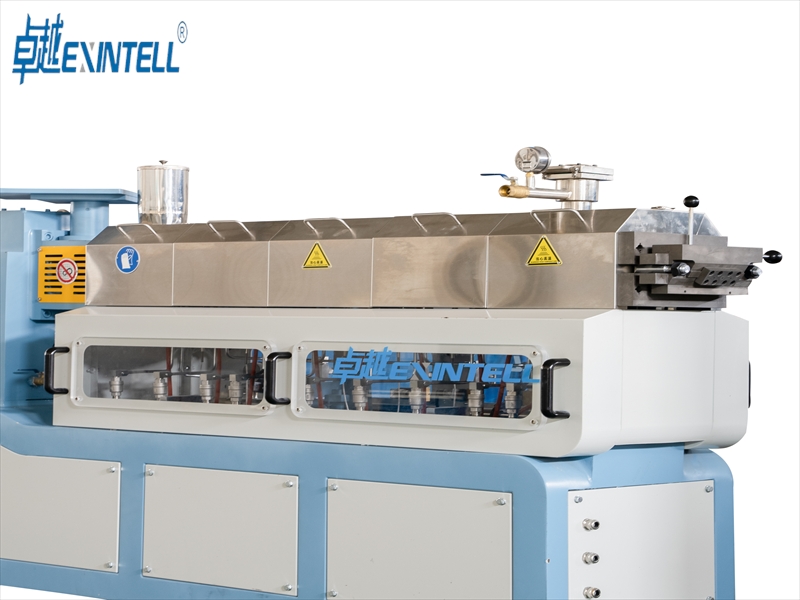
នេះ។ ផ្នែកសំខាន់នៃ pelletizer ក្រោមទឹក។ គឺ:
-
Extruder រលាយ និងរុញផ្លាស្ទិចទៅមុខ.
-
ចានរាងជាវត្ថុធាតុ polymer រលាយទៅជាខ្សែ.
-
អង្គជំនុំជម្រះកាត់មានកាំបិតដែលកាត់ខ្សែទៅជាគ្រាប់នៅក្រោមទឹក។.
ផ្នែកទាំងនេះធ្វើការរួមគ្នាសម្រាប់ដំណើរការ pelletizing លឿន. សម្ភារៈផ្លាស់ទីពីបន្ទះស្លាប់. ទឹកហូរកាត់មុខស្លាប់. Pelletizer ចាប់ផ្តើមតាមលំដាប់ពេលវេលា. នេះបញ្ឈប់គ្រាប់ពីការគៀប និងធ្វើឱ្យពួកវាមានឯកសណ្ឋាន.
របៀបដែលដំណើរការ pelletizing ដំណើរការ
អ្នកធ្វើតាម ជំហាននៅក្នុងប្រព័ន្ធ pelletizing ក្រោមទឹក។ ដើម្បីបង្កើតគ្រាប់ល្អ។. ទីមួយ, អ្នកទទួលបានផ្លាស្ទិចឆៅរួចរាល់ហើយ ហើយបញ្ចូលវាទៅក្នុងប្រព័ន្ធ extrusion. Extruder រលាយ, លាយ, និងធ្វើឱ្យសម្ភារៈស្មើគ្នា. បន្ទាប់, វត្ថុធាតុ polymer រលាយឆ្លងកាត់បន្ទះស្លាប់ និងបង្កើតជាខ្សែ. ដំណើរការ pelletizing នៅក្រោមទឹកនៅតែបន្តនៅពេលដែល strands ចូលទៅក្នុងបន្ទប់កាត់. ដាវបង្វិលកាត់ខ្សែទៅជាគ្រាប់នៅក្រោមទឹក។. ទឹកត្រជាក់គ្រាប់ភ្លាមៗ ហើយរក្សារូបរាងរបស់វា។.
នេះ។ ដំណើរការ pelletizing ដំណើរការគ្រប់ពេលវេលា. នេះជួយឱ្យរោងចក្រផលិតគ្រាប់កាន់តែច្រើន. អ្នកទទួលបានទិន្នផលខ្ពស់។, ម៉ាស៊ីនប្រើបានយូរ, និងងាយស្រួលប្រើ. ប្រព័ន្ធ pelletizing នៅក្រោមទឹកត្រូវការកន្លែងតិច និងទឹកត្រជាក់. នេះជួយសន្សំសំចៃថាមពល និងជួយដល់បរិស្ថាន. ដំណើរការនេះធ្វើឱ្យមានសំលេងរំខានតិចតួច និងរក្សាកន្លែងស្អាត. អ្នកក៏ចំណាយតិចលើកម្លាំងពលកម្ម និងការថែទាំផងដែរ។.
តារាងខាងក្រោមបង្ហាញពីរបៀបដែលប្រព័ន្ធបន្តក់នៅក្រោមទឹកជួយដល់រោងចក្រ:
|
អត្ថប្រយោជន៍ |
ការពិពណ៌នា |
|---|---|
|
ប្រសិទ្ធភាព |
ផលិតគ្រាប់បន្ថែមទៀតសម្រាប់ការផលិតប្លាស្ទិកធំ. |
|
ការប្រើប្រាស់ថាមពល |
ប្រើប្រាស់ថាមពលតិច និងកាត់បន្ថយការចំណាយ. |
|
គុណភាពគ្រាប់ |
ធ្វើឱ្យគ្រាប់កាន់តែល្អជាងមុន. |
|
និរន្តរភាព |
គ្រប់គ្រងប្លាស្ទិកជាច្រើន។, រួមទាំងវត្ថុកែច្នៃឡើងវិញ. |
|
ស្វ័យប្រវត្តិកម្ម |
កាត់បន្ថយពេលវេលា និងធ្វើឱ្យប្រសើរឡើងនូវការអនុវត្តជាមួយនឹងការគ្រប់គ្រងឆ្លាតវៃ. |
អ្នកអាចធ្វើ រហូតដល់ 77,000 lb/hr ជាមួយនឹងប្រព័ន្ធ pelletizing ក្រោមទឹក។. នេះធ្វើឱ្យដំណើរការដ៏អស្ចារ្យសម្រាប់ ប្លាស្ទិកដែលមានសន្ទស្សន៍រលាយខ្ពស់ និងសម្ភារៈពិសេស. ប្រព័ន្ធរក្សាអុកស៊ីតកម្មទាប និងផ្តល់ឱ្យគ្រាប់ដែលមានគុណភាពខ្ពស់សម្រាប់ការប្រើប្រាស់ជាច្រើន។.
ការផ្តល់ចំណីនិងការរលាយសម្ភារៈ
ការផ្តល់អាហារដល់វត្ថុធាតុដើម
អ្នកចាប់ផ្តើមដំណើរការ pelletizing ដោយការផ្តល់វត្ថុធាតុដើមទៅក្នុងប្រព័ន្ធ. ប្រព័ន្ធ pelletizing នៅក្រោមទឹកភាគច្រើនធ្វើការជាមួយប្រភេទផ្លាស្ទិចជាច្រើន។. ទាំងនេះរួមបញ្ចូល ប៉ូលីម៊ែរប្លាស្ទិកធម្មតា។ ដូចជា:
-
LDPE
-
LLDPE
-
HDPE
-
PP
-
EVA
-
PS
-
សាន
-
ABS
-
SB
-
PMMA
-
TPR
-
TPU
-
កុំព្យូទ័រ
-
TR
-
PVC
-
ប៉ូលីកាបូណាត
-
PBT
-
PB1
-
សត្វពាហនៈ
-
SBS
-
SEBS
-
PA6
-
PA6.6
អ្នកត្រូវប្រាកដថាផ្លាស្ទិកឆៅស្អាត និងស្ងួតមុនពេលអ្នកចាប់ផ្តើម. សំណើមអាចបណ្តាលឱ្យមានបញ្ហាក្នុងអំឡុងពេលដំណើរការ. ការសម្ងួតជួយឱ្យអ្នកជៀសវាងពពុះ និងពិការភាពនៅក្នុងគ្រាប់ចុងក្រោយ. ការផ្តល់អាហារឱ្យបានទៀងទាត់គឺជាគន្លឹះសម្រាប់គុណភាពគ្រាប់ល្អ. ប្រសិនបើលំហូរនៃសម្ភារៈផ្លាស់ប្តូរ, អ្នកប្រហែលជាឃើញ ភាពមិនស៊ីគ្នានៃគ្រាប់. នេះអាចកើតឡើងប្រសិនបើការស្លាប់មិនត្រឹមត្រូវ ឬប្រសិនបើទិន្នផលផ្លាស់ប្តូរច្រើនពេក. ចំណីថេរជួយឱ្យអ្នកទទួលបានគ្រាប់ឯកសណ្ឋានរាល់ពេល.
ព័ត៌មានជំនួយ: ពិនិត្យមើលរបស់អ្នកជានិច្ច ប្រព័ន្ធចិញ្ចឹម ដើម្បីរក្សាដំណើរការមានស្ថេរភាព និងធ្វើអោយប្រសើរឡើងនូវភាពស៊ីសង្វាក់នៃគ្រាប់.
ការរលាយនិងភាពដូចគ្នា។
នៅពេលដែលអ្នកចិញ្ចឹមផ្លាស្ទិច, វីស extruder ឬស្នប់រលាយត្រូវឆ្លងកាត់. វីសរុញផ្លាស្ទិចទៅមុខ ហើយកំដៅពួកវា. នៅពេលដែលប្លាស្ទិករលាយ, វីសលាយពួកវាទៅជារលោង, សូម្បីតែម៉ាស. ជំហាននេះគឺមានសារៈសំខាន់សម្រាប់ដំណើរការព្រោះវាធ្វើឱ្យប្រាកដថាសារធាតុប៉ូលីមែរទាំងអស់រលាយតាមរបៀបដូចគ្នា។. នេះ។ យន្តការ Maddock បង្ហាញថាការរលាយកើតឡើងជាទម្រង់ខ្សែភាពយន្តស្តើង ហើយត្រូវបានគេយកចេញ. នេះជួយឱ្យអ្នកទទួលបានការរលាយឯកសណ្ឋាន.
ការរចនានៃវីសប៉ះពាល់ដល់របៀបដែលការលាយប្លាស្ទិក. វីសយូរជាងនេះផ្តល់នូវការលាយកាន់តែប្រសើរ និងកាន់តែរលាយ. ការសិក្សាបង្ហាញថាការរចនាវីសនិងស្លាប់គ្រប់គ្រងលំហូរនិងសម្ពាធ. This is important for making sure the melt is the same all the way through. When you get good mixing, you improve pellet quality and make the process more reliable.
|
Screw Design Feature |
Effect on Process and Quality |
|---|---|
|
Longer L/D Ratio |
Better mixing and melt homogeneity |
|
Maddock Mechanism |
Even melting and smooth polymer flow |
|
Proper Die and Pump Design |
Stable flow and improved pellet consistency |
You need a well-designed melting step to keep the pelletizing process smooth. This helps you meet the strict quality needs of the plastics industry.
Extrusion and Die Plate Operation
Extruding Molten Polymer
After the plastics melt, you move to the next step. នេះ។ extruder pushes melted plastics toward the die plate. This shapes the melted material into thin strands. Here is how the process works:
-
Put raw plastics into the feeding hopper.
-
បញ្ចូនផ្លាស្ទិចចូលទៅក្នុង extruder ដើម្បីឱ្យវារលាយ.
-
Extruder បញ្ជូនផ្លាស្ទិចរលាយទៅចានស្លាប់.
-
ម៉ាស៊ីនបូមទឹកអាចជួយរក្សាលំហូរថេរ.
-
ផ្លាស្ទិចរលាយចូលតាមរន្ធនៅក្នុងចាន ហើយបង្កើតជាខ្សែស្តើង.
-
ដាវបង្វិលកាត់ខ្សែទៅជាគ្រាប់.
-
ទឹកធ្វើឱ្យគ្រាប់ត្រជាក់ភ្លាមៗ ដើម្បីកុំឱ្យវាជាប់.
អ្នកត្រូវតែរក្សាដំណើរការឱ្យស្ថិតស្ថេរដើម្បីទទួលបានសូម្បីតែគ្រាប់. ការកាត់ប្រើអត្រាកាត់ខ្ពស់។. គែមកាំបិតរុញចូលទៅក្នុងវត្ថុធាតុ polymer និងបន្ថែមភាពតានតឹង. នៅពេលដែលភាពតានតឹងខ្ពស់គ្រប់គ្រាន់, ខ្សែបំបែកយ៉ាងស្អាត. នេះធ្វើឱ្យគ្រាប់រលោងនិងមូល. ដំណើរការនេះដំណើរការសម្រាប់ប្លាស្ទិកជាច្រើនប្រភេទ.
មុខងារ Die Plate ក្នុង Pelletizing
បន្ទះស្លាប់មានសារៈសំខាន់ណាស់ក្នុងការដាក់គ្រាប់. វាធ្វើទ្រង់ទ្រាយប្លាស្ទិកដែលរលាយ និងគ្រប់គ្រងទំហំគ្រាប់. អ្នកត្រូវរក្សាចាននៅសីតុណ្ហភាពត្រឹមត្រូវ។. If it is too cool, pellets may not form well. If it is too hot, pellets can stick or lose shape. The die plate also keeps the process stable and makes pellets uniform.
ព័ត៌មានជំនួយ: Use heaters built into the die plate to keep the best temperature for your plastics.
The table below shows how die plate temperature affects pellet quality:
|
Key Findings |
ការពិពណ៌នា |
|---|---|
|
Temperature Influence |
Die plate temperature changes how material bonds and forms pellets. |
|
Material Variability |
Different plastics need different die temperatures for best results. |
|
Low-Temperature Effects |
Low die temperature can cause bad pellets and machine problems. |
|
Optimization Strategies |
Heaters in the die plate make pelletizing better. |
You must watch the die plate temperature during the process. This helps you get the best pellet shape and size. ការគ្រប់គ្រងល្អនៃបន្ទះស្លាប់ផ្តល់ឱ្យអ្នកនូវគ្រាប់ដែលមានគុណភាពខ្ពស់រាល់ពេល. ផ្នែកនីមួយៗត្រូវតែធ្វើការជាមួយគ្នាដើម្បីឱ្យដំណើរការ pelletizing ទទួលបានជោគជ័យ.
ប្រព័ន្ធ Pelletizing ក្រោមទឹក។: ការកាត់និងត្រជាក់
សន្និបាតកាំបិតបង្វិល
អ្នកទៅដល់បេះដូងនៃប្រព័ន្ធ pelletizing ក្រោមទឹក នៅពេលអ្នកឃើញការផ្គុំកាំបិតបង្វិលនៅក្នុងសកម្មភាព. ផ្នែកនៃដំណើរការនេះកាត់ផ្លាស្ទិចរលាយទៅជាតូច, សូម្បីតែគ្រាប់ដូចជាសម្ភារៈដែលបានចាកចេញពីចានស្លាប់. កាំបិតបង្វិលយ៉ាងលឿន ហើយស្ថិតនៅក្រោមទឹកពេញមួយពេល. ដំណើរការ pelletizing នៅក្រោមទឹកនេះផ្តល់ឱ្យអ្នកនូវអត្ថប្រយោជន៍សំខាន់ៗមួយចំនួន:
-
កាំបិតបង្វិលកាត់ផ្លាស្ទិកជាគ្រាប់ភ្លាមៗ ពេលវាចូលក្នុងបន្ទប់ទឹក។.
-
ទឹកត្រជាក់ និងធ្វើឱ្យគ្រាប់រឹងភ្លាមៗ, ដែលជួយគ្រប់គ្រងទំហំរបស់ពួកគេ។.
-
ការដាក់នៅក្រោមទឹករក្សាគ្រាប់មិនឱ្យជាប់គ្នា ហើយធ្វើឱ្យពួកវាមានរាងមូល និងរលោង.
-
The knives always work below the water, so every pellet gets even cooling.
You need to pay attention to the sharpness and setup of the knives. Sharp knives cut the plastic cleanly, giving you pellets that are all the same size. If the knives get dull, you may see pellets with tails or chains, which lowers the quality. Knife speed matters less than sharpness, but you still need to balance speed and pressure for the best results. When you set the knife-to-die contact just right, you get clean, cylindrical pellets. This step in the pelletizing process helps you keep production efficient and your pellets consistent.
ព័ត៌មានជំនួយ: Check your knives often and replace them when they get dull. This keeps your underwater pelletizing system running smoothly and your pellets uniform.
Water Chamber and Pellet Cooling
The water chamber is a key part of the underwater pelletizing system. As soon as the rotating knife cuts the pellets, they drop into the water chamber. ទឹកត្រជាក់គ្រាប់ភ្លាមៗ, so they keep their shape and do not stick together. You must use clean, demineralized water to avoid leaving spots or marks on the pellets. The water also helps carry the pellets away from the cutting area.
The table below shows how the water chamber works in the underwater pelletizing process:
|
ជំហាន |
ការពិពណ៌នា |
|---|---|
|
កាត់ |
The rotating blades cut the strands into pellets as they exit the die. This happens underwater to cool and harden the pellets instantly. |
|
ត្រជាក់ & Transport |
The water bath cools the pellets more and moves them to the next stage for drying and checking. |
You need to control the water temperature and flow rate for the best cooling. Most underwater pelletizing systems keep the water between 20°C and 40°C. This range works for many types of plastics. If you use semicrystalline polymers, you may need to adjust the cooling rate to get the right crystal structure. The water must move fast enough to take away heat but not so fast that it damages the pellets. Most systems give the pellets 10 ទៅ 30 seconds in the water bath. This time is enough to cool them without making them brittle.
ចំណាំ: Always check the water temperature and flow in your underwater pelletizing system. Good control means better pellet quality and fewer problems later.
Pellet Transport in Water
បន្ទាប់ពីត្រជាក់, the underwater pelletizing system uses the water to move the pellets to the drying area. The water carries the pellets in a slurry, ដែលមានន័យថា គ្រាប់អណ្តែត ហើយធ្វើដំណើរជាមួយលំហូរទឹក។. វិធីនេះជួយការពារគ្រាប់មិនឱ្យនៅជាប់គ្នាឬរើសធូលី. មុខស្លាប់ និងឧបករណ៍កាត់បង្វិល ស្ថិតនៅក្រោមទឹក។, ដូច្នេះគ្រាប់រំកិលយ៉ាងលឿន ហើយនៅត្រជាក់.
អ្នករៀបចំប្រព័ន្ធទឹក មុនពេលអ្នកចាប់ផ្តើមដំណើរការ pelletizing. អ្នកត្រូវប្រាកដថាម៉ាស៊ីនបូមទឹក និងតម្រងដំណើរការល្អ។. អ្នកក៏ពិនិត្យមើលទឹកនៅស្អាត និងនៅសីតុណ្ហភាពត្រឹមត្រូវ។. ប្រតិបត្តិករមើលប្រព័ន្ធកំឡុងពេលផលិត ដើម្បីរក្សាអ្វីៗគ្រប់យ៉ាងឱ្យដំណើរការដោយរលូន. ជម្រៅទឹកនៅក្នុងបន្ទប់ជួយគ្រប់គ្រងល្បឿននៃចលនារបស់គ្រាប់. ប្រសិនបើទឹករាក់ពេក, គ្រាប់អាចមិនត្រជាក់គ្រប់គ្រាន់. ប្រសិនបើវាជ្រៅពេក, ពួកវាអាចនៅក្នុងទឹកយូរពេក ហើយត្រជាក់ពេក.
-
ទឹកដឹកគ្រាប់ទៅដល់ដំណាក់កាលផ្ដាច់ទឹក និងសម្ងួត.
-
អ្នកតាមដានលំហូរទឹក ដើម្បីធ្វើឱ្យប្រាកដថា គ្រាប់ផ្លាស់ទីក្នុងល្បឿនត្រឹមត្រូវ។.
-
ការត្រួតពិនិត្យជាប្រចាំលើស្នប់ និងតម្រងរក្សាទឹកស្អាត និងដំណើរការប្រកបដោយប្រសិទ្ធភាព.
នេះ។ ប្រព័ន្ធ pelletizing ក្រោមទឹក។ ផ្តល់ឱ្យអ្នកនូវវិធីដែលអាចទុកចិត្តបានដើម្បីបង្កើតគ្រាប់ដែលមានគុណភាពខ្ពស់។. អ្នកទទួលបានសូម្បីតែត្រជាក់, ការដឹកជញ្ជូនរលូន, និងឱកាសនៃពិការភាពតិចជាង. ដំណើរការនេះជួយអ្នកបំពេញតម្រូវការនៃឧស្សាហកម្មជាច្រើន និងរក្សាខ្សែសង្វាក់ផលិតកម្មរបស់អ្នកឱ្យដំណើរការបានល្អ.
ការសម្ងួត, ការវេចខ្ចប់, និងការរួមបញ្ចូលប្រព័ន្ធ
ដំណើរការស្ងួតគ្រាប់
បន្ទាប់ពី pellets ត្រជាក់នៅក្នុងប្រព័ន្ធ pelletizing ក្រោមទឹក។, អ្នកត្រូវតែស្ងួតពួកគេ។. ការសម្ងួតយកទឹកដែលនៅសល់នៅលើគ្រាប់. វាជួយឱ្យអ្នកបំពេញតាមច្បាប់គុណភាព និងបញ្ឈប់បញ្ហានៅពេលក្រោយ. មធ្យោបាយដ៏ល្អបំផុតដើម្បីស្ងួតគ្រាប់គឺជាមួយ ខ្យល់ក្តៅ. ខ្យល់ក្តៅដំណើរការល្អជាងខ្យល់ត្រជាក់ ឬគ្រាន់តែឱ្យទឹកហូរចេញ. You can also use hot water dewatering to dry pellets faster.
If pellets still have water, you might get lower glass transition temperatures. The pellets may flow differently and have packaging problems. Always make sure your dryer works well to keep pellet quality high.
Here is a table that shows what can change drying after underwater cooling:
|
កត្តា |
ការពិពណ៌នា |
|---|---|
|
Knife-to-die contact |
Bad contact can cause defects and leave more water. |
|
Axial force |
Changes how the pellets are cut and how much water stays. |
|
Cutting speed |
Changes pellet size and how long drying takes. |
|
Knife count |
More knives can help lower water in pellets. |
|
Flow uniformity |
Uneven water flow means more water stays on pellets. |
|
ការត្រួតពិនិត្យសីតុណ្ហភាព |
Good control helps pellets dry better. |
|
Dryer performance |
Better dryers make pellets drier. |
Packaging Finished Pellets
When the pellets are dry, you move them to packaging. Automated packaging systems help you pack pellets fast and safely. These machines weigh, fill, seal, and stack bags with little help. You only need one or two people to watch the machines. This saves money and keeps your plant working well. You lose less material and keep pellet quality high.
If you use hygroscopic materials, you must control the air’s humidity. You also need to pick the right packaging to keep water out. This step keeps the pellets safe and ready to use.
System Integration and Reliability
You must connect your ប្រព័ន្ធ pelletizing ក្រោមទឹក។ to other machines in your plant. This means matching the pelletizer’s speed with the extruder and dryer. You also need to check pellet quality at every step. If you see dirt or uneven pellets, you could have problems later. These problems include ម៉ាស៊ីនសម្ងួតដែលស្ទះ ឬមានបញ្ហាក្នុងការចិញ្ចឹមគ្រាប់.
ចំណុចសំខាន់សម្រាប់ការរៀបចំប្រព័ន្ធល្អគឺ:
-
ដឹងពីលក្ខណៈសម្បត្តិនៃសម្ភារៈរបស់អ្នក។
-
ផ្គូផ្គងបរិមាណដែលអ្នកផលិតជាមួយម៉ាស៊ីនផ្សេងទៀត។
-
រក្សាទំហំគ្រាប់ និងរូបរាងដូចគ្នា។
-
រៀបចំផែនការសម្រាប់ការជួសជុលងាយស្រួល និងចំណាយតិច
នៅពេលអ្នកថែរក្សាប្រព័ន្ធ pelletizing នៅក្រោមទឹក។, អ្នកទទួលបានគុណភាពផលិតផលកាន់តែប្រសើរ និងគ្រាប់កាន់តែច្រើន. អ្នកក៏ទទួលបានពិការភាពតិចជាងមុន និងស្វ័យប្រវត្តិកម្មល្អជាងជាមួយ strand pelletizing.
កម្មវិធីឧស្សាហកម្មធម្មតា។
ឧស្សាហកម្មជាច្រើនប្រើប្រព័ន្ធ pelletizing ក្រោមទឹក។. នេះ។ ឧស្សាហកម្មរថយន្ត ប្រើពួកវាសម្រាប់គ្រាប់ស្រាល និងខ្លាំង. ឧស្សាហកម្មសំណង់ត្រូវការគ្រាប់ល្អសម្រាប់អ៊ីសូឡង់ និងកម្រាលឥដ្ឋ. ឧស្សាហកម្មវេចខ្ចប់ប្រើប្រាស់ប្រព័ន្ធទាំងនេះសម្រាប់ម្ហូបអាហារ និងទំនិញផ្សេងៗទៀត. ឧស្សាហកម្មអេឡិចត្រូនិចប្រើពួកវាសម្រាប់ផ្នែក និងគម្រប.
អ្នកឃើញអត្ថប្រយោជន៍នៃ pelletizers ក្រោមទឹកនៅគ្រប់ឧស្សាហកម្មទាំងអស់។. បច្ចេកវិទ្យា pelletizing នៅក្រោមទឹកផ្តល់នូវគុណភាពល្អប្រសើរជាងមុន, គ្រាប់ច្រើនទៀត, និងផលិតកម្មដែលអាចទុកចិត្តបាន។. ប្រព័ន្ធទាំងនេះជួយឱ្យអ្នកបំពេញតាមច្បាប់តឹងតែង និងឈានមុខក្នុងទីផ្សារ.
នៅពេលដែលអ្នកប្រើប្រព័ន្ធ pelletizing នៅក្រោមទឹក។, អ្នកធ្វើតាមជំហានសាមញ្ញ. រាល់ជំហានមានសារៈសំខាន់សម្រាប់ការបង្កើតគ្រាប់ល្អ។. ទីមួយ, អ្នកចិញ្ចឹមផ្លាស្ទិច ហើយរលាយវា។. បន្ទាប់មក, អ្នកបង្កើតផ្លាស្ទិចរលាយទៅជាខ្សែ. បន្ទាប់ពីនោះ។, អ្នក កាត់និងត្រជាក់គ្រាប់ នៅក្នុងទឹក។. បន្ទាប់, អ្នកសម្ងួតគ្រាប់ហើយរៀបចំវាសម្រាប់វេចខ្ចប់. ប្រព័ន្ធទាំងនេះជួយអ្នកបង្កើតគ្រាប់បានប្រសើរជាងមុន។, ធ្វើការលឿនជាងមុន, និងគ្រប់គ្រងប្លាស្ទិកជាច្រើនប្រភេទ. តារាងខាងក្រោមពន្យល់ពីមូលហេតុដែលរោងចក្រចូលចិត្តប្រព័ន្ធ pelletizing ក្រោមទឹក។:
|
អត្ថប្រយោជន៍ |
ការពិពណ៌នា |
|---|---|
|
បង្កើតគ្រាប់បានលឿន |
|
|
សន្សំប្រាក់លើគ្រាប់នីមួយៗ |
|
|
បច្ចេកវិទ្យាចុងក្រោយ |
ធ្វើឱ្យដំណើរការកាន់តែប្រសើរ ហើយគ្រាប់មានគុណភាពកាន់តែខ្ពស់។ |
Factories can count on underwater pelletizing systems to work well every time.
សំណួរគេសួរញឹកញាប់
What plastics can you use in an underwater pelletizer?
You can use many types of plastics, such as PE, PP, សត្វពាហនៈ, PVC, and ABS. Most thermoplastics work well in these systems. Always check your material’s melting point and flow properties before starting.
How do you keep pellets from sticking together?
You keep pellets from sticking by cutting and cooling them underwater. The water cools the pellets quickly. This step helps each pellet keep its shape and stay separate.
Why is drying pellets important?
Drying removes water from the pellet surface. If you skip drying, pellets may clump or cause problems in later steps. Dry pellets store and handle better.
How often should you check the knife assembly?
You should check the knife assembly every shift or after a set number of hours. Dull knives make uneven pellets. Regular checks help you keep pellet quality high.