

ក្រុមហ៊ុនផលិតធុងវីសភ្លោះ Extruder: ប្រភព B2B ច្បាស់លាស់ & មគ្គុទ្ទេសក៍ពាណិជ្ជកម្មសម្រាប់
ទីផ្សារឧបករណ៍ពង្រីកវីសភ្លោះសកលគឺស្ថិតនៅលើគន្លងកំណើនដ៏ចោត. មានតម្លៃប្រហែល USD 9.7 ពាន់លាននៅក្នុង 2024, វិស័យនេះត្រូវបានគេព្យាករណ៍ថានឹងឈានដល់ 13.2 ដុល្លារ–14.8 ពាន់លានដោយ 2030, ពង្រីកក្នុងអត្រាកំណើនប្រចាំឆ្នាំ (CAGR) នៃ 5.2–7.1% យោងតាមក្រុមហ៊ុនស្រាវជ្រាវឧស្សាហកម្មជាច្រើន រួមមាន Grand View Research និង Mordor Intelligence. នៅក្នុងបេះដូងនៃរាល់ឧបករណ៍ពង្រីកវីសភ្លោះដាក់ធុង — ស៊ីឡាំងម៉ាស៊ីនដែលមានភាពជាក់លាក់, រួមជាមួយនឹងធាតុវីស intermeshing, កំណត់គុណភាពទិន្នផល, លំហូរ, និងភាពជាប់បានយូររបស់ម៉ាស៊ីន. សម្រាប់អ្នកទិញ B2B នៅទូទាំងទ្វីបអឺរ៉ុប, អាមេរិកខាងជើង, និងទីផ្សារដែលកំពុងរីកចម្រើន, ការជ្រើសរើសត្រឹមត្រូវ។ ក្រុមហ៊ុនផលិតធុងវីសភ្លោះ extruder មិនមែនគ្រាន់តែជាការសម្រេចចិត្តលើលទ្ធកម្មទេ។; វាជាការវិនិយោគយុទ្ធសាស្ត្រដែលបង្កើតសេដ្ឋកិច្ចផលិតកម្មសម្រាប់ឆ្នាំក្រោយ.
This guide walks professional buyers through the current state of the twin screw barrel manufacturing industry, trade policies affecting cross-border sourcing, material science advances, ករណីសិក្សាពិភពលោកពិត, and actionable forecasts for the months ahead. Whether you are an OEM integrator, a plastics compounder seeking replacement wear parts, or a trading company building a supply chain for twin screw barrel assemblies, the information below is designed to sharpen your sourcing strategy.
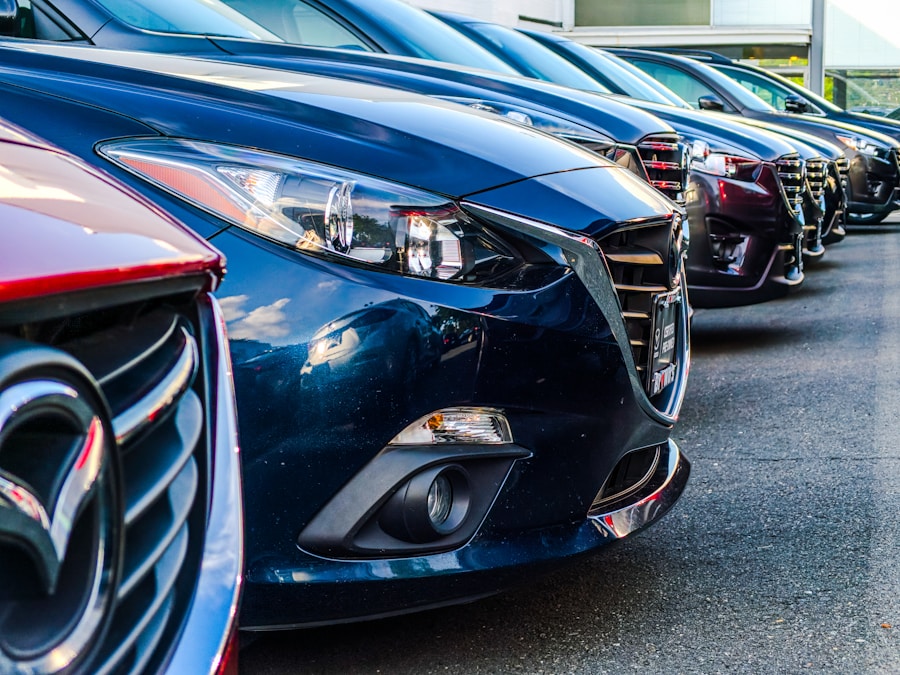
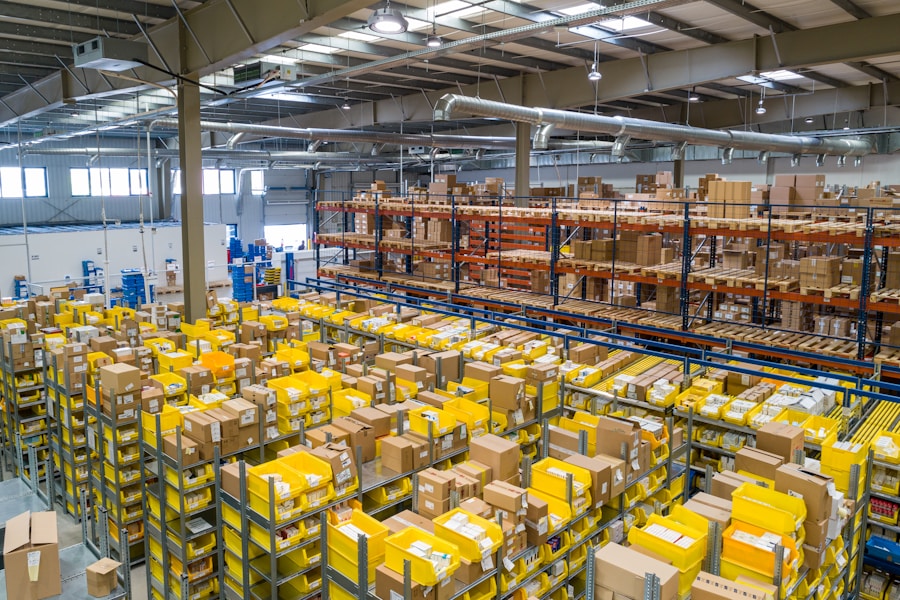
Industrial manufacturing facility producing precision metal components for extrusion machinery
Understanding the Twin Screw Extruder Barrel: Core Components and Functions
A twin screw extruder barrel is a heavy-walled, segmented or monolithic cylinder bored to accept two co-rotating or counter-rotating screws. The barrel's inner surface must withstand extreme abrasion, ច្រេះ, និងការជិះកង់កម្ដៅ — លក្ខខណ្ឌដែលប្រែប្រួលយ៉ាងខ្លាំងអាស្រ័យលើសម្ភារៈដែលបានដំណើរការ, ពីផ្លាស្ទិចវិស្វកម្មដែលបំពេញដោយជាតិសរសៃកញ្ចក់ ទៅជាម្សៅថ្នាក់អាហារ. ម៉ាស៊ីន Extrusion Rod ប្លាស្ទិច
តំបន់មុខងារសំខាន់ៗនៅក្នុងធុងវីសភ្លោះធម្មតារួមមាន:
- តំបន់ចំណី — កន្លែងដែលវត្ថុធាតុដើមចូល; ធុងបារ៉ែលតែងតែរលោង ឬមានចង្អូរស្រាល ដើម្បីគ្រប់គ្រងអត្រាទទួលទាន.
- តំបន់រលាយ / ផ្លាស្ទិច — ការកាត់និងការបង្ហាប់ខ្ពស់។; ធុងបារ៉ែលនៅទីនេះប្រឈមមុខនឹងការពាក់ដ៏ឈ្លានពានបំផុត។.
- តំបន់លាយ / លាយ — ការលាយចំរុះ និងការចែកចាយ; ភាពត្រឹមត្រូវនៃការគ្រប់គ្រងសីតុណ្ហភាពធុងគឺសំខាន់ណាស់។.
- តំបន់វាស់ / បញ្ចេញ — ការផ្តល់សម្ពាធរលាយស្របគ្នា។; ការអត់ធ្មត់ធុញរឹតបន្តឹង ±0.02 mm ក្នុងធុងពិសេស.
ធុងនេះត្រូវបានផលិតជាធម្មតាពី nitralloy 135M, 38CrMoAlA, ឬស្រទាប់ខាងក្រោមដែកឧបករណ៍, បន្ទាប់មកព្យាបាលដោយឧស្ម័ន nitriding, ការបោះចោលកណ្តាល bimetallic, ឬ HIP (ការចុច isostatic ក្តៅ) ការបិទភ្ជាប់ដើម្បីទទួលបានភាពរឹងនៃផ្ទៃ 58–72 HRC អាស្រ័យលើកម្មវិធី. ការយល់ដឹងអំពីមូលដ្ឋានគ្រឹះទាំងនេះជួយអ្នកទិញ B2B បញ្ជាក់តម្រូវការបានត្រឹមត្រូវនៅពេលចូលរួម ក្រុមហ៊ុនផ្គត់ផ្គង់ធុងវីសភ្លោះ extruder.
ទេសភាពទីផ្សារសកលសម្រាប់ក្រុមហ៊ុនផលិតធុងវីសភ្លោះ
ទីផ្សារម៉ាស៊ីន extrusion វីសភ្លោះគឺ ទារក Apus 2 ជ័រកៅស៊ូ រាងដោយកម្លាំងបង្រួបបង្រួមជាច្រើននៅក្នុង:
អាណត្តិកែច្នៃប្លាស្ទិក. The European Union's revised Packaging and Packaging Waste Regulation (PPWR), បានបញ្ចប់នៅចុង 2024, ទាមទារឱ្យរដ្ឋជាសមាជិកវាយ 55% ការវេចខ្ចប់ផ្លាស្ទិចកែច្នៃឡើងវិញដោយ 2030. បន្ទាត់កែឆ្នៃមេកានិកពឹងផ្អែកយ៉ាងលើសលប់លើឧបករណ៍បន្ថែមវីសភ្លោះសម្រាប់ការផ្សំជ័រដែលកែច្នៃឡើងវិញជាមួយនឹងសារធាតុបន្ថែម, ការជំរុញការជំនួសធុងតម្រូវការឡើង. សហរដ្ឋអាមេរិក. EPA's updated National Recycling Strategy similarly incentivizes domestic recycling infrastructure, បង្កើតតម្រូវការស្របគ្នានៅអាមេរិកខាងជើង.
រថយន្តអគ្គិសនី (EV) កំណើនខ្សែសង្វាក់ផ្គត់ផ្គង់. ខ្សែភាពយន្តបំបែកថ្ម, សម្ភារៈចំណុចប្រទាក់កម្ដៅ, និងសមាសធាតុប៉ូលីម៊ែរទម្ងន់ស្រាលសម្រាប់សមាសធាតុ EV ត្រូវបានដំណើរការនៅលើវីសភ្លោះ. ទិន្នន័យរបស់ BloombergNEF បង្ហាញពីការលក់រថយន្ត EV ទូទាំងពិភពលោកលើសពីការរំពឹងទុក 20 លានគ្រឿងនៅក្នុង, ហើយបន្ទាត់ផ្សំថ្មីនីមួយៗទាមទារធុងដែលមានប្រសិទ្ធភាពខ្ពស់ដែលត្រូវបានវាយតម្លៃសម្រាប់ការបំពេញសេរ៉ាមិចដែលមានសំណឹក.
ការបញ្ចូលអាហារ និងឱសថ. ការបំប្លែងក្តៅ - រលាយ (HME) សម្រាប់ការចែកចាយថ្នាំ និងការពង្រីកការចម្អិនអាហារវីសភ្លោះសម្រាប់ប្រូតេអ៊ីនដែលមានមូលដ្ឋានលើរុក្ខជាតិកំពុងពង្រីកផ្នែក. កម្មវិធីទាំងនេះទាមទារសម្ភារៈធុងដែលអនុលោមតាម FDA/EU — ជាធម្មតាស្រទាប់ដែកអ៊ីណុក ឬស្រទាប់ដែកអ៊ីណុកដែលមានមូលដ្ឋានលើនីកែល — ជំរុញឱ្យក្រុមហ៊ុនផលិតធ្វើពិពិធកម្មបន្ទាត់ផលិតផលរបស់ពួកគេ។.
ចង្កោមផលិតកម្មសំខាន់ៗសម្រាប់ធុងវីសភ្លោះរួមមាន Zhoushan និង Jingjiang នៅក្នុងប្រទេសចិន, ដែលសរុបជាចំនួនប៉ាន់ស្មាន 45–50% ទិន្នផលធុងសកលតាមបរិមាណ; តំបន់ Ruhr និង Baden-Württemberg ក្នុងប្រទេសអាល្លឺម៉ង់, ផ្ទះរបស់អ្នកផលិតធុង OEM ពិសេស; និង Brescia, ប្រទេសអ៊ីតាលី, មជ្ឈមណ្ឌលប្រពៃណីសម្រាប់បច្ចេកវិទ្យាធុង bimetallic. សមត្ថភាពដែលកំពុងរីកចម្រើនក៏កំពុងកើនឡើងនៅក្នុងប្រទេសឥណ្ឌាផងដែរ។ (ហ្គូចារ៉ាត, មហារ៉ាស្ត្រា) និងតួកគី.
កំពង់ផែដឹកជញ្ជូនសកលជាមួយកប៉ាល់កុងតឺន័រតំណាងឱ្យការដឹកជញ្ជូនពាណិជ្ជកម្មអន្តរជាតិ B2B សម្រាប់ផ្នែកគ្រឿងម៉ាស៊ីនឧស្សាហកម្ម
គោលនយោបាយពាណិជ្ជកម្មដែលប៉ះពាល់ដល់ប្រភពធុងបារ៉ែលឆ្លងព្រំដែន:, និង Beyond
លក់ដុំវីសតែមួយ អ្នកទិញ B2B ដែលស្វែងរកធុងវីសភ្លោះជាអន្តរជាតិត្រូវតែរុករកបរិយាកាសគោលនយោបាយពាណិជ្ជកម្មដែលកាន់តែស្មុគស្មាញនៅក្នុង: Extrusion ផ្លាស្ទិចសម្រាប់ច្រកទ្វារ
ទិដ្ឋភាពពន្ធរបស់សហរដ្ឋអាមេរិក. តាំងពីដើមមក, សហរដ្ឋអាមេរិករក្សាផ្នែក 301 ពន្ធលើជួរដ៏ធំទូលាយនៃទំនិញឧស្សាហកម្មដើមកំណើតចិន. ធុងវីសភ្លោះត្រូវបានចាត់ថ្នាក់ក្រោម HTS 8477.90 (ផ្នែកនៃម៉ាស៊ីនកែច្នៃប្លាស្ទិក) មុខ ក 25% ad valorem កាតព្វកិច្ចនៅពេលនាំចូលពីប្រទេសចិន. ការពិនិត្យមើលពន្ធក្នុងសម័យ Biden, បន្តនៅក្រោមការគ្រប់គ្រងបច្ចុប្បន្ន, បានរក្សាអត្រាទាំងនេះនៅនឹងកន្លែង. បន្ថែម, ផ្នែក 232 ពន្ធដែក និងអាលុយមីញ៉ូម (25% និង 10% រៀងៗខ្លួន) អាចអនុវត្តចំពោះការនាំចូលវត្ថុធាតុដើមធុង, ការបន្ថែមសម្ពាធលើតម្លៃសម្រាប់អ្នកផលិតដែលស្វែងរកដែកថែបស្រទាប់ខាងក្រោមទូទាំងពិភពលោក. ក្នុងខែមេសា, វិធានការពន្ធគយថ្មីត្រូវបានប្រកាសផ្តោតលើប្រភេទបន្ថែម, បង្កើតភាពមិនច្បាស់លាស់បន្ថែមទៀតសម្រាប់អ្នករៀបចំផែនការខ្សែសង្វាក់ផ្គត់ផ្គង់ (ប្រភព: រដ្ឋបាលពាណិជ្ជកម្មអន្តរជាតិ).
ឧបករណ៍ការពារពាណិជ្ជកម្មរបស់សហភាពអឺរ៉ុប. The European Commission's anti-dumping framework continues to scrutinize Chinese steel and machinery components. ខណៈពេលដែលធុងវីសភ្លោះមិនត្រូវបានទទួលរងនូវកាតព្វកិច្ចប្រឆាំងការបោះចោលជាក់លាក់, the EU's Carbon Border Adjustment Mechanism (ស៊ីប៊ីអេម), ចូលដល់ដំណាក់កាលអន្តរកាលរបស់ខ្លួន។, នឹងតម្រូវឱ្យអ្នកនាំចូលរាយការណ៍អំពីកាបូនដែលបានបង្កប់នៅក្នុងផលិតផលដែលពឹងផ្អែកលើដែកថែបចាប់ផ្តើម 2026. ក្រុមហ៊ុនផលិតធុងដែលមានដំណើរការផលិតកាបូនទាបដែលត្រូវបានផ្ទៀងផ្ទាត់នឹងទទួលបានការប្រកួតប្រជែងនៅក្នុងទីផ្សារសហភាពអឺរ៉ុប (ប្រភព: គណៈកម្មការអឺរ៉ុប DG Trade).
កិច្ចព្រមព្រៀងពាណិជ្ជកម្មសេរី. សហភាពអឺរ៉ុប-ជប៉ុន EPA, CPTPP, និងកិច្ចព្រមព្រៀង RCEP ផ្តល់ការអនុគ្រោះពន្ធលើផ្នែកគ្រឿងម៉ាស៊ីន. អ្នកទិញក្នុងហត្ថលេខី ក្រុមហ៊ុនផលិតផ្លាស្ទិច Extruder ប្រទេសនានាអាចកាត់បន្ថយការចំណាយលើដីបាន ៣–8% តាមរយៈការស្វែងរកប្រភពពីក្រុមហ៊ុនផលិតនៅក្នុងប្រទេសដៃគូ និងធានានូវឯកសារច្បាប់ដើមត្រឹមត្រូវ។.
ការត្រួតពិនិត្យការនាំចេញ និងការពិចារណាការប្រើប្រាស់ពីរ. ឧបករណ៍ផលិតធុងដែលមានភាពជាក់លាក់ខ្ពស់។ (ម៉ាស៊ីនខួងរន្ធជ្រៅ CNC, ឧទាហរណ៍) អាចធ្លាក់នៅក្រោមបញ្ជីត្រួតពិនិត្យការនាំចេញដែលប្រើពីរដងក្នុងយុត្តាធិការជាក់លាក់. ខណៈពេលដែលធុងដែលបានបញ្ចប់ដោយខ្លួនឯងគឺកម្រមានកម្រិត, អ្នកទិញគួរតែផ្ទៀងផ្ទាត់ការអនុលោមតាមការប្រើប្រាស់ចុងក្រោយ នៅពេលដែលមានប្រភពសម្រាប់កម្មវិធីការពារជាតិ ឬកម្មវិធីដែលនៅជិតខាងនុយក្លេអ៊ែរ.
ឱកាសពាណិជ្ជកម្ម B2B នៅក្នុងវិស័យធុងវីសភ្លោះ
The intersection of rising extrusion demand and evolving trade policy creates distinct opportunities for B2B participants:
Replacement parts aftermarket. A twin screw barrel typically has a service life of 8,000–15,000 operating hours depending on processed material abrasiveness. With the installed base of twin screw extruders exceeding 120,000 units globally (estimated from Coperion, KraussMaffei, and Leistritz production data), the aftermarket for replacement barrels and screw elements represents a USD 1.8–2.4 billion annual opportunity. Distributors and trading companies that can offer rapid delivery of compatible barrels for major OEM platforms — Coperion ZSK, Leistritz ZSE, KraussMaffei ZE, JSW TEX, Nanjing-series machines — capture recurring revenue streams.
Custom-engineered barrels for niche applications. As extrusion moves into advanced materials (សមាសធាតុកាបូនសរសៃ, battery electrode slurries, biodegradable polymers), standard nitrided barrels often fall short. Manufacturers offering application-specific solutions — tungsten carbide liners for highly abrasive compounds, Hastelloy overlays for corrosive fluoropolymer processing, segmented barrels with independent cooling channels for temperature-sensitive pharma applications — command premium pricing and build defensible market positions.
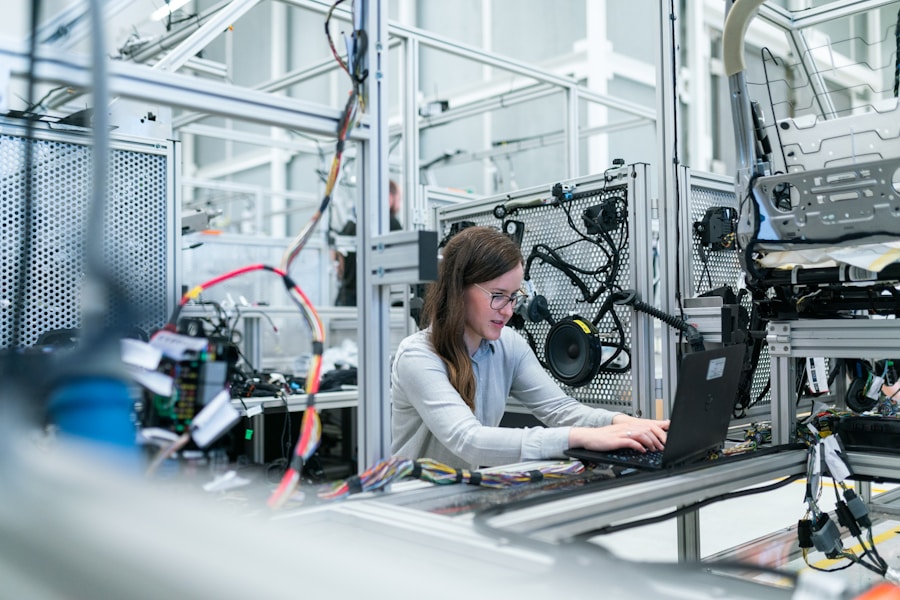
ការធ្វើពិពិធកម្មខ្សែសង្វាក់ផ្គត់ផ្គង់ជិតខាង និងការធ្វើពិពិធកម្ម. យុទ្ធសាស្ត្រធន់នឹងខ្សែសង្វាក់ផ្គត់ផ្គង់ក្រោយការរាតត្បាតកំពុងជំរុញឱ្យក្រុមហ៊ុន OEMs អឺរ៉ុប និងអាមេរិក ធ្វើពិពិធកម្មប្រភពធុងលើសពីប្រទេសចិន. តួកគី, ប្រទេសឥណ្ឌា, និងក្រុមហ៊ុនផលិតអឺរ៉ុបខាងកើត (ប៉ូឡូញ, សាធារណរដ្ឋឆេក) are gaining share as "China+1" ជម្មើសជំនួស. អន្តរការី B2B ដែលសម្របសម្រួលប្រភពដែលធានាគុណភាពពីអ្នកផ្គត់ផ្គង់ដែលកំពុងរីកចម្រើនទាំងនេះបំពេញចន្លោះទីផ្សារដ៏មានតម្លៃ.
វេទិកាលទ្ធកម្មឌីជីថល. អាលីបាបា, ផលិតនៅប្រទេសចិន, និង GlobalSources នៅតែលេចធ្លោសម្រាប់ការរកឃើញអ្នកផ្គត់ផ្គង់ដំបូង, ប៉ុន្តែវេទិកា B2B ឯកទេស និងគេហទំព័ររបស់អ្នកផលិតដោយផ្ទាល់ជាមួយនឹងលក្ខណៈបច្ចេកទេសលម្អិត, 3ម៉ូដែល D, និងឧបករណ៍សម្រង់តាមពេលវេលាពិតត្រូវបានពេញចិត្តកាន់តែខ្លាំងឡើងដោយអ្នកទិញដែលមានជំនាញវិជ្ជាជីវៈ. ក្រុមហ៊ុនផលិតវិនិយោគលើហេដ្ឋារចនាសម្ព័ន្ធលក់ឌីជីថល សូមមើល 20–35% អត្រាបំប្លែងការសាកសួរទៅបញ្ជាទិញខ្ពស់ដោយយោងតាម ក 2024 ការស្ទង់មតិពាណិជ្ជកម្ម McKinsey B2B.
បញ្ហាប្រឈមប្រឈមមុខនឹងអ្នកទិញ និងអ្នកផលិត B2B
ទន្ទឹមនឹងឱកាស, ការជួញដូរធុងវីសភ្លោះប្រឈមមុខនឹងការវិលមុខពិតប្រាកដ:
ភាពស្ថិតស្ថេរនៃគុណភាព. គម្លាតរវាងធុងបារ៉ែលអឺរ៉ុប/ជប៉ុន និងជម្រើសតម្លៃទាបអាចមានសារៈសំខាន់. ផ្ចិតផ្ចង់, គុណភាព adhesion ស្រទាប់, ឯកសណ្ឋាននៃការព្យាបាលកំដៅ, និងការផ្ទៀងផ្ទាត់សមាសធាតុលោហធាតុនៅតែជាចំណុចឈឺចាប់. អ្នកទិញរាយការណ៍ថា ១០–15% ធុងបារ៉ែលដែលបានមកពីអ្នកផ្គត់ផ្គង់ដែលមិនបានត្រួតពិនិត្យ បរាជ័យក្នុងការត្រួតពិនិត្យគុណភាពចូលមក, យោងតាម ក 2024 ការស្ទង់មតិបច្ចេកវិជ្ជាផ្លាស្ទិចនៃដំណើរការនៅអាមេរិកខាងជើង.
ការព្រួយបារម្ភអំពីកម្មសិទ្ធិបញ្ញា. ការរចនាធុង OEM — ទម្រង់អផ្សុក, ប្លង់ឆានែលត្រជាក់, ធរណីមាត្រចំណុចប្រទាក់ធុងចម្រៀក — មានកម្មសិទ្ធិ. ក្រុមហ៊ុនផលិតបន្ទាប់បន្សំត្រូវតែរុករកព្រំដែន IP ដោយប្រុងប្រយ័ត្ន, និងអ្នកទិញគួរតែផ្ទៀងផ្ទាត់ថាអ្នកផ្គត់ផ្គង់មានសមត្ថភាពវិស្វកម្មស្របច្បាប់ ជាជាងគ្រាន់តែចម្លងគំនូរ OEM.
ការដឹកជញ្ជូន និងពេលវេលានាំមុខ. សំណុំរនាំងវីសភ្លោះដែលបែងចែកតាមស្តង់ដារមានទម្ងន់ 500–3,000 គីឡូក្រាមអាស្រ័យលើទំហំ extruder. ថ្លៃដឹកជញ្ជូនមានស្ថេរភាពចាប់ពីឆ្នាំ 2021–2022 កំពូលប៉ុន្តែនៅតែមាន 30–40% above pre-pandemic levels on Asia-Europe and Asia-North America routes. Lead times for custom bimetallic barrels range from 6–12 សប្តាហ៍, requiring buyers to plan procurement cycles well in advance.
Raw material price volatility. Nickel, cobalt, tungsten, and molybdenum — key alloying elements in barrel liner materials — have experienced 15–25% តម្លៃប្រែប្រួលកាលពីអតីតកាល 12 ខែ. ក្រុមហ៊ុនផលិតដោយគ្មានយុទ្ធសាស្ត្រការពារ ឬកិច្ចព្រមព្រៀងផ្គត់ផ្គង់រយៈពេលវែង បញ្ជូនភាពប្រែប្រួលនេះទៅឱ្យអ្នកទិញ, ការធ្វើផែនការថវិកាដែលមានភាពស្មុគស្មាញ.
វិទ្យាសាស្ត្រសម្ភារៈ និងបច្ចេកវិទ្យាផលិតកម្ម: អ្វីដែលកំណត់អ្នកផលិតធុងលំដាប់កំពូល
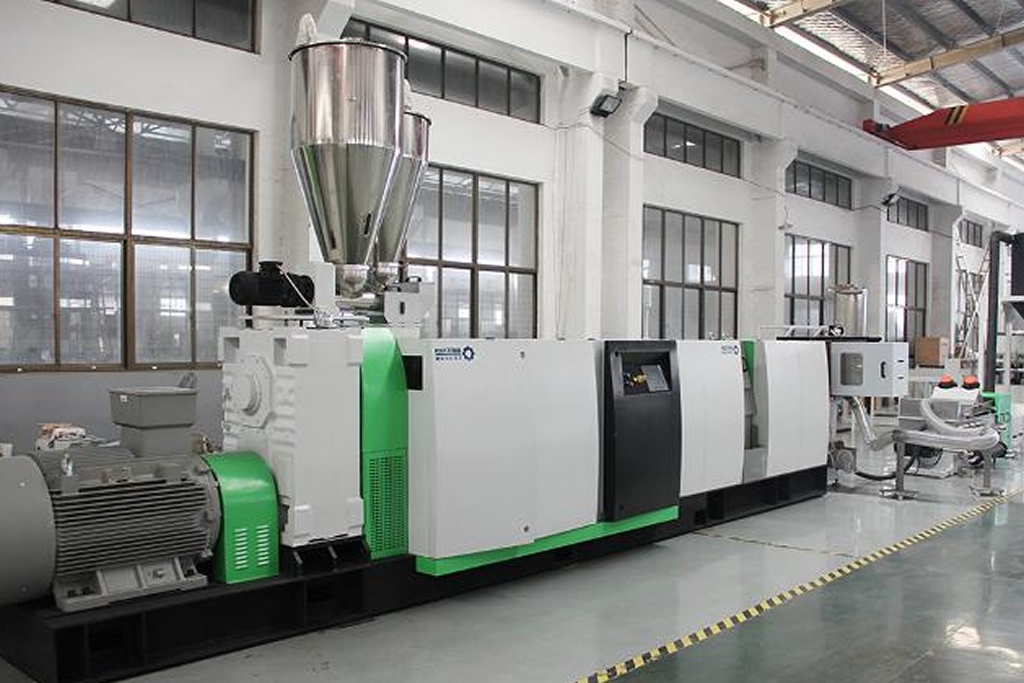
ភាពខុសគ្នានៃបច្ចេកទេស ក្រុមហ៊ុនផលិតធុងវីសភ្លោះ extruder មកលើសម្ភារៈ និងដំណើរការ: រោងចក្រផលិតគ្រាប់ផ្លាស្ទិចកែច្នៃឡើងវិញ
ធុងអាសូត. ឧស្ម័ន nitriding នៃដែកថែប 38CrMoAlA ឬ SACM645 បង្កើតបាន 0.5–0.7 mm ករណីរឹង (900–1100 HV). នេះគឺជាការព្យាបាលដែលមានប្រសិទ្ធភាពបំផុត។, ស័ក្តិសមសម្រាប់ដំណើរការប៉ូលីម៊ែរមិនសំណឹកដូចជា PE, PP, និង PS. ក្រុមហ៊ុនផលិតកំពូលសម្រេចបាននូវឯកសណ្ឋាន nitriding នៅខាងក្នុង ±50 HV ពេញប្រវែងធុង — ម៉ែត្រដែលបំបែកអ្នកផ្គត់ផ្គង់ដែលអាចទុកចិត្តបានពីអ្នកដែលមិនជាប់លាប់.
ធុង Bimetallic. ការដេញ centrifugal នៃជាតិដែកដែលមានមូលដ្ឋាន (Fe-B), នីកែលដែលមានមូលដ្ឋាន (ដោយ-Cr-B-Si), ឬស្រទាប់យ៉ាន់ស្ព័រដែលមានមូលដ្ឋានលើ cobalt នៅខាងក្នុង a 4140/4340 steel shell delivers 2–5x the wear life of nitrided barrels. The critical quality factor is liner-to-substrate bond integrity; ultrasonic testing should show zero delamination across 100% of the bore surface. Leading manufacturers in Zhoushan, ចិន, និង Brescia, ប្រទេសអ៊ីតាលី, have refined this process over decades.
លោហធាតុម្សៅ (ន) and HIP liners. សម្រាប់កម្មវិធីដែលត្រូវការបំផុត។ — processing glass-fiber-filled PA66, mineral-filled PPS, or ceramic-loaded battery electrode compounds — HIP-applied tool steel or tungsten carbide liners offer hardness exceeding 65 HRC with superior toughness. បច្ចេកវិទ្យានេះត្រូវបានគ្រប់គ្រងដោយអ្នកជំនាញអឺរ៉ុប និងជប៉ុនមួយចំនួនតូច, ជាមួយនឹងតម្លៃធុង 3–5x ខ្ពស់ជាងជម្រើស bimetallic ស្តង់ដារ.
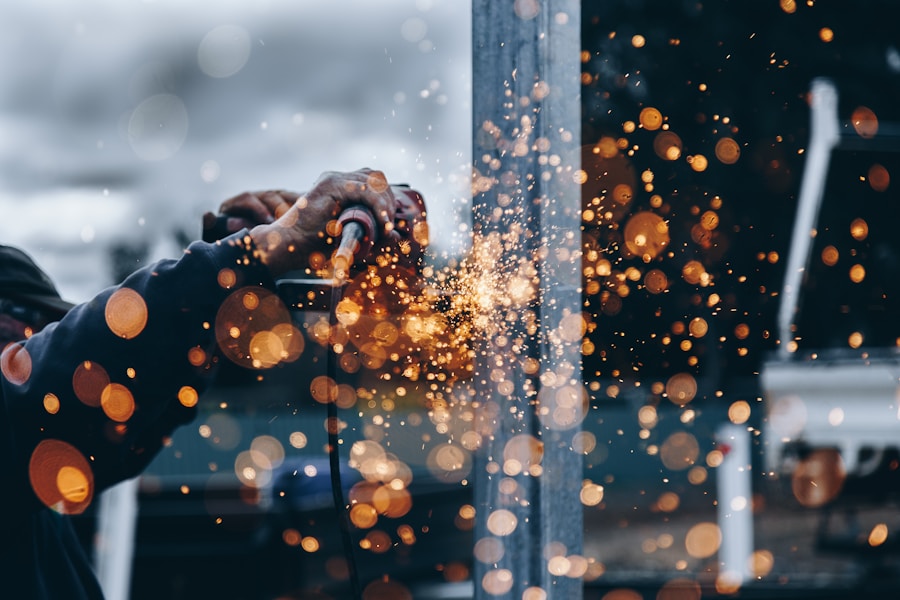
ភាពជាក់លាក់ម៉ាស៊ីន. ធុញបញ្ចប់ទៅរ៉ា 0.4 μm ឬប្រសើរជាងនេះ។, ការប្រមូលផ្តុំខាងក្នុង 0.03 mm លើសពីប្រវែងធុង 3 ម៉ែត្រ, និង H7-អត់ឱនសមនឹងចំណុចប្រទាក់ផ្នែកធុងមួយទៅធុង ទាមទារម៉ាស៊ីនខួងរន្ធជ្រៅ, ឧបករណ៍កាត់ CNC, និងការវាស់វែងយ៉ាងម៉ត់ចត់ក្នុងដំណើរការ. ក្រុមហ៊ុនផលិតវិនិយោគលើម៉ាស៊ីនវាស់សំរបសំរួល (CMM) និងការវាស់ស្ទង់ដោយឡាស៊ែរបង្ហាញពីការប្តេជ្ញាចិត្តចំពោះគុណភាពដែលអ្នកទិញ B2B គួរតែផ្ទៀងផ្ទាត់ក្នុងអំឡុងពេលសវនកម្មរោងចក្រ.
ការព្យាបាលលើផ្ទៃនិងថ្នាំកូត. បន្ទះ Chrome, ថ្នាំកូត PVD / CVD, និងការបាញ់ថ្នាំកម្ដៅ (HVOF តង់ស្ទីន carbide) គឺជាការព្យាបាលបន្ថែមដែលពង្រីកអាយុកាលធុងនៅក្នុងកម្មវិធីជាក់លាក់. A knowledgeable manufacturer recommends the optimal treatment based on the buyer's processing conditions rather than defaulting to the cheapest option.
គុណសម្បត្តិភូមិសាស្ត្រ និងគោលនយោបាយនៅក្នុងពាណិជ្ជកម្មធុង B2B
ភូមិសាស្ត្រ និងគោលនយោបាយពាណិជ្ជកម្មបង្កើតច្រករបៀងប្រភពផ្សេងៗគ្នាដែលអ្នកទិញ B2B ដ៏ឆ្លាតវៃកេងប្រវ័ញ្ច:
ចិនទៅអឺរ៉ុបតាមរថភ្លើង. ផ្លូវរថភ្លើងចិន-អឺរ៉ុបអ៊ិចប្រេស (CRE) ឥឡូវនេះបណ្តាញដំណើរការអស់ហើយ។ 15,000 ដំណើរកម្សាន្តប្រចាំឆ្នាំ, ជាមួយនឹងពេលវេលាឆ្លងកាត់ 15–18 ថ្ងៃទល់នឹង 30–35 ថ្ងៃតាមសមុទ្រ. សម្រាប់ការបញ្ជាទិញធុងដែលងាយនឹងពេលវេលា, ការដឹកជញ្ជូនតាមផ្លូវដែកផ្តល់នូវមូលដ្ឋានកណ្តាលរវាងតម្លៃដឹកជញ្ជូនតាមផ្លូវអាកាស និងសមុទ្រ. ចំណុចចេញដំណើរសំខាន់ៗ — ឧសភា, ទីក្រុង Chengdu, Xi'an — ភ្ជាប់ទៅទីក្រុង Hamburg, ឌូសបឺក, និង Madrid.
Turkey as a nearshore hub for EU buyers. Turkey's customs union with the EU eliminates duties on most industrial goods, including machinery parts. Turkish barrel manufacturers in Istanbul and Kocaeli offer 2–3 week delivery to Western Europe with competitive pricing, making Turkey an attractive alternative for EU-based compounders and OEMs seeking supply chain resilience.
India's production-linked incentive (PLI) scheme. India's PLI program for capital goods and specialty steel incentivizes domestic barrel manufacturing. For buyers serving the Indian subcontinent market, sourcing from Indian manufacturers avoids import duties of 7.5–15% and benefits from improving quality standards as Indian producers invest in European-grade equipment.
US-Mexico-Canada Agreement (USMCA). ធុងដែលផលិតនៅប្រទេសម៉ិកស៊ិក ជាមួយនឹងមាតិកាអាមេរិកខាងជើងគ្រប់គ្រាន់ មានលក្ខណៈសម្បត្តិគ្រប់គ្រាន់សម្រាប់ការចូលសហរដ្ឋអាមេរិក និងកាណាដាដោយមិនមានកាតព្វកិច្ច. ក្រុមហ៊ុនផលិតធុងប្រេងចិន និងតៃវ៉ាន់ជាច្រើនបានបង្កើត ឬកំពុងរុករកកន្លែងផលិតម៉ិកស៊ិក ដើម្បីបម្រើទីផ្សារអាមេរិកខាងជើងដោយមិនគិតពន្ធ។.
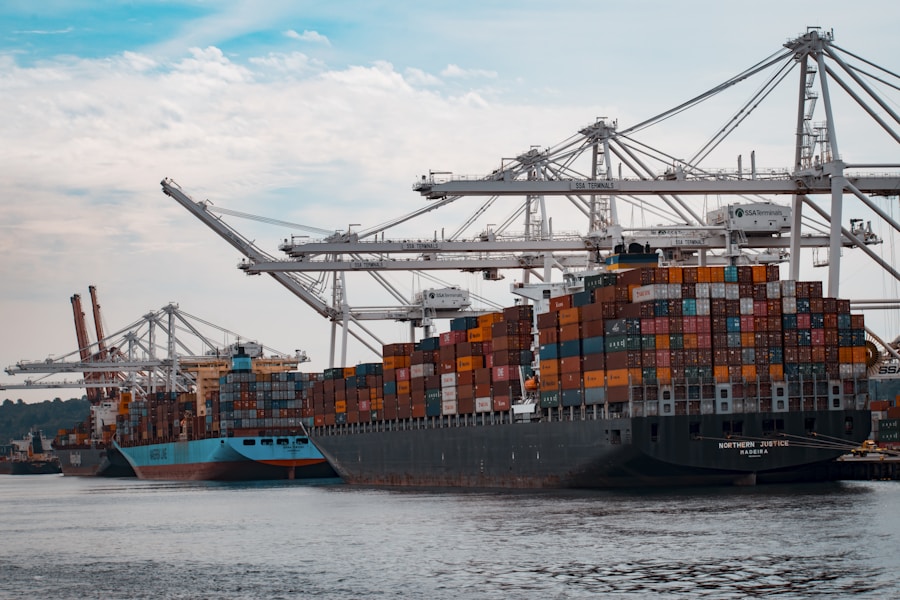
កុងតឺន័រដឹកទំនិញនៅកំពង់ផែពាណិជ្ជកម្មអន្តរជាតិដ៏សំខាន់មួយតំណាងឱ្យការដឹកជញ្ជូន B2B ឆ្លងព្រំដែនសម្រាប់ឧបករណ៍ឧស្សាហកម្ម
ករណីសិក្សា បារ៉ែល ប្រភពក្នុងការអនុវត្ត
ករណី 1: សមាសធាតុអ៊ឺរ៉ុបកាត់បន្ថយពេលវេលារងចាំដោយ 40% ជាមួយនឹងយុទ្ធសាស្ត្រប្រភពពីរ.
ឧបករណ៍ផ្សំផ្លាស្ទិចខ្នាតមធ្យមរបស់អាល្លឺម៉ង់កំពុងដំណើរការ 12 ខ្សែ extruder វីសភ្លោះ (Coperion ZSK 58 និង ZSK 92 វេទិកា) ប្រភពជាប្រវត្តិសាស្ត្រ ធុងជំនួសទាំងអស់ពីក្រុមហ៊ុនផលិតចិនតែមួយ. ក្នុង 2023, បញ្ហាគុណភាពជាមួយនឹងបាច់នៃធុង bimetallic — កម្រាស់ស្រទាប់មិនគ្រប់គ្រាន់នៅក្នុងតំបន់ពាក់ខ្ពស់។ — បណ្តាលឱ្យមានការផ្អាកមិនបានគ្រោងទុកដែលត្រូវចំណាយប្រាក់អឺរ៉ូប៉ាន់ស្មាន 180,000. ក្រុមហ៊ុនបានអនុវត្តយុទ្ធសាស្ត្រប្រភពពីរ: ការផ្គត់ផ្គង់ចម្បងពីក្រុមហ៊ុនផលិតដែលមានមូលដ្ឋាននៅ Zhoushan ដែលមាន ISO 9001:2015 និងវិញ្ញាបនប័ត្រ PED, និងការផ្គត់ផ្គង់បន្ទាប់បន្សំពីអ្នកផលិតទួរគីសម្រាប់ការបញ្ជាទិញបន្ទាន់. ដោយ, ក្រុមហ៊ុនរាយការណ៍ 40% ការកាត់បន្ថយពេលវេលារងចាំដែលទាក់ទងនឹងធុងដែលមិនបានគ្រោងទុក និង 12% ការចំណាយលើលទ្ធកម្មធុងជាមធ្យមទាបជាងតាមរយៈការដេញថ្លៃប្រកួតប្រជែងរវាងអ្នកផ្គត់ផ្គង់ទាំងពីរ. មេរៀនសំខាន់: តម្រូវឱ្យអ្នកផ្គត់ផ្គង់ទាំងពីរមានលក្ខណៈសម្បត្តិគ្រប់គ្រាន់ជាមួយនឹងពិធីការត្រួតពិនិត្យចូលយ៉ាងតឹងរ៉ឹង (ការធ្វើតេស្ត ultrasonic, ការធ្វើផែនទីនៃភាពរឹង, ការផ្ទៀងផ្ទាត់វិមាត្រ) ផ្តល់នូវអត្ថប្រយោជន៍ទាំងថ្លៃដើម និងភាពជឿជាក់.
ករណី 2: OEM របស់សហរដ្ឋអាមេរិក ការផលិតអាហារបំរុងបង្កើតការបញ្ជាក់អំពីធុងដែលមានកម្មសិទ្ធិជាមួយក្រុមហ៊ុនផលិតរបស់ចិន.
ក្រុមហ៊ុនផលិតឧបករណ៍បំពងអាហារវីសភ្លោះដែលមានមូលដ្ឋាននៅរដ្ឋ Wisconsin ត្រូវការធុងជាមួយនឹងស្រទាប់ដែកអ៊ីណុកដែលអនុលោមតាម FDA ដែលមានសមត្ថភាពទប់ទល់នឹងសំណឹក។, បរិស្ថានច្រេះនៃការបំប្លែងអាហារសត្វចិញ្ចឹមដែលមានសំណើមខ្ពស់។. ធុងកាតាឡុកស្ដង់ដារពីអ្នកផ្គត់ផ្គង់ក្នុងស្រុកមានតម្លៃ 28,000 ដុល្លារ–35,000 ក្នុងមួយឈុតមាន 10–14 ពេលវេលានាំមុខសប្តាហ៍. ក្រុមហ៊ុនបានចាប់ដៃគូជាមួយក្រុមហ៊ុន Jingjiang, ចិន, ក្រុមហ៊ុនផលិតដើម្បីសហការបង្កើតធុងដោយប្រើ 316L ស្រទាប់អ៊ីណុក centrifugally បោះចូលទៅក្នុងធុងមួយ។ 4140 សែល, ជាមួយនឹងធរណីមាត្រឆានែលត្រជាក់ផ្ទាល់ខ្លួន. បន្ទាប់ពីដំណើរការគុណវុឌ្ឍិរយៈពេល 6 ខែ រួមទាំងសវនកម្មរោងចក្រនៅនឹងកន្លែង និងការធ្វើតេស្តធុងសាកល្បង, ក្រុមហ៊ុនសម្រេចបាន។ 35% ការកាត់បន្ថយការចំណាយជាមួយនឹងការអនុវត្តសមមូល. លទ្ធកម្មប្រចាំឆ្នាំឥឡូវនេះលើសពី USD 1.2 លាន, ជាមួយនឹងធុងដឹកជញ្ជូនតាមសមុទ្រទៅកាន់កំពង់ផែ Chicago. ផ្នែក 301 ពន្ធបន្ថែម 25% ទៅនឹងតម្លៃដី, ប៉ុន្តែការសន្សំសុទ្ធធៀបនឹងប្រភពក្នុងស្រុកនៅតែមានសារៈសំខាន់នៅប្រមាណ ១៥–18%.
ករណី 3: មាត្រដ្ឋានចាប់ផ្តើមកែច្នៃឡើងវិញរបស់ឥណ្ឌាជាមួយនឹងប្រព័ន្ធធុងម៉ូឌុល.
A Mumbai-based plastics recycling startup processing post-consumer PET bottle flakes needed to scale from a single 52mm twin screw line to four lines within 18 ខែ. Capital constraints made purchasing complete new extruders impractical. ជំនួសវិញ។, the company sourced modular segmented barrel systems from a Guangzhou manufacturer, designed to retrofit onto locally assembled extruder frames. The segmented design allowed individual barrel sections to be replaced as they wore, reducing ongoing maintenance costs by an estimated 25% compared to monolithic barrel replacement. The manufacturer provided detailed engineering drawings and remote technical support for installation, demonstrating the value of manufacturer-buyer collaboration in emerging market contexts. Extruder វីសតែមួយ
ការធានាគុណភាព: What B2B Buyers Should Demand from Barrel Manufacturers
Professional procurement of twin screw barrels requires a structured quality assurance framework:
- Material certificates: Mill test reports (MTR) for barrel substrate steel and liner alloy, traceable to specific heat numbers. Verify chemical composition against specification (ឧ., ASTM A322 for 4140 ដែក, DIN 1.8519 for 38CrMoAlA).
- Hardness testing: Rockwell or Vickers hardness measurements at minimum 5 points along barrel length, on both liner surface and substrate. Request hardness mapping reports.
- Dimensional inspection: Bore diameter, concentricity, ភាពត្រង់, and surface finish (Ra) measurements using calibrated instruments. CMM reports for critical interface dimensions.
- Non-destructive testing (NDT): Ultrasonic testing for liner bond integrity (100% bore coverage), magnetic particle inspection for surface cracks, and dye penetrant testing for barrel segment sealing surfaces.
- វិញ្ញាបនប័ត្រ: អាយអេសអូ 9001:2015 (ការគ្រប់គ្រងគុណភាព), អាយអេសអូ 14001 (ការគ្រប់គ្រងបរិស្ថាន), and where applicable, PED 2014/68/EU (សេចក្តីណែនាំអំពីឧបករណ៍សម្ពាធ) សម្រាប់ធុងដែលកំពុងដំណើរការក្រោមសម្ពាធនៅក្នុងយុត្តាធិការរបស់សហភាពអឺរ៉ុប.
អ្នកទិញគួរតែធ្វើសវនកម្មរោងចក្រ — ដោយផ្ទាល់ ឬតាមរយៈភ្នាក់ងារអធិការកិច្ចភាគីទីបី (SGS, ការិយាល័យ Veritas, TÜV) — មុនពេលធ្វើការបញ្ជាទិញបរិមាណ. តម្លៃនៃសវនកម្មរោងចក្រ (1,500 ដុល្លារ–3,000) គឺតូចតាចបើប្រៀបធៀបទៅនឹងតម្លៃនៃការទទួលបានធុងដែលមិនសមស្រប.
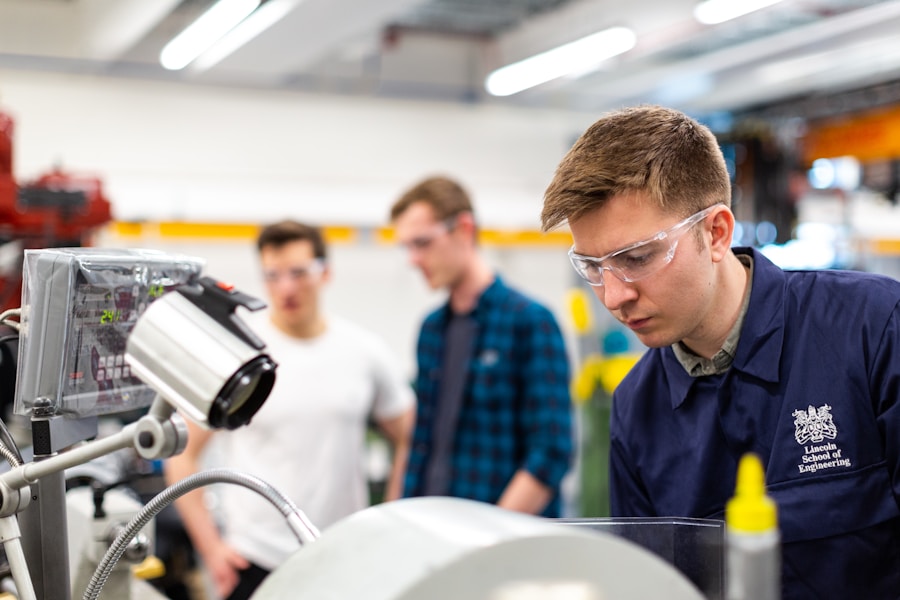
ការត្រួតពិនិត្យគុណភាពនៃសមាសធាតុលោហៈឧស្សាហកម្មដោយប្រើឧបករណ៍វាស់វែងភាពជាក់លាក់
ការព្យាករណ៍និន្នាការពាណិជ្ជកម្មធុងវីសភ្លោះ: ខែមិថុនា–សីហា
ផ្អែកលើសញ្ញាទីផ្សារបច្ចុប្បន្ន, ការអភិវឌ្ឍន៍គោលនយោបាយ, និងទិន្នន័យឧស្សាហកម្ម, និន្នាការខាងក្រោមត្រូវបានគេរំពឹងថានឹងបង្កើតការជួញដូរធុងវីសភ្លោះ B2B ក្នុងរយៈពេលមួយទៅពីរខែបន្ទាប់:
ភាពមិនប្រាកដប្រជានៃពន្ធជំរុញឱ្យមានការទិញជាមុន. សេចក្តីប្រកាសខែមេសានៃការពង្រីកពន្ធគយរបស់សហរដ្ឋអាមេរិកបានបង្កឱ្យមានរលកនៃការទិញជាមុនក្នុងចំណោមអ្នកចែកចាយនៅអាមេរិកខាងជើង និង OEMs. ក្រុមហ៊ុនផលិតធុងបារ៉ែលក្នុងប្រទេសចិនរាយការណ៍ពីការបញ្ជាទិញធ្លាក់ចុះដល់ 10–14 សប្តាហ៍, លើសពីធម្មតា ៦–8 សប្តាហ៍. អ្នកទិញដែលមិនទាន់បានធ្វើការបញ្ជាទិញសម្រាប់ការចែកចាយ Q3 គួរតែរំពឹងថានឹងមានពេលវេលានាំមុខយូរជាងនេះ ហើយពិចារណាជម្រើសនៃការដឹកជញ្ជូនលឿន.
Cr10 Max Extruder ថ្លៃដើមមានស្ថេរភាព. បន្ទាប់ពី Q1 ប្រែប្រួល, តម្លៃនីកែលបានទូទាត់ក្នុង 15,500 ដុល្លារ–16,500/ជួរតោននៅលើ LME, ហើយតម្លៃ Tungsten APT ស្ថិតនៅតម្លៃ 325 ដុល្លារ–340/បុគ្គល. ស្ថេរភាពនេះគួរតែបកប្រែទៅជាតម្លៃធុងដែលអាចព្យាករណ៍បានច្រើនជាងមុនរហូតដល់រដូវក្តៅ, ទោះបីជាក្រុមហ៊ុនផលិតអាចព្យាយាមរក្សាការកើនឡើងតម្លៃ Q1 ក៏ដោយ។. អ្នកទិញគួរតែចរចាដោយផ្អែកលើសន្ទស្សន៍វត្ថុធាតុដើមបច្ចុប្បន្ន ជាជាងទទួលយកតម្លៃកេរ្តិ៍ដំណែល.
ផលប៉ះពាល់នៃ Chinaplas. Chinaplas, ធ្វើឡើងនៅទីក្រុង Shenzhen ក្នុងខែមេសា, បានបង្ហាញក្រុមហ៊ុនផលិតធុងជាច្រើន។' ខ្សែផលិតផលថ្មី រួមទាំងធុងចម្រៀកដែលមានច្រកឧបករណ៍ចាប់សញ្ញារួមបញ្ចូលគ្នាសម្រាប់ឧស្សាហកម្ម 4.0 ការត្រួតពិនិត្យ, និងស្រទាប់ PM-HIP ជំនាន់ក្រោយជាមួយនឹងការអះអាង 30% ជីវិតពាក់បានយូរ. រំពឹងថាការច្នៃប្រឌិតទាំងនេះនឹងចូលទៅក្នុងភាពអាចរកបានពាណិជ្ជកម្មនៅក្នុង Q3–សំណួរទី 4, ផ្តល់ឱ្យអ្នកទិញដែលទទួលយកដំបូងនូវអត្ថប្រយោជន៍ប្រកួតប្រជែងក្នុងប្រសិទ្ធភាពដំណើរការ.
ក្រុមហ៊ុនផលិត Scale Extruder ការរាយការណ៍របស់ EU CBAM ជំរុញឱ្យមានគុណវុឌ្ឍិរបស់អ្នកផ្គត់ផ្គង់. នៅពេលដែល EU CBAM ដំណាក់កាលអន្តរកាលកំពុងដំណើរការ, អ្នកនាំចូលអឺរ៉ុបនៃផលិតផលដែលពឹងផ្អែកខ្លាំងលើដែកថែបរួមទាំងធុង extruder កំពុងចាប់ផ្តើមស្នើសុំទិន្នន័យកាបូនពីក្រុមហ៊ុនផលិត. អ្នកផ្គត់ផ្គង់ដែលអាចផ្តល់ទិន្នន័យការបំភាយឧស្ម័នដែលបានផ្ទៀងផ្ទាត់ (វិសាលភាព 1, 2, និង 3) នឹងត្រូវបានពេញចិត្ត. ក្រុមហ៊ុនផលិតរបស់ចិនដែលមានគ្រឿងបរិក្ខារប្រើប្រាស់ថាមពលកកើតឡើងវិញ។ (ជារឿងធម្មតាកាន់តែខ្លាំងឡើងនៅក្នុងខេត្ត Zhejiang និង Jiangsu) កំពុងដាក់ទីតាំងខ្លួនគេដោយអនុគ្រោះ.
ការវិនិយោគហេដ្ឋារចនាសម្ព័ន្ធកែច្នៃឡើងវិញបង្កើនល្បឿន. កម្មវិធីជំនួយរបស់រដ្ឋាភិបាល — the EU's Circular Economy Action Plan, the US EPA's Solid Waste Infrastructure for Recycling (SWIFR) ជំនួយ — កំពុងបញ្ចេញដើមទុនសម្រាប់បន្ទាត់កែច្នៃថ្មីនៅពាក់កណ្តាល. បន្ទាត់កែច្នៃមេកានិចថ្មីនីមួយៗជាធម្មតាទាមទារ 2–4 extruders វីសភ្លោះ, បកប្រែទៅតម្រូវការធុងដោយផ្ទាល់. ក្រុមហ៊ុនផលិត និងអ្នកចែកចាយដែលផ្តោតលើវិស័យកែច្នៃឡើងវិញ គួរតែរៀបចំសារពើភ័ណ្ឌទៅតាមនោះ។.
ប្រទេសឥណ្ឌាលេចចេញជាជម្រើសប្រភព. ក្រុមហ៊ុនផលិតធុងឥណ្ឌាដាក់តាំងបង្ហាញនៅ Plastivision India (មករា) ជាមួយនឹងគុណភាពផលិតផលដែលប្រសើរឡើងគួរឱ្យកត់សម្គាល់. ក្រុមហ៊ុនផលិតជាច្រើនដែលមានមូលដ្ឋាននៅ Ahmedabad និង Pune ទទួលបានគុណភាពធុង bimetallic ប្រៀបធៀបទៅនឹងអ្នកផលិតចិនពាក់កណ្តាលថ្នាក់នៅ 10–15% តម្លៃទាបជាង, driven by lower labor costs and India's growing specialty steel production capacity. សម្រាប់អ្នកទិញបម្រើអាស៊ីខាងត្បូង, មជ្ឈិមបូព៌ា, និងទីផ្សារអាហ្វ្រិក, ប្រភពឥណ្ឌាសមនឹងទទួលបានការវាយតម្លៃយ៉ាងធ្ងន់ធ្ងរ.
សុវត្ថិភាពនៅកន្លែងធ្វើការក្នុងបរិស្ថាន Extrusion: ការការពារប្រតិបត្តិករពីមូលដ្ឋាន
ខណៈពេលដែលការផ្តោតអារម្មណ៍នៃការណែនាំនេះគឺនៅលើប្រភពធុង, ពាណិជ្ជកម្ម B2B ដែលមានទំនួលខុសត្រូវក្នុងគ្រឿងម៉ាស៊ីនចំហេះត្រូវតែដោះស្រាយបរិយាកាសប្រតិបត្តិការដែលធុងទាំងនេះត្រូវបានដំឡើង. គ្រឿងបរិក្ខារសម្រាប់បញ្ចូលវីសភ្លោះបង្ហាញពីគ្រោះថ្នាក់ជាក់លាក់នៅកន្លែងធ្វើការ — សីតុណ្ហភាពខ្ពស់។ (ផ្ទៃធុងឈានដល់ 200–400°គ), ការគ្រប់គ្រងសមាសធាតុធ្ងន់ (ផ្នែកធុងមានទម្ងន់ 50–300 គីឡូក្រាមនីមួយៗ), ការលេចធ្លាយវត្ថុធាតុ polymer រលាយ, និងផ្ទៃជាន់ដែលកខ្វក់ដោយប្រេងកែច្នៃ និងធូលីដី. ការរងរបួសជើងគឺជាឧប្បត្តិហេតុនៅកន្លែងធ្វើការទូទៅបំផុត និងអាចការពារបាននៅក្នុងរោងចក្រកែច្នៃប្លាស្ទិក.
ករណីសម្រាប់ស្បែកជើងសុវត្ថិភាពនៅក្នុងកន្លែងបន្ថែម. នេះបើតាមសហរដ្ឋអាមេរិក. ការិយាល័យស្ថិតិការងារ (BLS), របួសជើងមានចំនួនប្រហែល 60,000 ការរងរបួសនៅកន្លែងធ្វើការជារៀងរាល់ឆ្នាំនៅសហរដ្ឋអាមេរិក, ជាមួយនឹងបរិយាកាសផលិតកម្មដែលតំណាងឱ្យចំណែកមិនសមាមាត្រ. ទីភ្នាក់ងារអឺរ៉ុបសម្រាប់សុវត្ថិភាព និងសុខភាពនៅកន្លែងធ្វើការ (EU-OSHA) រាយការណ៍អំពីគំរូស្រដៀងគ្នានៅទូទាំងរដ្ឋជាសមាជិកសហភាពអឺរ៉ុប. នៅក្នុងគ្រឿងបរិក្ខារ extrusion ជាពិសេស, គ្រោះថ្នាក់បឋមរួមមាន:
- បុករបួសពីបំណែកធុងដែលធ្លាក់, ធាតុវីស, ឬស្លាប់សមាសធាតុកំឡុងពេលប្រតិបត្តិការថែទាំ និងផ្លាស់ប្តូរ.
- របួសរលាកពីការប៉ះនឹងផ្ទៃធុងក្តៅ, វត្ថុធាតុ polymer រលាយ, ឬការជួបប្រជុំគ្នាកំដៅ.
- Puncture injuries from metal shavings, broken screw tips, or sharp-edged barrel liner fragments.
- Slip injuries on floors contaminated with processing oils, ទឹកពីប្រព័ន្ធត្រជាក់, or spilled polymer pellets.
- Electrical hazards from barrel heater band wiring during maintenance.
Safety footwear standards and specifications. B2B buyers of extrusion equipment should ensure their facilities — and their customers' គ្រឿងបរិក្ខារ — are equipped with appropriate safety footwear meeting recognized standards:
- ASTM F2413 (US standard): Specifies requirements for protective footwear including impact resistance (I/75 — 75 ft-lbs impact protection), ភាពធន់នឹងការបង្ហាប់ (គ/៧៥ — 2,500 lbs compression), ការការពារ metatarsal (ម៉ែត/៧៥), and electrical hazard (អ៊ី) ratings.
- នៅក្នុង ISO 20345 (EU standard): Defines safety footwear classes from SB (ការការពារម្រាមជើងជាមូលដ្ឋាន, 200J impact) តាមរយៈ S5 (ការការពារម្រាមជើង + កែងជើងបិទ + ថ្នាំសំលាប់មេរោគ + ការស្រូបយកថាមពល + ធន់នឹងទឹក។ + ភាពធន់នឹងការជ្រៀតចូល + outsole cleated). For extrusion environments, S3 or S5 rated footwear is recommended.
- ម្រាមជើងសមាសធាតុទល់នឹង. ម្រាមជើងដែក: មួកម្រាមជើងផ្សំទំនើប (សរសៃកញ្ចក់, ជាតិសរសៃកាបូន, ឬ Kevlar) ផ្តល់ការការពារស្មើនឹងដែកថែបនៅ 30–40% ទម្ងន់តិច, with the added benefit of thermal insulation — important in extrusion environments where floor temperatures near barrel heating zones can be elevated.
Sprite Extruder Bltouch Mount Heat-resistant soles. Standard rubber outsoles degrade at sustained contact temperatures above 150°គ. Extrusion facility safety footwear Crality Dual Gear Extruder should feature nitrile rubber or Viton-compound outsoles rated for 300°C contact resistance, protecting against accidental stepping on hot polymer drips or near barrel heating zones.
Anti-fatigue and ergonomic considerations. Extrusion operators and maintenance technicians often work 8–12 hour shifts on concrete floors. Safety footwear with energy-return midsoles (PU or EVA foam), ការគាំទ្រ arch, and moisture-wicking linings reduces fatigue-related accidents — a factor that safety managers increasingly recognize as contributing to overall workplace safety performance.

ROI នៃកម្មវិធីស្បែកជើងសុវត្ថិភាព. ក្រុមប្រឹក្សាសុវត្ថិភាពជាតិប៉ាន់ប្រមាណថាការចំណាយជាមធ្យមនៃការរងរបួសជើងនៅកន្លែងធ្វើការនៅសហរដ្ឋអាមេរិកគឺ USD 9,600 នៅក្នុងការចំណាយផ្ទាល់ (វេជ្ជសាស្រ្ដ, កម្មករ' សំណង) និង ២៩,០០០ ដុល្លារ–42,000 ក្នុងការចំណាយសរុបរួមទាំងបាត់បង់ផលិតភាព, ការងារជំនួស, និងចំណាយរដ្ឋបាល. ស្បែកជើងសុវត្ថិភាពមួយគូ មានតម្លៃ 80 ដុល្លារ–250. សម្រាប់គ្រឿងបរិក្ខារជាមួយ 50 ប្រតិបត្តិករ extrusion, កម្មវិធីស្បែកជើងសុវត្ថិភាពដ៏ទូលំទូលាយមានតម្លៃ 4,000 ដុល្លារ–12,500 ប្រចាំឆ្នាំ — ប្រភាគនៃតម្លៃនៃការរងរបួសជើងធ្ងន់ធ្ងរតែមួយ. ទិន្នន័យអឺរ៉ុបពី EU-OSHA បង្ហាញពីសេដ្ឋកិច្ចដែលអាចប្រៀបធៀបបាន។, ជាមួយនឹងតម្រូវការបទប្បញ្ញត្តិបន្ថែមនៃសេចក្តីណែនាំក្របខ័ណ្ឌ EU 89/391/EEC ដែលតម្រូវឱ្យនិយោជកផ្តល់ PPE សមស្របដោយមិនគិតថ្លៃដល់កម្មករ។.
ការរួមបញ្ចូលជាមួយពិធីការថែទាំធុង. B2B barrel manufacturers and suppliers can add value by including safety recommendations in their technical documentation. Barrel installation and removal procedures should specify required PPE including safety footwear class, reinforcing a culture of safety that