

Twin Screw Extruder China Supplier: The Definitive B2B Sourcing & Trade Guide for
Twin screw extruder China suppliers have become the backbone of global plastics processing, შეერთება, and polymer manufacturing supply chains. As international buyers from Europe, ჩრდილოეთ ამერიკა, and emerging markets seek cost-effective, high-performance extrusion machinery, China's twin screw extruder manufacturers offer an unmatched combination of advanced engineering, კონკურენტული ფასები, and scalable production capacity. ეს ყოვლისმომცველი სახელმძღვანელო განიხილავს მიმდინარე სავაჭრო ლანდშაფტს, მოპოვების სტრატეგიები, policy frameworks, and practical case studies that B2B buyers need to evaluate when selecting a twin screw extruder supplier from China — covering everything from factory audits and certifications to logistics, სატარიფო მოსაზრებები, and future market trends through mid-.
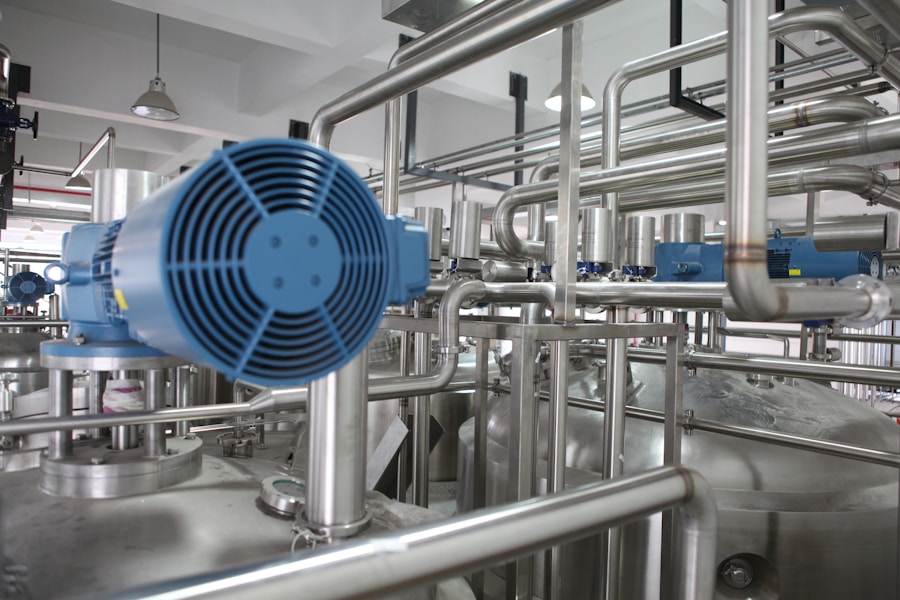
Industrial manufacturing facility with heavy machinery representing twin screw extruder production environment in China
The Global Twin Screw Extruder Market: Current State and China's Dominant Role
ორმაგი ხრახნიანი ექსტრუდერის გლობალური ბაზარი შეფასდა დაახლოებით აშშ დოლარად 5.2 მილიარდი ინ 2024 და ვარაუდობენ, რომ აშშ დოლარს მიაღწევს 7.8 მილიარდით 2030, იზრდება დაახლოებით CAGR-ზე 6.8%, მიერ გამოქვეყნებული მონაცემების მიხედვით გრანდ ხედის კვლევა და მორდორის დაზვერვა. China accounts for an estimated 35–40% of global twin screw extruder production volume, making it the single largest manufacturing hub for this category of industrial machinery.
Several factors underpin China's dominance in twin screw extruder manufacturing:
- Mature supply chain ecosystem: Concentrated industrial clusters in Nanjing, ჯიანგსუს პროვინცია (often called "China's Extruder Capital"), ჟანჯიაგანგი, Guangdong, and Zhejiang provide integrated access to steel, precision components, ძრავები, და კონტროლის სისტემები.
- Cost advantage: Chinese twin screw extruder manufacturers typically offer pricing 30–50% below European counterparts (მაგ., კოპერიონი, KraussMaffei, ლეისტრიცი) while increasingly matching quality benchmarks.
- Scale and customization: Leading Chinese suppliers operate factories exceeding 50,000 მ² with annual output of 500+ ერთეულები, offering custom screw configurations, barrel designs, and downstream integration.
- Export orientation: მონაცემები China Customs (GACC) indicates that twin screw extruder exports grew approximately 12% წლიდან წლამდე 2024, with the EU, სამხრეთ-აღმოსავლეთ აზია, and North America as primary destinations.
The competitive landscape includes established Chinese manufacturers such as Nanjing Jieya Extrusion Equipment Co., Nanjing Coperion Machinery (not affiliated with the German Coperion), USEON (ნანჯინგი), Nanjing Kerke Extrusion Equipment, and Guangdong-based suppliers like Dongguan Songhu Plastic Machinery. These companies serve diverse end-use sectors including polymer compounding, მასტერბეჩის წარმოება, საკვების გადამუშავება, pharmaceutical extrusion, and recycling applications.
Trade Policy and Its Impact on Machinery Sourcing from China
B2B buyers sourcing twin screw extruders from China must navigate an evolving and complex trade policy environment, particularly in the United States and European Union — the two largest destination markets for Chinese industrial machinery exports.
United States Trade Policy Landscape (2024–)
აშშ-ს. maintains Section 301 tariffs on a broad range of Chinese goods, originally imposed in 2018–2019. As of early, twin screw extruders classified under HTS codes 8477.20 (ექსტრუდერები რეზინის ან პლასტმასის სამუშაოებისთვის) face a baseline tariff of approximately 25% under Section 301 სია 3, in addition to standard MFN duties. The საერთაშორისო სავაჭრო ადმინისტრაცია (ITA) და აშშ. საერთაშორისო სავაჭრო კომისია (USITC) provide updated tariff schedules and exclusion processes.
Key considerations for U.S. importers:
- განყოფილება 301 tariff exclusion requests have been periodically reopened but remain limited in scope for machinery categories.
- The UFLPA (Uyghur Forced Labor Prevention Act) requires supply chain due diligence documentation from Chinese suppliers.
- Anti-dumping and countervailing duty (AD/CVD) investigations, while not currently active for twin screw extruders specifically, remain a risk factor that buyers should monitor through აშშ. Customs and Border Protection (CBP).
European Union Trade Policy Landscape
The EU applies a different framework. Twin screw extruders from China enter the EU under CN code 8477 20 00 with a standard MFN duty rate of 3.7%. The EU's Directorate-General for Trade has not imposed specific anti-dumping duties on twin screw extruders from China as of Q1, making the EU a comparatively more accessible market for Chinese machinery exports.
Extruder Factory თუმცა, the EU's Carbon Border Adjustment Mechanism (CBAM), რომელიც ოქტომბერში შევიდა გარდამავალ ფაზაში 2023, may indirectly affect machinery sourcing decisions as buyers increasingly evaluate the carbon footprint of manufacturing equipment. The European Commission's Taxation and Customs Union provides guidance on CBAM reporting obligations.

Busy international shipping port with container cranes representing global trade logistics for industrial machinery exports
B2B სავაჭრო შესაძლებლობები: Why Global Buyers Choose Twin Screw Extruder China Suppliers
The decision to source twin screw extruders from China is driven by a convergence of economic, technical, and strategic factors that create compelling B2B trade opportunities for international buyers.
Price-Performance Ratio
Plastic Sheet Extrusion Wholesale A co-rotating twin screw extruder with 65mm screw diameter (TSE-65) from a reputable Chinese manufacturer typically ranges from USD 45,000–85,000 FOB, compared to USD 120,000–250,000 for comparable Degradable Plastic Extrusion Line European-made machines. This price differential — often 50–65% — allows buyers to achieve faster ROI, particularly in price-sensitive markets or for startups scaling production capacity. Micro Extruder 3D Printer
Technical Advancement
Chinese twin screw extruder manufacturers have invested heavily Twin Screw Supplier in R&D over the past decade. Leading suppliers now offer: Plastic Recycling Manufacturer
- High-torque gearboxes with torque density ratings of 11.3 ნმ/სმ³ or higher, approaching European benchmarks.
- Modular barrel and screw element designs compatible with international standards (მაგ., interchangeable with Coperion ZSK-type elements in some cases).
- PLC/HMI control systems from Siemens, ABB, or Schneider Electric, with Industry 4.0 connectivity options.
- Specialized configurations for reactive extrusion, დევატალიზაცია, underwater pelletizing, and direct extrusion.
მოქნილი MOQ და პერსონალიზაცია
Amazon Plastic Asian Extruders Unlike some European OEMs with rigid product lines and long lead times (often 6–12 თვეების), Chinese suppliers frequently accept MOQ of 1 unit with lead times of 45–90 დღეები. Custom screw profiles, barrel metallurgy (nitrided steel, bimetallic, tungsten carbide), and integrated downstream equipment (strand pelletizers, water ring cutters, cooling conveyors) can be specified at order.
Growing Certification and Compliance
Top-tier Chinese twin screw extruder suppliers now routinely provide CE marking for EU market access, and many hold ISO 9001:2015 quality management certification. Some manufacturers have obtained UL certification for electrical components destined for the North American market. Buyers should verify certifications through independent audits or third-party inspection services such as SGS ან TÜV.
Challenges in Sourcing Twin Screw Extruders from China: What B2B Buyers Must Know
While the opportunities are significant, sourcing twin screw extruders from China presents challenges that require careful management:
ხარისხის თანმიმდევრულობა
The Chinese twin screw extruder market spans a wide quality spectrum — from world-class manufacturers to low-cost producers cutting corners on metallurgy, machining tolerances, and assembly quality. Buyers must conduct thorough due diligence:
- მოითხოვეთ მასალის სერთიფიკატები (mill certs) for barrels and screw elements.
- Verify gearbox specifications and source (მაგ., domestic vs. imported gearboxes from Flender, Zambello, or MAAG).
- Insist on factory acceptance testing (ცხიმიანი) with documented torque, ტემპერატურა, and throughput data.
After-Sales Service and Spare Parts
Geographic distance creates after-sales service challenges. საუკეთესო პრაქტიკა მოიცავს:
- Negotiating comprehensive spare parts packages at time of purchase (ხრახნიანი ელემენტები, ლულის ლაინერები, heating bands, thermocouples).
- Confirming whether the supplier maintains service engineers or authorized agents in the buyer's region.
- Establishing remote diagnostic capabilities via PLC connectivity.
Intellectual Property Considerations
Some Chinese manufacturers have faced allegations of reverse-engineering European designs. Buyers developing proprietary screw configurations or process recipes should implement appropriate IP protections, including NDAs and, სადაც შესაძლებელია, patent filings in China through the China National Intellectual Property Administration (CNIPA).
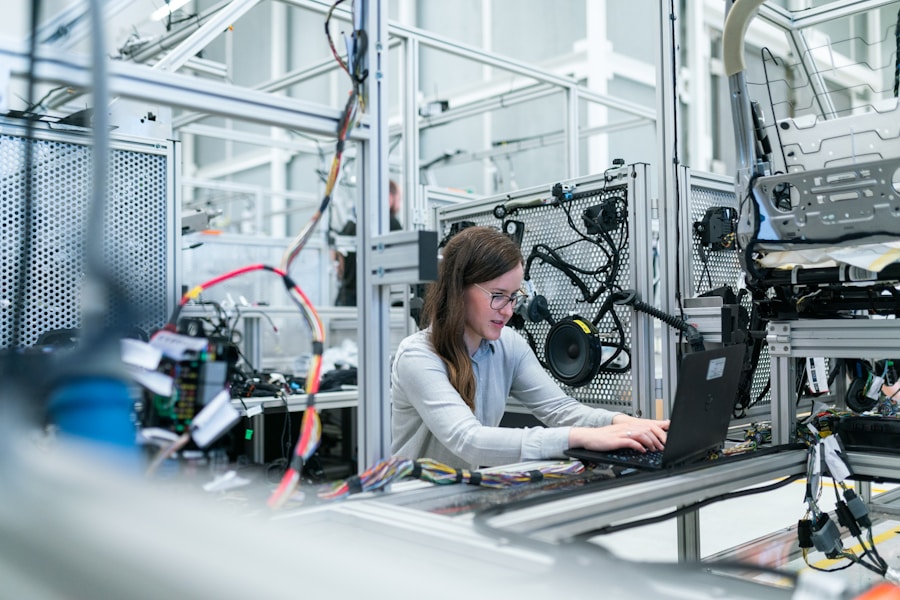
Engineer inspecting industrial machinery in a factory setting representing quality control for twin screw extruder manufactur
Geographic and Policy Advantages: How China's Infrastructure Enables B2B Extrusion Machinery Trade
China's geographic position and policy infrastructure create structural advantages for twin screw extruder exports that benefit B2B buyers worldwide.
Port and Logistics Infrastructure
Major twin screw extruder manufacturing clusters are located within 200 km of world-class container ports:
- Nanjing/Zhangjiagang manufacturers ship via Shanghai Port (the world's busiest container port) or Nanjing Longtan Port, with direct services to Rotterdam, ჰამბურგი, ლოს ანჯელესი, and Santos.
- Guangdong-based manufacturers access Shenzhen/Yantian and Guangzhou Nansha ports.
- ტრანზიტის დრო: approximately 25–30 დღეები ჩრდილოეთ ევროპაში, 14–18 დღეები სამხრეთ-აღმოსავლეთ აზიაში, and 18–25 days to U.S. დასავლეთის სანაპირო.
Free Trade Zones and Export Incentives
Chinese twin screw extruder manufacturers benefit from several policy mechanisms:
- VAT export rebates (ამჟამად 13% for machinery under HS 8477) reduce effective production costs.
- თავისუფალი სავაჭრო ზონები (მაგ., Shanghai FTZ, Jiangsu FTZ Nanjing Area) facilitate streamlined customs procedures.
- „ქამარი და გზა“ ინიციატივა (BRI) has improved logistics connectivity to emerging markets in Central Asia, აფრიკა, და ლათინური ამერიკა, opening new export corridors for Chinese machinery.
Trade Agreement Framework
China's participation in the Regional Comprehensive Economic Partnership (RCEP), effective since January 2022, provides preferential tariff treatment for twin screw extruder exports to ASEAN, ავსტრალია, ახალი ზელანდია, იაპონია, და სამხრეთ კორეა. While RCEP does not cover the EU or U.S., it strengthens China's position as a regional manufacturing hub and creates opportunities for triangular trade structures.
საქმის შესწავლა: European Compounder Sources Twin Screw Extruder Line from China
A mid-sized polymer compounding company based in Northern Germany (ანონიმური კონფიდენციალურობისთვის) provides an instructive case study in successful B2B sourcing of twin screw extruders from China.
Background
კომპანია, specializing in engineering plastics compounding (PA6, PA66, PBT with glass fiber reinforcement), needed to expand capacity with two additional twin screw extruder lines (75mm and 95mm screw diameter) for its facility near Hamburg. European OEM quotes ranged from EUR 280,000–380,000 per line.
Sourcing Process
- Initial screening: The buyer identified 12 potential Chinese suppliers through trade platforms (ალიბაბა, Made-in-China.com), industry exhibitions (Chinaplas 2024), and referrals from industry contacts.
- Shortlisting: After reviewing company profiles, certifications (CE, ISO 9001), and reference customer lists, the buyer shortlisted 4 მწარმოებლები — all based in Nanjing.
- Factory audits: The buyer's engineering team visited all 4 factories over a 5-day trip, evaluating machining capabilities, assembly processes, test facilities, and installed base references.
- Technical negotiation: Detailed specifications were negotiated over 3 თვეების, including screw element metallurgy (PM-HIP steel for abrasive glass fiber compounds), gearbox selection (imported European gearbox for the 95mm line), and control system (Siemens S7-1500 PLC with WinCC HMI).
- Contract and payment: 30% T/T advance, 60% against B/L, 10% retention for 6 ექსპლუატაციიდან რამდენიმე თვის შემდეგ.
შედეგები
- Total cost for both lines (including ocean freight CIF Hamburg, installation supervision, and 2-year spare parts package): ევრო 195,000 — დაახლოებით 40% below the lowest European quote.
- Delivery: 75 days from order confirmation to ex-works.
- შესრულება: After 8 ფუნქციონირების თვე, both lines achieved rated throughput (800 kg/h for TSE-75, 1,500 kg/h for TSE-95) with specific energy consumption within 5% of European benchmarks.
- Issues encountered: Minor electrical wiring documentation errors (resolved during commissioning), and one heating band failure at month 4 (replaced from spare parts stock).
This case demonstrates that with rigorous due diligence, clear technical specifications, and appropriate contractual protections, sourcing twin screw extruders from China can deliver substantial cost savings without compromising operational performance.
Business professionals reviewing technical documents at a trade exhibition representing B2B machinery sourcing negotiations
How to Evaluate a Twin Screw Extruder China Supplier: A Practical Checklist
For B2B buyers approaching the Chinese twin screw extruder market for the first time, the following evaluation framework provides a structured approach:
Company Credentials
- Years in business (მინიმალური 10 years preferred for established track record).
- Annual production volume and factory size.
- Export percentage and key destination markets.
- სერთიფიკატები: ISO 9001, CE (verified by notified body, not self-declared), and any industry-specific certifications.
Technical Capabilities
- In-house machining: CNC boring, grinding, and balancing equipment for barrels and screws.
- Gearbox sourcing: In-house vs. outsourced; domestic vs. imported options.
- Screw element library: Range of conveying, მოზელვა, შერევა, and specialty elements available.
- Test/demonstration facility: Ability to conduct material trials on production-scale equipment.
Quality Assurance
- Incoming material inspection procedures.
- In-process quality checkpoints (განზომილებიანი შემოწმება, hardness testing, surface finish measurement).
- Factory acceptance test (ცხიმიანი) protocol and documentation.
- Traceability system for critical components.
Commercial Terms
- Payment terms flexibility (ლ/კ, T/T with milestone payments, trade credit insurance options).
- საგარანტიო პირობები (მინიმალური 12 თვეების; 18–24 months increasingly common).
- Spare parts pricing and availability commitment.
- After-sales service: on-site commissioning, remote support, regional service partners.

Quality control inspection of precision metal components in a manufacturing facility
Industry Applications Driving Demand for Twin Screw Extruders from China
The breadth of applications served by twin screw extruders continues Double Screw Extruder Manufacturers to expand, creating diverse demand drivers for Chinese suppliers:
Polymer Compounding and Masterbatch
The largest application segment, accounting for approximately 45% of twin screw extruder demand globally. Chinese suppliers serve compounders producing filled and reinforced engineering plastics, color masterbatch, additive masterbatch, and specialty compounds for automotive, ელექტრონიკა, and construction sectors.
Plastics Recycling
The circular economy push in Europe (EU Plastics Strategy targeting 55% recycling of plastic packaging by 2030) and similar initiatives globally are driving demand for twin screw extruders configured for recycling applications — including contamination removal, დევატალიზაცია, and re-compounding of post-consumer and post-industrial waste streams. Chinese manufacturers have developed cost-effective recycling extruder configurations that are particularly attractive for emerging market recyclers.
Food and Feed Processing
Twin screw extruders are essential in producing textured vegetable protein (TVP), snack foods, შინაური ცხოველების საკვები, and aquafeed. The global plant-based protein market, projected to reach USD 35 მილიარდით 2027 მიხედვით Bloomberg Intelligence, is creating new demand for food-grade twin screw extruders with hygienic design standards.
Pharmaceutical and Chemical Processing
ცხელი დნობის ექსტრუზია (HME) for pharmaceutical applications and reactive extrusion for specialty chemicals represent growing niche markets. While European manufacturers currently dominate the pharmaceutical-grade segment, Chinese suppliers are investing in cleanroom-compatible designs and FDA-compliant documentation to capture market share.
Workplace Safety in Extrusion Operations: Protecting Operators and Ensuring Compliance
Operating twin screw extruders involves significant workplace safety considerations that B2B buyers must address — not only for regulatory compliance but for the protection of their most valuable asset: their workforce. This section examines safety requirements with particular attention to foot and toe protection, a critical but often overlooked aspect of extrusion plant safety.
Hazard Profile of Twin Screw Extruder Operations
Twin screw extruder environments present multiple hazards to operators' feet and lower extremities:
- მძიმე საგნის ვარდნა: ხრახნიანი ელემენტები, ლულის სეგმენტები, and die components can weigh 10–50 kg individually. A dropped barrel segment can cause severe crush injuries to unprotected feet.
- Hot material spills: Molten polymer at temperatures of 180–350°C can splash or drip during die changes, purging operations, or equipment malfunctions.
- ქიმიური ზემოქმედება: Processing additives, გამწმენდი გამხსნელები, and degradation byproducts may contact footwear.
- სრიალის საფრთხეები: Pellet spills, water from cooling systems, and lubricant residues create slippery floor conditions.
- Compression hazards: Rolling equipment (პელეტიზატორები, კონვეიერები) and forklift traffic in material handling areas pose compression risks.
Safety Footwear Standards and Requirements
International safety standards mandate specific footwear protection levels for industrial environments like extrusion plants:
- ISO-ში 20345:2022 (ევროპა): Defines safety footwear with toe protection capable of withstanding 200J impact energy and 15kN compression force. Class S3 footwear (water-resistant, შეღწევადობის მდგრადი ძირი, energy-absorbing heel, cleated outsole) is typically the minimum requirement for extrusion plant environments.
- ASTM F2413-18 (ჩრდილოეთ ამერიკა): Specifies impact resistance (I/75 — 75 ფუტ-ფუნტი) and compression resistance (C/75 — 2,500 ფუნტი) for protective toe caps. Additional ratings include metatarsal protection (Mt), electrical hazard (ეჰ), and static dissipative (SD) properties.
- ISO 20346 და ISO 20347: Define protective footwear (lower protection levels) and occupational footwear (no toe protection) respectively — generally insufficient for extrusion environments.
Why Steel-Toe and Composite-Toe Safety Shoes Are Essential
The toe area is the most vulnerable part of the foot in industrial settings. Data from the აშშ. Bureau of Labor Statistics (BLS) indicates that foot injuries account for approximately 7% of all workplace injuries, with toe fractures and crush injuries being the most common type. In manufacturing environments specifically, the incidence rate is significantly higher.
Modern safety toe caps come in three primary materials:
- ფოლადის ფეხის ქუდები: ტრადიციული სტანდარტი, offering excellent impact and compression resistance at low cost. Weight penalty of approximately 80–100g per shoe compared to non-safety footwear.
- ალუმინის ფეხის ქუდები: 30–40% lighter than steel while meeting the same protection standards. Preferred in environments where weight reduction improves operator comfort during long shifts.
- კომპოზიტური ფეხის ქუდები: დამზადებულია მინაბოჭკოვანი მასალისგან, ნახშირბადის ბოჭკოვანი, ან კევლარი. Non-metallic, არაგამტარი, and lighter than steel. Ideal for environments with metal detectors or electrical hazards. Increasingly popular in modern extrusion facilities.
Additional Safety Features for Extrusion Plant Footwear
60 Degree Plastic Extrusion თითების დაცვის მიღმა, safety Extrusion Plastic In Austria footwear for twin screw extruder operations should incorporate:
- სითბოს მდგრადი ძირები: Outsoles rated for contact heat resistance up to 300°C (HRO rating per EN ISO 20345) protect against brief contact with hot surfaces or spilled polymer.
- Anti-penetration midsoles: Steel or textile (მაგ., კევლარი) midsoles prevent puncture injuries from sharp metal fragments, გატეხილი ხრახნიანი ელემენტები, or wire debris.
- Anti-static/ESD properties: Electrostatic discharge protection is important in environments processing flammable polymer dusts or volatile additives.
- ქიმიური წინააღმდეგობა: Polyurethane (PU) or nitrile rubber outsoles resist degradation from common industrial chemicals and solvents.
- Ankle support: Mid-cut or high-cut boot designs provide ankle stability and protection against molten material splash.
- ცურვის წინააღმდეგობა: SRC-rated outsoles (შემოწმებულია როგორც კერამიკულ ფილაზე განზავებული საპნის ხსნარით და ფოლადი გლიცეროლით) are essential given the slip hazards in extrusion environments.
B2B Sourcing of Safety Footwear: The China Supply Chain Advantage
Just as with twin screw extruders themselves, China is a major global supplier of industrial safety footwear. Chinese safety shoe manufacturers — concentrated in Wenzhou (Zhejiang), Dongguan (Guangdong), and Jieyang (Guangdong) — produce an estimated 60% of the world's safety footwear. B2B buyers sourcing both extrusion equipment and safety footwear from China can leverage: Plastic Pelletizer Manufacturer
- Consolidated shipping logistics (combining machinery and PPE in container shipments).
- Competitive pricing: CE-certified S3 safety shoes from Chinese manufacturers typically range USD 15–35 per pair FOB for bulk orders (MOQ 500–1,000 წყვილები), compared to USD 60–150 retail for equivalent European brands.
- მორგება: OEM/ODM services for company-branded safety footwear with specific color schemes, logo embossing, and feature configurations.
Regulatory Compliance and Certification for Safety Footwear
B2B buyers must ensure that safety footwear sourced from China meets destination market requirements:
- EU market: CE marking per EU Regulation 2016/425 (Personal Protective Equipment Regulation), with EU-type examination by a notified body. The footwear must comply with EN ISO 20345:2022.
- აშშ. ბაზარი: Compliance with ASTM F2413-18, typically verified through independent testing laboratories.
- Other markets: AS/NZS 2210.3 (Australia/New Zealand), CSA Z195-14 (კანადა), and various national standards apply.
Reputable Chinese safety footwear manufacturers maintain testing relationships with international laboratories such as SATRA Technology Centre (UK), ინტერტეკი, და SGS to provide credible certification documentation.

სამრეწველო მუშაკი, რომელიც ატარებს უსაფრთხოების აღჭურვილობას, მათ შორის დამცავ ფეხსაცმელს საწარმოო გარემოში
სავაჭრო ტენდენციის პროგნოზი: Twin Screw Extruder Market Outlook for Mid-
არსებული ბაზრის მაჩვენებლების საფუძველზე, პოლიტიკის განვითარება, and industry data from sources including the პლასტმასის მრეწველობის ასოციაცია, PlasticsEurope, და IMF World Economic Outlook, the following trends are expected to shape the twin screw extruder trade landscape through Q3:
1. Continued Strong Demand from Recycling Sector
EU Extended Producer Responsibility (EPR) regulations and the U.S. EPA's National Recycling Strategy are driving capital investment in plastics recycling infrastructure. Twin screw extruders optimized for recycling applications — featuring enhanced devolatilization, melt filtration integration, and contamination-tolerant designs — will see above-average demand growth of 10–15% in. Plastic Extrusion Machine Diagram
2. Tariff Uncertainty and Supply Chain Diversification
The potential for escalated U.S.–China trade tensions in creates uncertainty for North American buyers. Some buyers are exploring "China+1" strategies, evaluating twin screw extruder suppliers in India (მაგ., Rajoo Engineers, Kabra Extrusiontechnik) and Turkey as alternatives. თუმცა, China's cost and capability advantages remain difficult to replicate in the near term.
3. Technology Convergence: მრეწველობა 4.0 and Smart Extrusion
Chinese twin screw extruder manufacturers are accelerating integration of IoT sensors, cloud-based monitoring platforms, და AI-ზე ორიენტირებული პროცესის ოპტიმიზაცია. Buyers should expect to see standard offerings of remote monitoring dashboards, predictive maintenance alerts, and digital twin capabilities from leading Chinese suppliers by late.
4. Sustainability as a Procurement Criterion
European buyers in particular are increasingly requiring carbon footprint data and sustainability reporting from machinery suppliers. Chinese manufacturers responding to this trend are investing in energy-efficient drive systems (IE4/IE5 motors), renewable energy for factory operations, and lifecycle assessment (LCA) დოკუმენტაცია.
5. Currency and Financing Dynamics
The RMB/USD and RMB/EUR exchange rates will influence effective pricing. Chinese government export financing programs through China Exim Bank და Sinosure (China Export & საკრედიტო სადაზღვევო კორპორაცია) provide credit insurance and buyer financing options that can improve commercial terms for international B2B buyers.
6. Emerging Market Expansion
Twin screw extruder demand from Africa, ახლო აღმოსავლეთი, and Central Asia is growing at 15–20% annually as these regions develop domestic plastics processing capacity. Chinese suppliers, with their competitive pricing and BRI-facilitated logistics, are well-positioned to capture this growth.