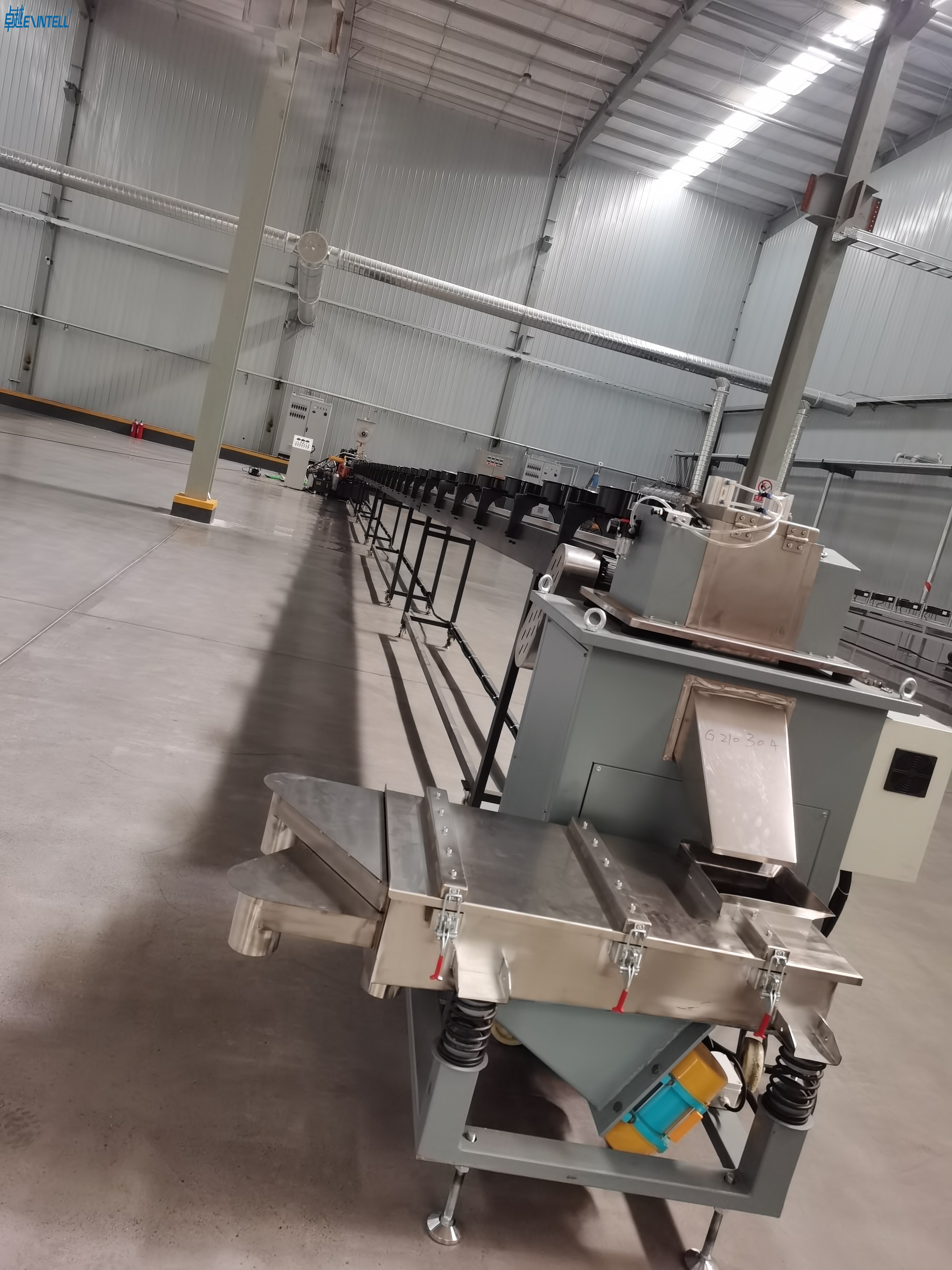
I seeპლასტიკური ექსტრუზიაas a process that turns raw plastic pellets into useful shapes like pipes or sheets. სურათის დასახატავად, ვფიქრობ კბილის პასტის გამოწურვა მილიდან - გარდა პასტის ნაცვლად, მე ვიყენებ გამდნარ პლასტმასს, და მილის ნაცვლად, სპეციალური ფორმა მაქვს. This method producesდასრულდა 140 million metric tonsof plastic products globally each year:
Region
წარმოების მოცულობა (metric tons)
Asia-Pacific
71 მილიონი
ჩრდილოეთ ამერიკა
29 მილიონი
ევროპა
25 მილიონი
Total
142 მილიონი
გასაღები Takeaways
Plastic extrusion transformsraw plastic pellets into useful shapes like pipes and sheets through a continuous process.
Temperature and pressure control are crucial for ensuring the quality of the final product during extrusion.
Common products made from plastic extrusion include packaging, სამშენებლო მასალები, and medical tubing.
Understanding the extrusion process allows manufacturers to create customized shapes and meet specific industry needs.
What Is Plastic Extrusion?
Simple Explanation
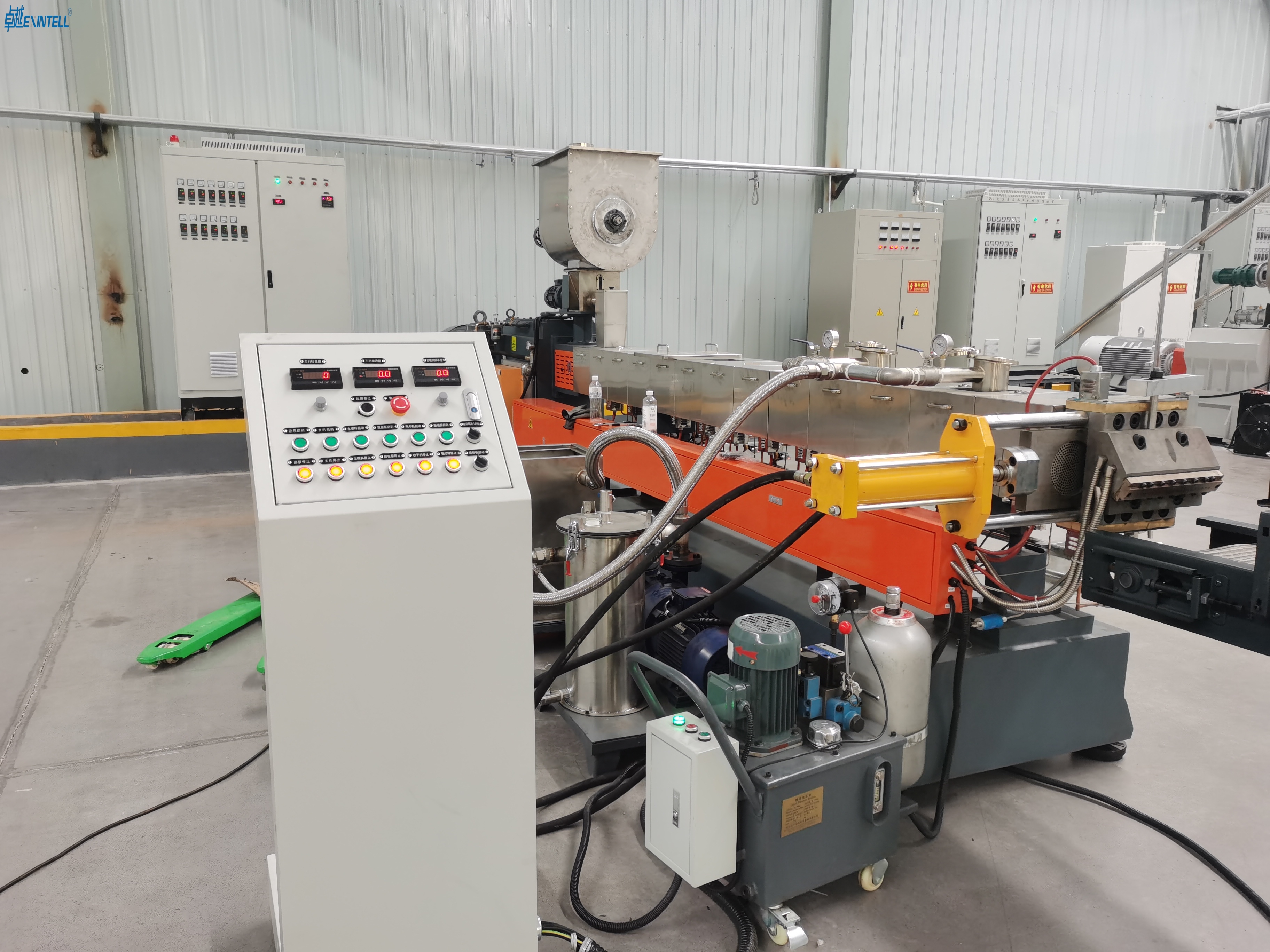
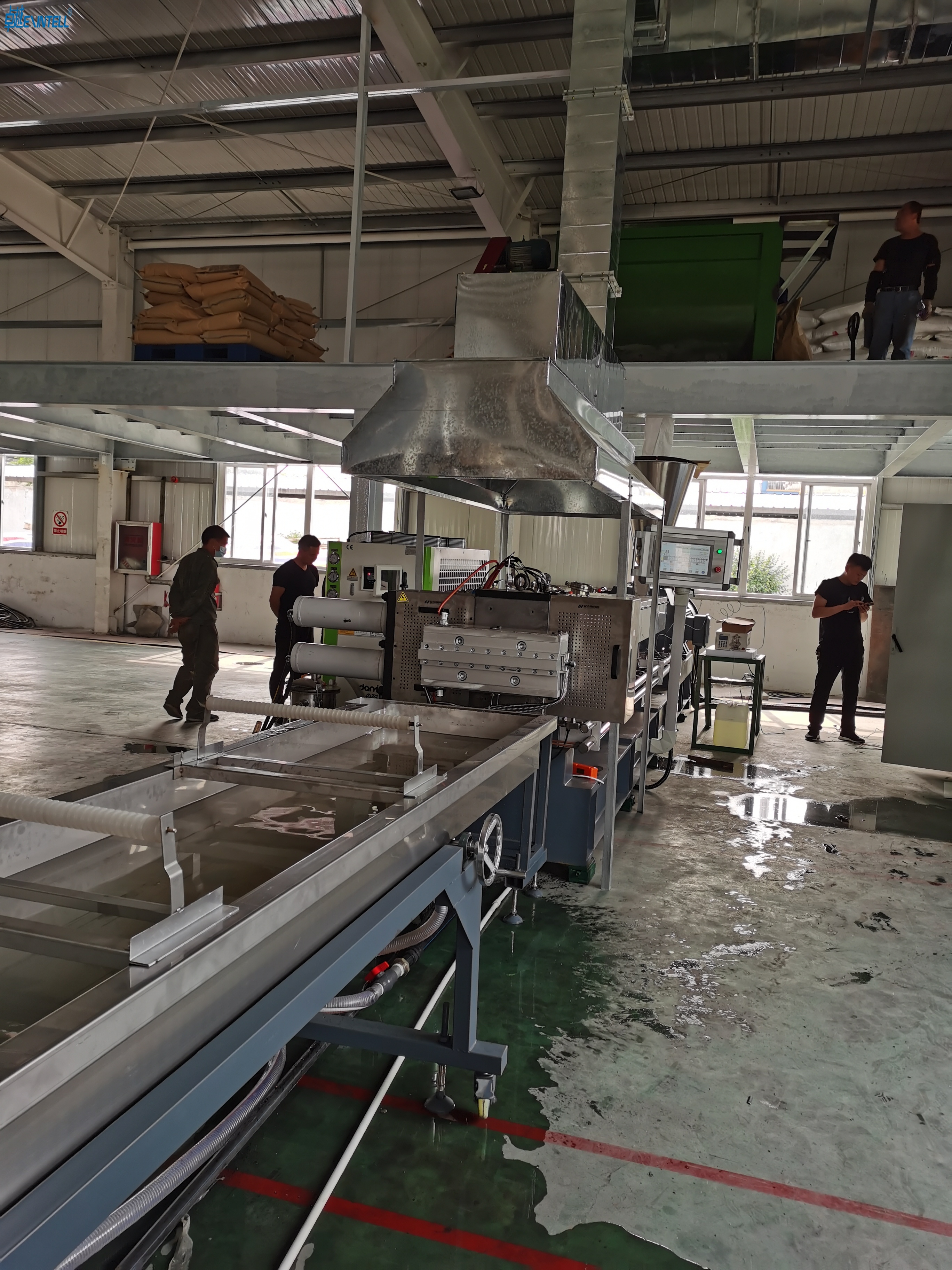
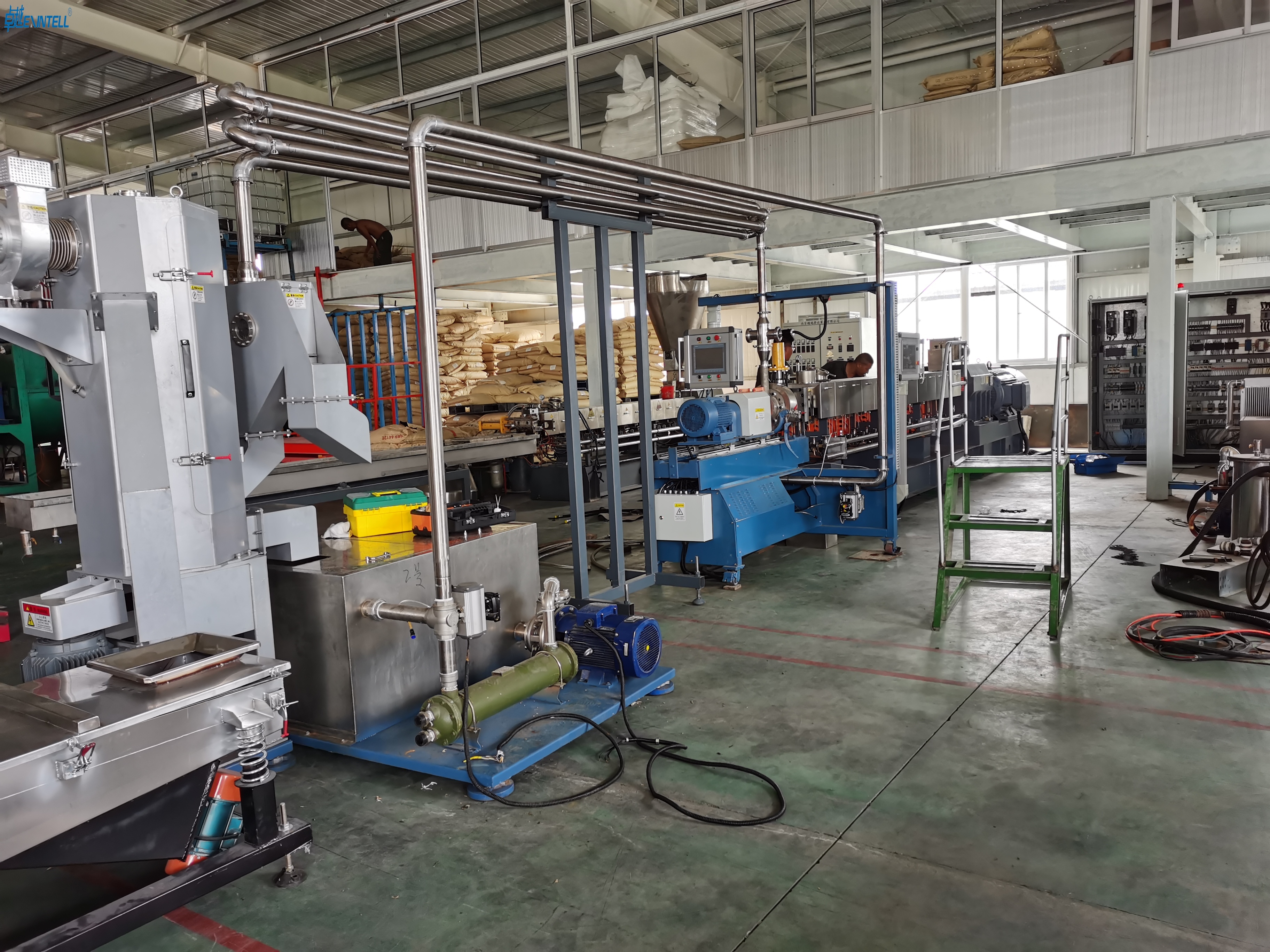
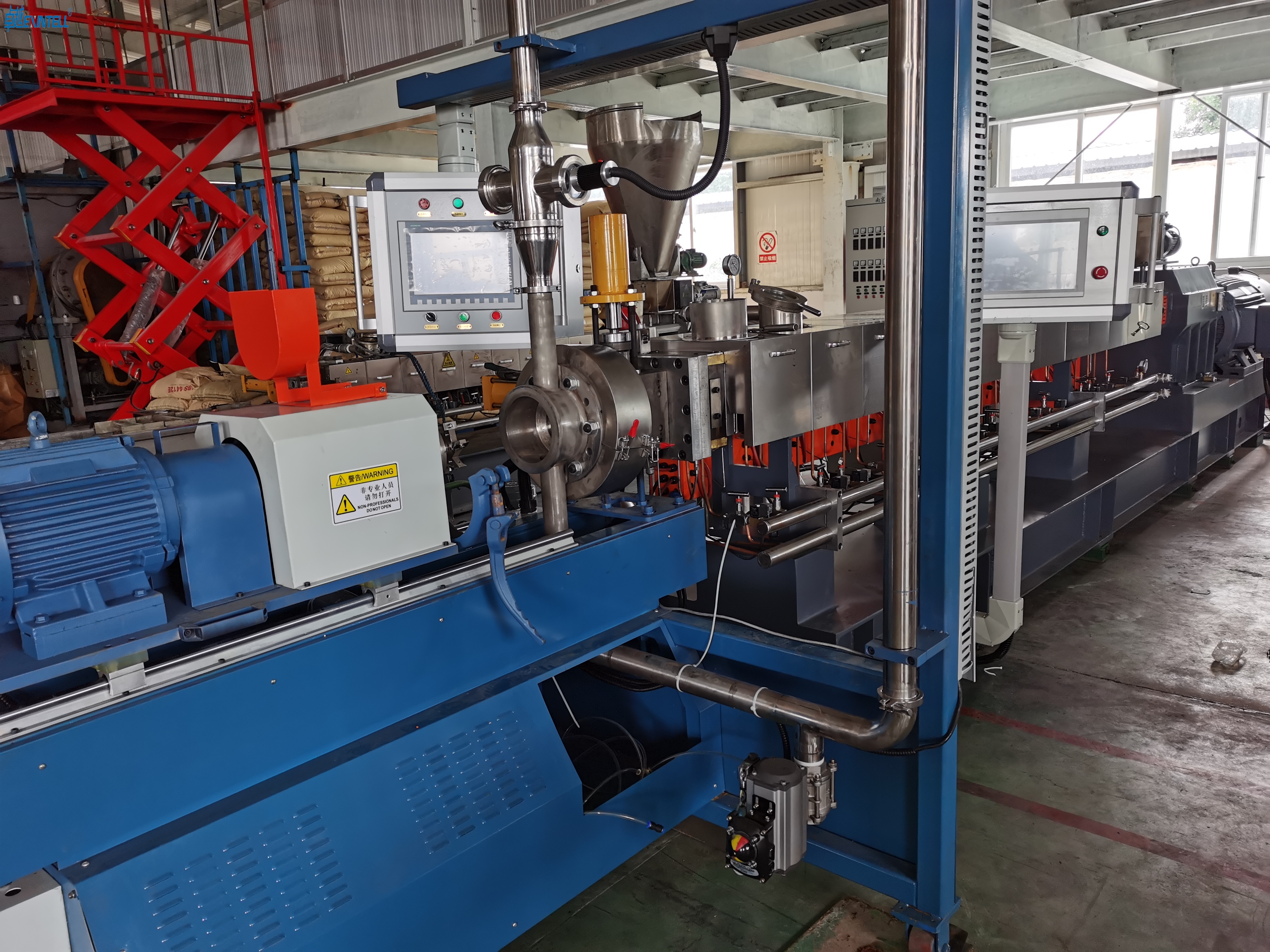
When I think about plastic extrusion, I see it as a straightforward yet powerful manufacturing process. I start with raw plastic, usually in the form of small pellets or granules. I feed these pellets into a machine that heats them until they melt. Once the plastic reaches the right temperature, I force it through a specially shaped opening called a die. This die determines the final shape of the product. The process continues as the newly formed plastic cools and hardens, and I cut it to the desired length.
I like to compare plastic extrusion to making pasta. I push dough through a pasta maker to get spaghetti or penne. In the same way, I push melted plastic through a die to create pipes, ფურცლები, or other shapes.
Plastic extrusion stands out because it is continuous. I can keep feeding plastic pellets into the machine, and it keeps producing long, uniform shapes. Precise control of temperature and pressure at every stage—feeding, დნობის, extruding, გაგრილება, and cutting—ensures the quality of the final product.
It transforms raw plastic into usable shapes by melting and forcing it through a die.
Precise control of temperature and pressure is crucial during each stage.
Common Products
I see the results of plastic extrusion everywhere in daily life and industry. Many products I use or encounter rely on this process for their shape and function. Some of the most common items made with plastic extrusion include:
Plastic channels and trims used in construction and furniture
Profiles for windows and doors that provide structure and sealing
LED light diffusers that spread light evenly
Retail display components for showcasing products
Road barricades and traffic delineators for safety
Solar panel mounting components for renewable energy systems
Custom packaging inserts that keep products secure
Plastic extrusion allows me to create these products efficiently and consistently. I rely on this process to meet the demands of modern manufacturing, მარტივი მილებიდან რთულ პროფილებამდე. The versatility of extrusion means I can adapt it to many different applications, making it a cornerstone of the plastic industry.
Plastic Extrusion Process Steps
როცა ვინმეს მივმართავ პლასტიკური ექსტრუზიის პროცესი, მე ყოველთვის ვყოფ მას ნათლად, მართვადი ნაბიჯები. ეს ნაბიჯ-ნაბიჯ პროცესი ნედლი პლასტმასის მარცვლებს აქცევს მზა პროდუქტად სიზუსტით და ეფექტურობით. აი, როგორ მივუდგები თითოეულ ეტაპს:
კვების მარცვლები
მე ვიწყებ პლასტიკური ექსტრუზიის პროცესს არჩევით სწორი ტიპის პლასტმასის მარცვლები. მასალის არჩევანი მნიშვნელოვანია, რადგან თითოეულ ტიპს საბოლოო პროდუქტის უნიკალური თვისებები მოაქვს. მაგალითად, ხშირად ვიყენებ პოლიეთილენს მისი მსუბუქი და ქიმიური წინააღმდეგობის გამო, პოლისტირონი მისი სიმკვეთრისა და გამჭვირვალობისთვის, ან პოლიპროპილენი მისი სიძლიერისა და მაღალი დნობის წერტილისთვის. ამ მარცვლებს ვასხამ ბუნკერში, რომელიც კვებავს მათ ექსტრუდერში. ბუნკერი უზრუნველყოფს სტაბილურ დინებას, ასე რომ, პროცესი რჩება უწყვეტი და ეფექტური.
რჩევა: დაწყებამდე ყოველთვის ვამოწმებ ნედლი პლასტმასის სისუფთავეს და ხარისხს. მასალის თანმიმდევრული ხარისხი მეხმარება თავიდან ავიცილო დეფექტები შემდგომ ექსტრუზიის დროს.
მსუბუქი წონა, მაღალი ზემოქმედების წინააღმდეგობა, შესანიშნავი ქიმიური წინააღმდეგობა
შეფუთვა, კონტეინერები, სამომხმარებლო საქონელი
პოლისტირონი
ხისტი, გამჭვირვალე, ადვილად ჩამოსხმა
ნიშნები, ვიტრინები, საყოფაცხოვრებო ნივთები
პოლიპროპილენი
მაღალი დნობის წერტილი, ქიმიური წინააღმდეგობა, ძალა
საავტომობილო ნაწილები, ქსოვილები, შეფუთვა
პლასტმასის დნობა
მას შემდეგ, რაც მარცვლები შედის ექსტრუდერში, გადავდივარ შემდეგ ეტაპზე - პლასტმასის დნობა. ექსტრუდერის ლულა თბება 200°C-დან 275°C-მდე ტემპერატურამდე, მასალის მიხედვით. მე ყურადღებით ვაკვირდები ტემპერატურას, რადგან თითოეულ პლასტმასს აქვს თავისი დნობის წერტილი. მაგალითად, პოლიეთილენი დნება დაახლოებით 105°C-დან 115°C-მდე, ხოლო პოლისტირონი მოითხოვს 210°C-დან 240°C-მდე. The rotating screw inside the barrel compresses and mixes the pellets, ensuring they melt evenly and become a smooth, homogeneous mass.
Plastic Material
Temperature Range
დნობის წერტილი
პოლიეთილენი (PE)
-50°C to 80°C
105°C – 115°C
პოლიპროპილენი (PP)
0°C to 120°C
130°C – 171°C
პოლისტირონი (PS)
-20°C to 70°C
210°C – 240°C
I know that precise temperature control is essential. If the plastic overheats, it can degrade and lose its properties. If it stays too cool, it won’t flow properly through the die. I rely on advanced monitoring systems to keep the process stable and efficient.
Shaping with a Die
დნობის შემდეგ, I push the molten plastic through a die. The die acts as a mold, giving the plastic its final shape. I select the die geometry based on the profile I want—whether it’s a tube, ფურცელი, or custom profile. The land length of the die affects the uniformity and quality of the extrusion. If I choose the wrong length, I risk defects like sagging or warping.
Die geometry determines the product’s cross-section.
Land length impacts uniformity and surface quality.
Cooling mechanisms in the die help maintain shape.
I also pay close attention totemperature and pressure distributioninside the die. These factors influence how the plastic flows and solidifies. For complex shapes, I test the die design thoroughly before full production.
Cooling and Cutting
Once the plastic leaves the die, I must cool it quickly to lock in the shape. I use different cooling methods depending on the product and production speed. Water-cooled systems circulate cool water around the extrusion, which is both cost-effective and efficient. For lower volumes, I sometimes use air-cooled systems. In industrial settings, I rely on chillers for precise temperature control.
Cooling Method
აღწერა
Effectiveness
Water-Cooled Systems
Circulate cool water through the extrusion die or barrel.
Cost-effective and efficient.
Air-Cooled Systems
Use air to dissipate heat, suitable for lower production volumes.
Less effective than water systems.
Chillers
Provide precise temperature control for smooth material flow.
Popular for industrial use.
I know thatcooling can take up to 70%of the total cycle time in some processes. Effective cooling management allows me to increase production speed and maintain high output. გაციების შემდეგ, I cut the extruded plastic to the required length or wind it onto spools for further use.
შენიშვნა: I always implement quality control checks at this stage. მე ვამოწმებ ზომებს და ზედაპირის დასრულებას, რათა დავრწმუნდე, რომ თითოეული პროდუქტი აკმაყოფილებს ინდუსტრიის სტანდარტებს.
აქ მოცემულია პლასტიკური ექსტრუზიის პროცესის ძირითადი ნაბიჯების შეჯამება:
ნაბიჯი
აღწერა
1
ნედლი პლასტმასის მარცვლები იკვებება ბუნკერში და შედის ექსტრუდერში
2
მასალა გადადის გახურებულ კასრში, სადაც დნება (200-275°C)
3
მბრუნავი ხრახნი შეკუმშავს და ახდენს გამდნარ პლასტმასის ჰომოგენიზაციას
4
ეკრანები და ამომრთველი ფირფიტები აშორებენ დამაბინძურებლებს და ქმნიან უკანა წნევას
5
მდნარი პლასტმასი იძულებულია მატერიის მეშვეობით შექმნას სასურველი პროფილი
6
ექსტრუდირებული პროდუქტი გაცივებულია მისი ფორმის გასამაგრებლად
7
პროდუქტი იჭრება სიგრძეზე ან იჭრება კოჭებზე.
ამ ნაბიჯ-ნაბიჯ პროცესის დაცვით, უბრალო პლასტმასის მარცვლებს ვაქცევ მაღალხარისხიანად, მზა პროდუქტები. ჩემი გამოცდილება თითოეული ეტაპის მართვაში უზრუნველყოფს ეფექტურობას, თანმიმდევრულობა, და საიმედოობა ყველა ექსტრუზიის პროექტში.
Types of Plastic Extrusion
When I work in the plastic manufacturing process, I often choose from severaltypes of plastic extrusion. Each method shapes plastic in a unique way and serves different industries. I want to share how I use these techniques to create products you see every day.
მილები
ვიყენებ tubing extrusionwhen I need to make hollow, cylindrical products. This process pushes melted plastic through a round die, forming a continuous tube. I rely on this method for a wide range of applications:
Tubing extrusion gives me control over the diameter and wall thickness. I can adjust the process to meet strict industry standards, განსაკუთრებით სამედიცინო მოწყობილობებისთვის.
აფეთქების ფილმი
აფეთქების ფილმის ექსტრუზია გამოირჩევა როგორც პროცესი, რომელიც ქმნის თხელი, მოქნილი პლასტიკური ფილმები. გამდნარ პლასტმასს წრიული საყრდენის მეშვეობით ვწურავ, შემდეგ გაბერეთ ჰაერით ბუშტის შესაქმნელად. ეს ბუშტი იჭიმება და გაცივდება, ერთიანი ფილმის წარმოება. ამ მეთოდს ვიყენებ გასაკეთებლად:
სასურსათო და სავაჭრო ჩანთები
საკვების შესაფუთი შეფუთვები
ლაინერები კონტეინერებისთვის
დამრტყმელი ფილმის ექსტრუზია საშუალებას მაძლევს გავაკონტროლო ფილმის სისქე და სიმტკიცე. პროცესი ასევე იკეცება ფილმი კიდეებზე, რაც ჩანთების წარმოებას უფრო ეფექტურს ხდის.
ფურცლის ფილმი
როცა ბინა მჭირდება, ფართო პლასტმასის ფურცლები, მე მივმართავ ფურცლის ფირის ექსტრუზიას. გამდნარ პლასტმასს ვაყენებ ბრტყელ ჭურჭელში, შემდეგ გააცივეთ და გააბრტყელეთ ფურცლებზე. ეს ფურცლები ბევრ მიზანს ემსახურება:
განაცხადის ტიპი
აღწერა
შეფუთვა
უჯრები, კონტეინერები, და ახვევს
ლამინირება
გამძლე ფენები პროდუქტებისთვის
მარკირება
ეტიკეტები ბოთლებისთვის და პაკეტებისთვის
დამცავი საფარი
Shields for surfaces
Automotive Interior Panels
Car dashboards and door panels
Advertising Displays
Signs and promotional materials
Building Materials
Construction panels and insulation
Sheet film extrusion allows me to produce materials with consistent thickness and surface quality.
Over Jacket
Over jacket extrusionhelps me coat wires and cables with a protective plastic layer. I pull the wire through the center of the die while applying molten plastic around it. This process is essential in industries like:
ასპექტი
აღწერა
Definition
Coating wires with plastic for protection
Common Industries
Electrical wiring, telecommunications
If I need the coating to stick tightly, I use pressure tooling. For a loose fit, I apply jacketing tooling as the wire exits the die. Over jacket extrusion ensures wires stay safe from moisture, chemicals, and abrasion.
რჩევა: I always select the right extrusion method based on the product’s function and the industry’s requirements. Understanding the types of plastic extrusion helps me deliver reliable, high-quality results.
Benefits of Plastic Extrusion
ეფექტურობა
I rely on plastic extrusion because it delivers unmatched efficiency in manufacturing. The process allows me to create products with consistent cross-sections, which means I can produce complex shapes without sacrificing quality. I operate machines continuously, so I minimize downtime and avoid inventory shortages. This method uses thermoplastics and granules that I can reuse, which lowers raw material and disposal costs.
I achieve versatility by shaping plastic into pipes, ფურცლები, and profiles for many industries.
I save money by recycling leftover materials andreducing waste.
I maintain steady production, which supports large-scale manufacturing.
Plastic extrusion stands out for cost savings. ამას ვამჩნევ extrusion dies cost lessand take less time to produce than injection molds. I increase output by running machines at high speeds, which decreases labor costs. Energy efficiency also matters. I use less energy per unit compared to other methods, which lowers operational expenses.
ასპექტი
აღწერა
Lower Tooling and Setup Costs
Extrusion dies are less expensive and quicker to produce than injection molds, reducing initial costs.
High Production Speed
Extrusion allows for continuous production at high speeds, decreasing labor costs and increasing output.
ენერგოეფექტურობა
Requires less energy per unit compared to other methods, leading to lower operational expenses.
When I compare energy consumption, ექსტრუზია იყენებს ენერგიის სტაბილურ რაოდენობას, რადგან ის მუდმივად მუშაობს. ინექციური ჩამოსხმა და დარტყმა მოითხოვს მეტ ენერგიას გათბობისა და გაგრილების განმეორებითი ციკლების გამო.
პროცესი
ენერგიის მოხმარების აღწერა
ექსტრუზია
ენერგიის მოხმარება შედარებით დაბალია უწყვეტი წარმოებისა და ეფექტური გათბობის სისტემების გამო.
საინექციო ჩამოსხმა
მოიხმარს მეტ ენერგიას განმეორებითი გათბობისა და გაგრილების გამო, დამოკიდებულია პროდუქტის სირთულეზე.
Blow Moulding
საჭიროებს დამატებით აფეთქებულ მოწყობილობებს და გაგრილების სისტემებს, რაც იწვევს ენერგიის მაღალ მოხმარებას.
მე მხარს ვუჭერ მდგრადობას პლასტმასის ნარჩენების გადამუშავება. ვაგროვებ დანარჩენ მასალებს, დნება ისინი, და მათი ხელახლა გამოყენება მომავალ პროდუქტებში. ეს პრაქტიკა ამცირებს ნაგავსაყრელზე წნევას და დაზოგავს ენერგიას.
ყოველდღიური გამოყენება
პლასტიკური ექსტრუზია აყალიბებს ბევრ პროდუქტს, რომელსაც ყოველდღიურად ვიყენებ. მე ვხედავ მის გავლენას შეფუთვაში, მშენებლობა, ჯანდაცვა, და საყოფაცხოვრებო ნივთები. პროცესი ქმნის PVC მილები, window frames, weather-stripping, storage containers, and plastic shelving. I also rely on extrusion for refrigerator door gaskets, vacuum cleaner hoses, door seals, window channels, bumper components, cable conduits, IV ხაზები, catheters, packaging materials, and display stands.
Window profiles
Door frames
Weather stripping
Trim
Seals
Gaskets
მილები
Household appliances
Sporting goods
Furniture components
Toys
Garden hoses
I recognize that applications for plastic extrusion extend to packaging, making these productsindispensable in daily life. Single-use plastics offer convenience, but they also increase waste and present environmental challenges. I address these concerns by recycling and promoting sustainable practices.
Conventional plastic production has undeniable effects on our environment. Notably, the manufacturing process uses vast amounts of energy and raw materials, leading to CO2 emissions. მეტიც, plastic materials’ durability and slow degradation can lead to long-term environmental harm if not disposed of responsibly.
I see that plastic extrusion supports sustainability by reducing the need for virgin plastic, conserving resources, and promoting a circular economy. Many extrusion linesuse recycled plastics, which helps reduce waste and supports environmental goals. I believe that understanding the benefits and applications for plastic extrusion helps me make informed choices as a manufacturer and consumer.
I see plastic extrusion as a continuous process that transforms raw plastic into useful shapes. Material selectionand temperature control play a key role in achieving quality outcomes. Additives improve plastic properties, and well-designed molds help me create the desired shapes. Understanding the limitations of extrusion, such as challenges with complex shapes and material compatibility, is vital.
ასპექტი
Importance
Product Quality
Knowledge of extrusion improves the quality of plastic products.
მორგება
I can adjust the process to meet specific needs.
მდგრადობა
Using recycled plastic supports environmental efforts.
Regulatory Standards
Understanding extrusion helps me meet safety regulations.
I encourage readers to look around and notice how many everyday items rely on plastic extrusion. Recognizing these products helps me appreciate the role of plastic in modern life and supports informed choices for sustainability.
FAQ
What makes plastic extrusion different from other manufacturing methods?
I seeპლასტიკური ექსტრუზიაas a continuous process. I can produce long, uniform shapes with less waste. Other methods, like injection molding, create individual parts. ექსტრუზია საუკეთესოდ მუშაობს მილებისთვის, ფურცლები, და პროფილები. მე ვირჩევ მას ეფექტურობისა და თანმიმდევრული ხარისხისთვის.
მე ხშირად პლასტმასის გადამუშავება ექსტრუზიის დროს. ვაგროვებ ნარჩენ მასალას, დნება, და შეიტანეთ იგი მანქანაში. ეს პრაქტიკა ამცირებს ნარჩენებს და მხარს უჭერს მდგრადობას. მე ყოველთვის ვამოწმებ რეციკლირებული პლასტმასის ხარისხს, რომ მტკიცე იყოს, საიმედო პროდუქტები.
რა სახის პლასტმასი მუშაობს საუკეთესოდ ექსტრუზიისთვის?
მე ვიყენებ მრავალი სახის პლასტმასს ექსტრუზიისთვის. პოლიეთილენი, პოლიპროპილენი, და პოლისტირონი კარგად მუშაობს. მასალას პროდუქტის საჭიროებიდან გამომდინარე ვირჩევ. ზოგიერთი პლასტმასი გთავაზობთ მოქნილობას, ხოლო სხვები იძლევა ძალას ან სიცხადეს. პლასტმასს ყოველთვის ვარგებ აპლიკაციას.
როგორ ვაკონტროლო წნეხილი პროდუქტების ხარისხი?
ვაკვირდები ტემპერატურას, წნევა, და მასალის სისუფთავე პლასტიკური ექსტრუზიის პროცესში. გაციების შემდეგ ვამოწმებ ზედაპირის დასრულებას და ზომებს. მე ვიყენებ ხარისხის შემოწმებას თითოეულ ეტაპზე. ეს მიდგომა მეხმარება საიმედოდ გამოვაცხადო, მაღალი ხარისხის ექსტრუზიის პროდუქტები.
არის პლასტიკური ექსტრუზია შესაფერისი საბაჟო ფორმებისთვის?
მე ვიყენებ პლასტმასის ექსტრუზიას, რომ შევქმნა პერსონალური პროფილები კონკრეტული კვარცხლბეკის შემუშავებით. შემიძლია პროცესის კორექტირება უნიკალური ფორმისა და ზომისთვის. ეს მოქნილობა საშუალებას მაძლევს დავაკმაყოფილო სპეციალური მოთხოვნები მშენებლობაში, საავტომობილო, და შეფუთვის მრეწველობა.