

Extruder Twin Screw Barrel Supplier: საბოლოო B2B სავაჭრო გზამკვლევი მწარმოებლებისთვის, Factories & საბითუმო მყიდველები ში
The global market for extruder twin screw barrels continues to expand as plastics processing, food extrusion, ფარმაცევტული შეერთება, and advanced materials manufacturing demand higher throughput, tighter tolerances, and longer service life from their equipment. Whether you are a plastics compounder in Germany seeking a reliable extruder twin screw barrel supplier, a food-processing OEM in the United States evaluating twin screw barrel manufacturers, or a trading company looking for wholesale twin screw barrel sourcing from established factories, this comprehensive guide delivers the market intelligence, policy context, მოპოვების სტრატეგიები, and practical case studies you need to make informed procurement decisions in the trade corridor.
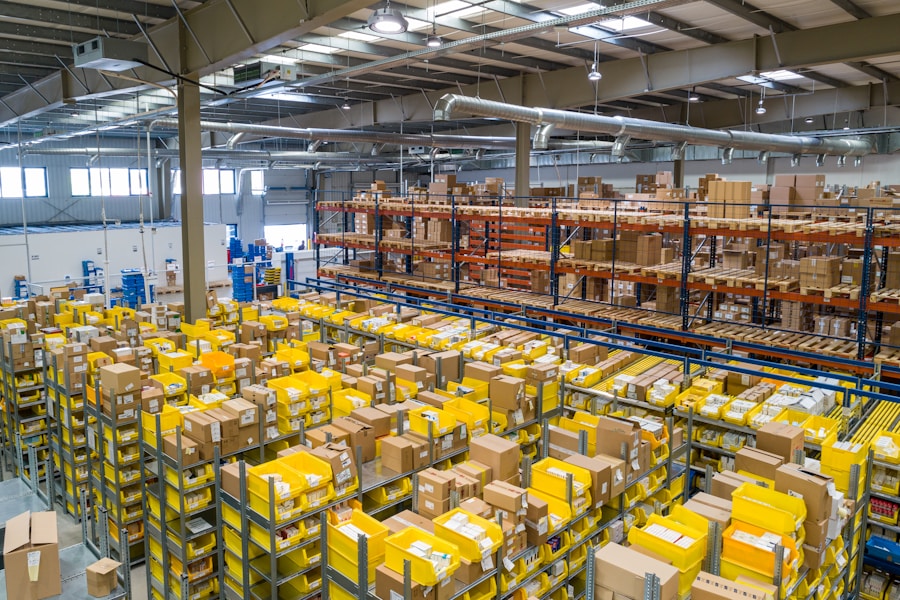
Image: Industrial manufacturing facility — წყარო: ამოფრქვევა
Understanding the Extruder Twin Screw Barrel Industry Landscape
Twin screw extruders are the workhorses of modern polymer compounding, მასტერბეჩის წარმოება, reactive extrusion, and food/feed processing. At the heart of every twin screw extruder sit two critical wear components: the screws and the barrel. The barrel — typically a segmented, modular cylinder lined with wear-resistant alloys — directly determines output quality, ენერგოეფექტურობა, and maintenance intervals. მონაცემების მიხედვით გრანდ ხედის კვლევა (2024), ორმაგი ხრახნიანი ექსტრუდერის გლობალური ბაზარი შეფასდა დაახლოებით აშშ დოლარად 9.2 მილიარდი ინ 2023 და სავარაუდოდ გაიზრდება CAGR-ზე 5.1% მეშვეობით 2030, driven by demand in packaging, automotive lightweighting, and recycled-plastics processing.
The supplier ecosystem for twin screw barrels spans several tiers:
- OEM barrel manufacturers — companies like Coperion (გერმანია), KraussMaffei (გერმანია), და ლეისტრიცი (Germany/US) that produce barrels for their own extruder lines.
- Aftermarket / replacement barrel suppliers — specialized factories, many based in China (Zhoushan, ჟანჯიაგანგი), that manufacture compatible barrels for major OEM platforms at competitive prices.
- Specialty alloy and coating providers — firms supplying nitrided steel, bimetallic liners (Fe-based, Ni-based, Co-based alloys), tungsten carbide coatings, and ceramic linings.
For B2B buyers in the United States and European Union, the sourcing decision involves balancing cost, წამყვანი დრო, metallurgical quality, განზომილების სიზუსტე, და გაყიდვების შემდგომი მხარდაჭერა. This article examines each of these factors within the current trade policy framework.
Foreign Trade Policy and Its Impact on Extruder Component Sourcing
The transatlantic trade relationship remains the world's largest bilateral commercial partnership. მიხედვით აშშ. საერთაშორისო სავაჭრო ადმინისტრაცია (ITA), total goods and services trade exceeded USD 1.3 ტრილიონი in 2023. Industrial machinery and components — including extruder parts — constitute a significant share of this flow.
Several policy developments in the past two months (აპრილი–ივნისი ) are shaping the procurement environment for extruder twin screw barrel suppliers:
- აშშ განყოფილება 301 and Section 232 tariff reviews: The ongoing review of tariffs on steel and aluminum imports directly affects barrel raw-material costs. Barrels manufactured from specialty steels (მაგ., 38CrMoAlA, 1.8550 / 34CrAlNi7) may face additional duties when imported into the US, depending on country of origin. The აშშ. კომერციის დეპარტამენტი published updated guidance in May clarifying tariff classification for bimetallic-lined barrel segments under HTS 8477.90.
- ევროკავშირის ნახშირბადის საზღვრის კორექტირების მექანიზმი (CBAM): As CBAM transitions from its reporting phase to the definitive regime in 2026, European importers of steel-intensive components — including extruder barrels — must account for embedded carbon emissions. The European Commission's Directorate-General for Trade has issued implementation guidance that affects cost calculations for barrels sourced from non-EU factories.
- ვაჭრობისა და ტექნოლოგიების საბჭო (TTC): The TTC's working group on supply-chain resilience has highlighted industrial machinery components as a priority sector for nearshoring and friend-shoring strategies, potentially benefiting EU-based barrel manufacturers serving the US market.
- Anti-dumping investigations: The EU has maintained anti-dumping duties on certain steel products from select countries, which can indirectly raise the cost of barrel blanks for European manufacturers sourcing raw material globally.
Plastic Extrusion Product ერთჯერადი ხრახნიანი ექსტრუდერი For B2B procurement managers, these policy layers mean that the total landed cost of a twin screw barrel is no longer simply FOB price plus freight. Tariff engineering, rules-of-origin documentation, and carbon-cost forecasting are now integral to the sourcing equation. Feed Extruder 3D Printer

Image: საერთაშორისო პორტის ლოჯისტიკა — წყარო: ამოფრქვევა
B2B Trade Opportunities for Twin Screw Barrel Suppliers in US and EU Markets
The demand drivers for twin screw barrels in the US and EU are converging around several macro trends:
1. Plastics Recycling and Circular Economy Mandates
The EU's Packaging and Packaging Waste Regulation (PPWR), adopted in late 2024, mandates minimum recycled-content thresholds for plastic packaging. This is driving massive investment in mechanical and chemical recycling lines — all of which rely on twin screw extruders. Recycled feedstocks are inherently more abrasive and corrosive than virgin polymers, accelerating barrel wear and increasing replacement frequency. For extruder twin screw barrel suppliers, this translates to a growing aftermarket opportunity estimated at EUR 400–600 million annually in Europe alone by 2027, მიხედვით Plastics Recyclers Europe.
2. ელექტრო მანქანა (EV) Battery Component Extrusion
Twin screw extruders are increasingly used for electrode slurry mixing and separator film production in lithium-ion battery manufacturing. With the US Inflation Reduction Act (IRA) incentivizing domestic battery production and the EU Battery Regulation requiring local content, new extrusion lines are being installed across both regions. These applications demand barrels with exceptional corrosion resistance (often Hastelloy or Inconel linings), creating a premium segment for specialized barrel suppliers.
3. Food and Pharmaceutical Extrusion Growth
Plant-based protein texturization, pet food production, and continuous pharmaceutical granulation are all growth areas for twin screw extrusion. The აშშ. FDA და European Medicines Agency (EMA) have published updated guidance on continuous manufacturing, further legitimizing twin screw extrusion in regulated industries. Barrels for these applications must meet food-contact or pharmaceutical-grade surface finish and material traceability requirements.
გამოწვევები
- Quality verification at distance: B2B buyers sourcing barrels from overseas factories face challenges in verifying metallurgical composition, hardness profiles, and dimensional tolerances without on-site inspection.
- ინტელექტუალური საკუთრების შეშფოთება: OEM-compatible barrel designs may raise IP questions, particularly in the EU where design protection is robust.
- Lead time volatility: Specialty alloy supply chains remain subject to disruption, with lead times for bimetallic barrel liners ranging from 8 რომ 16 weeks depending on alloy type and supplier capacity.
- Certification requirements: EU machinery directive (2006/42/EC, updated 2023) and US OSHA standards impose documentation requirements that not all overseas suppliers can readily fulfill.

Image: Precision CNC machining of industrial components — წყარო: ამოფრქვევა
How Geographic and Policy Advantages Empower B2B Extruder Component Trade
The trade corridor offers distinct advantages for B2B sourcing of extruder twin screw barrels:
მარეგულირებელი გასწორება: კონკრეტული სტანდარტების განსხვავების მიუხედავად, the US and EU share a broadly compatible regulatory philosophy for industrial machinery components. Mutual recognition agreements (MRAs) on conformity assessment reduce duplicative testing. A barrel certified to EN 10204 3.1 material traceability in the EU is generally accepted by US buyers, და პირიქით.
ლოგისტიკური ინფრასტრუქტურა: The transatlantic shipping corridor is among the world's most efficient. ძირითადი პორტები — როტერდამი, ჰამბურგი, ანტვერპენ-ბრიუგე ევროპაში; ლოს ანჯელესი / ლონგ ბიჩი, სავანა, New York/New Jersey in the US — გთავაზობთ ხშირ ნაოსნობას ტრანზიტის დროით 10–18 დღეები. For urgent replacement barrels, air freight via established cargo hubs (Frankfurt, Chicago O'Hare, Amsterdam Schiphol) is viable for segmented barrel designs.
Plastic Extruder Machine Manual Financial and legal frameworks: Both regions offer robust trade finance instruments (აკრედიტივები, export credit insurance via US EXIM Bank and European ECAs), enforceable contracts under well-established commercial law (UCC in the US, CISG internationally), and transparent dispute resolution mechanisms.
Trade agreement benefits: While a comprehensive free trade agreement remains elusive, sector-specific arrangements and the TTC framework provide a degree of preferential treatment for industrial goods. EU-based barrel suppliers exporting to the US can leverage the Generalized System of Preferences (GSP) for certain product categories, though twin screw barrels under HTS 8477.90 require careful classification review.
These structural advantages make the corridor a natural fit for high-value, precision-engineered components like twin screw barrels, where quality assurance, IP დაცვა, and reliable delivery matter more than rock-bottom pricing.
How to Evaluate and Select a Reliable Extruder Twin Screw Barrel Supplier
Selecting the right twin screw barrel supplier is a critical procurement decision. Here is a structured evaluation framework used by experienced B2B buyers:
Metallurgical Capability
Extruder Skipping Steps The barrel's performance 3D Printer Extruder Fix and lifespan depend on its metallurgy. Key questions for suppliers:
- What base materials do you offer (38CrMoAlA, 42CrMo, 1.8550, ხელსაწყოების ფოლადები)?
- What bimetallic liner alloys are available (iron-based, nickel-based, cobalt-based, tungsten carbide)?
- Do you perform centrifugal casting of liners in-house or outsource?
- Can you provide full material certificates (IN 10204 3.1) with heat-number traceability?
Machining Precision
Twin screw barrels require extremely tight tolerances — როგორც წესი Conical Screw Removal Extruder ±0.01–0.02 mm on bore diameter and concentricity. Evaluate:
- CNC deep-hole boring and honing capabilities
- In-house CMM (Coordinate Measuring Machine) inspection
- Surface finish specifications (Ra values)
- Capacity for segmented/modular barrel designs with precise alignment features
OEM Compatibility
If you are sourcing replacement barrels for existing extruder lines (Coperion ZSK, ლეისტრიცი ZSE, KraussMaffei ZE, JSW TEX, და ა.შ.), verify that the supplier has documented experience manufacturing barrels to OEM specifications. Request reference lists and, if possible, contact existing customers.
Quality Management System
Look for ISO 9001:2015 certification at minimum. For food-contact or pharmaceutical applications, additional certifications (FDA compliance documentation, EU Regulation 1935/2004 conformity) may be required.
After-Sales Support
A reliable extruder twin screw barrel factory should offer: Date Ball Extruder Price
- Technical consultation on barrel/screw optimization
- Wear analysis and refurbishment services
- საგარანტიო პირობები (typically 6–12 months or defined throughput volume)
- Responsive communication (critical when a production line is down)

Image: Quality control inspection in manufacturing — წყარო: ამოფრქვევა
Practical Case Studies Enterprises Sourcing Twin Screw Barrels in Markets
საქმის შესწავლა 1: German Compounder Reduces Downtime with Strategic Barrel Sourcing
A mid-sized polymer compounding company based in North Rhine-Westphalia, გერმანია, operating six Coperion ZSK 58 Mc18 twin screw extruders, faced escalating costs and lead times for OEM replacement barrels. Annual barrel replacement costs exceeded EUR 180,000, with lead times of 12–16 weeks from the OEM.
The company's procurement team conducted a structured supplier evaluation, ultimately qualifying two aftermarket twin screw barrel manufacturers — one in Zhoushan, ჩინეთი, and one in northern Italy. The Italian supplier offered barrels at approximately 35% below OEM pricing with 6–8 კვირაში გატარების დრო, while the Chinese supplier offered 55% savings but with 10–14 week lead times and higher logistics costs (including CBAM reporting obligations).
After a 12-month trial period comparing barrel wear rates (measured via bore-diameter gauging at scheduled intervals), the company found that the Italian-sourced barrels achieved 92% of OEM barrel lifespan at 65% ღირებულების, while the Chinese-sourced barrels achieved 85% of OEM lifespan at 45% ღირებულების. The company adopted a dual-sourcing strategy: Italian barrels for critical high-output lines, Chinese barrels for secondary lines with lower utilization rates. Annual barrel procurement costs dropped by 40%, and the safety stock of spare barrels was reduced from 8 რომ 4 ერთეულები.
საქმის შესწავლა 2: US Food Extruder OEM Builds Domestic Supply Chain
A food extrusion equipment manufacturer in the Midwest United States, producing twin screw extruders for pet food and snack applications, historically sourced barrels from a single supplier in Taiwan. Supply chain disruptions during 2022–2023 prompted a strategic review.
The company identified a US-based barrel manufacturer in Ohio with deep-hole boring and bimetallic lining capabilities. While the domestic supplier's pricing was approximately 20% higher than the Taiwanese source, the benefits included:
- Lead time reduction from 10–12 weeks to 4–6 კვირები
- Elimination of ocean freight costs and customs clearance delays
- Easier on-site quality audits and collaborative engineering
- Simplified FDA compliance documentation for food-contact applications
- Eligibility for "Made in USA" marketing claims valued by their end customers
The total cost of ownership analysis, factoring in inventory carrying costs, production downtime risk, and customer perception, favored the domestic source despite the higher unit price. The company transitioned 70% of barrel procurement to the Ohio supplier within 18 თვეების.
საქმის შესწავლა 3: European Trading Company Enters US Aftermarket
A Netherlands-based industrial trading company specializing in extruder spare parts identified the US aftermarket for twin screw barrels as an underserved segment. Many US plastics processors relied on OEM barrels due to limited awareness of qualified aftermarket alternatives.
The trading company established partnerships with three European barrel manufacturers (გერმანია, იტალია, ჩეხეთის რესპუბლიკა), obtained US warehouse space in New Jersey, and built a technical sales team capable of barrel specification and cross-referencing. Within two years, the company captured approximately USD 2.5 million in annual revenue from US customers, primarily small-to-medium compounders operating Leistritz, Berstorff, and JSW extruders. Key success factors included maintaining US-based inventory for fast delivery, providing material certificates and dimensional inspection reports with every shipment, and offering technical support for barrel/screw optimization.

Image: Industrial warehouse for B2B component distribution — წყარო: ამოფრქვევა
Key Material and Technology Trends in Twin Screw Barrel Manufacturing
The twin screw barrel industry is evolving rapidly. B2B buyers should be aware of these technology trends when evaluating suppliers:
Advanced Bimetallic Alloys
Traditional iron-based bimetallic liners (მაგ., Fe-B-C alloys, ~58–62 HRC) are being supplemented by nickel-based alloys (მაგ., Ni-Cr-B-Si, ~55–60 HRC) offering superior corrosion resistance for processing engineering plastics with halogenated Screw Extrusion Factory ცეცხლგამძლე საშუალებები. For the most demanding applications (glass-fiber-filled compounds, mineral-filled masterbatch), tungsten carbide-based liners (>70 HRC) provide maximum abrasion resistance, though at 2–3x the cost of standard bimetallic liners. შემადგენელი მანქანების პლასტმასის მწარმოებელი
Powder Metallurgy (PM) and HIP Barrels
Hot Isostatic Pressing (HIP) technology enables the production of barrel liners from powder metallurgy tool steels (მაგ., CPM 10 ვ, ASP 2060) with extremely uniform carbide distribution. These PM/HIP barrels offer 2–4x the wear life of conventional bimetallic barrels in highly abrasive applications. Several European manufacturers — notably in Austria and Germany — have commercialized this technology, positioning it as a premium offering for the recycling and battery materials sectors.
Modular Barrel Design Optimization
Modern twin screw extruders use segmented barrel designs with individual barrel sections that can be configured for feeding, დნობის, შერევა, ვენტილაცია, and discharge zones. Leading extruder twin screw barrel factories now offer application-specific barrel configurations with optimized cooling channel designs (conformal cooling via additive manufacturing inserts), integrated pressure/temperature sensor ports, and quick-change barrel liner systems that reduce changeover time from hours to minutes.
Digital Wear Monitoring
Some forward-thinking barrel suppliers are integrating wear sensors (ultrasonic wall-thickness measurement, embedded thermocouples) into barrel segments, enabling predictive maintenance and data-driven replacement scheduling. This aligns with Industry 4.0 trends and is particularly valued by large-scale compounders running continuous operations.
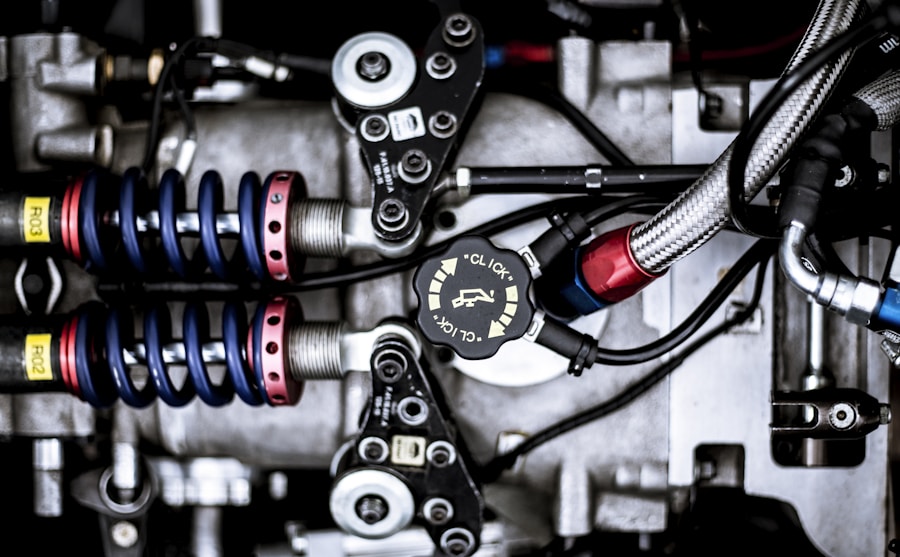
Image: Steel manufacturing and metallurgy — წყარო: ამოფრქვევა
Forecasting B2B Trade Trends for Extruder Twin Screw Barrels: ივლისი–September
მიმდინარე ბაზრის სიგნალებზე დაყრდნობით, პოლიტიკის განვითარება, და ინდუსტრიის ინტელექტი, here are the key trends expected to shape the extruder twin screw barrel supplier landscape over the next 1–2 თვეების:
1. Tariff Uncertainty Will Drive Inventory Building
With the US administration signaling potential adjustments to Section 232 steel tariffs and the EU's CBAM transitional period generating compliance uncertainty, B2B buyers are expected to accelerate barrel procurement to lock in current pricing. Suppliers with ready stock or short lead times will have a competitive advantage. The ITA has noted a 12% increase in industrial machinery component imports in Q1 compared to Q1 2024, a trend likely to continue.
2. Recycling Sector Demand Will Accelerate
The EU's PPWR implementation timeline is driving urgent investment in recycling extrusion capacity. Multiple large-scale mechanical recycling plants are scheduled for commissioning in Q3 across Germany, საფრანგეთი, და ნიდერლანდები. Each plant requires multiple Plastic Tube Extrusion Supplier sets of twin screw barrels, and the abrasive nature of recycled feedstocks means replacement cycles will be 30–50% shorter than virgin-material applications. Barrel suppliers with proven performance in recycling applications will see order books fill rapidly.
3. Nearshoring Momentum Will Benefit EU and US Domestic Suppliers
The broader trend toward supply chain resilience and nearshoring, reinforced by geopolitical tensions and logistics cost volatility, will continue to benefit barrel manufacturers located within the US and EU. While price premiums for domestic sourcing remain (15–30% above Asian alternatives), the total-cost-of-ownership argument is strengthening as buyers factor in tariff risk, carbon costs, quality consistency, and delivery reliability.
4. Consolidation Among Barrel Suppliers
The twin screw barrel manufacturing sector is fragmented, with numerous small-to-medium enterprises competing on price. Industry observers expect continued consolidation, with larger players acquiring smaller specialists to broaden their alloy portfolios and geographic reach. B2B buyers should monitor supplier financial stability and consider dual-sourcing strategies to mitigate supply risk.
5. Digital Procurement Platforms Will Gain Traction
B2B procurement platforms specializing in industrial spare parts (მაგ., თომასნეტი, ევროგვერდები) are improving their capabilities for complex configured products like twin screw barrels. Expect more barrel suppliers to offer online configuration tools, instant quoting, and digital material certificate delivery, reducing the friction in cross-border B2B transactions.

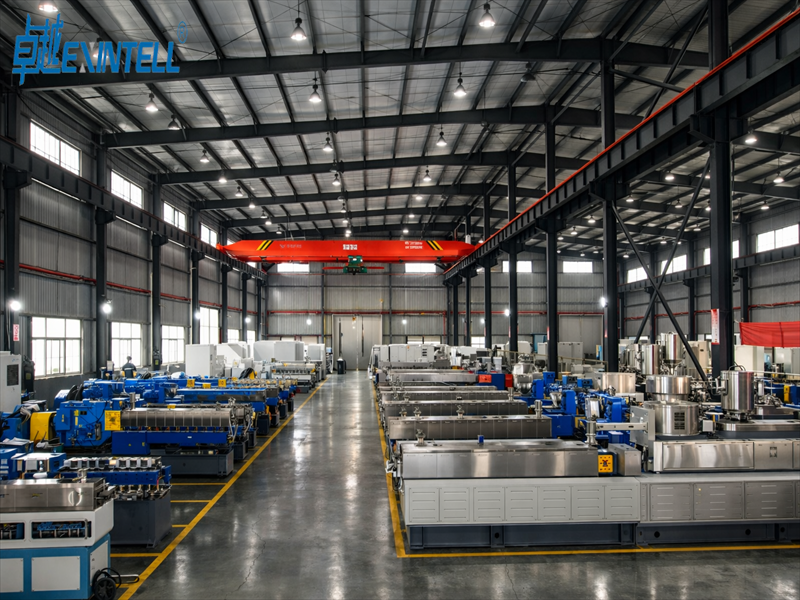
Image trade analytics and market data — წყარო: ამოფრქვევა Extrusion Plastic
Workplace Safety in Extrusion Environments: Protecting Operators from Foot Hazards
While the focus of this article is on sourcing extruder twin screw barrels, it is essential to address a critical operational concern that every extrusion facility manager and B2B buyer should consider: workplace safety, specifically foot protection for operators working with heavy extruder components.
The Hazard Landscape in Extrusion Facilities
Twin screw extruder barrels are heavy — a single barrel segment for a 90mm twin screw extruder can weigh 80–150 კგ, and a complete barrel assembly for a large-diameter machine (133mm+) can exceed 1,000 კგ. During barrel installation, removal, მოვლა, და ტრანსპორტი, the risk of crush injuries to feet and toes is significant. Additional hazards include:
- ამოვარდნილი კომპონენტები: Barrel segments, ხრახნიანი ელემენტები, coupling shafts, and tooling are routinely handled during changeovers. A single dropped screw element (5–15 კგ) falling from waist height generates enough force to fracture metatarsal bones.
- Hot surfaces: Barrels operate at temperatures of 150–400°C depending on the application. Even after shutdown, residual heat can cause severe burns through standard footwear.
- ქიმიური ზემოქმედება: Polymer degradation products, გამწმენდი გამხსნელები, and hydraulic fluids create slip hazards and potential chemical contact with feet.
- Heavy mobile equipment: Forklifts, overhead cranes, and barrel transport carts operate in close proximity to personnel during barrel handling operations.
B2B Safety Footwear Standards: აშშ და ევროკავშირის მოთხოვნები
Both the US and EU have well-defined standards for safety footwear in industrial environments:
- აშშ: ASTM F2413-18 — Standard Specification for Performance Requirements for Protective (Safety) Toe Cap Footwear. This standard defines impact resistance (I/75 = 75 ფუტ-ფუნტი) and compression resistance (C/75 = 2,500 ფუნტი) for safety toe caps. Additional ratings cover metatarsal protection (მთ/75), electrical hazard (ეჰ), static dissipative (SD), და პუნქციის წინააღმდეგობა (პიარი).
- ევროკავშირი: ISO-ში 20345:2022 — Personal protective equipment — უსაფრთხოების ფეხსაცმელი. This standard classifies safety footwear into categories (სბ, S1, S2, S3, S4, S5) based on protection features including toe cap impact resistance (200J), შეკუმშვის წინააღმდეგობა (15kN), წყლის წინააღმდეგობა, შეღწევადობის წინააღმდეგობა, and sole properties.
- OSHA მოთხოვნები (აშშ): Under 29 CFR 1910.136, employers must ensure that affected employees use protective footwear when working in areas where there is a danger of foot injuries due to falling or rolling objects, საგნები, რომლებიც ჭრიან ძირს, ან ელექტრო საფრთხეები.
- EU PPE Regulation 2016/425: Requires that safety footwear used in workplaces meets the essential health and safety requirements and bears CE marking.
Why B2B Safety Footwear Matters for Extruder Component Suppliers and Buyers
For extruder twin screw barrel suppliers and the facilities that purchase their products, safety footwear is not merely a compliance checkbox — it is a critical element of operational risk management:
- Liability reduction: In both the US and EU, workplace foot injuries can result in significant workers' compensation claims, OSHA citations (აშშ), or Health and Safety Executive enforcement actions (ევროკავშირი). A single crush injury from a dropped barrel segment can cost USD 50,000–200,000 in direct and indirect costs.
- Productivity protection: Foot injuries typically result in 4–8 weeks of lost work time. In a specialized extrusion facility where trained operators are difficult to replace, this downtime has outsized productivity impact.
- Insurance premium management: Facilities with strong safety records, including documented PPE programs, benefit from lower workers' compensation insurance premiums — a meaningful cost factor for B2B operations.
- Customer and audit requirements: Major B2B customers (automotive OEMs, food companies, pharmaceutical firms) increasingly audit supplier facilities for safety compliance. Inadequate PPE programs can disqualify a barrel manufacturer from approved supplier lists.
Selecting the Right Safety Footwear for Extrusion Environments
Based on the specific hazards present in facilities that handle twin screw barrels and extruder components, the recommended safety footwear specifications include:
- Steel or composite toe cap: Minimum 200J impact resistance (ISO-ში 20345) or I/75 (ASTM F2413). Composite toe caps offer weight savings and thermal insulation advantages over steel in hot environments.
- Metatarsal guard: Essential for barrel handling operations where heavy objects may strike the top of the foot above the toe cap area. Look for Mt/75 rating (ASTM) or metatarsal protector compliance (ISO-ში 20345).
- Heat-resistant sole: HRO-rated soles (ISO-ში 20345) withstand contact with hot surfaces up to 300°C for short durations — critical in extrusion environments where hot polymer residue or heated barrel surfaces may be encountered on the floor.
- Slip-resistant outsole: SRC-rated (ISO-ში 20345) outsoles provide grip on surfaces contaminated with oils, polymer residues, and cleaning agents common in extrusion facilities.
- Puncture-resistant midsole: P-rated (ISO-ში 20345) or PR-rated (ASTM F2413) protection against sharp objects (metal shavings, screw element