

Compounding Plastik lan Pelletizing Dibandhingake kanggo Manufaktur Modern
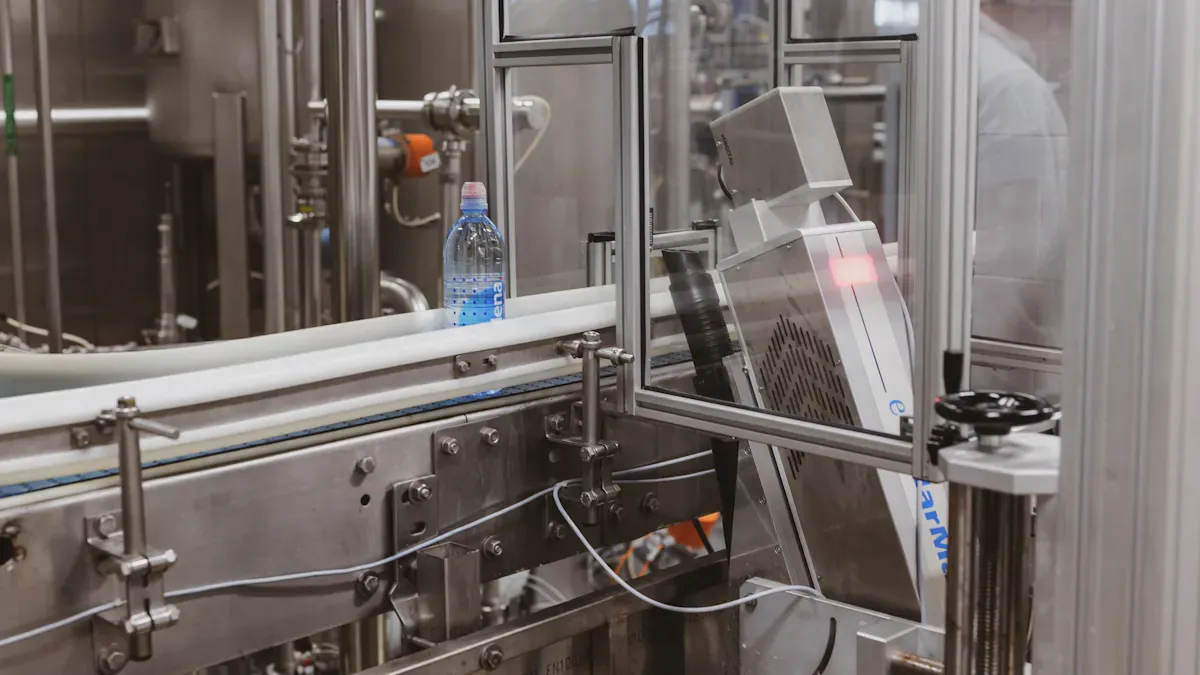
Plastik Compounding ngatur resin basa karo aditif, nggawe bahan sing cocog kanggo aplikasi tartamtu. Pelletizing ngowahi bahan gabungan kasebut dadi pelet seragam, siap kanggo nggunakake hilir efisien. Produsen lan insinyur sing ngerti bedane saben proses bisa ningkatake efisiensi lan njamin kualitas produk.
Data pasar anyar nuduhake yen nilai pasar global kanggo teknologi kasebut bakal tekan $82 milyar dening 2025 lan $182 milyar dening 2035, didorong dening wutah ing sektor otomotif lan kemasan.
| Proses | Dampak Efisiensi | Dampak Kualitas Produk |
|---|---|---|
| Majemuk | Bahan penjahit, nambah kinerja, nyuda biaya | Mbisakake kontrol kualitas sing luwih apik |
| Pelletizing | Nyedhiyani wangun materi konsisten kanggo Processing | Njamin keseragaman ing kualitas produk pungkasan |
Takeaways Key
- Compounding plastik ngatur resin basa kanthi aditif kanggo nggawe bahan kanggo panggunaan tartamtu.
- Pelletizing ngowahi bahan compounded menyang pelet seragam kanggo gampang Processing lan nangani.
- Ngerteni beda antarane compounding lan pelletizing mbantu manufaktur nambah efisiensi lan kualitas produk.
- Compounding kalebu campuran, lebur, lan bahan extruding kanggo entuk sifat sing dikarepake.
- Pelletizing fokus ing nggawe ukuran pelet konsisten, sing penting kanggo manufaktur sing dipercaya.
- Kontrol kualitas penting ing loro proses kasebut kanggo mesthekake yen produk pungkasan cocog karo standar industri.
- Kaloro compounding lan pelletizing duwe peran penting ing sektor kayata otomotif, elektronik, lan kesehatan.
- Milih proses sing bener gumantung marang karakteristik materi, kabutuhan produksi, lan pertimbangan biaya.
Definisi lan Bedane
Plastik Compounding Ditetepake
Compounding plastik nuduhake proses saka nyampur polimer karo aditif, pangisi, lan bala kanggo ngowahi lan nambah sifat fisik lan kimia saka materi. Standar industri nemtokake proses iki minangka cara kanggo nyetel polimer supaya nyakup kabeh fitur sing dikarepake ing bahan siji.. Produsen nggunakake compounding plastik kanggo nambah kualitas produk, nyuda biaya, lan nambah produktivitas. Proses kasebut biasane nyakup leleh, campuran, lan extrusion kanggo entuk sawur seragam komponen.
A sawetara saka sudhut úa lan aditif muter peran ing compounding plastik:
- Masterbatch: A campuran klempakan saka pigmen lan aditif ing resin operator, njamin malah sawur.
- Antioksidan: Nyegah degradasi polimer saka panas lan oksigen, njaga kekuatan lan keluwesan.
- Stabiliser UV: Nglindhungi polimer sing digunakake ing njaba kanthi nyerep utawa ngilangi radiasi ultraviolet sing mbebayani.
- Flame Retardants: Nyandhet utawa tundha produksi nyala, utamané penting ing electronics lan construction.
- pewarna: Ngidini pilihan warna ing plastik gabungan.
- Kekuwatan lan Keluwesan Modifiers: Entuk sifat mekanik tartamtu.
- Aditif Antimikroba: Nyandhet wutah kuman, penting kanggo produk medis.
- Pangisi: Kaya talc, serat kaca, lan kalsium karbonat, nambah kekuatan, nyuda biaya, lan nambah resistance panas.
- Penambah Kinerja: Ngatur sifat kaya stabilitas termal, retardancy geni, lan tahan UV.
Proses iki ngidini manufaktur nggawe bahan kanthi karakteristik sing tepat kanggo aplikasi sing nuntut.
Plastik Pelletizing Ditetepake
Pelletizing plastik minangka proses sing ngowahi plastik mentah utawa daur ulang menyang cilik, pelet seragam. Transformasi iki penting kanggo manufaktur lan daur ulang sing efisien. Pelletizer plastik ngowahi di resiki lan asring shredded utawa plastik molten dadi pelet seragam, kang banjur reintroduced menyang proses manufaktur. Pelletization ngatasi tantangan kayata pakan sing ora rata lan penanganan materi, nggawe penting ing sektor kayata otomotif lan kemasan sing kualitas produk kritis.
| Jinis Bukti | Rincian |
|---|---|
| Bahan Baku | Macem-macem jinis plastik, kalebu poliethelin (PE) lan polipropilena (PP) |
| Output | Pelet plastik sing diprodhuksi liwat leleh, pendinginan, lan proses nglereni |
Pelletization nambah efisiensi produksi plastik lan ngidini nggawe plastik khusus nalika njaga gampang ditangani..
Ringkesan Bentenipun Key
Tabel Perbandingan
| Aspek | Plastik Compounding | Plastik Pelletizing |
|---|---|---|
| Tujuan Utama | Ngowahi komposisi lan sifat polimer | Ngonversi materi menyang wangun pelet seragam |
| Langkah-langkah Kunci | Nyampur, lebur, campuran, ekstrusi | Lebur, pendinginan, nglereni |
| Aditif khas | Pangisi, pewarna, stabilisator, penambah kinerja | Ora biasane ditambahake nalika pelletizing |
| Output | Bahan plastik sing disesuaikan (bisa ing macem-macem wujud) | Pelet seragam |
| Aplikasi | Panggunaan langsung ing produk utawa proses luwih lanjut | Digunakake kanggo ngecor, ekstrusi, utawa transportasi |
Ringkesan Points
- Komponèn plastik fokus kanggo ngganti komposisi saka plastik kanthi nyampur macem-macem bahan, sing mengaruhi sifat fisike.
- Pelletizing plastik ngowahi plastik gabungan dadi pelet seragam, utamané ngangap karo wangun fisik kanggo ease saka nggunakake ing Manufaktur.
- Plastik sing digabungake bisa langsung dibentuk dadi produk, nalika plastik pelletized biasane digunakake kanggo Processing luwih.
- Loro-lorone proses nduweni peran kritis ing manufaktur modern, nanging padha ngatasi kabutuhan sing beda ing rantai produksi.
Tip: Ngerteni bedane proses kasebut mbantu produsen milih pendekatan sing cocog kanggo aplikasi tartamtu, njamin kinerja lan efisiensi sing optimal.
Proses Compounding Plastik
Langkah-langkah Proses
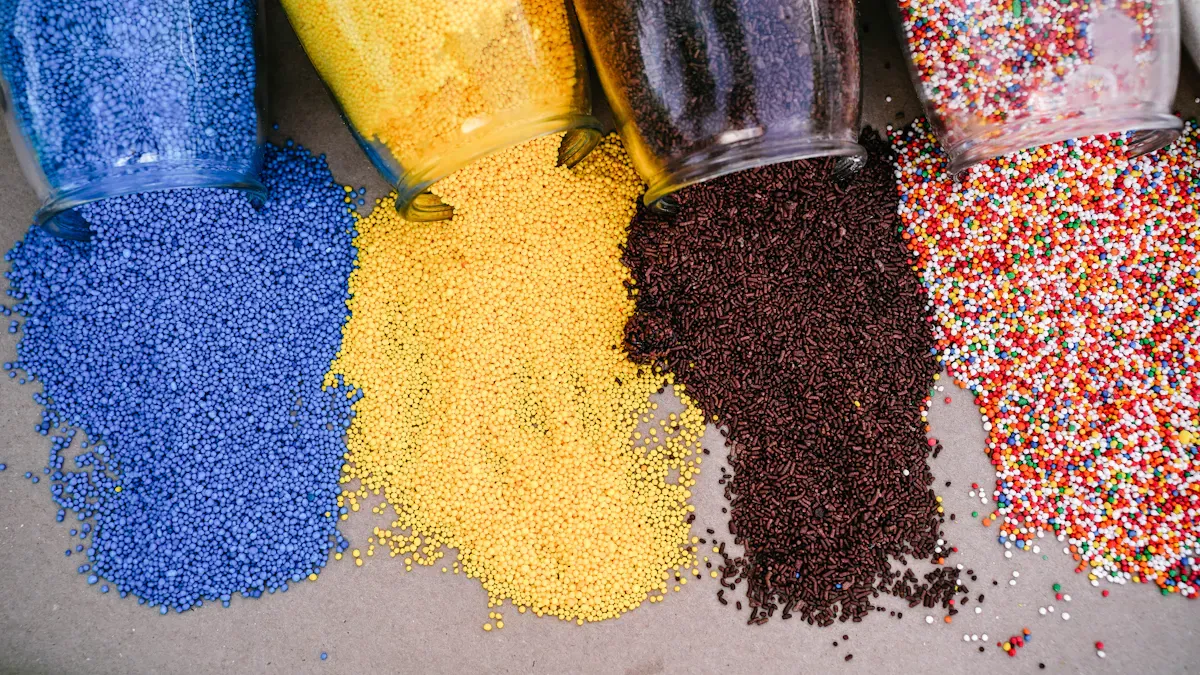
Compounding plastik ngowahi bahan mentah dadi plastik kanthi kinerja dhuwur liwat sawetara langkah sing tepat. Produsen miwiti kanthi nyimpen bahan mentah kayata resin, aditif, lan pangisi ing tas, tas gedhe, utawa silo. Sistem pneumatik utawa mekanik banjur ngirim bahan kasebut menyang area pangolahan. Operator feed bahan menyang tong minyak, terus-terusan utawa ing kelompok. Proses compounding terus karo leleh lan nyampur, ing ngendi polimer lan aditif campuran kanggo entuk keseragaman. Tahap pungkasan kalebu mbentuk, pendinginan, lan nglereni produk, ngiring dening kontrol kualitas ketat.
| Langkah | Katrangan |
|---|---|
| 1 | Panyimpenan bahan mentah ing tas, tas gedhe, lan silo |
| 2 | Sistem transportasi bahan pneumatik utawa mekanik |
| 3 | Feed materi menyang tong minyak (ngisi terus-terusan / ora terus-terusan) |
| 4 | Fase leleh lan campuran |
| 5 | Produk pungkasan lan kontrol |
Cathetan: Insight Polymers nggunakake turnaround cepet lan compounding khusus kanggo ngirim solusi compounding plastik khusus, ngoptimalake saben langkah kanggo efisiensi lan kualitas.
Peralatan sing Digunakake
fasilitas compounding plastik gumantung ing peralatan canggih kanggo mesthekake asil konsisten. Extruders nyetel jangkah kanggo Processing lan muter peran utama ing leleh lan nyampur. Mixer terus-terusan kerja bareng karo extruder kanggo nangani bahan kaya akrilik, nilon, lan PVC. Sistem pencampuran nyiapake pre-blend aditif, nalika sistem dosis njamin rasio bahan sing tepat. Teknologi penanganan material, kayata feeder rotary lan katup diverter, ndhukung distribusi lancar lan dosis bahan akeh. Garis compounding terpadu nggabungake sistem kasebut, ngidini tarif produksi fleksibel lan konfigurasi. Polimer Insight nggunakake aset pilot ekstrusi sekrup kembar internal kanggo nganakake uji coba batch pembangunan cilik, mbisakake screening efisien produk lan paramèter pangolahan.
Jinis Compounding
Campuran plastik kalebu sawetara pendekatan, saben cocog kanggo kabutuhan aplikasi tartamtu. Produsen bisa nambah pewarna kanggo nambah tampilan utawa stabilisator kanggo nambah resistensi panas lan UV. Flame retardants increase safety, especially in construction and electronics. Impact modifiers boost toughness, while fillers and reinforcements adjust cost, kaku, or strength. Custom formulated compounds can also include antimicrobial agents for medical products or UV enhancers for outdoor use. Insight Polymers specializes in polymer compounding solutions that address unique performance objectives, offering masterbatch concentrates and custom plastic compounding for injection molding, serat, film, and additive manufacturing.
- Color selection for aesthetics
- Food-safe formulations for packaging
- Fire retardants for construction
- Strength and flexibility adjustments for product-specific needs
- Antimicrobial properties for healthcare
- Enhanced UV tolerance for outdoor durability
Pendekatan komprehensif iki njamin yen saben solusi senyawa polimer nyukupi panjaluk manufaktur modern.
Negara Material
Compounding plastik kalebu sawetara negara materi minangka bahan mentah diowahi dadi senyawa kinerja dhuwur. Proses kasebut diwiwiti kanthi resin padhet, aditif, lan pangisi. Operator feed bahan kasebut menyang sistem compounding, ngendi padha tetep ing wangun granular utawa bubuk. Minangka proses maju, extruder panas lan nyawiji dicampur, ngowahi dadi kenthel, negara molten. Campuran molten iki ngidini kanggo nyampur lan nyebarake kabeh komponen.
Sawise homogenisasi wis rampung, materi metu saka extruder. Ing tataran iki, bisa njupuk sawetara formulir gumantung aplikasi. Sawetara manufaktur kelangan lan Cut extrudate menyang pelet, nalika liyane bisa ngasilake untaian, lembaran, utawa wangun langsung nyetak. Negara final-apa pelet, untaian, utawa sheet-gumantung ing syarat Processing hilir. Contone, Polimer Insight asring ngirim senyawa plastik khusus ing bentuk pelet supaya gampang ditangani lan dipakani kanthi konsisten ing cetakan injeksi utawa garis ekstrusi.
Kemampuan kanggo ngontrol negara materi ing saindhenging proses mesthekake yen produk pungkasan ketemu kritéria kinerja sing ketat. Keluwesan iki ndhukung macem-macem aplikasi, saka bagean otomotif kanggo piranti medis, lan mbisakake adaptasi kanthi cepet kanggo kabutuhan pelanggan.
Kontrol kualitas
Kontrol kualitas minangka inti saka saben operasi compounding plastik sing sukses. Produsen gumantung ing sistem kontrol otomatis majeng kanggo njaga karakteristik pellet konsisten sak extrusion. Sistem iki ngawasi lan nyetel paramèter pangolahan ing wektu nyata, mesthekake yen campuran molten tetep homogen. Akibate, pigmen lan aditif nyebar kanthi merata, ngasilake senyawa masterbatch seragam.
Operator nggunakake sawetara cara praktis kanggo verifikasi konsistensi produk. Ing metode pamindahan banyu menehi cara dipercaya kanggo ngukur Kapadhetan ing lantai toko. Teknik iki kalebu ngukur tingkat banyu wiwitan, timbang sampel, lan ngitung Kapadhetan adhedhasar volume terlantar. Iki nambah akurasi formulasi, nyegah boros materi, lan njamin bobot produk sing konsisten. Keuntungan kasebut ndhukung kontrol biaya sing luwih apik lan nyuda masalah kualitas produksi.
Program kontrol kualitas sing komprehensif kalebu seri tes:
- Tes pencocokan warna nggunakake spektrofotometer kanggo ngevaluasi beda warna lan njamin konsistensi visual.
- Tes stabilitas termal validasi daya tahan pigmen ing suhu cetakan.
- Tes dispersi ngonfirmasi distribusi aditif kanthi pengamatan mikroskopis.
- Tes kinerja mekanik mriksa kekuatan tarik lan resistensi dampak.
Polimer Insight nggabungake langkah-langkah kontrol kualitas kasebut menyang saben batch, mesthekake yen solusi compounding polimer ngirim kinerja dipercaya. Komitmen kanggo kualitas iki ndhukung industri sing nuntut presisi, kayata otomotif, elektronik, lan kesehatan.
Tip: Kontrol kualitas sing konsisten ora mung nambah linuwih produk nanging uga nguatake kapercayan pelanggan ing layanan compounding plastik khusus.
Proses Pelletizing Plastik
Langkah-langkah Proses
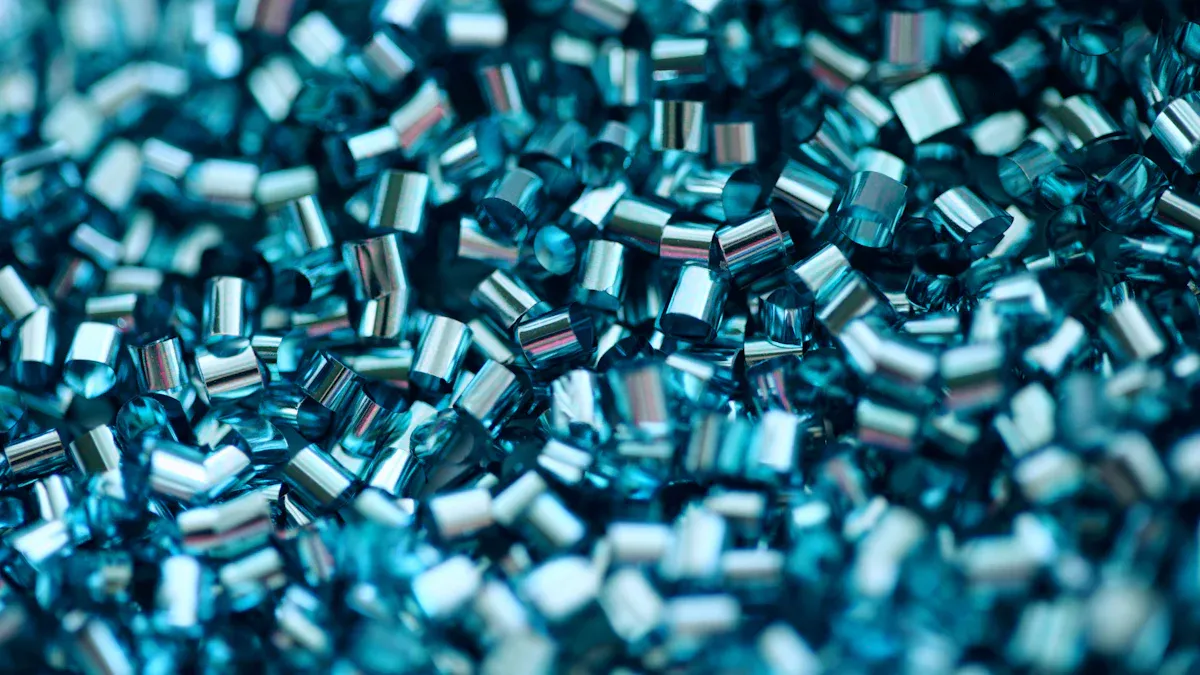
Pelletizing plastik ngowahi resin mentah utawa daur ulang dadi pelet seragam liwat sawetara langkah sing wis ditemtokake. Operator miwiti kanthi ngurutake sampah plastik miturut jinis polimer, werna, and contamination level. They then shred the sorted plastics into smaller flakes, which improves washing efficiency. After washing, the clean flakes move to the melting stage, where they are heated and extruded. The molten plastic passes through a filter to remove any remaining impurities. As the filtered melt exits through a die plate, it forms continuous strands. These strands undergo rapid cooling in a water bath or air cooling system, stabilizing their structure. Akhire, the cooled strands are cut into pellets, which are ready for downstream manufacturing.
Efficient pelletizing ensures consistent pellet size and quality, which is critical for reliable processing in molding and extrusion applications.
Peralatan sing Digunakake
Pelletizing operations rely on specialized machinery to achieve high throughput and consistent results. Strand pelletizers handle the extrusion of molten plastic into strands and cut them into pellets. Underwater pelletizers cut the molten plastic directly under water, which instantly cools and solidifies the pellets. Cold pelletizers produce pellets from hot extrudate without using water cooling. Each machine type supports different process requirements and material characteristics. Operators select equipment based on the type of resin, the presence of additives, and the desired pellet properties.
- Strand pelletizers: Cut extruded strands into uniform pellets.
- Pelletizer ing jero banyu: Cut and cool pellets simultaneously in a water chamber.
- Cold pelletizers: Produce pellets without water, suitable for heat-sensitive materials.
Pelletizing Technology Types
Manufacturers use several pelletizing technologies, each offering unique advantages in efficiency and output quality. Strand pelletizing paling apik kanggo ngresiki, bahan stabil lan ngirim kualitas output dhuwur. Water-ring pelletizing ngethok plastik cair ing pasuryan die lan cools ing ring banyu sirkulasi, kang nambah efficiency. Pelletizing ing jero banyu ngethok pelet ing kamar banyu, njamin cooling seragam lan kualitas output dhuwur banget.
| Teknologi Pelletizing | Katrangan | Efisiensi | Kualitas Output |
|---|---|---|---|
| Strand Pelletizers | Cut pelet ing untaian lan cocok kanggo bahan sing resik. | Moderate | dhuwur |
| Die-Face Pelletizers | Kalebu sistem ring jero banyu lan banyu, nyediakake cooling cepet. | dhuwur | Dhuwur Banget |
Operator milih teknologi sing cocog adhedhasar jinis resin, the presence of additives, lan karakteristik pelet sing dibutuhake. Pilihan sing tepat mesthekake yen pelet ketemu standar kualitas sing ketat kanggo pangolahan hilir.
Negara Material
Pelletizing ngowahi plastik liwat sawetara negara materi sing béda. Proses kasebut diwiwiti kanthi bahan baku plastik sing padhet, kang bisa kalebu resin prawan, serpihan daur ulang, utawa regrind. Operator ngemot bahan kasebut menyang hopper utawa feeder. Bahan kasebut banjur mlebu ing extruder, ing ngendi panas lan gaya mekanik ngowahi partikel padhet dadi cair. Plastik molten iki mili liwat tong minyak extruder, mesthekake nyawiji pepek lan homogenization.
Minangka massa molten metu extruder, iku liwat piring mati. Ing tataran iki, materi kasebut mbentuk untaian utawa tetesan sing terus-terusan, gumantung ing teknologi pelletizing. Ing untaian pelletizing, plastik molten muncul minangka dawa, untaian kaya spageti. untaian iki pindhah liwat sistem cooling, asring adus banyu, kang ngalangi materi kanthi cepet. Sawise digawe adhem, untaian solidified mlebu kamar nglereni, ngendi puteran piso chop mau menyang pelet seragam.
Cara pelletizing liyane, kayata sistem jero banyu utawa banyu-ring, Cut plastik molten langsung metu saka die. Pelet kelangan lan solidify meh langsung ing lingkungan banyu. Produk pungkasan kasusun saka cilik, pelet kandhel kanthi ukuran lan wujud sing konsisten. Pelet iki gampang ditangani, transportasi, lan feed menyang proses manufaktur hilir.
Tip: Ngontrol saben negara materi sajrone pelletizing njamin yen pelet pungkasan ketemu standar kualitas lan kinerja sing ketat.
Kontrol kualitas
Kontrol kualitas ing pelletizing nduweni peran kritis kanggo njaga keseragaman lan kemurnian pelet. Operator ngetrapake sawetara protokol sajrone proses kanggo njamin output sing berkualitas tinggi:
- Pre-sorting lan ngumbah mbusak rereged lan bahan non-target. Sistem ngurutake otomatis lan garis cuci mbantu entuk bahan baku sing resik.
- Pangatusan lan dekontaminasi ngilangi kelembapan lan impurities. Pangatusan suhu dhuwur lan pemurnian vakum nyiapake materi kanggo ekstrusi.
- Extrusion lan pelletization nyawiji flakes diresiki utawa resin menyang pelet seragam. Extruders twin-screw nyedhiyakake campuran lan konsistensi sing apik.
- Degassing vakum mbusak gas lan senyawa molah malih ing kahanan vakum dhuwur. Langkah iki nyegah cacat lan nambah kualitas pelet.
- Kristalisasi lan polimerisasi solid-state (SSP) nambah viskositas intrinsik polimer tartamtu, kayata PET. Langkah-langkah kasebut mesthekake yen pelet memenuhi syarat khusus aplikasi.
Operator ngawasi ukuran pelet, wujud, lan werna ing saindhenging proses. Padha nggunakake sieves, inspeksi visual, lan sensor otomatis kanggo ndeteksi panyimpangan. Kontrol kualitas sing konsisten nyuda sampah, mbenakake efisiensi proses, lan njamin sing pelet nindakake andal ing ngecor, ekstrusi, utawa aplikasi liyane.
Cathetan: Kontrol kualitas sing bisa dipercaya ing pelletizing ndhukung produsen kanggo ngasilake produk kanthi kinerja dhuwur kanggo industri sing nuntut..
Aplikasi
Aplikasi Compounding
Compounding plastik ngidini manufaktur nggawe bahan kanthi sifat sing cocog kanggo sektor sing nuntut. Tabel ing ngisor iki nyorot Efesus industri umum:
| Sektor | Aplikasi |
|---|---|
| Otomotif | Bahan entheng, plastik tahan panas, polimer tahan impact |
| Elektronika | Senyawa tahan api, plastik konduktif termal, bahan anti-statis |
| Produk Konsumen | Plastik awet, bahan pangan-aman, senyawa tahan UV |
| Aplikasi Industri | Polimer tahan kimia, plastik sing dikuatake, bahan tahan abrasi |
Otomotif
Produsen Automotive gumantung ing senyawa majeng kanggo bobot entheng lan integritas struktural. Senyawa plastik kanthi kinerja dhuwur ngganti logam ing panel interior, bumper, lan komponen under-the-hood. Bahan kasebut menehi kekuatan sing padha lan kinerja termal, which improves fuel efficiency and safety. Insight Polymers delivers custom compounding for injection molding, enabling rapid prototyping and production of automotive parts that meet strict industry standards.
Elektronika
Electronics producers use specialty compounds for housings, konektor, and insulators. Flame-retardant and thermally conductive plastics protect sensitive components from heat and electrical hazards. Anti-static materials prevent damage from static discharge. Insight Polymers supports electronics manufacturers with masterbatch concentrates that enhance safety and performance in consumer devices and renewable energy systems.
medis
Medical device manufacturers require compounds with precise mechanical and chemical properties. Custom formulations provide antimicrobial protection and biocompatibility for diagnostic equipment and surgical tools. Insight Polymers develops specialty compounds for fibers and films used in medical packaging and devices, ensuring compliance with healthcare regulations.
Pelletizing Applications
Pelletizing transforms raw or recycled plastics into uniform pellets, supporting a wide range of manufacturing processes.
Molding & Ekstrusi
Pellets serve as the standard feedstock for molding and extrusion. Their consistent size and shape ensure reliable machine operation and product quality. Manufacturers use pellets to produce daily-use products such as trash bins, hangers, and flower pots, as well as industrial items like pallets and automotive interior base materials.
Daur ulang
Pelletizing plays a vital role in recycling. Operators sort, shred, and melt plastic waste, then re-extrude and pelletize it into high-quality, reusable pellets. This process closes the loop in the plastic lifecycle, allowing manufacturers to reintroduce recycled material into new products. Applications include construction materials like plastic lumber and municipal covers.
By turning plastic waste into a consistent raw material, pelletizing helps close the loop in the plastic lifecycle.
Bulk Handling
Large-scale manufacturers benefit from pelletizing in bulk handling and logistics. The process includes material intake, sorting, shredding, ekstrusi, pelletizing, lan kemasan. Uniform pellets simplify storage, transportasi, and return shipping, supporting efficient supply chains. Manufacturers can ship pellets back for reuse or send them to third parties for new product applications.
Insight Polymers’ expertise in custom compounding and pelletizing supports diverse applications, from injection molding and additive manufacturing to sustainable recycling initiatives.
Process Selection
Factors to Consider
Manufacturers must evaluate several factors when selecting the right process for their production needs. These considerations help ensure that the chosen method aligns with both operational goals and product requirements:
- Material characteristics play a central role. Understanding the physical and chemical properties of input materials determines compatibility with custom plastic compounding or pelletizing.
- Throughput requirements must match the capacity of the pelletizer and the upstream extrusion system. This alignment prevents bottlenecks and maximizes efficiency.
- Pellet quality requirements depend on end-user specifications. Precision in pellet size and shape supports consistent downstream processing.
- Operational environment and available utilities influence system selection. Facilities must support the demands of the chosen process.
- Maintenance and ease of use affect long-term productivity. Machines that require less maintenance and offer higher availability reduce downtime.
- Cost considerations and return on investment guide decision-making. Evaluating total ownership costs, including operating expenses and potential product loss, ensures financial sustainability.
- Companies often require components with exceptional durability. Design flexibility remains essential for meeting unique application needs. Cost efficiency continues to influence the choice of manufacturing methods.
Pangerten ing unique mechanical properties, resistance kimia, and processing characteristics of different plastics is vital. These factors directly impact durability, efisiensi biaya, and compliance with industry standards.
Studi Kasus
| Area Aplikasi | Evidence of Success | Outcome Description |
|---|---|---|
| Resin Manufacturing and Polymerization | Increased output by 40% with underwater pelletizing system. | Effective for continuous production of consistent pellets. |
| Compounding lan Produksi Masterbatch | Improved color pellet performance in customer processes using underwater systems. | Ideal for color concentrates and filled compounds. |
| Recycling and Reclaim Operations | Customized system for PET bottle recycling to handle changing materials. | Strand systems for consistent scrap; underwater for mixed materials. |
Manufacturers in the medical sector have achieved low extractables profiles in blood set tubing by selecting TPE or DEHP-free PVC. Autoclavable device components benefit from TPE compounds, which resist embrittlement during repeated sterilization. Full batch genealogy ensures traceability of all components, supporting quality assurance in medical device manufacturing.
Tantangan & Solusi
Manufacturers often encounter challenges during implementation. Addressing these issues quickly ensures consistent quality and operational efficiency:
- Irregular pellet size and shape can occur. Operators adjust die temperature, inspect cutting blades, and set the correct blade gap to resolve this.
- Reduced throughput or machine jamming may disrupt production. Purging die holes, ensuring consistent material flow, and monitoring feed section components help maintain steady operation.
- Overheating of the machine or motor poses risks. Checking cooling systems, inspecting for excessive friction, and ensuring proper cutter speed prevent damage.
- Poor pellet quality affects downstream performance. Verifying temperature profiles, implementing strict material handling, and pre-drying hygroscopic materials improve results.
By applying these solutions, companies can optimize their polymer compounding solutions and maintain high standards in custom plastic compounding and extrusion processes.
Pelletizing Technology Trends
Advances in Compounding
Recent advances in compounding have transformed how manufacturers approach material design and production. Companies now use recycled resins and bio-based polymers to nyuda sampah and support sustainability. They rejuvenate old plastic streams, restoring their properties and extending their lifecycle. Advanced compounding techniques allow plastics to replace metals and ceramics in many applications, improving efficiency and reducing costs.
Manufacturers benefit from several key developments:
- Flexibility in creating components without traditional dies or tooling.
- Cost-effective solutions for prototyping and short-run production.
- Enhanced mechanical strength and durability in finished parts.
- Integration of nanotechnology to improve material properties.
- Adoption of Industry 4.0 technologies for better process control and customization.
These innovations enable the use of a wide range of additives, including those that improve conductivity, flame retardance, and structural strength. The focus on sustainable and recyclable materials continues to drive the evolution of compounding processes.
Innovations in Pelletizing
Pelletizing technology has seen significant improvements, especially in quality control and operational efficiency. Leading manufacturers have adopted advanced filtration systems that use multiple filtration stages with finer mesh sizes. This approach removes contaminants and ensures superior pellet quality, protecting downstream equipment.
| Jinis Inovasi | Katrangan |
|---|---|
| Advanced Filtration Systems | Multiple filtration stages for cleaner pellets and equipment protection. |
| Intelligent Control Systems | Real-time monitoring and predictive maintenance via touchscreen interfaces. |
| Dynamic Preconditioning Unit | Single-stage preparation of plastics for extrusion, preserving material properties. |
| IoT and AI Integration | Predictive maintenance and real-time adjustments for improved efficiency and lower costs. |
Dynamic preconditioning units combine several steps into one, preparing plastics for extrusion while maintaining high end-product quality. Intelligent control systems provide operators with real-time data, allowing quick adjustments to the process. IoT and AI integration further enhance pelletizing by enabling predictive maintenance and reducing downtime.
Kelestarian
Sustainability initiatives have become central to the development of both compounding and pelletizing technology. Companies like LyondellBasell focus on improving the quality of mechanical plastic recycling through research and development. Their efforts ensure that recycled materials meet strict safety and performance standards. Primex demonstrates a commitment to sustainability by operating an in-house recycling facility. This facility processes post-industrial and post-consumer materials through collection, sorting, shredding, washing, and pelletizing. The result is high-quality recycled resin suitable for manufacturing.
Manufacturers now prioritize the use of sustainable additives and recyclable materials in their processes. They design pelletizing systems to handle a variety of recycled plastics, supporting closed-loop recycling and reducing environmental impact. These trends reflect a broader industry shift toward responsible production and resource conservation.
Tip: Embracing new pelletizing technology and sustainable practices helps manufacturers stay competitive while meeting environmental goals.
Manufacturers rely on both processes for different application needs. Plastic compounding creates materials with specific properties, while pelletizing prepares those materials for efficient use. Selecting the right process ensures each application meets quality and performance goals.
- Evaluate the requirements of each application before choosing a process.
- Consult industry experts for guidance on complex applications.
For more information on custom solutions, manufacturers can contact Insight Polymers or review technical resources.
FAQ
What is the main difference between plastic compounding and pelletizing?
Plastic compounding changes the properties of plastics by mixing resins with additives. Pelletizing shapes these materials into uniform pellets for easy processing. Each process serves a unique role in manufacturing.
When should a manufacturer choose custom plastic compounding?
Manufacturers select custom plastic compounding when they need materials with specific properties, such as flame resistance or enhanced strength. Insight Polymers offers rapid, tailored solutions for these requirements.
Can pelletizing improve recycled plastic quality?
ya wis. Pelletizing cleans, nyawiji, and reforms recycled plastics into uniform pellets. This process removes contaminants and improves consistency, making recycled materials suitable for new products.
What equipment does Insight Polymers use for compounding?
Insight Polymers uses twin-screw extruders, advanced mixers, and precise dosing systems. These tools allow for efficient blending and rapid development of custom compounds.
How do manufacturers ensure quality during compounding?
Manufacturers use real-time monitoring, color matching, and mechanical testing. They check density and dispersion to guarantee consistent results. Quality control remains essential for reliable performance.
Are compounded pellets ready for injection molding?
ya wis. Compounded pellets from Insight Polymers are designed for direct use in injection molding, ekstrusi, and additive manufacturing. Their uniformity ensures smooth processing and high-quality finished parts.
What industries benefit most from these processes?
Otomotif, elektronik, medis, and packaging industries rely on compounding and pelletizing. These sectors demand materials with precise properties and consistent quality.