

Pandhuan Komprehensif kanggo Daur Ulang lan Granulating Plastik lan Sulfur
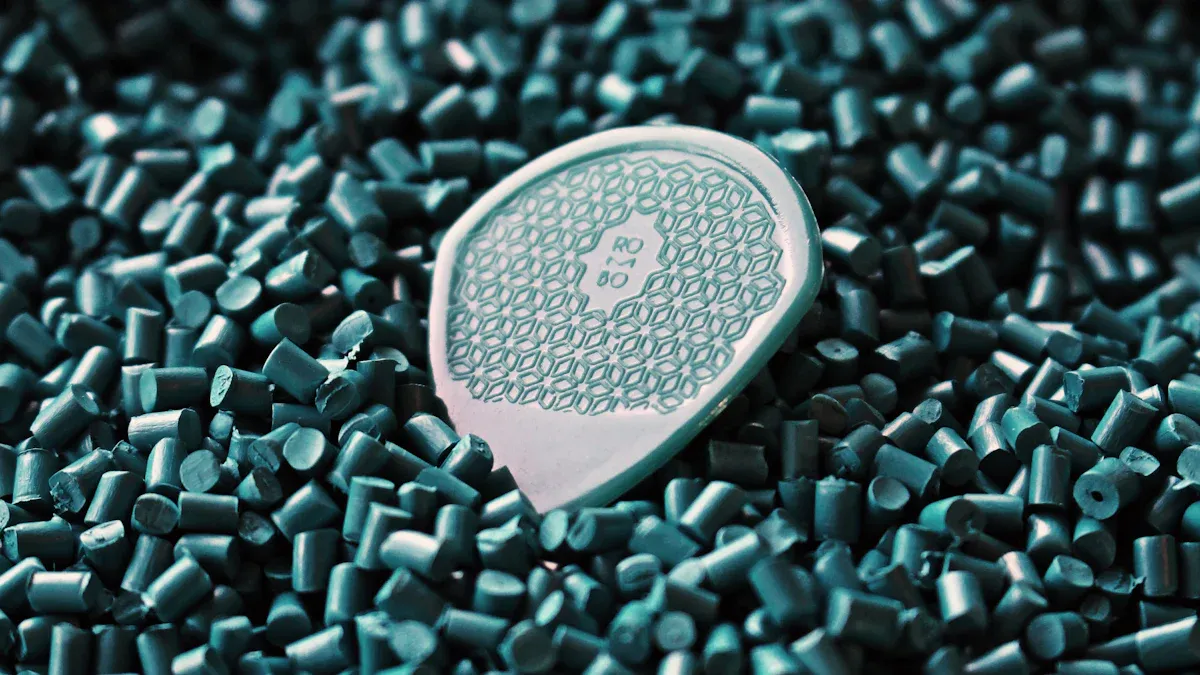
Aku weruh yen daur ulang sing aman lan efisien diwiwiti kanthi ngerti sifat unik saka plastik lan belerang. Kompatibilitas kimia penting, utamané nalika lenga sesambungan karo plastik. Umume sampah plastik industri didaur ulang kanthi tingkat babagan 9%, sing nuduhake perlu kanggo solusi sing luwih apik. Aku gumantung ing peralatan canggih kaya IPG Pelletizing Machine Plastic kanggo nambah asil daur ulang. Ing Pengolahan Industri Plastik lan Sulfur, praktik paling apik kanggo granulasi belerang lan ngirim mbantu nyuda resiko lan ningkatake kualitas.
- Tingkat daur ulang sampah plastik industri global: babagan 9%
Takeaways Key
- Ngerteni kompatibilitas kimia antarane plastik lan lenga penting kanggo ngindhari karusakan sajrone daur ulang.
- Ngremekake plastik nyuda volume lan nambah kualitas, nggawe daur ulang luwih efisien lan biaya-efektif.
- Daur ulang mekanik paling apik kanggo ngresiki, plastik diurutake, nalika daur ulang kimia nangani bahan campuran utawa kontaminasi.
- Nggunakake grafik resistensi lan tes kecemplung mbantu njamin daur ulang plastik sing aman saka macem-macem lenga.
- Granulating belerang nambah safety kanthi nyuda bledug lan nggawe penanganan luwih gampang, nalika cooling majeng njamin granules kuwat.
- Milih peralatan lan bahan sing tepat kanggo ngirim belerang nyegah karat, bebaya bledug, lan gagal peralatan.
- pangopènan biasa, kontrol bledug, lan integrasi sistem ningkatake efisiensi lan safety ing daur ulang plastik lan penanganan belerang.
- Praktek lestari, kalebu peralatan hemat energi lan aditif adhedhasar biokarbon, ndhukung industri sing luwih aman lan luwih ijo.
Kompatibilitas Kimia saka Plastik lan Minyak
Variabel Kunci
Jinis Polimer
Aku mesthi miwiti kanthi ngenali jinis polimer sadurunge daur ulang plastik. Saben polimer reaksi beda kanggo lenga. Poliethelin (PE) lan polipropilena (PP) nuduhake resistance kuwat kanggo akeh lenga. Polystyrene (PS) lan polyethylene terephthalate (PET) asring rusak nalika kapapar lenga tartamtu. Polikarbonat (PC) lan akrilonitril butadiene stirena (ABS) bisa retak utawa dadi rapuh sawise kontak lenga. Nylon stands metu kanggo kekiatan marang lenga. Aku mriksa jinis polimer kanggo prédhiksi kepiye tumindak nalika daur ulang.
Jinis lenga & Suhu
Jinis lan suhu lenga nduweni peran gedhe ing kompatibilitas. Minyak goreng kaya zaitun lan canola biasane nyebabake efek entheng ing PE lan PP. Minyak atsiri, kayata lemon utawa eucalyptus, ngemot senyawa sing nyerang plastik kaya PS lan PET sanajan ing suhu kamar. Lenga motor lan pelumas sintetik bisa ngrusak PE lan nyebabake retak stres ing PC lan ABS. lenga hidrolik, karo aditif sing, bisa nyebabake brittleness lan bengkak ing plastik sing ora dirating kanggo panggunaan hidrolik. Aku tansah nimbang dandanan kimia lenga lan suhu sak daur ulang.
Tip: Aku nyaranake mriksa jinis lenga lan suhu sadurunge nyampur plastik lan lenga ing sembarang proses daur ulang.
Thermal vs. Efek Kimia
Titik lebur
Aku mbayar manungsa waé kanggo titik leleh. PE nyawiji ing babagan 120 ° C, PP ing 160 ° C, lan PET ing 250 ° C. Yen cahya lenga mundhakaken suhu cedhak titik leleh iki, plastik bisa deform utawa nyawiji. Reaksi kimia bisa kedadeyan luwih cepet ing suhu sing luwih dhuwur. Aku ngawasi suhu kanggo nyegah owah-owahan sing ora dikarepake.
Rentang Suhu Minyak
Suhu lenga mengaruhi cara plastik nanggapi. Minyak kadhemen arang nyebabake karusakan langsung. lenga panas nyepetake reaksi kimia lan bisa soften utawa warp plastik. Contone, lenga motor panas bisa cepet embrittle PE lan PC. Aku njaga suhu lenga kurang nalika daur ulang kanggo nglindhungi kualitas plastik.
Tahan vs. Plastik Rentan
Jinis tahan lenga
Some plastics resist oil exposure well:
- Polipropilena (PP)
- Nylon
- Poliethelin (PE)
These materials handle motor oils, hydraulic oils, and cooking oils with minimal damage.
Oil-Vulnerable Types
Other plastics show vulnerability:
- Polystyrene (PS)
- Polyethylene terephthalate (PET)
- Polikarbonat (PC)
- Acrylonitrile butadiene styrene (ABS)
These plastics can dissolve, crack, or warp after oil contact, especially with essential oils or hot lubricants.
| Tipe Plastik | Oil Resistance | Typical Reaction |
|---|---|---|
| PE, PP, Nylon | dhuwur | Minimal change |
| PS, PET, PC, ABS | kurang | Cracking, warping, dissolution |
I always match plastics and oils carefully to avoid recycling failures and ensure safe processing.
Testing Compatibility
Resistance Charts
I always check resistance charts before recycling plastics exposed to oils. These charts show how different plastics react to various oils and chemicals. I find them useful because they give quick answers about compatibility. Contone, a resistance chart might list polyethylene as “excellent” against motor oil, while polystyrene shows “poor” resistance. Aku nggunakake denah iki kanggo supaya kesalahane lan milih bahan tengen kanggo daur ulang.
| Tipe Plastik | Oli Motor | Minyak Goreng | Minyak atsiri |
|---|---|---|---|
| PE | Banget | Banget | apik |
| PP | Banget | Banget | apik |
| PS | mlarat | Adil | mlarat |
| PET | Adil | apik | mlarat |
| Nylon | apik | apik | apik |
Tip: Aku nyaranake supaya dianyari denah resistance ing wilayah daur ulang. Iki mbantu saben wong nggawe pilihan sing aman kanthi cepet.
Tes Immersion
Kadhangkala, denah resistance ora nutupi saben jinis lenga utawa plastik. Aku nggunakake tes kecemplung kanggo mriksa kompatibilitas ing kasus kasebut. Aku Cut sampel cilik saka plastik lan sijine ing lenga. Aku ninggalake kanggo wektu sing disetel, biasane 24 kanggo 48 jam. Sawise tes, Aku nggoleki owah-owahan kaya bengkak, retak, utawa owah-owahan werna. Yen plastik tetep ora owah, Aku ngerti iku aman kanggo daur ulang karo lenga sing. Yen aku ndeleng karusakan, Aku ora nyampur bahan kasebut.
Aku ngrekam asil ing notebook. Iki mbantu aku nggawe pandhuan kompatibilitas khusus kanggo fasilitasku. Tes kecemplung menehi kapercayan nalika grafik resistensi ora jelas utawa ilang.
Misconceptions umum
Thermal vs. Karusakan kimia
Akeh wong mikir yen panas mung nyebabake karusakan plastik. Aku sinau manawa reaksi kimia bisa uga mbebayani. Minyak bisa ngrusak plastik sanajan ing suhu kamar. Panas nyepetake reaksi kasebut, nanging karusakan kimia bisa kelakon tanpa suhu dhuwur. Aku tansah mriksa risiko termal lan kimia sadurunge daur ulang.
Cathetan: Aku ora nate gumantung mung ing maca suhu. Paparan kimia penting kaya panas.
Risiko Paparan Jangka Panjang
Tes jangka pendek asring kantun risiko jangka panjang. Aku biyen percaya yen plastik aman yen lulus tes kecemplung kanthi cepet. Swara wektu, Aku weruh plastik retak utawa weakened sawise sasi saka cahya lenga. Kontak jangka panjang bisa nyebabake karusakan alon nanging serius. Saiki aku ngawasi plastik kanggo wektu sing suwe lan mriksa conto lawas kanthi rutin.
Aku menehi saran marang wong liya supaya nimbang efek langsung lan telat. Iki nyegah kegagalan sing ora dikarepke lan njaga daur ulang kanthi aman.
Penghancuran Plastik & Metode Daur Ulang
Apa Crushing Matters
Ngremekake plastik minangka langkah pisanan sing daklakoni ing proses daur ulang. Langkah iki mbentuk kabeh sing nderek. Nalika aku ngrusak sampah plastik, Aku nggawe luwih gampang kanggo nangani, ngurutake, lan proses. Keuntungan ngluwihi mung nggawe potongan cilik.
Pengurangan Volume
Aku sok dong mirsani sing sampah plastik mentahan njupuk akèh papan. Crushing nyuda volume, nggawe panyimpenan lan transportasi luwih efisien. Potongan sing luwih cilik luwih cocog karo tong sampah lan hopper, sing mbantu peralatan hilir bisa lancar. Aku gumantung ing langkah iki supaya fasilitasku diatur lan biaya-efektif.
| Titik Bukti | Katrangan |
|---|---|
| Pengurangan Volume | Ngremekake nyuda spasi sing dijupuk dening sampah plastik mentah, nggawe bisa diatur kanggo peralatan hilir. |
| Peningkatan Kualitas Bahan | Ukuran seragam saka plastik remuk nambah efisiensi ngumbah lan nyuda kontaminasi. |
| Efisiensi ing Daur-ulang | Keputusan sing ditindakake sajrone ngremukake bakal mengaruhi kualitas produk daur ulang pungkasan, mengaruhi kabeh proses sakteruse. |
Peningkatan Kualitas
Plastik sing diresiki kanthi seragam nambah kualitas bahan daur ulang. Nalika aku tresna plastik kanggo ukuran konsisten, Aku nggawe ngumbah lan ngurutake luwih gampang. Langkah iki nyuda kontaminasi lan nambah efisiensi saben proses sing bakal ditindakake. Aku nemokake manawa crushing berkualitas tinggi nyebabake pelet daur ulang sing berkualitas tinggi.
Tip: Aku tansah mriksa ukuran lan wangun saka plastik ulig sadurunge pindhah menyang langkah sabanjure. Konsistensi ing kene ngirit wektu lan dhuwit mengko.
- Crushing mengaruhi pemisahan bahan campuran, sing bisa nggawe rumit daur ulang yen ora dikelola kanthi bener.
- Teknologi ngurutake majeng penting kanggo ngatasi tantangan sing muncul saka bahan remuk.
- Pangaturan proses terus-terusan lan review kinerja kritis kanggo njaga standar kualitas dhuwur ing hasil daur ulang.
Daur Ulang Mekanik
Daur ulang mekanis dadi tulang punggung alur kerja pangolahan plastik. Aku digunakake kanggo ngowahi sampah plastik dadi bahan mentah anyar tanpa ngganti struktur kimia. Cara iki efisien energi lan biaya-efektif, utamané kanggo plastik siji-jinis.
Jenis Crusher
Aku milih crushers adhedhasar jinis lan wangun sampah plastik. Kanggo film tipis, Aku nggunakake granulators karo glathi landhep. Kanggo barang gedhe kaya botol utawa peti, Aku gumantung ing shredders heavy-tugas. Sawetara plastik mbutuhake crusher khusus kanggo nangani kaku utawa brittleness. Crusher tengen njamin pangurangan ukuran sing efisien lan nyiapake materi kanggo diproses luwih lanjut.
Manual vs. Mekanik
Manual crushing dianggo kanggo kelompok cilik utawa nalika aku kudu misahake bahan kanthi tangan. Nanging, crushers mechanical nangani volume gedhe cepet lan konsisten. Aku luwih seneng cara mekanik kanggo umume operasi amarga padha ngirit tenaga kerja lan ngasilake asil sing seragam. Daur ulang mekanik ndominasi industri, utamané ing wilayah kaya Eropah, ngendi iku akun kanggo liwat 99% saka plastik daur ulang.
Daur ulang mekanis ngolah plastik kanthi fisik, ngasilake bahan kanthi sifat sing cedhak karo plastik prawan. Kerjane paling apik karo plastik homogen, mula aku ngurutake lan ngresiki bahan kanthi sak tenane sadurunge ngremukake. Aku ngerti yen daur ulang bola-bali bisa ngrusak sifat polimer, dadi aku ngawasi kualitas saben batch.
Pra-Shredding
Pre-shredding minangka langkah sing ora bakal daklewati nalika nangani sampah plastik gedhe utawa campuran. Aku nggunakake shredders kanggo break mudhun item gedhe banget menyang bêsik diatur sadurunge crushing final. Langkah iki nglindhungi crusher utama saka senggol lan nyandhang. Pre-shredding uga mbantu aku nemokake rereged utawa bahan non-plastik luwih awal, sing njaga proses daur ulang resik lan efisien.
Faktor Kinerja Utama
Sawetara faktor mengaruhi kinerja peralatan crushing lan daur ulang. Aku mbayar manungsa waé kanggo rincian iki kanggo nggedhekake efficiency lan kualitas output.
| Faktor Kinerja | Katrangan |
|---|---|
| Jinis lan Bentuk Bahan | Plastik beda mbutuhake pasukan nglereni tartamtu lan jinis agul-agul kanggo crushing efektif. |
| Blade Gap | The clearance between blades affects cut quality; tighter gaps yield cleaner cuts but increase wear. |
| Screen Mesh Size | Determines output particle size; smaller sizes reduce throughput due to recirculation. |
| Rotor Speed | Affects throughput and heat generation; higher speeds increase output but may create fine particles. |
| Feed Rate | Proper feeding is crucial; overfeeding can damage equipment, while underfeeding reduces efficiency. |
| Pangopènan | Regular blade maintenance is essential to prevent quality drops and equipment strain. |
| Contamination Management | Proper dust and airflow management is necessary to avoid overheating and equipment failure. |
Blade Selection
I select blades based on the type of plastic and the desired output size. Hard plastics need tougher blades, while softer plastics require sharper edges. Aku mriksa celah agul-agul kanthi rutin amarga celah sing luwih kenceng menehi potongan sing luwih resik nanging luwih cepet ilang. Aku ngganti utawa ngasah glathi asring kanggo njaga kinerja dhuwur.
Layar Mesh
Layar bolong ngontrol ukuran potongan plastik sing ditumbuk. Ukuran bolong sing luwih cilik ngasilake partikel sing luwih alus nanging alon-alon proses amarga materi recirculates nganti pas liwat bolong.. Aku ngimbangi ukuran bolong karo throughput kanggo nggayuh tujuan produksi. Ukuran partikel sing konsisten nambah cuci lan pelletizing mengko.
Rotor Speed & Feed Rate
kacepetan rotor mengaruhi carane cepet aku bisa ngolah sampah plastik. Kacepetan sing luwih dhuwur ningkatake output nanging bisa nggawe partikel lan panas sing luwih apik. Aku nyetel kacepetan kanggo cocog jinis plastik lan output dikarepake. Feed rate prakara, ugi. Overfeeding bisa macet mesin, nalika kurang dipakani mbuwang energi. Aku ngawasi loro-lorone supaya operasiku lancar.
Cathetan: Pangopènan reguler lan kontrol bledug supaya peralatan saya mlaku kanthi efisien lan nyegah kerusakan sing ora dikarepke.
Integrasi Solusi Lanjut
Aku gumantung ing Exintellmach IPG Mesin Pelletizing Plastik kanggo nyepetake proses daur ulang. Mesin iki nggabungake crushing, kompaksi, lebur, lan pelletizing ing siji sistem. Extruder sekrup sing bisa disesuaikan lan pilihan pelletizing majeng ngidini kula ngolah macem-macem plastik. Mesin Pelletizing IPG nggunakake kontrol suhu sing tepat lan filtrasi lanjut kanggo ngasilake seragam, pelet kualitas dhuwur. Fitur otomatis nyuda tenaga kerja lan njamin output sing konsisten. Aku nemokake manawa teknologi iki ora mung nambah efisiensi nanging uga nambah kualitas lan regane plastik daur ulang.
Daur Ulang Kimia
Daur ulang kimia gives me a way to break down plastics beyond mechanical methods. I use this process when mechanical recycling cannot produce high-quality material. Chemical recycling relies on solvents and chemical reactions to transform plastics into their basic building blocks. I find this method useful for mixed or contaminated plastics that mechanical recycling cannot handle.
Solvent-Based Methods
Solvent-based recycling uses chemicals to dissolve plastics. I select solvents like acetone, dichloromethane, or tetrahydrofuran (THF) based on the polymer type. I place shredded plastic in a solvent bath. The solvent breaks down the polymer chains, separating impurities and dyes. After dissolution, I filter out contaminants and recover the pure polymer. I then precipitate the polymer by adding another chemical or cooling the solution. Proses iki ngasilake resik, plastik kualitas dhuwur siap dienggo maneh.
Aku tansah ngawasi nggunakake solvent kasebut kanthi teliti,. Pelarut bisa ngasilake sampah sing mbebayani lan mbutuhake pembuangan sing tepat. Aku nggunakake peralatan protèktif lan tindakake pandhuan safety kanggo nyegah cahya. Cara basis pelarut paling apik kanggo plastik kaya polystyrene, polivinil klorida, lan PET.
Depolimerisasi
Depolymerization njupuk daur ulang kimia langkah luwih. Aku nggunakake panas, katalis, utawa enzim kanggo ngrusak plastik dadi monomer. Monomer kasebut minangka bahan mentah kanggo produksi plastik anyar. Aku aplikasi depolymerization kanggo plastik kaya PET lan nilon. Proses kasebut kalebu pemanasan plastik ing reaktor, kadhangkala nganggo asam utawa basa. Plastik pecah dadi unit kimia asli.
Aku luwih seneng depolimerisasi kanggo ngasilake bahan kemurnian dhuwur. Cara iki ngidini kula kanggo daur ulang plastik sing cara mechanical ora bisa mulihake kanggo kualitas asli. Depolymerization uga mbantu aku nutup loop ing ekonomi bunder.
Tip: Aku tansah mbandhingake daur ulang kimia lan mekanik sadurunge milih cara. Daur ulang kimia ngasilake output sing luwih murni nanging mbutuhake penanganan bahan kimia kanthi ati-ati.
| Aspek | Daur Ulang Kimia | Daur Ulang Mekanik |
|---|---|---|
| Proses | Migunakake asam lan pelarut kanggo mbubarake plastik, ngasilake bahan kimia beracun. | Melu fisik rusak plastik, sing bisa ngrusak strukture. |
| Output | Ngasilake kualitas dhuwur, plastik murni cocok kanggo macem-macem aplikasi. | Asil ing plastik daur ulang kualitas luwih murah sing deteriorate liwat wektu. |
| Dampak Lingkungan | Ngasilake emisi CO2 sing luwih dhuwur lan limbah mbebayani amarga bahan kimia sing digunakake. | Migunakake bahan bakar fosil luwih akeh nanging umume ngasilake sampah sing kurang mbebayani. |
Kesalahan Umum
Aku weruh akeh kesalahane ing plastik crushing lan daur ulang. These errors reduce efficiency and create safety risks. I always review my process to avoid common pitfalls.
Equipment Mismatch
I notice that using the wrong equipment causes frequent interruptions. Recycling machinery can jam 3–8 times per shift, cutting processing capacity by nganti 25%. I match my crusher and pelletizer to the plastic type and batch size. I check feed systems for compatibility and adjust settings to prevent jams.
Contamination
Contamination remains a major challenge. Babagan 75% of contaminants in recycling facilities come from plastic bags and films. These materials clog machinery and lower product quality. I sort and clean plastics before crushing. I remove plastic bags, film, and other non-recyclable items. Emily Malik, a conservation coordinator, points out that contamination complicates recycling. I agree and make contamination control a priority.
Maintenance Issues
Neglecting maintenance leads to downtime and costly repairs. I implement preventive maintenance programs to keep my machines running smoothly. Regular maintenance reduces unplanned downtime by up to 75%. I schedule blade sharpening, screen cleaning, and lubrication. I inspect equipment daily and fix problems before they escalate.
Kontrol bledug
Dust buildup creates hazards and damages equipment. I install dust extraction systems and use enclosed crushers. I clean dust filters regularly. Proper dust control protects workers and extends machine life.
Ukuran Output
Inconsistent output size affects downstream processing. I adjust screen mesh and rotor speed to produce uniform particles. I check output size after each batch. Uniform pellets improve washing, lebur, and final product quality.
- Peralatan macet nyuda kapasitas pangolahan nganti 25%.
- Pangopènan nyegah ngethok downtime nganti 75%.
- Kantong plastik lan film nyebabake paling akeh kontaminasi ing fasilitas daur ulang.
- Kontrol bledug lan manajemen ukuran output nambah safety lan kualitas produk.
Cathetan: Aku tansah mriksa proses kanggo kesalahan iki. Ngatasi masalah kasebut nambah efisiensi lan njamin plastik daur ulang sing berkualitas.
Pembubaran Plastik & Degradasi
Apa Plastik Tahan Dissolving
Struktur Molekul
Aku kerep kepingin weruh kenapa umume plastik ora gampang larut ing pelarut umum. Jawaban kasebut ana ing struktur molekuler. Plastik duwe rantai polimer dawa kanthi ikatan karbon-kanggo-karbon sing kuwat. Obligasi iki nolak rusak ing lingkungan saben dina. Plastik konvensional, kaya polyethylene lan polypropylene, nuduhake daya tahan sing luar biasa amarga ikatan kasebut. Plastik semi-kristal duwe struktur sing ketat sing ngalangi pelarut supaya ora nembus. Plastik amorf luwih rentan marang pelarut organik tartamtu, nanging tetep nglawan banyu.
| Jinis Plastik | Karakteristik |
|---|---|
| Plastik Konvensional | Rantai polimer dawa kanthi ikatan karbon-kanggo-karbon sing kuwat sing tahan rusak ing lingkungan umum. |
| Plastik Semi-kristal | Struktur nyenyet sing ngalangi solvents saka penetrating. |
| Plastik Amorf | Luwih rentan marang pelarut organik tartamtu nanging isih tahan banyu. |
Aku tansah mriksa struktur plastik sadurunge milih cara daur ulang. Susunan molekul nemtokake cara reaksi materi menyang pelarut.
Kompatibilitas Solvent
Kompatibilitas pelarut nduweni peran gedhe ing pembubaran plastik. Aku sok dong mirsani sing plastik nolak dissolving kajaba solvent cocog alam kimia sing. Plastik non polar, kaya poliethelin, do not dissolve in water or alcohols. Polar plastics, such as polyvinyl alcohol, dissolve in water. I select solvents based on the plastic’s polarity and structure. This step helps me avoid wasting time and resources.
Solvents That Dissolve Plastics
THF
Tetrahydrofuran (THF) stands out as a powerful solvent for plastics like polyvinyl chloride (PVC) lan polystyrene. I use THF in laboratory settings to dissolve these plastics for analysis or recycling. THF works well because it matches the polarity of the polymers.
Acetone
Acetone dissolves plastics such as polystyrene and some acrylics. I use acetone to clean equipment or remove residues. Acetone does not affect most conventional plastics, but it can break down certain types quickly.
Dichloromethane
Dichloromethane dissolves plastics like polycarbonate and PVC. I use it for industrial applications where rapid dissolution is needed. Dichloromethane works best with plastics that have less crystalline structure.
| Solvent Type | Efektivitas | Cathetan |
|---|---|---|
| Toluene | dhuwur | Best overall performance in solubility tests |
| Xylene | dhuwur | Outperformed other solvents |
| Cyclohexane | Moderate | Effective in blends with cyclohexanol and xylene |
| Cyclohexanol | Moderate | Enhances solubility in mixtures |
| Alcohols | kurang | Generally poor solvents for non-polar plastics |
| Ketones | kurang | Not effective alone, but mixtures may improve solubility |
| Esters | kurang | Not effective alone, but mixtures may improve solubility |
I find that solvent dissolution retains the chemical structure of polymers. This method reduces emissions and energy use compared to other recycling methods. It broadens the recycling scope for plastics, especially for polypropylene and polystyrene. Companies like Purecycle and Polystyvert use these solvents to recycle plastics that were once unrecyclable.
Solvent-based recycling lets me recover pure polymers without breaking their chemical bonds. This approach saves energy and supports sustainability.
Dissolvable & Biodegradable Plastics
PVA & Water-Soluble Types
I use polyvinyl alcohol (PVA) when I need a plastic that dissolves in water. PVA films break down quickly and leave no residue. Water-soluble plastics help me create packaging that disappears after use. These materials work well for single-use items and reduce waste.
Bioplastik
Biodegradable plastics offer another solution. Aku gumantung ing petroleum-based polyesters like polycaprolactone (PCL) and poly(butylene succinate) (PBS) because microorganisms and enzymes can degrade them. Bio-based plastics, such as poly(hydroxybutyrate) (PHB), poly(lactide) (PLA), and starch blends, come from renewable resources and are also biodegradable. Their degradation rates depend on chemical structure, melting point, and crystallinity. Sawetara plastik, like polyethylene and Nylon 11, may be bio-based but remain non-biodegradable. Acetyl cellulose can be biodegradable or not, depending on its acetylation.
I choose biodegradable plastics for applications where environmental impact matters. These materials break down through enzymatic and microbial action. Their rates of degradation vary based on composition and environmental conditions.
I always match the plastic type to the intended use and disposal method. This practice helps me support sustainability and reduce pollution.
Degradation Pathways
UV & panas
I see plastics degrade through several pathways. UV radiation and heat play major roles in breaking down polymers. When sunlight hits plastic, UV rays cause photodegradation. This process breaks polymer chains into smaller fragments. Heat speeds up this reaction. Oxygen in the environment also accelerates degradation. I notice that high temperatures can trigger depolymerization reactions in synthetic polymers. These reactions break plastics into their basic chemical units.
During daur ulang mekanik, plastics face heat and shear forces. These conditions lead to thermo-oxidative and thermo-mechanical degradation. Chain-scission reactions start, breaking the long polymer chains. I monitor temperature and oxygen levels in my facility to control these effects. Chemical degradation, such as hydrolysis or oxidation, happens at near-ambient temperatures. Environmental factors like temperature and oxygen presence influence how fast plastics degrade.
- Photodegradation breaks down polymer chains with UV radiation.
- Heat and oxygen speed up the degradation process.
- High temperatures cause depolymerization in synthetic polymers.
- Mechanical recycling introduces heat and shear, leading to chain-scission reactions.
- Chemical degradation involves hydrolysis or oxidation, often at lower temperatures.
I always check for signs of degradation in recycled plastics. Changes in color, brittleness, or texture signal that UV and heat have affected the material.
Mikroplastik
Microplastics form when larger plastic pieces break down into tiny fragments. I see this happen during photodegradation and mechanical recycling. UV light, panas, and oxygen cause plastics to fragment. These small pieces do not dissolve. tinimbang, they persist in the environment.
Microbes can help degrade plastics. I use strains like Kocuria palustris M16, Bacillus pumilus M27, lan Bacillus subtilis H1584 to enhance the breakdown of polyethylene films. The strain Brevibacillus borstelensis accelerates degradation of UV-treated low-density polyethylene at higher temperatures. Hydrolytic enzymes such as cutinase can completely degrade PET into monomers within 24 hours under specific conditions.
- Microbes and enzymes speed up plastic degradation.
- Microplastics result from fragmentation, not dissolution.
- Microplastics persist and pose environmental risks.
I track microplastic formation in my recycling process. I use biological methods to reduce their presence and support cleaner recycling.
Misconceptions
Dissolution vs. Degradasi
Many people think plastics dissolve like sugar in water. I learned that conventional plastics do not dissolve. They degrade through photodegradation, where UV radiation breaks them into smaller pieces. Plastics do not vanish; they fragment and remain in the environment. This misconception leads to improper disposal and recycling practices.
- Plastics do not dissolve; they break into smaller fragments.
- Photodegradation causes fragmentation, not disappearance.
I explain this difference to my team. Understanding the distinction helps us manage plastic waste responsibly.
Environmental Risks
Some believe plastics break down on their own. I know this is not true. Most plastics persist for decades unless exposed to specific degradation pathways. Microplastics pose serious environmental risks. They accumulate in soil and water, affecting wildlife and human health. I use controlled recycling methods to minimize microplastic release.
Tip: I always educate others about the persistence of plastics and the importance of proper recycling. Awareness reduces environmental harm and supports sustainability.
Sulphur Granulation Processes
Why Granulate Sulphur
Safety & Handling
I granulate sulphur to make it safer to handle in industrial environments. Granulated sulphur reduces the risk of dust explosions. The larger, uniform granules do not create airborne particles as easily as powdered sulphur. Workers face fewer hazards when moving granulated sulphur. I notice that granules flow smoothly through conveyors and storage bins. This reduces spills and minimizes contact with skin or eyes. I always prioritize safety by choosing granulation methods that produce strong, dust-free granules.
Granulated sulphur improves workplace safety by lowering dust levels and making handling easier.
Paedah Lingkungan
Granulating sulphur helps protect the environment. I see that granules release less dust into the air, which means cleaner facilities and reduced air pollution. The uniform size of granules prevents accidental spills and makes cleanup simpler. I use advanced cooling systems to create granules with a strong crystalline structure. These granules resist breaking apart during transport. This reduces the risk of sulphur entering soil or water. I believe that granulation supports sustainability by minimizing waste and preventing environmental contamination.
Granulation Steps
Lebur
I start the granulation process by melting sulphur at controlled temperatures. Sulphur melts at about 115°C. I use specialized heaters to keep the temperature steady. If the temperature rises too high, sulphur can decompose or release harmful gases. I monitor the melting stage closely to ensure safety and product quality.
Seed Generation
Sawise leleh, I generate small sulphur seeds. I freeze droplets of molten sulphur to create these seeds. Pressure control is important during this step. The seeds act as nuclei for granule formation. I make sure the seeds are uniform in size to produce consistent granules later.
Granule Formation
I form granules by rotating the seeds in a drum. The drum rotates at a set speed, causing the seeds to roll and pick up layers of molten sulphur. This builds up the granules to the desired size. Drum rotation is a key factor. If the drum spins too fast, granules become uneven. If it spins too slowly, production slows down. I adjust the rotation speed to balance quality and efficiency.
adhem
I cool and solidify the granules to ensure proper crystallization. Cooling rate affects the strength and structure of the granules. I use air or water cooling systems to control the process. Rapid cooling can cause cracks, while slow cooling produces strong, uniform granules. I monitor the cooling stage to prevent defects and maintain product quality.
| Langkah | Katrangan | Faktor Kunci |
|---|---|---|
| 1 | Melting sulphur at controlled temperatures | Kontrol suhu |
| 2 | Generating small sulphur seeds through freezing | Pressure Control |
| 3 | Forming granules by rotating in a drum | Drum Rotation |
| 4 | Cooling and solidifying to ensure crystallization | Cooling Rate |
- Granulation improves product quality by ensuring uniform granule sizes.
- Dust reduction during handling enhances workplace safety.
- Advanced cooling systems lead to better crystalline structure and stronger granules.
Granulation Techniques
Drum Systems
I use drum systems for large-scale sulphur granulation. Ing rotary drum method pours molten sulphur into a rotating drum. Granules form as the seeds roll and pick up layers of sulphur. This technique produces uniform granule sizes and handles high throughput. I rely on drum systems when I need consistent quality and efficient production.
Prilling Towers
Prilling towers spray molten sulphur droplets through a nozzle into a tall tower. The droplets cool and solidify as they fall, forming spherical granules. Air cooling in the tower creates smooth, round granules. I choose prilling towers for applications that require perfectly spherical granules. This method works well for moderate production volumes.
- Prilling Tower Method: Sprays molten sulphur droplets through a nozzle into a tower where they cool and solidify into spherical granules.
- Rotary Drum Granulation: Pours molten sulphur into a rotating drum where it forms granules by rolling and cooling on the drum surface.
The rotary drum granulation method stands out for its efficiency in large-scale production. It delivers high throughput and uniform granule size. The prilling tower method excels at producing spherical granules through air cooling.
Fluid Beds
Fluid bed granulation suspends sulphur particles in a stream of air. I inject molten sulphur into the fluidized bed. The particles mix and cool rapidly, forming granules. Fluid beds allow precise control over granule size and cooling rate. I use this technique when I need flexibility and fast cooling.
Steel Belt
Steel belt granulation spreads molten sulphur onto a moving steel belt. The belt cools the sulphur as it travels, forming solid granules. This method produces flat, uniform granules and works well for continuous production. I select steel belt systems for applications that require gentle cooling and minimal dust.
Each granulation technique offers unique advantages. I match the method to my production needs and quality requirements.
Process Controls
I pay close attention to process controls when granulating sulphur. These controls help me produce high-quality granules and maintain safety in my facility. Each stage of the process requires careful monitoring and adjustment.
Suhu & Tekanan
Temperature control stands out as the most important factor during sulphur melting. I set the temperature just above sulphur’s melting point, usually around 115°C. If the temperature rises too high, sulphur can decompose or release harmful gases. I use precise heaters and sensors to keep the temperature steady. Pressure control becomes critical during seed generation. I adjust the pressure to create uniform sulphur seeds. Stable pressure ensures that the seeds form consistently, which leads to better granule quality.
I rely on a table to track key factors at each step:
| Langkah | Katrangan | Faktor Kunci |
|---|---|---|
| Sulphur Melting | Heating sulphur to liquid state | Kontrol suhu |
| Seed Generation | Creating small sulphur seeds | Pressure Control |
| Granule Formation | Building up granules in drum | Drum Rotation |
| Cooling lan Solidification | Hardening granules | Cooling Rate |
I check these factors every day. This routine helps me prevent defects and maintain consistent quality.
Cooling Rate
Cooling rate affects the strength and structure of sulphur granules. I use air or water cooling systems to control how quickly the granules solidify. Rapid cooling can cause cracks or weak spots. Slow cooling produces strong, uniform granules. I adjust the cooling rate based on the size and shape of the granules I want. I monitor the cooling process with sensors and visual checks. This practice helps me avoid defects and ensures that the granules meet industry standards.
I always remind my team that careful cooling leads to safer, more reliable sulphur products.
Modern Technology Benefits
Modern sulphur granulation technology offers several advantages. I see improvements in product quality, dust reduction, and energy efficiency every day.
Kualitas produk
Advanced granulation systems produce sulphur granules with uniform size and shape. Prilled sulphur stands out for its superior physical qualities. The round shape and consistent size make the granules flow smoothly and predictably. This uniformity helps me plan storage and transport more efficiently. I notice that high-quality granules reduce waste and improve performance in downstream applications.
| Benefit Type | Katrangan |
|---|---|
| Kualitas produk | Prilled sulfur exhibits superior physical qualities, including better flowability and less dust. Its uniform size and round shape enhance predictability in use. |
Dust Reduction
Dust reduction remains a top priority in my facility. Modern air treatment systems capture and remove dust during the granulation process. These systems keep the workplace cleaner and safer. I see fewer airborne particles, which lowers the risk of dust explosions and respiratory hazards. Cleaner air also means less contamination in the final product.
| Benefit Type | Katrangan |
|---|---|
| Dust Reduction | Air treatment systems are employed to significantly reduce dust generation during the granulation process. |
Cleaner air and less dust make my facility safer for everyone.
Efisiensi Energi
Energy efficiency helps me lower costs and reduce environmental impact. Indirect heat transfer methods optimize temperature control. These methods use less energy and minimize thermal waste. I track energy use with sensors and adjust settings to avoid excess consumption. Efficient systems help me meet sustainability goals and keep production costs down.
| Benefit Type | Katrangan |
|---|---|
| Efisiensi Energi | Indirect heat transfer methods optimize temperature control, reducing excessive energy consumption and thermal waste during production. |
- Uniform granule size improves product quality.
- Air treatment systems reduce dust and enhance safety.
- Indirect heat transfer methods save energy and support sustainability.
I believe that investing in modern technology pays off with better products, safer workplaces, lan biaya operasi luwih murah.
Sulphur Conveying Best Practices
Sulphur Properties
Forms & Densities
I handle sulphur in several forms, including granules, bubuk, and molten liquid. Each form has its own density and flow characteristics. Granulated sulphur flows easily and packs tightly, making it ideal for bulk transport. Powdered sulphur creates more dust and requires careful handling to prevent airborne particles. Molten sulphur moves through pipelines and needs precise temperature control to stay liquid. I always check the bulk density before selecting conveyor systems. Contone, granules have higher density than powder, so I adjust conveyor capacity accordingly.
| Sulphur Form | Typical Density (kg/m³) | Handling Notes |
|---|---|---|
| Butiran | 1,200–1,400 | Flows easily, kurang bledug |
| bubuk | 800–1.000 | High dust risk, needs control |
| Molten | 1,800 | Requires heated pipelines |
Corrosiveness
Sulphur can corrode metal surfaces, especially when wet or exposed to moisture. I prefer stainless steel or corrosion-resistant alloys for conveyor parts. Wet sulphur accelerates corrosion, so I avoid using carbon steel. I inspect equipment regularly for signs of rust or pitting. Choosing the right materials prevents costly repairs and extends equipment life.
Equipment Selection
Bucket Conveyors
I use bucket conveyors to move granulated sulphur vertically or horizontally. These conveyors handle bulk material efficiently and minimize spillage. I select buckets made from abrasion-resistant materials to withstand sulphur’s rough texture. Enclosed bucket conveyors reduce dust emissions and improve workplace safety.
Heated Pipelines
For molten sulphur, I rely on heated pipelines. These pipelines maintain sulphur above its melting point, usually around 120°C. I install insulation and heating elements to prevent solidification. Heated pipelines must use corrosion-resistant materials to avoid leaks and breakdowns. I monitor temperature closely to keep sulphur flowing smoothly.
Material Choices
Selecting the right materials is crucial. I choose stainless steel for most conveyor parts because it resists corrosion and abrasion. For areas exposed to high temperatures or moisture, I use special alloys. I avoid plastics and carbon steel, which degrade quickly in sulphur environments. I also consider the bulk density and flowability of sulphur when sizing conveyors.
I always match conveyor design to sulphur’s physical properties. This practice ensures reliable operation and reduces maintenance needs.
Factors I consider when selecting equipment:
- Operational requirements—scope and scale of sulphur handling.
- Efficiency and performance—energy use, throughput, dust suppression.
- Materials and durability—corrosion-resistant alloys.
- Safety features—explosion-proof components, emergency shutdowns.
- Maintenance and serviceability—easy access for repairs.
- Cost and total ownership—purchase, energi, and maintenance expenses.
Dust & Explosion Control
Enclosed Systems
Sulphur dust poses explosion risks. Aku nggunakake fully enclosed and sealed conveying systems to prevent dust emissions. These systems comply with ATEX or NFPA standards, which set safety requirements for explosive atmospheres. Enclosed conveyors keep dust contained and protect workers from inhalation hazards.
Standar Kepatuhan
I follow strict compliance standards for sulphur conveying. ATEX and NFPA guidelines require explosion-proof motors and grounded equipment. I install safety alarms and video monitoring to detect dust fires early. Regular inspections help me spot hazards before they escalate.
Grounding
Grounding all equipment is essential. I connect conveyors, motor, and pipelines to earth ground to prevent static buildup. Static electricity can ignite sulphur dust, so grounding reduces explosion risks. I check grounding connections during maintenance and replace worn cables promptly.
- I maintain dust suppression sprays on silos and conveyors.
- I conduct emergency drills and train personnel in fire response.
- I use atomizing water cannons instead of direct water jets for fire control.
Early detection and proper equipment keep my facility safe from dust and explosion hazards.
Pangopènan & Integrasi
Reresik
I always make cleaning a top priority in my sulphur conveying systems. Sulphur dust and residue can build up quickly, leading to blockages or even equipment failure. I schedule regular cleaning routines for all conveyors, chutes, and storage bins. I use industrial vacuums and brushes to remove dust from hard-to-reach areas. For sticky sulphur deposits, I sometimes use steam or warm water, but I make sure to dry all surfaces thoroughly to prevent corrosion. I check for residue after every cleaning session. This habit helps me catch problems early and keeps my system running smoothly.
I learned from industry presentations that integrated surface protection and reliability-based maintenance can boost plant uptime, safety, and asset longevity. I see the benefits every time I stick to my cleaning schedule and use the right protective coatings.
Anti-Stick Coatings
Sulphur tends to stick to metal surfaces, especially in humid conditions. I apply anti-stick coatings to key areas of my conveying system. These coatings create a smooth barrier that prevents sulphur from clinging to chutes, hoppers, lan sabuk conveyor. I choose coatings that resist both abrasion and corrosion. I inspect coated surfaces regularly for signs of wear or peeling. When I spot damage, I reapply the coating right away. This practice reduces downtime and helps me avoid costly repairs. Anti-stick coatings also make cleaning much easier, saving me time and effort.
System Integration
I believe that integrating all parts of the sulphur conveying system leads to better performance and fewer breakdowns. I connect my conveyors, storage bins, and control panels into a single automated network. This setup lets me monitor the entire process from one location. I use sensors to track material flow, suhu, and equipment status. When a problem arises, sistem tandha kula langsung. I can then respond quickly and prevent bigger issues. I also link my maintenance schedule to the control system. Automated reminders help me stay on track with inspections and repairs.
- I always coordinate with my team to ensure everyone understands the integrated system.
- I train new staff on how to use the monitoring tools and respond to alerts.
- I update my integration plan as new technology becomes available.
By focusing on cleaning, using anti-stick coatings, and integrating my systems, I keep my sulphur conveying operations safe, efisien, lan linuwih.
Plastic and Sulphur Industrial Processing Overview
Integrated Challenges
I see that Plastic and Sulphur Industrial Processing brings unique challenges to every facility. Plastics often arrive mixed, contaminated, or degraded. Sorting and purification require careful attention to detail. Sulphur presents risks like dust explosions and corrosion. I must balance safety, efisiensi, lan tanggung jawab lingkungan. Handling both materials demands specialized equipment and strict process controls. I notice that integrating these processes can strain resources and increase maintenance needs. Managing waste streams and preventing harmful emissions remain top priorities for me.
Safety always comes first. I monitor dust levels, check for leaks, and train my team to handle emergencies. Regular inspections help me catch problems early.
Advanced Solutions
I rely on advanced machinery and technology to overcome these challenges. The IPG Pelletizing Machine Plastic streamlines recycling by combining crushing, kompaksi, lebur, lan pelletizing ing siji sistem. This machine produces high-quality pellets and removes impurities efficiently. For sulphur, I use enclosed conveyors and automated monitoring systems to reduce dust and prevent explosions. Modern granulation techniques, like drum systems and prilling towers, improve product quality and minimize waste.
Ing transformation of mixed plastic waste involves sorting, purification, pirolisis, and heteroatom removal. These steps produce hydrocarbon feedstocks that fit into existing refinery technologies. Advanced recycling technologies help me meet the growing demand for recycled plastics. They turn waste into valuable materials and support the circular economy.
- EVERCYCLE™ supports circular solutions with sustainable additives.
- NAUGARD BIO-XL offers a biocarbon-based accelerator for sulfur curing, avoiding harmful nitrosamines.
- Aku nggunakake biocarbon-based accelerators and PFAS-free additives to minimize emissions.
- Sastranegara kaya aditif nonylphenol-free nyuda risiko lingkungan.
Otomasi lan kontrol cerdas nggawe operasi saya luwih aman lan efisien. Aku nglacak aliran materi, suhu, lan status peralatan saka panel kontrol tengah.
Fokus Kelestarian
Keberlanjutan nuntun saben keputusan sing ditindakake ing Pengolahan Industri Plastik lan Sulfur. Aku milih teknologi sing nyuda sampah lan panggunaan energi. Cara daur ulang sing luwih maju ngidini aku mbalekake polimer murni lan nggabungake menyang produk anyar. Aku milih aditif lan akselerator sing ndhukung solusi bunder lan ngindhari bahan kimia sing mbebayani. Nyilikake emisi lan bledug nglindhungi buruh lan lingkungan.
Aku percaya yen nggabungake praktik sing lestari nambah kualitas produk lan nyuda biaya. Udara sing luwih resik, safer workplaces, lan peralatan dipercaya mbantu kula ketemu standar industri. I always look for new ways to enhance sustainability, from biocarbon-based additives to energy-efficient granulation systems.
| Sustainability Practice | keuntungan |
|---|---|
| Advanced recycling technologies | Reduces waste, supports circular economy |
| Biocarbon-based additives | Lowers harmful emissions |
| Energy-efficient equipment | Cuts costs, protects environment |
| Dust and emission controls | Improves safety and air quality |
I encourage others to invest in sustainable solutions. These practices build a stronger, safer, and more responsible industry.
I learned that safe recycling and granulation depend on understanding material properties and using the right equipment. Chemical compatibility guides my choices in Plastic and Sulphur Industrial Processing. I rely on advanced machines like the IPG Pelletizing Machine Plastic and follow best practices for sulphur handling. Regular maintenance and system integration keep my operations efficient. I always consult specialists for tailored solutions. I encourage everyone to adopt sustainable practices for a safer industry.
FAQ
What plastics can I recycle with the IPG Pelletizing Machine Plastic?
I recycle polyethylene, polipropilena, nilon, polystyrene, PET, lan ABS. The machine handles most common plastics. I check compatibility charts before processing new materials.
How do I prevent contamination in recycled plastics?
I sort and clean plastics before crushing. I remove films, tas, and non-recyclable items. Regular maintenance and dust control help me keep the process clean.
Is sulphur granulation safe for workers?
I use enclosed systems and dust suppression to protect workers. Granulated sulphur reduces explosion risks. I train my team on safety procedures and monitor air quality.
What is the best way to test plastic-oil compatibility?
I use resistance charts for quick checks. When charts are unclear, I run immersion tests by soaking plastic samples in oil and observing changes.
How does the IPG Pelletizing Machine improve recycling efficiency?
The machine combines crushing, kompaksi, lebur, and pelletizing. Automation reduces labor. Precise temperature control and impurity removal produce high-quality pellets.
Can I recycle plastics exposed to oils?
I check the type of oil and plastic. Some plastics resist oils, while others crack or dissolve. I test samples and consult compatibility charts before recycling.
What are the environmental benefits of sulphur granulation?
Granulated sulphur releases less dust. It reduces air pollution and makes cleanup easier. I use advanced cooling systems to create strong, uniform granules.