

材料加工における二軸押出機と単軸押出機の比較
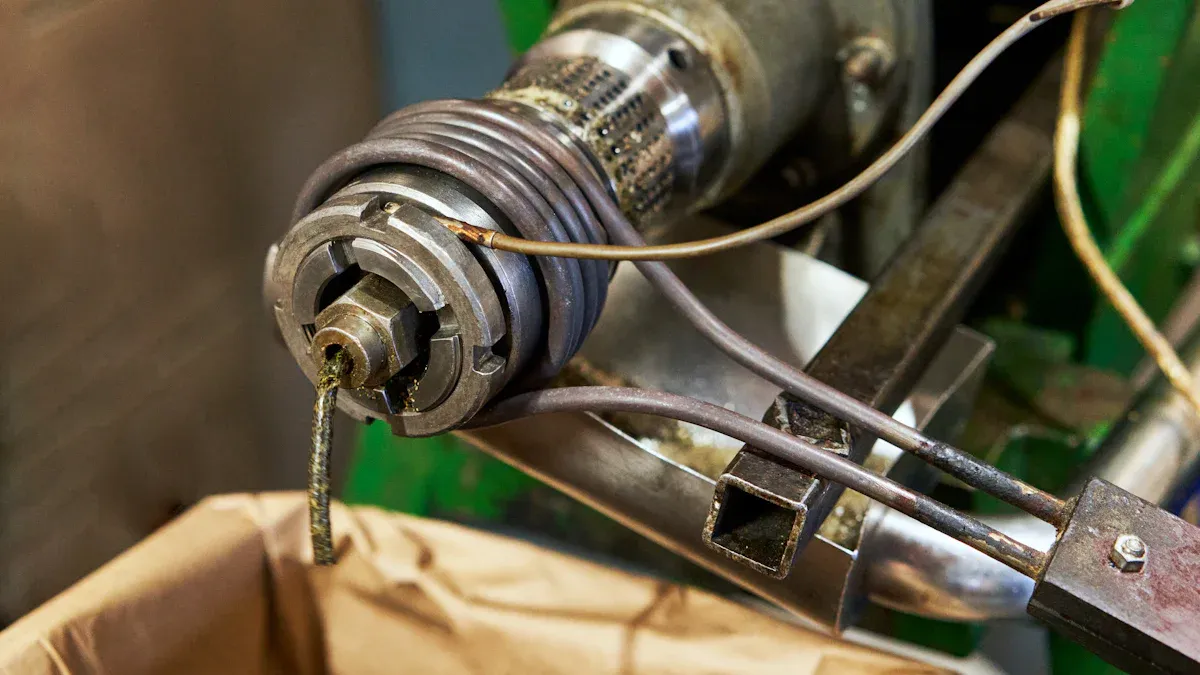
メーカーが、どの押出機が材料加工に最適な結果をもたらすかを尋ねているのをよく見かけます。. 答えは技術要件によって異なります, パフォーマンス目標, コストの制約. で 2024, 共回転二軸押出機は、 71% 収益分配率 彼らはミキシングが得意だから, 自浄作用, そして脱気. 高スループットが必要な場合、または複雑な材料を扱う場合, 二軸押出機は柔軟性と効率性を提供します. 以下の表で主要な機能を比較して、決定に役立ててください。:
| 特徴 | 単軸押出機 | 二軸押出機 |
|---|---|---|
| 輸送機構 | 摩擦 / ドラッグフロー | ポジティブディスプレイスメント |
| 混合能力 | 低い | 高い |
| セルフクリーニング | いいえ | 素晴らしい |
| 初期投資 | より低い ($) | より高い ($$$) |
ヒント: 押出機を選択する前に、材料の複雑さと生産目標を評価します。.
重要なポイント
- 混合に優れた二軸押出機, 自浄作用, 複雑な材料の取り扱い, 高度なアプリケーションに最適です.
- 単軸押出機はコスト効率が高く、操作が簡単です, 均質な材料の大量生産に最適.
- 押出機を選択する際は、材料の種類と複雑さを考慮してください。; ツインスクリューは、シングルスクリューよりも優れたブレンドと添加剤をハンドルします。.
- 生産量のニーズを評価する; ツインスクリューにより、頻繁な製品変更に柔軟に対応します, 一貫した作業を行うには単一のネジが効率的ですが、.
- 予算の制約が重要; ツインスクリューはより高い初期投資を必要としますが、複雑な用途での品質の向上と無駄の削減につながります。.
- 押出機の購入を決める前に性能を検証するには、実際の材料を使用したパイロットテストが非常に重要です.
- 効率を高め、運用コストを削減するために、自動化や持続可能性などの業界トレンドの最新情報を入手してください。.
- ベンダーに相談し、実際の参考情報を収集して、選択した押出機が特定の生産目標を満たしていることを確認します。.
技術的な比較
ツインスクリュー機構
正の変位
私が一緒に仕事をするとき、 二軸押出機, 容積式機構が際立っていることに気づきました. 二本のネジは一緒に回転します, 制御された方法で材料を掴んで前方に移動させる. このアクションにより安定した流れが生まれます, つまり、材料が押出機内にどれくらいの時間滞留するかを予測できるということです。. これはプロセス制御にとって大きな利点だと思います. ツインスクリュー設計により、逆混合がほぼ排除されます。, あらゆる素材に同じ処理が施されます. このレベルの制御は、以下の状況を避けるのに役立ちます- または過剰な処理, 製品の品質を損なう可能性があります.
混合効率
二軸スクリューが真価を発揮するのは混合効率です. 噛み合うネジが材料の流れを何度も分割したり再結合したりする. これが指数層乗算として説明されるのをよく見かけます。. このアクションにより、添加剤が確実に, フィラー, または着色剤が均一に広がる, 非常に少量を使用する場合でも. ツインスクリュー機構により、 高強度混合環境, 複雑な配合には不可欠です. 最終製品の均一性と一貫性が必要な場合はこれに頼っています。.
搬送と混合のメカニズムの違いをまとめた表は次のとおりです。:
| 側面 | ツインスクリュー機構 | シングルスクリュー設計 |
|---|---|---|
| 混合効率 | 制御された, 繰り返しの, 強力な混合環境 | 乱流に依存したカオス的混合 |
| 滞留時間制御 | プラグフローの概算’ 最小限の逆混合で | 幅広い滞留時間分布により、- 過度に加工された素材 |
| レイヤーの多重化 | 層の指数関数的な増加により、添加剤の均一な分布が確保されます。 | 均一性を達成する能力には限界がある, 特に低濃度では |
| 温度制御 | 一定の撹拌により停滞ゾーンを排除, 一貫した粘度を確保する | Prone to temperature variations leading to flow instabilities and poor mixing |
I always recommend a twin screw extruder when I need precise control over mixing and temperature. This technical difference leads to better performance, especially for advanced material processing.
Single Screw Extruder Design
Friction and Drag Flow
あ 単軸押出機 relies on friction and drag flow to move material. The screw rotates inside a barrel, pushing the material forward. I find that this method works well for simple, homogeneous materials. しかし, the process depends on the friction between the screw, バレル, and the material itself. This can lead to uneven flow and unpredictable mixing. When I process materials that need careful additive dispersion, I notice that the single screw design struggles to match the mixing efficiency of a twin screw.
Simplicity and Cost
私が基本的な用途に単軸押出機をよく選ぶ理由の 1 つは、そのシンプルさです。. 設計で使用するコンポーネントが少なくなる, つまり 建設の複雑さの軽減 メンテナンスも容易. オペレーターを迅速にトレーニングできる, スペアパーツへの出費も減ります. 二軸押出機に比べ初期投資が大幅に抑えられます。. 以下の表は、建設とメンテナンスにおける技術的な違いを示しています。:
| 特徴 | 単軸押出機 | 二軸押出機 |
|---|---|---|
| 建設の複雑さ | よりシンプルな構造 | より複雑な機械 |
| コンポーネントの数 | コンポーネントの削減 | コンポーネントの数が増える |
| 費用対効果 | 設計コストと運用コストの削減 | 初期投資が高額になる |
| メンテナンス要件 | 部品点数が少ないため、メンテナンスコストが削減されます | 部品点数が増えるためメンテナンスコストが高くなる |
単一のファイルを大量に処理する必要がある場合, 一貫した素材, 一軸スクリュー押出機が最も費用対効果が高く、信頼性の高い選択肢であると思います。. 二軸スクリュー設計と一軸スクリュー設計の機構の違いは、操作の複雑さに直接影響します。, メンテナンス, 全体的な効率.
注記: 私は常に押出機のタイプを材料とプロセスの要件に合わせます. 複雑な混合と正確な制御用, 私はツインスクリューを選択します. 簡単な場合, 大量生産, 頼りになるのはネジ1本.
パフォーマンスと品質
スループットと効率
出力レート
出力レートを比較してみると, 二軸押出機の方が生産効率が高いことがわかります, 特に複雑な材料ブレンドの場合. ツインスクリューの容積動作により、安定した出力が保証されます。, 困難な配合を処理する場合でも. 私の経験では, 単軸押出機は、単純な用途に最適です。, homogeneous materials. 信頼性の高い出力を提供します, しかし、集中的な混合が必要なブレンドや材料には苦労する. 私は選択する前に、素材の種類と希望する出力品質を常に考慮します。.
エネルギーの使用
エネルギー使用は私の意思決定プロセスにおいて大きな役割を果たします. これが私が観察したことです:
- 一般に二軸押出機 より多くのエネルギーを消費する デュアルドライブシステムを使用しているため、単軸スクリュー押出機よりも優れています。.
- 噛み合う 2 本のネジを回転させる必要があるため、電力要件が増加します, より高いせん断力とトルク要求が生じる.
- 一軸押出機はエネルギー効率が高い, しかし、複雑な材料や高粘度の材料を効果的に処理することはできません。.
- 二軸押出機は優れた混合と材料特性のより優れた制御を実現します。, これにより、要求の厳しい用途でのより高いエネルギー消費を正当化できます。.
- 私は常にエネルギー使用と柔軟性と製品品質の必要性のバランスをとります。.
エネルギー使用量が増えたにもかかわらず, 二軸押出機は、大規模生産における廃棄物の削減と生産品質の向上によりコストを相殺することがよくあります。.
混合と均一性
添加剤分散
二軸スクリューを際立たせる混合性能. 添加剤を分散させる能力に頼っています, フィラー, 着色料も均一に, 低濃度でも. 二軸スクリュー機構により、強力な混合環境を作り出します。, 高度な配合には不可欠です. 単軸押出機を使用する場合, 分散品質に匹敵しないことに気づきました, 特に多相ブレンドの場合.
製品の一貫性
二軸押出機を使用すると、製品の一貫性が劇的に向上することがわかりました。. 以下の表の要点は、 混合と均一性における主な違い:
| 特徴 | 二軸押出機 | 単軸押出機 |
|---|---|---|
| 材料の分散 | PC相とABS相の優れた分散 | 分散不足, 相分離を引き起こす |
| 熱安定性 | 熱安定性の向上 | 高せん断ゾーンでの局所的な過熱 |
| ブレンド品質 | 全体的なブレンド品質の向上 | 一貫性のない溶融均一性 |
| 機械的性質 | 破断伸びの向上, より高い衝撃強度 | 機械的性能が劣る |
| 混合要素の最適化 | 高度な要素の使用 (FME, または, DSE) | 搬送・混練の基本要素 |
均一性と高品質のブレンドが必要な場合は、常にツインスクリューを選択します. この選択により、機械的特性が向上し、製品の品質が安定します。.
プロセス制御
モジュール性
モジュール化によりプロセス設計に柔軟性がもたらされる. 二軸押出機により、用途ごとにスクリュー構成とバレルセクションをカスタマイズできます。. 新しい材料やプロセスの変更にすぐに適応できる. 対照的に, 一軸スクリュー押出機は固定設計です, それは適応性を制限します.
精度
高度な生産にはプロセス制御の精度が重要. 私はその恩恵を受けています フルチャンネルミキシング ツインスクリューがもたらす制御されたせん断力. この設計により、圧力損失が最小限に抑えられ、効率的な混合による高スループットが可能になります。. 溶融物全体にストレスを与えることなく、複数の高せん断ゾーンを作成できます, 材料処理を強化します. 以下の表は違いをまとめたものです:
| 特徴 | 二軸押出機 | 単軸押出機 |
|---|---|---|
| 混合効率 | 優れた混合, 分散する, そして溶ける | シンプルなデザイン, 混合効率が低下する |
| モジュール性 | モジュール設計によりカスタマイズが可能 | 固定設計, 適応力が低い |
| プロセス制御の精度 | 複雑な配合に対する制御の強化 | 基本制御, 精度が低い |
| 材質の適合性 | より幅広い材質に対応します | よりシンプルな素材に限定される |
| 料金 | 通常は価格が高くなる | よりコスト効率が高い |
私の経験では, ツインスクリューは多用途性に優れています, 精度, 複雑な材料を扱う能力. 最良の結果を達成するために、私は常に押出機をプロセス要件に合わせます。 パフォーマンスと品質.
アプリケーションの適合性
ツインスクリューの用途
複雑な製剤
複雑な配合を扱う場合、私はよく二軸押出機を選択します。. 二軸スクリュー設計により、混合と温度を正確に制御できます, 高度なブレンドには不可欠です. 処理します 穀物およびでんぷんベースの製品, スナック, ペットフード, この技術を応用した製菓・製菓. モジュラー設計により、新しいレシピや材料の変更にすぐに適応できます。. 医薬品や水生飼料にも二軸押出機を使用しています, 均一性と信頼性の高いスケールアップが重要な場合. プラスチックおよびポリマーの加工において, 補強改造はツインスクリューに頼る, 機能変更, ポリマーアロイ化, リサイクル造粒. 添加剤を均一に分散させる能力により、二軸スクリューは次の用途に最適な選択肢となります。 マスターバッチ生産 そして臨床試験.
- 穀物およびでんぷんをベースにした製品
- スナックやペットフード
- 菓子
- 医薬品
- 水生飼料
- ポリマーアロイ化とリサイクル
- マスターバッチの製造
- 科学的研究と配合開発
高精度のニーズ
高精度のニーズには二軸押出機を信頼します. ハイブリッドハイドロゲルを作製するとき, 必要です 均一な架橋 および正確な反応条件. ツインスクリュー機構によりこれらの目標を達成できます, これは生物医学や先端材料にとって極めて重要です. 私も恩恵を受けています 最大スループットレート 40 kg/h ZSK MEGAlab を使用, 信頼性の高いスケールアップとモジュール式プロセス設計をサポートします. 二軸押出機 継続的に動作する, 最適化された耐摩耗性, 長期間安定した生産が求められる業界に最適です。.
単軸押出機の用途
均質材料
均質な材料には単軸押出機を選択します. このエクストルーダーは、激しい混合を必要としない単純なブレンドに最適です。. フィルムを加工しています, シーツ, およびプラスチック包装用の容器. 一軸押出機はシールも扱います, ガスケット, 自動車用途のトリムプロファイル. パイプに使ってます, ウィンドウプロファイル, 建築における断熱と. 医療用チューブおよびカテーテル, 家庭用電化製品の筐体や内部部品も同様, もこの技術により効率的に生産されます.
- プラスチック包装: 映画, シーツ, コンテナ
- 自動車: シール, ガスケット, プロファイルをトリムする
- 工事: パイプ, ウィンドウプロファイル, 絶縁
- 医学: チューブ, カテーテル
- 家電: ケーシング, 内部コンポーネント
簡単な処理
単純な加工作業には単軸押出機を使用しています. シンプルな設計により、メンテナンスとトレーニングの必要性が軽減されます。. 最小限の複雑さで大量生産を実現できます. このアプローチは、高度な混合よりも材料の一貫性とスループットが重要な業界に適しています。.
業界の例
包装
リサイクルされた内容物や特殊な添加剤を組み込む必要がある場合、梱包に二軸押出機を使用します。. 標準フィルムおよび容器用, 効率と信頼性の点から単軸押出機を好みます.
自動車
自動車分野, 高品質のリサイクル材料と複雑なポリマーブレンドには二軸押出機を選択します. シールには単軸押出機を引き続き選択します, ガスケット, 材料の均質性が重要な場合はプロファイルをトリムします.
医療と食品
医療・食品用途向け, 正確な制御と均一性が必要な場合、二軸押出機に頼っています。, 医薬製剤やテクスチャード植物性タンパク質など. 単軸押出機ハンドルチューブ, カテーテル, 基本的な食品包装を簡単に行うことができます.
ヒント: 私は常に押出機のタイプを材料の複雑さと用途に必要な精度に合わせます。. 高度で高精度な生産に優れるツインスクリュー, 一方、単軸押出機は単純な用途に最適です。, homogeneous materials.
コストとROI
初期投資
設備費
新しい装備を評価するとき, 私は常に各押出機タイプの価格帯を比較します。. ツインスクリューモデルで広範囲をカバー, から $20,000 実験室規模のユニットでは、 $800,000 大型産業機械用. ほとんどの中型二軸押出機は、次の範囲に当てはまります。 $80,000 そして $300,000. 通常、単軸押出機の方がコストが安くなります, からの価格帯 $50,000 に $150,000. 単軸押出機は価格が低いため、簡単な用途には魅力的だと思います。.
| 押出機の種類 | 価格帯 (米ドル) |
|---|---|
| ツインスクリュー | $20,000 – $800,000 |
| 単ネジ | $50,000 – $150,000 |
インストール
設置コストにより、初期投資が大幅に増加する可能性があります. 二軸押出機用, 設置には通常、基本価格に 10 ~ 30% の追加料金がかかります, それは余分なことを意味する可能性があります $5,000 に $60,000 モデルと設備の要件に応じて. 通常、単軸押出機は設置コストが低くなります, 設備価格に含まれる場合もある.
ヒント: 予期せぬ事態を避けるために、私は予算計画に設置費用を常に含めています。.
運営費
エネルギーとメンテナンス
エネルギーの使用とメンテナンスは長期的な出費に影響します. 二軸押出機はデュアルドライブシステムを使用し、より高いせん断力を生み出すため、より多くのエネルギーを必要とします。. これが公共料金の請求書に反映されているのがわかります, 特に大量生産時. 定期検査, タイムリーな部品交換, 適切な潤滑は効率を維持し、機器の寿命を延ばすのに役立ちます. 二軸押出機のメンテナンスは、コンポーネントの数が多いため、より複雑でコストがかかります. Single screw extruders are more cost-effective to operate and maintain, which suits simpler production needs.
Labor
Labor costs also differ. I need skilled operators for twin screw extruders because of their modular design and process control features. Training takes more time, and troubleshooting requires technical knowledge. Single screw extruders are easier to run, so I can train staff quickly and keep labor costs low.
長期的な価値
Productivity
I focus on productivity and output when I assess long-term value. Twin screw extruders deliver consistent output and handle a wide range of materials. Their modular design lets me adjust for different products, which increases my production capacity. Single screw extruders work best for high-volume runs of simple, homogeneous materials.
Quality Impact
Product quality matters in every industry. Twin screw extruders give me superior mixing efficiency and process flexibility. This leads to better product quality and less waste. I see faster returns on investment with twin screw extruders in complex or high-value applications. Single screw extruders provide reliable quality for basic products at a lower cost.
| 特徴 | 二軸押出機 | 単軸押出機 |
|---|---|---|
| 混合効率 | 高い (Dispersive) | 適度 (単純) |
| プロセスの柔軟性 | 高い (Modular) | 低い (Fixed) |
| Pumping Ability | 100% (一貫性のある) | 40–60% (Pressure-reliant) |
| 初期費用 | より高い | より低い |
| メンテナンス | 複雑な | 単純 |
注記: I always match my extruder choice to my production goals, material complexity, そして予算. This approach ensures I maximize both quality and return on investment.
Choosing the Right Extruder
Key Factors
材質の種類
I always start by evaluating the material I plan to process. Material properties determine the extruder configuration and influence the final product quality. 例えば, materials that require thorough melting and stable shear, ポリプロピレンなどの (PP) またはポリエチレン (PE), benefit from longer L/D ratios. PETやPAなどの湿気に敏感な素材には、欠陥を防ぐために脱気セクションが必要です. リサイクルされたプラスチックは、均一性を高めるために拡張された溶融ゾーンを必要とすることがよくあります. PVCを扱うとき, 適度なL/D比を選択することで過熱を回避します. ABS は黄ばみを防ぐために穏やかに混合する必要があります.
二軸押出機は、複雑な原料や汚染された原料を処理する場合に優れています。. 優れた混合とプロセス安定性により、複数の樹脂を扱うことができます。, 添加物, および着色剤. ブレンドにはツインスクリューを使用しています, マスターバッチ, 均一分散を必要とする材料や. 対照的に, 単軸押出機はクリーンな用途に最適です。, 一貫した素材. 単一樹脂の溶解とペレット化に使用します, 特にプロセスが簡単で大規模な混合を必要としない場合.
生産量
生産量が押出機の選択を決定します. I assess how much material I need to process daily or monthly. Twin screw extruders offer flexibility and high throughput, making them suitable for large-scale operations or frequent product changes. I can adjust screw configurations and barrel sections to match production demands. When I run high-volume batches of homogeneous materials, I prefer a single-screw extruder. Its simple design and reliable output make it efficient for continuous production.
予算
Budget constraints guide my decision. 初期投資を比較する, インストール, and operational costs. Twin screw extruders require higher upfront spending, but deliver superior mixing and process control. They justify their cost in complex or high-value applications. Single screw extruders cost less and are easier to maintain. I choose them for basic products and when my budget is limited.
I always consider future expansion or material diversification plans. If I expect to process new materials or increase capacity, I invest in modular extruders that support upgrades.
Here is a table summarizing the key factors:
| 要素 | 二軸押出機 | 単軸押出機 |
|---|---|---|
| マテリアルの複雑さ | Handles blends, 添加物 | Best for single resins |
| 生産量 | フレキシブル, 高スループット | Efficient for large batches |
| 予算 | より高い投資, modular | 低コスト, simple design |
| Expansion Potential | Supports upgrades | Limited flexibility |
When to Use Twin Screw
I choose twin screw extruders when I need advanced mixing, 配合する, or process flexibility. They handle contaminated or multi-component feedstocks with ease. I rely on twin screw for applications that demand uniform dispersion, カラーマスターバッチなど, polymer blends, and recycled materials. When I process moisture-sensitive or high-viscosity materials, twin screw extruders provide stable operation and consistent quality. Their modular design allows me to adapt quickly to new formulations or production requirements.
- Complex formulations with multiple additives
- Processing recycled or contaminated materials
- Applications requiring precise mixing and temperature control
- Frequent product changes or expansion plans
Twin screw extruders deliver superior performance in demanding environments. I recommend them for manufacturers seeking versatility and high-quality output.
When to Use Single Screw Extruder
I select a single screw extruder for straightforward processing tasks. It works best with clean, homogeneous materials and single resins. I use it for melting, ペレット化, and shaping products where advanced mixing is not required. The simple design reduces maintenance and training needs. When I run high-volume production of basic items, a single screw extruder offers reliable performance and cost efficiency.
- Processing virgin or recycled single resins
- High-volume production of simple products
- Applications with minimal mixing requirements
- Projects with limited budget or technical complexity
I rely on single screw extruders for consistent output and low operating costs. They suit industries where material consistency and throughput matter most.
Practical Tips
Vendor Consultation
I always start my extruder selection process by consulting with reputable vendors. This step helps me avoid costly mistakes and ensures I get the right machine for my needs. I define my output requirements with precision. I specify the product type, 寸法, target output, 回線速度, そして生産目標. 追加します 20–30% capacity headroom to my calculations. This practice prevents overloading and gives me flexibility for future growth.
I match the screw configuration to the material I plan to process. For rigid PVC, I choose a twin screw extruder. For flexible PVC or pre-compounded materials, I select a single screw extruder. I prioritize energy efficiency by looking for machines with servo motor drives, efficient gearboxes, and insulated barrels. These features help me reduce operating costs over time.
When I evaluate gearboxes, I consider the manufacturer’s reputation, torque rating, bearing type, and lubrication system. Gearbox failure can lead to expensive downtime, so I never overlook this detail. I also make sure that all downstream equipment is compatible with the extruder. I prefer to purchase the complete extrusion line from one supplier. This approach minimizes integration issues and streamlines installation.
I always check real-world references before making a final decision. I contact existing users to verify machine performance, uptime, and service responsiveness. I ask about after-sales support and spare parts availability. I prefer suppliers with regional warehouses and quick shipping capabilities. This ensures I can resolve issues quickly and keep my production running smoothly.
ヒント: I recommend building a strong relationship with your vendor. Open communication leads to better support and long-term success.
Pilot Testing
Before I commit to a major investment, I arrange pilot testing with the 押出機サプライヤー. This step allows me to validate machine performance with my actual materials and formulations. I bring sample batches and run them under real production conditions. I observe the mixing quality, スループット, そしてエネルギー消費. I also check for any processing challenges or unexpected results.
Pilot testing gives me confidence in my equipment choice. I can fine-tune process parameters and identify potential bottlenecks before full-scale production. I involve my technical team in the testing process. Their feedback helps me make informed decisions and ensures a smooth transition to commercial operation.
I document all test results and compare them to my production targets. If the extruder meets or exceeds my expectations, I proceed with the purchase. If not, I discuss adjustments or alternative configurations with the vendor. This hands-on approach reduces risk and maximizes my return on investment.
注記: I never skip pilot testing, especially for new materials or complex formulations. It is the best way to ensure the extruder will deliver the results I need.
By following these practical steps, I make confident, data-driven decisions when selecting an extruder. I secure reliable performance, efficient operation, and long-term value for my production line.
業界の動向
Hybrid Solutions
Emerging Technologies
I see a wave of innovation transforming extruder systems. Manufacturers now invest heavily in research and development. I notice new machines equipped with advanced sensors and data analytics. These features allow me to monitor the extrusion process in real time. Artificial intelligence integration makes the process more predictive and efficient. I can adjust parameters quickly, which aligns with Industry 4.0 原則. Smart technology helps me reduce downtime by up to 20%. This improvement boosts overall performance and keeps my production line running smoothly.
- Advanced sensors detect anomalies early, preventing costly failures.
- Data-driven insights help me maintain consistent quality.
- Next-generation machines adapt to changing materials and recipes.
Automation Integration
Automation has changed how I manage extrusion lines. I rely on automated systems to boost efficiency and reduce manual intervention. Real-time monitoring lets me spot issues before they become problems. Predictive maintenance schedules repairs at the right time, which cuts unexpected downtime. I find that automation brings a steep learning curve for my team. しかし, the long-term gains in productivity and quality make the investment worthwhile.
- Automated controls optimize energy use and material flow.
- Integration with smart factory systems supports seamless production.
- Training and upskilling my staff ensures we get the most from new technology.
持続可能性
エネルギー効率
Sustainability drives many of my decisions. 私は次の条件で押出機を選びます 高効率モーター and advanced heating systems. These features lower power demand and reduce my energy bills. 私は使用します induction heating coils for faster, targeted heating. Intelligent automation adjusts energy input in real time, minimizing idle consumption. I also upgrade to AC vector drives for better speed control and energy savings. Direct-drive extruders eliminate inefficient gearboxes, further cutting energy use.
| Improvement Type | 説明 |
|---|---|
| High-Efficiency Motors | Reduce overall power demand |
| Advanced Heating Systems | Ceramic or induction heaters for better heat distribution |
| Intelligent Automation | Real-time monitoring and adjustments to optimize energy input |
| Mechanical Design Enhancements | Lightweight parts and optimized screws to lower resistance and energy usage |
| Waste Heat Recovery | Capture and recycle heat to preheat incoming feedstock |
廃棄物の削減
I focus on reducing waste at every stage. Twin screw extruders help me recycle プラスチック, even those with contaminants. This capability supports a circular economy by turning waste into valuable products. I use smart process controls that adjust settings automatically to minimize scrap. Predictive maintenance keeps my equipment running efficiently, which reduces material loss. I also implement waste heat recovery systems to capture hot exhaust and preheat feedstock, saving both energy and resources.
- Twin screw extruders enable advanced recycling and material reuse.
- Optimized cooling systems prevent overcooling and unnecessary waste.
- Smart controls and predictive maintenance improve yield and lower environmental impact.
I believe that embracing these trends positions my operation for long-term success and sustainability.
I always match my extruder choice to the material, production goals, そして予算. ここで簡単に説明します 比較:
| 特徴 | 単ネジ | ツインスクリュー |
|---|---|---|
| 料金 | より低い | より高い |
| 混合能力 | Adequate | 優れた |
| 柔軟性 | 限定 | 高い柔軟性 |
| 応用 | Simple materials | Complex formulations |
To ensure the best outcome, 私 consult with vendors, request trial reports, and arrange pilot testing. This approach helps me confirm equipment compatibility and long-term value.
よくある質問
What is the main advantage of a twin screw extruder?
I find that twin screw extruders offer superior mixing and process control. They handle complex materials and additives with ease. This makes them ideal for advanced formulations and high-precision applications.
When should I choose a single screw extruder?
I choose a single screw extruder for simple, homogeneous materials. It works best for high-volume production where advanced mixing is not required. The lower cost and easy maintenance make it a practical choice.
How do energy costs compare between the two types?
Twin screw extruders use more energy due to dual drives and higher shear. Single screw extruders consume less power. I always balance energy use with the need for product quality and process flexibility.
Can I process recycled materials with both extruders?
I process recycled materials more efficiently with twin screw extruders. Their design handles contaminants and variable feedstocks better. Single screw extruders work for clean, consistent recycled resins.
What maintenance challenges should I expect?
Twin screw extruders require more frequent and skilled maintenance. The complex design means more parts to inspect and replace. Single screw extruders have fewer components, so I spend less time and money on upkeep.
How do I decide which extruder fits my needs?
I start by evaluating my material type, 生産量, そして予算. I consult with vendors and arrange pilot testing. This approach ensures I select the right extruder for my process.
Are twin screw extruders harder to operate?
はい, I find twin screw extruders require more training and technical knowledge. Their modular design and process controls add complexity. Single screw extruders are easier to operate and train staff on.
二軸押出機から最も恩恵を受ける業界は何ですか?
Industries like plastics, 医薬品, and food processing benefit most. I use twin screw extruders for applications needing advanced mixing, 正確な制御, and flexibility with different materials.