二軸押出機中国工場: 決定的な B2B ソーシング & 貿易ガイド
信頼できる商品を求める海外のバイヤー向け 二軸押出機中国工場, の状況は前例のない機会と複雑さの両方をもたらしています. China remains the world's largest producer and exporter of plastic and polymer processing machinery, 最も急速に成長しているセグメントの 1 つを代表する二軸押出機を搭載. 中国プラスチック機械工業協会によると (CPMIA), 中国は米ドルを超えて輸出している 4.2 10億ドル相当のプラスチック機械 2024, 二軸押出機システムでおおよその割合を占める 18% その合計のうち. このガイドでは現在の貿易環境を調査します。, 主要な二軸押出機のメーカーとサプライヤーを特定します, B2B調達戦略を分析する, ヨーロッパのバイヤーにとってこの重要な産業分野を形作る短期的な傾向を予測します, 北米, 東南アジア, そしてその先へ.
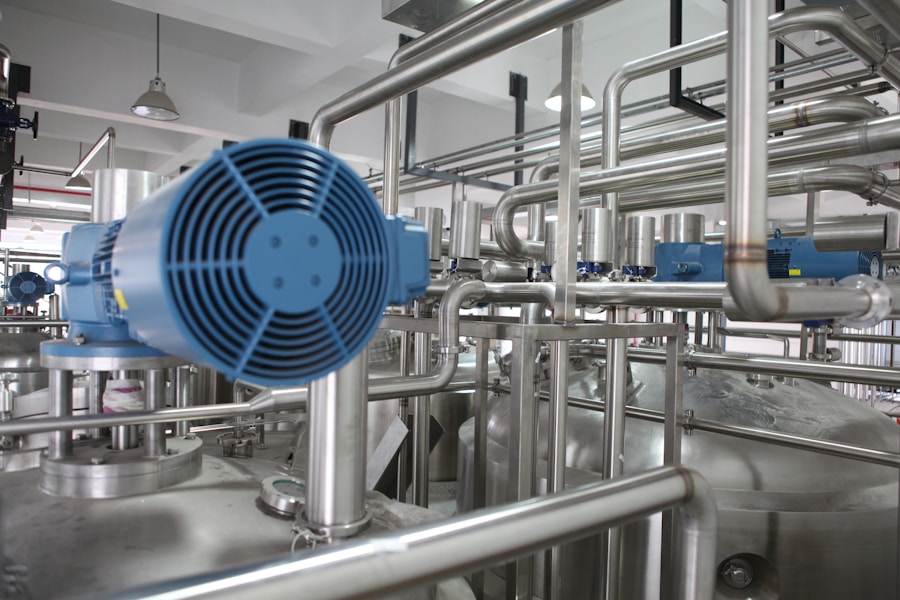
重機や押出機が稼働する工業製造工場のフロア
中国二軸押出機製造の現状
China's plastics machinery sector has undergone a dramatic transformation over the past decade. かつては低コストの源として認識されていたもの, 低品質の装置は世界的に競争力のある製造エコシステムに成熟しました. 二軸押出機セグメント, 特に, 継続的な R の恩恵を受けています&D投資, 政府支援による産業アップグレードプログラム (notably "Made in China "), 先進的なポリマー配合に対する国内需要の高まり.
早い段階で, 中国には以上のものがある 200 二軸押出機を製造している会社, 主に江蘇省に集中 (南京, 蘇州), 浙江省 (寧波, 台州), 広東省 (東莞, 佛山市), と山東省. 南京クラスターだけでも推定35件を占める–40% 全国二軸押出機の生産高, earning it the informal title of "China's extrusion capital." 南京江寧経済技術開発区や寧波鎮海石油化学経済技術開発区などの主要工業区には、数十の専門メーカーが拠点を置いています。.
からのデータ 中国税関総署 二軸押出機の輸出が約成長したことを示しています 12% 前年比 2024, 東南アジアからの強い需要が牽引, 中東, アフリカ, そしてラテンアメリカ. ヨーロッパと北米のバイヤー, 一方で関税を考慮するとより慎重になる, 価格競争力のあるモデルについては引き続き中国から調達しており、ミッドエンドからハイエンドの構成については増加傾向にあります。.
国際貿易局 (ITA) 米国の. 商務省 その中で指摘されている 2024 業界レポート 中国のプラスチック機械の米国への輸入が増加したとのこと 8.3% 価値観で言えば, 生産量の増加と設備のハイスペック化を反映. The European Commission's trade data portal (DGトレード) 同様に記録した 6.7% 同期間における中国からEU-27加盟国へのプラスチック機械輸入の増加.
中国の工場で生産される二軸押出機の種類
B2B バイヤーが商品を評価するには、製品範囲を理解することが不可欠です。 二軸押出機中国工場. 中国メーカーは現在、あらゆる種類の二軸押出機構成を生産しています:
- 共回転二軸押出機: 最も多く生産されているタイプ, ポリマー配合に使用される, マスターバッチ生産, 反応性押出, そして脱揮. ネジ径の範囲は次のとおりです。 20 mm (実験室規模) に 180 mm (高生産量の工業規模). 中国の大手工場は、以下の L/D 比を提供しています。 32:1 に 64:1, からのスループット容量を備えた 5 kg/h以上 3,000 kg/h.
- 二重反転二軸押出機: 主に塩ビ管に使用されます。, プロフィール, およびシート押出. 中国メーカーはこの分野で特に競争力がある, PVC加工ラインの大部分を発展途上市場に供給.
- コニカル二軸押出機: PVC加工に特化した二重反転設計, 浙江省と広東省で広く製造されている.
- 高トルク / 高速モデル: 比トルク値が超過する新世代の機械 11.3 Nm/cm³, 欧州のベンチマークに近づくか一致する. 南京を拠点とするいくつかのメーカーは現在、ドイツやイタリアの老舗ブランドと同等のトルク定格を備えたモデルを提供しています。.
- 実験室用およびパイロットスケールの押出機: 大学の研究部門や研究者の間で人気が高まっています&世界中の D センター, 中国の工場では 30 個のユニットを提供–50% 欧州同等品のコストの.
押出機械で使用される精密工業用ネジと金属部品の拡大図
B2B バイヤー向けの主要な品質認証と基準
二軸押出機の中国工場サプライヤーを選択する際に最も重要な考慮事項の 1 つは、認証と品質保証の枠組みです。. 評判の高い中国のメーカーは現在、さまざまな国際認証を取得しています:
- CEマーキング: 欧州経済領域への輸出に必要. 輸出志向の中国の二軸押出機工場のほとんどが機械指令をカバーする CE 認証を取得 (2006/42/EC) および低電圧指令 (2014/35/欧州連合).
- ISO 9001:2015: ベースライン品質マネジメントシステム認証. 事実上、信頼できる中国の押出機メーカーすべてがこの認定を取得しています。.
- ISO 14001: 環境マネジメント認証, ヨーロッパのバイヤーからの ESG 調達要件の要求がますます高まっています.
- UL / CSA: 北米市場で必須または推奨される. 電気部品のUL認証を取得している中国の工場は少数.
- アテックス: 爆発の可能性のある雰囲気で使用される押出機用 (例えば, 特定の化合物の処理). 少数の先進的な中国メーカーが ATEX 認証を取得しています.
の 国際標準化機構 (ISO) そして European Parliament's product safety directives 中国の輸出業者が対応しなければならない規制の枠組みを提供する. 購入者は常に証明書のコピーを要求する必要があります, 発行機関に確認してください, 理想的には工場監査を実施します—直接、または SGS などの第三者の検査サービスを通じて, テュフ, またはビューローベリタス.
貿易政策の展望: 関税, 職務, および規制上の考慮事項
中国から調達される二軸押出機の B2B 貿易環境は、複雑な関税スケジュールによって形作られています, 貿易協定, 仕向地市場によって異なる規制要件.
米国
中国から米国に輸入された二軸押出機. 調和関税スケジュールに分類されています (HTS) コード 8477.20, covering "extruders for working rubber or plastics." 現在, これらの製品は標準の最恵国待遇の対象となります。 (MFN) の関税率 3.1%, 追加のセクションを追加 301 の関税 25% 米中貿易摩擦の際に課せられた. 合計実効関税率は約 28.1% 米国の一部に刺激を与えた. 買い手は関税軽減戦略を模索する, 自由貿易地域経由の輸入を含む, 除外を求める, または国内で組み立てるためにコンポーネントを個別に調達する. の 私たち. 国際貿易委員会 (USITC) 最終的な料金表を提供します.
欧州連合
EU は標準的な最恵国関税を適用します。 1.7% 複合命名法に基づく二軸押出機について (CN) コード 8477 20 00. 米国とは異なります。, EUは中国のプラスチック機械に追加の懲罰関税を課していない. しかし, the EU's Carbon Border Adjustment Mechanism (CBAM), 10月に移行期に入った 2023, 最終的にはエネルギー多消費機械の輸入コスト計算に影響を与える可能性がある. の EU課税・関税同盟総局 現在の関税率を維持します.
東南アジアおよびその他の市場
ASEAN加盟国は通常、中国製機械の輸入に対して低い関税を適用している, 地域包括的経済連携の恩恵を受ける (RCEP) 1月に発効した協定 2022. RCEP市場における二軸押出機の実効負荷率は、 0% に 5%, これらの市場は中国の輸出業者にとって特に魅力的なものとなり、ベトナムのプラスチック加工能力の急速な工業化に貢献する, インドネシア, タイ, そしてフィリピン.

世界貿易用の輸送コンテナを積み込むクレーンを備えた、混雑した国際港の大型コンテナ貨物船
B2B 取引の機会: 世界のバイヤーが二軸押出機の中国工場を選ぶ理由
平行二軸押出機の卸売 プラスチック押出工場 中国の二軸押出機輸出の持続的な成長は、B2B 調達意思決定者の共感を呼ぶいくつかの構造的利点によって推進されています。: 中国ラボ押出機工場
価格競争力
中国の二軸押出機の価格は通常 40–65% 同等のヨーロッパ人よりも劣る (ドイツ語, イタリア語) モデルと30–50% 日本の同等品よりも少ない. 共回転二軸押出機 65 mmネジ径と 40:1 評判の良い中国工場の L/D 比の価格は 45,000 ドルになる可能性があります–80,000, 120,000ドルと比較–200,000 同等のドイツ製マシンの場合. この価格差は、次のような業界出版物が実施する調達調査で最も多く挙げられている要因です。 プラスチックの今日 そして プラスチック技術.
品質と技術の向上
中国とヨーロッパの二軸押出機の品質格差は大幅に縮小. 中国の一流メーカーは現在、ドイツ設計のギアボックスを使用しています (またはライセンス製造された同等品), 日本生まれのスクリューエレメント, および欧州標準の電気部品 (シーメンス, 銅の押出加工 ABB, シュナイダー). いくつかの工場が独自のスクリュー要素設計ソフトウェアと冶金研究に投資しています。, 耐摩耗性材料の製造 (例えば, 粉末冶金鋼, 炭化タングステンコーティング) ヨーロッパの同等のパフォーマンスに近づく.
カスタマイズと柔軟性
中国の工場は一般に、購入者の仕様に合わせて機械構成をカスタマイズすることに積極的です。, 標準外のバレル長を含む, 特殊なスクリューエレメントプロファイル, 下流機器の統合 (ペレタイザー, 冷却システム, 包装ライン), 地域の電気規格への適合. 最低注文数量 (MOQ) 典型的には 1 標準モデル用ユニット, 中国のサプライヤーを中小企業が利用できるようにする (中小企業) 大規模な業界グループと同様に.
統合されたサプライチェーン
China's manufacturing ecosystem provides a unique advantage: バイヤーは完全な押出ラインを調達できます—押出機, フィーダー, ダイヘッド, ペレタイザー, 冷却槽, コンベア, および制御システム—単一の工場または緊密に統合されたサプライヤーのクラスターから. これにより調整の複雑さが軽減され、総着陸コストを 10 分の 1 削減できます。–20% 複数の国際的なサプライヤーからラインを組み立てる場合と比較して.
中国からの調達における課題とリスク軽減
魅力的な利点にもかかわらず, B2B バイヤーはいくつかの課題を乗り越える必要があります 中国ラボ押出機メーカー 二軸押出機の中国工場メーカーを使用する場合:
品質の一貫性
幅広いメーカー—世界クラスの事業から小規模な工場まで—品質が大きく異なることを意味します. 買い手は徹底的なデューデリジェンスを実施する必要があります, 工場見学も含めて (または仮想監査), 既存顧客とのリファレンスチェック, そして出荷前検査. 中国の専門知識を持つサードパーティの品質保証会社 (SGS, テュフ ラインランド, インターテック) 機械に特化した工場監査および検査サービスを提供する.
知的財産に関する懸念
知的財産保護には依然として懸念が残る, 特に中国メーカーと独自のネジ設計やプロセスパラメータを共有するバイヤーにとって. 機密保持契約 (NDA) 中国の法律に基づいて強制可能, 慎重なサプライヤーの選択と組み合わせる, このリスクを軽減できる. の 世界知的所有権機関 (ウィポ) 国際貿易における知的財産保護戦略に関するガイダンスを提供します.
アフターサービスとスペアパーツ
歴史的に, アフターサポートは中国の機械輸出業者の弱点となっている. しかし, leading manufacturers have established overseas service centers, maintain spare parts inventories in key markets (particularly in Southeast Asia and the Middle East), and offer remote diagnostics via IoT-enabled control systems. 購入者は包括的な保証条件について交渉する必要があります (通常は12–24 月) and confirm spare parts availability and lead times before placing orders.
物流とリードタイム
Standard production lead times for twin screw extruders from Chinese factories range from 45 に 120 days depending on machine size and customization level. Ocean freight from major Chinese ports (上海, 寧波, 深セン) to European ports (ロッテルダム, ハンブルク, アントワープ) takes approximately 25–35 日; 米国へ. West Coast ports (ロサンゼルス, ロングビーチ) approximately 14–20 日; and to U.S. East Coast ports (ニューヨーク/ニュージャージー, サバンナ) approximately 30–40 日. Buyers should factor in customs clearance time, which can add 3–10 business days depending on the destination country.
Warehouse logistics center with organized pallets and shipping containers ready for international freight distribution
地理的および政策上の利点: How China's Industrial Ecosystem Enables B2B Export
押出機のスループットの計算 China's dominance in twin screw extruder manufacturing is not accidental—それは製品です 押出機 意図的な産業政策の, 地理的な利点, 総合的に強力な競争上の地位を生み出すエコシステム効果.
リサイクル押出機 特定の産業クラスターへのメーカーの集中 (南京, 寧波, 東莞) 集積経済を生み出す: 専門部品サプライヤー, 熟練労働者プール, 工業大学, 検査施設はすべて近くにあります. 南京理工大学と北京化工大学, 例えば, 専用のポリマー加工研究センターがあり、スクリュー設計の最適化に関して地元メーカーと協力しています, 材料科学, およびプロセスシミュレーション. ペイントミキサー液
政府の政策は複数のチャネルを通じてセクターを支援します. 機械の輸出税還付 (現在 13% ほとんどのプラスチック機械カテゴリーに対する VAT 還付) 海外バイヤー向けにFOB価格を効果的に引き下げる. 経済特別区と自由貿易区 (中国などの (上海) 自由貿易試験区) 通関手続きを合理化し、輸出業者の管理負担を軽減します。. 一帯一路構想 (BRI) インフラ開発も促進されました—特にポート容量とレール接続—参加国への機械輸出の物流コストを削減します。.
China's participation in RCEP further enhances its position as a machinery export hub for the Asia-Pacific region. RCEP原産地規則に基づく, 中国製二軸押出機はASEAN市場に参入可能, オーストラリア, ニュージーランド, 日本, と韓国は特恵関税率で, これらの市場のバイヤーにとって中国の工場が自然な調達の選択肢となる.
事例紹介 中国から二軸押出機の調達に成功した企業
ケーススタディ 1: ヨーロッパのマスターバッチ生産者
イタリア北部に本拠を置く中規模のマスターバッチ製造会社は、エネルギーコストの上昇とトルコの生産者との競争による利益圧力に直面していました。. で 2023, 同社は 2 台の共回転二軸押出機を調達しました。 (75 mm, 44:1 L/D) 南京の工場から, 老朽化したイタリア製機械の置き換え. 投資総額, 海上輸送を含む, CE認証の検証, installation supervision by the Chinese factory's engineers, そしてコミッショニング, 約16万ユーロでした—だいたい 45% 同等の新品のイタリア製機械のコスト. 後 18 数カ月の運用, 同社は以下のスループットパフォーマンスを報告しました 5% 置き換えられたマシンの, エネルギー消費量はおよそ 12% 新しいモーターと加熱技術により低下. その後、同社は新しい生産ライン用に 3 台目の機械を発注しました。.
ケーススタディ 2: 東南アジアの調合スタートアップ
ベトナムのプラスチック配合スタートアップ, に設立された 2023 成長する地元の自動車およびエレクトロニクス製造部門にサービスを提供する, 生産ライン全体を調達—3台の二軸押出機を含む (52 mmと 65 mm), ストランドペレタイザー, および重量フィーダー—南京にある中国の単一工場群から. 設備投資総額は約米ドル 280,000. 中国のサプライヤーがオンサイトでの設置とトレーニングを提供しました, 2人のエンジニアがベトナムの施設で3週間過ごす. スタートアップ企業は、機器納入から 4 か月以内に商業生産を達成しました, ヨーロッパのサプライヤーの場合は、リードタイムが長くなり、設置サポートのコストが高くなるため、スケジュールは大幅に長くなるはずです。.
ケーススタディ 3: 私たち. リサイクル機器販売業者
Cinema 4D 押し出しコマンド A U.S.-based distributor specializing in plastics recycling equipment began sourcing twin screw extruders from a Guangdong-based Chinese manufacturer in 2022. にもかかわらず、 25% セクション 301 関税, the landed cost of the Chinese machines was still approximately 25% below comparable U.S. or European alternatives. The distributor worked closely with the Chinese factory to customize the machines for recycling applications—including reinforced barrels for processing contaminated post-consumer waste and specialized venting configurations for devolatilization. The distributor now sells approximately 15 Chinese-made twin screw extruders per year into the U.S. recycling market, with a warranty claim rate of less than 3%.

Business professionals in a meeting room discussing international trade strategy and B2B procurement plans
ケーススタディ 4: Middle Eastern Pipe Manufacturer
サウジアラビアの塩ビパイプメーカーが生産能力を拡大 2024 浙江省に拠点を置く中国の工場から4台の二重反転二軸押出機を購入することにより. この機械は高出力PVCパイプ押出成形用に指定されました。 (110 mmから 400 直径mm) 完全な下流機器が含まれています. 中国の工場がターンキー設置を提供, including electrical integration with the buyer's existing plant infrastructure. プロジェクトの総費用は約米ドルでした 520,000, CIFジェッダに納品. メーカーは、中国の機械は試運転から最初の週以内に定格出力に達したと報告しました。, サウジアラビアの基準を満たすパイプ品質, 計測および品質組織 (私たちのもの) 要件.
短期貿易動向予測: 6月–8月
現在の市場指標に基づく, 通商政策の展開, および業界データ, 次の傾向は、今後 1 ~ 2 か月で二軸押出機の中国工場輸出市場を形成すると予想されます:
新興国市場からの引き続き強い需要
東南アジア, 中東, and Africa will continue to drive volume growth for Chinese twin screw extruder exports. The industrialization of plastics processing in Vietnam, インドネシア, そしてインド—supported by foreign direct investment in automotive, 梱包, および建設部門—creates sustained demand for affordable, reliable extrusion equipment. RCEP tariff reductions will further accelerate this trend.
Tariff Uncertainty in the U.S. 市場
米国. market remains subject to policy uncertainty. 中旬現在, there is no indication that Section 301 tariffs on Chinese machinery will be reduced. しかし, 米国. administration's focus on reshoring manufacturing may create indirect demand for Chinese extruders used in recycling and sustainable materials processing, sectors that enjoy bipartisan policy support. Buyers should monitor announcements from the 米国通商代表部 (USTR) for any tariff review developments.
EU市場: Steady Growth with ESG Emphasis
European buyers are expected to maintain steady procurement from China, with increasing emphasis on ESG compliance. Chinese factories that can demonstrate low-carbon manufacturing processes, responsible sourcing of raw materials, and compliance with the EU's Corporate Sustainability Due Diligence Directive (CSDDD) 競争上の優位性を持つだろう. の European Commission's Directorate-General for Environment is the authoritative source for evolving ESG requirements.
Technology Upgrading and Smart Manufacturing
Chinese twin screw extruder manufacturers are rapidly integrating Industry 4.0 technologies—IoTセンサー, cloud-based monitoring, 予知保全アルゴリズム, およびデジタルツインシミュレーション—into their product offerings. This trend is expected to accelerate in the near term as factories compete for higher-value orders from European and North American buyers who increasingly require smart manufacturing capabilities. 二軸押出機工場
Currency and Pricing Dynamics
中国人民元 (人民元) has remained relatively stable against the U.S. dollar and euro in early, with the People's Bank of China maintaining a managed float. 押出機製造の原材料費—particularly specialty steels, copper, and rare earth elements used in motors—have shown moderate increases. Buyers placing orders in the June–August window should expect stable to slightly higher pricing compared to Q1, with lead times potentially extending due to seasonal demand peaks.
Digital technology and data analytics dashboard representing Industry 4.0 smart manufacturing and IoT integration
B2B Workplace Safety: The Critical Role of Safety Footwear in Extrusion Factories
二軸押出機業界—whether in manufacturing plants in China or processing facilities operated by B2B buyers worldwide—is inherently an industrial environment where workplace safety is paramount. One of the most fundamental yet often underestimated aspects of occupational safety in extrusion factories is foot protection. This section examines why safety footwear is essential in the B2B extrusion equipment context and how it protects workers' toes and feet from the specific hazards present in these environments.
Hazards in Twin Screw Extruder Work Environments
Extrusion factories present a unique combination of foot-related hazards that make safety footwear not just advisable but legally required in most jurisdictions:
- 重量物衝撃: 二軸押出機のコンポーネント—樽, ネジ要素, ギアボックスハウジング, ダイプレート—are heavy metal objects that are regularly handled during assembly, メンテナンス, そして切り替え作業. A single screw element can weigh 2–15 kg; a complete barrel section can weigh 50–200 kg. Dropping any of these components onto an unprotected foot can cause fractures, 挫傷, または切断.
- 圧縮の危険性: During machine installation and maintenance, workers may be exposed to compression risks from hydraulic equipment, forklifts, overhead cranes, and rolling heavy components on factory floors.
- Hot Material Splashes: Twin screw extruders process polymers at temperatures typically ranging from 150°C~350°C. 溶融ポリマーの飛沫, 熱い金属の表面, and heated barrel sections pose burn risks to feet and lower legs.
- スリップの危険性: Extrusion factory floors may be contaminated with polymer pellets, 潤滑剤, 作動油, or cooling water, all of which create slip hazards.
- パンクのリスク: 金属の削りくず, ワイヤーの破片, 壊れたネジ要素の先端, and other sharp debris on factory floors can penetrate ordinary footwear.
- 電気的危険性: Workers involved in electrical installation and maintenance of extruder control systems may be exposed to electrical shock risks, requiring electrically insulating footwear.
Safety Footwear Standards and Certifications
International standards govern the performance requirements for safety footwear used in industrial environments like extrusion factories:
- ISO で 20345:2022 (ヨーロッパ): The primary European standard for safety footwear, requiring a toe cap tested to withstand 200 衝撃エネルギーのジュールと 15 圧縮力 kN. This standard defines safety classes from SB (basic) to S5 (full protection including waterproofing and sole penetration resistance).
- ASTM F2413-18 (米国): アメリカの保護靴の規格, specifying impact resistance (I/75 = 75 フィートポンド), 圧縮抵抗 (C/75 = 2,500 ポンド), 中足骨保護のためのオプションの評価も可能 (山), 導電性 (Cd), 電気的危険 (えー), static dissipative (SD), そして耐パンク性 (PR).
- GB 21148-2020 (中国): China's national standard for safety footwear, ISOとほぼ調和 20345, requiring toe cap impact resistance of 200 J and compression resistance of 15 kN.
の 私たち. 労働安全衛生管理 (オシャ) mandates that employers provide appropriate foot protection under 29 CFR 1910.136 when employees are exposed to foot injuries from falling or rolling objects, 足裏を突き刺す物体, または電気的危険. 同様に, の 欧州労働安全衛生庁 (EU-OSHA) enforces workplace safety directives that require employers to conduct risk assessments and provide appropriate personal protective equipment (PPE), 安全靴を含む.
Types of Safety Footwear for Extrusion Factory Environments
B2B buyers of twin screw extruders should ensure that their factory workers are equipped with appropriate safety footwear. The following types are most relevant to extrusion environments: Non-Intermeshing Twin Screw Extruder
- Steel Toe Cap Boots (S3 / ASTM I/75 C/75): The traditional choice, offering excellent impact and compression protection. Steel toe caps can withstand the impact of a 20 kgの物体が落ちた 1 メーター. Suitable for general factory floor work, machine operation, そしてメンテナンス.
- Composite Toe Cap Boots: Made from reinforced plastic, 炭素繊維, またはケブラー, these offer similar protection to steel but are lighter (reducing worker fatigue during long shifts) and do not conduct heat or electricity. Increasingly preferred in modern extrusion facilities.
- Metatarsal Guard Boots: Provide additional protection to the metatarsal bones (the top of the foot between the toes and the ankle), which are vulnerable to impact from falling screw elements and barrel components. Recommended for workers involved in machine assembly and heavy maintenance.
- Heat-Resistant Boots: Featuring soles rated for contact with surfaces up to 300°C and uppers made from heat-resistant leather or synthetic materials. Essential for workers operating near extruder die heads and downstream hot processing equipment.
- Anti-Slip Boots: Featuring soles with SRC (slip resistance on ceramic tile with dilute soap solution and on steel with glycerol) 評価. Critical for extrusion factory environments where polymer pellets and lubricants create slip hazards.
- Puncture-Resistant Boots: Incorporating a steel or composite midsole plate that prevents sharp objects from penetrating through the sole. Important in factories where metal debris may be present on the floor.
B2B 業務における安全靴のビジネスケース
規制遵守を超えて, there is a compelling business case for investing in high-quality safety footwear for extrusion factory workers:
- 職場での負傷の減少: 米国. 労働統計局 (BLS) 足の怪我が約 10% 製造業におけるすべての労働災害の割合, with an average cost per incident of USD 9,000–12,000 医療費も含めて, 生産性の低下, そして労働者' 補償. Proper safety footwear can prevent an estimated 60–70% of these injuries.
- 生産性の向上: Modern safety footwear is designed for comfort during extended wear. 人間工学に基づいたインソール, 通気性のある素材, and lightweight composite toe caps reduce worker fatigue, contributing to higher productivity and lower absenteeism.
- 規制の遵守: Non-compliance with workplace safety regulations can result in significant fines. OSHA penalties for serious violations can reach USD 16,131 違反ごとに ( 料金), while EU member states impose comparable penalties under national implementations of the Framework Directive 89/391/EEC.
- Insurance and Liability: Adequate PPE provision, 安全靴を含む, is typically a condition of workplace liability insurance. Failure to provide appropriate footwear can void insurance coverage and expose the business to direct liability for injury costs.
- Worker Retention: In competitive labor markets, providing high-quality safety equipment—including comfortable, well-fitting safety boots—is a tangible demonstration of employer commitment to worker welfare, supporting recruitment and retention.
Sourcing Safety Footwear: A B2B Perspective
押出施設を運営する B2B バイヤー向け, safety footwear procurement should be integrated into the overall equipment and supplies sourcing strategy. China is also a major manufacturer of safety footwear, with factories in Fujian, 浙江省, and Guangdong provinces producing boots that meet EN ISO 20345, ASTM F2413, and other international standards. B2B buyers sourcing twin screw extruders from China may find it efficient to source safety footwear from the same trade ecosystem, potentially through the same trading companies or procurement agents.
B2B 安全靴の調達に関する主な考慮事項は次のとおりです。: 認証の検証 (request test reports from accredited laboratories), sizing accuracy (particularly important when sourcing from Asian manufacturers for European or American workers), 材質の品質 (genuine leather vs. synthetic, sole durability), and minimum order quantities (typically 100–500 pairs for custom orders from Chinese factories).