

Master Batch Machine: グローバルB2B貿易分析, Leading Manufacturers, サプライヤー & Factory Sourcing Guide
The master batch machine industry sits at the heart of the global plastics compounding sector, enabling manufacturers to produce concentrated color and additive masterbatches used across packaging, 自動車, 工事, そして消費財. As international trade dynamics shift—particularly between the United States and the European Union—B2B buyers and suppliers of masterbatch production equipment face both unprecedented opportunities and complex challenges. This in-depth analysis examines the current trade landscape, profiles leading manufacturers and suppliers, evaluates sourcing strategies, and forecasts near-term trends shaping the master batch machine market through mid-.
Understanding Master Batch Machines: コア技術と産業応用
A master batch machine is a specialized plastics compounding system designed to produce masterbatch—a concentrated mixture of pigments, 添加物, またはキャリア樹脂にカプセル化されたフィラー. These machines typically include twin-screw extruders, volumetric or gravimetric feeders, ペレット化システム, and cooling lines. The output masterbatch pellets are then used by downstream plastics processors to color or modify the properties of raw polymers during injection molding, ブロー成形, またはフィルム押出.
Key machine types in the market include co-rotating twin-screw extruders (the dominant technology for high-output color and additive masterbatch), single-screw extruders for simpler formulations, and specialized kneader-based systems for heat-sensitive materials. Capacity ranges from laboratory-scale units processing 5–20 kg/h to industrial lines exceeding 2,000 kg/h. The choice of machine depends on the masterbatch type (色, white, black, 添加剤, フィラー), 生産量, and quality requirements such as dispersion fineness and color consistency.
からのデータによると グランドビューリサーチ そして マーケットサンドマーケット, 世界のマスターバッチ市場の価値は約米ドル 13.6 億で 2024 そして、CAGR で成長すると予測されています。 5.2% を通して 2030. This growth directly drives demand for master batch machines, particularly in emerging economies expanding their plastics processing capacity and in developed markets upgrading to more energy-efficient, Industry 4.0-compatible equipment.
Industrial plastics manufacturing facility with extrusion equipment used in masterbatch production
Foreign Trade Policy and the Industrial Machinery Landscape
米国と欧州連合の大西洋を越えた貿易関係は、依然として世界最大の二国間商業パートナーシップである. によると、 私たち. 国際貿易局 (ITA), 商品とサービスの貿易総額が米ドルを超えた 1.3 兆で 2024. 産業機械, including plastics processing equipment like master batch machines, constitutes a significant segment of this exchange.
Several policy developments in early are reshaping the trade environment for machinery manufacturers and buyers:
Tariff adjustments and trade negotiations: Following the expiration of the steel and aluminum tariff pause in early, broader discussions around industrial goods tariffs have intensified. の European Commission's Directorate-General for Trade has been engaged in negotiations to prevent escalation of tariffs on machinery and capital goods. For master batch machine buyers, this means that sourcing decisions must account for potential tariff fluctuations that could affect landed costs by 5–15% depending on the Harmonized System (HS) classification of the equipment.
Coex Extruder EU 炭素国境調整メカニズム (CBAM): CBAM は主に炭素集約的な材料を対象としていますが、 (鋼鉄, セメント, アルミニウム, 肥料, 電気), its phased implementation is creating ripple effects across manufacturing supply chains. European master batch machine manufacturers are increasingly marketing their equipment's energy efficiency credentials as a competitive differentiator, as downstream plastics producers face growing pressure to reduce their carbon footprint. の EU 課税および関税同盟 reports that CBAM reporting obligations entered their transitional phase in 2024, with full financial adjustments expected from 2026.
米国インフレ抑制法 (アイラ) and manufacturing incentives: The IRA continues to incentivize domestic manufacturing investment in the United States. While primarily focused on clean energy, the act's broader manufacturing tax credits have encouraged US-based plastics compounders to invest in new equipment, including master batch machines. の 私たち. 商務省 報告した 12% increase in capital equipment orders from the plastics sector in Q4 2024 同時期と比較して 2023.
EU 機械規制 2023/1230: Replacing the former Machinery Directive, this regulation took full effect in January 2027 しかし、メーカーはすでに適応し始めています. It introduces stricter cybersecurity requirements for digitally connected machinery and updated safety standards. Master batch machine manufacturers exporting to the EU must ensure compliance, which has driven R&D investment in machine safety systems and digital interfaces. 押出機メーカー
世界的な B2B 貿易物流を代表するコンテナ船が集まる主要な国際輸送港の航空写真
Leading Master Batch Machine Manufacturers: Global Profiles
The master batch machine manufacturing landscape is dominated by a mix of established European engineering firms, competitive Asian manufacturers, and specialized niche players. B2B buyers evaluating suppliers should consider machine performance, アフターサポート, スペアパーツの入手可能性, 仕向地市場の規制への準拠.
ヨーロッパのメーカー have traditionally led in high-end twin-screw extruder technology. コペリオンなどの企業 (ドイツ), ヒレンブランドの子会社, offers the ZSK series twin-screw extruders widely regarded as the industry benchmark for masterbatch production. クラウスマッファイ (ドイツ) provides integrated compounding lines with advanced process control. ライストリッツ (ドイツ) specializes in pharmaceutical and specialty masterbatch applications. These manufacturers typically command premium pricing but offer superior dispersion quality, エネルギー効率 (specific energy consumption as low as 0.10–0.15 kWh/kg), and comprehensive global service networks.
Chinese manufacturers have rapidly gained market share in the mid-range and value segments. 南京Jieya押出設備有限公司, 株式会社, Nanjing Kerke Extrusion Equipment Co., 株式会社, and Jiangsu Xinda Tech Limited are among the prominent suppliers offering twin-screw extruder lines at 30–60% lower price points than European equivalents. によると 中国税関 export data, Chinese plastics machinery exports grew 18% 前年比 2024, with significant volumes destined for Southeast Asia, アフリカ, 中東, and increasingly Latin America.
Air Gas Mixer Indian manufacturers including Rajoo Engineers, カブラ押出技術 (a subsidiary of Kolsite Group), and Steer Engineering (specializing in co-rotating twin-screw elements) serve both domestic demand and export markets. India's master batch machine sector benefits from Sheet Extruding Machine competitive labor costs and a growing domestic masterbatch industry projected to reach USD 2.1 10億まで 2026 によると インド ブランド エクイティ財団 (IBEF). Replacement Wear Parts
B2B Trade Opportunities in the Master Batch Machine Market
The transatlantic corridor presents distinct opportunities for master batch machine trade, driven by structural market factors and evolving buyer requirements: Gumball Extrude Rhino
Replacement and upgrade cycle: A significant installed base of master batch machines in both the US and EU is reaching the 15–20 year replacement threshold. によると、 プラスチック工業協会 (プラスチック), 約 35% of US plastics compounding equipment was installed before 2010. European industry data from ユーロマップ (欧州プラスチックおよびゴム機械協会) shows similar aging patterns. This creates a substantial addressable market for both new machine sales and retrofit/upgrade packages.
持続可能性主導の需要: Both US and EU markets are experiencing strong demand for master batch machines capable of processing recycled polymers (rPET, rPE, rPP). Recycled materials present unique compounding challenges—higher contamination levels, variable melt flow indices, and odor issues—that require machines with enhanced degassing capabilities, 溶融濾過の統合, and robust screw designs. Manufacturers offering purpose-built recycling-grade masterbatch lines are seeing order growth of 20–30% 毎年, per industry reports from AMIインターナショナル.
業界 4.0 統合: B2B buyers increasingly require master batch machines equipped with IoT sensors, リアルタイムのプロセス監視, 予知保全機能, and MES (Manufacturing Execution System) 統合. European manufacturers have generally led in this area, but Chinese and Indian suppliers are rapidly closing the gap. The ability to offer OPC-UA connectivity, cloud-based dashboards, and AI-assisted process optimization is becoming a key differentiator in B2B sales.
Regional sourcing shifts: Geopolitical tensions and supply chain resilience concerns are driving "nearshoring" and "friendshoring" trends. US buyers who previously sourced exclusively from China are evaluating European and Turkish alternatives. 同様に, EU buyers are diversifying supplier bases beyond single-country dependence. This creates opportunities for master batch machine manufacturers in multiple geographies to capture new customer segments.
Modern industrial automation and manufacturing technology representing Industry 4.0 integration in production machinery
Challenges Facing B2B Buyers and Suppliers of Master Batch Machines
好調な需要環境にも関わらず, several challenges complicate B2B trade in master batch machines across the corridor:
関税の不確実性: The fluid state of trade negotiations means that tariff rates on industrial machinery (HSコード 8477 for plastics processing machinery) could change with limited notice. Buyers must build tariff contingency buffers of 10–15% into procurement budgets. の 私たち. 国際貿易委員会 (USITC) Harmonized Tariff Schedule currently applies rates of 3.1–4.7% on most plastics machinery imports, but these could be subject to Section 301 or other trade remedy adjustments.
物流とリードタイム: Master batch machines are heavy, oversized capital goods requiring specialized freight handling. Ocean freight rates for project cargo on transatlantic routes have stabilized in early after the volatility of 2021–2023, but lead times from order to delivery remain extended—typically 16–24 weeks for European manufacturers and 12–20 weeks for Chinese suppliers (including ocean transit). の フレイトス・バルティック指数 shows transatlantic container rates averaging USD 1,800–2,400 第 1 四半期の FEU あたり.
Technical standards compliance: Machines destined for the EU must carry CE marking and comply with the new Machinery Regulation 2023/1230. US-bound equipment must meet OSHA safety standards and, ますます, UL認証要件. Dual-market compliance adds engineering and documentation costs estimated at 3–8% of machine value, according to industry consultants.
通貨の変動性: EUR/USD exchange rate fluctuations directly impact the competitiveness of European-manufactured machines in the US market and vice versa. The euro traded in a range of 1.02–1.12 against the dollar in the 12 months to April, creating pricing uncertainty for both buyers and sellers on long-lead-time capital equipment orders.
アフターサービスインフラ: B2Bバイヤー向け, ローカルテクニカルサポートの利用可能性, スペアパーツ倉庫, and trained service engineers is often as important as the machine's purchase price. European manufacturers generally maintain stronger service networks in North America and Europe, while Chinese and Indian suppliers are investing to build out their global service capabilities—a process that takes years to mature.
貿易を可能にする地理的および政策的利点
Several structural advantages make the trade corridor particularly favorable for master batch machine commerce:
規制の調整: 特定の基準の違いにもかかわらず, the US and EU share broadly compatible regulatory philosophies for industrial machinery. Both jurisdictions emphasize risk-based safety assessment, 電磁適合性, そしてますます, cybersecurity for connected equipment. This regulatory proximity reduces the compliance burden compared to trade with markets that have fundamentally different standards frameworks.
金融インフラ: The corridor benefits from deep, liquid financial markets that facilitate trade finance. 信用状, 輸出信用機関 (ECA) support from institutions like 米国輸出入銀行 および欧州各国の ECA (オイラーヘルメス, 窃盗, UKEF), and established trade insurance markets reduce counterparty risk for high-value machinery transactions.
物流接続: Major transatlantic shipping routes connect key industrial regions efficiently. ロッテルダム港, Europe's largest, handles significant volumes of project cargo destined for European plastics manufacturing clusters in Germany's North Rhine-Westphalia, Belgium's Antwerp region, and Northern Italy. 米国側では, ports in Houston, サバンナ, and Newark/Elizabeth serve major plastics processing hubs in Texas, the Southeast, and the Northeast corridor.
中国ラボ押出機工場 Trade agreement frameworks: While a comprehensive free trade agreement (the stalled TTIP) remains unrealized, sectoral agreements and mutual recognition arrangements in areas like conformity assessment reduce friction. の 貿易技術評議会 (TTC) に設立された 2021 continues to address standards harmonization and supply chain coordination relevant to industrial machinery trade.
Container shipping logistics at a major European port facilitating international B2B machinery trade
Case Studies Enterprises Operating in the Master Batch Machine Market
ケーススタディ 1: European Manufacturer Expanding US Market Share
A mid-sized German twin-screw extruder manufacturer (年間収益は約ユーロ 80 百万) recognized the growing US demand for recycling-grade masterbatch equipment in 2023. Rather than relying solely on export sales from its German factory, the company established a US subsidiary in Charlotte, ノースカロライナ州—strategically located near the Southeast's concentration of plastics processors. The subsidiary initially focused on sales, サービス, およびスペアパーツ, with a small technical center for machine demonstrations and customer trials.
第1四半期までに, the US operation accounted for 22% of group revenue, から上がって 8% で 2022. 重要な成功要因が含まれています: (1) offering 24-hour spare parts delivery from a US warehouse versus 5–7 day delivery from Germany; (2) employing US-based service engineers who could respond to breakdowns within 24–48 時間; (3) pricing in USD to eliminate currency risk for American buyers; そして (4) obtaining UL certification for all machine models, which several US customers required for insurance purposes. The company reported that its US customer acquisition cost was 40% lower than selling into the US from Germany, primarily due to reduced logistics costs and faster response times.
ケーススタディ 2: Chinese Supplier Building European Presence
A Nanjing-based master batch machine manufacturer with annual production of approximately 200 extruder lines recognized that European buyers were increasingly interested in cost-competitive alternatives to domestic European equipment, particularly for standard color masterbatch applications where ultra-premium machine specifications were not required. で 2023, the company partnered with a Dutch trading company specializing in industrial machinery to establish a European sales and service channel.
The partnership model involved: the Dutch partner handling EU customs clearance, CE marking documentation review, local warehousing of critical spare parts, そして第一線のテクニカルサポート. The Chinese manufacturer provided factory-trained engineers for installation and commissioning, remote diagnostic support via IoT-connected machine controllers, 競争力のある価格設定 (typically 45–55% of equivalent European machine prices). 内で 18 月, the partnership secured 15 machine orders from European masterbatch producers, primarily in Poland, 七面鳥, そしてスペイン—markets where price sensitivity is higher than in Germany or Scandinavia.
Challenges encountered included: longer-than-expected CE certification timelines (4 months versus the planned 2 月), customer concerns about long-term spare parts availability, and the need to modify electrical systems from Chinese プラスチック押出機サプライヤー 380V/50Hz standards to various European voltage configurations. The partnership addressed these by pre-certifying the three most popular machine models and maintaining a EUR 200,000 spare parts inventory in a Rotterdam warehouse. 二軸押出機のサプライヤー
ケーススタディ 3: US Compounder Optimizing Multi-Source Procurement
A Texas-based masterbatch compounder operating 12 production lines adopted a deliberate multi-source procurement strategy for its master batch machines. The company's equipment fleet included German-made extruders for its premium automotive color masterbatch lines (where color consistency tolerances of ΔE < 0.5 were non-negotiable), Chinese-made extruders for its high-volume filler masterbatch lines (where cost-per-kilogram was the primary KPI), and an Italian-made underwater pelletizing system integrated with a Chinese extruder for its specialty additive masterbatch line.
This approach allowed the company to optimize its capital expenditure—total equipment investment was approximately 30% lower than an all-European procurement strategy would have required, while maintaining quality standards appropriate to each product segment. The company's procurement director noted that managing multiple supplier relationships required more internal engineering resources but delivered superior ROI. Key metrics: the blended average payback period across all lines was 2.8 年, compared to an estimated 4.1 years for an all-premium-equipment scenario.
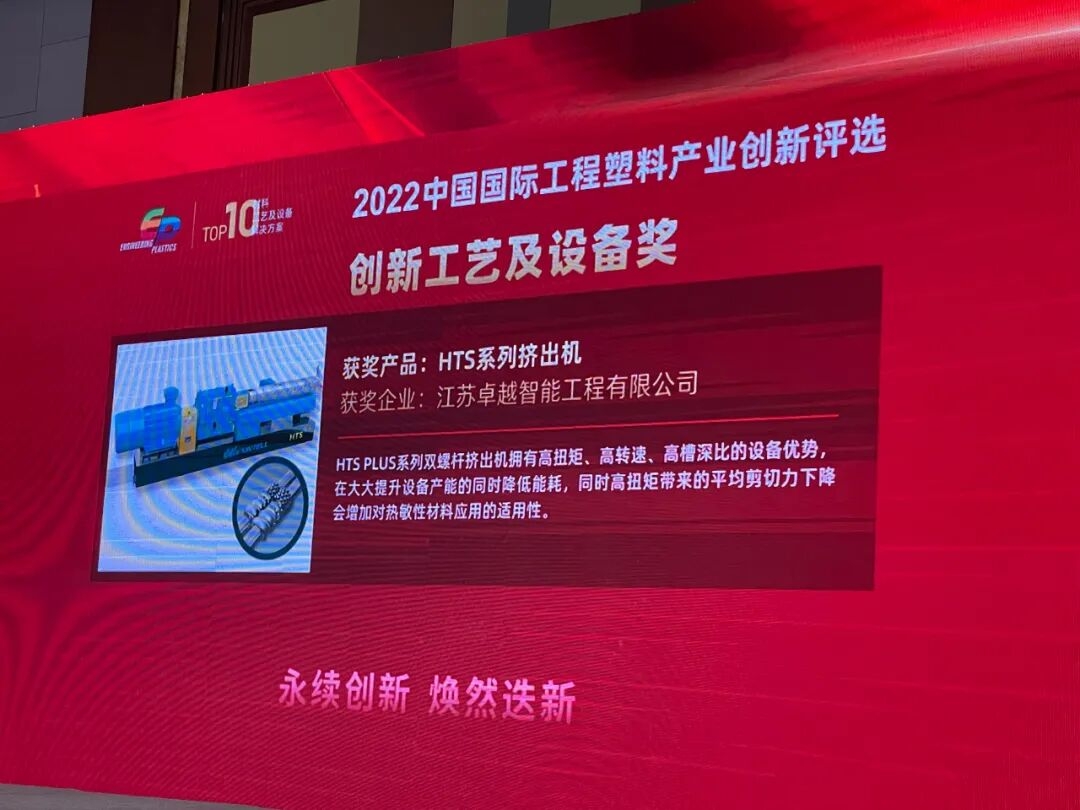
Industrial manufacturing floor with production machinery representing B2B plastics compounding operations
Master Batch Machine Wholesale: Sourcing Strategies for Volume Buyers
Wholesale procurement of master batch machines—purchasing multiple units or complete production lines—requires a distinct approach compared to single-machine purchases. Volume buyers, including large masterbatch producers expanding capacity, investment groups establishing greenfield compounding facilities, and trading companies serving multiple end-customers, can leverage several strategies:
Factory-direct negotiation: Purchasing 3+ machines directly from a master batch machine factory typically yields volume discounts of 8–15% compared to single-unit pricing. Buyers should negotiate not only on machine price but also on spare parts packages (typically 2-year recommended spare parts kits at discounted rates), 延長保証期間 (24–36 months versus the standard 12 月), and included training (on-site operator and maintenance training for multiple shifts).
ラボ用押出機のサプライヤー Turnkey project procurement: For new facility builds, engaging a master batch machine manufacturer as a turnkey project supplier—responsible for machine supply, インストール, 試運転, and production line integration—can reduce total project costs by 10–20% compared to procuring individual components separately. Turnkey suppliers assume integration risk and provide single-point accountability. C4D Logo Extrude
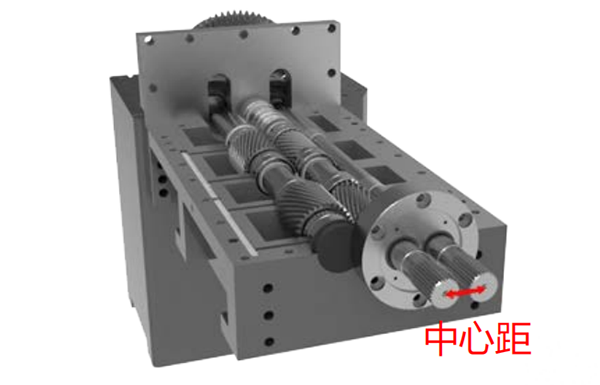
Trade show sourcing: Major plastics industry exhibitions remain critical venues for wholesale buyer-supplier matchmaking. Kフェア (デュッセルドルフ), 3年ごとに開催 (次回発行は10月 ), is the world's largest plastics trade show and the premier venue for evaluating master batch machine technology. 名前 (オーランド), the largest US plastics show, そして チャイナプラス are also essential. Buyers attending these shows can compare 10–20 manufacturers in a single visit, observe live machine demonstrations, and initiate volume negotiations.
Financing structures: Wholesale purchases often involve structured financing. Common arrangements include: manufacturer-provided installment plans (通常 30% down, 70% over 12–24 月), leasing through specialized industrial equipment lessors, and export credit agency-backed financing for cross-border transactions. European manufacturers frequently offer financing through partnerships with institutions like KfW (ドイツ) または Bpifrance.
Safety in Plastics Manufacturing: Protecting Workers in Master Batch Machine Operations
Operating master batch machines involves significant occupational hazards that demand rigorous safety protocols and appropriate personal protective equipment (PPE). The plastics compounding environment exposes workers to high temperatures (barrel temperatures of 180–320°C), moving mechanical parts (ネジ, ギアボックス, ペレタイザー), airborne dust from raw material handling, chemical exposure from additives and pigments, and noise levels that can exceed 85 dB(あ).
Foot and toe protection: One of the most critical yet often underestimated safety requirements in masterbatch production facilities is proper safety footwear. Workers operating master batch machines face multiple foot injury risks: heavy pelletizer components or die plates that can weigh 20–50 kg may be dropped during changeovers; hot polymer strands or pellets can cause burns; chemical spills from pigment dispersions or additive concentrates can damage skin; and slip hazards from spilled pellets on smooth factory floors are ever-present.
Safety shoes compliant with ISO 20345 (the international standard for safety footwear) or the equivalent ASTM F2413 (米国規格) are mandatory in properly managed masterbatch production environments. The key protection classes relevant to master batch machine operations include:
S3/S5 rated safety shoes (European classification) 提供する: steel or composite toe caps rated to withstand 200 joules of impact (に相当する 20 kgの物体が落ちた 1 メーター); puncture-resistant midsoles protecting against sharp objects on the factory floor; anti-static properties to prevent electrostatic discharge in environments where flammable dust may be present; oil-resistant outsoles essential in facilities where lubricants and hydraulic fluids are used; and water-resistant or waterproof uppers for wet processing areas.
Heat-resistant safety footwear is particularly important near extruder die faces and pelletizing systems where molten polymer at 200°C+ can splash. Footwear with HRO (耐熱アウトソール) ratings can withstand brief contact with surfaces up to 300°C. For workers performing die changes or strand cutting, metatarsal guards provide additional protection to the upper foot area beyond the toe cap zone.
The business case for safety footwear investment: によると、 私たち. 労働統計局 (BLS), 足の怪我の原因はおよそ 8% 製造業におけるすべての労働災害の割合, with an average cost per incident of USD 9,000–14,000 医療費も含めて, 生産性の低下, そして労働者' 補償. の 労働安全衛生管理 (オシャ) mandates that employers assess foot hazards and provide appropriate protective footwear under 29 CFR 1910.136. EUでは, の 欧州労働安全衛生庁 (EU-OSHA) enforces similar requirements under the PPE Directive 89/686/EEC and its successor Regulation (欧州連合) 2016/425.
For B2B buyers of master batch machines, integrating safety footwear procurement into their equipment purchasing process is a best practice. Many master batch machine manufacturers and suppliers now offer safety equipment packages—including safety shoes, 耐熱手袋, ear protection, and safety glasses—as optional add-ons to machine orders. This bundled approach ensures that safety equipment is available from day one of machine commissioning and that specifications are matched to the specific hazards of the purchased equipment.
Composite toe caps versus steel toe caps: Modern safety footwear technology offers B2B buyers a choice between traditional steel toe caps and newer composite alternatives (通常はグラスファイバー, 炭素繊維, またはケブラー). Composite toe caps offer several advantages in masterbatch production environments: they are 30–50% 鋼鉄より軽い, 作業中の作業者の疲労を軽減–12 時間シフト; 熱も冷たさも伝えません, providing better thermal insulation near hot extruder barrels; they are non-metallic, eliminating issues with metal detector-equipped quality control systems used in food-grade masterbatch production; and they do not set off security systems at facility entrances.
滑り止め性能: Spilled masterbatch pellets—particularly spherical underwater-cut pellets—create extremely slippery floor conditions. Safety shoes with SRC-rated outsoles (ラウリル硫酸ナトリウム溶液を使用したセラミックタイルとグリセロールを使用したスチールの両方でテスト済み) provide the highest slip resistance classification under EN ISO 13287. For master batch machine operators, this is not a luxury specification but a critical safety requirement. Slip-and-fall incidents in plastics manufacturing facilities are among the most common workplace accidents, and proper footwear is the primary preventive measure.
Ergonomic considerations for machine operators: Workers operating master batch machines typically stand for extended periods, often on hard concrete floors, and may need to climb stairs or ladders to access elevated feed hoppers or control panels. Safety footwear with energy-absorbing heel regions (E marking under EN ISO 20345), アーチサポート, and moisture-wicking linings significantly reduces fatigue-related injury risk. Some premium safety shoe manufacturers now offer models specifically designed for plastics industry workers, incorporating all relevant protection features in lightweight, comfortable designs that encourage consistent wear compliance.
B2B safety footwear suppliers serving the plastics manufacturing sector—including master batch machine operators—typically offer MOQs of 50–500 pairs for custom-branded or specification-customized orders, with standard catalog models available in smaller quantities. Key sourcing regions include China (dominant in volume production), Italy and Germany (premium segment), そしてインド (growing mid-range supplier). Wholesale pricing for S3-rated composite-toe safety shoes ranges from USD 18–35 ペアあたり (FOB中国) to USD 45–90 ペアあたり (European manufacture), depending on specifications and order volume.
Industrial safety equipment and protective footwear essential for manufacturing facility workers operating heavy machinery
Near-Term Trade Trend Forecasts: 5月–7月
現在の市場指標に基づく, 政策の軌跡, および業界データ, the following trends are expected to shape the master batch machine B2B trade landscape over the next one to two months:
1. Pre-K Fair procurement acceleration: With K scheduled for October in Düsseldorf, the May–July period typically sees increased buyer activity as companies finalize capital budgets and begin preliminary supplier evaluations. Master batch machine manufacturers report that RFQ プラスチック押出工場 (見積依頼) volumes in Q2 are running 15–20% above Q2 2024 レベル, suggesting strong demand heading into the second half of the year. Buyers seeking to commission new lines before year-end need to place orders by June–July to meet typical 16–24 週のリードタイム.
2. Continued strength in recycling-grade equipment: The EU's Packaging and Packaging Waste Regulation (PPWR), プラスチック包装に最小限のリサイクル含有量を義務付けるもの (30% による 2030 ペットボトル用, 10% 接触に敏感な包装用), is driving European masterbatch producers to invest in equipment capable of processing recycled feedstocks. This regulatory push is expected to sustain above-average order rates for master batch machines with enhanced degassing, 濾過, and quality monitoring capabilities through mid- そしてその先へ.
3. US tariff policy monitoring: The current US administration's trade policy stance suggests potential for new or adjusted tariffs on industrial machinery imports. B2B buyers with pending procurement decisions are advised to monitor Federal Register notices and 私たち. 税関と国境警備 (CBP) guidance for any changes to HS 8477 tariff classifications. Some buyers are accelerating purchase timelines to lock in current tariff rates, creating a potential short-term demand spike.
4. Energy cost considerations in equipment selection: European energy prices, から降りている間 2022 ピーク, remain elevated compared to historical norms and significantly higher than US industrial electricity rates (EUR 0.15–0.25/kWh in Europe versus USD 0.07–0.12/kWh in the US). This differential is making energy efficiency a more decisive factor in European buyers' machine selection criteria. Master batch machine manufacturers offering documented specific energy consumption (SEC) data and energy-saving features (可変周波数ドライブ, 最適化されたネジ設計, barrel insulation) have a competitive advantage in the European market.
5. Digital sales channel growth: B2B e-commerce platforms and digital marketing are playing an increasingly important role in master batch machine sales. Manufacturers report that 30–40% of initial buyer inquiries now originate from online channels (company websites, B2B marketplaces like Alibaba and Made-in-China, リンクトイン, and industry-specific platforms). This trend is expected to continue accelerating, with manufacturers investing in virtual machine demonstrations, 3D configurators, and online spare parts ordering systems.
6. Supply chain diversification continues: The "China+1" 調達戦略—maintaining Chinese suppliers while developing alternative sources—continues to gain traction among both US and EU master batch machine buyers. インド, 七面鳥, and Taiwan are the primary beneficiaries of this diversification trend. Indian manufacturers in particular are expected to see increased export inquiry volumes in mid- as buyers seek to reduce concentration risk.
7. 持続可能性に関する文書要件: B2Bバイヤー, particularly those supplying to major FMCG brands with ambitious sustainability commitments, are increasingly requiring master batch machine suppliers to provide lifecycle assessment (LCA) データ, carbon footprint calculations for machine manufacturing and operation, and documentation of sustainable manufacturing practices. This trend is creating a new competitive dimension beyond traditional price-performance metrics.
Business analytics dashboard and trade data visualization representing B2B market trend forecasting
Selecting the Right Master Batch Machine Supplier: A B2B Buyer's Checklist
For B2B procurement professionals evaluating master batch
プラスチックチューブ押出成形: 貿易分析, 市場機会 & 業界… · 押出プラスチック製造: 貿易分析, 市場機会 &… · カスタムプロファイル押し出し: 貿易分析 – 市場動向, 機会…