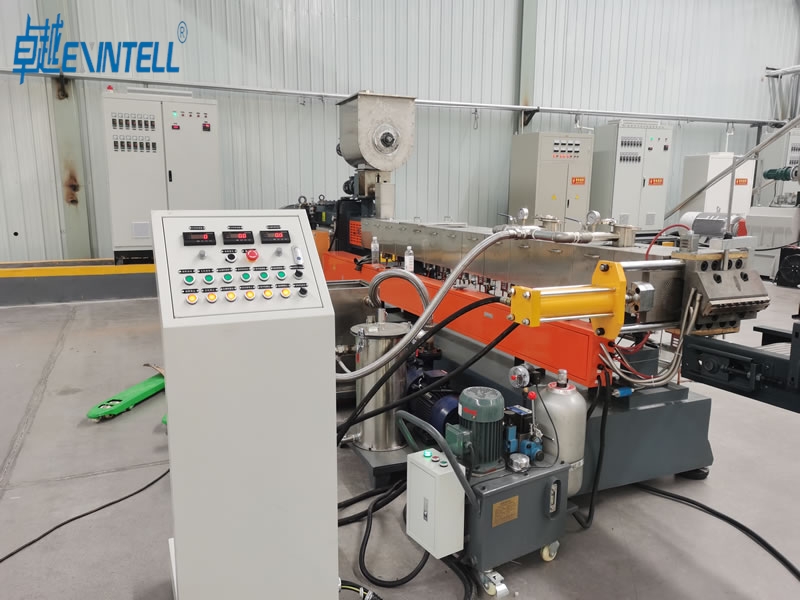
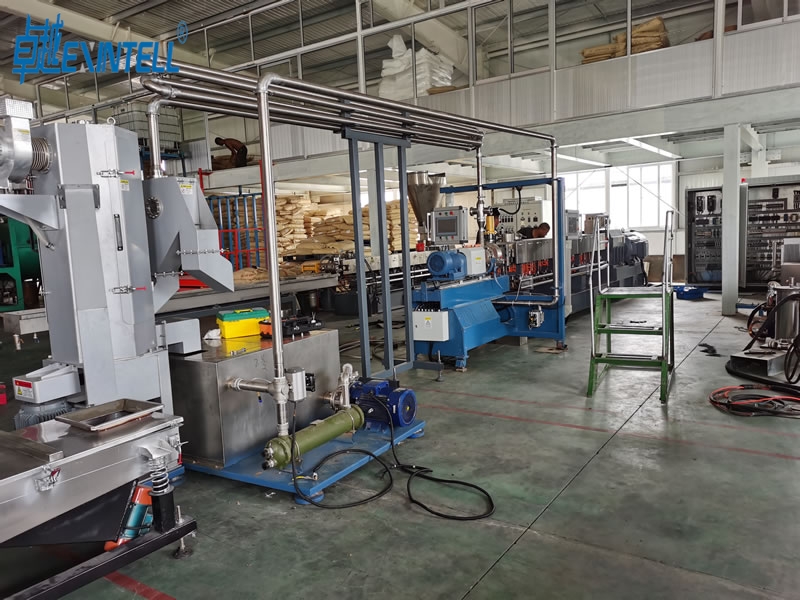
Consistent size, which is critical for injection molding performance.
Removal of impurities such as oversized materials and fines, preventing defects in final products.
Prevention of variations in shot weight and dimensional inconsistencies in molded parts.
Support for rapid screening of bulk plastics in high-throughput environments.
Enhanced screening accuracy for precision grading and particle size classification.
Selecting common plastic pellet screening machines for your line ensures that you maintain strict quality control. You can achieve consistent grading and size, which supports both recycling and new product manufacturing. Screening also enables you to meet regulatory requirements for medical and food-grade applications.
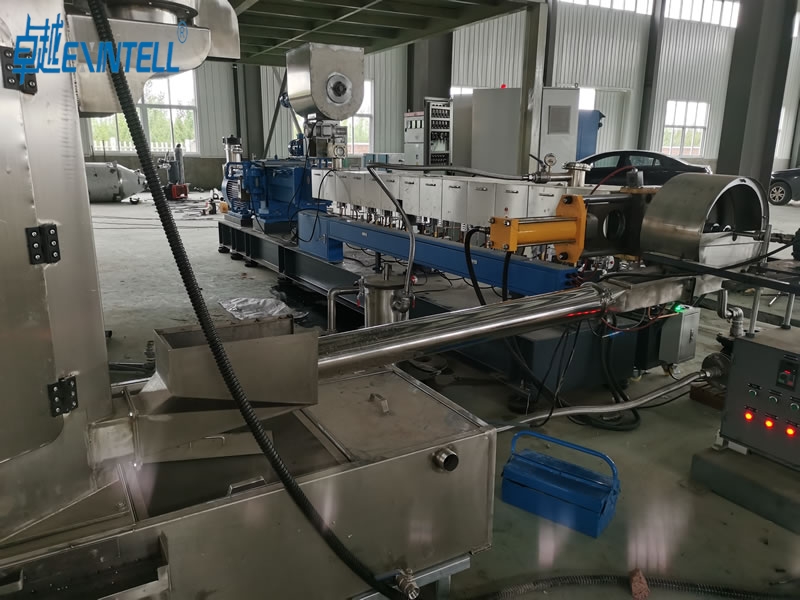
You will findwater-ring pelletizer systemsin many industrial environments that require stable, 連続生産. These machines handle a wide range of plastic materials, especially those with medium viscosity. Water-ring systems suit recycling plants, 調合施設, and masterbatch production lines. Operators prefer these machines for their easy operation and simple maintenance. 以下の表は、次の点を強調しています。 main advantages:
アドバンテージ
説明
操作が簡単
Machine start-up is faster and requires less operator intervention.
安定した生産
Continuous running without the risk of strand-breaking.
簡単なメンテナンス
Replacement of pelletizing knife is easy and at a lower cost.
ヒント: You can reduce downtime and training costs by choosing water-ring systems for large-scale plastic recycling.
Select the machine features, including cutting and feeding types.
Choose additional equipment options for your process.
You will achieve the best performance when you align your system choice with your material, 容量, and quality goals.
Decision Checklist for Pelletizer Machine Plastic
Essential Questions
Before you select a pelletizer machine, you should ask yourself several critical questions. These will help you clarify your requirements and avoid costly mistakes:
What type of plastic do you process most often?
What is your target throughput in kilograms per hour?
How important is pellet uniformity and surface quality for your end product?
Do you need to process sticky, 弾性のある, or heat-sensitive materials?
What is your available floor space for new equipment?
How much can you invest in initial purchase and ongoing maintenance?
Will you require advanced process control or automation features?
Do you need to meet specific industry standards or certifications?
ヒント: Write down your answers to these questions. This will help you compare different pelletizer systems more effectively.
Final Steps
Once you have your answers, you can move forward with confidence. Follow these steps to finalize your decision:
Review your material compatibility and match it with the recommended pelletizer type.
Compare the throughput of each system with your production goals.
Evaluate the quality requirements for your pellets and consider if you need a screening machine.
Check the maintenance needs and ensure your team can support the chosen system.
Assess your available space and plan for future expansion if needed.
Request quotes from reputable suppliers and ask for references or case studies.
Schedule a trial run or visit an existing installation if possible.
You should always align yourfinal choice with your long-termbusiness strategy. The right pelletizer machine will help you achieve consistent plastic quality, efficient production, and lower operational costs.
You can see clear differences among水環, 水中, and strandpelletizer machine types. Water-ring systems balance automation and flexibility. Underwater machines deliver high-quality pellets for heat-sensitive plastic. Strand pelletizers offer cost-effective solutions for rigid plastic. の comparison chartbelow helps you match features and throughput to your needs:
ペレタイザータイプ
主な特長
アプリケーション
スループット (kg/h)
ストランドペレタイザー
Cuts extruded strands, 費用対効果の高い
PP, PE
500–2,000
水中ペレタイザー
Water cooling, heat-sensitive materials
ペット, ナイロン
1,000–5,000
Air-Cooled Strand Pelletizers
空冷, budget-friendly
HDPE
300–1,500
Die Face Pelletizers
Cuts at die face, water cooling
PVC, viscous polymers
500–3,000
You should use the comparison chart and decision checklist to select the best system. 毎日, check knives and dies. 毎週, sharpen knives and calibrate settings. 毎月, clean the system and inspect cooling. Align your machine choice with your material, スループット, and pellet quality goals for efficient plastic production.
よくある質問
What is the main advantage of an underwater pelletizer?
You achieve the highest pellet uniformity and quality withunderwater pelletizers. This system instantly cools pellets, which prevents sticking and deformation. You should choose this option for heat-sensitive or specialty plastics.
How do I know which pelletizer suits my material?
You must check your material’s melt flow index and sensitivity to heat. For sticky or elastic plastics, select underwater or water-ring systems. For rigid plastics, strand pelletizers work best.
Can I upgrade my pelletizer system later?
You can often upgrade with advanced controls or screening machines. しかし, you should confirm compatibility with your current equipment. Consult your supplier for available options.
How much maintenance does each pelletizer type require?
Water-ring: 適度, focus on die and blade care.
水中: 高い, regular cleaning and water system checks.
ストランド: 低い, mainly knife sharpening.
ヒント: Schedule preventive maintenance to avoid costly downtime.
Do I need a screening machine for my pellets?
You should use a screening machine if you require consistent pellet size and minimal dust. Screening improves product quality and supports strict industry standards.