

Alhliða leiðarvísir um endurvinnslu og kornun á plasti og brennisteini
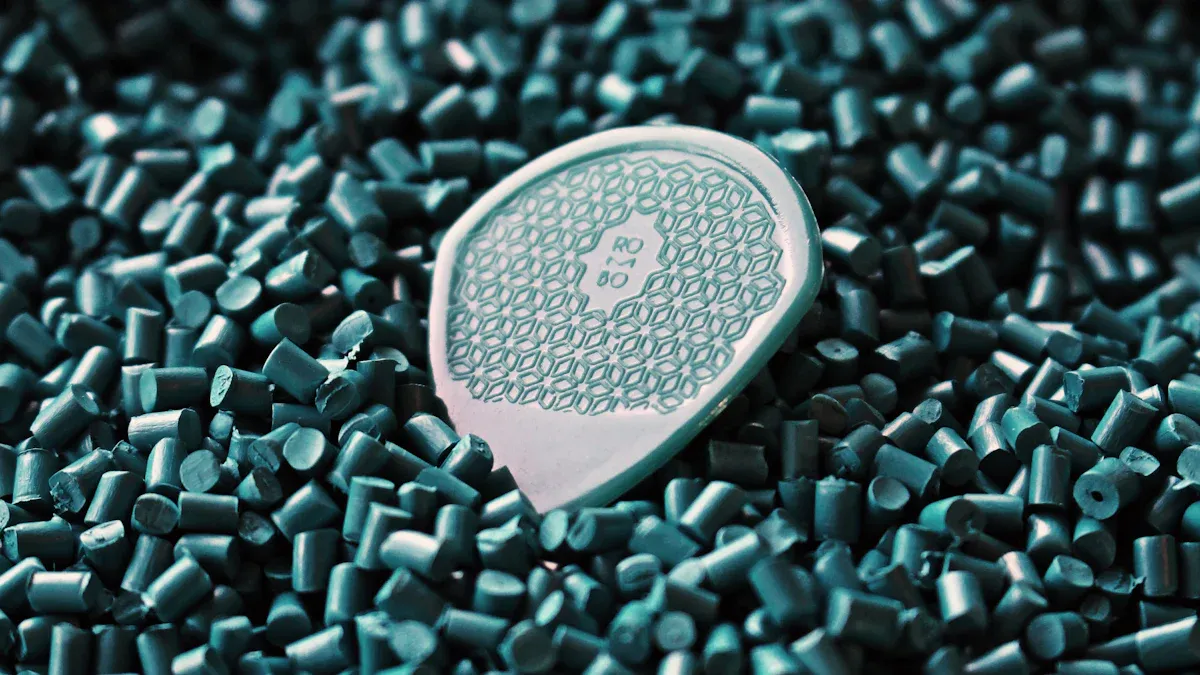
Ég sé að örugg og skilvirk endurvinnsla byrjar á því að skilja einstaka eiginleika plasts og brennisteins. Efnasamhæfi skiptir máli, sérstaklega þegar olíur hafa samskipti við plast. Flest iðnaðarplastúrgangur fer í endurvinnslu á hraða sem nemur um 9%, sem sýnir þörf fyrir betri lausnir. Ég treysti á háþróaðan búnað eins og IPG pelletizing Machine Plastic til að bæta endurvinnsluárangur. Í plast- og brennisteini iðnaðarvinnslu, bestu starfsvenjur fyrir brennisteinskornun og miðlun hjálpa til við að draga úr áhættu og auka gæði.
- Endurvinnsluhlutfall iðnaðarplastúrgangs á heimsvísu: um 9%
Helstu veitingar
- Það er nauðsynlegt að skilja efnasamhæfi plasts og olíu til að forðast skemmdir við endurvinnslu.
- Að mylja plast dregur úr rúmmáli og bætir gæði, gera endurvinnslu skilvirkari og hagkvæmari.
- Vélræn endurvinnsla virkar best fyrir hreint, flokkað plast, meðan efnaendurvinnsla meðhöndlar blönduð eða menguð efni.
- Using resistance charts and immersion tests helps ensure safe recycling of plastics exposed to different oils.
- Granulating sulphur improves safety by reducing dust and making handling easier, while advanced cooling ensures strong granules.
- Selecting the right equipment and materials for sulphur conveying prevents corrosion, dust hazards, and equipment failures.
- Reglulegt viðhald, dust control, and system integration boost efficiency and safety in both plastic recycling and sulphur handling.
- Sustainable practices, including energy-efficient equipment and biocarbon-based additives, support a safer and greener industry.
Chemical Compatibility of Plastics and Oils
Key Variables
Tegundir fjölliða
I always start by identifying the polymer type before recycling plastics. Each polymer reacts differently to oils. Pólýetýlen (PE) og pólýprópýlen (PP) show strong resistance to many oils. Pólýstýren (PS) og pólýetýlen tereftalat (PET) brotna oft niður þegar þau verða fyrir ákveðnum olíum. Pólýkarbónat (PC) og akrýlónítríl bútadíen stýren (ABS) getur sprungið eða orðið stökkt eftir snertingu við olíu. Nylon sker sig úr fyrir endingu gegn olíum. Ég athuga fjölliða gerð til að spá fyrir um hvernig hún mun haga sér við endurvinnslu.
Olíutegundir & Hitastig
Olíugerð og hitastig gegna stóru hlutverki í samhæfni. Matarolíur eins og ólífuolía og kanola valda venjulega vægum áhrifum á PE og PP. Ilmkjarnaolíur, eins og sítrónu eða tröllatré, innihalda efnasambönd sem ráðast á plast eins og PS og PET jafnvel við stofuhita. Mótorolíur og tilbúið smurefni geta stökkt PE og valdið álagssprungum í PC og ABS. Vökvaolíur, með aukaefnum þeirra, getur leitt til stökkleika og bólgu í plasti sem ekki er flokkað fyrir vökvanotkun. Ég lít alltaf á efnasamsetningu olíunnar og hitastig við endurvinnslu.
Ábending: Ég mæli með því að athuga bæði olíugerðina og hitastigið áður en plasti og olíu er blandað í hvaða endurvinnsluferli sem er.
Hitauppstreymi vs. Efnafræðileg áhrif
Bræðslumark
Ég fylgist vel með bræðslumarki. PE bráðnar við um 120°C, PP við 160°C, og PET við 250°C. Ef útsetning fyrir olíu hækkar hitastigið nálægt þessum bræðslumörkum, plast getur afmyndast eða bráðnað. Efnahvörf geta átt sér stað hraðar við hærra hitastig. Ég fylgist með hitastigi til að koma í veg fyrir óæskilegar breytingar.
Olíuhitasvið
Olíuhiti hefur áhrif á hvernig plast bregst við. Kaldar olíur valda sjaldnast tafarlausum skaða. Heitar olíur flýta fyrir efnahvörfum og geta mýkt eða undið plast. Til dæmis, heit mótorolía getur fljótt stökkt PE og PC. Ég held lágum olíuhita meðan á endurvinnslu stendur til að vernda plastgæði.
Þolir vs. Viðkvæmt plast
Olíuþolnar tegundir
Sum plastefni standast olíu útsetningu vel:
- Pólýprópýlen (PP)
- Nylon
- Pólýetýlen (PE)
Þessi efni höndla mótorolíur, vökvaolíur, og matarolíur með lágmarks skemmdum.
Olíuviðkvæmar tegundir
Annað plast sýnir varnarleysi:
- Pólýstýren (PS)
- Pólýetýlen tereftalat (PET)
- Pólýkarbónat (PC)
- Akrýlónítríl bútadíen stýren (ABS)
Þetta plast getur leyst upp, sprunga, eða undið eftir olíusnertingu, sérstaklega með ilmkjarnaolíum eða heitum sleipiefnum.
| Plast gerð | Olíuþol | Dæmigert viðbrögð |
|---|---|---|
| PE, PP, Nylon | Hátt | Lágmarksbreyting |
| PS, PET, PC, ABS | Lágt | Sprunga, vinda, upplausn |
Ég passa alltaf saman plast og olíur vandlega til að forðast bilanir í endurvinnslu og tryggja örugga vinnslu.
Prófunarsamhæfi
Viðnámstöflur
Ég skoða alltaf viðnámstöflur áður en ég endurvinn plast sem hefur orðið fyrir olíu. Þessar töflur sýna hvernig mismunandi plast bregst við ýmsum olíum og efnum. Mér finnst þær gagnlegar vegna þess að þær gefa skjót svör um eindrægni. Til dæmis, viðnámstöflu gæti skráð pólýetýlen sem “frábært” gegn mótorolíu, meðan pólýstýren sýnir sig “fátækur” mótstöðu. Ég nota þessar töflur til að forðast mistök og velja réttu efnin til endurvinnslu.
| Plast gerð | Mótorolía | Matreiðsluolía | Ilmkjarnaolía |
|---|---|---|---|
| PE | Frábært | Frábært | Gott |
| PP | Frábært | Frábært | Gott |
| PS | Aumingja | Sanngjarnt | Aumingja |
| PET | Sanngjarnt | Gott | Aumingja |
| Nylon | Gott | Gott | Gott |
Ábending: Ég mæli með að halda uppfærðum mótstöðutöflum á endurvinnslusvæðinu. Þetta hjálpar öllum að taka öruggar ákvarðanir fljótt.
Ídýfingarprófun
Stundum, viðnámstöflur ná ekki yfir allar olíu- eða plasttegundir. Ég nota dýfingarpróf til að athuga eindrægni í þessum tilvikum. Ég skar lítið sýnishorn af plastinu og setti það í olíuna. Ég læt það vera í ákveðinn tíma, venjulega 24 til 48 klukkustundir. Eftir prófið, Ég leita að breytingum eins og bólgu, sprunga, eða litabreytingar. Ef plastið helst óbreytt, Ég veit að það er óhætt að endurvinna með þeirri olíu. Ef ég sé skemmdir, Ég forðast að blanda þessum efnum saman.
Ég skrá niðurstöður mínar í minnisbók. Þetta hjálpar mér að búa til sérsniðna eindrægnihandbók fyrir aðstöðuna mína. Dýfingarpróf gefa mér sjálfstraust þegar viðnámstöflur eru óljósar eða vantar.
Algengar ranghugmyndir
Hitauppstreymi vs. Efnaskemmdir
Margir halda að hiti einn valdi plastskemmdum. Ég lærði að efnahvörf geta verið jafn skaðleg. Olíur geta brotið niður plast jafnvel við stofuhita. Hiti flýtir fyrir þessum viðbrögðum, en efnaskemmdir geta gerst án hás hitastigs. Ég athuga alltaf bæði hitauppstreymi og efnaáhættu fyrir endurvinnslu.
Athugið: Ég treysti aldrei eingöngu á hitamælingar. Efnaváhrif skipta jafn miklu máli og hiti.
Langtímaáhætta vegna útsetningar
Skammtímapróf missa oft langtímaáhættu. Ég trúði því að plast væri öruggt ef það staðist fljótleg niðurdýfingarpróf. Með tímanum, Ég sá plast sprunga eða veikjast eftir margra mánaða olíu. Langtíma snerting getur valdið hægum en alvarlegum skaða. Ég fylgist nú með plasti í langan tíma og fer reglulega yfir gömul sýni.
Ég ráðlegg öðrum að íhuga bæði tafarlausar og seinkar áhrif. Þetta kemur í veg fyrir óvæntar bilanir og heldur endurvinnslu öruggri.
Plast mulning & Endurvinnsluaðferðir
Hvers vegna Crushing skiptir máli
Að mylja plast er fyrsta skrefið sem ég tek í hvaða endurvinnsluferli sem er. Þetta skref mótar allt sem á eftir kemur. Þegar ég myl plastúrgang, Ég geri það auðveldara í meðförum, flokka, og ferli. Ávinningurinn er meira en að gera hluti smærri.
Rúmmálslækkun
Ég tek eftir því að hrár plastúrgangur tekur mikið pláss. Að mylja dregur úr hljóðstyrknum, gera geymslu og flutning mun hagkvæmari. Minni stykki passa betur í tunnur og tunnur, sem hjálpar niðurstraumsbúnaði að vinna vel. Ég treysti á þetta skref til að halda aðstöðunni minni skipulagðri og hagkvæmri.
| Sönnunarpunktur | Lýsing |
|---|---|
| Rúmmálslækkun | Mölun minnkar plássið sem hrár plastúrgangur tekur, sem gerir það viðráðanlegt fyrir búnað í aftanstraumnum. |
| Efnisgæðaaukning | Samræmd stærð á mulnu plasti eykur þvottavirkni og dregur úr mengun. |
| Skilvirkni í endurvinnslu | Ákvarðanir sem teknar eru við mulning hafa áhrif á gæði endanlegrar endurunnar vöru, sem hefur áhrif á alla síðari ferla. |
Gæðaaukning
Samræmt mulið plast bætir gæði endurunna efnisins. Þegar ég myl plast í samræmdri stærð, Ég auðvelda þvott og flokkun. Þetta skref dregur úr mengun og eykur skilvirkni hvers ferlis sem á eftir kemur. Ég kemst að því að hágæða mulning leiðir til hágæða endurunnar köggla.
Ábending: Ég athuga alltaf stærð og lögun mulið plasts áður en ég fer í næsta skref. Samræmi hér sparar tíma og peninga síðar.
- Mölun hefur áhrif á aðskilnað blandaðra efna, sem getur torveldað endurvinnslu ef ekki er rétt stjórnað.
- Háþróuð flokkunartækni er nauðsynleg til að takast á við áskoranir sem stafa af möluðu efni.
- Stöðugar ferlileiðréttingar og árangursmat eru mikilvæg til að viðhalda háum gæðastöðlum í endurunnum framleiðslu.
Vélræn endurvinnsla
Vélræn endurvinnsla er burðarásin í plastvinnsluferlinu mínu. Ég nota það til að breyta úrgangi úr plasti í nýtt hráefni án þess að breyta efnafræðilegri uppbyggingu þeirra. Þessi aðferð er orkusparandi og hagkvæm, sérstaklega fyrir eins konar plast.
Crusher gerðir
Ég vel mulningsvélar út frá gerð og formi plastúrgangs. Fyrir þunnar filmur, Ég nota granulators með beittum blöðum. Fyrir fyrirferðarmikla hluti eins og flöskur eða grindur, Ég treysti á stórvirkar tætara. Some plastics need specialized crushers to handle their toughness or brittleness. The right crusher ensures efficient size reduction and prepares the material for further processing.
Manual vs. Vélrænn
Manual crushing works for small batches or when I need to separate materials by hand. Hins vegar, mechanical crushers handle large volumes quickly and consistently. I prefer mechanical methods for most operations because they save labor and deliver uniform results. Mechanical recycling dominates the industry, especially in regions like Europe, where it accounts for over 99% of recycled plastics.
Mechanical recycling physically reprocesses plastics, producing materials with properties close to virgin plastics. It works best with homogeneous plastics, so I sort and clean materials thoroughly before crushing. Ég veit að endurtekin endurvinnsla getur rýrt eiginleika fjölliða, svo ég fylgist með gæðum hverrar lotu.
Forritun
Forröndun er skref sem ég sleppi aldrei þegar um er að ræða stóran eða blandaðan plastúrgang. Ég nota tætara til að brjóta niður fyrirferðarmikla hluti í viðráðanlega bita áður en ég myl það endanlega. Þetta skref verndar aðalkrossarann minn fyrir sultu og sliti. Forröndun hjálpar mér líka að koma auga á mengunarefni eða efni sem ekki eru úr plasti snemma, sem heldur endurvinnsluferlinu hreinu og skilvirku.
Helstu frammistöðuþættir
Nokkrir þættir hafa áhrif á hversu vel mulningar- og endurvinnslubúnaðurinn minn virkar. Ég fylgist vel með þessum smáatriðum til að hámarka skilvirkni og framleiðslugæði.
| Frammistöðuþáttur | Lýsing |
|---|---|
| Efnistegund og form | Mismunandi plast krefst sérstakrar skurðarkrafta og blaðtegunda fyrir árangursríka mulning. |
| Blade Gap | Bilið milli blaðanna hefur áhrif á skurðgæði; þéttari eyður skila hreinni skurðum en auka slit. |
| Skjár möskvastærð | Ákveður úttaksagnastærð; smærri stærðir draga úr afköstum vegna endurrásar. |
| Hraði snúnings | Hefur áhrif á afköst og hitamyndun; Hærri hraði eykur framleiðslu en getur myndað fínar agnir. |
| Fóðurhlutfall | Rétt fóðrun skiptir sköpum; offóðrun getur skemmt búnað, meðan vanfóðrun dregur úr skilvirkni. |
| Viðhald | Reglulegt viðhald á blaðinu er nauðsynlegt til að koma í veg fyrir gæðafall og álag á búnaði. |
| Mengunarstjórnun | Rétt stjórnun ryks og loftflæðis er nauðsynleg til að forðast ofhitnun og bilun í búnaði. |
Blað val
Ég vel blöð eftir tegund plasts og æskilegri framleiðslustærð. Harð plast þarf harðari blað, á meðan mýkra plast þarf skarpari brúnir. Ég athuga blaðbilið reglulega því þéttari eyður gefa hreinni skurð en slitna hraðar. Ég skipti oft út eða brýni blað til að viðhalda mikilli afköstum.
Skjár Mesh
Skjánetið stjórnar stærð muldu plastbitanna. Minni möskvastærðir framleiða fínni agnir en hægja á ferlinu vegna þess að efnið fer aftur í hringrás þar til það kemst í gegnum möskvann. Ég jafna möskvastærð með afköstum til að ná framleiðslumarkmiðum mínum. Stöðug kornastærð bætir þvott og kögglagerð síðar.
Hraði snúnings & Fóðurhlutfall
Hraði snúnings hefur áhrif á hversu hratt ég get unnið úr plastúrgangi. Meiri hraði eykur framleiðslu en getur búið til fleiri fínar agnir og hita. Ég stilli hraðann til að passa við plastgerðina og æskilega framleiðslu. Fóðurhlutfall skiptir máli, líka. Offóðrun getur stíflað vélina, meðan vanfóðrun sóar orku. Ég fylgist með báðum til að halda rekstri mínum gangandi.
Athugið: Reglulegt viðhald og rykeftirlit heldur búnaði mínum í gangi á skilvirkan hátt og kemur í veg fyrir óvæntar bilanir.
Samþætta háþróaðar lausnir
Ég treysti á Exintellmach IPG kögglavél úr plasti til að hagræða endurvinnsluferlinu mínu. Þessi vél sameinar mulning, þjöppun, bráðnun, og kögglagerð í einu kerfi. Sérhannaðar skrúfuþrýstibúnaðurinn og háþróaðir valmöguleikar til kögglagerðar gera mér kleift að vinna mikið úrval af plasti. IPG kögglavélin notar nákvæma hitastýringu og háþróaða síun til að framleiða samræmda, hágæða kögglar. Sjálfvirknieiginleikar draga úr vinnu og tryggja stöðuga framleiðslu. Ég kemst að því að þessi tækni eykur ekki aðeins skilvirkni heldur bætir einnig gæði og verðmæti endurunnar plastsins míns.
Endurvinnsla efna
Endurvinnsla efna gefur mér leið til að brjóta niður plast umfram vélrænar aðferðir. Ég nota þetta ferli þegar vélræn endurvinnsla getur ekki framleitt hágæða efni. Endurvinnsla efna byggir á leysiefnum og efnahvörfum til að umbreyta plasti í grunneiningar þeirra. Mér finnst þessi aðferð gagnleg fyrir blandað eða mengað plast sem vélræn endurvinnsla ræður ekki við.
Leysimiðaðar aðferðir
Endurvinnsla sem byggir á leysiefnum notar efni til að leysa upp plast. Ég vel leysiefni eins og asetón, díklórmetan, eða tetrahýdrófúran (THF) byggt á fjölliða gerðinni. Ég set rifið plast í leysibað. Leysirinn brýtur niður fjölliðakeðjurnar, aðskilja óhreinindi og litarefni. Eftir upplausn, Ég sía út mengunarefni og endurheimti hreina fjölliðuna. Ég felli síðan út fjölliðuna með því að bæta við öðru efni eða kæla lausnina. This process produces clean, high-quality plastic ready for reuse.
I always monitor solvent use carefully. Solvents can generate hazardous waste and require proper disposal. I use protective equipment and follow safety guidelines to prevent exposure. Solvent-based methods work best for plastics like polystyrene, pólývínýlklóríð, og PET.
Depolymerization
Depolymerization takes chemical recycling a step further. I use heat, catalysts, or enzymes to break plastics down into monomers. These monomers serve as raw materials for new plastic production. I apply depolymerization to plastics like PET and nylon. The process involves heating the plastic in a reactor, sometimes with acids or bases. The plastic breaks apart into its original chemical units.
I prefer depolymerization for producing high-purity materials. This method allows me to recycle plastics that mechanical methods cannot restore to their original quality. Depolymerization also helps me close the loop in the circular economy.
Ábending: I always compare chemical and mechanical recycling before choosing a method. Chemical recycling produces purer output but requires careful handling of chemicals.
| Hluti | Endurvinnsla efna | Vélræn endurvinnsla |
|---|---|---|
| Ferli | Uses acids and solvents to dissolve plastics, generating toxic chemicals. | Involves physically breaking down plastics, which can weaken their structure. |
| Framleiðsla | Produces high-quality, pure plastic suitable for various applications. | Results in lower quality recycled plastic that deteriorates over time. |
| Umhverfisáhrif | Generates higher CO2 emissions and hazardous waste due to chemicals used. | Uses more fossil fuels but generally produces less hazardous waste. |
Algeng mistök
Ég sé mörg mistök í plastmölun og endurvinnslu. Þessar villur draga úr skilvirkni og skapa öryggisáhættu. Ég endurskoða alltaf ferlið mitt til að forðast algengar gildrur.
Ósamræmi í búnaði
Ég tek eftir því að notkun á röngum búnaði veldur tíðum truflunum. Endurvinnsluvélar geta stíflað 3–8 sinnum á vakt, skera vinnslugetu um upp í 25%. Ég passa mulninginn minn og kögglavélina við plastgerðina og lotustærð. Ég athuga hvort fóðurkerfin séu samhæfð og stilli stillingar til að koma í veg fyrir stopp.
Mengun
Mengun er enn mikil áskorun. Um 75% af mengunarefnum í endurvinnslustöðvum koma úr plastpokum og filmum. Þessi efni stífla vélar og lækka vörugæði. Ég flokka og þrífa plast áður en ég myl. Ég fjarlægi plastpoka, kvikmyndir, og öðrum óendurvinnanlegum hlutum. Emily Malik, umsjónarmaður náttúruverndar, bendir á að mengun torveldar endurvinnslu. Ég er sammála og set mengunarvarnir í forgang.
Viðhaldsmál
Vanræksla á viðhaldi leiðir til stöðvunartíma og kostnaðarsamra viðgerða. Ég innleiði fyrirbyggjandi viðhaldsáætlanir til að halda vélunum mínum gangandi. Reglulegt viðhald dregur úr ófyrirséðri niður í miðbæ um allt að 75%. Ég skipulegg blaðslípun, skjáþrif, og smurningu. Ég skoða búnað daglega og laga vandamál áður en þau aukast.
Rykvörn
Ryksöfnun skapar hættur og skemmir búnað. Ég set upp ryksogskerfi og nota lokaðar mulningar. Ég þríf ryksíur reglulega. Rétt rykstýring verndar starfsmenn og lengir endingu vélarinnar.
Úttaksstærð
Ósamræmi úttaksstærð hefur áhrif á vinnslu eftir straum. Ég stilli möskva og snúningshraða til að framleiða samræmdar agnir. Ég athuga framleiðslustærð eftir hverja lotu. Samræmdar kögglar bæta þvottinn, bráðnun, og endanleg vörugæði.
- Búnaðarstopp draga úr vinnslugetu um allt að 25%.
- Fyrirbyggjandi viðhald styttir niður tíma um allt að 75%.
- Plastpokar og filmur valda mestri mengun í endurvinnslustöðvum.
- Rykstýring og framleiðslustærðarstjórnun bæta öryggi og vörugæði.
Athugið: Ég endurskoða alltaf ferlið mitt fyrir þessi mistök. Að taka á þeim eykur skilvirkni og tryggir hágæða endurunnið plast.
Plastupplausn & Niðurbrot
Af hverju plast standast upplausn
Sameindauppbygging
Ég velti því oft fyrir mér hvers vegna flest plast leysast ekki auðveldlega upp í algengum leysiefnum. Svarið liggur í sameindabyggingu þeirra. Plast hefur langar fjölliðakeðjur með sterkum kolefnis-við-kolefnistengi. Þessi bönd standast rof í daglegu umhverfi. Hefðbundið plast, eins og pólýetýlen og pólýprópýlen, sýna ótrúlega endingu vegna þessara tengsla. Semi-crystalline plastics have a tight structure that blocks solvents from penetrating. Amorphous plastics are more vulnerable to certain organic solvents, but they still resist water.
| Tegund plasts | Einkenni |
|---|---|
| Conventional Plastics | Long polymer chains with strong carbon-to-carbon bonds that resist breaking in common environments. |
| Semi-crystalline Plastics | Tight structure that prevents solvents from penetrating. |
| Amorphous Plastics | More vulnerable to certain organic solvents but still resistant to water. |
I always check the structure of the plastic before choosing a recycling method. The molecular arrangement determines how the material reacts to solvents.
Solvent Compatibility
Solvent compatibility plays a big role in plastic dissolution. I notice that plastics resist dissolving unless the solvent matches their chemical nature. Non-polar plastics, like polyethylene, do not dissolve in water or alcohols. Polar plastics, such as polyvinyl alcohol, dissolve in water. I select solvents based on the plastic’s polarity and structure. This step helps me avoid wasting time and resources.
Solvents That Dissolve Plastics
THF
Tetrahydrofuran (THF) stands out as a powerful solvent for plastics like polyvinyl chloride (PVC) og pólýstýren. I use THF in laboratory settings to dissolve these plastics for analysis or recycling. THF works well because it matches the polarity of the polymers.
Acetone
Acetone dissolves plastics such as polystyrene and some acrylics. I use acetone to clean equipment or remove residues. Acetone does not affect most conventional plastics, but it can break down certain types quickly.
Dichloromethane
Dichloromethane dissolves plastics like polycarbonate and PVC. I use it for industrial applications where rapid dissolution is needed. Dichloromethane works best with plastics that have less crystalline structure.
| Solvent Type | Skilvirkni | Skýringar |
|---|---|---|
| Toluene | Hátt | Best overall performance in solubility tests |
| Xylene | Hátt | Outperformed other solvents |
| Cyclohexane | Í meðallagi | Effective in blends with cyclohexanol and xylene |
| Cyclohexanol | Í meðallagi | Enhances solubility in mixtures |
| Alcohols | Lágt | Generally poor solvents for non-polar plastics |
| Ketones | Lágt | Not effective alone, but mixtures may improve solubility |
| Esters | Lágt | Not effective alone, but mixtures may improve solubility |
I find that solvent dissolution retains the chemical structure of polymers. This method reduces emissions and energy use compared to other recycling methods. It broadens the recycling scope for plastics, especially for polypropylene and polystyrene. Companies like Purecycle and Polystyvert use these solvents to recycle plastics that were once unrecyclable.
Solvent-based recycling lets me recover pure polymers without breaking their chemical bonds. This approach saves energy and supports sustainability.
Dissolvable & Lífbrjótanlegt plastefni
PVA & Water-Soluble Types
I use polyvinyl alcohol (PVA) when I need a plastic that dissolves in water. PVA films break down quickly and leave no residue. Water-soluble plastics help me create packaging that disappears after use. These materials work well for single-use items and reduce waste.
Lífplastefni
Biodegradable plastics offer another solution. ég treysti á petroleum-based polyesters like polycaprolactone (PCL) and poly(butylene succinate) (PBS) because microorganisms and enzymes can degrade them. Bio-based plastics, such as poly(hydroxybutyrate) (PHB), poly(lactide) (PLA), and starch blends, come from renewable resources and are also biodegradable. Their degradation rates depend on chemical structure, melting point, and crystallinity. Nokkuð af plasti, like polyethylene and Nylon 11, may be bio-based but remain non-biodegradable. Acetyl cellulose can be biodegradable or not, depending on its acetylation.
I choose biodegradable plastics for applications where environmental impact matters. These materials break down through enzymatic and microbial action. Their rates of degradation vary based on composition and environmental conditions.
I always match the plastic type to the intended use and disposal method. This practice helps me support sustainability and reduce pollution.
Degradation Pathways
UV & Hiti
I see plastics degrade through several pathways. UV radiation and heat play major roles in breaking down polymers. When sunlight hits plastic, UV rays cause photodegradation. This process breaks polymer chains into smaller fragments. Heat speeds up this reaction. Oxygen in the environment also accelerates degradation. I notice that high temperatures can trigger depolymerization reactions in synthetic polymers. These reactions break plastics into their basic chemical units.
During vélrænni endurvinnsla, plastics face heat and shear forces. These conditions lead to thermo-oxidative and thermo-mechanical degradation. Chain-scission reactions start, breaking the long polymer chains. I monitor temperature and oxygen levels in my facility to control these effects. Chemical degradation, such as hydrolysis or oxidation, happens at near-ambient temperatures. Environmental factors like temperature and oxygen presence influence how fast plastics degrade.
- Photodegradation breaks down polymer chains with UV radiation.
- Heat and oxygen speed up the degradation process.
- High temperatures cause depolymerization in synthetic polymers.
- Mechanical recycling introduces heat and shear, leading to chain-scission reactions.
- Chemical degradation involves hydrolysis or oxidation, often at lower temperatures.
I always check for signs of degradation in recycled plastics. Changes in color, stökkleiki, or texture signal that UV and heat have affected the material.
Örplast
Microplastics form when larger plastic pieces break down into tiny fragments. I see this happen during photodegradation and mechanical recycling. UV light, hita, and oxygen cause plastics to fragment. These small pieces do not dissolve. Í staðinn, they persist in the environment.
Microbes can help degrade plastics. I use strains like Kocuria palustris M16, Bacillus pumilus M27, og Bacillus subtilis H1584 to enhance the breakdown of polyethylene films. The strain Brevibacillus borstelensis accelerates degradation of UV-treated low-density polyethylene at higher temperatures. Hydrolytic enzymes such as cutinase can completely degrade PET into monomers within 24 hours under specific conditions.
- Microbes and enzymes speed up plastic degradation.
- Microplastics result from fragmentation, not dissolution.
- Microplastics persist and pose environmental risks.
I track microplastic formation in my recycling process. I use biological methods to reduce their presence and support cleaner recycling.
Misconceptions
Dissolution vs. Niðurbrot
Many people think plastics dissolve like sugar in water. I learned that conventional plastics do not dissolve. They degrade through photodegradation, where UV radiation breaks them into smaller pieces. Plastics do not vanish; they fragment and remain in the environment. This misconception leads to improper disposal and recycling practices.
- Plastics do not dissolve; they break into smaller fragments.
- Photodegradation causes fragmentation, not disappearance.
I explain this difference to my team. Understanding the distinction helps us manage plastic waste responsibly.
Environmental Risks
Some believe plastics break down on their own. I know this is not true. Most plastics persist for decades unless exposed to specific degradation pathways. Microplastics pose serious environmental risks. They accumulate in soil and water, affecting wildlife and human health. I use controlled recycling methods to minimize microplastic release.
Ábending: I always educate others about the persistence of plastics and the importance of proper recycling. Awareness reduces environmental harm and supports sustainability.
Sulphur Granulation Processes
Why Granulate Sulphur
Öryggi & Handling
I granulate sulphur to make it safer to handle in industrial environments. Granulated sulphur reduces the risk of dust explosions. The larger, uniform granules do not create airborne particles as easily as powdered sulphur. Workers face fewer hazards when moving granulated sulphur. I notice that granules flow smoothly through conveyors and storage bins. This reduces spills and minimizes contact with skin or eyes. I always prioritize safety by choosing granulation methods that produce strong, dust-free granules.
Granulated sulphur improves workplace safety by lowering dust levels and making handling easier.
Umhverfislegur ávinningur
Granulating sulphur helps protect the environment. I see that granules release less dust into the air, which means cleaner facilities and reduced air pollution. The uniform size of granules prevents accidental spills and makes cleanup simpler. I use advanced cooling systems to create granules with a strong crystalline structure. These granules resist breaking apart during transport. This reduces the risk of sulphur entering soil or water. I believe that granulation supports sustainability by minimizing waste and preventing environmental contamination.
Granulation Steps
Bráðnun
I start the granulation process by melting sulphur at controlled temperatures. Sulphur melts at about 115°C. I use specialized heaters to keep the temperature steady. If the temperature rises too high, sulphur can decompose or release harmful gases. I monitor the melting stage closely to ensure safety and product quality.
Seed Generation
Eftir bráðnun, I generate small sulphur seeds. I freeze droplets of molten sulphur to create these seeds. Pressure control is important during this step. The seeds act as nuclei for granule formation. I make sure the seeds are uniform in size to produce consistent granules later.
Granule Formation
I form granules by rotating the seeds in a drum. The drum rotates at a set speed, causing the seeds to roll and pick up layers of molten sulphur. This builds up the granules to the desired size. Drum rotation is a key factor. If the drum spins too fast, granules become uneven. If it spins too slowly, production slows down. I adjust the rotation speed to balance quality and efficiency.
Kæling
I cool and solidify the granules to ensure proper crystallization. Cooling rate affects the strength and structure of the granules. I use air or water cooling systems to control the process. Rapid cooling can cause cracks, while slow cooling produces strong, uniform granules. I monitor the cooling stage to prevent defects and maintain product quality.
| Skref | Lýsing | Lykilþáttur |
|---|---|---|
| 1 | Melting sulphur at controlled temperatures | Hitastýring |
| 2 | Generating small sulphur seeds through freezing | Pressure Control |
| 3 | Forming granules by rotating in a drum | Drum Rotation |
| 4 | Cooling and solidifying to ensure crystallization | Cooling Rate |
- Granulation improves product quality by ensuring uniform granule sizes.
- Dust reduction during handling enhances workplace safety.
- Advanced cooling systems lead to better crystalline structure and stronger granules.
Granulation Techniques
Drum Systems
I use drum systems for large-scale sulphur granulation. The rotary drum method pours molten sulphur into a rotating drum. Granules form as the seeds roll and pick up layers of sulphur. This technique produces uniform granule sizes and handles high throughput. I rely on drum systems when I need consistent quality and efficient production.
Prilling Towers
Prilling towers spray molten sulphur droplets through a nozzle into a tall tower. The droplets cool and solidify as they fall, forming spherical granules. Air cooling in the tower creates smooth, round granules. I choose prilling towers for applications that require perfectly spherical granules. This method works well for moderate production volumes.
- Prilling Tower Method: Sprays molten sulphur droplets through a nozzle into a tower where they cool and solidify into spherical granules.
- Rotary Drum Granulation: Pours molten sulphur into a rotating drum where it forms granules by rolling and cooling on the drum surface.
The rotary drum granulation method stands out for its efficiency in large-scale production. It delivers high throughput and uniform granule size. The prilling tower method excels at producing spherical granules through air cooling.
Fluid Beds
Fluid bed granulation suspends sulphur particles in a stream of air. I inject molten sulphur into the fluidized bed. The particles mix and cool rapidly, forming granules. Fluid beds allow precise control over granule size and cooling rate. I use this technique when I need flexibility and fast cooling.
Steel Belt
Steel belt granulation spreads molten sulphur onto a moving steel belt. The belt cools the sulphur as it travels, forming solid granules. Þessi aðferð framleiðir flatt, samræmd korn og virkar vel fyrir samfellda framleiðslu. Ég vel stálbeltakerfi fyrir forrit sem krefjast mildrar kælingar og lágmarks ryks.
Hver kornunartækni býður upp á einstaka kosti. Ég passa aðferðina að framleiðsluþörfum mínum og gæðakröfum.
Ferlisstýringar
Ég fylgist vel með ferlistýringum þegar ég kyrni brennisteini. Þessar stýringar hjálpa mér að framleiða hágæða korn og viðhalda öryggi í aðstöðunni minni. Hvert stig ferlisins krefst vandlega eftirlits og aðlögunar.
Hitastig & Þrýstingur
Hitastýring sker sig úr sem mikilvægasti þátturinn við brennisteinsbræðslu. Ég stillti hitastigið rétt yfir bræðslumark brennisteins, venjulega um 115°C. If the temperature rises too high, sulphur can decompose or release harmful gases. Ég nota nákvæma hitara og skynjara til að halda hitastigi stöðugu. Pressure control becomes critical during seed generation. I adjust the pressure to create uniform sulphur seeds. Stable pressure ensures that the seeds form consistently, which leads to better granule quality.
I rely on a table to track key factors at each step:
| Skref | Lýsing | Lykilþáttur |
|---|---|---|
| Sulphur Melting | Heating sulphur to liquid state | Hitastýring |
| Seed Generation | Creating small sulphur seeds | Pressure Control |
| Granule Formation | Building up granules in drum | Drum Rotation |
| Cooling and Solidification | Hardening granules | Cooling Rate |
I check these factors every day. This routine helps me prevent defects and maintain consistent quality.
Cooling Rate
Cooling rate affects the strength and structure of sulphur granules. I use air or water cooling systems to control how quickly the granules solidify. Rapid cooling can cause cracks or weak spots. Slow cooling produces strong, uniform granules. I adjust the cooling rate based on the size and shape of the granules I want. I monitor the cooling process with sensors and visual checks. This practice helps me avoid defects and ensures that the granules meet industry standards.
I always remind my team that careful cooling leads to safer, more reliable sulphur products.
Modern Technology Benefits
Modern sulphur granulation technology offers several advantages. I see improvements in product quality, dust reduction, and energy efficiency every day.
Gæði vöru
Advanced granulation systems produce sulphur granules with uniform size and shape. Prilled sulphur stands out for its superior physical qualities. The round shape and consistent size make the granules flow smoothly and predictably. This uniformity helps me plan storage and transport more efficiently. I notice that high-quality granules reduce waste and improve performance in downstream applications.
| Benefit Type | Lýsing |
|---|---|
| Gæði vöru | Prilled sulfur exhibits superior physical qualities, including better flowability and less dust. Its uniform size and round shape enhance predictability in use. |
Dust Reduction
Dust reduction remains a top priority in my facility. Modern air treatment systems capture and remove dust during the granulation process. These systems keep the workplace cleaner and safer. I see fewer airborne particles, which lowers the risk of dust explosions and respiratory hazards. Cleaner air also means less contamination in the final product.
| Benefit Type | Lýsing |
|---|---|
| Dust Reduction | Air treatment systems are employed to significantly reduce dust generation during the granulation process. |
Cleaner air and less dust make my facility safer for everyone.
Orkunýting
Energy efficiency helps me lower costs and reduce environmental impact. Indirect heat transfer methods optimize temperature control. These methods use less energy and minimize thermal waste. I track energy use with sensors and adjust settings to avoid excess consumption. Efficient systems help me meet sustainability goals and keep production costs down.
| Benefit Type | Lýsing |
|---|---|
| Orkunýting | Indirect heat transfer methods optimize temperature control, reducing excessive energy consumption and thermal waste during production. |
- Uniform granule size improves product quality.
- Air treatment systems reduce dust and enhance safety.
- Indirect heat transfer methods save energy and support sustainability.
I believe that investing in modern technology pays off with better products, safer workplaces, og lægri rekstrarkostnaður.
Sulphur Conveying Best Practices
Sulphur Properties
Forms & Densities
I handle sulphur in several forms, including granules, duft, and molten liquid. Each form has its own density and flow characteristics. Granulated sulphur flows easily and packs tightly, making it ideal for bulk transport. Powdered sulphur creates more dust and requires careful handling to prevent airborne particles. Molten sulphur moves through pipelines and needs precise temperature control to stay liquid. I always check the bulk density before selecting conveyor systems. Til dæmis, granules have higher density than powder, so I adjust conveyor capacity accordingly.
| Sulphur Form | Typical Density (kg/m³) | Handling Notes |
|---|---|---|
| Korn | 1,200–1,400 | Flows easily, minna ryk |
| Púður | 800–1.000 | High dust risk, needs control |
| Molten | 1,800 | Requires heated pipelines |
Corrosiveness
Sulphur can corrode metal surfaces, especially when wet or exposed to moisture. I prefer stainless steel or corrosion-resistant alloys for conveyor parts. Wet sulphur accelerates corrosion, so I avoid using carbon steel. I inspect equipment regularly for signs of rust or pitting. Choosing the right materials prevents costly repairs and extends equipment life.
Equipment Selection
Bucket Conveyors
I use bucket conveyors to move granulated sulphur vertically or horizontally. These conveyors handle bulk material efficiently and minimize spillage. I select buckets made from abrasion-resistant materials to withstand sulphur’s rough texture. Enclosed bucket conveyors reduce dust emissions and improve workplace safety.
Heated Pipelines
For molten sulphur, I rely on heated pipelines. These pipelines maintain sulphur above its melting point, usually around 120°C. I install insulation and heating elements to prevent solidification. Heated pipelines must use corrosion-resistant materials to avoid leaks and breakdowns. I monitor temperature closely to keep sulphur flowing smoothly.
Material Choices
Selecting the right materials is crucial. I choose stainless steel for most conveyor parts because it resists corrosion and abrasion. For areas exposed to high temperatures or moisture, I use special alloys. I avoid plastics and carbon steel, which degrade quickly in sulphur environments. I also consider the bulk density and flowability of sulphur when sizing conveyors.
I always match conveyor design to sulphur’s physical properties. This practice ensures reliable operation and reduces maintenance needs.
Factors I consider when selecting equipment:
- Operational requirements—scope and scale of sulphur handling.
- Efficiency and performance—energy use, afköst, dust suppression.
- Materials and durability—corrosion-resistant alloys.
- Safety features—explosion-proof components, emergency shutdowns.
- Maintenance and serviceability—easy access for repairs.
- Cost and total ownership—purchase, orku, and maintenance expenses.
Dust & Explosion Control
Enclosed Systems
Sulphur dust poses explosion risks. ég nota fully enclosed and sealed conveying systems to prevent dust emissions. These systems comply with ATEX or NFPA standards, which set safety requirements for explosive atmospheres. Enclosed conveyors keep dust contained and protect workers from inhalation hazards.
Fylgnistaðlar
I follow strict compliance standards for sulphur conveying. ATEX and NFPA guidelines require explosion-proof motors and grounded equipment. I install safety alarms and video monitoring to detect dust fires early. Regular inspections help me spot hazards before they escalate.
Grounding
Grounding all equipment is essential. I connect conveyors, mótorar, and pipelines to earth ground to prevent static buildup. Static electricity can ignite sulphur dust, so grounding reduces explosion risks. I check grounding connections during maintenance and replace worn cables promptly.
- I maintain dust suppression sprays on silos and conveyors.
- I conduct emergency drills and train personnel in fire response.
- I use atomizing water cannons instead of direct water jets for fire control.
Early detection and proper equipment keep my facility safe from dust and explosion hazards.
Viðhald & Samþætting
Þrif
I always make cleaning a top priority in my sulphur conveying systems. Sulphur dust and residue can build up quickly, leading to blockages or even equipment failure. I schedule regular cleaning routines for all conveyors, chutes, and storage bins. I use industrial vacuums and brushes to remove dust from hard-to-reach areas. For sticky sulphur deposits, I sometimes use steam or warm water, but I make sure to dry all surfaces thoroughly to prevent corrosion. I check for residue after every cleaning session. This habit helps me catch problems early and keeps my system running smoothly.
I learned from industry presentations that integrated surface protection and reliability-based maintenance can boost plant uptime, öryggi, and asset longevity. I see the benefits every time I stick to my cleaning schedule and use the right protective coatings.
Anti-Stick Coatings
Sulphur tends to stick to metal surfaces, especially in humid conditions. I apply anti-stick coatings to key areas of my conveying system. These coatings create a smooth barrier that prevents sulphur from clinging to chutes, hoppers, og færibönd. I choose coatings that resist both abrasion and corrosion. I inspect coated surfaces regularly for signs of wear or peeling. When I spot damage, I reapply the coating right away. This practice reduces downtime and helps me avoid costly repairs. Anti-stick coatings also make cleaning much easier, saving me time and effort.
System Integration
I believe that integrating all parts of the sulphur conveying system leads to better performance and fewer breakdowns. I connect my conveyors, storage bins, and control panels into a single automated network. This setup lets me monitor the entire process from one location. I use sensors to track material flow, hitastig, and equipment status. When a problem arises, kerfið lætur mig vita strax. Ég get þá brugðist hratt við og komið í veg fyrir stærri mál. Ég tengi líka viðhaldsáætlunina mína við stjórnkerfið. Sjálfvirkar áminningar hjálpa mér að halda mér á réttri braut með skoðanir og viðgerðir.
- Ég samræma alltaf teymið mitt til að tryggja að allir skilji samþætta kerfið.
- Ég þjálfa nýtt starfsfólk í hvernig á að nota vöktunartækin og bregðast við tilkynningum.
- Ég uppfæri samþættingaráætlunina mína eftir því sem ný tækni verður tiltæk.
Með því að einbeita sér að þrifum, með því að nota klísturvörn, og samþætta kerfin mín, Ég varðveiti brennisteinsflutningastarfsemina mína, duglegur, og áreiðanlegur.
Yfirlit yfir iðnaðarvinnslu úr plasti og brennisteini
Samþættar áskoranir
Ég sé að plast- og brennisteinsiðnaðarvinnsla færir sérhverja aðstöðu einstaka áskoranir. Plast kemur oft blandað, mengað, eða niðurbrotið. Sorting and purification require careful attention to detail. Sulphur presents risks like dust explosions and corrosion. I must balance safety, skilvirkni, og umhverfisábyrgð. Handling both materials demands specialized equipment and strict process controls. I notice that integrating these processes can strain resources and increase maintenance needs. Managing waste streams and preventing harmful emissions remain top priorities for me.
Safety always comes first. I monitor dust levels, check for leaks, and train my team to handle emergencies. Regular inspections help me catch problems early.
Advanced Solutions
I rely on advanced machinery and technology to overcome these challenges. The IPG Pelletizing Machine Plastic streamlines recycling by combining crushing, þjöppun, bráðnun, og kögglagerð í einu kerfi. This machine produces high-quality pellets and removes impurities efficiently. For sulphur, I use enclosed conveyors and automated monitoring systems to reduce dust and prevent explosions. Modern granulation techniques, like drum systems and prilling towers, improve product quality and minimize waste.
The transformation of mixed plastic waste involves sorting, purification, pyrolysis, and heteroatom removal. These steps produce hydrocarbon feedstocks that fit into existing refinery technologies. Advanced recycling technologies help me meet the growing demand for recycled plastics. They turn waste into valuable materials and support the circular economy.
- EVERCYCLE™ supports circular solutions with sustainable additives.
- NAUGARD BIO-XL offers a biocarbon-based accelerator for sulfur curing, avoiding harmful nitrosamines.
- ég nota biocarbon-based accelerators and PFAS-free additives to minimize emissions.
- Strategies like nonylphenol-free additives further reduce environmental risks.
Automation and smart controls make my operations safer and more efficient. I track material flow, hitastig, and equipment status from a central control panel.
Fókus á sjálfbærni
Sustainability guides every decision I make in Plastic and Sulphur Industrial Processing. I choose technologies that reduce waste and energy use. Advanced recycling methods let me recover pure polymers and integrate them into new products. I select additives and accelerators that support circular solutions and avoid harmful chemicals. Minimizing emissions and dust protects both workers and the environment.
I believe that integrating sustainable practices improves product quality and lowers costs. Cleaner air, safer workplaces, and reliable equipment help me meet industry standards. I always look for new ways to enhance sustainability, from biocarbon-based additives to energy-efficient granulation systems.
| Sustainability Practice | Hagur |
|---|---|
| Advanced recycling technologies | Reduces waste, supports circular economy |
| Biocarbon-based additives | Lowers harmful emissions |
| Energy-efficient equipment | Cuts costs, protects environment |
| Dust and emission controls | Improves safety and air quality |
I encourage others to invest in sustainable solutions. These practices build a stronger, safer, and more responsible industry.
I learned that safe recycling and granulation depend on understanding material properties and using the right equipment. Chemical compatibility guides my choices in Plastic and Sulphur Industrial Processing. I rely on advanced machines like the IPG Pelletizing Machine Plastic and follow best practices for sulphur handling. Regular maintenance and system integration keep my operations efficient. I always consult specialists for tailored solutions. I encourage everyone to adopt sustainable practices for a safer industry.
Algengar spurningar
What plastics can I recycle with the IPG Pelletizing Machine Plastic?
I recycle polyethylene, pólýprópýlen, nylon, pólýstýren, PET, og ABS. The machine handles most common plastics. I check compatibility charts before processing new materials.
How do I prevent contamination in recycled plastics?
Ég flokka og þrífa plast áður en ég myl. I remove films, töskur, and non-recyclable items. Regular maintenance and dust control help me keep the process clean.
Is sulphur granulation safe for workers?
I use enclosed systems and dust suppression to protect workers. Granulated sulphur reduces explosion risks. I train my team on safety procedures and monitor air quality.
What is the best way to test plastic-oil compatibility?
I use resistance charts for quick checks. When charts are unclear, I run immersion tests by soaking plastic samples in oil and observing changes.
How does the IPG Pelletizing Machine improve recycling efficiency?
The machine combines crushing, þjöppun, bráðnun, og kögglagerð. Automation reduces labor. Precise temperature control and impurity removal produce high-quality pellets.
Can I recycle plastics exposed to oils?
I check the type of oil and plastic. Some plastics resist oils, while others crack or dissolve. I test samples and consult compatibility charts before recycling.
What are the environmental benefits of sulphur granulation?
Granulated sulphur releases less dust. It reduces air pollution and makes cleanup easier. I use advanced cooling systems to create strong, uniform granules.