

Twin Screw Pipe Extruder Manufacturer: Ntuziaka azụmaahịa B2B akọwapụtara maka ahịa na
The global market for twin screw pipe extruders is undergoing a significant transformation as manufacturers, ndị na-ebubata ihe, and factories adapt to shifting trade policies, rising demand for advanced plastic piping systems, and evolving B2B procurement patterns between the United States and the European Union. Whether you are sourcing a twin screw pipe extruder manufacturer for municipal infrastructure projects, industrial fluid transport, or telecommunications conduit production, ịghọta ọnọdụ azụmaahịa dị ugbu a dị mkpa. This comprehensive guide examines the policy environment, ohere ahịa, mpaghara uru, ihe omumu ihe n'ezie, and forward-looking forecasts that shape how B2B buyers and sellers operate across the Atlantic in.
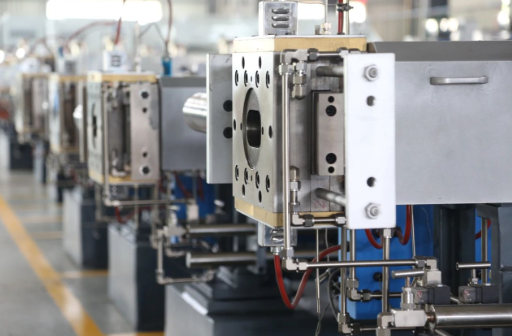
Industrial manufacturing facility producing plastic pipe extrusion equipment for global B2B trade
Understanding the Twin Screw Pipe Extruder Industry Landscape
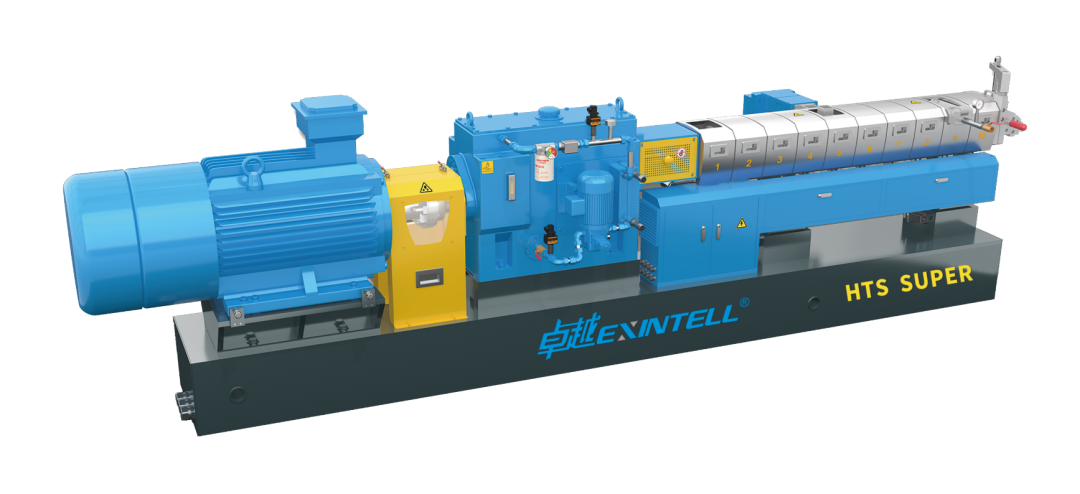
Twin screw pipe extruders represent one of the most critical pieces of machinery in the plastics processing sector. These machines use two intermeshing screws rotating inside a barrel to melt, mix, and push polymer materials through a die to form continuous pipe profiles. Compared to single screw systems, twin screw extruders offer superior mixing capability, better control over material properties, and the ability to process a wider range of polymers including PVC, PE, PP, na ihe mejupụtara.
The global plastic pipe market was valued at approximately USD 60.7 ijeri 2024 a na-atụkwa anya na ọ ga-eru USD 88.4 ijeri site 2030, na-eto na CAGR gburugburu 6.5%, according to data published by Nchọpụta Nleba anya. This growth directly fuels demand for twin screw pipe extrusion lines, making the role of the twin screw pipe extruder manufacturer more strategically important than ever.
Key end-use sectors driving this demand include:
- Mmiri nke obodo na njikwa mmiri mkpofu
- Netwọk nkesa gas
- Nrụnye ụzọ nkwukọrịta (eriri optic cable nchebe)
- Usoro ogbugba mmiri n'ubi
- Ụgbọ njem kemịkalụ ụlọ ọrụ
- Igwe ọkụ n'okpuru ala na sistemụ HVAC
Igwe ejima screw pipe extruder na-emepụta gburugburu ebe obibi na-agbasa ọtụtụ mpaghara, nwere nnukwu ụyọkọ mmepụta na China, Germany, Ịtali, Austria, India, na United States. Ndị na-emepụta Europe dị ka KraussMaffei (Germany), Battenfeld-Cincinnati (Austria), na Bausano (Ịtali) a matara maka injinia ziri ezi na sistemụ mmepụta dị elu. Ndị na-emepụta China amụbaala ikike mmepụta ngwa ngwa ma ugbu a na-enye oke oke nke ahịrị extrusion dị n'etiti na ọnụ ahịa n'ahịa ụwa.. Ndị na-emepụta America na ndị na-ejikọta usoro na-elekwasị anya na ngwọta ahaziri iche, netwọk ọrụ ire ere mgbe emechara, yana nrube isi na ụkpụrụ ụlọ siri ike.
Amụma Azụmahịa na Mmetụta Ya na Ngwa Extrusion Pipe
Ụlọ ọrụ Extruder Machine Mmekọrịta azụmahịa dị n'etiti United States na European Union bụ mmekọrịta azụmahịa kachasị ukwuu n'ụwa. Dị ka Nchịkwa azụmahịa mba ụwa (ITA), ngụkọta ahia ngwaahịa na ọrụ karịrị USD 1.3 trillion n'ime 2024. Igwe mmepụta ihe, gụnyere akụrụngwa nhazi plastik dị ka ejima ịghasa ọkpọkọ extruders, mebere akụkụ bara uru nke mgbanwe a.
Ọtụtụ mmepe amụma n'ime ọnwa abụọ gara aga (Eprel–June ) dị mkpa kpọmkwem maka ndị na-azụ B2B na ndị na-ere ngwá ọrụ extrusion ọkpọkọ:
Mgbanwe tarifu na Council Trade na Technology (TTC)
Council Trade na Technology, guzosie ike na 2021, na-aga n'ihu na-eje ozi dị ka ọgbakọ izizi maka ịhazi usoro iwu na ibelata esemokwu azụmaahịa na mpaghara teknụzụ siri ike.. Na nnọkọ kacha ọhụrụ (Mee ), TTC kwuputara nnabata nke asambodo nchekwa igwe nke ulo oru, nke nwere ihe ọ pụtara maka ejima ịghasa ọkpọkọ extruder na-ebupụ n'etiti ahịa abụọ ahụ. Ọganihu n'ịkwado akara CE (EU) yana asambodo UL/NRTL (US) Ihe achọrọ nwere ike ibelata ụgwọ nnabata site na atụmatụ 8–12% maka ịre ahịa akụrụngwa nke oke oke, dị ka nyocha si Njikọ Azụmahịa Europe.
Agbanyeghị, gburugburu tarifu sara mbara ka dị mgbagwoju anya. Ngalaba US 232 tarifu na ígwè na aluminom, etinyere ya na mbụ 2018 ma gbanwee akụkụ ụfọdụ n'ime afọ ndị sochirinụ, na-aga n'ihu na-emetụta ọnụ ahịa akụrụngwa ejiri na gbọmgbọm extruder na ịghasa. The EU's Carbon Border Adjustment Mechanism (CBAM), nke banyere n'usoro mgbanwe ya n'ọnwa Ọktoba 2023 ma na-aga n'ihu na mmejuputa iwu zuru oke na 2026, na-agbakwụnye nleba anya ọnụ ahịa ọzọ maka ndị na-emepụta usoro mmepụta ha gụnyere nnukwu ikuku carbon. Twin screw pipe extruder manufacturers with energy-efficient production facilities may gain a competitive advantage as CBAM reporting requirements become more stringent.
Iwu igwe igwe EU 2023/1230
The new EU Machinery Regulation (2023/1230), which replaces the Machinery Directive 2006/42/EC and becomes mandatory in January 2027, is already influencing how twin screw pipe extruder manufacturers design and document their equipment. The regulation introduces enhanced cybersecurity requirements for digitally connected machinery, updated risk assessment procedures, and new provisions for AI-integrated control systems. Manufacturers targeting the EU market must begin adapting their compliance documentation and product designs now to avoid disruption. Nke European Commission's Trade Directorate ebipụtala akwụkwọ ntuziaka iji nyere ndị na-emepụta ihe na-abụghị EU aka ịghọta ihe ndị a chọrọ.
Ụlọ ọrụ Screw Extrusion Factory arịa mbufe n'ọdụ ụgbọ mmiri mba ụwa na-anọchite logistics US-EU B2B maka igwe ụlọ ọrụ mmepụta ihe Meatball Extruder
Iwu itinye ego na akụrụngwa akụrụngwa US (IIJA) — Mmetụta na-aga n'ihu
Iwu US Infrastructure Investment and Jobs Act, bịanyere aka na Nọvemba 2021, ekenyela ihe karịrị USD 55 ijeri maka mmezi akụrụngwa mmiri naanị. Ego a na-aga n'ihu na-aga n'ihu site na ụzọ ịzụ ahịa steeti na ime obodo, na-amụba agụụ maka ike imepụta ọkpọkọ plastik na, site na ndọtị, maka ejima ịghasa ọkpọkọ extrusion ahịrị. Ndokwa Buy America dị n'ime IIJA chọrọ ígwè ahụ, ígwè, emepụtara ngwaahịa, and construction materials used in federally funded infrastructure projects be produced domestically. This creates a strong incentive for US-based pipe manufacturers to invest in new extrusion equipment, and for twin screw pipe extruder manufacturers to establish or expand US-based operations, service centers, or partnerships.
Dị ka American Chamber of Commerce to the EU (AmCham EU), European machinery manufacturers have increased their direct investment in US-based service and assembly operations by approximately 15% year-over-year in 2024–, partly in response to these domestic content requirements.
B2B Trade Opportunities for Twin Screw Pipe Extruder Manufacturers
The convergence of infrastructure spending, regulatory evolution, and sustainability mandates creates a rich opportunity landscape for twin screw pipe extruder manufacturers, ndị na-ebubata ihe, and factories engaged in trade.
Ohere 1: Replacement and Upgrade Cycles
A significant portion of the installed base of pipe extrusion equipment in both the US and EU is approaching or has exceeded its optimal operational lifespan. Industry estimates suggest that approximately 30–40% of pipe extrusion lines currently operating in North America and Western Europe were installed before 2010. These older systems typically lack the energy efficiency, automation capabilities, and material processing flexibility of modern twin screw designs. B2B buyers in this segment are actively seeking twin screw pipe extruder manufacturers who can provide turnkey upgrade solutions, including equipment removal, echichi, inye ọrụ, na ọzụzụ onye ọrụ.
Ohere 2: Sustainable and Recycled Material Processing
The EU's Circular Economy Action Plan and the US EPA's National Recycling Strategy are both driving increased use of recycled polymers in pipe production. Ejima ịghasa extruders kacha mma maka nhazi ihe eji emegharịgharị karịa otu sistemu ịghasa n'ihi na ike agwakọta ha na nke nwere ike ijikwa mgbanwe dị na ndenye agbaze agbaze., ọkwa mmetọ, na ọdịnaya mmiri nke na-akọwapụta resins megharịrị megharịa mgbe ndị na-azụ ahịa na ụlọ ọrụ gachara. Ndị na-emepụta ọkpọkọ ejima ejima nke nwere ike igosipụta arụmọrụ egosipụtara na HDPE megharịrị, rPVC, na nri nri rPP ka edobere iji weghara oke na-eto eto nke ahịa.
Ohere 3: Multi-Layer na Specialty Pipe Systems
Achọrọ maka sistemu ọkpọkọ ọtụtụ oyi akwa — dị ka ọkpọkọ PE-RT/EVOH/PE-RT maka ikpo ọkụ n'okpuru ala, or multi-layer PVC pipes with foam cores for noise reduction — is growing in both markets. These products require co-extrusion lines with precise layer control, which is a strength of advanced twin screw systems. Twin screw pipe extruder manufacturers with co-extrusion expertise and proven die technology for multi-layer applications can differentiate themselves in a competitive market.
Advanced industrial machinery and automation technology in a modern manufacturing plant for pipe extrusion
Key Challenges in Trade for Extrusion Equipment
Ender Extruder Calibration N'agbanyeghị ohere, several challenges require careful navigation:
- Logistics costs and lead times: Ocean freight rates for heavy industrial machinery between Europe and the US remain elevated compared to pre-2020 levels. A complete twin screw pipe extrusion line can weigh 15–40 metric tons depending on configuration, making shipping costs a significant factor in total landed cost calculations.
- Regulatory divergence: While the TTC is working toward alignment, differences in electrical standards (60 Hz/480V na US vs. 50 Hz / 400V na EU), safety certification requirements, and environmental compliance documentation continue to add complexity and cost to cross-border transactions.
- After-sales service expectations buyers of capital equipment like twin screw pipe extruders increasingly expect rapid-response service, ime nchọpụta nchọpụta, and local spare parts availability. Twin screw pipe extruder manufacturers without a physical service presence in the target market may struggle to compete against locally established competitors.
- Currency fluctuation: The EUR/USD exchange rate has shown notable volatility in early, na-emetụta asọmpi ọnụahịa maka ndị na-emepụta Europe na-ere ahịa n'ahịa US na ọzọ.
Geographic na amụma Uru Na-enyere Azụmaahịa
Ma United States na European Union na-enye uru dị iche iche na mpaghara na amụma nke na-eme ka azụmahịa B2B dị na igwe mmepụta ihe, gụnyere ejima ịghasa ọkpọkọ extrusion akụrụngwa.
Ngwa mgbakwunye Sketchup Extrude Line The EU's single market of 27 mba ndị otu, ya na GDP jikọtara ọnụ karịrị USD 18 puku ijeri, na-enye ejima ịghasa ọkpọkọ extruder emepụta ohere a buru ibu, gburugburu n'usoro iwu kwadoro. Enwere ike ree eriri extrusion akara CE n'ofe mba ndị otu EU na-enweghị Osisi Elba Batching asambodo mba ọzọ n'ọtụtụ oge. The EU's extensive network of free trade agreements — ya na obodo gụnyere Canada, Japan, South Korea, Vietnam, na Mercosur bloc — pụtakwara na ndị na-emepụta ihe na ndị na-ebubata ihe ejima screw pipe nke Europe nwere ike iji EU dị ka ebe maka nkesa zuru ụwa ọnụ..
The United States offers the world's largest single-country market for industrial machinery, na nchekwa ikike ọgụgụ isi siri ike, ọdọ mmiri miri emi nke nkà nka, na akụrụngwa ngwa ngwa emepụtara nke ọma. Isi ọdụ ụgbọ mmiri dị ka Port of Los Angeles, Port nke Houston, na Port nke Savannah na-enye ebe ntinye nke ọma maka akụrụngwa extrusion ebubata, mgbe Ejima Screw Supplier Ụzọ awara awara nke United States na netwọk ụgbọ oloko na-akwado nkesa ụlọ. Mpaghara US Ofesi-Azụmaahịa (FTZ) mmemme na-enye ndị na-ebubata mbubata ohere ibugharị, belata, ma ọ bụ wepụ ụgwọ kọstọm na igwe na akụrụngwa ebubata, which can be particularly advantageous for twin screw pipe extruder wholesale operations that import components for assembly or customization within the US.
The Transatlantic Trade and Investment Partnership (TTIP) negotiations, though stalled since 2016, established a framework of mutual understanding that continues to inform bilateral trade facilitation efforts. More recently, the Joint Statement on Trade (Maachị ) reaffirmed both parties' commitment to reducing unnecessary barriers to trade in industrial goods, including machinery and equipment.
Aerial view of a major commercial port with cargo ships and logistics infrastructure supporting international B2B trade
Ọmụmụ ihe: European Twin Screw Pipe Extruder Manufacturer Expanding into the US Market
Consider the experience of a mid-sized Austrian twin screw pipe extruder manufacturer (amaghị aha maka nzuzo) that successfully expanded its B2B operations into the North American market between 2022 na. This case illustrates several practical lessons for manufacturers, ndị na-ebubata ihe, and factories pursuing similar strategies.
ndabere
Ụlọ ọrụ ahụ, with annual revenue of approximately EUR 80 million and a workforce of 350 employees, had been a well-established supplier of twin screw pipe extrusion lines in the European market for over 25 afọ. Its product range included PVC, PE, and PP pipe extrusion lines with output capacities ranging from 200 kg/h ka 1,500 n'arọ/h. The company's core competitive advantages were energy-efficient drive systems, proprietary screw designs optimized for recycled material processing, and a strong reputation for after-sales service within Europe. Creative Extruded Products
Atụmatụ ntinye ahịa
Rather than attempting to sell directly into the US market from its European base, ụlọ ọrụ ahụ nakweere usoro nke usoro:
- Usoro 1 (2022): Ewubere ụlọ ọrụ ahịa na ọrụ dabere na US na Houston, Texas, ejiri asụsụ abụọ rụọ ọrụ (Bekee/German) teknụzụ ahịa injinia na ọrụ technicians. Ahọpụtara ebe Houston maka ịdị nso ya na okporo ụzọ petrochemical nke Gulf Coast (isi iyi nke akụrụngwa polymer) na njikọ ngwa ngwa ya kacha mma.
- Usoro 2 (2023): Ejikọtara ya na onye nrụpụta sistemụ dabere na US iji nye nrụnye turnkey na ọrụ inye ọrụ, na-agwa atụmanya ọrụ ire ere mgbe ndị America B2B na-azụ.
- Usoro 3 (2024–): Malitere ibubata ihe ndị isi (gbọmgbọm, kposara, igbe igbe) banye Mpaghara Azụmaahịa Ofesi dị nso na Houston maka mgbakọ ikpeazụ na nnwale, na-enye ohere ka ụlọ ọrụ ahụ na-enye oge nduzi dị mkpụmkpụ yana iru eru maka ihe ndị dị na Buy America na ụfọdụ ọrụ gọọmenti etiti kwadoro..
Nsonaazụ na nkuzi ndị amụtara
N'ime 30 ọnwa nke iguzobe enyemaka US, the company secured 12 major equipment orders from US-based pipe manufacturers, representing approximately EUR 18 million in revenue. Isi ihe ịga nke ọma gụnyere:
- Local presence: Having US-based technical staff who could visit customer sites within 24–48 hours was cited by multiple customers as a decisive factor in their purchasing decision.
- Compliance investment: The company invested approximately EUR 500,000 in adapting its equipment designs and documentation to meet UL, NFPA, and OSHA requirements, which eliminated a significant barrier to adoption.
- Recycled material expertise: Three of the 12 orders were specifically driven by the company's demonstrated capability to process post-consumer recycled HDPE at high throughput rates with consistent pipe quality, aligning with customers' sustainability commitments.
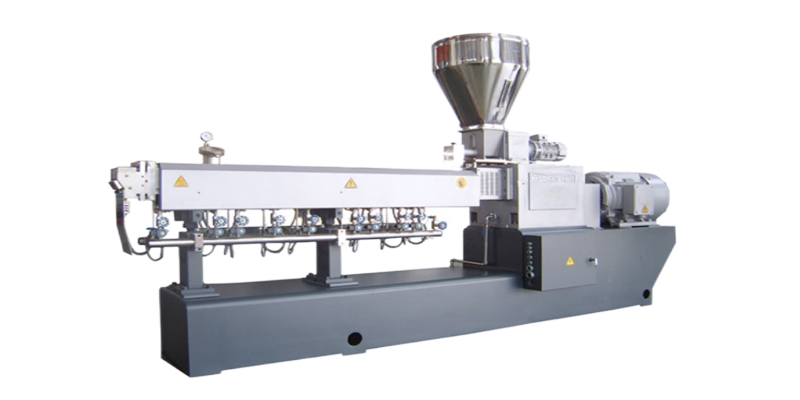
Gburugburu ụlọ ọrụ azụmahịa B2B ọgbara ọhụrụ na-anọchite anya ọrụ azụmaahịa mba ụwa n'etiti ụlọ ọrụ US na EU
Ọmụmụ ihe: Onye na-emepụta ọkpọkọ US na-esi na ụlọ ọrụ Twin Screw Pipe Extruder nke China
Ikpe dị iche na-agụnye onye na-emepụta ọkpọkọ rọba nke dabeere na US (ike mmepụta kwa afọ: 50,000 metrik tọn) nke ahụ butere ahịrị abụọ ejima ịghasa ọkpọkọ PVC zuru oke sitere na ụlọ ọrụ ejima screw pipe extruder nke China na 2023.–2024. Ọnụ ego akụrụngwa dị ihe dịka USD 1.2 nde — ike ike 40% erughị ahịrị ndị Europe rụpụtara na-atụnyere.
Ọ bụ ezie na nchekwa ego mbụ dị mkpa, ụlọ ọrụ ahụ zutere ọtụtụ ihe ịma aka:
- Ogologo oge ntinye akwụkwọ: Ahịrị extrusion chọrọ ihe dịka 8 izu nke nhazi na nhazi na saịtị, tụnyere nke 3–4 izu-ahụkarị maka akụrụngwa sitere na Europe, n'ihi ọdịiche dị na ụkpụrụ eletrik na akwụkwọ usoro nchịkwa.
- Akụkụ mapụtara na-eduga oge: Akụkụ mapụtara dị mkpa (ogbunigwe liners, ihe ịghasa) achọrọ 6–8 izu maka nnyefe si China, tụnyere 2–3 izu site na ndị na-emepụta Europe nwere ụlọ nkwakọba ihe nke US.
- Akwụkwọ nnabata: Inweta asambodo UL maka akụrụngwa ebubata chọrọ nnwale na akwụkwọ ndị ọzọ, na-agbakwụnye ihe dị ka USD 35,000 na 10 izu ruo usoro iheomume.
Ikpe a na-emesi ike mkpa ọ dị ịtụle ngụkọta ọnụ ahịa nke nwe — ọ bụghị naanị ọnụ ahịa ịzụrụ — mgbe ị na-ahọrọ ejima ịghasa ọkpọkọ extruder emeputa, soplaya, ma ọ bụ ụlọ ọrụ maka ịzụrụ B2B.
Ọrụ nke ngosi ahia na Platform B2B na ijikọ ndị na-azụ ahịa na ndị nrụpụta
Ihe ngosi azụmaahịa ka bụ ọwa dị oke mkpa maka nchọpụta B2B na iwulite mmekọrịta na mpaghara akụrụngwa extrusion ọkpọkọ. Isi mmemme gụnyere:
- K Fair (Düsseldorf, Germany): The world's largest plastics and rubber trade fair, a na-eme ya kwa afọ atọ. Edebere mbipụta na-esote maka Ọktoba. K Fair bụ ebe izizi maka ndị nrụpụta ejima screw pipe extruder iji gosipụta teknụzụ ọhụrụ yana maka ndị na-azụ ahịa B2B nyochaa ọtụtụ ndị na-ebubata n'otu nleta..
- AHA (Orlando, USA): Ihe ngosi azụmaahịa plastik kacha ibu na America, a na-eme ya kwa afọ atọ. AHA 2024 dọtara n'elu 50,000 ndị bịaranụ ma gosipụta nnukwu ihe ngosi teknụzụ extrusion ọkpọkọ.
- Chinaplas (Shenzhen/Shanghai, China): Asia's largest plastics trade fair, na-enye ohere maka ejima screw pipe extruder ụlọ ọrụ na ndị na-ebubata ya.
- Hanover ngosi (Hannover, Germany): Mgbe sara mbara n'obosara, ngosi nka nka nke ulo oru a gunyere ihe nnochi anya sitere n'aka ndi na-aputa igwe ma burukwa ebe netwọk bara uru maka ahia.
Igwe okwu dijitalụ B2B dị ka Alibaba, Emebere na china, ThomasNet (lekwasịrị anya US), na Europages (lekwasịrị anya EU) na-ekerekwa òkè dị mkpa na-arịwanye elu na nchọpụta mbụ ndị na-ebubata ya. Agbanyeghị, nyere isi obodo-kpụ ọkụ n'ọnụ ọdịdị nke ejima ịghasa ọkpọkọ extrusion akụrụngwa (ahụkarị usoro ụkpụrụ nke USD 200,000–2,000,000+), Ọtụtụ azụmahịa ka na-agụnye oke nleba anya n'ime mmadụ, ụlọ ọrụ nleta, na ntụnye aka tupu etinye iwu ịzụrụ.
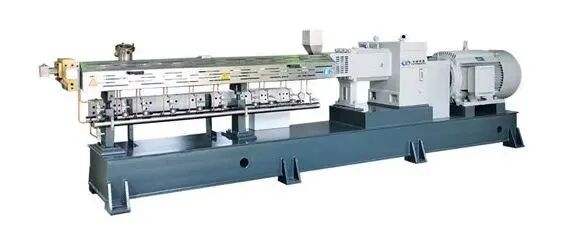
Ụlọ ihe ngosi ahia ahia B2B International nwere ihe ngosi igwe mmepụta ihe yana ịkparịta ụka n'Ịntanet
Usoro amụma amụma maka ngwa ejima screw Pipe Extruder ngwa: Julaị–Ọgọst
Dabere na trajectories amụma ugbu a, data ahịa, na akara ngosi ụlọ ọrụ, Ọtụtụ usoro nwere ike ịkpụzi ala ejima screw pipe extruder emeputa odida obodo n'oge dị nso:
Usoro 1: Ntinye ngwa ngwa nke ụlọ ọrụ 4.0 Atụmatụ
Ndị na-azụ ahịa B2B na US na EU na-achọwanye ahịrị ejima screw pipe extrusion nke nwere ihe mmetụta IoT., ezigbo oge mmepụta dashboards, amụma mmezi algọridim, yana ikike ịchọpụta ihe dịpụrụ adịpụ. Ndị na-emepụta igwe ejima screw pipe extruder nwere ike ịnye atụmatụ ndị a dị ka ọkọlọtọ — karịa ka mgbakwunye dị ọnụ ahịa — ga-enweta oke asọmpi. The upcoming EU Machinery Regulation's cybersecurity provisions will further accelerate this trend by establishing baseline digital security requirements for connected industrial equipment.
Usoro 2: Mgbakwunye n'etiti ndị nrụpụta etiti
Ngalaba ejima ịghasa ọkpọkọ extruder ahụla ọtụtụ ihe enwetara na mergers ndị ama ama n'afọ ndị na-adịbeghị anya., na omume a na-atụ anya na ọ ga-aga n'ihu ruo etiti-. Ndị nrụpụta buru ibu na-enweta obere, ụlọ ọrụ pụrụ iche iji gbasaa Pọtụfoliyo ngwaahịa ha, nweta ohere Ndị na-ebunye Extrusion Plastic N'ogbe gaa n'ahịa mpaghara ọhụrụ, ma ọ bụ nweta ikike teknụzụ akọwapụtara (eg., ngalaba-extrusion nka, mara ụzọ ihe eji emegharị ihe). Ndị na-azụ ahịa B2B kwesịrị nyochaa mmepe ndị a n'ihi na ha nwere ike imetụta nkwụsi ike ndị na-ebubata ya, nnweta ngwaahịa, na aga n'ihu ọrụ.
Usoro 3: Ọchịchọ abawanyela maka sistemu ike na-arụ ọrụ nke ọma
Energy costs remain a significant component of total pipe production costs (na-adịkarị 15–25% of variable costs). With electricity prices in the EU remaining elevated compared to historical averages, and with US industrial electricity rates trending upward in several regions, B2B buyers are prioritizing energy-efficient twin screw pipe extrusion lines. Manufacturers offering direct-drive servo motor systems, Mpaghara kpo oku/nju oyi kacha mma, and energy recovery features are well-positioned. The EU's Energy Efficiency Directive (EED) recast, which sets more ambitious energy savings targets for industrial operations, adds regulatory impetus to this trend.
Usoro 4: Ọdịiche dị iche iche nke n'akụkụ nso nsonye
Geopolitical uncertainties and supply chain disruptions experienced during 2020–2023 have prompted many B2B buyers to diversify their equipment sourcing strategies. Ebe ụlọ ọrụ ejima screw pipe extruder nke China ka na-asọ mpi na ọnụahịa, ụfọdụ ndị na-azụ ahịa US na EU na-atụgharị akụkụ nke ịzụ ahịa ha n'ebe ndị na-emepụta Europe ma ọ bụ North America iji belata ihe ize ndụ ọkọnọ.. This "nearshoring" omume na-erite uru na European ejima ịghasa ọkpọkọ extruder emepụta na-ere n'ime US ahịa na Anglịkan.
Usoro 5: Na-etowanye mkpa nke nzere nkwado
Achọrọ mkpesa nkwado ụlọ ọrụ — including the EU's Corporate Sustainability Reporting Directive (CSRD) and the SEC's climate disclosure rules in the US — na-agbago site na ụdọ ọkọnọ. Ndị na-azụta B2B nke ejima screw pipe extrusion akụrụngwa na-arịọwanye nkwupụta ngwaahịa gburugburu. (EPDs), carbon akara data, na ihe akaebe nke omume nrụpụta ihe na-adigide site n'aka ndị na-eweta ngwá ọrụ ha. Ndị na-emepụta igwe ejima screw pipe extruder bụ ndị na-arụsi ọrụ ike na-azụlite ma na-ekwupụta nzere nkwado ha ga-aka mma iji merie azụmahịa site na nnukwu., Ndị na-emepụta ọkpọkọ na-ere ahịa n'ihu ọha na-adabere na mkpa mkpesa ndị a.
Akpụkpọ ụkwụ nchekwa nchekwa B2B: Na-echekwa ndị ọrụ n'ime akụrụngwa mkpochapụ ọkpọkọ
Ọ bụ ezie na isi ihe ntuziaka a na-elekwasị anya bụ akụrụngwa ejima screw pipe extrusion akụrụngwa, ọ dị mkpa iji dozie akụkụ dị oke mkpa nke ọrụ ụlọ ọrụ B2B nke na-emetụta ụlọ ọrụ mmepụta ihe ọ bụla: onye ọrụ Plastic Extruder Volumetric Feeder nchekwa, kpọmkwem nchebe ụkwụ. Osisi extrusion ọkpọkọ na-enye ọtụtụ ihe egwu mmerụ ụkwụ, na nhọrọ nke akpụkpọ ụkwụ nchekwa kwesịrị ekwesị bụ ma usoro iwu chọrọ na ihe dị mkpa. Ndị nrụpụta Extruder
Kedu ihe kpatara akpụkpọ ụkwụ nchekwa ji dị mkpa na gburugburu nrụpụta Extrusion
Ụlọ ọrụ ejima screw pipe extrusion bụ ebe dị ize ndụ maka ndị ọrụ' ụkwụ. Ihe ize ndụ gụnyere:
- Mmetụta ihe dị arọ: Extrusion anwụ, ihe ịghasa, akụkụ gbọmgbọm, na okokụre ọkpọkọ ogologo nwere ike ịtụ n'ebe ọ bụla si 10 kilogram ruo ọtụtụ narị kilogram. Ihe nwuru anwu ma ọ bụ nke mkpọsa nwere ike ime ka mmerụ ahụ dị njọ n'ụkwụ ndị na-enweghị nchebe.
- Ikpughe ihe na-ekpo ọkụ: Polymer a wụrụ awụ na-apụ na extruder na-anwụ na okpomọkụ na-adịkarị site na 170°C ruo 250°C dabere na ihe a na-ahazi. Mwụfu ma ọ bụ ntapu nke rọba a wụrụ awụ nwere ike ime ka ọkụ dị n'ụkwụ na ala ụkwụ.
- Ihe egwu mwepu: Mmanụ hydraulic, mmiri jụrụ oyi, na uzuzu polymer nke dị n'ala ụlọ mmepụta ihe na-emepụta ihe egwu dị ịrịba ama. Ọdịda na nso akụrụngwa extrusion na-arụ ọrụ nwere ike bute mmerụ ahụ dị egwu nke abụọ.
- Ihe egwu egwu: Akpụcha ọla site na mkpọsa na mmezi gbọmgbọm, Iberibe waya sitere na hoses mesiri ike, and sharp edges on cut pipe sections can penetrate standard footwear soles.
- Ihe egwu eletrik: Extrusion lines operate at high voltages (ihe dị ka 380–480V nkeji atọ). Electrically insulating footwear is essential for workers performing electrical maintenance or working near exposed electrical components.
- Mkpughe kemịkalụ: Cleaning solvents, PVC stabilizers, and other chemical additives used in pipe production can degrade standard footwear materials over time.
Ụkpụrụ akpụkpọ ụkwụ nchekwa: US and EU Requirements
Both the US and EU have well-established regulatory frameworks governing safety footwear in industrial environments:
In the United States, the Occupational Safety and Health Administration (OSHA) requires employers to provide appropriate foot protection under 29 CFR 1910.136. Safety footwear must meet the ASTM F2413 standard, which specifies performance requirements for impact resistance (I/75 or I/50 ratings), mgbochi mkpakọ (C/75 ma ọ bụ C/50), mgbochi metatarsal, nkwụsịtụ nkwụsị, nchedo ihe egwu eletriki, na static dissipative Njirimara.
Na European Union, A na-ekewa akpụkpọ ụkwụ nchekwa n'okpuru EN ISO 20345 (akpụkpọ ụkwụ nchekwa nwere nchebe mkpịsị ụkwụ), NA ISO 20346 (akpụkpọ ụkwụ nchebe), na EN ISO 20347 (akpụkpọ ụkwụ ọrụ). Usoro nhazi ọkwa na-eji edemede S1 ruo S5, na S3 bụ ọkwa a kapịrị ọnụ maka gburugburu ụlọ ọrụ mmepụta ihe dị ka osisi extrusion ọkpọkọ. Akpụkpọ ụkwụ S3 na-enye nchebe mkpịsị ụkwụ (200J mmetụta, 15kN mkpakọ), naanị nbanye na-eguzogide, elu mmiri na-eguzogide, ike na-ebu ikiri ụkwụ, na cleated outsole maka nkwụsị nkwụsị.
Ịhọrọ akpụkpọ ụkwụ nchekwa ziri ezi maka ndị na-arụ ọrụ ihe ọkụkụ
Maka ndị njikwa ịzụ ahịa B2B na-ahụ maka ịkwado ndị ọrụ n'ụlọ ọrụ ejima screw pipe extrusion, A na-akwado njirisi nhọrọ ndị a:
- Nchekwa mkpịsị ụkwụ: Mkpịsị ụkwụ ígwè na-anọgide na-ahọrọkarị maka gburugburu ụlọ ọrụ mmepụta ihe dị arọ n'ihi mmetụta dị elu na nguzogide mkpakọ ha. Agbanyeghị, ihe mejupụtara mkpịsị ụkwụ (fiberglass, eriri carbon, ma ọ bụ Kevlar) na-enye nchebe yiri ya na ịdị arọ dị ala ma na-enweghị conductivity thermal, nke nwere ike ịba uru na gburugburu ebe oke okpomọkụ.
- Nguzogide okpomọkụ: Outsoles gosiri maka nguzogide okpomọkụ kọntaktị ruru 300°C (kwa EN ISO 20345 Ngosipụta HRO) dị mkpa maka ndị ọrụ na-arụ ọrụ n'akụkụ anwụ extruder na akụrụngwa jụrụ oyi.
- Nguzogide na-amị amị: Chọọ maka akpụkpọ ụkwụ a nwalere na EN ISO 13287 na SRA (nkwụpụ nguzogide na tile seramiiki na ngwọta ncha na-agbaze), SRB (nkwụsị nkwụsị na ígwè na glycerol), ma ọ bụ SRC (ma SRA na SRB) ogo. A na-atụ aro akpụkpọ ụkwụ SRC maka gburugburu osisi extrusion.
- Nguzogide nkwụsị: Igwe nchara ma ọ bụ akwa akwa na-enye nkwụsi ike nke opekata mpe 1,100N (kwa EN ISO 20345 P ọkwa) na-echebe megide ntinye site na ihe dị nkọ n'ala ụlọ mmepụta ihe.
- Nkasi obi na ergonomics: Ndị na-arụ ọrụ na osisi extrusion na-eguzokarị 8–12 oge elekere. Akpụkpọ ụkwụ nwere mpaghara ikiri ụkwụ na-enweta ume, akwa ụkwụ nwere ụdị ahụ, na nkwado njide zuru oke na-ebelata ike ọgwụgwụ na ahụ anụ ahụ, imeziwanye ma nchekwa na nrụpụta ọrụ.
- Ịdị ogologo: Akpụkpọ ụkwụ nchekwa nke ụlọ ọrụ na gburugburu extrusion na-eyi akwa ike site na mkpughe kemịkal, ikpo ọkụ, na n'ibu abrasion. Polyurethane (PU) ma ọ bụ roba outsoles n'ozuzu na-enye elu anwụ ngwa ngwa tụnyere thermoplastic roba (TPR) n'ọnọdụ ndị a.
Okwu azụmaahịa maka itinye ego na akpụkpọ ụkwụ nchekwa dị mma
Maka ndị na-arụ ọrụ B2B nke ụlọ ọrụ ejima screw pipe extrusion, itinye ego na akpụkpọ ụkwụ nchekwa dị oke mma abụghị naanị mmega nnabata — ọ na-ewepụta uru azụmaahịa enwere ike ịtụnye:
- Ndị ọrụ belatara' ụgwọ akwụ ụgwọ: mmerụ ahụ n'ụkwụ ruru ihe dịka 10% nke mmerụ ahụ niile a kọrọ n'ebe ọrụ na nrụpụta, dị ka Ụlọọrụ US Bureau of Labor Statistics. Ọnụ ego nke mmerụ ahụ n'ụkwụ (gụnyere mmefu ahụike, furu efu arụpụtaghị ihe, na ụgwọ ọrụ nchịkwa) gafere USD 9,000. Akpụkpọ ụkwụ nchekwa kwesịrị ekwesị nwere ike igbochi ọtụtụ mmerụ ahụ ndị a.
- Nrụpụta emelitere: Ndị ọrụ nwere ntụsara ahụ na obi ike na nchebe ụkwụ ha na-elekwasị anya ma na-arụpụta ihe. Nnyocha ndị e zoro aka na ya OSHA gosi na mmemme akpụkpọ ụkwụ ergonomic nwere ike melite nrụpụta ọrụ site na 3–5% n'ọrụ nrụpụta siri ike.
- Nrube isi n'usoro: Enweghị nrube isi na ihe ndị chọrọ nchebe ụkwụ OSHA nwere ike ịkpata nhota na ntaramahụhụ sitere na USD 16,131 kwa mmebi (oké njọ) na USD 161,323 kwa mmebi (ụma ma ọ bụ ugboro ugboro), dabere na ọkwa ntaramahụhụ.
- Njide ndị ọrụ: Inye akụrụngwa nchekwa dị elu, gụnyere akpụkpọ ụkwụ, na-egosi ntinye aka onye were n'ọrụ na ọdịmma ndị ọrụ ma nwee ike melite ọnụego njide n'ahịa ọrụ asọmpi maka ndị na-ahụ maka mkpochapụ na ndị ọrụ nka..
B2B Isi mmalite nke akpụkpọ ụkwụ nchekwa: Nlebanya n'ogbe na ndị na-eweta ngwaahịa
Ndị na-azụ ahịa B2B na-enweta akpụkpọ ụkwụ nchekwa maka ndị ọrụ osisi extrusion kwesịrị ịtụle:
- Ọnụ ego kacha nta (MOQs): Ndị na-ebunye akpụkpọ ụkwụ nchekwa n'ogbe na-enye ọnụ ahịa olu na MOQ nke 100–500 ụzọ abụọ, na nkwụghachi ụgwọ ndị ọzọ na mpịakọta dị elu.
- Nhọrọ nhazi: Ọtụtụ ndị na-ebubata akpụkpọ ụkwụ nchekwa B2B na-enye akara ụlọ ọrụ, atụmatụ agba agba, yana mmemme njikwa ngwa ahịa akọwapụtara nke ọma.
- Nnwale asambodo: Nyochaa mgbe niile na akpụkpọ ụkwụ nchekwa na-ebu ASTM F2413 bara uru (US) ma ọ bụ EN ISO 20345 (EU) asambodo sitere na ụlọ nyocha nyocha enwetara ikike. Rịọ nnomi nke akụkọ nnwale na asambodo nkwenye.
- Mmemme ngbanwe: Mepụta usoro ngbanwe akpụkpọ ụkwụ ahaziri ahazi dabere na ntule uwe karịa oge oge aka ike. Ọtụtụ akpụkpọ ụkwụ nchekwa ụlọ ọrụ na gburugburu extrusion kwesịrị ka enyocha ya maka nnọchi 6 ọ bụla–12 ọnwa dabere na ojiji ike.
Onye ọrụ ụlọ ọrụ na-eyi akpụkpọ ụkwụ nchekwa na akụrụngwa nchebe na gburugburu ebe nrụpụta
Isi ihe mgbe ị na-ahọrọ Twin Screw Pipe Extruder Manufacturer, Onye na-ebu ihe, ma ọ bụ Factory
Maka ndị na-azụ ahịa B2B na-enyocha ndị na-emepụta igwe ejima screw pipe extruder, ndị na-ebubata ihe, na ụlọ mmepụta ihe, A na-atụ aro usoro mkpebi ndị a: Ụlọ ọrụ Extrusion Plastic N'ogbe
- Ikike nka: Ndi emeputa na-enye kpọmkwem ịghasa dayameta, Oke L/D, ikike mmepụta, na ikike nhazi ihe achọrọ maka ngwa gị? Rịọ nkọwa nka zuru oke na, ebe enwere ike, hazie nnwale na-eji usoro polymer gị akọwapụtara.
- Nrụnye ntụaka: Rịọ maka ndepụta nrụnye ntụaka na mpaghara mpaghara gị yana, kacha mma, na ngalaba ngwa gị akọwapụtara (eg., PVC mgbali ọkpọkọ, HDPE drainage ọkpọkọ, ọkpọkọ ọtụtụ oyi akwa). Kpọtụrụ ntụaka ozugbo iji nyochaa arụmọrụ akụrụngwa, ntụkwasị obi, na àgwà ọrụ.
- akụrụngwa ọrụ mgbe-ahịa: Evaluate the manufacturer's service presence in your region. Ajụjụ ndị bụ isi gụnyere: Ebee ka onye ọrụ ọrụ kacha nso dabere? Kedu oge nzaghachi ekwenyere maka oku ọrụ mberede? A na-echekwa ihe ndị dị mkpa na mpaghara ma ọ bụ na a ga-ebupu ha na ụlọ ọrụ mmepụta ihe?
- Mgbakọta ọnụ nke nwe: Lee anya gabiga ọnụ ahịa ịzụrụ. Ihe kpatara oriri ike (kWh kwa kilogram nke mmepụta), mmezi akwụ ụgwọ, ọnụahịa akụkụ mapụtara, oge a na-atụ anya ya, na akụrụngwa ndụ ndụ mgbe atụnyere onyinye si dị iche iche ejima ịghasa ọkpọkọ extruder emepụta.
- Nrube isi na asambodo: Gbaa mbọ hụ na akụrụngwa ahụ zutere nchekwa niile dị, eletriki, na ụkpụrụ gburugburu ebe obibi na ikike gị. Rịọ akwụkwọ maka akara CE, UL ndekọ, ma ọ bụ asambodo ndị ọzọ dị mkpa.
- Nkwụsi ike ego: Maka ịzụrụ akụrụngwa ego yana ogologo oge nnyefe ogologo (na-emekarị 4–8 ọnwa maka omenala ejima ịghasa ọkpọkọ extrusion ahịrị), nkwụsi ike nke ego nke onye nrụpụta bụ ihe ize ndụ dị mkpa
Ejima Screw Pipe Extruder Supplier: Ntuziaka maka ị nweta B2B zuru ezu maka Manu… · Ejima ịghasa Pipe Extruder Factory: Ntuziaka azụmaahịa B2B zuru ezu maka nrụpụta… · Ejima ịghasa Pipe Extruder N'ogbe: Ntuziaka maka ịzụrụ B2B zuru ezu…