

Ejima Screw Extruder India emeputa: Akwụkwọ ntuziaka B2B akọwapụtara maka ndị na-azụ ahịa zuru ụwa ọnụ na
India apụtala ngwa ngwa dị ka ebe nrụpụta zuru ụwa ọnụ maka ejima screw extruders, na-enye ọnụahịa asọmpi, elu injinia ike, na ahịrị mmepụta dị njikere mbupụ na-ejere ndị na-azụ ahịa B2B ozi n'ofe Europe, North America, na Middle East. Ka mgbanwe mgbanwe ahia mba ụwa na ndị otu ịzụrụ ihe na-achọ ụzọ ọzọ na mpaghara isi mmalite ọdịnala, Ndị na-emepụta ejima screw extruder India na-ewere oke ahịa. Ntuziaka a zuru oke na-enyocha ebe mmepụta ejima screw extruder dị ugbu a na India, na-enyocha ndị na-ebute ụzọ na ikike mmepụta ihe, na-enyocha atumatu ahia na-emetụta azụmahịa B2B na-agafe agafe, ma na-enye ọgụgụ isi na-arụ ọrụ maka ndị na-azụ ahịa na-achọ ka ha na ndị na-emepụta extruder India na-emepụta ihe na-arụkọ ọrụ ọnụ..
Ebili nke India dị ka Twin Screw Extruder na-emepụta Powerhouse
India's plastics processing machinery sector has experienced remarkable growth over the past decade, ya na ejima ịghasa extruders na-anọchi anya otu n'ime ihe na-agbasa ngwa ngwa. Dị ka data si na Ndị na-emepụta ihe na-emepụta plastik nke India, the country's plastics machinery market was valued at approximately USD 1.2 ijeri 2024, na ejima ịghasa extruder mmepụta na-aza ajụjụ maka oke na-eto eto nke ma oriri ụlọ na ego mbupụ.
Ọtụtụ ihe nhazi ebutela mgbasawanye a. India's engineering talent pool—na-agụsị akwụkwọ 1.5 nde ndị injinia kwa afọ—na-enye ndị nrụpụta ọrụ aka ọrụ na ọnụ ahịa dị ala karịa ndị nọ na Germany, Japan, ma ọ bụ China. Ntinye ihe eji eme ihe dika ihe nchara nchara puru iche na ihe nkenke na-esiwanye ike n'ime ulo, ibelata ịdabere na mbubata na mbelata oge ndu. Government initiatives under the "Make in India" mmemme akwalitela itinye ego ego n'ime ụlọ nrụpụta dị elu, nwere uru ụtụ isi na ala ụlọ ọrụ enyere aka dị na mpaghara akụ na ụba pụrụ iche ahapụtara (SEZ).
Nnukwu ụyọkọ mmepụta ihe maka ejima screw extruder emebere na Gujarat (karịsịa Ahmedabad na Rajkot), Maharashtra (Pune na Mumbai), na Tamil Nadu (Chennai). Mpaghara ndị a na-enye usoro gburugburu ebe obibi n'usoro ọkọnọ emebere, ịdị nso na ọdụ ụgbọ mmiri ndị bụ isi maka ngwa ngwa mbupụ, na ịnweta ụlọ ọrụ enyemaka na-akwado ịrụ ọrụ nkenke, ọgwụgwọ okpomọkụ, na ule nyocha.
Ụlọ ọrụ mmepụta ihe na India na-emepụta igwe dị arọ na ngwa extrusion maka ahịa mbupụ B2B zuru ụwa ọnụ
Ịghọta teknụzụ Twin Screw Extruder Technology na Ngwa
Ejima ịghasa extruders bụ igwe eji arụ ọrụ n'ọtụtụ ụlọ ọrụ, na-eme ka ha bụrụ ngwaahịa a na-achọsi ike na ahia B2B mba ụwa. Teknụzụ ahụ gụnyere skru abụọ na-agbagharị agbagharị n'ime otu gbọmgbọm iji gwakọta, ngwakọta, na hazie ihe na ahụkebe nkenke na throughput.
Akụkụ ngwa ngwa na-ebuga ọchịchọ zuru ụwa ọnụ gụnyere:
- Ngwakọta plastik: Na-emepụta masterbatches, plastik injinia, ogige jupụtara, na pellet rọba arụgharịrị arụgharị. Nke a ka bụ akụkụ ngwa kachasị ukwuu, aza ajụjụ maka mkpokọta 45% nke zuru ụwa ọnụ ejima ịghasa extruder ina dị ka Nchọpụta Nleba anya ụlọ ọrụ akụkọ.
- Nhazi nri: Na-emepụta nri nri nri, nri ụtụtụ ọka, nri anụ ụlọ, na protein akwukwo nri textured (TVP). Akụkụ nri-ọkwa nri ejima ịghasa extruder na-eto eto agwụla 6% CAGR zuru ụwa ọnụ.
- Ọgwụ: Ịgbaze ọkụ na-ekpo ọkụ maka usoro nnyefe ọgwụ, ngwa na-agbasa ngwa ngwa nke na-achọ igwe na-akwado GMP.
- Nhazi kemịkalụ: extrusion mmeghachi omume, devolatilization, na ịgwakọta adhesives na-aga n'ihu, sealants, na kemịkalụ ọpụrụiche.
- Ihe owuwu ụlọ: WPC (osisi-plastic ngwakọta) decking, PVC profaịlụ, na mmepụta ọkpọkọ.
Ndị na-emepụta India na-emepụta ugbu a ma na-agbagharị agbagharị na nke na-atụgharị screw extruders na screw dayameta sitere na 20mm (laabu ọnụ ọgụgụ) ruo 135 mm na n'elu (ọnụ ọgụgụ mmepụta ihe dị elu). Ọdịiche teknụzụ dị n'etiti ndị na-ebupụ ndị India mere na ndị sitere na ndị nrụpụta Europe guzobere dị ka Coperion, KraussMaffei, na Leistritz ebelatala nke ukwuu, ọkachasị na ngalaba arụmọrụ etiti na-ejere ọtụtụ ndị na-azụ ahịa B2B n'ụwa niile.
Ndị na-emepụta Twin Screw Extruder kacha elu na India: Mpaghara ala ndị na-eweta ya
Odida obodo ejima ejima nke India na-emepụta ihe na-agụnye ụlọ ọrụ abụọ guzosiri ike nwere ahụmịhe iri afọ yana ndị batara ọhụrụ na-eji ikike CNC ọgbara ọhụrụ na ike imepụta dijitalụ.. Ndị na-azụ ahịa B2B na-enyocha ndị na-ebubata ndị India kwesịrị ịtụle ụdị ndị nrụpụta ndị a:
Ewubere ndị nrụpụta nnukwu ọnụ ọgụgụ
Ụlọ ọrụ dịka Steer Engineering (Bangalore), Kabra Extrusiontechnik (mumbai), na Rajoo Injinia (Rajkot) na-anọchi anya ọkwa adịchaghị nke nrụpụta ejima screw extruder India. Ụlọ ọrụ ndị a na-enyekarị:
- ISO 9001:2015 na ụlọ ọrụ mmepụta ihe nke CE
- N'ime ụlọ R&Ụlọ ọrụ D nwere ụlọ nyocha nyocha ngwa
- Netwọk ọrụ zuru ụwa ọnụ nwere akụrụngwa mapụtara
- Ike mmepụta kwa afọ karịrị 200+ igwe
- Mbupụ ndekọ egwu na-agafe 50+ mba
Injinia Steer, ọ kachasị, enwetala nnabata mba ụwa maka teknụzụ igwe ejima ịghasa igwe ejima ma jide ọtụtụ ikike ikike. Ụlọ ọrụ ahụ Plastic Compound Machine N'ogbe mbupụ na ahịa gụnyere United States, Germany, toro toro, na Ndịda Ebe Ọwụwa Anyanwụ Eshia, na-asọmpi ozugbo na European OEMs na nkọwa teknụzụ. Yiri ejima screw N'ogbe
Ndị na-emepụta ọkachamara n'etiti ọkwa
Akụkụ nke etiti siri ike gụnyere ụlọ ọrụ dị ka Cowell Extrusion, Injinia akọwapụtara, na Nanjing Kerke (India arụ ọrụ). Ndị na-emepụta ihe a na-enyekarị oke arụmọrụ ọnụ ahịa siri ike, na igwe ọnụ ahịa 30-50% n'okpuru European dakọrọ ka na-ebuga atụ mmepụta àgwà maka ọkọlọtọ compounding ngwa.
Ndị na-emepụta ihe na omenala
Ụlọ ọrụ ndị dị nta na ndị na-emepụta ihe na Gujarat na Maharashtra na-eme ka ndị na-azụ ahịa na-emefu ego ma na-enye mgbanwe nhazi dị elu.. Ọ bụ ezie na njikwa mma nwere ike ịchọ nleba anya nke onye zụrụ ya, ndị a na-ebubata nwere ike ịbụ ezigbo ndị mmekọ maka ngwa ngwa ma ọ bụ ahịa ebe njikarịcha ọnụ ahịa bụ ọkwọ ụgbọ ala mbụ.
Injinia nkenke na ọrụ igwe CNC ejiri na-emepụta ihe ejima screw extruder n'ụlọ ọrụ India
Usoro amụma azụmahịa B2B: India's Export Infrastructure for Machinery
Ịghọta gburugburu amụma azụmaahịa dị mkpa maka ndị na-azụ ahịa B2B mba ụwa na-enweta ejima screw extruders si India.. Ọtụtụ usoro amụma na-emetụta ọnụahịa ozugbo, ngwa ngwa, na nnabata chọrọ.
India's Foreign Trade Policy 2023-2028
The Government of India's Directorate General of Foreign Trade (DGFT) na-elekọta Iwu Azụmahịa Ofesi (FTP), nke emelitere n'April 2023 na ndokwa ịgbatị site 2028. Isi ihe dị mkpa maka mbupụ igwe gụnyere:
- Akụrụngwa Nkwalite Mbupu (EPCG) Atụmatụ: Na-enye ndị na-emepụta India ohere ibubata ngwaahịa isi obodo na efu ma ọ bụ ụgwọ kọstọm belatara, dabere na ọrụ mbupụ. Nke a na-ebelata ọnụ ahịa mmepụta maka ndị na-emepụta ejima ịghasa extruder na-ebupụ.
- Ikike n'ihu: Na-enye ikike mbubata akụrụngwa na akụrụngwa eji emepụta ngwa ahịa na-enweghị ụtụ isi.
- Mgbaghara nke ọrụ na ụtụ isi na ngwaahịa ebupu (RODTEP): Na-enye nkwụghachi na ụtụ isi na ọrụ agbakwunyere nke na-anaghị akwụghachi ụgwọ ọzọ, na-emeziwanye asọmpi ọnụahịa nke mbupụ ígwè ọrụ India.
Mmekọrịta EU-India
European Union na India maliteghachiri mkparita uka na Agreement Trade Free (FTA) n'ime 2022, na agba na-aga n'ihu 2024 na n'ime. Dị ka European Commission's Trade Directorate, Azụmahịa ngwaahịa abụọ n'etiti EU na India ruru ihe dịka EUR 120 ijeri 2023. Ọ bụ ezie na emechibeghị FTA zuru oke, mkparita uka na-aga n'ihu na-egosi onodu nke mbelata ihe mgbochi tarifu maka igwe ulo oru, nke ga-abara ndị na-azụ ahịa Europe uru na-enweta ejima ịghasa extruders si India.
Ugbu a, Ejima ịghasa extruders ebupụ si India na EU chere ihu MFN (Mba Kachasị Mma) ọnụego tarifu n'okpuru koodu HS 8477 (igwe maka rọba ma ọ bụ plastik na-arụ ọrụ), na-emekarị sitere na 0% ka 3.7% dabere na nhazi ọkwa. Usoro tarifụ a adịlarị ala na-eme ka ndị na-achụpụ ndị India na-asọ mpi n'ahịa Europe.
Azụmahịa US-India Dynamics
United States ka bụ nnukwu ebe mbupụ maka igwe nrụpụta India. Data sitere na Nchịkwa azụmahịa mba ụwa (ITA) na-egosi na mbubata US nke ígwè ọrụ nhazi plastik India etoola nke ọma. Ejima screw extruders na-abanye n'ahịa US bụ nkewa n'okpuru HTS 8477.20, yana ọnụego ọrụ dịgasị iche mana n'ozuzu ka enwere ike ijikwa maka ndị na-ebubata B2B. Nzukọ Amụma Azụmahịa US-India, nke zutere kacha nso nso a na 2024, na-aga n'ihu na-ekwu okwu banyere ịnweta ahịa dị mkpa maka ịzụ ahịa ngwaahịa isi obodo.
Akpa mbupu mba ofesi na nnukwu ọdụ ụgbọ mmiri na-anọchi anya ngwa ahịa azụmaahịa B2B zuru ụwa ọnụ maka igwe mmepụta ihe e
Ohere ahia B2B: Ihe kpatara ndị na-azụ ahịa zuru ụwa ọnụ ji ahọrọ ndị nrụpụta ejima ejima nke India
Atụmatụ uru maka ị nweta ejima screw extruders si India gbatịrị karịa mkpezi ọnụ dị mfe.. Ndị na-azụ ahịa B2B na-enyocha ndị na-ebubata ndị India n'ọtụtụ akụkụ:
Ịsọ asọmpi ọnụ: Ejima screw extruder nke ndị India rụpụtara na-adịkarị ọnụ 25-50% n'okpuru tụnyere European igwe na 15-30% n'okpuru ndị ọzọ Chinese mgbe ngụkọta ọnụ nke nwe (gụnyere mbupu, ọrụ, na mgbe-ahịa ọrụ) na-agbakọ. Enwere ike ịhota ihe ejima screw extruder nke etiti na-agbagharị agbagharị nwere dayameta 65mm sitere na onye nrụpụta India na USD 80,000-150,000 FOB, tụnyere USD 200,000-350,000 maka ihe nhata nke Europe.
Ikike nhazi: A maara ndị na-emepụta India maka ịdị njikere ha ịhazi nhazi igwe, ịghasa aghụghọ, nkọwa gbọmgbọm, na downstream akụrụngwa dakọtara kpọmkwem asịwo chọrọ. Mgbanwe a bara uru karịsịa maka ndị na-azụ ahịa B2B na-eje ozi ngwa niche ma ọ bụ ahịa mpaghara nwere mkpa nhazi ihe pụrụ iche.
Ọdịdị dị mma: Ntinye ego na CNC machining center, nhazi igwe eji atụ ihe (Ndị CMM), na akụrụngwa ule metallurgical emeela ka nkwekọ dị mma dị mma n'etiti ndị nrụpụta India na-eduga. Ọtụtụ ndị ugbu a na-enye nkwa arụmọrụ dabara adaba megide ụkpụrụ mba ụwa.
Oge nnyefe: Enwere ike ịnye nhazi nhazi ejima ịghasa extruder ọkọlọtọ n'ime 8-14 izu site na ndị na-emepụta India, asọmpi na oge ndu zuru ụwa ọnụ yana ngwa ngwa karịa ndị na-ebubata ndị Europe nwere ike ikwu okwu 16-24 izu maka nkọwa ndị yiri ya.
Ihe ịma aka dị na Sourcing Twin Screw Extruders si India na otu esi ebelata ha
Ọ bụ ezie na ohere dị ukwuu, Ndị na-azụ ahịa B2B ga-emerịrị ọtụtụ ihe ịma aka mgbe ha na-enweta site na ndị na-emepụta ejima screw extruder India.:
Ọdịiche dị mma n'ofe ndị na-ebubata ya: Ụdị dị iche iche nke ike nrụpụta pụtara na àgwà nwere ike ịdị iche iche. Usoro mbelata gụnyere ime nyocha ụlọ ọrụ mmepụta ihe (ma n'ime mmadụ ma ọ bụ site na ụlọ ọrụ nyocha ndị ọzọ dị ka SGS, Ụlọ ọrụ Veritas, ma ọ bụ TÜV India), requesting reference customers in your target market, and insisting on witnessed Factory Acceptance Tests (FATs) before shipment.
After-sales service and spare parts: Ebe dị anya mpaghara nwere ike ime ka nkwado ahịa gasịrị. Leading Indian manufacturers have addressed this by establishing service partnerships in key markets, maintaining spare parts inventories Screw Extrusion Supplier at regional warehouses, and offering remote diagnostic capabilities via IoT-enabled machine monitoring. Buyers should negotiate comprehensive service level agreements (SLAs) as part of the purchase contract.
Intellectual property considerations: While India has strengthened its IP protection framework, buyers with proprietary screw designs or process configurations should ensure appropriate non-disclosure agreements (NDA) and contractual protections are in place before sharing technical specifications.
Payment and financing: Usoro ịkwụ ụgwọ ọkọlọtọ maka mbupụ igwe igwe India na-agụnyekarị 30% ugwo n'ihu ugwo na itule megide Letter of Credit (LC) ma ọ bụ mgbe a na-ebuga ya. Ụlọ ọrụ kredit na-ebupụ dị ka ECGC (Export Credit Guarantee Corporation nke India) nye mkpuchi mkpuchi nke nwere ike ịkwado usoro ịkwụ ụgwọ dị mma maka ndị na-azụ ahịa mba ụwa.
Logistics na mbupu: Isi ọdụ ụgbọ mmiri India gụnyere JNPT (Nhava Sheva), Mundra, na Chennai na-ejikwa akpa mgbe niile na mbupu nnukwu igwe nke ụlọ ọrụ mmepụta ihe. Oge mbufe na ọdụ ụgbọ mmiri Europe (Rotterdam, Hamburg, Antwerp) nkezi 18-25 ụbọchị, ebe mbupu na ọdụ ụgbọ mmiri US East Coast na-ebukarị 25-35 ụbọchị. Ọnụ ahịa ibu maka ọkọlọtọ ọkọlọtọ 40 ụkwụ si Western India ruo Northern Europe dị n'etiti USD 1,500-3,000 n'oge, ọ bụ ezie na ọnụego na-agbanwe na ọnọdụ ahịa mbupu zuru ụwa ọnụ.
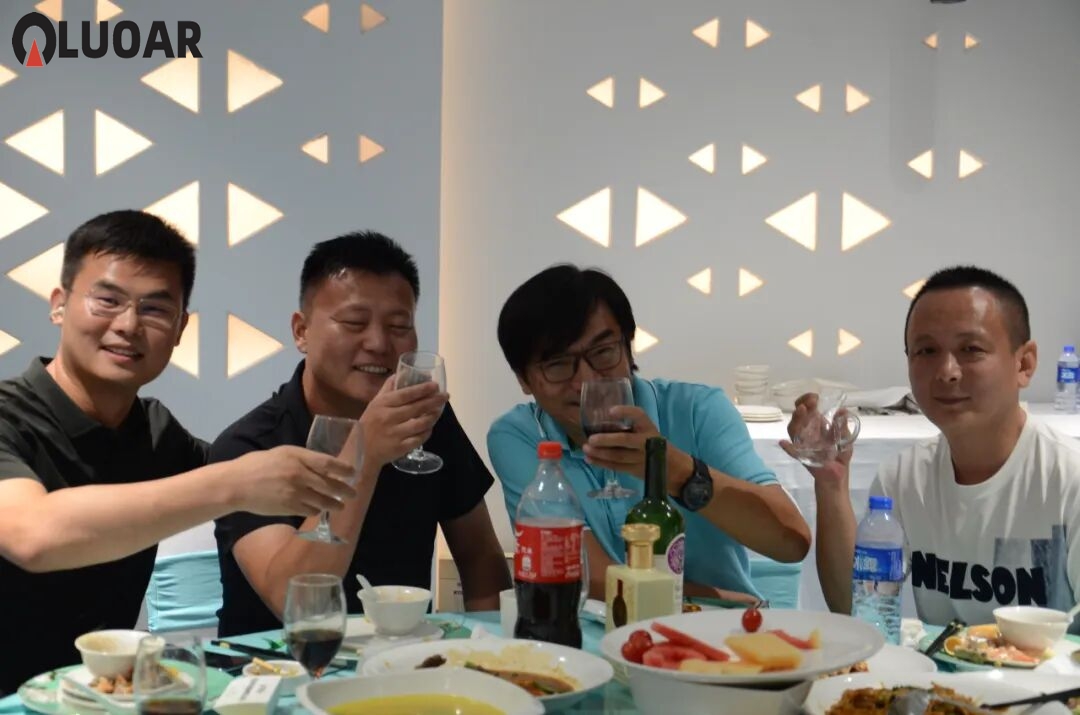
Ndị ọkachamara azụmaahịa na-enyocha nkọwapụta igwe nrụpụta ọrụ n'oge nzukọ mkparita uka ahia B2B
Uru ala na amụma: India's Strategic Position in Global Machinery Trade
India's geographic position offers distinct advantages for twin screw extruder exports to both Western and Eastern markets. Ọ dị n'akụkụ okporo ụzọ mbupu East-West, Ọdụ ụgbọ mmiri ndị India na-enye ohere nke ọma n'ụzọ Suez Canal (maka ahia ahia Europe) na ụzọ Pacific ga-aga kpọmkwem (maka North na South America ahịa).
The Indian government's investment in port modernization under the Sagarmala Programme has improved turnaround times and handling capabilities at major ports. Ọdụ ụgbọ mmiri Mundra dị na Gujarat—located in the heart of India's machinery manufacturing belt—now ranks among Asia's largest private ports with dedicated heavy cargo handling facilities.
Bilateral and multilateral trade agreements further enhance India's position:
- India-UAE CEPA (2022): Na-enye ohere mmasị na ahịa UAE, nke na-eje ozi dị ka ebe mbupụ ọzọ maka ahịa Middle Eastern na Africa.
- India-Australia ECT (2022): Na-ebelata tarifu na mbupụ igwe na Australia, ahịa dị mkpa maka Ngwuputa Ngwuputa na akụrụngwa nhazi plastik.
- Atụmatụ RCEP: Mgbe India wepụrụ na RCEP, nkwekọrịta nke abụọ na mba ndị otu ASEAN na-enye uru tarifu akụkụ maka mbupụ igwe na Ndịda Ebe Ọwụwa Anyanwụ Eshia.
- Mkparịta ụka India-EU FTA: Dị ka e kwuru na mbụ, a successful conclusion would significantly boost Indian machinery competitiveness in the world's largest single market.
India's membership in the World Trade Organization (WTO) and adherence to international standards frameworks (BIS, Plastic Extrusion Manual ISO) provide additional assurance to B2B buyers regarding regulatory compliance and dispute resolution mechanisms.
Case Studies Success Stories in Indian Twin Screw Extruder Exports
Examining real-world examples of successful B2B partnerships provides valuable insights for prospective buyers:
Ọmụmụ ihe 1: European Compounder Sources from Bangalore-Based Manufacturer
A mid-sized plastics compounding company based in Northern Italy sought to expand its production capacity without the capital expenditure associated with European-made extruders. After evaluating multiple Indian suppliers through the Plastindia trade exhibition and subsequent factory visits, the company placed an initial order for two co-rotating twin screw extruders (75dayameta mm) from a Bangalore-based manufacturer. The machines were delivered within 12 izu, commissioned with on-site support from the Indian manufacturer's European service partner, and achieved target throughput rates within the first month of operation. The total project cost, gụnyere mbupu, echichi, na inye ọrụ, was approximately 40% below the quoted price for comparable European machines. The Italian company has since ordered three additional units and established a long-term supply agreement.
Ọmụmụ ihe 2: US Pet Food Manufacturer Adopts Indian Extrusion Technology
A growing pet food manufacturer in the US Midwest required food-grade twin screw extruders capable of processing high-protein formulations. The company identified an Indian manufacturer with specific expertise in food extrusion applications through referrals at the Pack Expo trade show. The Indian supplier provided a customized machine configuration with stainless steel contact surfaces, Ngwa ndị FDA kwadoro, and integrated process control systems. The project included a pilot trial at the manufacturer's application laboratory in India, where the buyer's formulations were tested and optimized before final machine specifications were confirmed. This approach reduced commissioning time and ensured first-run success at the buyer's facility.
Ọmụmụ ihe 3: Turkish Recycling Company Scales with Indian Equipment
A plastics recycling operation in Istanbul needed to rapidly scale its pelletizing capacity to meet growing demand for recycled PP and PE compounds. The company sourced four twin screw extruder lines from a Gujarat-based manufacturer, na-eme ka ọnụahịa asọmpi na-ebuga ọtụtụ ahịrị mmepụta n'ime otu mmefu ego nke gaara ekpuchiri naanị usoro abụọ emere na Europe.. The Indian manufacturer provided comprehensive operator training and established a spare parts consignment stock at a logistics partner's warehouse in Istanbul, n'ịhụ na obere oge nkwụsịtụ maka mmezi na nrụzi.
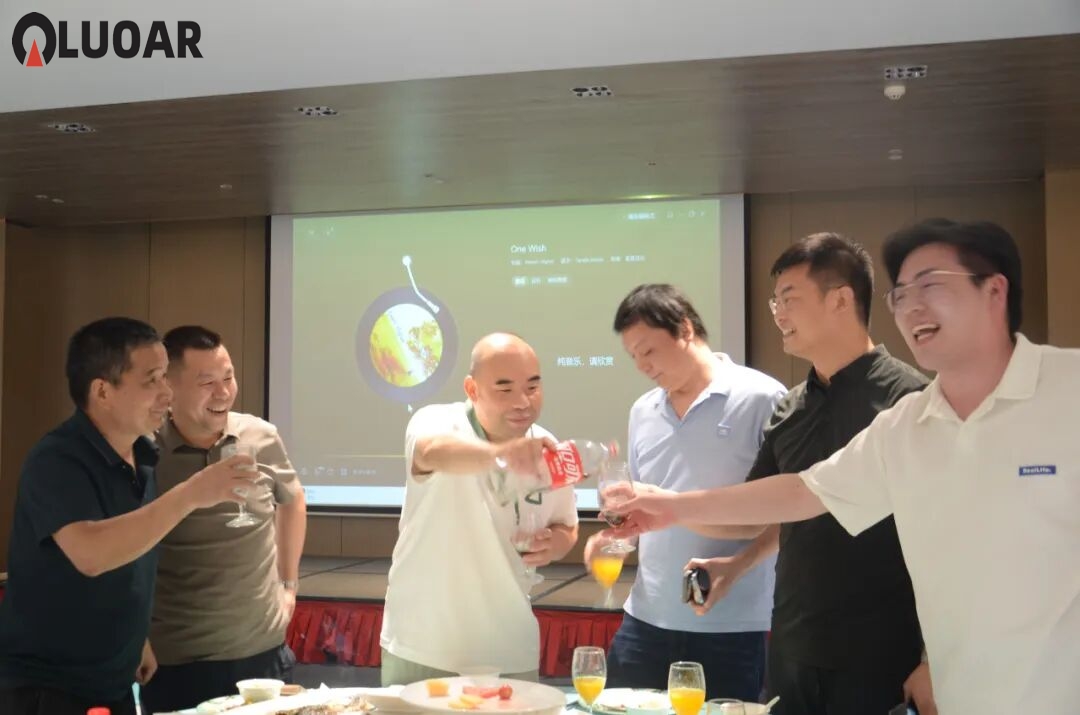
Ahịrị mmepụta ụlọ ọrụ ọgbara ọhụrụ na igwe extrusion na-arụ ọrụ na gburugburu ụlọ nrụpụta dị ọcha
Amụma Trend Azụmahịa: Twin Screw Extruder Market Outlook maka etiti-
Dabere na ihe ngosi ahịa ugbu a, mmepe amụma ahia, na ọgụgụ isi ụlọ ọrụ, A na-atụ anya na ọtụtụ usoro ga-akpụzi odida obodo ejima screw extruder n'ime ọnwa abụọ na-abịa:
Mmụba mmasị ndị na-azụ ahịa Europe na ndị na-ebubata ndị India: Nchikota nke mkparita uka EU-India FTA na-aga n'ihu, na-arị elu ọnụ ahịa mmepụta na Europe, and the need for capacity expansion in recycling and sustainable materials processing is driving more European procurement teams to evaluate Indian manufacturers. Trade shows such as Chinaplas and Plastivision India are expected to see increased European buyer attendance at Indian exhibitor booths. Abụọ Stage Extruder
Supply chain diversification accelerating: The "China Plus One" strategy continues to benefit Indian manufacturers as global buyers seek to reduce concentration risk in their supply chains. Twin screw extruder buyers who previously sourced exclusively from Chinese manufacturers are actively qualifying Indian alternatives, particularly for markets where "Made in India" carries neutral or positive connotations.
Technology upgrades in Indian manufacturing: Several leading Indian twin screw extruder manufacturers have announced investments in Industry 4.0 ike, including IoT-enabled machine monitoring, predictive maintenance systems, and digital twin technology. These upgrades will further narrow the technology gap with European competitors and appeal to sophisticated B2B buyers who require smart manufacturing integration.
Sustainability-driven demand: Global regulatory pressure on plastics recycling (particularly the EU's Packaging and Packaging Waste Regulation) is creating strong demand for twin screw extruders optimized for recycling applications. Indian manufacturers are developing specialized configurations for post-consumer recycled (PCR) material processing, positioning themselves to capture this growing market segment.
Currency and pricing dynamics: The Indian Rupee's relative stability against the US Dollar and Euro in early has maintained favorable pricing for international buyers. Analysts from the Reserve Bank of India project continued stability, suggesting that current pricing advantages for Indian machinery exports will persist through mid-.
Tariff uncertainty in US market: Evolving US trade policy, including potential adjustments to tariff schedules for industrial machinery imports, may create short-term uncertainty for Indian exporters targeting the American market. B2B buyers are advised to monitor developments from the US International Trade Commission and consider accelerating purchase decisions to lock in current duty rates.
Workplace Safety in Extrusion Operations: Protecting Workers with Proper Safety Equipment
Operating twin screw extruders in industrial environments presents significant workplace safety considerations that B2B buyers and factory operators must address. The extrusion process involves high temperatures (often exceeding 300°C), igwe na-agbagharị agbagharị dị arọ, and material handling operations that create multiple hazard zones for workers.
Foot Safety: A Critical Priority in Extrusion Facilities
Among the most important yet sometimes overlooked safety requirements in extrusion facilities is proper foot protection. Workers in twin screw extruder operations face several foot-related hazards:
- Mmetụta ihe dị arọ: Ihe ịghasa, akụkụ gbọmgbọm, and die components can weigh 20-100+ n'arọ. A dropped barrel segment or screw element can cause severe crush injuries to unprotected feet. Safety footwear with steel or composite toe caps rated to EN ISO 20345:2011 (S3 classification) provides essential protection against impacts up to 200 joules.
- Hot material splashes: Molten polymer at temperatures of 180-350°C can splash during die changes, arụ ọrụ nhicha, or material feed disruptions. Heat-resistant safety boots with metatarsal guards protect against thermal burns that could cause permanent tissue damage.
- Ihe egwu mwepu: Pellet ndị wụfuru, mmanu mmanu, and cooling water create slippery floor conditions around extrusion lines. Anti-slip sole designs (Enyere SRC) with oil and water-resistant properties are essential for maintaining stable footing.
- Ihe egwu mkpakọ: During maintenance operations, heavy machine components may need to be positioned on the floor. Anti-compression midsoles protect against puncture injuries from sharp metal fragments, fasteners, or tooling.
- Ihe egwu eletrik: Extrusion lines involve high-voltage electrical connections for barrel heaters and drive motors. Akpụkpọ ụkwụ nchekwa na-ekpuchi ọkụ eletrik na-enye nchebe ọzọ megide ihe omume kọntaktị eletrik.
Ụkpụrụ akpụkpọ ụkwụ B2B nchekwa maka gburugburu ụlọ ọrụ mmepụta ihe
Ụkpụrụ nchekwa mba ụwa na-achịkwa nkọwapụta maka akpụkpọ ụkwụ nchebe ejiri na ntọala ụlọ ọrụ dị ka ụlọ ọrụ extrusion. Ndị na-azụ ahịa B2B na-azụta akụrụngwa nchekwa maka ọrụ ha kwesịrị ịma nke ọma na usoro ndị a:
Ụkpụrụ European EN ISO 20345 na-akọwa nhazi ọkwa akpụkpọ ụkwụ nchekwa site na S1 ruo S5, na S3 bụ ọkwa a kapịrị ọnụ maka gburugburu nrụpụta dị arọ. Akpụkpọ ụkwụ ejiri ọkwa S3 gụnyere okpu mkpịsị ụkwụ nchebe (200J mmetụta mgbochi), mgbochi penetration midsole, mpaghara ikiri ụkwụ mechiri emechi, elu mmiri na-eguzogide, na cleated outsole maka mma njide.
Standardkpụrụ America ASTM F2413 na-enye nkọwapụta nha anya maka ahịa US, na mmetụta (I/75) na mkpakọ (C/75) ratings that correspond to similar protection levels. Many B2B safety footwear suppliers now manufacture products that meet both European and American standards simultaneously, simplifying procurement for multinational operations. Gregs Wades Extruder
For extrusion-specific environments, additional features to specify include:
- Heat-resistant outsoles rated to 300°C contact heat (HRO marking)
- Anti-static properties (A marking) to prevent electrostatic discharge in environments with flammable dust
- Chemical resistance to common industrial solvents and cleaning agents
- Ankle support designs that reduce fatigue during extended standing shifts
- Lightweight composite toe caps as alternatives to steel for improved comfort during 8-12 oge elekere
Okwu azụmaahịa maka itinye ego na akpụkpọ ụkwụ nchekwa dị mma
Cement Extruder 3D Printer For B2B operations running twin screw extruder lines, investing in proper safety footwear delivers measurable returns:
Nrube isi n'usoro: OSHA (in the US), EU Directive 89/656/EEC (in Europe), and equivalent regulations in other jurisdictions mandate appropriate PPE provision. Non-compliance can result in significant fines—OSHA penalties for serious violations can exceed USD 15,000 per instance as of.
Reduced workplace injuries: Dị ka Ụlọọrụ US Bureau of Labor Statistics, mmerụ ụkwụ na-akpata ihe dịka 10% nke mmerụ ahụ niile a kọrọ n'ebe ọrụ na nrụpụta. Proper safety footwear can prevent up to 80% of these incidents, reducing workers' ụgwọ akwụ ụgwọ, furu efu arụpụtaghị ihe, and employee turnover.
Nrụpụta emelitere: Modern safety footwear designs incorporate ergonomic features—insoles kwadoro, nkwado arch, breathable linings—that reduce fatigue and improve worker comfort. Studies published in occupational health journals indicate that comfortable safety footwear can improve worker productivity by 5-12% compared to poorly fitting or outdated protective shoes.
Insurance benefits: Many industrial insurance providers offer premium reductions for facilities that demonstrate comprehensive PPE programs, including documented safety footwear policies and regular replacement schedules.
Ejima-screw Extruder N'ogbe B2B buyers sourcing twin screw extruders from India should consider integrating safety equipment procurement into their overall project planning. Several Indian manufacturers offer turnkey installation packages that include operator safety equipment recommendations tailored to the specific machine configuration and operating environment.

Industrial worker wearing proper safety equipment including protective footwear while operating heavy manufacturing machinery
How to Evaluate and Select an Indian Twin Screw Extruder Manufacturer
For B2B buyers ready to engage with Indian twin screw extruder manufacturers, a structured evaluation process will maximize the probability of a successful partnership:
Nzọụkwụ 1: Define specifications clearly. Prepare a detailed User Requirement Specification (URS) covering screw diameter, Oke L/D, throughput requirements, materials to be processed, downstream equipment needs, and compliance standards (CE, UL, wdg.). Indian manufacturers respond most effectively to well-defined technical requirements.
Nzọụkwụ 2: Shortlist 3-5 ndị na-emepụta ihe. Use industry directories such as PlastIndia Foundation, trade show exhibitor lists, and B2B platforms to identify potential suppliers. Request company profiles, product catalogs, and reference customer lists.
Nzọụkwụ 3: Conduct technical evaluation. Compare proposals on screw and barrel metallurgy (nitrided ígwè, bimetallic, tungsten carbide), gearbox specifications (torque density, service factor), drive system (AC motor ratings, energy efficiency class), and control system capabilities (PLC brand, HMI features, data logging).
Nzọụkwụ 4: Factory audit. Visit shortlisted manufacturers or engage a third-party inspection agency to assess manufacturing capabilities, quality management systems, ngwá ọrụ nyocha, and production capacity. Pay particular attention to machining tolerances, assembly procedures, and final testing protocols.
Nzọụkwụ 5: Negotiate commercial terms. Beyond unit pricing, negotiate warranty terms (kacha nta 12-18 months recommended), spare parts pricing and availability commitments, training provisions, and after-sales service response times. Consider including performance guarantees tied to specific throughput and quality metrics.
Nzọụkwụ 6: Manage logistics and commissioning. Work with experienced freight forwarders familiar with heavy machinery shipments from India. Plan for adequate commissioning time (na-emekarị 3-5 days for a standard twin screw extruder line) and ensure the manufacturer provides qualified commissioning engineers.
Wholesale and Bulk Purchasing: Volume Advantages from Indian Manufacturers
B2B buyers with requirements for multiple twin screw extruder units can leverage significant volume advantages when sourcing from Indian manufacturers:
Hotel Material Second Hand Ọnụ ego olu: Orders of 3+ units typically qualify for 5-15% price reductions compared to single-unit pricing. Staedtler Clay Extruder Larger orders (10+ nkeji) for distribution or multi-site deployment can achieve even more favorable terms through annual supply agreements.
Standardization benefits: Ordering multiple identical configurations reduces per-unit engineering costs and enables manufacturers to optimize production scheduling, often resulting in shorter delivery times for the complete order.
Plastic Pelletizer Machine Manufacturer Consolidated shipping: Multiple machines shipped together reduce per-unit freight costs. A full container load (FCL) of twin screw extruder components is significantly more cost-effective than multiple less-than-container-load (LCL) shipments. Extruder Maschinen Kunststoffverarbeitung
Training efficiency: Commissioning and operator training for multiple identical machines can be conducted more efficiently, with the manufacturer's engineers training a core team that then supports deployment across multiple sites.
Indian manufacturers are particularly receptive to wholesale partnerships with distributors and system integrators who can provide ongoing order volume. Several leading manufacturers operate formal distributor programs with territory exclusivity, marketing support, and technical training for channel partners.
Rows of industrial machinery in a modern warehouse facility ready for wholesale distribution to global B2B buyers
Ajụjụ a na-ajụkarị: Twin Screw Extruder Sourcing from India
- What is the typical lead time for a twin screw extruder from an Indian manufacturer?
- Standard configurations typically require 8-14 weeks from order confirmation to ex-works delivery. Highly customized machines or large-diameter extruders (90mm+) may require 16-20 izu. Lead times can be shorter for manufacturers with pre-built stock of common configurations.
- Do Indian twin screw extruder manufacturers provide CE certification?
- Ee, most export-oriented Indian manufacturers provide CE-marked machines as standard for European market deliveries. Buyers should verify that CE certification covers the complete machine (including electrical systems and safety guards) and is issued by a recognized notified body. UL certification for the US market is also available from select manufacturers.
- What warranty terms are standard for Indian-made twin screw extruders?
- Standard warranty periods range from 12 ka 18 months from the date of commissioning or 18-24 months from the date of shipment, whichever occurs first. Warranty typically covers manufacturing defects in materials and workmanship but excludes wear parts (ihe ịghasa, ogbunigwe liners) na consumables. Extended warranty packages are available from most manufacturers at additional cost.
- How do Indian twin screw extruders compare to Chinese alternatives?
- Indian manufacturers generally offer comparable or superior metallurgical quality for screws and barrels, more transparent business practices, stronger English-language communication capabilities, and increasingly competitive pricing. Chinese manufacturers may offer advantages in very high-volume standard configurations and shorter lead times for basic models. The optimal choice depends on specific application requirements, budget constraints, and buyer preferences for supplier relationship management.
- Can Indian manufacturers supply complete extrusion lines including downstream equipment?
- Ee, many Indian twin screw extruder manufacturers offer complete turnkey lines including strand pelletizers, underwater pelletizing systems, cooling baths, vibrating screens, storage silos, and conve