

Twin Screw Extruder Cost Manufacturer: The Definitive B2B Sourcing and Trade Guide for Buyers
Twin screw extruder cost is one of the most critical factors for B2B buyers navigating the global plastics and polymer processing equipment market in. Whether you are a compounder in Germany, a food processor in Ohio, or a pharmaceutical manufacturer in the Netherlands, understanding how twin screw extruder manufacturers price their machines — and how trade policy shapes those costs — can mean the difference between a profitable capital investment and a costly misstep. This comprehensive guide examines pricing structures from leading twin screw extruder manufacturers, ndị na-ebubata ihe, and factories worldwide, analyzes the current trade landscape, ma na-enye atumatu isi mmalite maka ndị na-ere ahịa na OEM.
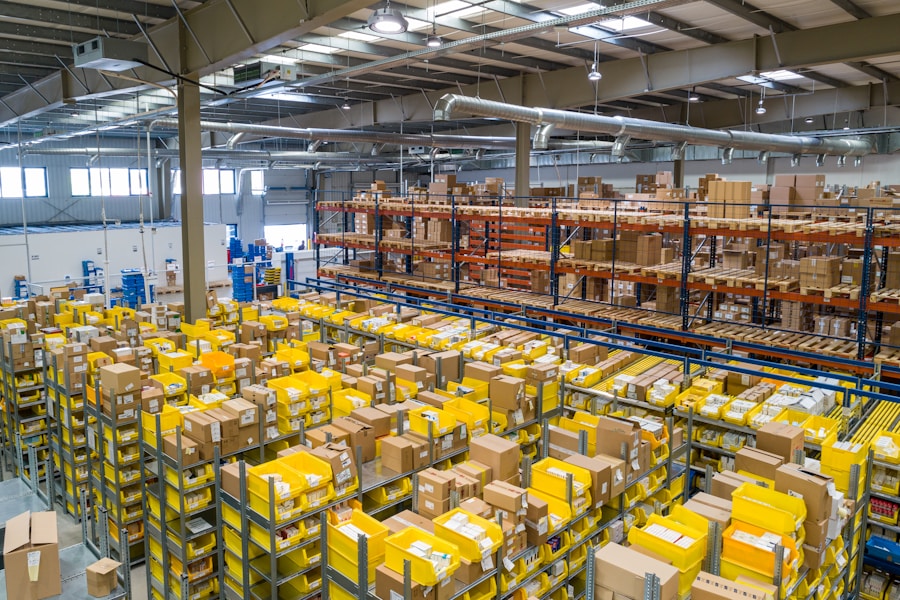
Ụlọ ọrụ mmepụta ihe nwere igwe dị arọ na-anọchi anya ejima ịghasa extruder mmepụta gburugburu ebe obibi
Ịghọta ọnụ ahịa ejima screw Extruder: Isi ihe na-enye ọnụahịa n'ime
Ọnụ ego ejima ịghasa extruder dịgasị iche n'ụzọ dị egwu dabere na nkọwapụta, emeputa mmalite, na ngwa ezubere. N'ime, Ndị na-azụ ahịa B2B nwere ike ịtụ anya ọnụ ahịa ọnụahịa izugbe ndị a:
- Laboratory/obere ihe ejima ịghasa extruders (16–27 mm): $15,000–$80,000
- Ndị na-emepụta ihe dị n'etiti (35–62 mm): $80,000–$350,000
- Nnukwu ulo oru ejima ịghasa extruders (65–135 mm): $300,000–$1,500,000+
- Sistemụ ejima na-agbagharị agbagharị dị elu nwere akụrụngwa mgbada: $500,000–$3,000,000+
Ọtụtụ ihe na-akpata ụgwọ ndị a:
- Dayameta nke ịghasa na nha L/D: Nnukwu dayameta na oke elu ogologo ruo dayameta na-abawanye ihe onwunwe na ọnụ ahịa igwe. A 92 mm extruder na 48:1 L/D ga-eri nke ukwuu karịa a 52 mm unit na 36:1 L/D.
- Metallurgy na eyi nguzogide: Ihe nkedo na orù emere site na nchara ngwá ọrụ (eg., CPM-9V, Stelite mkpuchi) ma ọ bụ na tungsten carbide liners tinye 15–40% to base cost compared to nitrided steel options.
- Torque density and drive system: High-torque gearboxes rated at 11.3 Nm/cm³ or above — standard on premium European machines — represent a major cost component. Servo-driven systems cost more than AC vector drives.
- Control systems and automation: PLC/HMI packages from Siemens or Allen-Bradley, with Industry 4.0 njikọta (OPC-UA, IoT dashboards), can add $30,000–$150,000.
- Country of manufacture: German and Italian manufacturers (Coperion, Leistritz, Maris) typically price 40–100% higher than Chinese manufacturers (Nanjing Jieya, Nanjing Chuangbo, Guangdong Lanson) for comparable specifications, reflecting differences in engineering precision, mgbe-ahịa nkwado, and brand positioning.
According to data compiled from industry trade platforms and manufacturer catalogs reviewed in April–Mee, Chinese-origin twin screw extruders have narrowed the quality gap significantly in the mid-range segment, making them increasingly competitive for US and EU buyers seeking value without sacrificing core performance (Igwe plastik & Imepụta).
The Global Twin Screw Extruder Manufacturing Landscape
The twin screw extruder market is served by manufacturers across three primary regions, each with distinct value propositions for B2B buyers:
Ndị na-emepụta Europe
Europe remains the historical center of twin screw extruder innovation. Key players include:
- Coperion (Stuttgart, Germany): The ZSK series is considered the industry benchmark for co-rotating twin screw extruders. Premium pricing reflects decades of R&D and global service networks.
- Leistritz (Nuremberg, Germany): Known for pharmaceutical and masterbatch applications, with strong US presence through Leistritz Extrusion in Somerville, NJ.
- Maris (Turin, Ịtali): Specializes in high-torque, energy-efficient designs popular in compounding and reactive extrusion.
- Bühler (Uzwil, Switzerland): Dominant in food extrusion twin screw systems.
Chinese Manufacturers
China has become the world's largest producer of twin screw Strand Cut Plastic Extrusion extruders site olu. Ndị nrụpụta ama ama gụnyere:
- Ụgwọ nke ụlọ ọrụ Nanjing Jieya Extrusion Equipment Co., Ltd., Ltd.: Na-enye oke zuru oke site na 20 mm lab extruders ka 135 mm mmepụta ahịrị, na ọnụ ahịa FOB 50–65% n'okpuru European nha.
- Ụlọ ọrụ Nanjing Chuangbo Machinery Co., Ltd., Ltd.: Na-elekwasị anya na ahịrị jikọtara ya na sistemu pelletizing agbakwunyere.
- Ụlọ ọrụ Guangdong Lanson Machine Co., Ltd., Ltd.: Asọmpi na nri na anụ ụlọ extrusion nri anụ ụlọ.
- Ụgwọ nke ụlọ ọrụ Nanjing KY Chemical Machinery Co., Ltd., Ltd.: Amara maka extrusion reactive na ngwa devolatilization.
Ndị nrụpụta na ndị nrụpụta North America
- Ụlọ ọrụ CPM Extrusion Group (na mbụ Century Extrusion): Onye na-emepụta ihe sitere na US nwere ntọala siri ike arụnyere na ngwakọta plastik.
- Ọbụbeghị (Lebanon, MA ọ bụ): Otu n'ime ndị na-emepụta ejima screw extruder ole na ole dabere na US, na-emepụta igwe na-emekọ ihe ọnụ na ihe ndị sitere n'ime ụlọ.
- JSW (Japan Steel arụ ọrụ) — US operations: Japanese precision engineering with North American sales and service.
Cargo containers at a major international shipping port representing global B2B trade logistics for industrial equipment
Trade Policy and Its Impact on Twin Screw Extruder Sourcing
The transatlantic trade relationship directly affects how US and EU buyers source twin screw Extruder Mod extruders, particularly when considering cross-border procurement or third-country imports.
Current Tariff Environment ()
Dị ka nke May, the trade policy landscape affecting industrial machinery imports includes several key developments:
- Ngalaba US 301 tarifu na ngwaahịa ndị China: Twin screw extruders imported from China into the US face tariffs of 25% under HTS codes 8477.20 (extruders) na isiokwu nta ndị metụtara ya. The Biden-era tariff structure has been maintained and in some categories expanded under the current administration, with industrial machinery remaining in the 25% bracket (Nchịkwa azụmahịa mba ụwa).
- EU anti-dumping measures: The European Commission has maintained vigilance on underpriced Chinese industrial equipment, though twin screw extruders specifically have not been subject to formal anti-dumping duties as of Q2. Agbanyeghị, the EU Carbon Border Adjustment Mechanism (CBAM), entering its transitional phase, may indirectly affect pricing for energy-intensive manufactured goods (European Commission — Azụmaahịa).
- Council ahia na teknụzụ (TTC): The TTC has continued discussions on harmonizing standards for industrial equipment, which could simplify CE/UL dual-certification requirements for extruders sold in both markets.
- Steel and aluminum tariffs: Ngalaba 232 tariffs on steel (25%) and aluminum (10%) affect the raw material costs for US-based extruder manufacturers and increase the cost of domestically produced machines, paradoxically making some imported complete systems more cost-competitive despite their own tariff burden.
Maka ndị na-azụ ahịa B2B, the practical implication is clear: a Chinese-manufactured twin screw extruder priced at $200,000 FOB Shanghai will land in the US at approximately $250,000–$270,000 after tariffs, ibu ibu, and customs processing. The same machine imported into the EU may land at €195,000–€220,000, reflecting lower tariff exposure but higher freight costs to European ports (Akwụkwọ akụkọ azụmahịa).
Free Trade Agreements and Preferential Access
The relationship lacks a comprehensive free trade agreement (the TTIP negotiations having stalled years ago), meaning most-favored-nation (MFN) tariff rates apply. Maka ejima ịghasa extruders:
- US MFN duty on extruders from EU: 3.1% (HTS 8477.20.00)
- EU MFN duty on extruders from US: 2.7% (CN code 8477 20 00)
These relatively low reciprocal tariffs make direct trade in twin screw extruders economically efficient compared to sourcing from tariff-burdened origins. A Coperion ZSK shipped from Stuttgart to Houston faces only 3.1% duty, while an Entek machine shipped from Oregon to Rotterdam faces 2.7% — negligible compared to the 25% applied to Chinese-origin equipment entering the US.

Ndị ọkachamara azụmaahịa na-enyocha akwụkwọ azụmaahịa na nkwekọrịta n'ime ụlọ ọrụ ọgbara ọhụrụ na-anọchite anya mkparita uka nzụta B2B
Ohere ahia B2B na Twin Screw Extruder Market
Several converging trends are creating significant opportunities for B2B buyers and sellers of twin screw extruders in the corridor:
1. Sustainability-Driven Demand
The EU Green Deal and US Inflation Reduction Act are both driving investment in recycling infrastructure. Twin screw extruders are essential for:
- Mechanical recycling of post-consumer plastics (PCR compounding)
- Chemical recycling feedstock preparation
- Ngwakọta polymer nke sitere na bio (PLA, PHA, starch ngwakọta)
- Ulo elu nke plastik eji eji oke osimiri na nke ulo oru gachara
Blender Extrude Ort Nkwekọrịta Plastics European na ikike ọkwa steeti US yiri ya (California SB 54, Oregon's Plastic Pollution and Recycling Modernization Act) na-emepụta ebili mmiri nke mmefu ego Imt Aka Aka ihe onwunwe n'ahịrị nhazi na imegharị ihe, ya na ejima ịghasa extruders na isi (European Plastic Pact).
2. Mweghachi na nso-ịsọ mmiri
Ma ndị na-emepụta US na EU na-ekewa ụdọ ọkọnọ site na ịdabere na otu isi mmalite Eshia. Nke a na-akwọ ụgbọala:
- Ihe mgbakwunye ọhụrụ na US Ndịda Ọwụwa Anyanwụ na Midwest
- Mgbasawanye nke mmepụta masterbatch na Poland, Czech Republic, na Spain
- Mmụbawanye ọchịchọ maka ejima screw extruders nke etiti na-edozi ọnụ ahịa na arụmọrụ
3. Uto Nhazi ọgwụ na nri
Twin screw extrusion is increasingly adopted for:
- Na-ekpo ọkụ-agbaze extrusion (HME) in pharmaceutical manufacturing — a market projected to grow at 8.2% CAGR through 2028 (Nchọpụta Nleba anya)
- Plant-based protein texturization using high-moisture extrusion
- Snack food and cereal production expansion in both US and EU markets
4. Ụlọ ọrụ mmepụta ihe 4.0 Njikọta
Ndị na-emepụta Extrusion plastik Buyers increasingly demand twin screw extruders with: Heater Extruder
- Real-time process analytical technology (PAT)
- Predictive maintenance via vibration and temperature sensors
- Cloud-connected dashboards for multi-site production monitoring
- Digital twin capabilities for process optimization
This trend favors manufacturers who invest in software and connectivity — an area where European manufacturers currently lead, though Chinese suppliers are rapidly closing the gap.
Challenges in Cross-Border Twin Screw Extruder Procurement
N'agbanyeghị ohere, B2B buyers face several challenges:
- Technical specification alignment: US buyers accustomed to NEMA electrical standards must ensure European machines are supplied with UL-listed components, or budget for conversion. N'otu aka ahụ, EU buyers importing US machines need CE conformity documentation.
- After-sales service and spare parts: A twin screw extruder is a 15–25 year capital asset. Buyers must evaluate the manufacturer's service network in their region. A low-cost machine from a manufacturer without local service capability can become extremely expensive when a gearbox fails or screw elements need replacement.
- Currency fluctuation: The EUR/USD exchange rate directly impacts cross-border procurement economics. The rate has fluctuated between 1.03 na 1.12 over the past 12 ọnwa, representing a potential 8–9% cost swing on a €500,000 machine.
- Oge ndu: Post-pandemic supply chain normalization has improved lead times, mana ndị na-emepụta European premium ka na-ekwu 6–10 ọnwa maka nhazi nhazi, ebe ndị na-emepụta China na-enyekarị 3–5 ọnwa.
- Nchegbu ihe onwunwe nke ọgụgụ isi: Ụfọdụ ndị na-emepụta China echewo ebubo nke imewe ihe nrụpụta ihe nkesa European screw element. Ndị na-azụ ahịa B2B kwesịrị ime nlezianya kwesịrị ekwesị na nnabata patent, karịsịa maka ngwakọta pụrụ iche na ikpokọta ihe.
A na-ebufe arịa mbupu mba ofesi n'ọdụ ụgbọ mmiri azụmahịa na-anọchi anya ngwa ọrụ akụrụngwa na-agafe agafe
Uru ala na amụma maka azụmaahịa B2B Extruder
Corridor ahia na-enye uru nhazi nke na-erite uru ejima screw extruder ndị na-azụ ahịa na ndị na-ere ahịa: Draftsight Extrude Emela& 39
Akụrụngwa akụrụngwa
The transatlantic shipping route is among the world's most efficient. Isi ọdụ ụgbọ mmiri — Rotterdam, Hamburg, Antwerp-Bruges na Europe; Houston, Savannah, Newark na US — na-enye ọrụ RoRo ugboro ugboro na akpa nwere oge ngafe nke 10–16 ụbọchị. Igwe dị arọ dị ka ejima ịghasa extruders (na-abụkarị 5,000–25,000 n'arọ kpụtara) na-erite uru site na ọrụ breakbulk guzobere na ibu ọrụ n'ụzọ a.
Nkwekọrịta mmekọrịta na-achịkwa
Ọ bụ ezie na nkwenye zuru oke nke ụkpụrụ akụrụngwa ụlọ ọrụ adịghị adị, Nkwekọrịta nnabata ibe ya (MRA) na ntule nkwekọ na-ekpuchi ụfọdụ ụdị ngwaahịa, yana ndakọrịta bara uru n'etiti ntuziaka igwe CE (2006/42/EC) na US OSHA/ANSI chọrọ pụtara na ndị na-emepụta ihe na-emepụta maka otu ahịa nwere ike na-enwetakarị nnabata na nke ọzọ site na mgbanwe mgbanwe karịa karịa nhazigharị zuru ezu..
Akụrụngwa ego
azụmahịa na-erite uru na:
- Ngwa ego ahia ahia tozuru oke (akwụkwọ ozi kredit, Ụlọ ọrụ kredit mbupụ na-akwado site na Ex-Im Bank na Euler Hermes)
- Usoro iwu kwụsiri ike maka mmanye nkwekọrịta (Mgbakọ New York, Mkpezi ikpe ICC)
- Nhọrọ ịgbazinye ego na ngwa akụrụngwa sitere n'aka ndị na-agbazinye ego pụrụ iche (eg., Styker Finance, Otu DLL)
Ọmụmụ ihe gbasara ejima screw Extruder Sourcing in Practice
Ọmụmụ ihe 1: Isi mmalite nke US Compounder sitere na onye nrụpụta German
Ngwakọta plastik dị n'etiti nke dabere na Tennessee chọrọ ịgbasa ikike maka ogige thermoplastic injinia (PA6/GF, PBT, PC/ABS). Mgbe nyochachara nhọrọ sitere na ndị na-emepụta China atọ na ndị na-eweta Europe abụọ, ha họọrọ Leistritz ZSE 60 MAXX ngalaba na-atụgharị skru extruder.
Isi mkpebi ihe:
- Leistritz's US-based service center in New Jersey provided 24-hour spare parts availability
- Nke 18:1 torque njupụta nyeere nhazi nke elu-glass-fiber ogige na-enweghị derating
- Ọnụ ego niile gụnyere nrụnye, inye ọrụ, na ọzụzụ: ihe dị ka $620,000
- Nke 3.1% ọrụ mbubata agbakwunyere naanị ~ $19,000 na ọnụ ahịa ala
- Atumatu ROI na 2.8 years based on increased throughput and reduced scrap rates
The company reported that while Chinese alternatives were quoted at 45–55% lower upfront cost, the total cost of ownership analysis over 10 afọ — factoring in energy efficiency, mmezi akwụ ụgwọ, na oge a na-atụ anya ya — favored the German machine by approximately 12% (Teknụzụ plastik).
Ọmụmụ ihe 2: European Recycler Sources from Chinese Factory
A plastics recycling startup in the Netherlands needed multiple twin screw extruder lines for post-consumer HDPE and PP compounding. With a constrained capital budget and the need for four parallel lines, they sourced from a Nanjing-based manufacturer.
Isi mkpebi ihe:
- Four complete 65 mm twin screw compounding lines (extruder + strand pelletizer + auxiliaries) were procured for approximately €780,000 total — less than the cost of two equivalent European lines
- EU MFN duty on Chinese extruders: 2.7%, adding minimal cost
- Ụlọ ọrụ ahụ goro ụlọ ọrụ nyocha nke ndị ọzọ (SGS) ime nnyocha tupu ebupu na Nanjing
- Commissioning was supported by the manufacturer's traveling engineers, ya na akwụkwọ ikike ọnwa iri na abụọ
- Mmalite ahụ nakweere azụmaahịa nke ụgwọ mmezi nwere ike ịdị elu maka mgbanwe maka ibuga isi obodo ngwa ngwa
Ọmụmụ ihe 3: Ụlọ ọrụ ọgwụ abụọ-isi iyi
CDMO ọgwụ dabere na US (mmepe nkwekọrịta na ụlọ ọrụ mmepụta ihe) nakweere atụmatụ ị nweta ụzọ abụọ maka ngwa mgbaze na-ekpo ọkụ:
- Usoro Thermo Fisher 16 ejima ịghasa extruder maka R&D na mmepụta nke ụlọ ọgwụ (~ $95,000)
- Otu òkè nke Coperion ZSK 26 Mc18 maka mmepụta ọnụ ọgụgụ azụmahịa (~ $450,000)
Ewepụtara igwe abụọ a site na ndị na-emepụta Europe nwere ngwugwu akwụkwọ FDA kwadoro, 21 Akụkụ CFR 11 usoro njikwa dakọtara, yana nkwado nkwado IQ/OQ/PQ zuru oke. The premium pricing was justified by regulatory requirements that made lower-cost alternatives impractical for GMP pharmaceutical manufacturing. Extrusion Material
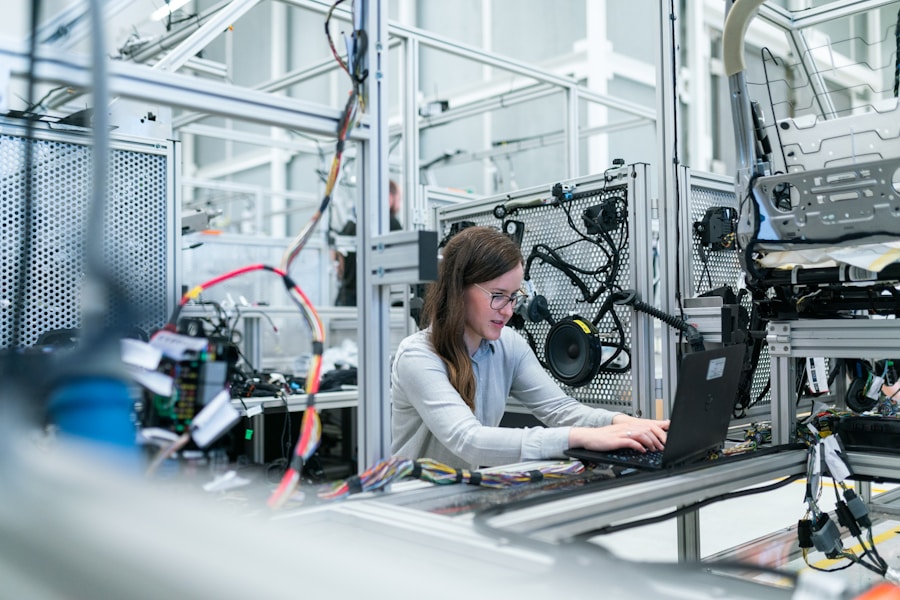
Advanced industrial technology and automation systems representing modern twin screw extruder manufacturing capabilities
Twin Screw Extruder Cost Comparison: Manufacturer vs. Supplier vs. Factory Direct
B2B buyers often encounter twin screw extruders through different channel types, each with distinct cost implications:
| Channel | Typical Markup Over Factory | Uru | Ọdịmma |
|---|---|---|---|
| Direct from Manufacturer | Baseline (0%) | Best price, direct technical support, nhazi | May require minimum order, longer negotiation |
| Authorized Distributor/Supplier | 10–25% | Local stock, faster delivery, bundled services | Higher cost, limited customization |
| Trading Company/Wholesale | 5–15% | Multi-brand access, mbupu jikọtara ọnụ | Less technical expertise, warranty complications |
| Platform B2B dị n'ịntanetị (Alibaba, Emebere na china) | Na-agbanwe agbanwe (0–20%) | Ntụnyere dị mfe, ahia nkwa | Ihe ịma aka nkwenye ịdị mma, oghere nkwurịta okwu |
N'ihi na elu-uru ego akụrụngwa dị ka ejima ịghasa extruders, akwadoro njikọ aka emeputa ozugbo. Ọnụ ego nchekwa na uru nhazi teknụzụ na-akarị ịdị mma nke ọwa etiti.
Atụmatụ ịzụ ahịa n'ogbe na olu
Maka ndị na-azụ ahịa chọrọ ọtụtụ sistemu ejima ịghasa extruder — a na-emekarị n'ịrụgharị ihe, nnukwu ngwakọta, na otu nhazi nri — Atụmatụ ịzụ ahịa n'ogbe nwere ike iwepụta nnukwu ego:
- Mbelata olu: Ọtụtụ ndị nrụpụta na-enye 5–15% Mbelata na iwu nke 3+ nkeji, na mbelata miri emi maka nhazi nhazi.
- Nkwekọrịta etiti: Nkwekọrịta ịzụ ahịa ọtụtụ afọ yana mbufe a haziri ahazi nwere ike igbachi ọnụ ahịa na oghere mmepụta ihe kacha mkpa.
- Ngwakọta akụkụ mapụtara: Negotiating a 2-year spare parts package at the time of machine purchase typically saves 20–30% versus ordering parts individually later.
- Group purchasing: Industry associations and buying cooperatives (common in the European recycling sector) aggregate demand to negotiate better terms.
Forecasting Twin Screw Extruder Trade Trends: June–Ọgọst
Dabere na ihe ngosi ahịa ugbu a, mmepe iwu, na akara ngosi ụlọ ọrụ, the following trends are expected to shape the twin screw extruder market over the next 1–2 ọnwa:
Pricing Pressure from Raw Material Costs
Steel prices in both the US and EU have shown upward movement in Q1–Q2, driven by infrastructure spending and defense procurement. Twin screw extruder manufacturers are expected to implement 3–5% price increases on new orders placed after July. Buyers with near-term needs should consider accelerating purchase decisions to lock in current pricing.
Trade Policy Developments
Extruder Na-eri Filament Onye nnọchi anya azụmaahịa US (USTR) na-eme nyocha nke ngalaba 301 mwepu tarifu nke kubie ume 2024. Enwere nkwado ụlọ ọrụ maka iweghachite mwepu n'ụdị igwe nrụpụta ụfọdụ, nke nwere ike ibelata tarifu dị irè na ndị China sitere na ejima ịghasa extruders si 25% ka 7.5% ọ bụrụ na ịga nke ọma. A na-atụ anya mkpebi n'ọgwụgwụ Q3 (Ụlọ ọrụ nnọchiteanya United States Trade).
Mmetụta mmejuputa EU CBAM
Ka EU Carbon Border Mechanism na-aga n'ihu na mmejuputa iwu zuru oke, ndị na-emepụta ngwá ọrụ ike ike (gụnyere ígwè-arọ ígwè dị ka extruders) si mba Onye na-emepụta igwe ejima-screw extruder na-enweghị ọnụ ahịa carbon dakọtara nwere ike ihu ụgwọ ndị ọzọ. Nke a nwere ike na-abawanye uru ị nweta intra-EU ma ọ bụ nweta site na mba ndị nwere usoro ọnụahịa carbon.. Onye nrụpụta Extruder na-emegharịgharị ihe
Nkwekọrịta teknụzụ
Ihe ngosi ahia plastik NPE2024 (emere na Orlando, Mee 2024) showcased several Chinese manufacturers with significantly upgraded twin screw extruder platforms featuring servo drives, advanced HMI systems, and improved metallurgy. The effects of this technology convergence are now being felt in purchasing decisions, as buyers who saw these machines firsthand are increasingly willing to consider Chinese-origin equipment for applications previously reserved for European machines.
Sustainability Certification Requirements
Screw Extruder Machine Manufacturer EU buyers are increasingly requiring suppliers to provide Environmental Product Declarations (EPDs) and carbon footprint data for capital equipment. Twin screw extruder manufacturers who can document the embodied carbon of their machines will have a competitive advantage in EU tenders, particularly for publicly funded recycling infrastructure projects.
Akara mmepụta ụlọ ọrụ ọgbara ọhụrụ nwere igwe na-akpaghị aka na-anọchite anya nrụpụta dị elu na nhazi ụlọ ọrụ
Ngwa nchekwa nchekwa ụlọ ọrụ B2B: Chebe ndị ọrụ na gburugburu Extrusion
Ọrụ ejima screw extruder na-eweta nnukwu ihe ịma aka nchekwa nke ndị na-azụ ahịa B2B ga-eleba anya dị ka akụkụ nke atụmatụ itinye ego n'isi obodo ha.. Ebe extrusion na-agụnye okpomọkụ dị elu (gbọmgbọm okpomọkụ nke 150–400°C), igwe na-agbagharị agbagharị dị arọ, ejizi polymer a wụrụ awụ, na njikwa ihe eji eme ihe nke abrasive fillers na mgbakwunye. Nchekwa ndị ọrụ — karịsịa nchebe ụkwụ — bụ akụkụ dị egwu na nke a na-eledakarị anya nke arụ ọrụ ihe owuwu extrusion.
Kedu ihe kpatara akpụkpọ ụkwụ nchekwa ji dị mkpa na ebe a na-apụ apụ
Na ejima ịghasa extruder arụmọrụ, ndị ọrụ na-eche ọtụtụ ihe egwu mmerụ ụkwụ ihu:
- Ihe egwu na-etipịa: Ihe ịghasa, akụkụ gbọmgbọm, na anwụ mgbakọ bụ arọ metal components (ihe ịghasa onye ọ bụla tụrụ 2–15 n'arọ; akụkụ gbọmgbọm nwere ike gafere 200 n'arọ). Ịtụpụ ihe ndị a n'oge mgbakọ, mmezi, or changeover poses severe crushing risks to feet and toes.
- Thermal hazards: Molten polymer strands, ihe mkpocha ọkụ, and heated metal surfaces can cause severe burns. Extruder barrel surface temperatures routinely exceed 200°C, and accidental contact with molten polymer (typically 180–320°C) can cause deep tissue burns through standard footwear.
- Mkpughe kemịkalụ: Processing additives, coupling agents, and degradation byproducts can be corrosive or irritating. Spills of liquid additives (eg., peroxides, silane coupling agents) require chemical-resistant footwear.
- Ihe egwu mwepu: Pellet spills, water from strand pelletizing systems, and hydraulic fluid leaks create slippery floor conditions around extruder lines.
- Static discharge: In environments processing flammable dust (eg., wood-plastic composite operations), electrostatic discharge from footwear can create ignition risks.
Safety Footwear Standards for US and EU Markets
Ịzụta B2B akpụkpọ ụkwụ nchekwa maka akụrụngwa extrusion ga-agbasorịrị ụkpụrụ mpaghara:
- US: ASTM F2413-18 — Nkọwa ọkọlọtọ maka chọrọ ịrụ ọrụ maka nchekwa (Nchekwa) Akpụkpọ ụkwụ ụkwụ ụkwụ. Ogo isi gụnyere I/75C/75 (mmetụta na mgbochi mkpakọ), EH (ihe ize ndụ eletrik), na SD (static dissipative).
- EU: NA ISO 20345:2022 — Ngwa nchedo onwe onye — Akpụkpọ ụkwụ nchekwa. Nhazi gụnyere S1 (isi mechiri emechi oche, ike absorption), S1P (na-agbakwụnye nguzogide nbanye), S3 (na-agbakwụnye nguzogide mmiri na nchebe ịbanye n'èzí), na S4/S5 ọhụrụ maka akpụkpọ ụkwụ polymer/ rọba.
- mkpịsị ụkwụ mejupụtara vs. mkpịsị ụkwụ ígwè: Okpu mkpịsị ụkwụ mejupụtara ọgbara ọhụrụ (fiberglass, eriri carbon, Kevlar) izute otu ụkpụrụ mmetụta dị ka ígwè mgbe ị na-adị ọkụ (40–50% mbelata ibu) na ndị na-adịghị eduzi — uru na gburugburu nwere ihe egwu eletriki ma ọ bụ ihe nchọpụta ígwè.
Ịhọrọ Akpụkpọ ụkwụ Nchekwa maka Ọrụ Mpụpụ
Maka ndị na-azụ ahịa B2B na-akwadebe ndị ọrụ ụlọ ọrụ extrusion, akwadoro nkọwapụta ndị a:
- Nchekwa mkpịsị ụkwụ: Opekempe ASTM I/75C/75 ma ọ bụ EN ISO 20345 ọkwa S3. Ihe mkpuchi nchara ma ọ bụ ihe mejupụtara nke na-eguzogide mmetụta 200J na mkpakọ 15kN — zuru ezu iji chebe pụọ na ihe mkpọsa na-ada ada na ngwá ọrụ.
- Nguzogide okpomọkụ: Outsoles gosiri maka nguzogide okpomọkụ kọntaktị ruru 300°C (HRO n'okpuru EN ISO 20345). Nke a na-echebe megide kọntaktị dị nkenke na elu dị ọkụ na ntapu polymer gbazere.
- Ndị nche Metatarsal: Maka ndị ọrụ na-ejikwa akụkụ gbọmgbọm dị arọ na mgbakọ ndị nwụrụ anwụ, mgbochi metatarsal (Mt ọkwa) na-agbatị nchedo mmetụta gafere mpaghara mkpịsị ụkwụ ruo n'ụkwụ elu.
- Nguzogide na-amị amị: SRA (seramiiki tile/sodium lauryl sulfate) na SRB (ígwè / glycerol) gosiri outsoles, ma ọ bụ akara SRC jikọtara ọnụ, dị mkpa maka ọnọdụ ala mmiri na mmetọ ya gburugburu sistemu pelletizing.
- Nguzogide kemịkalụ: Polyurethane ma ọ bụ nitrile rọba outsoles na-eguzogide mmebi sitere na kemịkalụ nhazi extrusion nkịtị.
- Mgbochi ike ọgwụgwụ insoles: Ndị na-arụ ọrụ extrusion na-eguzokarị 8–12 oge elekere. Insoles ergonomic nwere ikike nloghachi ike na-ebelata ihe egwu mmerụ ahụ metụtara ike ọgwụgwụ ma melite nrụpụta.
Okwu azụmaahịa maka akpụkpọ ụkwụ nchekwa adịchaghị na arụ ọrụ B2B
Itinye ego na akpụkpọ ụkwụ nchekwa dị elu na-ebuga ROI a tụrụ atụ maka ndị na-ahụ maka ihe owuwu extrusion.:
- Ndị ọrụ' nkwụghachi ụgwọ mbelata: Mmerụ ụkwụ na mkpịsị ụkwụ ruru ihe dị ka 10% nke mmerụ ahụ niile n'ebe ọrụ na gburugburu n'ichepụta. Ọnụ ego a na-akwụ maka mmerụ ụkwụ na US karịrị $9,000 na-akwụ ụgwọ ozugbo, na-akwụ ụgwọ na-apụtaghị ìhè (furu efu arụpụtaghị ihe, ịmaliteghachi ọzụzụ, Nnyocha OSHA) na-amụba nke a site na 3–5x (Ụlọọrụ Bureau of Labor Statistics — Mmerụ ahụ, Ọrịa, na ọnwụ).
- Nkwenye OSHA/EU-OSHA: Abụọ US OSHA (29 CFR 1910.136) na EU Framework Directive 89/391/EEC chọrọ ka ndị were ọrụ nye PPE kwesịrị ekwesị, gụnyere akpụkpọ ụkwụ nchekwa, na-akwụghị ụgwọ maka ndị ọrụ. Ahụhụ na-anaghị erube isi nwere ike iru $15,625 kwa mmebi (US) ma ọ bụ nha nhata n'okpuru iwu obodo ndị otu EU.
- Njide ndị ọrụ: N'ahịa ọrụ siri ike ugbu a maka ndị ọrụ extrusion nwere nka, inye ntụsara ahụ, Akpụkpọ ụkwụ nchekwa dị elu bụ uru a na-ahụ anya nke na-akwado njide. Nnyocha e mere na-egosi na ntụsara ahụ PPE so n'elu 5 ihe na-emetụta afọ ojuju ndị ọrụ mmepụta ihe.
- Mbelata ego mkpuchi ego: Ụlọ ọrụ nwere mmemme PPE zuru oke, gụnyere akwụkwọ