

Isi ihe eji eme ihe
- Mgbe m na-enyocha Ụlọ ọrụ Extrusion Plastic N'ogbe ndị na-ebubata ihe, Ana m ewere mkpokọta ọnụ ahịa nwe dịka ọnụọgụgụ n'ezie, ọ bụghị ọnụ ahịa ekwuru maka otu ụkwụ. Ngwá ọrụ amortization, ọnụ ọgụgụ kacha nta, etiti oge, na ọrụ nke abụọ na-agbanwekarị ọnụ ahịa nke ala karịa ọnụahịa ntọala kwa ụkwụ.
- Ebe azụ ahịa na-amasị ndị na-azụ ahịa na-eme atụmatụ n'ihu: ahịa extrusion plastik zuru ụwa ọnụ nọdụrụ nso USD 6.9 ijeri 2023 a na-atụkwa anya na ọ ga-eto na CAGR dị n'etiti otu ọnụ ọgụgụ site na mmalite 2030s (Nchọpụta Nleba anya, 2024, grandviewresearch.com), ya mere ikike na mkparita uka ego na-akwụghachi nkwa ogologo oge.
- Nhọrọ ihe na-eme ka ihe niile na-agbada. Na ahụmahụ m, na-esepụta ngwa ahụ na polymer ziri ezi n'ihu-PVC maka profaịlụ ihe owuwu, ABS na polycarbonate maka akụkụ na-eguzogide mmetụta, HDPE na LDPE maka nguzogide kemịkalụ, polypropylene, PETG, acrylic (PMMA), TPE, TPU, ma ọ bụ PEEK maka mkpa ọpụrụiche—na-egbochi ntozu oke ọnụ ma emechaa.
- Asambodo bụ ihe nzacha ngwa ngwa maka onye nrụpụta profaịlụ rọba siri ike. Ana m achọ ISO 9001 akwụkwọ ikike extruder (ISO, 2015, iso.org), gbakwunyere UL nchekwa asambodo (Ihe ngwọta UL, 2024), RoHS ndakọrịta (European Commission, 2023), na ikike PPAP (AIAG, 2023) mgbe a na-ahazi akụkụ ahụ ma ọ bụ ụdọ ọkọnọ ọkọnọ.
- Ngwá ọrụ na ịnwụ bụ ebe a na-emeri ma ọ bụ tụfuo akụ na ụba n'ogbe. M na-arịọ onye ọ bụla na-ere ahịa maka ndakpọ n'ụzọ doro anya nke imewe anwụ anwụ omenala, extrusion tooling akwụ ụgwọ, na ka esi ewepụ ihe ndị ahụ n'ofe kacha nta, yabụ enwere m ike ịṅomi ezi ọnụ ahịa kwa otu n'ofe mmemme zuru oke.
- Co-extrusion na omenala plastic extrusion imeghe ezi ego. Ijikọta ọtụtụ ihe na usoro na otu ngafe nwere ike ibelata ọnụ ahịa mgbakọ ma gbasaa ọrụ akụkụ (Omega Plastics, 2024, omegaplastics.com), nke m na-atụba n'ime imewe mkpebi tupu arịọ ruturu.
- Geography dị mkpa karịa ebe otu onye na-ebubata ya nọ. Site na mweghachi na mmasị dị nso nso (Nbudata eweghachi, 2023), M na-atụle onye na-emepụta rọba ụlọ megide nhọrọ ndị dị n'ikpere mmiri site na iji nyocha ọnụahịa ala zuru oke karịa ọnụ ahịa otu naanị.
- Extrusion na-akwụghachi olu. N'ihi na thermoplastic extrusion na-aga n'ihu, usoro dị elu dabara adaba na ogologo oge nke profaịlụ extrusion plastik na-agbanwe agbanwe (Njikọ ụlọ ọrụ plastik, 2023), Ana m ejikọta ọchịchọ na ịhazi profaịlụ iji nweta ọnụ ahịa ọnụ ahịa ka mma.
- Ahụrụ m ndị na-ebubata ihe n'usoro na-anọpụ iche: ike extrusion prototyping, agba agba na ngwakọta, kwuru oge ndu, MOQ mgbanwe, na akwụkwọ mma. Tụnyere akụkụ plastik extruded na axes ndị a-ọ bụghị naanị ọnụ ahịa isi okwu — bụ ka m ga-esi ahọrọ nnukwu ndị na-ebu ihe extrusion plastik m nwere ike iji tụọ ọnụ..
Ihe Extrusion Plastic N'ogbe pụtara maka ndị na-azụ ahịa B2B
Mgbe mụ na ndị otu na-akparịta ụka na-ekwurịta banyere ịzụrụ n'ahịa, ihe mbụ m mere ka o doo anya bụ nke ahụ “N'ùkwù” ebe a abụghị ihe nkwụnye ego. Ọ bụ ụdị ịzụrụ ihe ejiri olu, repeatability, na njikọ nke onye na-eweta ọrụ. Extrusion bụ ihe na-aga n'ihu, usoro nrụpụta dị elu dabara nke ọma maka ogologo oge mmepụta nke profaịlụ na-agbanwe agbanwe (Njikọ ụlọ ọrụ plastik, 2023), Ya mere, akụ na ụba na-eme ka uche dị ukwuu mgbe ị na-eme ka ụda olu kwụ ọtọ kama ịzụrụ otu oge. Na ahụmahụ m, ndị na-azụ ahịa ghọtara na ọdịiche ahụ na-akpakọrịta nkwekọrịta dị mma karịa ndị na-achụ otu ọnụ ala dị ala.
Ịkọwapụta usoro extrusion na-aga n'ihu na profaịlụ cross-ngalaba edozi
Extrusion na-emepụta akụkụ plastik nwere ihe edozi, edo cross-ngalaba tinyere ha dum ogologo. Chee echiche maka ọwa etiti windo, mkpụbelata ọnụ, tubing, na gaskets. A na-amanye thermoplastic a wụrụ awụ site n'ụdị anwụ anwụ, wee mee ka ọ dị mma ma bee n'ogologo. N'ihi na cross-ngalaba agbanwe agbanwe, ị nwere ike ịgba ọsọ ahụ ruo ọtụtụ awa wee mepụta ọtụtụ puku ụkwụ nke profaịlụ extrusion plastik yiri ya. Nkwekọrịta ahụ bụ kpọmkwem ihe kpatara extrusion ji achịkwa ntụgharị thermoplastic dị elu n'akụkụ ịkpụzi injection, na ọ bụ ya mere e ji akọwa ọnụahịa n'ofe dị ka ọnụ ahịa otu ụkwụ karịa otu ibe.
Otu n'ùkwù si dị iche na ịzụrụ otu oge ma ọ bụ mkpọsa ahịa
Ịzụ ahịa azụmaahịa ma ọ bụ otu oge na-ewere usoro ọ bụla dị ka ihe dịpụrụ adịpụ: ị na-akwụ a premium, nabata ngwaahịa ọ bụla dị, na itinye ego nrụnye n'oge ọ bụla. N'ogbe tụgharịa na. Ị kpọchiri n'ọnụ ọgụgụ kacha nta, amortize extrusion tooling wee nwụọ n'ofe nnukwu mpịakọta, ma chekwaa oge ndu a ga-ebu amụma. Ọnụ ahịa ndị na-ebubata extrusion plastik na-arụ ọrụ na-eche na ị ga-alọghachi, nke mere na ọnụego kwa-ụkwụ na-agbada nke ọma ozugbo ị gafere ọnụ ụzọ MOQ. Azụmahịa bụ nkwa. Ị na-azụta mmekọrịta na usoro mmepụta, ọ bụghị ihe shelf.
Onye na-azụta n'ogbe
Ndị na-azụ ahịa mụ na ha na-arụ ọrụ na-adaba n'ìgwè anọ, na nke ọ bụla nwere ụzọ dị iche iche:
- OEM na-ejikọta akụkụ plastik extruded n'ime ngwaahịa emechara, ebe nnabata profaịlụ na-emetụta mgbakọ ikpeazụ.
- Ndị na-emepụta ihe onye bee, weld, ma ọ bụ laminate profaịlụ n'ime nnukwu mgbakọ na mkpa akụkụ agbanwe agbanwe ogbe ka ogbe.
- Ndị nkesa na-erekwa profaịlụ ọkọlọtọ ndị na-eche maka nnweta ngwaahịa na ọnụego jupụta.
- Ndị otu ịzụrụ ijikwa multi-SKU mmefu, ebe otu ISO gbaara agbapụta extruder nke nwere ike ijikọ akụkụ na-ebelata ndị na-ere ahịa.
Gịnị mere repeatability na-akụri otu obere okwu
Nke a bụ isi ihe m na-etinye ike. Ọnụ ala otu ụkwụ n'otu ịzụrụ ihe pụtara obere ma ọ bụrụ na ogbe na-esote apụọ n'ihi nnabata ma ọ bụ bịarute n'azụ izu atọ.. Ihe karịrị otu afọ mmepụta, mgbanwe na-akpali scrap, akara nkwụsị, na rụgharịa ọrụ, ha niile na-ada obere cents ole na ole kwa ụkwụ. Ahịa ahịa extrusion rọba zuru ụwa ọnụ bụ ihe ruru USD 6.9 ijeri 2023 a na-atụkwa anya na ọ ga-eto na CAGR dị n'etiti otu ọnụ ọgụgụ site na mmalite 2030s (Nchọpụta Nleba anya, 2024), na ọtụtụ n'ime uto ahụ na-abịa site n'aka ndị na-azụ ahịa na-ahazi na ndị mmekọ a pụrụ ịdabere na ya kama ịtụgharị n'etiti ọnụahịa ndị dị ọnụ ala. M na-enyocha ndị na-ebubata n'ogbe na njikwa usoro na nnyefe oge mbụ, mgbe ahụ ọnụahịa.
Kedu ka Usoro Extrusion Plastic si arụ ọrụ
Ịghọta usoro a na-enyere gị aka ịjụ ajụjụ dị nkọ karị n'oge nyocha nke ndị na-eweta ngwaahịa wee hụ ebe ihe egwu dị mma dị. M ga-eje ije site a otu ịghasa thermoplastic extrusion ahịrị otú m ga-esi kọwaa ya na a osisi tour, wee kpuchie ebe ngalaba-extrusion na-agbanwe foto a.
Nri resin, agbaze, na anwụ akpụ
Ahịrị na-amalite na hopper, ebe pellet nke resin a họọrọ na-abanye n'ime gbọmgbọm ọkụ. Resin ndị a na-ahụkarị gụnyere PVC, ABS, polycarbonate, HDPE, LDPE, polypropylene, PETG, acrylic (PMMA), and specialty engineering polymers such as PEEK. A rotating screw conveys the material forward while barrel heaters and shear from the screw melt it into a homogeneous, viscous flow. PVC is among the most widely used polymers in construction and building-product profiles (Njikọ ụlọ ọrụ plastik, 2023), which is why so many extruded window, ewepụtụ, and fencing profiles run on PVC-optimized lines. The melt is then pushed through a die that shapes the fixed cross-section. Custom die design is the heart of a bespoke profile, and small die geometry choices determine wall thickness, akụkụ radii, and how the material flows.
Na-ajụ oyi, nha nha, mmezi, na ịkpụ-na-ogologo
Fresh out of the die, the profile is soft and must hold its shape. It passes into a cooling tank or water bath, often through a vacuum calibration table that pulls the profile against sizing dies to lock dimensions. Profaịlụ siri ike na-adabere na nhazigharị; ndị na-agbanwe agbanwe dị ka TPE ma ọ bụ TPU gaskets na-eji nwayọọ dị jụụ iji zere mgbagha. Onye na-adọkpụ na-ejigide ọsọ ahịrị na-agbanwe agbanwe, na nkwọ ma ọ bụ ihe ncha na-arụ ogologo-na-ogologo. Nkwekọrịta siri ike ma ọ bụ atụmatụ agbakwunyere na-abịa site na arụmọrụ nke abụọ dị ka ịkụ ọkpọ, igwu mmiri, ma ọ bụ itching downstream.
Single extrusion vs co-extrusion na multi-material profaịlụ
Otu extrusion na-agba ọsọ otu ihe site na otu anwụ anwụ. Co-extrusion na-azụ ihe abụọ ma ọ bụ karịa site na-ekekọrịta anwụ n'out oge, na-ejikọta ha na otu profaịlụ. Nke a bụ otu ị ga - esi nweta isi ihe owuwu PVC siri ike nwere egbugbere ọnụ TPE dị nro, ma ọ bụ akwa akwa na-eguzogide UV karịa mkpụrụ dị ọnụ ala. Ọrụ mgbakwunye na-enye gị ohere idowe ihe dị oke ọnụ ma ọ bụ ihe pụrụ iche naanị ebe achọrọ ya, ma jikọta akụrụngwa nke otu resin enweghị ike ịnapụta. Nkwekọrịta agba na ngwakọta na-emekarị ebe a, ya mere a pụrụ iche show elu ụzọ abụọ na a echekwa ahu.
Kedu ka nhọrọ usoro si emetụta ọnụ ahịa yana ọrụ
Nhọrọ ọ bụla dị n'elu nwere ọnụ ahịa na ụgwọ ọrụ. Co-extrusion na-agbakwụnye mgbagwoju ngwá ọrụ na nhazi, ma ọ nwere ike iwepụ njikọ nke abụọ ma ọ bụ mgbakọ kpamkpam. Nhazi nke siri ike na-ebuli ihe egwu dị na mmalite mana ọ na-ewepụta akụkụ ndị na-adaba na mgbakọ na-enweghị ọrụ ọzọ. Na omume, m na-edepụta mkpebi usoro ọ bụla ka ọ bụrụ ihe arụrụ arụ, n'ihi na ịkwụ ụgwọ maka co-extrusion ma ọ bụ nkenke nha bụ naanị ezi uche mgbe akụkụ emechara chọrọ ya n'ezie.
Profaịlụ Extrusion Omenala vs Stock Plastic Extrusion Profaịlụ
Mkpebi omenala na ngwaahịa ngwaahịa na-ebufe ọnụ ahịa ala gị karịa ihe fọrọ nke nta ka ọ bụrụ nhọrọ ọ bụla ọzọ, n'ihi ya, m na-emeso ya dị ka nyocha nke ụma kama ịbụ nke ndabara. Azịza ziri ezi dabere na olu, ọrụ chọrọ, yana otu profaịlụ si dabara na ọgbakọ gị sara mbara.
Mgbe profaịlụ ngwaahịa bụ nhọrọ dị ọnụ ahịa
Profaịlụ ngwaahịa anaghị ebu ọnụ ahịa ngwaọrụ, ụgbọ mmiri ngwa ngwa, ma hapụ gị ka ị zere nkwa MOQ ejikọtara na ọnwụ raara onwe ya nye. Maka ụdị ọkọlọtọ dịka tube square, akụkụ, U-ọwa, ma ọ bụ mkpụbelata nkịtị, profaịlụ ngwaahịa sitere na onye nrụpụta profaịlụ rọba na-abụkarị oku smart. Ọ bụrụ na akụkụ katalọgụ ezute oke gị yana ịrụ ọrụ n'ime nnabata, Anaghị m akwado ịkwụ ụgwọ maka imepụta anwụ anwụ omenala naanị iji kpụọ otu millimita. Mmemme olu dị ala ruo na-agafeghị oke na ihe atụ dabere ngwaahịa, and extrusion prototyping with near-stock profiles keeps early costs down.
When custom tooling pays off through part consolidation
Custom tooling earns its keep when a single engineered profile replaces several separate parts. Custom plastic extrusion can combine multiple materials and processes to reduce assembly cost and extend functionality (Omega Plastics, 2024). When I can consolidate three fastened components into one co-extruded profile, the tooling amortizes quickly across a production run, and the savings compound every year the part ships. The break-even math is straightforward: divide tooling cost by the per-part savings, then compare against annual volume.
|
Ihe kpatara ya |
Stock profiles |
Profaịlụ ahaziri ahazi |
|---|---|---|
|
Ọnụ ahịa ngwá ọrụ dị n'ihu |
Ọ dịghị |
Die and calibration tooling required |
|
Ọnụ ahịa kacha nta |
Low or none |
Nke ka elu, tied to tooling amortization |
|
Duru oge na akụkụ mbụ |
Ngwa ngwa (dị na ngwaahịa) |
Ogologo oge (ngwá ọrụ iwu + mbụ isiokwu) |
|
Ọnụ otu ụkwụ na olu |
Na-agafeghị oke |
Obere ala ozugbo etinyere ngwa ọrụ |
|
Kwesịrị ekwesị na arụmọrụ |
Egwuregwu kacha dị |
Emepụtara ya kpọmkwem ihe achọrọ |
|
Ike nkwado akụkụ |
Oke |
Elu (ngalaba-extrusion, agbakwunyere atụmatụ) |
|
Kacha mma dabara |
Prototypes, obere olu, ọkọlọtọ shapes |
Nnukwu olu, geometry pụrụ iche, mgbakọ mbelata |
|
Ihe kpatara ya |
Stock profiles |
Profaịlụ ahaziri ahazi |
|---|---|---|
|
Ọnụ ahịa ngwá ọrụ dị n'ihu |
Ọ dịghị |
Die and calibration tooling required |
|
Ọnụ ahịa kacha nta |
Low or none |
Nke ka elu, tied to tooling amortization |
|
Duru oge na akụkụ mbụ |
Ngwa ngwa (dị na ngwaahịa) |
Ogologo oge (ngwá ọrụ iwu + mbụ isiokwu) |
|
Ọnụ otu ụkwụ na olu |
Na-agafeghị oke |
Obere ala ozugbo etinyere ngwa ọrụ |
|
Kwesịrị ekwesị na arụmọrụ |
Egwuregwu kacha dị |
Emepụtara ya kpọmkwem ihe achọrọ |
|
Ike nkwado akụkụ |
Oke |
Elu (ngalaba-extrusion, agbakwunyere atụmatụ) |
|
Kacha mma dabara |
Prototypes, obere olu, ọkọlọtọ shapes |
Nnukwu olu, geometry pụrụ iche, mgbakọ mbelata |
Rịba ama: ụkpụrụ bụ ntụzịaka ma dị iche site na resin, mgbagwoju anya profaịlụ, na soplaya; kwadoro nkọwapụta mgbe a na-ekwu okwu.
Kedu ka extrusion omenala si ebelata ọnụ ahịa mgbakọ ma gbasaa ọrụ
Mmeri kachasị ukwuu m na-ahụ abụghị na profaịlụ n'onwe ya mana na ihe na-eme ala. Profaịlụ ahaziri ahazi nwere njirimara snap agbakwunyere, geometry nke hinge, ma ọ bụ akara nke jikọtara ọnụ na-ewepụ ihe ngbochi, adhesives, na-arụ ọrụ site n'ahịrị mgbakọ. Ịgbatị arụmọrụ na-arụ ọrụ n'otu ụzọ ahụ: a ngalaba-extruded nro egbugbere ọnụ na-enweghị gasket dị iche iche, and a capstock adds weatherability without a coating step. Each eliminated operation removes cost, ngwa ahịa, and a potential failure point.
Design-for-extrusion basics that lower scrap and cost
Good profile design starts before tooling, and a few principles from my design reviews consistently cut scrap and cost:
- Keep wall thickness uniform. Uneven walls cool at different rates, causing warping and higher reject rates.
- Add generous radii. Sharp internal corners concentrate stress and complicate die flow; rounded corners extrude more cleanly.
- Avoid unsupported thin sections. Ogologo, thin flanges sag before calibration and drive dimensional variation.
- Design symmetry where possible. Balanced cross-sections cool evenly and hold tolerance with less calibration effort.
- Select material early. Match the resin to the application up front, ebe ọ bụ na ihe onwunwe nhọrọ na-agbanwe achievable mgbidi ọkpụrụkpụ, ndidi, na anwụ imewe.
Mgbe ị wetara isi ihe ndị a na ọkwa nhota, ndị na-ebunye ihe nwere ike ịmepụta ngwá ọrụ dị mfe, na-agba ọsọ na elu mkpụrụ, ma nyeghachi gị arụmọrụ ndị ahụ na ọnụ ahịa otu ụkwụ. Maka anya miri emi na ijikọta ihe na usoro na otu profaịlụ, nkọwa si Omega Plastics na extrusion plastik omenala bụ ntụaka bara uru.
Ndị na-emepụta Extrusion plastik vs ndị nkesa: Onye ga-azụta

Mgbe mbụ m malitere isi ihe extruded plastic akụkụ na olu, M tụfuru izu na-eche na ọ bụla ụlọ ọrụ nwere a polished website n'ezie efehe extrusion akara. Ọtụtụ emeghị. Ịghọta ọdịiche dị n'etiti ezigbo onye nrụpụta profaịlụ rọba na onye nkesa na-ereghachi ihe onye ọzọ bụ otu nzacha kachasị baa uru m na-etinye tupu m rịọ maka nkwupụta..
Kedu ihe onye nrụpụta n'ezie na-achịkwa nke onye nkesa anaghị eme
Onye nrụpụta nwere usoro site na resin raw ruo profaịlụ emechara. Nke ahụ pụtara na ha na-achịkwa kposara extruder wee nwụọ, akụrụngwa jụrụ oyi na ịdọrọ, agba agba na ngwakọta, na nke abụọ arụmọrụ dị ka ịcha, ịkụ ọkpọ, na obibi akwụkwọ. N'ihi na extrusion na-aga n'ihu, usoro nrụpụta dị elu dabara nke ọma maka ogologo oge mmepụta nke profaịlụ na-agbanwe agbanwe (Njikọ ụlọ ọrụ plastik, 2023), na kpọmkwem akara na-asụgharị n'ime repeatable tolerances na ike ịgbanwe a ọsọ n'etiti iyi.
Onye nkesa, n'ụzọ dị iche, na-ejidekarị ngwa ahịa nke ụdị ọkọlọtọ ma ọ bụ ndị na-ere ahịa gị ka ị nweta osisi ndị ọzọ. Ha nwere ike na-anabata na adaba, ma ha anaghị achịkwa extrusion tooling wee nwụọ, ha enweghị ike ikwe nkwa ihe eji eme ihe mgbe niile, na ha na-agbakwunye oke oyi akwa na-agbakwunyeghị ikike usoro. N'ihi na omenala anwụ imewe, ngalaba-extrusion, ma ọ bụ akara ọkwa ihe akọwapụtara, ọdịiche ahụ dị mkpa.
Azụmahịa na ọnụahịa, Etiti oge, na nhazi
Na ahụmahụ m mkpebi na-agbada na anyụike atọ. Ndị na-emepụta ihe na-enwekarị mmeri na extrusion plastik omenala, unit Economics na olu, na ịchịkwa nhọrọ ihe n'ihi na ị naghị akwụ onye na-agba ọsọ ụgwọ ma ị nwere ike imezi ngwá ọrụ ozugbo. Ndị na-ekesa nwere ike imeri ọsọ ọsọ maka profaịlụ extrusion plastik ọkọlọtọ ha echekwabara yana na obere iwu dabara n'okpuru ọnụ ọgụgụ kacha nta nke osisi..
| Ihe kpatara ya | Ezi Onye nrụpụta | Onye nkesa / Onye na-ere ere |
|---|---|---|
| Omenala anwụ imewe | Njikwa zuru oke; nwere ngwá ọrụ | Oke; outsources na osisi |
| Ọnụ otu ụkwụ na olu | Ala (enweghị oke etiti) | Nke ka elu (agbakwunyere akara) |
| Wepụta oge na profaịlụ ngwaahịa | Ogologo oge ma ọ bụrụ na ị na-ahazi ịgba ọsọ | Ọsọ ọsọ site na ngwa ahịa dị |
| Njikwa ihe na ngwakọta | Direct (PVC, ABS, HDPE, TPE, wdg.) | Na-adabere na isi iyi osisi |
| Ọrụ mmekọ ọnụ | Dị n'ime ụlọ | A naghị enyekarị ya ozugbo |
| Kacha mma dabara | Omenala, oke olu, nnabata siri ike | Profaịlụ ọkọlọtọ, obere olu, ngwa ngwa ntụgharị |
Mgbe onye nkesa nwere nghọta maka profaịlụ ọkọlọtọ
Anaghị m emeso ya “emeputa” dị ka na-akpaghị aka mma. Ọ bụrụ na achọrọ m profaịlụ PVC ma ọ bụ HDPE n'ụzọ dị ntakịrị n'izu na-abịa, onye nkesa nwere ngwaahịa na-abụkarị nhọrọ ezi uche dị na ya. Ngwá ọrụ adịlarị ebe, geometry bụ ọkọlọtọ, na m na-azụta nnweta karịa injinia. Custom plastic extrusion can combine multiple materials and processes to reduce assembly cost and extend functionality (Omega Plastics, 2024), mana uru ahụ na-akwụ ụgwọ naanị mgbe akụkụ gị chọrọ ya n'ezie.
Otu esi enyocha onye na-agba ọsọ ahịrị Extrusion n'ezie
Ndepụta nkwenye m dị nkenke na enweghị isi. M na-arịọ ka ịhụ osisi, ma n'onwe ma ọ bụ site na vidiyo. M na-ajụ ole extrusion ahịrị ha na-arụ ọrụ na ihe ịghasa diameters ha na-agba ọsọ. M na-ajụ ma ha na-egbutu ma wuo ọnwụ nke aka ha ma ọ bụ na-arụ ọrụ ha. M na-arịọ maka ISO ha 9001 akwụkwọ ozugbo, site na ISO 9001 na-akọwa ụkpụrụ njikwa mma nke ndị nrụpụta nakweere n'ọtụtụ ebe (International Organisation for Standardization, 2015). Ezigbo onye na-apụnara mmadụ ihe na-aza ndị a n'egbughị oge. Onye na-ere ere na-echegharị na broshuọ na “netwọk mmekọ” asụsụ, nke bụ ihe m ga-eji na-arịọ.
Otu esi achọta ụlọ ọrụ extrusion plastik nso gị
A na-ebelata ịdị nso ruo mgbe mbipụta ịdịmma mbụ rutere n'ọdụ ụgbọ mmiri gị. Onye na-ebubata ihe dị awa atọ bụ nke ị nwere ike ịga; onye na-ebubata oge mpaghara atọ dịpụrụ adịpụ bụ nke ị email na olile anya. Ana m atụle ọdịdị ala nke ọma, ma ọ dịghị mgbe m kwere ka ọ kagbuo ike. Nke a bụ ka m si edozi ha abụọ.
Uru nke ịdị nso ụlọ: Ibu ibu, Nkwukọrịta, na nlekọta
Onye na-emepụta rọba ụlọ dị nso na-ebelata ụzọ ibu ibu gị, nke na-ebelata ọnụ ahịa ala ma na-ebelata ihe ize ndụ mmebi na ogologo oge, akụkụ rọba dị gịrịgịrị extruded nke na-agbanwe n'ụzọ. Ọ na-akpakọkwa akaghị nzikọrịta ozi. Mgbe m nwere ike ịkpọ n'otu oge azụmahịa wee ruo onye injinia na-asụ asụsụ m na mbọ mbụ, A na-edozi nsogbu n'ime awa kama ụbọchị. Ịdị nso na-emekwa ka nlekọta na saịtị dị irè, ya mere enwere m ike ikiri ihe edemede mbụ na-agba ọsọ ma ọ bụ nyochaa ihe ndozi kama ịtụkwasị foto obi.
Iji akwụkwọ ndekọ aha, Ndị otu azụmaahịa, na Ntuziaka
M na-amalite na ọwa atọ. Ndị otu azụmaahịa dị ka Plastics Industry Association na-edobe ndepụta ndị otu na-adaba na nke ziri ezi, nyekwara emeputa. Ntugharị sitere n'aka ndị ọgbọ nọ n'ụlọ ọrụ ndị dị n'akụkụ bụ ebe mgbaama m kachasị elu n'ihi na ha na-ebu ajụjụ. Akwụkwọ ndekọ aha izugbe na-enyere aka mejupụta maapụ ahụ, ma ana m ewere ha dị ka ndepụta mmalite, ọ bụghị ndepụta nhọrọ. Ana m ezere ịdabere na saịtị ndepụta aha naanị n'ihi na ha na-agwakọta ezi extruders na ndị na-ere ahịa na-enweghị isi..
Ihe ị ga-ajụ Ntuziaka
Mgbe onye ọrụ na-akwado onye na-ebubata ya, M na-ajụ ihe ha zụtara n'ezie, ma ọ bụ omenala ma ọ bụ ọkọlọtọ, ka usoro prototyping extrusion siri gaa, na otu onye na-ebubata ya siri dozie nsogbu. Ajụjụ ikpeazụ bụ nke kacha ekpughe.
Otu esi akwado ikike na ikike mpaghara
Being nearby means nothing if the plant cannot run your material or hit your volume. I confirm the specific polymers they process, whether that is PVC extrusion, ABS, polycarbonate, HDPE, LDPE, polypropylene, PETG, TPE, TPU, acrylic (PMMA), or an engineering resin like PEEK. I confirm they offer co-extrusion if my part needs a dual-durometer or dual-color profile. I ask about line count and shift capacity to gauge whether my order competes with larger customers for schedule time.
Balancing Proximity Against Specialization
Sometimes the right extruder is not the closest one. If my part demands PEEK or a tight-tolerance medical profile, I will accept longer freight to reach a specialist rather than force a generalist to learn on my dime. Ọchịchị m: for standard, high-volume PVC or polypropylene profiles, prioritize proximity; for specialized materials or demanding tolerances, prioritize the capability and treat distance as a solvable logistics problem.
Wholesale Plastic Extrusion Companies in the USA
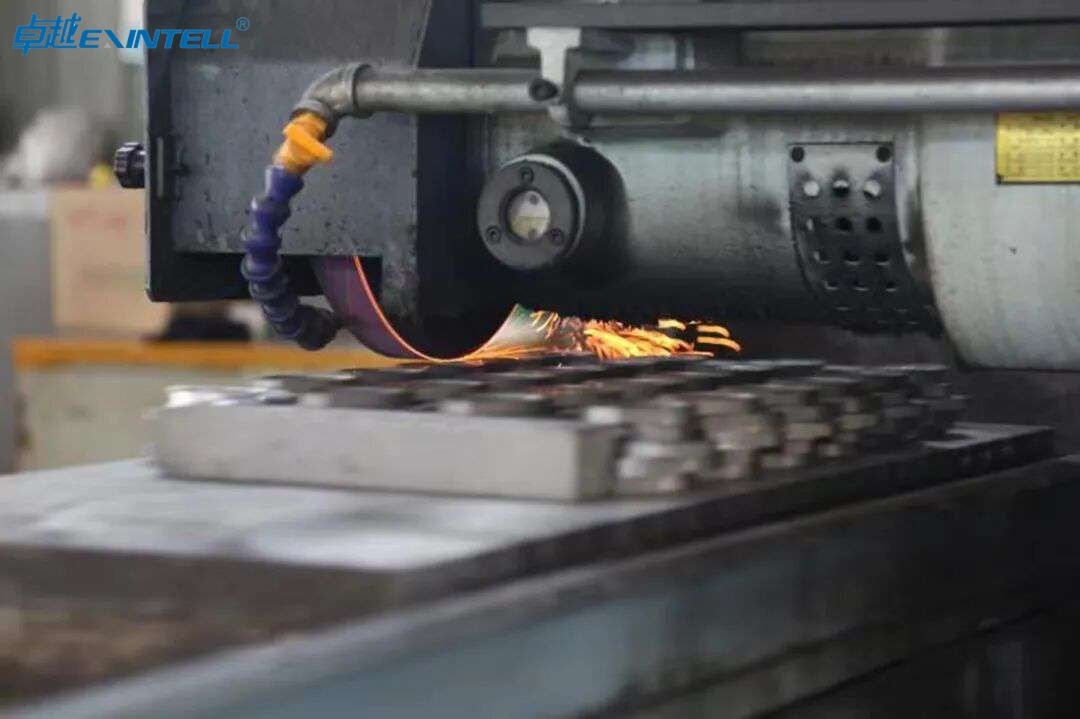
For wholesale volumes, US-based sourcing has grown from a patriotic preference into a defensible cost and risk decision. Ahịa ahịa extrusion rọba zuru ụwa ọnụ bụ ihe ruru USD 6.9 ijeri 2023 a na-atụkwa anya na ọ ga-eto na CAGR dị n'etiti otu ọnụ ọgụgụ site na mmalite 2030s (Nchọpụta Nleba anya, 2024), and a meaningful share of that capacity sits inside the United States, where the plastics industry employs hundreds of thousands of workers (Njikọ ụlọ ọrụ plastik, 2023).
Advantages of US-Based Sourcing for Wholesale Volumes
At wholesale scale, the numbers that once favored offshore sourcing have narrowed. Domestic suppliers give me shorter, more predictable lead times, lower inventory carrying costs because I can order closer to demand, and far simpler communication when a tooling revision or color match needs a fast turn. On a full landed cost analysis, gụnyere ibu, ọrụ, àgwà ize ndụ, and working capital tied up in transit, a domestic bulk plastic extrusion supplier is frequently competitive on long production runs even before intangibles.
Regional Manufacturing Hubs and Their Strengths
US extrusion capacity clusters in recognizable ways. The Great Lakes and Upper Midwest carry deep automotive and industrial roots, which pairs well with disciplined supplier processes. The Northeast and Mid-Atlantic host many precision and medical-oriented shops. The Southeast has grown quickly with newer plants and competitive labor, and the West Coast serves consumer and technology-adjacent demand. I choose a hub based on which specialization aligns with my application and which lane minimizes my freight.
Compliance and Quality Expectations for Domestic Suppliers
Wholesale buyers should hold domestic suppliers to explicit standards, and reputable US extruders expect it. M na-achọ ISO 9001 quality management as a baseline (International Organisation for Standardization, 2015). Depending on the market, I add UL safety certification for electrical and building components (Ihe ngwọta UL, 2024), RoHS compliance where hazardous-substance restrictions apply (European Commission, 2023), and PPAP documentation for automotive parts, since PPAP is a standardized supplier part-approval process originating in the automotive industry (Automotive Industry Action Group, 2023). Material-specific traceability matters too, especially for regulated PVC building profiles, since PVC is among the most widely used polymers in construction and building-product profiles (Njikọ ụlọ ọrụ plastik, 2023).
How Reshoring Affects Lead Times and Cost Stability
Reshoring and nearshoring trends have increased interest in domestic US manufacturing sourcing (Nbudata eweghachi, 2023), and I have felt the practical effects. As more capacity comes back onshore, I have seen lead times stabilize and become easier to forecast, which lets me run leaner inventory with less safety stock. Domestic sourcing also insulates my pricing from ocean-freight volatility and currency swings, giving me steadier cost per foot across a multi-year program. For a wholesale buyer planning capacity and tooling amortization over several years, that predictability is worth as much as the headline unit price. For a broader primer on how custom profiles are engineered, I point teams to resources such as this overview of custom plastic extrusions.
Ụlọ ọrụ Extrusion Plastic na-enweta na California
Mgbe ndị na-azụ ahịa jụrụ m ebe m ga-esi nweta akụkụ plastik extruded na West Coast, California fọrọ nke nta ka ọ bụrụ ahịa mbụ m na-enyocha. Steeti na-ejikọta oke ọchịchọ, a miri soplaya isi, na nso nso ọdụ ụgbọ mmiri, nke na-eme ka ọ bụrụ arịlịka ezi uche dị na ya maka onye ọ bụla na-ewu eriri ọkọnọ mpaghara. Nke ahụ kwuru, inweta ebe a abụghị nhọrọ kacha ọnụ ala ozugbo, na n'ahụmahụ m mkpebi ziri ezi dabere n'otú ị si atụ ọnụ ala ala megide oge ndu, usoro dabara adaba, na nkwado injinia.
Njirimara ahịa California na ọchịchọ ụlọ ọrụ
California na-adọta ọchịchọ sitere n'ọtụtụ ụlọ ọrụ n'otu oge: ihe owuwu na ụlọ, ngwaọrụ ahụike, ihe eji eletrọnịkị ihe, ugbo, na njem njem. That diversity matters because it keeps a broad roster of plastic profile manufacturers active and specialized. The underlying market is substantial and growing. Ahịa ahịa extrusion rọba zuru ụwa ọnụ bụ ihe ruru USD 6.9 ijeri 2023 a na-atụkwa anya na ọ ga-eto na CAGR dị n'etiti otu ọnụ ọgụgụ site na mmalite 2030s, dị ka Grand View Research si kwuo (2024). California’s share of that activity is disproportionately large relative to its geography because so many downstream OEMs are headquartered or assembled here.
Regulatory and environmental considerations in the state
California layers state-level environmental rules on top of federal and international requirements, so I always verify compliance capability early. If your product ships into consumer or electronics channels, you will likely need suppliers who can document RoHS conformity, which restricts hazardous substances in applicable products (European Commission, 2023). Beyond that, California’s air-quality and waste regulations affect how extruders handle compounding, purge, and regrind. A supplier that already operates cleanly under these constraints removes a compliance burden from your side, and that is worth paying a modest premium for.
Serving West Coast supply chains efficiently
The strongest case for a California extruder is logistics. Extrusion bụ ihe na-aga n'ihu, usoro nrụpụta dị elu dabara nke ọma maka ogologo oge mmepụta nke profaịlụ na-agbanwe agbanwe (Njikọ ụlọ ọrụ plastik, 2023), which means freight, not tooling, often dominates the recurring cost of bulky profiles. Sourcing within the region shortens transit for high-volume, low-density parts where shipping quickly erodes any unit-price savings from a distant plant. For a West Coast assembler running just-in-time inventory, a same-day or next-day truck lane frequently justifies the choice on its own.
Evaluating California suppliers vs shipping from elsewhere
I resist treating “California vs elsewhere” as a binary. The honest comparison is landed cost analysis: unit price plus tooling amortization plus freight plus inventory carrying cost plus the risk cost of longer lead times. Reshoring and nearshoring trends have increased interest in domestic US manufacturing sourcing (Nbudata eweghachi, 2023), and a domestic plastic manufacturer in a neighboring state may beat a California quote once you factor everything in. Ọchịchị m: get at least one in-state quote and one out-of-state quote, then normalize both to fully landed cost per foot before deciding.
How to Identify the Best Wholesale Extrusion Companies
Once I have a geographic shortlist, the harder work begins: separating a capable bulk plastic extrusion supplier from one that merely quotes low. I use a vendor-neutral framework built on four pillars — capability, track record, financial stability, and an objective score — so that comparisons stay honest across very different companies.
Capability breadth, nkwado injinia, and quality systems
Capability is more than “can you extrude this profile.” I look for design-for-manufacturability input, custom die design experience, na ngalaba extrusion ọrụ, because custom plastic extrusion can combine multiple materials and processes to reduce assembly cost and extend functionality (Omega Plastics, 2024). Quality systems are non-negotiable at wholesale volumes. An ISO certified extruder operating under ISO 9001, the widely adopted quality management system standard (International Organisation for Standardization, 2015), gives me documented process control. For regulated end markets, I also check for UL safety certification relevant to many extruded plastic components (Ihe ngwọta UL, 2024) na, in automotive programs, PPAP capability — the standardized supplier part-approval process originating in the automotive industry (Automotive Industry Action Group, 2023).
Track record, ntụaka, and industry specialization
A supplier’s history tells me whether they can repeat quality across thousands of feet. I ask for references in my specific industry, not just any customer, because a firm that excels at rigid PVC extrusion for construction may struggle with tight-tolerance medical tubing. Specialization signals depth: dialed-in tooling, proven resin recipes, and color matching and compounding routines they have run before. I weight a relevant three-year track record more heavily than a broad but shallow customer list.
Financial stability and capacity to scale with you
The US plastics industry is a major manufacturing sector employing hundreds of thousands of workers (Njikọ ụlọ ọrụ plastik, 2023), and within it sit firms of very different financial health. Before I commit tooling to a vendor, I confirm they can survive a slow quarter and expand with my forecast. I ask about extruder line count, shift patterns, and available capacity headroom. A supplier running at 95% utilization cannot absorb your growth without pushing out lead time, so capacity to scale is a selection criterion, ọ bụghị echiche ọzọ.
Objective scoring criteria for building a shortlist
To keep decisions defensible, I score each candidate on weighted criteria rather than gut feel. The table below shows the framework I hand to procurement teams.
| Criterion | Ibu | What I look for | Red flag |
|---|---|---|---|
| Quality systems | 25% | ISO 9001, PPAP, UL where relevant | No documented QMS |
| Nkwado injinia | 20% | DFM, omenala anwụ imewe, ngalaba-extrusion | Quote-only, no design input |
| Landed cost | 20% | Transparent cost per foot plus tooling amortization | Vague MOQ or hidden freight |
| Ike & etiti oge | 15% | Headroom, realistic lead time | Running near full utilization |
| Track record | 10% | Industry-specific references | No comparable projects |
| Nkwụsi ike ego | 10% | Ability to scale with forecast | Opaque financials |
I score each supplier 1–5 per row, multiply by the weight, and shortlist only those clearing a threshold. This turns a subjective choice into a repeatable one your whole team can audit.
Understanding Materials: Choosing the Right Resin
No sourcing decision survives a wrong material choice. Na ahụmahụ m, resin selection drives more of the final cost, appearance, and field performance than any other early decision, so I treat material selection as a design step rather than a procurement detail.
Common resins and where they fit
Most wholesale programs land on one of a handful of thermoplastics. PVC is among the most widely used polymers in construction and building-product profiles (Njikọ ụlọ ọrụ plastik, 2023), prized for rigidity, ike ihu igwe, na ọnụ ala dị ala. ABS delivers toughness and a clean finish for housings and trim. Polycarbonate offers impact resistance and optical clarity where PETG or acrylic (PMMA) might not survive. On the polyolefin side, polypropylene (PP) resists chemicals and fatigue, HDPE brings stiffness and moisture resistance, and LDPE stays flexible for softer profiles. PETG bridges clarity and formability for retail and signage.
High-performance options: PEEK and TPE/TPU
When the environment turns hostile, M na-ebuli elu ubube. PEEK handles high temperature and aggressive chemistry for aerospace and medical work, though at a steep price. Maka njide dị nro, akara, na tubing na-agbanwe agbanwe, TPE and TPU give rubber-like elasticity while remaining thermoplastic, which keeps them compatible with continuous extrusion and co-extrusion onto rigid substrates. I specify these only when a commodity resin genuinely cannot meet the spec, because the material premium is significant.
Matching material properties to the application environment
My selection method starts with the operating environment, not the datasheet. I map four questions to candidate resins: oke okpomọkụ, kemịkalụ ikpughe, UV and outdoor exposure, and mechanical load. The comparison below shows how I narrow choices quickly.
| Resin | Key strength | Watch-out | Typical use | Ọnụ ego efu |
|---|---|---|---|---|
| PVC | Weatherable, isiike, ọnụ ala | Limited heat range | Building profiles, ewepụtụ | Dị ala |
| ABS | siri ike, good finish | Poor UV resistance | Mkpọchi, ewepụtụ | Low–medium |
| Polycarbonate | Mmetụta + idoanya | Scratches, notch-sensitive | Na-egbuke egbuke, lenses | Medium–high |
| PP | Chemical + ike ọgwụgwụ na-eguzogide | Lower stiffness | Nkịtị dị ndụ, akụkụ kemịkalụ | Dị ala |
| HDPE / LDPE | Nguzogide mmiri, mgbanwe | Low temp resistance | tubing, liners | Dị ala |
| PETG | Ido anya + formability | Moderate heat range | Akara ngosi, mkpọsa | Ọkara |
| TPE / TPU | Elastic, soft-touch | Ọnụ ego dị elu, careful drying | Akara, njide, flexible tube | Medium–high |
| PEEK | Extreme heat + kemịkalụ | Very high cost | Igwe ikuku, ọgwụ | Dị elu |
How material choice drives cost and processability
Resin selection ripples straight into your quote. Commodity polyolefins and PVC run fast, tolerate regrind, and forgive tooling variation, which keeps cost per foot down. Engineering resins like polycarbonate and PEEK demand tighter drying, higher melt temperatures, and slower line speeds, so processability falls and price rises. Color matching and compounding add cost too, but choosing a naturally suitable base resin usually saves more than any downstream tweak. My guidance to buyers is simple: specify the least expensive resin that meets every environmental requirement, then let your extruder validate it against their proven processing window before committing tooling.
Dakọtara Extrusions na ụlọ ọrụ na ngwa gị
Mgbe m na-enyocha ụlọ ọrụ extrusion plastik n'ogbe, M na-amalite site na ngwa karịa ihe. Ojiji njedebe na-ekpebi polymer, na ndidi, asambodo, na n'ikpeazụ nke ndị na-ebubata ga-adị na ndepụta m. Profaịlụ a kara aka maka corridor ụlọ ọgwụ yana nke a kara aka maka ụgbọ okporo ígwè ngere nwere ike ịdị ka nke a na mpempe akwụkwọ., mana usoro iwu na arụmọrụ chọrọ n'azụ ha na-akpali m n'ebe ndị nrụpụta profaịlụ rọba dị iche iche.
Ihe owuwu, Fenestration, na Ngwaahịa Ụlọ
Ihe owuwu bụ ebe olu extrusion na-etinye uche. Profaịlụ windo na ọnụ ụzọ (feestration), ihu igwe, ewepụtụ, decking, na nsọtụ nchebe niile na-agbazinye onwe ha na-aga n'ihu, ọdịdị dị elu nke usoro ahụ. Extrusion is well suited to long production runs of consistent profiles, which is exactly what building products demand (Njikọ ụlọ ọrụ plastik, 2023). For these parts I usually specify PVC, which remains among the most widely used polymers in construction and building-product profiles (Njikọ ụlọ ọrụ plastik, 2023). Rigid PVC extrusion handles structural fenestration well, while co-extrusion lets me pair a weatherable capstock over a lower-cost substrate. When I need UV stability without PVC, I look at HDPE and acrylic (PMMA) for lighting and glazing accents.
Ụgbọala, Ngwa, and Consumer Goods
Automotive and appliance work raises the bar on approval documentation. Here I expect suppliers to run PPAP, the standardized supplier part-approval process that originated in the automotive industry (Automotive Industry Action Group, 2023). Materials shift accordingly: ABS and polypropylene for interior trim and housings, TPE and TPU for flexible seals and grommets, and polycarbonate where impact resistance and clarity matter. Consumer goods sit in a similar band, though the emphasis moves toward color matching and compounding and cosmetic surface quality. RoHS compliance frequently applies, restricting hazardous substances in applicable products (European Commission, 2023), so I confirm it early rather than discovering a gap during qualification.
Medical and FDA-Regulated Applications
Medical extrusion is the most demanding tier I source. tubing, catheters, and fluid-path components require material traceability, cleanroom capability, and biocompatible resins such as medical-grade PETG, polypropylene, TPU, or PEEK for high-performance instrument components. M na-emeso ISO 9001 dị ka a ndabere àgwà management usoro (International Organisation for Standardization, 2015) and then layer medical-specific requirements on top. For any electrically adjacent component, UL safety certification is often relevant to extruded plastic parts (Ihe ngwọta UL, 2024).
How Application Requirements Shape Supplier Selection
The practical takeaway from my experience is that requirements filter suppliers before price ever enters the conversation. A construction buyer can cast a wide net; a medical buyer cannot. I map each application to its non-negotiables (asambodo, material capability, nke abụọ arụmọrụ, akwụkwọ) and only request quotes from extruders that clear those gates. That discipline keeps me from comparing a low-cost general extruder against a regulated specialist as if they were interchangeable.
How Wholesale Extrusion Pricing Works
Wholesale extrusion pricing confuses buyers because the headline number, cost per foot, tells only part of the story. In my experience the cheapest quoted foot regularly becomes the most expensive delivered part once tooling, ibu ibu, iberibe, and quality risk are folded in. To buy well I separate the unit price from the total cost of ownership and evaluate both.
Cost per Foot vs Total Cost of Ownership
Cost per foot is the resin, oge igwe, and margin for a single linear unit. Total cost of ownership adds tooling amortization, ọnụ ọgụgụ kacha nta, ngwa ahịa ebu ọnụ, ibu ibu, nke abụọ arụmọrụ, scrap allowances, and the cost of quality failures. A landed cost analysis that captures all of these is the only fair way I have found to compare a domestic plastic manufacturer against an offshore quote.
How Resin Cost, Ogologo Ogologo, and Scrap Affect Price
Three levers move the per-foot price most. Resin is the largest variable input, so commodity polymers like PVC, HDPE, LDPE, and polypropylene price lower than engineering resins such as polycarbonate, PEEK, or acrylic (PMMA). Run length spreads fixed setup across more feet, so longer runs lower the unit cost. Scrap, especially the purge and startup waste at the beginning of every run, is a real cost the extruder recovers somewhere. Short runs carry disproportionately high scrap ratios, which is one reason small orders feel expensive per foot.
Volume Discount Thresholds and Blanket Order Pricing
Wholesale pricing is tiered. As annual volume crosses defined thresholds, the price per foot steps down. I often negotiate a blanket order: a committed annual quantity released in scheduled shipments. This gives the extruder production predictability and gives me tier pricing without taking delivery of a year of inventory at once. The table below shows how these dynamics typically stack up across order sizes.
| Order Tier | Annual Volume | Relative Cost per Foot | Tooling Amortization Impact | Typical Pricing Structure |
|---|---|---|---|---|
| Prototype / Pilot | N'okpuru 5,000 ft | Kachasị elu | Tooling dominates unit cost | Per-run with separate tooling charge |
| Low Volume | 5,000–25,000 ft | Elu | Significant per-foot loading | Standard tiered pricing |
| Mid Volume | 25,000–150,000 ft | Na-agafeghị oke | Amortization spreads thin | Volume-discount tiers |
| High Volume | 150,000+ ft | Kachasị ala | Negligible per foot | Blanket order with scheduled releases |
Why the Lowest Quote Is Not Always the Cheapest
A low quote can hide short lead times that force expedited freight, thin scrap allowances that surface as rejected lots, or omitted secondary operations that you end up paying for separately. Ahịa ahịa extrusion rọba zuru ụwa ọnụ bụ ihe ruru USD 6.9 ijeri 2023 a na-atụkwa anya na ọ ga-eto na CAGR dị n'etiti otu ọnụ ọgụgụ site na mmalite 2030s (Nchọpụta Nleba anya, 2024), and that healthy demand means reputable extruders rarely need to buy business with unsustainable pricing. When a quote is dramatically below the field, I treat it as a signal to ask what was left out rather than a bargain to grab.
Ngwá ọrụ, Dies, and Minimum Order Quantities
Extrusion tooling and dies sit at the center of every wholesale negotiation because they are where the upfront money and the long-term leverage live. Understanding how a custom die is quoted, amortized, and owned has saved me more money over a program’s life than shaving a few cents off the per-foot rate ever did.
How Custom Die Costs Are Quoted and Amortized
A custom die design is quoted as a one-time charge that reflects profile complexity, wall-thickness transitions, and the number of chambers or co-extrusion streams. I see two common treatments. The extruder either bills the die as a separate line item you pay upfront, or amortizes it into the per-foot price across an agreed quantity. Amortization eases cash flow but ties you to a volume commitment, so I always ask what happens to the remaining balance if the program ends early.
Typical MOQ Ranges and Why They Exist
Minimum order quantity exists because extrusion has real setup cost. Threading a die, stabilizing the melt, and dialing in dimensions consume material and machine time before the first saleable foot emerges. MOQs typically run from a few hundred to several thousand pounds or linear feet depending on profile size and resin. That floor lets the extruder recover startup scrap and setup labor. Custom plastic extrusion can also combine multiple materials and processes to reduce assembly cost and extend functionality (Omega Plastics, 2024), but each added process can raise the practical MOQ.
Negotiating Tooling Ownership and Reuse
This is the clause I read most carefully. Ọ bụrụ na m akwụ ụgwọ ọnwụ, I want the contract to state that I own it, that it can be transferred, and that the extruder will store and maintain it. Ownership protects my ability to re-source if service or pricing degrades. Some suppliers propose shared or amortized tooling they retain; that can lower my upfront cost but reduces my leverage later. Reshoring and nearshoring trends have increased interest in domestic US manufacturing sourcing (Nbudata eweghachi, 2023), and clear tooling ownership is what makes moving a program between domestic extruders realistic rather than theoretical. For a broader view of how these processes combine, Omega Plastics offers a useful overview of custom plastic extrusions.
Balancing MOQ Against Inventory Carrying Cost
A large MOQ lowers the per-foot price but converts cash into shelf inventory that ties up capital, occupies space, and risks obsolescence. I model this trade-off directly: the savings from a bigger run against the carrying cost of holding the surplus until I consume it. When the math is close, a blanket order usually wins, because it captures volume pricing while letting me draw down stock on a schedule that matches actual demand. That balance, not the lowest sticker price, is what makes a wholesale extrusion relationship sustainable.
Oge ndu, Ike, and Production Scheduling
Na ahụmahụ m, lead time is the single variable that derails otherwise well-priced sourcing decisions. Mgbe m na-enyocha ụlọ ọrụ extrusion plastik n'ogbe, I treat the schedule as a first-class negotiation item, not a footnote on the quote. A great cost per foot means little if the material arrives three weeks after your assembly line needs it.
What Drives Typical Wholesale Lead Times
Several factors compound to set a realistic delivery window. The biggest is whether tooling already exists. A new custom die design adds weeks before the first pound of resin runs. Beyond tooling, I look at resin availability (specialty grades like PEEK or medical-grade polycarbonate carry longer procurement cycles than commodity PVC or polypropylene), the extruder’s current backlog, and any downstream secondary operations. N'ihi na extrusion na-aga n'ihu, usoro nrụpụta dị elu dabara nke ọma maka ogologo oge mmepụta nke profaịlụ na-agbanwe agbanwe (Njikọ ụlọ ọrụ plastik, 2023), the actual run time is often the shortest part of the timeline. Melite, mgbanwe, and queue position usually dominate.
Prototype and First-Article Timelines vs Production Runs
I separate the schedule into three phases, because conflating them leads to unrealistic expectations.
- Tooling and die fabrication: na-emekarị 3 ka 8 weeks for a custom profile die, longer for co-extrusion tooling that must balance two or more polymer streams.
- Prototype and first-article inspection (FAI): another 1 ka 3 weeks to run samples, verify dimensional tolerances, and adjust the die. Extrusion prototyping is iterative; profiles rarely hit spec on the first pull, and pullers, ịsa ahụ jụrụ oyi, and haul-off speed all get tuned here.
- Production runs: once the process is dialed in, repeat orders of extruded plastic parts can ship in 1 ka 4 weeks depending on volume and the plastic profile manufacturer’s capacity.
The lesson I share with buyers new to custom plastic extrusion: your first order is a project, your fifth order is a transaction. Budget accordingly.
Just-in-Time, Blanket Orders, and Safety Stock
How you structure the purchase order shapes both price and reliability. Three models come up repeatedly:
- Blanket orders: I commit to an annual quantity and schedule releases against it. This lets the manufacturer amortize tooling and setup across the commitment, usually improving cost per foot, while I hold less inventory.
- Just-in-time (JIT): tight, frequent deliveries that minimize my carrying cost. JIT only works with a supplier whose capacity and quality are proven, because there is no buffer to absorb a missed shipment.
- Safety stock: for critical profiles, I keep a calculated buffer sized to lead time times average demand, plus a variance cushion. It is cheap insurance against a resin shortage or a line outage.
How to Build Lead Time Into Your Planning
I work backward from the required in-hand date and add explicit contingency. A practical formula I use: total lead time = tooling + FAI + mmepụta + transit + a 15 ka 20 percent buffer. I confirm each number in writing on the quote, and I ask the extruder how their schedule shifts during peak construction season, since PVC extrusion for building-product profiles spikes demand and PVC is among the most widely used polymers in construction (Njikọ ụlọ ọrụ plastik, 2023). Sourcing from a domestic plastic manufacturer typically compresses transit and simplifies communication, which is one reason reshoring and nearshoring trends have increased interest in domestic US sourcing (Nbudata eweghachi, 2023).
Ogo, Nkwenye, and Certifications to Require
Price and lead time get the headlines, but quality is where I have seen supplier relationships succeed or fail. A disciplined quality conversation up front prevents disputes later, and it separates a capable ISO certified extruder from a shop that simply owns an extruder.
Dimensional Tolerances and Inspection Methods
Extrusion tolerances are inherently looser than machined parts because the profile is formed while molten and shrinks as it cools. I specify tolerances only where the application demands them rather than blanket-tightening every dimension, which drives up cost. Common inspection methods I expect a plastic profile manufacturer to run include:
- Calipers and pin gauges for wall thickness and openings
- Optical comparators or vision systems for complex profile cross-sections
- Go/no-go fixtures for high-volume parts
- Njikwa usoro ndekọ ọnụ ọgụgụ (SPC) charts on key dimensions across the run
For material that must mate with another component, I provide a drawing with datum references and call out critical dimensions explicitly. Ambiguous drawings are the most common root cause of tolerance disputes I encounter.
ISO 9001, FDA, UL, and RoHS Relevance
Which certifications matter depends entirely on your end market, so I map them to the application.
- ISO 9001: the baseline quality management system standard widely adopted by manufacturers (International Organisation for Standardization, 2015). I treat it as table stakes for any serious wholesale supplier.
- FDA: required for food-contact and medical profiles, which often use PETG, specific polypropylene grades, or medical polycarbonate.
- UL: UL provides safety certification relevant to many extruded plastic components (Ihe ngwọta UL, 2024), especially profiles used in electrical and appliance applications where flame rating matters.
- RoHS: RoHS restricts hazardous substances in applicable products and is a common compliance requirement (European Commission, 2023), particularly for anything entering electronics supply chains.
Documentation to Request: CoC, Material Certs, and PPAP
I ask for documentation proportional to risk. At minimum I request a Certificate of Conformance (CoC) confirming the shipment meets the agreed spec. For regulated or structural applications I add material certifications tracing the exact resin lot, ma ọ bụ HDPE, ABS, TPU, or acrylic (PMMA). For automotive and other high-stakes programs I require PPAP, the standardized supplier part-approval process originating in the automotive industry (Automotive Industry Action Group, 2023). PPAP bundles the FAI, control plan, and process documentation into one submission, which is why I lean on it whenever traceability is non-negotiable.
How to Audit a Supplier’s Quality System
Certificates prove a system existed on paper on a given day; an audit shows whether it lives on the floor. When I audit, I trace one real order end to end: incoming resin inspection, process parameters logged during the run, nleba anya n'ime usoro, and final inspection records. I ask to see the corrective action log, because how a supplier handles a past nonconformance tells me more than a clean record does. I also confirm calibration schedules on measuring equipment. A vendor-neutral scorecard across these dimensions lets me compare candidates on the same footing rather than on sales polish.
Ọrụ nke abụọ yana ọrụ agbakwunyere uru
The extruded profile is rarely the finished product. Na ahụmahụ m, the value-added services wrapped around the extrusion often determine whether a supplier saves me money or simply shifts work elsewhere in my supply chain. Custom plastic extrusion can combine multiple materials and processes to reduce assembly cost and extend functionality (Omega Plastics, 2024), and the best plastic extrusion companies wholesale lean into that.
Ịcha, Ịkụ ala, Ịkụ ọkpọ, na Notching
These fabrication steps convert continuous stock into ready-to-use extruded plastic parts. In-line cutting to length is standard, but I confirm cut tolerance and whether the supplier deburrs. Ịkụ ala, ịkụ ọkpọ, and notching add features the die cannot produce, and doing them at the extruder avoids a second vendor handoff. I always request a first-article sample of any fabricated feature before releasing full production.
Na-ebi akwụkwọ, Agbakọta agba, and Custom Compounding
For branded or coded profiles, I evaluate printing and color capability closely. Color matching and compounding is where quality varies most across suppliers: matching a target Pantone or spec in PVC behaves differently than in TPE or polycarbonate, and metamerism under different lighting can trip up an inexperienced shop. Custom compounding lets me specify additives, UV stabilizers, or flame retardants dialed to my application. Co-extrusion extends this further, bonding a rigid substrate to a soft TPU or TPE seal in a single pass, which eliminates a separate assembly step.
Assembly, Nkwakọ ngwaahịa, and Kitting
Downstream services shorten my internal handling. Sub-assembly, custom packaging that protects long profiles in transit, and kitting (grouping related parts into a single SKU for the point of use) all reduce the labor I would otherwise absorb. When I run a landed cost analysis, these services frequently move the decision, because they replace internal headcount and inbound freight complexity.
How Value-Added Services Consolidate Your Supply Chain
The strategic payoff is consolidation. Every operation I move to the extruder is one fewer vendor to qualify, one fewer shipment to track, and one fewer quality interface to manage. The table below shows how I weigh a base extruder against a full-service value-added supplier on total cost of ownership rather than piece price alone.
| Ihe kpatara ya | Base Extruder Only | Full-Service Value-Added Supplier |
|---|---|---|
| Piece price (cost per foot) | Lowest quoted | Higher per foot; bundles operations |
| Secondary operations | Handled by separate vendor(s) | Ịcha, igwu mmiri, notching in-house |
| Vendors to manage | Multiple | Single point of accountability |
| Freight and handling | Multiple inbound legs | Consolidated shipment |
| Quality traceability | Split across suppliers | One CoC / PPAP owner |
| Lead time risk | Additive across handoffs | Managed under one schedule |
| Kacha mma dabara | Simple profiles, existing fab capacity | Complex parts, lean internal operations |
Market economics reinforce the point: the global plastic extrusion market was valued at roughly USD 6.9 ijeri 2023 a na-atụkwa anya na ọ ga-eto na CAGR dị n'etiti otu ọnụ ọgụgụ site na mmalite 2030s (Nchọpụta Nleba anya, 2024), and that growth has expanded the roster of extruders offering integrated services. For a deeper look at how combined processes reduce assembly cost, I point buyers to a reference on custom plastic extrusions. Ọchịchị m: choose the base extruder when I already own strong fabrication capacity, and the full-service partner when consolidating vendors buys me lower total cost and cleaner accountability.
Domestic vs Overseas Sourcing Tradeoffs
When I help a buyer decide where to source extruded plastic parts, the conversation almost never ends at unit price. A domestic plastic manufacturer might quote a higher cost per foot, yet still win the business once I run the full picture. The reshoring and nearshoring trends of recent years have made this comparison sharper, not simpler, and interest in domestic US sourcing has climbed accordingly (Nbudata eweghachi, 2023). My job is to separate what looks cheap from what actually costs less.
Unit Price vs Freight, Tarifu, na oge ndu
A low overseas quote on PVC extrusion profiles can lose most of its advantage before the pallet reaches your dock. I always add three line items on top of the ex-works price: ocean or air freight, applicable duties and tariffs, and the working-capital cost of a longer lead time. When a domestic co-extrusion supplier ships in two weeks and an overseas plastic profile manufacturer needs ten to fourteen weeks with transit, that gap ties up inventory and slows your ability to respond to demand swings. For long, consistent production runs, extrusion’s continuous, high-throughput nature keeps per-unit costs low on either coast (Njikọ ụlọ ọrụ plastik, 2023), so lead time and freight often become the real deciding factors. Onye na-eweta Lab Extruder
Nkwukọrịta, IP, and Quality Oversight Risks
Distance introduces friction I have learned to price in. Time-zone gaps stretch a simple die-tolerance question from an afternoon into a two-day loop. Intellectual property exposure matters when you are handing over custom die design or a proprietary compound recipe. Quality oversight is harder at range too: catching an Pelletizer Machine Manufacturers out-of-spec extruded plastic part before it multiplies across a large run is far easier when you can visit the floor or expect same-day PPAP documentation (Automotive Industry Action Group, 2023). None of this rules out overseas sourcing. It just means the savings need to be large enough to fund the extra oversight.
Total Landed Cost Analysis
Landed cost analysis is where I make the decision defensible. I total the ex-works unit price, ibu ibu, mkpuchi, ọrụ na tarifu, customs and brokerage, inventory carrying cost during the longer lead time, and an allowance for defect risk and rework. Only then do I compare it against a domestic quote that bundles most of those costs into a single number. More than once, a 20 percent unit-price gap has evaporated once tariffs and carrying costs were added.
When a Hybrid Sourcing Strategy Makes Sense
Na ahụmahụ m, the smartest programs are rarely all-domestic or all-import. I often place high-volume, kwụsie ike, commodity-grade profiles such as HDPE or LDPE extrusions overseas, while keeping low-volume, IP-sensitive, or fast-turn work like PEEK or polycarbonate profiles with a domestic ISO certified extruder. A hybrid strategy hedges against freight spikes, tariff changes, and single-source disruption. It costs a little more to qualify two supply lines, but it buys resilience that a single low quote cannot.
Plastic Extrusion Machines: Buy Parts or Bring It In-House
Buyers occasionally ask whether they should stop purchasing extruded parts and buy the extrusion line instead. It is a fair question, and the honest answer for most companies is no. But there are clear signals when vertical integration pays off, and I walk through them the same way each time.
When Investing in Extrusion Equipment Is Justified
Bringing thermoplastic extrusion in-house tends to justify itself only at sustained, high volume with a stable product mix. If you are consuming millions of feet of the same profile every year, controlling that line can improve margin and supply security. If your demand is lumpy, your profiles change often, or you run a wide material range from TPE and TPU to acrylic (PMMA), the economics rarely hold. The US plastics industry is a major manufacturing sector employing hundreds of thousands of workers (Njikọ ụlọ ọrụ plastik, 2023), which reflects how much specialized labor real extrusion operations demand.
Capital, Ọkachamara, and Maintenance Considerations
The purchase price of an extruder is the smallest part of the commitment. I ask buyers to budget for extrusion tooling and dies, downstream equipment such as cooling tanks, pullers, and cutters, plant space, na ihe ejizi ihe. Then comes expertise: skilled operators, process engineers who understand melt temperature and screw design, and quality staff to maintain an ISO 9001 quality management system (International Organisation for Standardization, 2015). Maintenance is continuous, and unplanned downtime on a single owned line has nowhere to go, whereas a specialist can shift your job to another machine.
Why Most Buyers Outsource to Specialists
Most buyers outsource because a plastic profile manufacturer spreads capital, expertise, and certification costs across many customers. Specialists carry co-extrusion services, agba agba na ngwakọta, omenala anwụ imewe, and secondary operations you would otherwise build from scratch. Custom plastic extrusion can combine multiple materials and processes to reduce assembly cost and extend functionality (Omega Plastics, 2024), and that kind of process integration is hard to replicate on a single in-house line. You also inherit their UL and RoHS compliance experience rather than qualifying it yourself (Ihe ngwọta UL, 2024; European Commission, 2023).
Signals That In-House Extrusion Pays Off
Rubber & Ngwaahịa Extrusion plastik I treat these as the green lights: annual volume high enough to keep a line running near capacity, a narrow and stable set of profiles, proprietary material or geometry you must protect, chronic supply disruption from vendors, and access to extrusion talent you can actually hire. When most of those are true, integration can win. When only one or two are, outsourcing to a bulk plastic extrusion supplier almost always beats owning the asset.
How to Compare Wholesale Extrusion Quotes Apples-to-Apples
Comparing quotes is where good sourcing decisions are won or lost. Two proposals for the same custom plastic extrusion can look wildly different on paper simply because each supplier made different assumptions. My process is to normalize everything to a common basis before I let price influence the decision.
Normalizing Quotes for Material, Tolerance, and Services
First I confirm every quote uses the same inputs. Material matters: a quote priced on standard PVC is not comparable to one on ABS, polycarbonate, PETG, or a glass-filled compound. Tolerance matters just as much, because a tighter dimensional spec raises scrap and slows line speed. I also line up services, so that color matching and compounding, ngalaba-extrusion, and secondary operations are either included in all quotes or excluded from all of them. Material selection should map to the application first, then to price, ọ bụghị n'ụzọ ọzọ.
Separating Tooling from Per-Unit and Freight
The single most common mistake I see is blending one-time and recurring costs. I split every quote into three buckets: ngwá ọrụ (the extrusion die and any fixtures, paid once), the per-unit or cost-per-foot price at the stated minimum order quantity, and freight. Tooling should be amortized across your realistic annual volume, not the first order alone. A supplier with higher tooling but a lower cost per foot often wins over a multi-year program, and you cannot see that until the buckets are separated.
Clarifying Assumptions Before Comparing
Before scoring, I send every vendor the same short list of questions: What MOQ is this price based on? What lead time in weeks? What tolerance and inspection level? Are UL, RoHS, or PPAP documentation included? Is freight quoted, and to which incoterm? Getting these answers in writing turns three inconsistent proposals into three comparable ones. It also surfaces which suppliers actually read your drawing.
A Simple Scoring Template for Evaluation
I score finalists on weighted criteria rather than price alone. The template below is one I reuse across projects; adjust the weights to fit your program. The context is a market growing at a mid-single-digit CAGR from roughly USD 6.9 ijeri 2023 (Nchọpụta Nleba anya, 2024), so capacity and capability vary widely between suppliers and the scoring keeps you honest.
| Criterion | Ibu | What I look for | Score (1–5) |
|---|---|---|---|
| Total landed cost | 30% | Per-unit + amortized tooling + ibu ibu + ọrụ | |
| Etiti oge & ikike | 20% | Quoted weeks, surge capacity, backup line | |
| Ogo & asambodo | 20% | ISO 9001, UL, RoHS, PPAP where required | |
| Ikike nka | 15% | Njikọ-extrusion, omenala anwụ imewe, material range | |
| Nkwukọrịta & risk | 10% | Nzaghachi, Nchedo IP, location | |
| Prototyping & mgbanwe | 5% | Extrusion prototyping, willingness on low MOQ |
Multiply each score by its weight, total the results, and the ranking usually clarifies fast. For a deeper look at how custom profiles combine materials and processes, I point buyers to overviews of custom plastic extrusions before their first supplier call. A disciplined, normalized comparison is what separates a wholesale purchase you defend later from one you regret.
The Wholesale Extrusion Supplier Vetting Checklist
By the time I reach the vetting stage, I have usually narrowed a long list down to three or four serious candidates. This is where I stop reading marketing pages and start pressure-testing whether a plastic profile manufacturer can actually deliver the parts I need at the price and consistency I quoted internally. The checklist below is the one I run every time, and it has saved me from more than one costly mistake.
Capability, Asambodo, and Reference Verification
I begin with a blunt question: can this shop run my material and geometry at my volume? A supplier that excels at rigid PVC extrusion may have little experience with flexible TPE or TPU, and a co-extrusion project with a soft seal over a rigid substrate is a different capability entirely. I ask for a line-by-line confirmation against my spec, not a general “yes, we do that.”
On certification, M na-emeso ISO 9001 as a baseline rather than a bonus. ISO 9001 na-akọwa ụkpụrụ njikwa mma nke ndị nrụpụta nakweere n'ọtụtụ ebe (International Organisation for Standardization, 2015), so its absence tells me the shop has not formalized its process controls. Depending on the application, I also look for UL safety certification for electrical and building components (Ihe ngwọta UL, 2024) and RoHS compliance where the product enters regulated markets (European Commission, 2023). Automotive and medical buyers should confirm PPAP capability, a standardized supplier part-approval process that originated in the automotive industry (Automotive Industry Action Group, 2023).
Tebụlụ Top ejima ịghasa Extruder Factory References are the step most buyers skip. I ask for two or three customers with similar materials and run lengths, then I actually call them. My standard questions are simple: Did quality hold across reorders? How did the supplier handle a defect? Were lead time commitments honored under pressure?
Sample and First-Article Evaluation
No matter how good the quote looks, I never commit to a full production run without a sample and a documented first-article inspection. For extruded plastic parts, I measure critical dimensions across the cross-section, check wall thickness consistency, and pull the part over its full length to confirm the die holds tolerance without drift. On color-matched or compounded jobs I request physical color chips and confirm the match under controlled lighting, since screen approvals rarely survive contact with reality.
A useful tell during this phase is how the supplier documents the first article. A shop that returns a clean inspection report with measured values against nominal tolerances is showing me its process discipline. A shop that says “it looks good” is showing me something else.
Usoro nkwekọrịta, Akwụkwọ ikike, and Defect Policy
Before a purchase order goes out, I want the commercial mechanics in writing. That means tooling ownership (I insist the die is mine once I have paid for it), MOQ and reorder terms, price validity windows, and how price adjusts if resin costs move. I also confirm the warranty scope and, nkatọ, the defect policy: who bears the cost of scrap, rework, and freight when a lot fails inspection, and what the return process looks like.
Na ahụmahụ m, the defect clause is where a relationship is truly defined. A supplier confident in its process will accept clear responsibility for out-of-spec material. Vague or one-sided language here is a signal worth taking seriously.
Red Flags That Should End the Conversation
- No verifiable certifications and no willingness to be audited. If a supplier resists a facility visit or a quality-system review, I stop.
- Refusal to provide references or samples. A capable plastic profile manufacturer expects both requests.
- Quotes that omit tooling, nke abụọ arụmọrụ, or freight. A price that looks too clean usually means the real cost surfaces later.
- Ambiguity on tooling ownership. If the die is not clearly mine after I pay for it, my supply is captive.
- Evasive answers on lead time or capacity. Extrusion bụ ihe na-aga n'ihu, high-throughput process well suited to long production runs (Njikọ ụlọ ọrụ plastik, 2023); a shop that cannot commit to a schedule for a steady profile is telling me it is overextended.
Sustainability and Recycled-Content Extrusion Options
Sustainability has moved from a nice-to-have to a procurement requirement for many of the buyers I work with, particularly those reporting against ESG targets. The good news is that extrusion is one of the more forgiving processes for incorporating recycled content, because many profiles tolerate a percentage of reprocessed resin without meaningful loss of function.
Recycled Resin and Regrind Considerations
There are two levers here. Post-industrial regrind is scrap from the supplier’s own process, reground and blended back into virgin material; it is well controlled and predictable. Post-consumer recycled resin comes from the waste stream and carries more variability in color, mmetọ, na n'ibu Njirimara. HDPE and polypropylene handle recycled content well and are common in non-cosmetic profiles, while PVC extrusion often accommodates regrind in the core of a co-extruded part. For demanding polymers such as polycarbonate, PEEK, or optical-grade acrylic (PMMA), I keep recycled content low or zero to protect performance.
Balancing Sustainability Goals with Performance
Co-extrusion is my favorite tool for squaring this circle. By running recycled or lower-cost resin in the structural core and a virgin skin on the visible or functional surface, I get the environmental and cost benefit without compromising appearance or weathering. Custom plastic extrusion can combine multiple materials and processes to reduce assembly cost and extend functionality (Omega Plastics, 2024), and that same flexibility is what makes recycled-content strategies practical. My rule is to define the performance floor first, then push recycled content up to the point just before that floor is threatened, validated by first-article testing.
Certifications and Reporting for ESG Buyers
If sustainability claims feed into corporate reporting, I ask suppliers for documentation, not assurances. That includes certificates of recycled content by percentage and type, material traceability records, and any third-party chain-of-custody verification. A supplier that can report recycled-content percentage per lot makes my own ESG disclosure defensible; one that cannot substantiate its claims becomes a liability the moment an auditor asks for evidence.
How Suppliers Reduce Waste in the Process
Extrusion generates scrap at startup, mgbanwe, na ịcha. Strong shops minimize it through inline regrind recovery, tight die design that reduces trim, and scheduling that limits color and material changeovers. Reshoring and nearshoring trends have increased interest in domestic US manufacturing sourcing (Nbudata eweghachi, 2023), and one underappreciated benefit is the reduced transportation footprint of buying domestically. When I evaluate a domestic plastic manufacturer, I treat waste reduction as both an environmental metric and a cost signal, because scrap the supplier eliminates is scrap I am not paying for.
Ajụjụ a na-ajụkarị
These are the questions I hear most often from buyers approaching wholesale extrusion sourcing for the first time, along with the answers I give. Waterproof Plastic Products Extrusion
How do I choose the right wholesale plastic extrusion supplier?
Start with capability fit for your material and geometry, then verify certifications (ISO 9001 dị ka ndabere, plus UL, RoHS, or PPAP as your application demands), lelee ntụnye aka, and require a sample with a documented first article. The right supplier is rarely the cheapest quote; it is the one whose process discipline matches the consistency your product requires.
What does wholesale plastic extrusion cost, and how is it priced?
Price has two components: a one-time tooling and custom die design charge, and a recurring per-part or cost-per-foot rate. Tooling is amortized across your order volume, so the effective piece price falls as run length rises. Material choice drives a large share of the recurring cost; commodity resins like PVC, HDPE, and polypropylene sit at the low end, while polycarbonate, PETG, and engineering polymers like PEEK cost substantially more. Always insist that quotes include secondary operations and freight so you can perform a true landed cost analysis.
What is a typical minimum order quantity and lead time?
MOQ varies widely by supplier and material, but wholesale extrusion favors long runs because the process is continuous and high-throughput. Tooling lead time is usually the longest pole; expect several weeks for die fabrication and sampling before production. The quick-reference table below summarizes how these variables tend to behave.
Wholesale versus retail or distributor sourcing — which is right for me?
If you need standard, off-the-shelf profiles in modest quantities, a distributor is faster and avoids tooling costs. If you need a custom profile, control over material and tolerances, and a repeatable supply at volume, buying wholesale directly from a plastic extrusion manufacturer is the better path despite the upfront tooling investment.
What are the most common mistakes buyers make?
The two I see most are comparing quotes that are not scoped identically (one includes freight and secondary operations, another does not) and skipping the first-article inspection to save time. A close third is failing to secure tooling ownership in writing, which quietly locks a buyer into a single supplier.
Which certifications should I require?
Require ISO 9001 for any serious production supplier. Add UL for electrical and building products, RoHS for regulated markets, and PPAP for automotive or other high-reliability applications. Match the certification to the risk profile of your product rather than collecting credentials for their own sake.
Ọnụ, MOQ, and Lead Time Quick Reference
| Material Tier | Example Polymers | Relative Cost per Foot | Recycled-Content Suitability | Typical Use Case |
|---|---|---|---|---|
| Akụrụngwa | PVC, HDPE, LDPE, Polypropylene | Kachasị ala | Elu | Profaịlụ ihe owuwu, tubing, ewepụtụ |
| Mid-range | ABS, PETG, Acrylic (PMMA) | Na-agafeghị oke | Na-agafeghị oke | Consumer goods, akara, display |
| Na-agbanwe agbanwe | TPE, TPU | Ọfehapụrụ ruo elu | Dị ala ruo n'ókè | Akara, gaskets, soft-touch profiles |
| Injinia | Polycarbonate, PEEK | Kachasị elu | Dị ala | Arụmọrụ dị elu, high-temperature parts |
For context on market scale, the global plastic extrusion market was valued at roughly USD 6.9 ijeri 2023 a na-atụkwa anya na ọ ga-eto na CAGR dị n'etiti otu ọnụ ọgụgụ site na mmalite 2030s (Nchọpụta Nleba anya, 2024), and the US plastics industry remains a major manufacturing sector employing hundreds of thousands of workers (Njikọ ụlọ ọrụ plastik, 2023). That depth of domestic capacity is exactly why I encourage buyers to cast a wider geographic net than a single vendor’s home region.
How do I start the quote process?
Send each shortlisted supplier the same package: a dimensioned cross-section drawing, target material and any recycled-content requirement, annual volume and order cadence, tolerance and finish expectations, na asambodo achọrọ. Arịrịọ otu ụdị ahụ n'aka onye na-ebubata ya bụ naanị ụzọ a ga-esi atụnyere nrịbama n'ụzọ ziri ezi. Ị nwere ike nyochaa otu ihe atụ nke ike extrusion omenala atọrọ na Omega Plastics ịhụ ka ihe ndị a chọrọ ka ọ ga-esi bụrụ onyinye nke ndị na-ebubata ya.
Ebe aga-aga na-esote mgbe ndị na-eweta ndepụta aha gachara
Ozugbo ị nwere ọnụọgụ abụọ ma ọ bụ atọ yiri ya, gaa na samples na nyocha isiokwu nke mbụ tupu ịbanye ihe ọ bụla. Gosipụta akụkụ, agba, na nkwupụta ọdịnaya ọ bụla emegharịrị, gosi na usoro nwe na ntụpọ dị n'ime nkwekọrịta ahụ, ma tinye usoro mmepụta mbụ dị obi umeala iji hụ na-agbanwe agbanwe n'ihu tupu scaling. Were ọsọ nke mbụ dị ka nzọụkwụ ikpeazụ nke nyocha karịa njedebe ya; onye na-ebubata ihe na-arụ ọrụ nke ọma n'okpuru ezigbo usoro bụ onye kwesịrị iwulite mmekọrịta dị ogologo oge.
What Is Plastic Extrusion Companies Wholesale and Why It Matters for B2B Buyers
When I evaluate sourcing options for high-volume plastic components, “plastic extrusion companies wholesale” describes a specific category of supplier: manufacturers that produce extruded plastic parts in bulk quantities, at negotiated per-unit pricing, and typically under a contract or blanket order rather than a one-off retail transaction. Na ahụmahụ m, understanding this distinction early saves buyers from comparing quotes that are structurally incompatible.
A Working Definition
Extrusion is a continuous process in which molten thermoplastic is forced through a shaped die to produce a consistent cross-sectional profile, cut to length or coiled downstream. Ndị otu ụlọ ọrụ na-emepụta plastik (2023) characterizes extrusion as a high-throughput method well suited to long production runs of consistent profiles, which is precisely why it lends itself to wholesale relationships. A wholesale plastic profile manufacturer, then, is a partner geared toward repeat volume: dedicated tooling, scheduled releases, and pricing quoted on a cost-per-foot or cost-per-piece basis rather than a fixed retail rate.
Co-extrusion extends this further. Custom plastic extrusion can combine multiple materials and processes to reduce assembly cost and extend functionality (Omega Plastics, 2024) — for instance, bonding a rigid substrate to a flexible sealing lip in a single pass. That capability is a meaningful differentiator when I compare a bulk plastic extrusion supplier against a shop that only runs single-material profiles.
Ọdịnihu Ahịa
The category sits inside a large and growing market. Nchọpụta Nleba anya (2024) values the global plastic extrusion market in the multi-billion-dollar range — roughly USD 6.9 ijeri 2023 by that firm’s estimate — and projects mid-single-digit CAGR growth through the early 2030s. Extrusion is also one of the highest-volume plastics processing methods, converting a large share of thermoplastic output alongside injection molding.
Domestically, the stakes are significant. The US plastics industry is a major manufacturing sector employing hundreds of thousands of workers (Njikọ ụlọ ọrụ plastik, 2023). I have also watched reshoring reshape sourcing decisions: the Reshoring Initiative (2023) reports that reshoring and nearshoring trends have increased interest in domestic US manufacturing, which is why many buyers now weigh a domestic plastic manufacturer against overseas alternatives on landed cost rather than unit price alone.
Key Applications and Material Fit
Where extruded plastic parts show up depends heavily on the polymer. I find it useful to map material to application rather than starting from a supplier’s catalog:
- PVC — construction trim, window and door profiles, ọnụ banding. PVC is among the most widely used polymers in construction and building-product profiles (Njikọ ụlọ ọrụ plastik, 2023), and PVC extrusion is often the volume workhorse.
- ABS — rigid housings, ọwa, and structural trim needing impact resistance and paintability.
- Polycarbonate — light-transmitting profiles and glazing components where clarity and toughness matter.
- HDPE and LDPE — chemical-resistant tubing, liners, and low-cost profiles; HDPE for stiffness, LDPE for flexibility.
- Polypropylene — living hinges, chemical-resistant channels, and lightweight profiles.
- PETG — clear, formable profiles for retail, akara, and display.
- TPE na TPU — soft seals, gaskets, and grips, frequently co-extruded onto rigid carriers.
- Acrylic (PMMA) — optically clear rails, lenses, and decorative trim.
- PEEK — high-temperature, high-performance profiles for aerospace, ọgwụ, and semiconductor use.
Co-extrusion ties these together: a single plastic extrusion profiles run can pair, kwuo, a rigid PVC body with a TPE seal, which is where the assembly-cost savings Omega Plastics describes actually materialize.
Why It Matters for B2B Buyers
The wholesale model changes the economics. Tooling and dies are amortized across large volumes, so the per-foot price falls as annual quantities rise — but that only works if you commit to the volume. Na ahụmahụ m, the buyers who struggle are those who treat a wholesale extruder like a retail vendor, expecting low minimum order quantity and instant lead time while still wanting bulk pricing. Aligning your demand profile with the supplier’s model is the first thing that matters.
How to Choose the Right Plastic Extrusion Companies Wholesale Supplier
Choosing a wholesale extrusion partner is a vendor-evaluation exercise, not a price comparison. I run every candidate through the same neutral framework so that quotes become genuinely comparable and the cheapest cost-per-foot doesn’t quietly hide the highest total cost of ownership.
Vendor Evaluation Criteria
Certifications and Quality Systems
I start with the quality management system. ISO 9001 na-akọwa ụkpụrụ njikwa mma nke ndị nrụpụta nakweere n'ọtụtụ ebe (ISO, 2015), and an ISO certified extruder signals documented process control rather than tribal knowledge. Depending on your end market, I also look for:
- Asambodo UL — UL provides safety certification relevant to many extruded plastic components (Ihe ngwọta UL, 2024), essential for electrical and building applications.
- RoHS ndakọrịta — RoHS restricts hazardous substances in applicable products and is a common compliance requirement (European Commission, 2023).
- PPAP capability — PPAP is a standardized supplier part-approval process originating in the automotive industry (AIAG, 2023); if you serve automotive or other regulated sectors, this is non-negotiable.
Ike nka nka
I assess whether the supplier can actually deliver what my part requires: ngalaba extrusion ọrụ, omenala anwụ imewe, tight tolerance control, agba agba na ngwakọta, and secondary operations such as punching, igwu mmiri, nottching, or fabrication. A true plastic profile manufacturer will discuss extrusion tooling and dies openly and offer extrusion prototyping before committing to production tooling.
Mkpokọta ọnụ nke ihe nwe
Here is where most comparisons go wrong. The quoted cost per foot is only one line. I build a landed cost analysis that includes:
- Tooling and die cost, plus how it is amortized across the program
- Minimum order quantity and the release schedule that unlocks the quoted price
- Ibu ibu, nkwakọ ngwaahịa, na ọnụ ahịa ibu ngwaahịa
- Scrap allowances, nke abụọ arụmọrụ, and change-order pricing
- Lead time and its effect on your working capital
A domestic plastic manufacturer may quote a higher unit price yet win on landed cost once freight, ọrụ, and shorter lead time enter the equation — one reason the reshoring trend has legs.
Wholesale Supplier Comparison Framework
The table below is the vendor-neutral scorecard I use to compare candidates across the dimensions that actually move total cost and risk. It is a framework, not a ranking of specific companies.
| Evaluation dimension | What I ask for | Green flag | Red flag |
|---|---|---|---|
| Quality system | ISO 9001 akwụkwọ, audit history | Current ISO 9001, documented SPC | “We follow ISO” with no certificate |
| Material breadth | PVC, ABS, PC, HDPE, PP, TPE/TPU, PEEK experience | Proven runs in your specific polymer | Never processed your material |
| Ngwá ọrụ | Die cost, ownership terms, etiti oge | Transparent amortization, buyer owns tooling | Tooling terms left vague |
| MOQ and pricing | MOQ, price breaks, cost per foot | Clear volume tiers in writing | Bulk price only after you commit |
| Capacity and lead time | Quoted lead time, surge capacity | Realistic dates, backup lines | Unusually short promises |
| nnabata | UL, RoHS, PPAP as applicable | Documentation on request | Cannot produce records |
Red Flags to Watch For
Over enough sourcing cycles, patterns emerge. I treat the following as reasons to slow down and dig deeper:
- Quality claims with no certificate to back them, or expired certifications presented as current.
- Bulk pricing offered only after a commitment, with no written volume tiers.
- Reluctance to discuss tooling ownership — you should know whether you own the die you paid for.
- Lead-time promises that undercut the industry norm without a credible explanation.
- No prototyping or first-article path, which forces you to validate on production tooling.
- Vague answers on secondary operations that later arrive as change-order surprises.
Due Diligence Checklist
Before I award a program, I work through a concrete list rather than relying on a good sales call:
- Nyochaa ISO 9001 na asambodo ọ bụla akọwapụtara ngwa (UL, RoHS, PPAP) against the issuing records, not just a logo on a website.
- Request sample parts or a first-article run in your actual material and tolerance.
- Get tooling cost, nwe, and amortization in writing.
- Obtain MOQ, price breaks, and cost per foot at your realistic annual volume.
- Confirm lead time and surge capacity, then check it against two references.
- Run a full landed cost analysis, gụnyere ibu, ọrụ, and carrying cost.
- Clarify color matching, ngwakọta, and secondary operations scope and pricing.
- Review financial stability and quality history for any supplier carrying your tooling.
Practical Tips from Experience
A few habits have consistently paid off. I quote at more than one volume tier so I can see how the cost-per-foot curve behaves and where the tooling amortization crosses over. I insist on a prototype or first article before committing production tooling, because a die correction after mass production is far more expensive than one caught early. And I keep material selection open in early conversations — a supplier who steers me from an overspecified PEEK profile toward a cost-appropriate polypropylene or HDPE grade, when the application allows it, is usually a partner worth keeping.
Find Wholesale Plastic Extrusion Companies Serving the US Market
When I build a shortlist of suppliers serving the US market, I look beyond a single company’s location and map candidates by region, ikike, and material specialty so freight and lead time work in my favor. Industry directories, trade associations such as the Plastics Industry Association, and manufacturer resources on custom plastic extrusions are reasonable starting points for identifying capable partners. Site n'ebe ahụ, I let the due diligence checklist and comparison framework above do the real filtering — because the right wholesale extrusion supplier is the one whose model, ihe, and total cost fit your program, not simply the one with the lowest headline price.
Locate plastic extrusion suppliers near my location
When I begin a sourcing project, geography is rarely my first filter, but it earns weight quickly once freight and lead time enter the calculation. A domestic plastic manufacturer positioned close to my assembly plant can shave days off replenishment cycles and reduce the landed cost of bulky, low-density profiles that are expensive to ship. Nke ahụ kwuru, “near me” is a starting point, not a destination. I treat proximity as one variable inside a broader vetting framework rather than the deciding factor.
Key considerations when mapping local supply
I start by identifying the regional manufacturing clusters most relevant to my part. The US plastics industry is a major manufacturing sector employing hundreds of thousands of workers (Njikọ ụlọ ọrụ plastik, 2023), and that footprint concentrates in the Midwest, Southeast, and parts of the Northeast where extrusion capacity, tooling shops, and resin distribution overlap. I search by process capability first (thermoplastic extrusion, ngalaba extrusion ọrụ, omenala anwụ imewe) and only then narrow by radius, because a nearby shop that cannot run my resin is no bargain.
Reshoring and nearshoring trends have increased interest in domestic US manufacturing sourcing (Nbudata eweghachi, 2023). In my experience this has widened the pool of capable regional suppliers, which means I can often find a qualified plastic profile manufacturer within a few hundred miles without sacrificing capability. I verify that a candidate handles my target polymer, whether that is PVC extrusion for building profiles, HDPE for structural parts, or engineering resins like polycarbonate and PEEK for demanding applications.
Practical tips for finding and qualifying nearby suppliers
- Search on capability plus material, not just location: pair “extruded plastic parts” with your resin (ABS, PETG, TPE, TPU) before adding a geographic term.
- Request a plant address and confirm production happens there rather than being brokered to a distant contract line.
- Ask for references from customers in your region and industry so you can gauge real delivery performance.
- Confirm secondary operations (ịcha, ịkụ ọkpọ, obibi akwụkwọ, mgbakọ) are done in-house locally, since outsourced finishing quietly reintroduces the freight and lead-time penalties you were trying to avoid.
Ọnọdụ ụlọ ọrụ
Extrusion bụ ihe na-aga n'ihu, usoro nrụpụta dị elu dabara nke ọma maka ogologo oge mmepụta nke profaịlụ na-agbanwe agbanwe (Njikọ ụlọ ọrụ plastik, 2023). Because the economics favor volume, local suppliers with steady regional demand tend to keep tooling warm and resin in stock, which improves responsiveness for wholesale buyers. Proximity compounds that advantage: shorter transit protects tight schedules and lowers the risk of damage on long-profile shipments.
Identify the best-rated plastic extrusion companies for bulk orders
Ratings and reviews give me a first impression, but for bulk commitments I look past star counts to the systems that actually protect quality at scale. When I qualify a bulk plastic extrusion supplier, I am really asking whether the company can hold tolerances across tens of thousands of feet, document that consistency, and stand behind it contractually.
Key considerations for high-volume vendor selection
Certifications are my anchor. ISO 9001 na-akọwa ụkpụrụ njikwa mma nke ndị nrụpụta nakweere n'ọtụtụ ebe (International Organisation for Standardization, 2015), and I treat an ISO certified extruder as a baseline rather than a differentiator. Depending on the end market, I layer in additional requirements: RoHS restricts hazardous substances in applicable products and is a common compliance requirement (European Commission, 2023); UL provides safety certification relevant to many extruded plastic components (Ihe ngwọta UL, 2024); and for automotive-adjacent work, PPAP is a standardized supplier part-approval process originating in the automotive industry (Automotive Industry Action Group, 2023).
Beyond paperwork, I evaluate engineering depth. Custom plastic extrusion can combine multiple materials and processes to reduce assembly cost and extend functionality (Omega Plastics, 2024), and the best-rated companies demonstrate that through co-extrusion capability, in-house extrusion tooling and dies, and disciplined color matching and compounding. A supplier that can co-extrude a rigid PVC body with a flexible TPE seal in a single pass is offering me a lower total part cost, not just a nicer profile.
Practical tips for vetting bulk-capable suppliers
- Ask how they validate first articles and monitor dimensional drift across a long run.
- Request their scrap and on-time-delivery rates in writing; strong performers track and share these.
- Confirm capacity headroom so your bulk order does not consume their entire line and expose you to schedule risk.
- Probe material breadth: a shop fluent in commodity resins (polypropylene, LDPE, HDPE) and engineering grades (polycarbonate, acrylic/PMMA, PEEK) can grow with your program.
- Nyochaa ụzọ ha extrusion prototyping, ebe ọ bụ na ihe nrịbama-na-emepụta handoff na-egosi ntozu oke.
Ọnọdụ ụlọ ọrụ
Extrusion bụ otu n'ime ụzọ nhazi plastik kachasị elu, na-aza ajụjụ maka oke oke nke ntụgharị thermoplastic n'akụkụ ịkpụzi injection (nyocha usoro ụlọ ọrụ). Nhazi olu ahụ bụ kpọmkwem ihe mere ọtụtụ ndị na-azụ ahịa ga-eji kwụọ ndị na-ebubata ego na-etinye ego na akwụkwọ na nkwụghachi ụgwọ.. A na-eji ahịa extrusion plastik zuru ụwa ọnụ n'ọtụtụ ijeri dollar ma na-eto na CAGR dị n'etiti otu ọnụọgụ. (Nchọpụta Nleba anya, 2024), yabụ ndị na-apụnara mmadụ ihe nwere ihe mkpali ọ bụla iji hazie sistemụ dị mma ma na-asọ mpi maka mmekọrịta ọnụ ahịa ogologo oge..
Tụlee ndị na-emepụta extrusion plastik site na ọnụahịa na oge ụzọ
Price comparison in extrusion is deceptively simple on the surface and genuinely complex underneath. A quoted cost per foot means little until I fold in tooling amortization, ọnụ ọgụgụ kacha nta, nke abụọ arụmọrụ, and freight. I have learned to compare manufacturers on total cost of ownership and delivery reliability together, because a low unit price paired with a long, unreliable lead time can quietly erode any savings.
Key considerations for a fair price and lead-time comparison
The single biggest driver of apparent price difference is tooling. Extrusion dies are a one-time (or amortized) investment, and how a supplier spreads that cost across the run changes the math entirely. I always ask whether the die cost is separate or baked into the cost per foot, and I calculate the break-even volume where tooling amortization stops mattering. Minimum order quantity is the second lever: a lower MOQ improves flexibility but usually raises per-foot cost, while a higher MOQ rewards commitment.
Material selection also moves both price and lead time. Commodity resins like PVC and polypropylene are widely stocked, so quotes come back fast; PVC is among the most widely used polymers in construction and building-product profiles (Njikọ ụlọ ọrụ plastik, 2023), which keeps its supply chain deep and responsive. Engineering polymers such as polycarbonate, PETG, or PEEK carry higher resin cost and sometimes longer procurement lead times, which I factor into any landed cost analysis.
Illustrative comparison framework
The figures below are representative planning ranges I use to structure quotes, not vendor prices. Actual numbers depend on profile complexity, ndidi, olu, and resin market conditions. I include them to show how the variables interact when I compare a bulk plastic extrusion supplier head to head.
| Ihe atụnyere | Profaịlụ ngwa ahịa (eg., PVC, PP) | Profaịlụ injinia (eg., PC, PEEK) | Ejikọtara ọnụ / otutu ihe |
|---|---|---|---|
| Ọnụ ego resin dị | Dị ala | Elu | Ọkara ruo elu |
| Ngwa ngwa ngwa / efu efu | Ala, ngwa ngwa na-ewu | Na-agafeghị oke | Nke ka elu (multi-material anwụ imewe) |
| Ụdị ọnọdụ MOQ | Ọnụ ego dị elu na-akwụghachi ụgwọ | Mpịakọta agafeghị oke | Olu-enwe mmetụta n'ihi nhazi |
| Ogologo oge ndakọrịta | Nke dị mkpụmkpụ (resin juru eju) | Ogologo oge (ịzụ ahịa, ihicha) | Ogologo oge (nhazi na nkwado) |
| Ngwa kacha dabara adaba | Building profiles, trims, tubing | Okpomọkụ dị elu, ihe owuwu, ngwa anya | Ahụ siri ike + akara dị nro, aesthetic n'ígwé |
Ndụmọdụ bara uru maka ịhazi ngụkọ ọnụ
- Na-esi ọnwụ na-ekwu okwu ọ bụla dị iche iche tooling, ọnụahịa otu ụkwụ, MOQ, na secondary arụmọrụ otú ị na-atụnyere dị ka.
- Ngụkọta ọnụ nke ihe nlereanya gụnyere ibu na njikwa mbata, ọ bụghị naanị ọnụ ahịa otu ndị na-arụbu ọrụ.
- Rịọ maka ma oge ọkọbara yana oge ndu ngwa ngwa, ma kwado ihe na-akpali onye ọ bụla.
- Rịọ ọnụahịa agbagoro n'ọtụtụ mpịakọta ka ịhụ ebe nkwụsịtụ na MOQ dara.
- Weigh a modestly higher price from a reliable domestic plastic manufacturer against schedule risk from a cheaper but slower source.
Ọnọdụ ụlọ ọrụ
The market backdrop supports disciplined comparison shopping: the global plastic extrusion market was valued at roughly USD 6.9 ijeri 2023 a na-atụkwa anya na ọ ga-eto na CAGR dị n'etiti otu ọnụ ọgụgụ site na mmalite 2030s (Nchọpụta Nleba anya). A growing, competitive supply base gives wholesale buyers real negotiating room, provided they arrive with a clear specification and a normalized comparison. For a deeper look at how multi-material and combined-process work lowers assembled cost, I find the overview of custom plastic extrusion from Omega Plastics a useful reference (Custom Plastic Extrusions). When I combine that engineering perspective with a rigorous price-and-lead-time model, I can choose a supplier on genuine value rather than a headline rate.
Understand what plastic extrusion is and how the process works
Before I evaluate any supplier, I want to be fluent in what I am actually buying. Plastic extrusion is a continuous manufacturing process in which thermoplastic pellets are melted, forced through a shaped die, and pulled off as a constant cross-section that is then cooled, sized, and cut to length. Because the process runs continuously rather than cycle by cycle, it is exceptionally well suited to long production runs of consistent profiles (Njikọ ụlọ ọrụ plastik, 2023). That single characteristic explains most of the economics I discuss later in this guide.
The core process steps
Na ahụmahụ m, understanding the sequence helps you ask a plastic profile manufacturer sharper questions. The workflow moves through five stages:
- Nri na agbaze: Mgbọrọgwụ resin na-abanye n'ime gbọmgbọm ọkụ ebe ihe nkedo na-atụgharị na-ebufe, compresses, ma gbazee ha ka ha bụrụ mmiri iyi.
- anwụ akpụ: A na-akwali polymer a wụrụ awụ site na ngwá ọrụ extrusion omenala wee nwụọ na-akọwapụta geometry profaịlụ.
- Ntu oyi na nha nha: Ngwá ọrụ calibration na mmiri ịsa mmiri na-ekpochi akụkụ na ndidi.
- Ịdọkpụrụ na ịcha: Onye na-adọkpụ ihe na-edobe ọsọ ahịrị na-agbanwe agbanwe ebe ịnya ma ọ bụ mma na-egbutu akụkụ rọba ewepụghị n'ogologo.
- Secondary operations: Ịkụ ala, ịkụ ọkpọ, obibi akwụkwọ, ma ọ bụ imepụta mechaa akụkụ ahụ maka ojiji njedebe ya.
Nhazi anwụ omenala bụ ebe ọtụtụ uru injinia na-anọdụ ala. Ọnwụ a haziri nke ọma na-ebelata nsị, tightens tolerances, ma na-ebelata ọsọ nnwale achọrọ iji tozuo profaịlụ.
Akụrụngwa m na-esepụta na ngwa
Thermoplastic extrusion na-akwado palette ihe dị obosara, na nhọrọ ihe bụ mkpebi nke kacha emetụta ọnụ ahịa, arụmọrụ, na ogologo oge. Here is how I map common polymers to typical use cases:
- PVC: Among the most widely used polymers in construction and building-product profiles (Njikọ ụlọ ọrụ plastik, 2023). PVC extrusion dominates trim, ihu, and rigid channels.
- ABS: Tough and dimensionally stable for housings and structural trim.
- Polycarbonate: High impact resistance and optical clarity for glazing and lenses.
- HDPE and LDPE: Chemical resistance and flexibility for tubing, liners, and low-cost profiles.
- Polypropylene: A lightweight, fatigue-resistant workhorse for living hinges and containers.
- PETG: Clarity and easy fabrication for retail and display profiles.
- TPE na TPU: Flexible seals, gaskets, and grips, often combined with rigid substrates.
- Acrylic (PMMA): Optical clarity and UV stability for lenses and lighting.
- PEEK: A high-performance polymer for demanding thermal and chemical environments.
Co-extrusion lets a supplier run two or more of these materials through a single die simultaneously, for example a rigid PVC body with a soft TPE seal. Custom plastic extrusion can combine multiple materials and processes to reduce assembly cost and extend functionality (Omega Plastics, 2024). When I need color consistency across production lots, I also confirm the extruder’s color matching and compounding capability up front.
Ọnọdụ ụlọ ọrụ
The scale here matters for buyers. Extrusion bụ otu n'ime ụzọ nhazi plastik kachasị elu, sitting alongside injection molding as a primary route for thermoplastic conversion. Ahịa ahịa extrusion rọba zuru ụwa ọnụ bụ ihe ruru USD 6.9 ijeri 2023 a na-atụkwa anya na ọ ga-eto na CAGR dị n'etiti otu ọnụ ọgụgụ site na mmalite 2030s (Nchọpụta Nleba anya, 2024). A market growing steadily rather than explosively tends to reward suppliers who compete on process discipline and cost, which works in a wholesale buyer’s favor.
Learn the difference between wholesale and retail plastic extrusion, and why it matters for your budget
The wholesale versus retail distinction is not just about order size. It changes how pricing is structured, how tooling is amortized, and how much control I have over specifications. I treat these as two different purchasing models, and confusing them is the fastest way to blow a budget.
How the two models differ
Retail extrusion typically means buying stock profiles or short custom runs at a per-unit price with little or no tooling investment. N'ogbe, n'ụzọ dị iche, means committing to volume in exchange for a lower cost per foot, usually with dedicated custom die design and a defined minimum order quantity. The wholesale model front-loads cost into tooling and then rewards you across the production life of the part.
| Ihe kpatara ya | Ụlọ ahịa / low-volume | N'ogbe / bulk |
|---|---|---|
| Typical minimum order quantity | Dị ala; stock lengths or short runs | Nke ka elu; committed volume or blanket orders |
| Tooling and dies | Standard or none | Omenala anwụ imewe, amortized karịrị olu |
| Cost per foot | Higher unit price | Lower unit price at scale |
| Nhazi | Limited to catalog profiles | Full profile, ihe, and color control |
| Etiti oge | Short for stock items | Longer initial run, faster reorders |
| Kacha mma dabara | Prototyping, one-offs, ule | Ongoing production, OEM supply |
Mgbakọta ọnụ nke nwe, not just unit price
The number I actually manage to is total cost of ownership, and cost per foot is only one input. When I compare a bulk plastic extrusion supplier against a retail source, I build out the full picture:
- Ngwá ọrụ amortization: A custom die is a one-time cost spread across the parts it produces. On a 100,000-foot program the die adds pennies per foot; on a 2,000-foot program it can double the effective price. I always ask the supplier to model amortization at my real annual volume.
- MOQ economics: Minimum order quantity protects the supplier’s setup cost. If the MOQ pushes me into carrying 18 months of inventory, the storage and cash-flow cost can erase the per-foot savings.
- Secondary operations: Ịcha, igwu mmiri, and printing done in-line cost far less than outsourced fabrication.
- Landed cost analysis: Ibu ibu, ọrụ, and packaging can swing a domestic quote past an imported one even when the base price looks higher.
Key considerations before you commit to wholesale
I only move a part to a wholesale commitment once the design is stable. Running extrusion prototyping first, ideally with the same extruder, lets me validate the profile before I pay for hardened tooling. I also confirm reorder terms in writing, because the wholesale advantage lives in fast, low-cost reruns off an existing die. If a supplier cannot state the MOQ, the tooling cost, and the reorder lead time clearly, that is a signal I am not yet talking to the right plastic extrusion companies wholesale partner.
Find plastic extrusion companies in California and across the US
California is a strong hunting ground for extruders because of its dense manufacturing base and proximity to Pacific ports, but I never limit a sourcing search to a single state. Geography affects freight, etiti oge, and resilience, so I think in terms of the whole US footprint and let the application decide where to buy.
Why domestic sourcing is getting more attention
Reshoring and nearshoring trends have increased interest in domestic US manufacturing sourcing (Nbudata eweghachi, 2023). The US plastics industry remains a major manufacturing sector employing hundreds of thousands of workers (Njikọ ụlọ ọrụ plastik, 2023), which means the domestic supplier pool is deep enough to run competitive bids. For a domestic plastic manufacturer, the practical advantages I see are shorter freight distances, easier on-site audits, and tighter communication during qualification.
A vendor-neutral vetting framework
Rather than rank named companies, I use a repeatable checklist so I can compare any shortlist on equal footing:
- Asambodo: I confirm the supplier is an ISO certified extruder. ISO 9001 na-akọwa ụkpụrụ njikwa mma nke ndị nrụpụta nakweere n'ọtụtụ ebe (International Organisation for Standardization, 2015). For regulated markets I also check UL safety certification (Ihe ngwọta UL, 2024) and RoHS compliance where hazardous-substance restrictions apply (European Commission, 2023).
- Industry-specific approvals: Automotive programs typically require PPAP, the standardized supplier part-approval process originating in the automotive industry (Automotive Industry Action Group, 2023).
- Process capability: I ask whether they offer co-extrusion services, in-house tooling, and secondary operations under one roof.
- Material breadth: A supplier fluent across PVC, ABS, Polycarbonate, HDPE, and engineering resins gives me room to iterate on material selection without re-sourcing.
- Capacity and lead time: I verify they can hold my volume without pushing my reorders behind larger accounts.
Practical tips for running the search
When I build a California-plus-national shortlist, a few habits save time. I start with three to five suppliers so I have real quote comparison without drowning in RFQs. I send every candidate the same drawing, tolerance spec, olu kwa afọ, and target application, which forces apples-to-apples pricing on cost per foot and tooling. I request a landed cost estimate rather than an ex-works price so freight from a coastal California plant to my facility is captured honestly. N'ikpeazụ, I ask each supplier to describe how they handle a design change mid-program, because that answer tells me more about a long-term partner than the initial quote does. For a deeper look at how custom capability shapes these decisions, I find reference material on custom plastic extrusions useful when framing questions to vendors.
Matching region to need
Ọchịchị m: for high-volume programs where freight dominates, I prioritize the supplier closest to my end market, whether that is California or elsewhere. For specialized profiles in demanding polymers such as PEEK or precision Acrylic (PMMA), I widen the search nationally and let capability outweigh distance. Getting plastic extrusion profiles right is ultimately about matching the material, the process, and the location to the job, and a disciplined framework beats brand loyalty every time.
Bringing It All Together: Sourcing With Confidence in 2025
After walking through material selection, tooling economics, and vendor vetting, my core takeaway is simple: buying wholesale plastic extrusion is less about chasing the lowest cost per foot and more about understanding total cost of ownership. Na ahụmahụ m, the suppliers who look expensive on a per-foot quote often win on landed cost once you factor in tooling amortization, consistent lead time, and fewer rejected lots. A plastic profile manufacturer that nails color matching and compounding on the first run saves you far more than the few cents you might have shaved off the polymer price.
The market context reinforces this. Ahịa ahịa extrusion rọba zuru ụwa ọnụ bụ ihe ruru USD 6.9 ijeri 2023 a na-atụkwa anya na ọ ga-eto na CAGR dị n'etiti otu ọnụ ọgụgụ site na mmalite 2030s (Nchọpụta Nleba anya, 2024). That steady demand means capacity is available, but it also means the best ISO certified extruders stay busy and reward buyers who arrive with clear specifications. Whether you need PVC extrusion for construction profiles, ABS or polycarbonate for durable housings, HDPE na LDPE maka nguzogide kemịkalụ, or PEEK for high-performance applications, matching material to application before you request quotes shortens the conversation and sharpens your pricing.
Two trends should shape how you plan this year. Mbụ, reshoring and nearshoring interest has raised the value of a domestic plastic manufacturer, both for shorter transit and for tighter communication on custom die design (Nbudata eweghachi, 2023). Nke abụọ, co-extrusion services continue to let buyers combine multiple materials in a single profile to reduce assembly cost and extend functionality (Omega Plastics, 2024), which is worth exploring before you commit to a multi-part assembly. My advice is to treat your first order as a partnership test: run a small prototyping batch, evaluate the extruded plastic parts against spec, and only then scale to full production runs where extrusion’s continuous, high-throughput nature works in your favor (Njikọ ụlọ ọrụ plastik, 2023).
Ọkachamara Nghọta
| Isi Isi | Nkọwa |
|---|---|
| Total cost beats unit price | A slightly higher cost per foot often delivers a lower landed cost once tooling amortization, scrap ọnụego, and secondary operations are included. I always model the full landed cost analysis before comparing quotes side by side. |
| Certifications signal process control | ISO 9001 (ISO, 2015), plus UL (Ihe ngwọta UL, 2024), RoHS (European Commission, 2023), or PPAP (AIAG, 2023) where your industry requires them, indicate a supplier can hold tolerances and document quality on repeat orders. |
| Material choice drives everything downstream | Mapping polymer to application first, whether PVC, PETG, polypropylene, acrylic (PMMA), TPE, ma ọ bụ TPU, prevents costly die revisions and clarifies minimum order quantity and lead time expectations early. |
Actionable Sourcing Tips for B2B Buyers
- Request quotes on total landed cost, not just cost per foot. Ask each bulk plastic extrusion supplier to itemize tooling, MOQ, ibu ibu, and any secondary operations so you compare like for like.
- Confirm certifications up front. Nyochaa ISO 9001 status and any application-specific requirements such as UL, RoHS, or PPAP before you share sensitive drawings.
- Clarify tooling ownership and amortization. Know whether extrusion tooling and dies belong to you after payment and how die costs are spread across your projected volume.
- Validate material capability against your application. Ask whether the plastic profile manufacturer routinely runs your target polymer, from PVC and HDPE to polycarbonate or PEEK, and whether they offer co-extrusion.
- Start with a prototyping run. A small first batch lets you test dimensional accuracy, color matching, and communication before committing to long production runs.
- Weigh geography deliberately. Balance a domestic plastic manufacturer’s shorter lead time and easier collaboration against offshore pricing, using your real landed cost figures to decide.
Sourcing well comes down to preparation. Arrive with clear specifications, a shortlist of vetted extruders, and a total-cost mindset, and you will negotiate from a position of strength. For a deeper look at how custom profiles can consolidate parts and cut assembly cost, I recommend reviewing published guidance on custom plastic extrusions as you refine your own requirements. Ụlọ ọrụ ejima ịghasa Extruders
FAQ
How do I find plastic extrusion companies wholesale near me?
When I search for a bulk plastic extrusion supplier close to my operation, I start with proximity but never stop there. Local sourcing shortens lead time, cuts freight, and makes it easier to visit the floor and audit tooling firsthand. Nke ahụ kwuru, in my experience the nearest plastic profile manufacturer is rarely the best fit for every profile. I map my part requirements first (ihe, ndidi, olu), then filter regional candidates against those specs. A shop two states away with the right co-extrusion services and a proven ISO-certified extruder often beats a closer vendor that lacks the right dies or compounding capability.
Which plastic extrusion companies wholesale in the USA should I consider?
The US plastics industry is a major manufacturing sector employing hundreds of thousands of workers (Njikọ ụlọ ọrụ plastik, 2023), so the domestic pool of qualified extruders is deep. When I vet plastic extrusion companies wholesale across the USA, I weigh three things: material range (PVC, ABS, polycarbonate, HDPE, LDPE, polypropylene, PETG, TPE, TPU, acrylic/PMMA, and specialty resins like PEEK), certification posture, and total cost of ownership rather than headline cost per foot. Reshoring and nearshoring trends have increased interest in domestic sourcing (Nbudata eweghachi, 2023), and I have found domestic partners simplify communication, Nchedo IP, and landed cost analysis compared with overseas alternatives.
What is the difference between a plastic extrusion manufacturer and a distributor?
This distinction drives more sourcing mistakes than any other. A manufacturer owns the extrusion machinery and controls the process: anwụ imewe, thermoplastic extrusion, nke abụọ arụmọrụ, and quality gates. A distributor buys finished extruded plastic parts and resells them, adding a margin but no production control. When I need custom plastic extrusion with a bespoke die, color matching, or tight tolerances, I go straight to a plastic profile manufacturer. A distributor can make sense for stock profiles and low volumes, but for custom work the manufacturer is the party accountable for the die, the tooling amortization, and the finished specification.
How do I choose a wholesale plastic extrusion supplier?
I run every candidate through the same vendor-neutral framework. Mbụ, ike: do they extrude my material and hold my tolerances? Nke abụọ, asambodo: ISO 9001 na-akọwa ụkpụrụ njikwa mma nke ndị nrụpụta nakweere n'ọtụtụ ebe (International Organisation for Standardization, 2015), and for regulated work I also look for RoHS compliance (European Commission, 2023), UL safety certification (Ihe ngwọta UL, 2024), and PPAP capability for automotive parts (Automotive Industry Action Group, 2023). Nke atọ, commercial terms: ọnụ ọgụgụ kacha nta, cost per foot at my volume, tooling cost and amortization, and realistic lead time. Nke anọ, nkwado injinia: omenala anwụ imewe, extrusion prototyping, and material selection guidance. I ask for references in my industry and, when possible, a sample run before committing to a production order.
What do plastic extrusion profiles actually cost at wholesale, and what drives MOQ?
Wholesale pricing has two layers people often conflate: the one-time tooling investment and the recurring cost per foot. A custom die is an upfront capital cost that gets amortized across your run, which is why extrusion rewards long production runs. Extrusion bụ ihe na-aga n'ihu, high-throughput process well suited to consistent profiles (Njikọ ụlọ ọrụ plastik, 2023), so unit price drops as volume rises. Minimum order quantity exists because setup, purge, and stabilization consume material and time regardless of run length. When I budget, I model landed cost: piece price, ngwá ọrụ amortization, nke abụọ arụmọrụ, ibu ibu, and any compounding or color-matching charges, not just the quoted cost per foot.
What is a plastic extrusion machine, and why does it matter to me as a buyer?
A plastic extrusion machine melts thermoplastic pellets and forces them through a shaped die to produce continuous profiles. As a buyer I do not operate it, but its configuration tells me what a supplier can deliver. Ike imekọ ihe ọnụ, ọmụmaatụ, lets a shop combine multiple materials in one profile, which per Omega Plastics (2024) can reduce assembly cost and extend functionality. Line size and screw configuration dictate the wall thickness, cross-section complexity, and throughput a supplier can hit. Asking about the machinery is really asking whether a shop can make my part economically at my volume.
Are the best plastic extrusion companies wholesale always the largest ones?
Mba, and I have learned to separate “kacha mma” si “biggest.” The best partner for a given program is the one whose material expertise, ngwá ọrụ, and quality system match your application. For a PVC extrusion used in construction (PVC is among the most widely used polymers in building-product profiles, per the Plastics Industry Association, 2023), a focused profile specialist may outperform a large generalist. For a high-temperature PEEK component or a soft-touch TPU part, I want a shop with proven experience in that exact resin. I judge suppliers on demonstrated fit and consistency, not revenue or plant count.
Can I limit my search to plastic extrusion companies in California, or should I look wider?
California hosts a strong cluster of extruders, and sourcing in-state can trim freight and speed turnaround for West Coast operations. But I treat geography as one input, not the deciding factor. Ahịa ahịa extrusion rọba zuru ụwa ọnụ bụ ihe ruru USD 6.9 ijeri 2023 and is growing at a mid-single-digit CAGR (Nchọpụta Nleba anya, 2024), and that scale means qualified omenala plastic extrusion partners exist in many regions. I widen my search whenever a specific material, ndidi, or certification requirement is scarce locally, then compare candidates on landed cost so the final decision reflects total value rather than distance alone.
Ntụaka
- A na-eji ahịa extrusion plastik zuru ụwa ọnụ n'ọtụtụ ijeri dollar ma na-eto na CAGR dị n'etiti otu ọnụọgụ.. — Nchọpụta Nleba anya (2024)
- Custom plastic extrusion can combine multiple materials and processes to reduce assembly cost and extend functionality. — Omega Plastics (2024)
- ISO 9001 na-akọwa ụkpụrụ njikwa mma nke ndị nrụpụta nakweere n'ọtụtụ ebe. — International Organisation for Standardization (2015)
- The US plastics industry is a major manufacturing sector employing hundreds of thousands of workers. — Njikọ ụlọ ọrụ plastik (2023)
- PVC is among the most widely used polymers in construction and building-product profiles. — Njikọ ụlọ ọrụ plastik (2023)
- RoHS restricts hazardous substances in applicable products and is a common compliance requirement. — European Commission (2023)
- PPAP is a standardized supplier part-approval process originating in the automotive industry. — Automotive Industry Action Group (2023)
- UL provides safety certification relevant to many extruded plastic components. — Ihe ngwọta UL (2024)
- Reshoring and nearshoring trends have increased interest in domestic US manufacturing sourcing. — Nbudata eweghachi (2023)
- Extrusion bụ ihe na-aga n'ihu, usoro nrụpụta dị elu dabara nke ọma maka ogologo oge mmepụta nke profaịlụ na-agbanwe agbanwe. — Njikọ ụlọ ọrụ plastik (2023)