

Isi ihe eji eme ihe
- Plastic extrusion agbaze raw resin na-etolite ya ka ọ bụrụ profaịlụ na-aga n'ihu na nke a kapịrị ọnụ cross-ngalaba, nke na-eme ka ọ dị mma maka ogologo oge, nnukwu mmepụta na-agba ọsọ (Plastics SeaGate, 2024).
- Mgbe m na-enyocha onye nrụpụta profaịlụ rọba, Ana m ekewa extrusion omenala, nke na-ebu otu oge anwụ na ntinye ego ngwá ọrụ, site na ngwaahịa extruded shapes na-awụli elu na-eri (Thomasnet ntụzịaka onye na-eweta ya, 2024).
- Nhọrọ ihe na-eme ka ihe niile na-agbada: Ekwenyere m ngwa ahụ na polymer ziri ezi, ma nke ahụ bụ PVC maka ọkpọkọ na profaịlụ, ABS ma ọ bụ polycarbonate maka ike mmetụta, HDPE na LDPE maka nguzogide kemịkalụ, polypropylene maka ibi ndụ hinges, acrylic (PMMA) maka idoanya, ma ọ bụ naịlọn-ọkwa injinia (PA) na PEEK maka akụkụ ndị chọrọ.
- PVC bụ otu n'ime plastik ndị kachasị ewu ewu n'ụwa niile, nkịtị gafee profaịlụ, ọkpọkọ, na tubing, nke mere na ọtụtụ ndị na-eweta ngwaahịa na-edepụta ya dị ka ikike ndabara (Njikọ ụlọ ọrụ plastik, 2023).
- Nkwenye nke extrusion na-agba ọsọ karịa ịkpụzi injection n'ihi mbelata ihe onwunwe yana na-akpụ akpụ, yabụ m na-eme atụmatụ nnabata n'oge kama iche na nkenke nke akụkụ kpụrụ akpụ (Protolabs, 2023).
- M na-emeso ISO 9001 dị ka akara mmalite nke usoro njikwa ogo tozuru okè, ọ bụghị nkwa, ma jikọta ya na ndepụta nyocha nyocha nke kọmpụta na-ekpuchi ikike, ikike ngalaba-extrusion, na ogologo oge (ISO, 2015).
- Maka ebumnuche ọnọdụ, inweta site n'aka onye na-emepụta rọba n'ime ụlọ nwere ike belata ọnụ ahịa ala site n'ịbelata ibu, oru, na ọnụ ahịa ibu ngwa ahịa, a n'ọnụ kwesịrị itule megide unit price naanị (Nbudata eweghachi, 2023).
- Thermoplastics eji na extrusion na-emegharị, na regrind mweghachi na-eme ka arụmọrụ ihe dị mma, nke m na-etinye aka na mkparịta ụka ọnụ ahịa yana nkwado (US EPA, 2023).
- Na-ekwu dị ka “kasị ukwuu” ma ọ bụ “kacha mma” factory pụtara obere na-enweghị onodu, ya mere m na-atụnye ndị na-eweta ngwaahịa na ọnụ ahịa ngwá ọrụ, MOQ, mmepụta ngwa ngwa-atụgharị, na nkwado prototype-to-mmepụta egosipụtara kama.
Kedu ihe Companieslọ ọrụ Extrusion Plastic na ụlọ ọrụ na-eme n'ezie
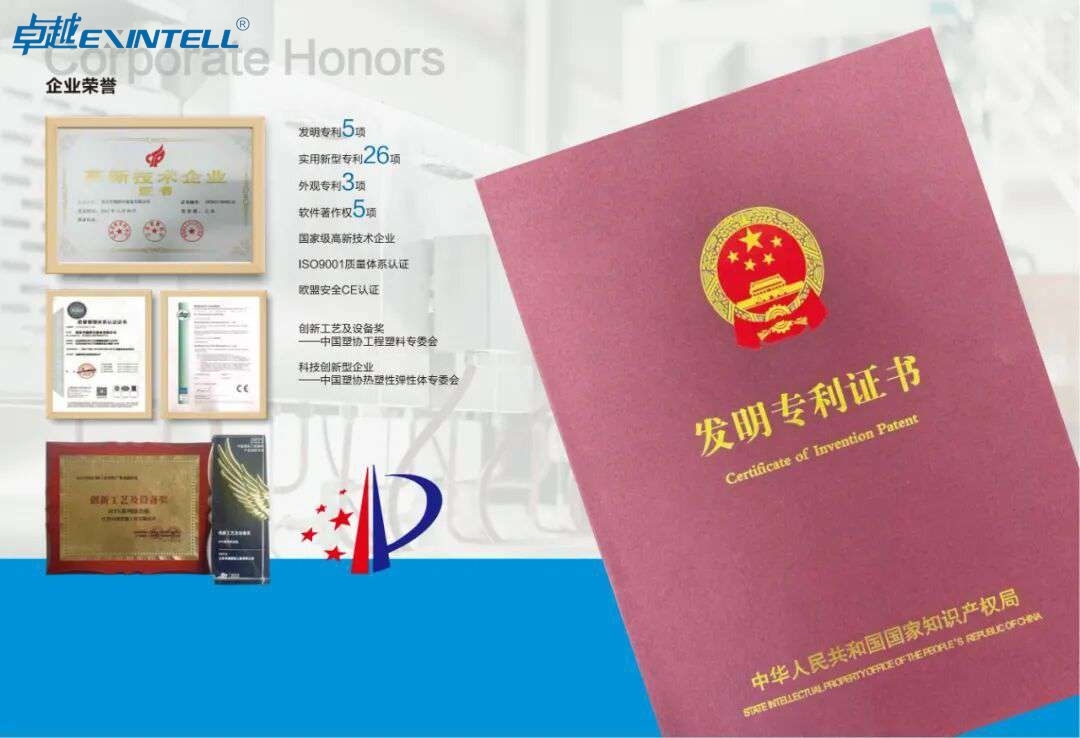
Mgbe m na-enyocha onye na-ebugara onye ahịa, M na-amalite site n'ịkọwa ihe okwu ahụ “extrusion” na-akọwa n'ezie na ụlọ ahịa. Plastic extrusion agbazee raw plastic ihe na-etolite ya ka ọ bụrụ profaịlụ na-aga n'ihu na a ofu cross-ngalaba (Plastics SeaGate, 2024). Otu ahịrịokwu ahụ na-ebu nnukwu ibu: usoro a na-aga n'ihu karia ịgba égbè, na geometry ka akọwara ya site n'ofe akụkụ abụọ nke na-agba ogologo akụkụ ahụ.. Ọ bụ ya mere o ji dabara ogologo mmepụta mmepụta na mmepụta ihe dị elu nke ọma, na ọ bụ ezigbo ọzụzụ dị iche na ịkpụzi injection ma ọ bụ igwe.
Na omume, “resin extrusion” bụ engine n'azụ atọ sara mbara mmepụta ezinụlọ m na-ahụ na-arịọ ọtụtụ mgbe:
- Profaịlụ - profaịlụ plastik omenala nwere akụkụ obe akọwapụtara, site na ọwa dị mfe na akụkụ ọnụ ruo n'ụdị lumen dị mgbagwoju anya. Nke a bụ ebe extrusion profaịlụ na ngalaba extrusion na-enwu n'ezie.
- tubing - gburugburu, oval, na multi-lumen tube eji na ahụike, njikwa mmiri mmiri, na ngwa pneumatic, sitere na ndị na-ebubata tubing rọba pụrụ iche.
- Mpempe akwụkwọ - plastic mpempe akwụkwọ extrusion maka ogwe, liners, na ngwaahịa thermoforming, emepụtara site na mkpọnwụ anwụ na mpịakọta mpịakọta.
Ndị na-emepụta ihe, Ụlọ ọrụ mmepụta ihe, na ndị na-ekesa abụghị otu
Ndị na-azụ ahịa na-ejikarị okwu ndị a emekọrịta ihe, na nke ahụ na-efu ha oge. Nke a bụ ka m ga-ekewa ha:
- A emeputa ma ọ bụ factory nwe extrusion ahịrị, egbupu onwe ya anwụ, ma na-achịkwa usoro site na resin ruo akụkụ nke emechara. Nke a bụ onye ị chọrọ maka ngwá ọrụ omenala, uko usoro akara, ma ọ bụ plastik injinia.
- A onye nkesa ma ọ bụ reseller ebuka na ụgbọ mmiri ọkọlọtọ shapes ma anaghị agba ọsọ ahịrị. Akwa maka ngwaahịa extruded shapes na ngwa ngwa reorders, obere maka ọrụ omenala.
- A onye na-emepụta ihe nwere ike zụta profaịlụ ngwaahịa na igwe, weld, ma ọ bụ chịkọta ha n'ime ọrụ nrụpụta plastik emechara.
Mgbe m na-achọ Thomasnet, M na-ama ụma nyo, n'ihi na akwụkwọ ndekọ aha ndị ahụ na-edepụta ma chịkọta ndị na-emepụta plastik extrusion US site na ike na mpaghara (Thomasnet, 2024). Nzacha ikike ahụ bụ ihe na-agwa gị ma ị na-agwa ezigbo onye nrụpụta profaịlụ rọba ma ọ bụ onye etiti.
Ihe kpatara ndị na-azụ ahịa na-achọ “Ụlọ ọrụ mmepụta ihe” Kama “Onye na-ebu ihe”
Na ahụmahụ m, ngbanwe na-aga “ụlọ ọrụ mmepụta ihe” akara asụsụ ebumnobi. Ndị na-azụ ahịa na-apịpị ya chọrọ isi iyi nwere njikwa ime ụlọ maka imewe na ngwa ọrụ anwụ, mkparịta ụka MOQ transperent, na ikike ịtụba site na prototype gaa na mmepụta. Ọ na-egosipụtakwa nrụgide reshoring: Ịnweta ụlọ nwere ike ibelata mkpokọta ọnụ ahịa ala site na ibelata ibu, oru, na ọnụ ahịa ibu ngwa ahịa (Nbudata eweghachi, 2023), na ụlọ ọrụ plastik US na-anọgide na-enye aka na mbupu n'ichepụta ụlọ na ọrụ (Njikọ ụlọ ọrụ plastik, 2023). Na-achọ onye na-emepụta plastik ụlọ, karịa onye na-ebubata ihe, na-abụkarị mkpebi a kpachaara anya n'ihe egwu na ọnụ ahịa.
Kedu ka Usoro Extrusion Plastic si arụ ọrụ, Nzọụkwụ site nzọụkwụ

Ịghọta usoro ọrụ na-enyere gị aka ịjụ ajụjụ ka mma wee gụọ nhota nke ọma. Ndị na-emepụta ihe ejima screw Extruder M na-eje ije ahịa site ise nkebi nke na-aga n'ihu extrusion usoro.
1. Nri nri na agbaze na gbọmgbọm
Thermoplastic pellets - na-emekarị PVC, ABS, HDPE, LDPE, ma ọ bụ polypropylene - banye hopper ma tinye n'ime gbọmgbọm na-ekpo ọkụ nke nwere ịghasa na-atụgharị. The combination of barrel heaters and screw shear melts the resin into a homogeneous molten stream. Material choice matters here: PVC bụ otu n'ime plastik ndị kachasị ewu ewu n'ụwa niile, commonly used in profiles, ọkpọkọ, na tubing (Njikọ ụlọ ọrụ plastik), while polycarbonate, acrylic (PMMA), naịlọn (PA), and PEEK serve more demanding, engineering-grade applications. Recycled regrind can often be blended back in, and thermoplastics used in extrusion are recyclable, so regrind reuse improves material efficiency (US EPA, 2023).
2. Forcing Molten Plastic Through a Custom Die
The melt is pushed through a die that defines the profile cross-section. This is the heart of the process and the reason custom work carries tooling cost. A co-extrusion setup uses more than one extruder feeding a single die, letting you combine materials — a rigid substrate with a soft TPE/TPU sealing lip, ọmụmaatụ, or a colored cap layer over a lower-cost core.
3. Na-ajụ oyi, Nha nha, and Continuous Take-Off
Ịhapụ anwụ, profaịlụ dị nro na-agafe na usoro jụrụ oyi na nha - na-abụkarị mmiri ịsa ahụ ma ọ bụ tankị na-ekpo ọkụ - nke na-emechi akụkụ.. Ibupụ (ihe na-adọkpụ) na-adọta profaịlụ na ọsọ a na-achịkwa. N'ihi na a na-emepụta akụkụ ahụ na-aga n'ihu na ihe ahụ na-ebelata ka ọ na-ajụ oyi, nnabata extrusion na-adịkarị mfe karịa ịkpụzi injections (Protolabs, 2023). Etinyere m atụmanya ahụ n'oge ka ndị ahịa nwee ike ịkọwapụta nnabata dị adị kama ịkwụ ụgwọ maka nkenke usoro ahụ enweghị ike ijide akụ na ụba..
4. Ịcha ruo ogologo na mmepụta nke abụọ
Nkwọ ma ọ bụ mma n'ime ahịrị na-egbutu mmepụta na-aga n'ihu ruo ogologo. Site n'ebe ahụ, nke abụọ arụmọrụ - mkpọpu ala, ịkụ ọkpọ, nottching, obibi akwụkwọ, ma ọ bụ mgbakọ - tụgharịa extruded plastic akụkụ n'ime okokụre components. Nke a bụ àkwà mmiri dị n'etiti profaịlụ adịchaghị na nke enwere ike ibufe ya, na ọ bụ ebe a na-emeri mmepụta ngwa ngwa ma ọ bụ furu efu.
Custom vs Stock Plastic Extrusions: Kedu nke Ị Chọrọ?
Nke a bụ mkpebi a na-ajụkarị m gbasara ya, na azịza eziokwu bụ: ọ dabere na olu, geometry, na usoro iheomume. Ka m kwatuo ụzọ ọ bụla.
Mgbe Profaịlụ Azụmahịa Na-anọghị na shelf bụ nhọrọ ziri ezi
Ngwaahịa extruded shapes - ọkọlọtọ ọkọlọtọ, tube, ọwa, akụkụ, na mpempe akwụkwọ - zere ngwá ọrụ na-eri kpamkpam na ụgbọ mmiri ngwa ngwa. Ọ bụrụ na profaịlụ katalọgụ dabara ngwa gị n'ime nnabata anabatara, Ịzụ ngwaahịa na-fọrọ nke nta ka ọ dị ọnụ ala mgbe niile, ụzọ ngwa ngwa. Ana m eduzi ndị ahịa ebe a maka prototypes, obere mpịakọta, na akụkụ ọ bụla ebe ọkọlọtọ cross-ngalaba na-arụ ọrụ ahụ.
Mgbe Ngwá Ọrụ Omenala na Profaịlụ ziri ezi
Extrusion omenala na-achọkarị ngwá ọrụ otu oge yana itinye ego n'ọrụ, mgbe profaịlụ ngwaahịa na-ezere ụgwọ a (nduzi inweta ụlọ ọrụ). Ọnụ ego ọnwụ ahụ ziri ezi mgbe geometry gị bụ nke nwe ya, mgbe a omenala cross-ngalaba na-ewepu ala mgbakọ, ma ọ bụ mgbe olu kwa afọ dị elu nke ọma iji mebie ngwá ọrụ ahụ. N'elu ụfọdụ agba ọsọ, ego kwa-ụkwụ nke ihe mere e ji wuo nwuru anwu karịrị ego a na-akwụ n'ihu.
Ụzọ Ngwakọ: Profaịlụ ọkọlọtọ, Akụkụ omenala
A na-eleghara ụzọ etiti ọkacha mmasị m anya. Enwere ike ịmepụta profaịlụ extruded ọkọlọtọ na tubes ka ọ bụrụ akụkụ omenala bara uru yana ntụgharị ngwa ngwa (Plastics SeaGate, 2024). Ị na-amafe ego ego, wee jiri ịkpụ, igwe, na mgbakọ iji ruo ihe a na-ebuga omenala. Maka ọtụtụ mmemme etiti mpịakọta, Ngwakọ a na-akụri ngwaahịa dị ọcha yana omenala zuru oke na ọnụ ahịa niile.
Ọnụ ego na ntụnyere-oge
Nke a bụ ka ụzọ atọ a si atụnyere. Were ndị a dị ka usoro ntụzịaka, ọ bụghị ruturu ọnụ — n'ezie ọnụ ọgụgụ na-adabere na ihe, geometry, na olu.
|
Ihe kpatara ya |
Profaịlụ ngwaahịa |
Ngwakọ (Ọkọlọtọ arụpụtara) |
Extrusion omenala zuru oke |
|---|---|---|---|
|
Ọnụ ahịa ngwá ọrụ dị n'ihu |
Ọ dịghị |
Ọnweghị nke ala (naanị ihe ndozi) |
Otu oge anwụ ego |
|
Oge ndu oge |
Nke kacha nso (Ọtụtụ mgbe na ngwaahịa) |
Obere ruo na-agafeghị oke |
Nke kacha ogologo (anwụ wuo + mbụ isiokwu) |
|
Usoro kacha nta (MOQ) |
Dị ala |
Dị ala ruo n'ókè |
Nke ka elu (iji amortize ngwá ọrụ) |
|
Mgbanwe nke geometry |
Ụdị katalọgụ naanị |
Ụdị ọkọlọtọ + igwe |
Nkwukọrịta obe zuru oke |
|
Kacha mma dabara |
Prototypes, obere olu |
Olu etiti, nwayọọ customization |
Nnukwu olu, profaịlụ nke onwe |
|
Ihe kpatara ya |
Profaịlụ ngwaahịa |
Ngwakọ (Ọkọlọtọ arụpụtara) |
Extrusion omenala zuru oke |
|---|---|---|---|
|
Ọnụ ahịa ngwá ọrụ dị n'ihu |
Ọ dịghị |
Ọnweghị nke ala (naanị ihe ndozi) |
Otu oge anwụ ego |
|
Oge ndu oge |
Nke kacha nso (Ọtụtụ mgbe na ngwaahịa) |
Obere ruo na-agafeghị oke |
Nke kacha ogologo (anwụ wuo + mbụ isiokwu) |
|
Usoro kacha nta (MOQ) |
Dị ala |
Dị ala ruo n'ókè |
Nke ka elu (iji amortize ngwá ọrụ) |
|
Mgbanwe nke geometry |
Ụdị katalọgụ naanị |
Ụdị ọkọlọtọ + igwe |
Nkwukọrịta obe zuru oke |
|
Kacha mma dabara |
Prototypes, obere olu |
Olu etiti, nwayọọ customization |
Nnukwu olu, profaịlụ nke onwe |
Ụzọ ọ bụla ị họọrọ, Ana m akwado ịkwado ụlọ ahịa ahụ na-arụ sistemụ arụmọrụ edepụtara - ISO 9001 bụ ọkọlọtọ mba ụwa amatara maka sistemụ njikwa ogo ejiri n'ofe nrụpụta (ISO, 2015) and remains the most widely adopted benchmark in the plastics sector. For a practical look at how stock and custom offerings sit side by side, I find Plastics SeaGate’ custom extrusion overview a useful reference point.
Types of Plastic Extrusion Profiles and Products

When I evaluate a project for extrusion, I start with the cross-section, because the geometry of the finished part dictates almost everything downstream: the die design, the material choice, and ultimately the price you will pay. Plastic extrusion agbaze raw resin na-etolite ya ka ọ bụrụ profaịlụ na-aga n'ihu na nke a kapịrị ọnụ cross-ngalaba (Plastics SeaGate, 2024). That single principle produces a surprisingly wide catalog of shapes, so it helps to group them by complexity and function.
Solid Profiles, Hollow Profiles, and Complex Geometries
Solid profiles are the workhorses of the industry: mkpanaka, bars, ihu, and trim with no internal voids. Ha bụ ndị kacha mfe iji ngwá ọrụ na ndị kasị agbaghara na ndidi, nke mere m ji akwado ha maka ndị na-azụ ahịa oge mbụ na-anwale nhazi. Profaịlụ oghere na-ewebata ọwa ime, ma ha na-achọ ọnwụ ọkaibe karịa na mandrels ma ọ bụ ntụtụ iji jide oghere ahụ ka gbazee ahụ jụrụ oyi.. Geometries mgbagwoju anya na-ejikọta ọtụtụ mgbidi, undercuts, na ntugharị dị mkpa na-adị ogologo n'otu akụkụ obe, na nke a bụ ebe anwụ imewe na tooling nka na-ekewapụ ike plastic profaịlụ emeputa na nkezi. Na ahụmahụ m, Ọkpụrụkpụ mgbidi na-ekwekọghị ekwekọ bụ ihe na-ebutekarị ọgụ, yabụ ana m pịnye ndị na-ebubata ngwaahịa n'isi otu ha si eme atụmatụ ịhazigharị ihe na-agafe na profaịlụ.
Tubing na Multi-Lumen Extrusions
Tubing bụ akụkụ pụrụ iche nke extrusion oghere, na ọ na-agbasa ihe niile site na obere tube na-eme ka ọ dị mfe ruo n'ichepụta ọtụtụ lumen nwere ọtụtụ ọwa yiri ya na-agba ogologo akụkụ ahụ.. Ngwa ahụike na ndị na-azụta ngwa nyocha na-adabere na extrusions nke ọtụtụ lumen iji buru mmiri, waya, na sensọ site na otu kọmpat profaịlụ. Onye na-ebubata tubing rọba a pụrụ ịdabere na ya ga-ejidesi ike na nnabata nke dayameta dị n'ime., ọ bụ ezie na m na-echetara ndị ahịa mgbe niile na nnabata extrusion na-adịkarị mfe karịa ịkpụzi injection n'ihi mbelata ihe yana na-aga n'ihu. (Protolabs Design Resources, 2023). Hazie mma gị na mkpochapụ gburugburu eziokwu ahụ kama ịlụso ya ọgụ.
Njikọ-Extrusion na Multi-Material Profaịlụ
Co-extrusion na-agba ọsọ resins abụọ ma ọ bụ karịa site na nkekọrịta ọnwụ iji mepụta otu profaịlụ nwere mpaghara ihe dị iche iche. M na-eji ya mgbe akụkụ chọrọ ihe ndị na-emegiderịta onwe ha n'otu oge, dị ka ahụ siri ike PVC structural ahụ na a rọrọ TPE / TPU gasket egbugbere ọnụ, ma ọ bụ oyi akwa mkpuchi ihu igwe n'elu mkpụrụ dị ọnụ ala. Ọ na-ewepụ mgbakọ nke abụọ na usoro njikọ, nke bụ ihe nchekwa ego bara uru na olu. Azụmahịa ahụ bụ mgbagwoju anya ngwá ọrụ, ya mere m na-doputa ngalaba-extrusion maka aghụghọ ebe multi-material uru n'ụzọ doro anya ziri ezi na agbakwunyere anwụ ego.
Ngwa ụlọ ọrụ a na-ahụkarị maka ụdị ọ bụla
Geometries dị iche iche na-adọrọ mmasị na mpaghara dị iche iche, na imekọ ha n'oge na-eme ka mkparịta ụka pụta ìhè.
- Profaịlụ siri ike: retail shelf edging, mkpụbelata arịa ụlọ, akara, na fencing components.
- Profaịlụ oghere: windo na okpokolo agba, Ọwa ọkụ ọkụ, na mkpuchi ihe owuwu.
- Tubing na multi-lumen: ọgwụ catheters, ahịrị nnyefe mmiri, na pneumatic tubing.
- Profaịlụ jikọtara ọnụ: iwepụ ihu igwe, gaskets refrigeration, na aka dual-durometer.
- Mpụpụ mpempe akwụkwọ: akara, ngwaahịa thermoforming, na ogwe nchebe.
N'ihi na plastic extrusion na-aga n'ihu, usoro dị elu, ọ dabara ogologo mmepụta na-agba ọsọ nke ọma, na profaịlụ extruded ọkọlọtọ na tubes nwere ike ịmepụta n'ime akụkụ omenala bara uru na ntụgharị ngwa ngwa (Plastics SeaGate, 2024). Ọ bụrụ na ihe ị na-achọ kwa afọ na-akwụ ọtọ ma tụọ ya n'ime iri puku kwuru iri puku ụkwụ, extrusion Economics na-arụ ọrụ ike na ihu ọma gị.
Ngwa ndị a na-ejikarị eme ihe na npụpụ plastik
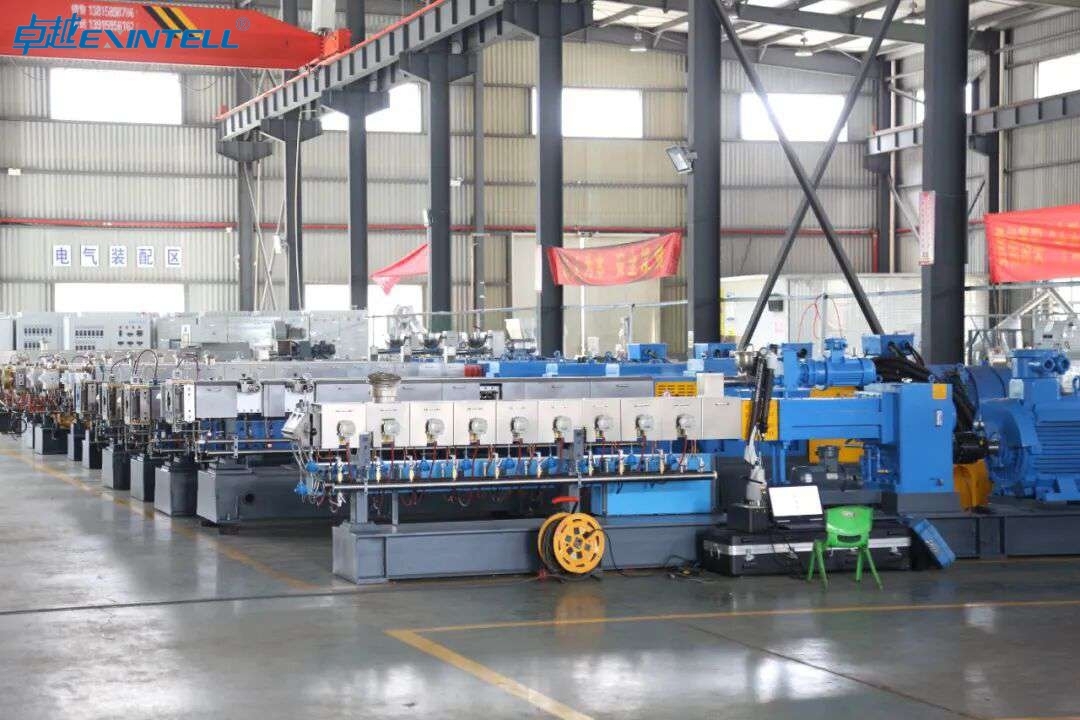
Nhọrọ ihe bụ mkpebi m na-ahụ na ndị na-azụ ahịa na-elelịkarị. Resin na-achịkwa ike igwe, ọgwụ mgbochi, oke okpomọkụ, ọnụ ahịa, na ọbụlagodi otu nnabata nke extruder nwere ike ijide n'ezie. M na-ekekọta resins extrusion ụzọ atọ, wee soro ndị ahịa rụọ ọrụ ka ọ ga-ebuli elu naanị dịka ngwa chọrọ n'ezie.
Ngwaahịa Resins: PVC, Polyethylene, na polypropylene
Resin ngwa ahịa na-ekpuchi ọnụ ọgụgụ ka ukwuu nke extruded, na ezi ihe kpatara ya. PVC bụ otu n'ime plastik ndị kachasị ewu ewu n'ụwa niile, nkịtị na profaịlụ, ọkpọkọ, na tubing (Njikọ ụlọ ọrụ plastik). Ọ na-enye isi ike, ike ihu igwe, na ọnụ ala dị ala, na ọ na-ewe agba na elu imecha nke ọma. Polyethylene na-apụta na ọkwa abụọ a ma ama: HDPE maka isi ike, profaịlụ na-eguzogide ọgwụ na LDPE ebe mgbanwe dị mkpa. Polypropylene na-edozi nguzogide kemịkalụ yana oke ike na ịdị arọ dị mma yana ịrụ ọrụ nhịahụ ndụ. Mgbe onye ahịa jụrụ gbasara resin extrusion maka oke olu, akụkụ na-enwe mmetụta ọnụ, Nke a na-abụkarị ebe m na-amalite.
Injinia resins: ABS, Polycarbonate, Naịlọn, na acrylic
Plastics-ọkwa injinia na-agbago n'ọrụ igwe na arụ ọrụ ọkụ. ABS na-ewepụta ike mmetụta yana mmecha dị ọcha maka ndị ahịa na akụkụ mkpuchi. Polycarbonate na-eweta nguzogide mmetụta dị elu na idoanya anya, nke na-eme ka ọ bụrụ isi ihe maka ọkụ anya anya ọkụ na glazing nchekwa. Naịlọn (PA) awade eyi iguzogide na siri ike maka n'ibu components na USB management. Acrylic (PMMA) na-enye nkọwa zuru oke na nkwụsi ike UV maka ngosipụta na profaịlụ akara. Ana m ebuga ndị na-azụ ahịa n'ọkwa a mgbe resins ngwa ahịa enweghị ike ibu ibu, ikpo ọkụ, ma ọ bụ ihe doro anya chọrọ, na m na-ahụ na ha na-akwụ ụgwọ resin premium megide uru arụmọrụ tupu ha emee.
Ihe eji arụ ọrụ dị elu dị ka PEEK
N'elu na-anọdụ ala obere ìgwè polymers dị elu, ya na PEEK dị ka ebe ntụaka. PEEK na-anabata oke okpomọkụ na-aga n'ihu, kemịkalụ ike ike, na-achọrọ ibu n'ibu, nke mere na ọ na-egosi na aerospace, ọgwụ, na ngwa semiconductor. Ọnụ ego ihe onwunwe dị nnukwu, Ya mere, m na-akọwapụta ya naanị mgbe ebe ọrụ na-ahapụ enweghị nhọrọ dị ọnụ ala karịa. Ọ bụghị ndị nrụpụta profaịlụ rọba ọ bụla na-eme PEEK, ya mere nyocha ikike dị mkpa karịa na ọkwa a.
Dakọtara Njirimara na Ngwa Ngwa
Usoro nhọrọ m na-ama ụma dị mfe: buru ụzọ kọwapụta ihe ndị a na-apụghị ịgbagha agbagha, wee họrọ resin dị ọnụ ala nke na-ekpochapụ ya. Tebụl dị n'okpuru na-achịkọta otu m ga-esi tụọ nhọrọ ndị a na-ahụkarị maka akụkụ plastik extruded.
| Ihe onwunwe | Ọkwa | Isi Ike | Ọnụ ego ikwu | Ngwa a na-ahụkarị |
|---|---|---|---|---|
| PVC | Akụrụngwa | Isi ike, ihu igwe, ọnụ ala | $ | Profaịlụ, ọkpọkọ, ewepụtụ |
| HDPE / LDPE | Akụrụngwa | Nguzogide kemịkalụ; isi ike ma ọ bụ mgbanwe | $ | tubing, liners, ducting |
| Polypropylene | Akụrụngwa | Nguzogide kemịkalụ, ndụ hinges | $ | Ijikwa mmiri mmiri, hinges |
| ABS | Injinia | Ike mmetụta, imecha dị ọcha | $$ | Mkpọchi, n'ji akụkụ |
| Polycarbonate | Injinia | Nguzogide mmetụta, idoanya | $$ | lenses, nchekwa glazing |
| Naịlọn (PA) | Injinia | Yiri nguzogide, ike | $$ | Mechanical, USB ndu |
| Acrylic (PMMA) | Injinia | Ido anya, UV kwụsie ike | $$ | Akara ngosi, ngosipụta |
| PEEK | Arụmọrụ dị elu | Okpomọkụ, kemịkalụ, na ibu iguzogide | $$$$ | Igwe ikuku, ọgwụ, semiconductor |
Otu ebe arụmọrụ kwesịrị ịkwalite ya na ndị na-ebubata ya: Thermoplastics eji na extrusion na-emegharị, na regrind mweghachi na-eme ka arụmọrụ ihe dị mma (Ụlọ ọrụ nchekwa gburugburu US, 2023). Ịjụ ka ụlọ ọrụ mmepụta ihe si ejikwa regrind na-agwa m ihe gbasara ma ọzụzụ ha na-eri na usoro nkwado ha.
Ndị na-emepụta Extrusion Plastic na USA
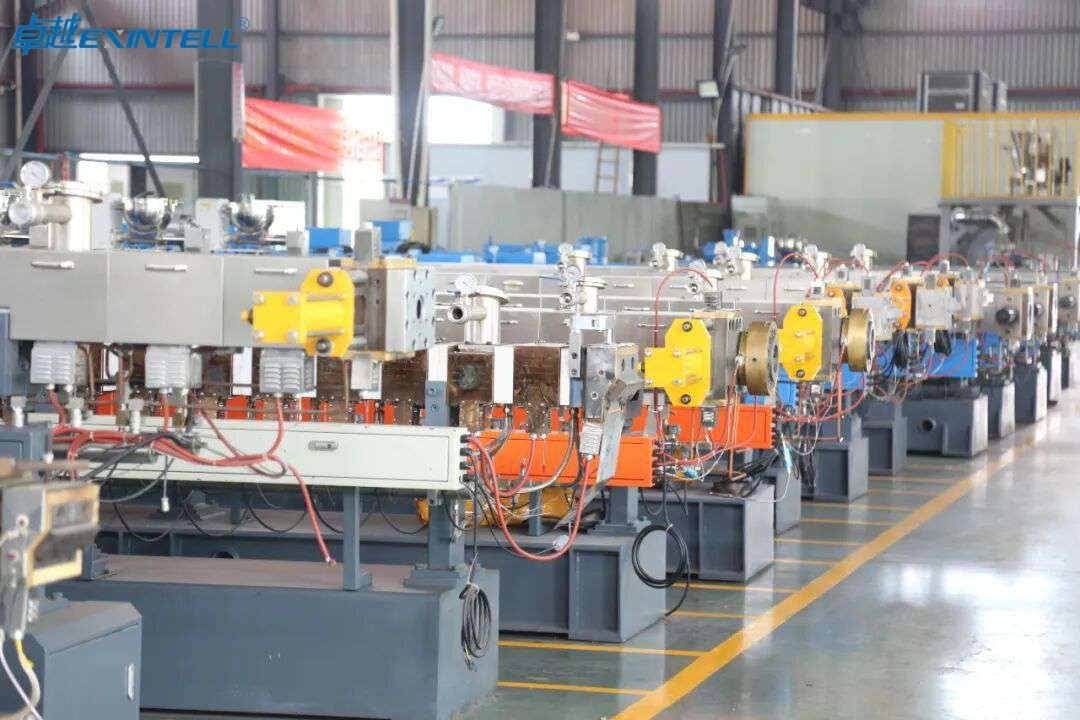
Maka ọtụtụ ndị na-azụ ahịa m na-adụ ọdụ, ajụjụ dị mkpa abụghị naanị “onye nwere ike wepu profaịlụ a” ma “onye nwere ike wepu ya ebe a.” Isi mmalite nke ụlọ esiwo na mmasị gaa na mkpebi atụmatụ, na o kwesịrị ka anya doro anya karịa ịhụ mba n'anya na-atụgharị uche.
Kedu ihe kpatara isi mmalite nke US ji dị mkpa maka ọtụtụ ndị na-azụ ahịa
Okwu ego siri ike karịa ka ọ pụtara na mbụ. Mweghachi na ime ụlọ nwere ike ibelata mkpokọta ọnụ ahịa ala site na ibelata ibu, oru, na ọnụ ahịa ibu ngwa ahịa (Nbudata eweghachi, 2023). Mgbe m na-agba ọsọ ntụnyere mkpokọta ọnụ karịa ntụnyere ọnụ ahịa otu, Ego ndị dị n'ụsọ osimiri na-agbadakarị ozugbo m gbakwunyere ibu oke osimiri, tarifu, nchekwa ngwaahịa, and the working capital tied up in long transit times. For a domestic plastics manufacturer serving a US customer, lead times measured in weeks rather than months also mean less risk if a design changes mid-program.
Regional Manufacturing Hubs Across the Country
US extrusion capacity is not evenly distributed, and knowing the map speeds up sourcing. The Great Lakes and Upper Midwest concentrate general-purpose profile and tubing extruders near automotive and industrial demand. The Northeast holds a dense cluster of medical and precision tubing specialists. The Southeast has grown quickly around building products and packaging. The West Coast and Southwest serve electronics, ikuku ikuku, and consumer markets. Supplier directories such as Thomasnet list and categorize US plastic extrusion manufacturers by capability and region (Thomasnet, 2024), which is where I usually build a first shortlist before making calls.
Domestic Quality, Nkwukọrịta, and IP Advantages
Beyond cost, three practical advantages keep drawing buyers home. Mbụ, quality systems are easier to verify in person; ISO 9001 bụ ọkọlọtọ mba ụwa amatara maka sistemụ njikwa ogo ejiri n'ofe nrụpụta (International Organisation for Standardization, 2015), and I can audit a domestic supplier’s implementation without an international trip. Nke abụọ, time-zone-aligned communication shortens the feedback loop from prototype to production, which matters when a die needs a mid-run adjustment. Nke atọ, intellectual property protection is more enforceable under US jurisdiction, a real concern when a custom profile is a competitive differentiator. I treat these as the differences that a spreadsheet alone will miss.
How US Factories Serve Diverse Industries
American extruders span the full range of contract manufacturing, from stock extruded shapes shipped from inventory to fully custom die programs. Custom extrusion typically requires a one-time tooling or die investment, while stock profiles avoid that cost, so I match the sourcing path to how unique the geometry really needs to be. The US plastics industry remains a major contributor to domestic manufacturing shipments and employment (Njikọ ụlọ ọrụ plastik, 2023), and that depth means a buyer can usually find a plastic fabrication services partner suited to their volume, from prototype to production. For a broad view of custom capabilities, I often point clients to overviews such as custom plastic extrusion manufacturers to calibrate expectations before requesting quotes.
Otu esi achọta ụlọ ọrụ extrusion plastik nso gị
When I begin a sourcing project, geography is one of the first variables I weigh. Location shapes freight cost, communication cadence, and how quickly I can iterate from prototype to production. Nke ahụ kwuru, proximity is only valuable when the nearby supplier can actually do the work. Na ahụmahụ m, the smartest approach treats “near me” as a filter, ọ bụghị mkpebi.
Why Local Sourcing Often Pays Off
A domestic plastics manufacturer close to your facility gives you three concrete advantages. Mbụ, shorter shipping distances lower freight and lead-time risk, which matters for bulky extruded plastic parts and long profiles that ship as oversized freight. Nke abụọ, local partners make on-site visits practical, and I have caught more process issues in a two-hour plant walkthrough than in weeks of email. Nke atọ, proximity accelerates iteration: when a die needs a tweak, a supplier a few hours away can turn samples faster than one across an ocean.
The financial case reaches beyond the unit price. According to the Reshoring Initiative (2023), Ịnweta ụlọ nwere ike ibelata mkpokọta ọnụ ahịa ala site na ibelata ibu, oru, na ọnụ ahịa ibu ngwa ahịa. The domestic base is substantial, kwa; Òtù Na-ahụ Maka Ụlọ Ọrụ Plastics (2023) reports that the US plastics industry is a major contributor to domestic manufacturing shipments and employment, which means qualified capacity for resin extrusion is usually within reach.
Where I Look: Directories, Associations, na Ntuziaka
To build an initial list of candidates, I use three complementary channels:
- Supplier directories. Thomasnet (2024) lists and categorizes US plastic extrusion manufacturers by capability and region, which makes it straightforward to filter by material, usoro, and location.
- Trade associations. Membership in bodies like the Plastics Industry Association signals a firm that invests in standards and industry engagement.
- Referrals. A recommendation from an engineer who has run production with a plastic profile manufacturer carries more weight than any marketing page, because it reflects delivered performance.
I treat the directory as a starting point for a plastic tubing supplier or profile shop, then validate each name against real references before it earns a spot on my shortlist.
Balancing Proximity Against Capability and Price
Distance is a tiebreaker, not a trump card. If a nearby shop cannot hold your tolerances, run your resin, or meet your volume, the convenience is worthless. I rank capability and quality first, mgbe ahụ ọnụahịa, then location. A plastic extrusion companies factory supplier two states away with the right co-extrusion line and a proven ISO 9001 system will usually serve me better than a closer shop lacking those capabilities.
When Local Is Not the Best Option
Sometimes the right partner is not nearby. Specialized work in engineering-grade plastics such as PEEK, polycarbonate, ma ọ bụ nylon (PA) may only be done well by a handful of shops nationally. High-volume manufacturing programs can justify shipping economics that favor a distant, more automated plant. And when you need capabilities like plastic sheet extrusion combined with in-line fabrication, the fit of the process matters more than the mileage. In those cases I widen the search radius and lean on video plant tours and third-party audits to close the distance gap.
Understanding the Largest Plastic Extrusion Companies
Buyers often gravitate toward the biggest names, assuming scale guarantees a better outcome. Scale does deliver real advantages, but it also carries tradeoffs. Understanding what “kasị ukwuu” actually means helps me match a supplier’s footprint to my program rather than to a reputation.
What Scale Means for Capacity and Reliability
Extrusion bụ ihe na-aga n'ihu, high-volume process well suited to long production runs, and large factories are built around that reality. More extrusion lines mean higher throughput, redundancy if one line goes down, and the ability to absorb demand spikes. Scale usually correlates with mature quality systems as well; ISO 9001, the internationally recognized standard for quality management systems used across manufacturing (International Organisation for Standardization, 2015), is almost table stakes among large plants. That maturity translates into more consistent extruded plastic parts across long runs.
The Tradeoffs of Large Factories vs. Specialized Shops
Bigger is not automatically better. Large plants optimize for volume, which can mean higher minimum order quantities, less flexibility on small custom runs, and slower responsiveness on prototype work. A specialized shop may excel at tight-tolerance custom plastic profiles, unusual resins, or quick-turnaround production that a high-volume plant treats as a nuisance. The table below summarizes how I weigh the two.
| Ihe kpatara ya | Large-Scale Factory | Specialized Shop |
|---|---|---|
| Ike | Elu; multiple lines, redundancy | Oke; fewer lines |
| Ọnụ ahịa kacha nta | Often high | Usually flexible |
| Prototype speed | Jiri Nwayọọ; volume-focused scheduling | Ọsọ ọsọ; agile setup |
| Material range | Broad commodity resins (PVC, HDPE, LDPE, PP) | Often engineering-grade (PEEK, PC, PA) |
| Price per unit at volume | Ala | Nke ka elu |
| Kacha mma dabara | Long production runs | Omenala, low-to-mid volume, complex profiles |
When High-Volume Capability Is Essential
There are programs where I will not compromise on scale. Na-aga n'ihu, long-run demand for standardized profiles, ọkpọkọ, or tubing in commodity resins is the natural home of a large factory. PVC bụ otu n'ime plastik ndị kachasị ewu ewu n'ụwa niile, commonly used in profiles, ọkpọkọ, na tubing, and sourcing it at volume rewards the economies a big plant provides. If your forecast calls for millions of feet of a stable profile cross-section, high-volume capability moves from nice-to-have to essential.
How to Verify Claimed Scale and Capacity
Claims on a website are not evidence. Before I accept a “kasị ukwuu” ma ọ bụ “highest capacity” claim, I verify it with concrete questions:
- How many extrusion lines are operational, and what is the die diameter range on each?
- What is current utilization, and how much spare capacity exists for my program?
- Can you share throughput figures (lbs/hour or feet/day) for a comparable profile?
- What redundancy exists if a line fails mid-run?
- Which certifications, dị ka ISO 9001, are current, and may I see the certificate?
I pair those answers with a plant tour or audit. Physical evidence of running lines, staffing, and inventory tells me far more than any capacity figure quoted in a brochure.
How to Identify the Best Plastic Extrusion Factory for Your Project
“Best” is one of the most misused words in supplier marketing. Na omume, the best plastic extrusion companies factory manufacturer is the one that best fits your specific requirements, not the one with the loudest claim. I define the term relative to my project, then score candidates against that definition.
Defining “Best” Relative to Your Specific Needs
Before comparing suppliers, I document what my project actually demands: the resin (kwuo, ABS for impact resistance, acrylic (PMMA) maka idoanya anya, or TPE/TPU for flexibility), the tolerance band, the volume, the timeline, and the level of engineering support I need for die design and tooling. Extrusion tolerances are generally looser than injection molding due to material shrinkage and continuous forming (Protolabs Design Resources, 2023), so I confirm early that a candidate can meet my dimensional requirements rather than assuming it can. A shop that is ideal for a high-volume HDPE pipe run may be the wrong choice for a tight-tolerance polycarbonate profile.
Weighing Quality, Ọnụ, Ọsọ, and Support
Every sourcing decision balances four levers, and improving one often pressures another:
- Ogo. Documented quality systems, in-process inspection, and material traceability. ISO 9001 is the most widely adopted quality management standard across manufacturing sectors including plastics.
- Ọnụ. Not just unit price. Extrusion omenala na-achọkarị ngwá ọrụ otu oge yana itinye ego n'ọrụ, while stock extruded shapes avoid that cost, so I model total cost including tooling and MOQ.
- Ọsọ. Enwere ike ịmepụta profaịlụ extruded ọkọlọtọ na tubes ka ọ bụrụ akụkụ omenala bara uru yana ntụgharị ngwa ngwa (Plastics SeaGate, 2024), but lead times vary widely between shops.
- Nkwado. Engineering input on profile cross-section and material selection can prevent costly redesigns as you move from prototype to production.
Sustainability increasingly enters the equation as well. Thermoplastics eji na extrusion na-emegharị, na regrind mweghachi na-eme ka arụmọrụ ihe dị mma (Ụlọ ọrụ nchekwa gburugburu US, 2023), which can reduce both cost and waste when a supplier manages it responsibly.
Reading Past “Best” Marketing Claims
Superlatives are easy to print and hard to prove. When I see “kacha mma,” “leading,” ma ọ bụ “premier,” I translate the claim into a testable question. Instead of accepting “best quality,” I ask for defect rates and inspection records. Kama “fastest,” I ask for typical lead times on my specific part. Kama “most experienced,” I ask for references in my industry. Marketing language that cannot survive a follow-up question does not influence my shortlist.
Building a Shortlist Scoring Method
To keep the comparison objective, I use a weighted scoring model. I list my criteria, assign each a weight that reflects its importance to the project, score every candidate from 1 ka 5, and multiply. The weights shift by project; a prototype program might weight speed and engineering support heavily, while a mature production program weights cost and capacity.
- List criteria: àgwà usoro, material capability, ndidi, ikike, etiti oge, tooling cost, nkwado injinia, and location.
- Assign weights that total 100 percent, reflecting your priorities.
- Score each supplier 1 ka 5 on every criterion, using verified evidence rather than marketing claims.
- Calculate weighted totals and rank the candidates.
- Validate the top two with reference calls and, kacha mma, a plant visit before committing.
This structured method has consistently steered me toward the partner that fits the work, whether that turns out to be a large plant, a nimble specialist, or a domestic shop just down the road. For a deeper look at how custom extrusion capabilities map to applications, resources such as Plastics SeaGate’ custom extrusion overview are a useful reference as you refine your own criteria.
Key Capabilities to Evaluate in a Plastic Extrusion Company
When I vet a plastic profile manufacturer, I look
Tolerances and Precision in Extruded Parts
Mgbe m na-enyocha onye nrụpụta profaịlụ rọba, tolerances are the first place I look for a reality check. Extrusion bụ usoro nhazi na-aga n'ihu, so it behaves differently from molding. As Protolabs notes, extrusion tolerances are generally looser than injection molding because material shrinkage and continuous forming introduce variability that a closed mold does not (Protolabs Design Resources, 2023). Setting expectations here early saves both money and rework later.
Typical Achievable Tolerances by Material and Profile
Na ahụmahụ m, achievable precision depends heavily on the resin and the geometry of the profile cross-section. Rigid engineering-grade plastics hold tighter dimensions than soft or semi-crystalline materials, and simple shapes hold tighter than complex hollow profiles. The ranges below reflect commonly quoted commercial extrusion capabilities for custom plastic profiles; always confirm against your supplier’s published standards for your specific part.
| Ihe onwunwe | Nkwụsi ike akụkụ | Ọchịchọ nnabata a na-ahụkarị | Ihe ndetu maka ịkọwapụta |
|---|---|---|---|
| PVC siri ike | Elu | Nke ka njọ, a na-achịkwa nke ọma | Na-ekpochapụ anya; a na-ahụ anya na profaịlụ na tubing |
| ABS | Elu | Kpagidere na profaịlụ siri ike | Ọ dị mma maka akụkụ plastik structural extruded |
| Polycarbonate | Elu | Ejigide, obere ndakpọ | Ngwa anya na mmetụta nwere mmetụta |
| Acrylic (PMMA) | Elu | Ejigide, ma na-akụrikasị mgbidi | Mpempe akwụkwọ ma kpochapụ profaịlụ |
| Naịlọn (PA) | Na-agafeghị oke | Ntọhapụ; mmiri na-enwe mmetụta | Akaụntụ maka nnabata mmiri mgbe extrusion gasịrị |
| HDPE / LDPE | Ọ dị obere ruo ala | Ntọhapụ; elu ndakpọ | Na-atụ anya eriri ndị sara mbara na mgbidi na OD |
| Polypropylene | Na-agafeghị oke | Ntọhapụ; ọkara kristal mbelata | Kwe ka nnabata mmesapụ aka na dims dị oke egwu |
| PEEK | Elu | Ejigide, ma ọpụrụiche | Injinia okpomọkụ na-agba ọsọ; ọnụ ahịa dị elu |
| TPE / TPU | Dị ala | Nke kacha atọ ụtọ; mgbake na-agbanwe agbanwe | Profaịlụ dị nro na-emebi n'okpuru nha |
Ihe ndị na-emetụta nkwụsi ike akụkụ
Ọtụtụ mgbanwe na-ebugharị akụkụ n'ime ma ọ bụ n'èzí eriri ndidi ya. Ịdị n'otu mgbidi ọkpụrụkpụ kacha mkpa: thick and thin sections in the same profile cool at different rates and warp. Semi-crystalline resins like polypropylene and HDPE shrink more than amorphous ones like polycarbonate and acrylic, so the die must be cut to compensate. I also watch for haul-off speed, gbazee okpomọkụ, and cooling-bath control, since drift in any of these shows up as dimensional variation over a long run. For hygroscopic materials such as nylon, moisture absorbed after extrusion can change dimensions days later, which is why I ask how a supplier conditions and stores finished stock.
Specifying Tolerances in Your Drawings
The cleanest way to control cost is to tolerance only what functionally matters. I call out critical dimensions explicitly, apply a reasonable general tolerance block to everything else, and reference the datum features that mate with other components. Where a flexible TPE or TPU profile is involved, I specify the measurement method and fixture, because a soft part measures differently under light pressure than at rest. Being specific about which surfaces are cosmetic versus functional lets a plastic fabrication services partner set up the line intelligently instead of overbuilding to a blanket precision requirement.
Balancing Precision Against Cost
Tighter tolerances raise cost through slower line speeds, more scrap, added inspection, and sometimes secondary sizing or machining. Na omume, I treat precision as a dial rather than a switch: I hold the two or three dimensions that drive fit and function tightly and relax the rest. That approach keeps resin extrusion economical while still delivering parts that assemble correctly. When a design genuinely needs molding-level precision on every feature, that is a signal the part may not be a good extrusion candidate, and I revisit the process choice before committing to tooling.
Minimum Order Quantities and Lead Times
MOQs and lead times are where the difference between stock extruded shapes and true custom work becomes concrete. Custom extrusion typically requires a one-time tooling investment in a die, while stock profiles avoid that cost entirely, per common industry sourcing guidance. That single fact drives most of the ordering economics, so I plan around it from the start.
Typical MOQ Ranges for Stock vs Custom
Stock profiles and tubing can often be bought in small quantities, sometimes by the foot or in single boxes, because the supplier already runs them. As SeaGate Plastics points out, standard extruded profiles and tubes can be fabricated into cost-effective custom parts with quick turnaround, which is a practical advantage when volumes are modest (Plastics SeaGate, 2024). Custom profiles are different. Because the line has to be set up, purged, and stabilized before good parts come off, suppliers set a minimum run to amortize that setup. I commonly see custom MOQs expressed in pounds of resin or in linear footage rather than piece count, and the threshold rises with more exotic engineering-grade plastics.
How Lead Times Vary With Tooling and Volume
For a new custom profile, the die is the pacing item. Tooling design, ịcha, and first-article trials typically dominate the initial schedule, and I budget several weeks for die design and tooling before any production parts exist. Once the die is proven, repeat orders move quickly because the tooling is on the shelf. Higher volumes actually help here: extrusion is a continuous, high-volume process well suited to long production runs, so once a line is dialed in, adding footage is efficient rather than disruptive.
Quick-Turnaround Options and Expedited Runs
When a timeline is tight, I look at three levers. Mbụ, use stock profiles or standard tubing that can ship from inventory and be cut or fabricated to length. Nke abụọ, ask whether an existing die is close enough to modify rather than cutting a new one. Nke atọ, request an expedited slot, which many suppliers offer for a premium by prioritizing line time. Quick-turnaround production is realistic for standard shapes; for genuinely new custom geometry, the tooling step still sets the floor on how fast you can go.
Planning Your Project Timeline
I work backward from the required delivery date and add explicit buffers for die design, first-article approval, and any secondary operations. Moving from prototype to production is smoother when I lock the profile cross-section early, because late geometry changes mean recutting the die and resetting the clock. Aligning MOQ with real annual demand also matters: ordering an efficient run size once beats paying repeated setup charges on small, frequent custom orders.
Cost Drivers in Plastic Extrusion Pricing
Understanding what actually drives a quote lets me negotiate from evidence rather than instinct. Extrusion pricing breaks down into a handful of levers, and knowing which one dominates for a given part tells me where the savings live.
Material Selection and Resin Pricing
Resin is usually the largest recurring cost, and it varies widely by grade. Commodity materials like PVC, polypropylene, HDPE, and LDPE sit at the low end; PVC in particular is among the most widely extruded plastics globally and is well supported across suppliers. Engineering-grade plastics such as polycarbonate, naịlọn, and especially PEEK command higher prices and can require specialized processing. One efficiency I always ask about is regrind: Thermoplastics eji na extrusion na-emegharị, na regrind mweghachi na-eme ka arụmọrụ ihe dị mma, which can lower material cost on non-critical parts (Ụlọ ọrụ nchekwa gburugburu US, 2023). Choosing the least expensive resin that meets the application requirement is the single highest-leverage decision in material selection.
Ngwá ọrụ, Melite, and Run Volume
Custom work carries a one-time die cost that stock profiles avoid. That tooling charge is fixed, so it amortizes across the run: the more footage I order, the lower the per-part tooling burden. Setup time and line stabilization add cost to every job regardless of size, which is exactly why small custom orders feel expensive per piece. Njikọ-extrusion, which combines two materials in one profile, adds tooling and process complexity and therefore cost, but it can eliminate secondary assembly, so I weigh the tradeoff on total value rather than tooling alone.
Secondary Operations and Finishing
Anything that happens after the profile leaves the die adds cost: cutting to length, igwu mmiri, nottching, obibi akwụkwọ, hole punching, tight-tolerance sizing, na nkwakọ ngwaahịa. Individually these are minor, but they stack quickly on high piece counts. I decide deliberately which operations belong in-line with the extrusion and which are genuinely needed, because each added step also adds handling and inspection. Where a feature can be designed into the profile cross-section instead of machined afterward, I do that, since forming a feature is nearly free compared with a downstream operation.
Domestic vs Offshore Cost Comparisons
Headline piece price often favors offshore, but I evaluate total landed cost. The Reshoring Initiative notes that domestic sourcing can reduce total landed cost by lowering freight, oru, na ọnụ ahịa ibu ngwa ahịa (Nbudata eweghachi, 2023), and those factors are easy to underestimate when comparing unit prices alone. Working with a domestic plastics manufacturer also shortens lead times, simplifies communication, and reduces the inventory buffer I have to hold against long ocean transit. The US plastics industry is a substantial contributor to domestic manufacturing shipments and employment (Njikọ ụlọ ọrụ plastik, 2023), so the domestic supplier base for both stock and custom profiles is deep. Ọchịchị m: for high-volume, low-mix commodity profiles, offshore can win on price; for responsive, higher-mix, or engineering-grade work, domestic contract manufacturing usually wins on total cost and risk. For a fuller look at custom capabilities, I point buyers to custom plastic extrusion manufacturers such as SeaGate Plastics as a reference point for scope and services.
Questions to Ask Before Choosing a Factory
When I vet a plastic profile manufacturer, I treat the first conversation as a structured interview rather than a sales call. The goal is to separate shops that can genuinely deliver my part from those that simply want the order. Over years of sourcing extruded plastic parts, I have found that a handful of pointed questions surface most of the risk before a single dollar changes hands. Below is the checklist I actually use.
Ike, Asambodo, and Material Expertise
I start by asking what the factory runs today, not what it claims it can run. Continuous extrusion is a high-volume manufacturing process, so I want to know line count, typical run lengths, and whether they have headroom for my volume without displacing existing customers. On the quality side, I ask directly about certification. ISO 9001 bụ ọkọlọtọ mba ụwa amatara maka sistemụ njikwa ogo ejiri n'ofe nrụpụta (International Organisation for Standardization, 2015), and while certification is not a guarantee of good parts, its absence tells me the shop may lack documented process controls.
Material expertise is the third leg. A capable resin extrusion supplier should speak fluently about the polymers relevant to my application, whether that is PVC and HDPE for construction profiles, ABS and polycarbonate for enclosures, polypropylene and LDPE for packaging and tubing, or engineering-grade plastics like nylon (PA) and PEEK for demanding environments. PVC bụ otu n'ime plastik ndị kachasị ewu ewu n'ụwa niile, commonly used in profiles, ọkpọkọ, na tubing (Njikọ ụlọ ọrụ plastik). If I need flexible sections, I confirm experience with TPE/TPU, and if my part demands a rigid core with a soft-touch or weather-resistant skin, I ask whether they offer co-extrusion. Lab Extruder N'ogbe
Prototyping and Design Support Availability
I ask whether the factory offers design consultation before tooling is cut. The best plastic fabrication services partners will review my cross-section for extrudability, flag thin walls or sharp corners that trap stress, and suggest material substitutions that lower cost without hurting performance. I also confirm they can produce a representative prototype rather than pointing me straight to a production die.
Oge ndu, MOQs, and Delivery Track Record
Here I get specific. I ask for standard lead times on both tooling and production, the minimum order quantity, and how MOQ scales with material and profile complexity. Custom extrusion typically requires a one-time tooling investment for the die, while stock extruded shapes avoid that cost entirely (nduzi inweta ụlọ ọrụ). If my volumes are modest, standard extruded profiles and tubes can be fabricated into cost-effective custom parts with quick turnaround (Plastics SeaGate, 2024), so I always ask what stock profiles they carry. On delivery, I want on-time performance data, not adjectives.
References and Industry Experience
N'ikpeazụ, I ask for references in my industry. A shop that regularly serves medical, ụgbọ ala, or building-products customers has already navigated the tolerances and documentation those sectors demand. I call the references and ask two questions: did the parts meet spec on the first production run, and how did the supplier handle the problem when something went wrong?
From Prototype to Production: How the Process Unfolds
Once I have chosen a supplier, the path from a drawing to shippable extruded plastic parts follows a predictable sequence. Understanding each stage helps me set realistic timelines internally and catch problems while they are still cheap to fix.
Submitting Drawings and Design Consultation
I begin by sending a dimensioned drawing of the profile cross-section, along with the target material, agba, tolerance requirements, and end-use environment. This is where design-for-manufacturing consultation earns its keep. Because extrusion tolerances are generally looser than injection molding due to material shrinkage and continuous forming (Protolabs Design Resources, 2023), a good engineer will help me place critical dimensions where the process can reliably hold them and relax the ones that do not matter.
Sample and Prototype Validation
Next comes a sample or prototype. Depending on the shop, this may be pulled from a soft or temporary die, or matched from existing stock extruded shapes. I use this stage to validate fit, mgbanwe, elu imecha, and material behavior in my actual assembly. Catching a wall-thickness issue on a prototype costs me a revision; catching it after the production die is cut costs me the tooling.
Tooling Approval and First-Article Inspection
Extruder Twin Screw After I approve the design, the factory cuts the production die. The die design and tooling step is the largest one-time cost in custom extrusion, so I review the tooling drawing carefully before signing off. Once the die runs, I require a first-article inspection: a documented measurement of the initial output against my drawing. I do not release full production until the first article passes.
Ramping to Full Production
With the first article approved, the line ramps to full production. Plastic extrusion is a continuous, high-volume process well suited to long production runs (SPI/Plastics Industry Association overview), so unit costs typically drop as volume climbs. I confirm the quality plan for ongoing runs, including sampling frequency and the criteria for holding or scrapping out-of-spec material. Thermoplastics eji na extrusion na-emegharị, na regrind mweghachi na-eme ka arụmọrụ ihe dị mma (Ụlọ ọrụ nchekwa gburugburu US, 2023), so I also clarify the shop’s regrind policy when appearance or mechanical properties are critical.
Domestic vs Overseas Extrusion Sourcing
One of the most consequential decisions I make is where to source. The instinct is to compare unit price, but in my experience that number alone is misleading. What matters is total landed cost and the operational realities that price hides.
Cost vs Total Landed Cost Considerations
Ndị na-ebubata ngwaahịa na mba ofesi na-ekwukarị ọnụ ala dị ala, mana m na-agbakwunye ibu, ọrụ, njikwa kọstọm, yana ngwa ahịa na-ebu ọnụ ahịa nchekwa buru ibu yana ogologo njem. Mweghachi na ime ụlọ nwere ike ibelata mkpokọta ọnụ ahịa ala site na ibelata ibu, oru, na ọnụ ahịa ibu ngwa ahịa (Nbudata eweghachi, 2023). Ozugbo m wulitere ihe nlereanya nke ọnụ ala zuru oke, Ọdịiche dị n'etiti onye na-emepụta plastik n'ime ụlọ na nke esenidụt na-adịkarị warara, na mgbe ụfọdụ na-atụgharị.
Etiti oge, Mbupu, na Nkwukọrịta Ihe
Ịnweta ụlọ na-ebelata ụdọ ọkọnọ m ma na-eme ka nkwurịta okwu dị mfe n'ofe mpaghara oge na asụsụ, nke kachasị mkpa mgbe m chọrọ mmepụta ngwa ngwa ma ọ bụ mgbanwe nhazi ngwa ngwa. Ịchọta mba ofesi nwere ike dabara nke ọma, mmemme dị elu ebe a na-eme atụmatụ ahụ na-ajụ oyi na oge ndu abụghị ihe mgbochi.
Njikwa ogo yana nchekwa IP
Ịdị nso na-eme ka nyocha na saịtị na nyocha isiokwu mbụ dị mfe karị, na nkwekọrịta ụlọ n'ozuzu na-enye ike karị, more enforceable intellectual property protection for a proprietary die design. When my profile represents real design investment, that protection weighs heavily.
When Each Option Makes Sense
The US plastics industry is a major contributor to domestic manufacturing shipments and employment (Njikọ ụlọ ọrụ plastik, 2023), and directories such as Thomasnet list and categorize US plastic extrusion manufacturers by capability and region (Thomasnet, 2024), which makes local sourcing practical to research. The table below summarizes how I weigh the two paths.
| Ihe kpatara ya | Domestic Sourcing | Overseas Sourcing |
|---|---|---|
| Unit price | Higher piece price | Often lower piece price |
| Total landed cost | Lower freight, oru, and carrying cost | Added freight, oru, and inventory cost |
| Etiti oge | Nke dị mkpụmkpụ, more responsive | Ogologo oge, transit-dependent |
| Nkwukọrịta | Same time zone and language | Time-zone and language gaps |
| Quality audits | On-site visits practical | Remote or costly to audit |
| Nchedo IP | Dị ike, more enforceable | Variable enforcement |
| Kacha mma dabara | Profaịlụ ahaziri ahazi, fast changes, proprietary tooling | Frozen designs, very high volume, price-driven programs |
Na omume, I lean domestic for custom plastic profiles that involve proprietary tooling, evolving designs, or short lead times, and I consider overseas contract manufacturing only for mature, kwụsie ike, high-volume parts where the landed-cost math clearly favors it. For a starting point on capabilities and stock offerings, resources like Plastics SeaGate are a useful reference when scoping a domestic partner.
Sustainability and Recyclability in Extrusion
When I evaluate a plastic extrusion companies factory today, sustainability is no longer a soft preference tucked into the back of a proposal. It sits alongside price, etiti oge, and quality as a core selection criterion. The good news is that extrusion is inherently well suited to responsible material use, and the suppliers I trust have built that advantage into their operations rather than treating it as an afterthought.
Recyclable Thermoplastics and Scrap Reuse
Most of the polymers I specify for extruded plastic parts are thermoplastics, which means they can be remelted and reformed multiple times without a complete loss of properties. According to the US Environmental Protection Agency (2023), Thermoplastics eji na extrusion na-emegharị, na regrind mweghachi na-eme ka arụmọrụ ihe dị mma. That single characteristic separates them from thermosets and gives buyers real leverage on both cost and environmental footprint.
Na omume, this recyclability spans the common resins you will encounter across quotes. PVC, HDPE, LDPE, and Polypropylene are among the workhorses of profile extrusion and plastic tubing, and each reclaims well when handled correctly. Engineering-grade plastics such as ABS, Polycarbonate, Naịlọn (PA), na acrylic (PMMA) also tolerate controlled regrind, though I hold them to tighter blend ratios because their properties matter more in demanding applications. High-performance materials like PEEK and flexible TPE/TPU sit at the specialized end, where reuse requires more careful process control.
Regrind and Material Efficiency Practices
The continuous extrusion process generates predictable scrap: startup purge, trim from profile cross-section adjustments, and off-spec runs during die changeovers. A capable plastic profile manufacturer captures this material, granulates it into regrind, and reintroduces it at a defined percentage back into virgin resin. I always ask for the specifics because the details reveal how disciplined an operation really is.
- What regrind percentage do you blend into standard production, and does it change for cosmetic versus structural parts?
- How do you segregate resin types to prevent cross-contamination during resin extrusion?
- Can you document material traceability from raw resin through finished profile?
- Do you offer post-industrial recycled content options when my application allows it?
Co-extrusion deserves a mention here. By combining a virgin outer layer with a regrind or recycled core, some suppliers deliver the surface quality I need while lowering virgin material consumption. It is a practical way to reconcile appearance requirements with sustainability goals on the same part.
Choosing Environmentally Responsible Suppliers
Na ahụmahụ m, a domestic plastics manufacturer often carries a sustainability advantage that has nothing to do with marketing. The Reshoring Initiative (2023) notes that domestic sourcing can reduce total landed cost by lowering freight, oru, na ọnụ ahịa ibu ngwa ahịa, and shorter supply chains also mean lower transport emissions. When I compare a nearby US factory against overseas alternatives, the environmental and logistical benefits frequently reinforce each other.
Beyond geography, I look for suppliers whose quality systems formalize waste reduction. ISO 9001, described by the International Organization for Standardization (2015) as the internationally recognized standard for quality management systems, does not mandate sustainability by itself, but shops that maintain it tend to run tighter processes with less scrap and better material accountability.
Regulatory and Buyer Sustainability Expectations
My downstream customers increasingly ask about recycled content, chemical compliance, and end-of-life recyclability before they will approve a part. That pressure flows straight back to how I write specifications. I now treat sustainability documentation as part of the deliverable, ọ bụghị ego. When a supplier can hand me material certifications, regrind policies, and recyclability data without hesitation, it signals a partner ready for where the market is heading rather than where it has been.
Making Your Final Decision and Requesting a Quote
Once I have shortlisted candidates, the decision comes down to matching each supplier’s real capabilities against my project’s non-negotiables. The extrusion market rewards specialization, so the goal is not finding the largest or most decorated factory but the one whose strengths line up with my part, my volumes, and my timeline.
Consolidating Your Evaluation Criteria
I bring my findings together into a single scorecard so I am comparing suppliers on the same terms. Na-ekwu dị ka “kasị ukwuu” ma ọ bụ “kacha mma” mean little in isolation; a large plastic extrusion companies factory tuned for high-volume commodity profiles may be the wrong fit for a low-volume, tight-tolerance engineering part, na nke ọzọ. The table below shows the weighting I typically apply, though I adjust it to the priorities of each program.
| Evaluation Criterion | Ihe m na-achọ | Typical Weight |
|---|---|---|
| Material capability | Experience with my resin (PVC, HDPE, Polycarbonate, wdg.) and co-extrusion if needed | Elu |
| Tooling and die design | In-house die design, tooling lead time, revision support | Elu |
| Quality system | ISO 9001 certification and documented process controls | Elu |
| Volume fit | Alignment of MOQ and capacity with my annual demand | Ọkara |
| Etiti oge | Realistic tooling plus production schedule, quick-turnaround options | Ọkara |
| Ebe | Domestic sourcing benefits, ibu ibu, and responsiveness | Ọkara |
| Ndogide | Regrind practices, ọdịnaya emegharịrị, ihe traceability | Rising |
Preparing a Clear RFQ Package
The quality of the quotes I receive is directly proportional to the quality of the request I send. A vague inquiry produces padded, cautious pricing; a complete RFQ produces sharp, comparable numbers. Extrusion carries specific cost drivers a supplier needs to see up front, chiefly the one-time tooling investment for custom profiles, which industry sourcing guidance confirms is avoided only when you use stock extruded shapes.
What Information to Include for Accurate Quotes
I make sure every RFQ package answers the questions a plastic fabrication services provider will otherwise have to ask, because each back-and-forth adds days to the timeline.
- A dimensioned drawing of the profile cross-section with tolerances. Because extrusion tolerances are generally looser than injection molding due to material shrinkage and continuous forming, per Protolabs (2023), I flag which dimensions are critical and which can float.
- Material specification, including resin type, grade, agba, and any UV, flame, or food-contact requirements.
- Annual volume and order frequency, plus expected part length and cut tolerances.
- Whether I need custom tooling or can use a stock profile, and whether secondary operations such as cutting, ịkụ ọkpọ, or printing apply.
- Target price, required delivery date, and destination for landed-cost accuracy.
- Application and industry context, which helps the supplier recommend the right material and process.
Next Steps to Start Your Project
Na akara akara jupụtara na RFQ dị njikere, Ana m ezigara ya ndị na-ebubata mmadụ abụọ ma ọ bụ atọ dabara nke ọma karịa ịgbawa iri na abuo. A na m arịọ maka nlele ma ọ bụ nyocha nke mbụ tupu m etinye aka na mmepụta zuru oke, ma a na m akwado usoro njikwa ngwaọrụ n'ime ederede. Ịga site na prototype gaa na mmepụta nke a kpachapụrụ anya azọpụtala m n'ihe ịtụnanya dị oke ọnụ. Akwụkwọ ndekọ aha dịka Thomasnet (2024), nke na-edepụta ma na-ahazi ndị na-emepụta ihe mkpuchi plastik US site na ike na mpaghara, nọgide na-abụ mmalite bara uru mgbe m kwesịrị ịgbasa ubi ahụ, na ọkachamara omenala extruders dị ka Plastics SeaGate gosi otu esi emepụta profaịlụ ngwaahịa na tubes ka ọ bụrụ akụkụ omenala na-eri ọnụ.
Ajụjụ a na-ajụkarị
These are the questions buyers ask me most often when they are sourcing an extrusion partner. I have kept the answers concise and practical so you can act on them quickly.
How do I find a plastic extrusion companies factory near me or in the USA?
Start with capability, then filter by geography. I search supplier directories such as Thomasnet (2024) that categorize US plastic extrusion manufacturers by region and process, then cross-check each candidate’s material and volume fit. Choosing a domestic plastics manufacturer often pays off beyond convenience: the Reshoring Initiative (2023) reports that domestic sourcing can lower freight, oru, na ọnụ ahịa ibu ngwa ahịa, reducing total landed cost.
How much does custom plastic extrusion cost?
There are two cost layers. Custom profiles require a one-time tooling and die investment, after which per-part pricing depends on resin, mgbidi ọkpụrụkpụ, ọnụego mmepụta, na olu. Stock extruded shapes skip the tooling charge entirely, which is why I default to them when a standard profile meets the requirement. N'ihi na extrusion na-aga n'ihu, usoro dị elu, unit costs typically fall as run length increases.
What is the difference between custom and stock extruded profiles?
Stock profiles are standard cross-sections a plastic profile manufacturer already produces, so they carry no tooling cost and short lead times, though the shape is fixed. Custom extrusion gives me a die designed to my exact profile cross-section, which is worth the tooling investment when the geometry, ọrụ, or branding demands it. Plastics SeaGate (2024) also notes that standard profiles and tubes can be fabricated into cost-effective custom parts, a useful middle path when a full custom die is not justified.
How do I choose the right material for my extruded part?
I match the resin to the application. PVC is among the most widely extruded plastics for profiles, ọkpọkọ, na tubing. HDPE, LDPE, and Polypropylene serve well in chemical-resistant and flexible applications. When I need clarity, mmetụta ike, or heat resistance, I move to engineering-grade plastics such as Polycarbonate, ABS, Acrylic (PMMA), or Nylon (PA), and I reserve PEEK for extreme thermal and mechanical demands. Sharing your application and environment with the supplier is the fastest route to the right recommendation.
What certifications should a quality extrusion supplier hold?
ISO 9001 is my baseline. International Organisation for Standardization (2015) describes it as the internationally recognized standard for quality management systems used across manufacturing, and it is the most widely adopted quality standard in the plastics sector. Depending on your industry, you may also require food-contact, ọgwụ, or flame-rating compliance, so confirm those specifics against your application.
What mistakes should I avoid when sourcing an extrusion partner?
The most common ones I see are chasing “kasị ukwuu” ma ọ bụ “kacha mma” claims without checking fit, sending incomplete drawings that produce inflated quotes, and underestimating tooling lead time. I also caution against ignoring MOQ alignment; a factory built for high-volume manufacturing may not welcome low-volume work, and a small shop may struggle with your scale. Match the supplier to the job rather than the reputation.
What are the next steps once I have chosen a supplier?
Send a complete RFQ, request a sample or first-article inspection, confirm tooling ownership in writing, and agree on a realistic schedule that separates tooling time from production time. Validating the part before full production is the single most reliable way I have found to move from prototype to production without expensive rework.
What Is a Plastic Extrusion Companies Factory and Why It Matters for B2B Buyers
When I evaluate a plastic extrusion companies factory for a client, M na-amalite na usoro n'onwe ya, because the process defines what a supplier can and cannot do for you. Plastic extrusion agbazee raw plastic ihe na-etolite ya ka ọ bụrụ profaịlụ na-aga n'ihu na a ofu cross-ngalaba (Plastics SeaGate, 2024). That single sentence carries more purchasing implications than most buyers realize: nke “edozi isi-ngalaba” is why extrusion excels at long, uniform shapes like tubing, ewepụtụ, na ọwa, and it is also why you cannot expect the same complex three-dimensional geometry you would get from molding.
Nkọwa: What You Are Actually Buying
In practical terms, a plastic extrusion factory pushes softened resin through a shaped die to produce items such as custom plastic profiles, plastic tubing, and plastic sheet. Because this is a continuous extrusion process, it runs well for high-volume manufacturing and long production runs rather than one-off complex parts. The two categories I ask buyers to distinguish early Onye na-ebupụta Plastic Extrusion are stock extruded shapes, which are ready-made and avoid tooling, and custom extruded plastic parts, which require a die designed to your cross-section. Standard extruded profiles and tubes can also be fabricated into cost-effective custom parts with quick-turnaround production (Plastics SeaGate, 2024), which is a useful middle path when a full custom die is not justified.
Ọdịnihu Ahịa
The US plastics industry is a major contributor to domestic manufacturing shipments and employment (Njikọ ụlọ ọrụ plastik, 2023), so you are not sourcing from a niche trade. That scale matters for buyers: it means real competition among suppliers, redundancy if one plastic profile manufacturer cannot meet lead time, and a mature base of contract manufacturing and plastic fabrication services. It also means claims of being the “kasị ukwuu” ma ọ bụ “kacha mma” factory are marketing shorthand, not verified rankings. I treat those labels as prompts to ask about actual line capacity, asambodo, and reference customers rather than as evidence.
Key Applications and Materials
Material selection drives most of the outcome, so I map the resin to the application before shortlisting any supplier. Common choices I see across projects include:
- PVC — among the most widely extruded plastics globally, nkịtị na profaịlụ, ọkpọkọ, na tubing (Njikọ ụlọ ọrụ plastik).
- HDPE and LDPE — durable, chemically resistant polyethylenes used for tubing, liners, and industrial profiles.
- Polypropylene — lightweight and fatigue-resistant, frequently chosen for living hinges and chemical handling.
- ABS and Polycarbonate — impact-resistant options for structural trim and enclosures; polycarbonate adds optical clarity and heat resistance.
- Acrylic (PMMA) — clarity and weatherability for lenses, ngosipụta, and lighting profiles.
- Naịlọn (PA) na PEEK — engineering-grade plastics for wear, okpomọkụ, and mechanical demands; PEEK is the high-performance choice for aerospace and medical.
- TPE/TPU — flexible elastomers for seals, gaskets, and grips, often produced through co-extrusion with a rigid substrate.
Co-extrusion deserves special attention because it lets a factory combine two materials in one profile, for example a rigid PVC body with a soft TPE sealing lip. If your part needs both stiffness and flexibility, confirm the supplier runs true co-extrusion rather than secondary assembly.
Why This Matters for B2B Buyers
Understanding the process changes how you write a request for quote. Extrusion tolerances are generally looser than injection molding due to material shrinkage and continuous forming (Protolabs, 2023), so specifying injection-molding-tight tolerances on an extruded profile will either inflate your price or trigger a round of clarifying questions that delays the quote. On sustainability, Thermoplastics eji na extrusion na-emegharị, na regrind mweghachi na-eme ka arụmọrụ ihe dị mma (US EPA, 2023), which gives you a legitimate lever for both cost and environmental goals when you discuss regrind percentages with a supplier.
How to Choose the Right Plastic Extrusion Companies Factory Supplier
Choosing a supplier is where I see the most avoidable mistakes, usually because buyers compare on unit price alone and ignore the cost drivers hiding behind that number. Below is the framework I use, built around evaluation criteria, red flags, and a due diligence checklist you can lift directly into your sourcing process.
Vendor Evaluation Criteria
I score candidates against five dimensions rather than a single quote:
- Capability match. Does the factory routinely run your resin and profile size? A plastic tubing supplier optimized for small-diameter medical tubing is not the same shop as one running large architectural profile extrusion.
- Quality systems. ISO 9001 bụ ọkọlọtọ mba ụwa amatara maka sistemụ njikwa ogo ejiri n'ofe nrụpụta (ISO, 2015) and remains the most widely adopted quality standard in the plastics sector. Certification is not a guarantee of good parts, but its absence tells me to dig deeper into inspection practices.
- Tooling and die design. Ask who owns the die, how long die design and tooling take, and what happens to the tool if you leave. Ownership terms are frequently buried in fine print.
- Lead time and capacity. Confirm whether quoted lead times reflect current backlog or ideal conditions. Quick-turnaround production claims should be tied to a specific committed date.
- Financial and operational stability. A supplier that becomes your sole source for a critical profile is a risk if it is financially fragile.
Understanding the Cost Drivers
Transparency on cost structure separates a strong plastic profile manufacturer from an opaque one. Three drivers determine your total price, and I ask suppliers to break them out explicitly:
| Ọkwọ ụgbọala efu | Stock extruded shapes | Custom extruded profiles |
|---|---|---|
| Ngwá ọrụ / die investment | None — profile already exists | One-time die cost required before first run (nduzi inweta ụlọ ọrụ, Thomasnet supplier guides) |
| Ọnụ ahịa kacha nta (MOQ) | Dị ala; buy by the length | Nke ka elu; tied to setup and material changeover |
| Etiti oge | Short — often shelf stock | Ogologo oge; includes die fabrication and first-article approval |
| Per-unit price at volume | Fixed by catalog | Lower at high volume once tooling is amortized |
| Kacha mma dabara | Prototyping, obere olu, standard cross-sections | Proprietary geometry, high-volume manufacturing, prototype to production scale-up |
Custom extrusion typically requires a one-time tooling investment, mgbe profaịlụ ngwaahịa na-ezere ụgwọ a (nduzi inweta ụlọ ọrụ). Na ahụmahụ m, buyers who plan to scale from prototype to production should quote the custom die early even if they start with stock shapes, so the amortized per-unit price is visible before volumes ramp.
Ọkọlọtọ uhie m na-ele anya
- Refusal to share ISO or equivalent quality documentation, or vague answers about inspection frequency.
- Quotes with no tooling line item, which usually means the cost reappears later or the die is undersized.
- Unwillingness to provide references in your industry or sample parts.
- Tolerances promised on paper that are tighter than what continuous extrusion realistically holds — a sign the supplier may be overselling.
- “Largest” ma ọ bụ “kacha mma” claims with no capacity data, asambodo, or customer evidence behind them.
Due Diligence Checklist
Before I commit to a Plastic Extrusion Companies Factory supplier, I confirm every item below in writing:
- Do you hold ISO 9001 or an equivalent, and can I see the certificate and scope?
- Which resins do you run in production, and can you handle my material — PVC, ABS, polycarbonate, HDPE, LDPE, polypropylene, or an engineering grade?
- What tolerances do you guarantee for this profile cross-section, and how are they measured?
- What is the tooling cost, etiti oge, and MOQ, and who owns the die?
- Do you offer co-extrusion and secondary fabrication in-house?
- What percentage of regrind is used, and how does that affect certification and appearance?
- Can you provide first-article inspection reports and material certifications?
- What is your realistic committed lead time given current backlog?
Find Plastic Extrusion Companies and Factories in the United States
Buyers frequently search for a plastic extrusion factory “near me” ma ọ bụ “in the USA,” and the location question is more strategic than it first appears. Domestic sourcing is not only about proximity; it changes your total landed cost and your supply-chain risk profile.
Where to Start Your Search
Thomas supplier directories list and categorize US plastic extrusion manufacturers by capability and region (Thomasnet, 2024), which makes them a practical first filter when you want to build a shortlist by material, usoro, or state. I pair directory research with capability-specific sources such as custom plastic extrusion manufacturer references to understand what a given shop actually produces before I reach out. The goal at this stage is a shortlist of five to eight candidates whose capabilities genuinely match your resin and profile, not a long list of names. Ụlọ ọrụ Extrusion Plastic
Key Considerations for Domestic Sourcing
Mweghachi na ime ụlọ nwere ike ibelata mkpokọta ọnụ ahịa ala site na ibelata ibu, oru, na ọnụ ahịa ibu ngwa ahịa (Nbudata eweghachi, 2023). For extruded parts, which are often bulky and low in value density, freight is a meaningful line item, so a domestic plastics manufacturer closer to your assembly point can offset a higher unit price. I weigh three factors:
- Total landed cost, ọ bụghị unit price. Add freight, oru, and the carrying cost of the safety stock you need to cover long overseas transit.
- Communication and design iteration. Domestic time-zone alignment speeds up die design and tooling revisions during the prototype-to-production phase.
- Supply resilience. Shorter lines reduce exposure to port delays and long lead-time shocks.
Interpreting “Largest” na “Best” Factory Claims
Location searches often surface superlatives, and I treat them skeptically. “Largest” tells you nothing about whether a factory runs your material or holds your tolerances. Kama, I convert vague claims into verifiable questions: How many extrusion lines run my resin family? What is your on-time delivery rate? Which certifications do you hold? A smaller shop that specializes in your profile is frequently a better partner than a large one for which your job is an afterthought.
Practical Tips and Industry Context
A few habits have consistently saved my clients time and money. Mbụ, request stock extruded shapes for early validation before investing in a custom die — it lets you test fit and function cheaply. Nke abụọ, share a dimensioned drawing with realistic extrusion tolerances up front so quotes are comparable. Nke atọ, confirm the supplier’s regrind policy, since recyclable thermoplastics and regrind reuse improve material efficiency (US EPA, 2023) but can affect appearance on cosmetic parts. N'ikpeazụ, remember that plastic extrusion is a continuous, high-volume process well suited to long production runs, so it rewards buyers who can consolidate demand and forecast accurately. Within the mature US plastics manufacturing base (Njikọ ụlọ ọrụ plastik, 2023), you have room to be selective — use it, and let a structured checklist rather than a headline claim decide your Plastic Extrusion Companies Factory supplier.
Locate a plastic extrusion factory near my location
When buyers ask me how to find a plastic extrusion factory nearby, I remind them that “near me” is really shorthand for two goals: shorter freight lanes and easier communication. Extrusion melts raw plastic material and forms it into a continuous profile with a fixed cross-section (Plastics SeaGate, 2024), and because that continuous extrusion process runs at high volume, the finished product is often bulky and freight-sensitive. Na ahụmahụ m, the cost of moving extruded plastic parts across the country can quietly erode the price advantage of a distant supplier, so location genuinely matters.
Key considerations for local sourcing
I start every local search by matching capability to geography rather than proximity alone. A plastic profile manufacturer two states away with the right die design and tooling almost always beats a closer shop that cannot hold your profile cross-section. I evaluate three things in order: the materials they run (PVC, ABS, polycarbonate, HDPE, LDPE, polypropylene, acrylic, and engineering-grade resins such as nylon or PEEK), the processes they offer (extrusion profaịlụ, extrusion mpempe akwụkwọ plastik, tubing, na ngalaba-extrusion), and their quality systems. ISO 9001 bụ ọkọlọtọ mba ụwa amatara maka sistemụ njikwa ogo ejiri n'ofe nrụpụta (ISO, 2015), so I treat certification as a baseline filter, ọ bụghị ego.
Practical tips to find and vet a factory
Thomasnet supplier directories list and categorize US plastic extrusion manufacturers by capability and region (Thomasnet, 2024), which makes them a reliable starting point for a location-based shortlist. Site n'ebe ahụ, I qualify each candidate with a consistent set of questions before I ever request a quote.
My local supplier vetting checklist
- Which resins do you extrude in-house, and can you run regrind for material efficiency?
- Do you offer co-extrusion or dual-durometer profiles if my part needs a soft-touch or barrier layer?
- What tolerances can you hold, and how do you document them?
- Are you ISO 9001 kwadoro, and can you share a recent audit summary?
- What is your typical lead time from approved die to first article?
- Do you provide plastic fabrication services (ịcha, ịkụ ọkpọ, igwu mmiri) so I receive finished parts, not just stock lengths?
Ọnọdụ ụlọ ọrụ
Domestic proximity is more strategic than it looks. Mweghachi na ime ụlọ nwere ike ibelata mkpokọta ọnụ ahịa ala site na ibelata ibu, oru, na ọnụ ahịa ibu ngwa ahịa (Nbudata eweghachi, 2023). Because the US plastics industry is a major contributor to domestic manufacturing shipments and employment (Njikọ ụlọ ọrụ plastik, 2023), most regions have a viable domestic plastics manufacturer within a reasonable freight radius. I tell buyers that “near me” should mean near enough to control landed cost and lead time, which is often a regional rather than a strictly local decision.
Identify the largest plastic extrusion companies in the US
Buyers frequently ask me to point them to the “kasị ukwuu” ụlọ ọrụ extrusion plastik, and my first move is always to define what “kasị ukwuu” means for their project. Size can describe revenue, plant footprint, number of extrusion lines, or annual resin throughput, and those metrics do not always move together. A plastic extrusion companies factory supplier with enormous pipe capacity may be the wrong fit for a low-volume acrylic profile, so I interpret scale through the lens of the specific job.
Key considerations when “kasị ukwuu” matters
Scale earns its keep on long production runs. Plastic extrusion is a continuous, high-volume process well suited to long production runs, so the largest producers shine when you need millions of feet of PVC profile or HDPE pipe on a predictable schedule. PVC bụ otu n'ime plastik ndị kachasị ewu ewu n'ụwa niile, commonly used in profiles, ọkpọkọ, na tubing, which is why the biggest players tend to concentrate capacity there. If your program is high-volume and standardized, a large plastic profile manufacturer offers redundancy, buffer inventory, and pricing leverage. If your program is small or highly custom, that same scale can translate into higher minimums and less flexibility.
Practical tips for evaluating scale claims
I never take a marketing claim of “kasị ukwuu” at face value. Kama, I ask for concrete indicators: number of extrusion lines by size class, resins run at volume, and the split between stock extruded shapes and custom work. A large firm quoting a wholesale program should be able to show quick-turnaround production capacity, secondary plastic fabrication services, and a documented MOQ structure. The table below summarizes how I weigh large versus specialized suppliers.
Large versus specialized extrusion suppliers
| Ihe kpatara ya | Largest producers | Specialized suppliers |
|---|---|---|
| Kacha mma dabara | Ọnụ ọgụgụ dị elu, standardized runs (ọkpọkọ, PVC profaịlụ) | Custom plastic profiles, engineering-grade resins |
| Ọnụ ahịa kacha nta | Higher MOQ to justify line time | Lower MOQ, more flexible |
| Ọnụ ahịa ngwá ọrụ | Amortized across large volumes | One-time die cost more visible per unit |
| Etiti oge | Predictable, buffered by capacity | Na-agbanwe agbanwe, project-dependent |
| Material range | Commodity resins (PVC, HDPE, LDPE, PP) | Specialty resins (PC, PMMA, PA, PEEK, TPE/TPU) |
| Njikọ-extrusion | Common on standard lines | Often available for niche multi-layer parts |
Ọnọdụ ụlọ ọrụ
The largest US extruders are anchored in commodity, freight-heavy products where continuous, high-volume manufacturing rewards efficiency. Custom extrusion typically requires a one-time tooling or die investment, mgbe profaịlụ ngwaahịa na-ezere ụgwọ a, so large producers often lead with catalogs of stock extruded shapes. I remind buyers that “kasị ukwuu” is a useful signal for reliability and capacity, but it is not a proxy for quality or fit. The right size is the one that matches your volume, ihe, and tolerance needs.
Discover the best-rated plastic extrusion manufacturers
“Best-rated” is the claim I scrutinize most, because ratings can reflect genuine performance or simply strong marketing. Na ahụmahụ m, the manufacturers worth shortlisting are the ones that make their quality measurable. I look past star counts and testimonials for evidence I can verify: asambodo, documented tolerances, ihe traceability, and a track record of moving projects from prototype to production without surprises.
Key considerations for judging quality
Quality management is the foundation. ISO 9001 is the most widely adopted quality management standard, used across manufacturing sectors including plastics, so I treat it as table stakes for a best-rated plastic extrusion companies factory manufacturer. Beyond certification, I assess how a supplier handles tolerances. Extrusion tolerances are generally looser than injection molding due to material shrinkage and continuous forming (Protolabs, 2023), and the best manufacturers explain that reality up front rather than overpromising. A shop that gives me realistic tolerance ranges and a clear inspection plan earns more trust than one quoting numbers it cannot hold.
Practical tips for choosing the best-rated supplier
I use a material selection framework tied to the application. The resin drives the manufacturer, ọ bụghị n'ụzọ ọzọ.
- PVC — profiles, ọkpọkọ, and tubing where cost and rigidity matter.
- ABS na polycarbonate — impact-resistant parts; polycarbonate adds clarity and heat tolerance.
- HDPE and LDPE — chemical resistance and flexibility for tubing and liners.
- Polypropylene — lightweight parts needing fatigue and chemical resistance.
- Acrylic (PMMA) — optical clarity for lighting and display profiles.
- Naịlọn (PA) na PEEK — engineering-grade parts under mechanical or thermal stress.
- TPE/TPU — flexible seals and gaskets, often via co-extrusion.
Once the material is set, I confirm the supplier offers the matching process, whether that is profile extrusion, extrusion mpempe akwụkwọ plastik, or resin extrusion with co-extrusion for multi-layer parts. Enwere ike ịmepụta profaịlụ extruded ọkọlọtọ na tubes ka ọ bụrụ akụkụ omenala bara uru yana ntụgharị ngwa ngwa (Plastics SeaGate, 2024), so I favor manufacturers that pair extrusion with in-house fabrication and prototype-to-production support. For a working example of custom capability and stock profile options, I point buyers to references such as Plastics SeaGate.
Ọnọdụ ụlọ ọrụ
The best-rated manufacturers increasingly compete on sustainability alongside quality. Thermoplastics eji na extrusion na-emegharị, na regrind mweghachi na-eme ka arụmọrụ ihe dị mma (US EPA, 2023), so I ask top candidates how they manage scrap and regrind. A manufacturer that documents its quality system, states honest tolerances, and runs an efficient material loop tends to be “best-rated” for reasons that hold up under a plant visit. That is the standard I apply, and it is the one I recommend every buyer use before committing to a contract manufacturing partner.
Understand how the plastic extrusion manufacturing process works
Mgbe m na-enyocha onye nrụpụta profaịlụ rọba, I start by making sure the buyer understands what actually happens on the shop floor. Plastic extrusion agbazee raw plastic ihe na-etolite ya ka ọ bụrụ profaịlụ na-aga n'ihu na a ofu cross-ngalaba (Plastics SeaGate, 2024). That single sentence carries most of what you need to know: the process is continuous, the cross-section is constant along the length, and the shape is defined by tooling rather than by a closed mold.
The core stages of the continuous extrusion process
Na omume, I describe the workflow in five stages. Mbụ, resin pellets are fed into a hopper. Nke abụọ, a heated barrel with a rotating screw melts and pressurizes the material, which is why practitioners often call it resin extrusion. Nke atọ, the molten polymer is forced through a die that establishes the profile cross-section. Nke anọ, the extrudate is cooled in a water bath or air rack so it holds its geometry. Fifth, pullers draw the part at a steady rate before a saw or cutter sizes it. Because nothing stops between stages, the method is genuinely a continuous extrusion process rather than a cycle-by-cycle one.
Why tolerances differ from injection molding
One point I raise early with engineering teams: extrusion tolerances are generally looser than injection molding due to material shrinkage and continuous forming (Protolabs Design Resources, 2023). This is not a defect. It reflects the physics of pulling a hot polymer through open tooling and cooling it under tension. If your extruded plastic parts need tight dimensional control on a specific feature, plan for secondary machining or specify that feature as a fabrication step rather than expecting the die alone to hold it.
Co-extrusion and profile extrusion variants
Profile extrusion covers the custom cross-sections most buyers picture: ọwa, gaskets, trims, na structural shapes. Co-extrusion runs two or more materials through the die at once, which lets you combine, ọmụmaatụ, a rigid PVC body with a flexible TPE/TPU sealing lip in a single pass. I find co-extrusion is where a capable factory earns its rate, because it removes a downstream assembly step and improves seal performance. Plastic sheet extrusion and tubing use the same fundamentals with different die and downstream setups.
Industry context and material efficiency
Extrusion suits high-volume manufacturing because it is inherently a continuous, high-volume process well suited to long production runs. Once a die is dialed in, output scales with line speed and run time. It also has a reasonable sustainability story: Thermoplastics eji na extrusion na-emegharị, na regrind mweghachi na-eme ka arụmọrụ ihe dị mma (US EPA, 2023). Na ahụmahụ m, asking a supplier how they handle regrind tells you a lot about both their cost discipline and their process control.
Compare custom vs stock plastic extrusion suppliers
The most consequential sourcing decision I help buyers make is custom versus stock. It drives your tooling cost, ọnụ ọgụgụ kacha nta, and lead time all at once. The right answer depends on how closely a standard shape fits your application and how much volume you expect to run.
What separates the two paths
Extrusion omenala na-achọkarị ngwá ọrụ otu oge yana itinye ego n'ọrụ, mgbe profaịlụ ngwaahịa na-ezere ụgwọ a. Enwere ike ịmepụta profaịlụ extruded ọkọlọtọ na tubes ka ọ bụrụ akụkụ omenala bara uru yana ntụgharị ngwa ngwa (Plastics SeaGate, 2024). So there is a middle path many buyers miss: start from a stock extruded shape and fabricate it, capturing part of the customization benefit without paying for a new die.
Cost drivers to model before you request a quote
When I build a sourcing model, I separate three drivers so the numbers stay honest:
- Die design and tooling: a one-time cost on custom work, typically amortized across your first order or two.
- MOQ: custom lines carry higher minimums to justify setup and purge material; stock shapes can ship in small quantities.
- Etiti oge: stock ships quickly; custom adds die fabrication and first-article approval before production begins.
Comparison table: custom vs stock extrusion
| Ihe kpatara ya | Extrusion profaịlụ nkeonwe | Stock extruded shapes |
|---|---|---|
| Ọnụ ahịa ngwá ọrụ | One-time die investment required | Ọ dịghị |
| Ọnụ ahịa kacha nta | Nke ka elu, to amortize setup | Dị ala, often cut-to-length |
| Etiti oge | Ogologo oge (anwụ wuo + mbụ isiokwu) | Quick-turnaround production |
| Dimensional fit | Exact cross-section to spec | Nearest standard, plus fabrication |
| Best for | Sustained volume, unique geometry | Prototypes, obere olu, near-fit needs |
| Unit price at scale | Obere ala ozugbo etinyere ngwa ọrụ | Higher per unit for heavy customization |
A vetting checklist for either path
Whether you pursue a custom plastic profile manufacturer or a stock plastic tubing supplier, I ask the same core questions. Is the shop certified to ISO 9001, the internationally recognized standard for quality management systems used across manufacturing (ISO, 2015)? ISO 9001 is the most widely adopted quality management standard across manufacturing sectors including plastics, so its absence is worth a direct conversation. Beyond certification, I ask:
- Kedu resins ị na-agba n'ime ụlọ, and can you handle engineering-grade plastics like polycarbonate, naịlọn (PA), or PEEK?
- Do you offer co-extrusion and downstream plastic fabrication services?
- How do you document tolerances and first-article inspection?
- What is your true MOQ, and how is tooling amortized on the initial order?
- Can you support the move from prototype to production without re-tooling?
Location intent: near me and in the USA
Buyers frequently search for a Plastic Extrusion Companies Factory supplier “near me” or a domestic plastics manufacturer in the USA. Two resources help here. Thomas supplier directories list and categorize US plastic extrusion manufacturers by capability and region (Thomasnet, 2024), which is a practical starting point for shortlisting. And the case for domestic sourcing is more than convenience: reshoring and domestic sourcing can reduce total landed cost by lowering freight, oru, na ọnụ ahịa ibu ngwa ahịa (Nbudata eweghachi, 2023). I treat “kasị ukwuu” na “kacha mma” factory claims with skepticism; capability fit for your specific resin, ndidi, and volume matters far more than a superlative on a homepage.
Learn what products can be made through plastic extrusion
Extrusion produces a broader range of products than most buyers expect, and the material you choose shapes both what is possible and what it costs. I organize my recommendations around a material selection framework tied to application and industry rather than a generic parts list.
Common extruded product categories
The workhorse outputs are custom plastic profiles, tubing, mpempe akwụkwọ, ọwa, trims, gaskets, na structural shapes. Anything with a consistent profile cross-section along its length is a candidate. PVC bụ otu n'ime plastik ndị kachasị ewu ewu n'ụwa niile, commonly used in profiles, ọkpọkọ, na tubing (Njikọ ụlọ ọrụ plastik). That prevalence is why so many stock extruded shapes are available in PVC first.
Material selection framework
Here is how I match resins to needs across the polymers you will encounter most often:
- PVC: akụ na ụba, rigid or flexible, strong for profiles, ọkpọkọ, na tubing.
- ABS: tough and impact-resistant, common in housings and trims.
- Polycarbonate: high impact strength and clarity for glazing and guards.
- HDPE and LDPE: chemically resistant polyolefins for tubing, liners, and low-cost profiles; HDPE brings more rigidity, LDPE more flexibility.
- Polypropylene: ìhè, kemịkalụ na-eguzogide ọgwụ, and fatigue-tolerant for living hinges and profiles.
- Acrylic (PMMA): optical clarity for display and lighting profiles.
- Naịlọn (PA): wear resistance and strength for mechanical parts.
- PEEK: high-temperature, chemically robust engineering-grade plastic for demanding aerospace and medical work.
- TPE/TPU: flexible elastomers ideal for seals and soft-touch co-extruded lips.
Industry applications
Construction relies on PVC and ABS profiles for window frames, trims, and edging. Medical and lab work uses acrylic, polypropylene, and PEEK tubing and channels. Electronics and appliances draw on polycarbonate and ABS housings. Industrial and fluid-handling lines lean on HDPE and nylon. Mapping your industry to these resins early keeps the quoting conversation focused and avoids specifying an over-engineered material you do not need.
Practical tips for moving from concept to production
Na ahụmahụ m, three habits keep extrusion projects on schedule. Mbụ, prototype from stock shapes where the geometry allows, then commit to custom tooling only after the design is validated, which protects your die investment. Nke abụọ, specify tolerances by feature rather than blanket-tightening the whole profile, since that respects the process and controls cost. Nke atọ, confirm your supplier can carry the part from prototype to production on the same line, so scale-up does not force a re-quote. Handled this way, extrusion delivers custom parts economically, with the quick turnaround that makes the process attractive in the first place.
For a deeper look at fabricating cost-effective custom parts from standard and custom profiles, I point buyers to Plastics SeaGate’ extrusion overview.
Bringing Your Extrusion Sourcing Strategy Together
After walking through capabilities, ihe, and vetting criteria, the through-line I keep returning to is this: choosing among plastic extrusion companies and factories is less about finding the “kasị ukwuu” ma ọ bụ “kacha mma” name and more about matching a supplier’s real strengths to your specific part, olu, na usoro iheomume. A continuous, high-volume manufacturing process rewards long production runs, but the same shop that excels at a million linear feet of PVC profile may not be the partner I want for a low-volume PEEK prototype. Na ahụmahụ m, buyers who define the problem precisely before they request quotes get sharper pricing and fewer surprises downstream.
Material selection sits at the center of every good decision. Whether the application calls for rigid PVC or ABS in structural profiles, polycarbonate or acrylic (PMMA) maka idoanya anya, HDPE na LDPE maka nguzogide kemịkalụ, polypropylene maka ibi ndụ hinges, naịlọn (PA) for wear surfaces, or TPE/TPU for flexible seals, the resin drives tooling, ndidi, na ọnụ ahịa. Extrusion melts raw plastic and forms it into a continuous profile with a fixed cross-section (Plastics SeaGate, 2024), na profaịlụ extruded ọkọlọtọ na tubes nwere ike ịmepụta n'ime akụkụ omenala bara uru na ntụgharị ngwa ngwa (Plastics SeaGate, 2024). That combination of stock shapes and custom profile extrusion, sometimes paired with co-extrusion for multi-material geometry, is what makes the process so versatile from prototype to production.
On the commercial side, I always separate one-time and recurring costs. Custom extrusion typically carries a one-time tooling and die investment, while stock profiles avoid it, so the die design and tooling decision shapes the whole business case. Domestic sourcing deserves a second look too: reshoring and domestic sourcing can reduce total landed cost by lowering freight, oru, na ọnụ ahịa ibu ngwa ahịa (Nbudata eweghachi, 2023), which often narrows the gap that offshore unit pricing appears to open. And because thermoplastics used in extrusion are recyclable and regrind reuse improves material efficiency (U.S. EPA, 2023), a quality-focused domestic plastics manufacturer can support both cost and sustainability goals at once.
Quality systems are the final filter I apply. ISO 9001 bụ ọkọlọtọ mba ụwa amatara maka sistemụ njikwa ogo ejiri n'ofe nrụpụta (ISO, 2015), and it remains the most widely adopted benchmark I look for when comparing a custom plastic extrusion manufacturer against its peers. Pair that with realistic expectations on precision, since extrusion tolerances are generally looser than injection molding due to material shrinkage and continuous forming (Protolabs, 2023), and you have a grounded framework for evaluating any plastic profile manufacturer or plastic tubing supplier.
Ọkachamara Nghọta
| Isi Isi | Nkọwa |
|---|---|
| Match process to volume, not to reputation | Continuous extrusion is a high-volume process best suited to long production runs, so I weigh a factory’s real strengths against my order size rather than chasing “kasị ukwuu” ma ọ bụ “kacha mma” claims. |
| Separate tooling from unit price | Custom profiles require a one-time die investment while stock extruded shapes avoid it; understanding this split keeps the true cost of custom plastic profiles from hiding inside a quoted per-foot rate. |
| Verify quality before precision expectations | ISO 9001 asambodo (ISO, 2015) signals a managed process, and I set tolerance expectations knowing extrusion runs looser than injection molding (Protolabs, 2023). |
Actionable Sourcing Tips for B2B Buyers
- Define the part before you shop. Document the profile cross-section, resin (PVC, ABS, polycarbonate, HDPE, polypropylene, or an engineering-grade plastic), olu kwa afọ, and target tolerance so every plastic extrusion companies factory supplier quotes against the same brief.
- Ask for tooling, MOQ, and lead-time numbers separately. Request the die cost, ọnụ ọgụgụ kacha nta, and quoted lead time as distinct line items to compare custom extrusion and stock profiles on equal footing.
- Confirm the quality system in writing. Ask for a current ISO 9001 certificate and the inspection points used on extruded plastic parts, rather than accepting a general quality claim.
- Weigh domestic sourcing on total landed cost. Compare a domestic plastics manufacturer against offshore options using freight, oru, na ọnụ ahịa ibu ngwa ahịa, ọ bụghị unit price naanị (Nbudata eweghachi, 2023).
- Test the relationship with a small run. Move from prototype to production in stages so you validate quick-turnaround performance and communication before committing to high-volume manufacturing.
- Use supplier directories as a starting list, ọ bụghị ndepụta nhọrọ. Akwụkwọ ndekọ aha dịka Thomasnet (2024) help you locate regional plastic fabrication services, but I still vet capability, ihe, and certification directly with each shop.
FAQ
How do I find plastic extrusion companies or a factory near me?
When I evaluate location intent, I start by mapping suppliers against my shipping lanes rather than pure geographic proximity. A plastic profile manufacturer two states away with the right die design and tooling capability often beats a closer shop that lacks my resin. I use supplier directories that list and categorize US plastic extrusion manufacturers by capability and region to build a shortlist, then verify with a plant visit or video walkthrough. Thomas directories are a practical starting point for this (Thomasnet, 2024, thomasnet.com). Na ahụmahụ m, “near me” should mean short, predictable lead times and low freight, not just a nearby ZIP code.
What should I look for in plastic extrusion manufacturers in the USA?
For domestic sourcing, I weigh three things: certified quality, material breadth, and total landed cost. A domestic plastics manufacturer can reduce total landed cost by lowering freight, oru, na ọnụ ahịa ibu ngwa ahịa (Nbudata eweghachi, 2023, reshorenow.org), which often narrows the gap with offshore quotes once you account for the full picture. The US plastics industry is also a major contributor to domestic manufacturing shipments and employment (Njikọ ụlọ ọrụ plastik, 2023), so the supplier base is deep. I confirm they run the resins I need, from commodity grades like PVC, HDPE, LDPE, and polypropylene to engineering-grade plastics such as polycarbonate, naịlọn (PA), na PEEK.
How do I choose the right plastic extrusion supplier for my project?
I treat supplier selection as a vetting checklist, not a gut call. The concrete questions I ask every candidate:
- Do you hold ISO 9001 asambodo, the internationally recognized standard for quality management systems (ISO, 2015)?
- Which resins and profiles do you run in production, and do you offer co-extrusion?
- What are your tolerances, and how do you handle profile cross-section validation?
- What is your minimum order quantity (MOQ), tooling lead time, and production lead time?
- Can you support the full path from prototype to production and quick-turnaround production for reorders?
Industrial Plastic Extrusion Parts The biggest mistake I see buyers make is choosing on unit price alone and ignoring tooling cost, MOQ, and lead-time risk. Those drivers usually decide whether a program is actually profitable.
What is the difference between custom and stock plastic extrusions?
Stock extruded shapes are standard profiles and tubes a supplier already produces, so you skip tooling and buy off the shelf. Extrusion omenala chọrọ ngwa ọrụ otu oge yana itinye ego iji mepụta ngalaba profaịlụ pụrụ iche. Azụmahịa ahụ kwụ ọtọ: ngwaahịa plastik extrusions na-ebelata ọnụ ahịa n'ihu na oge ụzọ, ebe profaịlụ plastik omenala dabara na geometry gị. Karịsịa, standard extruded profiles and tubes can be fabricated into cost-effective custom parts with quick turnaround (Plastics SeaGate, 2024, seagateplastics.com), otú ahụ ka m na-emekarị prototype na ngwaahịa shapes tupu ime ka a nwụọ.
Kedu ka m ga-esi gụọ “kasị ukwuu” na “kacha mma” plastic extrusion factory na-ekwu?
Agụrụ m akara ndị ahụ nwere obi abụọ dị mma. “Largest” na-egosipụtakarị ikike ma ọ bụ ego ha nwetara, nke dị mkpa maka mmepụta ihe dị elu ma ọ dịghị agwa m ihe ọ bụla gbasara ịkwado maka obere olu, ọrụ ntachi obi. “Best” bụ ahịa nke onwe ma ọbụghị na asambodo kwadoro ya, ntụaka, na data ike. Ọchịchị m: wepụta ndị na-eweta ngwaahịa megide ihe m chọrọ, ọ bụghị megide a generic superlative. The largest plastic extrusion company on a list may be the wrong contract manufacturing partner for a specialty acrylic (PMMA) or TPE/TPU part, while a mid-size specialist nails it.
What are plastic extrusion profiles, and how are they made?
A profile is a continuous shape with a fixed cross-section. Plastic extrusion agbazee raw plastic ihe na-etolite ya ka ọ bụrụ profaịlụ na-aga n'ihu na a ofu cross-ngalaba (Plastics SeaGate, 2024). Because it is a continuous forming process, resin extrusion is well suited to long production runs and high-volume manufacturing. It also supports plastic sheet extrusion and tubing. One thing I always plan around: extrusion tolerances are generally looser than injection molding due to material shrinkage and continuous forming (Protolabs Design Resources, 2023), so I set tolerance expectations early with the plastic tubing supplier or profile shop.
Which plastic material should I choose for my extruded parts?
I anchor material selection to the application, not habit. PVC is among the most widely extruded plastics globally and is common in profiles, ọkpọkọ, na tubing. For impact and appearance, I look at ABS or polycarbonate; for chemical resistance and living hinges, polypropylene; for outdoor and clarity, acrylic (PMMA); and for demanding thermal or wear conditions, naịlọn (PA) or PEEK. I also confirm recyclability up front, since thermoplastics used in extrusion are recyclable and regrind reuse improves material efficiency (US EPA, 2023). Matching resin to service environment prevents the costly redesigns I have watched derail otherwise solid programs.
What drives the cost of extruded plastic parts?
Three levers move price more than anything else. Mbụ, ngwá ọrụ: a custom die is a one-time investment that stock profiles avoid entirely. Nke abụọ, MOQ and run length, since extrusion rewards volume and unit cost drops as quantities rise. Nke atọ, material grade, where engineering-grade plastics and specialty resins cost well above commodity options. When I request a quote, I ask suppliers to break out tooling, per-unit price, and secondary plastic fabrication services separately so I can compare offers on equal terms and identify where the real cost lives.
Ntụaka
- Plastic extrusion agbazee raw plastic ihe na-etolite ya ka ọ bụrụ profaịlụ na-aga n'ihu na a ofu cross-ngalaba. — Plastics SeaGate (2024)
- Enwere ike ịmepụta profaịlụ extruded ọkọlọtọ na tubes ka ọ bụrụ akụkụ omenala bara uru yana ntụgharị ngwa ngwa. — Plastics SeaGate (2024)
- ISO 9001 bụ ọkọlọtọ mba ụwa amatara maka sistemụ njikwa ogo ejiri n'ofe nrụpụta. — International Organisation for Standardization (2015)
- The US plastics industry is a major contributor to domestic manufacturing shipments and employment. — Njikọ ụlọ ọrụ plastik (2023)
- Mweghachi na ime ụlọ nwere ike ibelata mkpokọta ọnụ ahịa ala site na ibelata ibu, oru, and inventory carying costs. — Nbudata eweghachi (2023)
- Extrusion tolerances are generally looser than injection molding due to material shrinkage and continuous forming. — Protolabs Design Resources (2023)
- Thermoplastics eji na extrusion na-emegharị, na regrind mweghachi na-eme ka arụmọrụ ihe dị mma. — Ụlọ ọrụ nchekwa gburugburu US (2023)
- Thomas suplier directories list and categorize US plastic extrusion manufacturers by capability and region. — Thomasnet (2024)
- Plastic extrusion is a continuous, high-volume process well suited to long production runs, per general industry manufacturing references (SPI/Plastics Industry Association overview). — Planning analysis
- PVC bụ otu n'ime plastik ndị kachasị ewu ewu n'ụwa niile, commonly used in profiles, ọkpọkọ, na tubing (Njikọ ụlọ ọrụ plastik). — Planning analysis