

Ngwakọta plastik na pelletizing tụnyere maka nrụpụta ọgbara ọhụrụ
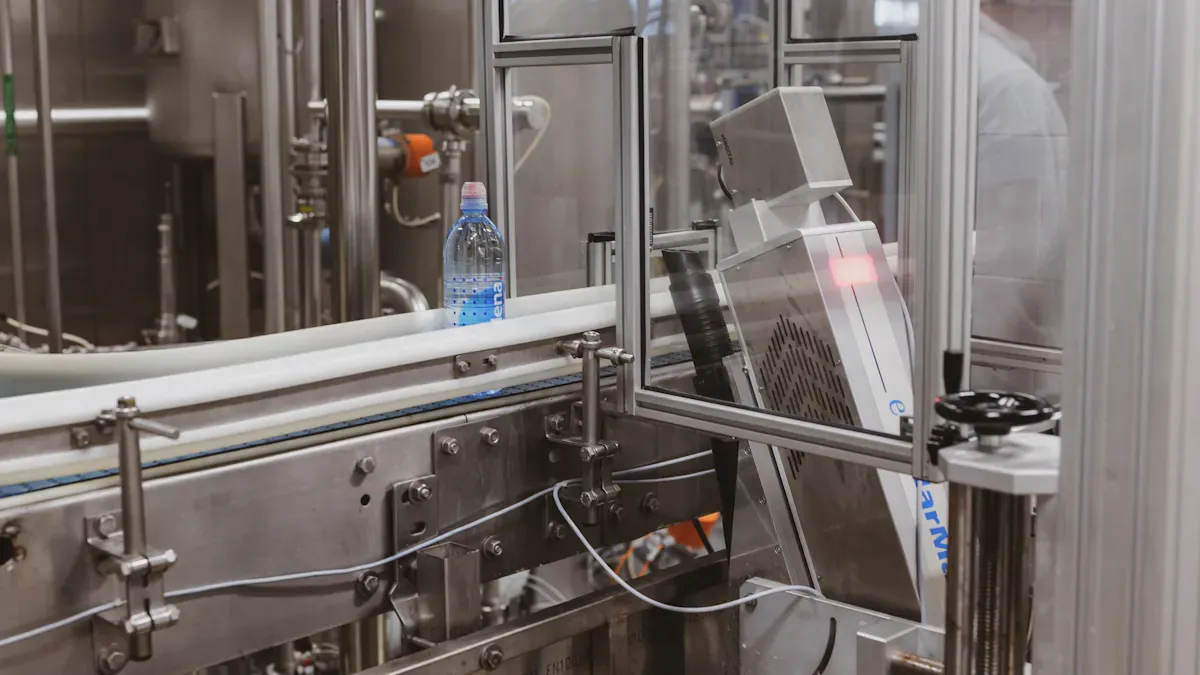
Ngwakọta plastik na-ahazi resin isi na mgbakwunye, ịmepụta ihe ahaziri maka ngwa ngwa. Pelletizing na-agbanwe ihe ndị a gbakọtara ka ọ bụrụ pellets otu, njikere maka ịrụ ọrụ nke ọma downstream ojiji. Ndị na-emepụta ihe na ndị injinia ghọtara ọdịiche dị n'etiti usoro ọ bụla nwere ike ịkwalite arụmọrụ ma hụ na ngwaahịa dị mma.
Ihe omuma ahia n'oge na-adịbeghị anya na-egosi na ọnụ ahịa ahịa zuru ụwa ọnụ maka teknụzụ ndị a ga-eru $82 ijeri site 2025 na $182 ijeri site 2035, na-akwalite site na uto na ngalaba ụgbọ ala na nkwakọ ngwaahịa.
| Usoro | Mmetụta arụmọrụ | Mmetụta Ogo ngwaahịa |
|---|---|---|
| Ngwakọta | Ihe akwa akwa, enwekwukwa arụmọrụ, na-ebelata ọnụ ahịa | Na-enyere njikwa mma ka mma |
| Pelletizing | Na-enye ụdị ihe na-agbanwe agbanwe maka nhazi | Na-eme ka otu dị n'ịdị mma ngwaahịa ikpeazụ |
Isi ihe eji eme ihe
- Ngwakọta plastik na-ahazi resin isi na mgbakwunye iji mepụta ihe maka ojiji akọwapụtara.
- Pelletizing na-agbanwe ihe agwakọtara ka ọ bụrụ pellet otu maka nhazi na njikwa dị mfe.
- Ịghọta ọdịiche dị n'etiti ịgbakọta na pelletizing na-enyere ndị na-emepụta aka melite arụmọrụ na àgwà ngwaahịa.
- Ngwakọta gụnyere ịgwakọta, agbaze, na extruding ihe iji nweta ihe ndị a chọrọ.
- Pelletizing na-elekwasị anya n'ịmepụta nha pellet na-agbanwe agbanwe, nke dị oke mkpa maka nrụpụta a pụrụ ịdabere na ya.
- Njikwa ogo dị mkpa na usoro abụọ ahụ iji hụ na ngwaahịa ikpeazụ na-emezu ụkpụrụ ụlọ ọrụ.
- Ma ngwakọta na pelletizing na-arụ ọrụ dị mkpa na ngalaba dịka ụgbọ ala, ngwá electronic, na ahụike.
- Ịhọrọ usoro ziri ezi na-adabere na njirimara ihe onwunwe, mmepụta mkpa, na ego echiche.
Nkọwa na Ọdịiche
Akọwapụtara ngwakọta plastik
Ngwakọta plastik na-ezo aka na usoro nke ịgwakọta polymers na mgbakwunye, ihe ndochi, na nkwalite iji gbanwee na welie ihe anụ ahụ na kemịkal nke ihe ahụ. Ụkpụrụ ụlọ ọrụ na-akọwa usoro a dị ka usoro iji dozie polymer ka ọ na-agụnye ihe niile achọrọ n'ime otu ihe. Ndị na-emepụta ihe na-eji ngwakọta plastik mee ka mma ngwaahịa dịkwuo mma, belata ego, na-abawanye arụpụtaghị ihe. Usoro a na-agụnyekarị agbaze, ngwakọta, na extrusion iji nweta a edo dispersion nke components.
Otutu ihe eji eme ihe na ihe mgbakwunye na-ekere òkè na ngwakọta plastik:
- Masterbatch: Ngwakọta agba agba agba agba agba na mgbakwunye n'ime resin ebu, n'ịhụ na ọbụna mgbasa.
- Antioxidants: Gbochie mmebi polymer site na okpomọkụ na ikuku oxygen, na-ejigide ike na mgbanwe.
- UV Stabilizers: Chebe polymer ndị a na-eji n'èzí site na ịmịnye ma ọ bụ ịgbasa radieshon ultraviolet na-emerụ ahụ.
- Ndị na-egbochi ire ọkụ: Gbochie ma ọ bụ igbu oge mmepụta ire ọkụ, karịsịa dị mkpa na ngwá electronic na ihe owuwu.
- Agba agba: Kwe ka nhọrọ agba na rọba gbakọtara ọnụ.
- Ndị na-agbanwe ike na mgbanwe mgbanwe: Nweta akụrụngwa akụrụngwa akọwapụtara.
- Ihe mgbakwunye mgbochi nje: Na-egbochi uto nje, dị mkpa maka ngwaahịa ọgwụ.
- Ihe ndochi: Dị ka talc, eriri iko, na calcium carbonate, kwalite ike, belata ego, na welie okpomọkụ iguzogide.
- Ndị na-akwalite arụmọrụ: Njirimara ịkwa akwa dị ka nkwụsi ike thermal, ire ọkụ retardancy, na mgbochi UV.
Usoro a na-enyere ndị nrụpụta aka ịmepụta ihe nwere njirimara ziri ezi maka ngwa ndị na-achọsi ike.
Akọwapụtara Pelletizing Plastic
Plastic pelletizing bụ usoro na na-atụgharị plastik raw ma ọ bụ arụgharịrị arụgharị n'ime obere, uwe pellets. Ngbanwe a dị mkpa maka nrụpụta na imegharị ihe nke ọma. Ihe mkpuchi plastik a na-ehicha ndị na-atụgharị ma na-akpachasịkarị ya ma ọ bụ plastik a wụrụ awụ ka ọ bụrụ pellets otu, nke a na-eweghachite n'ime usoro mmepụta ihe. Pelletization na-eleba anya ihe ịma aka dị ka inye nri na-ezighi ezi na njikwa ihe, na-eme ka ọ dị mkpa na ngalaba dị ka ụgbọ ala na nkwakọ ngwaahịa ebe ogo ngwaahịa dị oke mkpa.
| Ụdị ihe akaebe | Nkọwa |
|---|---|
| Ngwaọrụ | Ụdị plastik dị iche iche, gụnyere polyethylene (PE) na polypropylene (PP) |
| Nsonaazụ | A na-emepụta pellet plastik site na agbaze, jụrụ oyi, na ịcha usoro |
Pelletization na-eme ka arụmọrụ nke mmepụta plastik dịkwuo mma ma na-enye ohere maka ịmepụta plastik pụrụ iche ma na-ejigide mfe njikwa..
Isi ihe dị iche iche nchịkọta
Okpokoro ntụnyere
| Akụkụ | Ngwakọta plastik | Pelletizing plastik |
|---|---|---|
| Isi Nzube | Na-agbanwe ihe mejupụtara na akụrụngwa nke polymer | Na-atụgharị ihe n'ụdị pellet otu |
| Nzọụkwụ isi | Ngwakọta, agbaze, ngwakọta, extrusion | Na-agbaze, jụrụ oyi, ịcha |
| Ihe mgbakwunye a na-ahụkarị | Ihe ndochi, agba agba, stabilizers, arụmọrụ enhancers | A naghị atụkwasịkarị ya n'oge pelletizing |
| Mpụta | Ngwa rọba ahaziri ahazi (nwere ike ịbụ n'ụdị dị iche iche) | Pellets n'ụdị |
| Ngwa | Iji ozugbo na ngwaahịa ma ọ bụ nhazi ọzọ | Eji maka ịkpụzi, extrusion, ma ọ bụ ụgbọ njem |
Isi ihe nchịkọta
- Ngwakọta plastik na-elekwasị anya n'ịgbanwe nhazi nke plastic site na ịgwakọta ihe dị iche iche, nke na-emetụta njirimara anụ ahụ ya.
- Plastic pelletizing na-atụgharị rọba gbakọtara ka ọ bụrụ pellets otu, isi na-eche banyere ụdị anụ ahụ maka ịdị mfe nke iji n'ichepụta.
- Enwere ike ịkpụzi plastik agwakọtara ka ọ bụrụ ngwaahịa, ebe a na-ejikarị plastik pelletized eme ihe maka nhazi ọzọ.
- Usoro abụọ a na-arụ ọrụ dị oke mkpa n'ichepụta ọgbara ọhụrụ, ma ha na-egbo mkpa dị iche iche n'ime mmepụta yinye.
Ndụmọdụ: Ịghọta ọdịiche dị n'etiti usoro ndị a na-enyere ndị nrụpụta aka ịhọrọ usoro ziri ezi maka ngwa ha kpọmkwem, n'ịhụ na arụmọrụ kacha mma na arụmọrụ.
Usoro ngwakọta plastik
Usoro usoro
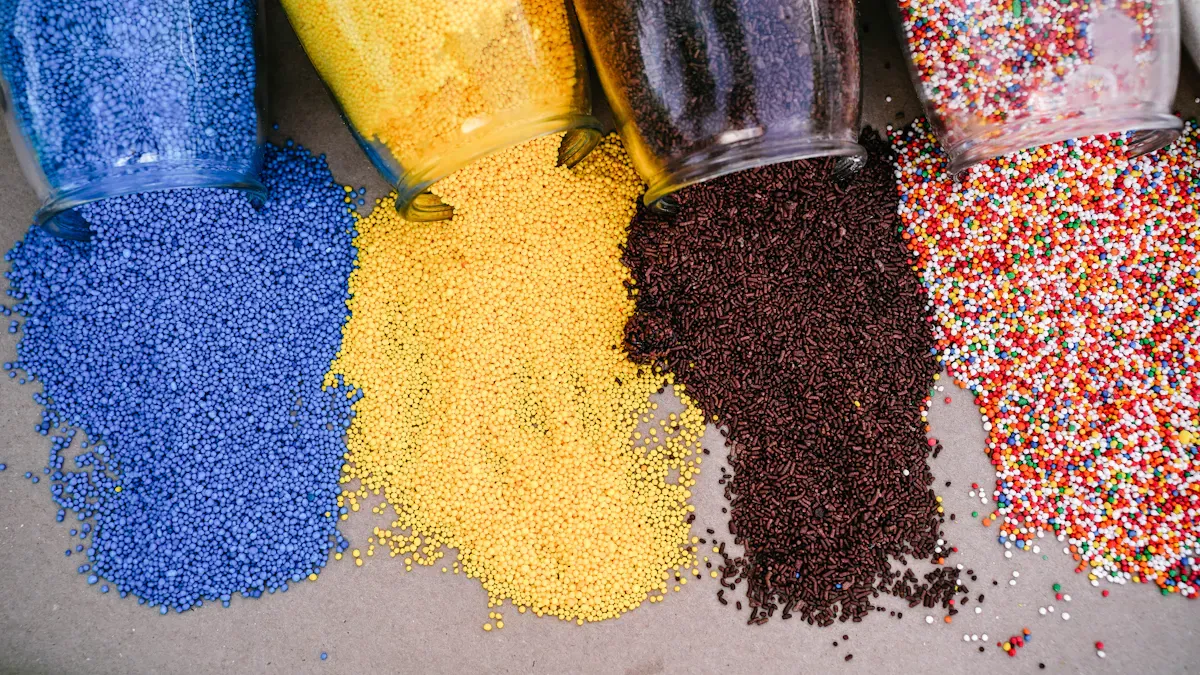
Ngwakọta plastik na-agbanwe akụrụngwa ka ọ bụrụ plastik arụ ọrụ dị elu site n'usoro usoro ziri ezi. Ndị na-emepụta ihe na-amalite site na ịchekwa akụrụngwa dịka resin, ihe mgbakwunye, na fillers na akpa, nnukwu akpa, ma ọ bụ silos. Sistemụ pneumatic ma ọ bụ igwe na-ebuga ihe ndị a na mpaghara nhazi. Ndị na-arụ ọrụ na-enye ihe ndị ahụ n'ime gbọmgbọm akwụkwọ akụkọ, ma na-aga n'ihu ma ọ bụ na batches. Usoro nhazi na-aga n'ihu na agbaze na ngwakọta, ebe polymer na ihe mgbakwunye ngwakọta iji nweta otu. Oge ikpeazụ gụnyere ịkpụzi, jụrụ oyi, na ibelata ngwaahịa, soro njikwa mma siri ike.
| Nzọụkwụ | Nkọwa |
|---|---|
| 1 | Nchekwa akụrụngwa na akpa, nnukwu akpa, na silos |
| 2 | Sistemụ ibufe ihe pneumatic ma ọ bụ igwe |
| 3 | Nri ihe onwunwe na gbọmgbọm pịa (ndochi na-aga n'ihu / na-akwụsị) |
| 4 | Agbaze na ịgwakọta oge |
| 5 | Ngwaahịa ikpeazụ na njikwa |
Rịba ama: Insight Polymers na-eme ka ntụgharị ngwa ngwa na ngwakọta ọpụrụiche iji wepụta ngwọta ngwakọta plastik omenala, na-ebuli nzọụkwụ ọ bụla maka arụmọrụ na ịdị mma.
Ngwa eji
Ngwakọta ngwakọta plastik na-adabere na akụrụngwa dị elu iji hụ na nsonaazụ na-agbanwe agbanwe. Ndị na-apụ apụ na-edobe ọsọ maka nhazi ma na-ekere òkè dị mkpa n'ịgbaze na ịgwakọta. Ngwakọta na-aga n'ihu na-arụ ọrụ n'akụkụ ndị extruders iji jikwaa ihe dị ka acrylics, nylon, na PVC. Sistemụ ngwakọta na-akwadebe mgbakwunye tupu ngwakọta, ebe usoro onunu ogwu na-ekwe nkwa oke ihe eji eme ihe. Teknụzụ ejizi ihe, dị ka rotary feeders na diverter valves, na-akwado nkesa dị mma na dosing nke nnukwu ihe. Ahịrị ngwakọta agbakwunyere jikọtara usoro ndị a, na-enye ohere maka mgbanwe mmepụta ọnụego na nhazi. Insight Polymers na-eji akụrụngwa pilot extrusion ejima ime ihe iji duzie obere nnwale mmepe., na-eme ka nyocha nke ọma nke ngwaahịa na nhazi nhazi.
Ụdị ngwakọta
Ngwakọta plastik na-agụnye ọtụtụ ụzọ, nke ọ bụla ahaziri na mkpa ngwa ngwa. Ndị na-emepụta ihe nwere ike ịgbakwunye ụcha iji kwalite ọdịdị ma ọ bụ ihe nkwusi ike iji kwalite okpomọkụ na nguzogide UV. Ndị na-ere ọkụ na-abawanye nchekwa, karịsịa n'ihe owuwu na ngwá electronic. Mgbanwe mmetụta na-akwalite ike, mgbe fillers na enhancements na-edozi ọnụ ahịa, isi ike, ma ọ bụ ike. Ngwakọta ahaziri ahaziri nwekwara ike ịgụnye ihe mgbochi nje maka ngwaahịa ahụike ma ọ bụ ihe nkwalite UV maka ojiji n'èzí. Insight Polymers bụ ọkachamara na ngwọta ngwakọta polymer nke na-ekwu maka ebumnuche arụmọrụ pụrụ iche, na-enye masterbatch concentrates na omenala plastic compound maka injection ịkpụzi, eriri, ihe nkiri, na mgbakwunye mmepụta ihe.
- Nhọrọ agba maka ịchọ mma
- Usoro nchekwa nri maka nkwakọ ngwaahịa
- Ihe mgbochi ọkụ maka owuwu
- Mgbanwe ike na mgbanwe maka mkpa ngwaahịa akọwapụtara
- Ngwakọta antimicrobial maka ahụike
- Enwetara nnabata UV maka ịdịte aka n'èzí
Usoro a zuru oke na-eme ka a hụ na ngwọta ngwakọta polymer ọ bụla na-emezu ihe achọrọ nke nrụpụta ọgbara ọhụrụ.
Steeti ihe onwunwe
Plastic compounding involves several material states as raw ingredients transform into high-performance compounds. The process begins with solid resins, ihe mgbakwunye, na fillers. Operators feed these materials into the compounding system, where they remain in a granular or powder form. As the process advances, the extruder heats and melts the mixture, converting it into a viscous, molten state. This molten blend allows for thorough mixing and dispersion of all components.
Once homogenization is complete, the material exits the extruder. At this stage, it can take several forms depending on the application. Some manufacturers cool and cut the extrudate into pellets, while others may produce strands, mpempe akwụkwọ, or directly molded shapes. The final state—whether pellet, eriri, or sheet—depends on downstream processing requirements. Ọmụmaatụ, Insight Polymers na-ewepụtakarị ngwakọta plastik omenala n'ụdị pellet maka njikwa dị mfe yana inye nri na-agbanwe agbanwe na ịkpụzi injection ma ọ bụ ahịrị extrusion..
Ikike ijikwa ihe onwunwe na-ekwu n'oge usoro a na-eme ka a hụ na ngwaahịa ikpeazụ na-emezu njirisi arụmọrụ siri ike. Mgbanwe a na-akwado ọtụtụ ngwa ngwa, site na akụkụ ụgbọ ala gaa na ngwaọrụ ahụike, ma na-eme ka mgbanwe ngwa ngwa na mkpa ndị ahịa.
Njikwa ogo
Njikwa ogo na-eguzo na isi nke ọrụ ngwakọta plastik na-aga nke ọma. Ndị nrụpụta na-adabere na sistemu njikwa akpaaka dị elu iji kwado ya njirimara pellet na-agbanwe agbanwe n'oge extrusion. Sistemụ ndị a na-enyocha ma mezie usoro nhazi ozugbo, n'ịhụ na ngwakọta a wụrụ awụ na-anọgide na-edobe. N'ihi ya, pigmenti na ihe mgbakwunye na-agbasasị nke ọma, na-emepụta ogige masterbatch edo edo.
Operators use several practical methods to verify product consistency. Nke water displacement method provides a reliable way to measure density on the shop floor. This technique involves measuring the initial water level, weighing the sample, and calculating density based on the displaced volume. It improves formulation accuracy, prevents material wastage, and ensures consistent product weight. These benefits support better cost control and reduce production quality issues.
A comprehensive quality control program includes a series of tests:
- Color matching tests use spectrophotometers to evaluate color differences and ensure visual consistency.
- Thermal stability tests validate pigment endurance at molding temperatures.
- Dispersion tests confirm even additive distribution through microscopic observation.
- Nnwale ịrụ ọrụ igwe na-enyocha ike tensile na nguzogide mmetụta.
Insight Polymers na-ejikọta usoro njikwa mma ndị a n'ime ogbe ọ bụla, n'ịhụ na ha polymer compounding ngwọta na-enye ọrụ a pụrụ ịdabere na ya. Nkwenye a maka ịdị mma na-akwado ụlọ ọrụ na-achọ nkenke, dị ka ụgbọ ala, ngwá electronic, na ahụike.
Ndụmọdụ: Njikwa ịdị mma na-agbanwe agbanwe ọ bụghị naanị na-eme ka ntụkwasị obi ngwaahịa dịkwuo elu kamakwa na-ewusi ntụkwasị obi ndị ahịa ike na ọrụ ngwakọta plastik omenala.
Usoro Pelletizing Plastic
Usoro usoro
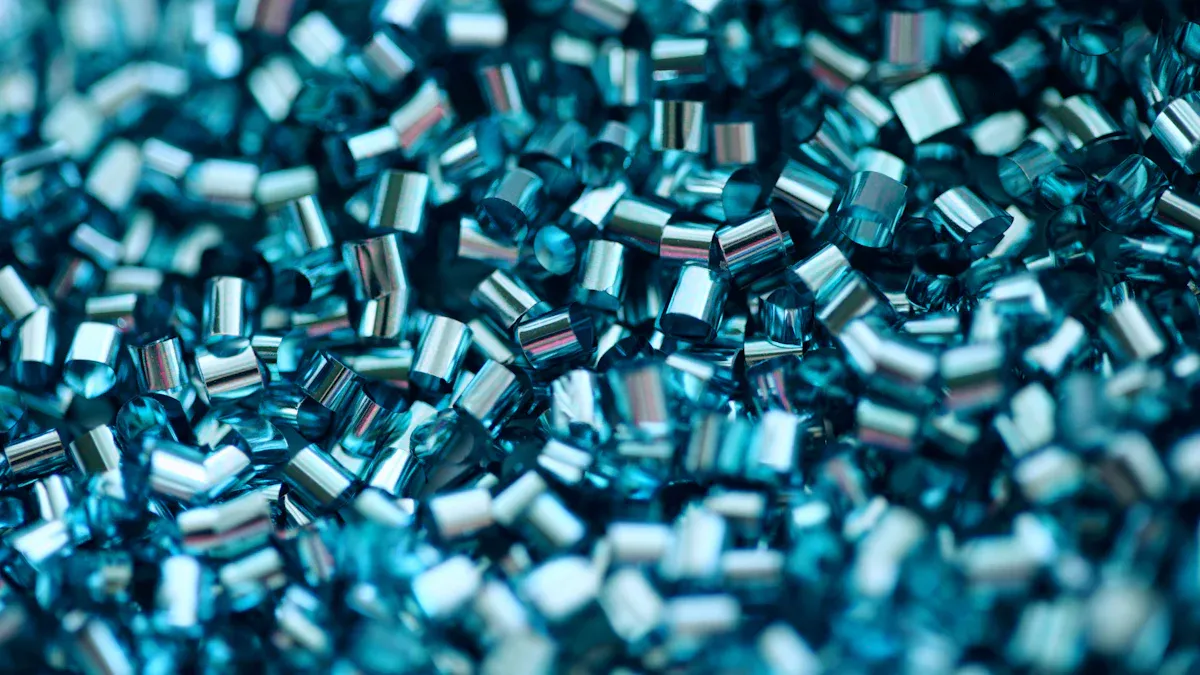
Plastic pelletizing na-agbanwe resin raw ma ọ bụ megharịa ka ọ bụrụ pellets otu site na usoro nke akọwapụtara nke ọma.. Ndị na-arụ ọrụ na-amalite site n'ịhazi ihe mkpofu rọba dịka ụdị polymer si dị, agba, na ọkwa mmetọ. Ha na-akpụba plastik ndị a haziri n'ime obere flakes, nke na-eme ka ịsa ahụ dị mma. Mgbe ịsachara, flakes dị ọcha na-aga n'ihu na-agbaze, ebe ha na-ekpo ọkụ na extruded. Plastic a wụrụ awụ na-agafe na nzacha iji wepụ ihe adịghị ọcha ọ bụla. Ka agbaze agbaze agbaze na-apụ na efere anwụ, ọ na-etolite eriri na-aga n'ihu. Ụdọ ndị a na-enweta oyi ngwa ngwa n'ime mmiri ịsa ahụ ma ọ bụ usoro ikuku jụrụ oyi, na-eme ka usoro ha guzosie ike. N'ikpeazụ, A na-egbutu eriri ndị ahụ jụrụ oyi n'ime pellets, nke dị njikere maka nrụpụta ala.
Pelletizing nke ọma na-eme ka nha pellet dị mma na-agbanwe agbanwe, nke dị oke mkpa maka nhazi a pụrụ ịdabere na ya na ngwa ịkpụzi na extrusion.
Ngwa eji
Ọrụ pelletizing dabere na igwe pụrụ iche iji nweta nsonaazụ dị elu yana nsonaazụ na-agbanwe agbanwe. Strand pelletizers na-ejikwa extrusion ahụ nke plastik a wụrụ awụ n'ime eriri ma bee ha n'ime pellets. Ndị pelletizers n'okpuru mmiri na-egbutu plastik a wụrụ awụ ozugbo n'okpuru mmiri, which instantly cools and solidifies the pellets. Cold pelletizers produce pellets from hot extrudate without using water cooling. Each machine type supports different process requirements and material characteristics. Operators select equipment based on the type of resin, the presence of additives, and the desired pellet properties.
- Strand pelletizers: Cut extruded strands into uniform pellets.
- Pelletizers n'okpuru mmiri: Cut and cool pellets simultaneously in a water chamber.
- Cold pelletizers: Produce pellets without water, suitable for heat-sensitive materials.
Pelletizing Technology Types
Manufacturers use several pelletizing technologies, each offering unique advantages in efficiency and output quality. Strand pelletizing works best for clean, stable materials and delivers high output quality. Water-ring pelletizing cuts the molten plastic na ihu anwụ anwụ ma mee ka ọ dị jụụ na mgbanaka mmiri na-ekesa, nke na-eme ka arụmọrụ dịkwuo elu. Pelletizing n'okpuru mmiri na-egbutu pellet n'ime ụlọ mmiri, n'ịhụ oyi oyi na nnọọ elu mmepụta àgwà.
| Nkà na ụzụ Pelletizing | Nkọwa | Ịrụ ọrụ | Ogo mmepụta |
|---|---|---|---|
| Strand Pelletizers | Bee pellets na eriri ma dabara maka ihe dị ọcha. | Na-agafeghị oke | Elu |
| Pelletizers ihu anwụ anwụ | Gụnye usoro mmiri n'okpuru mmiri na mgbanaka mmiri, na-enye ngwa ngwa jụrụ oyi. | Elu | Dị Elu |
Ndị na-arụ ọrụ na-ahọrọ teknụzụ kwesịrị ekwesị dabere na ụdị resin, the presence of additives, na njirimara pellet achọrọ. Nhọrọ ziri ezi na-achọpụta na pellets na-agbaso ụkpụrụ dị mma maka nhazi ala.
Steeti ihe onwunwe
Pelletizing na-agbanwe plastik site na steeti ihe dị iche iche. Usoro na-amalite site na nri plastik siri ike, nke nwere ike ịgụnye resin na-amaghị nwoke, flakes emegharịrị, ma ọ bụ ịkwa akwa. Ndị na-arụ ọrụ na-ebunye ihe ndị a n'ime hopper ma ọ bụ feeders. Ihe ahụ wee banye na extruder, where heat and mechanical force convert the solid particles into a molten state. This molten plastic flows through the extruder barrel, ensuring thorough mixing and homogenization.
As the molten mass exits the extruder, it passes through a die plate. At this stage, the material forms continuous strands or droplets, depending on the pelletizing technology. In strand pelletizing, the molten plastic emerges as long, spaghetti-like strands. These strands move through a cooling system, often a water bath, which solidifies the material rapidly. Ozugbo mma, the solidified strands enter a cutting chamber, where rotating knives chop them into uniform pellets.
Other pelletizing methods, such as underwater or water-ring systems, cut the molten plastic immediately as it exits the die. The pellets cool and solidify almost instantly in the water environment. The final product consists of small, dense pellets with consistent size and shape. Ndị a pellets dị mfe ijikwa, njem, and feed into downstream manufacturing processes.
Ndụmọdụ: Controlling each material state during pelletizing ensures that the final pellets meet strict quality and performance standards.
Njikwa ogo
Quality control in pelletizing plays a critical role in maintaining pellet uniformity and purity. Operators implement several protocols throughout the process to ensure high-quality output:
- Pre-sorting and washing remove contaminants and non-target materials. Automated sorting systems and washing lines help achieve a clean feedstock.
- Drying and decontamination eliminate moisture and impurities. High-temperature drying and vacuum purification prepare the material for extrusion.
- Extrusion and pelletization melt purified flakes or resin into uniform pellets. Twin-screw extruders na-enye ezigbo ngwakọta na nkwụsi ike.
- Mwepu degassing na-ewepụ gas na ogige ndị na-agbanwe agbanwe n'okpuru ọnọdụ oghere dị elu. Nzọụkwụ a na-egbochi ntụpọ ma kwalite mma pellet.
- Crystallization na polymerization siri ike (SSP) welie viscosity dị n'ime nke ụfọdụ polymers, dị ka PET. Usoro ndị a na-ahụ na pellets na-emezu ihe achọrọ ngwa ngwa.
Ndị na-arụ ọrụ na-enyocha nha pellet, udi, na agba niile usoro. Ha na-eji sieves, nlele anya, na ihe mmetụta na-akpaghị aka iji chọpụta ndahie ọ bụla. njikwa mma na-agbanwe agbanwe na-ebelata ihe mkpofu, mma usoro arụmọrụ, ma na-ekwe nkwa na pellets na-arụ ọrụ nke ọma na ịkpụzi, extrusion, ma ọ bụ ngwa ndị ọzọ.
Rịba ama: Njikwa ogo ntụkwasị obi na pelletizing na-akwado ndị na-emepụta ngwaahịa na-arụ ọrụ dị elu maka ụlọ ọrụ na-achọsi ike..
Ngwa
Ngwa ngwakọta
Ngwakọta plastik na-enyere ndị na-emepụta ihe aka ịmepụta ihe nwere njirimara ahaziri maka ngalaba na-achọsi ike. Tebụl na-esote na-egosipụta nkịtị ụlọ ọrụ na-eji:
| Ngalaba | Ngwa |
|---|---|
| Ụgbọala | Ihe ndị dị arọ, plastik na-eguzogide okpomọkụ, polymers na-eguzogide mmetụta |
| Eletrọnịkị | Ngwakọta ndị na-egbochi ire ọkụ, plastik na-eduzi thermally, ihe mgbochi static |
| Ngwaahịa ndị ahịa | Plastics na-adịgide adịgide, ihe nchekwa nri, Ngwakọta ndị na-eguzogide UV |
| Ngwa ụlọ ọrụ mmepụta ihe | Ndị polymer na-eguzogide ọgwụ, plastik mesiri ike, ihe na-eguzogide abrasion |
Ụgbọala
Ndị na-emepụta ụgbọ ala na-adabere na ogige dị elu maka iguzosi ike n'ezi ihe na nhazi. Ngwakọta plastik na-arụ ọrụ dị elu dochie ígwè n'ime ogwe ime ụlọ, bumpers, na n'okpuru ihe mkpuchi. Ihe ndị a na-enye ike yiri ya na arụmọrụ okpomọkụ, nke na-eme ka nrụpụta mmanụ na nchekwa dịkwuo mma. Insight Polymers na-ewepụta ngwakọta omenala maka ịkpụzi injection, enabling rapid prototyping and production of automotive parts that meet strict industry standards.
Eletrọnịkị
Electronics producers use specialty compounds for housings, njikọ, and insulators. Flame-retardant and thermally conductive plastics protect sensitive components from heat and electrical hazards. Anti-static materials prevent damage from static discharge. Insight Polymers supports electronics manufacturers with masterbatch concentrates that enhance safety and performance in consumer devices and renewable energy systems.
Ọgwụ
Medical device manufacturers require compounds with precise mechanical and chemical properties. Custom formulations provide antimicrobial protection and biocompatibility for diagnostic equipment and surgical tools. Insight Polymers develops specialty compounds for fibers and films used in medical packaging and devices, ensuring compliance with healthcare regulations.
Pelletizing Applications
Pelletizing transforms raw or recycled plastics into uniform pellets, supporting a wide range of manufacturing processes.
Molding & Extrusion
Pellets serve as the standard feedstock for molding and extrusion. Their consistent size and shape ensure reliable machine operation and product quality. Manufacturers use pellets to produce daily-use products such as trash bins, hangers, and flower pots, as well as industrial items like pallets and automotive interior base materials.
Imegharị ihe
Pelletizing plays a vital role in recycling. Operators sort, shred, and melt plastic waste, then re-extrude and pelletize it into high-quality, reusable pellets. This process closes the loop in the plastic lifecycle, allowing manufacturers to reintroduce recycled material into new products. Applications include construction materials like plastic lumber and municipal covers.
By turning plastic waste into a consistent raw material, pelletizing helps close the loop in the plastic lifecycle.
Bulk Handling
Large-scale manufacturers benefit from pelletizing in bulk handling and logistics. The process includes material intake, sorting, shredding, extrusion, pelletizing, na nkwakọ ngwaahịa. Uniform pellets simplify storage, njem, and return shipping, supporting efficient supply chains. Manufacturers can ship pellets back for reuse or send them to third parties for new product applications.
Insight Polymers’ expertise in custom compounding and pelletizing supports diverse applications, from injection molding and additive manufacturing to sustainable recycling initiatives.
Process Selection
Factors to Consider
Manufacturers must evaluate several factors when selecting the right process for their production needs. These considerations help ensure that the chosen method aligns with both operational goals and product requirements:
- Material characteristics play a central role. Understanding the physical and chemical properties of input materials determines compatibility with custom plastic compounding or pelletizing.
- Throughput requirements must match the capacity of the pelletizer and the upstream extrusion system. This alignment prevents bottlenecks and maximizes efficiency.
- Pellet quality requirements depend on end-user specifications. Precision in pellet size and shape supports consistent downstream processing.
- Operational environment and available utilities influence system selection. Facilities must support the demands of the chosen process.
- Nlekọta na ịdị mfe nke ojiji na-emetụta mmepụta ogologo oge. Igwe ndị na-achọ obere mmezi ma na-enye nnweta dị elu na-ebelata oge nkwụsị.
- Nlebanya ọnụ na nloghachi na mkpebi ntụzịaka itinye ego. Na-enyocha mkpokọta ọnụ ahịa nwe, gụnyere mmefu ọrụ yana mfu ngwaahịa nwere ike ime, na-emesi ike nkwado ego.
- Ụlọ ọrụ na-achọkarị ihe ndị nwere ogologo ike pụrụ iche. Mgbanwe imewe ka dị mkpa iji gboo mkpa ngwa pụrụ iche. Ọnụ ahịa ọnụ ahịa na-aga n'ihu na-emetụta nhọrọ nke ụzọ mmepụta ihe.
Ịghọta ihe pụrụ iche n'ibu Njirimara, ọgwụ mgbochi, na njirimara nhazi nke plastik dị iche iche dị mkpa. Ihe ndị a na-emetụta ịdịte aka ozugbo, ọnụ ahịa arụmọrụ, na nnabata na ụkpụrụ ụlọ ọrụ.
Ọmụmụ ihe gbasara ikpe
| Mpaghara Ngwa | Ihe akaebe nke ịga nke ọma | Nkọwapụta nsonaazụ |
|---|---|---|
| Imepụta resin na polymerization | Mbulite site na 40% na n'okpuru mmiri pelletizing usoro. | Dị irè maka mmepụta nke pellets na-aga n'ihu. |
| Ngwakọta na mmepụta Masterbatch | Emelitere arụmọrụ pellet agba na usoro ndị ahịa site na iji sistemu mmiri dị n'okpuru. | Kwesịrị ekwesị maka agba agba na ogige jupụtara. |
| Nrụgharị na nrụpụta ọrụ | Usoro ahaziri maka imegharị karama PET iji jikwaa ihe na-agbanwe agbanwe. | Sistemụ strand maka scrap na-agbanwe agbanwe; mmiri n'okpuru mmiri maka ihe agwakọta. |
Ndị na-emepụta ihe na ngalaba ahụike enwetawo obere extractables profaịlụ n'ime tubing setịpụrụ ọbara site na ịhọrọ TPE ma ọ bụ PVC na-enweghị DEHP. Ngwa akụrụngwa autoclavable na-erite uru site na ogige TPE, nke na-eguzogide mgbakasị ahụ n'oge ịgba ọgwụ mgbochi ọrịa ugboro ugboro. Usoro ọmụmụ usoro ọmụmụ zuru oke na-eme ka a mata njirimara nke akụrụngwa niile, na-akwado mmesi obi ike n'ichepụta ngwaọrụ ahụike.
Ihe ịma aka & Ngwọta
Ndị na-emepụta ihe na-enwekarị nsogbu n'oge mmejuputa. Addressing these issues quickly ensures consistent quality and operational efficiency:
- Irregular pellet size and shape can occur. Operators adjust die temperature, inspect cutting blades, and set the correct blade gap to resolve this.
- Reduced throughput or machine jamming may disrupt production. Purging die holes, ensuring consistent material flow, and monitoring feed section components help maintain steady operation.
- Overheating of the machine or motor poses risks. Checking cooling systems, inspecting for excessive friction, and ensuring proper cutter speed prevent damage.
- Poor pellet quality affects downstream performance. Verifying temperature profiles, implementing strict material handling, and pre-drying hygroscopic materials improve results.
By applying these solutions, companies can optimize their polymer compounding solutions and maintain high standards in custom plastic compounding and extrusion processes.
Pelletizing Technology Trends
Advances in Compounding
Recent advances in compounding have transformed how manufacturers approach material design and production. Companies now use recycled resins and bio-based polymers to belata ihe mkpofu and support sustainability. They rejuvenate old plastic streams, restoring their properties and extending their lifecycle. Advanced compounding techniques allow plastics to replace metals and ceramics in many applications, improving efficiency and reducing costs.
Manufacturers benefit from several key developments:
- Flexibility in creating components without traditional dies or tooling.
- Cost-effective solutions for prototyping and short-run production.
- Enhanced mechanical strength and durability in finished parts.
- Integration of nanotechnology to improve material properties.
- Adoption of Industry 4.0 technologies for better process control and customization.
These innovations enable the use of a wide range of additives, including those that improve conductivity, flame retardance, and structural strength. The focus on sustainable and recyclable materials continues to drive the evolution of compounding processes.
Innovations in Pelletizing
Pelletizing technology has seen significant improvements, especially in quality control and operational efficiency. Leading manufacturers have adopted advanced filtration systems that use multiple filtration stages with finer mesh sizes. This approach removes contaminants and ensures superior pellet quality, protecting downstream equipment.
| Ụdị ihe ọhụrụ | Nkọwa |
|---|---|
| Advanced Filtration Systems | Multiple filtration stages for cleaner pellets and equipment protection. |
| Intelligent Control Systems | Real-time monitoring and predictive maintenance via touchscreen interfaces. |
| Dynamic Preconditioning Unit | Single-stage preparation of plastics for extrusion, preserving material properties. |
| IoT and AI Integration | Predictive maintenance and real-time adjustments for improved efficiency and lower costs. |
Dynamic preconditioning units combine several steps into one, preparing plastics for extrusion while maintaining high end-product quality. Intelligent control systems provide operators with real-time data, allowing quick adjustments to the process. IoT and AI integration further enhance pelletizing by enabling predictive maintenance and reducing downtime.
Ndogide
Sustainability initiatives have become central to the development of both compounding and pelletizing technology. Companies like LyondellBasell focus on improving the quality of mechanical plastic recycling through research and development. Their efforts ensure that recycled materials meet strict safety and performance standards. Primex demonstrates a commitment to sustainability by operating an in-house recycling facility. This facility processes post-industrial and post-consumer materials through collection, sorting, shredding, washing, na pelletizing. The result is high-quality recycled resin suitable for manufacturing.
Manufacturers now prioritize the use of sustainable additives and recyclable materials in their processes. They design pelletizing systems to handle a variety of recycled plastics, supporting closed-loop recycling and reducing environmental impact. Usoro ndị a na-egosipụta ngbanwe ụlọ ọrụ sara mbara n'ebe mmepụta na nchekwa akụrụngwa dị mkpa.
Ndụmọdụ: Ịnabata nkà na ụzụ pelletizing ọhụrụ na omume na-adịgide adịgide na-enyere ndị nrụpụta aka ịnọgide na-asọmpi mgbe ha na-ezute ebumnobi gburugburu ebe obibi.
Ndị nrụpụta na-adabere na usoro abụọ a maka mkpa ngwa dị iche iche. Ngwakọta plastik na-emepụta ihe nwere ihe ndị dị iche iche, ebe pelletizing na-akwadebe ihe ndị ahụ maka iji rụọ ọrụ nke ọma. Ịhọrọ usoro ziri ezi na-eme ka ngwa ọ bụla na-emezu ihe mgbaru ọsọ dị mma na arụmọrụ.
- Nyochaa ihe achọrọ nke ngwa ọ bụla tupu ịhọrọ usoro.
- Kpọtụrụ ndị ọkachamara ụlọ ọrụ maka nduzi na ngwa mgbagwoju anya.
Maka ozi ndị ọzọ na ngwọta omenala, ndị nrụpụta nwere ike ịkpọtụrụ Insight Polymers ma ọ bụ nyochaa akụrụngwa teknụzụ.
FAQ
Gịnị bụ isi ihe dị iche n'etiti plastic compounding na pelletizing?
Plastic compounding changes the properties of plastics by mixing resins with additives. Pelletizing shapes these materials into uniform pellets for easy processing. Each process serves a unique role in manufacturing.
When should a manufacturer choose custom plastic compounding?
Manufacturers select custom plastic compounding when they need materials with specific properties, such as flame resistance or enhanced strength. Insight Polymers offers rapid, tailored solutions for these requirements.
Can pelletizing improve recycled plastic quality?
Ee. Pelletizing cleans, agbazekwa, and reforms recycled plastics into uniform pellets. This process removes contaminants and improves consistency, making recycled materials suitable for new products.
What equipment does Insight Polymers use for compounding?
Insight Polymers uses twin-screw extruders, advanced mixers, and precise dosing systems. These tools allow for efficient blending and rapid development of custom compounds.
How do manufacturers ensure quality during compounding?
Manufacturers use real-time monitoring, color matching, and mechanical testing. They check density and dispersion to guarantee consistent results. Quality control remains essential for reliable performance.
Are compounded pellets ready for injection molding?
Ee. Compounded pellets from Insight Polymers are designed for direct use in injection molding, extrusion, na mgbakwunye mmepụta ihe. Their uniformity ensures smooth processing and high-quality finished parts.
What industries benefit most from these processes?
Ụgbọala, ngwá electronic, ọgwụ, and packaging industries rely on compounding and pelletizing. These sectors demand materials with precise properties and consistent quality.