

Ngosipụta Ngwakọta Plastic Ihe Na-edobe Ndị Ndú iche
Ahịa igwe na-edozi plastik na-aga n'ihu na-eji ihe ọhụrụ na mgbasawanye. Ndị na-enyocha ụlọ ọrụ na-arụpụta ọnụ ahịa uto kwa afọ nke 11.9% si 2026 ka 2033. Eshia-Pacific pụtara ìhè, na-atụ anya ijide ihe fọrọ nke nta ka ọ bụrụ 40% nke oke ahịa ahịa zuru ụwa ọnụ, ebe North America na Europe na-esochi ya 25% na 20%, n'otu n'otu. Ndị ụlọ ọrụ na-asọ mpi ugbu a site n'ịkwalite nke ọma, ọzọ ịrụ ọrụ nke ọma plastic compound igwe ụdị. Akpaaka, smart ngwá ọrụ, na ike arụmọrụ aghọwo ihe dị mkpa maka ndị na-azụ ahịa na-achọ asọmpi asọmpi.
Isi ihe eji eme ihe
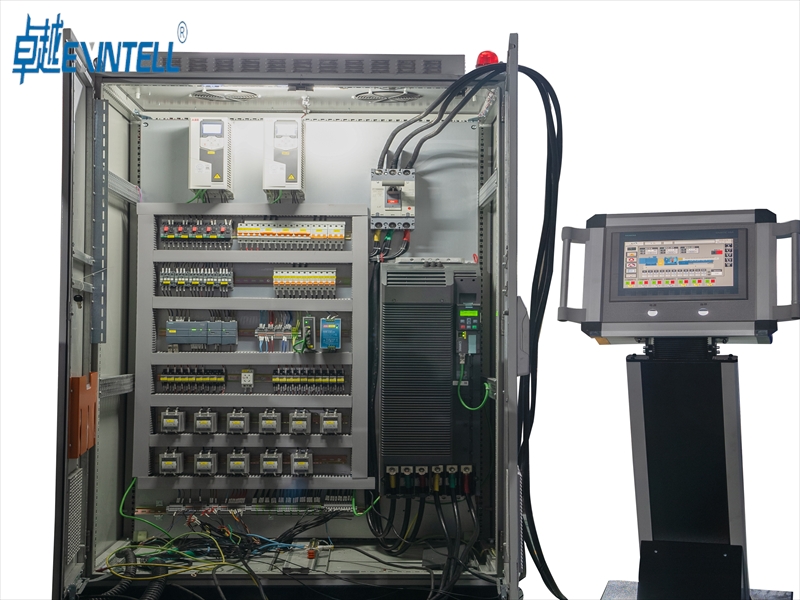
- Igwe ihe eji emepụta plastik na-eduga na-eji akpaaka dị elu na-ebuli ọsọ mmepụta ma na-ejigide njikwa smart yana sistemụ jikọtara ọnụ.
- Nkwado bụ isi; igwe kachasị elu na-akwado resins enyi na enyi ma na-ebelata ihe mkpofu site na njikwa ihe ejizi na nrụgharị ihe.
- Ịrụ ọrụ ike na-ebelata ọnụ ahịa site na iji kpo oku kachasị mma, moto njikwa, na mgbake okpomọkụ, na-eme ka igwe na-eme ka ọ dịkwuo mma na gburugburu ebe obibi yana ọnụ ala iji na-agba ọsọ.
- Oghere enyi na enyi onye ọrụ nwere ihuenyo mmetụ na njikwa doro anya na-ebelata njehie na oge ọzụzụ, ebe nkwado na ọzụzụ siri ike na-eme ka igwe na-arụ ọrụ nke ọma.
- Ụdị igwe dị iche iche dị ka igbu ịkpụzi, thermoforming, PVC extrusion, na igwe eji emegharị ihe na-enye atụmatụ pụrụ iche iji gboo mkpa ụlọ ọrụ dị iche iche.
- Ụlọ ọrụ mmepụta ihe, ụgbọ ala, na ndị ọrụ obere azụmahịa kwesịrị họrọ igwe dabere na mkpa ha kpọmkwem maka scalability, nkenke, mfe nke iji, na mmezi.
- Igwe nyocha gụnyere ịlele arụmọrụ, ntụkwasị obi, ụkpụrụ ụlọ ọrụ, nzaghachi onye ọrụ, na ngụkọta ọnụ ahịa nke nwe maka uru ogologo oge kacha mma.
- Innovation na R&D na-erite uru site na mgbanwe, igwe modular nwere njikwa dị elu yana nkwado teknụzụ siri ike iji mee ka mmepe na nnwale dị ngwa.
Kedu ihe na-edobe igwe igwe ngwakọta plastik na-eduga iche
Akpaaka dị elu
Njikwa smart
Ndị na-emepụta ihe emeela ọganihu dị ịrịba ama na akpaaka maka igwe ngwakọta plastik. Njikwa smart ugbu a na-ekere òkè dị mkpa n'ịkwalite mmepụta. Sistemụ ndị a na-eji algọridim nwere ọgụgụ isi nyochaa na mezie usoro nhazi ozugbo. Ndị na-arụ ọrụ na-erite uru site na njikwa enyi na enyi nke na-eme ka nhazi dị mfe ma belata ihe ize ndụ nke njehie mmadụ. Mwekota nke IoT na AI-kwadoro usoro njikarịcha na-enye igwe ohere imezi onwe ya ma nọgide na-adị mma.. Ọganihu ndị a na-akwado usoro na-eto eto maka akpaaka n'ofe ụlọ ọrụ plastik.
Sistemụ ejikọtara ọnụ
Igwe ihe eji emepụta plastik na-eduga na-egosipụta sistemụ jikọtara ọnụ nke na-eme ka usoro mmepụta ihe niile dị mma. Njikere akpaaka na-enyere njikọ enweghị nkebi na ebufe, igwe rọba, na ndị ọzọ ngwa inyeaka. Nhazi igwe na-agbanwe agbanwe na-akwado ọtụtụ ụdị ngwaahịa na ihe, na-eme ka ọ dịkwuo mfe maka ndị na-emepụta ihe iji gbanwee mgbanwe ahịa ahịa. Atụmatụ ndị a na-ekewapụta igwe kachasị elu na ndị asọmpi:
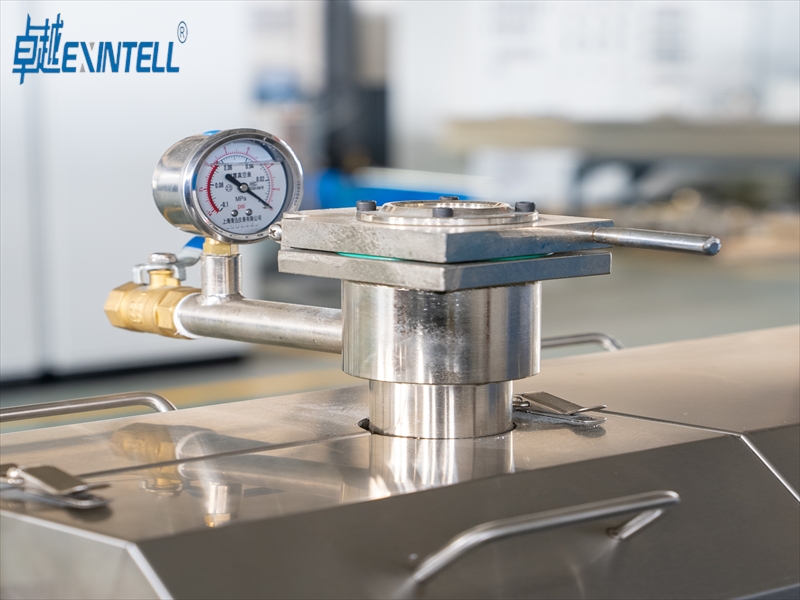
- Sistemụ arụrụ arụ ọrụ maka njikwa ngagharị ziri ezi
- Sistemụ njikwa ọgụgụ isi maka nleba anya oge
- Teknụzụ na-arụ ọrụ ike nke na-ebelata ụgwọ ọrụ
- Mmekọrịta na IoT maka ime mkpebi na-ebute data
- Ndakọrịta akpaaka maka ahịrị mmepụta ngwụcha ruo ọgwụgwụ
Ọganihu ndị a na-enyere ụlọ ọrụ aka ịzaghachi ngwa ngwa maka mgbanwe na-achọsi ike ma nọgide na-arụ ọrụ dị elu.
Ihe na-adịgide adịgide
Eco-Enyi na Enyi Resins
Ojiji nke ihe na-adigide aghọwo ihe na-akọwapụta ya na-eduga plastic compound igwe. Ndị na-emepụta ihe ugbu a na-ebute plastik eco-friendly na resins nwere ike ime ka ọ bụrụ ihe kacha mkpa nchegbu gburugburu ebe obibi. Ngbanwe a dabara na ụkpụrụ iwu ma na-emezu atụmanya ndị ahịa maka nkwado. Igwe emebere maka ndakọrịta na ihe na-adigide na-enye uru asọmpi n'ahịa. Nkwenye nke ihe ndị a na-akwadokwa usoro ndị sara mbara na ụlọ ọrụ plastik, dị ka ịrị elu nke bioplastics na ntinye maka omume nrụpụta akwụkwọ ndụ akwụkwọ ndụ.
Mbelata mkpofu
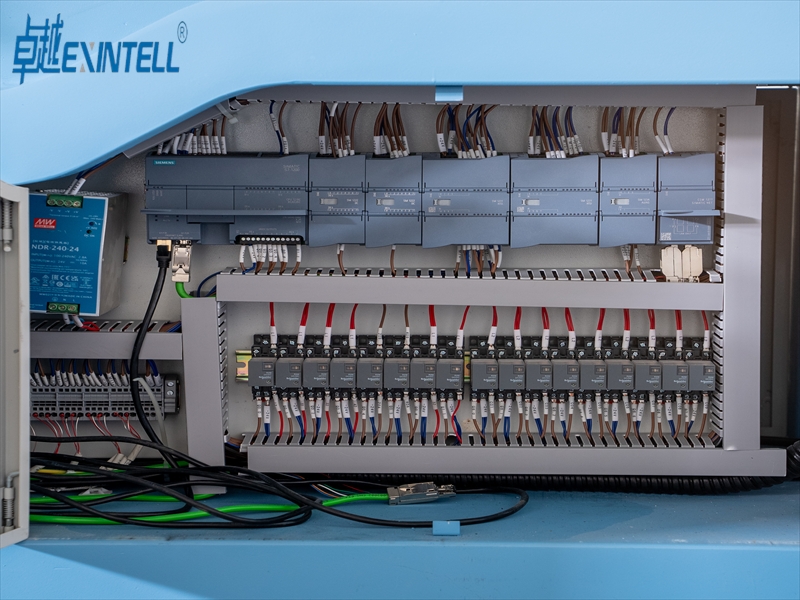
Mbelata mkpofu ka bụ isi ihe na-elekwasị anya maka ụlọ ọrụ na-achọ ịkwalite nkwado. Igwe ndị dị elu na-ejikọta atụmatụ na-ebelata nsị ma na-ebuli ihe eji eme ihe. Akpaaka na-eme ka o doo anya na usoro ọgwụgwọ na ịgwakọta nke ọma, nke na-ebelata oke mkpofu. Nhazi nke ọma ọ bụghị naanị na-ebelata ọnụ ahịa mmepụta kamakwa na-akwalite profaịlụ gburugburu ebe obibi nke ngwaahịa emechara. Dị ka nkwado na-adịkwu mkpa maka ndị na-azụ ahịa, igwe na-akwado mbelata mkpofu na-enweta mmasị dị ukwuu n'ahịa.
Ịrụ ọrụ ike
Oriri ike dị ala
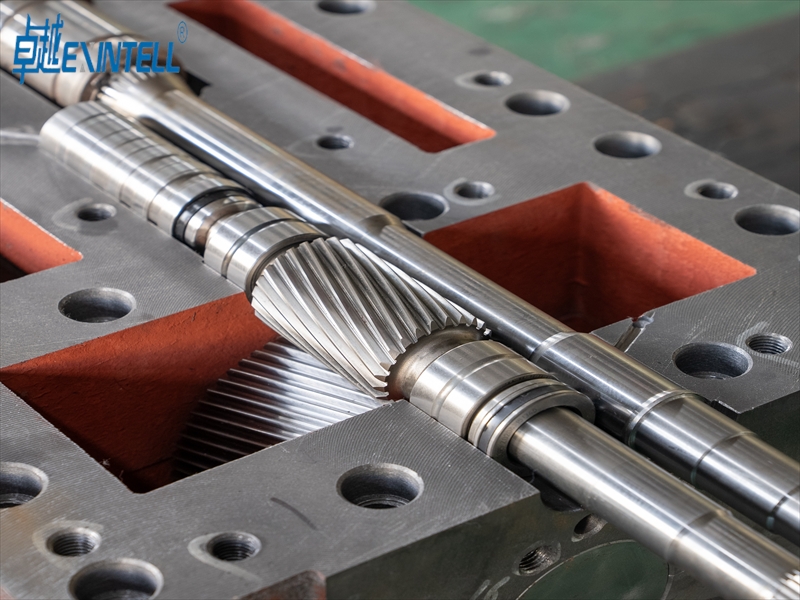
Ịrụ ọrụ ike pụtara dị ka ihe dị oke egwu dị iche iche n'etiti igwe ngwongwo plastik. Ndị na-emepụta ihe ewepụtala ọtụtụ ọganihu iji belata oriri ike ma melite arụmọrụ n'ozuzu ya. Tebụlụ na-esonụ na-akọwapụta isi mpaghara ike ike na mmetụta ha na ojiji ike ụlọ ọrụ mmepụta ihe:
| Mpaghara na-akpa ike ike | Nkọwa | Mmetụta Oriri Ike |
|---|---|---|
| Extrusion / Ihe nkiri na-afụ | Na-agụnye ndị na-ekpo ọkụ gbọmgbọm, moto, na anwụ kpo oku. | Ruo 50% nke mkpokọta ụlọ ọrụ ike |
| Na-ajụ oyi | Na-eji chillers, ikuku compressors, na Fans. | Ojiji ike dị mkpa |
| Ijikwa ihe | Na-agụnye ndị na-ebufe agụụ, igwekota, na igwe nkụ. | Na-enye aka n'iji ike eme ihe n'ozuzu ya |
| Akara & Ịcha | Na-agụnye ihe ndị na-ekpo ọkụ na ịpị. | Na-emetụta arụmọrụ ike |
| Ọkụ & HVAC | Iji ike-ọkwa akụrụngwa na-emetụta arụmọrụ zuru oke. | Dị mkpa maka mkpokọta ike oriri |
Ndị nrụpụta anabatala ihe ịma aka ndị a site n'ọtụtụ ọganihu:
- Nkwalite arụmọrụ ọkụ Barrel, dị ka seramiiki infrared heaters, nwere ike ibelata ojiji ike ruo 40%.
- Nhazi ịghasa dị elu na-ebuli arụmọrụ gbazee ma na-ebelata ibu moto.
- Igwe ọkụ na-agbanwe agbanwe na-agbanwe ọsọ moto dabere na ọchịchọ, na-ezere ike ịbịaru enweghị isi.
Mpụta nke ọma
Mpụta nke ọma dị mkpa maka idowe asọmpi na ụlọ ọrụ plastik. Ụlọ ọrụ na-eji mgbanwe-ọsọ compressors na mgbasa mmiri mechiri emechi iji mee ka okpomọkụ dị na fim kwụsie ike. Ihe mmetụta nrụgide na nchọpụta ntapu akpaka na-ebelata ọnwụ ike. Igwe ụfọdụ na-ejide ma na-ejikwa ọkụ sitere na ndị na-ebupụ na compressors na-ekpo ọkụ ngwa ngwa. Ọganihu ndị a na-atụnye ụtụ n'ịbelata ụgwọ ọrụ ma na-akwado omume maka nrụpụta ike dị mma.
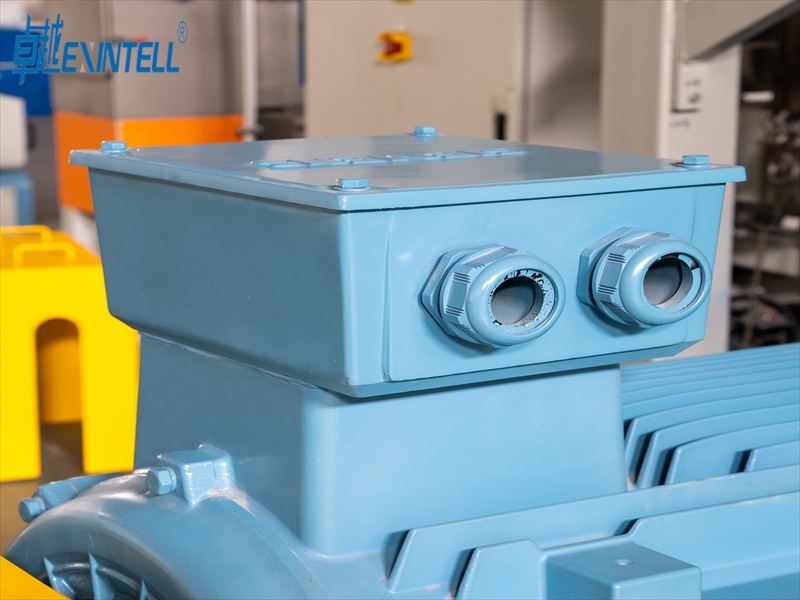
Rịba ama: Nke na-abawanye ọchịchọ maka plastik edoziri na ụgbọ ala, nkwakọ ngwaahịa, na ngwa ahịa na-akwalite mkpa igwe na-ejikọta akpaaka, nkwado, na arụmọrụ. Ndị na-emepụta ihe na-etinye ego na ọganihu ndị a na-etinye onwe ha dị ka ndị isi na ahịa na-agbanwe agbanwe.
Ahụmahụ onye ọrụ
Nhazi ihu
Ndị na-emepụta ihe igwe rọba dị elu na-etinye nnukwu ego na nhazi interface. Ha ghọtara na interface doro anya na nke nwere nghọta na-ebelata mmejọ ma na-ebuli arụpụta ọrụ. Ndị na-arụ ọrụ na-emekọrịta ihe na ihuenyo mmetụ na-egosipụta data ozugbo, ọnọdụ igwe, na ndụmọdụ nsogbu. These screens often use color coding and simple icons to guide users through each step.
Modern machines feature customizable dashboards. Users can adjust layouts to show the most relevant information for their tasks. This flexibility helps both new and experienced operators work efficiently. Some systems offer multi-language support, which benefits global teams.
Ndụmọdụ: A well-designed interface can cut training time in half and reduce costly mistakes on the production floor.
Manufacturers also focus on accessibility. Large buttons, responsive touch controls, and logical menu structures make navigation easy. These features ensure that operators of all skill levels can manage complex processes with confidence.
Support and Training
Support and training play a crucial role in user experience. Ụdị ndị na-eduga na-enye akụrụngwa zuru oke iji nyere ndị ọrụ aka inweta ihe kachasị na igwe ha. Ihe ndị a gụnyere:
- Nkuzi nkuzi n'ịntanetị na ntuziaka vidiyo
- Akwụkwọ ntuziaka ebipụtara site na nzọụkwụ
- Oge ọzụzụ na saịtị nke ndị ọrụ nka nwere asambodo na-eduzi
- 24/7 nkwado teknụzụ site na ekwentị, nkata, ma ọ bụ email
Ọtụtụ ụlọ ọrụ na-enye nyocha nyocha dịpụrụ adịpụ. Ndị ọrụ nka nwere ike ịnweta igwe n'ime ịntanetị iji dozie nsogbu yana melite ngwanrọ. Ọrụ a na-ebelata obere oge ma na-eme ka mmepụta na-aga nke ọma.
Usoro nkwado siri ike gụnyekwara mmelite ngwanrọ oge niile. Mmelite ndị a na-agbakwunye atụmatụ ọhụrụ, melite nchekwa, ma dozie ahụhụ. Ndị na-emepụta ihe na-ebute ụzọ ọzụzụ na nkwado na-aga n'ihu na-enyere ndị ọrụ aka ime mgbanwe na teknụzụ ọhụrụ ma nọgide na-arụ ọrụ dị elu.
Rịba ama: Companieslọ ọrụ ndị na-etinye ego na interface enyi na enyi na sistemụ nkwado siri ike na-ekewa onwe ha iche na ahịa igwe rọba asọmpi.. Ha na-enye ndị na-arụ ọrụ ike, belata njehie, ma bulie oge igwe.
Ntụnyere ụdị ndị isi: Ụdị Ngwakọta Ngwakọta Plastic
Igwe na-akpụzi ihe
Njirimara akpaaka
Igwe na-akpụ akpụ akpụpụtala ngwa ngwa n'afọ ndị na-adịbeghị anya. Ụdị ndị na-eduga ugbu a na-egosipụta elu akpaaka nke na-abawanye mmepụta mmepụta ma na-ebelata ntinye aka. Mgbanwe ịkpụzi akpaaka, ezigbo oge nlekota, na njikwa usoro mgbanwe na-enye ndị na-arụ ọrụ aka ịnọgide na-enwe mmepụta na ngwaahịa dị elu. Igwe ndị a na-agụnyekarị sistemụ servo na-akwalite ọsọ na izi ezi. Ọtụtụ ụdị kachasị elu na-akwadokwa njikọta na sistemụ ụlọ nrụpụta smart, na-eme ka mgbanwe data enweghị nkebi na nchọpụta nyocha dịpụrụ adịpụ. This level of automation helps manufacturers respond quickly to changing production demands and maintain optimal machine performance.
Sustainable Resin Compatibility
Sustainability has become a key focus for blow molding machine manufacturers. The latest models support a wide range of eco-friendly resins, including recycled PET, bio-based plastics, na ihe ndị nwere ike imebi. This compatibility allows companies to meet regulatory requirements and consumer expectations for greener products. Machines with advanced resin handling systems ensure precise dosing and mixing, which minimizes waste and supports high-quality output. By choosing models that handle sustainable resins efficiently, manufacturers can reduce their environmental impact while maintaining strong performance.
Plastic Thermoforming Machine
Best Plastic Thermoforming Machine for 2026
Achọ kacha mma plastic thermoforming igwe maka 2026 gbadoro ụkwụ na ọtụtụ ihe dị egwu. Ndị na-emepụta igwe na-emepụta plastik plastik na-elekwasị anya n'iwepụta mmepụta ngwa ngwa, njikwa okpomọkụ ziri ezi, na nrụgide akpụ akpụ siri ike. Igwe ọkụ thermoforming plastik kacha mma na-ejikọta oge okirikiri ngwa ngwa yana sistemụ kpo oku na-arụ ọrụ nke ọma. Ụdị ndị a na-egosipụtakarị nyiwe ngwá ọrụ modular, na-ekwe ka mgbanwe ngwa ngwa na mmepụta mmepụta na-agba ọsọ. N'iji atụnyere ụdị ndị na-eduga, igwe thermoforming plastik kacha mma na-apụta maka ikike ya ịhazi ọtụtụ ihe, gụnyere plastik emegharịrị na bio-based. Nke a vasatility na-akwado ọnọdụ na ọhụrụ na thermoforming, dị ka nkwakọ ngwaahịa dị arọ na atụmatụ ngwaahịa omenala.
Ndị na-emepụta ihe na-ebutekwa ụzọ enyi na enyi onye ọrụ na atụmatụ nchekwa dị elu. Igwe thermoforming plastik kacha mma maka 2026 na-enye njikwa ihuenyo mmetụ nwere nghọta, ezigbo oge nchoputa, na ike nlekota oru. Atụmatụ ndị a na-enyere ndị na-arụ ọrụ aka ịnọgide na-arụ ọrụ igwe na-agbanwe agbanwe ma belata oge nkwụsị. N'ihi ya, ụlọ ọrụ nwere ike nweta nrụpụta nrụpụta dị elu ma gboo mkpa na-eto eto maka ngwọta nkwakọ ngwaahịa na-adigide.
Ihe ohuru ohuru ohuru
Ngwá ọrụ smart na-anọchite anya ọganihu dị ukwuu na teknụzụ thermoforming plastik. Ụdị ndị na-eduga ugbu a na-agụnye sensọ na ndị na-eme ihe na-enyocha nrụgide akpụ, okpomọkụ, na ọkpụrụkpụ ihe na ozugbo. Ihe ọhụrụ ndị a na-eme ka njikwa nke ọma na usoro thermoforming, na-ebute ogo ngwaahịa na-agbanwe agbanwe yana mbelata ọnụego ntupu. Usoro na ihe ọhụrụ dị na thermoforming tinyekwara sistemu ngwa ngwa mgbanwe ngwa, nke na-enye ndị na-arụ ọrụ ohere ịgbanwe n'etiti atụmatụ ngwaahịa na obere oge nkwụsị.
Ndị na-emepụta igwe igwe thermoforming plastik kacha elu na-etinye ego na teknụzụ ejima dijitalụ na ngwaọrụ nlekọta amụma. Sistemu ndị a na-eji nyocha data iji buo amụma iyi na ebuli usoro nhazi, n'ịhụ na a pụrụ ịdabere na igwe arụmọrụ. Ngwá ọrụ smart ọ bụghị naanị na-eme ka arụmọrụ dịkwuo mma kamakwa na-akwado mmepụta nke ụdị mgbagwoju anya na textures zuru ezu. Ka ahịa na-apụta, Igwe ọkụ thermoforming plastik kacha mma ga-aga n'ihu na-etinye ihe ọhụrụ ndị a iji wepụta nsonaazụ dị elu.
Igwe eji eme ihe na PVC
Ngwakọta ihe dị iche iche
Igwe extrusion PVC na-egosipụta ụdị ihe dị iche iche na ngbanwe. Ndị na-emepụta ihe na-eji igwe ndị a n'ofe ụlọ ọrụ dị iche iche n'ihi ike imepụta profaịlụ omenala na agba dị iche iche, nha, na usoro. Ndepụta a na-akọwapụta ngwa dị iche iche nke igwe extrusion PVC:
- Ihe owuwu: Oghere windo, ọnụ ụzọ akara, na siding na-erite uru site na nguzogide ihu igwe na ihe mkpuchi.
- Plumbing na ogbugba mmiri n'ubi: Ọkpụkpọ na ihe ndị na-adịgide adịgide maka inye mmiri na ịgba mmiri na-arụ ọrụ ugbo na-adabere na nguzogide corrosion nke PVC..
- Ụgbọala: Profaịlụ PVC na-agbanwe agbanwe na-emepụta akara, gaskets, na ewepụtụ, na-enye ogologo ndụ dị arọ maka ụgbọ ala.
- Eletriki: Ọwara eriri USB na ọwa mkpuchi na-echekwa wiwi, tinye n'ọrụ ire-retardant Njirimara.
- Ọgwụ: Ọkpụkpọ sterelizable maka mbufe mmiri na-egbo mkpa FDA siri ike.
- Retail na Signage: Profaịlụ ahaziri ahazi maka okpokolo agba ngosi na ụlọ ahịa ere, emelitere site na agba omenala na nhọrọ udidi.
Ikike imepụta profaịlụ omenala na-eme ka a mata na igwe extrusion PVC nwere ike izute ihe pụrụ iche nke ụlọ ọrụ ọ bụla. Ngbanwe a na-eme ka ha bụrụ nhọrọ kachasị elu maka ndị nrụpụta na-achọ mgbanwe na mmepụta.
Mpụta arụmọrụ
Nrụpụta mmepụta na-eje ozi dị ka isi nrịbama n'ime ntụnyere nke na-eduga ụdị nke PVC extrusion igwe. Ndị na-emepụta ihe na-enyocha ọtụtụ metric arụmọrụ nke igwe extrusion PVC iji chọpụta PVC kacha mma igwe extrusion maka mkpa ha.
| Ụdị Benchmark | Nkọwa |
|---|---|
| Ọnụego mmepụta | Na-atụle olu PVC emepụtara kwa oge nkeji, na-egosi ọkwa nrụpụta. |
| Ịrụ ọrụ ike | Na-enyocha ike oriri n'ihe metụtara mmepụta, dị oke mkpa maka nyocha ọnụ ahịa arụmọrụ. |
| Agbaze Ogo | Na-enyocha ịdị mma nke PVC agbaze, na-emetụta njirimara ngwaahịa ikpeazụ. |
| Usoro kwụsie ike | Na-enyocha ngbanwe nke usoro extrusion, na-emetụta n'ozuzu ntụkwasị obi na arụmọrụ. |
Energy akaụntụ maka 60-70% nke ụgwọ ọrụ, ewezuga akụrụngwa. Igwe na-akwụ ụgwọ dị ala mana ọ na-eri ike dị elu nwere ike ibute nnukwu mmefu ka oge na-aga. Igwe extrusion PVC kacha mma na-enweta ike oriri kpọmkwem n'okpuru 0.20 kWh / kg maka mmepụta ọkpọkọ PVC siri ike. Ndị na-emepụta ihe na-elekwasị anya na mmepụta dị elu na ọnọdụ usoro kwụsiri ike na-enweta asọmpi asọmpi na ahịa.
Ndụmọdụ: Mgbe atụnyere ụdị, tụlee ma ọnụego mmepụta na ike ike iji bulie ogologo oge nchekwa na mmepụta arụmọrụ.
Igwe ihe mkpuchi PVC na-aga n'ihu na-esetịpụ ụkpụrụ ụlọ ọrụ maka ọsọ, ntụkwasị obi, na ime mgbanwe. Ikike ha iji wepụta mmepụta na-agbanwe agbanwe na izute mmepụta ihe dị iche iche na-eme ka ha dị mkpa na mmepụta ọgbara ọhụrụ.
Igwe eji emegharị ihe eji emegharị plastik
Ikike ịkpachasị ahụ na ịsa ahụ
Igwe eji emegharị plastik na-arụ ọrụ dị mkpa na akụ na ụba okirikiri. Ha na-agbanwe ihe mkpofu ka ọ bụrụ akụrụngwa bara uru maka ngwaahịa ọhụrụ. Leading machines stand out because they combine robust shredding and advanced washing systems. These features ensure that recycled materials meet strict quality standards for reuse in industries like packaging, ụgbọ ala, and construction.
Operators use shredders to break down large plastic items into smaller flakes. This step prepares the material for further processing. Specialized shredders handle a variety of plastics, including drums, ihe nkiri, and pipes. Some advanced models, such as Vecoplan’s VDZ, combine shredding and grinding in one unit. This integration increases efficiency and reduces downtime during production.
Washing lines remove contaminants from shredded plastic. Clean material leads to higher-quality recycled products. Modern washing systems use conveyor belts to move plastic through several cleaning stages. Friction washers, hot washers, na tankị na-ese n'elu mmiri nke ọ bụla lekwasịrị anya ụdị unyi na ihe fọdụrụ dị iche iche. Ụfọdụ ndị na-emepụta ihe na-enyezi usoro ịsa mmiri na-enweghị mmiri. Ihe ọhụrụ ndị a na-enyere aka belata ojiji mmiri na ọnụ ala ọrụ.
Tebụl n'okpuru na-egosipụta isi atụmatụ nke shredding na ịsa usoro n'elu igwe eji emegharị ihe:
| Njirimara | Nkọwa | Ebumnuche |
|---|---|---|
| Ndị na-akpachapụ anya | Na-akụjisị nnukwu ihe plastik ka ọ bụrụ flakes enwere ike ijikwa. | Na-akwado rọba maka usoro imegharị ihe na-esote. |
| Ahịrị ịsa ahụ | Jiri eriri ebufe hichaa plastik emegharịrị iji wepụ ihe ndị na-emerụ emerụ. | Na-eme ka ngwaahịa emegharịgharị nke ọma dị elu. |
Ndụmọdụ: Sistemụ ịsa ahụ na ịhịa aka n'ahụ na-enyere ndị na-emepụta aka imezu oke ịrị elu maka ịdị ọcha, ihe eji emegharị ihe dị elu na igwe extrusion pvc na ngwa temometa.
Nhọrọ Pelletizing
Pelletizing bụ nzọụkwụ ikpeazụ na usoro imegharị ihe. Ọ na-agbanwe flakes rọba dị ọcha ka ọ bụrụ pellets otu. Pellet ndị a na-eje ozi dị ka akụrụngwa maka igwe extrusion pvc, ahịrị extrusion, na akụrụngwa thermoforming. Ogo nke pelletizing na-emetụta uru na iji plastik emegharịrị ozugbo.
Ndị na-emepụta ihe na-ahọrọ akụrụngwa pelletizing dabere na mkpa mmepụta ha. Ahịrị pelletizing kachasị mma na-akwalite ịdị ọcha ihe. Ịdị ọcha dị elu na-eduga n'ịre ahịa ka mma na nloghachi ngwa ngwa na ntinye ego. Sistemụ pelletizing jikọtara ọnụ na-ebuli arụmọrụ ike yana nkwado ihe sitere na 500 ka 3,000 n'arọ kwa elekere. Mpaghara a na-egbo mkpa nke ụlọ ọrụ mmepụta obere na nnukwu.
Nhọrọ nke pelletizing usoro na-emetụta ego ntinye ego mbụ. Ọnụ ahịa nwere ike isi na $25,000 ka $150,000. Ndị na-arụ ọrụ ga-edozi ọnụ ahịa na arụmọrụ. Sistemu ejikọtara ọnụ na-enyekarị nchekwa nchekwa ike ka mma yana ntinye dị elu. These benefits make them popular in industries that rely on pvc extrusion machines and extrusion processes.
Key advantages of advanced pelletizing options include:
- Enhanced material purity for use in pvc extrusion machines and thermoforming lines.
- Improved energy efficiency, reducing overall production costs.
- Flexible output rates to match different production scales.
- Compatibility with a wide range of plastics, including pvc and specialty materials.
Rịba ama: High-quality pellets from advanced recycling machines support sustainable manufacturing. They enable the use of recycled content in new pvc extrusion machines, ahịrị extrusion, and thermoforming products.
Use Case Analysis: Ụlọ ọrụ mmepụta ihe, Ụgbọala, Ụlọ
Ngwa ụlọ ọrụ mmepụta ihe
Heavy-Duty Performance
Industrial environments demand plastic compound machines that deliver robust performance and reliability. Manufacturers often select extrusion and thermoforming equipment for their ability to handle high-volume production needs. These machines process large quantities of pvc and other plastics, producing consistent results even under continuous operation. Heavy-duty extrusion lines support the creation of complex profiles and sheets, while advanced thermoforming systems shape durable components for packaging and construction. High-speed production and repeatable quality remain essential for meeting the demands of industrial clients.
scalability
Scalability plays a critical role in industrial settings. Companies require machines that can adapt to changing production needs and market growth. The following features enable plastic compound machines to scale effectively:
- Injection molding supports the creation of complex geometries with tight tolerances, which is vital for robotics and automation.
- The process remains highly repeatable, ensuring consistent quality across large production runs.
- High-speed production allows thousands of identical parts to be manufactured quickly, meeting increased demand.
- Optimized mold design reduces tooling costs through simulation and prototyping.
- Expertise in material selection ensures the right plastics or composites are used for each application.
- Manufacturing capabilities in multiple regions support high-quality production for global markets.
Extrusion and thermoforming machines with modular designs allow manufacturers to expand capacity as needed. This flexibility ensures that production lines can grow alongside business requirements.
Automotive Sector
Precision and Consistency
The automotive industry relies on machines that deliver precise and consistent results. Thermoforming and extrusion equipment produce interior panels, ewepụtụ, and under-the-hood components with exact specifications. Consistency in production ensures that every part meets safety and quality standards. Automated controls and real-time monitoring help maintain tight tolerances, reducing the risk of defects.
Ndakọrịta ihe
Material compatibility influences machine selection for automotive production. Engineers evaluate which machines can process specific materials, such as pvc, ngwakọta, and specialty plastics. They consider mechanical properties like strength and stiffness, as well as environmental resistance to chemicals and heat. Manufacturability and supply chain stability also guide decisions. Selecting the right extrusion or thermoforming machine ensures optimal product performance, ọnụ ahịa-irè, na nrube isi na ụkpụrụ ụlọ ọrụ.
Home and Small Business
Ọ dị mfe iji
Ụlọ users and small businesses prioritize machines that are easy to operate and maintain. Compact extrusion and thermoforming machines offer simple controls and quick setup. These models often feature intuitive touchscreens and clear instructions, making them accessible to operators with limited technical experience. The ability to switch between pvc and other materials supports diverse production needs, from custom packaging to small-batch manufacturing.
Mkpa nlekọta
Maintenance requirements significantly affect usability for small businesses. The table below outlines key aspects:
| Akụkụ | Mkpa |
|---|---|
| Regular Maintenance | Ensures machines operate efficiently and reliably. |
| Service and Spare Parts | Minimizes downtime and maintains continuous production. |
| Reliable Service Network | Provides expert consultation and fast spare-parts supply, crucial for small businesses. |
A reliable service network and easy access to spare parts help small businesses maintain high efficiency. Regular maintenance keeps extrusion and thermoforming machines running smoothly, supporting ongoing production needs without costly interruptions.
Ndụmọdụ: Small businesses should choose machines with straightforward maintenance routines and strong manufacturer support to maximize uptime and efficiency.
Key Criteria for Evaluating Plastic Compound Machines
Technology and Automation
Njikwa smart
Smart controls have become a standard in modern plastic compound machines. These systems use artificial intelligence to manage extrusion, thermoforming, and pvc processing. Operators can monitor every stage of production with real-time data. Smart controls suggest automatic corrections when they detect process deviations. This technology improves efficiency and reduces waste. Many machines now feature touchscreens that display key metrics for extrusion and thermoforming. These controls help operators maintain consistent quality in pvc products. Smart controls also support remote monitoring, which allows technicians to troubleshoot extrusion and thermoforming lines from anywhere.
Integration Capabilities
Integration capabilities set leading machines apart. Manufacturers design their equipment to connect with other systems on the factory floor. Ọmụmaatụ, extrusion and thermoforming machines can link with robotics, ebuka, and quality inspection tools. This integration streamlines pvc production and reduces manual handling. Companies often form strategic partnerships to enhance their technology offerings. They invest in research and development to improve extrusion and thermoforming integration. A strong market presence and customer focus drive these innovations. Integration capabilities ensure that extrusion, thermoforming, and pvc machines work together for maximum efficiency.
Efficiency and Sustainability
Oriri ike
Energy consumption remains a top concern for manufacturers. Advanced extrusion and thermoforming machines use energy-saving motors and optimized heating systems. These features lower the power needed for pvc processing. Efficient machines reduce operating costs and support sustainability goals. Many extrusion and thermoforming lines now include sensors that adjust energy use based on production needs. This approach prevents energy waste during low-demand periods. Companies that invest in energy-efficient extrusion and thermoforming equipment gain a competitive edge.
Mbelata mkpofu
Waste reduction plays a vital role in sustainable manufacturing. Modern extrusion and thermoforming machines minimize scrap by using precise dosing and mixing systems. These machines process pvc and other materials with high accuracy. Automation ensures that only the required amount of material enters the production line. This reduces excess pvc and improves overall efficiency. Some extrusion and thermoforming systems recycle scrap directly back into the process. This closed-loop approach supports zero-waste goals and lowers raw material costs.
Ndụmọdụ: Choosing machines with advanced waste reduction features helps companies meet environmental regulations and improve their public image.
Versatility and Adaptability
Material Range
Versatility in material range increases the value of plastic compound machines. Leading extrusion and thermoforming equipment can process a wide variety of materials, including pvc, plastik emegharịrị, na ogige pụrụ iche. This flexibility allows manufacturers to switch between different products without major retooling. Ọmụmaatụ, an extrusion line might produce pvc pipes in the morning and switch to custom profiles in the afternoon. Thermoforming machines can handle both rigid and flexible sheets, expanding their use in packaging and automotive applications.
Nhọrọ nhazi
Customization options enhance adaptability. Manufacturers can configure extrusion and thermoforming machines with different injection units, clamping mechanisms, and tooling setups. This adaptability supports unique production requirements for pvc and other materials. Flexible machines allow companies to respond quickly to market changes. They can explore new product designs and enter new markets with minimal investment. Customization leads to improved productivity, higher efficiency, and cost savings.
Rịba ama: Versatile and adaptable machines help manufacturers stay competitive by meeting diverse customer needs and adjusting to industry trends.
Ọnụ na Uru
Ntinye ego izizi
Buyers of plastic compound machines face a wide range of initial investment costs. Nke price of a single machine can start at $5,000 for basic models and reach $150,000 maka usoro dị elu. Complete recycling lines often exceed $500,000. The cost of extrusion equipment for pvc depends on automation features, filtration quality, and the country of manufacture. Ndị na-akpachapụ anya, which play a key role in pvc recycling, nso si $10,000 ka $80,000. When evaluating extrusion or pvc machines, buyers should look beyond the sticker price.
A table helps clarify the additional costs involved:
| Cost Item | Estimated Range |
|---|---|
| Ụgbọ njem | $240 – $2,400 |
| Nwụnye | $180 – $1,200 |
| Refurbishment | $12 – $6,000 |
| Ọzụzụ ndị ọrụ | $120 – $600 |
These expenses add to the total investment for extrusion and pvc machinery. Buyers should focus on the total cost per ton of clamping force and expected production capacity. A reliable extrusion or pvc machine often delivers better value than a cheaper, less dependable option.
Ndụmọdụ: Buyers should compare multiple suppliers and models, request detailed inspection reports, and negotiate warranty terms alongside price.
Long-Term ROI
Long-term return on investment (ROI) matters as much as the initial price. Reliable extrusion and pvc machines reduce downtime and maintenance costs. High-quality machines support consistent production, which leads to higher profits over time. Automation in extrusion and pvc systems can lower labor costs and improve energy efficiency. Buyers should consider the total cost of ownership, gụnyere akụkụ ahụ mapụtara, service contracts, and energy use.
A structured approach helps buyers maximize value:
- Focus on machines that offer strong after-sales support.
- Evaluate the expected lifespan of extrusion and pvc equipment.
- Consider resale value when upgrading to newer models.
A reliable extrusion or pvc machine may cost more upfront but often pays off through lower operating costs and higher output.
Ahụmahụ onye ọrụ
Nhazi ihu
User experience shapes the effectiveness of extrusion and pvc machines. Leading manufacturers design interfaces that are easy to understand and operate. Touchscreen controls display real-time data for extrusion and pvc processes. Operators can monitor temperature, nrụgide, and speed during production. Customizable dashboards allow users to focus on the most important metrics for their extrusion or pvc application.
A well-designed interface reduces training time and minimizes errors. Color-coded alerts and simple icons guide operators through each step. Multi-language support ensures that global teams can use extrusion and pvc machines efficiently.
Support and Training
Support and training play a crucial role in the selection of extrusion and pvc equipment. Buyers should use a structured checklist to evaluate a supplier’s technical and logistical capabilities. Asking the right questions reveals the supplier’s processes and expertise. Testing a supplier’s willingness to partner, not just provide parts, improves the user experience and builds long-term relationships.
Manufacturers who offer comprehensive training and responsive support help buyers get the most from their extrusion and pvc machines. On-site training, online tutorials, na 24/7 technical assistance keep production running smoothly. Regular software updates and remote diagnostics further enhance the value of extrusion and pvc equipment.
Rịba ama: A strong focus on user experience ensures that extrusion and pvc machines deliver reliable performance and long-term satisfaction.
Testing and Selection Process for Leading Models
Evaluation Methodology
Performance Testing
Manufacturers use a structured approach to evaluate plastic compound machines. They focus on how each machine handles extrusion and pvc processing. Mechanical property testing forms the foundation of this process. Engineers measure tensile strength, flexural properties, mmetụta iguzogide, mkpakọ, and hardness. These tests reveal how well a machine can process pvc and other materials under different conditions.
Advanced material characterization also plays a key role. Teams assess hyperelastic behavior, fatigue life, creep resistance, and environmental stress response. Specialized testing for composite materials includes fiber-matrix adhesion and interlaminar shear strength. These steps ensure that extrusion and pvc machines can handle complex materials and demanding applications.
Temperature control accuracy and dispersion uniformity receive close attention. Engineers monitor torque and energy consumption during extrusion. They check operational ease and maintenance costs. Ndakọrịta ihe, including filling rate, viscosity, and fiber content, helps determine if a machine can adapt to a wide range of pvc formulations.
Reliability Assessment
Reliability assessment ensures that extrusion and pvc machines deliver consistent results over time. Teams run machines through extended cycles to observe performance under continuous operation. They evaluate machine adaptability to complex materials and changing production needs. Nhazi modular and screw customization allow for quick adjustments and repairs. Precision temperature control supports stable extrusion and pvc processing.
Production capacity and delivery time also factor into reliability. Machines must meet deadlines without sacrificing quality. Cost performance, or the balance between price and output, helps buyers choose the best extrusion and pvc equipment for their needs.
Selection Criteria
Ụkpụrụ ụlọ ọrụ
Industry standards guide the selection of leading extrusion and pvc machines. Certifications from recognized organizations confirm that machines meet safety and quality requirements. Engineers look for machines with proven track records in extrusion and pvc processing. Modular design and screw customization support compliance with evolving standards. Precision temperature control and high production capacity ensure that machines can handle large-scale extrusion and pvc projects.
A table summarizes key selection criteria:
| Usoro | Mkpa |
|---|---|
| Asambodo | Confirms compliance with industry standards |
| Nhazi Modular | Supports flexibility and upgrades |
| Screw Customization | Enhances material compatibility |
| Precision Temperature | Ensures consistent extrusion and pvc output |
| Ike mmepụta | Meets project demands |
User Feedback
User feedback provides valuable insights during the selection process. Customer testimonials highlight real-world experiences with extrusion and pvc machines. Ndị na-azụ ahịa na-atụle nkwado ahịa mgbe emechara, gụnyere ọzụzụ na enyemaka aka ọrụ. Mfe ọrụ na ụgwọ ọrụ na-emetụta afọ ojuju ogologo oge. Ụlọ ọrụ ndị na-enye nkwado siri ike na ọrụ nzaghachi na-apụta na extrusion na pvc ahịa.
Ndụmọdụ: Ige ntị nzaghachi onye ọrụ na-enyere ndị na-emepụta ihe aka imeziwanye nhazi igwe ma dozie nsogbu ndị a na-ahụkarị na extrusion na nhazi pvc.
Nkwanye maka mkpa onye ọrụ dị iche iche
Kachasị mma maka nnukwu nrụpụta
Ndị na-emepụta ihe buru ibu chọrọ igwe na-ebuga elu mmepụta, ntụkwasị obi, na mgbanwe. Ha na-arụkarị ọrụ na ụlọ ọrụ dịka nkwakọ ngwaahịa, ihe owuwu, na ngwa ahịa. Ụlọ ọrụ ndị a na-erite uru site na igwe nwere akpaaka dị elu yana njikwa mma jikọtara ọnụ. Elu-ike igbu ịkpụzi na extrusion ahịrị na-akwado na-aga n'ihu mmepụta. Nhazi modular na-enye ohere maka mgbasawanye dị mfe ka ọchịchọ na-eto eto.
Atụmatụ ndị a ga-atụle gụnyere:
- Automated material handling systems
- Real-time process monitoring
- Energy-efficient heating and cooling
- Remote diagnostics and predictive maintenance
A table below summarizes the top priorities for large-scale manufacturing:
| Priority | Uru |
|---|---|
| Ntinye aka dị elu | Meets large order volumes |
| Ngwakọta akpaaka | Reduces labor costs |
| Ịrụ ọrụ ike | Lowers operational expenses |
| scalability | Supports business growth |
Ndụmọdụ: Companies should choose suppliers with strong after-sales support and global service networks to minimize downtime.
Best for Automotive Production
Automotive manufacturers need machines that deliver precision, agbanwe agbanwe, and material versatility. They produce parts that must meet strict safety and quality standards. Thermoforming and extrusion machines play a major role in creating interior panels, ewepụtụ, na n'okpuru ihe mkpuchi. Igwe nwere advanced controls ensure tight tolerances and repeatable results.
Important considerations for automotive applications:
- Compatibility with engineering plastics and composites
- Advanced process controls for consistent quality
- Quick-change tooling for flexible production
- Compliance with industry certifications
Automotive companies often select machines that support both prototyping and mass production. This approach allows them to innovate while maintaining efficiency.
Rịba ama: Manufacturers should evaluate machine suppliers based on their experience with automotive projects and their ability to provide technical support.
Best for Small Businesses
Small businesses and startups look for machines that are easy to use, ọnụ ala, and require minimal maintenance. Compact extrusion and thermoforming machines fit well in limited spaces. User-friendly interfaces and clear instructions help operators with little technical experience. Machines with quick setup and changeover features allow small businesses to produce a variety of products without long delays.
Key factors for small business buyers:
- Low initial investment
- Simple maintenance routines
- Reliable service and spare parts availability
- Flexibility to handle different materials
A checklist for small business machine selection:
- Is the machine easy to operate?
- Does it fit the available space?
- Are spare parts and support accessible?
- Can it process multiple materials?
Ndụmọdụ: Small businesses should prioritize machines with strong warranties and responsive customer service to ensure smooth operations.
Best for Innovation and R&D
Research and development teams drive progress in the plastics industry. They need machines that support experimentation, ngwa ngwa prototyping, and advanced material testing. Leading manufacturers design plastic compound machines with features that help engineers and scientists explore new ideas and improve product performance.
Innovation labs often select machines with modular designs. These machines allow users to swap out components, adjust processing parameters, and test different materials. Modular tooling platforms make it easy to change molds or dies. This flexibility speeds up the development process and reduces downtime. Engineers can quickly move from concept to prototype without waiting for custom parts.
Advanced control systems play a key role in R&D environments. Machines with real-time monitoring and data logging help researchers track every step of the process. These systems record temperature, nrụgide, and material flow. Teams use this data to analyze results and refine their experiments. Digital twin technology lets users simulate production runs before making physical changes. This approach saves time and resources.
Material versatility is essential for innovation. R&D teams often work with specialty plastics, ngwakọta, na ihe ejigharịgharị. Machines that handle a wide range of polymers support creative projects. Ọmụmaatụ, extrusion equipment allows researchers to test new blends and additives. They can produce custom profiles and sheets for testing mechanical properties.
Quick-change tooling and automated calibration help researchers maintain accuracy. These features ensure that every prototype meets exact specifications. Automated calibration reduces human error and improves repeatability. High-precision sensors detect small changes in material behavior. This information helps teams optimize their designs.
Support and training matter in R&D settings. Manufacturers offer technical guidance, software updates, and troubleshooting assistance. Many companies provide remote diagnostics and online tutorials. These resources help researchers solve problems and learn new techniques.
Ndụmọdụ: R&D teams should choose machines with open architecture and strong software integration. This setup allows easy customization and supports advanced analytics.
A table below summarizes key features for innovation and R&D:
| Njirimara | Uru |
|---|---|
| Nhazi Modular | Supports rapid prototyping |
| Njikwa dị elu | Enables detailed data analysis |
| Ngwakọta ihe dị iche iche | Allows testing of new polymers |
| Quick-Change Tooling | Reduces setup time |
| Nkwado ndị teknuzu | Helps solve complex challenges |
Innovation na R&D require machines that adapt to new demands. Flexible designs, elu njikwa, and strong support systems help teams push the boundaries of plastic technology.
Leading models in the plastic compound machine market demonstrate advanced automation, ihe na-adigide, na ike arụmọrụ. Manufacturers deliver user-friendly interfaces and strong support systems. Buyers should match machine types to their specific needs.
- Industrial users benefit from scalable, high-output machines.
- Automotive producers require precision and material compatibility.
- Small businesses need easy operation and reliable maintenance.
Smart evaluation helps buyers make informed decisions. Industry professionals can explore further resources for deeper insights.
FAQ
What is the main advantage of advanced automation in plastic compound machines?
Advanced automation increases production speed and consistency. Operators can monitor processes in real time. Machines adjust settings automatically to maintain quality. This reduces human error and improves overall efficiency.
How do plastic compound machines support sustainability goals?
Manufacturers design these machines to use eco-friendly resins and minimize waste. Many models recycle scrap material during production. This approach helps companies reduce their environmental impact and meet regulatory standards.
What factors affect the energy efficiency of these machines?
Key factors include motor type, heating system, and process controls. Machines with variable frequency drives and optimized heaters use less power. Efficient designs lower operating costs and support sustainable manufacturing.
Are plastic compound machines difficult to maintain?
Most leading models feature user-friendly interfaces and modular components. Regular maintenance involves cleaning, mmanu mmanu, and part replacement. Manufacturers often provide clear instructions and support to help operators keep machines running smoothly.
Can small businesses afford plastic compound machines?
Entry-level machines cost less and require minimal setup. Many suppliers offer financing options. Small businesses can start with compact models and upgrade as production needs grow.
What kind of training and support do manufacturers provide?
Manufacturers offer on-site training, online tutorials, and detailed manuals. Many provide 24/7 technical support and remote diagnostics. This ensures operators can solve problems quickly and maintain high productivity.
How do users choose the right machine for their needs?
Users should consider production volume, ndakọrịta ihe, automation features, na mmefu ego. Comparing models and reading user reviews helps buyers make informed decisions.
Ndụmọdụ: Always request a demonstration or trial run before purchasing a machine.