

Ntuziaka zuru oke maka imegharị ihe na plastik granulating na sọlfọ
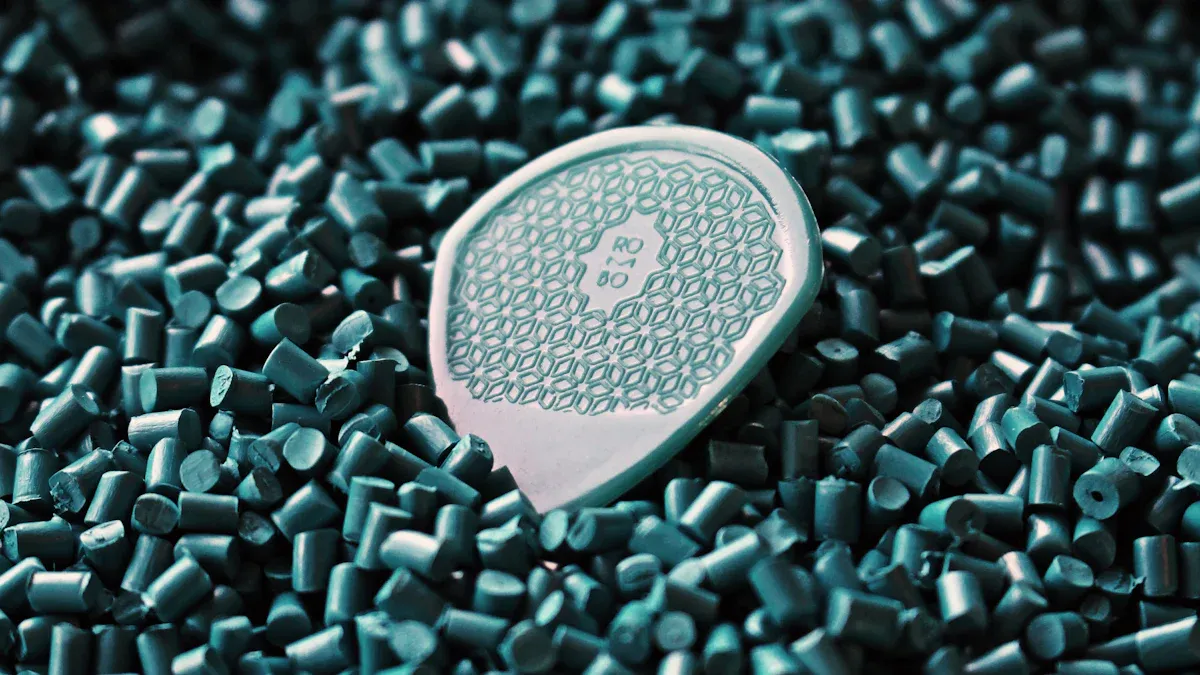
Ahụrụ m na imegharị ihe dị mma na nke ọma na-amalite site n'ịghọta njirimara pụrụ iche nke plastik na sọlfọ. Ihe ndakọrịta kemịkalụ, karịsịa mgbe mmanụ na-emekọ ihe na plastik. A na-emegharị ọtụtụ ihe mkpofu rọba ụlọ ọrụ na ọnụ ọgụgụ nke gbasara 9%, nke na-egosi mkpa maka ngwọta ka mma. M na-adabere na akụrụngwa dị elu dị ka IPG Pelletizing Machine Plastic iji melite nsonaazụ mgharịgharị. Na Plastic and Sulfur Industrial Processing, omume kacha mma maka sọlfọ granulation na ibuga na-enyere aka belata ihe egwu na ịkwalite mma.
- Ọnụego mkpogharị ihe mkpofu rọba ụlọ ọrụ zuru ụwa ọnụ: gbasara 9%
Isi ihe eji eme ihe
- Ịghọta ndakọrịta kemịkalụ n'etiti plastik na mmanụ dị mkpa iji zere mmebi mgbe a na-emegharịgharị ya.
- Ichipịa plastik na-ebelata olu ma mee ka mma dị mma, na-eme ka imegharị ihe na-arụ ọrụ nke ọma na ọnụ ahịa.
- Nrụgharị igwe na-arụ ọrụ kacha mma maka ịdị ọcha, plastik edoziziri, ebe kemịkalụ imegharị ihe na-ejikwa ihe agwakọtara ma ọ bụ ihe emeru emeru.
- Iji chaatị ndị na-eguzogide na nyocha imikpu na-enyere aka hụ na a na-emegharị plastik n'ime mmanụ dị iche iche n'enweghị nsogbu.
- Sulfur granulating na-eme ka nchekwa dịkwuo mma site na ibelata uzuzu na ime ka njikwa dị mfe, mgbe elu jụrụ na-emesi ike granules.
- Ịhọrọ akụrụngwa na ihe dị mma maka ibuga sọlfọ na-egbochi mmebi, ihe ize ndụ uzuzu, na akụrụngwa ọdịda.
- Nlekọta anya mgbe niile, uzuzu njikwa, na nchikota sistemu na-akwalite arụmọrụ na nchekwa na ma ejizi plastik na njikwa sọlfọ.
- Omume na-adịgide adịgide, gụnyere akụrụngwa na-arụ ọrụ ike yana ihe mgbakwunye biocarbon, kwadoro ụlọ ọrụ dị nchebe na nke greener.
Ndakọrịta kemịkalụ nke plastik na mmanụ
Ngbanwe igodo
Ụdị polymer
M na-amalite mgbe niile site n'ịchọpụta ụdị polymer tupu m ejigharị plastik. Onye ọ bụla polymer na-emeghachi omume n'ụzọ dị iche na mmanụ. Polyethylene (PE) na polypropylene (PP) gosi ike na-eguzogide ọtụtụ mmanụ. Polystyrene (PS) na polyethylene terephthalate (PET) na-agbajikarị mgbe ụfọdụ mmanụ. Polycarbonate (PC) na acrylonitrile butadiene styrene (ABS) nwere ike ịgbawa ma ọ bụ na-agbaji agbaji mgbe kọntaktị mmanụ. Naịlọn pụtara ìhè maka ịdịte aka ya megide mmanụ. Ana m elele ụdị polymer iji buo amụma ka ọ ga-esi na-akpa mgbe a na-emegharịgharị ya.
Ụdị mmanụ & Okpomọkụ
Ụdị mmanụ na okpomọkụ na-ekere òkè dị ukwuu na ndakọrịta. Mmanụ esi nri dị ka oliv na canola na-ebutekarị mmetụta dị nro na PE na PP. Mmanụ ndị dị mkpa, dị ka lemon ma ọ bụ eucalyptus, nwere ogige ndị na-awakpo rọba dị ka PS na PET ọbụna na ụlọ okpomọkụ. Mmanụ moto na mmanụ sịntetik nwere ike mebie PE ma mee ka mgbawa nrụgide na PC na ABS.. Mmanụ hydraulic, na ihe mgbakwunye ha, nwere ike ibute mgbakasị na ọzịza na rọba na-abụghị maka ojiji hydraulic. M na-atụle mgbe niile kemịkalụ kemịkalụ mmanụ na ọnọdụ okpomọkụ n'oge imegharị ihe.
Ndụmọdụ: Ana m akwado ịlele ma ụdị mmanụ na ọnọdụ okpomọkụ tupu ị gwakọta plastik na mmanụ na usoro ịmegharị ihe ọ bụla.
Thermal vs. Mmetụta Chemical
Ebe agbaze
M na-aṅa ntị nke ọma na ebe mgbaze. PE na-agbaze na ihe dịka 120 Celsius, PP na okpomọkụ nke 160 ° C, na PET na 250 Celsius. Ọ bụrụ na ikpughe mmanụ na-ebuli okpomọkụ nso ebe mgbaze ndị a, plastik nwere ike imebi ma ọ bụ gbazee. Mmeghachi omume kemịkal nwere ike ime ngwa ngwa na oke okpomọkụ. M na-enyocha okpomọkụ iji gbochie mgbanwe ndị achọghị.
Okpomọkụ mmanụ
Okpomọkụ mmanụ na-emetụta otú plastik si emeghachi omume. Mmanụ oyi na-adịkarịghị ebute mmebi ozugbo. Mmanụ na-ekpo ọkụ na-eme ka mmeghachi omume kemịkal dị ngwa ma nwee ike ime ka rọba dị nro ma ọ bụ gbadaa. Ọmụmaatụ, mmanụ ụgbọala na-ekpo ọkụ nwere ike imebi PE na PC ngwa ngwa. M na-eme ka okpomọkụ mmanụ dị ala n'oge a na-emegharịgharị ihe iji chekwaa àgwà rọba.
Ndị na-eguzogide vs. Plastics na-adịghị ike
Ụdị ndị na-eguzogide mmanụ
Ụfọdụ plastik na-eguzogide ikpughe mmanụ nke ọma:
- Polypropylene (PP)
- Naịlọn
- Polyethylene (PE)
Ihe ndị a na-ejikwa mmanụ ụgbọala, mmanụ hydraulic, na mmanụ esi nri na obere mmebi.
Ụdị mmanụ-adịghị ike
Plastic ndị ọzọ na-egosi adịghị ike:
- Polystyrene (PS)
- Polyethylene terephthalate (PET)
- Polycarbonate (PC)
- Acrylonitrile butadiene styrene (ABS)
Plastics ndị a nwere ike igbari, mgbawa, ma ọ bụ wap mgbe mmanụ kọntaktị, karịsịa na mmanụ dị mkpa ma ọ bụ mmanụ na-ekpo ọkụ.
| Ụdị plastik | Nguzogide mmanụ | Mmeghachi omume a na-ahụkarị |
|---|---|---|
| PE, PP, Naịlọn | Elu | Obere mgbanwe |
| PS, PET, PC, ABS | Dị ala | Mgbawa, agha, mgbasa |
M na-ejikọta plastik na mmanụ nke ọma mgbe niile iji zere ọdịda imegharị ma hụ na nhazi adịghị mma.
Ndakọrịta Nnwale
Charts mgbochi
Ana m elele chaatị ndị na-eguzogide tupu m emegharị plastik ekpughere na mmanụ. Chaatị ndị a na-egosi otú plastik dị iche iche si emeghachi mmanụ na kemịkal dị iche iche. Achọpụtara m na ha bara uru n'ihi na ha na-enye azịza ngwa ngwa gbasara ndakọrịta. Ọmụmaatụ, eserese nguzogide nwere ike depụta polyethylene dị ka “magburu onwe ya” megide moto mmanụ, mgbe polystyrene na-egosi “ogbenye” iguzogide. M na-eji eserese ndị a iji zere mmejọ wee họrọ ihe ndị kwesịrị ekwesị maka ịmegharị ihe.
| Ụdị plastik | Mmanụ moto | Mmanụ esi nri | Mmanụ dị mkpa |
|---|---|---|---|
| PE | Magburu onwe | Magburu onwe | Ọ dị mma |
| PP | Magburu onwe | Magburu onwe | Ọ dị mma |
| PS | Ogbenye | Ọmarịcha | Ogbenye |
| PET | Ọmarịcha | Ọ dị mma | Ogbenye |
| Naịlọn | Ọ dị mma | Ọ dị mma | Ọ dị mma |
Ndụmọdụ: Ana m akwado idobe chaatị nguzogide emelitere na mpaghara imegharị ihe. Nke a na-enyere onye ọ bụla aka ime nhọrọ nchekwa ngwa ngwa.
Nnwale imikpu
Mgbe ụfọdụ, chaatị ndị na-eguzogide anaghị ekpuchi ụdị mmanụ ọ bụla ma ọ bụ plastik. Ana m eji nnwale imikpu iji lelee ndakọrịta n'okwu ndị a. M bee obere ihe nlele nke plastik ma tinye ya na mmanụ. Ana m ahapụ ya maka oge a kara aka, na-emekarị 24 ka 48 awa. Mgbe ule ahụ gasịrị, M na-achọ mgbanwe dị ka ọzịza, mgbawa, ma ọ bụ mgbanwe agba. Ọ bụrụ na plastik na-agbanwe agbanwe, Ama m na ọ dị mma iji mmanụ ahụ ejigharị ya. Ọ bụrụ na m hụ mmebi, Ana m ezere ịgwakọta ihe ndị ahụ.
Ana m edekọ nsonaazụ m n'akwụkwọ ndetu. Nke a na-enyere m aka iwulite ntuziaka ndakọrịta omenala maka akụrụngwa m. Nnwale imikpu na-enye m obi ike mgbe eserese nguzogide na-edoghị anya ma ọ bụ na-efu.
Echiche na-ezighi ezi
Thermal vs. Mmebi kemịkalụ
Ọtụtụ ndị na-eche na okpomọkụ naanị na-akpata mmebi plastik. Amụtara m na mmeghachi omume kemịkal nwere ike imerụ ahụ ahụ. Mmanụ nwere ike imebi plastik ọbụlagodi na okpomọkụ ụlọ. Okpomọkụ na-eme ka mmeghachi omume ndị a dị ngwa, mana mmebi kemịkal nwere ike ime na-enweghị oke okpomọkụ. Ana m elele ma ihe egwu ọkụ na kemịkal tupu m emegharị ya.
Rịba ama: Anaghị m adabere naanị na ọgụgụ okpomọkụ. Ihe ikpughe kemịkalụ dị ka okpomọkụ.
Ihe ize ndụ mkpughe ogologo oge
Nnwale oge dị mkpirikpi na-atụfukarị ihe egwu dị ogologo oge. Ekwenyere m na plastik adịghị mma ma ọ bụrụ na ha gafere ule imikpu ngwa ngwa. Oge n'aga, Ahụrụ m plastik ka ọ na-agbawa ma ọ bụ na-akụda mmụọ ka mkpughe mmanụ ruo ọnwa ole na ole. Mmekọrịta ogologo oge nwere ike ịkpata mmebi ngwa ngwa mana ọ dị njọ. I now monitor plastics for extended periods and review old samples regularly.
I advise others to consider both immediate and delayed effects. This prevents unexpected failures and keeps recycling safe.
Plastic Crushing & Recycling Methods
Why Crushing Matters
Crushing plastic is the first step I take in any recycling process. This step shapes everything that follows. When I crush plastic waste, I make it easier to handle, sort, na usoro. The benefits go beyond just making pieces smaller.
Volume Reduction
I notice that raw plastic waste takes up a lot of space. Crushing reduces the volume, making storage and transport much more efficient. Smaller pieces fit better into bins and hoppers, which helps downstream equipment work smoothly. I rely on this step to keep my facility organized and cost-effective.
| Ihe akaebe | Nkọwa |
|---|---|
| Volume Reduction | Ichipịa na-ebelata ohere nke ihe mkpofu rọba siri ike na-ewe, na-eme ka ọ nwee ike ijikwa ya maka akụrụngwa ala. |
| Mmelite ogo ihe onwunwe | Ogo n'ụdị nke rọba a gbajiri agbaji na-eme ka ịsa ahụ dị mma ma na-ebelata mmetọ. |
| Ịrụ ọrụ nke imegharị ihe | Mkpebi ndị e mere n'oge a na-akụpịa ihe na-emetụta ogo ngwaahịa emegharịrị ikpeazụ, na-emetụta usoro niile na-esote. |
Mmelite ogo
Igwe rọba a zọpịara n'otu n'otu na-eme ka ihe emegharịrị ka mma. Mgbe m na-egwepịa plastik na nha na-agbanwe agbanwe, M na-eme ka ịsacha na nhazi dị mfe. Nzọụkwụ a na-ebelata mmetọ ma na-akwalite arụmọrụ nke usoro ọ bụla na-esote. Achọpụtara m na nchipịa dị elu na-eduga na pellets arụgharịrị dị elu dị elu.
Ndụmọdụ: Ana m elele nha na ọdịdị nke rọba etipịara mgbe niile tupu ịkwaga nzọụkwụ ọzọ. Nkwenye ebe a na-echekwa oge na ego ma emechaa.
- Nchicha na-emetụta nkewa nke ihe agwakọta, nke nwere ike ime ka a na-emegharịgharị ihe ma ọ bụrụ na ejighị ya nke ọma.
- Nkà na ụzụ nhazi ọkwa dị elu dị mkpa iji gboo ihe ịma aka na-esite na ihe ndị e gwepịara egwepịa.
- Mgbanwe usoro na-aga n'ihu na nlebanya arụmọrụ dị oke mkpa maka idowe ụkpụrụ dị elu na ntinye emegharịgharị.
Mechanical Recycling
Mechanical recycling bụ ọkpụkpụ azụ nke ọrụ nhazi rọba m. M na-eji ya mee ka plastik ndị na-emebi emebi ghọọ ihe ọhụrụ na-agbanweghị usoro kemịkal ha. Usoro a na-arụ ọrụ ike yana ọnụ ahịa, karịsịa maka otu ụdị plastik.
Ụdị Crusher
M na-ahọrọ ndị na-etipịa ihe dabere n'ụdị na ụdị ihe mkpofu rọba. Maka ihe nkiri dị mkpa, M na-eji granulators nwere agụba dị nkọ. Maka nnukwu ihe dị ka karama ma ọ bụ crates, M na-adabere na shredders dị arọ. Ụfọdụ plastik chọrọ ndị na-akụpịa ihe pụrụ iche iji jikwaa ike ha ma ọ bụ nhịkọ. Igwe nhịahụ ziri ezi na-eme ka mbelata nha nke ọma na-akwadebe ihe maka nhazi ọzọ.
Akwụkwọ ntuziaka vs. Mechanical
Ọkpụkpụ aka na-arụ ọrụ maka obere batches ma ọ bụ mgbe m kwesịrị iji aka kewaa ihe. Agbanyeghị, ndị na-egweri igwe na-ejikwa nnukwu mpịakọta ngwa ngwa na mgbe niile. Ụzọ igwe na-amasị m maka ọtụtụ ọrụ n'ihi na ha na-echekwa ọrụ ma na-eweta nsonaazụ otu. Mechanical recycling na-achịkwa ụlọ ọrụ ahụ, karịsịa na mpaghara dị ka Europe, ebe ọ na-eme ihe karịrị 99% nke plastik emeghariri.
Imegharị igwe igwe na-emegharị plastik n'ụzọ anụ ahụ, ihe na-emepụta ihe nwere ihe dị nso na plastik na-amaghị nwoke. Ọ na-arụ ọrụ kacha mma na-eji plastik emekọrịta ihe, yabụ ana m ahazi ma hichaa ihe nke ọma tupu m gwepịa ya. Amaara m na imegharị ihe ugboro ugboro nwere ike imebi akụrụngwa polymer, ya mere m na-enyocha ogo nke batch ọ bụla.
Tupu-echikota
Mwepu nke mbụ bụ nzọụkwụ m na-agaghị awụlikwa elu mgbe m na-eme ihe mkpofu rọba buru ibu ma ọ bụ agwakọta. M na-eji shredders na-akụrisị ihe ndị buru ibu ka ha bụrụ nke enwere ike ijikwa tupu m gwepịa ha ikpeazụ. Nke a nzọụkwụ na-echebe m isi nhịahụ si jams na eyi. Irichasị ihe na-enyekwara m aka ịhụ ihe ndị na-emerụ emerụ ma ọ bụ ihe ndị na-abụghị plastik n'oge, nke na-eme ka usoro ntugharị ihe dị ọcha na ịrụ ọrụ nke ọma.
Isi ihe na-arụ ọrụ
Ọtụtụ ihe na-emetụta ka ngwá ọrụ m na-echipịa na imegharị ihe si arụ ọrụ nke ọma. M na-eleba anya nke ọma na nkọwa ndị a iji bulie arụmọrụ yana mma mmepụta.
| Ihe kpatara arụmọrụ | Nkọwa |
|---|---|
| Ụdị ihe na Ụdị | Plastics dị iche iche na-achọ ndị agha igbutu kpọmkwem na ụdị agụba maka ngwepịa dị irè. |
| Oghere agụba | Nchapụta n'etiti agụba na-emetụta àgwà ịkpụ; oghere ndị siri ike na-eweta mbelata dị ọcha mana na-abawanye ike. |
| Ogo ntupu ihuenyo | Na-ekpebi nha urughuru mmepụta; obere nha na-ebelata mmepụta n'ihi recirculation. |
| Ọsọ rotor | Na-emetụta ntinye na mmepụta okpomọkụ; Ọsọ ọsọ dị elu na-abawanye mmepụta mana ọ nwere ike ịmepụta ihe dị mma. |
| Ọnụego nri | Nri kwesịrị ekwesị dị oke mkpa; iribiga nri ókè nwere ike imebi akụrụngwa, mgbe underfeeding ebelata arụmọrụ. |
| Nlekọta | Idozi agụba mgbe niile dị mkpa iji gbochie ọdịda dị mma na nsogbu akụrụngwa. |
| Njikwa mmetọ | Uzuzu kwesịrị ekwesị na njikwa ikuku dị mkpa iji zere ikpo ọkụ na ọdịda akụrụngwa. |
Nhọrọ agụba
M na-ahọrọ agụba dabere n'ụdị plastik na nha mmepụta achọrọ. Plastics siri ike chọrọ agụba ndị siri ike, ebe rọba dị nro na-achọ akụkụ dị nkọ karị. Ana m elele oghere agụba mgbe niile n'ihi na oghere ndị siri ike na-enye mbelata dị ọcha mana ọ na-aka ngwa ngwa. M na-edochi ma ọ bụ na-amụba agụba ọtụtụ oge iji nọgide na-arụ ọrụ dị elu.
Ntupu ihuenyo
Ntupu ihuenyo na-achịkwa nha nke iberibe rọba ndị a gwepịara egwepịa. Nha ntupu pere mpe na-emepụta ụmụ irighiri ihe kacha mma mana na-ebelata usoro a n'ihi na ihe na-emegharị ahụ ruo mgbe ọ dabara na ntupu.. Ana m edozi nha ntupu site na ntinye aka iji mezuo ebumnuche mmepụta m. Ogo urughuru na-agbanwe agbanwe na-eme ka ịsacha na pelletize emechaa.
Ọsọ rotor & Ọnụego nri
Ọsọ rotor na-emetụta ngwa ngwa m nwere ike ịhazi ihe mkpofu rọba. Ọsọ ọsọ dị elu na-ebuli mmepụta mana ọ nwere ike ịmepụta ihe dị mma na ikpo ọkụ. Ana m edozi ọsọ ahụ ka ọ dabara na ụdị plastik na mmepụta achọrọ. Ọnụ ego nri dị mkpa, kwa. Iri oke nri nwere ike imechi igwe, mgbe underfeeding na-emebi ike. M na-enyocha ha abụọ ka ọrụ m na-aga nke ọma.
Rịba ama: Ndozi mgbe niile na njikwa uzuzu na-eme ka akụrụngwa m na-arụ ọrụ nke ọma ma gbochie ndakpọ na-atụghị anya ya.
Na-ejikọta ihe ngwọta dị elu
M na-adabere na Exintelmach IPG Pelletizing Machine Plastic iji mezie usoro m ji emegharị ihe. Igwe a na-ejikọta ịkụpịa, compacting, agbaze, na pelletizing na otu usoro. Ya customizable ịghasa extruder na elu pelletizing nhọrọ ka m hazie a dịgasị iche iche nke plastics. Igwe Pelletizing IPG na-eji njikwa okpomoku ziri ezi yana nzacha dị elu iji mepụta otu, pellets dị elu. Atụmatụ akpaaka na-ebelata ọrụ ma hụ na mmepụta na-agbanwe agbanwe. Achọpụtara m na teknụzụ a ọ bụghị naanị na-akwalite arụmọrụ kamakwa ọ na-emeziwanye ogo na uru nke plastik m megharịrị..
Nrụgharị kemịkalụ
Ntugharị kemịkalụ na-enye m ụzọ m ga-esi kwatuo plastik karịa usoro igwe. M na-eji usoro a mgbe nrụgharị igwe na-enweghị ike ịmepụta ihe dị elu. Ntugharị kemịkalụ na-adabere na ihe mgbaze na mmeghachi omume kemịkalụ iji gbanwee rọba ka ọ bụrụ ihe ndị bụ isi ụlọ. Achọpụtara m na usoro a bara uru maka plastik agwakọta ma ọ bụ mmeru nke imegharị igwe na-enweghị ike ijikwa ya.
Ụzọ dabere na mgbaze
Nrụgharị ihe mgbaze na-eji kemịkalụ agbaze rọba. M na-ahọrọ ihe mgbaze dị ka acetone, dichloromethane, ma ọ bụ tetrahydrofuran (THF) dabere na ụdị polymer. Ana m etinye plastik shredded n'ime bat ihe mgbaze. Ihe mgbaze na-agbaji agbụ polymer, na-ekewapụta adịghị ọcha na ihe eji esiji ákwà. Mgbe mgbasa, Ana m ehichapụ ihe ndị na-emerụ emerụ ma nwetaghachi polymer dị ọcha. M na-ebuli polymer site n'ịgbakwunye kemịkalụ ọzọ ma ọ bụ mee ka ngwọta dị jụụ. Usoro a na-emepụta dị ọcha, plastic dị elu dị njikere maka ojiji ọzọ.
M mgbe niile na-enyocha ojiji ihe mgbaze nke ọma. Ihe mgbaze nwere ike iwepụta ihe mkpofu dị ize ndụ ma chọọ ikpofu ya nke ọma. Ana m eji ngwa nchebe ma na-agbaso ụkpụrụ nchekwa iji gbochie mkpughe. Ụzọ dabere na ihe mgbaze na-arụ ọrụ kacha mma maka plastik dị ka polystyrene, polyvinyl chloride, na PET.
Depolymerization
Depolymerization na-eweghachi kemịkalụ n'ihu n'ihu. M na-eji okpomọkụ, ihe na-akpali akpali, ma ọ bụ enzymes iji gbarie plastik ka ọ bụrụ monomers. Ndị monomers ndị a na-eje ozi dị ka akụrụngwa maka mmepụta rọba ọhụrụ. M na-etinye depolymerization na plastik dị ka PET na naịlọn. Usoro na-agụnye ikpo ọkụ plastik na reactor, mgbe ụfọdụ na acid ma ọ bụ bases. Plastic na-agbaji n'ime nkeji kemịkalụ mbụ ya.
M na-ahọrọ depolymerization maka imepụta ihe dị oke ọcha. Usoro a na-enye m ohere ịmegharị plastik nke usoro igwe anaghị enwe ike iweghachi n'ịdị mma mbụ ha. Depolymerization na-enyekwara m aka imechi akaghị na akụ na ụba okirikiri.
Ndụmọdụ: Ana m atụnyere kemịkalụ na nrụgharị igwe tupu ịhọrọ usoro. Ntugharị kemịkalụ na-arụpụta mmepụta dị ọcha mana ọ chọrọ iji nlezianya jikwaa kemịkalụ.
| Akụkụ | Nrụgharị kemịkalụ | Mechanical Recycling |
|---|---|---|
| Usoro | Na-eji acids na ihe mgbaze agbaze plastik, na-emepụta kemịkalụ na-egbu egbu. | Na-agụnye ịkwatu plastik n'anụ ahụ, nke nwere ike imebi usoro ha. |
| Mpụta | Na-emepụta ihe dị elu, plastic dị ọcha kwesịrị ekwesị maka ngwa dị iche iche. | Ihe si na rọba arụgharịrị arụgharịrị dị ala nke na-akawanye njọ ka oge na-aga. |
| Mmetụta gburugburu ebe obibi | Na-emepụta ikuku CO2 dị elu yana ihe mkpofu dị ize ndụ n'ihi kemịkalụ eji. | Na-eji mmanụ ọkụ ndị ọzọ eme ihe mana n'ozuzu ya na-emepụta ihe mkpofu dị obere. |
Mmejọ a na-emekarị
M na-ahụ ọtụtụ mmejọ na rọba etipịa na recycling. Njehie ndị a na-ebelata arụmọrụ ma mepụta ihe egwu nchekwa. M na-enyocha usoro m mgbe niile iji zere ọnyà ndị nkịtị.
Akụrụngwa adabaghị
Achọpụtara m na iji akụrụngwa na-ezighi ezi na-akpata nkwụsịtụ ugboro ugboro. Igwe eji emegharị ihe nwere ike imechi ugboro 3-8 kwa mgbanwe, ịcha nhazi ikike site ruo 25%. Ana m ejikọta ihe nkuku na pelletizer m na ụdị rọba na nha batch. Ana m elele sistemu nri maka ndakọrịta yana mezie ntọala iji gbochie jam.
Mmetọ
Mmetọ ka bụ nnukwu ihe ịma aka. Ihe gbasara 75% nke mmetọ n'ebe a na-emegharị ihe na-abịa site na akpa rọba na ihe nkiri. Ihe ndị a na-emechi igwe ma na-ebelata ogo ngwaahịa. M na-edozi ma na-ehicha plastik tupu m gwepịa ya. Ana m ewepụ akpa rọba, ihe nkiri, na ihe ndị ọzọ anaghị emegharị ahụ. Emily Malik, onye nhazi nchekwa, rụtụrụ aka na mmetọ na-eme ka imegharị ihe. I agree and make contamination control a priority.
Maintenance Issues
Neglecting maintenance leads to downtime and costly repairs. I implement preventive maintenance programs to keep my machines running smoothly. Regular maintenance reduces unplanned downtime by up to 75%. I schedule blade sharpening, screen cleaning, and lubrication. I inspect equipment daily and fix problems before they escalate.
Njikwa uzuzu
Dust buildup creates hazards and damages equipment. I install dust extraction systems and use enclosed crushers. I clean dust filters regularly. Proper dust control protects workers and extends machine life.
Nha mmepụta
Inconsistent output size affects downstream processing. I adjust screen mesh and rotor speed to produce uniform particles. I check output size after each batch. Uniform pellets improve washing, agbaze, and final product quality.
- Ngwa ngwa ngwa na-ebelata ikike nhazi ihe ruru 25%.
- Ndozi mgbochi na-ebelata oge ihe ruru 75%.
- Akpa rọba na ihe nkiri na-ebutekarị mmetọ n'ebe a na-emegharị ihe.
- Njikwa uzuzu na njikwa nha mmepụta na-eme ka nchekwa na ịdịmma ngwaahịa dịkwuo mma.
Rịba ama: Ana m enyocha usoro m mgbe niile maka mmejọ ndị a. Ịgwa ha okwu na-eme ka arụmọrụ dịkwuo elu ma na-eme ka plastik arụgharịrị dị elu dị elu.
Mgbasa plastik & Mmebi
Ihe mere Plastik ji eguzogide mgbaze
Ọdịdị Molecular
M na-echekarị ihe kpatara na ọtụtụ plastik anaghị agbaze ngwa ngwa na ihe mgbaze nkịtị. Azịza ya dabeere n'usoro ihe omimi ha. Plastics nwere ụdọ polymer ogologo nwere njikọ carbon-to-carbon siri ike. Njikọ ndị a na-egbochi imebi na gburugburu kwa ụbọchị. Plastics omenala, dị ka polyethylene na polypropylene, gosi ịdịte aka dị ịrịba ama n'ihi agbụ ndị a. Semi-crystalline plastics have a tight structure that blocks solvents from penetrating. Amorphous plastics are more vulnerable to certain organic solvents, but they still resist water.
| Ụdị Plastic | Njirimara |
|---|---|
| Conventional Plastics | Long polymer chains with strong carbon-to-carbon bonds that resist breaking in common environments. |
| Semi-crystalline Plastics | Tight structure that prevents solvents from penetrating. |
| Amorphous Plastics | More vulnerable to certain organic solvents but still resistant to water. |
I always check the structure of the plastic before choosing a recycling method. The molecular arrangement determines how the material reacts to solvents.
Solvent Compatibility
Solvent compatibility plays a big role in plastic dissolution. I notice that plastics resist dissolving unless the solvent matches their chemical nature. Non-polar plastics, like polyethylene, agbazela na mmiri ma ọ bụ alcohols. Polar plastik, dị ka mmanya polyvinyl, igbari na mmiri. M na-ahọrọ ihe mgbaze dabere na polarity na nhazi nke plastik. Nzọụkwụ a na-enyere m aka izere imefusị oge na ihe onwunwe.
Ihe mgbaze Na-agbaze Plastics
THF
Tetrahydrofuran (THF) na-apụta dị ka ihe mgbaze siri ike maka plastik dị ka polyvinyl chloride (PVC) na polystyrene. M na-eji THF na ntọala ụlọ nyocha iji gbarie plastik ndị a maka nyocha ma ọ bụ imegharị ihe. THF na-arụ ọrụ nke ọma n'ihi na ọ dabara na polarity nke polymers.
Acetone
Acetone na-agbaze plastik dị ka polystyrene na ụfọdụ acrylics. M na-eji acetone ihicha akụrụngwa ma ọ bụ wepụ ihe fọdụrụ. Acetone adịghị emetụta ọtụtụ plasta a na-emekarị, ma ọ nwere ike imebi ụdị ụfọdụ ngwa ngwa.
Dichloromethane
Dichloromethane na-agbaze plastik dị ka polycarbonate na PVC. I use it for industrial applications where rapid dissolution is needed. Dichloromethane works best with plastics that have less crystalline structure.
| Solvent Type | Ịdị irè | Ihe ndetu |
|---|---|---|
| Toluene | Elu | Best overall performance in solubility tests |
| Xylene | Elu | Outperformed other solvents |
| Cyclohexane | Na-agafeghị oke | Effective in blends with cyclohexanol and xylene |
| Cyclohexanol | Na-agafeghị oke | Enhances solubility in mixtures |
| Alcohols | Dị ala | Generally poor solvents for non-polar plastics |
| Ketones | Dị ala | Not effective alone, but mixtures may improve solubility |
| Esters | Dị ala | Not effective alone, but mixtures may improve solubility |
I find that solvent dissolution retains the chemical structure of polymers. This method reduces emissions and energy use compared to other recycling methods. It broadens the recycling scope for plastics, especially for polypropylene and polystyrene. Companies like Purecycle and Polystyvert use these solvents to recycle plastics that were once unrecyclable.
Solvent-based recycling lets me recover pure polymers without breaking their chemical bonds. This approach saves energy and supports sustainability.
Dissolvable & Plastics nwere ike imebi
PVA & Water-Soluble Types
I use polyvinyl alcohol (PVA) when I need a plastic that dissolves in water. PVA films break down quickly and leave no residue. Water-soluble plastics help me create packaging that disappears after use. These materials work well for single-use items and reduce waste.
Bioplastics
Biodegradable plastics offer another solution. M tụkwasịrị obi petroleum-based polyesters like polycaprolactone (PCL) and poly(butylene succinate) (PBS) because microorganisms and enzymes can degrade them. Bio-based plastics, such as poly(hydroxybutyrate) (PHB), poly(lactide) (PLA), and starch blends, come from renewable resources and are also biodegradable. Their degradation rates depend on chemical structure, melting point, and crystallinity. Ụfọdụ plastik, like polyethylene and Nylon 11, may be bio-based but remain non-biodegradable. Acetyl cellulose can be biodegradable or not, depending on its acetylation.
I choose biodegradable plastics for applications where environmental impact matters. These materials break down through enzymatic and microbial action. Their rates of degradation vary based on composition and environmental conditions.
I always match the plastic type to the intended use and disposal method. This practice helps me support sustainability and reduce pollution.
Degradation Pathways
UV & Okpomọkụ
I see plastics degrade through several pathways. UV radiation and heat play major roles in breaking down polymers. When sunlight hits plastic, UV rays cause photodegradation. This process breaks polymer chains into smaller fragments. Heat speeds up this reaction. Oxygen in the environment also accelerates degradation. I notice that high temperatures can trigger depolymerization reactions in synthetic polymers. These reactions break plastics into their basic chemical units.
During n'ibu recycling, plastics face heat and shear forces. These conditions lead to thermo-oxidative and thermo-mechanical degradation. Chain-scission reactions start, breaking the long polymer chains. I monitor temperature and oxygen levels in my facility to control these effects. Chemical degradation, such as hydrolysis or oxidation, happens at near-ambient temperatures. Environmental factors like temperature and oxygen presence influence how fast plastics degrade.
- Photodegradation breaks down polymer chains with UV radiation.
- Heat and oxygen speed up the degradation process.
- High temperatures cause depolymerization in synthetic polymers.
- Mechanical recycling introduces heat and shear, leading to chain-scission reactions.
- Chemical degradation involves hydrolysis or oxidation, often at lower temperatures.
I always check for signs of degradation in recycled plastics. Changes in color, mgbawa, or texture signal that UV and heat have affected the material.
Microplastics
Microplastics form when larger plastic pieces break down into tiny fragments. I see this happen during photodegradation and mechanical recycling. UV light, ikpo ọkụ, and oxygen cause plastics to fragment. These small pieces do not dissolve. Kama, they persist in the environment.
Microbes can help degrade plastics. I use strains like Kocuria palustris M16, Bacillus pumilus M27, na Bacillus subtilis H1584 to enhance the breakdown of polyethylene films. The strain Brevibacillus borstelensis accelerates degradation of UV-treated low-density polyethylene at higher temperatures. Hydrolytic enzymes such as cutinase can completely degrade PET into monomers within 24 hours under specific conditions.
- Microbes and enzymes speed up plastic degradation.
- Microplastics result from fragmentation, not dissolution.
- Microplastics persist and pose environmental risks.
I track microplastic formation in my recycling process. I use biological methods to reduce their presence and support cleaner recycling.
Misconceptions
Dissolution vs. Mmebi
Many people think plastics dissolve like sugar in water. I learned that conventional plastics do not dissolve. They degrade through photodegradation, where UV radiation breaks them into smaller pieces. Plastics do not vanish; they fragment and remain in the environment. This misconception leads to improper disposal and recycling practices.
- Plastics do not dissolve; they break into smaller fragments.
- Photodegradation causes fragmentation, not disappearance.
I explain this difference to my team. Understanding the distinction helps us manage plastic waste responsibly.
Environmental Risks
Some believe plastics break down on their own. I know this is not true. Most plastics persist for decades unless exposed to specific degradation pathways. Microplastics pose serious environmental risks. They accumulate in soil and water, affecting wildlife and human health. I use controlled recycling methods to minimize microplastic release.
Ndụmọdụ: I always educate others about the persistence of plastics and the importance of proper recycling. Awareness reduces environmental harm and supports sustainability.
Sulphur Granulation Processes
Why Granulate Sulphur
Nchekwa & Handling
I granulate sulphur to make it safer to handle in industrial environments. Granulated sulphur reduces the risk of dust explosions. The larger, uniform granules do not create airborne particles as easily as powdered sulphur. Workers face fewer hazards when moving granulated sulphur. I notice that granules flow smoothly through conveyors and storage bins. This reduces spills and minimizes contact with skin or eyes. I always prioritize safety by choosing granulation methods that produce strong, dust-free granules.
Granulated sulphur improves workplace safety by lowering dust levels and making handling easier.
Uru gburugburu ebe obibi
Granulating sulphur helps protect the environment. I see that granules release less dust into the air, which means cleaner facilities and reduced air pollution. The uniform size of granules prevents accidental spills and makes cleanup simpler. I use advanced cooling systems to create granules with a strong crystalline structure. These granules resist breaking apart during transport. This reduces the risk of sulphur entering soil or water. I believe that granulation supports sustainability by minimizing waste and preventing environmental contamination.
Granulation Steps
Na-agbaze
I start the granulation process by melting sulphur at controlled temperatures. Sulphur melts at about 115°C. I use specialized heaters to keep the temperature steady. If the temperature rises too high, sulphur can decompose or release harmful gases. I monitor the melting stage closely to ensure safety and product quality.
Seed Generation
Mgbe agbazechara, I generate small sulphur seeds. I freeze droplets of molten sulphur to create these seeds. Pressure control is important during this step. The seeds act as nuclei for granule formation. I make sure the seeds are uniform in size to produce consistent granules later.
Granule Formation
I form granules by rotating the seeds in a drum. The drum rotates at a set speed, causing the seeds to roll and pick up layers of molten sulphur. This builds up the granules to the desired size. Drum rotation is a key factor. If the drum spins too fast, granules become uneven. If it spins too slowly, production slows down. I adjust the rotation speed to balance quality and efficiency.
Na-ajụ oyi
I cool and solidify the granules to ensure proper crystallization. Cooling rate affects the strength and structure of the granules. I use air or water cooling systems to control the process. Rapid cooling can cause cracks, while slow cooling produces strong, uniform granules. I monitor the cooling stage to prevent defects and maintain product quality.
| Nzọụkwụ | Nkọwa | Isi ihe |
|---|---|---|
| 1 | Melting sulphur at controlled temperatures | Njikwa okpomọkụ |
| 2 | Generating small sulphur seeds through freezing | Pressure Control |
| 3 | Forming granules by rotating in a drum | Drum Rotation |
| 4 | Cooling and solidifying to ensure crystallization | Cooling Rate |
- Granulation improves product quality by ensuring uniform granule sizes.
- Dust reduction during handling enhances workplace safety.
- Advanced cooling systems lead to better crystalline structure and stronger granules.
Granulation Techniques
Drum Systems
I use drum systems for large-scale sulphur granulation. Nke rotary drum method pours molten sulphur into a rotating drum. Granules na-etolite ka mkpụrụ osisi na-akpụkọta ma na-ebuli elu sọlfọ. Usoro a na-emepụta nha granule otu ma na-ejikwa nnukwu mmepụta ihe. M na-adabere na usoro drum mgbe m chọrọ ịdị mma na-agbanwe agbanwe na mmepụta nke ọma.
Ụlọ elu Prilling
Ụlọ elu ndị na-agba agba na-efesa ụmụ irighiri mmiri sọlfọ a wụrụ awụ n'ime oghere n'ime ụlọ elu toro ogologo. Ụmụ irighiri mmiri ndị ahụ na-ajụ oyi ma na-esi ike ka ha na-ada, na-akpụ granules okirikiri. Ikuku jụrụ oyi na ụlọ elu na-emepụta ire ụtọ, gburugburu granules. M na-ahọrọ ụlọ elu prilling maka ngwa chọrọ granules gburugburu zuru oke. Usoro a na-arụ ọrụ nke ọma maka mpịakọta mmepụta agafeghị oke.
- Ụzọ Prilling Tower: Na-efesa ụmụ irighiri mmiri sọlfọ a wụrụ awụ site na nozulu n'ime ụlọ elu ebe ha jụrụ oyi wee gbasie ike ka ọ bụrụ granules dị okirikiri..
- Rotary Drum granulation: Pours molten sulphur into a rotating drum where it forms granules by rolling and cooling on the drum surface.
The rotary drum granulation method stands out for its efficiency in large-scale production. It delivers high throughput and uniform granule size. The prilling tower method excels at producing spherical granules through air cooling.
Fluid Beds
Fluid bed granulation suspends sulphur particles in a stream of air. I inject molten sulphur into the fluidized bed. The particles mix and cool rapidly, forming granules. Fluid beds allow precise control over granule size and cooling rate. I use this technique when I need flexibility and fast cooling.
Steel Belt
Steel belt granulation spreads molten sulphur onto a moving steel belt. The belt cools the sulphur as it travels, forming solid granules. This method produces flat, uniform granules and works well for continuous production. I select steel belt systems for applications that require gentle cooling and minimal dust.
Each granulation technique offers unique advantages. I match the method to my production needs and quality requirements.
Process Controls
I pay close attention to process controls when granulating sulphur. These controls help me produce high-quality granules and maintain safety in my facility. Each stage of the process requires careful monitoring and adjustment.
Okpomọkụ & Nrụgide
Temperature control stands out as the most important factor during sulphur melting. I set the temperature just above sulphur’s melting point, usually around 115°C. If the temperature rises too high, sulphur can decompose or release harmful gases. I use precise heaters and sensors to keep the temperature steady. Pressure control becomes critical during seed generation. I adjust the pressure to create uniform sulphur seeds. Stable pressure ensures that the seeds form consistently, which leads to better granule quality.
I rely on a table to track key factors at each step:
| Nzọụkwụ | Nkọwa | Isi ihe |
|---|---|---|
| Sulphur Melting | Heating sulphur to liquid state | Njikwa okpomọkụ |
| Seed Generation | Creating small sulphur seeds | Pressure Control |
| Granule Formation | Building up granules in drum | Drum Rotation |
| Cooling and Solidification | Hardening granules | Cooling Rate |
I check these factors every day. This routine helps me prevent defects and maintain consistent quality.
Cooling Rate
Cooling rate affects the strength and structure of sulphur granules. I use air or water cooling systems to control how quickly the granules solidify. Rapid cooling can cause cracks or weak spots. Slow cooling produces strong, uniform granules. I adjust the cooling rate based on the size and shape of the granules I want. I monitor the cooling process with sensors and visual checks. This practice helps me avoid defects and ensures that the granules meet industry standards.
I always remind my team that careful cooling leads to safer, more reliable sulphur products.
Modern Technology Benefits
Modern sulphur granulation technology offers several advantages. I see improvements in product quality, dust reduction, and energy efficiency every day.
Ogo ngwaahịa
Advanced granulation systems produce sulphur granules with uniform size and shape. Prilled sulphur stands out for its superior physical qualities. The round shape and consistent size make the granules flow smoothly and predictably. This uniformity helps me plan storage and transport more efficiently. I notice that high-quality granules reduce waste and improve performance in downstream applications.
| Benefit Type | Nkọwa |
|---|---|
| Ogo ngwaahịa | Prilled sulfur exhibits superior physical qualities, including better flowability and less dust. Its uniform size and round shape enhance predictability in use. |
Dust Reduction
Dust reduction remains a top priority in my facility. Modern air treatment systems capture and remove dust during the granulation process. These systems keep the workplace cleaner and safer. I see fewer airborne particles, which lowers the risk of dust explosions and respiratory hazards. Cleaner air also means less contamination in the final product.
| Benefit Type | Nkọwa |
|---|---|
| Dust Reduction | Air treatment systems are employed to significantly reduce dust generation during the granulation process. |
Cleaner air and less dust make my facility safer for everyone.
Ịrụ ọrụ ike
Energy efficiency helps me lower costs and reduce environmental impact. Indirect heat transfer methods optimize temperature control. These methods use less energy and minimize thermal waste. I track energy use with sensors and adjust settings to avoid excess consumption. Efficient systems help me meet sustainability goals and keep production costs down.
| Benefit Type | Nkọwa |
|---|---|
| Ịrụ ọrụ ike | Indirect heat transfer methods optimize temperature control, reducing excessive energy consumption and thermal waste during production. |
- Uniform granule size improves product quality.
- Air treatment systems reduce dust and enhance safety.
- Indirect heat transfer methods save energy and support sustainability.
I believe that investing in modern technology pays off with better products, safer workplaces, na ọnụ ahịa ọrụ dị ala.
Sulphur Conveying Best Practices
Sulphur Properties
Forms & Densities
I handle sulphur in several forms, including granules, ntụ ntụ, and molten liquid. Each form has its own density and flow characteristics. sọlfọ granulated na-aga n'ụzọ dị mfe ma na-akpakọ nke ọma, na-eme ka ọ dị mma maka ụgbọ njem buru ibu. sọlfọ ntụ ntụ na-emepụtakwu uzuzu ma na-achọ nlezianya ejizi iji gbochie irighiri ikuku. sọlfọ a wụrụ awụ na-agafe na pipeline ma chọọ njikwa ọnọdụ okpomọkụ ka ọ nọrọ na mmiri mmiri. Ana m elele njupụta buru ibu mgbe niile tupu ịhọrọ sistemu mbufe. Ọmụmaatụ, granules nwere njupụta dị elu karịa ntụ ntụ, yabụ m na-edozi ikike ebufe ya otu a.
| Ụdị sọlfọ | Njupụta a na-ahụkarị (n'arọ/m³) | Ndetu njikwa |
|---|---|---|
| Granules | 1,200– 1,400 | Na-aga ngwa ngwa, obere uzuzu |
| Ntụ ntụ | 800-1,000 | Nnukwu ihe ize ndụ uzuzu, chọrọ njikwa |
| Agbazekwa | 1,800 | Achọrọ pipeline ọkụ |
Nrụrụ aka
Sulfur nwere ike imebi elu igwe, karịsịa mgbe mmiri ma ọ bụ kpughee na mmiri. A na m amasị igwe anaghị agba nchara ma ọ bụ alloys na-eguzogide corrosion maka akụkụ ebufe. sọlfọ mmiri dị mmiri na-eme ka corrosion dịkwuo elu, n'ihi ya, m na-ezere iji carbon ígwè. I inspect equipment regularly for signs of rust or pitting. Choosing the right materials prevents costly repairs and extends equipment life.
Equipment Selection
Bucket Conveyors
I use bucket conveyors to move granulated sulphur vertically or horizontally. These conveyors handle bulk material efficiently and minimize spillage. I select buckets made from abrasion-resistant materials to withstand sulphur’s rough texture. Enclosed bucket conveyors reduce dust emissions and improve workplace safety.
Heated Pipelines
For molten sulphur, I rely on heated pipelines. These pipelines maintain sulphur above its melting point, usually around 120°C. I install insulation and heating elements to prevent solidification. Heated pipelines must use corrosion-resistant materials to avoid leaks and breakdowns. I monitor temperature closely to keep sulphur flowing smoothly.
Material Choices
Selecting the right materials is crucial. I choose stainless steel for most conveyor parts because it resists corrosion and abrasion. For areas exposed to high temperatures or moisture, I use special alloys. I avoid plastics and carbon steel, which degrade quickly in sulphur environments. I also consider the bulk density and flowability of sulphur when sizing conveyors.
I always match conveyor design to sulphur’s physical properties. This practice ensures reliable operation and reduces maintenance needs.
Factors I consider when selecting equipment:
- Operational requirements—scope and scale of sulphur handling.
- Efficiency and performance—energy use, ntinye, dust suppression.
- Materials and durability—corrosion-resistant alloys.
- Safety features—explosion-proof components, emergency shutdowns.
- Maintenance and serviceability—easy access for repairs.
- Cost and total ownership—purchase, ike, and maintenance expenses.
Dust & Explosion Control
Enclosed Systems
Sulphur dust poses explosion risks. m na-eji fully enclosed and sealed conveying systems to prevent dust emissions. These systems comply with ATEX or NFPA standards, which set safety requirements for explosive atmospheres. Enclosed conveyors keep dust contained and protect workers from inhalation hazards.
Ụkpụrụ nnabata
I follow strict compliance standards for sulphur conveying. ATEX and NFPA guidelines require explosion-proof motors and grounded equipment. I install safety alarms and video monitoring to detect dust fires early. Regular inspections help me spot hazards before they escalate.
Grounding
Grounding all equipment is essential. I connect conveyors, moto, and pipelines to earth ground to prevent static buildup. Static electricity can ignite sulphur dust, so grounding reduces explosion risks. I check grounding connections during maintenance and replace worn cables promptly.
- I maintain dust suppression sprays on silos and conveyors.
- I conduct emergency drills and train personnel in fire response.
- I use atomizing water cannons instead of direct water jets for fire control.
Early detection and proper equipment keep my facility safe from dust and explosion hazards.
Nlekọta & Njikọta
Nhicha
I always make cleaning a top priority in my sulphur conveying systems. Sulphur dust and residue can build up quickly, leading to blockages or even equipment failure. I schedule regular cleaning routines for all conveyors, chutes, and storage bins. I use industrial vacuums and brushes to remove dust from hard-to-reach areas. For sticky sulphur deposits, I sometimes use steam or warm water, but I make sure to dry all surfaces thoroughly to prevent corrosion. I check for residue after every cleaning session. This habit helps me catch problems early and keeps my system running smoothly.
I learned from industry presentations that integrated surface protection and reliability-based maintenance can boost plant uptime, nchekwa, and asset longevity. I see the benefits every time I stick to my cleaning schedule and use the right protective coatings.
Anti-Stick Coatings
Sulphur tends to stick to metal surfaces, especially in humid conditions. I apply anti-stick coatings to key areas of my conveying system. These coatings create a smooth barrier that prevents sulphur from clinging to chutes, hoppers, and conveyor belts. I choose coatings that resist both abrasion and corrosion. I inspect coated surfaces regularly for signs of wear or peeling. When I spot damage, I reapply the coating right away. This practice reduces downtime and helps me avoid costly repairs. Anti-stick coatings also make cleaning much easier, saving me time and effort.
Ngwakọta sistemu
I believe that integrating all parts of the sulphur conveying system leads to better performance and fewer breakdowns. I connect my conveyors, storage bins, and control panels into a single automated network. This setup lets me monitor the entire process from one location. I use sensors to track material flow, okpomọkụ, and equipment status. When a problem arises, sistemụ na-ama m ozugbo. I can then respond quickly and prevent bigger issues. I also link my maintenance schedule to the control system. Automated reminders help me stay on track with inspections and repairs.
- I always coordinate with my team to ensure everyone understands the integrated system.
- I train new staff on how to use the monitoring tools and respond to alerts.
- I update my integration plan as new technology becomes available.
By focusing on cleaning, using anti-stick coatings, and integrating my systems, I keep my sulphur conveying operations safe, oru oma, na a pụrụ ịdabere na ya.
Plastic and Sulphur Industrial Processing Overview
Integrated Challenges
I see that Plastic and Sulphur Industrial Processing brings unique challenges to every facility. Plastics often arrive mixed, contaminated, or degraded. Sorting and purification require careful attention to detail. Sulphur presents risks like dust explosions and corrosion. I must balance safety, arụmọrụ, na ọrụ gburugburu ebe obibi. Handling both materials demands specialized equipment and strict process controls. I notice that integrating these processes can strain resources and increase maintenance needs. Managing waste streams and preventing harmful emissions remain top priorities for me.
Safety always comes first. I monitor dust levels, check for leaks, and train my team to handle emergencies. Regular inspections help me catch problems early.
Advanced Solutions
I rely on advanced machinery and technology to overcome these challenges. The IPG Pelletizing Machine Plastic streamlines recycling by combining crushing, compacting, agbaze, na pelletizing na otu usoro. This machine produces high-quality pellets and removes impurities efficiently. For sulphur, I use enclosed conveyors and automated monitoring systems to reduce dust and prevent explosions. Modern granulation techniques, like drum systems and prilling towers, improve product quality and minimize waste.
Nke transformation of mixed plastic waste involves sorting, purification, pyrolysis, and heteroatom removal. These steps produce hydrocarbon feedstocks that fit into existing refinery technologies. Advanced recycling technologies help me meet the growing demand for recycled plastics. They turn waste into valuable materials and support the circular economy.
- EVERCYCLE™ supports circular solutions with sustainable additives.
- NAUGARD BIO-XL offers a biocarbon-based accelerator for sulfur curing, avoiding harmful nitrosamines.
- m na-eji biocarbon-based accelerators and PFAS-free additives to minimize emissions.
- Strategies like nonylphenol-free additives further reduce environmental risks.
Automation and smart controls make my operations safer and more efficient. I track material flow, okpomọkụ, and equipment status from a central control panel.
Nleba anya na-adịgide adịgide
Sustainability guides every decision I make in Plastic and Sulphur Industrial Processing. I choose technologies that reduce waste and energy use. Advanced recycling methods let me recover pure polymers and integrate them into new products. I select additives and accelerators that support circular solutions and avoid harmful chemicals. Minimizing emissions and dust protects both workers and the environment.
I believe that integrating sustainable practices improves product quality and lowers costs. Cleaner air, safer workplaces, and reliable equipment help me meet industry standards. I always look for new ways to enhance sustainability, from biocarbon-based additives to energy-efficient granulation systems.
| Sustainability Practice | Uru |
|---|---|
| Teknụzụ imegharị ihe dị elu | Reduces waste, supports circular economy |
| Biocarbon-based additives | Lowers harmful emissions |
| Energy-efficient equipment | Cuts costs, protects environment |
| Dust and emission controls | Improves safety and air quality |
I encourage others to invest in sustainable solutions. These practices build a stronger, safer, and more responsible industry.
I learned that safe recycling and granulation depend on understanding material properties and using the right equipment. Chemical compatibility guides my choices in Plastic and Sulphur Industrial Processing. I rely on advanced machines like the IPG Pelletizing Machine Plastic and follow best practices for sulphur handling. Ndozi mgbe niile na ntinye usoro na-eme ka ọrụ m na-arụ ọrụ nke ọma. M na-akpọtụrụ ndị ọkachamara mgbe niile maka azịza ahaziri. A na m agba onye ọ bụla ume ka ha mee omume na-adigide maka ụlọ ọrụ dị nchebe.
FAQ
Kedu plastik m nwere ike iji igwe plastik IPG Pelletizing megharịa?
M na-emegharị polyethylene, polypropylene, naịlọn, polystyrene, PET, na ABS. Igwe ahụ na-ejikwa plastik a na-ahụkarị. Ana m elele eserese ndakọrịta tupu ịhazi ihe ọhụrụ.
Kedu ka m ga-esi gbochie mmetọ na rọba ejiri megharịa?
M na-edozi ma na-ehicha plastik tupu m gwepịa ya. Ana m ewepụ ihe nkiri, akpa, na ihe anaghị emegharị. Nlekọta anya na njikwa uzuzu mgbe niile na-enyere m aka idebe usoro ahụ ọcha.
Ọ bụ sọlfọ granulation dị mma maka ndị ọrụ?
M na-eji sistemu emechi emechi yana mkpochapụ uzuzu iji chebe ndị ọrụ. sọlfọ granulated na-ebelata ihe egwu mgbawa. M na-azụ ndị otu m na usoro nchekwa ma nyochaa ogo ikuku.
Kedu ụzọ kacha mma iji nwalee ndakọrịta plastik-mmanụ?
I use resistance charts for quick checks. When charts are unclear, I run immersion tests by soaking plastic samples in oil and observing changes.
How does the IPG Pelletizing Machine improve recycling efficiency?
The machine combines crushing, compacting, agbaze, na pelletizing. Automation reduces labor. Precise temperature control and impurity removal produce high-quality pellets.
Can I recycle plastics exposed to oils?
I check the type of oil and plastic. Some plastics resist oils, while others crack or dissolve. I test samples and consult compatibility charts before recycling.
What are the environmental benefits of sulphur granulation?
Granulated sulphur releases less dust. It reduces air pollution and makes cleanup easier. I use advanced cooling systems to create strong, uniform granules.