Knowing how the machine works and what each part does helps you use it better. It also helps you fix problems more easily.
Isi ihe eji eme ihe
Pelletizing extruders change raw plastics into smallpellets. The pellets are all the same size. Nke a na-eme ka ha dị mfe iji n'ọtụtụ ụzọ.
Ịmara nke isi akụkụ na-enyere aka mee ka pellets dị mma. Akụkụ ndị a bụ hopper, ịghasa, gbọmgbọm, anwụ, usoro jụrụ oyi, na usoro mma.
Idobe ndepụta nri ka ọ kwụ ọtọ dị ezigbo mkpa. Ọsọ nke ịghasa ga-adịrịrị otu. Nke a na-enyere aka mee ọbụna pellets ma kwụsị nsogbu igwe.
Ọ dị mkpa ka ọ dị mma iji mee ka pellets sie ike ngwa ngwa. Nke a na-enyere ndị pellets aka idebe ọdịdị ha ma nọgide na-esi ike.
Ime nyocha mgbe niile na-enyere onye na-apụ apụ aka ịrụ ọrụ nke ọma. Ị kwesịrị ịlele skru ma hichaa ọnwụ ahụ ọtụtụ oge. Nke a na-eme ka igwe na-arụ ọrụ ma na-eme ka ọ dị ogologo.
Nzọụkwụ Usoro nke Extruder Pelletizing
A pelletizing extruder na-atụgharị plastic raw ka ọ bụrụ obere pellets. Ọ na-eme nke a site n'iji isi nzọụkwụ ole na ole. Ị nwere ike soro usoro ndị a ka ịhụ ka igwe si arụ ọrụ.
Nri na agbaze
Mbụ, ị na-etinye plastic raw n'ime hopper. The machine has a screw that moves the plastic forward. As it moves, the screw pushes the plastic and takes out air. The barrel gets hot and melts the plastic. The screw also makes heat by rubbing the plastic.
Ndụmọdụ:If you feed the plastic evenly, you get pellets that look the same.
The screw inside thepelletizing extruderhasthree parts:
The feeding zone pushes the plastic forward.
The compression zone melts the plastic and removes air.
The metering zone builds pressure and keeps the flow steady.
Twin screw extrudersmix the plastic even better. They have two screws that turn together. This gives more even heat and better mixing. It helps make pellets that are all the same.
The temperature you need depends on the plastic type. Here is a table with melting points for common plastics:
Plastic Polymer
Fundamental Melting Point (Celsius C)
Oke okpomoku agbaze bara uru (Celsius C)
Key Processing Notes
ABS (Acrylonitrile Butadiene Styrene)
105 – 107 (Tg)
210 – 250
Avoid prolonged exposure above ~270°C to prevent degradation.
Polycarbonate (PC)
155 – 160
280 – 320
Must be dried thoroughly to prevent hydrolysis; requires high mold temperatures (80-110Celsius C).
Polypropylene (PP)
160 – 165
200 – 260
High volumetric shrinkage; requires sufficient pack/hold pressure.
Naịlọn 66 (PA66)
260 – 265
280 – 310
Extremely hygroscopic; requires immediate pre-drying and hot molds (70-100Celsius C).
Polyethylene (HDPE)
130 – 135
210 – 260
High shrinkage; proper cooling design critical.
Polyoxymethylene (POM)
165 – 175
190 – 220
Prone to thermal degradation; avoid excessive temperatures and residence times.
Acrylic (PMMA)
160 – 170
220 – 250
Hygroscopic; must be dried to prevent defects; high flow resistance.
Polybutylene Terephthalate (PBT)
225 – 230
240 – 270
Hygroscopic; requires pre-drying; prone to warping.
Polyetheretherketone (PEEK)
340 – 380
370 – 400
Requires very high processing temperatures and drying.
Thermoplastic Polyurethane (TPU)
120 – 140 (Tg)
180 – 220
Hygroscopic; sticky melt requires special gating.
Polyvinyl Chloride (PVC)
160 – 180 (Tg)
170 – 210
Poor thermal stability; requires precise temperature control and corrosion-resistant equipment.
Extrusion Site Die
When the plastic melts, nke pelletizing extruderpushes it through a die. The die shapes the melted plastic into long strands or other shapes. Nke die’s design controls the shapeand size of the plastic. If you use a round die, you get round strands. If you use a rectangle die, the corners might round off because of how the plastic moves.
Rịba ama:The die must be strong and last a long time. Many dies usetungsten carbide insertsfor tough plastics with glass fibers.
The die’s heat and how it heats up also matter. If the die heats unevenly, the plastic can come out the wrong shape.
Cooling the Extrudate
After the plastic leaves the die, it is still hot and soft. You need to cool it fast so it gets hard. Nke pelletizing extrudercan use different ways to cool:
Underwater Pelletizers:The die and cutter are in water. The water cools the pellets right away.
Strand Pelletizers:The plastic strands go in a water bath, then air dries them before cutting.
Die-Face Pelletizers:The machine cuts the pellets at the die face. Air or water mist cools them, or they drop into a water bath.
If you cool the plastic too fast or too slow, the pellets can bend or shrink. This can make them the wrong size or shape. Good cooling helps you get pellets that are strong and all the same.
Cutting into Pellets
The last step is cutting the cooled plastic into small pellets. Nke pelletizing extruderusesdifferent cutting systems:
A method that influences the uniformity and quality of the granules.
Horizontal Water Ring Cutting
Uses water to cool and cut the extrudate into pellets.
Ịcha mmiri n'okpuru mmiri
Cuts the cooled strands underwater for uniform pellet size.
You can also find these cutting methods:
Gantry cutting
Mbelata mgbanaka mmiri kwụ ọtọ
Mbelata mmiri n'okpuru
Ụzọ ọ bụla na-enyere gị aka inweta pellets hà nhata. Pellet ndị niile bụ otu na-adị mfe ijikwa, ụlọ ahịa, ma jiri ya na igwe ndị ọzọ.
Nchịkọta: Ị na-azụ plastic raw n'ime pelletizing extruder, gbazee ya, kpụzie ya na anwụ, dị jụụ, ma bee ya na pellets. Nzọụkwụ ọ bụla na-agbanwe rọba site na akụrụngwa ka ọ bụrụ pellets emechara ị nwere ike iji maka ọtụtụ ngwaahịa.
Ihe ndị bụ isi nke Pelletizing Extruder
Hopper na nri akpịrị
Ị na-amalite site n'itinye plastic raw n'ime hopper. The hopper na-echekwa ma na-azụ plastic. Ọ na-edobe plastik dị ọcha yana nchekwa site na unyi. Ala nke hopper dabara na akpịrị nri. Akpịrị nri na-ejikọta na gbọmgbọm extruder. Nhazi a na-enyere plastik aka ịkwaga nke ọma.
The hopper na-achịkwa ole plastik na-abanye. Nke a na-akwụsị oke ma ọ bụ obere plastik ịbanye.
Ndụmọdụ: Ezigbo hopper na akpịrị nri na-enyere aka pelletizing extruder gị na-arụ ọrụ nke ọma.
Atụmatụ imewe
Mmetụta na Mbugharị Ihe
Ihe nlegharị anya nke dị na feeders
Na-enye ọbụna nri na-akwụsị oghere na-akpụ
Rotary valves nwere mpempe spool
Stops clumps and keeps the plastic moving
Vibratory feeders with transition throat
Helps the plastic flow and keeps the speed steady
Screw and Barrel
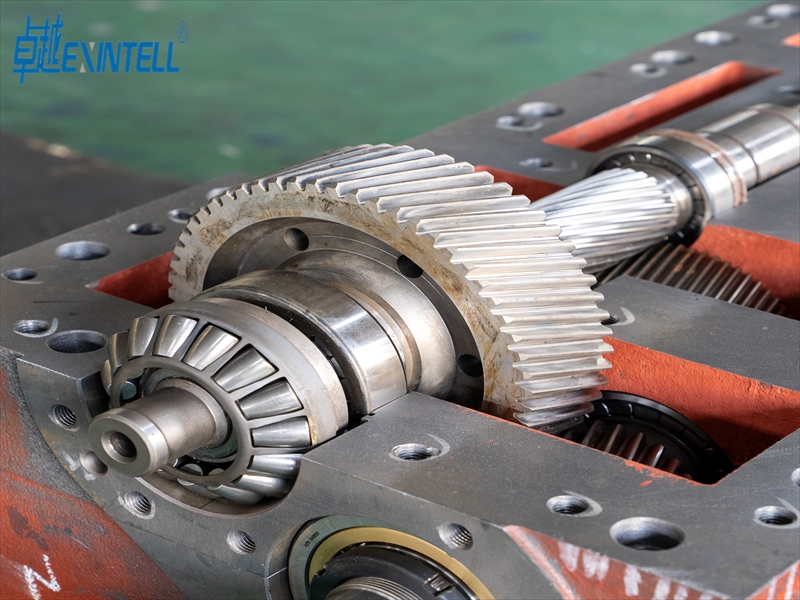
Inside the pelletizing extruder, the screw and barrel work together. They move, gbazee, and mix the plastic. The screw has three main parts:
Feed Zone:This part grabs the plastic and pushes it forward.
Compression Zone:Here, the screw squeezes the plastic and removes air. This makes the plastic melt evenly.
Metering Zone:This part builds pressure and keeps the flow steady before the die.
The barrel goes around the screw. It heats and softens the plastic. The barrel also helps mix the plastic for a smooth melt.
Ihe kpatara ya
Nkọwa
Screw Geometry
The screw’s shape and angle change how the plastic moves and mixes. Small angles mix better but wear out faster.
Kneading Blocks
Akụkụ ndị a na-agwakọta plastik karịa site n'ime ka ọ na-etekọta ọnụ. Ihe mgbochi ma ọ bụ akụkụ buru ibu na-agwakọta karịa mana jiri ike na okpomọkụ karịa.
Profaịlụ okpomọkụ
Ị ga-achịkwa okpomọkụ na akụkụ nke ọ bụla. Oke ọkụ nwere ike imerụ plastik ahụ. Okpomọkụ ezughi oke na-ahapụ ya agbazeghị.
Rịba ama: Mkpọsa ziri ezi na gbọmgbọm na-enyere gị aka ime ka pellets dị mma na obere ihe efu.
Efere efere na nkwụnye
Mgbe agbazechara, plastic na-aga site na efere na-agbaji na nkwụnye. Efere efere bụ diski ígwè nwere ọtụtụ obere oghere. Ọ na-eme ọtụtụ ihe:
Ọ na-eme ka nrụgide ahụ guzosie ike n'ime gbọmgbọm ahụ.
Ọ na-ejide mkpọ ihuenyo iji hichaa gbazee ọzọ.
Ọ na-agbajisị clumps ka agbaze ahụ wee dị ire.
Ihe nkwụnye ahụ, a na-akpọkwa ọkpọkọ nri, jikọtara gbọmgbọm ahụ na anwụ anwụ. Ọ na-eduzi rọba gbazere ka ọ bụrụ anwụ ma na-eme ka mmiri na-asọ na-aga n'ihu.
Ndụmọdụ: Efere dị ọcha na ihe nkwụnye na-enyere gị aka ime ka ọ dị ike, ọbụna pellets.
Sistemụ anwụ
Usoro anwụ na-akpụzi plastik gbazere tupu ịcha ya. Ọnwụ ahụ nwere akụkụ ụfọdụ dị mkpa:
Mpaghara mepere emepe: Nke a bụ nha nke oghere anwụ anwụ. Ọ na-agbanwe nrụgide na otú oke ngwaahịa dị.
Mpaghara Ala: Akụkụ a na-akpụzi plastik ka ọ na-ahapụ anwụ. Ọ na-enyere aka mee ka pellets na-ele anya ma na-arụ ọrụ otu.
Ihe eji arụ ọrụ: Ihe ndị na-anwụ anwụ na-agbanwe otú ikpochapu na nrụgide plastik na-enweta.
Ịkwesịrị idobe usoro anwụ anwụ na ọdịdị dị mma. Nhicha na ịlele ya na-akwụsịkarị nsogbu ma mee ka pellet dị elu. Ọ bụrụ na anwụ nwere nsogbu, pellets nwere ike ịgbanwe na nha, ike, ma ọ bụ udi.
Rịba ama:The die system is one of the most important parts of your pelletizing extruder.
Cooling System
When the plastic leaves the die, it is still hot. The cooling system makes the plastic hard so you can cut it. There are different ways to cool:
Air-cooled systems:These use fans or blowers to cool the plastic.
Water-cooled systems:These drop the plastic into water tanks. Dryers then take off the water.
Fluidized bed dryers:These blow air through the pellets as they slide down a slope. You can change the slope to control how long the pellets stay in the dryer.
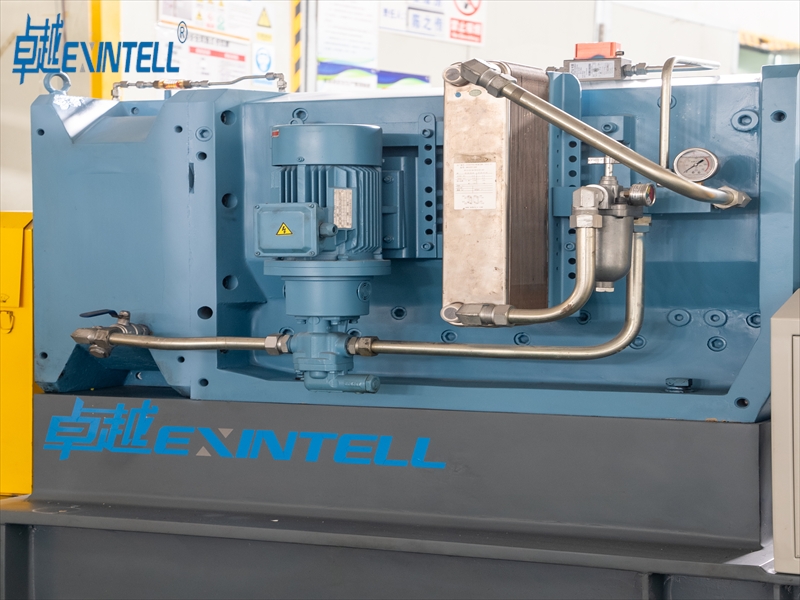
Some systems reuse water to save energy. Automatic controls can change cooling based on what you need, which also saves energy.
Ihe akaebe
Nkọwa
Optimizing Cooling Resources
Saves energy and helps the machine work better.
Njikwa akpaaka
Uses just the right amount of cooling.
Closed-loop Systems
Uses water again and again, saving water and energy.
Ndụmọdụ:Good cooling keeps pellets strong and saves energy.
Rotating Knife System
The rotating knife system cuts the cooled plastic into pellets. This system has sharp, fast knives that slice the plastic as it comes out.
Sharp, well-set knives stop problems like tails or dust and keep the machine running.
You need to keep the knives sharp and at the right speed. If the knives get dull or slow, you get uneven pellets and more stops. If the knives are too fast or not lined up, you get problems or jams.
Rịba ama:The rotating knife system is very important for making good pellets and keeping your pelletizing extruder working well.
How Components Work Together
Material Flow and Homogenization
All the parts of the pelletizing extruder must work together. This helps the plastic move smoothly andmix well. The screw pushes the plastic forward and mixes it. You can change how fast the screw turns to mix more or less. Kneading blocks inside the screw help blend the plastic. Their shape and how you set them up help the plastic mix better.
You can change the speed to control mixing and keep flow steady.
Kneading Block Geometry
Special shapes help mix the plastic evenly.
Convective Mixing
The design moves plastic through mixing zones again and again.
Continuous Circulation
All plastic passes through strong mixing areas many times.
Modular Screw Design
You can change the screw parts for different plastics.
Kneading Block Configurations
Different setups give strong mixing for the right pellet quality.
Mgbe ụfọdụ, mixing can be hard. If you mix too much, you can break fibers or make dust. Too much mixing can also make the plastic too hot. Gentle mixing is better for soft plastics. Some plastics, likeultra-low melt flow HDPE, move slowly. These need more pressure to flow.
Pellets are made by cooling and cutting the plastic after it leaves the die. The cooling system makes the plastic hard so knives can cut it. Good cooling systemshelp keep pellet size and shape the same. Automatic controls can change the process as it runs. Nke a na-enyere gị aka inweta pellets ka mma ma na-efunahụ obere ihe.
Ụdị ihe akaebe
Nkọwa
Sistemụ jụrụ oyi dị elu
Pellet ndị a dị jụụ ngwa ngwa ma debe ọdịdị ha.
Sistemụ njikwa akpaaka
Ndị a na-edozi ntọala maka ịdị mma yana obere mkpofu.
Igwe ọkụ na-arụ ọrụ dị elu
Ndị a na-ekpo ọkụ rọba ahụ nke ọma maka extrusion dị nro.
Ịkwesịrị ịnakọta ma jikwaa pellet nke ọma ka ị ghara idafu ha ma ọ bụ mee ka ha ghara ịdị unyi. Jiri ezigbo ngwaọrụ mee ka ebe ahụ dị ọcha. Ụzọ ụkwụ mechiri emechi na ọkpọkọ emechiri emechi na-akwụsị pellet ịpụ apụ. Kụziere ndị ọrụ ka ha na-eji ihe nchekwa mmiri ma mara ihe ha ga-eme na mberede.
Jiri ngwaọrụ kwesịrị ekwesị na sistemụ mechiri emechi.
Na-ehicha ihe na-awụfu ngwa ngwa.
Kụziere ndị ọrụ ka esi ejikwa pellets n'enweghị nsogbu.
Ndụmọdụ: Mgbe nzọụkwụ ọ bụla na-arụkọ ọrụ ọnụ, ị ga-esi ike, pellets dị ọcha na ebe nchekwa dị mma iji rụọ ọrụ.
You turn raw plastic into even pellets by doing five steps: feeding, melting, extruding, jụrụ oyi, and cutting. Each main part—hopper, ịghasa, gbọmgbọm, anwụ, jụrụ oyi, and knife system—has an important job. Taking care of your extruder helps it work well:
Look at screws and sleeves to see if they are damaged.
Make sure raw materials are clean so nothing bad gets in.
Watch for worn parts and change them before they break.
If you know about pellet quality and how tocontrol moisture, you can work faster and make fewer mistakes. Use these tips to keep your machine working well and making good pellets.
FAQ
What types of plastics can you use in a pelletizing extruder?
You can use many plastics in a pelletizing extruder. Ụfọdụ ihe atụ bụ polyethylene, polypropylene, naịlọn, ABS, PLA, na TPU. Each plastic needs its own temperature and settings. Na-enyocha ihe mkpa ihe onwunwe gị mgbe niile tupu ịmalite.
Kedu ka esi edobe pellets otu n'ogo?
Ịkwesịrị inye ihe ahụ nri n'otu oge. Debe ọsọ nke ịghasa otu. Na-asachapụ ọnwụ na mma mgbe mgbe. Jiri njikwa akpaaka iji nyere aka na oyi na ịkpụ. Nke a na-enye gị nsonaazụ kacha mma.
Gịnị mere extruder chọrọ usoro jụrụ oyi?
Usoro jụrụ oyi na-eme ka plastik gbazere sie ike. Ọ bụrụ na ị naghị ajụkwa ya, pellets na-adị nro ma rapara ọnụ. Mgbe ị na-ajụkwa ha ngwa ngwa na nke ọma, ị ga-enweta pellets siri ike. Ndị a pellets dị mfe ijikwa.
Ugboro ole ka ị ga-ejigide pelletizing extruder?
Lelee na mmanụ bearings ọ bụla 500 awa.
Lelee skru na mma kwa izu.
Hichaa hopper ma nwụọ mgbe ọ bụla ogbe.
Ime ihe ndị a na-enyere igwe gị aka ịrụ ọrụ nke ọma.
Can you use recycled plastics in a pelletizing extruder?
Ụdị ihe
Suitability
Notes
Clean Recycled
Ee
Dry and filter before use
Mixed Recycled
Mgbe ụfọdụ
May need sorting and cleaning
Contaminated
Mba
Can damage machine
You can use recycled plastics if they are clean and sorted.