

Filler Masterbatch Extruder Machine: Ntuziaka azụmaahịa B2B akọwapụtara maka ndị nrụpụta zuru ụwa ọnụ, Ndị na-eweta ihe, na Buyers in
The Filler Masterbatch extruder igwe ahịa na-enwe nnukwu mkpali ka ọchịchọ zuru ụwa ọnụ maka ihe ngwọta plastik dị ọnụ ahịa na-eme ngwa ngwa n'ofe nkwakọ ngwaahịa., ihe owuwu, na ngalaba ụgbọ ala. Maka ndị na-azụ ahịa B2B na-enweta site n'aka ndị nrụpụta na ndị na-ebubata ya na mba ụwa, ịghọta ọnọdụ azụmahịa dị ugbu a n'etiti nnukwu ụlọ ọrụ mmepụta ihe na Eshia na isi ahịa oriri na United States na European Union dị mkpa. Ntuziaka a zuru oke na-enyocha mmepe amụma kachasị ọhụrụ, ohere ahịa, ihe omumu ihe omumu, na amụma amụma ahịa na-atụ anya iji nyere ndị ọkachamara n'ịzụ ahịa aka, ndị nwe ụlọ mmepụta ihe, na ndị na-ekesa n'ùkwù na-eme mkpebi ziri ezi mgbe ha na-etinye ego na akụrụngwa extrusion filler masterbatch. Ma ị na-enyocha a filler masterbatch extruder machine manufacturer or comparing wholesale pricing from multiple factories, this resource delivers the data-driven insights you need.
Understanding Filler Masterbatch Extruder Machines: Core Technology na Ngwa
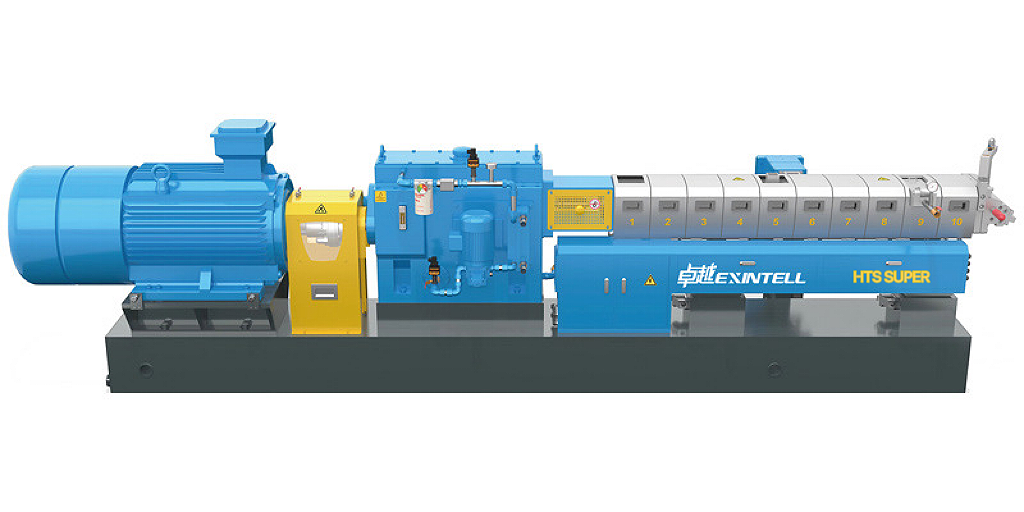
A filler masterbatch extruder machine is a specialized twin-screw or co-rotating extrusion system designed to compound high concentrations of mineral fillers — primarily calcium carbonate (CaCO3), barium sulfate, ma ọ bụ talc — with polyethylene (PE) ma ọ bụ polypropylene (PP) carrier resins. Ndị na-emepụta plastik na-agbadata na-eji pellets masterbatch nke pụta iji belata ọnụ ahịa akụrụngwa, melite akụkụ kwụsie ike, na welie ụfọdụ n'ibu Njirimara nke okokụre ngwaahịa.
Extruder Machine Manufacturer Manufacturer Igwe ihe eji eme ihe eji eme ihe nke oge a na-enwekarị ihe eji eme ihe: Mwepu nke X1C Extruder
- Igwe ejima-skru extruder na-arụkọ ọrụ ọnụ nwere ihe mkpọsa modul maka mgbasasị kachasị mma.
- Igbe gia dị elu nke nwere ike ịhazi ntinye njupụta nke 70–85% site na ibu
- Sistemụ nri gravimetric akpaghị aka maka oke CaCO3-na-resin ziri ezi
- Sistemụ pelleting nke dị n'okpuru mmiri ma ọ bụ strand maka geometry pellet otu
- Ogwe njikwa PLC/HMI nwere nleba anya nke oge okpomọkụ, nrụgide, na nnyefe
Ike mmepụta sitere na 300 kg / h maka kọmpat laabu-ọnụ ọgụgụ ahịrị gafere 2,000 kg / h maka ulo oru-ọkwa Filler masterbatch mmepụta ahịrị. Akụkụ ikpeazụ eji eme ihe gụnyere ihe nkiri afụfụ maka nkwakọ ngwaahịa, ngwa ahịa eji eme ihe ntụtụ, kpara akpa n'ichepụta, na ọkpọkọ extrusion.
Igwe extrusion plastik arụ ọrụ n'ime ụlọ nrụpụta ọgbara ọhụrụ na-emepụta pellets masterbatch filler
Amụma Azụmahịa Ofesi na Plastics Machinery Industry Landscape in
The transatlantic trade relationship between the United States and the European Union remains the world's largest bilateral commercial partnership, na ngwa ahịa na ọrụ jikọtara ọnụ karịrị akarị $1.3 trillion kwa afọ dị ka U.S. Nchịkwa azụmahịa mba ụwa (ITA). Maka ngalaba igwe plastik — gụnyere igwe filler masterbatch extruder — Ọtụtụ mmepe amụma na ọkara mbụ nke na-akpụzi atụmatụ ịzụ ahịa:
Mmepe amụma azụmaahịa US
United States na-edobe usoro tarifu n'okpuru Usoro nrụkọba tarifụ (HTS) nke na-ekewa ígwè ọrụ nhazi plastik n'okpuru Isi 84. Dị ka Q2, Ngalaba 301 Tarifụ na igwe sitere na China ka na-arụ ọrụ na 25%, nke atụgharịala mmasị ndị na-azụ ahịa n'ụzọ ọzọ sitere na ndị na-emepụta Southeast Asia na European OEMs. Nke U.S. Ngalaba Azụmahịa kọrọ na mbubata plastik na igwe ụlọ ọrụ rọba ruru $4.2 ijeri 2024, na Germany, Japan, na Ịtali n'ogo n'etiti mba atọ na-abụghị ndị China na-ebubata ngwaahịa.
Iwu Mbelata ọnụ ahịa nke Biden-oge (IRA) na ntinye aka ya na mkpali mmepụta ụlọ na-aga n'ihu na-emetụta mkpebi ịzụrụ ngwá ọrụ ego. Ọtụtụ ndị na-emepụta plastik na United States akọpụtala itinye ego ngwa ngwa na ahịrị ọhụrụ nke Masterbatch iji ruo eruo maka kredit ụtụ isi jikọtara na mgbasawanye ikike mmepụta ụlọ..
Usoro ahia na nhazi EU
The European Union's trade policy under the Directorate-General maka ahia emesiwanye ike njirisi nkwado na mbubata igwe. Usoro ngbanwe Carbon Border EU (CBAM), nke banyere n'usoro mgbanwe ya n'ọnwa Ọktoba 2023 ma na-aga n'ihu na mmejuputa iwu zuru oke site na 2026, amalitela imetụta otú ndị na-azụ ahịa Europe si enyocha akara ukwu carbon nke akụrụngwa isi obodo ebubata, gụnyere igwe extruder.
Strategy EU Plastics Strategy na ntuziaka Plastics Otu eji eme ihe na-aga n'ihu na-achọrọ maka ihe ndozi masterbatch dị ka ụzọ isi belata oriri plastik na-amaghị nwoke.. Site na itinye 70–80% mineral filler ọdịnaya, ndị na-emepụta ihe nwere ike ibelata ntakiri polymer n'ụzọ na-adịghị mkpa, kwekọọ n'ebumnobi akụ na ụba okirikiri nke akọwapụtara Ndị omeiwu Europe.
Germany's VDMA (Njikọ ụlọ ọrụ injinia) kọrọ na European plastics na roba ígwè mmepụta ruru ihe dị ka €16.5 ijeri 2024, na ngwa mgbakwunye na extrusion na-anọchi anya oke oke. Ndị na-emepụta igwe Ịtali, ọkachasị ndị agbakọtara na mpaghara Lombardy na Veneto, nọgide na-asọ mpi n'ụwa niile na teknụzụ extruder ejima-screw. Onye nrụpụta ụlọ nyocha
Echiche ikuku nke ọdụ ụgbọ mmiri Rotterdam nwere ụgbọ mmiri akpa na akụrụngwa akụrụngwa na-akwado azụmaahịa mba EU
Ohere ahia B2B maka Filler Masterbatch Extruder Machines na US na EU Market
Nkwekọrịta nke akụrụngwa akụ na ụba, ụkpụrụ gburugburu ebe obibi, na imepụta usoro ịghaghachi azụ na-eke ohere B2B dị ukwuu maka ndị na-ebubata igwe na-ebuputa igwe na-ebu ihe na-ezubere ahịa US na EU.. Blender Extrude n'akụkụ ụzọ
Ndị na-anya ahịa na-achọ ahịa
Mbelata ọnụ ahịa dị mkpa: Na polyethylene na polypropylene ọnụ ahịa resin na-anọgide na-agbanwe agbanwe — Ọnụ ahịa ntụpọ PE gbanwere n'etiti $1,050 na $1,280 kwa metric ton na Q1 dị ka ICIS data ọnụahịa — ndị na-atụgharị ala na-achọsi ike ụzọ ha ga-esi belata oriri resin. Filler masterbatch na-enye ndị nrụpụta ohere dochie 20–40% nke resin na-amaghị nwoke nwere CaCO3 dị ọnụ ala, na-ebunye ego nchekwa ihe ozugbo nke 15–30% kwa ton nke ngwaahịa emechara.
Uto ngalaba nkwakọ ngwaahịa: Ahịa nkwakọ ngwaahịa na-agbanwe agbanwe zuru ụwa ọnụ, bara uru na mkpokọta $228 ijeri 2024 site Ndị Smithers, na-aga n'ihu na-abawanye na 3.5–4% CAGR. Uto a na-asụgharị ozugbo ka ọ bụrụ ụbara agụụ maka filler masterbatch na, ya mere, ngwa extrusion iji mepụta ya.
Ihe owuwu na akụrụngwa: Both the US Infrastructure Investment and Jobs Act and the EU's NextGenerationEU recovery fund are channeling billions into construction projects that consume large volumes of plastic pipes, profaịlụ, na mpempe akwụkwọ — ha niile na-erite uru site na ntinye ihe ntinye masterbatch.
Isi ihe ịma aka maka ndị na-ebubata mba ụwa
Achọrọ asambodo nka: Ndị na-azụ ahịa US na-achọwanye igwe iji kwado UL, NFPA 79, na ụkpụrụ OSHA, ebe ịzụ ahịa EU nyere iwu ka akara CE akara, nrube isi na ntuziaka igwe 2006/42/EC, na-abawanye, n'ikwekọ n'usoro iwu igwe ọhụrụ EU (EU) 2023/1230 dị irè site na Jenụwarị 2027. Ndị na-emepụta igwe Filler Masterbatch extruder ga-etinye ego na akụrụngwa asambodo iji nweta ahịa ndị a.
Ndị nrụpụta ejima-screw Extruder ndị na-emepụta ihe Atụmanya ọrụ ire ere mgbe emechara: Ndị na-azụ ahịa B2B n'ahịa ndị mepere emepe na-atụ anya ịnweta ngwa ngwa ngwa ngwa (nke ọma 48–72 nnyefe elekere), ike nchọpụta ọrịa, na nkwado injinia ọrụ mpaghara ma ọ bụ mpaghara. Ịmepụta mmekorita ọrụ ma ọ bụ nhazi ụlọ nkwakọba ihe na US na EU bụ nnukwu ihe mgbochi maka ndị batara ahịa ọhụrụ..
Logistics na oge ndu: Ibu ụgbọ mmiri sitere na nnukwu ebe nrụpụta Eshia gaa n'ọdụ ụgbọ mmiri US West Coast (Los Angeles, Ogologo osimiri) ma ọ bụ ọdụ ụgbọ mmiri Europe (Rotterdam, Hamburg) na-achọkarị 25–40 ụbọchị. Ejikọtara ya na 8–12 oge nrụpụta izu maka nhazi extruder omenala, ngụkọta usoro nnyefe nke 4–6 ọnwa na-adịkarị, na-achọ nlezianya atụmatụ ịzụ ahịa.
Ụlọ ihe ngosi azụmahịa B2B nwere ihe ngosi igwe mmepụta ihe yana ịkparịta ụka n'Ịntanet ọkachamara azụmahịa
Uru Geographic na amụma na-enyere B2B Azụmahịa Ofesi na Ngwa Masterbatch Filler
Ọtụtụ ihe gbasara mpaghara na amụma na-emepụta uru sitere n'okike maka azụmaahịa B2B na igwe ihe nrụpụta masterbatch extruder n'etiti ebe mmepụta na ahịa oriri.:
Nkwekọrịta azụmaahịa efu: EU na-ejigide netwọk nke FTA na-ekpuchi 70 mba. Maka ndị na-eweta igwe dabere na mba ndị nwere mkpuchi EU FTA (eg., South Korea, Vietnam, Japan site na EU-Japan EPA), Ọnụ ego tarifu ọkachamma na mbubata igwe plastik nwere ike belata ọnụ ahịa ala site na 2–4 pasentị tụnyere ọnụego MFN.
Mpaghara Azụmahịa Ofesi US (FTZ): gafere 190 FTZ na-arụsi ọrụ ike n'ofe United States na-enye ndị na-ebubata mbubata ohere ibugharị, belata, ma ọ bụ wepụ ụgwọ kọstọm na igwe ebubata. Igwe ihe eji eme ihe na-ebubata n'ime FTZ maka mgbakọ ma ọ bụ ijikọ ya na akụrụngwa sitere n'ime ụlọ nwere ike irite uru site na nrụnye tarifu tụgharịrị., ebe ọrụ na okokụre mmepụta akara dị ala karịa na onye ọ bụla bubata components.
Akụrụngwa ọdụ ụgbọ mmiri dị mkpa: Port nke Rotterdam na-achịkwa 14 nde TEU kwa afọ ma na-eje ozi dị ka ọnụ ụzọ mbụ maka ibubata igwe na kọntinent Europe. N'akụkụ US, Ports nke Los Angeles na Long Beach na-ahazi mkpokọta mkpokọta 40% Mbubata US niile nwere akpa, nwere akụrụngwa ebuli elu raara onwe ya nye na ibu ọrụ dabara adaba maka mbupu extruder buru ibu.
Ụyọkọ mmepụta mpaghara: Ịdị nso na isi mmalite akụrụngwa dị mkpa. Ụgbọ mmiri petrochemical nke US Gulf Coast (Texas, Louisiana) na ụlọ ọgwụ ndị Europe (Antwerp, Ludwigshafen) nye ndị na-emepụta ihe nchịkwa Masterbatch ohere ịsọ mpi na resins ụgbọelu, ibelata ngụkọta ọnụ ahịa nke nwe maka extruder itinye ego na mpaghara ndị a.
Ụgbọ mmiri na-ebu akpa na nnukwu ọdụ ụgbọ mmiri mba ụwa nwere cranes na-ebu ngwá ọrụ mmepụta ihe maka azụmahịa B2B zuru ụwa ọnụ
Ọmụmụ ihe: Kedu ka ụlọ ọrụ B2B si aga nke ọma na Filler Masterbatch Equipment Market
Ikpe 1: Onye na-emepụta China na-emebe ọnụnọ ahịa Europe
Onye na-emepụta ihe na-emepụta ihe na-emepụta ihe na-emepụta ihe na-emepụta ihe na-emepụta Masterbatch extruder nke dabeere na Nanjing, China, nwere ikike mmepụta kwa afọ karịa 200 ahịrị extruder, gbasoro usoro ntinye ahịa ahaziri ahazi maka EU malite na 2022. Ụlọ ọrụ ahụ tinyere ego Ụlọ ọrụ na-ebunye igwe Extruder ihe dị ka $350,000 iji nweta asambodo CE zuru oke maka ụdị flagship 75mm na 95mm ejima-screw extruder ụdị., gụnyere nnwale ndị ọzọ nke TÜV Rheinland maka nchekwa eletrik, mkpọtụ mkpọtụ, na nrubeisi nche igwe. Usoro ejima screw Extruder
Iji lebara nchegbu ọrụ ire ere gasịrị, Onye nrụpụta ahụ guzobere ụlọ nkwakọba ihe mapụtara na Düsseldorf, Germany, ịkwakọba ihe 800 SKU nke ihe eji eme ihe (ihe ịghasa, ogbunigwe liners, efere anwụ) yana nnyefe awa 48 n'ezie n'ofe EU. Ha na ụlọ ọrụ ọrụ aka ọrụ German jikọtara ọnụ iji nye ntinye na saịtị, inye ọrụ, na nkwado ọzụzụ na Bekee, German, French, na Spanish.
Site na Q1, ụlọ ọrụ etinyela ya 47 Filler masterbatch mmepụta ahịrị gafee 12 Mba ndị otu EU, na isi mkpokọta na Poland (ngalaba nkwakọ ngwaahịa), toro toro (ihe owuwu ihe), na Spain (ihe nkiri ugbo). Ha nkezi ire price nke €185,000–€320,000 n'ahịrị zuru ezu dobere ha ihe dịka 35–45% n'okpuru atụnyere Italian na German OEM àjà, ka ọ na-ebuga arụmọrụ 800 yiri nke ahụ–1,500 kg/h na 80% CaCO3 na-ebu.
Ikpe 2: A US Compounder's Vertical Integration Strategy
Otu ụlọ ọrụ na-emekọ ihe n'etiti plastik nke hiwere isi na Houston, Texas, na-arụ ọrụ mmepụta atọ n'ofe US Southeast, mere mkpebi siri ike na 2023 ijikọ kwụ ọtọ n'ụzọ kwụ ọtọ mmepụta masterbatch filler kama ịga n'ihu na-azụta n'aka ndị na-ebubata ya na mpụga. Ụlọ ọrụ ahụ tụlere ọnụ ahịa sitere na asaa filler masterbatch extruder igwe suppliers gafee China, Germany, Ịtali, na India.
Mgbe usoro nyocha nke ọnwa 6 gụnyere nleta ụlọ ọrụ na ajụjụ ọnụ ndị ahịa, ha ahọpụtara nhazi na-ejikọta igwe ejima-screw extruder nke China rụpụtara na usoro nri na pelletizing nke German mepụtara.. The ngwakọ obibia anapụta a ngụkọta arụnyere na-eri nke $420,000 — ihe dị ka 40% erughị ahịrị nke sitere na Europe zuru oke — mgbe ị na-ezute ihe niile OSHA na NEC koodu eletrik chọrọ maka akụrụngwa ha.
N'ime 18 ọnwa nke ọrụ, ụlọ ọrụ ahụ kọrọ kwa afọ ihe onwunwe na-eri ego nke $1.2 nde site na imepụta filler masterbatch n'ime ụlọ na 75% CaCO3 na-ebu, na-agbapụ ihe dịka 8,000 metrik tọn nke masterbatch azụrụ kwa afọ. E nwetara oge nkwụghachi ụgwọ na ntinye ego extruder n'okpuru 5 ọnwa.
Ikpe 3: Igwe eji Europe OEM na-eche ahịa US site na ihe ngosi ahia
Otu ejima-ịghasa extruder emeputa nke Italy nwere 40 afọ nke ihe nketa na teknụzụ na-ejikọta ọnụ na-etinye aka na NPE (Ihe ngosi Plastics, emere na Orlando, Florida) na Chinaplas iji wuo ọkpọkọ ndị ahịa US. Atụmatụ ha lekwasịrị anya n'ichepụta site na nrụpụta ike — Igwe ihe eji eme ihe eji eme ihe nke Masterbatch extruder na-eri 0.12–0.15 kWh/kg, ihe dị ka 20% ihe na-erughị nkezi ụlọ ọrụ — na site na Integrated Industry 4.0 ike gụnyere njikọ OPC-UA na algọridim mmezi amụma.
Ụlọ ọrụ ahụ guzobere enyemaka US na Charlotte, North Carolina, ya na otu ndị injinia ọrụ atọ na a 5,000 sq ft akụrụngwa akụrụngwa. Ka ọ na-erule etiti-, ha echekwabara 15 arụnyere n'ofe US na Mexico, na nkezi ụkpụrụ nke $450,000–$680,000 n'ihi na zuru turnkey filler masterbatch mmepụta ahịrị.
Modern ụlọ ọrụ mmepụta ihe osisi ime na akpaghị aka mmepụta akara igwe na àgwà akara usoro
Amụma Trend Trend: Filler Masterbatch Extruder Machine Market Outlook maka Q3–Q4
Dabere na ihe ngosi ahịa ugbu a, trajectories amụma, na ọgụgụ isi ụlọ ọrụ anakọtara site na ọtụtụ isi mmalite gụnyere ndị Njikọ ụlọ ọrụ plastik, EUROMAP, na ahia data si ITC Azụmahịa Map, A na-atụ anya usoro ndị a maka ngalaba igwe ihe nrụpụta masterbatch na-esote 1–2 ọnwa na n'ime nkera nke abụọ nke:
1. Ịga n'ihu n'ichepụta ụdọ ọkọnọ na-ebute tarifu: Na ngalaba US 301 tarifụ na igwe ndị China na-egosi enweghị akara nke mbelata, yana omume tarifụ ndị ọzọ enwere ike na mkparịta ụka maka, Ndị na-azụ ahịa B2B ga-enyochawanye ndị na-ebubata igwe na-ebu ihe na-ebu Masterbatch extruder na India, Vietnam, na Turkey dị ka ihe ọzọ isi mmalite mmalite. Ndị na-emepụta India, ọ kachasị, etinyela nnukwu ego na ikike ejima-screw extruder, ya na ọtụtụ ụlọ ọrụ na-enye ụdị CE na UL asambodo na ọnụahịa ọnụahịa 15–25% karịa nha ndị China mana n'okpuru ọnụahịa Europe.
2. Ịrụ ọrụ ike dị ka njirimara ịzụ ahịa: Na-abawanye ọkụ eletrik ụlọ ọrụ na US abụọ (na-akwụ ụgwọ 0.08 US dollar–$0.12/kWh maka ndị ọrụ mmepụta ihe) na m (€0.15–€0.25/kWh dabere na steeti ndị otu) na-eme kpọmkwem ike oriri (kWh/kg) metrik nyocha dị oke egwu. Ndị na-emepụta Extruder na-enye sistemụ ịnya ụgbọ ala dị elu, kachasị ịghasa aghụghọ, na ike mgbake okpomọkụ ga-enweta uru asọmpi. Na-atụ anya ịzụ ahịa RFQ ga-abawanye na-agụnye nkwa ịrụ ọrụ ike.
3. Akpaaka na atụmatụ mbelata ọrụ na-achọ: ụkọ ọrụ n'ichepụta n'ofe ma US na EU na-akpali agụụ maka ahịrị mmepụta ihe na-emepụta ihe na-akpaghị aka nke ukwuu nke chọrọ enyemaka onye ọrụ pere mpe.. Atụmatụ dị ka njikwa uzommeputa akpaka, ike ihicha onwe ya, na nlekota anya site na ikpo okwu dabere na ígwé ojii na-agbanwe site na nhọrọ adịchaghị gaa na atụmanya ọkọlọtọ.
4. chọrọ akwụkwọ nkwado: Ndị na-azụta EU ga-arịọrịrị nkwupụta ngwaahịa gburugburu (EPDs), carbon akara mgbako, yana ntule nrụpụta maka igwe ebubata ka mmejuputa CBAM na-aga n'ihu. Ndị na-emepụta igwe Filler Masterbatch extruder nke na-arụ ọrụ nke ọma na-emepụta akwụkwọ a ga-ekewapụta onwe ha na ndị ahịa Europe..
5. Njikota n'etiti ndị na-ebubata ọkwa etiti: The competitive pressure from both low-cost Asian manufacturers and technology-leading European OEMs is expected to drive consolidation among mid-tier filler masterbatch extruder machine suppliers. Strategic acquisitions and partnership announcements are anticipated in Q3–Q4, particularly involving companies seeking to combine Asian manufacturing cost advantages with European engineering expertise.
Business analytics dashboard showing international trade data trends and market forecast charts for industrial machinery
Workplace Safety in Filler Masterbatch Production: Protecting Operators with B2B Safety Footwear
Extruded Solutions Inc Operating a filler masterbatch extruder machine involves significant workplace hazards that demand rigorous personal protective equipment (PPE) protocols — and safety footwear is among the most critical yet frequently underestimated Dual Extruder Printing elements of operator protection. For B2B procurement managers sourcing both machinery and associated safety equipment, understanding the specific risks in a filler masterbatch production environment is essential for compliance and workforce protection.
Hazard Profile of Filler Masterbatch Extrusion Facilities
A typical filler masterbatch production line presents multiple foot-injury risks:
- Mmetụta ihe dị arọ: Ihe ịghasa, akụkụ gbọmgbọm, and die assemblies routinely weigh 15–80 n'arọ. During maintenance operations, A na-eji aka ma ọ bụ cranes eme ihe ndị a, creating significant crush and impact hazards for feet and toes.
- kọntaktị ihe na-ekpo ọkụ: Molten polymer strands exiting the die head at 180–220°C, hot pellet water at 60–80°C, and heated barrel surfaces exceeding 250°C pose severe burn risks. Splashes of molten masterbatch during strand breaks or die changes can cause serious foot injuries if operators wear inadequate footwear.
- Ihe egwu mwepu: Process water from underwater pelletizing systems, spilled CaCO3 powder (which becomes extremely slippery when wet), and lubricant residues create persistent slip-and-fall risks on production floors.
- Ihe egwu mkpakọ: Filler masterbatch bags (na-emekarị 25 kg nke ọ bụla) and bulk bags (500–1,000 n'arọ) stored and transported via forklifts in the production area create compression risks for feet.
- Ihe egwu eletrik: High-voltage drive systems (ihe dị ka 380–480V) powering extruder motors require ESD-rated footwear in designated electrical maintenance zones.
Safety Footwear Standards for Industrial Compliance
B2B safety footwear for filler masterbatch production environments must comply with recognized international standards:
For US operations: ASTM F2413-18 defines performance requirements for protective footwear, gụnyere nguzogide mmetụta (I/75 — nchebe megide 75 ft-lbs impact), mgbochi mkpakọ (C/75 — nchebe megide 2,500 lbs compression), na ọkwa nhọrọ maka nchebe metatarsal (Mt), ihe ize ndụ eletrik (EH), static dissipation (SD), na nguzogide ntupu (PR).
Maka ọrụ EU: NA ISO 20345:2022 classifies safety footwear into categories S1 through S5, with S3 being the minimum recommended level for plastics processing environments. Akpụkpọ ụkwụ S3 na-enye nchebe mkpịsị ụkwụ (200J mmetụta, 15kN mkpakọ), ikiri ụkwụ mechiri emechi, antistatic Njirimara, energy absorption in the heel, elu mmiri na-eguzogide, and penetration-resistant sole.
Nke Nlekọta nchekwa na ahụike ọrụ (OSHA) in the US mandates that employers assess workplace hazards and provide appropriate foot protection under 29 CFR 1910.136. N'otu aka ahụ, the EU Framework Directive 89/391/EEC requires employers to provide PPE, gụnyere akpụkpọ ụkwụ nchekwa, at no cost to workers when hazards cannot be eliminated through engineering controls.
Selecting the Right Safety Footwear for Extruder Operators
When procuring Akpụkpọ ụkwụ nchekwa B2B for filler masterbatch production teams, consider these specifications:
- Steel or composite toe caps: Both materials meet impact and compression requirements. Okpu mkpịsị ụkwụ mejupụtara (fiberglass, eriri carbon, ma ọ bụ Kevlar) offer advantages in weight reduction (30–40% Mkpa ọkụ karịa ígwè) and thermal insulation — important in environments with temperature extremes near extruder barrels.
- Heat-resistant outsoles: Nitrile rubber outsoles rated for contact heat resistance up to 300°C (HRO rating per EN ISO 20345) are essential for operators working near die heads and pelletizing systems.
- Anti-slip tread patterns: outsoles gosiri SRC (nwalere na ma tile seramiiki na sodium lauryl sulfate solution na ígwè nwere glycerol) provide the highest slip resistance classification, critical for wet production floors.
- Ndị nche Metatarsal: For maintenance technicians who handle heavy screw elements and barrel components, internal or external metatarsal guards provide additional protection to the upper foot area beyond what toe caps alone offer.
- Nkwado nkwonkwo ụkwụ: Mid-cut or high-cut boot designs provide superior ankle stability and protection against CaCO3 powder and pellet ingress, which can cause irritation and slip hazards inside low-cut shoes.
The Business Case for Quality Safety Footwear in B2B Operations
Investing in high-quality safety footwear delivers measurable returns for filler masterbatch production operations:
Dị ka U.S. Ụlọọrụ Bureau of Labor Statistics, mmerụ ụkwụ na-akpata ihe dịka 60,000 mmerụ ahụ n'ebe ọrụ kwa afọ na US, with an average direct cost of $9,000–$12,000 kwa merenụ (medical expenses plus workers' nkwụghachi ụgwọ). Indirect costs — including lost productivity, ọrụ nnọchi, and administrative burden — typically multiply direct costs by a factor of 3–5x.
For a filler masterbatch factory operating three shifts with 30 ndị ọrụ mmepụta ihe, providing premium S3/ASTM-rated safety footwear at $80–$150 per pair (replaced annually) represents an investment of $2,400–$4,500 kwa afọ. Preventing even a single moderate foot injury saves $27,000–$60,000 in total costs — delivering an ROI exceeding 600%.
Beyond financial considerations, safety footwear compliance is increasingly audited by major B2B customers as part of supplier qualification processes. European and American brand owners conducting factory audits for their supply chain due diligence routinely verify PPE programs, including safety footwear provision and condition. Non-compliance can result in order cancellations, supplier delistings, and reputational damage.
Chicago Extruded Metals Comfort and ergonomics also directly impact productivity. Modern safety footwear incorporating EVA midsoles, mmiri na-ekpuchi lining, and anatomically designed footbeds reduces operator fatigue during 8–12 oge elekere. Studies bipụtara na Akụkọ banyere ekpughere ọrụ na ahụike have demonstrated that comfortable safety footwear reduces self-reported fatigue by 20–30% and decreases minor slip incidents by up to 40% compared to basic compliance-only footwear.
Onye ọrụ ụlọ ọrụ na-eyi akpụkpọ ụkwụ nchekwa na akụrụngwa nchebe na gburugburu ebe nrụpụta
Key Specifications to Evaluate When Sourcing a Filler Masterbatch Extruder Machine
For B2B buyers preparing procurement specifications, the following technical parameters should be included in RFQs sent to filler masterbatch extruder machine manufacturers and suppliers:
| Oke | Oke Oke | Ihe ndetu |
|---|---|---|
| dayameta ịghasa | 52–135 mm | Larger diameters = higher throughput |
| Oke L/D | 32:1 – 44:1 | Higher L/D provides better dispersion for high-fill formulations |
| Maximum throughput | 300–2,000 n'arọ/h | Depends on filler loading and formulation |
| Maximum filler loading | 70–85% site na ibu | CaCO3 is most common; talc and BaSO4 also used |
| Ike moto | 55–450 kW | High-efficiency IE3/IE4 motors preferred |
| Specific energy consumption | 0.10–0.18 kWh/kg | Lower is better; request guaranteed values |
| Pelletizing system | Strand cut / n'okpuru mmiri / mgbanaka mmiri | Underwater preferred for high-volume operations |
| Usoro njikwa | Siemens / ABB / Schneider PLC | Ensure compatibility with plant SCADA systems |
How to Verify a Filler Masterbatch Extruder Machine Factory Before Ordering
Due diligence is critical when selecting a filler masterbatch extruder machine factory, particularly for cross-border B2B transactions involving significant capital expenditure. Recommended verification steps include:
- Factory audit: Conduct an on-site or third-party audit (SGS, Ụlọ ọrụ Veritas, TÜV) iji nyochaa ikike nrụpụta, usoro njikwa mma (ISO 9001:2015 kacha nta), na mmepụta ikike.
- Reference customer visits: Request and visit at least 2–3 reference installations operating similar configurations to your requirements. Verify actual throughput, elu oge, and maintenance history.
- Trial run: For orders exceeding $200,000, negotiate a factory acceptance test (Abụba) using your actual raw materials. Document throughput, ike oriri, àgwà pellet, and filler dispersion results.
- Spare parts pricing and availability: Obtain a complete spare parts list with pricing before signing the purchase contract. Verify stock availability and delivery lead times for critical wear parts.
- Warranty and service terms: Standard industry warranty is 12 ọnwa site n'ịrụ ọrụ ma ọ bụ 18 ọnwa site na mbupu. Negotiate clear terms for response times, warranty part replacement, and service engineer availability.
Frequently Asked Questions About Filler Masterbatch Extruder Machines
- What is the typical MOQ when buying from a filler masterbatch extruder machine factory?
- Most manufacturers accept orders for a single complete production line. Agbanyeghị, pricing improves significantly for orders of 2+ ahịrị, with typical discounts of 5–12% for multi-unit purchases. Ndị na-azụ ahịa n'ogbe na-atụ 5+ units annually can negotiate framework agreements with further volume-based pricing.
- What certifications should a filler masterbatch extruder machine have for export to the EU and US?
- For EU markets, Ịka akara CE bụ iwu, covering the Machinery Directive 2006/42/EC, Ntuziaka voltaji dị ala 2014/35/EU, na ntuziaka EMC 2014/30/EU. For US markets, UL listing or recognition for electrical components, NFPA 79 compliance for industrial machinery electrical standards, and OSHA-compliant machine guarding are expected. Request certification documentation during the quotation stage.
- How long does installation and commissioning take for a complete filler masterbatch production line?
- Typical installation and commissioning timelines range from 10–21 days depending on line complexity, site readiness, and whether the supplier provides turnkey installation. Budget an additional 5–7 days for operator training. Most reputable filler masterbatch extruder machine manufacturers include installation supervision and training in their standard scope of supply.
- What is the expected lifespan of a filler masterbatch extruder machine?
- With proper maintenance, a quality twin-screw extruder can operate for 15–25 afọ. Wear parts (ihe ịghasa, ogbunigwe liners) typically require replacement every 3,000–8,000 operating hours depending on filler abrasiveness. Annual maintenance costs typically run 2–4% of the original equipment purchase price.
- Can a filler masterbatch extruder machine process recycled materials?
- Ee, many modern filler masterbatch extruder machines can process post-industrial and post-consumer recycled PE and PP as carrier resins. Agbanyeghị, recycled material processing may require additional upstream equipment (shredders, wash lines, melt filters) and screw configuration adjustments to handle contaminants and variable melt flow properties.
Mmechi: Strategic Sourcing for Filler Masterbatch Extruder Machine Buyers
The filler masterbatch extruder machine market in presents compelling opportunities for B2B buyers willing to navigate the complexities of international trade, technical certification, and supply chain management. Whether sourcing from established Ngwakọta Ngwakọta European OEMs for premium technology or from competitive Asian manufacturers for cost-optimized solutions, success depends on thorough due diligence, doro anya oru nkọwa, and robust after-sales service arrangements.
As trade policies continue to evolve — with sustainability requirements, usoro tarifu, and reshoring incentives all influencing procurement decisions — buyers who stay informed Extruder Machine Pakistan and maintain diversified supplier relationships will be best positioned to secure reliable, high-performance filler masterbatch production equipment at competitive total cost of
Filler Masterbatch Extrusion igwe: Complete B2B Trade Guide for Manu… · Filler Masterbatch Extrusion Machines: Complete B2B Trade Guide for Man… · Filler Masterbatch Ime igwe: Ntuziaka azụmaahịa B2B zuru ezu maka nrụpụta…