

Onye nrụpụta ejima ejima Extruder: Nkọwapụta nke B2B & Ntuziaka ahia maka
Ahịa ejima screw extruder zuru ụwa ọnụ nọ n'ọnọdụ uto dị elu. Bara uru na ihe dịka USD 9.7 ijeri 2024, a na-atụ anya na ngalaba ahụ ga-eru USD 13.2–14.8 ijeri site 2030, na-agbasawanye n'ọ̀tụ̀tụ̀ uto kwa afọ (CAGR) nke 5.2–7.1% dị ka ọtụtụ ụlọ ọrụ nyocha ụlọ ọrụ gụnyere Grand View Research na Mordor Intelligence. N'obi nke ọ bụla ejima ịghasa extruder na-anọdụ na gbọmgbọm — nke ziri ezi-engineered cylinder na, yana intermeshing ịghasa ọcha, na-ekpebi mma mmepụta, ntinye, na igwe ogologo ndụ. Maka ndị na-azụ ahịa B2B gafee Europe, North America, na apụta ahịa, na-ahọrọ nke ziri ezi extruder ejima ịghasa gbọmgbọm emeputa abụghị naanị mkpebi ịzụ ahịa; ọ bụ ntinye ego dị mkpa nke na-akpụzi akụnụba mmepụta maka afọ ndị na-abịa.
Ntuziaka a na-agagharị ndị na-azụ ahịa ọkachamara site na ọnọdụ ụlọ ọrụ mmepụta ihe ejima screw barrel ugbu a, atumatu ahia na-emetuta isi ihe n'oke oke, ọganihu sayensị ihe onwunwe, ihe omumu ihe n'ezie, na amụma ndị nwere ike ime maka ọnwa ndị dị n'ihu. Ma ị bụ onye ntinye OEM, a plastic compounder na-achọ nnọchi wear akụkụ, ma ọ bụ ụlọ ọrụ na-ere ahịa na-ewu usoro ọkọnọ maka ejima ịghasa barel mgbakọ, Emebere ozi dị n'okpuru iji mee ka atụmatụ isi mmalite gị dị nkọ.
Ụlọ ọrụ mmepụta ihe na-emepụta ihe ndị dị nchara ígwè maka igwe extrusion
Ịghọta Twin Screw Extruder Barrel: Isi Ngwa na Ọrụ
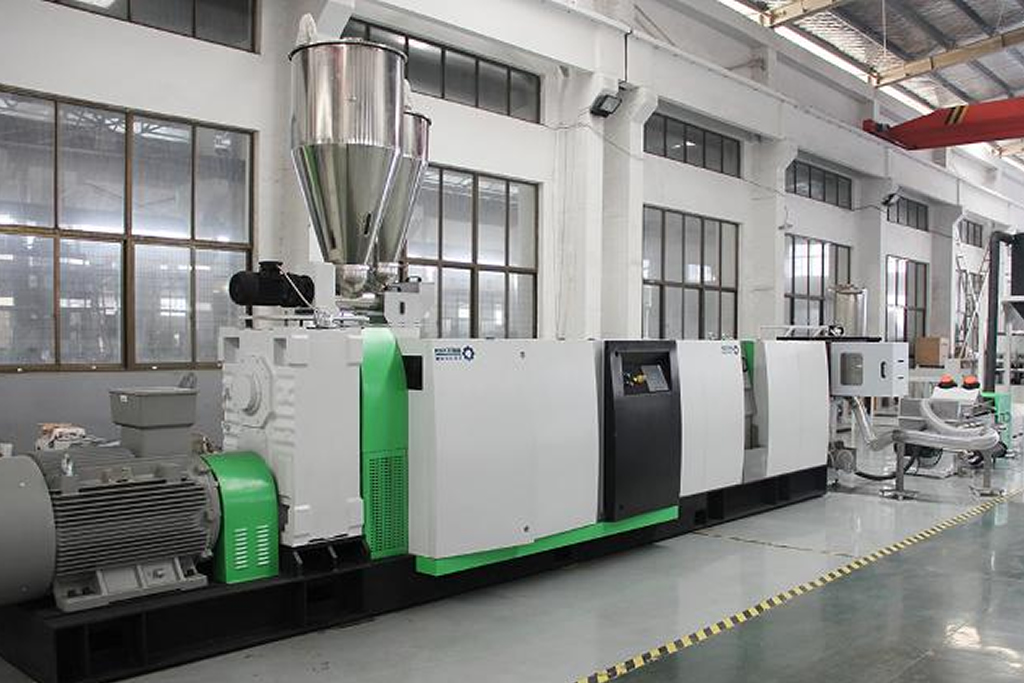
Igwe ejima skru extruder bụ nke nwere mgbidi dị arọ, segmented ma ọ bụ monolithic cylinder gwuru ịnakwere skru abụọ na-atụgharị ma ọ bụ na-atụgharị. The barrel's inner surface must withstand extreme abrasion, corrosion, na thermal ịgba ígwè — ọnọdụ na-adịgasị iche n'ụzọ dị egwu dabere n'ihe emeziri, site na plastik injinia jupụtara na fiber ruo na starch ọkwa nri. Igwe mwepu mkpanaka plastik
Mpaghara igodo arụ ọrụ n'ime otu ụdị ejima ịghasa barel gụnyere:
- Mpaghara nri — ebe akụrụngwa na-abanye; gbọmgbọm gbọmgbọm na-adịkarị ire ụtọ ma ọ bụ nke na-adịchaghị mfe iji chịkwaa ọnụego oriri.
- Mpaghara agbaze/plasticizing — akwa shiee na mkpakọ; Ndị na-anya gbọmgbọm ebe a na-eche uwe kachasị ike ihu.
- Mpaghara agwakọta/ịgwakọta — nkesa na-agbasasị agwakọta; ziri ezi njikwa okpomọkụ gbọmgbọm dị oke mkpa.
- Mpaghara/mkpọpu ihe — nnyefe nrụgide mgbaze na-agbanwe agbanwe; mụụrụ tolerances ikesie ka ±0.02 mm n'ime gbọmgbọm adịchaghị.
A na-esi na nitralloy 135M arụpụta gbọmgbọm ahụ, 38CrMoAlA, ma ọ bụ ngwá ọrụ ígwè substrates, wee gwọọ ya site na nitriding gas, ihe nkedo bimetallic centrifugal, ma ọ bụ HIP (na-ekpo ọkụ isostatic ịpị) mkpuchi iji nweta isi ike nke elu 58–72 HRC dabere na ngwa. Ịghọta isi ihe ndị a na-enyere ndị na-azụ ahịa B2B aka ịkọwapụta ihe achọrọ nke ọma mgbe ha na-etinye aka extruder ejima ịghasa barel soplaya.
Mpaghara ala ahịa zuru ụwa ọnụ maka ndị na-emepụta Twin Screw Barrel na
The ejima ịghasa extrusion igwe ahịa bụ Fetus Apus 2 Onye na-apụ apụ kpụrụ site ọtụtụ converging agha na:
Iwu imegharị plastik. The European Union's revised Packaging and Packaging Waste Regulation (PPWR), emechara n'oge 2024, chọrọ obodo ndị otu ka iti 55% Nkwakọ ngwaahịa plastik na-ejigharị ya 2030. Ahịrị imegharị igwe na-adabere kpamkpam na ejima screw extruders maka ijikwa ihe mgbakwunye resins megharịrị., ịnya ụgbọ ala nnọchi anya elu. U.S. EPA's updated National Recycling Strategy similarly incentivizes domestic recycling infrastructure, na-eme ka ọchịchọ yiri ya na North America.
Ụgbọ ala eletrik (EV) ọkọnọ ibu ibu. Ihe nkiri nkewa batrị, thermal interface ihe, na ihe mejupụtara polymer dị fechaa maka ihe EV ka a na-esikwa na ejima ịghasa extruders. Ihe omuma BloombergNEF na-egosi ire ahịa EV zuru ụwa ọnụ karịa 20 nde nkeji na, na ahịrị ngwakọta ọhụrụ ọ bụla na-achọ nnukwu orù na-arụ ọrụ nke ọma maka ndị na-eji seramiiki abrasive.
Nri na ọgwụ extrusion. Na-ekpo ọkụ-agbaze extrusion (HME) n'ihi na ọgwụ nnyefe na ejima ịghasa nri extrusion maka osisi dabeere na-edozi na-agbasa akụkụ. Ngwa ndị a chọrọ akụrụngwa gbọmgbọm dabara na FDA/EU — na-adịkarị igwe anaghị agba nchara ma ọ bụ ihe mkpuchi alloy dabere na nickel — na-akwali ndị na-emepụta ihe ka ha gbanwee ahịrị ngwaahịa ha.
Nnukwu ụyọkọ nrụpụta maka ejima screw barrel gụnyere Zhoushan na Jingjiang na China, nke na-agbakọta ọnụ maka ihe ruru 45–50% nke mmepụta gbọmgbọm zuru ụwa ọnụ site na olu; Mpaghara Ruhr na Baden-Württemberg dị na Germany, ụlọ maka ndị na-emepụta gbọmgbọm OEM; na Brescia, Ịtali, ebe ọdịnala maka teknụzụ bimetallic barel. Ike na-apụta na-etokwa na India (Gujarat, Maharashtra) na Turkey.
Ọdụ ụgbọ mmiri zuru ụwa ọnụ nwere ụgbọ mmiri na-anọchite anya ngwa ahịa azụmaahịa B2B mba ụwa maka akụkụ igwe mmepụta ihe
Atumatu ahia na-emetụta oke oke Barrel Sourcing:, na gafere
Otu ịghasa Extruder N'ogbe Ndị na-azụ ahịa B2B na-enweta igwe ejima screw barrel na mba ụwa ga-agagharị na gburugburu amụma azụmaahịa na-agbagwoju anya na: Mpụpụ plastik maka ọnụ ụzọ ámá
Odida obodo tarifu US. Dị ka nke mbụ, United States na-akwado ngalaba 301 tarifụ n'ọtụtụ ngwa ahịa ụlọ ọrụ sitere na China. Ejima skru barrel nkewa n'okpuru HTS 8477.90 (akụkụ nke plastik nhazi ígwè ọrụ) ihu a 25% ọrụ ad valorem mgbe ebubata ya na China. Nyocha tarifu oge Biden, gara n'ihu n'okpuru nchịkwa ugbu a, edebewo ọnụego ndị a n'ọnọdụ. Na mgbakwunye, Ngalaba 232 tarifu ígwè na aluminom (25% na 10% n'otu n'otu) nwere ike itinye aka na mbubata akụrụngwa gbọmgbọm, na-agbakwụnye nrụgide na-eri maka ndị na-emepụta ihe na-emepụta ihe nchara nchara n'ụwa nile. N'April, Ekwuwapụtara usoro tarifu ngbanwe ọhụrụ na-elekwasị anya na ngalaba ndị ọzọ, na-eme ka ejighị n'aka n'ihu maka ndị na-ahazi usoro ọkọnọ (isi iyi: Nchịkwa azụmahịa mba ụwa).
Ngwa nchebe ahia ahia EU. The European Commission's anti-dumping framework continues to scrutinize Chinese steel and machinery components. Ebe ejima ịghasa barel abanyebeghị n'okpuru ọrụ mgbochi mkpofu ụfọdụ, the EU's Carbon Border Adjustment Mechanism (CBAM), na-abanye na usoro mgbanwe ya, ga-achọ ndị na-ebubata ngwaahịa ka ha kọwapụta carbon agbakwunyere na ngwaahịa na-agba ígwè na-amalite 2026. Ndị na-emepụta Barrel nwere usoro mmepụta carbon dị ala enwetara ga-enweta asọmpi n'ahịa EU (isi iyi: European Commission DG Trade).
Nkwekọrịta azụmahịa efu. EU-Japan EPA, CPTPP, and RCEP agreements offer preferential tariff treatment for qualifying machinery parts. Buyers in signatory Ndị na-emepụta ihe na-emepụta plastik Extruder countries can reduce landed costs by 3–8% by sourcing from manufacturers in partner nations and ensuring proper rules-of-origin documentation.
Export controls and dual-use considerations. High-precision barrel manufacturing equipment (CNC deep-hole boring machines, dị ka ọmụmaatụ) may fall under dual-use export control lists in certain jurisdictions. While finished barrels themselves are rarely restricted, buyers should verify end-use compliance when sourcing for defense or nuclear-adjacent applications.
B2B Trade Opportunities in the Twin Screw Barrel Sector
The intersection of rising extrusion demand and evolving trade policy creates distinct opportunities for B2B participants:
Replacement parts aftermarket. A twin screw barrel typically has a service life of 8,000–15,000 operating hours depending on processed material abrasiveness. With the installed base of twin screw extruders exceeding 120,000 units globally (estimated from Coperion, KraussMaffei, and Leistritz production data), the aftermarket for replacement barrels and screw elements represents a USD 1.8–2.4 billion annual opportunity. Distributors and trading companies that can offer rapid delivery of compatible barrels for major OEM platforms — Ọnụ ego nke ZSK, Ụlọ ọrụ Leistritz ZSE, KraussMaffei ZE, JSW TEX, Nanjing-series machines — capture recurring revenue streams.
Custom-engineered barrels for niche applications. As extrusion moves into advanced materials (carbon fiber composites, battery electrode slurries, polymers biodegradable), standard nitrided barrels often fall short. Manufacturers offering application-specific solutions — tungsten carbide liners maka ogige abrasive nke ukwuu, Hastelloy machie maka nhazi fluoropolymer na-emebi emebi, gbọmgbọm kewara ekewa nwere ọwa jụrụ oyi maka ngwa ọgwụ nwere mmetụta okpomọkụ — nye ọnụahịa ọnụahịa ma wuo ọnọdụ ahịa echedoro.
Ọdịiche dị iche iche nke agbụ nso nso. Usoro nkwụghachi azụ azụ nke ọrịa mgbe ọrịa gasịrị na-eme ka ndị Europe na ndị America OEM na-ekesa mkpụrụ gbọmgbọm gafere China.. toro toro, India, na ndị na-emepụta Eastern Europe (Poland, Czech Republic) are gaining share as "China+1" uzo ozo. Ndị nnọchi anya B2B na-eme ka ị nweta ezigbo mma sitere na ndị na-ebubata ngwaahịa a mejuputara oghere ahịa bara uru..
Usoro ịzụ ahịa dijitalụ. Alibaba, Emebere na china, na GlobalSources ka na-achị maka nchọpụta mbụ ndị na-ebubata ya, mana nyiwe B2B pụrụ iche na webụsaịtị ndị nrụpụta nwere nkọwa teknụzụ zuru ezu, 3Ụdị D, na ngwa ngụ oge na-akawanye mma site n'aka ndị na-azụ ahịa ọkachamara. Ndị na-emepụta ihe na-etinye ego na akụrụngwa ahịa dijitalụ hụ 20–35% Ọnụego ntọghata dị elu n'ajụjụ-ịtụ dị ka a 2024 Nyocha azụmaahịa McKinsey B2B.
Ihe ịma aka na-eche ndị na-azụ ahịa na ndị nrụpụta B2B ihu
N'akụkụ ohere, ahia ejima ịghasa gbọmgbọm na-eche ihu ihu n'ezie:
Ogo agbanwe agbanwe. Ọdịiche dị n'etiti gbọmgbọm ndị Europe/Japanese adịchaghị mma na ihe ndị ọzọ dị ọnụ ala nwere ike ịdị mkpa. Mụrụ concentricity, liner adhesion àgwà, okpomọkụ ọgwụgwọ uniformity, na nkwenye mejupụtara metallurgical na-anọgide na-egbu mgbu. Ndị na-azụ ahịa na-akọ na 10–15% gbọmgbọm ndị sitere n'aka ndị na-ebubata ihe a na-enyochabeghị na-ada nleba anya nleba anya na-abata, dị ka a 2024 Plastics Technology survey of North American processors.
Nchegbu ihe onwunwe nke ọgụgụ isi. OEM barrel designs — bore profiles, cooling channel layouts, segmented barrel interface geometries — are proprietary. Aftermarket manufacturers must navigate IP boundaries carefully, and buyers should verify that suppliers have legitimate engineering capabilities rather than simply copying OEM drawings.
Logistics na oge ndu. A standard segmented twin screw barrel set weighs 500–3,000 kg depending on extruder size. Shipping costs have stabilized from 2021–2022 peaks but remain 30–40% above pre-pandemic levels on Asia-Europe and Asia-North America routes. Lead times for custom bimetallic barrels range from 6–12 izu, requiring buyers to plan procurement cycles well in advance.
Raw material price volatility. Nickel, cobalt, tungsten, and molybdenum — key alloying elements in barrel liner materials — have experienced 15–25% ọnụ ahịa na-agbanwe n'oge gara aga 12 ọnwa. Ndị na-emepụta ihe na-enweghị atụmatụ mgbochi ma ọ bụ nkwekọrịta ịnyefe ogologo oge na-enyefe ndị na-azụ ahịa mgbanwe a, nhazi atụmatụ mmefu ego na-agbagwoju anya.
Sayensị ihe onwunwe na teknụzụ nrụpụta: Kedu ihe na-akọwapụta onye nrụpụta Barrel kacha elu
The teknuzu iche n'etiti extruder ejima ịghasa gbọmgbọm emepụta na-agbadata ihe na usoro: Ụlọ ọrụ pellets plastik emegharịrị arụgharịgharị
Nitrided gbọmgbọm. Gas nitriding nke 38CrMoAlA ma ọ bụ SACM645 ígwè na-emepụta 0.5–0.7 mm siri ike ikpe (900–1100 HV). Nke a bụ ọgwụgwọ kachasị ọnụ ahịa, adabara maka nhazi polymers na-adịghị abrasive dị ka PE, PP, na PS. Ndị na-emepụta ihe na-enweta otu nitriding n'ime ±50 HV gafere ogologo gbọmgbọm zuru ezu — metric nke na-ekewa ndị na-ebubata ntụkwasị obi na ndị na-ekwekọghị ekwekọ.
Bimetallic barel. Ihe nkedo centrifugal nke sitere na ígwè (Fe-B), nickel dabeere (By-Cr-B-Si), ma ọ bụ ihe mkpuchi alloy dabere na cobalt n'ime a 4140/4340 steel shei na-enye 2–5x the wear life of nitrided barrels. The critical quality factor is liner-to-substrate bond integrity; ultrasonic testing should show zero delamination across 100% of the bore surface. Leading manufacturers in Zhoushan, China, na Brescia, Ịtali, have refined this process over decades.
Powder metallurgy (PM) and HIP liners. Maka ngwa kachasị achọ — processing glass-fiber-filled PA66, mineral-filled PPS, or ceramic-loaded battery electrode compounds — HIP-applied tool steel or tungsten carbide liners offer hardness exceeding 65 HRC with superior toughness. This technology is dominated by a handful of European and Japanese specialists, with barrel costs 3–5x higher than standard bimetallic options.
Nrụpụta nke ọma. Bore finishing to Ra 0.4 μm or better, concentricity within 0.03 mm karịrị ogologo gbọmgbọm gafere 3 mita, na nnabata H7 dabara na oghere akụkụ gbọmgbọm na gbọmgbọm chọrọ igwe na-agwụ ike nke miri emi., CNC honing akụrụngwa, yana nleba anya n'ime usoro. Ndị na-emepụta ihe na-etinye ego na igwe nrụkọba ọnụ (CMM) na laser bore gauging na-egosipụta ntinye aka na ịdịmma nke ndị na-azụ ahịa B2B kwesịrị ịchọpụta n'oge nyocha ụlọ ọrụ.
Ngwọta ihu na mkpuchi. Chrome plating, Ihe mkpuchi PVD/CVD, na thermal spray overlays (HVOF tungsten carbide) bụ ọgwụgwọ mgbakwunye na-agbatị ndụ gbọmgbọm n'ime ngwa ndị akọwapụtara. A knowledgeable manufacturer recommends the optimal treatment based on the buyer's processing conditions rather than defaulting to the cheapest option.
Uru ala na amụma dị na B2B Barrel Trade
Geography na amụma azụmahịa na-emepụta ụzọ ụzọ dị iche iche nke ndị na-azụ ahịa B2B na-erigbu:
China na-aga Europe site na ụgbọ oloko. China-Europe Railway Express (CRE) netwọk na-arụ ọrụ ugbu a 15,000 njem kwa afọ, na oge ngafe nke 15–18 ụbọchị na 30–35 ụbọchị site n'oké osimiri. Maka iwu gbọmgbọm nwere mmetụta oge, ibu ụgbọ okporo ígwè na-enye ohere dị n'etiti ọnụ ahịa mbupu ikuku na oke osimiri. Isi ụzọ ọpụpụ — Mee, Chengdu, Xi'an — jikọọ na Hamburg, Duisburg, na Madrid.
Turkey dị ka ọdụ ụgbọ mmiri dị nso maka ndị na-azụta EU. Turkey's customs union with the EU eliminates duties on most industrial goods, gụnyere akụkụ igwe. Ndị na-emepụta gbọmgbọm Turkey na Istanbul na Kocaeli na-enye 2–3 nnyefe izu na Western Europe na ọnụ ahịa asọmpi, na-eme ka Turkey bụrụ ihe ọzọ mara mma maka ndị na-arụkọ ọrụ na EU na OEM na-achọ nkwụghachi azụ azụ.
India's production-linked incentive (ỌZỌ) atụmatụ. India's PLI program for capital goods and specialty steel incentivizes domestic barrel manufacturing. Maka ndị na-azụ ahịa na-eje ozi n'ahịa subcontinent India, inweta site na ndị na-emepụta India na-ezere ọrụ mbubata nke 7.5–15% yana rite uru site na imeziwanye ụkpụrụ dị mma ka ndị na-emepụta India na-etinye ego na akụrụngwa ọkwa European.
Nkwekọrịta US-Mexico-Canada (USMCA). Barrel arụpụtara na Mexico nwere ọdịnaya North America zuru oke tozuru oke maka ntinye enweghị ọrụ na US na Canada. Ọtụtụ ndị China na ndị na-emepụta gbọmgbọm Taiwanese eguzobela ma ọ bụ na-enyocha ụlọ ọrụ mmepụta ihe Mexico iji na-eje ozi n'ahịa ahịa North America n'efu..
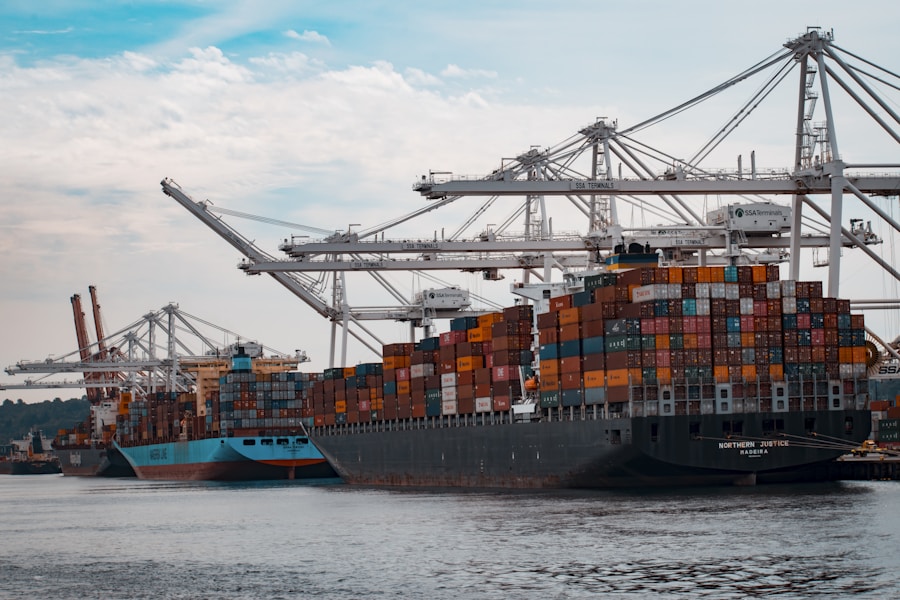
Akpa ibu na nnukwu ọdụ ụgbọ mmiri mba ụwa na-anọchi anya logistics B2B gafere maka akụrụngwa mmepụta ihe
Ọmụmụ ihe gbasara Barrel Sourcing na Omume
Ikpe 1: Ndị na-emepụta Europe na-ebelata oge nkwụsị site na 40% nwere atụmatụ isi mmalite abụọ.
Ngwakọta plastik German nke etiti na-arụ ọrụ 12 ejima ịghasa extruder ahịrị (Ọnụ ego nke ZSK 58 na ZSK 92 platforms) historically sourced all replacement barrels from a single Chinese manufacturer. N'ime 2023, a quality issue with a batch of bimetallic barrels — insufficient liner thickness in the high-wear zone — caused unplanned downtime costing an estimated EUR 180,000. The company implemented a dual-source strategy: primary supply from a Zhoushan-based manufacturer with ISO 9001:2015 and PED certification, and secondary supply from a Turkish producer for urgent orders. Site na, the company reports 40% reduction in unplanned barrel-related downtime and 12% lower average barrel procurement cost through competitive bidding between the two suppliers. The key lesson: qualifying two suppliers with rigorous incoming inspection protocols (ultrasonic testing, hardness mapping, nkwenye akụkụ) delivers both cost and reliability benefits.
Ikpe 2: US Food extrusion OEM na-etolite nkọwapụta gbọmgbọm na ndị nrụpụta China.
Otu onye sitere na Wisconsin nke na-emepụta ejima screw extruders nri chọrọ barel nwere igwe anaghị agba nchara FDA nke nwere ike iguzogide abrasive., gburugburu corrosive nke nnukwu mmiri mmiri extrusion nri anụ ụlọ. Ọnụ ahịa barel katalọgụ ọkọlọtọ sitere na ndị na-ebubata ụlọ na USD 28,000–35,000 kwa set na 10–14 ugboro ụzọ izu. Ụlọ ọrụ ahụ na Jingjiang jikọrọ aka, China, onye na-emepụta ihe na-eji 316L igwe anaghị agba nchara, tụba centrifugally n'ime otu gbọmgbọm. 4140 shei, ya na geometry ọwa jụrụ oyi. Ka usoro ntozu ọnwa 6 gachara gụnyere nyocha ụlọ ọrụ na saịtị na nnwale gbọmgbọm, ụlọ ọrụ ahụ nwetara 35% mbelata ọnụ ahịa na arụmọrụ nhata. Ịzụta kwa afọ ugbu a karịrị USD 1.2 nde, nwere gbọmgbọm ebuga site na ibu oké osimiri gaa n'ọdụ ụgbọ mmiri Chicago. Ngalaba 301 tarifu tinye 25% ka ala na-eri, mana ego netwok na-enweta ego n'ime ụlọ ka dị mkpa na ihe dịka 15–18%.
Ikpe 3: Ihe nrịbama mmalite nke India na-eji usoro gbọmgbọm modular.
Plastics nke dabeere na Mumbai na-emezigharị mmalite mmalite nke ndị na-azụ ahịa PET bottle flakes chọrọ ka ọ dị elu site na otu ahịrị skru 52mm ruo ahịrị anọ n'ime. 18 ọnwa. Mmachi isi obodo mere ka ịzụrụ ihe ọhụrụ extruders abaghị uru. Kama, Companylọ ọrụ ahụ weputara sistemu agba agba nke modular site na onye nrụpụta Guangzhou, emebere ka ọ tinyegharịa na okpokolo agba extruder gbakọtara na mpaghara. Nhazi nke nkewa nyere ohere ka edochie akụkụ gbọmgbọm n'otu n'otu ka ha na-eyi, ibelata ụgwọ ọrụ na-aga n'ihu site na atụmatụ 25% tụnyere monolithic barrel nnọchi. Onye nrụpụta ahụ nyere eserese injinia zuru ezu na nkwado teknụzụ dịpụrụ adịpụ maka ntinye, na-egosi uru nke mmekota-onye na-azụ ahịa n'ụdị ahịa na-apụta. Otu ịghasa Extruder
Ntụkwasị obi ịdị mma: Ihe ndị na-azụ ahịa B2B kwesịrị ịrịọ n'aka ndị nrụpụta Barrel
Ịzụta ndị ọkachamara nke ejima screw barrel chọrọ usoro mmesi obi ike ahaziri ahazi:
- Asambodo ihe: Akụkọ nyocha Mill (MTR) maka gbọmgbọm mkpụrụ ígwè na liner alloy, traceable na kpọmkwem okpomọkụ nọmba. Nyochaa ihe mejupụtara kemịkalụ megide nkọwapụta (eg., ASTM A322 maka 4140 ígwè, SITE 1.8519 maka 38CrMoAlA).
- Nnwale ike ike: Rockwell ma ọ bụ Vickers tụrụ ike opekempe 5 isi n'ogologo gbọmgbọm, na ma liner elu na mkpụrụ. Rịọ mkpesa nkewa ike.
- Nyocha akụkụ: Obere dayameta, concentricity, ogologo, na elu imecha (Ra) nha site na iji ngwa nlegharị anya. Akụkọ CMM maka akụkụ interface dị oke mkpa.
- Nnwale na-adịghị emebi emebi (NDT): Nnwale Ultrasonic maka iguzosi ike n'ezi ihe nke njikọ liner (100% gbara mkpuchi), nyocha ihe ndọta maka mgbawa elu, and dye penetrant testing for barrel segment sealing surfaces.
- Asambodo: ISO 9001:2015 (njikwa mma), ISO 14001 (njikwa gburugburu ebe obibi), and where applicable, PED 2014/68/EU (Pressure Equipment Directive) for barrels operating under pressure in EU jurisdictions.
Buyers should conduct factory audits — either in person or via third-party inspection agencies (SGS, Ụlọ ọrụ Veritas, TÜV) — tupu itinye iwu olu. The cost of a factory audit (USD 1,500–3,000) is trivial compared to the cost of receiving non-conforming barrels.
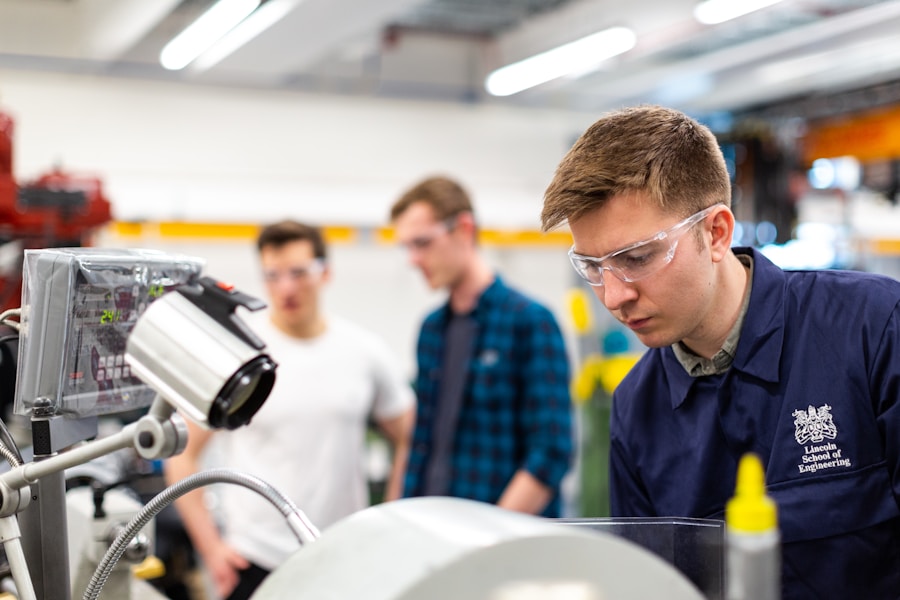
Quality control inspection of industrial metal components using precision measurement instruments
Forecasting Twin Screw Barrel Trade Trends: June–Ọgọst
Dabere na akara ahịa ahịa ugbu a, mmepe iwu, na data ụlọ ọrụ, the following trends are expected to shape the twin screw barrel B2B trade over the next one to two months:
Tariff uncertainty drives pre-buying. Nkwuwapụta nke Eprel gbasara nkwụghachi ụgwọ nkwụghachi ụgwọ US ebutela nnukwu ịzụrụ ihe n'etiti ndị nkesa North America na OEM.. Ndị na-emepụta Barrel na China na-akọ na ọ ga-akwụ ụgwọ azụ azụ ruo 10–14 izu, site na ahụkarị 6–8 izu. Ndị na-azụ ahịa na-etinyebeghị iwu maka nnyefe Q3 kwesịrị ịtụ anya ogologo oge ndu ma tụlee nhọrọ mbupu ngwa ngwa.
Cr10 Max Extruder Ọnụ ihe akụrụngwa na-akwụsi ike. Mgbe Q1 na-agbanwe agbanwe, ọnụ ahịa nickel agbadala na USD 15,500–16,500/Ọnụ ego nke LME, na tungsten APT ọnụ ahịa na-ejide na USD 325–340/ONYE. Nkwụsi ike a kwesịrị ịtụgharị gaa na ọnụ ahịa gbọmgbọm ga-aga n'ihu n'oge ọkọchị, ọ bụ ezie na ndị na-emepụta ihe nwere ike ịnwa ijide mmụba ọnụahịa Q1. Ndị na-azụ ahịa kwesịrị ịkparịta ụka dabere na nrịbama akụrụngwa dị ugbu a kama ịnakwere ọnụ ahịa ihe nketa.
Chinaplas mmetụta. Chinaplas, emere na Shenzhen na Eprel, gosipụtara ọtụtụ ndị na-emepụta gbọmgbọm' ahịrị ngwaahịa ọhụrụ gụnyere gbọmgbọm kewara ekewa nwere ọdụ ụgbọ mmiri agbakwunyere maka ụlọ ọrụ 4.0 nlekota oru, na ndị na-esote PM-HIP liners nwere ebubo 30% ogologo ndụ. Na-atụ anya ka ihe ọhụrụ ndị a banye n'ahịa ahịa na Q3–Q4, na-enye ndị na-azụ ahịa n'oge mbụ ohere asọmpi na nhazi nhazi.
Onye nrụpụta ọnụ ọgụgụ ụlọ nyocha Nkwupụta EU CBAM na-akwalite ntozu ndị na-ebubata ya. Ka usoro mgbanwe EU CBAM na-aga n'ihu, Ndị na-ebubata ngwaahịa nchara na Europe gụnyere barel extruder na-amalite ịrịọ data akara carbon n'aka ndị nrụpụta. Ndị na-eweta ihe nwere ike ịnye data mpụta ekwenyesiri ike (Oke 1, 2, na 3) a ga-ahọrọ. Ndị na-emepụta China nwere akụrụngwa na-emegharị ike (na-agbasawanye na mpaghara Zhejiang na Jiangsu) are positioning themselves favorably.
Recycling infrastructure investment accelerates. Government funding programs — the EU's Circular Economy Action Plan, the US EPA's Solid Waste Infrastructure for Recycling (SWIFR) grants — are releasing capital for new recycling lines in mid-. Each new mechanical recycling line typically requires 2–4 ejima ịghasa extruders, translating to direct barrel demand. Manufacturers and distributors targeting the recycling sector should prepare inventory accordingly.
India emerges as a sourcing alternative. Indian barrel manufacturers exhibited at Plastivision India (January) with notably improved product quality. Several Ahmedabad and Pune-based manufacturers have achieved bimetallic barrel quality comparable to mid-tier Chinese producers at 10–15% lower pricing, driven by lower labor costs and India's growing specialty steel production capacity. For buyers serving South Asian, Middle Eastern, and African markets, Indian sourcing deserves serious evaluation.
Nchekwa ebe ọrụ na gburugburu Extrusion: Protecting Operators from the Ground Up
While the focus of this guide is on barrel sourcing, responsible B2B trade in extrusion machinery must address the operational environment where these barrels are installed. Twin screw extrusion facilities present specific workplace hazards — oke okpomọkụ (barrel surfaces reach 200–400°C), ejizi akụrụngwa dị arọ (barrel segments weigh 50–300 kg nke ọ bụla), polymer a wụrụ awụ, and floor surfaces contaminated with processing oils and pellet dust. Foot injuries are among the most common and preventable workplace incidents in plastics processing plants.
The case for safety footwear in extrusion facilities. According to the U.S. Ụlọọrụ Bureau of Labor Statistics (BLS), mmerụ ụkwụ na-akpata ihe dịka 60,000 mmerụ ahụ n'ebe ọrụ kwa afọ na United States, na gburugburu n'ichepụta ihe na-anọchite anya oke na-enweghị oke. The European Agency for Safety and Health at Work (EU-OSHA) na-akọ usoro yiri nke ahụ n'ofe mba ndị otu EU. In extrusion facilities specifically, the primary foot hazards include:
- Crushing injuries from dropped barrel segments, ihe ịghasa, or die components during maintenance and changeover operations.
- Burn injuries from contact with hot barrel surfaces, molten polymer drips, or heated die assemblies.
- Puncture injuries from metal shavings, agbajikwa ịghasa ndụmọdụ, or sharp-edged barrel liner fragments.
- Slip injuries on floors contaminated with processing oils, mmiri si usoro jụrụ oyi, or spilled polymer pellets.
- Electrical hazards from barrel heater band wiring during maintenance.
Safety footwear standards and specifications. B2B buyers of extrusion equipment should ensure their facilities — and their customers' akụrụngwa — are equipped with appropriate safety footwear meeting recognized standards:
- ASTM F2413 (ọkọlọtọ US): Na-akọwapụta ihe achọrọ maka akpụkpọ ụkwụ nchebe gụnyere nguzogide mmetụta (I/75 — 75 ft-lbs impact protection), mgbochi mkpakọ (C/75 — 2,500 lbs compression), mgbochi metatarsal (Mt/75), and electrical hazard (EH) ogo.
- NA ISO 20345 (ọkọlọtọ US): Defines safety footwear classes from SB (isi nchebe ụkwụ, 200J mmetụta) site na S5 (nchedo mkpịsị ụkwụ + ikiri ụkwụ mechiri emechi + antistatic + ike absorption + mmiri na-eguzogide + nguzogide nbanye + cleated outsole). Maka gburugburu extrusion, S3 or S5 rated footwear is recommended.
- mkpịsị ụkwụ mejupụtara vs. mkpịsị ụkwụ ígwè: Okpu mkpịsị ụkwụ mejupụtara ọgbara ọhụrụ (fiberglass, eriri carbon, ma ọ bụ Kevlar) offer equivalent protection to steel at 30–40% obere ibu, na agbakwunyere uru nke mkpuchi okpomọkụ — important in extrusion environments where floor temperatures near barrel heating zones can be elevated.
Sprite Extruder Bltouch Mount Heat-resistant soles. Standard rubber outsoles degrade at sustained contact temperatures above 150°C. Extrusion facility safety footwear Crality Dual Gear Extruder should feature nitrile rubber or Viton-compound outsoles rated for 300°C contact resistance, protecting against accidental stepping on hot polymer drips or near barrel heating zones.
Anti-fatigue and ergonomic considerations. Extrusion operators and maintenance technicians often work 8–12 awa na-agbanwe n'elu kọmpụta. Safety footwear with energy-return midsoles (PU or EVA foam), nkwado arch, and moisture-wicking linings reduces fatigue-related accidents — a factor that safety managers increasingly recognize as contributing to overall workplace safety performance.

ROI of safety footwear programs. The National Safety Council estimates that the average cost of a workplace foot injury in the US is USD 9,600 na-akwụ ụgwọ ozugbo (ọgwụ, ndị ọrụ' nkwụghachi ụgwọ) and USD 29,000–42,000 in total costs including lost productivity, ọrụ nnọchi, and administrative expenses. Otu ụzọ akpụkpọ ụkwụ nchekwa dị mma na-efu USD 80–250. Maka akụrụngwa nwere 50 extrusion operators, a comprehensive safety footwear program costs USD 4,000–12,500 kwa afọ — a fraction of the cost of a single serious foot injury. European data from EU-OSHA shows comparable economics, with the added regulatory imperative of the EU Framework Directive 89/391/EEC requiring employers to provide appropriate PPE at no cost to workers.
Integration with barrel maintenance protocols. B2B barrel manufacturers and suppliers can add value by including safety recommendations in their technical documentation. Barrel installation and removal procedures should specify required PPE including safety footwear class, reinforcing a culture of safety that