

Sistem Pelet Untai atau Bawah Air Yang Tepat untuk Produk Plastik Anda
Saya sering melihat produsen plastik menanyakan sistem pelet mana yang paling sesuai dengan produk mereka. Ketika saya membandingkan pelet terdampar dan di bawah air, Saya melihat perbedaan yang jelas dalam kualitas dan biaya pelet. Melihat meja ini:
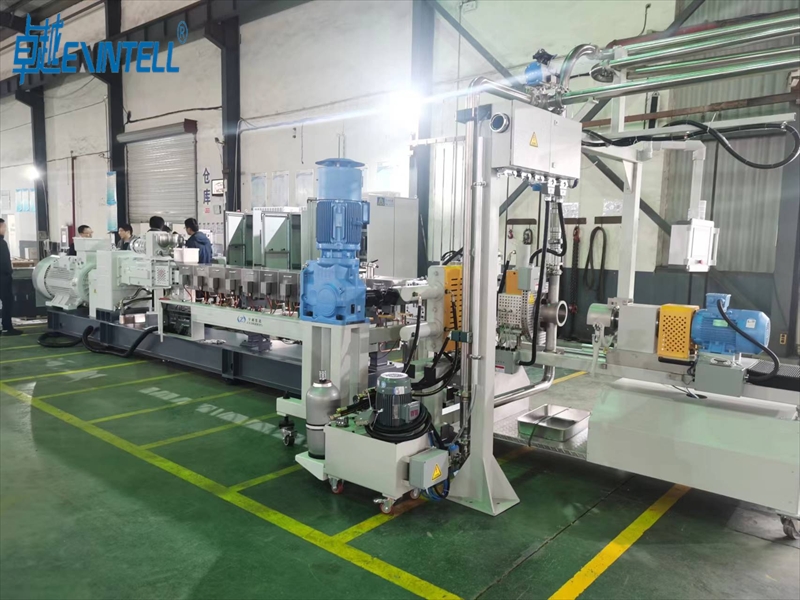
| Fitur | Pelet Untai | Pelet Bawah Air (UWP) |
|---|---|---|
| Kualitas Pelet | Bagus hingga Luar Biasa, potensi denda | Luar biasa hingga Premium, sangat seragam |
| Biaya Awal | Lebih rendah | Lebih tinggi |
| Ideal Untuk | Tujuan umum, operasi yang sensitif terhadap biaya | Aplikasi kelas atas, konsistensi sempurna |
Saya merekomendasikan pembuatan pelet untai untuk operasi yang sensitif terhadap biaya. Saya memilih Underwater Pelletizing System ketika saya membutuhkan yang premium, pelet yang sangat seragam untuk aplikasi yang menuntut.
Poin Penting
- Pembuatan pelet untai sangat ideal untuk operasi yang sensitif terhadap biaya, menawarkan biaya awal yang lebih rendah dan pengaturan yang lebih sederhana.
- Pelet bawah air menghasilkan kualitas pelet premium, memproduksi pelet yang sangat seragam yang cocok untuk aplikasi yang menuntut.
- Pertimbangkan jenis polimer saat memilih suatu sistem; untai bekerja paling baik untuk bahan kaku, sementara di bawah air unggul dengan polimer kompleks atau peka panas.
- Mengevaluasi kebutuhan volume produksi; pelet untai cocok untuk proses kecil hingga sedang, sementara sistem bawah air mendukung operasi volume tinggi secara efisien.
- Perawatan rutin sangat penting; sistem untai memerlukan keterampilan dasar, sementara sistem bawah air membutuhkan pengetahuan teknis tingkat lanjut untuk pemeliharaannya.
- Persyaratan ruang berbeda; sistem untai kompak, sementara sistem bawah air membutuhkan lebih banyak ruang untuk peralatan dan akses pemeliharaan.
- Selalu perkirakan total biaya, termasuk investasi awal, biaya operasional, dan pemeliharaan, untuk menemukan yang paling sesuai dengan anggaran Anda.
- Konsultasikan dengan ahlinya ketika menghadapi keputusan rumit atau material baru untuk memastikan Anda memilih sistem pelet yang tepat untuk kebutuhan Anda.
Ikhtisar Sistem Pelet
Apa itu Pelet Untai
Saya sering menggunakan strand pelletizing ketika saya ingin yang lugas proses peletisasi. Dalam metode ini, Saya mengeluarkan polimer cair melalui pelat cetakan untuk membentuk untaian panjang. Saya memandu untaian ini melewati bak pendingin, biasanya berisi air, untuk memantapkan mereka. Setelah dingin, Saya mengeringkan helaiannya dan memasukkannya ke dalam pemotong. Pemotong memotong untaian menjadi pelet yang seragam. Menurut saya proses pembuatan pelet ini bekerja dengan baik untuk banyak plastik keperluan umum. Sistem pelet untai menawarkan pengaturan sederhana dan memungkinkan saya menyesuaikan panjang pelet dengan mudah. Saya dapat dengan cepat mengganti bahan atau warna yang berbeda, yang membantu ketika saya menjalankan batch yang lebih kecil.
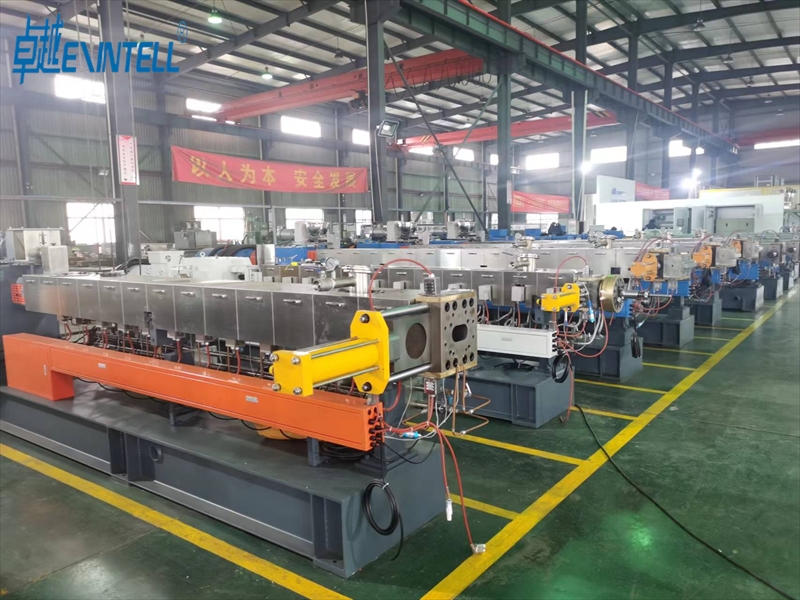
Apa itu Pelet Bawah Air
Saat saya membutuhkan pelet yang sangat seragam, Saya beralih ke sistem pelet bawah air. Dalam proses pelet ini, Saya mengekstrusi polimer cair langsung ke dalam ruang air. Pisau berputar memotong polimer pada permukaan cetakan saat masih panas. Air langsung mendinginkan dan memadatkan pelet. Saya kemudian memisahkan pelet dari air menggunakan pengering sentrifugal. Proses peletisasi ini menghasilkan halus, pelet bulat dengan sedikit debu atau halus. Saya mengandalkan pelet bawah air untuk aplikasi yang menuntut, seperti senyawa medis atau otomotif, di mana konsistensi pelet paling penting. Sistem pelet bawah air menangani berbagai macam polimer, termasuk bahan lengket atau rapuh sehingga pelet untai tidak dapat diproses secara efisien.
Perbedaan Utama
Saya melihat beberapa perbedaan penting antara kedua metode pembuatan pelet ini. Sistem pembuatan pelet untaian menggunakan bak pendingin dan memerlukan penanganan untaian secara manual sebelum dipotong. Sistem pembuatan pelet bawah air mengintegrasikan pemotongan dan pendinginan dalam satu langkah, yang mengurangi intervensi manual. Saya perhatikan bahwa pembuatan pelet di bawah air mendukung hasil yang lebih tinggi dan bekerja lebih baik untuk material yang kompleks. Kemajuan teknologi terkini telah membuat pelet bawah air menjadi lebih menarik. Misalnya, itu dorongan global untuk keberlanjutan mendorong saya untuk memilih sistem yang mendukung daur ulang. Pelet bawah air menyediakan efisiensi tinggi, yang penting untuk memproses ulang beragam aliran polimer. Saat saya bekerja dengan material majemuk yang kompleks, Saya membutuhkan geometri pelet yang tepat, dan pelet bawah air mewujudkan hal tersebut. Peraturan lingkungan juga mempengaruhi pilihan saya. Pelet bawah air mengurangi debu dan menghilangkan banyak masalah yang saya hadapi dengan pelet untai tradisional.
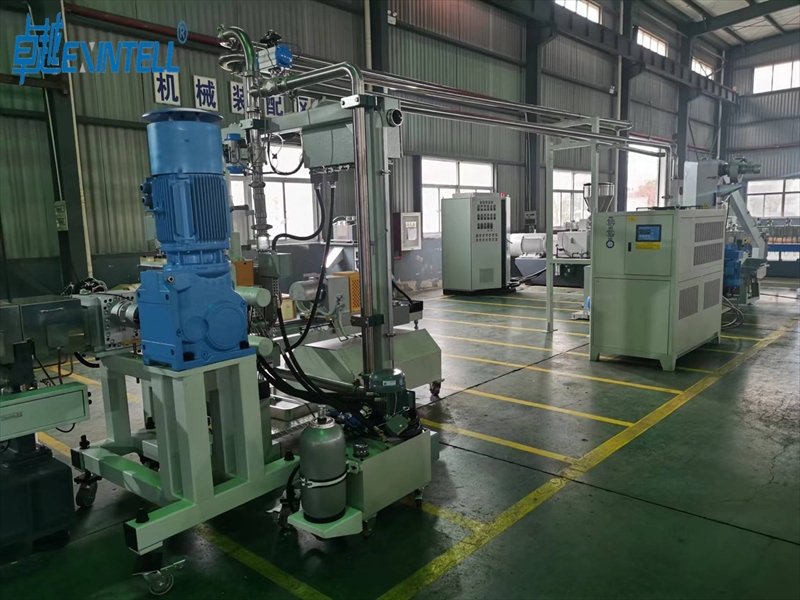
Berikut adalah tabel yang merangkum bagaimana faktor-faktor ini memengaruhi keputusan saya:
| Faktor | Keterangan |
|---|---|
| Keberlanjutan | Dorongan global terhadap ekonomi sirkular mendorong investasi pada infrastruktur daur ulang, mendukung sistem yang mendukung keberlanjutan. |
| Efisiensi | Sistem bawah air memberikan kemampuan throughput tinggi yang penting untuk memproses ulang beragam aliran polimer. |
| Kompleksitas Materi | Permintaan akan material majemuk kompleks di industri seperti otomotif dan peralatan medis memerlukan geometri pelet yang presisi yang dapat dicapai melalui pemotongan di bawah air.. |
| Peraturan Lingkungan | Peraturan yang lebih ketat memaksa produsen untuk mengadopsi produk yang lebih bersih, metode yang lebih efisien, mengurangi debu dan menghilangkan masalah yang terkait dengan sistem strand tradisional. |
Tip: Jika Anda menjalankan sistem daur ulang botol hewan peliharaan berkinerja tinggi, Anda mungkin akan mendapat manfaat dari efisiensi dan konsistensi pembuatan pelet di bawah air.
Saya selalu mempertimbangkan kebutuhan spesifik lini produksi saya sebelum memilih proses pembuatan pelet. Pelet untai menawarkan kesederhanaan dan biaya lebih rendah, sementara pelet bawah air memberikan kualitas pelet premium dan mendukung tujuan keberlanjutan modern.
Kualitas dan Konsistensi Pelet
Kualitas Sistem Pelet Bawah Air
Saat saya membutuhkan kualitas pelet tertinggi, Saya mengandalkan sistem pelet bawah air. Sistem ini memotong polimer saat masih lunak, lalu langsung mendinginkan pelet di dalam air. Saya perhatikan bahwa proses ini menghasilkan pelet dengan permukaan halus dan bentuk bola yang hampir sempurna. Keseragamannya menonjol. Kebanyakan pelet memiliki a variasi ukuran kurang dari ±5%. Saya melihat konsistensi tingkat tinggi ini setiap kali saya memeriksa produk jadi.
Berikut ini perbandingan singkat variasi bentuk dan ukuran pelet:
| Sistem Pelet | Bentuk Pelet | Variasi Ukuran |
|---|---|---|
| Di bawah air | Bulat | < ±5% |
| Untai | Berbentuk silinder | < ±10-15% |
Sistem pelet bawah air menghasilkan pelet dengan sedikit debu. Saya jarang menemukan denda pada produk akhir. Permukaan halus dan kontrol ukuran yang ketat membantu saya mencapainya kualitas pelet premium, yang penting untuk aplikasi yang menuntut. Saya menggunakan sistem ini ketika saya harus memenuhi standar ketat di industri seperti otomotif atau medis.
Kualitas Sistem Pelet Untai
Saya sering menggunakan sistem pelet untai untuk produksi keperluan umum. Metode ini menghasilkan pelet berbentuk silinder, tapi saya melihat lebih banyak variasi dalam ukuran dibandingkan dengan pembuatan pelet di bawah air. Variasi ukurannya bisa mencapai ±10-15%. Saya tahu itu penyelarasan die-to-blade yang tepat sangatlah penting. Bahkan ketidakselarasan kecil pun dapat menyebabkan masalah kualitas, seperti peningkatan debu atau panjang pelet yang tidak rata.
Untuk menjaga kualitas pelet yang konsisten dengan pelet untai, Saya mengikuti langkah-langkah ini:
- Saya memeriksa keselarasan cetakan secara teratur.
- Saya menyesuaikan kecepatan penarik agar sesuai dengan aliran ekstruder.
- Saya memantau suhu air di bak pendingin.
- Saya memeriksa kerusakan untaian dan menyesuaikan sesuai kebutuhan.
Jika saya melewatkan langkah-langkah ini, Saya melihat lebih banyak debu dan butiran yang kurang seragam. Sistem pembuatan pelet untai memerlukan perhatian yang cermat terhadap detail. Ketika saya melakukan segalanya dengan benar, Saya bisa menghasilkan pelet dengan kualitas bagus hingga prima, tapi butuh usaha lebih.
Dampak terhadap Kinerja Produk
Kualitas pelet mempengaruhi kinerja produk plastik jadi. Saya telah mempelajari bahwa ekstruder mengubah plastik menjadi cair, yang mengatur tahapan konsistensi pelet. Filtrasi dan pemurnian menghilangkan kotoran, memastikan bahwa hanya pelet berkualitas tinggi yang maju. Unit pelet kemudian menghasilkan pelet yang seragam. Metode pemotongan, apakah di bawah air atau terdampar, menentukan ukuran dan bentuk akhir.
Kalau saya menggunakan pelet dengan keseragaman tinggi dan permukaan halus, Saya melihat aliran yang lebih baik di mesin cetak. Produk akhir menunjukkan lebih sedikit cacat dan sifat yang lebih konsisten. Jika kualitas pelet turun, Saya melihat lebih banyak masalah pemrosesan dan kinerja produk yang lebih rendah. Saya selalu memilih sistem pelet yang sesuai dengan sasaran kualitas saya.
Kompleksitas Operasional
Pengaturan dan Pergantian
Saya menemukan bahwa pengaturan dan pergantian memainkan peran besar dalam operasional saya sehari-hari. Saat saya menggunakan sistem pelet untai, Saya menangani sebagian besar langkah secara manual. Saya memasukkan setiap helai dari kepala cetakan melalui penangas air dan ke dalam pemotong. Pendekatan langsung ini memungkinkan saya menemukan masalah sejak dini, seperti putusnya untaian atau pendinginan yang tidak merata. Saya dapat memperbaiki masalah ini dengan cepat. Pergantian bahan atau warna baru sangatlah mudah. Saya membersihkan palung, sesuaikan pemotongnya, dan memulai kembali proses dengan sedikit waktu henti.
Dengan pelet bawah air, Saya melihat gambar yang berbeda. Sistem mengotomatiskan sebagian besar langkah. Saya mengatur parameter pada panel kontrol, dan mesin menangani sisanya. Itu desain loop tertutup berarti saya tidak menyentuh produk selama pengaturan. Pergantian membutuhkan waktu lebih lama karena saya harus menunggu sistem menjadi stabil. Saya juga perlu menyiram lingkaran air dan memeriksa permukaan cetakan apakah ada penumpukan. Proses ini mengurangi kesalahan manusia tetapi memerlukan lebih banyak perencanaan.
Pembersihan dan Pemeliharaan
Rutinitas pembersihan dan pemeliharaan berbeda antara kedua sistem ini. Inilah cara saya membandingkannya:
- Pelet Bawah Air: Saya perhatikan sistem ini berjalan dalam loop tertutup dan menggunakan otomatisasi. Saya tidak perlu sering melakukan intervensi selama pengoperasian normal. Namun, peralatannya rumit dan sensitif. Saya harus menjaga proses ekstrusi tetap stabil untuk menghindari masalah. Pemeliharaan dan permulaan memerlukan keterampilan teknis tingkat lanjut. Saya menghabiskan lebih banyak waktu untuk pemeriksaan preventif dan kalibrasi.
- Pelet Untai: Saya menangani tugas pembersihan dan pemeliharaan secara manual. Selama start-up, Saya sendiri yang memasang untaiannya. Metode praktis ini membuat pemecahan masalah menjadi lebih mudah. Sistem ini lebih mudah memaafkan jika viskositas lelehan berubah. Saya dapat membersihkan bak dan pemotong dengan peralatan dasar. Saya tidak memerlukan pelatihan lanjutan untuk sebagian besar tugas.
Tip: Saya selalu menjadwalkan pemeriksaan rutin untuk kedua sistem. Pemeliharaan preventif membantu saya menghindari downtime yang mahal.
Tingkat Keterampilan Operator
Tingkat keahlian operator penting ketika saya memilih sistem pelet. Dengan pelet untai, Saya mengandalkan keterampilan mekanik dasar. Saya dapat melatih operator baru dengan cepat. Mereka belajar merangkai untaian, sesuaikan pemotongnya, dan pantau bak pendingin. Prosesnya memaafkan, jadi kesalahan kecil jarang menimbulkan masalah besar.
Pembuatan pelet di bawah air memerlukan lebih banyak keahlian. Saya membutuhkan operator yang memahami otomatisasi dan kontrol proses. Mereka harus tahu cara mengelola sistem loop tertutup dan memecahkan masalah sensor jika tidak, mereka akan menghadapi masalah. Pelatihan memakan waktu lebih lama. Saya berinvestasi dalam pendidikan berkelanjutan agar tim saya tetap up-to-date.
| Sistem | Kesulitan Pengaturan | Kompleksitas Perawatan | Keterampilan Operator Dibutuhkan |
|---|---|---|---|
| Pelet Untai | Rendah | Rendah | Dasar |
| Pelet Bawah Air | Sedang-Tinggi | Tinggi | Canggih |
Saya selalu mencocokkan sistem dengan tingkat keahlian tim saya dan kompleksitas lini produksi saya.
Perbandingan Biaya
Investasi Awal
Ketika saya merencanakan lini plastik baru, Saya selalu melihat investasi awal terlebih dahulu. Sistem pelet untai biasanya lebih murah untuk dibeli dan dipasang. Saya dapat menyiapkan pelet untai dasar dengan bak pendingin, pisau udara, dan pemotong dengan harga murah. Peralatannya sederhana dan tidak memerlukan banyak otomatisasi. Saya merasa sistem ini cocok ketika saya perlu menjaga pengeluaran modal saya tetap rendah.
Sistem pembuatan pelet bawah air memerlukan investasi awal yang lebih tinggi. Sistem ini mencakup permukaan cetakan yang dipanaskan, ruang air, pembuat pelet, lingkaran air, dan pengering sentrifugal. Saya juga memerlukan kontrol lanjutan dan fitur keselamatan. Proses instalasi memakan waktu lebih lama dan seringkali membutuhkan lebih banyak ruang. Saya melihat ini sebagai komitmen yang lebih besar, tapi itu terbayar untuk aplikasi kelas atas.
Berikut adalah tabel singkat untuk membandingkan investasi awal:
| Sistem | Biaya Awal Khas | Kompleksitas Instalasi |
|---|---|---|
| Pelet Untai | Rendah | Sederhana |
| Pelet Bawah Air | Tinggi | Kompleks |
Catatan: Saya selalu mempertimbangkan manfaat jangka panjang sebelum mengambil keputusan. Kadang-kadang, biaya awal yang lebih tinggi menghasilkan keuntungan yang lebih baik.
Biaya Operasional
Biaya operasional memainkan peran besar dalam anggaran harian saya. Sistem pelet untai menggunakan lebih sedikit energi dan air. Prosesnya sangat mudah, dan saya tidak membutuhkan banyak operator. Saya dapat menjalankan jalur dengan utilitas dasar dan pengawasan minimal. Hal ini membuat biaya berkelanjutan saya tetap rendah.
Sistem pelet bawah air menggunakan lebih banyak tenaga dan air. Sistem air loop tertutup dan pemotong muka memerlukan energi yang stabil. Saya juga membutuhkan operator yang terampil untuk memantau prosesnya. Sistem ini menghasilkan lebih sedikit limbah, yang menghemat uang untuk kerugian materi. Namun, semakin tinggi tagihan utilitas dan biaya tenaga kerja yang bertambah seiring waktu.
Saya menggunakan daftar periksa ini untuk melacak biaya operasional:
- Konsumsi daya
- Penggunaan air
- Persyaratan tenaga kerja
- Tingkat limbah dan pemrosesan ulang
Saya selalu membandingkan faktor-faktor ini untuk melihat sistem mana yang sesuai dengan tujuan produksi saya.
Biaya Pemeliharaan
Biaya pemeliharaan dapat mengejutkan saya jika saya tidak membuat rencana sebelumnya. Sistem pelet untai memiliki lebih sedikit bagian yang bergerak. Saya dapat menangani sebagian besar perbaikan dengan peralatan dasar. Suku cadangnya mudah ditemukan dan harganya terjangkau. Saya menjadwalkan pemeriksaan dan pembersihan rutin untuk menjaga sistem berjalan lancar.
Sistem pembuatan pelet bawah air memerlukan perawatan yang lebih khusus. Wajah mati, lingkaran air, dan pengering memerlukan pemeriksaan rutin. Terkadang saya membutuhkan teknisi terlatih di pabrik untuk perbaikan yang rumit. Suku cadang pengganti lebih mahal, dan downtime bisa lebih lama jika terjadi kerusakan.
Berikut ini ringkasan kebutuhan pemeliharaan:
| Sistem | Frekuensi Perawatan | Tingkat Keterampilan yang Dibutuhkan | Biaya Khas |
|---|---|---|---|
| Pelet Untai | Rendah | Dasar | Rendah |
| Pelet Bawah Air | Sedang hingga Tinggi | Canggih | Tinggi |
Tip: Saya selalu menganggarkan untuk pemeliharaan preventif. Hal ini membantu saya menghindari pengeluaran tak terduga dan menjaga saluran saya tetap berjalan efisien.
Ruang dan Efisiensi
Jejak Peralatan
Saat saya merencanakan lantai produksi saya, Saya selalu mengukur ruang yang dibutuhkan setiap sistem. Sistem pelet untai mengambil lebih sedikit ruang. Saya bisa memasang bak pendingin, pisau udara, dan memotong dalam garis lurus. Tata letak ini bekerja dengan baik di ruang sempit. Saya sering memindahkan atau mengkonfigurasi ulang sistem strand tanpa banyak kesulitan.
Sistem pelet bawah air membutuhkan lebih banyak ruang. Peralatannya termasuk ruang air, pemotong muka mati, lingkaran air, dan pengering sentrifugal. Saya harus memberikan ruang ekstra untuk akses pemeliharaan dan zona aman. Sistem ini seringkali memerlukan area khusus, terutama untuk jalur yang lebih besar.
Berikut perbandingan singkatnya:
| Sistem | Jejak Kaki yang Khas | Fleksibilitas | Dibutuhkan Ruang |
|---|---|---|---|
| Pelet Untai | Kompak | Tinggi | Rendah |
| Pelet Bawah Air | Besar | Sedang | Tinggi |
Tip: Saya selalu memeriksa ketersediaan ruang sebelum memilih sistem. Jalur yang ringkas menghemat uang untuk biaya pembangunan.
Penggunaan Listrik dan Air
Saya memantau penggunaan utilitas dengan cermat. Sistem pelet untai menggunakan lebih sedikit daya. Sumber energi utama berasal dari ekstruder dan pemotong. Penggunaan air tetap rendah karena bak pendingin hanya membutuhkan aliran yang stabil, bukan sistem loop tertutup.
Sistem pelet bawah air menggunakan lebih banyak tenaga dan air. Pemotong muka mati, pompa air, dan pengering sentrifugal semuanya membutuhkan listrik. Sistem air loop tertutup menjaga pelet tetap dingin dan bersih, tetapi hal ini meningkatkan konsumsi air. Saya melihat tagihan listrik yang lebih tinggi pada sistem bawah air, terutama pada tingkat produksi yang tinggi.
Berikut ringkasan kebutuhan utilitas:
- Pelet Untai: Daya rendah, penggunaan air yang rendah, utilitas sederhana.
- Pelet Bawah Air: Kekuatan tinggi, penggunaan air yang tinggi, utilitas tingkat lanjut.
Catatan: Saya selalu memperhitungkan biaya utilitas lokal. Harga energi atau air yang tinggi dapat mempengaruhi tabungan jangka panjang saya.
Integrasi dengan Jalur yang Ada
Saya sering perlu menambahkan pelet ke jalur ekstrusi yang sudah ada. Sistem pelet untai terintegrasi dengan mudah. Saya menghubungkan ekstruder ke kepala cetakan, menyiapkan bak pendingin, dan sejajarkan pemotong. Saya dapat memulai produksi dengan cepat dengan sedikit perubahan.
Sistem pelet bawah air memerlukan lebih banyak perencanaan. Saya harus memastikan ekstrudernya cocok dengan pemotong mukanya. Lingkaran air dan pengering memerlukan pipa ledeng dan sambungan listrik yang tepat. Kadang-kadang, Saya perlu meningkatkan kontrol atau menambahkan fitur keselamatan. Integrasi membutuhkan waktu lebih lama, tapi saya mendapatkan proses yang lebih otomatis.
Ini daftar periksa saya untuk integrasi:
- Periksa kompatibilitas ekstruder.
- Rencana utilitas dan drainase.
- Pastikan ruang lantai cukup.
- Perbarui kontrol jika diperlukan.
Saya selalu berkonsultasi dengan pemasok peralatan saya sebelum melakukan perubahan. Perencanaan yang baik mencegah kesalahan yang merugikan.
Bahan dan Aplikasi Sesuai
Terbaik untuk Pelet Untai
Ketika saya memilih a sistem pelet, Saya selalu mempertimbangkan jenis polimer yang ingin saya proses. Pembuatan pelet untai berfungsi paling baik untuk bahan dan tujuan produksi tertentu. Saya sering memilih metode ini ketika saya menangani polimer kaku atau semi-kristal. Bahan-bahan ini bergerak dengan lancar melalui bak pendingin dan jarang menyebabkan putusnya untaian. Saya juga menghargai biaya investasi dan pemeliharaan yang lebih rendah yang timbul dari sistem strand. Pengoperasiannya tetap sederhana, dan saya dapat beralih antar polimer yang berbeda tanpa banyak kesulitan.
Berikut beberapa plastik yang berkinerja baik dengan pelet untai:
- Polipropilena (hal)
- Polietilen (PE)
- Akrilonitril Butadiena Stirena (ABS)
- Polistiren (PS)
- Poliamida (PA, juga dikenal sebagai Nilon)
- Polikarbonat (komputer)
Saya menemukan bahwa pembuatan pelet untai mencakup berbagai aplikasi tujuan umum. Saya menggunakannya untuk peracikan, produksi masterbatch, dan jalur daur ulang. Sistem menangani sebagian besar polimer kaku dan semi-kristal dengan mudah. Namun, Saya menghindari penggunaan pelet untai untuk bahan yang rapuh. Untaian yang rapuh cenderung patah saat didinginkan, yang mengganggu produksi dan menurunkan hasil. Saya juga perlu merencanakan ruang yang dibutuhkan oleh tangki pendingin. Jika saya memiliki ruang lantai yang terbatas, Saya harus mempertimbangkan faktor ini sebelum memilih pelet untai.
Tip: Saya selalu mencocokkan jenis polimer dengan sistem pelet. Langkah ini membantu saya menghindari waktu henti yang tidak perlu dan masalah kualitas.
Terbaik untuk Pelet Bawah Air
Saat saya perlu memproses materi yang rumit atau sensitif, Saya beralih ke pelet bawah air. Sistem ini unggul dengan polimer yang memerlukan bentuk dan ukuran pelet yang presisi. Saya mengandalkan pelet bawah air untuk aplikasi lunak dan kaku. Sistem air loop tertutup mendinginkan pelet secara instan, yang mencegah lengket dan memastikan keseragaman.
Saya menggunakan pelet bawah air untuk aplikasi ini:
- Ekstrusi PVC lembut untuk pipa fleksibel
- Komponen otomotif yang menuntut konsistensi tinggi
- Bahan lantai yang mengutamakan kualitas permukaan
- Produk kaku seperti pipa dan profil
Saya perhatikan bahwa pegangan pelet di bawah air lengket, rapuh, atau polimer peka panas lebih baik daripada sistem untai. Prosesnya menghasilkan lancar, pelet bulat dengan sedikit debu. Saya sering memilih sistem ini untuk produk bernilai tinggi atau khusus. Ketika pelanggan saya mengharapkan kualitas pelet premium, Saya percaya pelet bawah air dapat dihasilkan.
Catatan: Saya selalu memeriksa persyaratan penggunaan akhir sebelum memilih sistem pelet. Aplikasi berperforma tinggi mendapat manfaat paling besar dari konsistensi pembuatan pelet di bawah air.
Pertimbangan Volume Produksi
Volume produksi memainkan peran penting dalam keputusan saya. Saya mencocokkan sistem dengan sasaran keluaran saya untuk memaksimalkan efisiensi dan mengendalikan biaya. Pembuatan pelet untai bekerja dengan baik untuk proses produksi skala kecil hingga menengah. Sistem memulai dengan cepat dan memungkinkan pergantian yang sering. Saya dapat menjalankan banyak batch dalam satu shift tanpa downtime yang besar. Fleksibilitas ini membantu ketika saya memproduksi senyawa khusus atau warna khusus.
Pelet bawah air unggul dalam operasi bervolume tinggi. Sistem ini mendukung produksi berkelanjutan dan menangani keluaran besar dengan mudah. Saya melihat lebih sedikit interupsi dan lebih sedikit intervensi manual. Otomatisasi ini mengurangi biaya tenaga kerja dan meningkatkan konsistensi dalam jangka panjang. Saat saya perlu meningkatkan produksi, pembuatan pelet bawah air memberi saya kapasitas yang saya perlukan.
Berikut adalah tabel singkat untuk membantu membandingkan kesesuaian untuk volume produksi yang berbeda:
| Volume Produksi | Pelet Untai | Pelet Bawah Air |
|---|---|---|
| Rendah hingga Sedang | Bagus sekali | Bagus |
| Tinggi | Adil | Bagus sekali |
Saya selalu menyeimbangkan target produksi saya dengan kekuatan masing-masing sistem. Pendekatan ini membantu saya mencapai hasil terbaik untuk lini plastik saya.
Ringkasan Pro dan Kontra
Kelebihan dan Kekurangan Pelet Untai
Saya sering memilih pelet untai ketika saya menginginkan proses yang mudah. Sistem ini memberi saya fleksibilitas dan menjaga biaya tetap rendah. Saya dapat melatih operator baru dengan cepat. Menurut saya, pembuatan pelet untai bekerja paling baik untuk proses produksi skala kecil dan menengah. Peralatan ini memakan lebih sedikit ruang dan mudah dipasang di sebagian besar jalur.
Ini sebuah meja yang menunjukkan kelebihan dan kekurangan utama:
| Keuntungan | Kekurangan |
|---|---|
| Biaya lebih rendah | Tantangan dalam mengelola throughput yang tinggi |
| Pengoperasian yang lebih sederhana | Masalah efisiensi pencampuran |
| Paling cocok untuk throughput yang lebih rendah | Kurang cocok untuk jalur produksi yang sangat besar |
Saya memperhatikan bahwa pembuatan pelet untai sulit dilakukan dengan produksi volume tinggi. Sistem terkadang mengalami kesulitan dalam mencampur bahan secara merata. Saya melihat bahwa jalur besar memerlukan solusi yang lebih maju. Saya selalu memeriksa tujuan produksi saya sebelum memilih pelet untai.
Tip: Saya merekomendasikan pembuatan pelet untai untuk proyek yang sensitif terhadap biaya dan operasi yang fleksibel. Saya menghindarinya untuk garis yang sangat besar atau rumit.
Pro dan Kontra Pelet Bawah Air
Pembuatan pelet bawah air memberi saya kualitas pelet premium. Sistem menghasilkan lancar, pelet bulat dengan kontrol ukuran yang ketat. Saya mengandalkan pelet bawah air untuk aplikasi yang menuntut. Otomatisasi mengurangi tenaga kerja manual dan meningkatkan konsistensi. Saya melihat lebih sedikit cacat pada produk akhir.
Berikut adalah pro dan kontra utama yang saya alami:
Kelebihan:
- Menghasilkan pelet yang sangat seragam
- Pegangannya lengket, rapuh, atau polimer yang peka terhadap panas
- Mendukung produksi volume tinggi
- Mengurangi debu dan denda
Kontra:
- Membutuhkan investasi awal yang lebih tinggi
- Membutuhkan keterampilan operator tingkat lanjut
- Menggunakan lebih banyak tenaga dan air
- Pemeliharaan bisa jadi rumit
Menurut saya, pembuatan pelet bawah air paling cocok untuk lini produk kelas atas atau khusus. Sistem ini terbayar ketika saya membutuhkan kualitas yang konsisten dan output yang besar. Saya berinvestasi lebih banyak di muka, tapi saya mendapatkan kinerja yang dapat diandalkan.
Catatan: Saya selalu menyesuaikan sistem pelet dengan kebutuhan material dan produksi saya. Pelet bawah air berfungsi paling baik untuk produk premium dan pengoperasian berkelanjutan.
Panduan Keputusan
Daftar Periksa Cepat
Saat saya memilih antara pembuatan pelet terdampar dan di bawah air, Saya selalu meninjau daftar periksa. Ini membantu saya menghindari kehilangan detail penting. Saya fokus pada faktor-faktor yang mempengaruhi kinerja lini saya, biaya, dan keandalan. Berikut adalah tabel yang saya gunakan untuk memandu keputusan saya:
| Faktor Kunci | Keterangan |
|---|---|
| Perilaku tekanan pada saat mati | Saya memeriksa apakah sistem menstabilkan tekanan untuk untaian seragam dan penggunaan energi yang lebih rendah. |
| Akses ke zona pemotongan | Saya mencari desain yang memungkinkan saya mencapai area pemotongan dengan cepat untuk pemeliharaan. |
| Restart and maintenance effort | I consider how fast I can restart or maintain the system to reduce downtime. |
| Operating economics as a system | I compare energy use, service needs, and investment to see the real cost of each option. |
I always match these factors to my production goals and team skills. This approach helps me select the right system for my needs.
Kesalahan Umum
I have seen many manufacturers make the same mistakes when choosing a pelletizing system. These errors can lead to wasted time and money. I keep a list of common pitfalls and their effects:
| Mistake Description | Implication |
|---|---|
| Choosing a machine based solely on throughput capacity | I find that performance drops with different materials, causing inefficiency. |
| Assuming harder blades last longer | Hard blades can chip if they hit contaminants, which leads to more downtime. |
| Memasang jaring layar terkecil untuk hasil yang lebih halus | Layar kecil memperlambat produksi dan dapat mengotori plastik, merusak kualitas pelet. |
Saya selalu mengingatkan diri sendiri untuk tidak hanya melihat kapasitas atau kekerasan bilahnya. Saya mempertimbangkan keseluruhan proses dan materi yang saya rencanakan untuk dijalankan.
Tip: Saya meninjau jenis materi saya, rencana pemeliharaan, dan keterampilan operator sebelum membuat pilihan akhir.
Kapan Harus Berkonsultasi dengan Pakar
Kadang-kadang, Saya mencapai titik di mana saya membutuhkan bantuan dari luar. Saya berkonsultasi dengan ahlinya kapan:
- Saya berencana untuk memproses polimer baru atau tidak biasa.
- Produk saya harus memenuhi standar kualitas atau peraturan yang ketat.
- Saya melihat downtime berulang kali atau masalah kualitas yang tidak dapat saya selesaikan.
- Saya perlu meningkatkan produksi atau menambahkan otomatisasi.
Seorang ahli dapat menganalisis proses saya dan merekomendasikan sistem terbaik untuk tujuan saya. Saya menemukan bahwa nasihat awal menghemat uang saya dan mencegah kesalahan yang merugikan. Saya selalu menyiapkan data produksi dan pertanyaan sebelum rapat. Ini membantu pakar memberi saya kejelasan, umpan balik yang dapat ditindaklanjuti.
Catatan: Saya tidak pernah ragu untuk meminta bantuan ketika taruhannya tinggi. Nasihat yang tepat dapat membuat perbedaan besar dalam kesuksesan saya dalam membuat pelet.
Saya memilih pelet untai agar fleksibel, jalur yang sensitif terhadap biaya dan pelet bawah air untuk volume tinggi, kebutuhan kualitas premium. Saya selalu meninjau poin-poin ini sebelum memutuskan:
- Periksa sifat material dan throughput.
- Cocokkan kualitas pelet dengan penggunaan akhir.
- Menilai utilitas fasilitas dan kebutuhan pemeliharaan.
- Hitung total biaya dan ROI.
Saya berkonsultasi dengan pemasok dan teknisi untuk menyesuaikan sistem saya dan memastikan kelancaran permulaan dan pelatihan.
Pertanyaan Umum
Plastik apa yang paling cocok digunakan dalam pelet untai?
Saya menggunakan pelet untai untuk bahan seperti polipropilen, polietilen, ABS, dan polistiren. These polymers run smoothly through the cooling trough and rarely break. I avoid brittle or sticky plastics because they cause strand breakage and lower yield.
Can I switch materials easily between batches?
Ya, I can switch materials quickly with strand pelletizing. I clean the trough and cutter, then start the new batch. Underwater pelletizing takes longer to change over because I must flush the water loop and check the die face.
Bagaimana cara mengurangi debu dan butiran halus pada pelet saya?
Saya memeriksa kesejajaran cetakan, sesuaikan kecepatan penarik, dan memantau pendinginan. Dengan pelet bawah air, Saya melihat lebih sedikit debu karena sistem langsung memotong dan mendinginkan pelet. Saya selalu menjaga kebersihan peralatan untuk menjaga kualitas pelet.
Apakah pembuatan pelet di bawah air aman untuk polimer yang peka terhadap panas?
Ya, Saya percaya pelet bawah air untuk bahan yang sensitif terhadap panas. Air langsung mendinginkan pelet, yang mencegah lengket dan degradasi termal. Saya menggunakan sistem ini untuk PVC lunak, TPE, dan senyawa khusus yang memerlukan penanganan hati-hati.
Tugas pemeliharaan apa yang harus saya jadwalkan?
Saya menjadwalkan pemeriksaan rutin untuk keausan, ketajaman pemotong, dan kualitas air. Saya membersihkan bak pendingin atau putaran air setiap minggu. Saya memeriksa sensor dan kontrol setiap bulan. Pemeliharaan preventif membantu saya menghindari waktu henti dan menjaga saluran saya tetap berjalan lancar.
Does pellet shape affect my final product?
Ya, pellet shape matters. I see better flow and fewer defects with round, uniform pellets from underwater systems. Cylindrical pellets from strand systems work well for general use, but I choose spherical pellets for high-performance applications.
How do I decide which system fits my budget?
Saya membandingkan investasi awal, operating costs, dan pemeliharaan. Proses pembuatan pelet untai lebih hemat biaya di muka dan menggunakan lebih sedikit daya. Pembuatan pelet di bawah air memerlukan biaya yang lebih besar, namun memberikan kualitas premium dan mendukung produksi dalam jumlah besar. Saya mencocokkan sistem dengan tujuan dan sumber daya saya.
Dapatkah saya mengotomatiskan kedua sistem pembuatan pelet?
Saya dapat mengotomatiskan kedua sistem, namun pembuatan pelet di bawah air menawarkan otomatisasi yang lebih canggih. Desain loop tertutup mengurangi langkah manual. Pembuatan pelet untai memungkinkan otomatisasi dasar, tapi saya masih menangani beberapa tugas dengan tangan.