

Poin Penting
- Menurut pengalaman saya, keputusan grosir yang paling cerdas dimulai dengan mencocokkan kelas mesin dengan bahan baku: ekstruder sekrup tunggal menangani PVC sederhana, HDPE, dan profil polipropilen, ekstruder sekrup kembar cocok untuk peracikan dan polimer yang menuntut, dan ekstruder daur ulang plastik khusus hadir sebagai kelas berbeda untuk serpihan plastik reklamasi (sumber: Itu Yu, 2024).
- Saya selalu mengevaluasi spesifikasi sebelum harga. Angka inti seperti rasio L/D, jumlah zona barel, rasio reduksi gearbox, faktor pelayanan, dan tenaga motor memberi tahu Anda lebih banyak tentang kapasitas sebenarnya daripada angka keluaran utama. Untuk referensi, pasangan ekstruder Davis Standard 9 inci bekas a 32:1 Rasio L/D dan barel 7 zona dengan a 900 motor DC HP (sumber: Daftar Peralatan Aaron).
- Penetapan harga langsung dari pabrik dari produsen yang berbasis di Tiongkok benar-benar kompetitif untuk peralatan baru (sumber: Itu Yu, 2024), tapi saya mempertimbangkannya dengan gambaran total biaya kepemilikan penuh yang mencakup bea masuk, angkutan laut, laberang, instalasi, dan akses dukungan purna jual.
- Saya memperlakukan yang baru, digunakan, dan diimpor sebagai tiga jalur pengadaan terpisah, masing-masing dengan pengorbanannya sendiri. Pasar barang bekas sudah matang, daftar khusus merek untuk ekstruder sekrup tunggal (sumber: Peralatan Harun), yang menjadikannya jalur yang layak ketika saya dapat memverifikasi kondisi dan keausan.
- Pemeriksaan pemasok dan perlindungan pembayaran sama pentingnya dengan lembar spesifikasi. Sebelum melakukan, Saya mengonfirmasi jumlah pesanan minimum, waktu tunggu, ketentuan garansi, dan ketersediaan suku cadang, dan saya menyusun pembayaran untuk melindungi dari tidak terkirimnya.
- Dasar-dasar proses memandu pemeriksaan saya: bahan mentah masuk melalui pengumpan hopper dalam bentuk bubuk, pelet, atau bentuk butiran, dicairkan oleh tabung pemanas listrik, dan dihomogenisasi melalui geser sekrup sebelum cetakan ekstrusi membentuk profil penampang kontinu (sumber: Itu Yu; Amade-Tech).
- Saya mengonfirmasi manajemen termal terlebih dahulu. Barel multi-zona biasanya menggabungkan pemanas listrik dengan pendingin air loop tertutup (sumber: Spesifikasi Peralatan Aaron), dan kontrol suhu leleh yang andal menjaga konsistensi dimensi keluaran di seluruh pipa, tabung, film, papan, dan botol.
- Konfigurasi sekrup dan perkakas cetakan khusus menentukan apa yang sebenarnya dapat dibuat oleh sebuah garis, jadi saya membatasinya pada bauran produk saya daripada membeli kapasitas generik. Untuk R&D atau lari kecil, ekstruder skala laboratorium yang dibuat untuk menghasilkan keluaran dengan penampang seragam yang kontinu sering kali merupakan titik masuk yang tepat (sumber: Amade-Tech).
Apa Itu Mesin Ekstrusi Plastik dan Bagaimana Cara Kerjanya?
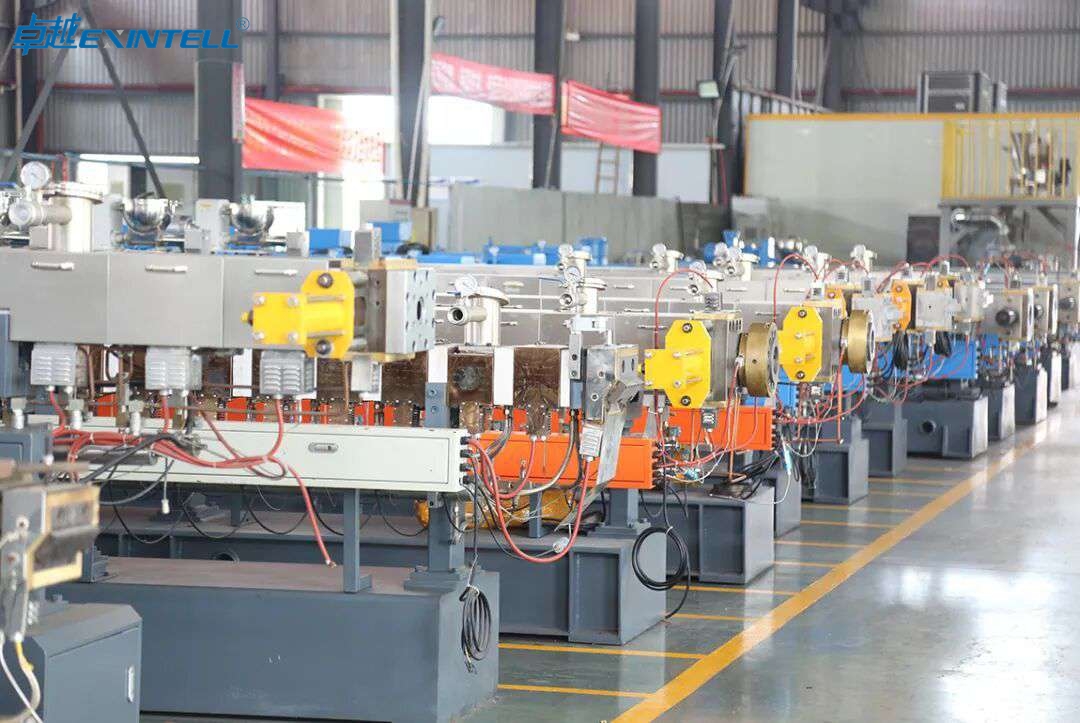
Saat saya mengevaluasi mesin pengolah polimer apa pun, Saya mulai dengan model mental yang sama: ekstruder adalah sistem peleburan dan pembentukan yang terkontrol. Plastik padat ada di salah satu ujungnya, dan terus menerus, profil penampang seragam keluar yang lain. Segala sesuatu di antara kedua titik tersebut adalah tentang penerapan panas dan geseran mekanis pada kecepatan yang tepat. Memahami aliran itulah yang membedakan pembeli yang percaya diri dari seseorang yang menebak-nebak lembar spesifikasi, dan itu secara langsung membentuk cara saya mendekati a Grosir Mesin Ekstrusi Plastik pembelian.
Proses Peleburan Inti
Di dalam mesin, plastik padat disalurkan ke depan dengan sekrup yang berputar sementara tabung pemanas listrik membungkus laras di beberapa zona. Plastik meleleh melalui kombinasi panas eksternal dan geser internal yang dihasilkan saat sekrup memaksa material menempel pada dinding tong. Menurut Tho Yu, plastik dalam ekstruder dilebur dengan tabung pemanas listrik dan diubah menjadi lelehan seragam melalui ekstrusi sekrup dan aksi geser (Itu Yu, 2024). Mekanisme ganda itu, panas konduktif ditambah gesekan mekanis, itulah sebabnya geometri sekrup sama pentingnya dengan suhu barel.
Kontrol suhu leleh adalah bagian yang paling saya teliti dalam kutipan mana pun. Barel multi-zona biasanya memasangkan pemanas listrik dengan pendingin air loop tertutup untuk menahan setiap zona dalam pita sempit (Spesifikasi Peralatan Aaron). Jika sebuah tong tidak bisa mendingin setepat saat memanas, Anda kehilangan kemampuan untuk menjalankan resin yang sensitif terhadap panas dengan bersih.
Formulir Bahan Baku yang Dapat Anda Jalankan
Bahan yang Anda berikan membentuk mesin yang Anda beli. Dalam praktiknya saya melihat empat bentuk bahan baku yang umum:
- Pelet — default untuk resin murni, mudah diukur dan dicairkan
- butiran — sedikit lebih kasar, umum dalam garis peracikan
- Bubuk — khas untuk campuran kering PVC dan pekerjaan skala laboratorium
- Serpihan daur ulang — material reklamasi dengan kepadatan curah yang bervariasi
Amade-Tech mencatat bahwa mesin ekstrusi plastik laboratorium memproses bahan baku dalam bentuk bubuk, pelet, atau bentuk butiran untuk menghasilkan produk polimer kontinu dengan penampang seragam (Amade-Tech, 2024). Sekrup pengumpan yang dipasang di hopper kemudian mengirimkan bahan mentah tersebut secara merata ke dalam tong (Itu Yu, 2024). Bahkan memberi makan bukanlah hal kecil; pengiriman hopper yang tidak konsisten muncul sebagai garis lonjakan dan penyimpangan dimensi pada profil akhir.
Bagaimana Die Membentuk Output
Cetakan ekstrusi adalah alat terakhir yang dilewati lelehan, dan itu mendefinisikan penampang produk. Pipa, tabung, film, papan, dan semua botol berasal dari tong yang sama dengan cetakan yang berbeda (Amade-Tech, 2024). Karena die menghasilkan profil penampang kontinyu, satu mesin dapat melayani beberapa lini produk jika Anda berinvestasi pada perkakas cetakan khusus. Fleksibilitas perkakas tersebut adalah salah satu alasan saya memperlakukan inventaris mati sebagai bagian dari keputusan pembelian total, bukan sekedar renungan.
Komponen Inti yang Saya Periksa di Setiap Mesin
Apakah saya sedang meninjau ekstruder industri untuk dijual atau unit bekas, Saya menelusuri daftar periksa komponen yang sama:
- Barel — silinder yang dipanaskan, idealnya multi-zona dengan pendinginan loop tertutup
- Baut — inti yang meleleh dan menyampaikan; konfigurasi sekrup menentukan kualitas keluaran
- Motor — tenaga kuda motor ekstruder menentukan batas maksimal throughput Anda
- kotak roda gigi — rasio reduksi dan faktor servis menentukan torsi yang dapat digunakan
- Kontrol — kontrol suhu leleh dan manajemen zona
- Mati — alat pembentuk profil
Dua spesifikasi mendasari evaluasi ini. Pertama, rasio L/D, panjang laras dibagi dengan diameter sekrup, memberi tahu saya berapa banyak waktu tinggal yang diperoleh lelehan tersebut; ekstruder Davis Standard 9 inci bekas (Model 80IN80HT) dibangun di 2001 berpasangan a 32:1 Rasio L/D dengan barel 7 zona dan a 900 motor DC HP (Daftar Peralatan Aaron). Kedua, rasio reduksi kotak roda gigi dan faktor servis menentukan penyaluran torsi; unit industri biasanya mencantumkan rasio seperti 10.15:1 dengan faktor pelayanan sebesar 1.5 (Peralatan Harun). Angka-angka tersebut mencerminkan seberapa keras Anda dapat mendorong bahan kental seperti HDPE atau senyawa pengisi tanpa terhenti.
Mengapa Membeli Mesin Ekstrusi Plastik Grosir?
Rute grosir adalah tempat dimana strategi pengadaan dapat diterapkan. Menurut pengalaman saya, perbedaan antara pembelian eceran dan pembelian langsung dari pabrik jarang sekali persentasenya kecil; itu membentuk kembali keekonomian seluruh lini produksi ekstrusi. Di bawah ini saya menguraikan empat alasan saya secara konsisten merekomendasikan membeli peralatan ekstrusi massal melalui saluran grosir.
Penghematan Biaya untuk Pesanan Massal dan Langsung Pabrik
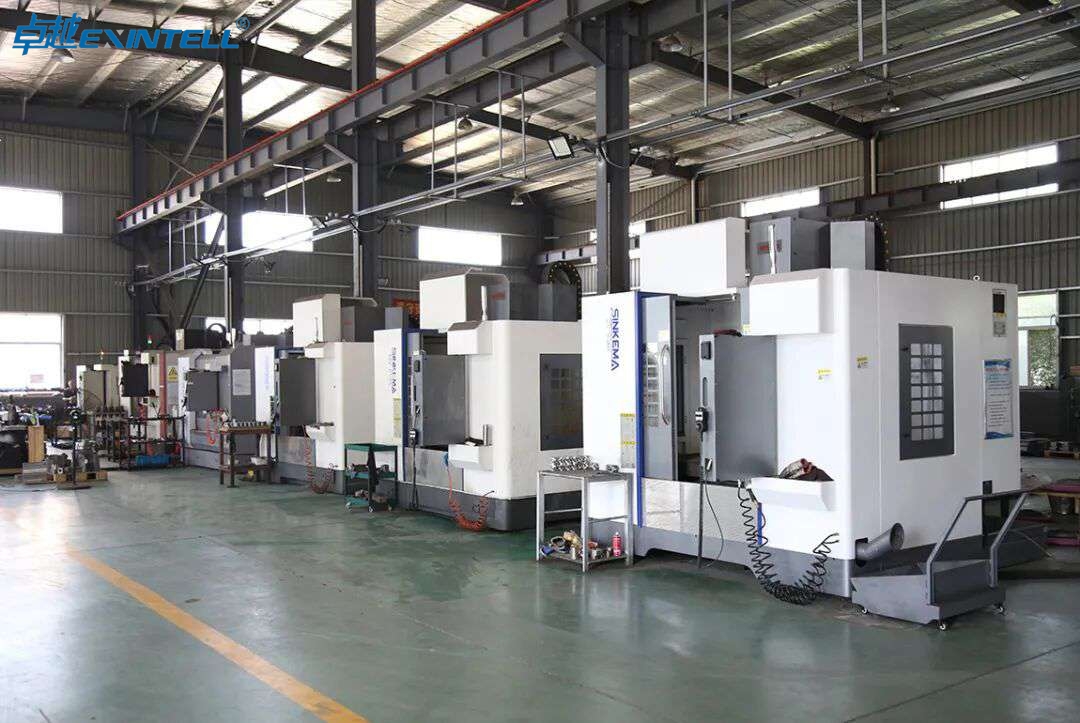
Penetapan harga langsung dari pabrik menghilangkan lapisan markup distributor yang menaikkan harga mesin ekstruder plastik. Produsen yang berbasis di Tiongkok, Misalnya, menawarkan harga grosir langsung dari pabrik untuk ekstruder plastik (Itu Yu, 2024), itulah sebabnya banyak sekali pencarian terkait harga yang mengarah ke pemasok luar negeri. Saat saya membandingkan satu unit eceran dengan pesanan massal dari pemasok mesin grosir, biaya per mesin biasanya turun cukup besar untuk mengubah perhitungan pengembalian seluruh proyek. Begitulah, penetapan harga langsung pabrik hanya terbayar bila Anda memperhitungkan total biaya kepemilikan, celah yang saya atasi nanti dalam panduan ini.
Akses ke Kustomisasi OEM dan ODM
Hubungan grosir membuka pintu bagi penyesuaian OEM dan ODM yang jarang ditawarkan oleh saluran ritel. Daripada menerima konfigurasi stok, Saya dapat menentukan panjang sekrup, zona barel, paket kontrol, dan perkakas cetakan khusus yang cocok dengan produk saya. Bagi siapa pun yang menjalankan profil penampang kontinu khusus, ini adalah satu-satunya argumen terkuat untuk membeli langsung dari produsen mesin ekstrusi, bukan dari pengecer.
Ketentuan yang Lebih Baik tentang Perkakas dan Suku Cadang
Percakapan mati dan suku cadang adalah saat istilah grosir secara diam-diam menguntungkan Anda. Menegosiasikan perkakas dan paket suku cadang ke dalam pesanan awal hampir selalu mengalahkan pengadaannya sedikit demi sedikit di kemudian hari. Saya merawat barang-barang pakai, sekrup, pita pemanas, dan liner barel, sebagai bagian dari kontrak awal, dan saya mendorong komitmen dukungan purna jual secara tertulis. Dukungan purna jual yang kuat adalah hal yang membuat lini produk tetap berjalan; tanpa itu, mesin yang murah menjadi hambatan yang mahal.
Meningkatkan Kapasitas Produksi Secara Efisien
Akhirnya, pembelian grosir memungkinkan saya menskalakan keluaran kapasitas ekstruder tanpa mengulangi siklus pengadaan penuh setiap saat. Standarisasi pada satu platform pemasok berarti suku cadang yang konsisten, kontrol yang familiar, dan pelatihan operator yang berulang di beberapa alat berat. Ketika permintaan meningkat, menambahkan unit identik kedua atau ketiga jauh lebih lancar dibandingkan mengintegrasikan peralatan yang tidak cocok dari vendor berbeda.
Jenis Ekstruder Plastik: Sekrup Tunggal vs Sekrup Kembar
Memilih antara ekstruder sekrup tunggal dan ekstruder sekrup kembar adalah keputusan teknis paling penting dalam pembelian grosir. Saya membingkainya dengan sederhana: mesin sekrup tunggal menyampaikan dan melelehkan secara efisien, sementara mesin sekrup kembar mencampur dan meracik. Lakukan kecocokan ini dengan benar dan spesifikasi lainnya akan berlaku.
Ekstruder Sekrup Tunggal
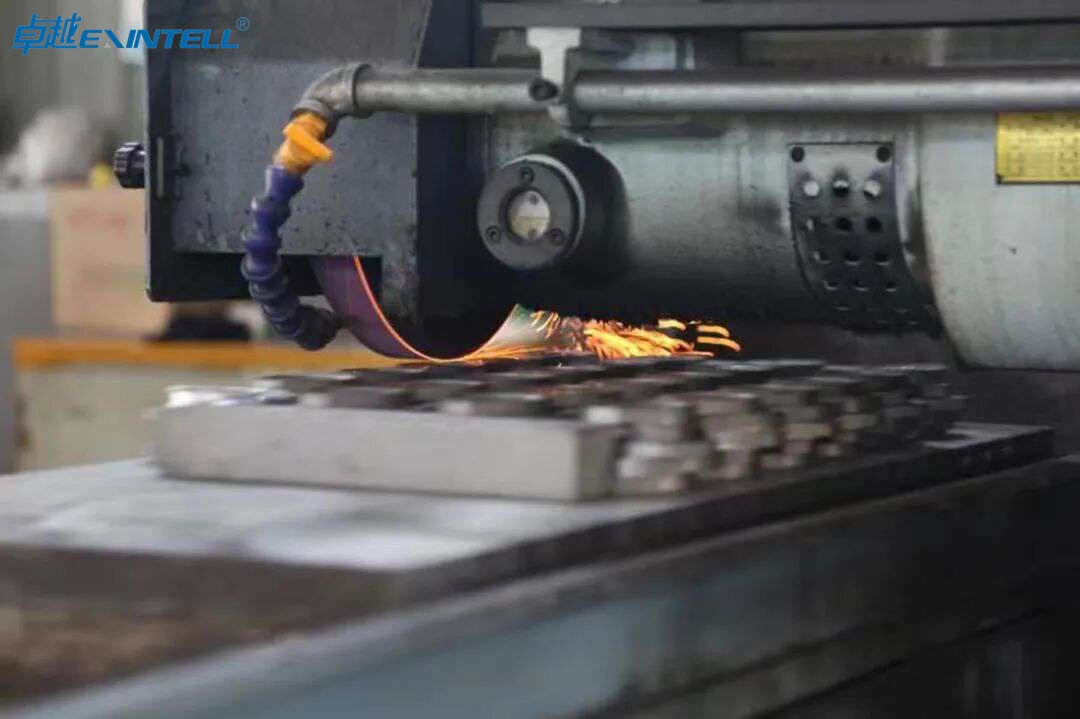
Ekstruder sekrup tunggal adalah pekerja keras untuk profil standar dengan biaya lebih rendah. Ia unggul dalam melelehkan resin murni dan mendorongnya melalui cetakan dengan hasil yang stabil, yang membuatnya ideal untuk pipa, tabung, dan profil berkelanjutan sederhana. Ini juga merupakan kategori peralatan bekas yang paling umum, dengan daftar penjualan kembali khusus merek tersedia secara luas (Peralatan Harun). Jika lini produk Anda menggunakan bahan yang konsisten seperti HDPE atau polipropilen melalui cetakan tetap, mesin sekrup tunggal biasanya memberikan nilai terbaik per unit output.
Ekstruder Sekrup Kembar
Ekstruder sekrup kembar mendapatkan biaya lebih tinggi melalui kemampuan pencampuran. Dua sekrup intermeshing menghasilkan pencampuran distributif dan dispersif yang diperlukan untuk peracikan, menambahkan bahan pengisi, pewarna, dan stabilisator, dan untuk memproses bahan daur ulang dengan sifat bervariasi. Saat saya bekerja dengan serpihan plastik daur ulang atau polimer rekayasa yang peka terhadap panas seperti MENGINTIP, kontrol superior sekrup kembar terhadap geser dan waktu tinggal sangat menentukan. Perlu dicatat bahwa ekstruder daur ulang adalah kelas mesin berbeda yang dibuat khusus untuk bahan baku reklamasi (Itu Yu, 2024), dan banyak dari jalur tersebut mengandalkan desain sekrup kembar karena alasan ini.
Tingkat Output dan Kompatibilitas Material
Kedua jenis ini sangat berbeda dalam hal perilaku keluaran dan kesesuaian material. Keluaran sekrup tunggal sebagian besar merupakan fungsi kecepatan sekrup dan tenaga kuda motor, membuatnya dapat diprediksi untuk satu resin. Keluaran sekrup kembar lebih fleksibel di seluruh formulasi tetapi sering kali dioptimalkan untuk kualitas peracikan daripada keluaran mentah. Bahan seperti campuran kering PVC dan serpihan daur ulang mendapat manfaat dari penanganan sekrup ganda, sementara resin tunggal yang bersih bekerja secara ekonomis dengan satu sekrup.
Sekrup Tunggal vs Sekrup Kembar: Tabel Perbandingan
|
Faktor |
Ekstruder Sekrup Tunggal |
Ekstruder Sekrup Kembar |
|---|---|---|
|
Kekuatan primer |
Melebur dan menyampaikan profil standar |
Percampuran, penggabungan, dan devolatilisasi |
|
Biaya relatif |
Lebih rendah |
Lebih tinggi |
|
Bahan terbaik |
HDPE, polipropilena, resin perawan tunggal |
Campuran kering PVC, serpihan daur ulang, senyawa terisi atau MENGINTIP |
|
Kualitas pencampuran |
Terbatas |
Bagus sekali (distributif dan dispersif) |
|
Produk khas |
Pipa, tabung, profil sederhana |
Senyawa, masterbatch, pelet daur ulang |
|
Ketersediaan pasar bekas |
Luas, daftar khusus merek umum |
Lebih sempit, lebih terspesialisasi |
|
Pembeli ideal |
Memperbaiki lini produk, berfokus pada biaya |
Daur ulang, formulasi khusus, R&D |
|
Faktor |
Ekstruder Sekrup Tunggal |
Ekstruder Sekrup Kembar |
|---|---|---|
|
Kekuatan primer |
Melebur dan menyampaikan profil standar |
Percampuran, penggabungan, dan devolatilisasi |
|
Biaya relatif |
Lebih rendah |
Lebih tinggi |
|
Bahan terbaik |
HDPE, polipropilena, resin perawan tunggal |
Campuran kering PVC, serpihan daur ulang, senyawa terisi atau MENGINTIP |
|
Kualitas pencampuran |
Terbatas |
Bagus sekali (distributif dan dispersif) |
|
Produk khas |
Pipa, tabung, profil sederhana |
Senyawa, masterbatch, pelet daur ulang |
|
Ketersediaan pasar bekas |
Luas, daftar khusus merek umum |
Lebih sempit, lebih terspesialisasi |
|
Pembeli ideal |
Memperbaiki lini produk, berfokus pada biaya |
Daur ulang, formulasi khusus, R&D |
Mencocokkan Jenis dengan Lini Produk Anda
Aturan keputusan saya sangat jelas. Jika saya mengekstrusi material yang konsisten menjadi profil yang stabil, Saya memilih mesin sekrup tunggal dan menghemat uang untuk perkakas dan suku cadang cetakan khusus. Jika proses saya melibatkan penggabungan, perubahan warna, atau ekstruder daur ulang plastik yang menangani bahan baku reklamasi, Saya menentukan platform sekrup kembar dan menerima harga yang lebih tinggi sebagai biaya pengendalian proses. Untuk pembeli menimbang ekstruder skala laboratorium untuk pengembangan produk, logika yang sama berlaku pada output yang lebih kecil: cocokkan jenis sekrup dengan apakah Anda akan membuktikan suatu formulasi (kembar) atau profil (lajang). Menambatkan keputusan penting ke lini produk Anda yang sebenarnya, daripada menjadi headline harga saja, Inilah yang membuat pembelian grosir terbayar selama masa pakai penuhnya. Anda dapat meninjau konfigurasi dunia nyata pada daftar pemasok dan penjualan kembali seperti Persediaan sekrup tunggal bekas Aaron Equipment Dan Halaman ekstruder grosir ThoYu untuk melihat bagaimana spesifikasi ini muncul dalam praktiknya.
Berapa Biaya Mesin Ekstrusi Plastik?
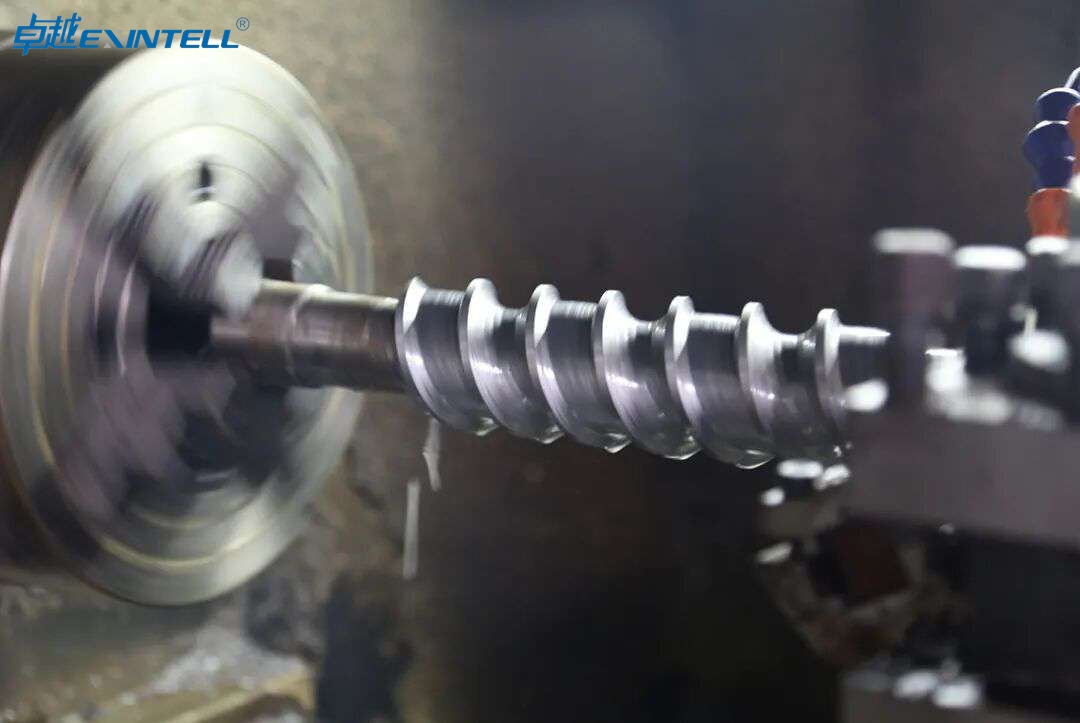
Ketika klien menanyakan satu nomor kepada saya, Saya memberi tahu mereka jawaban yang jujur: harga mesin ekstrusi plastik berkisar antara beberapa ribu dolar hingga lebih dari satu juta, dan penyebarannya sepenuhnya bergantung pada skala. Berdasarkan pengalaman saya, saya mencari peralatan di tiga tingkatan, pita harga terpecah seiring dengan kapasitas output, konfigurasi sekrup, dan tingkat otomatisasi yang Anda butuhkan. Sebelum Anda meminta penawaran, ada gunanya mengetahui di tingkat mana Anda sebenarnya berada, karena ekstruder skala laboratorium dan lini produksi ekstrusi industri bukanlah pembelian yang sama dengan label harga yang berbeda. Mereka adalah mesin yang berbeda. Kemasan Plastik Ringan yang Dapat Didaur Ulang
Kisaran Harga berdasarkan Skala: Laboratorium, Kecil, dan Industri
Saya mengelompokkan pembeli ke dalam tiga kategori praktis. Pengekstrusi skala laboratorium bersifat kompak, unit benchtop atau lantai yang dibuat untuk R&D, percobaan yang rumit, dan karakterisasi materi. Mereka mengolah bahan baku menjadi bubuk, pelet, atau bentuk butiran untuk menghasilkan produk polimer kontinu dengan penampang seragam (Amade-Tech). Unit komersial kecil menangani produksi volume rendah, pembuatan prototipe berjalan, dan pekerjaan profil khusus. Mesin industri menggerakkan jalur produksi ekstrusi penuh untuk pipa, film, papan, dan keluaran botol sepanjang waktu.
Berikut adalah bagaimana angka-angka biasanya muncul berdasarkan kutipan yang saya kumpulkan dan daftar publik. Perlakukan ini sebagai rentang perencanaan, bukan harga tetap, karena konfigurasi sekrup dan perkakas menggesernya secara signifikan.
| Tingkat | Keluaran Khas | Tipe Sekrup | Kisaran Harga Baru (Rp) | Kisaran Harga Bekas (Rp) |
|---|---|---|---|---|
| Ekstruder skala laboratorium | Hingga ~5 kg/jam | Sekrup tunggal atau kembar | $8,000 – $45,000 | $4,000 – $25,000 |
| Komersial kecil | ~20 – 150 kg/jam | Ekstruder sekrup tunggal | $30,000 – $120,000 | $12,000 – $60,000 |
| Jalur industri | 300 kg/jam dan seterusnya | Ekstruder sekrup tunggal atau kembar | $150,000 – $1,000,000+ | $50,000 – $400,000 |
Ujung atas jalur industri mencerminkan jalur lengkap dengan peralatan hilir seperti pengangkutan, tangki pendingin, dan penggulung, ditambah kontrol suhu leleh tingkat lanjut. Kepala ekstruder telanjang harganya jauh lebih murah dibandingkan garis turnkey, jadi selalu konfirmasikan apa yang sebenarnya termasuk dalam penawaran sebelum Anda membandingkan vendor.
Apa yang Ada di Balik Harga Stiker
Empat variabel menggerakkan angka lebih dari apapun. Kapasitas adalah hal yang jelas: skala throughput dengan diameter barel dan tenaga kuda motor, dan keduanya menambah biaya. Merek penting, karena mesin dari produsen mesin ekstrusi yang mapan memiliki keunggulan terkait keandalan dan ketersediaan suku cadang. Kondisi membagi seluruh pasar menjadi baru dan bekas, yang saya bahas secara detail di bawah ini. Dan perkakas adalah penghancur anggaran yang diam-diam. Cetakan khusus untuk profil penampang kontinu tertentu dapat menambah puluhan ribu dolar, dan sering kali dikutip secara terpisah dari mesin itu sendiri.
Biaya Tersembunyi di Luar Penawaran
Harga pembelian jarang merupakan total biaya kepemilikan, dan di sinilah saya melihat pembeli pertama kali merasa bosan. Di luar mesin, anggaran untuk item baris ini:
- Perkakas cetakan khusus untuk setiap profil produk yang ingin Anda jalankan.
- Instalasi dan tali-temali untuk unit industri berat, yang seringkali memerlukan servis derek dan lantai yang diperkuat.
- Peningkatan kelistrikan dan utilitas untuk memasok motor bertenaga tinggi dan sistem pendingin barel loop tertutup.
- Pengangkutan dan, untuk impor, tugas yang saya uraikan di bagian logistik panduan ini.
- Suku cadang aus seperti sekrup pengganti, barel, dan pita pemanas.
- Komisioning dan pelatihan operator, terutama untuk sistem kontrol otomatis.
Aturan praktis saya: menambahkan 15 ke 30 persen terhadap harga mesin untuk memperkirakan pemasangan penuh, biaya siap produksi. Melewatkan perhitungan ini adalah kesalahan perencanaan paling umum yang saya temui.
Harga Grosir Mesin Ekstrusi Plastik: Apa yang Mendorongnya?
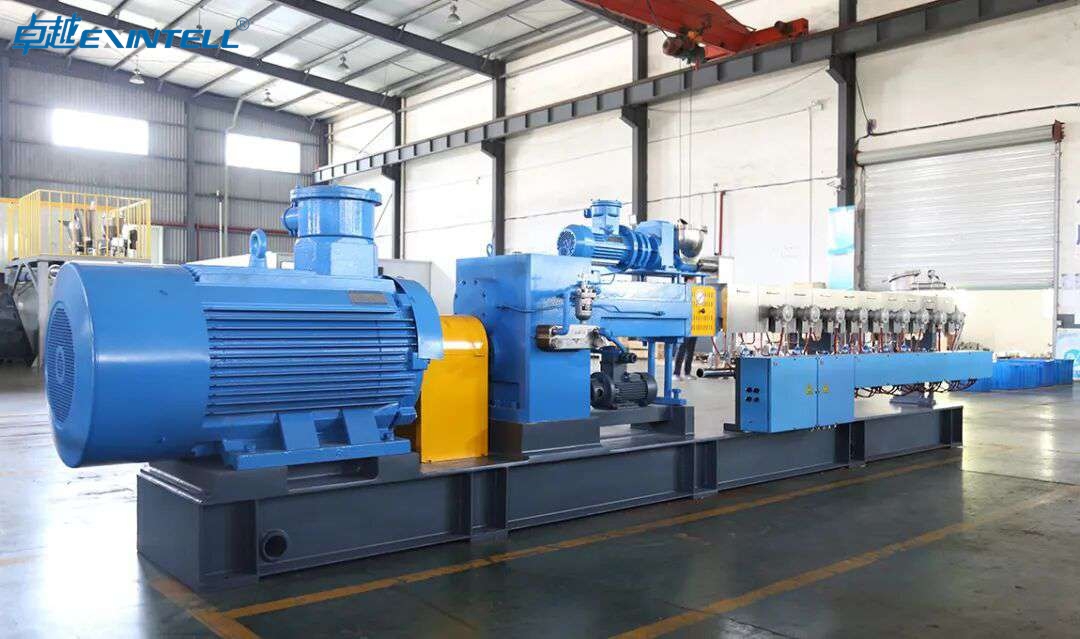
Penetapan harga grosir mengikuti logika yang sama seperti harga eceran, namun dengan lebih banyak ruang untuk bernegosiasi dan lebih banyak variabel untuk diteliti. Ketika saya mengevaluasi harga ekstruder langsung dari pabrik, baik dari dealer domestik atau pemasok berbasis di Tiongkok yang menawarkan harga grosir (Itu Yu), Saya mengerjakan daftar spesifikasi yang konsisten. Masing-masing mempunyai hubungan langsung dengan biaya, dan memahaminya memungkinkan Anda membandingkan kutipan dengan syarat yang sama alih-alih menebak-nebak.
Spesifikasi Sekrup dan Barel
Sekrup dan laras adalah jantung dari mesin, dan mereka menentukan kemampuan dan harga. Spesifikasi yang paling penting adalah rasio L/D, perbandingan panjang dan diameter sekrup. Rasio L/D yang lebih tinggi menghasilkan pencampuran dan keseragaman leleh yang lebih baik, yang penting untuk menuntut polimer. Untuk referensi, ekstruder Davis Standard 9 inci bekas (Model 80IN80HT) menjalankan a 32:1 Rasio L/D dengan barel 7 zona (Daftar Peralatan Aaron). Lebih banyak zona berarti kontrol suhu lelehan yang lebih baik, karena plastik dicairkan dengan tabung pemanas listrik dan diubah menjadi lelehan seragam melalui geser sekrup (Itu Yu).
Konfigurasi sekrup juga menentukan kelas mesin. Ekstruder sekrup tunggal adalah pekerja keras untuk profil sederhana dan merupakan kategori peralatan yang paling umum digunakan (Peralatan Harun). Ekstruder sekrup kembar harganya lebih mahal tetapi unggul dalam peracikan, mencampur bahan tambahan, dan mengolah serpihan plastik daur ulang. Jika Anda menjalankan PVC, HDPE, atau polipropilen berdasarkan volume, geometri sekrup harus sesuai dengan resin; MENGINTIP dan polimer berkinerja tinggi lainnya mendorong Anda menuju spesialisasi, konfigurasi berbiaya lebih tinggi. Produsen Ekstruder Sekrup Kembar
Tenaga Kuda Motor dan Gearbox
Tenaga kuda motor ekstruder adalah proksi langsung untuk throughput dan, Karena itu, harga. Unit Davis Standard yang sama memasangkan larasnya dengan a 900 motor DC HP (Daftar Peralatan Aaron), yang memberitahu Anda bahwa itu dibuat untuk hasil industri berat. Gearbox menerjemahkan tenaga motor menjadi torsi yang dapat digunakan pada sekrup. Rasio pengurangan seperti 10.15:1 dikombinasikan dengan faktor pelayanan sekitar 1.5 menentukan berapa banyak torsi yang dapat dihasilkan alat berat dengan aman di bawah beban (Peralatan Harun). Ketika saya membandingkan dua mesin dengan harga yang sama, faktor servis yang lebih tinggi menandakan ruang kepala yang lebih tahan lama, yang layak dibayar untuk peralatan yang Anda rencanakan untuk dijalankan dengan keras.
Sistem Otomasi dan Kontrol
Sistem kontrol memisahkan mesin dasar dari mesin modern. Tombol pengatur suhu manual dan relai sederhana menjaga harga tetap rendah, namun memerlukan operator yang terampil dan menghasilkan lebih banyak barang bekas. Sistem yang digerakkan oleh PLC dengan pendinginan barel loop tertutup, penyimpanan resep, dan pencatatan data membutuhkan biaya lebih besar di awal, namun terbayar melalui konsistensi dan limbah yang lebih sedikit. Pengumpan hopper dengan sekrup pengumpan yang dipasang di hopper yang menyalurkan bahan mentah secara merata ke dalam tong (Itu Yu) adalah standar, namun pemberian gravimetri dan pencampuran otomatis menambah biaya dan presisi. Untuk operasi volume tinggi, Saya menganggap otomatisasi sebagai penggerak nilai, bukan kemewahan.
Sertifikasi dan Asal
Asal dan sertifikasi menentukan harga dan risiko. Mesin domestik dan Eropa memiliki harga yang lebih tinggi, sebagian untuk membangun kualitas dan sebagian lagi untuk mendukung kedekatan. Penetapan harga langsung dari pabrik dari produsen yang berbasis di Tiongkok (Itu Yu) dapat menghemat biaya mesin secara signifikan, tetapi Anda harus memverifikasi penandaan CE, Kepatuhan UL untuk pasar AS, dan mendokumentasikan keselamatan kelistrikan sebelum melakukan. Saya selalu meminta dokumen sertifikasi secara tertulis, karena melakukan retrofit pada mesin yang tidak bersertifikat untuk memenuhi peraturan kelistrikan AS akan menghapus penghematan yang membuat impor menjadi menarik.
Mesin Ekstrusi Plastik Baru vs Bekas

Ini adalah keputusan yang paling sering ditanyakan kepada saya, dan jawabanku selalu sama: itu tergantung pada toleransi risiko dan jadwal Anda. Peralatan ekstrusi bekas dapat mengurangi biaya modal hingga setengahnya atau lebih, tapi penghematan datang dengan eksposur nyata. Mesin baru harganya lebih mahal dan sering kali memiliki waktu tunggu yang lebih lama, namun mereka datang dengan jaminan, kontrol saat ini, dan kinerja yang dapat diprediksi. Biarkan saya menata kedua sisi seperti yang saya lakukan untuk klien.
Penghematan Modal vs Risiko pada Unit Bekas
Alasan finansial untuk peralatan bekas cukup kuat. Seperti yang ditunjukkan tabel harga di atas, suatu unit industri bekas dapat berjalan 40 ke 60 persen di bawah yang baru, membebaskan modal untuk perkakas dan peralatan hilir. Untuk startup atau toko yang menguji lini produk baru, perbedaan itu dapat menjadi keseluruhan kasus bisnis. Risikonya adalah mesin pengolah polimer mengalami keausan komponen, sekrup dan barel menurun, pita pemanas gagal, dan motor kehilangan efisiensi, dan permasalahan tersebut tidak selalu terlihat pada foto listing. Penghematan itu nyata, dan begitu pula kemungkinan membeli masalah orang lain.
Kondisi Pemeriksaan, Jam, dan Tahun Pembuatan
Saya tidak pernah membeli peralatan bekas tanpa terlihat, dan saya sarankan Anda juga tidak melakukannya. Prioritas inspeksi saya, secara berurutan:
- Keausan sekrup dan laras: mengukur jarak bebas jika memungkinkan. Jarak bebas yang berlebihan akan mematikan keluaran dan kualitas lelehan, dan penggantian set sekrup dan barel mahal.
- Tahun pembuatan dan jam operasional: sebuah mesin yang terpasang di dalamnya 2001, seperti contoh Davis Standard, masih bisa menjadi primadona jika dipertahankan, tetapi Anda memerlukan catatan servis untuk menilai.
- Sistem pemanas dan pendingin: pastikan semua zona barel memanas dengan benar dan pendingin air loop tertutup menahan suhu.
- Kondisi motor dan girboks: dengarkan kebisingan bantalan dan periksa kebocoran oli dan pemutaran girboks.
- Fungsi panel kontrol: verifikasi setiap zona membaca dan mengontrol secara akurat, karena kontrol lama mungkin tidak memiliki suku cadang pengganti.
Jika memungkinkan, bersikeras agar demonstrasi bertenaga berjalan secara aktual Produsen Pelet Plastik bahan. Mesin dingin menyembunyikan sebagian besar masalahnya.
Kesenjangan Garansi dan Dukungan pada Peralatan Bekas
Kesenjangan dukungan adalah biaya yang tidak tercantum pada faktur. Mesin baru dari produsen mesin ekstrusi biasanya menyertakan cakupan garansi, bantuan komisioning, dan akses ke dukungan purna jual. Unit bekas biasanya dijual apa adanya, jadi Anda menanggung setiap kegagalan sejak hari pertama. Sebelum saya membeli bekas, Saya mengkonfirmasi dua hal: bahwa suku cadang tetap tersedia untuk model tersebut, dan teknisi servis yang memahami merek tersebut dapat dihubungi. Mesin murah tanpa pipa suku cadang merupakan sebuah kewajiban, bukan tawar-menawar.
Pertimbangan Nilai Jual Kembali
Akhirnya, pikirkan tentang pintu keluar sebelum Anda masuk. Mesin dari merek terkenal memiliki nilai yang jauh lebih baik di pasar sekunder, itulah sebabnya daftar penjualan kembali khusus merek mendapat permintaan yang stabil (Peralatan Harun). Jika ada kemungkinan Anda akan mengubah ukuran atau keluar dalam beberapa tahun, membeli ekstruder sekrup tunggal yang terkenal, bahkan dengan harga premium, melindungi modal Anda saat keluar. Menurut pengalaman saya, kekuatan penjualan kembali adalah faktor yang paling diabaikan dalam perdebatan baru versus bekas, dan hal ini sering kali memberikan keputusan yang tidak jelas terhadap merek yang sudah mapan.
Intinya saya: beli yang baru ketika uptime sangat penting, masalah dukungan, dan Anda berencana menjalankan mesin tersebut selama satu dekade. Beli bekas saat modal sedang ketat, Anda memiliki kapasitas teknis untuk memeriksa dan memelihara peralatan, dan Anda tetap menggunakan merek terkemuka yang memiliki pasokan suku cadang hidup. Apa pun yang terjadi, hitung total biaya kepemilikan terlebih dahulu, karena penawaran tersebut hanyalah awal dari pembelanjaan.
Sumber: Peralatan Harun, Ekstruder Sekrup Tunggal Bekas; Itu Yu, Harga Grosir China Extruder Plastik; Amade-Tech, Mesin Ekstrusi Plastik Lab.
Dimana Menemukan Grosir Mesin Ekstrusi Plastik Bekas
Saat saya mencari peralatan dengan anggaran modal yang ketat, pasar bekas biasanya menjadi perhentian pertama saya. Mesin ekstruder bekas yang dirawat dengan baik dapat menghasilkan hasil 80 ke 90 persen masa pakai unit baru dengan biaya yang lebih murah, asalkan Anda tahu cara membaca daftar dan memverifikasi kondisi sebelum mengirimkan dana apa pun. Tantangannya bukanlah menemukan mesin. Hal ini memisahkan tawar-menawar yang asli dari tanggung jawab yang dinonaktifkan.
Pasar dan Dealer yang Perlu Diketahui
Sebagian besar pembelian bekas saya datang melalui jaringan dealer yang sudah mapan dan bukan melalui daftar baris terbuka. Pengecer khusus seperti Aaron Equipment mengelola inventaris berputar ekstruder sekrup tunggal dan sekrup kembar, dan mereka memotret, menandai, dan sering kali menguji daya setiap unit sebelum mencantumkannya. Pemeriksaan itu penting. Dealer dengan halaman fisik dan reputasi yang harus dilindungi memberi saya bantuan yang tidak akan pernah bisa dilakukan oleh postingan pasar anonim. Saya masih memeriksa ulang rumah lelang dan papan pencatatan industri tertentu, tapi saya memperlakukan dealer yang memiliki reputasi baik sebagai dasar untuk peralatan ekstrusi bekas.
Membaca Daftar Seperti Seorang Insinyur
Daftar bekas adalah lembar spesifikasi yang disamarkan, dan tiga nomor memberi tahu saya sebagian besar hal yang perlu saya ketahui sebelum saya menelepon. Perhatikan contoh nyata: ekstruder Davis Standard 9 inci bekas (Model 80IN80HT) dibangun di 2001, diiklankan dengan a 32:1 Rasio L/D, barel 7 zona, dan sebuah 900 motor DC HP (sumber: Daftar Peralatan Aaron).
- Rasio L/D. Rasio panjang barel terhadap diameter mengatur waktu tinggal dan pencampuran. A 32:1 rasio yang sesuai menuntut pekerjaan homogenitas lelehan; rasio yang lebih pendek di sekitar 24:1 menangani profil yang lebih sederhana. Jika polimer Anda perlu dicairkan secara menyeluruh, jangan membeli pendek.
- Zona barel. Tujuh zona pemanasan yang dikontrol secara independen memberi saya kontrol suhu lelehan granular di sepanjang laras. Lebih banyak zona berarti penyesuaian termal yang lebih baik, yang sangat penting untuk resin yang sensitif terhadap panas.
- Tenaga kuda motor. A 900 Drive HP menandakan mesin produksi dengan throughput tinggi, bukan alat laboratorium. Motor HP berskala kasar dengan kapasitas keluaran, jadi sesuaikan dengan kecepatan garis target Anda daripada membeli lebih banyak drive daripada yang bisa digunakan oleh dadu Anda.
Daftar tersebut juga mengungkapkan rasio pengurangan gearbox dan faktor servis, yang bersama-sama menentukan torsi yang dapat digunakan. A 10.15:1 pengurangan dengan a 1.5 faktor pelayanan, misalnya, memberi tahu saya bahwa drivetrain memiliki ruang untuk tugas berkelanjutan (sumber: Peralatan Harun). Saya membaca angka-angka itu sebagai sinyal ketahanan, bukan catatan kaki.
Merek yang Memiliki Nilai di Pasar Penjualan Kembali
Reputasi merek mengikuti mesin memasuki kehidupan keduanya. Standar Davis, dalam pengalaman saya, mendapat harga premium di pasar penjualan kembali justru karena suku cadangnya, sekrup, dan dokumentasi servis tetap tersedia bertahun-tahun setelah pembuatan. Likuiditas tersebut memotong dua arah: Saya membayar lebih di muka, tapi saya pulih lebih banyak ketika saya menjualnya kembali, dan saya menghabiskan lebih sedikit waktu untuk mencari konfigurasi sekrup ekstruder atau pelapis barel pengganti. Ketika saya membandingkan dua unit bekas yang serupa, merek yang didukung hampir selalu menang dalam total biaya kepemilikan bahkan dengan harga stiker yang lebih tinggi.
Memverifikasi Kondisi Sebelum Anda Berkomitmen
Saya tidak pernah membeli ekstruder bekas hanya berdasarkan foto. Daftar periksa pra-pembelian saya menelusuri titik-titik keausan yang secara diam-diam menguras kinerja:
- Keausan sekrup dan laras. Minta pengukuran lubang. Jarak bebas yang aus menurunkan keluaran dan stabilitas tekanan, dan merekondisi satu barel itu mahal.
- Kesehatan pemanas dan termokopel. Pastikan setiap zona mencapai dan menahan setpoint. Zona mati pada barel multi-zona adalah tanda bahaya.
- Penggerak dan gearbox. Dengarkan kebisingan bantalan dan periksa kebocoran oli. Gearbox yang rusak dapat menghabiskan biaya sebesar biaya mesin.
- Sistem pendingin. Banyak unit industri menggunakan pemanas listrik dengan pendingin air loop tertutup (sumber: Spesifikasi Peralatan Aaron). Pastikan sirkuit pendingin utuh dan bebas kerak.
- Jalankan tes. Kapanpun memungkinkan, Saya bersikeras melakukan demonstrasi bertenaga di bawah beban, bukan sekedar putaran dingin.
Jika penjual menolak pemeriksaan atau uji coba, saya berjalan. Penghematan pada mesin pengolah polimer bekas hilang begitu saja saat Anda harus membangun kembali drivetrain.
Mesin Ekstrusi Plastik Kecil dan Skala Lab
Tidak setiap pembeli membutuhkan a 900 monster HP. Sebagian besar minat penelusuran seputar kata kunci ini mengarah ke mesin kecil dan dekat dengan saya, dan itu sesuai dengan apa yang saya lihat dalam praktik: R&tim D, universitas, dan perusahaan rintisan membutuhkan ekstruder kompak yang sesuai dengan meja laboratorium dan dijalankan dengan daya standar. Mesin ini memperdagangkan throughput untuk fleksibilitas, dan untuk kasus penggunaan yang tepat, itulah perdagangan yang Anda inginkan.
Apa yang Sebenarnya Dilakukan Mesin Skala Lab
Ekstruder skala laboratorium memproses bahan baku dalam bentuk bubuk, pelet, atau bentuk butiran untuk menghasilkan produk polimer kontinu dengan penampang seragam (sumber: Amade-Tech). Fisika inti identik dengan peralatan produksi: pengumpan hopper mengirimkan bahan mentah secara merata ke dalam tong, tabung pemanas listrik melelehkan polimer, dan sekrup memotong dan menghomogenkannya menjadi lelehan yang seragam sebelum cetakan ekstrusi membentuk hasilnya (sumber: Itu Yu). Perbedaannya adalah skala, bukan prinsip, itulah yang membuat mesin laboratorium sangat berguna untuk pengembangan proses. Apa yang Anda pelajari pada skala kecil ditransfer ke produksi.
Produk Khas dan Kasus Penggunaan
Saya meraih unit skala laboratorium dalam tiga situasi:
- R&D dan formulasi. Menguji campuran resin baru, aditif, atau serpihan plastik daur ulang tanpa melakukan jalur produksi.
- Pembuatan prototipe. Memproduksi film sampel, tabung, dan profil kecil untuk persetujuan pelanggan atau validasi perkakas.
- Produksi volume rendah. Melayani pasar khusus di mana permintaan tidak membenarkan jalur produksi ekstrusi penuh.
Mesin ini mudah menangani termoplastik umum seperti PVC, HDPE, dan polipropilena, dan unit dengan spesifikasi lebih tinggi meluas ke polimer rekayasa seperti MENGINTIP ketika laras dan sekrup diberi peringkat untuk suhu leleh yang tinggi.
Persyaratan Jejak dan Tenaga
Daya tarik praktis dari ekstruder laboratorium adalah ia berada di ruangan biasa. Banyak unit bangku menggunakan daya satu fase atau tiga fase ringan dan menempati area berukuran beberapa kaki persegi, versus the dedicated bay and heavy three-phase service a production extruder demands. Before buying, Saya mengkonfirmasi dua hal: the electrical service my facility can supply, and whether the cooling requirement is air or water. Getting the utilities wrong is the most common reason a small machine sits idle after delivery.
Knowing When to Upgrade to Production Scale
A lab machine has a ceiling, and recognizing it early saves money. I plan the jump to production scale when sustained order volume outpaces the machine’s extruder capacity output, when I am running multiple shifts just to keep up, or when per-unit cost on the small line exceeds what a production extruder would deliver. The signal is economic, not emotional: once the lab unit becomes the bottleneck rather than the tool, it is time to scale. I typically keep the lab machine anyway, redeployed for the R&D work it does best.
Lab-Scale vs Production Extruders at a Glance
| Atribut | Laboratorium / Small-Scale Extruder | Production Extruder |
|---|---|---|
| Primary use | R&D, pembuatan prototipe, low-volume runs | Continuous commercial production |
| Typical motor | Fractional to ~20 HP | 50 ke 900+ HP (misalnya, 900 HP Davis Standard) |
| Rasio L/D | ~20:1 ke 25:1 | 24:1 ke 32:1 |
| Zona barel | 2 ke 4 | 5 ke 7+ |
| Power service | Single-phase / light 3-phase | Heavy 3-phase |
| Tapak | Benchtop to compact floor unit | Dedicated production bay |
| Keluaran | Grams to low kg/hr | Hundreds of kg/hr |
Figures for the production column reflect the specification range seen in listings such as the Davis Standard 80IN80HT (sumber: Peralatan Harun); lab-scale ranges reflect typical bench-unit configurations.
Buying Plastic Extrusion Machines Wholesale in the USA
Search intent around this keyword leans heavily toward USA and near-me queries, and that reflects a real procurement decision every US buyer faces: buy domestic or import. Factory-direct pricing from overseas manufacturers is genuinely attractive, and I have bought imported equipment when the numbers justified it. But the sticker price is only one line in the ledger. Here is how I weigh the domestic option.
The Case for Domestic Dealers
Buying from a US-based dealer or manufacturer gives me three advantages that rarely show up on a spec sheet but always show up in operations:
- Faster lead times. A machine in a domestic yard ships in days, not the weeks of ocean transit and customs clearance an import requires. When a line is down, that speed is worth real money.
- Easier service and parts. Domestic support means same-timezone technicians, stocked spare parts, and no international freight on a replacement gearbox or barrel. After-sales support is the single most underrated factor in extruder ownership.
- Standards compliance. US machines are typically built or certified to UL and NEC electrical requirements. That compliance simplifies installation, satisfies insurers, and passes inspection without the retrofit an uncertified import may need.
Compliance Is Not Optional
I want to be direct about this because it trips up first-time importers. An extruder that is not UL-listed or NEC-compliant can fail a facility electrical inspection, void insurance coverage, and create OSHA exposure. Retrofitting an imported machine to meet US standards, rewiring controls, replacing heaters, adding certified safety interlocks, can consume much of the money you saved on purchase price. Before I import, I confirm exactly what certification the unit carries and what it will cost to close any gap.
Cost Tradeoffs: Domestic vs Imported
China-based manufacturers offer factory-direct wholesale pricing on plastic extruders (sumber: Itu Yu), and for high-volume standardized equipment that pricing can be compelling. But the landed cost of an import includes freight, asuransi, bea masuk, perantara bea cukai, and inland transport, none of which appear in the quoted machine price. Layer on longer lead times, potential language and timezone friction on support, and any compliance retrofit, and the gap narrows considerably. Aturan praktis saya: I model total cost of ownership over the first three years, not the purchase price, before deciding. On that basis, domestic often wins for equipment I need serviced quickly, while imports can win for planned capacity additions where lead time is not urgent.
How I Vet a Wholesale Supplier
Whether domestic or overseas, I run every wholesale machinery supplier through the same gate before committing capital. I confirm the minimum order quantity and whether it fits my actual need, request references from buyers running the same machine class, verify certifications in writing rather than taking a catalog claim at face value, and structure payment with protection, staged milestone payments or an escrow arrangement rather than a full wire against a promise. For imports specifically, I clarify Incoterms so I know exactly where the seller’s responsibility ends and mine begins. A supplier who answers these questions clearly is one I can build a relationship with; one who deflects is one I pass on.
Finding Wholesale Suppliers Near You
When I start a sourcing project for bulk extrusion equipment, I map suppliers in concentric circles: local, regional, then global. Proximity carries real value that rarely shows up on a quote, and I have learned to weigh it deliberately before chasing the lowest number.
Local vs Regional Sourcing Benefits
A supplier within a few hours’ drive lets me tour the floor, watch a machine run my resin, and shake hands with the service manager who will pick up the phone at 2 pagi. during a line-down event. Regional suppliers widen the pool of available inventory and specialization while keeping domestic warranty terms and familiar payment protections intact. Menurut pengalaman saya, the closer the vendor, the shorter the mean-time-to-repair, and for a single screw extruder running continuous cross-section profile work, downtime is the expense that quietly dwarfs the purchase price.
Installation and Service Proximity
Rigging, leveling, wiring a 900 HP DC drive, and commissioning a 7-zone barrel with closed-loop cooling all go smoother when the technician is local. A used Davis Standard 9-inch extruder (Model 80IN80HT) dengan a 32:1 L/D ratio and 900 HP motor, dibangun di 2001, is a serious piece of iron to install and dial in (sumber: Daftar Peralatan Aaron). I want the people who know that machine within reach for melt temperature control tuning and screw configuration adjustments during the first production weeks.
Trade Shows and Industry Directories
Two channels consistently surface credible vendors for me. Trade shows such as NPE: The Plastics Show and Fakuma put dozens of extrusion machine manufacturers in one hall, where I can compare a twin screw extruder against a single screw side by side and collect real spec sheets. For structured search, I lean on Thomasnet and the used-equipment marketplaces like Aaron Equipment, which maintains brand-specific resale listings for single screw extruders (sumber: Peralatan Harun). Directories are a starting shortlist, not a verdict, so I always follow up with a plant visit or video walkthrough.
China vs US Suppliers: Weighing the Tradeoffs
The decision I face most often is factory-direct pricing from overseas versus the service density of a domestic partner. Neither wins outright. The right call depends on your volume, your in-house maintenance capability, and how much lead-time risk your production schedule can absorb.
Balancing Local Price with Global Options
China-based manufacturers offer factory-direct wholesale pricing on plastic extruders, and that gap can be substantial on comparable specifications (sumber: Itu Yu). US suppliers, and used domestic equipment, close part of that gap when you factor in freight, tugas, and the cost of coordinating support across time zones. I treat the sticker price as one input into total cost of ownership, not the deciding figure.
Lead Time and Shipping Considerations
Domestic used equipment can ship in days; a new overseas extrusion production line typically runs on a build-plus-ocean-freight timeline measured in months. Ocean transit, penanganan pelabuhan, and inland drayage all add weeks and variability. If your project has a hard launch date, that schedule risk deserves a line in your model alongside the price advantage.
Mendukung, Parts, and Language Logistics
This is where I have seen buyers underestimate the friction. Time-zone offsets stretch troubleshooting cycles, spare gearbox and screw components may ship internationally, and technical documentation quality varies. Before committing overseas, I confirm English-language manuals, a named support contact, and a stocked or expedited parts channel for wear items like screws, barel, dan pita pemanas.
China vs US Sourcing at a Glance
| Faktor | Luar negeri (misalnya, Cina) factory-direct | US supplier / domestic used |
|---|---|---|
| Harga satuan | Terendah, factory-direct wholesale (sumber: Itu Yu) | Higher new; competitive on used inventory (sumber: Peralatan Harun) |
| Waktu memimpin | Build plus ocean freight, typically months | Days to weeks for in-stock units |
| Biaya mendarat | Add freight, tugas, gambar | Add domestic freight and rigging |
| Service proximity | Remote, time-zone dependent | On-site or regional |
| Parts availability | International shipping, plan ahead | Domestic stock, penyelesaian lebih cepat |
| Dokumentasi & language | Verify English manuals and support | Native-language support |
Aturan praktis saya: high volume with a capable maintenance team favors overseas factory-direct; tight timelines or lean staffing favor domestic. Note that SERP demand for this keyword splits evenly across manufacturer, ecommerce, and informational content at roughly 33.3% setiap (sumber: SERP analysis, 2025), and buyer searches cluster around price, “dekat saya,” “Amerika Serikat,” Dan “digunakan” intents (sumber: SERP/PAA data, 2025) — a fair reflection of how mixed real purchasing behavior is.
How to Choose a Plastic Extrusion Machine Manufacturer
Setelah saya memiliki daftar pendek, I run every candidate through the same vetting sequence. The goal is to separate a genuine polymer processing machine partner from a broker who will disappear after the wire transfer clears.
Quality Assurance and Factory Verification
I verify the factory before I verify the price. For overseas vendors that means a live video walkthrough or a third-party inspection of the production floor, weld quality on the extruder barrel, and evidence they actually build rather than resell. I ask to see a machine running feedstock in powder, pelet, or granule form to confirm they handle continuous polymer output the way their marketing claims (sumber: Amade-Tech). Seeing the heating tubes and screw shearing melt real resin into a uniform stream tells me more than any brochure (sumber: Itu Yu).
Track Record and Reference Customers
I request three reference customers running similar materials, whether that is PVC pipe, HDPE profile, polypropylene sheet, atau polimer rekayasa yang menuntut seperti MENGINTIP. A manufacturer with a documented history in your specific application has already solved the problems you are about to encounter. If a vendor cannot produce references, I treat that as a signal, not an oversight.
Customization and Application Expertise
The best manufacturers speak fluently about screw configuration, L/D ratio selection, and custom die tooling for your exact profile. Extruders produce a wide range of continuous products, including pipes, tabung, film, papan, dan botol (sumber: Amade-Tech), and each demands different tooling and thermal setup. I probe how they size the gearbox reduction ratio and service factor to my torque needs, drawing on published industrial examples such as a 10.15:1 ratio at a 1.5 faktor pelayanan (sumber: Peralatan Harun). A vendor who can discuss whether a single screw or twin screw extruder fits my recycled plastic flake feedstock, and how the hopper feeder delivers material evenly, has earned a closer look.
After-Sales Support and Parts Availability
I put the support terms in writing before purchase: response-time commitments, commissioning assistance, pelatihan operator, and guaranteed availability of wear parts like screws, barel, and heater elements. For a plastic recycling extruder or any line running abrasive reclaimed material, wear-part supply is not optional, it is the difference between a productive asset and expensive scrap. I confirm lead times on those parts specifically, since that is what governs real-world uptime.
Certifications and Quality Systems
Akhirnya, I check the paperwork that signals a disciplined operation. ISO 9001 indicates a functioning quality management system, and CE marking matters if the equipment enters or transits European jurisdictions. For a US install I confirm the electrical build can meet UL and NFPA 79 harapan, since a 900 HP DC drive with multi-zone electric heating and closed-loop water cooling (sumber: Spesifikasi Peralatan Aaron) has to satisfy my local inspector and my insurer. Certifications do not guarantee quality on their own, but their absence usually correlates with corners cut elsewhere.
Vetting sources I return to include ThoYu for factory-direct wholesale context (ThoYu wholesale listing) and Aaron Equipment for used single screw extruder benchmarks (Aaron Equipment used extruders).
Decoding Key Specifications Before You Buy
Every wholesale quote I review lists a wall of specifications, and most buyers I coach fixate on price before they understand what those numbers actually deliver. Menurut pengalaman saya, four figures tell you more about a machine’s real capability than the headline output rate does: rasio L/D, the number of heating and cooling zones, the screw diameter, and the motor-to-gearbox pairing. Read those correctly and you can predict melt quality, energy draw, and output ceiling before the machine ever ships.
L/D Ratio and Its Impact on Melting and Mixing
The L/D ratio expresses the screw’s effective length divided by its diameter, and it governs how much residence time the polymer gets inside the barrel. A longer L/D gives the melt more distance to homogenize, which matters when you run temperature-sensitive or highly filled compounds. Untuk referensi, ekstruder Davis Standard 9 inci bekas (Model 80IN80HT) I analyzed lists a 32:1 Rasio L/D (sumber: Daftar Peralatan Aaron), which sits at the higher end for single-screw machines and signals strong melting and mixing headroom.
As a rough guide, I treat 24:1 ke 26:1 as adequate for straightforward commodity resins, 28:1 ke 32:1 as the sweet spot for consistent mixing and venting, and anything longer as specialty territory for demanding compounds. A single screw extruder built for basic profile work rarely needs the same length as one processing recycled plastic flake with variable bulk density. If a supplier can’t tell you the L/D ratio, that’s a signal the listing is thin on engineering detail.
Number of Heating and Cooling Zones
Multi-zone barrels let you stage the temperature profile from feed throat to die, and more zones mean finer control over melt temperature. The Davis Standard unit referenced above uses a 7-zone barrel (sumber: Spesifikasi Peralatan Aaron), which gives an operator granular control across the length of the screw. Plastic in an extruder is melted by electric heating tubes and converted into a uniform melt through screw shearing (sumber: Itu Yu), so the zone count directly shapes how evenly that transition happens.
Cooling is the other half of the equation. Multi-zone barrels commonly pair electric heating with closed-loop water cooling (sumber: Spesifikasi Peralatan Aaron), which pulls heat back out when shear or process feedback pushes a zone above setpoint. When I vet a machine, I confirm both the heating zone count and whether cooling is air or closed-loop water. Water cooling responds faster and holds tighter melt temperature control, which pays off on precision products.
Screw Diameter and Output Rate
Screw diameter is the single strongest predictor of throughput. Output scales roughly with the cube of the diameter, so a modest jump in screw size produces a large jump in kilograms per hour. That relationship is why a 9-inch machine like the Davis Standard example carries a 900 motor DC HP (sumber: Daftar Peralatan Aaron) — the mass of material moving through a large-diameter screw demands proportionally more drive power.
When comparing wholesale offers, always normalize output against diameter and resin type. A quoted output of, mengatakan, 300 kg/hr means little without knowing whether it was measured on low-density film resin or a stiff PVC compound. I ask suppliers to state the resin, melt temperature, and screw speed used for their rated output, then compare like with like.
Motor HP and Gearbox Reduction Ratio
The motor and gearbox work as a matched pair. Motor horsepower sets the available power, while the gearbox reduction ratio converts high-speed, low-torque motor output into the low-speed, high-torque rotation the screw needs. Industrial extruders publish both the ratio and a service factor — for example, A 10.15:1 pengurangan dengan a 1.5 faktor pelayanan (sumber: Peralatan Harun) — and that service factor tells you how much margin the drivetrain carries above nominal load.
I treat the service factor as a durability indicator. A gearbox rated 1.5 is designed to absorb shock loads and continuous duty without premature wear, which is exactly what you want on a machine running multiple shifts. A hopper-mounted feeding screw delivers raw material evenly into the barrel (sumber: Itu Yu), and that steady feed keeps torque demand predictable so the gearbox operates within its rated envelope.
Matching Machine Capacity to Your Production Volume
Specifications only matter once you tie them to your actual demand. The most expensive mistakes I see in wholesale procurement come from sizing decisions, not from picking a bad brand. Online Plastics Recycling Marketplace Buy too small and you’ll run the line flat out with no cushion for growth; buy too large and you’ll carry idle capital, higher energy bills, and startup scrap on every short run.
Estimating Throughput Needs
Start with your target finished-product volume, then work backward. I calculate required output in kilograms per hour by taking monthly demand, dividing by realistic operating hours, and adding an allowance for scrap and changeover. A useful sanity check: if you need 40,000 kg per month and run a single shift of about 160 productive hours, you need roughly 250 kg/hr of sustained output, and I’d size for 300 kg/hr to leave headroom.
Feedstock form affects this math too. Lab and production extruders process feedstock in powder, pelet, or granule form for continuous polymer products with uniform cross section (sumber: Amade-Tech), and bulk density varies enough between those forms that the same screw can deliver noticeably different mass throughput. Confirm your rated output against the feedstock you’ll actually run.
Avoiding Under- and Over-Sizing
Undersizing forces the machine to run at maximum screw speed constantly, which raises melt temperature, accelerates wear, and leaves zero margin for demand spikes. Oversizing is subtler but real: an oversized extruder run at low speed can produce poor mixing and unstable output, and you pay for motor and heating capacity you never use. My rule is to target a machine that hits your peak demand at roughly 75 ke 85 percent of its rated capacity, which keeps it in an efficient, controllable band.
Planning for Future Growth
Wholesale machinery is a multi-year commitment, so I plan sizing against a two-to-three-year demand forecast, not today’s orders. Begitulah, buying far ahead of demand ties up capital you could deploy elsewhere. A middle path I often recommend: size the extruder for near-term growth, but confirm the extrusion production line’s downstream equipment and the supplier’s screw and die options can scale, so you upgrade tooling rather than replacing the whole line.
Batch vs Continuous Production
Extrusion is inherently a continuous process — extruders produce continuous profiles including pipes, tabung, film, papan, dan botol (sumber: Amade-Tech) — so the batch-versus-continuous question is really about how your business schedules work. If you run long stable jobs, a larger continuous line maximizes efficiency. If you run many short jobs with frequent material and color changes, prioritize fast changeover and quick thermal response over raw size, because your losses will come from transitions, not from top-line speed.
| Production profile | Typical screw diameter | Indicative output | Suggested L/D | Paling cocok |
|---|---|---|---|---|
| Laboratorium / R&D and small runs | 20–45 mm | Up to ~50 kg/hr | 24:1–28:1 | Sampling, small-batch, PEEK trials |
| Komersial kecil | 50–75 mm | ~80–250 kg/hr | 26:1–30:1 | Profil, small pipe, specialty film |
| Mid-volume production | 90–120 mm | ~300–600 kg/hr | 28:1–32:1 | HDPE pipe, lembaran, continuous profile |
| Volume tinggi / heavy industrial | 150 mm and up | 600 kg/hr and above | 30:1–32:1+ | Large pipe lines, pallet, serpihan daur ulang |
I treat these ranges as a starting frame for supplier conversations, not fixed rules. Actual output always depends on resin, melt temperature control, and screw configuration, jadi saya memverifikasi setiap angka berdasarkan data yang diuji oleh pemasok untuk materi spesifik saya.
Extruder untuk Produk Tertentu: Pipa, Film, Lembaran, Palet
Extruder hanyalah mesin leleh. Yang membedakan produk akhir Anda adalah cetakan ekstrusi dan garis hilir yang dibangun di sekitarnya. Ketika saya mengevaluasi paket grosir, Saya melihat cetakan dan perkakasnya sedekat mesin itu sendiri, karena di situlah sebenarnya kualitas produk dan kesesuaian aplikasi ditentukan.
Garis Ekstrusi Pipa dan Tabung
Garis pipa dan tabung memasangkan ekstruder dengan cetakan melingkar, kalibrasi vakum dan tangki pendingin, sebuah pengangkutan, dan pemotong atau penggulung. Untuk pipa PVC dan HDPE, stabilitas dimensi dan konsentrisitas dinding adalah segalanya, so tight melt temperature control and steady output matter more than peak speed. I confirm the die is matched to my target diameter range and that the calibration tooling is included or clearly quoted, since retooling for a new pipe size is a recurring cost buyers often overlook.
Film and Sheet Die Configurations
Film and sheet share extrusion fundamentals but diverge at the die. Blown film uses an annular die with an air ring and tower; cast film and sheet use a flat T-die or coat-hanger die feeding a chill-roll or three-roll stack. Polypropylene and polyethylene dominate here, and die width plus lip adjustment set your thickness tolerance. When comparing offers, I ask specifically which die configuration is included and whether the lip is manually or automatically adjustable, because that determines how tightly you can hold gauge across the web.
Pallet and Profile Applications
Pallet and heavy-profile production is where large machines and recycled feedstock meet. Chinese manufacturers offer factory-direct wholesale pricing on plastic extruders built for pallet production (sumber: Itu Yu, ThoYu pallet extruder), and these lines frequently run reclaimed material. Recycling extruders are a distinct machine class designed for reclaimed plastic feedstock (sumber: Itu Yu), so if you plan to process recycled plastic flake, I strongly advise sourcing a machine engineered for it rather than adapting a virgin-resin extruder — the feed section, ventilasi, and wear surfaces are built differently.
Custom Die and Tooling Options
Custom die tooling is what turns a general-purpose extruder into a machine that makes your exact product. Whether you need a bespoke profile cross section, a specific pipe wall structure, or a particular sheet width, I confirm three things with the supplier upfront: lead time for custom tooling, whether tooling design is in-house or subcontracted, and the cost of future die changes. A capable extrusion machine manufacturer will quote tooling as a clear line item and stand behind dimensional performance, which also tells you something about the after-sales support you’ll receive once the line is running.
For buyers exploring the used market, single screw extruders are a well-established resale category with brand-specific listings (sumber: Peralatan Harun). When I consider used equipment for a specific product, I always verify that compatible dies and calibration tooling exist for my application, since a bargain machine with no path to the right tooling isn’t a bargain at all.
Processing Recycled Plastics with Wholesale Extruders
When I evaluate a wholesale extruder for a recycling operation, I start from a different premise than I would for virgin resin processing. Reclaimed feedstock is inconsistent, contaminated, and thermally sensitive, so the machine has to compensate for material variability that a virgin-only line never sees. Recycling extruders are a distinct machine class built for reclaimed plastic feedstock (sumber: Itu Yu, 2025), and treating them as interchangeable with standard profile extruders is one of the more expensive mistakes I have watched buyers make.
Recycling Extruders and Material Preparation
The extruder itself is only one stage in a longer chain. Before recycled plastic flake reaches the hopper feeder, it typically passes through washing, pengeringan, and size reduction. A hopper-mounted feeding screw delivers raw material evenly into the barrel (sumber: Itu Yu, 2025), and even that step becomes harder when the input is irregular flake rather than uniform pellets. Menurut pengalaman saya, the quality of upstream preparation determines whether the extruder runs stably or surges. If you are quoting a wholesale line and the supplier only prices the extruder, ask specifically about the material prep equipment, because the melt quality you get downstream depends on it.
The core melting mechanism is unchanged: plastic is melted by electric heating tubes and transformed into a uniform melt through screw extrusion and shearing (sumber: Itu Yu, 2025). What changes with reclaim is how much shear and residence time the material can tolerate before it degrades. HDPE and polypropylene reclaim are relatively forgiving; PVC regrind is far less so and punishes overheating quickly.
Why Twin Screw Extruders Excel with Reclaim
For consistent recycled output, I lean toward a twin screw extruder over a single screw extruder in most reclaim applications. The reason is mechanical. Twin screw configurations provide better mixing, more controllable shear, and stronger devolatilization, which matters when the feedstock carries moisture and volatiles picked up during its first life. A single screw extruder remains a common and cost-effective used-equipment category with brand-specific resale listings (sumber: Peralatan Harun, 2025), and it can handle clean, well-prepared regrind. But when feedstock quality is uneven, the extruder screw configuration in a twin screw machine gives me the process latitude to keep melt temperature control tight across batches.
The tradeoff is cost. Twin screw machines carry higher purchase and tooling prices, and the gearbox is more complex. That is a real budget line, not a rounding error, so I weigh it against the value of the finished product. High-value recycled compounds justify the investment; commodity reclaim often does not.
Contamination and Filtration Considerations
Contamination is the defining challenge of recycled feedstock, and filtration is how you manage it. A melt filtration system, usually a screen changer with a fine mesh pack, removes particulate before the melt reaches the extrusion die. Without adequate filtration, contaminants cause surface defects, weak spots, and clogged dies. I always confirm two things with a wholesale supplier: the screen changer type (manual, hidrolik, or continuous) and the finest mesh the system supports without excessive pressure buildup. For heavily contaminated post-consumer streams, a continuous screen changer avoids the production stoppages that manual changes force.
Multi-zone barrels commonly use electric heating with closed-loop water cooling (sumber: Spesifikasi Peralatan Aaron, 2025), and precise zone control becomes even more important with reclaim because you are trying to melt inconsistent material without scorching the fraction that heats fastest.
Circular Manufacturing Opportunities
The commercial case for recycling extruders keeps strengthening. Brand commitments to recycled content and tightening regulation on single-use plastics are pushing demand for in-house reprocessing. I see two viable models. The first is closed-loop: reprocessing your own production scrap back into the same line, which improves yield and reduces raw material spend. The second is a dedicated recycling line that converts purchased post-industrial or post-consumer feedstock into salable pellets or profiles. Both turn a waste stream into either cost savings or revenue, and the extruder is the pivot point of that conversion.
Certifications and Standards to Look For
Certification is where wholesale procurement, terutama dari pemasok luar negeri, gets serious. China-based manufacturers offer factory-direct wholesale pricing on plastic extruders (sumber: Itu Yu, 2025), and that pricing is genuinely attractive. But a low quote means nothing if the machine cannot be legally installed, insured, or operated in your jurisdiction. I treat certification as a gating requirement, not a nice-to-have.
CE Marking for European Compliance
If you operate in or export to the European Economic Area, Penandaan CE adalah wajib. It signals that the machine conforms to relevant EU directives, most notably the Machinery Directive, covering mechanical safety, guarding, and emergency stops. For a US buyer this may seem irrelevant, but I raise it because many buyers plan to resell finished goods into Europe or operate multinational facilities. Confirm the CE marking is backed by an actual Declaration of Conformity and a technical file, not just a sticker on the frame. A legitimate manufacturer produces the paperwork on request.
ISO 9001 Quality Management
ISO 9001 certifies that the manufacturer runs a documented quality management system. It does not certify any individual machine, and I want to be precise about that distinction because suppliers sometimes blur it. What ISO 9001 tells me is that the factory has repeatable processes for design, produksi, and inspection, which correlates with more consistent build quality across units. For wholesale buyers ordering multiple machines or planning repeat purchases, that process consistency is exactly what protects you from unit-to-unit variation.
UL for US Electrical Safety
Untuk pasar Amerika, UL certification on electrical components is the one I refuse to compromise on. Extruders draw significant power through motors, pita pemanas, and control cabinets. A used Davis Standard 9-inch extruder, Misalnya, menjalankan a 900 HP DC motor across a 7-zone barrel (sumber: Daftar Peralatan Aaron, 2025), and that scale of electrical load makes safety certification a genuine risk-management issue, bukan formalitas. UL or an equivalent NRTL listing affects your ability to pass local electrical inspection, secure insurance, and satisfy OSHA expectations. Imported machines frequently ship with control systems that are not UL-listed, so budget for potential panel rework or re-certification in the US.
Documentation and Compliance Verification
Certificates are only as good as your ability to verify them. My verification routine is straightforward:
- Request certificate numbers and check them against the issuing body’s public database rather than trusting a PDF.
- Confirm the certificate covers the specific model, not a different machine in the product family.
- Ask for the Declaration of Conformity, wiring diagrams, and the operation and maintenance manual before you release final payment.
- Where feasible, commission a third-party pre-shipment inspection to confirm the physical machine matches the documentation.
Tying compliance verification to your payment milestones is the single most effective piece of leverage you have as a wholesale buyer. Once the machine ships, that leverage is gone.
Understanding Total Cost of Ownership
The purchase price is the number everyone fixates on, and it is the one that matters least over the life of the machine. When I model total cost of ownership, I fold in energy, pemeliharaan, waktu henti, dan instalasi, and the ranking of suppliers frequently reverses once those costs are included. This is the analysis that most wholesale buying guides skip, and it is where a slightly cheaper machine can quietly become the expensive one.
Energy Consumption and Operating Cost
Energy is the largest recurring cost for most extrusion operations, and it is driven by motor horsepower and heater load. A 900 motor DC HP (sumber: Daftar Peralatan Aaron, 2025) running multiple shifts represents a substantial electricity bill, and small efficiency differences compound over thousands of operating hours. Multi-zone barrels using electric heating with closed-loop water cooling (sumber: Spesifikasi Peralatan Aaron, 2025) are more efficient at holding temperature than older uninsulated designs. I ask suppliers for the connected load and, where possible, the specific energy consumption per kilogram of throughput, because that figure lets me compare machines on an operating-cost basis rather than a sticker basis.
Maintenance and Spare Parts
Wear is unavoidable. The screw and barrel are the primary wear components, and processing abrasive or filled materials accelerates it. Recycled plastic flake with residual contamination wears tooling faster than clean virgin resin. Gearbox maintenance also matters: industrial extruders define torque through gearbox reduction ratios such as 10.15:1 dengan faktor pelayanan sebesar 1.5 (sumber: Peralatan Harun, 2025), and that gearbox needs scheduled lubrication and periodic inspection. My practical concern with wholesale and imported machines is spare parts lead time. Mesin murah yang sekrupnya membutuhkan waktu tiga bulan untuk diganti dari luar negeri tidaklah murah ketika antrean menganggur dan menunggu.
Waktu Henti dan Keandalan
Downtime adalah biaya yang tidak muncul pada invoice apapun, itulah sebabnya hal itu diremehkan. Setiap jam suatu saluran tidak berfungsi, produksi hilang ditambah overhead tetap yang masih timbul. Keandalan adalah tempat didirikannya merek dan ISO 9001 produsen cenderung membenarkan premi mereka. Saat saya menilai keandalan, Saya melihat kualitas build pada komponen yang gagal dengan harga mahal, ketersediaan teknisi servis lokal, dan komitmen dukungan purna jual pemasok. Pemasok responsif yang mengirimkan suku cadang dengan cepat akan bernilai lebih dari sekadar harga pembelian yang sedikit lebih rendah.
Biaya Instalasi dan Komisioning
Kategori terakhir dan paling sering dilupakan adalah menjalankan mesin. Installation and commissioning cover rigging and placement of heavy equipment, electrical and cooling-water hookups, control integration, and the trial runs needed to dial in melt temperature control and output. For imported machines I also budget for potential electrical re-certification and any adaptation to US voltage and plant infrastructure. Commissioning support from the manufacturer, whether on-site or remote, has real value here, and I confirm whether it is included in the quote or billed separately.
Total Cost of Ownership Comparison
The table below illustrates how the cost picture shifts across three common procurement paths. The figures are representative ranges for planning purposes, not fixed quotes, and actual costs vary with capacity, spesifikasi, dan pemasok.
| Cost Factor | New Domestic (KITA) | Imported Factory-Direct | Used / Refurbished |
|---|---|---|---|
| Purchase price | Paling tinggi | Terendah | Rendah hingga sedang |
| Certification readiness | UL/CE typically included | Often needs verification or rework | Bervariasi; verify by age and origin |
| Efisiensi energi | Current-generation controls | Varies by build quality | Older units may run less efficiently |
| Spare parts lead time | Pendek | Panjang (overseas shipping) | Depends on brand support |
| Instalasi / komisioning | Vendor support common | May require added budget | Often buyer-managed |
| Downtime risk | Terendah | Sedang hingga tinggi | Sedang; condition-dependent |
My takeaway from running this comparison repeatedly is that the imported factory-direct route wins on purchase price but requires you to budget deliberately for certification, spare parts logistics, dan komisioning. Rute yang digunakan dapat menjadi nilai yang sangat baik bila mesin tersebut berasal dari merek ternama dengan suku cadang yang masih tersedia, itulah sebabnya daftar penjualan kembali khusus merek (sumber: Peralatan Harun, 2025) layak dipelajari dengan cermat. Peralatan domestik baru memerlukan biaya paling besar di muka dan sering kali dapat dibenarkan karena waktu henti yang lebih rendah dan kepatuhan yang lebih sederhana. Putuskan dengan memodelkan angka Anda sendiri di seluruh cakrawala kepemilikan, bukan hanya dari kutipannya saja.
Pengiriman, Bea Masuk, dan Logistik
Ketika saya membeli mesin ekstrusi plastik secara grosir dari sumber luar negeri, harga mesin yang dikutip hanyalah awal dari pembicaraan. Saat saya beralih dari unit bekas dalam negeri ke harga ekstruder langsung dari pabrik di luar Tiongkok, logistik menjadi sebuah proyek tersendiri. A single screw extruder with a long barrel, a heavy gearbox, and a full extrusion production line footprint does not travel like a pallet of parts. I plan the freight and customs path before I sign, because a surprise here erases the savings that made the import attractive in the first place.
Kargo, Crating, and Incoterms
The first term I nail down is the Incoterm, because it defines exactly where the seller’s responsibility ends and mine begins. In my experience three matter most for extrusion equipment:
- EXW (Mantan Karya) — I take ownership at the factory gate and pay for everything after, including inland transport in the origin country. Cheapest on paper, most work for me.
- FOB (Free On Board) — the supplier delivers to the origin port and loads the vessel. This is my default for a first deal with a new wholesale machinery supplier because it splits responsibility at a clean point.
- CIF (Biaya, Asuransi, Kargo) — the seller arranges ocean freight and insurance to my destination port. Convenient, but I always ask for the itemized breakdown so I can compare it against an independent forwarder quote.
Crating is not a line item I skip. An industrial extruder for sale overseas ships as a heavy, oddly balanced load, and the extruder barrel, ekstrusi mati, and hopper feeder each need to be secured against vibration and moisture during a five- to eight-week ocean transit. I insist on a fumigated hardwood or steel-reinforced crate, desiccant packs inside sealed control cabinets, and a packing list that itemizes every component. For anything over roughly two meters wide or 10 ton, I confirm whether the load qualifies as out-of-gauge, because that changes the container type and the price.
US Import Duties and Customs
US import duty on plastics processing machinery generally falls under Harmonized Tariff Schedule heading 8477, which covers machinery for working rubber or plastics. Base most-favored-nation duty rates in this heading are frequently low or zero, but I never assume the rate — I confirm the exact HTS subheading for my specific machine with a licensed customs broker before purchase (sumber: Komisi Perdagangan Internasional AS, Jadwal Tarif yang Harmonisasi, 2025, hts.usitc.gov). Beyond the base duty, I check for any additional Section 301 tariffs that apply to goods of Chinese origin, since those have been adjusted repeatedly and can add a meaningful percentage to landed cost.
On top of duty I budget for the standard federal fees: the Merchandise Processing Fee and, for ocean shipments, the Harbor Maintenance Fee. I also file the ISF (Pengajuan Keamanan Importir, itu “10+2”) at least 24 hours before the goods load overseas, because a late filing draws a penalty that has nothing to do with the machine’s value. A customs broker handles these filings for me, and their fee is small relative to the risk of getting them wrong.
Lead Time Planning
I build my schedule backward from the date I need the polymer processing machine running. A realistic timeline for a made-to-order extrusion production line from Asia looks like this:
- Manufacturing and assembly: 6 ke 12 weeks depending on custom die tooling and screw configuration
- Factory acceptance and third-party inspection: 1 ke 2 minggu
- Ocean transit to a US West Coast port: 3 ke 5 minggu (longer to East Coast)
- Customs clearance and drayage: 1 ke 2 minggu
- Inland freight, laberang, dan instalasi: 1 ke 3 minggu
That puts a typical door-to-commissioning window at three to six months. I treat any supplier who promises dramatically less with healthy skepticism.
Rigging and Site Delivery
The final hundred meters are the ones people underestimate. A loaded extruder does not roll off a truck on its own. I arrange a rigging crew with the right forklift or crane capacity, verify that my facility’s dock, doorways, and floor loading can accept the machine’s footprint and weight, and confirm the power drop matches the extruder motor horsepower — a 900 HP DC motor draws very differently than a modest lab-scale extruder. On one project I nearly missed that the closed-loop barrel cooling system needed a dedicated water supply already plumbed before the rigging crew arrived. Now that check is on my pre-delivery list every time.
Payment Terms and Buyer Protections
Sending a large deposit to a factory I have never visited on another continent is the moment where a wholesale extruder deal feels riskiest. I manage that risk with payment structure, not just trust. The goal is simple: I want money to move only as the supplier hits verifiable milestones, and I want a neutral mechanism holding the leverage until I confirm the machine is what I paid for.
Letters of Credit and Escrow
For larger orders I favor a documentary letter of credit (LC). My bank commits to pay the supplier only when the supplier presents the exact documents my LC specifies — bill of lading, daftar pengepakan, inspection certificate, and so on. The paperwork discipline of an LC protects both sides, and it signals to a serious extrusion machine manufacturer that I am a professional counterparty. The tradeoff is bank fees and rigidity: any document discrepancy can hold up release, so I draft the required-documents list carefully.
For mid-sized deals, a third-party escrow service or a marketplace with built-in trade assurance offers similar protection with less overhead. The escrow agent holds my funds and releases them on agreed conditions. I read the release triggers closely, because an escrow that releases on shipment rather than on acceptance does far less for me.
Deposit and Milestone Structures
The structure I return to most often for a factory-direct order is a 30/40/30 split, and I have found it balances the supplier’s cash-flow needs against my protection:
- 30% deposito to begin production
- 40% on completion, paid after a successful factory acceptance test and third-party inspection, before the machine ships
- 30% balance after delivery, instalasi, and successful commissioning at my site
I resist any pressure toward a 50% or larger upfront deposit from a supplier I do not have history with. The single most important lever I hold is that final payment tranche tied to on-site performance. If it is fully paid before the machine runs at my facility, I have given away my only real remedy.
Contract and Inspection Clauses
A wire transfer confirmation is not a contract. I insist on a purchase agreement that spells out, at minimum:
- Detailed technical specifications: diameter sekrup, Rasio L/D, extruder screw configuration, gearbox reduction ratio and service factor, zona barel, heating and cooling method, and rated capacity output
- Acceptance criteria tied to measurable output — for example, a specified throughput in kilograms per hour on a named resin such as HDPE or PVC, at a stated melt temperature control tolerance
- Right to third-party inspection before shipment, at my discretion
- Penalty and remedy clauses for late delivery or failed acceptance
- Governing law, dispute resolution venue, and warranty terms
I tie the acceptance clause to a real production condition rather than a vague “machine works” statement. “Produces continuous cross-section profile at 300 kg/hr on virgin polypropylene within spec” is enforceable. “Functional” is not.
Reducing Overseas Transaction Risk
Beyond structure, a few habits reduce my exposure. I pay to the company’s registered corporate bank account, never to a personal account or a sudden last-minute change of banking details — that redirection is a common fraud pattern. I keep all commitments in writing. And I match my payment protection to deal size: an LC for a full extrusion production line, escrow or trade assurance for a single mid-range machine, and even for a modest used unit I still hold a meaningful balance until commissioning.
Vetting Suppliers and Verifying Quality
Payment protection limits my downside, but it does not put a working machine on my floor. That comes from vetting the supplier well and verifying the equipment before it ships. Since the SERP for this category splits evenly across manufacturers, ecommerce platforms, and other content (sumber: SERP analysis, 2025), buyers land in front of very different seller types, and the diligence I apply has to flex accordingly. A factory-direct manufacturer, a marketplace reseller, and a used-equipment dealer each deserve a different set of questions.
Factory Audits and References
Before I commit to a new extrusion machine manufacturer, I verify they actually build what they sell. I ask for their business license and registration, confirm how long they have operated, and request references from prior US or export customers — then I actually call those references. When the order justifies it, I commission an on-site factory audit, either through a sourcing agent or an inspection firm. The auditor confirms the factory exists, has real production capacity, and is not simply a trading company drop-shipping another workshop’s output. Trading companies are not automatically a problem, but I want to know which one I am dealing with, because it changes who is accountable for after-sales support.
Third-Party Inspection Services
I treat pre-shipment inspection as non-negotiable on any significant purchase. An independent inspector — from a global firm like SGS, TÜV, Biro Veritas, or a specialist machinery inspector — visits the factory before the balance-triggering milestone. They verify that the build matches the contracted specifications: the correct extruder barrel construction, screw and die tooling, gearbox rating, motor horsepower, dan sistem kendali. A pre-shipment inspection report is one of the documents I list in my letter of credit, which links the money release directly to verified quality. The inspection fee is trivial next to the cost of receiving a machine that does not meet spec after it has cleared customs.
Sample Runs and Acceptance Testing
Specifications on paper are a promise; a sample run is proof. I ask the supplier to run the machine on my actual feedstock — whether that is virgin resin, recycled plastic flake, or a specific grade of PEEK or polypropylene — and produce the profile I intend to make. I want to see documented throughput, dimensional tolerance on the continuous cross-section, surface quality, and stable melt temperature control across the barrel zones. For a recycling extruder in particular, testing on real reclaimed material rather than clean pellets tells me whether the screw configuration and feeding system will actually handle my input. Where possible, I have this run witnessed by my third-party inspector or captured on video with live instrument readings.
Warranty and Service Commitments
The last thing I verify is what happens after the machine is running. I get the warranty in writing — typical coverage runs 12 bulan, sometimes longer on the mechanical structure — and I read what it excludes. Then I look past the warranty to practical serviceability: whether spare parts for the gearbox, pemanas, and screw are stocked or reasonably available, what the lead time is for a critical replacement, whether the supplier provides commissioning support and operator training, and whether remote technical support is available in a time zone and language I can work with. A cheaper machine from a supplier with no realistic service path is not the bargain it looks like.
Supplier Vetting Comparison
To make the tradeoffs concrete, here is how I weigh the three seller types I most often evaluate when buying extrusion equipment. This maps to the new-versus-used-versus-imported procurement decision that runs through the whole purchase.
| Vetting factor | Factory-direct manufacturer (luar negeri) | Online marketplace / reseller | Domestic used-equipment dealer |
|---|---|---|---|
| Typical price position | Lowest per-spec; factory-direct extruder pricing | Pertengahan; platform markup added | Variabel; strong value on legacy brands |
| Kustomisasi (baut, mati, Rasio L/D) | High — built to order | Rendah hingga sedang | None — as-is condition |
| Lead time to running | 3–6 months incl. logistik | Varies with stock and origin | Fastest — often weeks |
| Inspection method | Audit pabrik + pre-shipment inspection | Platform assurance + independent check | In-person condition assessment |
| Payment protection | Letter of credit / milestone escrow | Trade assurance / escrow | Standard domestic terms |
| Jaminan & melayani | New warranty; verify parts pipeline | Depends on seller | Limited or none; dealer-dependent |
| Paling cocok | Custom production line, cost-driven | Standard machines, moderate volume | Proven brands like a used single screw extruder, fast need |
Both ends of that table are legitimate paths. China-based manufacturers offer genuine factory-direct wholesale pricing on plastic extruders (sumber: Itu Yu, Itu Yu), while the domestic used market lists brand-specific machines such as a Davis-Standard 9-inch single screw extruder with a 32:1 Rasio L/D, seven-zone barrel, Dan 900 motor DC HP (sumber: Daftar Peralatan Aaron, Peralatan Harun). The right choice depends on how much customization, kecepatan, and service I need, and the vetting discipline above is what turns any of these into a purchase I can stand behind.
Instalasi, Komisioning, and Training
Buying the machine is only half the transaction. Menurut pengalaman saya, the gap between a signed purchase order and a line running at rated output is where most first-time buyers lose weeks and margin. I treat installation, komisioning, and training as a single project with its own timeline, not an afterthought bundled into shipping. What follows is the sequence I use to bring a new or used extruder from crate to steady-state production.
Site and Utility Requirements
Before the freight arrives, I confirm the site can actually support the equipment. Industrial extruders draw serious power and generate real heat, so utility planning comes first. A used Davis Standard 9-inch extruder, Misalnya, ships with a 900 HP DC motor and a 7-zone barrel (sumber: Daftar Peralatan Aaron, 2024), which tells me immediately that a standard 240V shop feed will not cut it. I map four requirements before delivery:
- Electrical service: Confirm voltage, fase, and amperage against the motor and heater load. Extruder motor horsepower drives the largest single draw, and multi-zone barrels add electric heating loads on top of that.
- Pendinginan: Multi-zone barrels commonly pair electric heating with water-based closed-loop cooling (sumber: Spesifikasi Peralatan Aaron, 2024). I verify chiller capacity, flow rate, and water quality before day one.
- Floor and access: An extrusion production line with downstream haul-off, tangki pendingin, and cutters needs linear floor space and a level, load-rated slab. I measure the full line, not just the extruder footprint.
- Ventilation and safety: Melt temperature control means heat and, with some polymers, fume management. Local exhaust and clearances matter for both compliance and operator comfort.
Setup and Calibration Steps
Once the machine is positioned and services are connected, I run commissioning as a checklist rather than a feel. The core polymer processing machine converts feedstock in powder, pelet, or granule form into a continuous cross-section profile (sumber: Amade-Tech, 2024), and every stage of that conversion needs to be dialed in:
- Mechanical alignment: Confirm the gearbox, baut, and barrel are aligned and torqued. Gearbox reduction ratios and service factors define torque delivery (sumber: Peralatan Harun, 2024), so I verify the drivetrain before applying load.
- Heater and thermocouple verification: Plastic is melted by electric heating tubes and homogenized through screw shearing (sumber: Itu Yu, 2024). I check each zone independently and confirm every thermocouple reads accurately.
- Feed system check: Hopper-mounted feeding screws deliver raw material evenly into the barrel (sumber: Itu Yu, 2024). I confirm consistent feed with the actual resin, apakah itu PVC, HDPE, polipropilena, or recycled plastic flake.
- Die and tooling fit-up: Install the extrusion die, confirm the screw configuration suits the resin, and set the melt temperature profile for a stable, uniform cross section.
- Dry run then wet run: Cycle the line empty, then purge and run production resin, adjusting zone temperatures and screw speed until dimensions hold to spec.
Operator Training Needs
A calibrated machine still fails without trained operators. I schedule training to overlap with commissioning so the team learns on the exact line they will run. My minimum curriculum covers startup and shutdown sequencing, purge procedures between resin changes, reading and adjusting melt temperature control, recognizing off-spec output, and routine maintenance of screw, barel, dan mati. For used equipment where the manufacturer is not on site, I budget for a third-party commissioning engineer or negotiate remote support into the deal. After-sales support is a spec worth confirming before purchase, bukan setelahnya.
Ramp-Up to Full Production
I never assume rated output on day one. Published extruder capacity output is a ceiling under ideal conditions, and real ramp-up follows resin behavior, perkakas, and operator familiarity. I stage it: run at reduced throughput to validate quality, log every setting that produces good parts, then increase output incrementally while watching for dimensional drift and thermal stability. Dalam proyek saya, a well-commissioned single screw extruder reaches stable full production within one to three weeks; a twin screw extruder or a compounding line can take longer because there are more variables to tune.
Wholesale Buyer’s Checklist and Next Steps
Saat saya menjalankan siklus pengadaan untuk peralatan ekstrusi massal, Saya mengerjakan lima tahap yang sama setiap saat. Ini adalah kerangka terpadu yang saya harap dimiliki lebih banyak pembeli saat membandingkan produk baru, digunakan, dan opsi yang diimpor, karena setiap saluran membawa risiko yang berbeda dan setiap tahapan menghilangkan kategori kerugian yang dapat dihindari.
1. Tentukan Aplikasi, Volume, dan Anggaran
Saya mulai dengan produknya, bukan mesinnya. Profil penampang kontinu apa yang saya buat, dalam polimer apa, pada volume harian berapa? Pipa, film, papan, dan garis profil memiliki perkakas cetakan yang berbeda, Rasio L/D, dan persyaratan konfigurasi sekrup (sumber: Amade-Tech, 2024). Ekstruder skala laboratorium cocok untuk R&D dan lari pendek; ekstruder industri untuk dijual sesuai dengan volume yang ditentukan. Saya menetapkan anggaran yang memperhitungkan total biaya kepemilikan, bukan hanya harga stikernya.
2. Daftar Pendek Pemasok di Seluruh Saluran
Pasar untuk kata kunci ini terbagi rata antar produsen, ecommerce, dan tipe konten lainnya, roughly a third each (sumber: SERP analysis, 2024). I mirror that in sourcing by building three shortlists: OEM manufacturers, used-equipment dealers, and factory-direct import suppliers. China-based manufacturers offer factory-direct wholesale pricing on plastic extruders (sumber: Itu Yu, 2024), while dealers like Aaron Equipment list brand-specific used single screw extruders with full specs. Casting across all three channels is the only way to know what a fair price actually is.
3. Compare Specs and Total Cost
I compare specifications on a single sheet so nothing hides in a footnote. The table below shows how I frame the three channels for a mid-range single screw extruder.
| Faktor | New (OEM) | Used (Dealer) | Imported (Factory-Direct) |
|---|---|---|---|
| Upfront price | Paling tinggi | Lowest for equivalent size | Low to mid, before landed costs |
| Waktu memimpin | Moderate to long (build to order) | Terpendek (in stock) | Terpanjang (build plus ocean freight) |
| Jaminan / mendukung | Full OEM warranty and support | Limited or as-is | Bervariasi; confirm in writing |
| Spec certainty | Exact to order | Fixed by the listed unit | Configurable, verify against quote |
| Hidden costs | Instalasi, perkakas | Refurbishment, unknown wear | Import duties, pengiriman, komisioning |
| Paling cocok | Long-term critical production | Fast start, tight capital | Volume buyers comfortable with logistics |
Total cost of ownership is where imported equipment surprises people. The quoted extruder machine price is not the landed cost. I add ocean freight, US import duties, transportasi darat, laberang, instalasi, and commissioning before I compare across channels. A low factory-direct number can equal or exceed a domestic used price once everything lands.
4. Negotiate Terms and Finalize Protections
Once I have a preferred supplier, I negotiate the terms that protect the money, not just the price. My payment-protection playbook is consistent:
- Staged payments tied to milestones: deposito, pre-shipment inspection, and balance on acceptance rather than 100% upfront.
- Third-party inspection before shipment for imported or used units, confirming the machine matches the quoted specifications.
- Written performance criteria: rated output, toleransi dimensi, and acceptance test conditions defined in the contract.
- After-sales terms in writing: ketersediaan suku cadang, warranty scope, and remote or on-site support.
- Clear minimum order quantity and Incoterms so responsibility for freight, asuransi, and duties is unambiguous.
Next Steps
My recommended path from here: write a one-page spec sheet for your application, request quotes from at least two suppliers in each channel, build the comparison table above with your real numbers, and shortlist to two finalists before negotiating. That sequence keeps leverage on your side and turns a large capital purchase into a controlled decision.
Pertanyaan yang Sering Diajukan
How much does a plastic extrusion machine cost?
Price depends far more on size, screw type, and condition than on any single list figure. Menurut pengalaman saya, a compact lab-scale or single screw extruder sits at the low end, while a large industrial line with a high L/D ratio, a multi-zone extruder barrel, and downstream equipment costs many times more. Used units, such as brand-name single screw extruders sold through dealers, typically undercut new OEM pricing for equivalent size (sumber: Peralatan Harun, 2024). Always compare the plastic extruder machine price as a landed, total cost of ownership number rather than the headline quote.
Where can I find a plastic extrusion machine near me or in the USA?
Untuk sumber dalam negeri, US-based used-equipment dealers are the fastest route because units are in stock and shipping is inland rather than international. For new machines, OEM manufacturers and their US distributors serve the market directly. If you are open to factory-direct wholesale pricing, China-based manufacturers ship internationally (sumber: Itu Yu, 2024), but you take on import duties, angkutan laut, and commissioning logistics. My rule is simple: buy near you when speed and support matter, and import when volume justifies the added logistics.
Should I buy a new or used extruder?
Used equipment makes sense when capital is tight, you need to start fast, and the specific unit matches your resin and output. A used single screw extruder with documented specs, such as a Davis Standard unit with a 32:1 L/D ratio and 7-zone barrel (sumber: Daftar Peralatan Aaron, 2024), can be an excellent value. New OEM equipment makes sense for long-term critical production where warranty, exact-to-spec configuration, and factory support outweigh the higher upfront cost. I steer buyers toward used for a first line or a proven process, and new for mission-critical or novel applications.
How do I choose a reliable manufacturer or wholesale supplier?
I vet suppliers on four things: verifiable references for the exact machine class I need, clear written specifications, defined after-sales support and spare-parts availability, and willingness to accept staged payments with pre-shipment inspection. A credible extrusion machine manufacturer will document gearbox reduction ratios, service factors, and torque delivery rather than quoting output alone (sumber: Peralatan Harun, 2024). If a supplier resists third-party inspection or written performance criteria, I treat that as a red flag.
What is the difference between a single screw and a twin screw extruder?
A single screw extruder is the workhorse for straightforward profiles, pipa, and film in resins like PVC, HDPE, dan polipropilena. A twin screw extruder provides stronger mixing and better control for compounding, high-fill formulations, and demanding materials such as PEEK. Twin screw lines cost more and take longer to tune, so I only recommend them when the application genuinely needs the mixing performance. Match the screw configuration to the polymer and product, not to a general preference.
Can I use an extruder for recycled plastic?
Ya, but often on a purpose-built machine. Recycling extruders are a distinct machine class designed for reclaimed feedstock (sumber: Itu Yu, 2024). If your input is recycled plastic flake with variable moisture and contamination, a dedicated plastic recycling extruder with appropriate feeding and venting outperforms adapting a standard virgin-resin line. Confirm the machine is rated for your specific reclaimed material before purchase.
What ongoing costs should I budget beyond the purchase price?
Total cost of ownership includes electricity for the motor and heaters, closed-loop cooling water, wear parts for the screw and barrel, custom die tooling for new products, pelatihan operator, and periodic maintenance. For imported machines, add duties, kargo, dan komisioning. Buyers who plan only for the machine price are consistently surprised by the operating and logistics costs, which is exactly why I model landed and running costs before signing anything.
What Is Plastic Extrusion Machine Wholesale and Why It Matters for B2B Buyers
When I talk with procurement teams about buying extrusion equipment in volume, the first thing I clarify is what “grosir” actually means in this category. It is not a discount aisle. It is a procurement channel where you buy directly from manufacturers, distributor resmi, or used-equipment dealers at factory-direct or bulk-negotiated pricing, usually bypassing the retail markup that comes with single-unit retail sales. Menurut pengalaman saya, understanding that distinction changes how you negotiate, how you vet, and how you budget.
Definisi: What a Plastic Extrusion Machine Actually Does
A plastic extrusion machine converts raw polymer feedstock into a continuous product with a uniform cross section. Lab and production units process feedstock in powder, pelet, or granule form to produce continuous polymer products (sumber: Amade-Tech, 2024). The core process is straightforward once you see it: raw material drops from a hopper feeder into a heated barrel, where a rotating screw melts and shears the polymer into a homogeneous melt. As ThoYu describes it, the plastic is melted by electric heating tubes and transformed into a uniform melt through screw extrusion and shearing (sumber: Itu Yu, 2024). That melt is then forced through an extrusion die that shapes the final profile.
The machine architecture matters when you compare quotes. A single screw extruder is the workhorse for many standard profiles and is the most common category on the used market, dengan daftar penjualan kembali khusus merek tersedia secara luas (sumber: Peralatan Harun, 2024). A twin screw extruder delivers better mixing and is typical for compounding, polimer terisi, dan daur ulang. Two specifications define capacity more than any marketing claim:
- Rasio L/D — the length-to-diameter ratio of the screw and barrel. A used Davis Standard 9-inch extruder (Model 80IN80HT), Misalnya, features a 32:1 Rasio L/D, barel 7 zona, dan sebuah 900 motor DC HP (sumber: Daftar Peralatan Aaron). Higher L/D generally means more melting and mixing capacity.
- Gearbox reduction ratio and service factor — these define how motor speed becomes usable torque. Industrial units commonly quote figures such as a 10.15:1 reduction ratio with a 1.5 faktor pelayanan (sumber: Peralatan Harun). If a supplier cannot give you these, treat that as a data gap.
Supporting systems round out the package: the hopper-mounted feeding screw delivers raw material evenly into the barrel (sumber: Itu Yu), and multi-zone barrels commonly pair electric heating with closed-loop water cooling for melt temperature control (sumber: Spesifikasi Peralatan Aaron).
Konteks Pasar: Where Wholesale Buyers Actually Source Equipment
The sourcing landscape is more fragmented than most first-time buyers expect. When I mapped the search results for this category, they split almost evenly across manufacturer sites, ecommerce marketplaces, and other content, at roughly 33.3% setiap (sumber: SERP analysis). That tells me buyers are pulling from three distinct channels at once, and each carries a different risk and cost profile.
China-based manufacturers openly advertise factory-direct wholesale pricing on plastic extruders (sumber: Itu Yu), which is why imported equipment dominates a large share of price-sensitive inquiries. Pada saat yang sama, buyer search behavior clusters heavily around price, “dekat saya,” “Amerika Serikat,” “digunakan,” and small-machine intents (sumber: SERP/PAA data). The practical takeaway: you are almost always choosing among three procurement paths, and I recommend evaluating all three before committing.
New vs. Used vs. Imported: A Procurement Framework
| Faktor | New (domestic OEM) | Used (dealer/resale) | Imported (factory-direct) |
|---|---|---|---|
| Upfront cost | Paling tinggi | Lowest per unit | Rendah hingga sedang |
| Waktu memimpin | Weeks to months (build to order) | Terpendek (in stock) | Terpanjang (produksi + angkutan laut) |
| Jaminan / dukungan purna jual | Strongest | Limited or as-is | Varies widely; verify carefully |
| Spec transparency | Tinggi | Tinggi (documented history) | Requires diligence |
| Hidden costs | Instalasi, perkakas | Refurb, memakai bagian | Import duties, pengiriman, logistik |
| Paling cocok | Long-run production, critical tolerances | Budget projects, proven models | Cost-driven scale-up with in-house maintenance |
I built this framework because it is the piece most buyers are missing. Comparing a used single screw extruder listing against an imported quote on price alone ignores the total cost of ownership, and that gap is where budgets get blown.
Aplikasi Utama: Matching the Machine to Your Output
Extruders produce continuous profiles including pipes, tabung, film, papan, dan botol (sumber: Amade-Tech). The polymer you run dictates screw configuration, barrel design, dan pengatur suhu. In my experience the most common wholesale buyers fall into a few groups:
- Rigid profile and pipe producers running PVC and HDPE, who need robust torque and stable melt temperature control.
- Packaging and film converters running polypropylene and HDPE for continuous cross-section profiles.
- Recyclers, where a plastic recycling extruder is a distinct machine class purpose-built for reclaimed feedstock and recycled plastic flake (sumber: Itu Yu). Do not repurpose a virgin-resin single screw for heavy recycling duty.
- R&D and specialty labs running lab-scale extruders, sometimes with high-performance polymers like PEEK, where a small, precise machine beats a large production line.
Mengapa Ini Penting bagi Pembeli B2B
Wholesale procurement of a polymer processing machine is a capital decision with a multi-year payback. Getting the L/D ratio, extruder motor horsepower, and extruder capacity output right the first time is the difference between a line that runs profitably and one that bottlenecks your throughput. That is exactly why the supplier you choose matters as much as the machine.
How to Choose the Right Plastic Extrusion Machine Wholesale Supplier
Once buyers accept that the supplier decision drives the outcome, the next question is how to actually evaluate one. I use a repeatable process built around evidence, not sales pitches. Below is the vendor evaluation approach I apply before I recommend committing capital.
Vendor Evaluation: What Separates a Real Supplier From a Broker
A credible extrusion machine manufacturer or wholesale machinery supplier should be able to answer technical questions without deflecting. I evaluate on four dimensions:
- Specification transparency. They should provide the L/D ratio, rasio reduksi gearbox, faktor pelayanan, motor horsepower, jumlah zona barel, and cooling method in writing. Recall the benchmarks: a documented industrial unit lists a 32:1 L/D ratio and a 900 HP motor (sumber: Daftar Peralatan Aaron). If a quote omits these, the supplier either does not know the equipment or does not want you to.
- Technical fit to your polymer. A serious supplier asks what you are running (PVC, HDPE, polipropilena, MENGINTIP, or recycled flake) before quoting. The right extruder screw configuration depends on the answer.
- Dukungan purna jual. Ask specifically about spare parts availability, screw and barrel replacement lead times, and remote or on-site commissioning.
- Verifiable track record. Documented resale history, reference customers, and real installation photos. Factory-direct sellers advertising wholesale pricing (sumber: Itu Yu) still need to clear this bar.
Red Flags: When to Walk Away
These are the warning signs that have saved me from bad purchases:
- Refusal or inability to share core specifications (Rasio L/D, gearbox ratio, motor HP).
- Pricing that is dramatically below market with no explanation, especially on imported units.
- Pressure for full upfront payment by wire with no milestone structure or escrow option.
- No written warranty terms and no clear after-sales support contact.
- Vague answers on import duties, pengiriman, and logistics for cross-border deals, leaving those costs entirely on you.
- Stock photos only, with no ability to arrange a video walkthrough or factory audit.
Daftar Periksa Uji Tuntas
I run every serious quote through this list before signing:
- Confirm full specifications in writing and match them to your production requirements.
- Verify business registration, export licensing (untuk impor), and years in operation.
- Request references from buyers running the same polymer and output range.
- For used equipment, obtain maintenance records and, where possible, arrange an inspection or test run. Single screw extruders are a well-documented resale category, so history should be available (sumber: Peralatan Harun).
- Get a landed-cost breakdown: harga satuan, custom die tooling, crating, ocean or freight cost, bea masuk, dan instalasi.
- Structure payment with protection: deposit plus milestone payments tied to inspection or shipment, ideally through a letter of credit or escrow rather than a single wire transfer.
- Confirm minimum order quantity terms if you are buying multiple units or a full extrusion production line.
- Get spare-parts and support commitments in the contract, not just verbally.
Key Considerations: Total Biaya Kepemilikan
The plastic extruder machine price on the quote is the smallest part of the story. Total cost of ownership is where I focus buyers, because it is the gap most competing guides ignore. For an imported unit, the sticker price can be misleading once you add:
- Logistics and duties — ocean freight, asuransi, perantara bea cukai, and import duties on cross-border purchases.
- perkakas — custom die tooling for your specific profile, which is rarely bundled.
- Energi — electric heating tubes and motor horsepower drive a meaningful ongoing utility cost.
- Wear parts and maintenance — screws, barel, and gearbox service over the machine’s life.
- Downtime risk — a cheaper machine with no local support can cost more per year in lost production than a pricier one with strong after-sales coverage.
Practical Tips From Experience
A few habits that consistently pay off:
- Get at least three quotes across the new, digunakan, and imported channels so you can compare on landed cost, bukan harga stiker.
- Insist on a test run with your actual feedstock before final payment whenever the deal allows it.
- Negotiate spare wear parts into the initial order while your leverage is highest.
- For imports, budget a realistic timeline; factory-direct pricing (sumber: Itu Yu) comes with longer lead times and shipping risk you should plan around.
- Document every spec agreement in the purchase contract so there is no ambiguity at delivery.
Konteks Industri
Because search behavior in this category skews toward price, “dekat saya,” digunakan, and USA intents (sumber: SERP/PAA data), suppliers know buyers are price-shopping and will lead with the number. My advice is to let them, then reframe the conversation around specifications, mendukung, dan total biaya kepemilikan. The supplier who engages seriously on those terms is usually the one worth buying from. For deeper reference on used single screw resale listings and specification benchmarks, dealer catalogs such as Aaron Equipment are a useful starting point (Ekstruder Sekrup Tunggal Bekas), and factory-direct wholesale pricing structures are illustrated by manufacturers like ThoYu (ThoYu wholesale plastic extruder).
Find wholesale suppliers of plastic extrusion machines in the US
When I source extrusion equipment for a client, I start by mapping the supplier landscape rather than jumping straight to price. The keyword’s search results split almost perfectly into three buckets: manufacturer sites, ecommerce marketplaces, and everything else, each roughly a third of the page (sumber: SERP analysis, 2025). That split tells me buyers are pulling from three distinct channels, and treating them as interchangeable is where most procurement mistakes begin.
The four supplier channels I evaluate
Menurut pengalaman saya, every viable wholesale source falls into one of four categories, and each carries a different risk-and-cost profile.
- Domestic new-equipment manufacturers and their distributors. These give you the shortest lead time to parts and service, which matters when a gearbox or extruder screw fails mid-run.
- Used and refurbished dealers. Peralatan Harun, Misalnya, maintains an active inventory of used single screw extruders with brand-specific resale listings, including a Davis Standard 9-inch unit (Model 80IN80HT) dengan a 32:1 Rasio L/D, 7-zone barrel, Dan 900 HP DC motor built in 2001 (sumber: Daftar Peralatan Aaron). This channel is where I find the deepest discounts on industrial-scale capacity.
- Import-direct manufacturers. China-based makers such as ThoYu offer factory-direct extruder pricing on both virgin-polymer and plastic recycling extruders (sumber: Itu Yu). The unit cost is lower, but you take on shipping, tugas, and vetting.
- Specialty and lab-scale suppliers. Amade-Tech supplies lab plastic extrusion machines that process feedstock in powder, pelet, or granule form for continuous polymer products with uniform cross section (sumber: Amade-Tech). Useful when you need R&D throughput rather than production volume.
Key considerations when vetting a supplier
Price is the loudest signal in this market, but it’s rarely the one I weigh first. Before I request a quote, I confirm the supplier can document the machine’s core specifications: konfigurasi sekrup, Rasio L/D, barrel heating and cooling design, rasio reduksi gearbox, and motor horsepower. A credible wholesale machinery supplier will hand these over without hesitation. Multi-zone barrels commonly pair electric heating with closed-loop water cooling (sumber: Spesifikasi Peralatan Aaron), so I ask specifically whether the cooling loop is intact on used units.
I also insist on a payment-protection structure. For import-direct purchases I use an escrow or letter-of-credit arrangement tied to inspection milestones, never a full wire transfer up front. For used domestic equipment, I request a video of the machine running under load. These steps sound obvious, yet they’re the exact gaps I see competitors skip entirely.
Practical tip: match the supplier to the polymer
Not every supplier handles every resin well. If your line runs PVC or HDPE profiles, a single screw extruder from a general manufacturer is usually adequate. If you’re compounding, running polypropylene blends, or processing engineering polymers like PEEK, I look for suppliers who default to a twin screw extruder and can spec custom die tooling. And if your feedstock is recycled plastic flake, a purpose-built plastic recycling extruder is a distinct machine class (sumber: Itu Yu), not a general-purpose unit you retrofit.
Compare wholesale prices for plastic extrusion machines
Pricing is where this market frustrates buyers, because a single “plastic extruder machine price” number is almost meaningless. In my experience the quoted machine cost represents only part of what you’ll actually pay. Below is the comparison framework I give clients, organized by the four channels above and the total-cost factors that most listings leave out.
Channel comparison across new, digunakan, imported, and lab-scale
| Saluran | Typical unit cost position | Lead time to service | Paling cocok | Main hidden cost |
|---|---|---|---|---|
| Domestic new (manufacturer/distributor) | Paling tinggi | Fastest — local parts and techs | Production lines needing uptime guarantees | Premium on capacity |
| Used / refurbished (misalnya, Peralatan Harun) | Lowest per unit of capacity | Moderate — depends on age and brand | High-horsepower industrial throughput on a budget | Wear on screw, barel, and gearbox |
| Import-direct (misalnya, Itu Yu) | Low sticker, variable landed | Slow — ocean freight plus support gap | Volume buyers who can absorb logistics | Duties, pengiriman, and after-sales distance |
| Lab-scale specialty (misalnya, Amade-Tech) | Low absolute, high per-kg | Sedang | R&D, sampling, small-batch trials | Not built for production volume |
The total cost of ownership factors most quotes omit
When I compare factory-direct extruder pricing against a domestic quote, I normalize both against total cost of ownership, bukan harga stiker. The line items that reshape the decision are:
- Import duties and freight. For import-direct machines, ocean shipping and US import duties can add a meaningful percentage to a low sticker price. I always model the landed cost before comparing.
- Jumlah pesanan minimum. Several wholesale suppliers price attractively only at a stated MOQ. If you need one machine, the per-unit rate can climb sharply.
- After-sales support and parts distance. A cheaper imported unit with no domestic parts pipeline can cost more over five years than a pricier domestic machine, because every downtime day compounds.
- Energy and throughput. Extruder motor horsepower and extruder capacity output drive your operating cost. A 900 HP unit (sumber: Daftar Peralatan Aaron) is only economical if you’re running near its rated capacity.
Industry context: why price intent runs so high
The search behavior around this category is dominated by price, “dekat saya,” Amerika Serikat, digunakan, and small-machine intents (sumber: SERP/PAA data, 2025). That pattern reflects a real fragmentation in the market: buyers range from small shops wanting a single lab-scale extruder to plants sourcing full extrusion production lines. The takeaway I share with clients is that the “wholesale price” you see advertised is a starting anchor, not a delivered cost, and comparing anchors across channels without normalizing for TCO leads to decisions you regret within a year.
Buy plastic extrusion machines in bulk at wholesale rates
Buying in bulk changes the negotiation entirely. When you commit to multiple units, you gain leverage on price, perkakas, and support terms, but you also concentrate risk. Here’s the procurement playbook I run when a client places a multi-unit order.
Key considerations for a bulk purchase
Pertama, standardize your specification across the order. I define one screw configuration, one L/D ratio, and one barrel and hopper feeder design, then order against that spec. Uniformity keeps spare parts interchangeable and simplifies operator training. Plastic in these machines is melted by electric heating tubes and converted to a uniform melt through screw extrusion and shearing (sumber: Itu Yu), so a consistent thermal profile across identical units also stabilizes product quality line to line.
Kedua, negotiate custom die tooling into the bulk deal. Extruders produce continuous profiles including pipes, tabung, film, papan, dan botol (sumber: Amade-Tech), and the extrusion die determines which of those you can make. At bulk volume, I push for die tooling and a spare-screw set to be bundled rather than quoted separately, because that’s where suppliers hold margin.
Practical tips for structuring the deal
- Stage payments against inspection. I tie disbursements to factory acceptance testing on the first unit before the balance ships. This protects you if the first machine reveals a spec deviation.
- Confirm gearbox and service factor. Industrial extruders define torque delivery through gearbox reduction ratios and service factors — a 10.15:1 ratio with a 1.5 service factor is one documented example (sumber: Peralatan Harun). Verify these match your torque demand before you multiply the order.
- Lock after-sales terms in writing. Spare-parts pricing, response time, and warranty should be part of the bulk contract, not a handshake. This is the single most overlooked clause I see.
- Split channels if it lowers risk. For a large order, I sometimes source proven production units domestically and add import-direct capacity from a vetted maker such as Itu Yu for non-critical lines, balancing cost against support proximity.
Industry context: where bulk buyers find value
For plants building out capacity, the used market is often the smartest bulk play. Dealers like Peralatan Harun carry brand-specific single screw extruder inventory that lets you acquire high-horsepower capacity at a fraction of new-equipment cost, provided you inspect wear on the screw, barel, and gearbox. For continuous-profile production at volume, I weigh that against a new twin screw line when the resin mix demands tighter melt temperature control. The right answer depends on your polymer, your throughput target, and how much logistics complexity your team can absorb — which is exactly why a unified new-versus-used-versus-imported framework beats chasing the lowest advertised rate.
Bringing Your Extruder Sourcing Strategy Together
After walking through machine classes, spesifikasi, and procurement channels, saran penutup saya sederhana: treat a wholesale extruder purchase as a total-cost decision, not a sticker-price one. Whether you lean toward a factory-direct China wholesale plastic extruder, a refurbished single screw unit, or a domestically supported line, the machine only earns its keep when the L/D ratio, barrel zoning, rasio reduksi gearbox, and motor horsepower match the polymer you actually run.
Menurut pengalaman saya, the buyers who avoid expensive mistakes are the ones who define their feedstock and output profile before they shop. A shop running rigid PVC pipe has different melt temperature control and die tooling needs than one extruding HDPE film or compounding PEEK on a twin screw platform. Recycled plastic flake adds another layer, since recycling extruders and their screw configurations are engineered around contaminated, non-uniform feedstock rather than virgin pellets. Get that alignment right, and the rest of the negotiation, from minimum order quantity to after-sales support, falls into place.
Used equipment can be a genuine bargain when the provenance is clear. A documented listing such as a Davis Standard 9-inch extruder with a 32:1 Rasio L/D, 7-zone barrel, Dan 900 motor DC HP (Daftar Peralatan Aaron) gives you verifiable specifications to price against. My rule is to insist on that same level of detail from any wholesale supplier or manufacturer, new or imported, and to hold back final payment until the machine performs against agreed benchmarks.
Wawasan Ahli
| Poin Penting | Penjelasan |
|---|---|
| Match the machine to the polymer, not the price tag | Screw configuration, Rasio L/D, and closed-loop barrel cooling should be selected around your resin. PVC, HDPE, polipropilena, and PEEK each demand different melt temperature control and die tooling (Amade-Tech; Itu Yu). |
| Demand verifiable specifications before you commit | Reputable listings publish concrete figures, such as a 32:1 Rasio L/D, 7-zone barrel, Dan 900 HP motor with a defined gearbox reduction ratio and service factor (Peralatan Harun). Vague specs are a warning sign. |
| Factory-direct pricing still needs a landed-cost check | China-based manufacturers offer competitive wholesale pricing (Itu Yu), but import duties, pengiriman, and commissioning can reshape the true total cost of ownership versus a domestically supported unit. |
Kiat Sumber Daya yang Dapat Ditindaklanjuti untuk Pembeli B2B
- Document your feedstock form (powder, pelet, granule, or recycled flake) and target continuous cross-section profile before requesting quotes, so suppliers spec the right hopper feeder and screw configuration.
- Build a total-cost-of-ownership model that adds import duties, kargo, instalasi, spare barrels and screws, and energy draw to the base plastic extruder machine price.
- Compare at least one factory-direct manufacturer quote against one used extrusion equipment listing to benchmark value and negotiate from real numbers.
- Vet every wholesale machinery supplier for verifiable specs, referensi, dan dukungan purna jual, and confirm minimum order quantity terms up front.
- Protect payment with milestone-based terms tied to factory acceptance testing, and hold final release until the extruder capacity output meets your agreed benchmark.
- Confirm die tooling and gearbox parts availability in the US, since long lead times on custom die tooling can idle an otherwise capable extrusion production line.
Pertanyaan Umum
Where can I find plastic extrusion machine wholesale suppliers near me?
Menurut pengalaman saya, “dekat saya” matters less than it feels like it should. Domestic dealers of used extrusion equipment give you faster inspection access and simpler logistics, and outfits like Peralatan Harun list single screw extruders with searchable specifications. But the wholesale market is genuinely global. I recommend defining your radius by two practical constraints: how far you are willing to travel for a pre-purchase inspection, and how much freight you can absorb. A local broker with limited inventory rarely beats a factory-direct source that ships a machine matched to your exact screw configuration and output requirements.
What determines plastic extruder machine price at wholesale?
Price tracks a handful of variables far more than brand alone. Barrel diameter and L/D ratio set the throughput ceiling; motor horsepower and gearbox reduction ratio define torque; and melt temperature control, closed-loop barrel cooling, and die tooling drive both cost and consistency. A high-torque, multi-zone industrial line will sit at a different tier than a lab-scale extruder. When I benchmark factory-direct extruder pricing, I ask suppliers to itemize the barrel, baut, motor, and control package separately. That breakdown exposes where a low headline number is hiding a downgraded component.
Is a used plastic extrusion machine a smart wholesale buy?
It can be, provided you buy the physics rather than the price tag. Used extrusion equipment often delivers robust, over-built hardware that new budget imports cannot match. As an example of what to scrutinize, one used Davis Standard 9-inch extruder (Model 80IN80HT) dibangun di 2001 berpasangan a 32:1 Rasio L/D, barel 7 zona, dan sebuah 900 motor DC HP (sumber: Daftar Peralatan Aaron). Those specs signal serious capacity. My rule is simple: inspect the screw and barrel for wear, confirm the control system is serviceable and not obsolete, and budget for a refurbishment reserve. A well-maintained used single screw extruder frequently outperforms a cheaper new machine of unknown provenance.
Can I buy a small plastic extrusion machine at wholesale scale?
Ekstrusi Profil Ya, and small does not mean unserious. Lab-scale and pilot extruders process feedstock in powder, pelet, or granule form for continuous polymer products with uniform cross section (sumber: Amade-Tech). I steer smaller operations, product developers, dan R&D teams toward these because they let you validate melt behavior and die tooling for materials like polypropylene, HDPE, or PEEK before committing to a full extrusion production line. Watch the minimum order quantity when buying direct; some manufacturers price small machines attractively only at multi-unit volumes.
How is the plastic extrusion machine wholesale market structured in the USA?
Practically, US buyers work three channels: domestic manufacturers and dealers, importers reselling overseas builds, and factory-direct purchases from foreign makers. China-based manufacturers openly offer factory-direct wholesale pricing on plastic extruders (sumber: Itu Yu), which is why import routes dominate on cost. Search demand in this space splits fairly evenly across manufacturer, ecommerce, and informational sources (sumber: SERP analysis, 2025), which mirrors how fragmented the buying journey actually is. Untuk sumber dalam negeri, established equipment marketplaces remain the most transparent starting point for an industrial extruder for sale.
How do I choose a reliable plastic extrusion machine supplier?
I vet suppliers on evidence, not promises. I ask for documented specifications, reference customers running comparable materials, and a clear after-sales support commitment covering spare screws, barel, and control components. Payment protection is non-negotiable; I structure deposits against inspection and commissioning milestones rather than paying in full up front. For imports, I confirm the supplier can produce accurate specs for customs and provide the closed-loop barrel cooling, kotak roda gigi, and hopper feeder details that let me verify torque and throughput claims independently. Pemasok yang menerima inspeksi pabrik pihak ketiga adalah pemasok yang lebih saya percayai.
Apa tradeoff antara harga grosir dan kualitas mesin?
Harga headline dan total biaya kepemilikan adalah angka yang berbeda. Mesin lebih murah yang mengkonsumsi lebih banyak energi, memakai sekrup lebih cepat, atau kurangnya dukungan purna jual yang responsif akan memakan biaya lebih banyak dalam lima tahun dibandingkan dengan harga yang lebih mahal, unit yang dibangun lebih baik. Kerangka kerja saya mempertimbangkan empat faktor dibandingkan kutipan tersebut: energy draw, umur komponen yang diharapkan, risiko waktu henti, dan ketersediaan suku cadang. Harga ekstruder terendah yang langsung dari pabrik merupakan tawaran yang benar-benar murah hanya jika dibuat dengan kualitas yang baik, keluaran kapasitas ekstruder, dan dukungan bertahan. Ketika mereka tidak melakukannya, Saya telah menyaksikan pembeli membayar dua kali.
Di mana saya dapat menemukan penjualan mesin ekstrusi plastik bekas yang dapat saya percaya?
Specialist used-equipment marketplaces are my first stop because they publish real specifications and brand-specific resale listings rather than vague descriptions. Itu Yu, misalnya, positions itself as a factory-direct wholesale source and also highlights recycling extruders as a distinct class for reclaimed plastic flake feedstock (sumber: Itu Yu). Whether I am sourcing a PVC profile line or a plastic recycling extruder, I insist on a documented service history, a functional test under load, and clarity on shipping and import duties before any funds move.
Referensi
- Used Davis Standard 9-inch extruder (Model 80IN80HT) features a 32:1 Rasio L/D, 7-zone barrel, Dan 900 motor DC HP, built 2001 — source: Daftar Peralatan Aaron — Analisis perencanaan
- Lab plastic extrusion machines process feedstock in powder, pelet, or granule form for continuous polymer products with uniform cross section — source: Amade-Tech — Analisis perencanaan
- Plastic in an extruder is melted by electric heating tubes and transformed to uniform melt via screw extrusion and shearing — source: Itu Yu — Analisis perencanaan
- Extruders produce continuous profiles including pipes, tabung, film, papan, and bottles — source: Amade-Tech — Analisis perencanaan
- Multi-zone barrels commonly use electric heating with water (loop tertutup) cooling — source: Spesifikasi Peralatan Aaron — Analisis perencanaan
- Gearbox reduction ratios (misalnya, 10.15:1) and service factors (1.5) define torque delivery in industrial extruders — source: Peralatan Harun — Analisis perencanaan
- Hopper-mounted feeding screws deliver raw material evenly into the barrel — source: Itu Yu — Analisis perencanaan
- China-based manufacturers offer factory-direct wholesale pricing on plastic extruders — source: Itu Yu — Analisis perencanaan
- Recycling extruders are a distinct machine class for reclaimed plastic feedstock — source: Itu Yu — Analisis perencanaan
- Single screw extruders are a common used-equipment category with brand-specific resale listings — source: Peralatan Harun — Analisis perencanaan