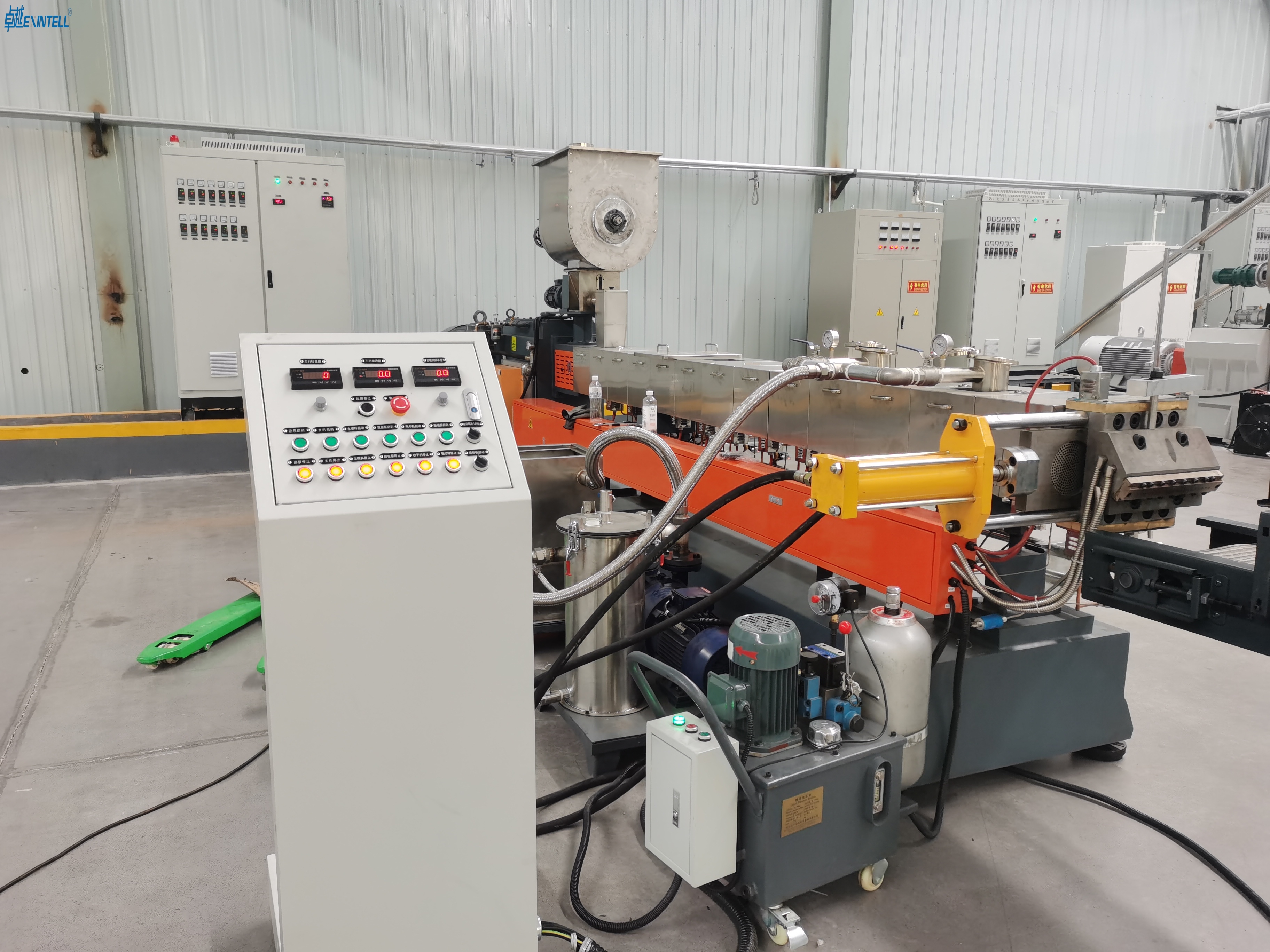
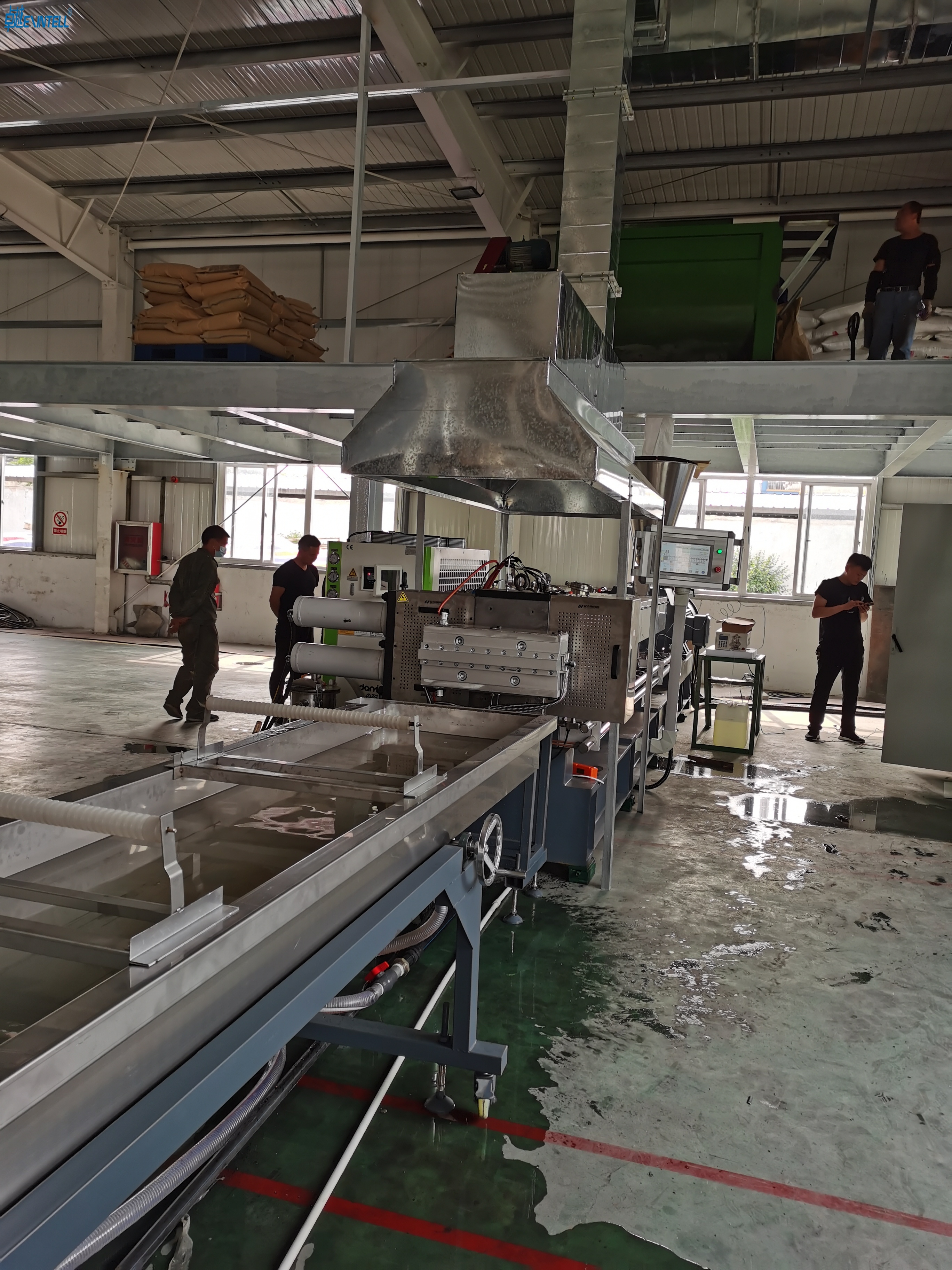
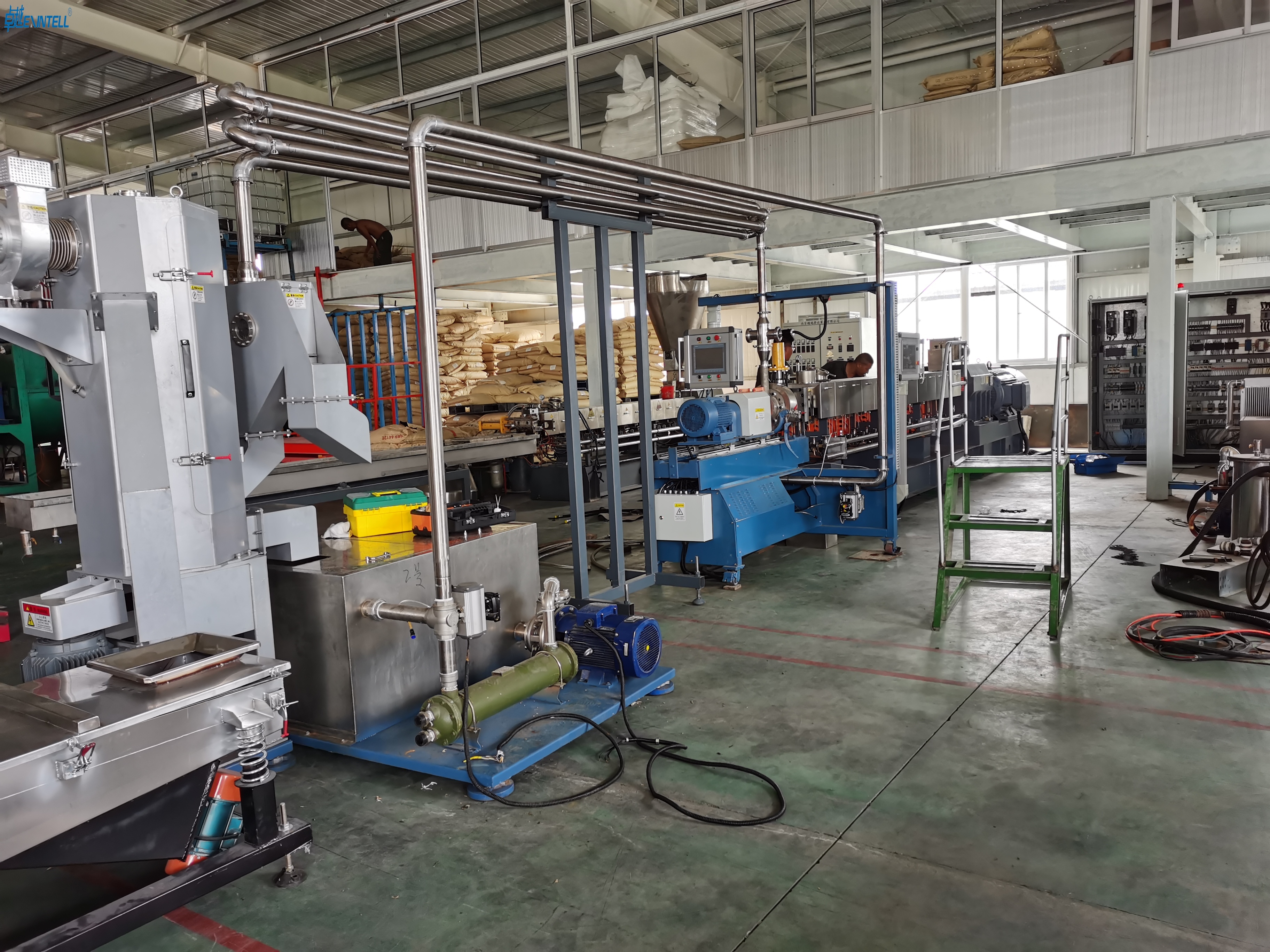
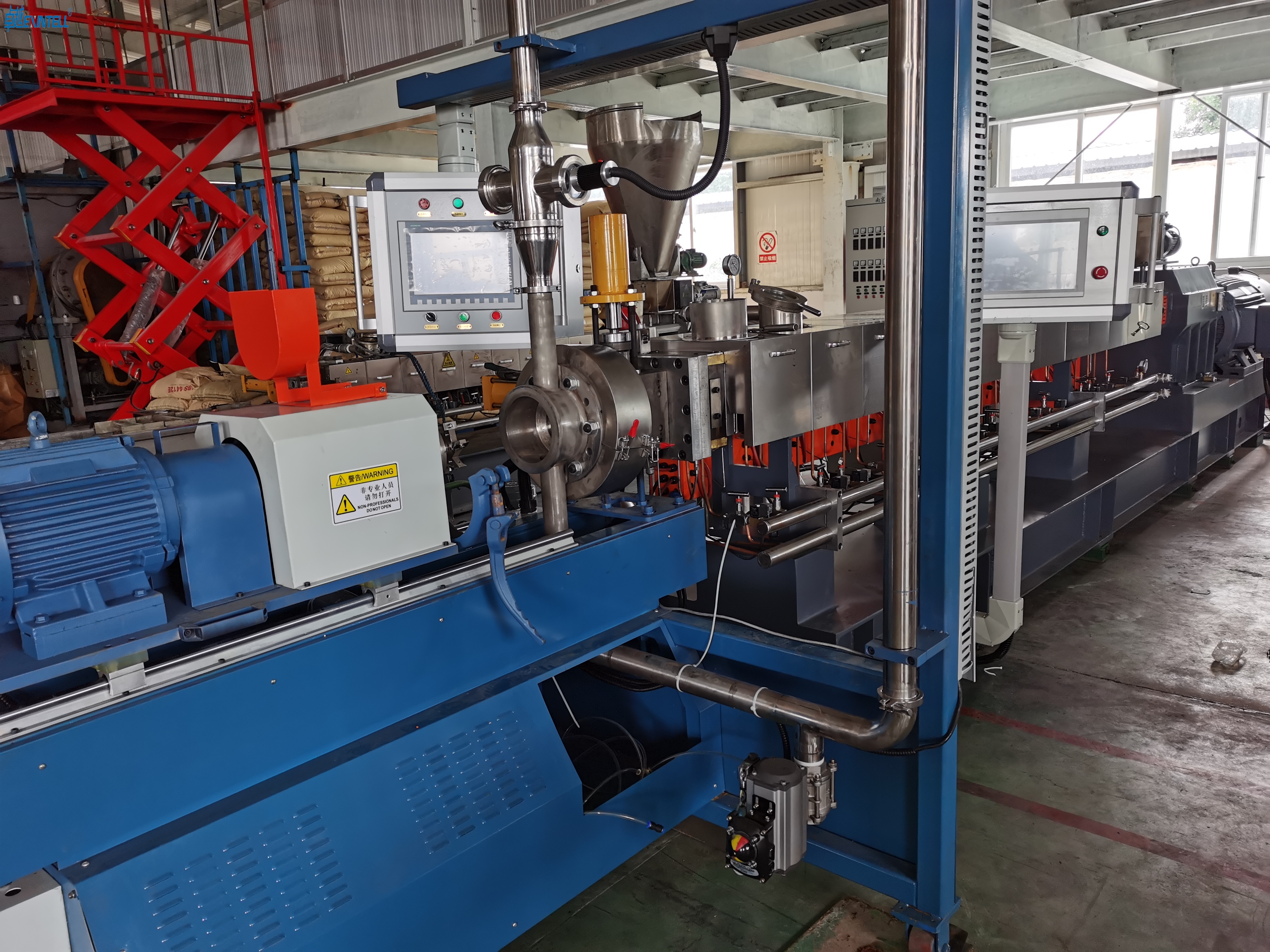
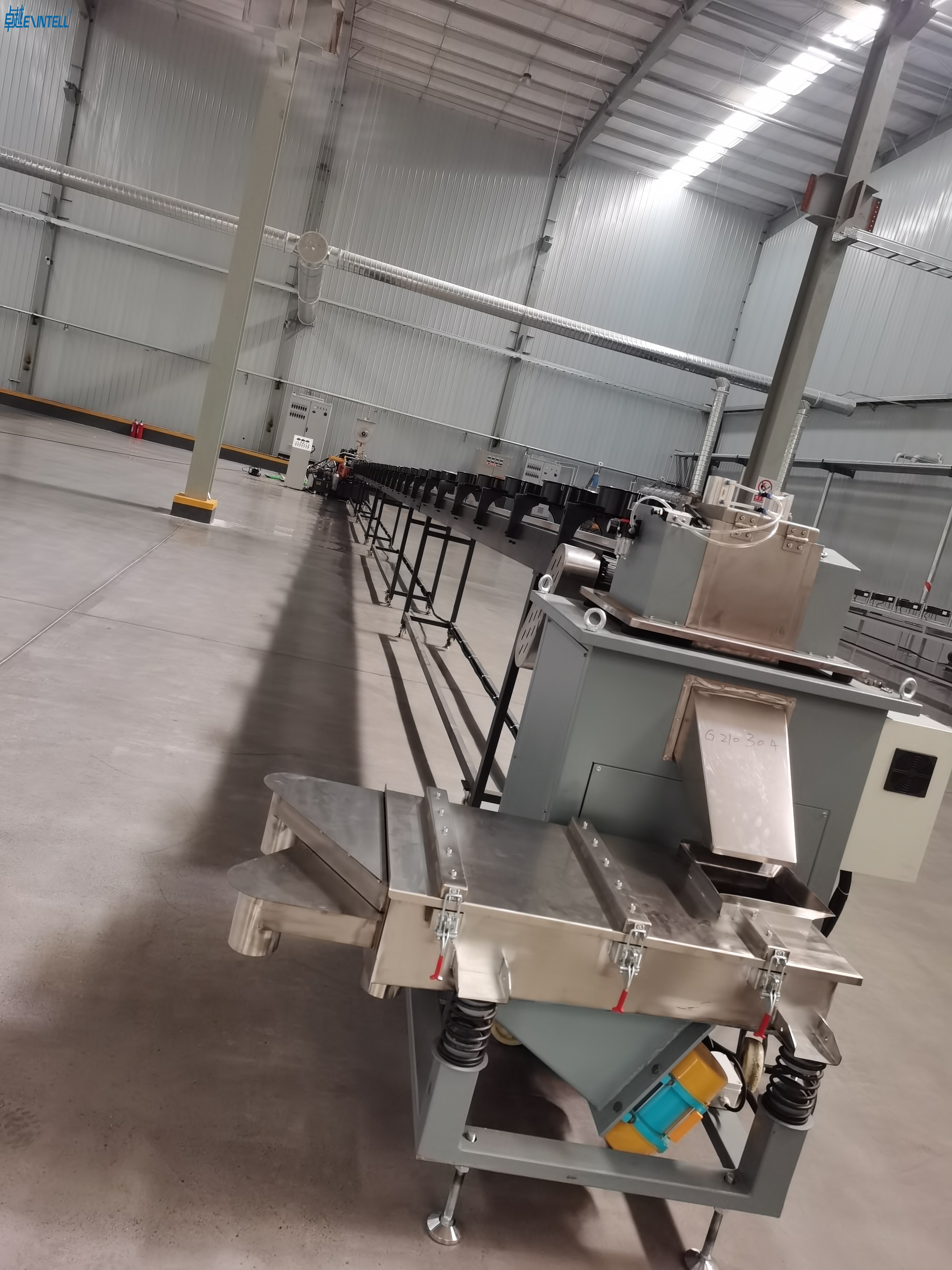
Jadi begitu ekstrusi plastik sebagai proses yang mengubah butiran plastik mentah menjadi bentuk yang berguna seperti pipa atau lembaran. Untuk membayangkannya, Saya berpikir untuk memeras pasta gigi dari tabungnya—kecuali pasta gigi, Saya menggunakan plastik leleh, dan bukannya tabung, Saya punya cetakan khusus. Metode ini menghasilkan lebih 140 juta metrik ton produk plastik secara global setiap tahunnya:
Wilayah
Volume Produksi (metrik ton)
Asia-Pasifik
71 juta
Amerika Utara
29 juta
Eropa
25 juta
Total
142 juta
Poin Penting
Transformasi ekstrusi plastik pelet plastik mentah menjadi bentuk yang berguna seperti pipa dan lembaran melalui proses yang berkesinambungan.
Kontrol suhu dan tekanan sangat penting untuk memastikan kualitas produk akhir selama ekstrusi.
Produk umum yang terbuat dari ekstrusi plastik termasuk kemasan, bahan konstruksi, dan tabung medis.
Mendaur ulang sisa plastik selama ekstrusi membantu mengurangi limbah dan mendukung praktik manufaktur berkelanjutan.
Memahami proses ekstrusi memungkinkan produsen membuat bentuk yang disesuaikan dan memenuhi kebutuhan industri tertentu.
Apa itu Ekstrusi Plastik?
Penjelasan Sederhana
Ketika saya berpikir tentang ekstrusi plastik, Saya melihatnya sebagai proses manufaktur yang sederhana namun kuat. Saya mulai dengan plastik mentah, biasanya dalam bentuk pelet kecil atau butiran. Saya memasukkan pelet ini ke dalam mesin yang memanaskannya hingga meleleh. Setelah plastik mencapai suhu yang tepat, Saya memaksanya melalui lubang berbentuk khusus yang disebut dadu. Cetakan ini menentukan bentuk akhir produk. Proses berlanjut saat plastik yang baru terbentuk mendingin dan mengeras, dan saya memotongnya sesuai panjang yang diinginkan.
Saya suka membandingkan ekstrusi plastik dengan membuat pasta. I push dough through a pasta maker to get spaghetti or penne. In the same way, I push melted plastic through a die to create pipes, lembaran, or other shapes.
Plastic extrusion stands out because it is continuous. I can keep feeding plastic pellets into the machine, and it keeps producing long, uniform shapes. Precise control of temperature and pressure at every stage—feeding, meleleh, ekstrusi, pendinginan, and cutting—ensures the quality of the final product.
It transforms raw plastic into usable shapes by melting and forcing it through a die.
Precise control of temperature and pressure is crucial during each stage.
Produk Umum
I see the results of plastic extrusion everywhere in daily life and industry. Banyak produk yang saya gunakan atau temui mengandalkan proses ini untuk bentuk dan fungsinya. Beberapa barang paling umum yang dibuat dengan ekstrusi plastik meliputi:
Saluran dan trim plastik yang digunakan dalam konstruksi dan furnitur
Profil untuk jendela dan pintu yang menyediakan struktur dan penyegelan
Penyebar lampu LED yang menyebarkan cahaya secara merata
Komponen tampilan ritel untuk memamerkan produk
Barikade jalan dan pembatas lalu lintas untuk keselamatan
Komponen pemasangan panel surya untuk sistem energi terbarukan
Sisipan kemasan khusus yang menjaga keamanan produk
Ekstrusi plastik memungkinkan saya membuat produk ini secara efisien dan konsisten. Saya mengandalkan proses ini untuk memenuhi tuntutan manufaktur modern, dari tabung sederhana hingga profil kompleks. Fleksibilitas ekstrusi berarti saya dapat menyesuaikannya dengan banyak aplikasi berbeda, menjadikannya landasan industri plastik.
Langkah-Langkah Proses Ekstrusi Plastik
Ketika saya membimbing seseorang melalui proses ekstrusi plastik, Saya selalu menguraikannya menjadi jelas, langkah-langkah yang dapat dikelola. Ini proses langkah demi langkah mengubah pelet plastik mentah menjadi produk jadi dengan presisi dan efisiensi. Inilah cara saya mendekati setiap tahap:
Memberi Makan Pelet
Saya memulai proses ekstrusi plastik dengan memilih jenis pelet plastik yang tepat. Pemilihan bahan penting karena setiap jenis membawa sifat unik pada produk akhir. Misalnya, Saya sering menggunakan polietilen karena ringan dan tahan terhadap bahan kimia, polistiren karena kekakuan dan kejernihannya, atau polipropilen karena kekuatan dan titik lelehnya yang tinggi. Saya menuangkan pelet ini ke dalam hopper, which feeds them into the extruder. The hopper ensures a steady flow, so the process remains continuous and efficient.
Tip: I always check the purity and quality of the raw plastic before starting. Consistent material quality helps me avoid defects later in the extrusion.
Lightweight, high impact resistance, excellent chemical resistance
Kemasan, kontainer, barang konsumsi
Polistiren
Rigid, transparent, easy to mold
Signs, display cases, household items
Polipropilena
High melting point, ketahanan terhadap bahan kimia, strength
Suku cadang otomotif, tekstil, kemasan
Melting Plastic
Once the pellets enter the extruder, I move to the next step—melting the plastic. The extruder barrel heats up to temperatures between 200°C and 275°C, depending on the material. I monitor the temperature closely because each plastic has its own melting point. For instance, polyethylene melts around 105°C to 115°C, while polystyrene requires 210°C to 240°C. The rotating screw inside the barrel compresses and mixes the pellets, ensuring they melt evenly and become a smooth, homogeneous mass.
Plastic Material
Temperature Range
Melting Point
Polietilen (PE)
-50°C to 80°C
105°C – 115°C
Polipropilena (hal)
0°C to 120°C
130°C – 171°C
Polistiren (PS)
-20°C to 70°C
210°C – 240°C
I know that precise temperature control is essential. If the plastic overheats, it can degrade and lose its properties. If it stays too cool, it won’t flow properly through the die. I rely on advanced monitoring systems to keep the process stable and efficient.
Shaping with a Die
After melting, I push the molten plastic through a die. The die acts as a mold, giving the plastic its final shape. I select the die geometry based on the profile I want—whether it’s a tube, sheet, or custom profile. The land length of the die affects the uniformity and quality of the extrusion. If I choose the wrong length, I risk defects like sagging or warping.
Die geometry determines the product’s cross-section.
Land length impacts uniformity and surface quality.
Cooling mechanisms in the die help maintain shape.
I also pay close attention totemperature and pressure distributioninside the die. These factors influence how the plastic flows and solidifies. For complex shapes, I test the die design thoroughly before full production.
Cooling and Cutting
Once the plastic leaves the die, I must cool it quickly to lock in the shape. I use different cooling methods depending on the product and production speed. Water-cooled systems circulate cool water around the extrusion, which is both cost-effective and efficient. For lower volumes, I sometimes use air-cooled systems. In industrial settings, I rely on chillers for precise temperature control.
Cooling Method
Keterangan
Effectiveness
Water-Cooled Systems
Circulate cool water through the extrusion die or barrel.
Cost-effective and efficient.
Air-Cooled Systems
Use air to dissipate heat, suitable for lower production volumes.
Less effective than water systems.
Chillers
Provide precise temperature control for smooth material flow.
Popular for industrial use.
I know thatcooling can take up to 70%of the total cycle time in some processes. Effective cooling management allows me to increase production speed and maintain high output. Setelah dingin, Saya memotong plastik yang diekstrusi sesuai panjang yang dibutuhkan atau melilitkannya ke gulungan untuk digunakan lebih lanjut.
Catatan: Saya selalu menerapkan pemeriksaan kendali mutu pada tahap ini. Saya memeriksa dimensi dan permukaan akhir untuk memastikan setiap produk memenuhi standar industri.
Berikut ringkasan langkah-langkah utama dalam proses ekstrusi plastik:
Melangkah
Keterangan
1
Pelet plastik mentah dimasukkan ke dalam hopper dan dimasukkan ke dalam ekstruder
2
Bahan bergerak melalui tong yang dipanaskan dan kemudian meleleh (200-275°C)
3
Sekrup yang berputar memampatkan dan menghomogenisasi plastik cair
4
Saringan dan pelat pemutus menghilangkan kontaminan dan menciptakan tekanan balik
5
Plastik cair dipaksa melewati cetakan untuk membuat profil yang diinginkan
6
Produk yang diekstrusi didinginkan untuk memantapkan bentuknya
7
Produk dipotong memanjang atau dililitkan pada gulungan.
Dengan mengikuti proses langkah demi langkah ini, Saya mengubah pelet plastik sederhana menjadi berkualitas tinggi, produk jadi. Keahlian saya dalam mengelola setiap tahap memastikan efisiensi, konsistensi, dan keandalan dalam setiap proyek ekstrusi.
Jenis Ekstrusi Plastik
Ketika saya bekerja di proses pembuatan plastik, Saya sering memilih dari beberapa jenis ekstrusi plastik. Setiap metode membentuk plastik dengan cara yang unik dan melayani industri yang berbeda. Saya ingin berbagi bagaimana saya menggunakan teknik ini untuk menciptakan produk yang Anda lihat setiap hari.
tabung
I useekstrusi tabung ketika saya perlu membuat lubang, produk berbentuk silinder. Proses ini mendorong plastik yang meleleh melalui cetakan bulat, membentuk tabung kontinu. Saya mengandalkan metode ini untuk berbagai aplikasi:
Tubing extrusion gives me control over the diameter and wall thickness. I can adjust the process to meet strict industry standards, especially for medical devices.
Blow Film
Blow film extrusionstands out as a process that creates thin, flexible plastic films. I extrude molten plastic through a circular die, then inflate it with air to form a bubble. This bubble stretches and cools, producing a uniform film. I use this method to make:
Grocery and shopping bags
Food packaging wraps
Liners for containers
Blow film extrusion lets me control film thickness and strength. The process also folds the film at the edges, which makes bag production more efficient.
Sheet Film
When I need flat, wide plastic sheets, I turn to sheet film extrusion. I push melted plastic through a flat die, then cool and roll it into sheets. These sheets serve many purposes:
Jenis Aplikasi
Keterangan
Kemasan
Trays, kontainer, and wraps
Lamination
Durable layers for products
Labeling
Labels for bottles and packages
Protective Coatings
Shields for surfaces
Automotive Interior Panels
Car dashboards and door panels
Advertising Displays
Signs and promotional materials
Building Materials
Construction panels and insulation
Sheet film extrusion allows me to produce materials with consistent thickness and surface quality.
Over Jacket
Over jacket extrusionhelps me coat wires and cables with a protective plastic layer. I pull the wire through the center of the die while applying molten plastic around it. This process is essential in industries like:
Aspek
Keterangan
Definition
Coating wires with plastic for protection
Common Industries
Electrical wiring, telecommunications
If I need the coating to stick tightly, I use pressure tooling. For a loose fit, I apply jacketing tooling as the wire exits the die. Over jacket extrusion ensures wires stay safe from moisture, chemicals, and abrasion.
Tip: I always select the right extrusion method based on the product’s function and the industry’s requirements. Understanding the types of plastic extrusion helps me deliver reliable, high-quality results.
Manfaat Ekstrusi Plastik
Efisiensi
I rely on plastic extrusion because it delivers unmatched efficiency in manufacturing. The process allows me to create products with consistent cross-sections, which means I can produce complex shapes without sacrificing quality. I operate machines continuously, so I minimize downtime and avoid inventory shortages. Metode ini menggunakan termoplastik dan butiran yang bisa saya gunakan kembali, yang menurunkan biaya bahan baku dan pembuangan.
Saya mencapai keserbagunaan dengan membentuk plastik menjadi pipa, lembaran, dan profil untuk banyak industri.
Saya menghemat uang dengan mendaur ulang bahan sisa dan mengurangi limbah.
Saya mempertahankan produksi yang stabil, yang mendukung manufaktur skala besar.
Ekstrusi plastik menonjol karena penghematan biaya. Saya perhatikan itu cetakan ekstrusi lebih murah dan membutuhkan waktu lebih sedikit untuk memproduksinya dibandingkan cetakan injeksi. Saya meningkatkan output dengan menjalankan mesin pada kecepatan tinggi, yang menurunkan biaya tenaga kerja. Efisiensi energi juga penting. Saya menggunakan lebih sedikit energi per unit dibandingkan dengan metode lain, yang menurunkan biaya operasional.
Aspek
Keterangan
Biaya Perkakas dan Pengaturan yang Lebih Rendah
Cetakan ekstrusi lebih murah dan lebih cepat diproduksi dibandingkan cetakan injeksi, mengurangi biaya awal.
Kecepatan Produksi Tinggi
Extrusion allows for continuous production at high speeds, decreasing labor costs and increasing output.
Efisiensi Energi
Requires less energy per unit compared to other methods, leading to lower operational expenses.
When I compare energy consumption, extrusion uses a steady amount of energy because it operates continuously. Injection molding and blow molding require more energy due to repeated heating and cooling cycles.
Process
Energy Consumption Description
Extrusion
Energy consumption is relatively low due to continuous production and efficient heating systems.
Cetakan Injeksi
Consumes more energy due to repeated heating and cooling, dependent on product intricacy.
Blow Molding
Requires additional blowing devices and cooling systems, leading to higher energy consumption.
I support sustainability byrecycling plastic waste. I collect leftover materials, melt them down, and reuse them in future products. This practice reduces landfill pressure and saves energy.
Everyday Uses
Plastic extrusion shapes many products I use daily. I see its impact in packaging, construction, healthcare, and household items. The process createsPVC pipes, window frames, weather-stripping, storage containers, and plastic shelving. I also rely on extrusion for refrigerator door gaskets, vacuum cleaner hoses, door seals, window channels, bumper components, cable conduits, IV lines, kateter, packaging materials, and display stands.
Window profiles
Door frames
Weather stripping
Trim
Seals
Gaskets
tabung
Household appliances
Sporting goods
Furniture components
Toys
Garden hoses
I recognize that applications for plastic extrusion extend to packaging, making these productsindispensable in daily life. Single-use plastics offer convenience, but they also increase waste and present environmental challenges. I address these concerns by recycling and promoting sustainable practices.
Conventional plastic production has undeniable effects on our environment. Terutama, the manufacturing process uses vast amounts of energy and raw materials, leading to CO2 emissions. Moreover, plastic materials’ durability and slow degradation can lead to long-term environmental harm if not disposed of responsibly.
I see that plastic extrusion supports sustainability by reducing the need for virgin plastic, conserving resources, and promoting a circular economy. Many extrusion linesuse recycled plastics, which helps reduce waste and supports environmental goals. Saya percaya bahwa memahami manfaat dan penerapan ekstrusi plastik membantu saya membuat pilihan yang tepat sebagai produsen dan konsumen.
Saya melihat ekstrusi plastik sebagai proses berkelanjutan yang mengubah plastik mentah menjadi bentuk yang berguna. Pemilihan bahan dan kontrol suhu memainkan peran penting dalam mencapai hasil yang berkualitas. Aditif meningkatkan sifat plastik, dan cetakan yang dirancang dengan baik membantu saya menciptakan bentuk yang diinginkan. Memahami keterbatasan ekstrusi, seperti tantangan dengan bentuk yang kompleks dan kesesuaian material, sangat penting.
Aspek
Pentingnya
Kualitas Produk
Pengetahuan tentang ekstrusi meningkatkan kualitas produk plastik.
Kustomisasi
Saya dapat menyesuaikan prosesnya untuk memenuhi kebutuhan spesifik.
Keberlanjutan
Penggunaan plastik daur ulang mendukung upaya lingkungan.
Standar Peraturan
Memahami ekstrusi membantu saya memenuhi peraturan keselamatan.
I encourage readers to look around and notice how many everyday items rely on plastic extrusion. Recognizing these products helps me appreciate the role of plastic in modern life and supports informed choices for sustainability.
Pertanyaan Umum
What makes plastic extrusion different from other manufacturing methods?
Jadi begitu ekstrusi plastikas a continuous process. I can produce long, uniform shapes with less waste. Other methods, like injection molding, create individual parts. Extrusion works best for pipes, lembaran, and profiles. I choose it for efficiency and consistent quality.
Can I recycle plastic in the extrusion process?
I oftenrecycle plasticduring extrusion. I collect leftover material, melt it, and feed it back into the machine. This practice reduces waste and supports sustainability. I always check the quality of recycled plastic to ensure strong, reliable products.
What types of plastic work best for extrusion?
I use many types of plastic for extrusion. Polietilen, polipropilena, and polystyrene perform well. I select the material based on the product’s needs. Some plastics offer flexibility, while others provide strength or clarity. I always match the plastic to the application.
How do I control the quality of extruded products?
I monitor temperature, tekanan, and material purity throughout the plastic extrusion process. I inspect the surface finish and dimensions after cooling. I use quality checks at each stage. This approach helps me deliver reliable, high-quality extrusion products.
Is plastic extrusion suitable for custom shapes?
I use plastic extrusion to create custom profiles by designing specific dies. I can adjust the process for unique shapes and sizes. Fleksibilitas ini memungkinkan saya memenuhi persyaratan khusus dalam konstruksi, otomotif, dan industri pengemasan.