

Plastic Compounding and Pelletizing Compared for Modern Manufacturing
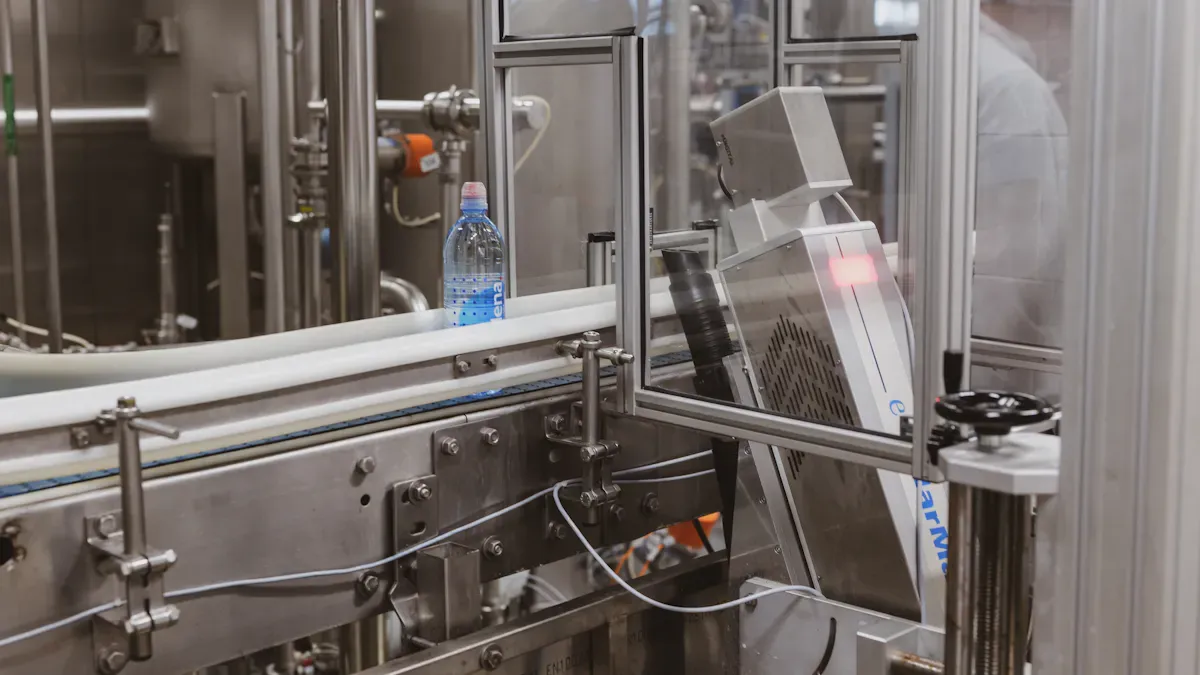
Plastic Compounding customizes base resins with additives, creating materials tailored for specific applications. Pelletizing transforms these compounded materials into uniform pellets, ready for efficient downstream use. Manufacturers and engineers who understand the distinction between each process can boost efficiency and ensure product quality.
Recent market data shows that the global market value for these technologies will reach $82 miliar oleh 2025 Dan $182 miliar oleh 2035, driven by growth in automotive and packaging sectors.
| Proses | Efficiency Impact | Product Quality Impact |
|---|---|---|
| Penggabungan | Tailors materials, enhances performance, reduces cost | Enables better quality control |
| Pelet | Provides consistent material form for processing | Ensures uniformity in final product quality |
Poin Penting
- Peracikan plastik menyesuaikan resin dasar dengan aditif untuk menciptakan bahan untuk penggunaan tertentu.
- Pelet mengubah bahan campuran menjadi pelet seragam agar mudah diproses dan ditangani.
- Memahami perbedaan antara peracikan dan pembuatan pelet membantu produsen meningkatkan efisiensi dan kualitas produk.
- Peracikan melibatkan pencampuran, meleleh, dan mengekstrusi bahan untuk mencapai sifat yang diinginkan.
- Pelet berfokus pada pembuatan ukuran pelet yang konsisten, yang sangat penting untuk manufaktur yang andal.
- Kontrol kualitas sangat penting dalam kedua proses untuk memastikan bahwa produk akhir memenuhi standar industri.
- Baik peracikan maupun pembuatan pelet memainkan peran penting dalam sektor seperti otomotif, elektronik, dan kesehatan.
- Pemilihan proses yang tepat bergantung pada karakteristik material, kebutuhan produksi, dan pertimbangan biaya.
Definisi dan Perbedaan
Definisi Peracikan Plastik
Peracikan plastik mengacu pada proses mencampur polimer dengan aditif, pengisi, dan penguat untuk memodifikasi dan meningkatkan sifat fisik dan kimia material. Standar industri mendefinisikan proses ini sebagai metode untuk menyesuaikan polimer sehingga mencakup semua fitur yang diinginkan dalam satu bahan. Produsen menggunakan peracikan plastik untuk meningkatkan kualitas produk, mengurangi biaya, dan meningkatkan produktivitas. Prosesnya biasanya melibatkan peleburan, pencampuran, dan ekstrusi untuk mencapai dispersi komponen yang seragam.
Berbagai macam bahan dan aditif berperan dalam peracikan plastik:
- kumpulan master: Campuran pigmen yang terkonsentrasi dan aditif dalam resin pembawa, memastikan penyebaran yang merata.
- Antioksidan: Mencegah degradasi polimer akibat panas dan oksigen, menjaga kekuatan dan fleksibilitas.
- Penstabil UV: Lindungi polimer yang digunakan di luar ruangan dengan menyerap atau menghilangkan radiasi ultraviolet yang berbahaya.
- Penghambat Api: Menghambat atau menunda produksi api, sangat penting dalam bidang elektronik dan konstruksi.
- Pewarna: Izinkan pemilihan warna pada plastik majemuk.
- Pengubah Kekuatan dan Fleksibilitas: Mencapai sifat mekanik tertentu.
- Aditif Antimikroba: Menghambat pertumbuhan kuman, penting untuk produk medis.
- Pengisi: Seperti bedak, serat kaca, dan kalsium karbonat, meningkatkan kekuatan, mengurangi biaya, dan meningkatkan ketahanan terhadap panas.
- Peningkat Kinerja: Menyesuaikan properti seperti stabilitas termal, ketahanan api, dan ketahanan terhadap sinar UV.
Proses ini memungkinkan produsen untuk menciptakan material dengan karakteristik yang tepat untuk aplikasi yang menuntut.
Ditetapkan Pelet Plastik
Pembuatan pelet plastik adalah sebuah proses yang mengubah plastik mentah atau daur ulang menjadi kecil, pelet seragam. Transformasi ini penting untuk efisiensi produksi dan daur ulang. Pelet plastik converts cleaned and often shredded or molten plastic into uniform pellets, which are then reintroduced into manufacturing processes. Pelletization addresses challenges such as uneven feeding and material handling, making it vital in sectors like automotive and packaging where product quality is critical.
| Type of Evidence | Detail |
|---|---|
| Raw Materials | Various types of plastics, termasuk polietilen (PE) dan polipropilena (hal) |
| Outputs | Plastic pellets produced through melting, pendinginan, and cutting processes |
Pelletization enhances the efficiency of plastic production and allows for the creation of specialized plastics while maintaining ease of handling.
Key Differences Overview
Tabel Perbandingan
| Aspek | Plastic Compounding | Plastic Pelletizing |
|---|---|---|
| Main Purpose | Modifies composition and properties of the polymer | Converts material into uniform pellet form |
| Key Steps | Percampuran, meleleh, pencampuran, ekstrusi | Meleleh, pendinginan, pemotongan |
| Typical Additives | Pengisi, pewarna, stabilisator, performance enhancers | Not typically added during pelletizing |
| Keluaran | Bahan plastik yang disesuaikan (bisa dalam berbagai bentuk) | Pelet seragam |
| Aplikasi | Penggunaan langsung dalam produk atau pemrosesan lebih lanjut | Digunakan untuk mencetak, ekstrusi, atau transportasi |
Poin Ringkasan
- Peracikan plastik berfokus pada mengubah komposisi dari plastik dengan mencampurkan berbagai bahan, yang mempengaruhi sifat fisiknya.
- Pelet plastik mengubah plastik gabungan menjadi pelet seragam, terutama berkaitan dengan bentuk fisik untuk kemudahan penggunaan dalam pembuatannya.
- Plastik gabungan dapat langsung dibentuk menjadi produk, sedangkan plastik pelet biasanya digunakan untuk pemrosesan lebih lanjut.
- Kedua proses tersebut memainkan peran penting dalam manufaktur modern, namun mereka memenuhi kebutuhan yang berbeda-beda dalam rantai produksi.
Tip: Memahami perbedaan antara proses-proses ini membantu produsen memilih pendekatan yang tepat untuk aplikasi spesifik mereka, ensuring optimal performance and efficiency.
Plastic Compounding Process
Process Steps
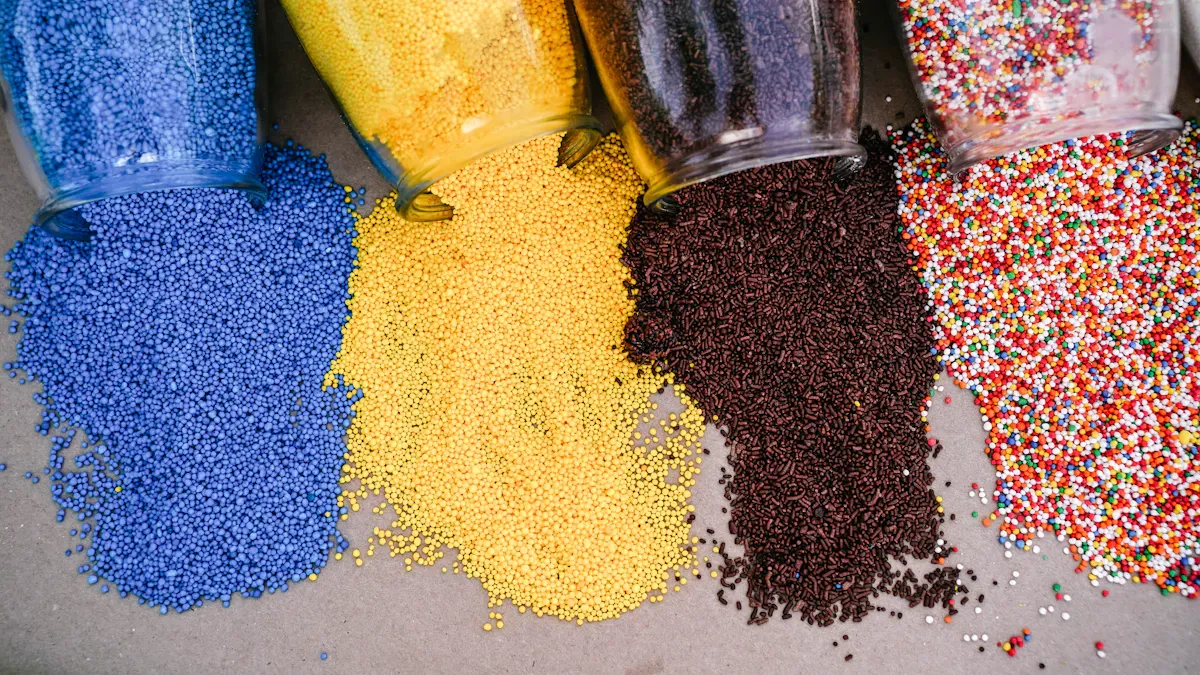
Plastic compounding transforms raw materials into high-performance plastics through a series of precise steps. Manufacturers begin by storing raw materials such as resin, aditif, and fillers in bags, big bags, or silos. Pneumatic or mechanical systems then convey these materials to the processing area. Operators feed the materials into the press barrel, either continuously or in batches. The compounding process continues with melting and mixing, where the polymer and additives blend to achieve uniformity. The final stage involves shaping, pendinginan, and cutting the product, followed by rigorous quality control.
| Melangkah | Keterangan |
|---|---|
| 1 | Raw material storage in bags, big bags, and silos |
| 2 | Pneumatic or mechanical material conveying system |
| 3 | Material feed to the press barrel (continuous/discontinuous filling) |
| 4 | Fase peleburan dan pencampuran |
| 5 | Produk akhir dan kontrol |
Catatan: Insight Polymers memanfaatkan perputaran cepat dan peracikan khusus untuk menghasilkan solusi peracikan plastik khusus, mengoptimalkan setiap langkah untuk efisiensi dan kualitas.
Peralatan yang Digunakan
Fasilitas peracikan plastik mengandalkan peralatan canggih untuk memastikan hasil yang konsisten. Extruder mengatur kecepatan pemrosesan dan memainkan peran sentral dalam peleburan dan pencampuran. Mixer kontinyu bekerja bersama ekstruder untuk menangani material seperti akrilik, kaus kaki panjang nilon, dan PVC. Sistem pencampuran menyiapkan pra-campuran aditif, sementara sistem takaran menjamin rasio bahan yang tepat. Teknologi penanganan material, seperti pengumpan putar dan katup pengalih, mendukung kelancaran distribusi dan takaran bahan curah. Garis peracikan terintegrasi menggabungkan sistem ini, memungkinkan tingkat dan konfigurasi produksi yang fleksibel. Insight Polymers menggunakan aset percontohan ekstrusi sekrup kembar internal untuk melakukan uji coba batch pengembangan kecil, memungkinkan penyaringan parameter produk dan pemrosesan yang efisien.
Jenis Peracikan
Peracikan plastik mencakup beberapa pendekatan, masing-masing disesuaikan dengan kebutuhan aplikasi spesifik. Produsen dapat menambahkan pewarna untuk menyempurnakan penampilan atau zat penstabil untuk meningkatkan ketahanan terhadap panas dan sinar UV. Penghambat api meningkatkan keamanan, khususnya di bidang konstruksi dan elektronik. Pengubah dampak meningkatkan ketangguhan, sementara pengisi dan penguat menyesuaikan biaya, kekakuan, atau kekuatan. Senyawa yang diformulasikan khusus juga dapat mencakup zat antimikroba untuk produk medis atau penambah sinar UV untuk penggunaan di luar ruangan. Insight Polymers berspesialisasi dalam solusi peracikan polimer yang memenuhi tujuan kinerja unik, menawarkan konsentrat masterbatch dan peracikan plastik khusus untuk pencetakan injeksi, serat, film, dan manufaktur aditif.
- Pemilihan warna untuk estetika
- Formulasi kemasan yang aman untuk pangan
- Tahan api untuk konstruksi
- Penyesuaian kekuatan dan fleksibilitas untuk kebutuhan spesifik produk
- Sifat antimikroba untuk kesehatan
- Toleransi UV yang ditingkatkan untuk daya tahan luar ruangan
Pendekatan komprehensif ini memastikan bahwa setiap solusi peracikan polimer memenuhi tuntutan manufaktur modern.
Keadaan Material
Peracikan plastik melibatkan beberapa keadaan material saat bahan mentah diubah menjadi senyawa berkinerja tinggi. Prosesnya dimulai dengan resin padat, aditif, dan pengisi. Operator memasukkan bahan-bahan ini ke dalam sistem peracikan, dimana mereka tetap dalam bentuk butiran atau bubuk. Seiring kemajuan proses, ekstruder memanaskan dan melelehkan campuran, mengubahnya menjadi kental, keadaan cair. Campuran cair ini memungkinkan pencampuran dan dispersi seluruh komponen secara menyeluruh.
Setelah homogenisasi selesai, bahan keluar dari ekstruder. Pada tahap ini, ini dapat mengambil beberapa bentuk tergantung pada aplikasinya. Beberapa produsen mendinginkan dan memotong ekstrudat menjadi pelet, sementara yang lain mungkin menghasilkan untaian, lembaran, atau bentuk cetakan langsung. Keadaan terakhir—apakah pelet, untai, atau sheet—bergantung pada persyaratan pemrosesan hilir. Misalnya, Insight Polymers sering kali memberikan peracikan plastik khusus dalam bentuk pelet untuk kemudahan penanganan dan pengumpanan yang konsisten dalam cetakan injeksi atau jalur ekstrusi.
Kemampuan untuk mengontrol keadaan material selama proses memastikan bahwa produk akhir memenuhi kriteria kinerja yang ketat. Fleksibilitas ini mendukung berbagai aplikasi, dari suku cadang otomotif hingga peralatan medis, and enables rapid adaptation to customer needs.
Kontrol Kualitas
Quality control stands at the core of every successful plastic compounding operation. Manufacturers rely on advanced automatic control systems to maintain consistent pellet characteristics during extrusion. These systems monitor and adjust processing parameters in real time, ensuring that the molten mixture remains homogenized. Sebagai akibat, pigments and additives disperse evenly, producing a uniform masterbatch compound.
Operators use several practical methods to verify product consistency. Itu water displacement method provides a reliable way to measure density on the shop floor. This technique involves measuring the initial water level, weighing the sample, and calculating density based on the displaced volume. It improves formulation accuracy, prevents material wastage, dan memastikan berat produk yang konsisten. Manfaat ini mendukung pengendalian biaya yang lebih baik dan mengurangi masalah kualitas produksi.
Program kendali mutu yang komprehensif mencakup serangkaian pengujian:
- Tes pencocokan warna menggunakan spektrofotometer untuk mengevaluasi perbedaan warna dan memastikan konsistensi visual.
- Uji stabilitas termal memvalidasi ketahanan pigmen pada suhu pencetakan.
- Tes dispersi mengkonfirmasi distribusi aditif melalui pengamatan mikroskopis.
- Tes kinerja mekanis meninjau kekuatan tarik dan ketahanan benturan.
Insight Polymers mengintegrasikan langkah-langkah pengendalian kualitas ini ke dalam setiap batch, memastikan bahwa solusi peracikan polimer mereka memberikan kinerja yang andal. Komitmen terhadap kualitas ini mendukung industri yang menuntut presisi, seperti otomotif, elektronik, dan kesehatan.
Tip: Consistent quality control not only enhances product reliability but also strengthens customer trust in custom plastic compounding services.
Plastic Pelletizing Process
Process Steps
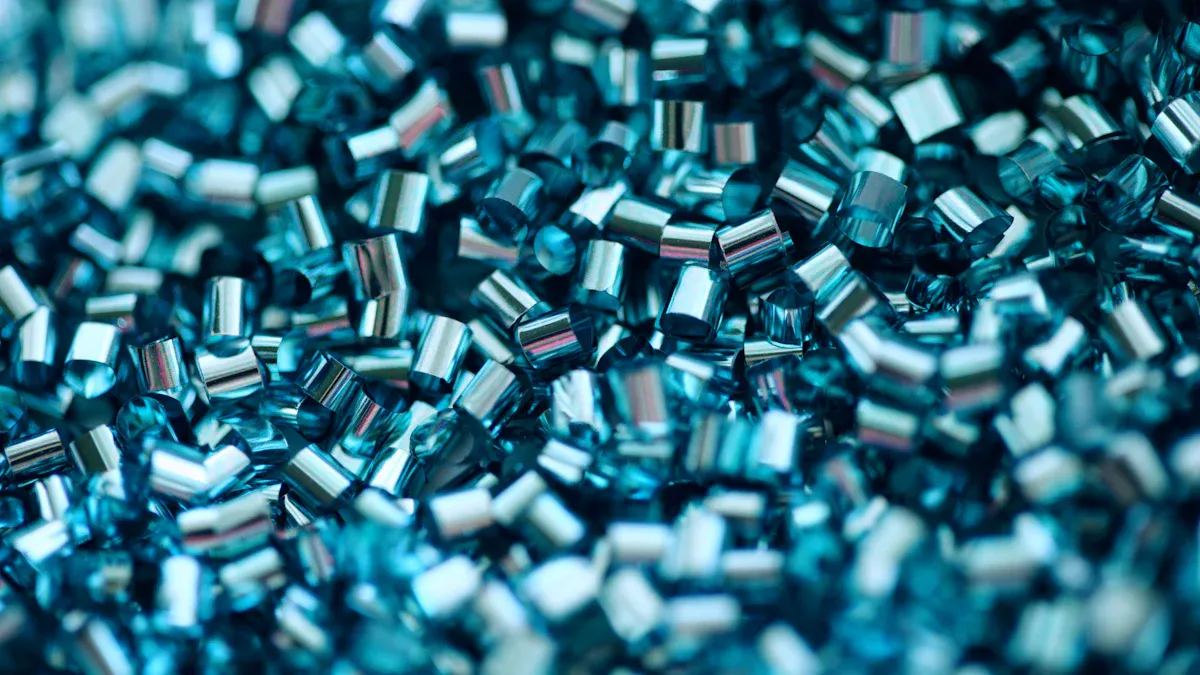
Plastic pelletizing transforms raw or recycled resin into uniform pellets through a series of well-defined steps. Operators begin by sorting plastic waste according to polymer type, warna, and contamination level. They then shred the sorted plastics into smaller flakes, which improves washing efficiency. Setelah dicuci, the clean flakes move to the melting stage, where they are heated and extruded. The molten plastic passes through a filter to remove any remaining impurities. As the filtered melt exits through a die plate, it forms continuous strands. These strands undergo rapid cooling in a water bath or air cooling system, stabilizing their structure. Akhirnya, the cooled strands are cut into pellets, which are ready for downstream manufacturing.
Efficient pelletizing ensures consistent pellet size and quality, which is critical for reliable processing in molding and extrusion applications.
Peralatan yang Digunakan
Pelletizing operations rely on specialized machinery to achieve high throughput and consistent results. Strand pelletizers handle the extrusion of molten plastic into strands and cut them into pellets. Underwater pelletizers cut the molten plastic directly under water, which instantly cools and solidifies the pellets. Cold pelletizers produce pellets from hot extrudate without using water cooling. Each machine type supports different process requirements and material characteristics. Operators select equipment based on the type of resin, the presence of additives, and the desired pellet properties.
- Pelet untai: Potong untaian yang diekstrusi menjadi pelet yang seragam.
- Pelet bawah air: Potong dan dinginkan pelet secara bersamaan di dalam wadah air.
- Pelet dingin: Menghasilkan pelet tanpa air, cocok untuk bahan yang sensitif terhadap panas.
Jenis Teknologi Pelet
Produsen menggunakan beberapa teknologi pelet, masing-masing menawarkan keunggulan unik dalam efisiensi dan kualitas keluaran. Pembuatan pelet untaian paling baik dilakukan untuk membersihkan, bahan yang stabil dan memberikan kualitas keluaran yang tinggi. Pelet cincin air memotong plastik cair di permukaan cetakan dan mendinginkannya dalam cincin air yang bersirkulasi, yang meningkatkan efisiensi. Pelet bawah air memotong pelet di dalam ruang air, memastikan pendinginan yang seragam dan kualitas keluaran yang sangat tinggi.
| Teknologi Pelet | Keterangan | Efisiensi | Kualitas Keluaran |
|---|---|---|---|
| Pelet Untai | Potong pelet menjadi helaian dan cocok untuk bahan bersih. | Sedang | Tinggi |
| Pelet Wajah Mati | Termasuk sistem bawah air dan sistem cincin air, memberikan pendinginan yang cepat. | Tinggi | Sangat Tinggi |
Operator memilih teknologi yang tepat berdasarkan jenis resin, the presence of additives, dan karakteristik pelet yang dibutuhkan. Pemilihan yang tepat memastikan pelet memenuhi standar kualitas yang ketat untuk pemrosesan hilir.
Keadaan Material
Pelet mengubah plastik melalui beberapa kondisi material yang berbeda. Prosesnya dimulai dengan bahan baku plastik padat, yang dapat mencakup resin perawan, serpihan daur ulang, atau menyesal. Operator memuat bahan-bahan ini ke dalam gerbong atau pengumpan. Materi kemudian masuk ke ekstruder, dimana panas dan gaya mekanik mengubah partikel padat menjadi cair. Plastik cair ini mengalir melalui tong ekstruder, memastikan pencampuran dan homogenisasi menyeluruh.
Saat massa cair keluar dari ekstruder, itu melewati pelat mati. Pada tahap ini, bahan membentuk untaian atau tetesan yang terus menerus, tergantung pada teknologi pembuatan pelet. Dalam pembuatan pelet untai, plastik cair muncul lama-lama, untaian seperti spageti. Untaian ini bergerak melalui sistem pendingin, sering mandi air, yang mengeraskan material dengan cepat. Setelah dingin, untaian yang dipadatkan memasuki ruang pemotongan, di mana pisau berputar memotongnya menjadi pelet yang seragam.
Metode pelet lainnya, seperti sistem bawah air atau sistem cincin air, potong plastik cair segera setelah keluar dari cetakan. Peletnya mendingin dan mengeras hampir seketika di lingkungan air. Produk akhir terdiri dari kecil, pelet padat dengan ukuran dan bentuk yang konsisten. Pelet ini mudah ditangani, mengangkut, dan dimasukkan ke dalam proses manufaktur hilir.
Tip: Mengontrol setiap keadaan material selama pembuatan pelet memastikan bahwa pelet akhir memenuhi standar kualitas dan kinerja yang ketat.
Kontrol Kualitas
Kontrol kualitas dalam pembuatan pelet memainkan peran penting dalam menjaga keseragaman dan kemurnian pelet. Operator menerapkan beberapa protokol di seluruh proses untuk memastikan keluaran berkualitas tinggi:
- Pra-penyortiran dan pencucian menghilangkan kontaminan dan bahan non-target. Sistem penyortiran otomatis dan jalur pencucian membantu menghasilkan bahan baku yang bersih.
- Pengeringan dan dekontaminasi menghilangkan kelembapan dan kotoran. Pengeringan suhu tinggi dan pemurnian vakum mempersiapkan bahan untuk ekstrusi.
- Ekstrusi dan peletisasi melelehkan serpihan atau resin yang dimurnikan menjadi pelet yang seragam. Pengekstrusi sekrup kembar memberikan pencampuran dan konsistensi yang sangat baik.
- Degassing vakum menghilangkan gas dan senyawa volatil dalam kondisi vakum tinggi. Langkah ini mencegah cacat dan meningkatkan kualitas pelet.
- Kristalisasi dan polimerisasi keadaan padat (SSP) enhance the intrinsic viscosity of certain polymers, such as PET. These steps ensure that the pellets meet application-specific requirements.
Operators monitor pellet size, membentuk, and color throughout the process. They use sieves, visual inspection, and automated sensors to detect any deviations. Consistent quality control reduces waste, improves process efficiency, and guarantees that the pellets perform reliably in molding, ekstrusi, or other applications.
Catatan: Reliable quality control in pelletizing supports manufacturers in producing high-performance products for demanding industries.
Aplikasi
Compounding Applications
Plastic compounding enables manufacturers to create materials with properties tailored for demanding sectors. The following table highlights common industry uses:
| Sector | Aplikasi |
|---|---|
| Otomotif | Lightweight materials, heat-resistant plastics, impact-resistant polymers |
| Elektronik | Flame-retardant compounds, thermally conductive plastics, anti-static materials |
| Produk Konsumen | Durable plastics, food-safe materials, UV-resistant compounds |
| Aplikasi Industri | Chemical-resistant polymers, reinforced plastics, abrasion-resistant materials |
Otomotif
Automotive manufacturers rely on advanced compounds for lightweighting and structural integrity. High-performance plastic compounds replace metal in interior panels, bumper, and under-the-hood components. These materials offer comparable strength and thermal performance, which improves fuel efficiency and safety. Insight Polymers delivers custom compounding for injection molding, enabling rapid prototyping and production of automotive parts that meet strict industry standards.
Elektronik
Electronics producers use specialty compounds for housings, konektor, and insulators. Flame-retardant and thermally conductive plastics protect sensitive components from heat and electrical hazards. Anti-static materials prevent damage from static discharge. Insight Polymers supports electronics manufacturers with masterbatch concentrates that enhance safety and performance in consumer devices and renewable energy systems.
Medis
Medical device manufacturers require compounds with precise mechanical and chemical properties. Custom formulations provide antimicrobial protection and biocompatibility for diagnostic equipment and surgical tools. Insight Polymers develops specialty compounds for fibers and films used in medical packaging and devices, ensuring compliance with healthcare regulations.
Pelletizing Applications
Pelletizing transforms raw or recycled plastics into uniform pellets, supporting a wide range of manufacturing processes.
cetakan & Ekstrusi
Pellets serve as the standard feedstock for molding and extrusion. Their consistent size and shape ensure reliable machine operation and product quality. Manufacturers use pellets to produce daily-use products such as trash bins, hangers, and flower pots, as well as industrial items like pallets and automotive interior base materials.
Daur ulang
Pelletizing plays a vital role in recycling. Operators sort, shred, and melt plastic waste, then re-extrude and pelletize it into high-quality, reusable pellets. This process closes the loop in the plastic lifecycle, allowing manufacturers to reintroduce recycled material into new products. Applications include construction materials like plastic lumber and municipal covers.
By turning plastic waste into a consistent raw material, pelletizing helps close the loop in the plastic lifecycle.
Bulk Handling
Large-scale manufacturers benefit from pelletizing in bulk handling and logistics. Prosesnya meliputi pengambilan material, penyortiran, merobek-robek, ekstrusi, pembuatan pelet, dan pengemasan. Pelet yang seragam menyederhanakan penyimpanan, mengangkut, dan pengiriman kembali, mendukung rantai pasokan yang efisien. Produsen dapat mengirimkan kembali peletnya untuk digunakan kembali atau mengirimkannya ke pihak ketiga untuk aplikasi produk baru.
Keahlian Insight Polymers dalam pembuatan senyawa dan pelet khusus mendukung beragam aplikasi, mulai dari pencetakan injeksi dan manufaktur aditif hingga inisiatif daur ulang yang berkelanjutan.
Seleksi Proses
Faktor yang Perlu Dipertimbangkan
Produsen harus mengevaluasi beberapa faktor ketika memilih proses yang tepat untuk kebutuhan produksi mereka. Pertimbangan ini membantu memastikan bahwa metode yang dipilih selaras dengan tujuan operasional dan persyaratan produk:
- Karakteristik bahan memainkan peran sentral. Understanding the physical and chemical properties of input materials determines compatibility with custom plastic compounding or pelletizing.
- Throughput requirements must match the capacity of the pelletizer and the upstream extrusion system. This alignment prevents bottlenecks and maximizes efficiency.
- Pellet quality requirements depend on end-user specifications. Precision in pellet size and shape supports consistent downstream processing.
- Operational environment and available utilities influence system selection. Facilities must support the demands of the chosen process.
- Maintenance and ease of use affect long-term productivity. Machines that require less maintenance and offer higher availability reduce downtime.
- Cost considerations and return on investment guide decision-making. Evaluating total ownership costs, including operating expenses and potential product loss, ensures financial sustainability.
- Companies often require components with exceptional durability. Design flexibility remains essential for meeting unique application needs. Cost efficiency continues to influence the choice of manufacturing methods.
Memahami unique mechanical properties, ketahanan terhadap bahan kimia, and processing characteristics of different plastics is vital. These factors directly impact durability, efisiensi biaya, and compliance with industry standards.
Studi Kasus
| Area Aplikasi | Evidence of Success | Outcome Description |
|---|---|---|
| Resin Manufacturing and Polymerization | Increased output by 40% with underwater pelletizing system. | Effective for continuous production of consistent pellets. |
| Compounding and Masterbatch Production | Improved color pellet performance in customer processes using underwater systems. | Ideal for color concentrates and filled compounds. |
| Recycling and Reclaim Operations | Customized system for PET bottle recycling to handle changing materials. | Strand systems for consistent scrap; underwater for mixed materials. |
Manufacturers in the medical sector have achieved low extractables profiles in blood set tubing by selecting TPE or DEHP-free PVC. Autoclavable device components benefit from TPE compounds, which resist embrittlement during repeated sterilization. Full batch genealogy ensures traceability of all components, supporting quality assurance in medical device manufacturing.
Tantangan & Solusi
Manufacturers often encounter challenges during implementation. Addressing these issues quickly ensures consistent quality and operational efficiency:
- Irregular pellet size and shape can occur. Operators adjust die temperature, inspect cutting blades, and set the correct blade gap to resolve this.
- Reduced throughput or machine jamming may disrupt production. Purging die holes, ensuring consistent material flow, and monitoring feed section components help maintain steady operation.
- Overheating of the machine or motor poses risks. Checking cooling systems, inspecting for excessive friction, and ensuring proper cutter speed prevent damage.
- Poor pellet quality affects downstream performance. Verifying temperature profiles, implementing strict material handling, and pre-drying hygroscopic materials improve results.
By applying these solutions, companies can optimize their polymer compounding solutions and maintain high standards in custom plastic compounding and extrusion processes.
Pelletizing Technology Trends
Advances in Compounding
Recent advances in compounding have transformed how manufacturers approach material design and production. Companies now use recycled resins and bio-based polymers to mengurangi limbah and support sustainability. They rejuvenate old plastic streams, restoring their properties and extending their lifecycle. Advanced compounding techniques allow plastics to replace metals and ceramics in many applications, improving efficiency and reducing costs.
Manufacturers benefit from several key developments:
- Flexibility in creating components without traditional dies or tooling.
- Cost-effective solutions for prototyping and short-run production.
- Enhanced mechanical strength and durability in finished parts.
- Integration of nanotechnology to improve material properties.
- Adoption of Industry 4.0 technologies for better process control and customization.
These innovations enable the use of a wide range of additives, including those that improve conductivity, flame retardance, and structural strength. The focus on sustainable and recyclable materials continues to drive the evolution of compounding processes.
Innovations in Pelletizing
Pelletizing technology has seen significant improvements, especially in quality control and operational efficiency. Leading manufacturers have adopted advanced filtration systems that use multiple filtration stages with finer mesh sizes. This approach removes contaminants and ensures superior pellet quality, protecting downstream equipment.
| Tipe Inovasi | Keterangan |
|---|---|
| Advanced Filtration Systems | Multiple filtration stages for cleaner pellets and equipment protection. |
| Intelligent Control Systems | Real-time monitoring and predictive maintenance via touchscreen interfaces. |
| Dynamic Preconditioning Unit | Single-stage preparation of plastics for extrusion, preserving material properties. |
| IoT and AI Integration | Predictive maintenance and real-time adjustments for improved efficiency and lower costs. |
Dynamic preconditioning units combine several steps into one, preparing plastics for extrusion while maintaining high end-product quality. Intelligent control systems provide operators with real-time data, allowing quick adjustments to the process. IoT and AI integration further enhance pelletizing by enabling predictive maintenance and reducing downtime.
Keberlanjutan
Sustainability initiatives have become central to the development of both compounding and pelletizing technology. Companies like LyondellBasell focus on improving the quality of mechanical plastic recycling through research and development. Upaya mereka memastikan bahwa bahan daur ulang memenuhi standar keselamatan dan kinerja yang ketat. Primex menunjukkan komitmen terhadap keberlanjutan dengan mengoperasikan fasilitas daur ulang di rumah. Fasilitas ini memproses material pasca-industri dan pasca-konsumen melalui pengumpulan, penyortiran, merobek-robek, pencucian, dan pembuatan pelet. Hasilnya adalah resin daur ulang berkualitas tinggi yang cocok untuk pembuatan.
Produsen kini memprioritaskan penggunaan bahan aditif berkelanjutan dan bahan daur ulang dalam proses mereka. Mereka merancang sistem pelet untuk menangani berbagai plastik daur ulang, mendukung daur ulang tertutup dan mengurangi dampak lingkungan. Tren ini mencerminkan pergeseran industri yang lebih luas menuju produksi yang bertanggung jawab dan konservasi sumber daya.
Tip: Penggunaan teknologi pembuatan pelet baru dan praktik berkelanjutan membantu produsen tetap kompetitif sekaligus memenuhi tujuan lingkungan.
Manufacturers rely on both processes for different application needs. Plastic compounding creates materials with specific properties, while pelletizing prepares those materials for efficient use. Selecting the right process ensures each application meets quality and performance goals.
- Evaluate the requirements of each application before choosing a process.
- Consult industry experts for guidance on complex applications.
For more information on custom solutions, manufacturers can contact Insight Polymers or review technical resources.
Pertanyaan Umum
What is the main difference between plastic compounding and pelletizing?
Plastic compounding changes the properties of plastics by mixing resins with additives. Pelletizing shapes these materials into uniform pellets for easy processing. Each process serves a unique role in manufacturing.
Kapan sebaiknya produsen memilih peracikan plastik khusus?
Produsen memilih peracikan plastik khusus ketika mereka membutuhkan bahan dengan sifat tertentu, seperti ketahanan api atau peningkatan kekuatan. Polimer Wawasan menawarkan cepat, solusi yang disesuaikan untuk kebutuhan ini.
Apakah pembuatan pelet dapat meningkatkan kualitas plastik daur ulang??
Ya. Pembersihan pelet, meleleh, dan mengubah plastik daur ulang menjadi pelet yang seragam. Proses ini menghilangkan kontaminan dan meningkatkan konsistensi, membuat bahan daur ulang cocok untuk produk baru.
Peralatan apa yang digunakan Insight Polymers untuk peracikan?
Insight Polymers menggunakan ekstruder sekrup ganda, mixer tingkat lanjut, dan sistem dosis yang tepat. Alat-alat ini memungkinkan pencampuran yang efisien dan pengembangan senyawa khusus dengan cepat.
Bagaimana produsen menjamin kualitas selama peracikan?
Produsen menggunakan pemantauan waktu nyata, pencocokan warna, and mechanical testing. They check density and dispersion to guarantee consistent results. Quality control remains essential for reliable performance.
Are compounded pellets ready for injection molding?
Ya. Compounded pellets from Insight Polymers are designed for direct use in injection molding, ekstrusi, dan manufaktur aditif. Their uniformity ensures smooth processing and high-quality finished parts.
What industries benefit most from these processes?
Otomotif, elektronik, medis, and packaging industries rely on compounding and pelletizing. These sectors demand materials with precise properties and consistent quality.