

Հիմնական Takeaways
- A plastic pelletizer converts scrap or virgin resin into small, uniform pellets through a feeding, melting/mixing, արտամղման, and cutting workflow, giving you a consistent feedstock for downstream products (Recycling Today, 2023).
- The four core pelletizing methods, strand, water-ring, underwater, and hot-die-face, are not interchangeable: in my experience the method you pick drives throughput ceiling, pellet quality, power cost, and resale price per ton, so I match it to the resin (PET, HDPE, LDPE, PP, PE film, PVC/UPVC, ABS, ԱՀ, PA6) before shortlisting machines (Energycle, 2026).
- Wholesale price ranges are real but need context. I see twin-screw extruders and complete pelletizing lines listed from roughly US$20,000 to US$80,000 per set with MOQ as low as one, and dedicated PET flake granulating lines around US$20,000-50,000 (Made-in-China.com, 2025; GoldSupplier, 2025).
- Entry-level pelletizers starting near 70 kg/h suit pilot projects and small-scale runs, while cost scales with machine type, model, and capacity, so I always tie budget to target output rather than sticker price (IPG / Pastillator System, 2024).
- Twin-screw intermeshing designs deliver thorough mixing, միատեսակ հալեցում, and stable extrusion with less material waste, which is why I favor them for masterbatch, filler masterbatch, and plastic compounding work (Exintell Machinery, 2024).
- The secondary market is deep. Made-in-China.com alone lists over 74,746 used twin-screw extruder products, so used and heavy-duty pelletizer wholesale options are worth evaluating before buying new (Made-in-China.com, 2025).
- For US buyers sourcing across the China trade corridor, I treat certifications as a first-pass filter: CE, ISO 9001, RoHS, UL, and CCC narrow the field to credible suppliers fast (Made-in-China.com, 2025).
- Understanding factory operations, supplier reliability, and trade policy is critical for B2B procurement, so I build a structured supplier-evaluation checklist alongside import logistics, tariff, and compliance planning (Exintell, 2024).
- Specialized capabilities matter for niche pellets: Bay Plastics Machinery patented the first micro strand pelletizer cutting pellets as small as 0.015 inch (0.4մմ) under US Patent #7,393,201, a useful benchmark when fine pellet geometry is a spec requirement (Bay Plastics Machinery, 2023).
What Is a Plastic Pelletizer and Why It Matters for Wholesale Buyers
When I evaluate equipment for a recycling or compounding operation, I start with a plain definition: a plastic pelletizer is a machine that converts plastic waste, flake, powder, or molten polymer into small, uniform pellets that serve as reusable raw feedstock for new products. Ըստ Recycling Today (2023), that conversion follows a consistent workflow — feeding, melting and mixing, արտամղման, and cutting — regardless of the polymer running through the line. In practice, this is the machine that turns scrap into salable inventory.
The Role in Recycling and Compounding
A pelletizer sits at the center of two distinct businesses. In recycling, it takes plastic scrap recycling streams — washed PET flake, HDPE regrind, LDPE and PE film, PP, and even PVC/UPVC or ABS — and reforms them into recycled plastic pellets that manufacturers can drop straight into their process. In compounding, the same class of plastic pelletizing machine blends virgin resin with additives, գունանյութեր, and fillers to produce masterbatch, filler masterbatch, and engineered grades such as PC and PA6. That dual role is why I treat the pelletizer as a revenue engine rather than a cost line. It is the step that makes plastic compounding economically repeatable.
Why Uniformity and Resale Value Drive Wholesale Decisions
Bulk and wholesale buyers care about one thing above almost everything else: pellet uniformity. Uniform pellet size and shape feed evenly into downstream extrusion and injection molding, reduce screw slippage, and command a higher resale price per ton. Inconsistent pellets — fines, tails, or oversized dice — get discounted or rejected. Իմ փորձով, the spread between a well-graded HDPE pellet and an off-spec batch can be significant enough to change the payback math on the machine itself. That is the practical reason a Plastic Pelletizer Wholesale buyer scrutinizes cutting precision and screw design before price.
The Wholesale Sourcing Landscape
The sourcing market is broad and, frankly, uneven. New twin-screw extruder pelletizing lines are commonly listed from roughly US$20,000 to US$80,000 per set with a minimum order quantity as low as one, ըստ Made-in-China.com (2025). The same platform lists over 74,746 products in the used twin-screw extruder category, which tells me the secondary market for bulk plastic processing equipment runs deep. On the specialized end, Bay Plastics Machinery (2023) patented the first micro strand pelletizer capable of cutting pellets as small as 0.015 inch (0.4 մմ) under US Patent #7,393,201 — a reminder that “pelletizer” spans everything from lab-scale precision to heavy tonnage lines. I cover pricing logic, supplier vetting, and US import specifics later in this guide; for now, the takeaway is that capacity, method, and build quality set the price, not the marketplace listing alone.
How a Plastic Pelletizer Works: The Core Process
Once you understand the four-stage core process, most equipment specifications start to make sense. Every plastic pelletizing machine I have specced follows the same sequence, and each stage maps directly to a quality or throughput characteristic you will read on a datasheet.
Stage 1: Feeding Flakes, Powder, or Melt
The line begins by feeding material into the extruder. That input can be washed flake, ground powder, կամ, in some compounding setups, already-molten plastic transferred from an upstream process. Consistent feed rate matters here more than buyers expect. Surging or bridging at the feed throat translates directly into pressure fluctuations at the die, which shows up later as uneven pellets. For film and low-bulk-density materials like PE film, force-feeding or side-stuffing is often needed to hit rated output.
Stage 2: Հալվելը, Խառնում, and Extrusion Through the Screw System
The heart of the machine is the screw system. As the screw conveys material forward, shear and barrel heat melt the polymer while the screw geometry mixes it into a homogeneous melt. This is where the twin-screw extruder earns its premium. Intermeshing twin-screw designs deliver thorough mixing, միատեսակ հալեցում, and stable extrusion while reducing material waste, ըստ Exintell Machinery (2024). For masterbatch and filler-heavy compounds, that mixing quality is non-negotiable — a single-screw machine simply will not disperse high filler loads as evenly. The melt then extrudes through a die plate that shapes it into strands or streams for cutting.
Stage 3: Cutting and Cooling Into Uniform Pellets
Էքստրուզիայից հետո, a pellet cutting machine slices the melt or the solidified strand into pellets, and cooling locks in the shape. The order of cutting and cooling depends on the method — I break down all four in the next section — but the principle is constant: cut geometry plus cooling rate determines final pellet uniformity. Water baths, water rings, and air conveying each handle cooling differently, and each polymer has a preferred approach. PET, օրինակ, benefits from controlled cooling to avoid moisture uptake before packaging.
How Process Stability Affects Pellet Quality
If I had to name the single variable that separates a good line from a frustrating one, it is process stability. Stable feed, stable melt temperature, and stable die pressure produce stable pellets — full stop. Fluctuation anywhere upstream compounds downstream, generating fines, moisture defects, and inconsistent bulk density that erode resale value. This is why I weight motor control, temperature zoning, and screw design heavily when comparing a plastic granulator machine or pelletizing line, even before I look at the sticker price.
The Four Pelletizing Methods: Շտրենդ, Water-Ring, Ստորջրյա, and Hot-Die-Face
There are four core pelletizing methods — strand, water-ring, underwater, and hot-die-face — and the method you choose determines the throughput ceiling, pellet quality, power cost, and resale price per ton, ըստ Energycle (2026). I always frame the method decision as the first real fork in the sourcing process, because it constrains everything that follows.
Strand pelletizing: Simplicity and Lower Cost
In strand pelletizing, the melt exits as continuous strands, passes through a water bath to cool, and is drawn into a rotary cutter that dices it. It is the most straightforward and lowest-cost approach, and it is what I recommend to most buyers entering plastic scrap recycling with PP, PE, ABS, or similar commodity resins. The strand pelletizer is easy to operate, easy to maintain, and forgiving on entry budgets. Precision variants exist as well — the micro strand pelletizer noted earlier can cut down to 0.4 mm — so “simple” does not mean “imprecise.”
Water-Ring and Underwater for Higher Throughput
When throughput and automation matter, I look at water-ring and underwater pelletizing systems. Both cut the melt directly at the die face with a rotating knife, using water to cool the pellets immediately. The underwater pelletizing system, մասնավորապես, runs the cut submerged, which suits high-volume PP PE pelletizing line operations and delivers very consistent spherical pellets with minimal fines. These systems carry higher capital and power costs, but the throughput ceiling and pellet consistency justify them at scale — especially for continuous compounding or a high-capacity PET granulator line.
Hot-Die-Face for Specific Melt Behaviors
Hot-die-face pelletizing also cuts at the die face, but with less water contact than an underwater system, which makes it well suited to polymers and compounds with particular melt behaviors — sticky, moisture-sensitive, or additive-heavy formulations where full water immersion is undesirable. I treat it as a specialist choice rather than a default. When a compound’s melt characteristics rule out strand or full underwater processing, hot-die-face is often the method that keeps the line stable.
How Each Method Sets the Throughput Ceiling, Quality, and Power Use
The reason I insist buyers pick the method before the model is that method dictates the operating envelope. Entry-level pelletizers are practical for small-scale or pilot projects, starting at outputs around 70 կգ/ժ, ըստ IPG / Pastillator System (2024), and those tend to be strand systems. Higher tonnage generally moves you toward water-ring and underwater lines with correspondingly higher power draw. The table below summarizes how I weigh the four methods.
|
Method |
Relative Throughput Ceiling |
Պելետի որակ / Uniformity |
Relative Power & Capital Cost |
Best-Fit Materials |
|---|---|---|---|---|
|
Շտրենդ |
Low to medium |
Լավ; cylindrical pellets, some fines from cutting |
Lowest |
PP, PE, ABS, commodity recyclate; entry lines from ~70 kg/h |
|
Water-Ring |
Medium to high |
Very good; near-spherical, low fines |
Միջին |
PP, PE, PS and mid-volume compounding |
|
Ստորջրյա |
Բարձր |
Գերազանց; uniform spherical, minimal fines |
Highest |
High-volume PP/PE lines, PET, masterbatch at scale |
|
Hot-Die-Face |
Medium to high |
Very good for challenging melts |
Medium to high |
Sticky, moisture-sensitive, or additive-heavy compounds |
|
Method |
Relative Throughput Ceiling |
Պելետի որակ / Uniformity |
Relative Power & Capital Cost |
Best-Fit Materials |
|---|---|---|---|---|
|
Շտրենդ |
Low to medium |
Լավ; cylindrical pellets, some fines from cutting |
Lowest |
PP, PE, ABS, commodity recyclate; entry lines from ~70 kg/h |
|
Water-Ring |
Medium to high |
Very good; near-spherical, low fines |
Միջին |
PP, PE, PS and mid-volume compounding |
|
Ստորջրյա |
Բարձր |
Գերազանց; uniform spherical, minimal fines |
Highest |
High-volume PP/PE lines, PET, masterbatch at scale |
|
Hot-Die-Face |
Medium to high |
Very good for challenging melts |
Medium to high |
Sticky, moisture-sensitive, or additive-heavy compounds |
Method sets the ceiling; the specific machine and screw configuration then fine-tune where you land within it. That is the lens I carry into the pricing and supplier sections that follow — because a US$20,000 strand line and a US$80,000 underwater line are not competing for the same job. Matching method to material and target tonnage is how a Plastic Pelletizer Wholesale buyer protects both pellet quality and resale value.
Matching Pelletizer Type to Your Material (PET, HDPE, PP, PE Film)
Before I compare screws or negotiate a wholesale price, I always start with one question: what am I actually running through the machine? Իմ փորձով, the resin dictates the pelletizing method far more than budget does, and buying the wrong configuration for your feedstock is the most expensive mistake in this category. Every plastic pelletizer follows the same basic workflow — feeding, melting or mixing, արտամղման, and cutting — but each resin stresses a different part of that chain (Recycling Today, 2023). Here is how I map the four common material families to the right approach.
PET: Moisture and Heat Sensitivity Drive the Spec
PET is unforgiving. It is hygroscopic, so if I skip crystallization and drying, the melt hydrolyzes and I lose intrinsic viscosity — the pellets come out brittle and unsellable. When I source a PET granulator line, I look for integrated pre-drying, vacuum degassing, and often an underwater or water-ring pelletizing head that keeps pellet geometry tight. Wholesale PET flake granulating and pelletizing lines typically list at US$20,000–50,000 with a minimum order quantity of just one set (GoldSupplier, 2025), which makes them accessible even for a first recycling line. The key point I stress to buyers: a PET line without proper moisture management is not a bargain, it is a liability.
HDPE and PP: The Workhorses
HDPE and PP are the most forgiving resins I handle, which is why the bulk of the wholesale PP PE pelletizing line market targets them. Both melt cleanly, tolerate contamination better than PET, and pair well with strand or water-ring pelletizing. HDPE runs a little stiffer in the melt and benefits from strong screw torque; PP flows more freely and cuts into clean, uniform pellets with minimal fines. For mixed post-consumer PP/PE scrap, I favor a strand pelletizer with a robust dewatering and cutting stage, since it handles inconsistent input without constant babysitting.
PE Film: The Low-Bulk-Density Challenge
PE film — LDPE and LLDPE bags, stretch wrap, agricultural film — is the trickiest common feedstock because its bulk density is so low that it bridges and starves a standard hopper. My best-fit method here is a force-feeding compactor (agglomerator) ahead of the extruder, which densifies the film into a feedable form before melting. Without that front-end, throughput collapses regardless of how good the pelletizing head is. This is exactly where matching equipment to material pays off, and where a generic “plastic pelletizing machine” spec sheet misleads buyers.
Masterbatch and Filler Masterbatch: Dispersion Is Everything
Masterbatch and filler masterbatch production are a different game entirely. Here I am not just melting a resin — I am dispersing high loadings of pigment, additive, or calcium carbonate filler evenly into a carrier. That demands intensive, controllable mixing, which is why a masterbatch machine is almost always built on a twin-screw platform. Twin-screw intermeshing designs deliver thorough mixing, միատեսակ հալեցում, and stable extrusion while reducing material waste (Exintell Machinery, 2024) — precisely the properties a filler-heavy compound needs to avoid streaking and agglomerates. If masterbatch is your product, the screw decision below is effectively made for you.
Single-Screw vs Twin-Screw Pelletizers: Which to Buy Wholesale
Once I know the material, the single-screw versus twin-screw question usually answers itself — but the trade-offs are worth spelling out, because the price gap between them is significant and I have seen buyers overspend and underspend in both directions. The short version: single-screw wins on simplicity and cost, twin-screw wins on mixing and versatility. Below I break down where each earns its keep. Twin-Screw Extruder Factory China
Single-Screw: Simplicity and Cost Advantage
A single-screw extruder is mechanically straightforward: fewer moving parts, lower purchase price, easier maintenance, and a shorter operator learning curve. When my job is straightforward reprocessing of a clean, single-resin stream — regrinding my own PP or HDPE scrap back into pellets — a single-screw pelletizing line is often all I need, and paying for twin-screw capability would be wasted capital. The limitation is mixing: single screws convey and melt well but do not shear and homogenize aggressively, so they struggle with heavily filled compounds or multi-additive formulations.
Twin-Screw: Intermeshing Mixing and Stable Extrusion
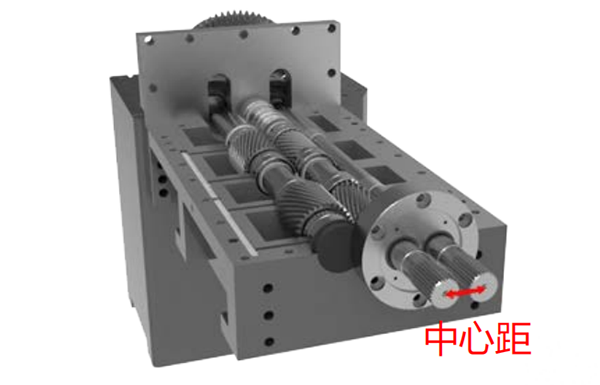
The twin-screw extruder machine uses two intermeshing screws that fold, shear, and distribute material with a precision a single screw cannot match. That intermeshing action delivers thorough mixing, միատեսակ հալեցում, and stable extrusion while reducing material waste (Exintell Machinery, 2024). This is why twin-screw is the default for plastic compounding, վարպետության խմբաքանակ, filler masterbatch, and any application where dispersion and consistency define product quality. It also handles volatiles and moisture better thanks to superior venting. The cost is real — more components, higher purchase price, more sophisticated control — but for compounding it is not optional.
Conical Twin-Screw Variants for PVC and Pipe
There is a third option I flag specifically for PVC and UPVC work: the conical twin-screw. Its tapered geometry provides high torque and gentle, controlled shear at low speeds, which suits heat-sensitive PVC that degrades under aggressive processing. Conical twin-screws are the standard choice feeding pipe and profile extrusion lines. If your downstream application is rigid PVC pipe or window profile, this is the configuration to shortlist rather than a parallel twin-screw.
Application Fit at a Glance
| Դիմում | Recommended screw type | Typical materials | Why |
|---|---|---|---|
| Բարդացում | Զուգահեռ երկվորյակ պտուտակ | PP, PE, ABS, PA6, ԱՀ | Intensive mixing and additive dispersion |
| Masterbatch / filler masterbatch | Զուգահեռ երկվորյակ պտուտակ | Pigment/filler + carrier resin | High-loading dispersion, no streaking |
| Film reprocessing | Single-screw + compactor | LDPE, LLDPE, PE film | Densify low-bulk film, simple remelt |
| Խողովակ / profile | Կոնաձև երկակի պտուտակ | ՊՎՔ / UPVC | High torque, gentle low-speed shear |
| Թերթիկ | Single- or twin-screw | PET, PP, HDPE | Depends on filler and clarity needs |
| Single-resin scrap | Single-screw | PP, HDPE | Lowest cost for clean, uniform feed |
| Դիմում | Recommended screw type | Typical materials | Why |
|---|---|---|---|
| Բարդացում | Զուգահեռ երկվորյակ պտուտակ | PP, PE, ABS, PA6, ԱՀ | Intensive mixing and additive dispersion |
| Masterbatch / filler masterbatch | Զուգահեռ երկվորյակ պտուտակ | Pigment/filler + carrier resin | High-loading dispersion, no streaking |
| Film reprocessing | Single-screw + compactor | LDPE, LLDPE, PE film | Densify low-bulk film, simple remelt |
| Խողովակ / profile | Կոնաձև երկակի պտուտակ | ՊՎՔ / UPVC | High torque, gentle low-speed shear |
| Թերթիկ | Single- or twin-screw | PET, PP, HDPE | Depends on filler and clarity needs |
| Single-resin scrap | Single-screw | PP, HDPE | Lowest cost for clean, uniform feed |
My rule of thumb: if the process word is “բաղադրություն,” “վարպետության խմբաքանակ,” կամ “ՊՎՔ,” budget for twin-screw. If it is “reprocess my own clean scrap,” a single-screw line will serve you at a fraction of the price.
How Much Does a Plastic Pelletizer Cost Wholesale?
This is the question every buyer opens with, and I understand why — but the honest answer is that a single sticker price is meaningless without context. Plastic pelletizer cost varies widely and is influenced by several factors including the machine’s type and model (IPG / Pastillator System, 2024). What I can offer is a transparent breakdown of the real wholesale ranges and, more importantly, what actually moves the number. Marketplaces list prices; they rarely explain them. That is the gap I want to close here.

Typical Wholesale Price Ranges
For the core of the market, wholesale twin-screw extruders and complete pelletizing lines are listed from roughly US$20,000 to US$80,000 per set, with MOQ as low as one set or piece (Made-in-China.com, 2025). PET flake granulating and pelletizing lines sit in the lower-to-middle band at US$20,000–50,000, also with a minimum order of one (GoldSupplier, 2025). At the entry level, IPG notes that entry-level pelletizers suited to small-scale operations or pilot projects start at outputs of around 70 կգ/ժ (IPG / Pastillator System, 2024) — a useful anchor when you are sizing a first line rather than a production plant.
What Drives the Price
In my experience four factors explain almost the entire spread within that US$20,000–80,000 window:
- Machine type and screw configuration. A twin-screw compounding line costs materially more than a comparable single-screw reprocessing line, and conical twin-screw PVC lines carry their own premium.
- Throughput capacity. Price scales with kg/h. Ա 70 kg/h pilot unit and a multi-hundred kg/h production line are different animals; capacity is often the single biggest lever on cost.
- Automation and control. PLC control, automatic screen changers, gravimetric feeding, and integrated drying add capability and cost. Manual lines are cheaper but more labor-intensive.
- Brand, build quality, and certification. Certified equipment (CE, ISO 9001, RoHS, UL, CCC are common filters — Made-in-China.com, 2025) and established brands command higher prices but reduce compliance and downtime risk.
New vs Used: Reading the Secondary Market
The used market is deep and worth taking seriously. The used twin-screw extruder wholesale category on Made-in-China.com features over 74,746 products (Made-in-China.com, 2025), which tells me there is genuine liquidity and price flexibility if you are willing to inspect and refurbish. Used equipment can cut acquisition cost substantially, but I always weigh that against unknown wear, missing documentation, and potentially outdated controls. For a first line where uptime matters more than saving 30%, I lean new and certified; for a proven operation adding redundant capacity, a vetted used twin-screw can be the smarter buy.
Per-Set vs Per-Piece vs Full-Line Pricing
One point that trips up new buyers: what the price actually includes. Listings quote in different units, and they are not interchangeable.
- Per-piece pricing usually covers a single component — an extruder, a pelletizer head, or a granulator alone — not a working line.
- Per-set pricing typically bundles the main machine with its core auxiliaries as sold together, which is how most of the US$20,000–80,000 listings are quoted.
- Full-line pricing spans the entire process — feeding, արտամղման, pelletizing, սառեցում, drying, and packaging — and sits at the top of or above the quoted ranges.
Before comparing two quotes, I confirm they are priced on the same basis. A US$25,000 “per-set” number and a US$25,000 “full-line” number describe very different deliverables, and clarifying this up front prevents the most common budgeting surprise I see in wholesale pelletizer sourcing.
Used Plastic Pelletizer Wholesale: When It Makes Sense
When a buyer asks me whether to chase a used machine or commit to new, I never answer with a blanket rule. The secondary market for pelletizing equipment is genuinely deep. Made-in-China.com alone lists more than 74,746 used twin-screw extruder products (Made-in-China.com, 2025), and that volume tells me two things: there is real value to capture, and there is enough variance in quality that a careless purchase can burn you. Used pelletizers make sense when your capital is tight, your throughput needs are proven, and you have the technical eyes to inspect before you wire funds.
Cost Savings Versus Risk: The Honest Tradeoff
The appeal is straightforward. A wholesale twin-screw extruder or pelletizing line new runs roughly US$20,000 to US$80,000 per set (Made-in-China.com, 2025), and a well-kept used unit can shave 30% դեպի 60% off that figure in my experience. On a PP PE pelletizing line or a PET granulator line, that difference frees up capital for spare parts, dies, and freight.
The risk sits on the other side of the ledger. A used machine carries unknown run hours, undocumented material history, and worn wear-parts that quietly erode output. I treat every used quote as a starting point, not a price, because the true cost includes whatever refurbishment the machine needs to hit its rated capacity again. If I cannot verify condition, I discount the offer heavily or walk away.
What to Inspect: Պտուտակներ, Barrels, and Cutting Units
The three components that decide whether a used pelletizer is a bargain or a liability are the screws, the barrel, and the cutting unit. Twin-screw intermeshing designs deliver thorough mixing, միատեսակ հալեցում, և կայուն արտամղում (Exintell Machinery, 2024), but only while the flight geometry holds. Here is the inspection sequence I follow:
- Պտուտակներ: Check flight edges for rounding and measure screw diameter against spec. Worn flights raise clearance, drop pressure, and cut throughput on abrasive feedstock like filler masterbatch or glass-filled PA6.
- Barrels: Look for scoring and bore wear. A worn barrel paired with worn screws compounds the clearance problem and cannot be fixed by swapping screws alone.
- Cutting units: On a strand pelletizer, inspect rotor and bed knives for chipping and dullness. On an underwater pelletizing system, check the die plate face and cutter blades, since uneven pellets almost always trace back here.
- Heaters and thermocouples: Confirm each zone heats and holds. Dead zones force uneven melting.
Sourcing Used HDPE and LDPE Recycling Pelletizers
For plastic scrap recycling of HDPE and LDPE film, I look for lines that were originally built for those resins rather than repurposed rigid-material machines. PE film pelletizing wants degassing and often a force-feeder, and a used line missing those features will struggle with low-bulk-density flake. PET flakes granulating and pelletizing lines are listed at US$20,000 to US$50,000 with a minimum order of one (GoldSupplier, 2025), which sets a useful reference point when a used PET line is offered well below that band. I always ask the seller which resins the machine last processed, because a machine that ran abrasive filler masterbatch has different wear than one that ran clean LDPE.
Refurbishment and Warranty Considerations
Lab Extruder Suppliers A refurbished machine from a reputable China plastic machinery supplier can be a strong middle path, but only when the refurbishment is documented. I ask for a parts-replaced list, before-and-after run data, and a written warranty covering at least the drive, փոխանցումատուփ, and control system. Common certification filters for wholesale pelletizers include CE, ISO 9001, RoHS, UL, and CCC (Made-in-China.com, 2025); a refurbisher who can still supply valid certification signals a serious operation. If the warranty is verbal or the certification lapsed, I treat the unit as as-is and price accordingly.
Heavy-Duty Plastic Pelletizers for Industrial-Scale Recycling
Industrial-scale recycling is a different discipline from small-batch work. Here the machine runs for shifts on end, the feedstock is inconsistent, and downtime costs real money per hour. When I spec heavy-duty plastic recycling equipment, I stop thinking about sticker price and start thinking about sustained tons per year at a stable pellet quality.
Specs That Define Heavy-Duty Capacity and Durability
Three specifications separate a heavy-duty pelletizer from a light-commercial one: installed motor power, screw diameter and L/D ratio, and the robustness of the drive and gearbox. The pelletizing method also sets the ceiling. There are four core pelletizing methods (strand, water-ring, underwater, and hot-die-face), and the method chosen determines throughput ceiling, pellet quality, power cost, and resale price per ton (Energycle, 2026). For continuous industrial output I lean toward underwater or water-ring systems, since strand lines can bottleneck on strand breakage at high speed.
Gantry Pelletizers and Shredder-Pelletizer Combinations
For bulky or contaminated scrap, an integrated shredder-pelletizer combination removes a manual handling step and stabilizes feed. Gantry pelletizers built for mixed rigid plastics handle PP, PE, ABS, PA6, and PC directly, which is why suppliers position Extruder Twin Screw Barrel Wholesale them for high-volume scrap streams (Purui, 2024). The combination line matters most when your incoming material arrives as large parts or purge rather than clean flake, because a consistent particle size going in produces a consistent pellet coming out.
Throughput and Power Requirements at Industrial Scale
Throughput and power move together. As I push a line toward hundreds of kilograms per hour, motor power, heater load, and cooling capacity all scale, and so does the electrical service the site must provide. I always confirm that the facility’s power supply matches the machine’s connected load before purchase, because an undersized service is an expensive surprise after the crate arrives.
Best-Fit Materials and Applications
Heavy-duty lines earn their cost on high-volume, single-stream or well-sorted feedstock: baled HDPE, LDPE film, PP regrind, and PET flake destined for recycled plastic pellets. For plastic compounding and masterbatch or filler masterbatch production, a twin-screw extruder machine is the workhorse because its mixing quality holds at industrial rates. Contaminated or heavily mixed streams still run better through a shredder-pelletizer combination than through a bare extruder.
Comparison: Pelletizer Tiers at a Glance
The table below summarizes how the three tiers I work with differ. Price ranges reflect wholesale marketplace listings; treat them as planning figures, not quotes.
| Tier | Typical throughput | Indicative wholesale price | Best-fit materials | Typical buyer |
|---|---|---|---|---|
| Micro / small-scale | From ~70 kg/h (IPG, 2024) | Lower end of the US$20,000+ band | Specialty resins, masterbatch trials, PET/PP samples | Startups, labs, pilot lines |
| Mid-range line | Hundreds of kg/h | ~US$20,000–50,000 per set (GoldSupplier, 2025) | HDPE, LDPE, PP PE film, PET flake | Growing recyclers |
| Heavy-duty industrial | High continuous tonnage | Up to ~US$80,000 per set (Made-in-China.com, 2025) | Baled scrap, PP/PE/ABS/PA6/PC, բաղադրություն | Large-scale processors |
| Tier | Typical throughput | Indicative wholesale price | Best-fit materials | Typical buyer |
|---|---|---|---|---|
| Micro / small-scale | From ~70 kg/h (IPG, 2024) | Lower end of the US$20,000+ band | Specialty resins, masterbatch trials, PET/PP samples | Startups, labs, pilot lines |
| Mid-range line | Hundreds of kg/h | ~US$20,000–50,000 per set (GoldSupplier, 2025) | HDPE, LDPE, PP PE film, PET flake | Growing recyclers |
| Heavy-duty industrial | High continuous tonnage | Up to ~US$80,000 per set (Made-in-China.com, 2025) | Baled scrap, PP/PE/ABS/PA6/PC, բաղադրություն | Large-scale processors |
Micro and Small-Scale Pelletizers for Startups and Labs
Not every business needs tonnage. Some of the smartest operations I have advised started small on purpose: a specialty compounder proving a formulation, a lab producing sample pellets for customer qualification, or a new recycler validating a local scrap stream before committing capital. Micro and small-scale pelletizers exist precisely for this stage.
Micro Strand Pelletizers Cutting Pellets as Small as 0.4mm
Precision at small scale is a real capability, not marketing. Bay Plastics Machinery patented the first micro strand pelletizer capable of cutting pellets as small as 0.015 inch, or 0.4mm, under US Patent #7,393,201 (Bay Plastics Machinery, 2023). That resolution matters for micro-molding feedstock, additive concentrates, and applications where standard pellet size is simply too coarse. When a customer needs uniform, sub-millimeter pellets, a micro strand pelletizer is often the only practical route.
Use Cases for Small-Batch and Specialty Production
I steer buyers toward small-scale equipment when the value is in flexibility rather than volume. Typical fits include:
- Masterbatch and filler masterbatch development, where recipes change frequently and batches are small.
- Specialty engineering resins such as PC, ABS, and PA6 that are expensive to waste during trials.
- Ռ&D labs qualifying recycled plastic pellets from PET, HDPE, or LDPE before scaling.
- Short production runs where a large line would sit idle most of the day.
Budget-Friendly Entry Points for New Recycling Businesses
Entry-level pelletizers are built for small-scale operations and pilot projects, starting at outputs around 70 կգ/ժ (IPG, 2024). For a new recycling business, that output is often enough to prove the model and generate early revenue without carrying heavy-line debt. Kalshine and similar suppliers market strand pelletizer machines at wholesale prices for plastic grain dicing and cutting (Kalshine, 2024), which keeps the entry ticket reachable. My guidance is to buy the smallest machine that meets today’s proven demand, not the machine you hope you will need next year.
Scaling Considerations as Volume Grows
Starting small is only wise if you plan the exit from small. Before I buy an entry-level unit, I check whether the supplier offers a compatible upgrade path, whether the dies and cutting units share tooling standards with larger lines, and whether the control system will feel familiar to operators on a bigger machine later. Plastic pelletizer cost is influenced by machine type and model (IPG, 2024), so a deliberate scaling plan lets you reinvest revenue into the next tier instead of replacing everything at once. When volume outgrows the entry machine, you move up to a mid-range pelletizing line or heavy-duty system with a team that already knows the process.
թողունակությունը, Capacity, and Power Consumption Explained
When I evaluate a plastic pelletizer wholesale purchase, the first three numbers I anchor on are throughput, capacity, and power draw. These specifications determine whether a machine actually fits your production volume and whether the sticker price will be quietly eroded by operating costs. Իմ փորձով, buyers who focus only on rated output end up disappointed when real-world numbers fall short.
How Throughput Ratings Translate to Real Output
Manufacturers publish throughput in kilograms per hour, but that figure is a ceiling, not a guarantee. The rated number typically reflects a clean, single-resin feedstock running under ideal conditions. Once you introduce contaminated plastic scrap, mixed resins, or high-moisture PET flakes, effective output drops. I generally plan for 75 դեպի 85 percent of the rated throughput as a realistic operating baseline.
The pelletizing method sets the throughput ceiling in the first place. According to Energycle (2026), the four core methods — strand, water-ring, underwater, and hot-die-face — each determine the throughput ceiling, pellet quality, power cost, and resale price per ton [https://www.energycle.com/pelletizing-plastic/]. A strand pelletizer suits lower-to-mid volumes and gives you excellent pellet uniformity, while underwater pelletizing systems handle higher continuous volumes for compounding and masterbatch production. Twin-screw intermeshing designs, as Exintell Machinery (2024) notes, deliver thorough mixing, միատեսակ հալեցում, and stable extrusion while reducing material waste [https://www.exintellmach.com/co/plastic-pelletizer-machine-comparison-guide-for-modern-recycling/] — which is why they dominate PP, PE, ABS, and filler masterbatch lines.
Resin type matters too. HDPE and PP pellet cleanly at moderate temperatures, LDPE and PE film demand careful melt control, and engineering resins like PC and PA6 need higher zone temperatures that reduce achievable throughput. PET granulator lines usually pair with a crystallizing or drying stage that further gates real output.
Power Draw and Its Effect on Operating Costs
Power consumption is the specification most wholesale listings gloss over, yet it is the one that compounds every operating hour. A twin-screw extruder machine running heavy compounding loads pulls significant motor power, plus the heaters, սառեցում, կտրիչ, and downstream drying add to the total connected load. I always ask suppliers for the installed kilowatt rating and, separately, the expected average draw under load — the two differ substantially.
Here is the arithmetic I run before any purchase decision. If a line draws an average of 90 kW and runs 16 hours a day, 300 days a year at a US industrial rate of roughly $0.12/kWh, that is about $51,800 in annual electricity alone. On a machine that cost $60,000 wholesale, energy can exceed the purchase price within roughly 14 months of two-shift operation. This is exactly why I model total cost of ownership rather than sticker price.
Sizing Capacity to Your Production Volume
Capacity should be sized to your sustained monthly volume plus a modest growth buffer, not to your peak week. Oversizing wastes capital and energy; undersizing forces overtime shifts that erode margins. Entry-level pelletizers start at outputs around 70 kg/h and suit small-scale operations or pilot projects, per IPG (2024) [https://www.pastillatorsystem.com/price-of-plastic-pelletizing-machines/]. Mid-range compounding lines commonly land in the 300 դեպի 800 kg/h band, and heavy-duty recycling systems push well beyond that.
A practical method I use: take your target annual tonnage, divide by realistic annual operating hours, then divide by the 0.80 utilization factor to get the rated capacity you should shop for. This keeps you from buying either a straining machine or an idle one. Extruded Hr Pvc
Balancing Capacity Against Upfront Cost
Higher capacity almost always means higher upfront cost, but the relationship is not linear — you often get better cost-per-ton economics as you move up a tier, provided you can keep the machine fed. Made-in-China.com (2025) lists wholesale twin-screw extruders and pelletizing lines from roughly US$20,000 to US$80,000 per set, with MOQ as low as one set [https://www.made-in-china.com/products-search/hot-china-products/Used_Plastic_Pelletizer_Machinery.html], and GoldSupplier (2025) lists PET flakes pelletizing lines at US$20,000 to $50,000 [https://stnhske.goldsupplier.com/1303060-Plastic-Pelletizer-Machine/].
| Tier | Typical throughput | Indicative wholesale price | Approx. connected power | Best-fit use case |
|---|---|---|---|---|
| Entry-level | 70–150 kg/h | $20,000–$30,000 | 15–35 kW | Pilot projects, small PP/HDPE recycling |
| Mid-range | 300–800 kg/h | $35,000–$60,000 | 55–110 kW | PP PE pelletizing line, վարպետության խմբաքանակ, բաղադրություն |
| Heavy-duty / տող | 800+ կգ/ժ | $60,000–$80,000+ | 120–250+ kW | Continuous PET granulator line, high-volume scrap |
| Tier | Typical throughput | Indicative wholesale price | Approx. connected power | Best-fit use case |
|---|---|---|---|---|
| Entry-level | 70–150 kg/h | $20,000–$30,000 | 15–35 kW | Pilot projects, small PP/HDPE recycling |
| Mid-range | 300–800 kg/h | $35,000–$60,000 | 55–110 kW | PP PE pelletizing line, վարպետության խմբաքանակ, բաղադրություն |
| Heavy-duty / տող | 800+ կգ/ժ | $60,000–$80,000+ | 120–250+ kW | Continuous PET granulator line, high-volume scrap |
Prices above are indicative ranges drawn from current marketplace listings; always confirm the exact configuration, motor rating, and included downstream equipment before comparing quotes.
Standalone Pelletizer vs Complete Pelletizing Line
One of the most consequential choices I help buyers make is whether to purchase a standalone pelletizer or a complete pelletizing line. The right answer depends entirely on the condition of your feedstock and how much of the process you need to bring in-house.
What a Full PP/PE or PET Pelletizing Line Includes
A complete PP PE pelletizing line is a chain of integrated stages rather than a single machine. As Recycling Today (2023) describes, pelletizing follows a feeding, melting/mixing, արտամղման, and cutting workflow [https://www.recyclingtoday.org/blogs/news/plastic-pelletizer-everything-you-need-to-know]. In a recycling context, a full line typically wraps that core with front-end preparation and back-end handling:
- Crushing or shredding to reduce bulk plastic scrap to a feedable size
- Washing and separation to remove labels, dirt, and contaminants — essential for PE film and PET
- Drying to control moisture, which is critical for PET and PA6 to avoid melt degradation
- The extruder (often a twin-screw extruder machine for compounding) and die
- The pellet cutting machine — strand, water-ring, or underwater pelletizing system
- Սառեցում, dewatering, and classifying to deliver clean recycled plastic pellets
A PET granulator line will emphasize crystallizing and drying, while a filler masterbatch line will emphasize high-torque mixing and precise dosing. PVC/UPVC lines require corrosion-resistant tooling and careful temperature control because of the resin’s thermal sensitivity.
When a Standalone Machine Is Enough
A standalone plastic pelletizing machine makes sense when your input is already clean and consistent — for example, in-house production scrap, edge trim, or pre-sorted, pre-washed flake. If you are pelletizing your own clean HDPE or PP regrind, you do not need washing and drying stages, and a strand pelletizer or compact granulator can deliver excellent pellets at a fraction of a full line’s cost and footprint. For niche applications, precision matters: Bay Plastics Machinery (2023) patented the first micro strand pelletizer capable of cutting pellets as small as 0.015 inch (0.4մմ) under US Patent #7,393,201 [https://bayplasticsmachinery.com/products/strand-pelletizers/micro-pelletizer/].
Integration With Washing, Crushing, and Drying Stages
The integration decision hinges on feedstock cleanliness. Post-consumer plastic scrap recycling almost always requires the full washing, crushing, and drying chain because contamination destroys pellet quality and damages screws. When I spec a line, I confirm that throughput is balanced across every stage — a fast extruder starved by an undersized washer is money wasted. I also verify that the washing and drying capacity matches the extruder’s appetite so the whole line runs at steady state rather than in fits and starts.
Cost and Space Implications
A standalone machine might occupy a modest corner of a shop and install with a single power drop. A complete line can span a significant length of floor, demand three-phase power to multiple stations, require water supply and treatment for the washing stage, and need ventilation. The cost gap is equally wide: a standalone pelletizer may run $20,000 դեպի $40,000 wholesale, while a fully integrated recycling line reaches the upper end of the $60,000 դեպի $80,000+ range and beyond once civil works, water systems, and installation are counted. My rule of thumb is to budget for utilities and floor preparation as a distinct line item, because those hidden costs surprise first-time buyers more than the equipment price itself.
Key Certifications and Quality Standards to Verify
Certifications are the closest thing to a proxy for manufacturing quality when you are buying plastic recycling equipment sight unseen across the China trade corridor. Made-in-China.com (2025) shows that common certification filters for wholesale pelletizers include CE, ISO 9001, RoHS, UL, and CCC [https://www.made-in-china.com]. I treat these as a screening gate before I even discuss price.
CE, ISO 9001, RoHS, UL, and CCC Explained
- CE — a manufacturer’s declaration that the machine meets EU health, safety, and environmental requirements. Widely used as a baseline safety indicator, though it is self-declared for much machinery.
- ISO 9001 — certifies the supplier’s quality management system, not the individual machine. It signals repeatable processes and documentation discipline at the factory.
- RoHS — restricts hazardous substances such as lead and certain flame retardants in electrical and electronic components.
- UL — a North American safety certification tied to independent testing. For US installations, UL-listed electrical components carry real weight with inspectors and insurers.
- CCC — China Compulsory Certification, required for certain products sold within China; useful context on a supplier’s domestic compliance posture.
Why Certifications Matter for US Installation and Compliance
Here is the point competitors gloss over: CE and CCC do not satisfy US requirements. When you install in the United States, your equipment must meet local electrical code (NEC), and your Authority Having Jurisdiction typically expects a nationally recognized testing laboratory listing such as UL or ETL. A machine with CE marking but no UL-listed control panel can fail inspection, delay commissioning, and raise your insurance premiums. Իմ փորձով, negotiating UL-compliant electrical components up front is far cheaper than retrofitting a panel after a failed inspection.
Requesting Documentation From Suppliers
I never accept a logo on a web page as proof. Understanding factory operations, supplier reliability, and trade policy is critical for B2B buyers sourcing across the China corridor, as Exintell (2024) emphasizes [https://www.exintellmach.com]. I request, in writing, the following before wiring any deposit:
- The actual certificate PDFs with certificate numbers and issuing bodies, then verify the numbers directly with the issuer
- The ISO 9001 certificate scope and expiry date
- Electrical component datasheets confirming UL-listed contactors, drives, and PLCs for US-bound orders
- A wiring diagram and voltage/phase configuration matching US 480V/60Hz service
- Factory acceptance test records and, ideally, a video of the machine running your resin type
Reputable wholesale suppliers and manufacturers publish this readily — for reference, marketplaces such as Taiwantrade list vetted plastic pelletizer machine suppliers [https://taiwantrade.com/products/search.html?word=*&cate=7765&type=product&style=gallery&cateName=plastic-pelletizer-machine] (Taiwantrade), and dedicated line builders like Haorui document their PP PE pelletizing line configurations (Haorui Machinery).
How Certifications Signal Manufacturing Quality
Beyond legal compliance, certifications correlate with the discipline that produces reliable machines. A supplier maintaining a current ISO 9001 system usually keeps traceable material records, consistent tolerances on screw and barrel machining, and a documented QA process — the same practices that keep a twin-screw extruder running for years rather than months. When I see complete, verifiable documentation, it tells me the factory has the process maturity to build a machine that will hold its rated throughput and resale value. When documentation is vague or unavailable, I treat that as a warning sign regardless of how attractive the price looks.
Manufacturer vs Trading Company: Choosing the Right Supplier Type
Whenever I begin sourcing a plastic pelletizing line, my first decision is not the machine — it is the type of supplier behind it. Իմ փորձով, the choice between a genuine manufacturer and a trading company shapes everything downstream: գնագոյացում, control over specifications, technical support, and how quickly problems get resolved once the equipment is running. Both models can serve a wholesale buyer well, but they serve different needs, and confusing one for the other is where I have watched procurement budgets quietly bleed.
Գնագոյացում, Control, and Support: The Core Trade-offs
A manufacturer sells from its own production, so I am buying closer to the true cost of the machine. Trading companies add a margin for their sourcing and coordination work, which typically lands somewhere between 5% և 20% on top of factory price depending on order complexity. That premium is not automatically waste. A capable trading firm consolidates suppliers, handles export paperwork, and speaks fluent English, which reduces friction for US buyers navigating the China plastic machinery supplier landscape.
Control is where the difference sharpens. When I work directly with a factory, I can specify screw geometry, motor brand, and control-panel language, and I can escalate a warranty claim to the people who built the twin-screw extruder machine. With a trading intermediary, every technical question passes through a layer that may not fully understand the pellet cutting machine it is reselling. For a simple, standardized plastic granulator machine, that gap rarely matters. For a customized PP PE pelletizing line or a PET granulator line with tight tolerances, it matters a great deal.
OEM, ODM, and Own-Brand R&D Capacity
The clearest signal of a real manufacturer is R&D depth, and I read it through three service models. OEM means the factory builds to my drawings and specifications. ODM means it adapts its own existing designs to my requirements. Own-brand production means it engineers and iterates its own machines from the ground up. A supplier that only offers “we can get it for you” without any of these capabilities is almost always a reseller.
Genuine engineering capacity shows up in the details of the extrusion technology itself. Twin-screw intermeshing designs, օրինակ, deliver thorough mixing, միատեսակ հալեցում, and stable extrusion while reducing material waste, according to Exintell Machinery (2024). A factory that can explain why its screw configuration achieves that — and adjust it for masterbatch, filler masterbatch, or plastic compounding of engineering resins like ABS, ԱՀ, or PA6 — is one I trust to stand behind the build. Historic patent activity also signals real R&D; Bay Plastics Machinery (2023) patented the first micro strand pelletizer capable of cutting pellets as small as 0.015 inch (0.4մմ) under US Patent #7,393,201, which is the kind of innovation only a true manufacturer produces.
How to Identify a True Factory vs a Reseller
I use a short verification routine before I commit. It is not foolproof, but it filters out most repackagers.
- Ask for a video walkthrough of the production line during a live call, not a pre-recorded clip. A factory can pan across welding stations, assembly bays, and finished machines on demand.
- Request the business license and confirm the registered scope includes manufacturing, not just trade or “import and export.”
- Cross-check the company address against the factory address. Resellers often list an office tower; manufacturers list an industrial park.
- Probe technical depth. When I ask how their underwater pelletizing system compares to a strand pelletizer for a specific resin, a factory answers with engineering detail while a reseller deflects.
Impact on Customization and Lead Times
Customization capacity and lead time move in opposite directions depending on supplier type. A manufacturer building to order gives me deep customization but often a longer lead time, սովորաբար 30 դեպի 60 days for a configured pelletizing line. A trading company holding relationships with several factories can sometimes source a near-standard machine faster, but the customization ceiling is lower because it is negotiating on my behalf rather than building for me. Understanding factory operations, supplier reliability, and trade policy is critical for B2B buyers sourcing pelletizers across the China trade corridor, as Exintell (2024) notes, and that understanding starts with knowing exactly who you are actually buying from.
Supplier Evaluation Checklist for Wholesale Buyers
Once I have identified the right supplier type, I run every candidate through the same structured evaluation. A consistent checklist keeps emotion and sales pressure out of the decision, and it gives me a defensible paper trail if a purchase is ever questioned internally. Below is the framework I return to for every plastic recycling equipment purchase, ordered roughly by how quickly each item can disqualify a supplier.
Audited-Supplier Status and Factory Verification
On major marketplaces, audited-supplier badges are my first filter, not my last. Platforms like Made-in-China.com list audited and verified supplier tiers, and starting there narrows a field of thousands to a manageable shortlist. But a badge only confirms that a third party inspected the premises at some point; it does not confirm the machine I want is built well today. I treat verification status as a screening tool and always follow it with my own factory walkthrough, whether by video or, for large orders, an in-person or third-party inspection.
Reviewing Certifications, Հղումներ, and Track Record
Certifications tell me whether a machine can legally and safely operate in my market. Common certification filters for wholesale pelletizers include CE, ISO 9001, RoHS, UL, and CCC, according to Made-in-China.com (2025). For US import, I prioritize Compounding Machine Plastic UL for electrical safety and CE where applicable, and I ask for the actual certificate documents rather than a claim. ISO 9001 speaks to the factory’s quality-management process, which correlates with consistency across a production run.
Track record is harder to fake than a certificate. I ask for references from buyers in similar applications — a supplier that regularly ships PET granulator lines to North America should be able to name a few. I also weigh secondary-market presence as an indirect signal of longevity; the used twin-screw extruder wholesale market on Made-in-China.com features over 74,746 products (Made-in-China.com, 2025), and manufacturers whose machines circulate widely in that resale pool tend to be established builders rather than one-season operations.
Assessing Communication and Responsiveness
I evaluate communication during the quoting stage because that is the best behavior I will ever see. If technical questions get vague answers before I have paid anything, support after payment will not improve. I look for response times under 24 ժամեր, answers that address the specific question rather than a canned brochure, and a named technical contact rather than a rotating sales inbox. For a machine that will run for years, the quality of the human relationship is part of the purchase.
Red Flags That Signal an Unreliable Supplier
Some warning signs recur often enough that I treat any one of them as a reason to slow down and dig deeper.
- Prices dramatically below the market range for a comparable specification — a signal of cut corners, used parts sold as new, or a scam.
- Refusal to provide a business license, certificates, or a live factory walkthrough.
- Pressure to pay 100% upfront by wire with no trade assurance or escrow option.
- Inconsistent technical answers, կամ ա “manufacturer” that cannot explain the difference between strand and water-ring pelletizing.
- No physical address, or an address that does not match any industrial registration.
- Reluctance to sell a paid sample or trial order before a full commitment.
None of these guarantees fraud on its own, but each one raises the diligence I apply before releasing funds.
Understanding MOQ, Pricing Tiers, and Bulk Negotiation
Capital equipment does not follow the same wholesale logic as consumables, and misreading that is a common early mistake. For a plastic pelletizing machine, minimum order quantities are refreshingly low, but the real negotiation happens around specification, payment structure, and total delivered cost rather than raw unit volume. Here is how I approach the commercial side once I have a shortlist of verified suppliers.
Typical Minimum Order Quantities in the Market
Unlike raw materials or packaged goods, pelletizing equipment is typically sold with an MOQ of one. Wholesale twin-screw extruders and pelletizing lines are listed from roughly US$20,000 to US$80,000 per set with an MOQ as low as 1 set or piece (Made-in-China.com, 2025), and PET flakes granulating and pelletizing lines are listed at US$20,000 to US$50,000 with a minimum order quantity of 1 (GoldSupplier, 2025). This means a first-time buyer can start with a single line rather than committing to a container of machines, which materially lowers the barrier to entry for a pilot operation.
How Volume Affects Per-Unit Pricing
Because MOQ is low, per-unit discounting works differently than in commodity wholesale. I rarely get a steep price break for buying two identical lines instead of one. Where volume does move price is in the broader relationship: committing to a multi-machine roadmap, standardizing on one supplier for future PP PE pelletizing lines, or bundling ancillary equipment like shredders and washing systems into the same order. The lever is total contract value and repeat-buyer status, not a simple quantity curve. The table below shows the pricing tiers I use as a working reference when I benchmark quotes.
| Tier / Configuration | Typical Output | Indicative Wholesale Price (per set) | Typical MOQ | Common Application |
|---|---|---|---|---|
| Entry-level pelletizer | From ~70 kg/h | Lower end of range | 1 set | Small-scale operations, pilot projects |
| PET flakes granulating / pelletizing line | Mid-volume | US$20,000-50,000 | 1 set | Recycled PET flake processing |
| Twin-screw extruder / general pelletizing line | Mid to high volume | US$20,000-80,000 | 1 set / piece | PP, PE film, HDPE, LDPE, բաղադրություն, վարպետության խմբաքանակ |
| Used / secondary-market line | Varies by condition | Often below new-machine range | 1 set | Budget-constrained scaling, deep resale pool |
| Tier / Configuration | Typical Output | Indicative Wholesale Price (per set) | Typical MOQ | Common Application |
|---|---|---|---|---|
| Entry-level pelletizer | From ~70 kg/h | Lower end of range | 1 set | Small-scale operations, pilot projects |
| PET flakes granulating / pelletizing line | Mid-volume | US$20,000-50,000 | 1 set | Recycled PET flake processing |
| Twin-screw extruder / general pelletizing line | Mid to high volume | US$20,000-80,000 | 1 set / piece | PP, PE film, HDPE, LDPE, բաղադրություն, վարպետության խմբաքանակ |
| Used / secondary-market line | Varies by condition | Often below new-machine range | 1 set | Budget-constrained scaling, deep resale pool |
Prices compiled from Made-in-China.com (2025), GoldSupplier (2025), and IPG / Pastillator System (2024). Entry-level pelletizers are described by IPG (2024) as suited to small-scale operations or pilot projects, starting at outputs of 70 կգ/ժ. Ranges are indicative benchmarks; actual quotes vary with resin type, automation level, and motor specification.
Negotiating Samples and Trial Orders
For a single capital machine you cannot order a “sample unit” the way you would with plastic parts, so I negotiate proof differently. I ask the supplier to run my actual feedstock — whether that is PVC/UPVC scrap, PE film, or mixed HDPE and LDPE — through a comparable machine and send me the resulting recycled plastic pellets along with video of the run. That trial demonstrates pellet uniformity and throughput on my material before I commit six figures. For buyers scaling up, I sometimes structure a first order as a trial line with agreed performance acceptance criteria tied to a payment milestone.
Payment Terms and Trade Assurance
Payment structure is where I protect the transaction. My standard target is a 30% deposit with the balance against a satisfactory pre-shipment inspection, rather than paying in full upfront. On marketplaces that offer trade assurance or escrow, I use it, because it holds funds until agreed milestones are met and gives me recourse if the machine does not match the contract. I also confirm exactly what the price includes — export packing, պահեստամասեր, installation guidance, and commissioning support — since a lower sticker price with everything unbundled often costs more once delivered. Treating payment terms as part of the negotiation, not an afterthought, is what turns a good price into a good deal.
OEM and Customization Options for Wholesale Orders
When I place a wholesale order, I rarely buy a machine off the shelf. Most serious suppliers along the China trade corridor treat a pelletizing line as a configurable platform, and I’ve learned to use that flexibility to match the equipment to my feedstock, my output targets, and my brand. The upfront conversation about customization is where a good deal is either won or lost.
Customizable Screw Configurations and Material Matching
The screw is the heart of any twin-screw extruder machine, and it’s the first thing I specify. A screw built for PET granulator line duty is not the same as one optimized for PE film or filler masterbatch. Twin-screw intermeshing designs deliver thorough mixing, միատեսակ հալեցում, and stable extrusion while reducing material waste, which is why I favor them for compounding-heavy jobs (Exintell Machinery, 2024). For shear-sensitive resins like PVC/UPVC or PC, I ask for a gentler screw profile and lower L/D ratio; for high-filler PP or masterbatch, I want aggressive mixing zones.
Իմ փորձով, the material dictates almost every other choice. Here is how I map common resins to configuration priorities:
- PET: crystallization and drying support, plus a robust cutting section for hard pellets.
- HDPE and PP: standard mixing screws with good throughput, often on a PP PE pelletizing line.
- LDPE and PE film: pre-densification or a film-fed feeder to handle low bulk density scrap.
- PVC/UPVC: corrosion-resistant screw coatings and precise temperature control to avoid degradation.
- ABS, ԱՀ, PA6: higher-temperature barrels and venting for moisture-heavy engineering resins.
Because Bay Plastics Machinery patented the first micro strand pelletizer capable of cutting pellets as small as 0.015 inch (0.4մմ) under US Patent #7,393,201 (Bay Plastics Machinery, 2023), I know I can also specify pellet geometry when a downstream process demands it. That level of tailoring is worth asking about even from Chinese suppliers who license or replicate similar cutting technology.
Branding and Private-Label Options
For distributors and resellers, OEM branding matters. Many suppliers will apply your logo to the machine frame, control cabinet, and documentation, and some will produce private-label recycled plastic pellets under your name if you’re buying capacity rather than just a machine. Understanding factory operations, supplier reliability, and trade policy is critical for B2B buyers sourcing pelletizers across the China trade corridor (Exintell, 2024), and I treat private-label capability as one signal of a factory that’s set up for long-term partnership rather than one-off sales.
Lead-Time Impact of Customization
Customization is not free in calendar terms. A standard PP PE pelletizing line pulled from stock might ship in two to four weeks. Once I add a custom screw geometry, a specific automation package, or private-label branding, I plan for eight to sixteen weeks of build time, plus testing. I always confirm the runoff test schedule in writing, because a machine that’s built fast but never trial-run against my actual scrap tends to cost me more in commissioning delays than the weeks I thought I saved.
Automation Levels: Manual, Semi-Automatic, and Computerized Controls
Automation is where I see buyers most often mismatch the machine to their operation. A fully computerized line looks impressive in a demo, but if my workforce and volume don’t justify it, I’m paying for consistency I can’t use. I think about automation as a tradeoff between upfront price and ongoing labor cost.
Matching Automation to Workforce and Volume
Entry-level pelletizers are perfect for small-scale operations or pilot projects, starting at outputs of 70 կգ/ժ (IPG, 2024), and at that scale a manual or semi-automatic control set usually makes sense. Manual lines demand skilled operators for temperature, feed rate, and cutting adjustments, which keeps the purchase price low but ties output quality to whoever is running the shift. Once I’m running multiple shifts or targeting tight pellet tolerances, computerized PLC control earns its cost.
The comparison below reflects how I weigh the three tiers across a typical wholesale purchase:
| Գործոն | Manual | Semi-Automatic | Computerized (PLC/HMI) |
|---|---|---|---|
| Relative upfront price | Lowest | Չափավոր | Highest |
| Operator skill required | Բարձր | Միջին | Low to medium |
| Labor cost per ton | Highest | Չափավոր | Lowest at scale |
| Pellet consistency | Operator-dependent | Լավ | Highest, repeatable |
| Best fit | Pilot, low volume | Single-shift SME | Multi-shift, high volume |
| Maintenance complexity | Mechanical only | Mechanical + basic electronics | Mechanical + PLC diagnostics |
| Գործոն | Manual | Semi-Automatic | Computerized (PLC/HMI) |
|---|---|---|---|
| Relative upfront price | Lowest | Չափավոր | Highest |
| Operator skill required | Բարձր | Միջին | Low to medium |
| Labor cost per ton | Highest | Չափավոր | Lowest at scale |
| Pellet consistency | Operator-dependent | Լավ | Highest, repeatable |
| Best fit | Pilot, low volume | Single-shift SME | Multi-shift, high volume |
| Maintenance complexity | Mechanical only | Mechanical + basic electronics | Mechanical + PLC diagnostics |
Computerized Control Benefits for Consistency
The strongest argument for computerized control is repeatability. Because the pelletizing method chosen determines throughput ceiling, pellet quality, power cost, and resale price per ton (Energycle, 2026), a PLC that holds barrel temperatures and melt pressure steady directly protects the value of my recycled plastic pellets. Automated systems also log process data, which I use to prove batch quality to buyers and to troubleshoot when a run drifts out of spec.
Maintenance Implications of Automated Systems
More automation means more that can fail electronically. I budget for spare PLC modules, sensors, and drives, and I confirm the supplier can provide remote diagnostics and firmware support before I commit. A computerized line reduces labor but shifts some cost to skilled maintenance and parts availability. For buyers in the US sourcing from overseas, I treat guaranteed parts lead times as a non-negotiable line in the contract.
Import Logistics, Tariffs, and Trade Policy for US Buyers
A pelletizing line is heavy, oversized freight, and the sticker price on a marketplace listing is only the beginning of what I actually pay. Wholesale twin-screw extruders and pelletizing lines are listed from roughly US$20,000 to US$80,000 per set, with MOQ as low as 1 set (Made-in-China.com, 2025), but landed cost in the US can run meaningfully higher once shipping, duties, and compliance are added. Planning these elements early is how I avoid surprises at the port.
Shipping Options and Incoterms for Heavy Machinery
For a full pelletizing line, I usually ship by sea in a full-container load or as breakbulk if the equipment exceeds container dimensions. The Incoterm I agree on determines who controls cost and risk at each leg:
- FOB (Free On Board): my preferred default. The supplier delivers to the origin port; I arrange ocean freight and control the shipping cost.
- CIF (Արժեքը, Insurance, Freight): simpler for first-time buyers, but I lose visibility into freight markups.
- EXW (Ex Works): maximum control and maximum responsibility, since I handle everything from the factory door.
- DAP/DDP: convenient door-delivery terms, though I scrutinize whether DDP duties are calculated correctly for US entry.
I always confirm crating specifications and machine weight in advance, because underdeclared dimensions lead to reworked bookings and demurrage fees.
Tariff and Trade-Policy Impact on Landed Cost
Trade policy is the variable most likely to move my total cost. Plastic recycling equipment imported from China can carry a base HTS duty plus additional Section 301 սակագները, and those rates change with policy cycles. I never model landed cost using last year’s tariff assumption. Instead, I confirm the current HTS classification with a licensed customs broker before signing, then add the applicable duty percentage to the FOB price along with ocean freight, ապահովագրություն, and destination charges. Because plastic pelletizer cost is influenced by several factors including the machine’s type and model (IPG, 2024), I keep the tariff calculation separate from the equipment quote so I can compare suppliers on equal footing.
Customs, Documentation, and Compliance
Clean documentation moves a machine through US customs; missing paperwork strands it. For each import I assemble a commercial invoice, փաթեթավորման ցուցակ, բեռնագիր, and certificate of origin, and I verify the machine carries the certifications that matter to my facility and insurer. Common certification filters for wholesale pelletizers include CE, ISO 9001, RoHS, UL, and CCC (Made-in-China.com, 2025). For US installation I place particular weight on UL listing for electrical safety, since local inspectors and insurers often require it. A supplier that can supply proper documentation and recognized certifications, such as those listed on Taiwantrade and comparable sourcing platforms, signals a factory experienced with export compliance.
Planning for Lead Times and Delivery
I build my project timeline backward from the day I need pellets flowing. Ocean transit from major Chinese ports to the US typically runs three to six weeks depending on coast and routing, and I add that to the eight-to-sixteen-week build window for a customized line. Then I layer in customs clearance, inland trucking of oversized freight, rigging, and on-site commissioning. Realistically, a customized pelletizing line ordered today may not produce sellable recycled plastic pellets for four to six months. Knowing that, I sequence facility prep, electrical work, and operator training to run in parallel with manufacturing and transit, so the machine isn’t waiting on me once it lands.
Calculating ROI and Payback for Your Pelletizer Investment
When I advise clients sourcing a plastic pelletizer wholesale, I steer the conversation away from the sticker price almost immediately. A machine’s purchase cost is a single line in a much larger equation, and in my experience the buyers who fixate on the cheapest quote are the ones who end up disappointed eighteen months later. What matters is how quickly the line pays for itself and what it earns after that. Building a realistic return-on-investment model is the difference between a durable revenue stream and an idle asset gathering dust in a warehouse.
Estimating Revenue From Resalable Recycled Pellets
Revenue starts with throughput and pellet market value. Recycled plastic pellets are feedstock for new products, and the price per ton swings widely by resin type and cleanliness. Recycled PET, HDPE, and PP command different rates, and contamination or off-spec color knocks the price down fast. I begin every model by multiplying rated capacity by realistic operating hours, then discounting for downtime and yield loss. A line rated at 500 kg/h rarely runs a clean 24 ժամեր, so I plan around 70 դեպի 80 percent effective uptime for a healthy first-year estimate.
The pelletizing method you choose sets a ceiling on both output and quality. According to Energycle (2026), the four core methods — strand, water-ring, underwater, and hot-die-face — each determine throughput ceiling, pellet quality, power cost, and resale price per ton [https://www.energycle.com/pelletizing-plastic/]. That last point is the one buyers underweight: an underwater pelletizing system that produces uniform, spherical pellets typically fetches a higher price per ton than an entry-level strand pelletizer producing variable cuts from the same scrap.
Factoring Energy, Labor, and Maintenance Costs
Once I have a revenue figure, I subtract the operating costs that erode it. Three line items dominate:
- Energy. The extruder motor, ջեռուցիչներ, and cutting system draw the bulk of your power bill. Twin-screw extruder machines running intermeshing designs melt and mix more efficiently, which can lower kilowatt-hours per ton compared with older single-screw setups. Exintell Machinery (2024) notes that twin-screw intermeshing designs deliver thorough mixing, միատեսակ հալեցում, and stable extrusion while reducing material waste [https://www.exintellmach.com/co/plastic-pelletizer-machine-comparison-guide-for-modern-recycling/].
- Labor. Count operators per shift, plus the hours spent on feeding, quality checks, and changeovers between resins like PP, LDPE, and PET film.
- Տեխնիկական սպասարկում. Wear parts such as screws, տակառներ, մեռնել ափսեներ, and cutting blades degrade with abrasive fillers and contaminated scrap. I set aside a maintenance reserve of roughly 3 դեպի 5 percent of machine cost annually as a starting assumption.
Payback Period Modeling by Capacity
Capacity tier is the single biggest driver of payback dynamics, so I model it explicitly. Entry-level machines carry a low upfront cost but thin margins; heavy-duty lines cost more but amortize faster when you can keep them fed. IPG reports that entry-level pelletizers suited to small-scale operations or pilot projects start at outputs around 70 կգ/ժ [https://www.pastillatorsystem.com/price-of-plastic-pelletizing-machines/], while wholesale twin-screw extruders and pelletizing lines are listed from roughly US$20,000 to US$80,000 per set with an MOQ as low as one, per Made-in-China.com (2025) [https://www.made-in-china.com/products-search/hot-china-products/Used_Plastic_Pelletizer_Machinery.html].
The table below shows an illustrative payback model. These are planning figures for comparison, not guaranteed returns — actual pellet prices, energy rates, and uptime vary by region and resin.
| Capacity tier | Rated output | Wholesale price range | Effective annual output (~75% uptime) | Illustrative gross margin/ton | Estimated simple payback |
|---|---|---|---|---|---|
| Entry-level / pilot | 70–150 kg/h | US$20,000–30,000 | ~300–650 tons | Ստորին (variable pellet quality) | ~24–36 months |
| Mid-range line | 300–500 kg/h | US$30,000–55,000 | ~1,900–3,200 tons | Չափավոր | ~14–22 months |
| Heavy-duty line | 800–1,200 kg/h | US$55,000–80,000+ | ~5,100–7,700 tons | Ավելի բարձր (uniform, premium pellets) | ~10–16 months |
| Capacity tier | Rated output | Wholesale price range | Effective annual output (~75% uptime) | Illustrative gross margin/ton | Estimated simple payback |
|---|---|---|---|---|---|
| Entry-level / pilot | 70–150 kg/h | US$20,000–30,000 | ~300–650 tons | Ստորին (variable pellet quality) | ~24–36 months |
| Mid-range line | 300–500 kg/h | US$30,000–55,000 | ~1,900–3,200 tons | Չափավոր | ~14–22 months |
| Heavy-duty line | 800–1,200 kg/h | US$55,000–80,000+ | ~5,100–7,700 tons | Ավելի բարձր (uniform, premium pellets) | ~10–16 months |
Price ranges reflect Made-in-China.com (2025) and IPG (2024) wholesale listings; payback and margin columns are planning estimates based on the assumptions described above.
Why the Cheapest Machine Isn’t Always the Best Value
I have watched buyers save a few thousand dollars upfront and lose far more to downtime, poor pellet consistency, and unavailable spare parts. IPG (2024) points out that plastic pelletizer cost is influenced by several factors including the machine’s type and model [https://www.pastillatorsystem.com/price-of-plastic-pelletizing-machines/] — meaning a low quote often signals a lighter build, a less efficient screw design, or thinner support. When a cheaper machine produces pellets that downstream molders reject, your realized price per ton falls and your payback stretches out. Total cost of ownership, not the invoice, is the number I anchor every recommendation to.
Վաճառքից հետո աջակցություն, Պահեստամասեր, and Warranty
A pelletizing line is a long-term relationship with a supplier, not a one-off transaction. The secondary market is deep — Made-in-China.com (2025) lists over 74,746 used twin-screw extruder products [https://www.made-in-china.com] — but that depth means the difference between suppliers comes down to what happens after the machine ships. I evaluate after-sales terms with the same rigor I apply to the spec sheet.
Availability of Spare Parts and Consumables
Wear parts define your uptime. Պտուտակներ, տակառներ, մեռնել ափսեներ, cutting blades, and screen packs all consume themselves against abrasive scrap, and a line down for parts earns nothing. Before I commit, I confirm the supplier stocks common consumables and can quote lead times in writing. For plastics like PVC/UPVC or filler masterbatch runs that accelerate wear, this matters even more. I also ask whether parts follow a standard or proprietary design — proprietary components lock you into a single source and give the manufacturer pricing leverage for the machine’s entire life.
Warranty Terms to Negotiate Upfront
Warranty scope is negotiable at the wholesale level, and the time to negotiate is before the deposit clears, never after. I push for clarity on:
- Duration and what it covers — full line versus core components only.
- Whether the warranty covers labor and shipping on replacement parts, or parts alone.
- Response-time commitments for defects during commissioning.
- How claims work across the China trade corridor, where distance complicates returns.
Exintell (2024) emphasizes that understanding factory operations, supplier reliability, and trade policy is critical for B2B buyers sourcing pelletizers across the China trade corridor [https://www.exintellmach.com]. A warranty is only as strong as the supplier’s willingness to honor it from thousands of miles away, so I weigh the vendor’s track record as heavily as the paper terms.
Installation and Operator Training
Even a well-built pelletizing line underperforms with an untrained crew. I clarify who handles installation and whether the supplier sends engineers on site or provides remote commissioning guidance. Operator training on feeding rates, temperature profiles for different resins such as ABS, ԱՀ, and PA6, and safe changeover procedures pays for itself quickly by protecting yield and pellet quality. When on-site training isn’t feasible, I insist on documented procedures and recorded walkthroughs.
Remote Support and Troubleshooting
Modern lines increasingly offer remote diagnostics, and I treat this as a genuine value driver rather than a marketing checkbox. The ability to share error logs, get a controls engineer on a video call, and diagnose a fault the same day can turn a week of downtime into an afternoon. For US buyers working across a large time-zone gap with China plastic machinery suppliers, I confirm support hours overlap with my production shifts before signing.
Pellet Quality and Size Specifications That Affect Resale Value
Pellet quality is where the pelletizing method and machine build translate directly into dollars. Recycling Today (2023) describes how plastic pelletizers convert waste or raw material into small, uniform pellets used as feedstock for new products through a feeding, melting or mixing, արտամղման, and cutting workflow [https://www.recyclingtoday.org/blogs/news/plastic-pelletizer-everything-you-need-to-know]. The word that carries the most commercial weight in that description is uniform. Իմ փորձով, buyers who understand why uniformity commands a premium make sharper equipment decisions.
Uniform Pellet Formation and Dispersion
Uniform pellets flow predictably through downstream hoppers and screws, and consistent dispersion of additives and colorants matters enormously for masterbatch and plastic compounding. Twin-screw extruder machines earn their premium here: Exintell Machinery (2024) documents that twin-screw intermeshing designs deliver thorough mixing, միատեսակ հալեցում, and stable extrusion while reducing material waste [https://www.exintellmach.com/co/plastic-pelletizer-machine-comparison-guide-for-modern-recycling/]. Poor dispersion shows up later as streaking or weak spots in the buyer’s molded parts, and once that reputation spreads, your pellets sell at a discount or not at all.
How Pellet Size Affects Downstream Molders and Extruders
Pellet size has to match your customers’ equipment. Molders and extrusion molding machines are calibrated for specific pellet dimensions; oversized or irregular pellets bridge in hoppers and disrupt melt consistency. Some applications need very fine pellets — Bay Plastics Machinery (2023) patented the first micro strand pelletizer capable of cutting pellets as small as 0.015 inch, or 0.4mm, under US Patent #7,393,201 [https://bayplasticsmachinery.com/products/strand-pelletizers/micro-pelletizer/]. If your target buyers run micro-pelletizing-dependent processes, a machine that can hit those tolerances opens a market a standard cutter cannot reach.
Consistency and Its Impact on Price Per Ton
Consistency is the quiet lever on price per ton. Two batches of recycled PP with identical resin content can sell at meaningfully different rates if one has tight size distribution and clean color while the other varies lot to lot. Downstream processors pay more for predictable feedstock because it lowers their scrap and setup costs. When I model revenue, I treat a consistent, well-dispersed pellet as a higher-value product than the same tonnage of variable output — the machine that delivers that consistency often justifies its higher wholesale price on this factor alone.
Testing and Quality Control at the Factory
The best time to catch quality problems is before the line ships. I ask suppliers to run a factory acceptance test using my actual feedstock — whether that’s PET flakes, PE film scrap, or LDPE regrind — and to document pellet size distribution, bulk density, and dispersion. Certification filters help me screen credible vendors: Made-in-China.com (2025) reports that common certifications for wholesale pelletizers include CE, ISO 9001, RoHS, UL, and CCC [https://www.made-in-china.com]. ISO 9001 in particular signals a documented quality process rather than ad hoc inspection. I also request retained samples and a written QC report so I have a baseline to hold the supplier to once the machine is running on my floor. For further sourcing options, marketplaces such as Taiwantrade and dedicated PP PE pelletizing line suppliers let you compare specifications and certifications side by side before requesting a factory test.
Common Sourcing Mistakes to Avoid
Across the deals I have supported, the same handful of errors surface again and again. Each one is avoidable, and each one costs real money when overlooked. Here are the four I flag most often for buyers entering the plastic pelletizer wholesale market.
Focusing on Price Alone Over Total Cost of Ownership
The sticker price of a pelletizing line is the beginning of the conversation, not the end. Իմ փորձով, the largest long-term costs are energy draw, wear-part replacement, and downtime, not the initial capital outlay. The pelletizing method you select drives much of this: as Energycle (2026) notes, the choice among strand, water-ring, underwater, and hot-die-face methods determines the throughput ceiling, pellet quality, power cost, and even the resale price per ton. A machine that looks cheap at US$25,000 can quietly cost more over five years than a US$45,000 line with lower power consumption and a twin-screw extruder that reduces material waste. I always model the payback period on output value and running cost rather than anchoring to the quote.
Skipping Supplier Verification
The secondary and new-equipment markets are enormous. Made-in-China.com (2025) lists over 74,746 used twin-screw extruder products alone, which is great for choice and dangerous for due diligence. I never place a deposit before confirming certifications and factory legitimacy. Common filters for wholesale pelletizers include CE, ISO 9001, RoHS, UL, and CCC (Made-in-China.com, 2025), and understanding factory operations, supplier reliability, and trade policy is critical for anyone sourcing across the China trade corridor (Exintell, 2024). Verification means checking business licenses, requesting a live line video, and confirming references before funds move.
Mismatching Machine Type to Material
A line tuned for PET flakes will not perform the same on PE film or filler masterbatch, and forcing the wrong feedstock through the wrong configuration degrades pellet quality fast. Rigid resins like PET, HDPE, PP, ABS, ԱՀ, and PA6 behave very differently from stretchy PE film or heat-sensitive PVC/UPVC. Twin-screw intermeshing designs deliver thorough mixing, միատեսակ հալեցում, and stable extrusion while reducing material waste (Exintell Machinery, 2024), which is why they dominate compounding and masterbatch work. Match the screw configuration, cutting method, and throughput to your dominant material before you compare prices.
Underestimating Logistics and Lead Times
Buyers frequently budget for the machine and forget the freight, tariff exposure, and installation window. A pelletizing line is heavy freight, and ocean transit, մաքսազերծում, and rigging can add weeks to a project timeline and thousands to the landed cost. I build lead time and import logistics into the schedule from day one, and I confirm who owns responsibility at each Incoterm handoff so there are no surprises at the port.
Հաճախակի տրվող հարցեր
What is the typical wholesale price range for a plastic pelletizer?
Wholesale pricing tracks closely with machine type, capacity, and configuration. Twin-screw extruders and complete pelletizing lines are commonly listed from roughly US$20,000 to US$80,000 per set, often with an MOQ as low as one set (Made-in-China.com, 2025). Dedicated PET flake granulating and pelletizing lines fall in a US$20,000 to US$50,000 band with a minimum order of one (GoldSupplier, 2025). Entry-level units for small-scale operations or pilot projects start at outputs around 70 կգ/ժ (IPG, 2024). The table below summarizes how tier and material influence the range I see quoted.
| Tier | Typical Capacity | Indicative Wholesale Range | Best-Fit Materials |
|---|---|---|---|
| Entry-level / pilot | from ~70 kg/h | Lower end of the band | PP, PE, LDPE trials, small masterbatch runs |
| PET granulating / pelletizing line | Mid-volume | ~US$20,000-50,000 | PET flakes |
| Twin-screw extruder / pelletizing line | Mid to high volume | ~US$20,000-80,000 | Բարդացում, filler masterbatch, PP/PE, ABS, ԱՀ, PA6 |
| Tier | Typical Capacity | Indicative Wholesale Range | Best-Fit Materials |
|---|---|---|---|
| Entry-level / pilot | from ~70 kg/h | Lower end of the band | PP, PE, LDPE trials, small masterbatch runs |
| PET granulating / pelletizing line | Mid-volume | ~US$20,000-50,000 | PET flakes |
| Twin-screw extruder / pelletizing line | Mid to high volume | ~US$20,000-80,000 | Բարդացում, filler masterbatch, PP/PE, ABS, ԱՀ, PA6 |
Sources: Made-in-China.com (2025); GoldSupplier (2025); IPG (2024). Ranges are indicative and exclude freight, սակագները, and installation.
Are used pelletizers worth buying?
Sometimes, and the deep secondary market makes it a real option. Ավարտի հետ 74,746 used twin-screw extruder products listed on a single marketplace (Made-in-China.com, 2025), a well-maintained used line can cut capital cost significantly. Իմ փորձով, used equipment is worth it when you can verify service history, confirm wear-part availability, and inspect the screws and cutting assembly firsthand or by video. It is not worth it when the savings vanish into refurbishment, or when the machine’s method and screw configuration do not match your material. Treat a used purchase with the same verification rigor as a new one.
What does “heavy-duty” mean for pelletizers?
Heavy-duty is not a marketing adjective I take at face value. In practical terms it points to sustained throughput under continuous operation, robust motor and gearbox sizing, hardened wear surfaces on screws and dies, and a cutting system built to run shifts without frequent maintenance. The pelletizing method matters here too, since it sets the realistic throughput ceiling and power cost (Energycle, 2026). When a supplier calls a line heavy-duty, I ask for the rated duty cycle, motor power, and the expected service interval on wear parts.
What about MOQ and customization?
Minimum order quantities in this category are buyer-friendly. Both complete pelletizing lines and PET granulator lines are routinely offered with an MOQ of one set or one piece (Made-in-China.com, 2025; GoldSupplier, 2025), so you are not forced into bulk commitments to get wholesale pricing. Customization is common: screw configuration, cutting method, capacity, and even micro-pellet capability are negotiable. Bay Plastics Machinery, օրինակ, patented a micro strand pelletizer that cuts pellets as small as 0.015 inch, or 0.4mm, under US Patent #7,393,201 (Bay Plastics Machinery, 2023). Specify your target pellet size, նյութական, and throughput up front so quotes are comparable.
Conclusion and Next Steps for Sourcing Your Pelletizer
Sourcing well comes down to matching the machine to your material, evaluating suppliers with discipline, and budgeting for the full landed and operating cost rather than the quote alone. Here is how I pull those threads together before I commit.
Recap: Machine Type and Material Matching
Start with your dominant feedstock and let it drive the configuration. Rigid engineering resins such as PET, HDPE, PP, ABS, ԱՀ, and PA6 pair naturally with twin-screw extruder lines, whose intermeshing design gives uniform melting and stable extrusion while reducing waste (Exintell Machinery, 2024). Stretchy PE film and LDPE, heat-sensitive PVC/UPVC, and masterbatch or filler masterbatch each have their own preferred method and cutting approach. The four core methods — strand, water-ring, underwater, and hot-die-face — set your throughput ceiling, pellet quality, power cost, and resale value per ton (Energycle, 2026).
Ամփոփում: The Supplier Evaluation Framework
Verify before you trust. Confirm certifications relevant to your market, commonly CE, ISO 9001, RoHS, UL, and CCC (Made-in-China.com, 2025), and validate the factory itself, since supplier reliability and trade policy fluency are decisive for buyers working the China trade corridor (Exintell, 2024). Ask for a live production video, business documentation, references, and a clear warranty and spare-parts commitment.
Checklist Before Requesting Quotes
- Define your dominant material and secondary materials by resin type.
- Set a target throughput in kg/h and desired pellet size.
- Choose the pelletizing method that fits your material and volume.
- List required certifications for your destination market.
- Decide new versus used, with the same verification standard for both.
- Estimate freight, tariff exposure, տեղադրում, and lead time.
- Model payback on output value and running cost, not sticker price.
- Prepare identical specs so competing quotes are truly comparable.
Request a Quote or Sample
Once your specifications and evaluation criteria are set, the fastest path forward is to request tailored quotes and, որտեղ հնարավոր է, a pellet sample run on your material. Send your material profile, throughput target, and certification requirements to shortlisted suppliers, and compare on total cost of ownership. If you want a starting point, review wholesale strand pelletizer options and complete PP PE pelletizing lines, then use the checklist above to move from browsing to a confident, well-scoped purchase.
What Is Plastic Pelletizer Wholesale and Why It Matters for B2B Buyers
When I talk about plastic pelletizer wholesale, I mean sourcing pelletizing machines and complete lines in bulk directly from manufacturers or distributors, usually at set-level or multi-unit pricing rather than one-off retail. A plastic pelletizer itself is the machine that converts plastic waste or virgin raw material into small, uniform pellets that become feedstock for new products. In practice, every unit I have specified follows the same core workflow: կերակրման, melting and mixing, արտամղման, then cutting into pellets (Recycling Today, 2023).
The reason this matters for B2B buyers is simple. The pellet is the currency of the plastics supply chain. Compounders, film producers, and injection molders all need consistent, spec-grade pellets, and the pelletizer is where that consistency is created or lost. Buying at wholesale changes the economics: instead of paying a premium for a single machine, you negotiate on a pelletizing line, spare parts package, and commissioning support as one commercial event.
Definition and Core Pelletizing Methods
There are four core pelletizing methods, and the one you choose sets the ceiling on throughput, pellet quality, power cost, and the resale price you can command per ton (Energycle, 2026):
- Strand pelletizing — melt is extruded into strands, cooled in a water bath, then chopped by a pellet cutting machine. Common, lower cost, ideal for many rigid resins.
- Water-ring — cutting at the die face with a water ring cooling the pellets; a middle-ground for throughput and quality.
- Underwater pelletizing system — cutting submerged for spherical, low-dust pellets; favored for high-volume plastic compounding and masterbatch.
- Hot-die-face — air-cooled cutting at the die; used where minimal moisture uptake matters.
For fine applications, precision has advanced considerably. Bay Plastics Machinery patented the first micro strand pelletizer capable of cutting pellets as small as 0.015 inch (0.4 մմ) under US Patent #7,393,201 (Bay Plastics Machinery, 2023), which matters for engineering resins and additive-loaded grades.
Market Context and Why Wholesale Sourcing Is Deep
The secondary and new-equipment markets are far larger than most first-time buyers assume. On Made-in-China.com, the used twin-screw extruder wholesale category alone lists over 74,746 products, which signals a deep and liquid market for both new and refurbished plastic recycling equipment (Made-in-China.com, 2025). That depth is leverage. When thousands of comparable listings exist, a buyer who understands specifications can negotiate hard rather than accept the first quote.
Key Applications by Resin
Իմ փորձով, the right machine configuration depends heavily on the resin stream. A twin-screw intermeshing design delivers thorough mixing, միատեսակ հալեցում, and stable extrusion while reducing material waste (Exintell Machinery, 2024), which is why it dominates compounding work. Typical wholesale demand breaks down like this:
- PET — bottle-flake recycling on a dedicated PET granulator line, usually with crystallization and drying upstream.
- HDPE, LDPE, PP, PE film — the classic PP PE pelletizing line handles rigid and film scrap; film needs strong degassing and pre-compaction.
- PVC/UPVC — heat-sensitive, so temperature control and corrosion-resistant screws are non-negotiable.
- ABS, ԱՀ, PA6 — engineering resins that reward twin-screw extruders and tight pellet tolerances.
- Masterbatch and filler masterbatch — high-additive loading where mixing quality directly sets product value.
How to Choose the Right Plastic Pelletizer Wholesale Supplier
Choosing a supplier is where wholesale deals succeed or fail. A machine can look identical in two listings and perform very differently in production. My evaluation always starts with the factory behind the quote, not the quote itself. Understanding factory operations, supplier reliability, and trade policy is critical for B2B buyers sourcing pelletizers across the China trade corridor (Exintell, 2024).
Vendor Evaluation Criteria
I score every candidate against a consistent set of factors so that price never gets compared in isolation:
- Manufacturer vs. trader — buying from a plastic pelletizer wholesale manufacturer usually means better spares access and engineering support than a pure reseller.
- Հավաստագրեր — common filters for wholesale pelletizers include CE, ISO 9001, RoHS, UL, and CCC (Made-in-China.com, 2025). Match the certification to your destination market’s requirements.
- Screw and barrel metallurgy — the wear parts determine service life, especially with filled or recycled feedstock.
- Documented throughput — insist on kg/h under a named resin, not a vague “capacity.”
- After-sales and commissioning — remote support, local agents, and spare-parts lead times.
Wholesale Price Ranges by Machine Type
Marketplaces publish prices but rarely explain what drives them. Here is how I map published wholesale ranges to machine type and capacity so a buyer can read a quote critically. Note that cost varies widely and is influenced by the machine’s type and model (IPG, 2024).
| Configuration | Typical wholesale range (per set) | MOQ | Best-fit use | Աղբյուր |
|---|---|---|---|---|
| Entry-level pelletizer (~70 kg/h) | Low end of market | 1 | Pilot projects, small-scale runs | IPG, 2024 |
| Twin-screw extruder / pelletizing line | US$20,000–80,000 | 1 set/piece | Բարդացում, վարպետության խմբաքանակ, mixed PP/PE | Made-in-China.com, 2025 |
| PET flakes granulating/pelletizing line | US$20,000–50,000 | 1 | PET bottle-flake recycling | GoldSupplier, 2025 |
| Configuration | Typical wholesale range (per set) | MOQ | Best-fit use | Աղբյուր |
|---|---|---|---|---|
| Entry-level pelletizer (~70 kg/h) | Low end of market | 1 | Pilot projects, small-scale runs | IPG, 2024 |
| Twin-screw extruder / pelletizing line | US$20,000–80,000 | 1 set/piece | Բարդացում, վարպետության խմբաքանակ, mixed PP/PE | Made-in-China.com, 2025 |
| PET flakes granulating/pelletizing line | US$20,000–50,000 | 1 | PET bottle-flake recycling | GoldSupplier, 2025 |
The wide band inside each row is normal. A US$20,000 twin-screw line and a US$80,000 one differ in screw diameter, degassing stages, ավտոմատացում, and pellet uniformity. When a quote sits at the bottom of a range, I want to know which of those it gave up.
Red Flags to Watch
A few signals consistently predict trouble, and I walk away or dig deeper when I see them:
- Prices well below the ranges above with no explanation of what was removed.
- Certification logos shown but no certificate numbers or issuing bodies.
- Throughput quoted without a resin, moisture level, or bulk density.
- No named after-sales contact or spare-parts lead time.
- Refusal to provide a factory video call or third-party inspection access.
Find Wholesale Suppliers of Plastic Pelletizers for Bulk Purchase
Where to Source
For bulk purchase I use a mix of large marketplaces and specialist manufacturers. Broad marketplaces such as Made-in-China.com give price transparency and volume, while regional platforms like Taiwantrade surface quality-focused suppliers. Specialist manufacturers such as Kalshine market strand pelletizer machines at wholesale prices for plastic grain dicing and cutting (Kalshine, 2024), which is useful when you already know your method. For used and heavy-duty options, the deep secondary market referenced above lets you acquire proven lines at a discount, provided you inspect wear parts carefully.
Due Diligence Checklist
Before I release a deposit on any plastic pelletizer wholesale order, I confirm each of these:
- Confirm manufacturer status and years in production.
- Verify certifications by number, not logo (CE, ISO 9001, UL, CCC, RoHS as applicable).
- Request a trial run on your actual resin, recorded on video.
- Get an itemized spec sheet: screw diameter, L/D հարաբերակցությունը, motor power, degassing stages, pellet size.
- Define spare-parts package and lead times in the contract.
- Clarify Incoterms, փաթեթավորում, and who handles export documentation.
- Confirm US import compliance and applicable tariff classification before shipment.
- Use inspection and staged payment tied to acceptance criteria.
Key Considerations and ROI
I encourage buyers to model payback rather than fixate on sticker price. A cheaper machine that yields off-spec recycled plastic pellets or runs at higher power cost per ton erodes margin every operating hour. The variables that move ROI most are pellet quality (which sets resale price per ton), էներգիայի սպառումը, գործարկման ժամանակ, and labor. When two quotes are close on price, the one with better degassing and pellet uniformity almost always wins over a 12- to 24-month horizon.
Practical Tips and Industry Context
A few habits have saved me repeatedly. I standardize my specification request into a single document so every supplier quotes against identical parameters, which makes the comparison table above meaningful rather than apples-to-oranges. I budget separately for freight, duties, and installation, since a US$40,000 line does not land at US$40,000. And I treat the first order from a new supplier as a qualifying batch, keeping volume moderate until the machine proves itself in production. In an equipment market this deep, patience and structured due diligence, not urgency, are what secure the best bulk plastic processing equipment at a fair wholesale price.
Compare wholesale prices of plastic pelletizer machines
When I evaluate wholesale quotes for a plastic pelletizer, I never look at the sticker figure in isolation. The number on a marketplace listing reflects a specific pelletizing method, throughput ceiling, and material profile, and those variables move the price far more than brand alone. Իմ փորձով, the buyers who overpay are the ones who compare a strand line for rigid PP against an underwater system for filler masterbatch as if they were interchangeable. They are not.
Key considerations when comparing quotes
The pelletizing method drives most of the spread. There are four core approaches — strand, water-ring, underwater, and hot-die-face — and the method you choose sets your throughput ceiling, pellet quality, power cost, and resale price per ton (Energycle, 2026). A strand pelletizer is the most affordable entry point and works well for a PP PE pelletizing line or a PET granulator line running clean, well-dried input. Underwater and hot-die-face systems cost more but produce the spherical, low-dust recycled plastic pellets that compounding customers pay a premium for.
I also weigh the extruder configuration. Twin-screw intermeshing designs deliver thorough mixing, միատեսակ հալեցում, and stable extrusion while reducing material waste (Exintell Machinery, 2024), which matters when you are compounding masterbatch, filler masterbatch, or blending regrind with virgin resin. A single-screw machine may quote lower, but it will struggle with heavily contaminated PE film or heat-sensitive PA6 and PC.
Wholesale price bands by machine type
Current marketplace data gives us a workable frame. Wholesale twin-screw extruders and pelletizing lines are listed from roughly US$20,000 to US$80,000 per set, often with an MOQ as low as one set (Made-in-China.com, 2025). PET flakes granulating and pelletizing lines sit in the US$20,000-50,000 range with a minimum order quantity of one (GoldSupplier, 2025). At the small end, entry-level pelletizers designed for pilot projects or small-scale operations start at outputs around 70 կգ/ժ (IPG, 2024). The table below organizes these figures so you can match a band to your production plan.
| Machine type / տող | Typical wholesale range (USD/set) | Indicative capacity | Best-fit materials | Աղբյուր |
|---|---|---|---|---|
| Entry-level / pilot pelletizer | Lower tier (small-scale) | From ~70 kg/h | PP, PE, single-resin trials | IPG (2024) |
| PET flakes granulating / pelletizing line | US$20,000-50,000 | Mid-volume | PET flakes, bottle regrind | GoldSupplier (2025) |
| Twin-screw extruder / compounding line | US$20,000-80,000 | Mid to high-volume | Masterbatch, filler masterbatch, ABS, ԱՀ, PA6 | Made-in-China.com (2025) |
| Used twin-screw pelletizer | Below new equivalents; MOQ 1 | Varies by prior use | HDPE, LDPE, PP scrap | Made-in-China.com (2025) |
| Machine type / տող | Typical wholesale range (USD/set) | Indicative capacity | Best-fit materials | Աղբյուր |
|---|---|---|---|---|
| Entry-level / pilot pelletizer | Lower tier (small-scale) | From ~70 kg/h | PP, PE, single-resin trials | IPG (2024) |
| PET flakes granulating / pelletizing line | US$20,000-50,000 | Mid-volume | PET flakes, bottle regrind | GoldSupplier (2025) |
| Twin-screw extruder / compounding line | US$20,000-80,000 | Mid to high-volume | Masterbatch, filler masterbatch, ABS, ԱՀ, PA6 | Made-in-China.com (2025) |
| Used twin-screw pelletizer | Below new equivalents; MOQ 1 | Varies by prior use | HDPE, LDPE, PP scrap | Made-in-China.com (2025) |
Practical tips for reading a quote
I ask every supplier to break the quote into machine, tooling, և օժանդակ սարքավորումներ. A gantry pelletizer marketed for PP, PE, ABS, PA6, and PC (PuRui, 2025) may quote attractively but exclude the dryer, feeder, or cooling bath you actually need. I also request the pellet size specification in writing. Bay Plastics Machinery, for reference, patented a micro strand pelletizer that cuts pellets as small as 0.4mm under US Patent #7,393,201 (Bay Plastics Machinery, 2023) — a reminder that pellet geometry is an engineered specification, not a rounding detail.
Industry context
Plastic pelletizer cost varies widely and is influenced by the machine’s type and model above all (IPG, 2024). Because marketplaces publish prices without explaining them, the comparison work falls to you. Tie every figure to method, թողունակությունը, and material, and the wide bands above collapse into a defensible shortlist.
Locate China-based plastic pelletizer manufacturers offering wholesale terms
Plastic Extrusion Machine Manufacturer Once I have a target price band, the next task is finding a manufacturer I can actually transact with. The China trade corridor offers the deepest inventory of pelletizing equipment anywhere, but depth cuts both ways. Understanding factory operations, supplier reliability, and trade policy is critical for B2B buyers sourcing pelletizers across this corridor (Exintell, 2024). I treat sourcing as a structured evaluation, not a search-and-buy.
Where I start looking
The used twin-screw extruder wholesale market on Made-in-China.com alone features over 74,746 products, which signals a genuinely deep secondary market (Made-in-China.com, 2025). For new equipment, I cross-reference dedicated supplier catalogs and regional platforms so I am not anchored to a single storefront. Taiwantrade is useful for vetted regional exporters, and specialist manufacturers such as Kalshine market strand pelletizer machines at wholesale prices for plastic grain dicing and cutting (Kalshine, 2024). Haorui Machinery lists wholesale PP PE pelletizing lines directly, which helps when your feedstock is film or rigid polyolefin.
Supplier-evaluation checklist for US buyers
Before I request a proforma invoice, I run every candidate through the same filter:
- Հավաստագրեր: Confirm CE, ISO 9001, RoHS, UL, and CCC where applicable — these are the common filters wholesale platforms expose (Made-in-China.com, 2025), and UL matters specifically for the US market.
- Material fit: Verify the line is validated for your resin, whether that is PET, HDPE, LDPE, PP, PE film, PVC/UPVC, ABS, ԱՀ, or PA6. A masterbatch machine tuned for filler loading behaves differently from a PET granulator line.
- Factory versus trader: Ask to see the workshop and the twin-screw extruder machining capability. OEM factories quote and support differently than resellers.
- MOQ and lead time: Many wholesale listings carry an MOQ of one set (Made-in-China.com, 2025; GoldSupplier, 2025), which lets you pilot before scaling.
- After-sales: Confirm spare-parts availability, screw and die replacement, and remote commissioning support.
Used and heavy-duty options
I do not overlook the secondary market. A refurbished twin-screw extruder from a reputable rebuilder can cut capital outlay substantially, and the deep listing volume noted above means you can be selective on hours, screw wear, and control-system age. For heavy-duty plastic scrap recycling, I prioritize robust gearboxes and hardened screws over headline price, because downtime on a bulk plastic processing line erases any upfront saving.
Practical tips
I always request video of the machine running your target material, a written pellet-size and throughput spec, and references from prior US buyers. For import logistics, I confirm HS classification, applicable Section 301 tariff exposure, freight terms, and UL or NRTL compliance before wiring a deposit. Building these steps into the RFQ, rather than discovering them at customs, is what separates a smooth first import from an expensive lesson. You can review representative wholesale catalogs to calibrate expectations. Kalshine’s strand pelletizer listings և Haorui’s PP PE pelletizing line are two useful reference points.
Understand the cost range for a wholesale plastic pelletizer
The final discipline is translating a price band into a business case. A plastic pelletizer converts plastic waste or raw material into small, uniform pellets used as feedstock for new products, following a feeding, melting or mixing, արտամղման, and cutting workflow (Recycling Today, 2023). That workflow consumes power, labor, and maintenance every hour it runs, so I model total cost of ownership rather than fixating on the purchase figure.
Framing the total cost
Starting from the ranges above — roughly US$20,000-80,000 for twin-screw lines (Made-in-China.com, 2025) and US$20,000-50,000 for PET pelletizing lines (GoldSupplier, 2025) — I layer in ancillary equipment, օվկիանոսային բեռնափոխադրումներ, tariff, տեղադրում, and commissioning. Entry-level machines from about 70 կգ/ժ (IPG, 2024) suit a pilot, but their per-ton economics rarely beat a mid-capacity line once you account for labor spread across output. The method matters here too, since it dictates power cost and resale price per ton (Energycle, 2026).
A simple ROI and payback model
Here is the framework I use. Take your annual output in tons, multiply by the spread between your recycled-pellet selling price and your feedstock plus conversion cost, and divide the fully landed machine cost by that annual margin to get payback in years. If a US$40,000 twin-screw line processes 300 tons annually at a $150-per-ton net margin, that is $45,000 in yearly margin and a payback under one year before financing. Change any input — lower margin, higher tariff, more downtime — and the model tells you honestly whether the deal works. This margin-first view is the gap most marketplace listings leave open.
Key considerations that shift the number
- Material mix: Contaminated PE film and PVC/UPVC demand more washing and filtration, raising conversion cost per ton.
- Uptime: Twin-screw intermeshing designs reduce material waste and stabilize extrusion (Exintell Machinery, 2024), protecting your margin assumptions.
- Pellet quality: Uniform, low-dust pellets command higher resale, which is why pellet-cutting precision earns patents (Bay Plastics Machinery, 2023).
- Financing and tariff: Interest and duty are real line items; I fold both into the landed cost before computing payback.
Practical tips
I recommend piloting with an MOQ-of-one line where possible (Made-in-China.com, 2025; GoldSupplier, 2025), logging real throughput and power draw for 30 օրեր, then recalculating the model with measured numbers instead of vendor claims. That single step has saved me from more than one optimistic projection.
Industry context
Because plastic pelletizer cost is driven above all by machine type and model (IPG, 2024), and because the China corridor offers both new and a deep used market, disciplined buyers have room to optimize. The winners in my experience are not those who find the lowest quote — they are those who match method, նյութական, and capacity to a payback model they can defend.
Եզրակացություն: Turning Wholesale Sourcing Into a Confident Purchase
After walking through machine types, price bands, and supplier vetting, my closing view is simple: a smart plastic pelletizer wholesale purchase is a decision about total value, not sticker price. The pelletizing method you select — strand, water-ring, underwater, or hot-die-face — sets your throughput ceiling, pellet quality, power draw, and resale price per ton, so it should anchor the entire process rather than being an afterthought (Energycle, 2026). Whether you are running a PP PE pelletizing line, a PET granulator line, or a masterbatch machine, matching the equipment to your resin mix (PET, HDPE, LDPE, PP, PE film, PVC/UPVC, ABS, ԱՀ, or PA6) is what protects margins over the machine’s life.
Իմ փորձով, the buyers who succeed treat cost as a range tied to capacity and configuration. Wholesale twin-screw extruders and complete pelletizing lines commonly list from roughly US$20,000 to US$80,000 per set, often with an MOQ as low as one unit, while dedicated PET flakes granulating lines fall in the US$20,000–50,000 band (Made-in-China.com, 2025; GoldSupplier, 2025). Entry-level pelletizers built for small-scale operations or pilot projects can start around 70 kg/h outputs (IPG / Pastillator System, 2024). Those figures only become meaningful once you layer in US import logistics, սակագները, համապատասխանությունը, and a realistic ROI and payback model — the areas most marketplace listings leave unexplained.
The good news is that the market gives you room to negotiate. The used twin-screw extruder segment on a single marketplace exceeds 74,746 listings, evidence of a deep secondary market where heavy-duty and refurbished lines can deliver strong value if inspected carefully (Made-in-China.com, 2025). Pair that depth with disciplined supplier evaluation across the China trade corridor, and a wholesale purchase becomes a controlled, repeatable process rather than a gamble (Exintell, 2024).
Expert Insight
| Key Point | Explanation |
|---|---|
| Method drives cost and quality | The pelletizing method you choose determines throughput, pellet uniformity, power cost, and resale price per ton, so I select the method before comparing quotes (Energycle, 2026). |
| Price is a range, not a number | Complete twin-screw pelletizing lines list from roughly US$20,000 to US$80,000 per set with MOQ as low as one, so I benchmark against capacity and configuration rather than a single figure (Made-in-China.com, 2025). |
| The secondary market is real leverage | Ավարտի հետ 74,746 used twin-screw extruder listings on one marketplace alone, a well-inspected refurbished line can cut capital outlay while preserving output (Made-in-China.com, 2025). |
| Key Point | Explanation |
|---|---|
| Method drives cost and quality | The pelletizing method you choose determines throughput, pellet uniformity, power cost, and resale price per ton, so I select the method before comparing quotes (Energycle, 2026). |
| Price is a range, not a number | Complete twin-screw pelletizing lines list from roughly US$20,000 to US$80,000 per set with MOQ as low as one, so I benchmark against capacity and configuration rather than a single figure (Made-in-China.com, 2025). |
| The secondary market is real leverage | Ավարտի հետ 74,746 used twin-screw extruder listings on one marketplace alone, a well-inspected refurbished line can cut capital outlay while preserving output (Made-in-China.com, 2025). |
Actionable Sourcing Tips for B2B Buyers
- Specify your resin and output first. Define your feedstock (PET, HDPE, LDPE, PP, PE film, PVC/UPVC, ABS, ԱՀ, PA6) and target kg/h before requesting quotes, since a twin-screw intermeshing design that gives thorough mixing and uniform melting for one polymer may be oversized for another (Exintell Machinery, 2024).
- Filter by certification early. Screen suppliers for CE, ISO 9001, RoHS, UL, and CCC so compliance is confirmed before price negotiation rather than after (Made-in-China.com, 2025).
- Request a per-ton cost breakdown. Ask each China plastic machinery supplier to translate power draw and throughput into cost per ton of recycled plastic pellets, which exposes the true economics behind the quoted price.
- Vet the used market deliberately. Given the depth of the secondary market, require inspection reports, run-hour logs, and wear-part condition on any used pelletizing line before committing.
- Model landed cost, not factory cost. Add freight, US tariffs, duties, and installation to the quoted figure so your ROI and payback estimate reflects reality across the full trade corridor (Exintell, 2024).
- Confirm parts and service coverage. Verify lead times for pellet cutting machine blades, պտուտակներ, and die plates, since downtime on a bulk plastic processing line erodes payback faster than the initial price gap between vendors.
ՀՏՀ
How much does a plastic pelletizer cost at wholesale?
Իմ փորձով, wholesale pricing tracks almost entirely to machine type and throughput rather than a single sticker figure. Entry-level plastic pelletizing machines built for small-scale operations or pilot projects start around 70 kg/h outputs at the low end of the range, according to IPG’s pricing breakdown (IPG / Pastillator System, 2024). Move up to production-grade twin-screw extruder pelletizing lines and I typically see listings from roughly US$20,000 to US$80,000 per set, with a minimum order quantity as low as one set (Made-in-China.com, 2025). PET flakes granulating and pelletizing lines cluster a bit tighter, around US$20,000 to US$50,000 (GoldSupplier, 2025). The spread reflects real differences in screw configuration, cutting method, and capacity, so I always ask a supplier to quote against a target output in kg/h rather than a generic model name.
Is buying a used plastic pelletizer wholesale worth it?
It can be, and the secondary market is deeper than most first-time buyers expect. Made-in-China.com alone lists over 74,746 used twin-screw extruder products, which tells me there is real liquidity and negotiating room (Made-in-China.com, 2025). A used pelletizing line makes sense when I need to hit a budget ceiling, prove out a recycled plastic pellets business case, or add redundant capacity. The tradeoff is condition risk: worn screws, degraded heaters, and outdated controls erode the savings fast. I treat used equipment as worth it only when I can verify running hours, inspect the barrel and screw wear, confirm spare-part availability, and see the machine under load before wiring funds.
What is the difference in a heavy-duty plastic pelletizer, and when do I need one?
A heavy-duty designation comes down to sustained load tolerance, not marketing. What makes a pelletizer heavy-duty, in practical terms, is a reinforced gearbox, hardened bimetallic barrels and screws that resist abrasive filler masterbatch, higher motor ratings, and cutting assemblies rated for continuous multi-shift operation. Gantry pelletizers marketed for PP, PE, ABS, PA6, and PC handle tougher scrap streams than light bench units (PuRui, 2024). I specify heavy-duty when processing contaminated plastic scrap, glass-filled compounds, or running near 24/7, because the incremental cost is recovered through fewer failures and longer intervals between screw rebuilds.
Which pelletizer type is best for PET, HDPE, կամ PP?
There are four core methods, and the one I pick sets the throughput ceiling, pellet quality, power cost, and resale value per ton (Energycle, 2026). For PET, I lean toward underwater pelletizing systems or dedicated PET granulator lines, because the fast, symmetric cooling protects intrinsic viscosity and yields uniform pellets suited to bottle-grade feedstock. For HDPE and PP, a strand pelletizer or water-ring system on a twin-screw extruder handles the melt well and keeps operating cost reasonable, which is why PP PE pelletizing lines are so commonly configured this way (Haorui Machinery). For heat-sensitive or highly filled masterbatch, underwater or hot-die-face cutting gives the tightest control. When I need micro pellets, Bay Plastics Machinery’s patented micro strand pelletizer cuts down to 0.015 inch, or 0.4mm (Bay Plastics Machinery, 2023).
How do I choose a reliable wholesale pelletizer supplier?
I run every candidate through a short, repeatable checklist. Առաջին, verify the entity is a manufacturer rather than a trading reseller, since factory-direct sourcing gives me control over specs and after-sales support. Երկրորդ, understand the supplier’s factory operations, reliability track record, and exposure to trade policy, which is critical across the China trade corridor (Exintell, 2024). Երրորդ, request reference installations running the same resin I plan to process. Fourth, confirm parts lead times and English-language technical support. I cross-check listings on established B2B platforms and factory storefronts to validate that a plastic pelletizing machine supplier has genuine catalog depth, then move promising names to a video factory audit before issuing a purchase order.
What certifications should a wholesale pelletizer carry?
Certifications are my first pass filter because they signal both safety compliance and quality-system maturity. The common marks I look for are CE, ISO 9001, RoHS, UL, and CCC (Made-in-China.com, 2025). For a US buyer, CE and UL matter most for electrical and machine safety, while ISO 9001 tells me the factory operates under a documented quality system rather than ad hoc assembly. I ask for the actual certificate PDFs and verify the certifying body, because a checkbox on a listing is not the same as valid, current documentation tied to the specific model.
What is the tradeoff between cost and quality when buying wholesale?
The honest answer is that the cheapest quote almost never wins on total cost of ownership. A low upfront price often reflects thinner steel, generic bearings, and a cutting assembly that dulls quickly, all of which raise downtime, scrap rate, and energy use per ton of recycled plastic pellets. Twin-screw intermeshing designs cost more but deliver thorough mixing, միատեսակ հալեցում, and stable extrusion while reducing material waste (Exintell Machinery, 2024), which shows up as higher pellet quality and better resale value per ton. I model payback across a two to three year horizon, weighing purchase price against uptime, pellet consistency, և սպասարկում, and I let that ROI figure, not the sticker, drive the decision.
What are the common mistakes buyers make sourcing pelletizers wholesale?
The mistakes I see repeat are predictable. Buyers anchor on price and ignore capacity mismatch, ending up with a line that throttles their whole plastic scrap recycling operation. They skip resin-specific validation, then discover a general-purpose plastic granulator machine cannot hold pellet tolerances for PET or PVC/UPVC. They underestimate US import logistics, սակագները, and port handling, which can add materially to the landed cost of a China-sourced pelletizing line. And they overlook after-sales terms, so a broken screw becomes weeks of idle equipment. I avoid all four by specifying against a documented throughput target, running a resin trial, budgeting full landed cost including duties, and negotiating parts and support commitments in writing before I commit.
Հղումներ
- Plastic pelletizers convert plastic waste or raw material into small, uniform pellets used as feedstock for new products, following a feeding, melting/mixing, արտամղման, and cutting workflow — Recycling Today (2023)
- There are four core pelletizing methods (strand, water-ring, underwater, hot-die-face), and the method chosen determines throughput ceiling, pellet quality, power cost, and resale price per ton — Energycle (2026)
- Plastic pelletizer cost varies widely and is influenced by several factors including the machine's type and model — IPG / Pastillator System (2024)
- Bay Plastics Machinery patented the first micro strand pelletizer capable of cutting pellets as small as 0.015 inch (0.4մմ), under US Patent #7,393,201 — Bay Plastics Machinery (2023)
- Wholesale twin-screw extruders and pelletizing lines are listed from roughly US$20,000 to US$80,000 per set, with MOQ as low as 1 set/piece — Made-in-China.com (2025)
- The used twin-screw extruder wholesale market on Made-in-China.com features over 74,746 products, showing a deep secondary market — Made-in-China.com (2025)
- PET flakes granulating/pelletizing lines are listed at US$20,000-50,000 with a minimum order quantity of 1 — GoldSupplier (2025)
- Twin-screw intermeshing designs deliver thorough mixing, միատեսակ հալեցում, and stable extrusion while reducing material waste — Exintell Machinery (2024)
- Understanding factory operations, supplier reliability, and trade policy is critical for B2B buyers sourcing pelletizers across the China trade corridor — Exintell (Պլաստիկ Pelletizer OEM գործարան) (2024)
- Common certification filters for wholesale pelletizers include CE, ISO 9001, RoHS, UL, and CCC — Made-in-China.com (2025)