

Ikercsavaros extruder gyártók: Átfogó B2B kereskedési elemzés a piacok számára
Meztelen csiga: ikercsavaros-extruder-gyártók-b2b-kereskedelmi-elemzés-
Közzétett: június | Olvasási idő: 18 jegyzőkönyv | Szószám: ~5500
1. Bevezetés a ikercsigás extruder gyártási tájba
Az ikercsigás extruder a modern gyártás egyik legkritikusabb feldolgozóberendezése. A műanyagok kompaundálásától és az élelmiszer-feldolgozástól a gyógyszergyártásig és a vegyésztechnikáig, ikercsavaros extruderek szolgálnak gerincként Sediment Core Extruder folyamatos feldolgozási műveletek világszerte. Ahogy az Egyesült Államok és az Európai Unió közötti globális B2B kereskedelem folyamatosan fejlődik a változó politikai keretek között., az ikercsigás extrudereket gyártó szektor sarkalatos válaszúthoz találja magát.
Az ikercsigás extruderek globális piacának értéke körülbelül USD volt 5.2 milliárd be 2024 és az előrejelzések szerint eléri az USD-t 7.8 milliárddal 2030, összetett éves növekedési ütemben nő (CAGR) a környékről 6.8%, által összeállított adatok szerint Grand View kutatás. Ezt a növekedést a feldolgozott műanyagok iránti növekvő kereslet okozza, újrahasznosított anyagok, fejlett polimer vegyületek, és speciális élelmiszeripari termékek—amelyek mindegyike nagymértékben támaszkodik az ikercsavaros extrudálási technológiára.
B2B vásárlóknak, beszerzés a jobb oldali ikercsigás extruder gyártójától, szállító, vagy a gyár nem pusztán beszerzési döntés—ez egy stratégiai beruházás, amely befolyásolja a termelés hatékonyságát, termék minősége, és a hosszú távú működési költségek. A kereskedelmi folyosó az ipari gépcsere egyik legjelentősebb csatornája, mindkét régióban világszínvonalú gyártók adnak otthont, és kifinomult ellátási lánc hálózatokat tartanak fenn.
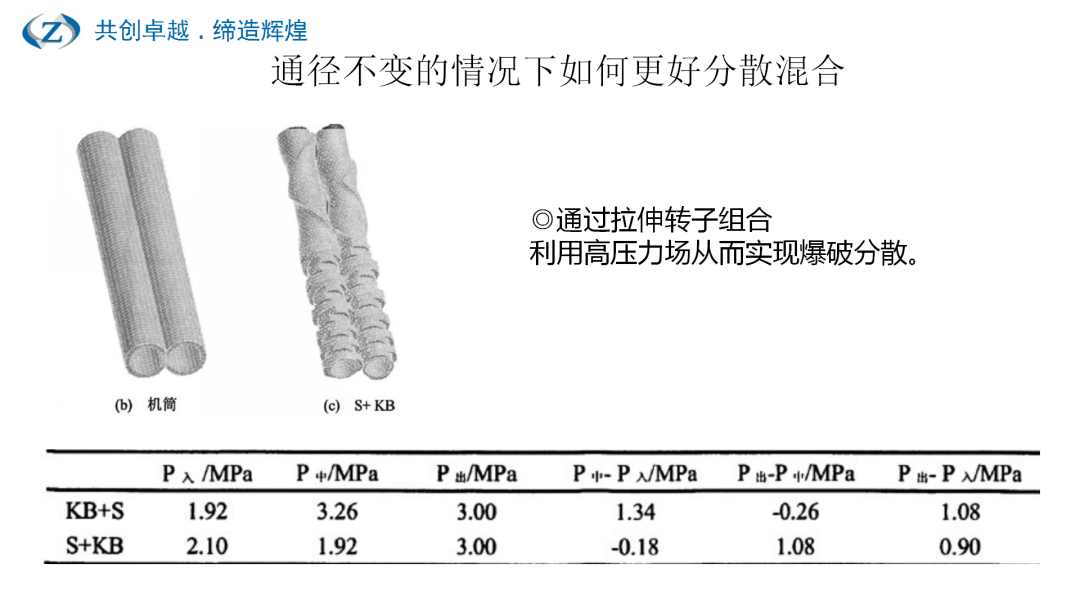
Ez a cikk átfogó elemzést nyújt az ikercsigás extruderek gyártóiparáról a kereskedelem összefüggésében. Megvizsgáljuk a jelenlegi kereskedelmi politikákat, azonosítani a vezető gyártókat és beszállítókat, Fedezze fel a nagykereskedelmi dinamikát, valós esettanulmányok elemzése, és olyan rövid távú trendek előrejelzése, amelyek az ipari vásárlók beszerzési stratégiáit alakítják majd az Atlanti-óceán mindkét partján.
2. Kereskedelmi politika és az ipari gépek ágazata
Az Egyesült Államok és az Európai Unió közötti kereskedelmi kapcsolat továbbra is a legnagyobb kétoldalú kereskedelmi partnerség a világon. szerint a Nemzetközi Kereskedelmi Igazgatóság (ITA), A teljes áru- és szolgáltatáskereskedelem meghaladta az USD-t 1.3 billió be 2024, az ipari gépek e csere jelentős részét képezik.
Jelenlegi tarifakeret
közepétől, az ipari gépek, köztük az ikercsigás extruderek tarifáit továbbra is számos kulcsfontosságú fejlemény alakítja:
- Az Egyesült Államok vámokat tart fenn bizonyos ipari berendezések kategóriáira a szakaszban 301 és szakasz 232 rendelkezések, bár a HR kód alá sorolt ikercsigás extruderek 8477 (gumi vagy műanyag megmunkálására szolgáló gépek) általában szabványos legnagyobb kedvezményt kapnak (Legkedveltebb Nemzet) vámtételei 3.1% hogy 4.4% ha az EU tagállamaiból importálják.
- Az EU közös külső vámtarifát alkalmaz az Egyesült Államokból származó gépekre, jellemzően től kezdve 1.7% hogy 3.7% a Kombinált Nómenklatúra kódjai alá tartozó extrudáló berendezésekhez.
- A European Commission's Trade Directorate-General (Kereskedelmi Főigazgatóság) folytatta a tárgyalásokat a Kereskedelmi és Technológiai Tanácsról (TTC) keretrendszer, amelynek célja a fejlett gyártóberendezések kereskedelmének technikai akadályainak csökkentése.
- A közelmúltban április-májusban bekövetkezett fejlemények új megbeszéléseket eredményeztek egy lehetséges kritikus ásványi anyagokról és ipari berendezésekről szóló megállapodásról, amely tovább csökkentheti a gépgyártók tarifális súrlódásait..
Szabályozási összehangolás és eltérés
Az ikercsigás extruderek kereskedelmében az egyik legjelentősebb nem vámjellegű akadály a szabályozási megfelelés. Az EU-ban gyártott extrudereknek meg kell felelniük a CE-jelölés követelményeinek, a gépekről szóló 2006/42/EK irányelv (hatályos frissített rendelkezések 2027), és ATEX irányelvek a robbanásveszélyes környezetben használt berendezésekre vonatkozóan. Az amerikai gyártóknak meg kell felelniük az OSHA szabványoknak, UL minősítések, és ANSI/NFPA követelmények.
A Amerikai Kereskedelmi Kamara és Eurochambres (Európai Kereskedelmi Kamarák Szövetsége) mindketten szorgalmazták a kölcsönös elismerési megállapodásokat (MRA-k) amely egyszerűsítené az ipari gépek tanúsítási folyamatait, potenciálisan csökkenti a piacra jutás idejét 3-6 hónap a határokon átnyúló berendezésértékesítésre.
A közelmúlt politikai változásainak hatása
Az elmúlt két hónapban (április-június ), számos szakpolitikai fejlemény közvetlenül érintette az ikercsigás extruder gyártókat:
- Az Egyesült Államok Kereskedelmi Minisztériuma fokozott exportkönnyítési intézkedéseket jelentett be az EU piacaira szánt fejlett gyártóberendezésekre vonatkozóan, a dokumentációs követelmények egyszerűsítése, amint azt a Amerikai Kereskedelmi Minisztérium.
- The EU's Carbon Border Adjustment Mechanism (CBAM) az átmeneti szakasz továbbra is befolyásolja a beszerzési döntéseket, mivel a vásárlók egyre inkább figyelembe veszik a gyártóberendezések és gyártási folyamataik szénlábnyomát.
- Új EU-s fenntarthatósági jelentési követelmények a vállalati fenntarthatósági jelentésekről szóló irányelv értelmében (CSRD) arra késztetik az európai vásárlókat, hogy nagyobb átláthatóságot követeljenek az ikercsigás extruder beszállítóitól a gyártási folyamatok és az ellátási lánc kibocsátása tekintetében.
3. Ikercsavaros extruder ipar: Jelenlegi állapot és piacméret
Az ikercsigás extruderek piaca típus szerint szegmentálódik (együtt és ellentétesen forgó), alkalmazás (műanyag kompaundálás, élelmiszer-feldolgozás, gyógyszerészeti, kémiai), és a földrajz. Mind az Egyesült Államok, mind az EU érett, de növekvő piacot képvisel, eltérő jellemzőkkel.
Piaci szegmentáció
| Szegmens | Amerikai piaci részesedés (2024) | EU-piaci részesedés (2024) | Növekedési ráta (CAGR 2024-2030) |
|---|---|---|---|
| Együtt forgó ikercsavaros extruderek | 28% | 34% | 7.2% |
| Ellentétesen forgó ikercsavaros extruderek | 12% | 15% | 5.1% |
| Műanyag-keverési alkalmazás | 45% | 42% | 6.9% |
| Élelmiszer-feldolgozási alkalmazás | 22% | 25% | 7.5% |
| Gyógyszerészeti alkalmazás | 15% | 18% | 8.3% |
Az adatok innen származnak Grand View kutatás, Mordor Intelligencia, és Piacok és Piacok jelentéseket, 2024-. Extrudált puskapor
Németország továbbra is az ikercsigás extrudergyártás meghatározó európai központja, Stuttgartban székelő cégekkel, Hannover, és müncheni ipari folyosók. Az amerikai gyártás Extruder nagykereskedelmi gyár bázisa a középnyugaton összpontosul (Ohio, Illinois, Indiana) és az északkeleti (New Jersey, Pennsylvania), ahol a fő műanyagfeldolgozó klaszterek közelsége természetes keresletet biztosít.
A technológiai trendek növelik a keresletet
Számos technológiai fejlesztés felgyorsítja a keresletet a fejlett ikercsigás extruderek iránt:
- Újrahasznosított műanyagok feldolgozása: The EU's Circular Economy Action Plan and the US EPA's recycling initiatives are driving demand for extruders capable of processing post-consumer recycled (PCR) magas szennyeződéstűrő anyagok.
- Ipar 4.0 integráció: Intelligens extruderek IoT érzékelőkkel, valós idejű folyamatfigyelés, és a mesterséges intelligencia által vezérelt optimalizálás a B2B vásárlók standard követelményévé válik.
- Bioműanyagok és fenntartható anyagok: Növekvő kereslet a PLA iránt, PHA, és más biopolimer-feldolgozáshoz speciális csavarkonfigurációkra van szükség, amelyeket a vezető gyártók fejlesztenek.
- Folyamatos gyógyszergyártás: The FDA's encouragement of continuous manufacturing processes has created a high-growth niche for pharmaceutical-grade twin screw extruders.
4. Vezető ikercsavaros extrudergyártók, Szállítók, és a gyárak
Extruder 3D nyomtató építése Az ikercsigás extrudergyártók versenykörnyezete a bevett európai mérnöki cégekre is kiterjed, amerikai Egyedi extrudált csövek ipari berendezéseket gyártó cégek, valamint az egyre versenyképesebb ázsiai gyártók, amelyek nagykereskedelmi és OEM-partnerségek révén igyekeznek bejutni a nyugati piacokra.
Főbb európai gyártók
- Coperion GmbH (Németország): A Hillenbrand Inc. leányvállalata., A Coperiont széles körben az együtt forgó ikercsigás extruder technológia globális vezetőjének tekintik. ZSK sorozatuk a műanyagok kompaundálásának iparági mércéje. A gyári műveletek központja Stuttgart, Németország, további termelési létesítményekkel Nanjingban, Kína. (coperion.com)
- KraussMaffei csoport (Németország): A ZE BluePower sorozatot kínáljuk, KraussMaffei combines German engineering precision with global service networks. Their Munich-based factory produces extruders for plastics, gumi, and chemical applications. (kraussmaffei.com)
- Leistritz Extrusionstechnik GmbH (Németország): Specializing in pharmaceutical and specialty chemical twin screw extruders, Leistritz operates from Nuremberg with a strong supplier network across the EU. (leistritz.com)
- Bühler Group (Svájc): A major player in food-grade twin screw extrusion, Bühler's factory in Uzwil produces equipment for snack food, állateledel, and aquafeed processing. (buhlergroup.com)
- Clextral (Franciaország): Specializing in food and feed extrusion, Clextral's Evolum HT series is widely used in European food manufacturing. (clextral.com)
Major US Manufacturers and Suppliers
- Entek Manufacturing (Egyesült Államok): Based in Lebanon, Oregon, Entek is one of the few US-based twin screw extruder manufacturers with complete domestic production capabilities. They supply both standard and custom extruder configurations. (entek.com)
- Thermo Fisher Scientific (Egyesült Államok): Through their Process Instruments division, Thermo Fisher supplies laboratory and pilot-scale twin screw extruders for pharmaceutical and research applications. (thermofisher.com)
- American Kuhne (Egyesült Államok): A supplier of both single and twin screw extrusion systems based in Rhode Island, serving the wire and cable, orvosi csövek, and specialty film markets. (americankuhne.com)
- CPM-extrudálási csoport (Egyesült Államok): Operating from multiple US locations, CPM provides twin screw extruders for food, takarmány, and industrial applications with a strong wholesale distribution network. (cpmextrusiongroup.com)
Wholesale and Distribution Networks
The wholesale segment for twin screw extruders operates through several channels:
- Direct factory-to-buyer sales for large-scale industrial purchasers
- Authorized distributor networks covering specific geographic regions
- Online B2B platforms including ThomasNet, Europages, and specialized industrial equipment marketplaces
- Trade show-driven sales at events like K Szakkiállítás (Düsseldorf), NÉV (Orlando), és Chinaplas
5. B2B kereskedelmi lehetőségek a folyosón
The corridor presents substantial B2B opportunities for twin screw extruder manufacturers, szállítók, és nagykereskedelmi forgalmazók. Several converging factors are creating favorable conditions for cross-Atlantic trade in this sector.
Demand Drivers in the US Market
US-based plastics processors and food manufacturers are increasingly seeking European-manufactured twin screw extruders for several reasons:
- Superior engineering reputation: German and Swiss manufacturers are perceived as offering higher precision, longer service life, and better energy efficiency—critical factors for US buyers calculating total cost of ownership.
- Recycling infrastructure expansion: The US Infrastructure Investment and Jobs Act allocated significant funding for recycling facility upgrades, creating demand for advanced compounding extruders capable of processing mixed plastic waste streams.
- Pharmaceutical reshoring: US pharmaceutical companies are investing in domestic continuous manufacturing capabilities, driving demand for pharmaceutical-grade twin screw extruders where European manufacturers like Leistritz and Thermo Fisher hold strong positions.
- Electric vehicle (EV) battery materials: Twin screw extruders are increasingly used in electrode slurry mixing and separator film production for lithium-ion batteries, a rapidly growing application as US EV manufacturing scales up.
Demand Drivers in the EU Market
European buyers are also sourcing from Műanyag cső extrudálás US manufacturers and suppliers: PVC Compound Machine Wholesale
- Versenyképes árképzés: US-manufactured extruders, particularly from mid-tier suppliers, can offer cost advantages of 15-25% compared to premium European brands, making them attractive for price-sensitive applications.
- Specialized applications: US manufacturers have developed niche expertise in certain applications (például, wire and cable compounding, military-specification materials processing) that European buyers require.
- Technology licensing and partnerships: Several EU companies are entering technology licensing agreements with US firms to access patented screw element designs and process control software.

Emerging Wholesale Opportunities
The wholesale market for twin screw extruder components—csavaros elemeket is beleértve, hordók, sebességváltók, and feeders—represents a particularly dynamic segment. According to industry estimates, the aftermarket and spare parts segment accounts for approximately 30-35% of total industry revenue, with annual growth rates exceeding 8%. B2B wholesale suppliers who can maintain inventory of critical wear parts and offer rapid delivery across the Atlantic are positioned for significant growth.
6. Az ikercsigás extrudergyártók előtt álló kihívások a határokon átnyúló kereskedelemben
A lehetőségek ellenére, several challenges complicate trade in the twin screw extruder sector:
Szabályozási megfelelési költségek
Csavaros extrudálás szállítója Dual certification requirements (CE + UL/OSHA) add an estimated 8-15% to the cost of equipment destined for cross-border sale. Smaller manufacturers and suppliers often lack the resources to maintain compliance with both regulatory frameworks simultaneously, limiting their ability to participate in transatlantic trade.
Logisztika és átfutási idők
Twin screw extruders are large, heavy, and often customized pieces of equipment. Ocean freight from European factories to US ports (typically Rotterdam to Newark/Houston/Los Angeles) requires 2-4 weeks transit time, with total lead times from order to installation often reaching 6-12 months for custom configurations. A Kereskedelmi Közlöny has reported ongoing container shipping rate volatility in, adding uncertainty to logistics planning.
Árfolyam-ingadozás
EUR/USD exchange rate movements directly impact the competitiveness of European manufacturers in the US market and vice versa. The euro's fluctuation between 1.05 és 1.14 a dollárral szemben a múltban 12 months has created pricing uncertainty for long-lead-time equipment orders.
Szellemi tulajdonnal kapcsolatos aggodalmak
Both US and EU manufacturers face IP challenges, particularly regarding screw element geometry designs and process control algorithms. The rise of lower-cost manufacturers offering "equivalent" screw elements has prompted increased patent enforcement activity on both sides of the Atlantic.
Szakképzett munkaerő hiánya
Mind az Egyesült Államokban, mind az EU-ban hiány van a telepítésre képes szakképzett technikusokból, üzembe helyezés, and maintaining twin screw extruders. This affects after-sales service capabilities for manufacturers operating across borders and increases the importance of remote monitoring and diagnostic capabilities.
7. A B2B kereskedelmet lehetővé tevő földrajzi és politikai előnyök
China Bmc Extruder The trade corridor benefits from several structural advantages that facilitate B2B trade in industrial equipment like twin screw extruders:
Kikötői infrastruktúra
Both regions maintain world-class port facilities optimized for heavy machinery logistics. Rotterdami kikötője, Europe's largest, kezeli 14 million TEUs annually and offers specialized heavy-lift and project cargo capabilities. Az USA oldalán, the ports of Houston, Newark-Elizabeth, and Savannah provide efficient import processing for industrial equipment with established customs brokerage networks familiar with machinery classification.
Trade Facilitation Agreements
Újrahasznosított műanyag pellet The Mutual Recognition Agreement on conformity assessment, while limited in scope, provides a framework for reducing duplicative testing requirements. A terrorizmus elleni vám-kereskedelmi partnerség (C-TPAT) az Egyesült Államokban és az engedélyezett gazdasági szereplő (AEO) program in the EU offer expedited customs processing for certified manufacturers and suppliers. Extruder Calibration
Pénzügyi infrastruktúra
The financial corridor supports sophisticated trade finance instruments including letters of credit, exporthitel-ügynökség (ECA) financing through institutions like the US Export-Import Bank and Euler Hermes (Németország), and multi-currency invoicing capabilities that reduce transaction friction for high-value equipment purchases.
Innovációs ökoszisztémák
Both the US and EU maintain robust innovation ecosystems that drive twin screw extruder technology advancement. Germany's Fraunhofer Institute network, the US National Science Foundation's Advanced Manufacturing programs, and university-industry partnerships on both sides of the Atlantic ensure a continuous pipeline of process innovations that create new market opportunities for equipment manufacturers.
8. Esettanulmányok Piacokon keresztül működő vállalkozások
Esettanulmány 1: Coperion's Transatlantic Integration Strategy
Coperion GmbH, now part of US-based Hillenbrand Inc. following the 2012 acquisition, represents perhaps the most successful example of integration in the twin screw extruder market. The company maintains its primary R&D and manufacturing factory in Stuttgart, Németország, while leveraging Hillenbrand's US corporate infrastructure for North American sales, szolgáltatás, and distribution.
Key success factors include:
- Maintaining German engineering standards while adapting to US market requirements (UL certification, NFPA compliance)
- Establishing a US-based spare parts warehouse in Sewell, New Jersey, enabling 24-48 hour delivery of critical components to North American customers
- Offering dual-currency pricing and US-based financing options to reduce procurement friction for American buyers
- Investing in a US-based technical center for customer trials and process development, reducing the need for transatlantic travel during the equipment selection process
Az eredmény: Coperion maintains an estimated 35-40% market share in the North American co-rotating twin screw extruder market while preserving its dominant position in Europe, according to industry analysis from Műanyagok ma.
Esettanulmány 2: Entek's European Market Penetration
Entek Manufacturing, based in Lebanon, Oregon, provides a compelling case study of a US-based twin screw extruder manufacturer successfully penetrating the European market. Despite competing against established German manufacturers on their home turf, Entek has carved out a significant niche by:
- Focusing on the replacement screw element and barrel market, where their US-manufactured components offer competitive pricing with comparable quality
- Establishing partnerships with European distributors who provide local technical support and inventory management
- Leveraging their QC4 series extruders' competitive price-performance ratio to attract mid-market European processors who find premium German brands cost-prohibitive
- Participating actively in European trade shows including K Fair and Plastics Recycling Show Europe
Esettanulmány 3: Leistritz's Pharmaceutical Niche Dominance
Leistritz Extrusionstechnik GmbH demonstrates how a specialized twin screw extruder manufacturer can dominate a high-value niche across both US and EU markets. Their pharmaceutical-grade Nano-16 and ZSE MAXX series extruders are used by major pharmaceutical companies on both continents for hot-melt extrusion (HME) and continuous granulation processes.
Leistritz's cross-border success is built on:
- Deep application expertise in pharmaceutical processing, supported by a dedicated team of process engineers with pharma industry experience
- FDA and EMA regulatory knowledge that enables them to support customers through validation and qualification processes
- A US subsidiary (Leistritz Extrusion, Somerville, NJ) that provides local sales, szolgáltatás, and application support
- Strategic partnerships with US universities (például, University of Texas at Austin, St. John's University) for pharmaceutical extrusion research
9. Nagykereskedelmi és ellátási lánc dinamika ikercsavaros extruderekhez
The wholesale segment of the twin screw extruder industry encompasses both complete machine sales through distributor networks and the substantial aftermarket for components, alkatrészek, and consumables.
Component Wholesale Market
The screw element and barrel segment represents the largest wholesale opportunity. Twin screw extruder screw elements are wear items that require periodic replacement, with typical service life ranging from 2,000 hogy 15,000 operating hours depending on the material being processed. A single production extruder may contain 40-80 individual screw elements, creating a recurring revenue stream for wholesale suppliers. Párhuzamos ikercsavar gyártója
Key wholesale market dynamics include:
- OEM vs. aftermarket competition: Original equipment manufacturers typically price replacement screw elements at a 40-60% premium over aftermarket alternatives, creating opportunities for independent wholesale suppliers
- Material innovation: Advanced metallurgies including powder metallurgy tool steels (CPM 9V, CPM 10V) and nickel-based alloys are extending element life while commanding premium pricing
- Inventory management: Wholesale distributors who maintain ready stock of common screw element configurations gain significant competitive advantage through reduced lead times
Supply Chain Resilience
The COVID-19 pandemic and subsequent supply chain disruptions exposed vulnerabilities in the twin screw extruder supply chain, particularly for specialized components like high-precision gearboxes and hardened steel barrels. In response, both US and EU manufacturers have been diversifying their supplier bases and increasing safety stock levels. A Supply Chain Digital reports that industrial machinery manufacturers have increased inventory holdings by an average of 20-30% compared to pre-pandemic levels.
10. A nehézipar fejlődési trendjei és az extrudálás jövője
The twin screw extruder manufacturing sector exists within the broader context of heavy industry transformation. Several macro-level trends are reshaping the industry landscape and creating both opportunities and challenges for manufacturers, szállítók, és nagykereskedelmi forgalmazók.
Digital Transformation and Industry 4.0
The integration of digital technologies into twin screw extrusion represents perhaps the most significant transformation in the industry's history. Modern extruders are increasingly equipped with:
- IoT sensor arrays: Real-time monitoring of melt temperature, nyomás, nyomaték, and throughput at multiple points along the barrel, generating continuous data streams for process optimization
Masterbatch gép: Globális B2B kereskedelmi elemzés, Gyártók & Industr… · Kétcsavaros extruder: Átfogó B2B kereskedési elemzés a piacok számára · Egyedi műanyag extrudálási kereskedelem elemzése az ország piacai számára