

Kle Takeaways
- Ekstrisyon plastik fonn résine anvan tout koreksyon epi fòme li nan yon pwofil kontinyèl ak yon koup transvèsal fiks., ki fè li byen adapte pou lontan, pwodiksyon gwo volim kouri (SeaGate Plastik, 2024).
- Lè mwen evalye yon manifakti pwofil plastik, mwen separe ekstrizyon koutim, ki pote yon sèl-fwa mouri ak envestisman zouti, soti nan stock fòm extrudée ki sote sa a pri davans (Thomasnet direktiv founisè, 2024).
- Seleksyon materyèl kondwi tout bagay en: Mwen matche ak aplikasyon an nan polymère dwat la, si wi ou non se PVC pou tiyo ak pwofil, ABS oswa polikarbonat pou fòs enpak, HDPE ak LDPE pou rezistans chimik, polypropylène pou gon k ap viv, Acrylic (PMMA) pou klè, oswa nilon klas jeni (PA) ak PEEK pou pati ki mande yo.
- PVC se pami plastik ki pi lajman extrudée globalman, komen atravè pwofil yo, tiyo, ak tib, ki se poukisa anpil founisè lis li kòm yon kapasite default (Asosyasyon endistri plastik, 2023).
- Tolerans extrusion kouri pi lach pase bòdi piki paske nan kontraksyon materyèl ak fòme kontinyèl, Se konsa, mwen planifye tolerans bonè olye ke asepte presizyon pati moule (Pwotolab, 2023).
- Mwen trete ISO 9001 kòm yon siyal debaz nan yon sistèm jesyon kalite ki gen matirite, pa yon garanti, epi asosye li ak yon lis verifikasyon konkrè ki kouvri kapasite, kapasite ko-extrusion, ak tan plon (ISO, 2015).
- Pou entansyon kote yo ye, apwovizyone nan yon manifakti plastik domestik ka diminye pri total ateri lè yo koupe machandiz, devwa, ak depans pou pote envantè, yon pwen vo peze kont pri inite pou kont li (Reshoring Inisyativ, 2023).
- Tèrmoplastik yo itilize nan extrusion yo resikle, ak regrind reutilize amelyore efikasite materyèl, ki mwen faktè nan tou de pri ak konvèsasyon dirabilite (US EPA, 2023).
- Reklamasyon tankou “pi gwo” oswa “pi bon” faktori vle di ti kras san kontèks, Se konsa, mwen referans founisè sou pri zouti, MOQ, pwodiksyon rapid, ak pwouve sipò pwototip-a-pwodiksyon pito.
Ki sa konpayi extrusion plastik ak faktori yo aktyèlman fè
Lè mwen evalye yon founisè pou yon kliyan, Mwen kòmanse pa klarifye ki sa mo a “ekstrizyon” aktyèlman dekri sou planche a boutik. Ekstrisyon plastik fonn materyèl plastik anvan tout koreksyon epi fòme li nan yon pwofil kontinyèl ak yon koup transvèsal fiks. (SeaGate Plastik, 2024). Selibatè fraz sa a gen anpil pwa: pwosesis la se kontinyèl olye ke piki-pa-piki, epi jeyometri a defini pa yon koup transvèsal ki genyen de dimansyon ki kouri tout longè pati a. Se poutèt sa li kostim pwodiksyon long ak manifakti gwo volim byen, epi li se yon disiplin vrèman diferan de bòdi piki oswa machin.
Nan pratik, “ekstrizyon résine” se motè a dèyè twa fanmi gwo pwodiksyon mwen wè yo mande pi souvan:
- Des - Des plastik koutim ak yon koup transvèsal defini, soti nan chanèl senp ak taye kwen nan fòm konplèks milti-lumèn. Sa a se kote extrusion pwofil ak ko-extrusion reyèlman klere.
- Tib - wonn, oval, ak tib milti-lumèn yo itilize nan medikal, manyen likid, ak aplikasyon pou chanm konpwesyon lè, soti nan yon founisè plastik espesyalize tib.
- Fèy — plastik fèy extrusion pou panno, revètman, ak stock thermoforming, pwodui nan yon pil mouri plat ak woulo liv.
Manifaktirè yo, Faktori, ak distribitè yo pa menm bagay la
Achtè yo souvan itilize tèm sa yo interchangeable, e sa koute yo tan. Men ki jan mwen separe yo:
- A manifakti oswa faktori posede liy ekstrizyon yo, koupe pwòp mouri li yo, ak kontwole pwosesis la soti nan résine nan pati fini. Sa a se moun ou vle pou zouti koutim, kontwòl pwosesis sere, oswa plastik klas jeni.
- A distribitè oswa revandè aksyon ak bato fòm estanda men tipikman pa kouri liy lan. Gran pou stock fòm extrudée ak rekòmande vit, mwens konsa pou travay koutim.
- A fabrikan ka achte pwofil stock ak machin, soude, oswa rasanble yo nan pwodwi fini sèvis fabwikasyon plastik.
Lè mwen chèche Thomasnet, Mwen filtre fè espre, paske anyè sa yo lis ak kategorize manifaktirè ekstrizyon plastik US pa kapasite ak rejyon (Thomasnet, 2024). Filtè kapasite sa a se sa ki di ou si w ap pale ak yon manifakti pwofil plastik reyèl oswa yon entèmedyè.
Poukisa achtè rechèch pou “Faktori” Olye de “Founisè”
Nan eksperyans mwen, chanjman nan direksyon “faktori” langaj siyal entansyon. Achtè ki tape li vle yon sous ki gen kontwòl nan kay sou konsepsyon mouri ak zouti, transparan MOQ konvèsasyon, ak kapasite nan echèl soti nan pwototip nan pwodiksyon an. Li reflete tou presyon rekòmanse: apwovizyone domestik ka diminye pri total ateri lè yo bese machandiz, devwa, ak depans pou pote envantè (Reshoring Inisyativ, 2023), ak endistri plastik US la rete yon gwo kontribitè nan chajman fabrikasyon domestik ak travay (Asosyasyon endistri plastik, 2023). Chèche yon manifakti plastik domestik, olye ke yon founisè jenerik, se souvan yon desizyon ekspre risk ak pri.
Ki jan Pwosesis ekstrizyon plastik la ap travay, Etap pa etap

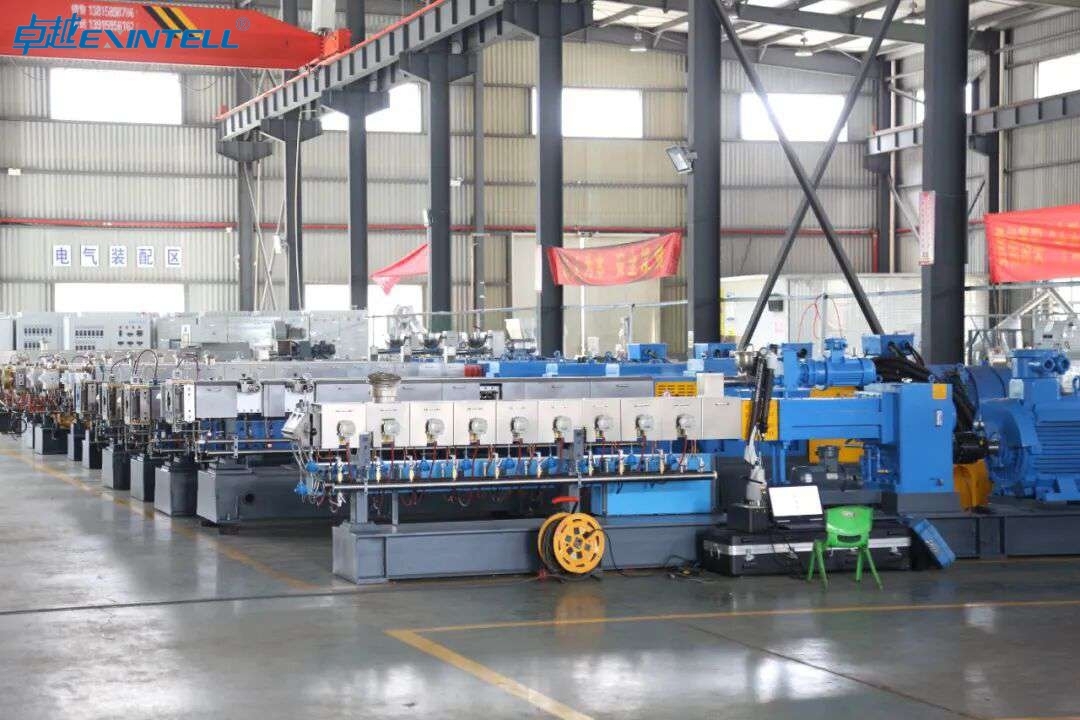
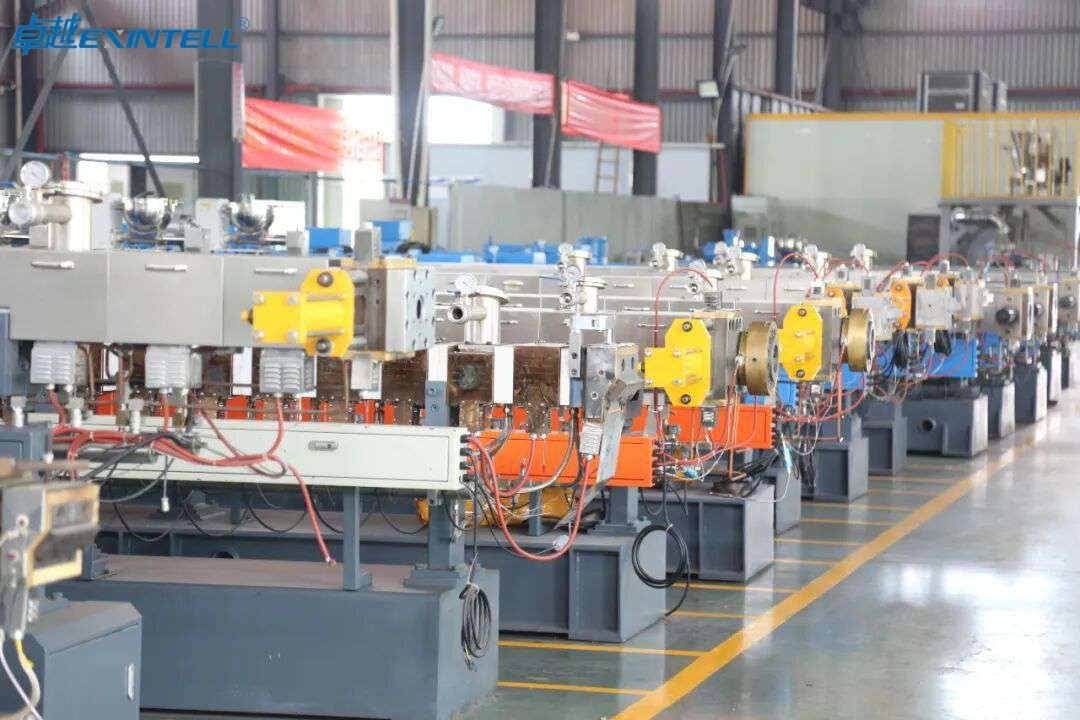
Konprann mekanik yo ede ou poze pi bon kesyon epi li yon quote avèk presizyon. Twin Screw Extruder Konpayi fabrikasyon Manifakti Mwen mache kliyan atravè senk etap nan pwosesis extrusion kontinyèl la.
1. Materyèl kri manje ak fonn nan barik la
Granules tèmoplastik - souvan PVC, ABS, HDPE, LDPE, oswa polypropylène - antre nan yon Hopper epi gout nan yon barik chofe ak yon vis wotasyon. Konbinezon aparèy chofaj barik ak taye vis fonn résine a nan yon kouran omojèn fonn.. Chwa materyèl enpòtan isit la: PVC se pami plastik ki pi lajman extrudée globalman, souvan itilize nan pwofil, tiyo, ak tib (Asosyasyon endistri plastik), pandan y ap polikarbonat, Acrylic (PMMA), nilon (PA), ak PEEK sèvi pi egzijan, aplikasyon pou klas jeni. Regrind resikle ka souvan melanje tounen nan, ak tèrmoplastik yo itilize nan extrusion yo resikle, se konsa regrind réutilisation amelyore efikasite materyèl (US EPA, 2023).
2. Fòse plastik fonn atravè yon mouri koutim
Se fizyon an pouse nan yon mouri ki defini pwofil kwa-seksyon an. Sa a se kè a nan pwosesis la ak rezon ki fè travay koutim pote pri zouti. Yon konfigirasyon ko-extrusion itilize plis pase yon extruder manje yon sèl mouri, kite ou konbine materyèl - yon substra rijid ak yon bouch mou TPE / TPU sele, pou egzanp, oswa yon kouch bouchon koulè sou yon nwayo ki pi ba pri.
3. Refwadisman, Dimansyon, ak Dekolaj Kontinyèl
Kite mouri a, pwofil mou a pase nan yon sistèm refwadisman ak dimensionnement - anjeneral yon beny dlo oswa vakyòm dimensionnement tank - ki fèmen nan dimansyon.. Yon dekolaj (rale) trase pwofil la nan yon vitès kontwole. Paske pati a fòme kontinyèlman ak materyèl la retresi pandan li refwadi, tolerans extrusion yo jeneralman pi lach pase bòdi piki (Pwotolab, 2023). Mwen mete atant sa byen bonè pou kliyan espesifik tolerans reyalis olye ke yo peye pou presizyon pwosesis la pa ka kenbe ekonomikman..
4. Koupe nan longè ak segondè fabrikasyon
Yon si nan liy oswa kouto koupe pwodiksyon an kontinyèl nan longè. Soti nan la, operasyon segondè - perçage, pwensonaj, antay, enprime, oswa asanble - vire pati plastik extrudée nan eleman fini. Sa a se pon ki genyen ant pwofil anvan tout koreksyon ak yon livrable ka itilize, epi li se kote pwodiksyon rapid-turnaround swa genyen oswa pèdi.
Custom vs Stock plastik extrusion: Ki Ou Bezwen?
Sa a se desizyon an ke mwen jwenn plis mande sou, ak repons onèt la se: sa depann de volim, jeyometri, ak delè. Kite m kraze chak chemen.
Lè Pwofil Stock Off-the-Shelf yo se bon chwa a
Stock fòm extrudée - baton estanda, tib, chanèl, ang, ak fèy — evite koute zouti nèt ak bato vit. Si yon pwofil katalòg adapte aplikasyon w lan nan tolerans akseptab, achte stock se prèske toujou pi bon mache a, wout pi rapid. Mwen dirije kliyan isit la pou pwototip, volim ki ba, ak nenpòt pati kote yon koup transvèsal estanda fè travay la.
Lè zouti koutim ak pwofil yo jistifye
Custom extrusion tipikman mande pou yon sèl-fwa zouti ak envestisman mouri, pandan ke pwofil stock evite pri sa a (endistri apwovizyone konsèy). Pri mouri sa a jistifye lè jeyometri ou se propriétaires, lè yon koutim koup transvèsal elimine asanble en, oswa lè volim anyèl ase wo pou amorti zouti a. Pi wo pase yon sèten gwosè kouri, ekonomi yo pou chak pye nan yon objektif-bati mouri depasse depans la davans.
Apwòch ibrid la: Des estanda, Pati Custom
Se chemen mitan pi renmen mwen an souvan neglije. Estanda pwofil extrudée ak tib yo ka fabrike nan pati koutim pri-efikas ak rotation rapid (SeaGate Plastik, 2024). Ou sote envestisman an mouri, Lè sa a, sèvi ak koupe, D', ak asanble yo rive jwenn yon livrezon koutim. Pou anpil pwogram mwayen volim, ibrid sa a bat tou de stock pi bon kalite ak koutim konplè sou pri total.
Konparezon pri ak tan plon
Men ki jan twa apwòch yo jeneralman konpare. Trete sa yo kòm chenn planifikasyon direksyon, pa quotes - figi aktyèl depann sou materyèl, jeyometri, ak volim.
|
Faktè |
Stock Des |
Ibrid (Estanda fabrike) |
Ekstrisyon konplè Custom |
|---|---|---|---|
|
Pri zouti davans |
Okenn |
Okenn ba (enstalasyon sèlman) |
Yon sèl fwa envèstisman mouri |
|
Tan plon tipik |
Ki pi kout (souvan nan stock) |
Kout pou modere |
Pi long (mouri bati + premye atik) |
|
Minimòm lòd (MOQ) |
Ba |
Ba a modere |
Pi wo (pou amorti zouti) |
|
Jeyometri fleksibilite |
Fòm katalòg sèlman |
Fòm estanda + D' |
Seksyon transvèsal totalman Sur |
|
Pi bon anfòm |
Pwototip, volim ki ba |
Mid volim, personnalisation modere |
Gwo volim, pwofil propriétaires |
|
Faktè |
Stock Des |
Ibrid (Estanda fabrike) |
Ekstrisyon konplè Custom |
|---|---|---|---|
|
Pri zouti davans |
Okenn |
Okenn ba (enstalasyon sèlman) |
Yon sèl fwa envèstisman mouri |
|
Tan plon tipik |
Ki pi kout (souvan nan stock) |
Kout pou modere |
Pi long (mouri bati + premye atik) |
|
Minimòm lòd (MOQ) |
Ba |
Ba a modere |
Pi wo (pou amorti zouti) |
|
Jeyometri fleksibilite |
Fòm katalòg sèlman |
Fòm estanda + D' |
Seksyon transvèsal totalman Sur |
|
Pi bon anfòm |
Pwototip, volim ki ba |
Mid volim, personnalisation modere |
Gwo volim, pwofil propriétaires |
Kèlkeswa chemen ou chwazi a, Mwen rekòmande konfime boutik la kouri yon sistèm kalite dokimante - ISO 9001 se estanda entènasyonalman rekonèt pou sistèm jesyon kalite yo itilize atravè manifakti (ISO, 2015) epi li rete referans ki pi lajman adopte nan sektè plastik la. Pou yon gade pratik nan ki jan stock ak ofrann koutim chita kòt a kòt, Mwen jwenn SeaGate Plastik’ koutim ekstrizyon BECA yon pwen referans itil.
Kalite Des plastik extrusion ak pwodwi yo

Lè mwen evalye yon pwojè pou extrusion, Mwen kòmanse ak koup transvèsal la, paske jeyometri a nan pati a fini dikte prèske tout bagay en: konsepsyon mouri a, chwa materyèl la, epi finalman pri a ou pral peye. Ekstrisyon plastik fonn résine anvan tout koreksyon epi fòme li nan yon pwofil kontinyèl ak yon koup transvèsal fiks. (SeaGate Plastik, 2024). Prensip sèl sa a pwodui yon katalòg fòm etonan lajè, kidonk li ede gwoupe yo pa konpleksite ak fonksyon.
Solid pwofil, Hollow Profiles, ak Jeyometri Konplèks
Des solid yo se cheval de travay endistri a: branch bwa, ba, rebò, ak taye ki pa gen okenn vid entèn yo. Yo se pi fasil zouti ak pi padonnen sou tolerans, Se poutèt sa mwen rekòmande yo pou premye achtè teste yon konsepsyon. Hollow pwofil prezante chanèl entèn yo, epi yo mande mouri pi sofistike ak mandrin oswa broch pou kenbe kavite a louvri pandan fizyon an refwadi.. Jeyometri konplèks konbine plizyè mi, undercuts, ak tranzisyon mens a epè nan yon sèl koup transvèsal, ak sa a se kote konsepsyon mouri ak ekspètiz zouti separe yon manifakti pwofil plastik ki kapab soti nan yon mwayèn. Nan eksperyans mwen, epesè miray inegal se kòz ki pi komen nan deformation, so I press suppliers early on how they plan to balance material flow across the profile.
Tubing and Multi-Lumen Extrusions
Tubing is a specialized subset of hollow extrusion, and it spans everything from simple single-bore tube to multi-lumen designs with several parallel channels running the length of the part. Medical device and analytical instrument buyers lean on multi-lumen extrusions to carry fluids, fil, and sensors through one compact profile. A dependable plastic tubing supplier will hold tight concentricity and inner-diameter tolerances, though I always remind clients that extrusion tolerances are generally looser than injection molding because of material shrinkage and continuous forming (Protolabs Design Resources, 2023). Plan your fit and clearance around that reality rather than fighting it.
Ko-Extrusion ak pwofil milti-materyèl
Co-extrusion kouri de oswa plis rezin nan yon mouri pataje yo pwodwi yon pwofil sèl ak zòn materyèl diferan. Mwen sèvi ak li lè yon pati bezwen pwopriyete konfli nan yon fwa, tankou yon kò estriktirèl PVC rijid ak yon lèv mou TPE / TPU gasket, oswa yon kouch bouchon move tan sou yon substra ki pi ba pri. Li elimine etap segondè asanble ak lyezon, ki se yon ekonomize pri siyifikatif nan volim. Konpwomi a se konpleksite zouti, Se konsa, mwen rezève ko-extrusion pou desen kote benefis nan milti-materyèl klèman jistifye envestisman an mouri te ajoute.
Aplikasyon endistri komen pou chak kalite
Jeyometri diferan gravite nan direksyon diferan sektè, ak matche yo byen bonè kenbe apwovizyone konvèsasyon konsantre.
- Des solid: rebò etajè an detay, taye mèb, sele, ak konpozan kloti.
- Hollow profiles: window and door frames, LED light channels, and structural cladding.
- Tubing and multi-lumen: katetè medikal, fluid transfer lines, and pneumatic tubing.
- Des ko-extrude: move tan retire rad sou ou, refrigeration gaskets, and dual-durometer handles.
- Sheet extrusion: siyalizasyon, thermoforming stock, and protective panels.
Because plastic extrusion is a continuous, high-volume process, it suits long production runs particularly well, and standard extruded profiles and tubes can be fabricated into cost-effective custom parts with quick turnaround (SeaGate Plastik, 2024). If your annual demand is steady and measured in the tens of thousands of feet, extrusion economics work strongly in your favor.
Materyèl komen yo itilize nan extrusion plastik
Material selection is the decision I see buyers underestimate most often. Résine a gouvène fòs mekanik, rezistans chimik, ranje tanperati, pri, e menm jan sere yon tolerans extruder a ka realistikman kenbe. Mwen gwoup rezin extrusion nan twa nivo, Lè sa a, travay ak kliyan yo deplase moute sèlman osi lwen ke aplikasyon an vrèman mande.
Rezin Komodite: PVC, Polyethylene, ak Polypropylène
Komodite résines kouvri majorite volim extrudée, ak pou bon rezon. PVC se pami plastik ki pi lajman extrudée globalman, komen nan Des, tiyo, ak tib (Asosyasyon endistri plastik). Li ofri frigidité, weatherability, ak pri ki ba, epi li pran koulè ak sifas fini byen. Polyethylene parèt nan de klas abitye: HDPE pou rèd, Pwofil chimik ki reziste ak LDPE kote fleksibilite enpòtan. Polypropylène balanse rezistans chimik ak yon bon rapò fòs-a-pwa ak pèfòmans k ap viv. Lè yon kliyan mande sou extrusion résine pou yon gwo volim, pati pri-sansib, sa a se prèske toujou kote mwen kòmanse.
Jeni rezin: ABS, Polikarbonat, Nylon, ak Acrylic
Jeni-klas plastik monte nan pèfòmans mekanik ak tèmik. ABS delivre fòs enpak ak pwòp fini pou konsomatè ak pati patiraj. Polikarbonat pote rezistans enpak segondè ak klè optik, ki fè li yon diskontinu pou lantiy ekleraj ak lustraj sekirite. Nylon (PA) ofri rezistans mete ak severite pou konpozan mekanik ak jesyon kab. Acrylic (PMMA) bay klète ekselan ak estabilite UV pou pwofil ekspozisyon ak siyal. Mwen deplase achtè nan nivo sa a lè rezin komodite pa ka satisfè chaj, chalè, oswa kondisyon klète, epi mwen asire w ke yo pri prim nan résine kont benefis nan pèfòmans anvan komèt.
Materyèl pèfòmans segondè tankou PEEK
Nan tèt la chita yon ti gwoup polymère pèfòmans-wo, ak PEEK kòm pwen referans. PEEK kenbe tèt ak tanperati ki wo kontinyèl, pwodui chimik agresif, ak mande chay mekanik, se poutèt sa li parèt nan espas aeryen, medikal, ak aplikasyon pou semi-conducteurs. Pri materyèl la se sibstansyèl, Se konsa, mwen sèlman presize li lè anviwònman an opere pa kite okenn opsyon pi bon mache. Se pa tout manifakti pwofil plastik ki trete PEEK, kidonk tès depistaj kapasite yo gen plis enpòtans nan nivo sa a.
Matche Pwopriyete Materyèl ak Kondisyon Aplikasyon yo
Kad seleksyon mwen an fè espre senp: defini egzijans ki pa negosyab la an premye, Lè sa a, chwazi résine ki pi piti chè ki netwaye li. Tablo ki anba a rezime kijan mwen peze opsyon komen pou pati plastik extrudée.
| Materyèl | Nivo | Fòs kle yo | Pri relatif | Aplikasyon tipik |
|---|---|---|---|---|
| PVC | Komodite | Rijid, move tan, pri ki ba | $ | Des, tiyo, taye |
| HDPE / LDPE | Komodite | Rezistans chimik; rèd oswa fleksib | $ | Tib, revètman, kanalizasyon |
| Polypropylène | Komodite | Rezistans chimik, gon k ap viv | $ | Manyen likid, gon |
| ABS | Jeni | Fòs enpak, pwòp fini | $$ | Patiraj, pati konsomatè yo |
| Polikarbonat | Jeni | Rezistans enpak, klète | $$ | Lantiy, lustraj sekirite |
| Nylon (PA) | Jeni | Mete rezistans, severite | $$ | Mekanik, gid kab |
| Acrylic (PMMA) | Jeni | Klète, Estabilite UV | $$ | Siyalizasyon, montre |
| PEEK | Pèfòmans segondè | Chalè, chimik, ak rezistans chaj | $$$$ | Aerospace, medikal, semiconductor |
Yon pwen efikasite vo ogmante ak nenpòt founisè: tèrmoplastik yo itilize nan extrusion yo resikle, ak regrind reutilize amelyore efikasite materyèl (Ajans Pwoteksyon Anviwònman Ameriken an, 2023). Mande ki jan yon faktori okipe regrind di m 'yon bagay sou tou de disiplin pri yo ak pratik dirabilite yo.
Konpayi fabrikasyon plastik extrusion nan USA a
Pou anpil nan achtè yo mwen konseye, kesyon sourcing la se pa sèlman “ki moun ki ka ekstrè pwofil sa a” men “ki moun ki ka èkstrude li isit la.” Apwovizyone domestik te deplase soti nan yon preferans nan yon desizyon estratejik, epi li merite yon gade klè olye ke patriyotis reflexif.
Poukisa apwovizyone ki baze nan Etazini enpòtan pou anpil achtè
Ka finansye a pi fò pase sa li parèt premye. Reshoring and domestic sourcing can reduce total landed cost by lowering freight, devwa, ak depans pou pote envantè (Reshoring Inisyativ, 2023). When I run a total-cost comparison rather than a unit-price comparison, offshore savings often shrink once I add ocean freight, tarif yo, safety stock, and the working capital tied up in long transit times. For a domestic plastics manufacturer serving a US customer, lead times measured in weeks rather than months also mean less risk if a design changes mid-program.
Regional Manufacturing Hubs Across the Country
US extrusion capacity is not evenly distributed, and knowing the map speeds up sourcing. The Great Lakes and Upper Midwest concentrate general-purpose profile and tubing extruders near automotive and industrial demand. The Northeast holds a dense cluster of medical and precision tubing specialists. The Southeast has grown quickly around building products and packaging. The West Coast and Southwest serve electronics, ayewospasyal, and consumer markets. Supplier directories such as Thomasnet list and categorize US plastic extrusion manufacturers by capability and region (Thomasnet, 2024), which is where I usually build a first shortlist before making calls.
Domestic Quality, Kominikasyon, and IP Advantages
Beyond cost, three practical advantages keep drawing buyers home. Premye, quality systems are easier to verify in person; ISO 9001 se estanda entènasyonalman rekonèt pou sistèm jesyon kalite yo itilize atravè manifakti (Òganizasyon Entènasyonal pou Normalisation, 2015), and I can audit a domestic supplier’s implementation without an international trip. Dezyèmman, time-zone-aligned communication shortens the feedback loop from prototype to production, which matters when a die needs a mid-run adjustment. Twazyèm, intellectual property protection is more enforceable under US jurisdiction, a real concern when a custom profile is a competitive differentiator. I treat these as the differences that a spreadsheet alone will miss.
How US Factories Serve Diverse Industries
American extruders span the full range of contract manufacturing, from stock extruded shapes shipped from inventory to fully custom die programs. Custom extrusion typically requires a one-time tooling or die investment, while stock profiles avoid that cost, so I match the sourcing path to how unique the geometry really needs to be. The US plastics industry remains a major contributor to domestic manufacturing shipments and employment (Asosyasyon endistri plastik, 2023), and that depth means a buyer can usually find a plastic fabrication services partner suited to their volume, from prototype to production. For a broad view of custom capabilities, Mwen souvan montre kliyan yo apèsi tankou manifakti ekstrizyon plastik koutim pou kalibre atant anvan ou mande quotes.
Kijan pou jwenn konpayi extrusion plastik toupre ou
Lè mwen kòmanse yon pwojè apwovizyone, jewografi se youn nan premye varyab mwen peze. Kote fòm pri machandiz, kadans kominikasyon, ak konbyen vit mwen ka iterasyon soti nan pwototip nan pwodiksyon an. Sa te di, pwoksimite se sèlman ki gen anpil valè lè founisè ki tou pre a ka aktyèlman fè travay la. Nan eksperyans mwen, apwòch ki pi entelijan trete “toupre mwen” kòm yon filtè, pa yon desizyon.
Poukisa apwovizyone lokal yo souvan peye
Yon manifakti plastik domestik tou pre etablisman ou a ba ou twa avantaj konkrè. Premye, pi kout distans anbake pi ba machandiz ak plon-tan risk, which matters for bulky extruded plastic parts and long profiles that ship as oversized freight. Dezyèmman, local partners make on-site visits practical, and I have caught more process issues in a two-hour plant walkthrough than in weeks of email. Twazyèm, proximity accelerates iteration: when a die needs a tweak, a supplier a few hours away can turn samples faster than one across an ocean.
The financial case reaches beyond the unit price. According to the Reshoring Initiative (2023), apwovizyone domestik ka diminye pri total ateri lè yo bese machandiz, devwa, ak depans pou pote envantè. The domestic base is substantial, tou; Asosyasyon endistri plastik (2023) reports that the US plastics industry is a major contributor to domestic manufacturing shipments and employment, which means qualified capacity for resin extrusion is usually within reach.
Where I Look: Directories, Associations, and Referrals
To build an initial list of candidates, I use three complementary channels:
- Supplier directories. Thomasnet (2024) lists and categorizes US plastic extrusion manufacturers by capability and region, which makes it straightforward to filter by material, pwosesis, and location.
- Trade associations. Membership in bodies like the Plastics Industry Association signals a firm that invests in standards and industry engagement.
- Referrals. A recommendation from an engineer who has run production with a plastic profile manufacturer carries more weight than any marketing page, because it reflects delivered performance.
I treat the directory as a starting point for a plastic tubing supplier or profile shop, then validate each name against real references before it earns a spot on my shortlist.
Balancing Proximity Against Capability and Price
Distance is a tiebreaker, not a trump card. If a nearby shop cannot hold your tolerances, run your resin, or meet your volume, the convenience is worthless. I rank capability and quality first, Lè sa a, pri, then location. A plastic extrusion companies factory supplier two states away with the right co-extrusion line and a proven ISO 9001 system will usually serve me better than a closer shop lacking those capabilities.
When Local Is Not the Best Option
Sometimes the right partner is not nearby. Specialized work in engineering-grade plastics such as PEEK, polikarbonat, oswa nilon (PA) may only be done well by a handful of shops nationally. High-volume manufacturing programs can justify shipping economics that favor a distant, more automated plant. And when you need capabilities like plastic sheet extrusion combined with in-line fabrication, the fit of the process matters more than the mileage. In those cases I widen the search radius and lean on video plant tours and third-party audits to close the distance gap.
Understanding the Largest Plastic Extrusion Companies
Buyers often gravitate toward the biggest names, assuming scale guarantees a better outcome. Scale does deliver real advantages, but it also carries tradeoffs. Understanding what “pi gwo” actually means helps me match a supplier’s footprint to my program rather than to a reputation.
What Scale Means for Capacity and Reliability
Ekstrisyon se yon kontinyèl, high-volume process well suited to long production runs, and large factories are built around that reality. More extrusion lines mean higher throughput, redundancy if one line goes down, and the ability to absorb demand spikes. Scale usually correlates with mature quality systems as well; ISO 9001, the internationally recognized standard for quality management systems used across manufacturing (Òganizasyon Entènasyonal pou Normalisation, 2015), is almost table stakes among large plants. That maturity translates into more consistent extruded plastic parts across long runs.
The Tradeoffs of Large Factories vs. Specialized Shops
Bigger is not automatically better. Large plants optimize for volume, which can mean higher minimum order quantities, less flexibility on small custom runs, and slower responsiveness on prototype work. A specialized shop may excel at tight-tolerance custom plastic profiles, unusual resins, or quick-turnaround production that a high-volume plant treats as a nuisance. The table below summarizes how I weigh the two.
| Faktè | Large-Scale Factory | Specialized Shop |
|---|---|---|
| Kapasite | Segondè; multiple lines, redundancy | Limite; fewer lines |
| Kantite minimòm lòd | Often high | Usually flexible |
| Prototype speed | Pi dousman; volume-focused scheduling | Pi vit; agile setup |
| Material range | Broad commodity resins (PVC, HDPE, LDPE, PP) | Often engineering-grade (PEEK, PC, PA) |
| Price per unit at volume | Pi ba | Pi wo |
| Pi bon anfòm | Long production runs | Custom, volim ki ba a mwayen, complex profiles |
When High-Volume Capability Is Essential
There are programs where I will not compromise on scale. Kontinyèl, long-run demand for standardized profiles, tiyo, or tubing in commodity resins is the natural home of a large factory. PVC se pami plastik ki pi lajman extrudée globalman, souvan itilize nan pwofil, tiyo, ak tib, and sourcing it at volume rewards the economies a big plant provides. If your forecast calls for millions of feet of a stable profile cross-section, high-volume capability moves from nice-to-have to essential.
How to Verify Claimed Scale and Capacity
Claims on a website are not evidence. Before I accept a “pi gwo” oswa “highest capacity” claim, I verify it with concrete questions:
- How many extrusion lines are operational, and what is the die diameter range on each?
- What is current utilization, and how much spare capacity exists for my program?
- Can you share throughput figures (lbs/hour or feet/day) for a comparable profile?
- What redundancy exists if a line fails mid-run?
- Which certifications, tankou ISO 9001, are current, and may I see the certificate?
I pair those answers with a plant tour or audit. Physical evidence of running lines, staffing, and inventory tells me far more than any capacity figure quoted in a brochure.
How to Identify the Best Plastic Extrusion Factory for Your Project
“Best” is one of the most misused words in supplier marketing. Nan pratik, the best plastic extrusion companies factory manufacturer is the one that best fits your specific requirements, not the one with the loudest claim. I define the term relative to my project, then score candidates against that definition.
Defining “Best” Relative to Your Specific Needs
Before comparing suppliers, I document what my project actually demands: the resin (di, ABS for impact resistance, Acrylic (PMMA) pou klète optik, or TPE/TPU for flexibility), the tolerance band, the volume, the timeline, and the level of engineering support I need for die design and tooling. Extrusion tolerances are generally looser than injection molding due to material shrinkage and continuous forming (Protolabs Design Resources, 2023), so I confirm early that a candidate can meet my dimensional requirements rather than assuming it can. A shop that is ideal for a high-volume HDPE pipe run may be the wrong choice for a tight-tolerance polycarbonate profile.
Weighing Quality, Pri, Vitès, and Support
Every sourcing decision balances four levers, and improving one often pressures another:
- Kalite. Documented quality systems, in-process inspection, and material traceability. ISO 9001 is the most widely adopted quality management standard across manufacturing sectors including plastics.
- Pri. Not just unit price. Custom extrusion tipikman mande pou yon sèl-fwa zouti ak envestisman mouri, while stock extruded shapes avoid that cost, so I model total cost including tooling and MOQ.
- Vitès. Estanda pwofil extrudée ak tib yo ka fabrike nan pati koutim pri-efikas ak rotation rapid (SeaGate Plastik, 2024), but lead times vary widely between shops.
- Sipò. Engineering input on profile cross-section and material selection can prevent costly redesigns as you move from prototype to production.
Sustainability increasingly enters the equation as well. Tèrmoplastik yo itilize nan extrusion yo resikle, ak regrind reutilize amelyore efikasite materyèl (Ajans Pwoteksyon Anviwònman Ameriken an, 2023), which can reduce both cost and waste when a supplier manages it responsibly.
Reading Past “Best” Marketing Claims
Superlatives are easy to print and hard to prove. When I see “pi bon,” “leading,” oswa “premier,” I translate the claim into a testable question. Instead of accepting “best quality,” I ask for defect rates and inspection records. Olye de “fastest,” I ask for typical lead times on my specific part. Olye de “most experienced,” I ask for references in my industry. Marketing language that cannot survive a follow-up question does not influence my shortlist.
Building a Shortlist Scoring Method
To keep the comparison objective, I use a weighted scoring model. I list my criteria, assign each a weight that reflects its importance to the project, score every candidate from 1 pou 5, and multiply. The weights shift by project; a prototype program might weight speed and engineering support heavily, while a mature production program weights cost and capacity.
- List criteria: sistèm kalite, material capability, tolerans, kapasite, tan plon, pri zouti, sipò jeni, and location.
- Assign weights that total 100 percent, reflecting your priorities.
- Score each supplier 1 pou 5 on every criterion, using verified evidence rather than marketing claims.
- Calculate weighted totals and rank the candidates.
- Validate the top two with reference calls and, ideally, a plant visit before committing.
This structured method has consistently steered me toward the partner that fits the work, whether that turns out to be a large plant, a nimble specialist, or a domestic shop just down the road. For a deeper look at how custom extrusion capabilities map to applications, resources such as SeaGate Plastik’ koutim ekstrizyon BECA are a useful reference as you refine your own criteria.
Key Capabilities to Evaluate in a Plastic Extrusion Company
When I vet a plastic profile manufacturer, I look
Tolerances and Precision in Extruded Parts
Lè mwen evalye yon manifakti pwofil plastik, tolerances are the first place I look for a reality check. Ekstrisyon se yon pwosesis fòme kontinyèl, so it behaves differently from molding. As Protolabs notes, extrusion tolerances are generally looser than injection molding because material shrinkage and continuous forming introduce variability that a closed mold does not (Protolabs Design Resources, 2023). Setting expectations here early saves both money and rework later.
Typical Achievable Tolerances by Material and Profile
Nan eksperyans mwen, achievable precision depends heavily on the resin and the geometry of the profile cross-section. Rigid engineering-grade plastics hold tighter dimensions than soft or semi-crystalline materials, and simple shapes hold tighter than complex hollow profiles. The ranges below reflect commonly quoted commercial extrusion capabilities for custom plastic profiles; always confirm against your supplier’s published standards for your specific part.
| Materyèl | Dimensional stability | Typical tolerance tendency | Notes for specifying |
|---|---|---|---|
| PVC rijid | Segondè | Tighter, well-controlled | Widely extruded; predictable in profiles and tubing |
| ABS | Segondè | Tight on rigid profiles | Good for structural extruded plastic parts |
| Polikarbonat | Segondè | Tight, low shrink | Optical and impact-rated applications |
| Acrylic (PMMA) | Segondè | Tight, but brittle at thin walls | Sheet and clear profiles |
| Nylon (PA) | Modere | Looser; moisture-sensitive | Account for post-extrusion moisture uptake |
| HDPE / LDPE | Moderate to low | Looser; higher shrink | Expect wider bands on wall and OD |
| Polypropylène | Modere | Looser; semi-crystalline shrink | Allow generous tolerance on critical dims |
| PEEK | Segondè | Tight, but specialized | High-temp engineering runs; higher cost |
| TPE / TPU | Ba | Loosest; flexible recovery | Soft profiles deform under measurement |
Factors That Affect Dimensional Stability
Several variables move a part inside or outside its tolerance band. Wall thickness uniformity matters most: thick and thin sections in the same profile cool at different rates and warp. Semi-crystalline resins like polypropylene and HDPE shrink more than amorphous ones like polycarbonate and acrylic, so the die must be cut to compensate. I also watch for haul-off speed, melt temperature, and cooling-bath control, since drift in any of these shows up as dimensional variation over a long run. For hygroscopic materials such as nylon, moisture absorbed after extrusion can change dimensions days later, which is why I ask how a supplier conditions and stores finished stock.
Specifying Tolerances in Your Drawings
The cleanest way to control cost is to tolerance only what functionally matters. I call out critical dimensions explicitly, apply a reasonable general tolerance block to everything else, and reference the datum features that mate with other components. Where a flexible TPE or TPU profile is involved, I specify the measurement method and fixture, because a soft part measures differently under light pressure than at rest. Being specific about which surfaces are cosmetic versus functional lets a plastic fabrication services partner set up the line intelligently instead of overbuilding to a blanket precision requirement.
Balancing Precision Against Cost
Tighter tolerances raise cost through slower line speeds, more scrap, added inspection, and sometimes secondary sizing or machining. Nan pratik, I treat precision as a dial rather than a switch: I hold the two or three dimensions that drive fit and function tightly and relax the rest. That approach keeps resin extrusion economical while still delivering parts that assemble correctly. When a design genuinely needs molding-level precision on every feature, that is a signal the part may not be a good extrusion candidate, and I revisit the process choice before committing to tooling.
Minimum Order Quantities and Lead Times
MOQs and lead times are where the difference between stock extruded shapes and true custom work becomes concrete. Custom extrusion typically requires a one-time tooling investment in a die, while stock profiles avoid that cost entirely, per common industry sourcing guidance. That single fact drives most of the ordering economics, so I plan around it from the start.
Typical MOQ Ranges for Stock vs Custom
Stock profiles and tubing can often be bought in small quantities, sometimes by the foot or in single boxes, because the supplier already runs them. As SeaGate Plastics points out, standard extruded profiles and tubes can be fabricated into cost-effective custom parts with quick turnaround, which is a practical advantage when volumes are modest (SeaGate Plastik, 2024). Custom profiles are different. Because the line has to be set up, purged, and stabilized before good parts come off, suppliers set a minimum run to amortize that setup. I commonly see custom MOQs expressed in pounds of resin or in linear footage rather than piece count, and the threshold rises with more exotic engineering-grade plastics.
How Lead Times Vary With Tooling and Volume
For a new custom profile, the die is the pacing item. Tooling design, koupe, and first-article trials typically dominate the initial schedule, and I budget several weeks for die design and tooling before any production parts exist. Once the die is proven, repeat orders move quickly because the tooling is on the shelf. Higher volumes actually help here: extrusion is a continuous, high-volume process well suited to long production runs, so once a line is dialed in, adding footage is efficient rather than disruptive.
Quick-Turnaround Options and Expedited Runs
When a timeline is tight, I look at three levers. Premye, use stock profiles or standard tubing that can ship from inventory and be cut or fabricated to length. Dezyèmman, ask whether an existing die is close enough to modify rather than cutting a new one. Twazyèm, request an expedited slot, which many suppliers offer for a premium by prioritizing line time. Quick-turnaround production is realistic for standard shapes; for genuinely new custom geometry, the tooling step still sets the floor on how fast you can go.
Planning Your Project Timeline
I work backward from the required delivery date and add explicit buffers for die design, first-article approval, ak nenpòt operasyon segondè. Moving from prototype to production is smoother when I lock the profile cross-section early, because late geometry changes mean recutting the die and resetting the clock. Aligning MOQ with real annual demand also matters: ordering an efficient run size once beats paying repeated setup charges on small, frequent custom orders.
Cost Drivers in Plastic Extrusion Pricing
Understanding what actually drives a quote lets me negotiate from evidence rather than instinct. Extrusion pricing breaks down into a handful of levers, and knowing which one dominates for a given part tells me where the savings live.
Material Selection and Resin Pricing
Resin is usually the largest recurring cost, and it varies widely by grade. Commodity materials like PVC, polypropylène, HDPE, and LDPE sit at the low end; PVC in particular is among the most widely extruded plastics globally and is well supported across suppliers. Engineering-grade plastics such as polycarbonate, nilon, and especially PEEK command higher prices and can require specialized processing. One efficiency I always ask about is regrind: tèrmoplastik yo itilize nan extrusion yo resikle, ak regrind reutilize amelyore efikasite materyèl, which can lower material cost on non-critical parts (Ajans Pwoteksyon Anviwònman Ameriken an, 2023). Choosing the least expensive resin that meets the application requirement is the single highest-leverage decision in material selection.
Zouti, Setup, and Run Volume
Custom work carries a one-time die cost that stock profiles avoid. That tooling charge is fixed, so it amortizes across the run: the more footage I order, the lower the per-part tooling burden. Setup time and line stabilization add cost to every job regardless of size, which is exactly why small custom orders feel expensive per piece. Ko-extrusion, which combines two materials in one profile, adds tooling and process complexity and therefore cost, but it can eliminate secondary assembly, so I weigh the tradeoff on total value rather than tooling alone.
Secondary Operations and Finishing
Anything that happens after the profile leaves the die adds cost: cutting to length, perçage, antay, enprime, hole punching, tight-tolerance sizing, ak anbalaj. Individually these are minor, but they stack quickly on high piece counts. I decide deliberately which operations belong in-line with the extrusion and which are genuinely needed, because each added step also adds handling and inspection. Where a feature can be designed into the profile cross-section instead of machined afterward, I do that, since forming a feature is nearly free compared with a downstream operation.
Domestic vs Offshore Cost Comparisons
Headline piece price often favors offshore, but I evaluate total landed cost. The Reshoring Initiative notes that domestic sourcing can reduce total landed cost by lowering freight, devwa, ak depans pou pote envantè (Reshoring Inisyativ, 2023), and those factors are easy to underestimate when comparing unit prices alone. Working with a domestic plastics manufacturer also shortens lead times, simplifies communication, and reduces the inventory buffer I have to hold against long ocean transit. The US plastics industry is a substantial contributor to domestic manufacturing shipments and employment (Asosyasyon endistri plastik, 2023), so the domestic supplier base for both stock and custom profiles is deep. Règ mwen an de pous: for high-volume, low-mix commodity profiles, offshore can win on price; for responsive, higher-mix, or engineering-grade work, domestic contract manufacturing usually wins on total cost and risk. For a fuller look at custom capabilities, I point buyers to custom plastic extrusion manufacturers such as SeaGate Plastics as a reference point for scope and services.
Questions to Ask Before Choosing a Factory
When I vet a plastic profile manufacturer, I treat the first conversation as a structured interview rather than a sales call. The goal is to separate shops that can genuinely deliver my part from those that simply want the order. Over years of sourcing extruded plastic parts, I have found that a handful of pointed questions surface most of the risk before a single dollar changes hands. Below is the checklist I actually use.
Kapasite, Sètifikasyon, and Material Expertise
I start by asking what the factory runs today, not what it claims it can run. Continuous extrusion is a high-volume manufacturing process, so I want to know line count, typical run lengths, and whether they have headroom for my volume without displacing existing customers. On the quality side, I ask directly about certification. ISO 9001 se estanda entènasyonalman rekonèt pou sistèm jesyon kalite yo itilize atravè manifakti (Òganizasyon Entènasyonal pou Normalisation, 2015), and while certification is not a guarantee of good parts, its absence tells me the shop may lack documented process controls.
Material expertise is the third leg. A capable resin extrusion supplier should speak fluently about the polymers relevant to my application, whether that is PVC and HDPE for construction profiles, ABS and polycarbonate for enclosures, polypropylene and LDPE for packaging and tubing, or engineering-grade plastics like nylon (PA) and PEEK for demanding environments. PVC se pami plastik ki pi lajman extrudée globalman, souvan itilize nan pwofil, tiyo, ak tib (Asosyasyon endistri plastik). If I need flexible sections, I confirm experience with TPE/TPU, and if my part demands a rigid core with a soft-touch or weather-resistant skin, I ask whether they offer co-extrusion. Laboratwa Extruder Wholesale
Prototyping and Design Support Availability
I ask whether the factory offers design consultation before tooling is cut. The best plastic fabrication services partners will review my cross-section for extrudability, flag thin walls or sharp corners that trap stress, and suggest material substitutions that lower cost without hurting performance. I also confirm they can produce a representative prototype rather than pointing me straight to a production die.
Tan Plon, MOQs, and Delivery Track Record
Here I get specific. I ask for standard lead times on both tooling and production, the minimum order quantity, and how MOQ scales with material and profile complexity. Custom extrusion typically requires a one-time tooling investment for the die, while stock extruded shapes avoid that cost entirely (endistri apwovizyone konsèy). If my volumes are modest, standard extruded profiles and tubes can be fabricated into cost-effective custom parts with quick turnaround (SeaGate Plastik, 2024), so I always ask what stock profiles they carry. On delivery, I want on-time performance data, not adjectives.
References and Industry Experience
Finalman, I ask for references in my industry. A shop that regularly serves medical, otomobil, or building-products customers has already navigated the tolerances and documentation those sectors demand. I call the references and ask two questions: did the parts meet spec on the first production run, and how did the supplier handle the problem when something went wrong?
From Prototype to Production: How the Process Unfolds
Once I have chosen a supplier, the path from a drawing to shippable extruded plastic parts follows a predictable sequence. Understanding each stage helps me set realistic timelines internally and catch problems while they are still cheap to fix.
Submitting Drawings and Design Consultation
I begin by sending a dimensioned drawing of the profile cross-section, along with the target material, koulè, kondisyon tolerans, and end-use environment. This is where design-for-manufacturing consultation earns its keep. Because extrusion tolerances are generally looser than injection molding due to material shrinkage and continuous forming (Protolabs Design Resources, 2023), a good engineer will help me place critical dimensions where the process can reliably hold them and relax the ones that do not matter.
Sample and Prototype Validation
Next comes a sample or prototype. Depending on the shop, this may be pulled from a soft or temporary die, or matched from existing stock extruded shapes. I use this stage to validate fit, fleksibilite, fini sifas, and material behavior in my actual assembly. Catching a wall-thickness issue on a prototype costs me a revision; catching it after the production die is cut costs me the tooling.
Tooling Approval and First-Article Inspection
Extruder Twin Screw After I approve the design, the factory cuts the production die. The die design and tooling step is the largest one-time cost in custom extrusion, so I review the tooling drawing carefully before signing off. Once the die runs, I require a first-article inspection: a documented measurement of the initial output against my drawing. I do not release full production until the first article passes.
Ramping to Full Production
With the first article approved, the line ramps to full production. Plastic extrusion is a continuous, high-volume process well suited to long production runs (SPI/Plastics Industry Association overview), so unit costs typically drop as volume climbs. I confirm the quality plan for ongoing runs, including sampling frequency and the criteria for holding or scrapping out-of-spec material. Tèrmoplastik yo itilize nan extrusion yo resikle, ak regrind reutilize amelyore efikasite materyèl (Ajans Pwoteksyon Anviwònman Ameriken an, 2023), so I also clarify the shop’s regrind policy when appearance or mechanical properties are critical.
Domestic vs Overseas Extrusion Sourcing
One of the most consequential decisions I make is where to source. The instinct is to compare unit price, but in my experience that number alone is misleading. What matters is total landed cost and the operational realities that price hides.
Cost vs Total Landed Cost Considerations
Overseas suppliers often quote a lower piece price, men mwen ajoute machandiz, devwa yo, customs handling, and the inventory carrying cost of larger safety stock and longer transit. Reshoring and domestic sourcing can reduce total landed cost by lowering freight, devwa, ak depans pou pote envantè (Reshoring Inisyativ, 2023). Once I build a full landed-cost model, the gap between a domestic plastics manufacturer and an overseas one usually narrows, and sometimes reverses.
Tan plon, Shipping, and Communication Factors
Domestic sourcing shortens my supply chain and simplifies communication across time zones and languages, which matters most when I need quick-turnaround production or fast design changes. Overseas sourcing can suit stable, high-volume programs where the design is frozen and lead time is not a constraint.
Quality Control and IP Protection
Proximity makes on-site audits and first-article reviews far easier, and domestic contracts generally offer stronger, more enforceable intellectual property protection for a proprietary die design. When my profile represents real design investment, that protection weighs heavily.
Lè Chak Opsyon Fè Sans
The US plastics industry is a major contributor to domestic manufacturing shipments and employment (Asosyasyon endistri plastik, 2023), and directories such as Thomasnet list and categorize US plastic extrusion manufacturers by capability and region (Thomasnet, 2024), which makes local sourcing practical to research. The table below summarizes how I weigh the two paths.
| Faktè | Domestic Sourcing | Overseas Sourcing |
|---|---|---|
| Pri inite | Higher piece price | Often lower piece price |
| Pri total ateri | Lower freight, devwa, and carrying cost | Added freight, devwa, and inventory cost |
| Tan plon | Pi kout, more responsive | Pi long, transit-dependent |
| Kominikasyon | Same time zone and language | Time-zone and language gaps |
| Quality audits | On-site visits practical | Remote or costly to audit |
| Pwoteksyon IP | Pi fò, more enforceable | Variable enforcement |
| Pi bon anfòm | Des personnalisé, fast changes, proprietary tooling | Frozen designs, very high volume, price-driven programs |
Nan pratik, I lean domestic for custom plastic profiles that involve proprietary tooling, evolving designs, or short lead times, and I consider overseas contract manufacturing only for mature, ki estab, high-volume parts where the landed-cost math clearly favors it. For a starting point on capabilities and stock offerings, resources like SeaGate Plastik are a useful reference when scoping a domestic partner.
Sustainability and Recyclability in Extrusion
When I evaluate a plastic extrusion companies factory today, sustainability is no longer a soft preference tucked into the back of a proposal. It sits alongside price, tan plon, and quality as a core selection criterion. The good news is that extrusion is inherently well suited to responsible material use, and the suppliers I trust have built that advantage into their operations rather than treating it as an afterthought.
Recyclable Thermoplastics and Scrap Reuse
Most of the polymers I specify for extruded plastic parts are thermoplastics, which means they can be remelted and reformed multiple times without a complete loss of properties. According to the US Environmental Protection Agency (2023), tèrmoplastik yo itilize nan extrusion yo resikle, ak regrind reutilize amelyore efikasite materyèl. That single characteristic separates them from thermosets and gives buyers real leverage on both cost and environmental footprint.
Nan pratik, this recyclability spans the common resins you will encounter across quotes. PVC, HDPE, LDPE, and Polypropylene are among the workhorses of profile extrusion and plastic tubing, and each reclaims well when handled correctly. Engineering-grade plastics such as ABS, Polikarbonat, Nylon (PA), ak Acrylic (PMMA) also tolerate controlled regrind, though I hold them to tighter blend ratios because their properties matter more in demanding applications. High-performance materials like PEEK and flexible TPE/TPU sit at the specialized end, where reuse requires more careful process control.
Regrind and Material Efficiency Practices
The continuous extrusion process generates predictable scrap: startup purge, trim from profile cross-section adjustments, and off-spec runs during die changeovers. A capable plastic profile manufacturer captures this material, granulates it into regrind, and reintroduces it at a defined percentage back into virgin resin. I always ask for the specifics because the details reveal how disciplined an operation really is.
- What regrind percentage do you blend into standard production, and does it change for cosmetic versus structural parts?
- How do you segregate resin types to prevent cross-contamination during resin extrusion?
- Can you document material traceability from raw resin through finished profile?
- Do you offer post-industrial recycled content options when my application allows it?
Co-extrusion deserves a mention here. By combining a virgin outer layer with a regrind or recycled core, some suppliers deliver the surface quality I need while lowering virgin material consumption. It is a practical way to reconcile appearance requirements with sustainability goals on the same part.
Choosing Environmentally Responsible Suppliers
Nan eksperyans mwen, a domestic plastics manufacturer often carries a sustainability advantage that has nothing to do with marketing. The Reshoring Initiative (2023) notes that domestic sourcing can reduce total landed cost by lowering freight, devwa, ak depans pou pote envantè, and shorter supply chains also mean lower transport emissions. When I compare a nearby US factory against overseas alternatives, the environmental and logistical benefits frequently reinforce each other.
Beyond geography, I look for suppliers whose quality systems formalize waste reduction. ISO 9001, described by the International Organization for Standardization (2015) as the internationally recognized standard for quality management systems, does not mandate sustainability by itself, but shops that maintain it tend to run tighter processes with less scrap and better material accountability.
Regulatory and Buyer Sustainability Expectations
My downstream customers increasingly ask about recycled content, chemical compliance, and end-of-life recyclability before they will approve a part. That pressure flows straight back to how I write specifications. I now treat sustainability documentation as part of the deliverable, not a bonus. When a supplier can hand me material certifications, regrind policies, and recyclability data without hesitation, it signals a partner ready for where the market is heading rather than where it has been.
Making Your Final Decision and Requesting a Quote
Once I have shortlisted candidates, the decision comes down to matching each supplier’s real capabilities against my project’s non-negotiables. The extrusion market rewards specialization, so the goal is not finding the largest or most decorated factory but the one whose strengths line up with my part, my volumes, and my timeline.
Consolidating Your Evaluation Criteria
I bring my findings together into a single scorecard so I am comparing suppliers on the same terms. Reklamasyon tankou “pi gwo” oswa “pi bon” mean little in isolation; a large plastic extrusion companies factory tuned for high-volume commodity profiles may be the wrong fit for a low-volume, tight-tolerance engineering part, ak vis vèrsa. The table below shows the weighting I typically apply, though I adjust it to the priorities of each program.
| Evaluation Criterion | What I Look For | Typical Weight |
|---|---|---|
| Material capability | Experience with my resin (PVC, HDPE, Polikarbonat, elatriye.) and co-extrusion if needed | Segondè |
| Zouti ak konsepsyon mouri | In-house die design, tooling lead time, revision support | Segondè |
| Quality system | ISO 9001 certification and documented process controls | Segondè |
| Volume fit | Alignment of MOQ and capacity with my annual demand | Mwayen |
| Tan plon | Realistic tooling plus production schedule, quick-turnaround options | Mwayen |
| Kote | Domestic sourcing benefits, machandiz, and responsiveness | Mwayen |
| Dirab | Regrind practices, kontni resikle, trasabilite materyèl | Rising |
Preparing a Clear RFQ Package
The quality of the quotes I receive is directly proportional to the quality of the request I send. A vague inquiry produces padded, cautious pricing; a complete RFQ produces sharp, comparable numbers. Extrusion carries specific cost drivers a supplier needs to see up front, chiefly the one-time tooling investment for custom profiles, which industry sourcing guidance confirms is avoided only when you use stock extruded shapes.
What Information to Include for Accurate Quotes
I make sure every RFQ package answers the questions a plastic fabrication services provider will otherwise have to ask, because each back-and-forth adds days to the timeline.
- A dimensioned drawing of the profile cross-section with tolerances. Because extrusion tolerances are generally looser than injection molding due to material shrinkage and continuous forming, per Protolabs (2023), I flag which dimensions are critical and which can float.
- Material specification, including resin type, grade, koulè, and any UV, flame, or food-contact requirements.
- Annual volume and order frequency, plus expected part length and cut tolerances.
- Whether I need custom tooling or can use a stock profile, and whether secondary operations such as cutting, pwensonaj, or printing apply.
- Target price, required delivery date, and destination for landed-cost accuracy.
- Application and industry context, which helps the supplier recommend the right material and process.
Next Steps to Start Your Project
With the scorecard filled in and the RFQ ready, I send it to two or three well-matched suppliers rather than blasting a dozen. I ask for a sample or first-article inspection before committing to full production, and I confirm the tooling ownership terms in writing. Moving from prototype to production this deliberately has consistently saved me from costly surprises. Directories such as Thomasnet (2024), which list and categorize US plastic extrusion manufacturers by capability and region, remain a useful starting point when I need to widen the field, and specialist custom extruders like SeaGate Plastik illustrate how stock profiles and tubes can be fabricated into cost-effective custom parts.
Kesyon yo poze souvan
These are the questions buyers ask me most often when they are sourcing an extrusion partner. I have kept the answers concise and practical so you can act on them quickly.
How do I find a plastic extrusion companies factory near me or in the USA?
Start with capability, then filter by geography. I search supplier directories such as Thomasnet (2024) that categorize US plastic extrusion manufacturers by region and process, then cross-check each candidate’s material and volume fit. Choosing a domestic plastics manufacturer often pays off beyond convenience: the Reshoring Initiative (2023) reports that domestic sourcing can lower freight, devwa, ak depans pou pote envantè, reducing total landed cost.
How much does custom plastic extrusion cost?
There are two cost layers. Custom profiles require a one-time tooling and die investment, after which per-part pricing depends on resin, epesè miray la, pousantaj pwodiksyon an, ak volim. Stock extruded shapes skip the tooling charge entirely, which is why I default to them when a standard profile meets the requirement. Paske extrusion se yon kontinyèl, high-volume process, unit costs typically fall as run length increases.
What is the difference between custom and stock extruded profiles?
Stock profiles are standard cross-sections a plastic profile manufacturer already produces, so they carry no tooling cost and short lead times, though the shape is fixed. Custom extrusion gives me a die designed to my exact profile cross-section, which is worth the tooling investment when the geometry, fonksyon, or branding demands it. SeaGate Plastik (2024) also notes that standard profiles and tubes can be fabricated into cost-effective custom parts, a useful middle path when a full custom die is not justified.
How do I choose the right material for my extruded part?
I match the resin to the application. PVC is among the most widely extruded plastics for profiles, tiyo, ak tib. HDPE, LDPE, and Polypropylene serve well in chemical-resistant and flexible applications. When I need clarity, fòs enpak, or heat resistance, I move to engineering-grade plastics such as Polycarbonate, ABS, Acrylic (PMMA), or Nylon (PA), and I reserve PEEK for extreme thermal and mechanical demands. Sharing your application and environment with the supplier is the fastest route to the right recommendation.
What certifications should a quality extrusion supplier hold?
ISO 9001 is my baseline. The International Organization for Standardization (2015) describes it as the internationally recognized standard for quality management systems used across manufacturing, and it is the most widely adopted quality standard in the plastics sector. Tou depan de endistri ou, ou ka mande tou pou kontakte manje, medikal, oswa konfòmite flanm dife, kidonk konfime spesifik sa yo kont aplikasyon w lan.
Ki erè mwen ta dwe evite lè w ap achte yon patnè ekstrizyon?
Moun ki pi komen mwen wè yo ap kouri dèyè “pi gwo” oswa “pi bon” reklamasyon san yo pa tcheke anfòm, voye desen enkonplè ki pwodui quotes gonfle, ak souzèstime tan plon zouti. Mwen menm mwen prekosyon kont inyore aliyman MOQ; yon faktori ki te bati pou gwo volim manifakti ka pa akeyi travay volim ba, ak yon ti boutik ka lite ak balans ou. Koresponn ak founisè a ak travay la olye ke repitasyon an.
Ki sa ki pwochen etap yo yon fwa mwen te chwazi yon founisè?
Voye yon RFQ konplè, mande yon echantiyon oswa premye atik enspeksyon, konfime pwopriyetè zouti yo alekri, epi dakò sou yon orè reyalis ki separe tan zouti ak tan pwodiksyon an. Validasyon pati a anvan pwodiksyon konplè se yon sèl fason ki pi serye mwen te jwenn pou deplase soti nan pwototip nan pwodiksyon san rivork chè..
Ki sa ki se yon faktori konpayi extrusion plastik ak poukisa li enpòtan pou achtè B2B
Lè mwen evalye yon konpayi extrusion plastik faktori pou yon kliyan, Mwen kòmanse ak pwosesis la tèt li, paske pwosesis la defini sa yon founisè kapab epi li pa kapab fè pou ou. Ekstrisyon plastik fonn materyèl plastik anvan tout koreksyon epi fòme li nan yon pwofil kontinyèl ak yon koup transvèsal fiks. (SeaGate Plastik, 2024). Fraz sèl sa a pote plis enplikasyon acha pase pifò achtè reyalize: la “seksyon kwa fiks” se poutèt sa extrusion excelle nan tan, fòm inifòm tankou tib, taye, ak chanèl, and it is also why you cannot expect the same complex three-dimensional geometry you would get from molding.
Definisyon: What You Are Actually Buying
In practical terms, a plastic extrusion factory pushes softened resin through a shaped die to produce items such as custom plastic profiles, plastik tib, and plastic sheet. Because this is a continuous extrusion process, it runs well for high-volume manufacturing and long production runs rather than one-off complex parts. The two categories I ask buyers to distinguish early Ekstrisyon Plastik Faktori Founisè are stock extruded shapes, which are ready-made and avoid tooling, and custom extruded plastic parts, which require a die designed to your cross-section. Standard extruded profiles and tubes can also be fabricated into cost-effective custom parts with quick-turnaround production (SeaGate Plastik, 2024), which is a useful middle path when a full custom die is not justified.
Market Context
The US plastics industry is a major contributor to domestic manufacturing shipments and employment (Asosyasyon endistri plastik, 2023), so you are not sourcing from a niche trade. That scale matters for buyers: it means real competition among suppliers, redundancy if one plastic profile manufacturer cannot meet lead time, and a mature base of contract manufacturing and plastic fabrication services. It also means claims of being the “pi gwo” oswa “pi bon” factory are marketing shorthand, not verified rankings. I treat those labels as prompts to ask about actual line capacity, sètifikasyon, and reference customers rather than as evidence.
Key Applications and Materials
Material selection drives most of the outcome, so I map the resin to the application before shortlisting any supplier. Common choices I see across projects include:
- PVC — among the most widely extruded plastics globally, komen nan Des, tiyo, ak tib (Asosyasyon endistri plastik).
- HDPE and LDPE — durable, chemically resistant polyethylenes used for tubing, revètman, and industrial profiles.
- Polypropylène — lightweight and fatigue-resistant, frequently chosen for living hinges and chemical handling.
- ABS and Polycarbonate — impact-resistant options for structural trim and enclosures; polycarbonate adds optical clarity and heat resistance.
- Acrylic (PMMA) — clarity and weatherability for lenses, montre, and lighting profiles.
- Nylon (PA) ak PEEK — engineering-grade plastics for wear, tanperati, and mechanical demands; PEEK is the high-performance choice for aerospace and medical.
- TPE/TPU — flexible elastomers for seals, garnitur, and grips, often produced through co-extrusion with a rigid substrate.
Co-extrusion deserves special attention because it lets a factory combine two materials in one profile, for example a rigid PVC body with a soft TPE sealing lip. If your part needs both stiffness and flexibility, confirm the supplier runs true co-extrusion rather than secondary assembly.
Why This Matters for B2B Buyers
Understanding the process changes how you write a request for quote. Extrusion tolerances are generally looser than injection molding due to material shrinkage and continuous forming (Pwotolab, 2023), so specifying injection-molding-tight tolerances on an extruded profile will either inflate your price or trigger a round of clarifying questions that delays the quote. On sustainability, tèrmoplastik yo itilize nan extrusion yo resikle, ak regrind reutilize amelyore efikasite materyèl (US EPA, 2023), which gives you a legitimate lever for both cost and environmental goals when you discuss regrind percentages with a supplier.
How to Choose the Right Plastic Extrusion Companies Factory Supplier
Choosing a supplier is where I see the most avoidable mistakes, usually because buyers compare on unit price alone and ignore the cost drivers hiding behind that number. Below is the framework I use, built around evaluation criteria, red flags, and a due diligence checklist you can lift directly into your sourcing process.
Vendor Evaluation Criteria
I score candidates against five dimensions rather than a single quote:
- Capability match. Does the factory routinely run your resin and profile size? A plastic tubing supplier optimized for small-diameter medical tubing is not the same shop as one running large architectural profile extrusion.
- Quality systems. ISO 9001 se estanda entènasyonalman rekonèt pou sistèm jesyon kalite yo itilize atravè manifakti (ISO, 2015) and remains the most widely adopted quality standard in the plastics sector. Certification is not a guarantee of good parts, but its absence tells me to dig deeper into inspection practices.
- Zouti ak konsepsyon mouri. Ask who owns the die, how long die design and tooling take, and what happens to the tool if you leave. Ownership terms are frequently buried in fine print.
- Lead time and capacity. Confirm whether quoted lead times reflect current backlog or ideal conditions. Quick-turnaround production claims should be tied to a specific committed date.
- Financial and operational stability. A supplier that becomes your sole source for a critical profile is a risk if it is financially fragile.
Understanding the Cost Drivers
Transparency on cost structure separates a strong plastic profile manufacturer from an opaque one. Three drivers determine your total price, and I ask suppliers to break them out explicitly:
| Cost driver | Stock extruded shapes | Custom extruded profiles |
|---|---|---|
| Zouti / die investment | None — profile already exists | One-time die cost required before first run (endistri apwovizyone konsèy, Thomasnet supplier guides) |
| Kantite minimòm lòd (MOQ) | Ba; buy by the length | Pi wo; tied to setup and material changeover |
| Tan plon | Short — often shelf stock | Pi long; includes die fabrication and first-article approval |
| Per-unit price at volume | Fixed by catalog | Lower at high volume once tooling is amortized |
| Pi bon anfòm | Pwototip, volim ki ba, standard cross-sections | Proprietary geometry, high-volume manufacturing, prototype to production scale-up |
Custom extrusion typically requires a one-time tooling investment, pandan ke pwofil stock evite pri sa a (endistri apwovizyone konsèy). Nan eksperyans mwen, buyers who plan to scale from prototype to production should quote the custom die early even if they start with stock shapes, so the amortized per-unit price is visible before volumes ramp.
Red Flags I Watch For
- Refusal to share ISO or equivalent quality documentation, or vague answers about inspection frequency.
- Quotes with no tooling line item, which usually means the cost reappears later or the die is undersized.
- Unwillingness to provide references in your industry or sample parts.
- Tolerances promised on paper that are tighter than what continuous extrusion realistically holds — a sign the supplier may be overselling.
- “Largest” oswa “pi bon” claims with no capacity data, sètifikasyon, or customer evidence behind them.
Lis verifikasyon pou dilijans
Before I commit to a Plastic Extrusion Companies Factory supplier, I confirm every item below in writing:
- Do you hold ISO 9001 or an equivalent, and can I see the certificate and scope?
- Which resins do you run in production, and can you handle my material — PVC, ABS, polikarbonat, HDPE, LDPE, polypropylène, or an engineering grade?
- What tolerances do you guarantee for this profile cross-section, and how are they measured?
- What is the tooling cost, tan plon, and MOQ, and who owns the die?
- Do you offer co-extrusion and secondary fabrication in-house?
- What percentage of regrind is used, and how does that affect certification and appearance?
- Can you provide first-article inspection reports and material certifications?
- What is your realistic committed lead time given current backlog?
Find Plastic Extrusion Companies and Factories in the United States
Buyers frequently search for a plastic extrusion factory “toupre mwen” oswa “in the USA,” and the location question is more strategic than it first appears. Domestic sourcing is not only about proximity; it changes your total landed cost and your supply-chain risk profile.
Where to Start Your Search
Thomas supplier directories list and categorize US plastic extrusion manufacturers by capability and region (Thomasnet, 2024), which makes them a practical first filter when you want to build a shortlist by material, pwosesis, or state. I pair directory research with capability-specific sources such as custom plastic extrusion manufacturer references to understand what a given shop actually produces before I reach out. The goal at this stage is a shortlist of five to eight candidates whose capabilities genuinely match your resin and profile, not a long list of names. Konpayi ekstrisyon plastik
Key Considerations for Domestic Sourcing
Reshoring and domestic sourcing can reduce total landed cost by lowering freight, devwa, ak depans pou pote envantè (Reshoring Inisyativ, 2023). For extruded parts, which are often bulky and low in value density, freight is a meaningful line item, so a domestic plastics manufacturer closer to your assembly point can offset a higher unit price. I weigh three factors:
- Pri total ateri, pa pri inite. Add freight, devwa, and the carrying cost of the safety stock you need to cover long overseas transit.
- Communication and design iteration. Domestic time-zone alignment speeds up die design and tooling revisions during the prototype-to-production phase.
- Supply resilience. Shorter lines reduce exposure to port delays and long lead-time shocks.
Interpreting “Largest” epi “Best” Factory Claims
Location searches often surface superlatives, and I treat them skeptically. “Largest” tells you nothing about whether a factory runs your material or holds your tolerances. Olye de sa, I convert vague claims into verifiable questions: How many extrusion lines run my resin family? What is your on-time delivery rate? Which certifications do you hold? A smaller shop that specializes in your profile is frequently a better partner than a large one for which your job is an afterthought.
Practical Tips and Industry Context
A few habits have consistently saved my clients time and money. Premye, request stock extruded shapes for early validation before investing in a custom die — it lets you test fit and function cheaply. Dezyèmman, share a dimensioned drawing with realistic extrusion tolerances up front so quotes are comparable. Twazyèm, confirm the supplier’s regrind policy, since recyclable thermoplastics and regrind reuse improve material efficiency (US EPA, 2023) but can affect appearance on cosmetic parts. Finalman, remember that plastic extrusion is a continuous, high-volume process well suited to long production runs, so it rewards buyers who can consolidate demand and forecast accurately. Within the mature US plastics manufacturing base (Asosyasyon endistri plastik, 2023), you have room to be selective — use it, and let a structured checklist rather than a headline claim decide your Plastic Extrusion Companies Factory supplier.
Locate a plastic extrusion factory near my location
When buyers ask me how to find a plastic extrusion factory nearby, I remind them that “toupre mwen” is really shorthand for two goals: shorter freight lanes and easier communication. Extrusion melts raw plastic material and forms it into a continuous profile with a fixed cross-section (SeaGate Plastik, 2024), and because that continuous extrusion process runs at high volume, the finished product is often bulky and freight-sensitive. Nan eksperyans mwen, the cost of moving extruded plastic parts across the country can quietly erode the price advantage of a distant supplier, so location genuinely matters.
Key considerations for local sourcing
I start every local search by matching capability to geography rather than proximity alone. A plastic profile manufacturer two states away with the right die design and tooling almost always beats a closer shop that cannot hold your profile cross-section. I evaluate three things in order: the materials they run (PVC, ABS, polikarbonat, HDPE, LDPE, polypropylène, Acrylic, and engineering-grade resins such as nylon or PEEK), the processes they offer (pwofil extrusion, extrusion fèy plastik, tib, and co-extrusion), and their quality systems. ISO 9001 se estanda entènasyonalman rekonèt pou sistèm jesyon kalite yo itilize atravè manifakti (ISO, 2015), so I treat certification as a baseline filter, not a bonus.
Practical tips to find and vet a factory
Thomasnet supplier directories list and categorize US plastic extrusion manufacturers by capability and region (Thomasnet, 2024), which makes them a reliable starting point for a location-based shortlist. Soti nan la, I qualify each candidate with a consistent set of questions before I ever request a quote.
My local supplier vetting checklist
- Which resins do you extrude in-house, and can you run regrind for material efficiency?
- Do you offer co-extrusion or dual-durometer profiles if my part needs a soft-touch or barrier layer?
- What tolerances can you hold, and how do you document them?
- Are you ISO 9001 sètifye, and can you share a recent audit summary?
- What is your typical lead time from approved die to first article?
- Do you provide plastic fabrication services (koupe, pwensonaj, perçage) so I receive finished parts, not just stock lengths?
Industry context
Domestic proximity is more strategic than it looks. Reshoring and domestic sourcing can reduce total landed cost by lowering freight, devwa, ak depans pou pote envantè (Reshoring Inisyativ, 2023). Because the US plastics industry is a major contributor to domestic manufacturing shipments and employment (Asosyasyon endistri plastik, 2023), most regions have a viable domestic plastics manufacturer within a reasonable freight radius. I tell buyers that “toupre mwen” should mean near enough to control landed cost and lead time, which is often a regional rather than a strictly local decision.
Identify the largest plastic extrusion companies in the US
Buyers frequently ask me to point them to the “pi gwo” konpayi extrusion plastik, and my first move is always to define what “pi gwo” means for their project. Size can describe revenue, plant footprint, number of extrusion lines, or annual resin throughput, and those metrics do not always move together. A plastic extrusion companies factory supplier with enormous pipe capacity may be the wrong fit for a low-volume acrylic profile, so I interpret scale through the lens of the specific job.
Key considerations when “pi gwo” zafè
Scale earns its keep on long production runs. Plastic extrusion is a continuous, high-volume process well suited to long production runs, so the largest producers shine when you need millions of feet of PVC profile or HDPE pipe on a predictable schedule. PVC se pami plastik ki pi lajman extrudée globalman, souvan itilize nan pwofil, tiyo, ak tib, which is why the biggest players tend to concentrate capacity there. If your program is high-volume and standardized, a large plastic profile manufacturer offers redundancy, buffer inventory, and pricing leverage. If your program is small or highly custom, that same scale can translate into higher minimums and less flexibility.
Practical tips for evaluating scale claims
I never take a marketing claim of “pi gwo” at face value. Olye de sa, I ask for concrete indicators: number of extrusion lines by size class, resins run at volume, and the split between stock extruded shapes and custom work. A large firm quoting a wholesale program should be able to show quick-turnaround production capacity, secondary plastic fabrication services, and a documented MOQ structure. The table below summarizes how I weigh large versus specialized suppliers.
Large versus specialized extrusion suppliers
| Faktè | Largest producers | Specialized suppliers |
|---|---|---|
| Pi bon anfòm | Gwo volim, standardized runs (tiyo, PVC profile) | Custom plastic profiles, engineering-grade resins |
| Kantite minimòm lòd | Higher MOQ to justify line time | Lower MOQ, more flexible |
| Pri zouti | Amortized across large volumes | One-time die cost more visible per unit |
| Tan plon | Predictable, buffered by capacity | Varyab, project-dependent |
| Material range | Commodity resins (PVC, HDPE, LDPE, PP) | Specialty resins (PC, PMMA, PA, PEEK, TPE/TPU) |
| Ko-extrusion | Common on standard lines | Often available for niche multi-layer parts |
Industry context
The largest US extruders are anchored in commodity, freight-heavy products where continuous, high-volume manufacturing rewards efficiency. Custom extrusion typically requires a one-time tooling or die investment, pandan ke pwofil stock evite pri sa a, so large producers often lead with catalogs of stock extruded shapes. I remind buyers that “pi gwo” is a useful signal for reliability and capacity, but it is not a proxy for quality or fit. The right size is the one that matches your volume, materyèl, and tolerance needs.
Discover the best-rated plastic extrusion manufacturers
“Best-rated” is the claim I scrutinize most, because ratings can reflect genuine performance or simply strong marketing. Nan eksperyans mwen, the manufacturers worth shortlisting are the ones that make their quality measurable. I look past star counts and testimonials for evidence I can verify: sètifikasyon, documented tolerances, trasabilite materyèl, and a track record of moving projects from prototype to production without surprises.
Key considerations for judging quality
Quality management is the foundation. ISO 9001 se estanda jesyon kalite ki pi lajman adopte, used across manufacturing sectors including plastics, so I treat it as table stakes for a best-rated plastic extrusion companies factory manufacturer. Beyond certification, I assess how a supplier handles tolerances. Extrusion tolerances are generally looser than injection molding due to material shrinkage and continuous forming (Pwotolab, 2023), and the best manufacturers explain that reality up front rather than overpromising. A shop that gives me realistic tolerance ranges and a clear inspection plan earns more trust than one quoting numbers it cannot hold.
Practical tips for choosing the best-rated supplier
I use a material selection framework tied to the application. The resin drives the manufacturer, pa lòt bò.
- PVC — profiles, tiyo, and tubing where cost and rigidity matter.
- ABS and polycarbonate — impact-resistant parts; polycarbonate adds clarity and heat tolerance.
- HDPE and LDPE — chemical resistance and flexibility for tubing and liners.
- Polypropylène — lightweight parts needing fatigue and chemical resistance.
- Acrylic (PMMA) — optical clarity for lighting and display profiles.
- Nylon (PA) ak PEEK — engineering-grade parts under mechanical or thermal stress.
- TPE/TPU — flexible seals and gaskets, often via co-extrusion.
Once the material is set, I confirm the supplier offers the matching process, whether that is profile extrusion, extrusion fèy plastik, or resin extrusion with co-extrusion for multi-layer parts. Estanda pwofil extrudée ak tib yo ka fabrike nan pati koutim pri-efikas ak rotation rapid (SeaGate Plastik, 2024), so I favor manufacturers that pair extrusion with in-house fabrication and prototype-to-production support. For a working example of custom capability and stock profile options, I point buyers to references such as SeaGate Plastik.
Industry context
The best-rated manufacturers increasingly compete on sustainability alongside quality. Tèrmoplastik yo itilize nan extrusion yo resikle, ak regrind reutilize amelyore efikasite materyèl (US EPA, 2023), so I ask top candidates how they manage scrap and regrind. A manufacturer that documents its quality system, states honest tolerances, and runs an efficient material loop tends to be “best-rated” for reasons that hold up under a plant visit. That is the standard I apply, and it is the one I recommend every buyer use before committing to a contract manufacturing partner.
Understand how the plastic extrusion manufacturing process works
Lè mwen evalye yon manifakti pwofil plastik, I start by making sure the buyer understands what actually happens on the shop floor. Ekstrisyon plastik fonn materyèl plastik anvan tout koreksyon epi fòme li nan yon pwofil kontinyèl ak yon koup transvèsal fiks. (SeaGate Plastik, 2024). That single sentence carries most of what you need to know: the process is continuous, the cross-section is constant along the length, and the shape is defined by tooling rather than by a closed mold.
The core stages of the continuous extrusion process
Nan pratik, I describe the workflow in five stages. Premye, resin pellets are fed into a hopper. Dezyèmman, a heated barrel with a rotating screw melts and pressurizes the material, which is why practitioners often call it resin extrusion. Twazyèm, the molten polymer is forced through a die that establishes the profile cross-section. Katriyèm, the extrudate is cooled in a water bath or air rack so it holds its geometry. Senkyèm, pullers draw the part at a steady rate before a saw or cutter sizes it. Because nothing stops between stages, the method is genuinely a continuous extrusion process rather than a cycle-by-cycle one.
Why tolerances differ from injection molding
One point I raise early with engineering teams: extrusion tolerances are generally looser than injection molding due to material shrinkage and continuous forming (Protolabs Design Resources, 2023). This is not a defect. It reflects the physics of pulling a hot polymer through open tooling and cooling it under tension. If your extruded plastic parts need tight dimensional control on a specific feature, plan for secondary machining or specify that feature as a fabrication step rather than expecting the die alone to hold it.
Co-extrusion and profile extrusion variants
Profile extrusion covers the custom cross-sections most buyers picture: chanèl, garnitur, taye, ak fòm estriktirèl. Co-extrusion runs two or more materials through the die at once, which lets you combine, pou egzanp, a rigid PVC body with a flexible TPE/TPU sealing lip in a single pass. I find co-extrusion is where a capable factory earns its rate, because it removes a downstream assembly step and improves seal performance. Plastic sheet extrusion and tubing use the same fundamentals with different die and downstream setups.
Industry context and material efficiency
Extrusion suits high-volume manufacturing because it is inherently a continuous, high-volume process well suited to long production runs. Once a die is dialed in, output scales with line speed and run time. It also has a reasonable sustainability story: tèrmoplastik yo itilize nan extrusion yo resikle, ak regrind reutilize amelyore efikasite materyèl (US EPA, 2023). Nan eksperyans mwen, asking a supplier how they handle regrind tells you a lot about both their cost discipline and their process control.
Compare custom vs stock plastic extrusion suppliers
The most consequential sourcing decision I help buyers make is custom versus stock. It drives your tooling cost, kantite minimòm lòd, and lead time all at once. The right answer depends on how closely a standard shape fits your application and how much volume you expect to run.
What separates the two paths
Custom extrusion tipikman mande pou yon sèl-fwa zouti ak envestisman mouri, pandan ke pwofil stock evite pri sa a. Estanda pwofil extrudée ak tib yo ka fabrike nan pati koutim pri-efikas ak rotation rapid (SeaGate Plastik, 2024). So there is a middle path many buyers miss: start from a stock extruded shape and fabricate it, capturing part of the customization benefit without paying for a new die.
Cost drivers to model before you request a quote
When I build a sourcing model, I separate three drivers so the numbers stay honest:
- Die design and tooling: a one-time cost on custom work, typically amortized across your first order or two.
- MOQ: custom lines carry higher minimums to justify setup and purge material; stock shapes can ship in small quantities.
- Tan plon: stock ships quickly; custom adds die fabrication and first-article approval before production begins.
Comparison table: custom vs stock extrusion
| Faktè | Custom profile extrusion | Stock extruded shapes |
|---|---|---|
| Pri zouti | One-time die investment required | Okenn |
| Kantite minimòm lòd | Pi wo, to amortize setup | Ba, often cut-to-length |
| Tan plon | Pi long (mouri bati + premye atik) | Quick-turnaround production |
| Dimensional fit | Exact cross-section to spec | Nearest standard, plus fabrication |
| Best for | Sustained volume, unique geometry | Pwototip, volim ki ba, near-fit needs |
| Unit price at scale | Pi ba yon fwa zouti yo amortize | Higher per unit for heavy customization |
A vetting checklist for either path
Whether you pursue a custom plastic profile manufacturer or a stock plastic tubing supplier, I ask the same core questions. Is the shop certified to ISO 9001, the internationally recognized standard for quality management systems used across manufacturing (ISO, 2015)? ISO 9001 is the most widely adopted quality management standard across manufacturing sectors including plastics, so its absence is worth a direct conversation. Beyond certification, I ask:
- Which resins do you run in-house, and can you handle engineering-grade plastics like polycarbonate, nilon (PA), oswa PEEK?
- Do you offer co-extrusion and downstream plastic fabrication services?
- How do you document tolerances and first-article inspection?
- What is your true MOQ, and how is tooling amortized on the initial order?
- Can you support the move from prototype to production without re-tooling?
Location intent: near me and in the USA
Buyers frequently search for a Plastic Extrusion Companies Factory supplier “toupre mwen” or a domestic plastics manufacturer in the USA. Two resources help here. Thomas supplier directories list and categorize US plastic extrusion manufacturers by capability and region (Thomasnet, 2024), which is a practical starting point for shortlisting. And the case for domestic sourcing is more than convenience: reshoring and domestic sourcing can reduce total landed cost by lowering freight, devwa, ak depans pou pote envantè (Reshoring Inisyativ, 2023). I treat “pi gwo” epi “pi bon” factory claims with skepticism; capability fit for your specific resin, tolerans, and volume matters far more than a superlative on a homepage.
Learn what products can be made through plastic extrusion
Extrusion produces a broader range of products than most buyers expect, and the material you choose shapes both what is possible and what it costs. I organize my recommendations around a material selection framework tied to application and industry rather than a generic parts list.
Common extruded product categories
The workhorse outputs are custom plastic profiles, tib, fèy, chanèl, taye, garnitur, ak fòm estriktirèl. Anything with a consistent profile cross-section along its length is a candidate. PVC se pami plastik ki pi lajman extrudée globalman, souvan itilize nan pwofil, tiyo, ak tib (Asosyasyon endistri plastik). That prevalence is why so many stock extruded shapes are available in PVC first.
Material selection framework
Here is how I match resins to needs across the polymers you will encounter most often:
- PVC: ekonomik, rigid or flexible, strong for profiles, tiyo, ak tib.
- ABS: tough and impact-resistant, common in housings and trims.
- Polikarbonat: high impact strength and clarity for glazing and guards.
- HDPE and LDPE: chemically resistant polyolefins for tubing, revètman, and low-cost profiles; HDPE brings more rigidity, LDPE more flexibility.
- Polypropylène: limyè, rezistan chimikman, and fatigue-tolerant for living hinges and profiles.
- Acrylic (PMMA): optical clarity for display and lighting profiles.
- Nylon (PA): wear resistance and strength for mechanical parts.
- PEEK: high-temperature, chemically robust engineering-grade plastic for demanding aerospace and medical work.
- TPE/TPU: flexible elastomers ideal for seals and soft-touch co-extruded lips.
Industry applications
Construction relies on PVC and ABS profiles for window frames, taye, and edging. Medical and lab work uses acrylic, polypropylène, and PEEK tubing and channels. Electronics and appliances draw on polycarbonate and ABS housings. Industrial and fluid-handling lines lean on HDPE and nylon. Mapping your industry to these resins early keeps the quoting conversation focused and avoids specifying an over-engineered material you do not need.
Practical tips for moving from concept to production
Nan eksperyans mwen, three habits keep extrusion projects on schedule. Premye, prototype from stock shapes where the geometry allows, then commit to custom tooling only after the design is validated, which protects your die investment. Dezyèmman, specify tolerances by feature rather than blanket-tightening the whole profile, since that respects the process and controls cost. Twazyèm, confirm your supplier can carry the part from prototype to production on the same line, so scale-up does not force a re-quote. Handled this way, extrusion delivers custom parts economically, with the quick turnaround that makes the process attractive in the first place.
Pou yon gade pi fon nan fabrike pri-la efikas pati koutim soti nan pwofil estanda ak koutim, I point buyers to SeaGate Plastik’ ekstrizyon BECA.
Pote estrateji apwovizyone ekstrizyon ou an ansanm
Apre mache nan kapasite yo, materyèl yo, ak kritè pou verifye, Atravè liy mwen kontinye retounen nan se sa a: w ap chwazi nan mitan konpayi extrusion plastik ak faktori se mwens sou jwenn la “pi gwo” oswa “pi bon” non ak plis enfòmasyon sou matche fòs reyèl yon founisè a pati espesifik ou, volim, ak delè. Yon kontinyèl, pwosesis manifakti gwo volim rekonpanse pwodiksyon long, men menm boutik la ki ekselan nan yon milyon pye lineyè nan pwofil PVC pa ka patnè mwen vle pou yon pwototip PEEK ki ba volim.. Nan eksperyans mwen, achtè ki defini pwoblèm nan jisteman anvan yo mande quote jwenn pri pi file ak mwens supriz en.
Material selection sits at the center of every good decision. Whether the application calls for rigid PVC or ABS in structural profiles, polycarbonate or acrylic (PMMA) pou klète optik, HDPE ak LDPE pou rezistans chimik, polypropylène pou gon k ap viv, nilon (PA) for wear surfaces, or TPE/TPU for flexible seals, the resin drives tooling, tolerans, ak pri. Extrusion melts raw plastic and forms it into a continuous profile with a fixed cross-section (SeaGate Plastik, 2024), and standard extruded profiles and tubes can be fabricated into cost-effective custom parts with quick turnaround (SeaGate Plastik, 2024). That combination of stock shapes and custom profile extrusion, sometimes paired with co-extrusion for multi-material geometry, is what makes the process so versatile from prototype to production.
On the commercial side, I always separate one-time and recurring costs. Custom extrusion typically carries a one-time tooling and die investment, while stock profiles avoid it, so the die design and tooling decision shapes the whole business case. Domestic sourcing deserves a second look too: reshoring and domestic sourcing can reduce total landed cost by lowering freight, devwa, ak depans pou pote envantè (Reshoring Inisyativ, 2023), which often narrows the gap that offshore unit pricing appears to open. And because thermoplastics used in extrusion are recyclable and regrind reuse improves material efficiency (Etazini. EPA, 2023), a quality-focused domestic plastics manufacturer can support both cost and sustainability goals at once.
Quality systems are the final filter I apply. ISO 9001 se estanda entènasyonalman rekonèt pou sistèm jesyon kalite yo itilize atravè manifakti (ISO, 2015), and it remains the most widely adopted benchmark I look for when comparing a custom plastic extrusion manufacturer against its peers. Pair that with realistic expectations on precision, since extrusion tolerances are generally looser than injection molding due to material shrinkage and continuous forming (Pwotolab, 2023), and you have a grounded framework for evaluating any plastic profile manufacturer or plastic tubing supplier.
Expert Insight
| Key Point | Eksplikasyon |
|---|---|
| Match process to volume, not to reputation | Continuous extrusion is a high-volume process best suited to long production runs, so I weigh a factory’s real strengths against my order size rather than chasing “pi gwo” oswa “pi bon” claims. |
| Separate tooling from unit price | Custom profiles require a one-time die investment while stock extruded shapes avoid it; understanding this split keeps the true cost of custom plastic profiles from hiding inside a quoted per-foot rate. |
| Verify quality before precision expectations | ISO 9001 sètifikasyon (ISO, 2015) signals a managed process, and I set tolerance expectations knowing extrusion runs looser than injection molding (Pwotolab, 2023). |
Konsèy Apwovizyone Aksyone pou Achtè B2B
- Define the part before you shop. Document the profile cross-section, résine (PVC, ABS, polikarbonat, HDPE, polypropylène, or an engineering-grade plastic), volim anyèl, and target tolerance so every plastic extrusion companies factory supplier quotes against the same brief.
- Ask for tooling, MOQ, and lead-time numbers separately. Request the die cost, kantite minimòm lòd, and quoted lead time as distinct line items to compare custom extrusion and stock profiles on equal footing.
- Confirm the quality system in writing. Ask for a current ISO 9001 certificate and the inspection points used on extruded plastic parts, rather than accepting a general quality claim.
- Weigh domestic sourcing on total landed cost. Compare a domestic plastics manufacturer against offshore options using freight, devwa, ak depans pou pote envantè, pa pri inite pou kont li (Reshoring Inisyativ, 2023).
- Test the relationship with a small run. Move from prototype to production in stages so you validate quick-turnaround performance and communication before committing to high-volume manufacturing.
- Use supplier directories as a starting list, pa yon lis kout. Directories such as Thomasnet (2024) help you locate regional plastic fabrication services, but I still vet capability, materyèl yo, and certification directly with each shop.
FAQ
How do I find plastic extrusion companies or a factory near me?
When I evaluate location intent, I start by mapping suppliers against my shipping lanes rather than pure geographic proximity. A plastic profile manufacturer two states away with the right die design and tooling capability often beats a closer shop that lacks my resin. I use supplier directories that list and categorize US plastic extrusion manufacturers by capability and region to build a shortlist, then verify with a plant visit or video walkthrough. Thomas directories are a practical starting point for this (Thomasnet, 2024, thomasnet.com). Nan eksperyans mwen, “toupre mwen” should mean short, predictable lead times and low freight, not just a nearby ZIP code.
What should I look for in plastic extrusion manufacturers in the USA?
For domestic sourcing, I weigh three things: certified quality, material breadth, and total landed cost. A domestic plastics manufacturer can reduce total landed cost by lowering freight, devwa, ak depans pou pote envantè (Reshoring Inisyativ, 2023, reshorenow.org), which often narrows the gap with offshore quotes once you account for the full picture. The US plastics industry is also a major contributor to domestic manufacturing shipments and employment (Asosyasyon endistri plastik, 2023), so the supplier base is deep. I confirm they run the resins I need, from commodity grades like PVC, HDPE, LDPE, and polypropylene to engineering-grade plastics such as polycarbonate, nilon (PA), ak PEEK.
How do I choose the right plastic extrusion supplier for my project?
I treat supplier selection as a vetting checklist, not a gut call. The concrete questions I ask every candidate:
- Do you hold ISO 9001 sètifikasyon, the internationally recognized standard for quality management systems (ISO, 2015)?
- Which resins and profiles do you run in production, and do you offer co-extrusion?
- What are your tolerances, and how do you handle profile cross-section validation?
- What is your minimum order quantity (MOQ), tooling lead time, and production lead time?
- Can you support the full path from prototype to production and quick-turnaround production for reorders?
Industrial Plastic Extrusion Parts The biggest mistake I see buyers make is choosing on unit price alone and ignoring tooling cost, MOQ, and lead-time risk. Those drivers usually decide whether a program is actually profitable.
What is the difference between custom and stock plastic extrusions?
Stock extruded shapes are standard profiles and tubes a supplier already produces, so you skip tooling and buy off the shelf. Custom extrusion requires a one-time tooling and die investment to create your unique profile cross-section. Konpwomi a se senp: stock plastic extrusions minimize upfront cost and lead time, while custom plastic profiles fit your exact geometry. Miyò, standard extruded profiles and tubes can be fabricated into cost-effective custom parts with quick turnaround (SeaGate Plastik, 2024, seagateplastics.com), so I often prototype with stock shapes before committing to a die.
How should I read “pi gwo” epi “pi bon” plastic extrusion factory claims?
I read those labels with healthy skepticism. “Largest” usually reflects capacity or revenue, which matters for high-volume manufacturing but tells me nothing about fit for a low-volume, tight-tolerance job. “Best” is subjective marketing unless it is backed by certifications, referans, and capability data. My rule: rank suppliers against my own requirements, not against a generic superlative. The largest plastic extrusion company on a list may be the wrong contract manufacturing partner for a specialty acrylic (PMMA) or TPE/TPU part, while a mid-size specialist nails it.
What are plastic extrusion profiles, and how are they made?
A profile is a continuous shape with a fixed cross-section. Ekstrisyon plastik fonn materyèl plastik anvan tout koreksyon epi fòme li nan yon pwofil kontinyèl ak yon koup transvèsal fiks. (SeaGate Plastik, 2024). Because it is a continuous forming process, resin extrusion is well suited to long production runs and high-volume manufacturing. It also supports plastic sheet extrusion and tubing. One thing I always plan around: extrusion tolerances are generally looser than injection molding due to material shrinkage and continuous forming (Protolabs Design Resources, 2023), so I set tolerance expectations early with the plastic tubing supplier or profile shop.
Which plastic material should I choose for my extruded parts?
I anchor material selection to the application, not habit. PVC is among the most widely extruded plastics globally and is common in profiles, tiyo, ak tib. For impact and appearance, I look at ABS or polycarbonate; for chemical resistance and living hinges, polypropylène; for outdoor and clarity, Acrylic (PMMA); and for demanding thermal or wear conditions, nilon (PA) oswa PEEK. I also confirm recyclability up front, since thermoplastics used in extrusion are recyclable and regrind reuse improves material efficiency (US EPA, 2023). Matching resin to service environment prevents the costly redesigns I have watched derail otherwise solid programs.
What drives the cost of extruded plastic parts?
Three levers move price more than anything else. Premye, tooling: a custom die is a one-time investment that stock profiles avoid entirely. Dezyèmman, MOQ and run length, since extrusion rewards volume and unit cost drops as quantities rise. Twazyèm, material grade, where engineering-grade plastics and specialty resins cost well above commodity options. When I request a quote, Mwen mande founisè yo pou yo kraze zouti, pri pou chak inite, ak segondè sèvis fabwikasyon plastik separeman pou mwen ka konpare òf sou kondisyon egal epi idantifye kote pri reyèl la ap viv.
Referans
- Ekstrisyon plastik fonn materyèl plastik anvan tout koreksyon epi fòme li nan yon pwofil kontinyèl ak yon koup transvèsal fiks.. — SeaGate Plastik (2024)
- Estanda pwofil extrudée ak tib yo ka fabrike nan pati koutim pri-efikas ak rotation rapid. — SeaGate Plastik (2024)
- ISO 9001 se estanda entènasyonalman rekonèt pou sistèm jesyon kalite yo itilize atravè manifakti. — Òganizasyon Entènasyonal pou Normalisation (2015)
- The US plastics industry is a major contributor to domestic manufacturing shipments and employment. — Asosyasyon endistri plastik (2023)
- Reshoring and domestic sourcing can reduce total landed cost by lowering freight, devwa, ak depans pou envantè. — Reshoring Inisyativ (2023)
- Extrusion tolerances are generally looser than injection molding due to material shrinkage and continuous forming. — Protolabs Design Resources (2023)
- Tèrmoplastik yo itilize nan extrusion yo resikle, ak regrind reutilize amelyore efikasite materyèl. — Ajans Pwoteksyon Anviwònman Ameriken an (2023)
- Anyè Thomas suplier lis ak kategorize manifaktirè ekstrizyon plastik US pa kapasite ak rejyon. — Thomasnet (2024)
- Plastic extrusion is a continuous, high-volume process well suited to long production runs, pa referans jeneral manifakti endistri (SPI/Plastics Industry Association overview). — Analiz planifikasyon
- PVC se pami plastik ki pi lajman extrudée globalman, souvan itilize nan pwofil, tiyo, ak tib (Asosyasyon endistri plastik). — Analiz planifikasyon