

Plastik Compounding ak Pelletizing Konpare pou Faktori modèn
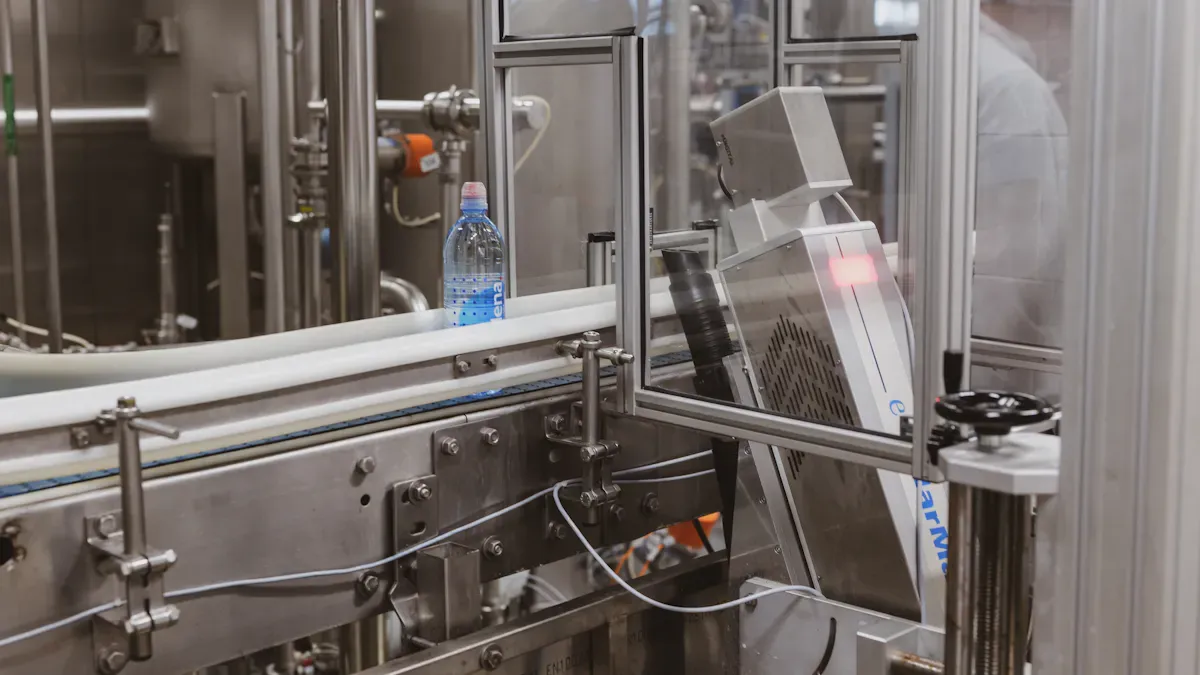
Plastic Compounding Customize rezin baz ak aditif, kreye materyèl ki pwepare pou aplikasyon espesifik. Pelletizing transfòme materyèl konpoze sa yo nan granules inifòm, pare pou itilizasyon efikas en. Manifaktirè ak enjenyè ki konprann diferans ki genyen ant chak pwosesis ka ranfòse efikasite epi asire bon jan kalite pwodwi.
Dènye done mache yo montre ke valè sou mache mondyal la pou teknoloji sa yo pral rive $82 milya pa 2025 epi $182 milya pa 2035, kondwi pa kwasans nan sektè otomobil ak anbalaj.
| Pwosesis | Enpak efikasite | Enpak Kalite pwodwi |
|---|---|---|
| Konpozisyon | Tayè materyèl, amelyore pèfòmans, diminye pri | Pèmèt pi bon kalite kontwòl |
| Pelletizing | Bay fòm materyèl ki konsistan pou pwosesis | Asire inifòmite nan bon jan kalite pwodwi final la |
Kle Takeaways
- Plastik konpoze pèsonalize rezin baz ak aditif yo kreye materyèl pou itilizasyon espesifik.
- Pelletizing transfòme materyèl konpoze an granules inifòm pou pwosesis fasil ak manyen.
- Konprann diferans ki genyen ant konpoze ak pelletizing ede manifaktirè yo amelyore efikasite ak bon jan kalite pwodwi.
- Konpoze enplike nan melanje, k ap fonn, ak materyèl ekstrè pou reyalize pwopriyete vle.
- Pelletizing konsantre sou kreye gwosè granules ki konsistan, ki enpòtan anpil pou yon manifakti serye.
- Kontwòl kalite esansyèl nan tou de pwosesis pou asire ke pwodwi final yo satisfè estanda endistri yo.
- Tou de konpoze ak pelletizing jwe wòl enpòtan anpil nan sektè tankou otomobil, elektwonik, ak swen sante.
- Chwazi bon pwosesis la depann de karakteristik materyèl yo, bezwen pwodiksyon an, ak konsiderasyon pri.
Definisyon ak Diferans
Plastik konpoze defini
Plastik konpoze refere a pwosesis la nan melanje polymères ak aditif, file, ak ranfòsman pou modifye ak amelyore pwopriyete fizik ak chimik materyèl la. Estanda endistri yo defini pwosesis sa a kòm yon metòd pou adapte yon polymère pou li gen ladan tout karakteristik vle nan yon sèl materyèl. Manifakti yo sèvi ak konpoze plastik pou amelyore kalite pwodwi yo, diminye depans yo, epi ogmante pwodiktivite. Pwosesis la anjeneral enplike k ap fonn, melanje, ak ekstrizyon reyalize yon dispèsyon inifòm nan eleman.
Yon pakèt engredyan ak aditif jwe yon wòl nan konpoze plastik:
- Masterbatch: Yon melanj konsantre nan pigman ak aditif nan yon résine konpayi asirans, asire menm dispèsyon.
- Antioksidan: Anpeche degradasyon polymère nan chalè ak oksijèn, kenbe fòs ak fleksibilite.
- UV Stabilizers: Pwoteje polymère yo itilize deyò lè yo absòbe oswa gaye radyasyon iltravyolèt danjere.
- Ignifuges flanm dife: Anpeche oswa retade pwodiksyon flanm dife, espesyalman enpòtan nan elektwonik ak konstriksyon.
- Koloran: Pèmèt pou seleksyon koulè nan plastik konpoze.
- Fòs ak Fleksibilite Modifikatè: Reyalize pwopriyete espesifik mekanik.
- Aditif antimikwòb: Anpeche kwasans jèm, enpòtan pou pwodwi medikal.
- Ranpli: Tankou talk, fib vè, ak kabonat kalsyòm, amelyore fòs, diminye depans yo, ak amelyore rezistans chalè.
- Ranfòsman pèfòmans: Tailor pwopriyete tankou estabilite tèmik, reta flanm dife, ak UV rezistans.
Pwosesis sa a pèmèt manifaktirè yo kreye materyèl ki gen karakteristik egzak pou aplikasyon ki mande yo.
Plastik Pelletizing defini
Plastik pelletizing se yon pwosesis ki konvèti plastik kri oswa resikle nan piti, granules inifòm. Transfòmasyon sa a esansyèl pou fabrikasyon efikas ak resiklaj. Pelletizer plastik la konvèti netwaye epi souvan graje oswa plastik fonn nan granules inifòm, ki Lè sa a, re-entwodwi nan pwosesis fabrikasyon. Pelletization adrese defi tankou manje inegal ak manyen materyèl, fè li enpòtan anpil nan sektè tankou otomobil ak anbalaj kote bon jan kalite pwodwi enpòtan.
| Kalite Prèv | Detay yo |
|---|---|
| Materyèl kri | Plizyè kalite plastik, ki gen ladan polyethylene (PE) ak polypropylène (PP) |
| Sòti yo | Granules plastik ki pwodui nan fonn, refwadisman, ak pwosesis koupe |
Pelletization amelyore efikasite nan pwodiksyon plastik ak pèmèt pou kreyasyon an plastik espesyalize pandan y ap kenbe fasilite nan manyen..
Apèsi sou diferans ki genyen kle yo
Tablo Konparezon
| Aspè | Plastik konpoze | Pelletizing plastik |
|---|---|---|
| Objektif prensipal | Modifye konpozisyon ak pwopriyete polymère a | Konvèti materyèl nan fòm granules inifòm |
| Etap kle yo | Melanje, k ap fonn, melanje, ekstrizyon | K ap fonn, refwadisman, koupe |
| Aditif tipik | Ranpli, koloran, estabilize, amelyorasyon pèfòmans | Pa tipikman ajoute pandan pelletizing |
| Sòti | Customized materyèl plastik (ka nan divès fòm) | Granules inifòm |
| Aplikasyon | Itilizasyon dirèk nan pwodwi oswa plis pwosesis | Itilize pou bòdi, ekstrizyon, oswa transpò |
Pwen rezime
- Konpozisyon plastik konsantre sou chanje konpozisyon an nan plastik la pa melanje engredyan divès kalite, ki afekte pwopriyete fizik li yo.
- Plastik pelletizing konvèti plastik konpoze an granules inifòm, prensipalman konsène ak fòm fizik la pou fasilite nan itilize nan manifakti.
- Plastik konpoze yo ka dirèkteman fòm nan pwodwi yo, pandan y ap plastik pelletize yo tipikman itilize pou plis pwosesis.
- Tou de pwosesis jwe yon wòl enpòtan nan manifakti modèn, men yo adrese diferan bezwen nan chèn pwodiksyon an.
Konsèy: Konprann distenksyon ki genyen ant pwosesis sa yo ede manifaktirè yo chwazi apwòch ki apwopriye pou aplikasyon espesifik yo, asire pi bon pèfòmans ak efikasite.
Pwosesis plastik konpoze
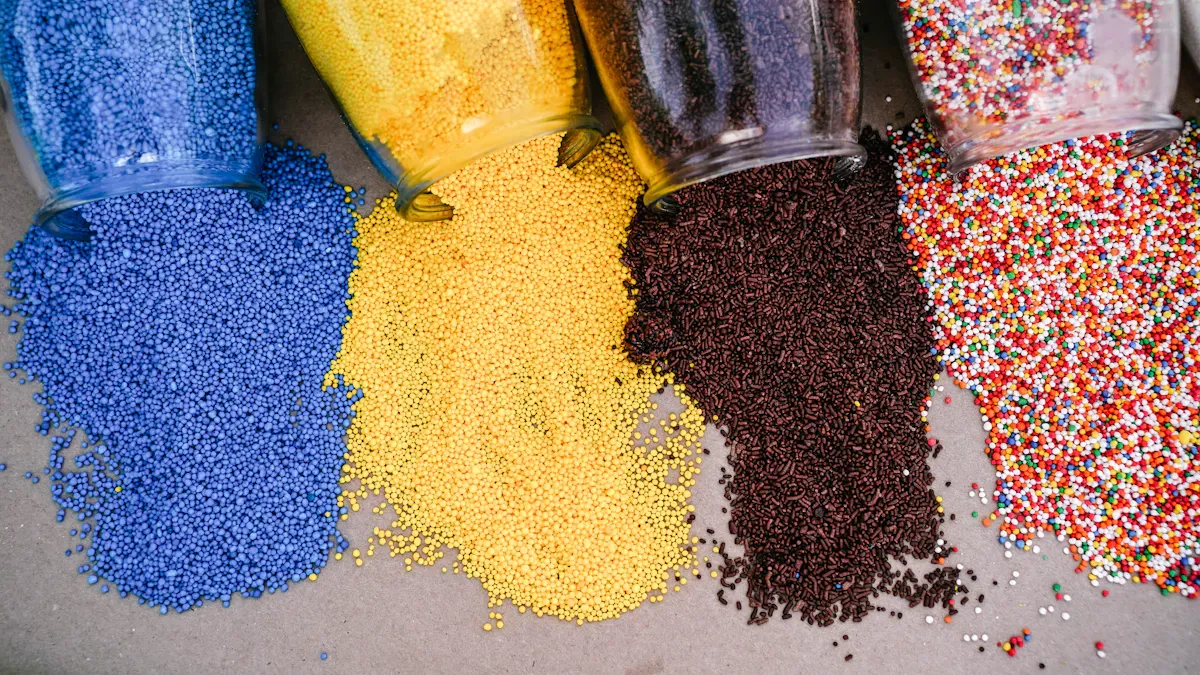
Etap Pwosesis yo
Plastik konpoze transfòme matyè premyè nan plastik segondè-pèfòmans atravè yon seri etap presi. Manifakti yo kòmanse pa estoke matyè premyè tankou résine, aditif, ak filler nan sache, gwo sak, oswa silo. Sistèm chanm konpwesyon lè oswa mekanik Lè sa a, transmèt materyèl sa yo nan zòn nan pwosesis. Operatè yo manje materyèl yo nan barik la pou laprès, swa kontinyèlman oswa an pakèt. Pwosesis konpoze an kontinye ak k ap fonn ak melanje, kote polymère a ak aditif melanje pou reyalize inifòmite. Etap final la enplike nan fòm, refwadisman, ak koupe pwodwi a, ki te swiv pa rijid kontwòl kalite.
| Etap | Deskripsyon |
|---|---|
| 1 | Depo materyèl bwit nan sache, gwo sak, ak silo |
| 2 | Pneumatic oswa mekanik sistèm transmèt materyèl |
| 3 | Manje materyèl nan barik la pou laprès (ranpli kontinyèl/diskontinu) |
| 4 | Faz k ap fonn ak melanje |
| 5 | Pwodwi final ak kontwòl |
Remak: Insight Polymers ogmante rapid rotation ak espesyalite konpoze pou bay solisyon koutim konpoze plastik, optimize chak etap pou efikasite ak bon jan kalite.
Ekipman yo itilize
Enstalasyon plastik konpoze konte sou ekipman avanse pou asire rezilta ki konsistan. Extruders mete mach la pou pwosesis epi jwe yon wòl santral nan fonn ak melanje. Mixer kontinyèl travay ansanm ak extruders pou okipe materyèl tankou Acrylic, nayilonn, ak PVC. Sistèm melanje prepare aditif pre-melanj, pandan y ap sistèm dòz garanti rapò engredyan egzak. Teknoloji manyen materyèl, tankou manjeur rotary ak tiyo deviateur, sipòte distribisyon an lis ak dòz nan materyèl esansyèl. Liy konpoze entegre konbine sistèm sa yo, ki pèmèt pou pousantaj pwodiksyon fleksib ak konfigirasyon. Insight Polymers itilize byen pilòt ekstrizyon entèn twin-vis pou fè ti esè pakèt devlopman., pèmèt tès depistaj efikas nan pwodwi ak paramèt pwosesis.
Kalite konpoze
Plastik konpoze anglobe plizyè apwòch, chak adapte a bezwen aplikasyon espesifik. Manifakti yo ka ajoute koloran pou amelyore aparans oswa estabilize pou amelyore chalè ak rezistans UV. Ignifuge flanm dife ogmante sekirite, espesyalman nan konstriksyon ak elektwonik. Modifikatè enpak ranfòse severite, pandan y ap file ak ranfòsman ajiste pri, rèd, oswa fòs. Konpoze fòmile koutim yo ka gen ladan tou ajan antimikwòb pou pwodwi medikal oswa améliorant UV pou itilize deyò. Insight Polymers espesyalize nan solisyon konpoze polymère ki adrese objektif pèfòmans inik, ofri konsantre metriz ak konpoze plastik koutim pou bòdi piki, fib, fim, ak manifakti aditif.
- Seleksyon koulè pou estetik
- Fòmasyon ki san danje pou manje pou anbalaj
- Ignifuge dife pou konstriksyon
- Fòs ak fleksibilite ajisteman pou bezwen pwodwi espesifik
- Pwopriyete antimikwòb pou swen sante
- Amelyore UV tolerans pou durability deyò
Apwòch konplè sa a asire ke chak solisyon konpoze polymère satisfè demand yo nan manifakti modèn.
Eta materyèl
Plastik konpoze enplike plizyè eta materyèl kòm engredyan anvan tout koreksyon transfòme nan konpoze segondè-pèfòmans. Pwosesis la kòmanse ak rezin solid, aditif, ak file. Operatè yo manje materyèl sa yo nan sistèm konpoze an, kote yo rete nan yon fòm granulaire oswa poud. Kòm pwosesis la avanse, extruder a chofe ak fonn melanj lan, konvèti li nan yon gluan, eta fonn. Melanj fonn sa a pèmèt pou bon jan melanje ak dispèsyon nan tout eleman.
Yon fwa homogenization fini, materyèl la sòti extruder la. Nan etap sa a, li ka pran plizyè fòm selon aplikasyon an. Gen kèk manifaktirè fre epi koupe èkstrude a an granules, pandan ke lòt moun ka pwodwi seksyon, dra, oswa fòm dirèkteman modle. Eta final la-si i grenn, strand, oswa fèy-depann sou kondisyon pwosesis en. Pou egzanp, Insight Polymers souvan delivre konpoze plastik koutim nan fòm granules pou manyen fasil ak manje ki konsistan nan bòdi piki oswa liy extrusion..
Kapasite nan kontwole eta materyèl pandan tout pwosesis la asire ke pwodwi final la satisfè kritè pèfòmans strik. Fleksibilite sa a sipòte yon pakèt aplikasyon, soti nan pati otomobil ak aparèy medikal, ak pèmèt adaptasyon rapid a bezwen kliyan yo.
Kontwòl Kalite
Kontwòl kalite kanpe nan nwayo a nan chak operasyon siksè konpoze plastik. Manifakti yo konte sou sistèm avanse kontwòl otomatik pou kenbe karakteristik pellet ki konsistan pandan extrusion. Sistèm sa yo kontwole ak ajiste paramèt pwosesis an tan reyèl, asire ke melanj lan fonn rete omojeneize. Kòm yon rezilta, pigman ak aditif gaye respire, pwodwi yon konpoze masterbatch inifòm.
Operatè yo itilize plizyè metòd pratik pou verifye konsistans pwodwi. La metòd deplasman dlo bay yon fason serye pou mezire dansite nan boutik la. Teknik sa a enplike nan mezire nivo dlo inisyal la, peze echantiyon an, ak kalkile dansite ki baze sou volim ki deplase a. Li amelyore presizyon fòmilasyon, anpeche gaspiyaj materyèl, epi asire pwa pwodwi konsistan. Benefis sa yo sipòte pi bon kontwòl pri ak diminye pwoblèm kalite pwodiksyon an.
Yon pwogram kontwòl kalite konplè gen ladan yon seri tès:
- Tès matche koulè yo sèvi ak espektrofotomèt pou evalye diferans koulè epi asire konsistans vizyèl.
- Tès estabilite tèmik valide andirans pigman nan tanperati bòdi.
- Tès dispèsyon konfime menm distribisyon aditif atravè obsèvasyon mikwoskopik.
- Tès pèfòmans mekanik revize fòs rupture ak rezistans enpak.
Insight Polymers entegre mezi kontwòl kalite sa yo nan chak pakèt, asire ke solisyon konpoze polymère yo delivre pèfòmans serye. Angajman sa a nan bon jan kalite sipòte endistri ki mande presizyon, tankou otomobil, elektwonik, ak swen sante.
Konsèy: Kontwòl kalite konsistan pa sèlman amelyore fyab pwodwi, men tou ranfòse konfyans kliyan nan sèvis koutim konpoze plastik.
Pwosesis Pelletizing plastik
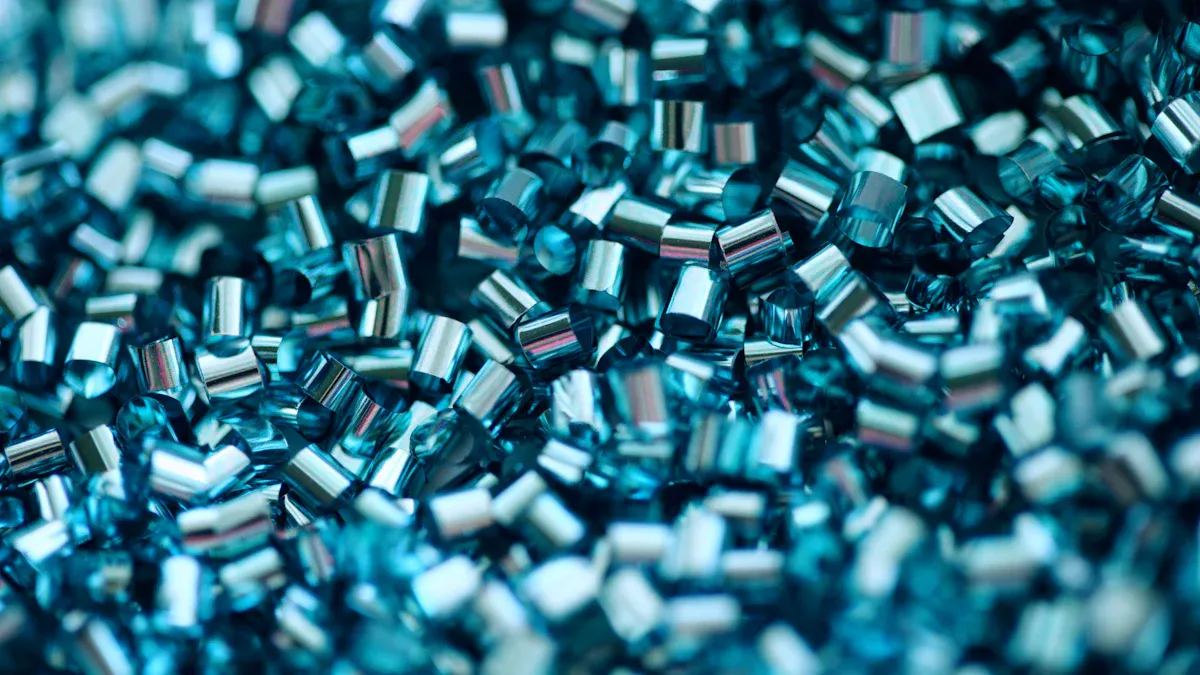
Etap Pwosesis yo
Plastik pelletizing transfòme résine kri oswa resikle nan granules inifòm atravè yon seri etap ki byen defini.. Operatè yo kòmanse pa klasman dechè plastik selon kalite polymère, koulè, ak nivo kontaminasyon. Lè sa a, yo rache plastik yo klase nan pi piti flak, ki amelyore efikasite lave. Apre lave, flak pwòp yo deplase nan etap la k ap fonn, kote yo chofe ak ekstrè. Plastik fonn lan pase nan yon filtè pou retire tout enpurte ki rete yo. Kòm fizyon an filtre sòti nan yon plak mouri, li fòme fil kontinyèl. Seksyon sa yo sibi refwadisman rapid nan yon beny dlo oswa sistèm refwadisman lè, estabilize estrikti yo. Finalman, seksyon yo refwadi yo koupe an granules, ki pare pou manifakti en.
Efikas pelletizing asire gwosè i grenn ki konsistan ak bon jan kalite, ki se kritik pou pwosesis serye nan aplikasyon pou bòdi ak ekstrizyon.
Ekipman yo itilize
Operasyon pelletize yo konte sou machin espesyalize pou reyalize gwo debi ak rezilta konsistan. Strand pelletizers okipe extrusion la of molten plastic into strands and cut them into pellets. Underwater pelletizers cut the molten plastic directly under water, which instantly cools and solidifies the pellets. Cold pelletizers produce pellets from hot extrudate without using water cooling. Each machine type supports different process requirements and material characteristics. Operators select equipment based on the type of resin, the presence of additives, and the desired pellet properties.
- Strand pelletizers: Cut extruded strands into uniform pellets.
- Anba dlo pelletizers: Cut and cool pellets simultaneously in a water chamber.
- Cold pelletizers: Produce pellets without water, suitable for heat-sensitive materials.
Pelletizing Technology Types
Manufacturers use several pelletizing technologies, each offering unique advantages in efficiency and output quality. Strand pelletizing works best for clean, materyèl ki estab ak delivre kalite pwodiksyon segondè. Dlo-bag pelletizing koupe plastik la fonn nan figi a mouri ak refwadi li nan yon bag dlo sikile, ki amelyore efikasite. Anba dlo pelletizing koupe granules nan yon chanm dlo, asire refwadisman inifòm ak bon jan kalite pwodiksyon trè wo.
| Teknoloji Pelletizing | Deskripsyon | Efikasite | Kalite pwodiksyon |
|---|---|---|---|
| Strand Pelletize | Koupe granules nan fil epi yo apwopriye pou materyèl pwòp. | Modere | Segondè |
| Die-Face Pelletisers | Mete sistèm anba dlo ak bag dlo, bay refwadisman rapid. | Segondè | Trè wo |
Operatè yo chwazi teknoloji ki apwopriye a ki baze sou kalite résine, the presence of additives, ak karakteristik granules ki nesesè yo. Seleksyon an dwa asire ke granules satisfè estanda kalite strik pou pwosesis en.
Eta materyèl
Pelletizing transfòme plastik atravè plizyè eta materyèl diferan. Pwosesis la kòmanse ak materyèl solid plastik, ki ka gen ladan résine jenn fi, flak resikle, oswa regrind. Operatè yo chaje materyèl sa yo nan tremi oswa manje. Lè sa a, materyèl la antre nan extruder la, kote chalè ak fòs mekanik konvèti patikil solid yo nan yon eta fonn. Plastik fonn sa a ap koule nan barik extruder la, asire bon jan melanje ak omojènize.
Kòm mas la fonn sòti extruder la, li pase nan yon plak mouri. Nan etap sa a, materyèl la fòme fil kontinyèl oswa ti gout, depann sou teknoloji a pelletizing. Nan strand pelletizing, plastik la fonn parèt osi lontan, fil tankou espageti. Seksyon sa yo deplase atravè yon sistèm refwadisman, souvan yon beny dlo, ki solidifye materyèl la rapidman. Yon fwa refwadi, fil solidifye yo antre nan yon chanm koupe, kote kouto wotasyon koupe yo an granules inifòm.
Lòt metòd pelletizing, tankou sistèm anba dlo oswa bag dlo, koupe plastik la fonn imedyatman kòm li sòti mouri a. Granules yo fre ak solidifye prèske imedyatman nan anviwònman dlo a. Pwodwi final la konsiste de ti, granules dans ak gwosè konsistan ak fòm. Granules sa yo fasil pou okipe, transpò, ak manje nan pwosesis manifakti en.
Konsèy: Kontwole chak eta materyèl pandan pelletizing asire ke granules final yo satisfè estanda kalite ak pèfòmans strik.
Kontwòl Kalite
Kontwòl kalite nan pelletizing jwe yon wòl kritik nan kenbe inifòmite pellet ak pite. Operatè yo aplike plizyè pwotokòl pandan tout pwosesis la pou asire pwodiksyon bon jan kalite:
- Pre-triye ak lave retire kontaminan ak materyèl ki pa sib. Sistèm klasman otomatik ak liy lave ede reyalize yon materyèl pwòp.
- Siye ak dekontaminasyon elimine imidite ak enpurte. Seche segondè-tanperati ak pirifikasyon vakyòm prepare materyèl la pou ekstrizyon.
- Ekstrisyon ak pelletizasyon fonn flak pirifye oswa résine nan granules inifòm. Twin-vis extruders bay ekselan melanje ak konsistans.
- Degazing vakyòm retire gaz ak konpoze temèt anba kondisyon vakyòm segondè. Etap sa a anpeche domaj ak amelyore kalite pellet.
- Kristalizasyon ak polimerizasyon eta solid (SSP) amelyore viskozite intrinsèques sèten polymères, tankou PET. Etap sa yo asire ke granules yo satisfè kondisyon espesifik aplikasyon yo.
Operatè yo kontwole gwosè i grenn yo, fòm, ak koulè pandan tout pwosesis la. Yo itilize tamis, enspeksyon vizyèl, ak detèktè otomatik yo detekte nenpòt devyasyon. Kontwòl kalite konsistan diminye fatra, amelyore efikasite pwosesis la, ak garanti ke granules yo fè fyab nan bòdi, ekstrizyon, oswa lòt aplikasyon.
Remak: Kontwòl kalite serye nan pelletizing sipòte manifaktirè yo nan pwodwi pwodwi segondè-pèfòmans pou endistri ki mande..
Aplikasyon
Aplikasyon pou konpoze
Plastik konpoze pèmèt manifaktirè yo kreye materyèl ak pwopriyete pwepare pou sektè ki mande yo. Tablo ki anba la a mete aksan sou itilizasyon endistri komen:
| Sektè | Aplikasyon |
|---|---|
| Otomobil | Materyèl ki lejè, plastik ki reziste chalè, polymère ki reziste enpak |
| Elektwonik | Konpoze ignifuge flanm dife, plastik tèmik kondiktif, materyèl anti-estatik |
| Pwodwi Konsomatè | Plastik dirab, materyèl ki an sekirite pou manje, Konpoze UV ki reziste |
| Aplikasyon endistriyèl | Polymère ki reziste chimik yo, plastik ranfòse, materyèl fwotman ki reziste |
Otomobil
Manifaktirè otomobil konte sou konpoze avanse pou lejè ak entegrite estriktirèl. Konpoze plastik segondè-pèfòmans ranplase metal nan panno enteryè, eksepsyonèl, ak eleman anba kapo a. Materyèl sa yo ofri fòs konparab ak pèfòmans tèmik, ki amelyore efikasite gaz ak sekirite. Insight Polymers delivre konpoze koutim pou bòdi piki, pèmèt rapid pwototip ak pwodiksyon de pati otomobil ki satisfè nòm endistri strik yo.
Elektwonik
Pwodiktè elektwonik itilize konpoze espesyal pou lojman, konektè, ak izolan. Plastik ignifuge ak tèmik kondiktif pwoteje eleman sansib kont chalè ak danje elektrik. Materyèl anti-estatik anpeche domaj nan egzeyat estatik. Insight Polymers sipòte manifaktirè elektwonik ak konsantre mètr ki amelyore sekirite ak pèfòmans nan aparèy konsomatè yo ak sistèm enèji renouvlab..
Medikal
Manifaktirè aparèy medikal mande pou konpoze ak pwopriyete presi mekanik ak chimik. Fòmasyon koutim yo bay pwoteksyon antimikwòb ak byokonpatibilite pou ekipman dyagnostik ak zouti chirijikal. Insight Polymers devlope konpoze espesyal pou fib ak fim yo itilize nan anbalaj ak aparèy medikal, asire konfòmite ak règleman swen sante.
Pelletizing Aplikasyon
Pelletizing transfòme plastik anvan tout koreksyon oswa resikle nan granules inifòm, sipòte yon pakèt pwosesis fabrikasyon.
Moule & Ekstrisyon
Granules sèvi kòm la estanda materyèl pou bòdi ak ekstrizyon. Gwosè konsistan yo ak fòm asire operasyon serye machin ak bon jan kalite pwodwi. Manifakti yo sèvi ak granules pou pwodwi pwodwi pou itilize chak jou tankou poubèl fatra, krochi, ak po flè, osi byen ke atik endistriyèl tankou palèt ak materyèl baz enteryè otomobil.
Resiklaj
Pelletizing jwe yon wòl enpòtan anpil nan resiklaj. Operatè yo sòt, dechire, ak fonn dechè plastik, Lè sa a, re-ekstrude ak pelletize li nan-wo kalite, granules ki kapab itilize ankò. Pwosesis sa a fèmen bouk la nan sik lavi plastik la, pèmèt manifaktirè yo re-entwodwi materyèl resikle nan nouvo pwodwi yo. Aplikasyon yo enkli materyèl konstriksyon tankou bwa plastik ak kouvèti minisipal yo.
Pa vire dechè plastik nan yon matyè premyè ki konsistan, pelletizing ede fèmen bouk la nan sik lavi plastik la.
Manyen esansyèl
Manifaktirè gwo echèl benefisye de pelletizasyon nan manyen esansyèl ak lojistik. Pwosesis la gen ladan konsomasyon materyèl, klasman, dechire, ekstrizyon, pelletizing, ak anbalaj. Granules inifòm senplifye depo, transpò, epi retounen anbake, sipòte chèn ekipman efikas. Manifakti yo ka voye granules tounen pou itilize ankò oswa voye yo bay twazyèm pati pou aplikasyon pou nouvo pwodwi.
Ekspètiz Insight Polymers 'nan konpoze koutim ak pelletizing sipòte aplikasyon divès, soti nan bòdi piki ak manifakti aditif nan inisyativ resiklaj dirab.
Seleksyon Pwosesis
Faktè pou konsidere
Manifakti yo dwe evalye plizyè faktè lè yo chwazi pwosesis ki dwat pou bezwen pwodiksyon yo. Konsiderasyon sa yo ede asire ke metòd la chwazi a aliman ak tou de objektif operasyonèl ak kondisyon pwodwi:
- Karakteristik materyèl jwe yon wòl santral. Konprann pwopriyete fizik ak chimik nan materyèl opinyon detèmine konpatibilite ak konpoze plastik koutim oswa pelletizing.
- Kondisyon debi dwe matche ak kapasite pelletizer la ak sistèm nan extrusion en. Aliyman sa a anpeche kou boutèy ak maksimize efikasite.
- Kondisyon kalite i grenn depann sou espesifikasyon itilizatè fen. Precision nan gwosè granules ak fòm sipòte pwosesis ki konsistan en.
- Anviwònman operasyonèl ak sèvis piblik ki disponib yo enfliyanse seleksyon sistèm lan. Etablisman yo dwe sipòte demand yo nan pwosesis yo chwazi a.
- Antretyen ak fasilite pou itilize afekte pwodiktivite alontèm. Machin ki mande mwens antretyen epi ki ofri pi wo disponiblite diminye tan yo.
- Konsiderasyon pri ak retounen sou envèstisman gide pou pran desizyon. Evalye depans total de an komen, ki gen ladan depans fonksyònman ak pèt potansyèl pwodwi, asire dirabilite finansye.
- Konpayi yo souvan mande konpozan ak rezistans eksepsyonèl. Fleksibilite konsepsyon rete esansyèl pou satisfè bezwen aplikasyon inik. Efikasite pri kontinye enfliyanse chwa metòd fabrikasyon yo.
Konprann la pwopriyete mekanik inik, rezistans chimik, ak karakteristik pwosesis diferan plastik enpòtan anpil. Faktè sa yo dirèkteman afekte durability, pri efikasite, ak konfòmite ak estanda endistri yo.
Etid ka
| Zòn Aplikasyon | Prèv Siksè | Deskripsyon rezilta |
|---|---|---|
| Rezin Faktori ak Polymerization | Ogmantasyon pwodiksyon pa 40% ak sistèm pelletizing anba dlo. | Efektif pou pwodiksyon kontinyèl nan granules ki konsistan. |
| Pwodiksyon konpoze ak Masterbatch | Amelyore pèfòmans pellet koulè nan pwosesis kliyan lè l sèvi avèk sistèm anba dlo. | Ideyal pou konsantre koulè ak konpoze plen. |
| Operasyon Resiklaj ak Reklame | Sistèm Customized pou resiklaj boutèy PET pou okipe materyèl ki chanje. | Sistèm Strand pou bouyon ki konsistan; anba dlo pou materyèl melanje. |
Manifaktirè yo nan sektè medikal la te reyalize pwofil ekstrè ki ba nan san mete tib lè w chwazi PVC TPE oswa DEHP-gratis. Konpozan aparèy otoklav benefisye de konpoze TPE, ki reziste frajilman pandan esterilizasyon repete. Jeneyaloji pakèt konplè asire trasabilite tout eleman yo, sipòte asirans kalite nan manifakti aparèy medikal.
Defi & Solisyon
Manifakti yo souvan rankontre defi pandan aplikasyon an. Abòde pwoblèm sa yo byen vit asire bon jan kalite konsistan ak efikasite operasyonèl:
- Iregilye gwosè pellet ak fòm ka rive. Operatè yo ajiste tanperati mouri, enspekte koupe lam, epi mete espas lam ki kòrèk la pou rezoud sa a.
- Redwi debi oswa bloke machin ka deranje pwodiksyon an. Purge twou mouri, asire koule materyèl ki konsistan, ak siveyans eleman seksyon manje ede kenbe operasyon fiks.
- Surchof nan machin nan oswa motè a poze risk. Tcheke sistèm refwadisman yo, enspekte pou friksyon twòp, epi asire bon vitès kouto anpeche domaj.
- Pòv kalite granules afekte pèfòmans en. Verifye pwofil tanperati yo, mete ann aplikasyon strik manyen materyèl, ak pre-seche materyèl igroskopik amelyore rezilta yo.
Lè w aplike solisyon sa yo, konpayi yo ka optimize solisyon polymère konpoze yo epi kenbe estanda ki wo nan pwosesis koutim plastik konpoze ak extrusion.
Tandans Teknoloji Pelletizing
Avans nan konpoze
Dènye pwogrè nan konpoze te transfòme fason manifaktirè yo apwoche konsepsyon materyèl ak pwodiksyon an. Konpayi yo kounye a sèvi ak rezin resikle ak polymères bio ki baze sou diminye fatra epi sipòte dirab. Yo rajenisman ansyen kouran plastik, retabli pwopriyete yo ak pwolonje sik lavi yo. Teknik avanse konpoze pèmèt plastik ranplase metal ak seramik nan anpil aplikasyon, amelyore efikasite ak diminye depans yo.
Manufacturers benefit from several key developments:
- Flexibility in creating components without traditional dies or tooling.
- Cost-effective solutions for prototyping and short-run production.
- Enhanced mechanical strength and durability in finished parts.
- Integration of nanotechnology to improve material properties.
- Adoption of Industry 4.0 technologies for better process control and customization.
Inovasyon sa yo pèmèt itilizasyon yon pakèt aditif, enkli sa yo ki amelyore konduktivite, reta flanm dife, ak fòs estriktirèl. Konsantre sou materyèl dirab ak resikle ap kontinye kondwi evolisyon nan pwosesis konpoze.
Inovasyon nan Pelletizing
Teknoloji pelletizing te wè amelyorasyon enpòtan, espesyalman nan kontwòl kalite ak efikasite operasyonèl. Manifaktirè dirijan yo te adopte sistèm filtraj avanse ki sèvi ak plizyè etap filtraj ak pi rafine gwosè may. Apwòch sa a retire kontaminan yo epi asire bon jan kalite granules siperyè, pwoteje ekipman en.
| Kalite inovasyon | Deskripsyon |
|---|---|
| Sistèm filtraj avanse | Etap filtraj miltip pou granules cleaner ak pwoteksyon ekipman. |
| Sistèm kontwòl entèlijan | Siveyans an tan reyèl ak antretyen prediksyon atravè interfaces tactile. |
| Inite dinamik Prekondisyone | Single-stage preparation of plastics for extrusion, preserving material properties. |
| IoT and AI Integration | Predictive maintenance and real-time adjustments for improved efficiency and lower costs. |
Dynamic preconditioning units combine several steps into one, preparing plastics for extrusion while maintaining high end-product quality. Intelligent control systems provide operators with real-time data, allowing quick adjustments to the process. IoT and AI integration further enhance pelletizing by enabling predictive maintenance and reducing downtime.
Dirab
Sustainability initiatives have become central to the development of both compounding and pelletizing technology. Companies like LyondellBasell focus on improving the quality of mechanical plastic recycling through research and development. Their efforts ensure that recycled materials meet strict safety and performance standards. Primex demonstrates a commitment to sustainability by operating an in-house recycling facility. This facility processes post-industrial and post-consumer materials through collection, klasman, dechire, washing, ak pelletizing. The result is high-quality recycled resin suitable for manufacturing.
Manufacturers now prioritize the use of sustainable additives and recyclable materials in their processes. They design pelletizing systems to handle a variety of recycled plastics, supporting closed-loop recycling and reducing environmental impact. These trends reflect a broader industry shift toward responsible production and resource conservation.
Konsèy: Embracing new pelletizing technology and sustainable practices helps manufacturers stay competitive while meeting environmental goals.
Manufacturers rely on both processes for different application needs. Plastic compounding creates materials with specific properties, while pelletizing prepares those materials for efficient use. Selecting the right process ensures each application meets quality and performance goals.
- Evaluate the requirements of each application before choosing a process.
- Consult industry experts for guidance on complex applications.
For more information on custom solutions, manufacturers can contact Insight Polymers or review technical resources.
FAQ
What is the main difference between plastic compounding and pelletizing?
Plastic compounding changes the properties of plastics by mixing resins with additives. Pelletizing shapes these materials into uniform pellets for easy processing. Each process serves a unique role in manufacturing.
When should a manufacturer choose custom plastic compounding?
Manufacturers select custom plastic compounding when they need materials with specific properties, such as flame resistance or enhanced strength. Insight Polymers offers rapid, tailored solutions for these requirements.
Can pelletizing improve recycled plastic quality?
Wi. Pelletizing cleans, fonn, and reforms recycled plastics into uniform pellets. This process removes contaminants and improves consistency, fè materyèl resikle apwopriye pou nouvo pwodwi.
Ki ekipman Insight Polymers itilize pou konpoze?
Insight Polymers itilize èkstrudeur jimo-vis, mixer avanse, ak sistèm dòz presi. Zouti sa yo pèmèt pou melanje efikas ak devlopman rapid nan konpoze koutim.
Ki jan manifaktirè yo asire bon jan kalite pandan konpoze?
Manifakti yo sèvi ak siveyans an tan reyèl, matche koulè, ak tès mekanik. Yo tcheke dansite ak dispèsyon pou garanti rezilta ki konsistan. Kontwòl kalite rete esansyèl pou pèfòmans serye.
Èske granules konpoze pare pou bòdi piki?
Wi. Granules konpoze ki soti nan Insight Polymers yo fèt pou itilize dirèk nan bòdi piki, ekstrizyon, ak manifakti aditif. Inifòmite yo asire pwosesis lis ak bon jan kalite pati fini.
Ki endistri yo benefisye plis nan pwosesis sa yo?
Otomobil, elektwonik, medikal, and packaging industries rely on compounding and pelletizing. These sectors demand materials with precise properties and consistent quality.