

Gid konplè pou resiklaj ak granulasyon plastik ak souf
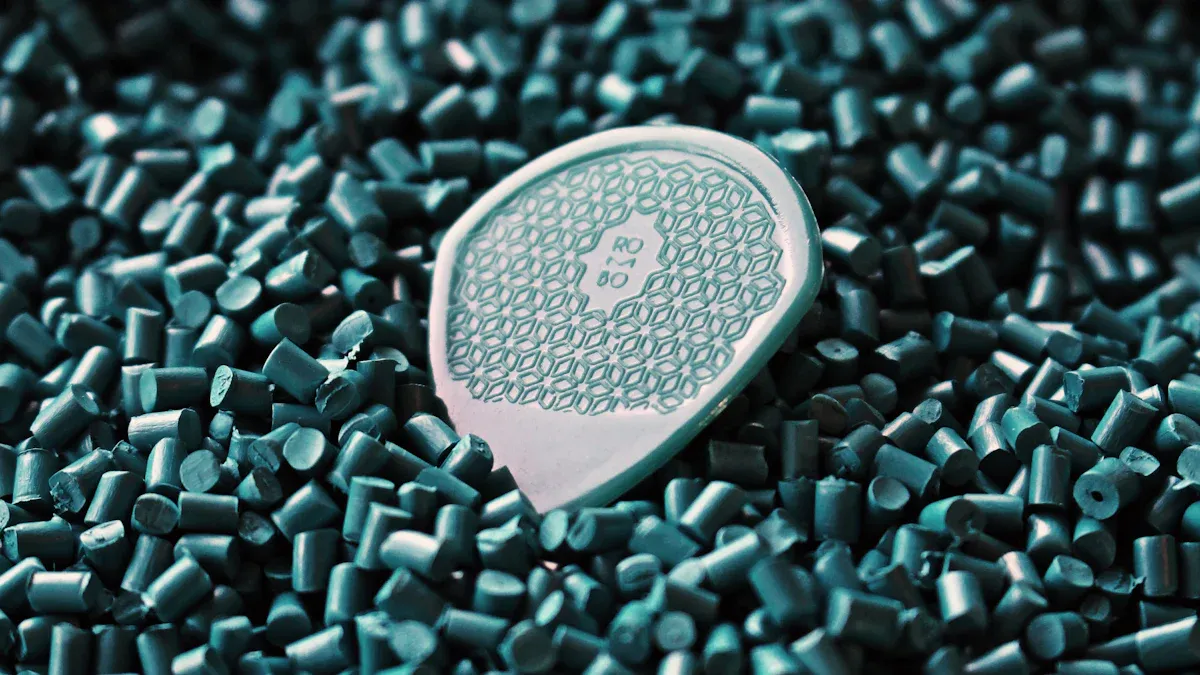
Mwen wè ke resiklaj san danje epi efikas kòmanse ak konpreyansyon pwopriyete yo inik nan plastik ak souf. Konpatibilite chimik enpòtan, sitou lè lwil kominike avèk plastik. Pifò fatra plastik endistriyèl vin resikle nan yon pousantaj de sou 9%, ki montre yon nesesite pou pi bon solisyon. Mwen konte sou ekipman avanse tankou IPG Pelletizing Machine Plastic pou amelyore rezilta resiklaj. Nan pwosesis plastik ak souf endistriyèl, pi bon pratik pou granulasyon souf ak transmèt ede diminye risk ak ranfòse bon jan kalite.
- Pousantaj resiklaj fatra plastik endistriyèl mondyal la: sou 9%
Kle Takeaways
- Konprann konpatibilite chimik ant plastik ak lwil esansyèl pou evite domaj pandan resiklaj.
- Kraze plastik diminye volim ak amelyore kalite, fè resiklaj pi efikas ak pri-efikas.
- Resiklaj mekanik travay pi byen pou pwòp, klase plastik, pandan y ap resiklaj chimik okipe materyèl melanje oswa ki kontamine.
- Sèvi ak tablo rezistans ak tès imèsyon ede asire resiklaj an sekirite nan plastik ki ekspoze a lwil diferan.
- Granulation souf amelyore sekirite pa diminye pousyè epi fè manyen pi fasil, pandan y ap refwadisman avanse asire granules fò.
- Chwazi bon ekipman ak materyèl pou transmèt souf anpeche korozyon, danje pousye, ak echèk ekipman yo.
- Antretyen regilye, kontwòl pousyè tè, ak entegrasyon sistèm ranfòse efikasite ak sekirite nan tou de resiklaj plastik ak manyen souf.
- Pratik dirab, ki gen ladan ekipman enèji efikas ak aditif ki baze sou biokarbon, sipòte yon endistri ki pi an sekirite ak pi vèt.
Konpatibilite chimik nan plastik ak lwil
Varyab kle
Kalite Polymère
Mwen toujou kòmanse pa idantifye kalite polymère a anvan resiklaj plastik. Chak polymère reyaji yon fason diferan nan lwil. Polyethylene (PE) ak polypropylène (PP) montre gwo rezistans nan anpil lwil. Polystyrène (PS) ak polyethylene terephthalate (PET) souvan kraze lè yo ekspoze a sèten lwil. Polikarbonat (PC) ak acrylonitrile butadien styrène (ABS) ka krak oswa vin frajil apre kontak lwil oliv. Nylon kanpe deyò pou rezistans li kont lwil. Mwen tcheke kalite polymère a pou predi ki jan li pral konpòte pandan resiklaj.
Kalite lwil oliv & Tanperati
Kalite lwil oliv ak tanperati jwe yon gwo wòl nan konpatibilite. Lwil pou kwit manje tankou oliv ak kanola anjeneral lakòz efè modere sou PE ak PP. Lwil esansyèl, tankou sitwon oswa eucalyptus, genyen konpoze ki atake plastik tankou PS ak PET menm nan tanperati chanm. Lwil motè ak grès machin sentetik ka frajil PE ak lakòz estrès fann nan PC ak ABS. Lwil idwolik, ak aditif yo, ka mennen nan frajil ak anfle nan plastik ki pa rated pou itilize idwolik. Mwen toujou konsidere makiyaj chimik lwil oliv la ak tanperati pandan resiklaj.
Konsèy: Mwen rekòmande tcheke tou de kalite lwil oliv ak tanperati a anvan melanje plastik ak lwil nan nenpòt pwosesis resiklaj.
Tèmik vs. Efè chimik
Pwen k ap fonn
Mwen peye anpil atansyon sou pwen k ap fonn yo. PE fonn nan apeprè 120 ° C, PP nan 160 ° C, ak PET nan 250 ° C. Si ekspoze lwil oliv ogmante tanperati a tou pre pwen k ap fonn sa yo, plastik ka defòme oswa fonn. Reyaksyon chimik yo ka rive pi vit nan tanperati ki pi wo. Mwen kontwole tanperati pou anpeche chanjman endezirab.
Ranje tanperati lwil oliv
Tanperati lwil oliv afekte fason plastik reponn. Lwil frèt raman lakòz domaj imedya. Lwil cho akselere reyaksyon chimik epi yo ka adousi oswa defòme plastik. Pou egzanp, lwil motè cho ka byen vit frajil PE ak PC. Mwen kenbe tanperati lwil oliv ba pandan resiklaj pou pwoteje kalite plastik.
Rezistan vs. Plastik vilnerab
Kalite lwil oliv ki reziste
Gen kèk plastik reziste ekspoze lwil oliv byen:
- Polypropylène (PP)
- Nylon
- Polyethylene (PE)
Materyèl sa yo okipe lwil motè, lwil idwolik, ak lwil pou kwit manje ak domaj minim.
Kalite lwil oliv-vilnerab
Lòt plastik montre vilnerabilite:
- Polystyrène (PS)
- Polyethylene terephthalate (PET)
- Polikarbonat (PC)
- Acrylonitrile butadien styrène (ABS)
Plastik sa yo ka fonn, krak, oswa chèn apre kontak lwil oliv, sitou ak lwil esansyèl oswa grès machin cho.
| Kalite plastik | Rezistans lwil oliv | Reyaksyon tipik |
|---|---|---|
| PE, PP, Nylon | Segondè | Chanjman minimòm |
| PS, PET, PC, ABS | Ba | Krake, deformation, yap divòse |
Mwen toujou matche ak plastik ak lwil oliv ak anpil atansyon pou evite echèk resiklaj epi asire pwosesis san danje.
Tès konpatibilite
Tablo Rezistans
Mwen toujou tcheke tablo rezistans anvan resiklaj plastik ki ekspoze a lwil. Tablo sa yo montre kijan diferan plastik reyaji nan divès lwil ak pwodwi chimik yo. Mwen jwenn yo itil paske yo bay repons rapid sou konpatibilite. Pou egzanp, yon tablo rezistans ta ka lis polyethylene kòm “ekselan” kont lwil motè, pandan ke polystyrène montre “pòv” rezistans. Mwen sèvi ak tablo sa yo pou evite erè epi chwazi bon materyèl pou resiklaj.
| Kalite plastik | Lwil motè | Lwil pou kwit manje | Lwil esansyèl |
|---|---|---|---|
| PE | Ekselan | Ekselan | Bon |
| PP | Ekselan | Ekselan | Bon |
| PS | Pòv | san Patipri | Pòv |
| PET | san Patipri | Bon | Pòv |
| Nylon | Bon | Bon | Bon |
Konsèy: Mwen rekòmande pou kenbe tablo rezistans mete ajou nan zòn resiklaj la. Sa a ede tout moun fè chwa san danje byen vit.
Tès Immersion
Pafwa, tablo rezistans pa kouvri tout kalite lwil oswa plastik. Mwen itilize tès imèsyon pou tcheke konpatibilite nan ka sa yo. Mwen koupe yon ti echantiyon plastik la epi mete l nan lwil la. Mwen kite li pou yon peryòd fiks, anjeneral 24 pou 48 èdtan. Apre tès la, Mwen gade pou chanjman tankou anfle, krake, oswa chanjman koulè. Si plastik la pa chanje, Mwen konnen li an sekirite pou resiklaj ak lwil oliv sa a. Si mwen wè domaj, Mwen evite melanje materyèl sa yo.
Mwen anrejistre rezilta mwen yo nan yon kaye. Sa a ede m bati yon gid konpatibilite koutim pou etablisman mwen an. Tès Immersion ban mwen konfyans lè tablo rezistans yo pa klè oswa manke.
Miskonsepsyon komen
Tèmik vs. Domaj Chimik
Anpil moun panse chalè pou kont li lakòz domaj plastik. Mwen te aprann ke reyaksyon chimik yo ka menm danjere. Lwil ka kraze plastik menm nan tanperati chanm. Chalè akselere reyaksyon sa yo, men domaj chimik ka rive san tanperati ki wo. Mwen toujou tcheke tou de risk tèmik ak chimik anvan resiklaj.
Remak: Mwen pa janm konte sèlman sou lekti tanperati. Ekspozisyon chimik enpòtan menm jan ak chalè.
Risk Ekspozisyon alontèm
Tès kout tèm souvan manke risk alontèm. Mwen te konn kwè plastik yo te an sekirite si yo te pase tès imèsyon rapid. Apre yon tan, Mwen te wè plastik krak oswa febli apre mwa nan ekspoze lwil oliv. Kontak alontèm ka lakòz domaj ralanti men grav. Kounye a mwen kontwole plastik pou peryòd pwolonje epi revize ansyen echantiyon yo regilyèman.
Mwen konseye lòt moun yo konsidere tou de efè imedyat ak reta. Sa a anpeche echèk inatandi epi kenbe resiklaj an sekirite.
Kraze plastik & Metòd resiklaj
Poukisa kraze zafè
Kraze plastik se premye etap mwen pran nan nenpòt pwosesis resiklaj. Etap sa a fòme tout bagay ki swiv yo. Lè mwen kraze fatra plastik, Mwen rann li pi fasil pou okipe, sòt, ak pwosesis. Benefis yo ale pi lwen pase jis fè moso pi piti.
Rediksyon Volim
Mwen remake ke fatra plastik kri pran anpil espas. Kraze diminye volim la, fè depo ak transpò pi efikas. Pi piti moso anfòm pi byen nan posode ak tremi, ki ede ekipman en travay san pwoblèm. Mwen konte sou etap sa a pou kenbe etablisman mwen an òganize ak pri-efikas.
| Pwen Prèv | Deskripsyon |
|---|---|
| Rediksyon Volim | Kraze diminye espas ki pran pa fatra plastik anvan tout koreksyon, fè li jere pou ekipman en. |
| Amelyorasyon Kalite Materyèl | Gwosè inifòm nan plastik kraze amelyore efikasite lave ak diminye kontaminasyon. |
| Efikasite nan resiklaj | Desizyon yo pran pandan kraze yo gen enpak sou bon jan kalite pwodwi final la resikle, afekte tout pwosesis ki vin apre yo. |
Amelyorasyon Kalite
Plastik kraze inifòm amelyore kalite materyèl resikle. Lè mwen kraze plastik nan yon gwosè ki konsistan, Mwen fè lave ak klasman pi fasil. Etap sa a diminye kontaminasyon ak ranfòse efikasite nan chak pwosesis ki swiv. Mwen jwenn ke bon jan kalite kraze mennen nan bon jan kalite granules resikle.
Konsèy: Mwen toujou tcheke gwosè ak fòm plastik kraze anvan ou deplase nan pwochen etap la. Konsistans isit la ekonomize tan ak lajan pita.
- Kraze enfliyanse separasyon materyèl melanje, ki ka konplike resiklaj si yo pa jere byen.
- Teknoloji klasman avanse esansyèl pou adrese defi ki soti nan materyèl kraze yo.
- Ajisteman pwosesis kontinyèl ak revizyon pèfòmans yo enpòtan anpil pou kenbe estanda kalite siperyè nan pwodiksyon resikle.
Resiklaj mekanik
Resiklaj mekanik fòme kolòn vètebral la nan workflow pwosesis plastik mwen an. Mwen sèvi ak li pou tounen plastik fatra nan nouvo matyè premyè san yo pa chanje estrikti chimik yo. Metòd sa a se enèji-efikas ak pri-efikas, espesyalman pou plastik sèl-kalite.
Kalite ékrazan
Mwen chwazi brwayeur ki baze sou kalite ak fòm fatra plastik. Pou fim mens, Mwen sèvi ak granulatè ak lam byen file. Pou atik ki ankonbran tankou boutèy oswa kès, Mwen konte sou shredders lou. Gen kèk plastik ki bezwen brwayeur espesyalize pou okipe severite yo oswa frajil. Ékrazan nan dwa asire rediksyon gwosè efikas ak prepare materyèl la pou plis pwosesis.
Manyèl vs. Mekanik
Manyèl kraze travay pou ti pakèt oswa lè mwen bezwen separe materyèl alamen. Sepandan, brwayeur mekanik okipe gwo volim byen vit ak toujou. Mwen prefere metòd mekanik pou pifò operasyon yo paske yo sove travay epi yo bay rezilta inifòm. Resiklaj mekanik domine endistri a, espesyalman nan rejyon tankou Ewòp, kote li konte pou plis pase 99% nan plastik resikle.
Resiklaj mekanik fizikman trete plastik, pwodwi materyèl ki gen pwopriyete tou pre plastik jenn fi. Li travay pi byen ak plastik omojèn, Se konsa, mwen klase ak netwaye materyèl yo byen anvan kraze. Mwen konnen ke resiklaj repete ka degrade pwopriyete polymère, Se konsa, mwen kontwole kalite chak pakèt.
Pre-dechire
Pre-dechike se yon etap mwen pa janm sote lè m ap fè fas ak fatra plastik gwo oswa melanje. Mwen sèvi ak shredders pou kraze atik ki ankonbran an moso jere anvan kraze final la. Etap sa a pwoteje ékrazan prensipal mwen an kont konfiti ak mete. Pre-dechikte ede m tou detekte kontaminan oswa materyèl ki pa plastik bonè, ki kenbe pwosesis resiklaj la pwòp epi efikas.
Faktè pèfòmans kle
Plizyè faktè enfliyanse kijan ekipman kraze ak resiklaj mwen an fonksyone. Mwen peye anpil atansyon sou detay sa yo pou maksimize efikasite ak bon jan kalite pwodiksyon.
| Faktè Pèfòmans | Deskripsyon |
|---|---|
| Kalite ak fòm materyèl | Diferan plastik mande pou fòs koupe espesifik ak kalite lam pou kraze efikas. |
| Gap lam | Clearance ki genyen ant lam afekte kalite koupe; twou vid ki pi sere bay koupe cleaner men ogmante mete. |
| Gwosè may ekran | Detèmine gwosè patikil pwodiksyon an; pi piti gwosè diminye debi akòz resikilasyon. |
| Vitès rotor | Afekte debi ak jenerasyon chalè; pi gwo vitès ogmante pwodiksyon men yo ka kreye patikil amann. |
| Pousantaj manje | Bon manje enpòtan anpil; twòp manje ka domaje ekipman yo, pandan y ap underfeeding diminye efikasite. |
| Antretyen | Antretyen regilye lam esansyèl pou anpeche bon jan kalite gout ak ekipman souch. |
| Jesyon kontaminasyon | Bon jesyon pousyè ak koule lè nesesè pou evite surchof ak echèk ekipman. |
Seleksyon lam
Mwen chwazi lam ki baze sou kalite plastik ak gwosè pwodiksyon an vle. Plastik difisil bezwen lam pi di, pandan y ap douser plastik mande pou kwen pi file. Mwen tcheke espas sa a lam regilyèman paske espas ki pi sere bay koupe pi pwòp men mete deyò pi vit. Mwen ranplase oswa file lam souvan pou kenbe pèfòmans segondè.
Ekran may
May ekran an kontwole gwosè moso plastik kraze yo. Ki pi piti gwosè may pwodui patikil pi fin men ralanti pwosesis la paske materyèl resikle jiskaske li adapte nan may la.. Mwen balanse gwosè may ak debi pou satisfè objektif pwodiksyon mwen yo. Gwosè patikil ki konsistan amelyore lave ak pelletize pita.
Vitès rotor & Pousantaj manje
Vitès rotor afekte konbyen vit mwen ka trete fatra plastik. Pi wo vitès ogmante pwodiksyon men yo ka kreye plis patikil amann ak chalè. Mwen ajiste vitès la pou matche ak kalite plastik ak pwodiksyon vle. Pousantaj manje enpòtan, tou. Twòp manje ka bloke machin nan, pandan y ap underfeeding gaspiye enèji. Mwen kontwole tou de pou kenbe operasyon mwen an mache byen.
Remak: Antretyen regilye ak kontwòl pousyè kenbe ekipman mwen an fonksyone avèk efikasite epi anpeche pann inatandi.
Entegre solisyon avanse
Mwen konte sou la Exintellmach IPG Pelletizing machin plastik pou rasyonalize pwosesis resiklaj mwen an. Machin sa a konbine kraze, konpaksyon, k ap fonn, ak pelletizing nan yon sèl sistèm. Extruder vis personnalisable li yo ak opsyon pelletizing avanse kite m 'pwosesè nan yon pakèt domèn plastik. IPG Pelletizing machin lan sèvi ak kontwòl tanperati egzak ak filtraj avanse pou pwodwi inifòm, granules-wo kalite. Karakteristik automatisation diminye travay epi asire pwodiksyon konsistan. Mwen jwenn ke teknoloji sa a non sèlman ranfòse efikasite, men tou amelyore kalite ak valè plastik resikle mwen yo.
Resiklaj chimik
Resiklaj chimik ban m 'yon fason yo kraze plastik pi lwen pase metòd mekanik. Mwen sèvi ak pwosesis sa a lè resiklaj mekanik pa ka pwodwi bon jan kalite materyèl. Resiklaj chimik depann sou solvang ak reyaksyon chimik pou transfòme plastik nan blòk bilding debaz yo. Mwen jwenn metòd sa a itil pou plastik melanje oswa ki kontamine ke resiklaj mekanik pa ka okipe.
Metòd ki baze sou sòlvan
Resiklaj ki baze sou sòlvan itilize pwodui chimik pou fonn plastik. Mwen chwazi solvang tankou asetòn, diklorometan, oswa tetrahydrofuran (THF) baze sou kalite polymère. Mwen mete plastik graje nan yon beny sòlvan. Sòlvan an kraze chenn polymère yo, separe enpurte ak koloran. Apre yap divòse, Mwen filtre soti kontaminan yo epi refè polymère a pi bon kalite. Lè sa a, mwen presipite polymère a lè w ajoute yon lòt pwodui chimik oswa refwadi solisyon an. Pwosesis sa a pwodui pwòp, bon jan kalite plastik pare pou itilize ankò.
Mwen toujou kontwole itilizasyon sòlvan ak anpil atansyon. Solvang yo ka jenere dechè danjere epi yo mande pou yo jete yo byen. Mwen sèvi ak ekipman pwoteksyon epi swiv direktiv sekirite pou anpeche ekspoze. Metòd ki baze sou sòlvan travay pi byen pou plastik tankou polystyrène, klori polivinil, ak PET.
Depolymerization
Depolymerization pran resiklaj chimik yon etap pi lwen. Mwen sèvi ak chalè, katalis, oswa anzim pou kraze plastik an monomè. Monomè sa yo sèvi kòm matyè premyè pou nouvo pwodiksyon plastik. Mwen aplike depolymerization nan plastik tankou PET ak nilon. Pwosesis la enplike nan chofe plastik la nan yon raktor, pafwa ak asid oswa baz. Plastik la kraze nan inite chimik orijinal li yo.
Mwen pito depolymerization pou pwodwi materyèl ki wo-pite. Metòd sa a pèmèt mwen resikle plastik ke metòd mekanik pa ka retabli nan bon jan kalite orijinal yo. Depolymerization ede m tou fèmen bouk la nan ekonomi an sikilè.
Konsèy: Mwen toujou konpare resiklaj chimik ak mekanik anvan w chwazi yon metòd. Resiklaj chimik pwodui pwodiksyon pi bon kalite, men li mande pou manyen ak anpil atansyon nan pwodwi chimik yo.
| Aspè | Resiklaj chimik | Resiklaj mekanik |
|---|---|---|
| Pwosesis | Itilize asid ak solvang pou fonn plastik, jenere pwodui chimik toksik. | Enplike fizikman kraze plastik, ki ka febli estrikti yo. |
| Sòti | Pwodui-wo kalite, pi bon kalite plastik apwopriye pou aplikasyon pou divès kalite. | Rezilta nan pi ba kalite plastik resikle ki deteryore sou tan. |
| Enpak anviwònman an | Jenere pi wo emisyon CO2 ak fatra danjere akòz pwodwi chimik yo itilize. | Itilize plis konbistib fosil men jeneralman pwodui mwens fatra danjere. |
Erè komen
Mwen wè anpil erè nan kraze plastik ak resiklaj. Erè sa yo diminye efikasite ak kreye risk sekirite. Mwen toujou revize pwosesis mwen an pou evite enkonvenyans komen.
Ekipman dezakò
Mwen remake ke lè w sèvi ak move ekipman an lakòz entèripsyon souvan. Machin resiklaj ka bloke 3-8 fwa pou chak chanjman, koupe kapasite pwosesis pa jiska 25%. Mwen matche ak ékrazan mwen ak pelletizer ak kalite plastik ak gwosè pakèt. Mwen tcheke sistèm manje pou konpatibilite ak ajiste anviwònman yo anpeche jams.
Kontaminasyon
Kontaminasyon rete yon gwo defi. Konsènan 75% nan kontaminan yo nan enstalasyon resiklaj soti nan sache plastik ak fim. Materyèl sa yo bouche machin ak pi ba bon jan kalite pwodwi. Mwen klase ak netwaye plastik anvan kraze. Mwen retire sache plastik, fim, ak lòt bagay ki pa resikle. Emily Malik, yon koòdonatè konsèvasyon, fè remake ke kontaminasyon konplike resiklaj. Mwen dakò epi fè kontwòl kontaminasyon yon priyorite.
Pwoblèm antretyen
Neglije antretyen mennen nan D 'ak reparasyon ki koute chè. Mwen aplike pwogram antretyen prevantif pou kenbe machin mwen yo mache byen. Antretyen regilye diminye tan an pa planifye jiska 75%. Mwen pwograme file lam, netwayaj ekran, ak wilaj. Mwen enspekte ekipman chak jou epi ranje pwoblèm yo anvan yo ogmante.
Kontwòl Pousyè
Pousyè akimilasyon kreye danje epi domaje ekipman yo. Mwen enstale sistèm ekstraksyon pousyè epi mwen sèvi ak brwayeur ki fèmen. Mwen netwaye filtè pousyè yo regilyèman. Bon kontwòl pousyè tè pwoteje travayè yo ak pwolonje lavi machin.
Gwosè Sòti a
Gwosè pwodiksyon enkonsistan afekte pwosesis en. Mwen ajiste ekran may ak vitès rotor pou pwodwi patikil inifòm. Mwen tcheke gwosè pwodiksyon apre chak pakèt. Granules inifòm amelyore lave, k ap fonn, ak kalite pwodwi final la.
- Konfiti ekipman diminye kapasite pwosesis pa jiska 25%.
- Antretyen prevantif diminye tan an jiska 75%.
- Sache plastik ak fim lakòz pifò kontaminasyon nan enstalasyon resiklaj.
- Kontwòl pousyè ak jesyon gwosè pwodiksyon amelyore sekirite ak bon jan kalite pwodwi.
Remak: Mwen toujou revize pwosesis mwen an pou erè sa yo. Abòde yo ogmante efikasite epi asire bon jan kalite plastik resikle.
Disolisyon plastik & Degradasyon
Poukisa Plastik reziste Dissolvant
Estrikti molekilè
Mwen souvan mande poukisa pifò plastik pa fonn fasil nan solvang komen. Repons lan manti nan estrikti molekilè yo. Plastik gen chenn polymère long ak gwo lyezon kabòn-kabòn. Lyezon sa yo reziste kraze nan anviwònman chak jou. Plastik konvansyonèl yo, tankou polyethylene ak polypropylène, montre durability remakab akòz lyezon sa yo. Plastik semi-cristaline gen yon estrikti sere ki bloke Solvang soti nan penetrasyon. Plastik amorphe yo pi vilnerab a sèten solvang òganik, men yo toujou reziste dlo.
| Kalite plastik | Karakteristik |
|---|---|
| Plastik konvansyonèl yo | Long chèn polymère ak lyezon fò kabòn-kabòn ki reziste kraze nan anviwònman komen. |
| Plastik semi-cristaline | Estrikti sere ki anpeche solvang yo antre. |
| Plastik amorphe | Plis vilnerab a sèten Solvang òganik men yo toujou rezistan a dlo. |
Mwen toujou tcheke estrikti plastik la anvan w chwazi yon metòd resiklaj. Aranjman molekilè a detèmine kijan materyèl la reyaji nan solvang yo.
Solvanj konpatibilite
Konpatibilite sòlvan jwe yon gwo wòl nan yap divòse plastik. Mwen remake ke plastik reziste fonn sòf si sòlvan an matche ak nati chimik yo. Plastik ki pa polè, tankou polyethylene, pa fonn nan dlo oswa alkòl. Plastik polè, tankou alkòl polyvinyl, fonn nan dlo. Mwen chwazi solvang ki baze sou polarite plastik la ak estrikti. Etap sa a ede m evite gaspiye tan ak resous.
Solvans ki fonn plastik
THF
Tetrahydrofuran (THF) kanpe deyò kòm yon sòlvan pwisan pou plastik tankou klori polyvinyl (PVC) ak polystyrène. Mwen sèvi ak THF nan anviwònman laboratwa pou fonn plastik sa yo pou analiz oswa resiklaj. THF travay byen paske li matche ak polarite polymère yo.
Asetòn
Acetone fonn plastik tankou polystyrène ak kèk Acrylic. Mwen sèvi ak asetòn pou netwaye ekipman oswa retire rezidi yo. Acetone pa afekte pifò plastik konvansyonèl yo, men li ka kraze sèten kalite byen vit.
Diklorometan
Dichloromethane fonn plastik tankou polikarbonat ak PVC. Mwen sèvi ak li pou aplikasyon endistriyèl kote disolisyon rapid nesesè. Dichloromethane travay pi byen ak plastik ki gen mwens estrikti cristalline.
| Kalite sòlvan | Efikasite | Nòt |
|---|---|---|
| Toluèn | Segondè | Pi bon pèfòmans jeneral nan tès solubilite |
| Xylène | Segondè | Depase lòt solvang |
| Cyclohexane | Modere | Efektif nan melanj ak cyclohexanol ak xylene |
| Cyclohexanol | Modere | Amelyore solubility nan melanj yo |
| Alkòl | Ba | Anjeneral sòlvan pòv pou plastik ki pa polè |
| Ketonn | Ba | Pa efikas pou kont li, men melanj yo ka amelyore solubilite |
| Ester | Ba | Pa efikas pou kont li, men melanj yo ka amelyore solubilite |
Mwen jwenn ke disolisyon sòlvan kenbe estrikti chimik polymères. Metòd sa a diminye emisyon ak itilizasyon enèji konpare ak lòt metòd resiklaj. Li elaji sijè ki abòde lan resiklaj pou plastik, espesyalman pou polypropylène ak polystyrène. Konpayi tankou Purecycle ak Polystyvert itilize solvang sa yo pou resikle plastik ki te yon fwa pa resikle..
Resiklaj ki baze sou sòlvan pèmèt mwen refè polymères pi san yo pa kraze lyezon chimik yo. Apwòch sa a ekonomize enèji ak sipòte dirab.
Dissolvable & Plastik biodégradables
PVA & Kalite dlo-soluble
Mwen sèvi ak alkòl polyvinyl (PVA) lè mwen bezwen yon plastik ki fonn nan dlo. Fim PVA kraze byen vit epi pa kite okenn rezidi. Plastik idrosolubl ede m kreye anbalaj ki disparèt apre yo fin itilize. Materyèl sa yo travay byen pou yon sèl-itilize atik epi redwi fatra.
Bioplastik
Plastik biodégradables ofri yon lòt solisyon. Mwen konte sou polyestè ki baze sou petwòl tankou polikaprolaktòn (PCL) ak poly(butylene succinate) (PBS) paske mikwo-òganis ak anzim ka degrade yo. Plastik ki baze sou bio, tankou poly(idroksibutirat) (PHB), poly(laktid) (PLA), ak melanj lanmidon, soti nan resous renouvlab epi yo tou biodégradables. Pousantaj degradasyon yo depann de estrikti chimik, pwen k ap fonn, ak kristalinite. Kèk plastik, tankou polyethylene ak nilon 11, ka bio-baze men rete ki pa biodégradables. Acetil seluloz ka biodégradables oswa ou pa, depann sou asetilasyon li yo.
Mwen chwazi plastik biodégradables pou aplikasyon kote enpak anviwònman an enpòtan. Materyèl sa yo kraze nan aksyon anzimatik ak mikwòb. Pousantaj degradasyon yo varye selon konpozisyon ak kondisyon anviwònman an.
Mwen toujou matche ak kalite plastik la ak metòd itilizasyon ak jete entansyon an. Pratik sa a ede m sipòte dirab ak diminye polisyon.
Chemen Degradasyon
UV & Chalè
Mwen wè plastik degrade atravè plizyè chemen. Radyasyon UV ak chalè jwe yon gwo wòl nan kraze polymères. Lè limyè solèy la frape plastik, Reyon UV lakòz fotodegradasyon. Pwosesis sa a kraze chenn polymère an pi piti fragman. Chalè akselere reyaksyon sa a. Oksijèn nan anviwònman an tou akselere degradasyon. Mwen remake ke tanperati ki wo ka deklanche reyaksyon depolymerization nan polymère sentetik. Reyaksyon sa yo kraze plastik nan inite chimik debaz yo.
Pandan resiklaj mekanik, plastik fè fas a chalè ak fòs taye. Kondisyon sa yo mennen nan degradasyon tèrmo-oksidatif ak tèrmo-mekanik. Reyaksyon chèn-sisyon kòmanse, kraze chenn polymère long yo. Mwen kontwole tanperati ak nivo oksijèn nan etablisman mwen an pou kontwole efè sa yo. Degradasyon chimik, tankou idroliz oswa oksidasyon, rive nan tanperati ki toupre anbyen. Faktè anviwònman tankou tanperati ak prezans oksijèn enfliyanse fason plastik degrade vit.
- Photodegradation kraze chenn polymère ak radyasyon UV.
- Chalè ak oksijèn akselere pwosesis degradasyon an.
- Tanperati wo lakòz depolymerization nan polymère sentetik.
- Resiklaj mekanik prezante chalè ak taye, ki mennen nan reyaksyon chèn-sisyon.
- Degradasyon chimik enplike idroliz oswa oksidasyon, souvan nan pi ba tanperati.
Mwen toujou tcheke pou siy degradasyon nan plastik resikle. Chanjman nan koulè, frajil, oswa teksti siyal ke UV ak chalè te afekte materyèl la.
Mikroplastik
Mikroplastik yo fòme lè pi gwo moso plastik kraze an ti fragman. Mwen wè sa rive pandan fotodegradasyon ak resiklaj mekanik. Limyè UV, chalè, ak oksijèn lakòz plastik fragman. Ti moso sa yo pa fonn. Olye de sa, yo pèsiste nan anviwònman an.
Mikwòb yo ka ede degrade plastik. Mwen itilize tansyon tankou Kocuria palustris M16, Bacillus pumilus M27, epi Bacillus subtilis H1584 pou amelyore pann fim polyethylene. Souch la Brevibacillus borstelensis akselere degradasyon UV-trete polyethylene ba-dansite nan pi wo tanperati. Anzim idrolitik tankou cutinase ka konplètman degrade PET nan monomè anndan an 24 èdtan nan kondisyon espesifik.
- Mikwòb ak anzim akselere degradasyon plastik.
- Mikroplastik rezilta nan fwagmantasyon, pa disolisyon.
- Mikwoplastik pèsiste epi yo poze risk anviwònman an.
Mwen swiv fòmasyon mikroplastik nan pwosesis resiklaj mwen an. Mwen sèvi ak metòd byolojik pou diminye prezans yo epi sipòte resiklaj ki pi pwòp.
Move konsepsyon
Dissolution vs. Degradasyon
Anpil moun panse plastik fonn tankou sik nan dlo. Mwen te aprann ke plastik konvansyonèl pa fonn. Yo degrade nan fotodegradasyon, kote radyasyon UV kraze yo an pi piti moso. Plastik pa disparèt; yo fragman epi yo rete nan anviwònman an. Move konsepsyon sa a mennen nan jete mal ak pratik resiklaj.
- Plastik pa fonn; yo kraze an pi piti fragman.
- Fotodegradasyon lakòz fwagmantasyon, pa disparisyon.
Mwen eksplike diferans sa a nan ekip mwen an. Konprann distenksyon an ede nou jere fatra plastik yon fason responsab.
Risk anviwònman an
Gen kèk kwè plastik kraze poukont yo. Mwen konnen sa a se pa vre. Pifò plastik pèsiste pou dè dekad sof si yo ekspoze a chemen degradasyon espesifik. Mikroplastik yo poze gwo risk anviwònman an. Yo akimile nan tè ak dlo, afekte bèt sovaj ak sante moun. Mwen itilize metòd resiklaj kontwole pou minimize lage mikwoplastik.
Konsèy: Mwen toujou edike lòt moun sou pèsistans plastik yo ak enpòtans ki genyen nan resiklaj apwopriye. Konsyantizasyon diminye domaj nan anviwònman an epi sipòte dirab.
Pwosesis granulasyon souf
Poukisa granules souf
Sekirite & Manyen
Mwen granule souf pou fè li pi an sekirite pou okipe nan anviwònman endistriyèl. Souf granules diminye risk pou eksplozyon pousyè tè. Pi gwo a, granules inifòm pa kreye patikil ayeryèn fasil tankou souf an poud. Workers face fewer hazards when moving granulated sulphur. I notice that granules flow smoothly through conveyors and storage bins. This reduces spills and minimizes contact with skin or eyes. I always prioritize safety by choosing granulation methods that produce strong, dust-free granules.
Granulated sulphur improves workplace safety by lowering dust levels and making handling easier.
Benefis anviwònman an
Granulating sulphur helps protect the environment. I see that granules release less dust into the air, which means cleaner facilities and reduced air pollution. Gwosè a inifòm nan granules anpeche devèsman aksidan epi fè netwayaj pi senp. Mwen sèvi ak sistèm refwadisman avanse yo kreye granules ak yon estrikti cristalline fò. Granules sa yo reziste kraze pandan transpò. Sa a diminye risk pou souf antre nan tè oswa dlo. Mwen kwè ke granulasyon sipòte dirab nan minimize fatra ak anpeche kontaminasyon anviwònman an.
Etap granulasyon
K ap fonn
Mwen kòmanse pwosesis la granulasyon pa fonn souf nan tanperati kontwole. Souf fonn nan apeprè 115 ° C. Mwen sèvi ak aparèy chofaj espesyalize pou kenbe tanperati a fiks. Si tanperati a monte twò wo, souf ka dekonpoze oswa lage gaz danjere. Mwen kontwole etap k ap fonn nan byen pou asire sekirite ak bon jan kalite pwodwi.
Jenerasyon Grenn
Apre k ap fonn, Mwen jenere ti grenn souf. I freeze droplets of molten sulphur to create these seeds. Pressure control is important during this step. The seeds act as nuclei for granule formation. I make sure the seeds are uniform in size to produce consistent granules later.
Granule Formation
I form granules by rotating the seeds in a drum. The drum rotates at a set speed, causing the seeds to roll and pick up layers of molten sulphur. This builds up the granules to the desired size. Drum rotation is a key factor. If the drum spins too fast, granules become uneven. If it spins too slowly, production slows down. I adjust the rotation speed to balance quality and efficiency.
Refwadisman
I cool and solidify the granules to ensure proper crystallization. Cooling rate affects the strength and structure of the granules. Mwen sèvi ak sistèm refwadisman lè oswa dlo pou kontwole pwosesis la. Refwadisman rapid ka lakòz fant, pandan y ap ralanti refwadisman pwodui fò, granules inifòm. Mwen kontwole etap refwadisman an pou anpeche domaj epi kenbe bon jan kalite pwodwi.
| Etap | Deskripsyon | Faktè kle |
|---|---|---|
| 1 | Fonn souf nan tanperati kontwole | Kontwòl Tanperati |
| 2 | Jenere ti grenn souf atravè lè w konjele | Kontwòl presyon |
| 3 | Fòme granules pa wotasyon nan yon tanbou | Wotasyon tanbou |
| 4 | Refwadisman ak solidifye asire kristalizasyon | Pousantaj refwadisman |
- Granulasyon amelyore kalite pwodwi pa asire gwosè granul inifòm.
- Rediksyon pousyè pandan manyen amelyore sekirite nan espas travay la.
- Sistèm refwadisman avanse mennen nan pi bon estrikti cristalline ak pi fò granules.
Teknik granulasyon
Sistèm tanbou
Mwen sèvi ak sistèm tanbou pou granulasyon souf gwo echèl. La metòd rotary tanbou vide souf fonn nan yon tanbou k ap vire. Granules form as the seeds roll and pick up layers of sulphur. This technique produces uniform granule sizes and handles high throughput. I rely on drum systems when I need consistent quality and efficient production.
Prilling Towers
Prilling towers spray molten sulphur droplets through a nozzle into a tall tower. The droplets cool and solidify as they fall, forming spherical granules. Air cooling in the tower creates smooth, round granules. I choose prilling towers for applications that require perfectly spherical granules. This method works well for moderate production volumes.
- Prilling Tower Method: Sprays molten sulphur droplets through a nozzle into a tower where they cool and solidify into spherical granules.
- Rotary Drum Granulation: Vide souf fonn nan yon tanbou wotasyon kote li fòme granules pa woule ak refwadi sou sifas tanbou a..
Metòd rotary granulasyon tanbou a kanpe deyò pou efikasite li nan pwodiksyon gwo echèl. Li bay gwo debi ak gwosè granul inifòm. Metòd prilling gwo kay won an ekselan nan pwodwi granules esferik atravè refwadisman lè.
Kabann likid
Granulasyon kabann likid sispann patikil souf nan yon kouran lè. Mwen enjekte souf fonn nan kabann fluidize a. Patikil yo melanje ak fre rapidman, fòme granules. Kabann likid pèmèt kontwòl egzak sou gwosè granules ak pousantaj refwadisman. Mwen sèvi ak teknik sa a lè mwen bezwen fleksibilite ak refwadisman rapid.
Steel Belt
Granulasyon senti asye gaye souf fonn sou yon senti asye k ap deplase. Senti a refwadi souf la pandan li vwayaje, fòme granules solid. This method produces flat, uniform granules and works well for continuous production. I select steel belt systems for applications that require gentle cooling and minimal dust.
Each granulation technique offers unique advantages. I match the method to my production needs and quality requirements.
Process Controls
I pay close attention to process controls when granulating sulphur. These controls help me produce high-quality granules and maintain safety in my facility. Each stage of the process requires careful monitoring and adjustment.
Tanperati & Presyon
Temperature control stands out as the most important factor during sulphur melting. I set the temperature just above sulphur’s melting point, usually around 115°C. Si tanperati a monte twò wo, souf ka dekonpoze oswa lage gaz danjere. I use precise heaters and sensors to keep the temperature steady. Pressure control becomes critical during seed generation. I adjust the pressure to create uniform sulphur seeds. Stable pressure ensures that the seeds form consistently, which leads to better granule quality.
I rely on a table to track key factors at each step:
| Etap | Deskripsyon | Faktè kle |
|---|---|---|
| Sulphur Melting | Heating sulphur to liquid state | Kontwòl Tanperati |
| Jenerasyon Grenn | Creating small sulphur seeds | Kontwòl presyon |
| Granule Formation | Building up granules in drum | Wotasyon tanbou |
| Cooling and Solidification | Hardening granules | Pousantaj refwadisman |
I check these factors every day. This routine helps me prevent defects and maintain consistent quality.
Pousantaj refwadisman
Cooling rate affects the strength and structure of sulphur granules. I use air or water cooling systems to control how quickly the granules solidify. Rapid cooling can cause cracks or weak spots. Slow cooling produces strong, granules inifòm. I adjust the cooling rate based on the size and shape of the granules I want. I monitor the cooling process with sensors and visual checks. This practice helps me avoid defects and ensures that the granules meet industry standards.
I always remind my team that careful cooling leads to safer, more reliable sulphur products.
Modern Technology Benefits
Modern sulphur granulation technology offers several advantages. Mwen wè amelyorasyon nan kalite pwodwi, rediksyon pousyè, ak efikasite enèji chak jou.
Kalite pwodwi
Sistèm granulasyon avanse pwodui granules souf ak gwosè inifòm ak fòm. Souf prilled kanpe deyò pou kalite siperyè fizik li yo. Fòm nan wonn ak gwosè ki konsistan fè granules yo koule san pwoblèm ak previzib. Inifòmite sa a ede m planifye depo ak transpò pi efikas. Mwen remake ke granules bon jan kalite diminye fatra ak amelyore pèfòmans nan aplikasyon en.
| Kalite Benefis | Deskripsyon |
|---|---|
| Kalite pwodwi | Prilled souf montre kalite siperyè fizik, ki gen ladan pi bon koule ak mwens pousyè. Gwosè inifòm li yo ak fòm wonn amelyore previzibilite nan itilize. |
Rediksyon pousyè
Rediksyon pousyè rete yon pi gwo priyorite nan etablisman mwen an. Sistèm tretman lè modèn pran epi retire pousyè pandan pwosesis granulasyon an. These systems keep the workplace cleaner and safer. I see fewer airborne particles, which lowers the risk of dust explosions and respiratory hazards. Cleaner air also means less contamination in the final product.
| Kalite Benefis | Deskripsyon |
|---|---|
| Rediksyon pousyè | Air treatment systems are employed to significantly reduce dust generation during the granulation process. |
Cleaner air and less dust make my facility safer for everyone.
Enèji Efikasite
Efikasite enèji ede m pi ba pri epi redwi enpak anviwònman an. Metòd transfè chalè endirèk optimize kontwòl tanperati. Metòd sa yo itilize mwens enèji epi minimize fatra tèmik. Mwen swiv itilizasyon enèji ak detèktè ak ajiste anviwònman pou evite konsomasyon depase. Sistèm efikas ede m atenn objektif dirabilite yo epi kenbe pri pwodiksyon an desann.
| Kalite Benefis | Deskripsyon |
|---|---|
| Enèji Efikasite | Metòd transfè chalè endirèk optimize kontwòl tanperati, diminye twòp konsomasyon enèji ak fatra tèmik pandan pwodiksyon an. |
- Gwosè inifòm granules amelyore kalite pwodwi.
- Sistèm tretman lè diminye pousyè ak amelyore sekirite.
- Metòd transfè chalè endirèk ekonomize enèji ak sipòte dirab.
Mwen kwè ke envesti nan teknoloji modèn peye ak pi bon pwodwi, espas travay ki pi an sekirite, ak pi ba pri opere.
Pi bon pratik souf transmèt
Pwopriyete souf
Fòm & Dansite
Mwen okipe souf nan plizyè fòm, ki gen ladan granules, poud, and molten liquid. Each form has its own density and flow characteristics. Granulated sulphur flows easily and packs tightly, making it ideal for bulk transport. Powdered sulphur creates more dust and requires careful handling to prevent airborne particles. Molten sulphur moves through pipelines and needs precise temperature control to stay liquid. I always check the bulk density before selecting conveyor systems. Pou egzanp, granules have higher density than powder, so I adjust conveyor capacity accordingly.
| Sulphur Form | Typical Density (kg/m³) | Handling Notes |
|---|---|---|
| Granules | 1,200–1,400 | Flows easily, mwens pousyè |
| Poud | 800–1,000 | High dust risk, needs control |
| Molten | 1,800 | Requires heated pipelines |
Corrosiveness
Sulphur can corrode metal surfaces, especially when wet or exposed to moisture. I prefer stainless steel or corrosion-resistant alloys for conveyor parts. Wet sulphur accelerates corrosion, so I avoid using carbon steel. I inspect equipment regularly for signs of rust or pitting. Choosing the right materials prevents costly repairs and extends equipment life.
Equipment Selection
Bucket Conveyors
I use bucket conveyors to move granulated sulphur vertically or horizontally. These conveyors handle bulk material efficiently and minimize spillage. I select buckets made from abrasion-resistant materials to withstand sulphur’s rough texture. Enclosed bucket conveyors reduce dust emissions and improve workplace safety.
Heated Pipelines
For molten sulphur, I rely on heated pipelines. These pipelines maintain sulphur above its melting point, usually around 120°C. I install insulation and heating elements to prevent solidification. Tiyo chofe yo dwe itilize materyèl ki reziste korozyon pou evite koule ak pann. Mwen kontwole tanperati byen pou kenbe souf koule san pwoblèm.
Chwa materyèl
Chwazi bon materyèl yo enpòtan anpil. Mwen chwazi asye pur pou pifò pati CONVEYOR paske li reziste korozyon ak fwotman. Pou zòn ki ekspoze a tanperati ki wo oswa imidite, Mwen sèvi ak alyaj espesyal. Mwen evite plastik ak asye kabòn, ki degrade byen vit nan anviwònman souf. Mwen konsidere tou dansite esansyèl ak koule nan souf lè dimensionnement transporteurs.
Mwen toujou matche ak konsepsyon transporteur ak pwopriyete fizik souf la. Pratik sa a asire operasyon serye ak diminye bezwen antretyen.
Faktè mwen konsidere lè w ap chwazi ekipman:
- Kondisyon operasyon yo-dimansyon ak echèl nan manyen souf.
- Efikasite ak pèfòmans-itilize enèji, debi, suppression pousyè tè.
- Materyèl ak rezistans-korozyon ki reziste alyaj.
- Karakteristik sekirite-konpozan eksplozyon-prèv, arè ijans.
- Antretyen ak sèvis - aksè fasil pou reparasyon.
- Pri ak pwopriyetè total—achte, enèji, ak depans antretyen.
Pousyè & Kontwòl eksplozyon
Sistèm ki fèmen yo
Pousyè souf poze risk eksplozyon. Mwen itilize sistèm transmèt konplètman fèmen ak sele pou anpeche emisyon pousyè. Sistèm sa yo konfòme yo ak estanda ATEX oswa NFPA, ki mete kondisyon sekirite pou atmosfè eksplozif. Transporteurs ki fèmen yo kenbe pousyè tè epi pwoteje travayè yo kont danje pou rale yo.
Estanda Konfòmite
Mwen swiv estanda konfòmite strik pou transmèt souf. Gid ATEX ak NFPA mande pou motè ki prèv eksplozyon ak ekipman ki baze sou tè. Mwen enstale alam sekirite ak siveyans videyo pou detekte dife pousyè bonè. Enspeksyon regilye yo ede m wè danje yo anvan yo ogmante.
Atè
Atè tout ekipman esansyèl. Mwen konekte transporteurs, motè, ak tiyo sou tè a pou anpeche akimilasyon estatik. Elektrisite estatik ka limen pousyè souf, kidonk baz diminye risk eksplozyon. Mwen tcheke koneksyon tè pandan antretyen epi ranplase câbles chire san pèdi tan.
- Mwen kenbe espre pousyè yo sou silo ak transporteurs.
- Mwen fè egzèsis ijans ak fòme pèsonèl nan repons dife.
- Mwen sèvi ak kanon dlo atomize olye de jè dlo dirèk pou kontwòl dife.
Deteksyon bonè ak ekipman apwopriye kenbe etablisman mwen an an sekirite kont pousyè ak danje eksplozyon.
Antretyen & Entegrasyon
Netwayaj
Mwen toujou fè netwayaj yon pi gwo priyorite nan sistèm transpò souf mwen yo. Pousyè souf ak rezidi ka bati byen vit, ki mennen nan blokaj oswa menm echèk ekipman. Mwen pwograme woutin netwayaj regilye pou tout transporteurs, tonbe, ak bwat depo. Mwen sèvi ak aspiratè endistriyèl ak bwòs pou retire pousyè nan zòn ki difisil pou rive. Pou depo souf kolan, Mwen pafwa itilize vapè oswa dlo tyèd, men mwen asire w ke ou sèk tout sifas yo byen pou anpeche korozyon. Mwen tcheke pou rezidi apre chak sesyon netwayaj. Abitid sa a ede m 'trape pwoblèm bonè epi kenbe sistèm mwen an fonksyone san pwoblèm.
Mwen te aprann nan prezantasyon endistri ki entegre pwoteksyon sifas ak antretyen ki baze sou fyab kapab ogmante kantite aktivite plant lan, sekirite, ak lonjevite byen yo. Mwen wè benefis yo chak fwa mwen kole ak orè netwayaj mwen an epi sèvi ak bon kouch pwoteksyon yo.
Kouch anti-baton
Souf gen tandans kole ak sifas metal yo, espesyalman nan kondisyon imid. I apply anti-stick coatings to key areas of my conveying system. These coatings create a smooth barrier that prevents sulphur from clinging to chutes, hoppers, ak senti transporteurs. I choose coatings that resist both abrasion and corrosion. I inspect coated surfaces regularly for signs of wear or peeling. When I spot damage, I reapply the coating right away. This practice reduces downtime and helps me avoid costly repairs. Anti-stick coatings also make cleaning much easier, saving me time and effort.
System Integration
I believe that integrating all parts of the sulphur conveying system leads to better performance and fewer breakdowns. I connect my conveyors, storage bins, and control panels into a single automated network. This setup lets me monitor the entire process from one location. Mwen sèvi ak detèktè pou swiv koule materyèl, tanperati, ak estati ekipman yo. Lè yon pwoblèm rive, sistèm nan alèt mwen imedyatman. Lè sa a, mwen ka reponn byen vit epi anpeche pi gwo pwoblèm. Mwen menm tou mwen konekte pwogram antretyen mwen an ak sistèm kontwòl la. Rapèl otomatik yo ede m rete sou wout ak enspeksyon ak reparasyon.
- Mwen toujou kowòdone ak ekip mwen an pou asire tout moun konprann sistèm entegre a.
- Mwen fòme nouvo anplwaye yo sou fason pou m itilize zouti siveyans yo epi pou m reponn alèt yo.
- Mwen mete ajou plan entegrasyon mwen an kòm nouvo teknoloji vin disponib.
Pa konsantre sou netwayaj, lè l sèvi avèk kouch anti-baton, ak entegre sistèm mwen yo, Mwen kenbe operasyon transmèt souf mwen an sekirite, efikas, ak serye.
Plastik ak Souf Endistriyèl Pwosesis Apèsi sou lekòl la
Defi entegre
I see that Plastic and Sulphur Industrial Processing brings unique challenges to every facility. Plastics often arrive mixed, contaminated, or degraded. Sorting and purification require careful attention to detail. Sulphur presents risks like dust explosions and corrosion. I must balance safety, efikasite, ak responsablite anviwònman an. Handling both materials demands specialized equipment and strict process controls. I notice that integrating these processes can strain resources and increase maintenance needs. Managing waste streams and preventing harmful emissions remain top priorities for me.
Safety always comes first. I monitor dust levels, check for leaks, and train my team to handle emergencies. Regular inspections help me catch problems early.
Advanced Solutions
I rely on advanced machinery and technology to overcome these challenges. IPG Pelletizing Machine Plastik rasyonalize resiklaj pa konbine kraze, konpaksyon, k ap fonn, ak pelletizing nan yon sèl sistèm. Machin sa a pwodui granules-wo kalite epi retire enpurte avèk efikasite. Pou souf, Mwen itilize transporteurs ki fèmen ak sistèm siveyans otomatik pou diminye pousyè ak anpeche eksplozyon. Teknik modèn granulasyon, tankou sistèm tanbou ak gwo fò won prilling, amelyore kalite pwodwi ak minimize fatra.
La transfòmasyon nan dechè plastik melanje enplike klasman, pirifikasyon, piroliz, ak retire heteroatom. Etap sa yo pwodui materyo idrokarbone ki anfòm nan teknoloji rafineri ki egziste deja. Teknoloji resiklaj avanse ede m satisfè demann k ap grandi pou plastik resikle. Yo fè fatra tounen materyèl ki gen anpil valè epi sipòte ekonomi sikilè a.
- EVERCYCLE™ sipòte solisyon sikilè ak aditif dirab.
- NAUGARD BIO-XL offers a biocarbon-based accelerator for sulfur curing, avoiding harmful nitrosamines.
- Mwen itilize biocarbon-based accelerators and PFAS-free additives to minimize emissions.
- Strategies like nonylphenol-free additives further reduce environmental risks.
Automation and smart controls make my operations safer and more efficient. I track material flow, tanperati, and equipment status from a central control panel.
Konsantre dirabilite
Sustainability guides every decision I make in Plastic and Sulphur Industrial Processing. I choose technologies that reduce waste and energy use. Advanced recycling methods let me recover pure polymers and integrate them into new products. I select additives and accelerators that support circular solutions and avoid harmful chemicals. Minimizing emissions and dust protects both workers and the environment.
I believe that integrating sustainable practices improves product quality and lowers costs. Cleaner air, espas travay ki pi an sekirite, and reliable equipment help me meet industry standards. I always look for new ways to enhance sustainability, from biocarbon-based additives to energy-efficient granulation systems.
| Sustainability Practice | Benefisye |
|---|---|
| Advanced recycling technologies | Reduces waste, supports circular economy |
| Biocarbon-based additives | Lowers harmful emissions |
| Energy-efficient equipment | Cuts costs, protects environment |
| Dust and emission controls | Improves safety and air quality |
I encourage others to invest in sustainable solutions. These practices build a stronger, safer, and more responsible industry.
I learned that safe recycling and granulation depend on understanding material properties and using the right equipment. Chemical compatibility guides my choices in Plastic and Sulphur Industrial Processing. I rely on advanced machines like the IPG Pelletizing Machine Plastic and follow best practices for sulphur handling. Regular maintenance and system integration keep my operations efficient. I always consult specialists for tailored solutions. I encourage everyone to adopt sustainable practices for a safer industry.
FAQ
What plastics can I recycle with the IPG Pelletizing Machine Plastic?
I recycle polyethylene, polypropylène, nilon, polystyrène, PET, ak ABS. The machine handles most common plastics. I check compatibility charts before processing new materials.
How do I prevent contamination in recycled plastics?
Mwen klase ak netwaye plastik anvan kraze. I remove films, sak, and non-recyclable items. Regular maintenance and dust control help me keep the process clean.
Èske granulasyon souf san danje pou travayè yo?
Mwen sèvi ak sistèm fèmen ak pousye pou pwoteje travayè yo. Souf granules diminye risk eksplozyon. Mwen fòme ekip mwen an sou pwosedi sekirite ak kontwole kalite lè a.
Ki pi bon fason pou teste konpatibilite plastik-lwil oliv?
Mwen sèvi ak tablo rezistans pou chèk rapid. Lè tablo yo pa klè, Mwen fè tès imèsyon nan tranpe echantiyon plastik nan lwil oliv epi obsève chanjman.
Ki jan IPG Pelletizing Machine amelyore efikasite resiklaj?
Machin nan konbine kraze, konpaksyon, k ap fonn, ak pelletizing. Otomatik diminye travay. Kontwòl tanperati egzak ak retire enpurte pwodui granules-wo kalite.
Èske mwen ka resikle plastik ki ekspoze a lwil?
Mwen tcheke ki kalite lwil oliv ak plastik. Kèk plastik reziste lwil oliv, pandan ke lòt moun krak oswa fonn. Mwen teste echantiyon yo epi konsilte tablo konpatibilite anvan resiklaj.
What are the environmental benefits of sulphur granulation?
Granulated sulphur releases less dust. It reduces air pollution and makes cleanup easier. I use advanced cooling systems to create strong, granules inifòm.