

Ekstruzija plastike ili injekcijsko prešanje koje nudi veću preciznost
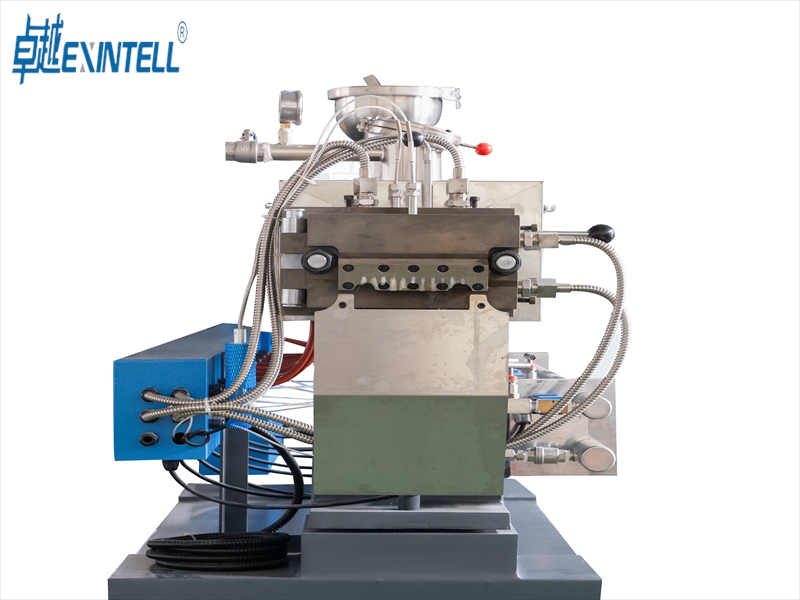
I have found that injection molding delivers better precision and tighter tolerances than Ekstruzija plastike. Na primjer, injection molding can achieve tolerances as tight as ±0.005 inches, while extrusion typically holds ±0.010 inches. Here is a process comparison based on typical applications and tolerances:
| Vrsta aplikacije | Process Used | Common Tolerances |
|---|---|---|
| dugo, uniform parts (npr., cijevi, šipke) | Istiskivanje | ±0.010 inches |
| Complex or detailed parts | Injekcijsko prešanje | ±0.005 inches or tighter |
| Veliki volumen, high-precision | Injekcijsko prešanje | Tighter than extrusion |
| Stalan, simple shapes | Istiskivanje | Dosljedan, less precise |
When choosing a manufacturing process, I always consider geometry, required tolerances, obujam proizvodnje, i trošak.
Ključni zahvati
- Injection molding achieves tighter tolerances, often as precise as ±0.005 inches, making it ideal for complex parts.
- Ekstruzija plastike is best for long, uniform shapes like tubes and rods, with tolerances around ±0.010 inches.
- Consider production volume when choosing a process; injection molding is cost-effective for large runs, while extrusion suits high-volume continuous production.
- Izbor materijala impacts precision; choose materials based on the specific requirements of your application.
- Evaluate part complexity; injection molding handles intricate designs better than extrusion, which is limited to simpler shapes.
- Surface finish quality is generally better in injection molding, leading to smoother parts without additional finishing steps.
- Plan for tooling costs; injection molding requires higher initial investment but offers long-term savings through repeatability.
- Always assess your project’s needs early; understanding geometry, tolerancije, and budget helps in selecting the right manufacturing process.
Plastic Extrusion Overview
Process Basics
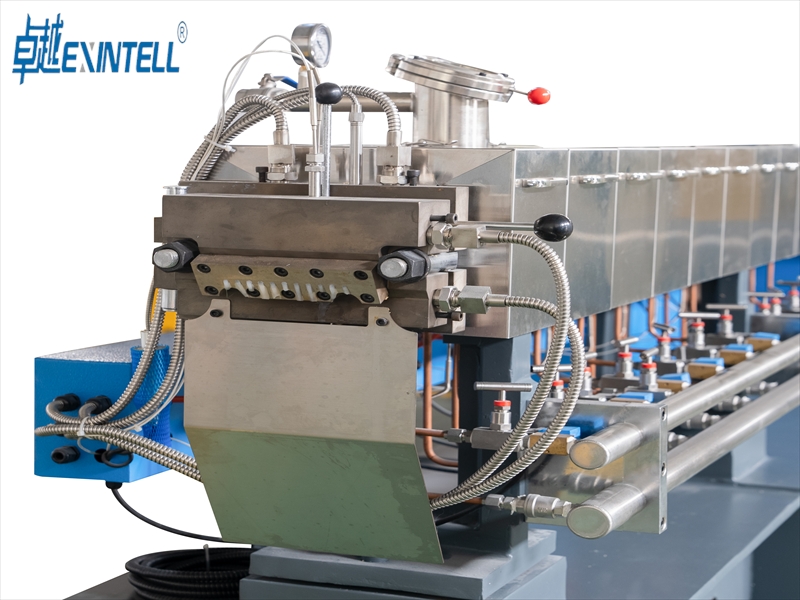
I have worked with plastična ekstruzija for years and have seen how this method shapes thermoplastic materials into continuous profiles. The extrusion process starts with material selection, which is critical for achieving the desired properties in the final product. I load plastic pellets or granules into a hopper above the extruder. The machine uses a rotating screw to move the material through a heated barrel. As the material travels, it melts due to friction and external heat. The molten plastic then passes through a precision-shaped die, which gives the product its profile. After forming, the extruded shape enters a cooling system, usually an air or water bath, to solidify and maintain dimensional accuracy. Konačno, I cut or roll the product, ovisno o primjeni. This step-by-step approach allows me to create long, uniform shapes with consistent cross-sections.
Common Applications
Plastic extrusion plays a vital role in many industries. I often see it used for packaging, automobilski, namještaj, i robe široke potrošnje. The process produces a wide range of products, from simple tubes to complex profiles. Here is a table that summarizes some common applications:
| Industrija | Proizvodi |
|---|---|
| Pakiranje | Filmovi, plahte, torbe, wraps, pladnjevi, and cups |
| Automobilizam | Vremenske brtve, plastične cijevi, trim profile |
| Namještaj & Roba široke potrošnje | Edge banding, curtain tracks, lightweight PVC foam boards |
| Dom Aparati | Handles, seals for ovens and microwaves |
| Plumbing & Medicinski | Cijevi, cijevi |
Našao sam to ekstruzija plastike po narudžbi allows manufacturers to design unique profiles for specialized needs. This flexibility makes extrusion a popular choice for continuous, proizvodnja velikih količina.
Materials Used
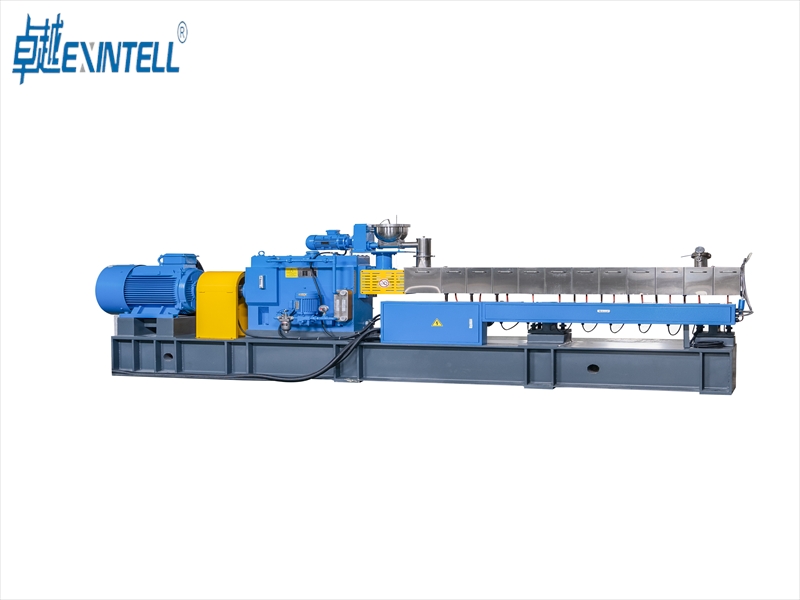
The choice of materials in plastic extrusion affects both the process and the final product’s precision. I frequently use polipropilen, polietilen tereftalat, i polistirena. These materials offer different properties, such as flexibility, snaga, and clarity. The way I prepare, rastopiti, and cool the materials has a direct impact on the accuracy and consistency of the extruded parts. Here are some of the most common materials I use:
- Polipropilen (PP)
- Polietilen tereftalat (LJUBIMAC)
- Polistiren (P.S)
- Polivinil klorid (PVC)
- High-density polyethylene (HDPE)
- Low-density polyethylene (LDPE)
- Akrilonitril butadien stiren (ABS)
- Termoplastični elastomeri (TPE)
- Najlon (GODIŠNJE)
- Polikarbonat (PC)
- Polymethyl methacrylate (PMMA)
When I work on custom plastic extrusion projects, I always match the material to the application’s requirements. This careful selection ensures the product meets both performance and precision standards.
Za i protiv
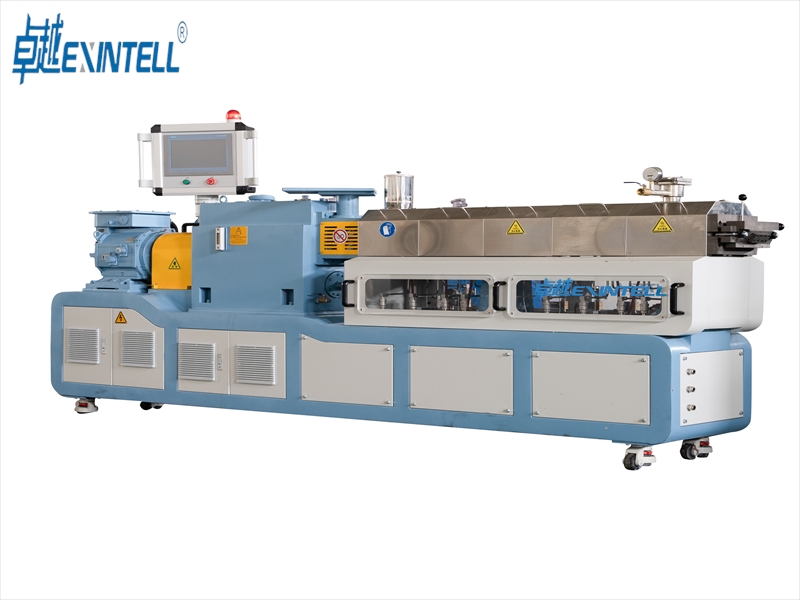
When I evaluate plastic extrusion for a project, I always weigh the benefits and drawbacks. This process offers unique strengths, but it also comes with limitations that affect precision and tolerances.
Ovdje je a table that summarizes the main advantages and disadvantages I have observed in my work:
| Prednosti | Nedostaci |
|---|---|
| High efficiency and scalability | Limitations in producing complex shapes |
| High production volumes | Challenges with die swell affecting precision |
| Cost-effectiveness for medium to high volumes | Potential surface imperfections requiring finishing |
Prednosti
I often choose plastic extrusion for its high efficiency. The process runs continuously, which means I can produce long parts without interruption. This scalability makes it ideal for large orders. When I need to manufacture thousands of feet of tubing or profiles, extrusion delivers consistent results. The cost per part drops as production volume increases, so I find it very cost-effective for medium to high-volume projects.
Another advantage is the ability to create uniform cross-sections. I can maintain steady dimensions along the length of the part, which is important for applications like piping or window frames. The process also supports a wide range of thermoplastics, so I can select materials that match the mechanical and chemical requirements of the final product.
Nedostaci
Despite these strengths, plastic extrusion has some drawbacks. The process struggles with complex shapes. If a part requires intricate details or sharp corners, I find extrusion less suitable. The molten plastic tends to swell as it exits the die, a phenomenon known as die swell. This effect can make it difficult to achieve tight tolerances, especially for parts that need precise dimensions.
Surface finish can also be an issue. Ponekad, the extruded parts show lines or marks from the die. I often need to add secondary finishing steps, such as trimming or polishing, to improve the appearance and meet quality standards. These extra steps can increase both time and cost.
Savjet: I always recommend reviewing the part’s geometry and required tolerances before selecting extrusion. If the design is simple and the order is large, extrusion usually offers the best value.
Injection Molding Overview
Process Basics
I have spent years working with injection molding, and I find the process both fascinating and efficient. The method uses a mold, which shapes molten plastic into precise forms. I always follow a series of steps to ensure each part meets strict quality standards. Here is how I approach the injection molding process:
- Clamping: I close the mold tightly to prepare for the next steps.
- Injection: I inject hot, melted plastic into the mold cavity.
- Dwelling: I let the plastic sit inside the mold for a short time so it fills every space.
- Hlađenje: The plastic cools and hardens while inside the mold.
- Mold Opening: I open the mold after the part has cooled.
- Ejection: I remove the finished part from the mold.
This cycle repeats quickly, which allows me to produce large quantities of identical parts. I rely on injection molding when I need complex shapes, fine details, and high-quality finishes. The process gives me excellent control over dimensions and surface appearance.
Bilješka: I always monitor temperature and pressure closely during injection molding. These factors affect the final part’s precision and consistency.
Common Applications
Injection molding plays a vital role in many industries. I have used this process to create parts for automotive, medicinski, potrošačka elektronika, and packaging sectors. The versatility of injection molding allows me to produce both simple and highly complex components. Here is a table that summarizes some typical applications:
| Industrija | Products Produced |
|---|---|
| Automobilizam | Various components and parts |
| Medicinski | Device housings, surgical tools |
| Consumer Electronics | Cases, buttons, and other components |
| Pakiranje | Bottle caps, spremnici |
I often make items like contact lens cases, bottle caps, and high-volume components with intricate geometries. Injection molding helps me deliver consistent results, even for demanding projects.
Materials Used
Material selection is crucial in injection molding. I choose materials based on the required strength, fleksibilnost, i preciznost. For high-precision parts, I prefer polymers with low and uniform shrinkage, stable melt flow, and good thermal resistance. Some of the most common materials I use include:
- ABS: Offers toughness, a smooth surface finish, i otpornost na udarce.
- Polipropilen: Provides chemical resistance, fleksibilnost, and affordability.
- Polikarbonat: Delivers high clarity, snaga, i otpornost na toplinu.
- Polietilen: Lightweight and resists moisture.
- Najlon: Known for strength, otpornost na trošenje, i toplinska stabilnost.
- ZAVIRI: Exceptional for heat, kemijski, and wear resistance.
When I need even tighter tolerances, I turn to engineering-grade polymers. Materials like liquid crystal polymer (LCP), polieter eter keton (ZAVIRI), and acetal (POM) give me excellent dimensional stability and minimal shrinkage. Na primjer, I use LCP for electrical connectors and sensor components, while PEEK works well for medical implants and aerospace parts. Polycarbonate is my choice for lenses and optical components because of its clarity and strength.
Savjet: I always match the material to the application’s needs. The right choice ensures the injection molding process delivers both precision and performance.
Za i protiv
I have worked with injection molding for many years. This process offers several advantages that make it my preferred choice for high-precision plastic parts. I want to share both the strengths and the limitations I have observed.
Advantages of Injection Molding
- I can achieve very high precision with injection molding. The process allows me to produce parts with tolerances as tight as ±0.005 inches. This level of accuracy is difficult to match with other plastic manufacturing methods.
- I appreciate the repeatability of injection molding. Once I set up the mold and process parameters, I can produce thousands or even millions of identical parts. Each part matches the original design closely.
- I often need to create parts with complex shapes and fine details. Injection molding handles intricate geometries well. I do not need to add extra steps or secondary processes to achieve these features.
- I find that injection molding delivers excellent surface finishes. The parts come out smooth and ready for use in most cases.
- I can use a wide range of thermoplastics and engineering polymers. This flexibility lets me match material properties to the application’s needs.
Disadvantages of Injection Molding
- I must invest in high-quality molds before I start production. The initial cost for mold creation can be significant. For small production runs, this cost may not be justified.
- I have learned that design complexity can present challenges. I need to plan the mold and part design carefully. Mistakes in the design phase can lead to costly changes later.
- I sometimes face longer lead times at the start of a project. Designing and manufacturing the mold takes time, especially for complex parts.
- I notice that material selection and process settings require careful attention. If I do not control temperature, pritisak, and cooling rates, I risk defects or dimensional errors.
Here is a table that summarizes the main pros and cons I have experienced with injection molding:
| Pros | Protiv |
|---|---|
| High precision and tight tolerances | High initial mold cost |
| Excellent repeatability for large volumes | Design complexity requires careful planning |
| Supports complex geometries and fine details | Longer lead times for mold development |
| Smooth surface finishes | Process control is critical |
| Wide material selection | Not cost-effective for low-volume runs |
Savjet: I always recommend injection molding when a project demands high precision, complex shapes, and large production volumes. For simple parts or small batches, I consider other methods to save on costs and lead time.
Precision and Tolerances
When I compare plastic extrusion and injection molding, I always focus on how each process handles precision and tolerances. These factors determine if a part will meet the design’s tolerance requirements and function as intended. I have learned that even small differences in tolerances can impact assembly, performanse, i kvaliteta proizvoda.
Plastic Extrusion Tolerances
Dimensional Consistency
Po mom iskustvu, plastic extrusion delivers good dimensional consistency for long, continuous shapes. I often see typical tolerance ranges around ±0.010 inches. This value sets a benchmark for what I can expect from extrusion in terms of dimensional variation. The process works best for parts with uniform cross-sections, such as tubes, šipke, i profilima. Međutim, I notice that maintaining tight tolerances along the entire length can be challenging. Factors like die swell, material shrinkage, and cooling rates can cause slight variations. I always monitor these variables closely to keep the dimensions within acceptable limits.
Površinska obrada
Surface finish in extrusion depends on the die quality and the cooling process. I often see minor lines or marks on extruded parts, which come from the die or from uneven cooling. These marks can affect the appearance and sometimes the fit of the part. When a smooth surface is critical, I may need to add secondary finishing steps. I have found that extrusion rarely achieves the same level of surface smoothness as injection molding. Još, for many applications, the finish is acceptable without extra work.
Injection Molding Tolerances
Dimensional Accuracy
Injection molding stands out for its ability to achieve very tight tolerances. I regularly work with tolerances as tight as ±0.005 inches, and sometimes even tighter for high-precision parts. This level of accuracy comes from the rigid mold and the controlled process parameters. I rely on standards like DIN EN ISO 20457 i ISO 2768-1/2 to guide my work. These standards define tolerance groups and classes for different part sizes and features. Na primjer, DIN EN ISO 20457 specifies tolerance groups such as TG5, which allows about 0.23 mm for a 32 mm part. These guidelines help me ensure that every part meets strict dimensional requirements.
I pay close attention to injection pressure and holding pressure during molding. Proper tuning of these settings ensures the mold fills completely and minimizes defects. This control is essential for precision applications, where even a small deviation can cause problems in assembly or function.
Površinska obrada
Surface finish in injection molding can be excellent. I can produce parts with glossy, polished surfaces or with textures that improve grip and hide minor defects. The choice of finish affects both the look and the performance of the part. Na primjer:
- A polished finish gives a shiny, smooth appearance.
- Textured surfaces can make parts easier to handle and less likely to show scratches.
- Different finishes can also influence durability and how the part interacts with other components.
I also consider how post-processing methods, kao npr anodizing, powder coating, or electroplating, might affect the final dimensions. These methods add material or change the surface, so I account for them in my design to maintain precision.
Tolerance Comparison Table
I often use a table to compare the typical tolerances for plastic extrusion and injection molding. This summary helps me and my clients understand what to expect from each process:
| Proces | Typical Tolerances | Surface Finish Quality | Repeatability |
|---|---|---|---|
| Ekstruzija plastike | ±0.010 inches | Umjereno | Good for long parts |
| Injekcijsko prešanje | ±0.005 inches or tighter | Izvrsno | Vrlo visoko |
Bilješka: Injection molding achieves tighter tolerances and better repeatability than plastic extrusion. I always recommend injection molding when a project demands high precision, complex shapes, or strict tolerance requirements.
I have found that choosing the right process depends on the part’s geometry, the required tolerances, and the application. Injection molding gives me the best results for detailed, high-precision parts. Ekstruzija plastike works well for simple, continuous shapes where slightly looser tolerances are acceptable.
Factors Affecting Precision
Material Choice
I always start by considering the material when I want to achieve high precision in plastic parts. The properties of the plastic influence how well I can control tolerances during both extrusion and injection molding. Na primjer, the way a material flows, its shrinkage, and its thermal stability all play a role in the final outcome.
Evo tablice that summarizes how different material properties affect precision and tolerances:
| Material Property | Influence on Precision and Tolerances |
|---|---|
| Flow Behavior (MFI/MFR) | High MFI materials flow easily, which helps fill complex or thin-walled molds. Međutim, they may have lower strength. |
| Low MFI materials are thicker and harder to mold but result in stronger, more impact-resistant parts. | |
| Shrinkage | Amorphous plastics like ABS and PC shrink less and more evenly, so I can achieve tighter tolerances. |
| Semi-crystalline plastics such as Nylon and POM shrink more and less predictably, making precision harder to control. | |
| Toplinska stabilnost | Poor thermal stability can cause defects like burn marks or warping, which reduces dimensional accuracy. |
| Good thermal stability is important for thin or complex parts where precision matters most. |
When I select a material, I always match its properties to the needs of the part. Na primjer, if I need a part with very tight tolerances, I choose an amorphous plastic with low shrinkage and good thermal stability.
Part Complexity
The complexity of a part has a direct impact on the precision I can achieve. Simple shapes are easier to control, while complex designs introduce more challenges. I pay close attention to features like parting lines, curved surfaces, and critical dimensions.
Here is a table that shows how different design considerations affect precision:
| Consideration | Impact on Precision |
|---|---|
| Parting Line Placement | Influences mold complexity and the quality of the finished product. |
| Avoiding Critical Areas | Helps prevent dimensional changes and ensures a better fit. |
| Positioning on Curved Surfaces | Demands higher mold accuracy, which can increase costs and risk of defects. |
| Use of Natural Split Lines | Makes mold construction easier and improves the demolding process. |
When I design a part for injection molding, I try to place parting lines in less visible areas and avoid putting them on critical surfaces. This approach helps me maintain better tolerances and reduce the risk of defects.
Opseg proizvodnje
Production volume also affects the level of precision I can achieve. Za proizvodnju velikih količina, I invest in high-quality molds and precise process controls. This investment pays off because I can produce thousands or millions of identical parts with consistent tolerances. For smaller runs, I may use less expensive tooling, but I know that this can lead to more variation in the final parts.
Savjet: I always recommend using the best possible tooling and process controls for high-volume production. This strategy ensures that every part meets the required specifications and reduces waste.
Tooling Quality
I always pay close attention to tooling quality when I want to achieve high precision in plastic manufacturing. The tools I use, such as dies for extrusion and molds for injection molding, play a critical role in determining the final tolerances and surface finish of each part. I have learned that even small imperfections in tooling can lead to significant errors in the finished product.
Po mom iskustvu, high-quality tooling starts with careful design. I work with engineers to create detailed drawings and 3D models. These models help me visualize the part and identify areas where precision matters most. I select materials for the tooling that resist wear and maintain their shape under high temperatures and pressures. For injection molding, I often use hardened steel or high-grade aluminum. For extrusion dies, I prefer tool steel with a polished surface.
I have seen that the manufacturing process for tooling affects its quality. Precizna obrada, such as CNC milling and EDM, allows me to achieve tight tolerances in the mold or die. I inspect the tooling after each step to ensure there are no defects or inconsistencies. If I find any issues, I address them immediately. This attention to detail prevents problems during production.
Maintenance is another factor that influences tooling quality. I schedule regular inspections and cleaning for all my tools. I replace worn parts before they cause defects in the plastic parts. Proper maintenance extends the life of the tooling and keeps the production process running smoothly.
Here is a table that summarizes how tooling quality impacts precision in both processes:
| Tooling Aspect | Impact on Precision | My Approach |
|---|---|---|
| Odabir materijala | Reduces wear and deformation | Use hardened steel or aluminum |
| Machining Accuracy | Achieves tight tolerances | Employ CNC and EDM |
| Površinska obrada | Improves part appearance | Polish dies and molds |
| Održavanje | Prevents defects | Schedule regular checks |
Savjet: I always recommend investing in high-quality tooling for projects that require tight tolerances. The upfront cost may be higher, but the long-term benefits include fewer defects, better repeatability, and lower maintenance costs.
I have found that tooling quality often determines the success of a manufacturing project. When I use well-designed and well-maintained tools, I consistently produce parts that meet strict precision requirements. This approach builds trust with my clients and helps me deliver reliable results every time.
Trošak vs. Preciznost
Extrusion Cost Factors
When I evaluate plastic extrusion for a project, I always consider how cost and precision interact. Several factors influence the final price of extruded parts:
- I often need vrhunski materijali to achieve higher precision. These materials cost more but help me meet strict tolerances.
- Custom tooling becomes necessary when I want unique profiles or tighter tolerances. This requirement increases the initial investment.
- If I focus on speed and low cost, I sometimes see a drop in precision. Parts may not meet the required tolerances, which can lead to quality issues.
- When I prioritize quality and precision, I spend more time on setup and inspection. This approach slows production but ensures better results.
I find that balancing these factors is key. If a project allows for looser tolerances, I can save money by using standard materials and tooling. Za kritične primjene, I invest more to guarantee precision.
Injection Molding Cost Factors
Injection molding presents a different cost structure. I have learned that several elements drive the overall expense, especially when aiming for high precision. The table below summarizes the main cost factors and their relationship to precision:
| Faktor troškova | Relation to Precision |
|---|---|
| Tooling Costs | High-quality molds stabilize production and maintain tight tolerances over time. |
| Material Consumption | Premium materials improve accuracy but raise initial costs. |
| Cycle Time | Shorter cycles reduce costs, but sometimes compromise precision. |
| Machine Tonnage Rate | Larger machines hold tighter tolerances but use more energy. |
| Labor/Automation Level | Automation boosts precision and lowers labor costs in the long run. |
| Scrap Rate | Poor precision increases scrap, which drives up total costs. |
I always weigh these factors before starting a new injection molding project. For large production runs, investing in better tooling and automation pays off. I see fewer defects and more consistent parts.
Balancing Cost and Precision
Choosing between extrusion and injection molding often comes down to finding the right balance. I look at the part’s geometry, the required tolerances, and the production volume. The table below helps me decide which process fits best:
| Process Type | Idealno za | Core Advantage | Trade-off |
|---|---|---|---|
| Injekcijsko prešanje | Kompleks, enclosed 3D parts | Extreme precision and consistency | Higher initial mold cost; best for large batches |
| Ekstruzija plastike | Stalan, uniform profiles | Lower tooling cost, efficient output | Limited to linear shapes; less suitable for complex geometries |
If I need complex shapes and tight tolerances, I choose injection molding despite the higher upfront cost. Za jednostavno, continuous profiles, I rely on extrusion to keep costs low and production fast. I always match the process to the project’s needs, ensuring I deliver both value and quality.
Savjet: I recommend discussing your precision requirements early in the design phase. This step helps me select the most cost-effective process for your application.
Odabir pravog procesa
Selecting the right process for manufacturing plastic parts can determine the success of a project. I always start by evaluating the part’s geometry, required tolerances, obujam proizvodnje, and cost targets. My experience has shown that both plastic extrusion and injection molding offer unique strengths. The best choice depends on the specific needs of the application.
When to Use Plastic Extrusion
I turn to the plastic extrusion process when I need to produce long, continuous shapes with uniform cross-sections. This process excels at creating items like tubes, cijevi, vremenske brtve, and profiles for windows or furniture. I find that extrusion works best for high-volume production runs where the design does not require complex 3D features.
To ensure a successful and high-quality plastic extrusion, several key factors must be carefully evaluated during the design phase: Functional Requirements, Kompatibilnost materijala, Profile Complexity, Wall Thickness, Tolerancije, Mating Parts, Tooling Collaboration, and Cost Efficiency.
When I assess whether the extrusion process is the right fit, I consider:
- Application requirements, such as temperature resistance and UV exposure.
- Mechanical properties, uključujući fleksibilnost, tvrdoća, and tensile strength.
- Environmental conditions, like weather and temperature fluctuations.
- Aesthetic and finish requirements, such as color, gloss, and surface texture.
- Regulatory and compliance needs to meet industry standards.
I also weigh the cost benefits of the extrusion process. Here is how I approach the decision:
- Assess material costs against budget constraints.
- Consider long-term savings from durability and reduced waste.
- Work with experienced partners to find the best balance of performance and price.
Different plastics behave uniquely during the extrusion process, affecting the final product’s shape and performance. I pay close attention to thermal stability and melt strength, especially for applications that require precise tolerances. When the design calls for simple, linear shapes and the process must remain cost-effective, extrusion often provides the best solution.
Example Scenario:
Last year, I worked with a client who needed thousands of feet of custom tubing for an irrigation system. The process required a material that could withstand sunlight and temperature swings. I recommended the extrusion process using UV-stabilized polyethylene. The process allowed us to maintain consistent wall thickness and meet the client’s budget. The result was a durable product that performed well in the field.
When to Use Injection Molding
I choose the injection molding process when the part design involves complex geometries, uske tolerancije, or intricate details. This process is ideal for producing high-precision components, such as medical device housings, automotive connectors, or consumer electronics enclosures. The process supports a wide range of materials and finishes, making it versatile for many industries.
The injection molding process stands out when:
- The part requires enclosed or 3D shapes that extrusion cannot achieve.
- High repeatability and consistency are critical for assembly or function.
- The application demands a smooth surface finish or specific textures.
- The project involves large production volumes, justifying the investment in tooling.
I always consider the initial tooling cost and lead time for the injection molding process. For high-volume projects, the process delivers excellent value through low per-part costs and minimal variation between parts. I also rely on this process when regulatory compliance and material traceability are essential.
Example Scenario:
Recently, I partnered with a medical device manufacturer to produce a new type of handheld diagnostic tool. The process required a housing with complex internal features and a flawless surface finish. I recommended the injection molding process using medical-grade polycarbonate. The process allowed us to achieve the necessary tolerances and pass strict regulatory tests. The client appreciated the consistency and quality of every part.
Studija slučaja:
I have seen how companies use data-driven approaches to select the right process. Na primjer, Amcor conducted a pilot test comparing emissions from different plastic sources and production sites. The process helped them make informed decisions about low-carbon procurement and supplier relationships. By analyzing the process at each step, they improved transparency and achieved their sustainability goals.
Savjet: I always advise clients to define their precision requirements, obujam proizvodnje, and budget early in the design phase. This clarity helps me recommend the most suitable process and avoid costly changes later.
How I Decide Between Processes
I use a simple checklist to guide my decision:
- Does the part have a uniform cross-section and require long lengths? I choose the extrusion process.
- Does the part need complex shapes, uske tolerancije, or a high-quality finish? I select the injection molding process.
- Is the production volume high enough to justify tooling investment? I lean toward injection molding.
- Is cost efficiency for simple shapes the main goal? I recommend extrusion.
The process selection shapes the entire project, from design to final delivery. I always match the process to the application’s needs, ensuring the best balance of quality, preciznost, i trošak.
Additional Considerations
Vrijeme isporuke
I always pay close attention to lead time when planning a manufacturing project. Lead time refers to how long it takes to go from design approval to finished parts. Po mom iskustvu, plastic extrusion usually offers shorter lead times. The tooling for extrusion is simpler and faster to produce. I can start production quickly once the die is ready. This makes extrusion a good choice for projects with tight deadlines or urgent needs.
Injection molding requires more time upfront. The mold design is complex and demands careful engineering. I often spend weeks or even months creating and testing the mold. Once the mold is ready, production moves fast, but the initial setup slows the process. I recommend injection molding for projects where precision and volume matter more than speed.
Savjet: If you need parts quickly and the design is simple, extrusion can save valuable time.
Fleksibilnost dizajna
Design flexibility shapes what I can achieve with each process. I have learned that extrusion limits my options. The process works best for simple, repeated shapes like tubes or profiles. I cannot create intricate features or complex geometries with extrusion.
Injection molding gives me much more freedom. I can design parts with fine details, potkopavanja, and complex shapes. The mold captures every feature, so I can meet strict requirements for accuracy and appearance.
Ovdje je a table that compares design flexibility between the two methods:
| metoda | Fleksibilnost dizajna | Complexity of Parts |
|---|---|---|
| Extrusion Molding | Limited design flexibility; best for simple, repeated shapes. | Not suitable for intricate features. |
| Injekcijsko prešanje | High design flexibility; ideal for complex shapes with fine details and accuracy. | Capable of creating sophisticated designs. |
I always match the process to the part’s needs. If the design is simple and repeated, extrusion works well. For complex or detailed parts, injection molding is the clear winner.
Održivost
Sustainability has become a major concern in my work. I look for ways to reduce waste and use eco-friendly materials. Plastic extrusion stands out for its ability to incorporate recycled content i biorazgradivih materijala. I can use these options without sacrificing performance or quality. This gives extrusion an advantage when clients want greener solutions.
Injection molding is less flexible in this area. The process does not always support recycled or biodegradable plastics. I must choose materials carefully to avoid defects or quality issues. When sustainability is a priority, I recommend extrusion for its environmental benefits.
🌱 I always encourage clients to consider recycled or biodegradable materials in extrusion projects. This choice supports sustainability goals and helps protect the environment.
I have seen that injection molding delivers better precision in plastic manufacturing, especially for small to medium-sized plastic parts. The process uses balanced clamping force and optimized resin viscosity to reduce defects. Multi-cavity molds and rigid frames help maintain consistent results. When I choose between plastic extrusion and injection molding, I always consider plastic geometry, tolerancije, obujam proizvodnje, i trošak. I recommend injection molding for complex plastic shapes and tight tolerances. Plastic extrusion works well for simple, continuous plastic profiles. My experience shows that careful planning in plastic manufacturing leads to reliable plastic products.
| Faktor | Injekcijsko prešanje | Ekstruzija plastike |
|---|---|---|
| Preciznost | High for plastic parts | Moderate for plastic parts |
| Tolerancije | Tight in plastic manufacturing | Looser in plastic manufacturing |
| Opseg proizvodnje | Best for large plastic runs | Best for continuous plastic runs |
| trošak | Higher for plastic molds | Lower for plastic dies |
I always advise clients to match the plastic manufacturing process to their specific plastic needs.
FAQ
What is the main advantage of plastic extrusion?
nalazim plastična ekstruzija ideal for creating continuous profiles. The process runs efficiently and produces long, uniform shapes. I can quickly manufacture parts like tubes and rods for many industries.
Can injection molding handle complex shapes?
I rely on injection molding when I need intricate designs or detailed features. The process allows me to produce parts with complex geometries and tight tolerances. I achieve high precision every time.
Which process is better for high volume production?
I choose injection molding for high volume production. The process delivers consistent quality and repeatability. I can produce thousands or millions of identical parts with minimal variation.
Are continuous profiles possible with injection molding?
I do not use injection molding for continuous profiles. The process works best for discrete, individual parts. okrenem se prema istiskivanje when I need long, uninterrupted shapes.
What materials work best for extrusion?
I select materials like polypropylene, PVC, and HDPE for extrusion. These plastics help me create continuous profiles with reliable performance. I match the material to the application’s requirements.
How does surface finish compare between the two processes?
I notice that injection molding produces smoother surfaces. Extrusion sometimes leaves marks or lines on continuous profiles. I may add finishing steps to improve appearance when needed.
Is extrusion cost-effective for small batches?
I usually recommend extrusion for larger orders. The process becomes more cost-effective as I produce more continuous profiles. For small batches, setup costs may outweigh the benefits.
Can I use recycled materials in extrusion?
I often use recycled plastics in extrusion. The process supports sustainable manufacturing and lets me create continuous profiles with eco-friendly materials. I help clients meet their environmental goals.