

Sveobuhvatni vodič za recikliranje i granuliranje plastike i sumpora
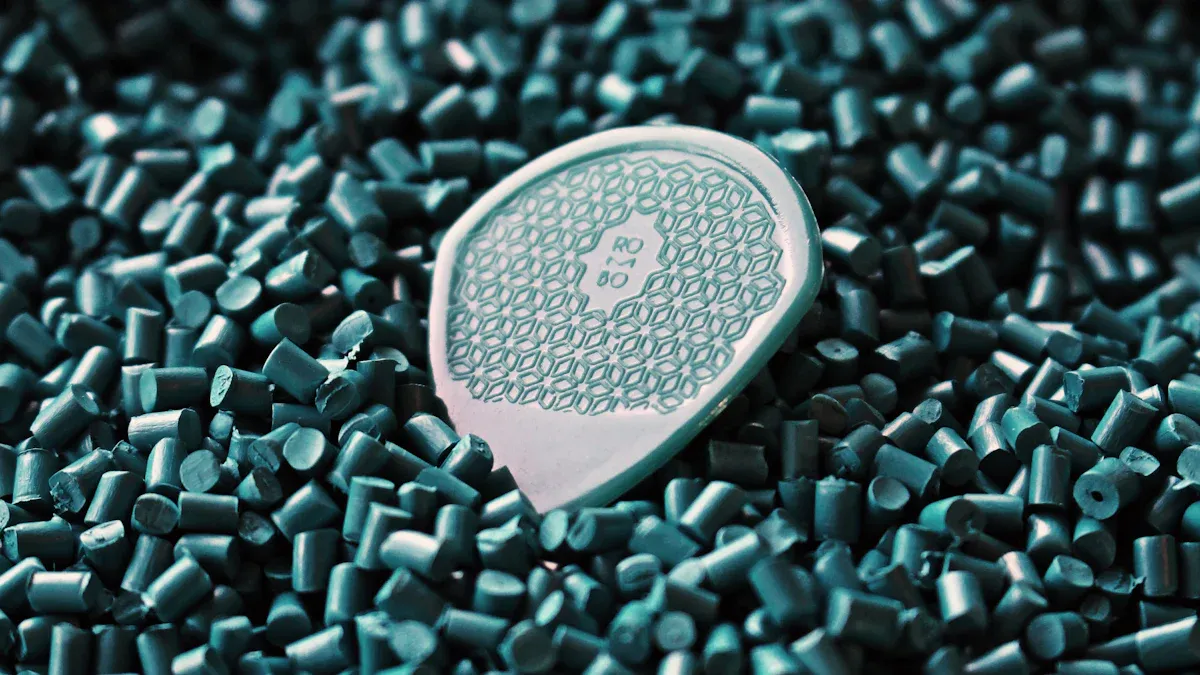
Vidim da sigurno i učinkovito recikliranje počinje razumijevanjem jedinstvenih svojstava plastike i sumpora. Kemijska kompatibilnost je važna, posebno kada ulja stupaju u interakciju s plastikom. Većina industrijskog plastičnog otpada reciklira se brzinom od oko 9%, što pokazuje potrebu za boljim rješenjima. Oslanjam se na naprednu opremu kao što je IPG Pelletizing Machine Plastic za poboljšanje rezultata recikliranja. U industrijskoj preradi plastike i sumpora, najbolja praksa za granulaciju i transport sumpora pomaže smanjiti rizike i povećati kvalitetu.
- Globalna stopa recikliranja industrijskog plastičnog otpada: oko 9%
Ključni zahvati
- Razumijevanje kemijske kompatibilnosti između plastike i ulja ključno je za izbjegavanje oštećenja tijekom recikliranja.
- Drobljenje plastike smanjuje volumen i poboljšava kvalitetu, čineći recikliranje učinkovitijim i isplativijim.
- Mehaničko recikliranje najbolje funkcionira za čistoću, sortirane plastike, dok kemijsko recikliranje obrađuje miješane ili kontaminirane materijale.
- Korištenje dijagrama otpornosti i testova uranjanja pomaže osigurati sigurno recikliranje plastike izložene različitim uljima.
- Granuliranje sumpora poboljšava sigurnost smanjenjem prašine i olakšavanjem rukovanja, dok napredno hlađenje osigurava jake granule.
- Odabir prave opreme i materijala za transport sumpora sprječava koroziju, opasnosti od prašine, i kvarove opreme.
- Redovito održavanje, kontrola prašine, i integracija sustava povećava učinkovitost i sigurnost u recikliranju plastike i rukovanju sumporom.
- Održive prakse, uključujući energetski učinkovitu opremu i dodatke na bazi biougljika, podržati sigurniju i zeleniju industriju.
Kemijska kompatibilnost plastike i ulja
Ključne varijable
Vrste polimera
Uvijek počinjem identificiranjem vrste polimera prije recikliranja plastike. Svaki polimer drugačije reagira na ulja. Polietilen (PE) i polipropilena (PP) pokazuju jaku otpornost na mnoga ulja. Polistiren (P.S) i polietilen tereftalat (LJUBIMAC) često se kvare kada su izloženi određenim uljima. Polikarbonat (PC) i akrilonitril butadien stiren (ABS) mogu popucati ili postati krhki nakon kontakta s uljem. Najlon se ističe svojom otpornošću na ulja. Provjeravam vrstu polimera da predvidim kako će se ponašati tijekom recikliranja.
Vrste ulja & Temperature
Vrsta ulja i temperatura igraju veliku ulogu u kompatibilnosti. Ulja za kuhanje poput maslinovog i uljane repice obično uzrokuju blage učinke na PE i PP. Eterična ulja, kao što su limun ili eukaliptus, sadrže spojeve koji napadaju plastiku poput PS i PET čak i na sobnoj temperaturi. Motorna ulja i sintetička maziva mogu učiniti PE krhkim i uzrokovati pucanje uslijed naprezanja u PC-u i ABS-u. Hidraulička ulja, sa svojim dodacima, može dovesti do lomljivosti i bubrenja u plastici koja nije namijenjena za hidrauličku upotrebu. Uvijek uzimam u obzir kemijski sastav i temperaturu ulja tijekom recikliranja.
Savjet: Preporučam provjeru vrste ulja i temperature prije miješanja plastike i ulja u bilo kojem procesu recikliranja.
Toplinska vs. Kemijski učinci
Točke topljenja
Pazim na talište. PE se tali na oko 120°C, PP na 160°C, i PET na 250°C. Ako izloženost ulju povisi temperaturu blizu ovih tališta, plastika se može deformirati ili rastopiti. Kemijske reakcije mogu se odvijati brže na višim temperaturama. Pratim temperaturu kako bih spriječio neželjene promjene.
Rasponi temperature ulja
Temperatura ulja utječe na reakciju plastike. Hladna ulja rijetko uzrokuju trenutnu štetu. Vruća ulja ubrzavaju kemijske reakcije i mogu omekšati ili iskriviti plastiku. Na primjer, vruće motorno ulje može brzo postati krti PE i PC. Držim niske temperature ulja tijekom recikliranja kako bih zaštitio kvalitetu plastike.
Otporan vs. Ranjiva plastika
Vrste otporne na ulje
Neka plastika dobro podnosi izlaganje ulju:
- Polipropilen (PP)
- Najlon
- Polietilen (PE)
Ovi materijali obrađuju motorna ulja, hidraulička ulja, i ulja za kuhanje s minimalnim oštećenjima.
Vrste ranjive na naftu
Ostala plastika pokazuje ranjivost:
- Polistiren (P.S)
- Polietilen tereftalat (LJUBIMAC)
- Polikarbonat (PC)
- Akrilonitril butadien stiren (ABS)
Ova plastika se može otopiti, pukotina, ili se iskriviti nakon kontakta s uljem, osobito s eteričnim uljima ili toplim lubrikantima.
| Plastična vrsta | Otpornost na ulje | Tipična reakcija |
|---|---|---|
| PE, PP, Najlon | visoko | Minimalna promjena |
| P.S, LJUBIMAC, PC, ABS | Niska | Pucanje, savijanje, otapanje |
Uvijek pažljivo usklađujem plastiku i ulja kako bih izbjegao greške prilikom recikliranja i osigurao sigurnu obradu.
Testiranje kompatibilnosti
Tablice otpora
Uvijek provjerim tablice otpornosti prije recikliranja plastike izložene uljima. Ovi grafikoni pokazuju kako različita plastika reagira na različita ulja i kemikalije. Smatram ih korisnima jer daju brze odgovore o kompatibilnosti. Na primjer, tablica otpora može navesti polietilen kao “izvrsno” protiv motornog ulja, dok polistiren pokazuje “siromašan” otpornost. Koristim ove tablice kako bih izbjegao pogreške i odabrao prave materijale za recikliranje.
| Plastična vrsta | Motorno ulje | Ulje za kuhanje | Eterično ulje |
|---|---|---|---|
| PE | Izvrsno | Izvrsno | Dobro |
| PP | Izvrsno | Izvrsno | Dobro |
| P.S | Jadno | Fer | Jadno |
| LJUBIMAC | Fer | Dobro | Jadno |
| Najlon | Dobro | Dobro | Dobro |
Savjet: Preporučujem da ažurirane tablice otpornosti držite u području za recikliranje. To svima pomaže da brzo donesu sigurne odluke.
Ispitivanje uranjanjem
Ponekad, tablice otpora ne pokrivaju svaku vrstu ulja ili plastike. Koristim imerzijsko testiranje za provjeru kompatibilnosti u tim slučajevima. Izrežem mali uzorak plastike i stavim ga u ulje. Ostavljam ga određeno vrijeme, obično 24 do 48 sati. Nakon testa, Tražim promjene poput otekline, pucanje, ili promjene boja. Ako plastika ostane nepromijenjena, Znam da je sigurno za recikliranje s tim uljem. Ako vidim štetu, Izbjegavam miješanje tih materijala.
Svoje rezultate bilježim u bilježnicu. To mi pomaže da napravim prilagođeni vodič za kompatibilnost za svoj objekt. Ispitivanje uranjanjem daje mi povjerenje kada su dijagrami otpora nejasni ili nedostaju.
Uobičajene zablude
Toplinska vs. Kemijska oštećenja
Mnogi ljudi misle da sama toplina uzrokuje oštećenje plastike. Naučio sam da kemijske reakcije mogu biti jednako štetne. Ulja mogu razgraditi plastiku čak i na sobnoj temperaturi. Toplina ubrzava te reakcije, ali kemijska oštećenja mogu se dogoditi i bez visokih temperatura. Prije recikliranja uvijek provjeravam termičke i kemijske rizike.
Bilješka: Nikad se ne oslanjam samo na očitanja temperature. Kemijsko izlaganje jednako je važno kao i toplina.
Rizici dugotrajne izloženosti
Kratkoročni testovi često propuštaju dugoročne rizike. Prije sam vjerovao da je plastika sigurna ako prođe testove brzog uranjanja. Tijekom vremena, Vidio sam kako plastika puca ili slabi nakon mjeseci izlaganja ulju. Dugotrajan kontakt može uzrokovati sporu, ali ozbiljnu štetu. Sada dulje vrijeme pratim plastiku i redovito pregledavam stare uzorke.
Savjetujem drugima da razmotre i neposredne i odgođene učinke. Time se sprječavaju neočekivani kvarovi i osigurava sigurno recikliranje.
Drobljenje plastike & Metode recikliranja
Zašto je drobljenje važno
Drobljenje plastike prvi je korak koji poduzimam u svakom procesu recikliranja. Ovaj korak oblikuje sve što slijedi. Kad drobim plastični otpad, Olakšavam rukovanje, vrsta, i proces. Prednosti nadilaze puko smanjenje komada.
Smanjenje volumena
Primjećujem da sirovi plastični otpad zauzima puno prostora. Usitnjavanjem se smanjuje volumen, čineći skladištenje i transport mnogo učinkovitijima. Manji komadi bolje stanu u kante i spremnike, što pomaže neometanom radu nizvodne opreme. Uzdam se u ovaj korak kako bi moj objekt bio organiziran i isplativ.
| Točka dokaza | Opis |
|---|---|
| Smanjenje volumena | Drobljenjem se smanjuje prostor koji zauzima sirovi plastični otpad, što ga čini upravljivim za nizvodnu opremu. |
| Poboljšanje kvalitete materijala | Ujednačena veličina zdrobljene plastike povećava učinkovitost pranja i smanjuje onečišćenje. |
| Učinkovitost u recikliranju | Odluke donesene tijekom drobljenja utječu na kvalitetu konačnog recikliranog proizvoda, utječu na sve kasnije procese. |
Poboljšanje kvalitete
Ravnomjerno usitnjena plastika poboljšava kvalitetu recikliranog materijala. Kad zgnječim plastiku na jednaku veličinu, Olakšavam pranje i sortiranje. Ovaj korak smanjuje kontaminaciju i povećava učinkovitost svakog procesa koji slijedi. Smatram da visokokvalitetno drobljenje vodi do visokokvalitetnih recikliranih peleta.
Savjet: Uvijek provjeravam veličinu i oblik smrvljene plastike prije nego što prijeđem na sljedeći korak. Dosljednost ovdje kasnije štedi vrijeme i novac.
- Drobljenje utječe na odvajanje miješanih materijala, što može zakomplicirati recikliranje ako se ne upravlja pravilno.
- Napredna tehnologija sortiranja ključna je za rješavanje izazova koji proizlaze iz drobljenih materijala.
- Stalne prilagodbe procesa i pregledi performansi ključni su za održavanje visokih standarda kvalitete u recikliranim proizvodima.
Mehaničko recikliranje
Mehaničko recikliranje čini okosnicu mog radnog procesa obrade plastike. Koristim ga za pretvaranje otpadne plastike u nove sirovine bez promjene njihove kemijske strukture. Ova metoda je energetski učinkovita i isplativa, posebno za jednostruku plastiku.
Vrste drobilica
Drobilice biram prema vrsti i obliku plastičnog otpada. Za tanke filmove, Koristim granulatore s oštrim oštricama. Za glomazne predmete poput boca ili sanduka, Oslanjam se na snažne sjeckalice. Neke vrste plastike trebaju specijalizirane drobilice za njihovu žilavost ili lomljivost. Prava drobilica osigurava učinkovito smanjenje veličine i priprema materijal za daljnju obradu.
Ručno vs. Mehanički
Ručno drobljenje radi za male serije ili kada trebam ručno odvojiti materijale. Međutim, mehaničke drobilice obrađuju velike količine brzo i dosljedno. Preferiram mehaničke metode za većinu operacija jer štede rad i daju ujednačene rezultate. Mehaničko recikliranje dominira industrijom, posebno u regijama poput Europe, gdje se računa preko 99% od reciklirane plastike.
Mehaničko recikliranje fizički ponovno obrađuje plastiku, proizvodnju materijala sa svojstvima bliskim izvornoj plastici. Najbolje radi s homogenom plastikom, pa materijale temeljito sortiram i čistim prije drobljenja. Znam da opetovano recikliranje može pogoršati svojstva polimera, tako da pratim kvalitetu svake serije.
Prethodno usitnjavanje
Prethodno usitnjavanje je korak koji nikada ne preskačem kada radim s velikim ili miješanim plastičnim otpadom. Koristim sjeckalice za razbijanje glomaznih predmeta na komade kojima se može rukovati prije konačnog drobljenja. Ovaj korak štiti moju glavnu drobilicu od zaglavljivanja i habanja. Prethodno usitnjavanje također mi pomaže da rano uočim kontaminante ili neplastične materijale, koji proces recikliranja održava čistim i učinkovitim.
Ključni čimbenici izvedbe
Nekoliko čimbenika utječe na to koliko dobro radi moja oprema za drobljenje i recikliranje. Obraćam veliku pozornost na ove detalje kako bih povećao učinkovitost i kvalitetu ispisa.
| Faktor izvedbe | Opis |
|---|---|
| Vrsta i oblik materijala | Različite plastike zahtijevaju specifične sile rezanja i vrste oštrica za učinkovito drobljenje. |
| Blade Gap | Razmak između oštrica utječe na kvalitetu rezanja; uži razmaci daju čišće rezove, ali povećavaju trošenje. |
| Veličina mreže zaslona | Određuje izlaznu veličinu čestica; manje veličine smanjuju protok zbog recirkulacije. |
| Brzina rotora | Utječe na protok i stvaranje topline; veće brzine povećavaju učinak, ali mogu stvoriti fine čestice. |
| Brzina dodavanja | Pravilno hranjenje je ključno; prekomjerno hranjenje može oštetiti opremu, dok nedovoljno hranjenje smanjuje učinkovitost. |
| Održavanje | Redovito održavanje oštrica je neophodno za sprječavanje pada kvalitete i naprezanja opreme. |
| Upravljanje kontaminacijom | Pravilno upravljanje prašinom i protokom zraka potrebno je kako bi se izbjeglo pregrijavanje i kvar opreme. |
Odabir oštrice
Oštrice biram na temelju vrste plastike i željene izlazne veličine. Tvrda plastika zahtijeva čvršće oštrice, dok mekša plastika zahtijeva oštrije rubove. Redovito provjeravam razmak oštrice jer manji razmaci daju čišće rezove, ali se brže troše. Često mijenjam ili oštrim oštrice kako bih održao visok učinak.
Zaslonska mreža
Mreža zaslona kontrolira veličinu zgnječenih plastičnih komada. Manje mreže proizvode sitnije čestice, ali usporavaju proces jer materijal cirkulira dok ne prođe kroz mrežicu. Usklađujem veličinu oka s propusnošću kako bih ispunio svoje proizvodne ciljeve. Konzistentna veličina čestica poboljšava kasnije pranje i peletiranje.
Brzina rotora & Brzina dodavanja
Brzina rotora utječe na to koliko brzo mogu obraditi plastični otpad. Veće brzine povećavaju učinak, ali mogu stvoriti više finih čestica i topline. Prilagođavam brzinu kako bi odgovarala vrsti plastike i željenom učinku. Brzina dodavanja je važna, također. Pretjerano hranjenje može zaglaviti stroj, dok nedovoljno hranjenje gubi energiju. Pratim oboje kako bi moj rad tekao glatko.
Bilješka: Redovito održavanje i kontrola prašine omogućuju učinkovit rad moje opreme i sprječavaju neočekivane kvarove.
Integracija naprednih rješenja
Oslanjam se na Exintellmach IPG Stroj za peletiranje plastike za pojednostavljenje mog procesa recikliranja. Ovaj stroj kombinira drobljenje, zbijanje, topljenje, i peletiranje u jednom sustavu. Njegov prilagodljiv pužni ekstruder i napredne mogućnosti peletiranja omogućuju mi obradu širokog spektra plastike. Stroj za peletiranje IPG koristi preciznu kontrolu temperature i naprednu filtraciju kako bi proizveo uniformu, visokokvalitetni peleti. Značajke automatizacije smanjuju rad i osiguravaju dosljedan rezultat. Smatram da ova tehnologija ne samo da povećava učinkovitost, već i poboljšava kvalitetu i vrijednost moje reciklirane plastike.
Kemijsko recikliranje
Kemijsko recikliranje daje mi način razgradnje plastike izvan mehaničkih metoda. Koristim ovaj postupak kada se mehaničkim recikliranjem ne može proizvesti materijal visoke kvalitete. Kemijsko recikliranje oslanja se na otapala i kemijske reakcije za transformaciju plastike u njihove osnovne građevne blokove. Smatram da je ova metoda korisna za miješanu ili kontaminiranu plastiku koju mehaničko recikliranje ne može obraditi.
Metode na bazi otapala
Recikliranje temeljeno na otapalima koristi kemikalije za otapanje plastike. Odabirem otapala poput acetona, diklormetan, ili tetrahidrofuran (THF) na temelju vrste polimera. Stavljam isjeckanu plastiku u kupku s otapalom. Otapalo razgrađuje polimerne lance, odvajanje nečistoća i bojila. Nakon otapanja, Filtriram zagađivače i obnavljam čisti polimer. Zatim taložim polimer dodavanjem druge kemikalije ili hlađenjem otopine. This process produces clean, high-quality plastic ready for reuse.
I always monitor solvent use carefully. Solvents can generate hazardous waste and require proper disposal. I use protective equipment and follow safety guidelines to prevent exposure. Solvent-based methods work best for plastics like polystyrene, polivinil klorid, i PET.
Depolymerization
Depolymerization takes chemical recycling a step further. I use heat, catalysts, or enzymes to break plastics down into monomers. These monomers serve as raw materials for new plastic production. I apply depolymerization to plastics like PET and nylon. The process involves heating the plastic in a reactor, sometimes with acids or bases. The plastic breaks apart into its original chemical units.
I prefer depolymerization for producing high-purity materials. This method allows me to recycle plastics that mechanical methods cannot restore to their original quality. Depolymerization also helps me close the loop in the circular economy.
Savjet: I always compare chemical and mechanical recycling before choosing a method. Chemical recycling produces purer output but requires careful handling of chemicals.
| Aspekt | Kemijsko recikliranje | Mehaničko recikliranje |
|---|---|---|
| Proces | Uses acids and solvents to dissolve plastics, generating toxic chemicals. | Involves physically breaking down plastics, which can weaken their structure. |
| Izlaz | Produces high-quality, pure plastic suitable for various applications. | Results in lower quality recycled plastic that deteriorates over time. |
| Utjecaj na okoliš | Generates higher CO2 emissions and hazardous waste due to chemicals used. | Uses more fossil fuels but generally produces less hazardous waste. |
Uobičajene greške
I see many mistakes in plastic crushing and recycling. Ove pogreške smanjuju učinkovitost i stvaraju sigurnosne rizike. Uvijek pregledavam svoj postupak kako bih izbjegao uobičajene zamke.
Neusklađenost opreme
Primjećujem da korištenje pogrešne opreme uzrokuje česte prekide. Strojevi za recikliranje mogu se zaglaviti 3-8 puta po smjeni, rezanje kapaciteta obrade po do 25%. Svoju drobilicu i peletizator usklađujem s vrstom plastike i veličinom šarže. Provjeravam kompatibilnost sustava za hranjenje i prilagođavam postavke kako bih spriječio zastoje.
Kontaminacija
Kontaminacija ostaje veliki izazov. Oko 75% zagađivača u pogonima za recikliranje dolaze iz plastičnih vrećica i filmova. Ovi materijali začepljuju strojeve i smanjuju kvalitetu proizvoda. Razvrstavam i čistim plastiku prije drobljenja. Skidam plastične vrećice, filmova, i druge predmete koji se ne mogu reciklirati. Emily Malik, koordinator konzervacije, ističe da kontaminacija otežava recikliranje. I agree and make contamination control a priority.
Maintenance Issues
Neglecting maintenance leads to downtime and costly repairs. I implement preventive maintenance programs to keep my machines running smoothly. Regular maintenance reduces unplanned downtime by up to 75%. I schedule blade sharpening, screen cleaning, and lubrication. I inspect equipment daily and fix problems before they escalate.
Dust Control
Dust buildup creates hazards and damages equipment. I install dust extraction systems and use enclosed crushers. I clean dust filters regularly. Proper dust control protects workers and extends machine life.
Izlazna veličina
Inconsistent output size affects downstream processing. I adjust screen mesh and rotor speed to produce uniform particles. I check output size after each batch. Uniform pellets improve washing, topljenje, and final product quality.
- Equipment jams reduce processing capacity by up to 25%.
- Preventive maintenance cuts downtime by up to 75%.
- Plastic bags and films cause most contamination in recycling facilities.
- Dust control and output size management improve safety and product quality.
Bilješka: I always review my process for these mistakes. Addressing them boosts efficiency and ensures high-quality recycled plastics.
Plastic Dissolution & Degradation
Why Plastics Resist Dissolving
Molecular Structure
I often wonder why most plastics do not dissolve easily in common solvents. The answer lies in their molecular structure. Plastics have long polymer chains with strong carbon-to-carbon bonds. These bonds resist breaking in everyday environments. Conventional plastics, like polyethylene and polypropylene, show remarkable durability because of these bonds. Semi-crystalline plastics have a tight structure that blocks solvents from penetrating. Amorphous plastics are more vulnerable to certain organic solvents, but they still resist water.
| Vrsta plastike | Karakteristike |
|---|---|
| Conventional Plastics | Long polymer chains with strong carbon-to-carbon bonds that resist breaking in common environments. |
| Semi-crystalline Plastics | Tight structure that prevents solvents from penetrating. |
| Amorphous Plastics | More vulnerable to certain organic solvents but still resistant to water. |
I always check the structure of the plastic before choosing a recycling method. The molecular arrangement determines how the material reacts to solvents.
Solvent Compatibility
Solvent compatibility plays a big role in plastic dissolution. I notice that plastics resist dissolving unless the solvent matches their chemical nature. Non-polar plastics, like polyethylene, do not dissolve in water or alcohols. Polar plastics, such as polyvinyl alcohol, dissolve in water. I select solvents based on the plastic’s polarity and structure. This step helps me avoid wasting time and resources.
Solvents That Dissolve Plastics
THF
Tetrahydrofuran (THF) stands out as a powerful solvent for plastics like polyvinyl chloride (PVC) i polistirena. I use THF in laboratory settings to dissolve these plastics for analysis or recycling. THF works well because it matches the polarity of the polymers.
Acetone
Acetone dissolves plastics such as polystyrene and some acrylics. I use acetone to clean equipment or remove residues. Acetone does not affect most conventional plastics, but it can break down certain types quickly.
Dichloromethane
Dichloromethane dissolves plastics like polycarbonate and PVC. I use it for industrial applications where rapid dissolution is needed. Dichloromethane works best with plastics that have less crystalline structure.
| Solvent Type | Effectiveness | Bilješke |
|---|---|---|
| Toluene | visoko | Best overall performance in solubility tests |
| Xylene | visoko | Outperformed other solvents |
| Cyclohexane | Umjereno | Effective in blends with cyclohexanol and xylene |
| Cyclohexanol | Umjereno | Enhances solubility in mixtures |
| Alcohols | Niska | Generally poor solvents for non-polar plastics |
| Ketones | Niska | Not effective alone, but mixtures may improve solubility |
| Esters | Niska | Not effective alone, but mixtures may improve solubility |
I find that solvent dissolution retains the chemical structure of polymers. This method reduces emissions and energy use compared to other recycling methods. It broadens the recycling scope for plastics, especially for polypropylene and polystyrene. Companies like Purecycle and Polystyvert use these solvents to recycle plastics that were once unrecyclable.
Solvent-based recycling lets me recover pure polymers without breaking their chemical bonds. This approach saves energy and supports sustainability.
Dissolvable & Biorazgradiva plastika
PVA & Water-Soluble Types
I use polyvinyl alcohol (PVA) when I need a plastic that dissolves in water. PVA films break down quickly and leave no residue. Water-soluble plastics help me create packaging that disappears after use. These materials work well for single-use items and reduce waste.
Bioplastika
Biodegradable plastics offer another solution. oslanjam se na petroleum-based polyesters like polycaprolactone (PCL) and poly(butylene succinate) (PBS) because microorganisms and enzymes can degrade them. Bio-based plastics, such as poly(hydroxybutyrate) (PHB), poly(lactide) (PLA), and starch blends, come from renewable resources and are also biodegradable. Their degradation rates depend on chemical structure, melting point, and crystallinity. Nešto plastike, poput polietilena i najlona 11, mogu biti na biološkoj osnovi, ali ostaju nerazgradivi. Acetil celuloza može biti biorazgradiva ili ne, ovisno o njegovoj acetilaciji.
Biorazgradivu plastiku biram za primjene u kojima je utjecaj na okoliš važan. Ovi se materijali razgrađuju enzimskim i mikrobnim djelovanjem. Njihove stope razgradnje variraju ovisno o sastavu i uvjetima okoline.
Uvijek usklađujem vrstu plastike s predviđenom uporabom i načinom odlaganja. Ova praksa mi pomaže podržati održivost i smanjiti zagađenje.
Putevi razgradnje
UV & Vrućina
Vidim da se plastika razgrađuje na nekoliko načina. UV zračenje i toplina igraju glavne uloge u razgradnji polimera. Kad sunčeva svjetlost udari u plastiku, UV zrake uzrokuju fotodegradacija. Ovaj proces razbija polimerne lance na manje fragmente. Toplina ubrzava ovu reakciju. Oxygen in the environment also accelerates degradation. I notice that high temperatures can trigger depolymerization reactions in synthetic polymers. These reactions break plastics into their basic chemical units.
During mehaničko recikliranje, plastics face heat and shear forces. These conditions lead to thermo-oxidative and thermo-mechanical degradation. Chain-scission reactions start, breaking the long polymer chains. I monitor temperature and oxygen levels in my facility to control these effects. Chemical degradation, such as hydrolysis or oxidation, happens at near-ambient temperatures. Environmental factors like temperature and oxygen presence influence how fast plastics degrade.
- Photodegradation breaks down polymer chains with UV radiation.
- Heat and oxygen speed up the degradation process.
- High temperatures cause depolymerization in synthetic polymers.
- Mechanical recycling introduces heat and shear, leading to chain-scission reactions.
- Chemical degradation involves hydrolysis or oxidation, often at lower temperatures.
I always check for signs of degradation in recycled plastics. Changes in color, lomljivost, or texture signal that UV and heat have affected the material.
Mikroplastika
Microplastics form when larger plastic pieces break down into tiny fragments. I see this happen during photodegradation and mechanical recycling. UV light, vrućina, and oxygen cause plastics to fragment. These small pieces do not dissolve. Umjesto toga, they persist in the environment.
Microbes can help degrade plastics. I use strains like Kocuria palustris M16, Bacillus pumilus M27, i Bacillus subtilis H1584 to enhance the breakdown of polyethylene films. The strain Brevibacillus borstelensis accelerates degradation of UV-treated low-density polyethylene at higher temperatures. Hydrolytic enzymes such as cutinase can completely degrade PET into monomers within 24 hours under specific conditions.
- Microbes and enzymes speed up plastic degradation.
- Microplastics result from fragmentation, not dissolution.
- Microplastics persist and pose environmental risks.
I track microplastic formation in my recycling process. I use biological methods to reduce their presence and support cleaner recycling.
Misconceptions
Dissolution vs. Degradation
Many people think plastics dissolve like sugar in water. I learned that conventional plastics do not dissolve. They degrade through photodegradation, where UV radiation breaks them into smaller pieces. Plastics do not vanish; they fragment and remain in the environment. This misconception leads to improper disposal and recycling practices.
- Plastics do not dissolve; they break into smaller fragments.
- Photodegradation causes fragmentation, not disappearance.
I explain this difference to my team. Understanding the distinction helps us manage plastic waste responsibly.
Environmental Risks
Some believe plastics break down on their own. I know this is not true. Most plastics persist for decades unless exposed to specific degradation pathways. Microplastics pose serious environmental risks. They accumulate in soil and water, affecting wildlife and human health. I use controlled recycling methods to minimize microplastic release.
Savjet: I always educate others about the persistence of plastics and the importance of proper recycling. Awareness reduces environmental harm and supports sustainability.
Sulphur Granulation Processes
Why Granulate Sulphur
Sigurnost & Handling
I granulate sulphur to make it safer to handle in industrial environments. Granulated sulphur reduces the risk of dust explosions. The larger, uniform granules do not create airborne particles as easily as powdered sulphur. Workers face fewer hazards when moving granulated sulphur. I notice that granules flow smoothly through conveyors and storage bins. This reduces spills and minimizes contact with skin or eyes. I always prioritize safety by choosing granulation methods that produce strong, dust-free granules.
Granulated sulphur improves workplace safety by lowering dust levels and making handling easier.
Prednosti za okoliš
Granulating sulphur helps protect the environment. I see that granules release less dust into the air, which means cleaner facilities and reduced air pollution. Ujednačena veličina granula sprječava slučajno prolijevanje i čini čišćenje jednostavnijim. Koristim napredne sustave hlađenja za stvaranje granula s jakom kristalnom strukturom. Ove granule otporne su na lomljenje tijekom transporta. Time se smanjuje opasnost od ulaska sumpora u tlo ili vodu. Vjerujem da granulacija podupire održivost minimiziranjem otpada i sprječavanjem onečišćenja okoliša.
Koraci granulacije
Topljenje
Proces granulacije započinjem taljenjem sumpora na kontroliranim temperaturama. Sumpor se tali na oko 115°C. Koristim specijalizirane grijače kako bih održao stabilnu temperaturu. Ako temperatura poraste previsoko, sumpor se može razgraditi ili osloboditi štetne plinove. Pažljivo pratim fazu topljenja kako bih osigurao sigurnost i kvalitetu proizvoda.
Stvaranje sjemena
Nakon topljenja, Stvaram male sumporne sjemenke. I freeze droplets of molten sulphur to create these seeds. Pressure control is important during this step. The seeds act as nuclei for granule formation. I make sure the seeds are uniform in size to produce consistent granules later.
Granule Formation
I form granules by rotating the seeds in a drum. The drum rotates at a set speed, causing the seeds to roll and pick up layers of molten sulphur. This builds up the granules to the desired size. Drum rotation is a key factor. If the drum spins too fast, granules become uneven. If it spins too slowly, production slows down. I adjust the rotation speed to balance quality and efficiency.
Hlađenje
I cool and solidify the granules to ensure proper crystallization. Cooling rate affects the strength and structure of the granules. I use air or water cooling systems to control the process. Rapid cooling can cause cracks, while slow cooling produces strong, uniform granules. I monitor the cooling stage to prevent defects and maintain product quality.
| Korak | Opis | Ključni faktor |
|---|---|---|
| 1 | Melting sulphur at controlled temperatures | Kontrola temperature |
| 2 | Generating small sulphur seeds through freezing | Pressure Control |
| 3 | Forming granules by rotating in a drum | Drum Rotation |
| 4 | Cooling and solidifying to ensure crystallization | Cooling Rate |
- Granulation improves product quality by ensuring uniform granule sizes.
- Dust reduction during handling enhances workplace safety.
- Advanced cooling systems lead to better crystalline structure and stronger granules.
Granulation Techniques
Drum Systems
I use drum systems for large-scale sulphur granulation. The rotary drum method pours molten sulphur into a rotating drum. Granules form as the seeds roll and pick up layers of sulphur. This technique produces uniform granule sizes and handles high throughput. I rely on drum systems when I need consistent quality and efficient production.
Prilling Towers
Prilling towers spray molten sulphur droplets through a nozzle into a tall tower. The droplets cool and solidify as they fall, forming spherical granules. Air cooling in the tower creates smooth, round granules. I choose prilling towers for applications that require perfectly spherical granules. This method works well for moderate production volumes.
- Prilling Tower Method: Sprays molten sulphur droplets through a nozzle into a tower where they cool and solidify into spherical granules.
- Rotary Drum Granulation: Pours molten sulphur into a rotating drum where it forms granules by rolling and cooling on the drum surface.
The rotary drum granulation method stands out for its efficiency in large-scale production. It delivers high throughput and uniform granule size. The prilling tower method excels at producing spherical granules through air cooling.
Fluid Beds
Fluid bed granulation suspends sulphur particles in a stream of air. I inject molten sulphur into the fluidized bed. The particles mix and cool rapidly, forming granules. Fluid beds allow precise control over granule size and cooling rate. I use this technique when I need flexibility and fast cooling.
Steel Belt
Steel belt granulation spreads molten sulphur onto a moving steel belt. The belt cools the sulphur as it travels, forming solid granules. This method produces flat, uniform granules and works well for continuous production. I select steel belt systems for applications that require gentle cooling and minimal dust.
Each granulation technique offers unique advantages. I match the method to my production needs and quality requirements.
Process Controls
I pay close attention to process controls when granulating sulphur. These controls help me produce high-quality granules and maintain safety in my facility. Each stage of the process requires careful monitoring and adjustment.
Temperatura & Pressure
Temperature control stands out as the most important factor during sulphur melting. I set the temperature just above sulphur’s melting point, usually around 115°C. Ako temperatura poraste previsoko, sumpor se može razgraditi ili osloboditi štetne plinove. I use precise heaters and sensors to keep the temperature steady. Pressure control becomes critical during seed generation. I adjust the pressure to create uniform sulphur seeds. Stable pressure ensures that the seeds form consistently, which leads to better granule quality.
I rely on a table to track key factors at each step:
| Korak | Opis | Ključni faktor |
|---|---|---|
| Sulphur Melting | Heating sulphur to liquid state | Kontrola temperature |
| Stvaranje sjemena | Creating small sulphur seeds | Pressure Control |
| Granule Formation | Building up granules in drum | Drum Rotation |
| Cooling and Solidification | Hardening granules | Cooling Rate |
I check these factors every day. This routine helps me prevent defects and maintain consistent quality.
Cooling Rate
Cooling rate affects the strength and structure of sulphur granules. I use air or water cooling systems to control how quickly the granules solidify. Rapid cooling can cause cracks or weak spots. Slow cooling produces strong, uniform granules. I adjust the cooling rate based on the size and shape of the granules I want. I monitor the cooling process with sensors and visual checks. This practice helps me avoid defects and ensures that the granules meet industry standards.
I always remind my team that careful cooling leads to safer, more reliable sulphur products.
Modern Technology Benefits
Modern sulphur granulation technology offers several advantages. I see improvements in product quality, dust reduction, and energy efficiency every day.
Kvaliteta proizvoda
Advanced granulation systems produce sulphur granules with uniform size and shape. Prilled sulphur stands out for its superior physical qualities. The round shape and consistent size make the granules flow smoothly and predictably. This uniformity helps me plan storage and transport more efficiently. I notice that high-quality granules reduce waste and improve performance in downstream applications.
| Benefit Type | Opis |
|---|---|
| Kvaliteta proizvoda | Prilled sulfur exhibits superior physical qualities, including better flowability and less dust. Its uniform size and round shape enhance predictability in use. |
Dust Reduction
Dust reduction remains a top priority in my facility. Modern air treatment systems capture and remove dust during the granulation process. These systems keep the workplace cleaner and safer. I see fewer airborne particles, which lowers the risk of dust explosions and respiratory hazards. Cleaner air also means less contamination in the final product.
| Benefit Type | Opis |
|---|---|
| Dust Reduction | Air treatment systems are employed to significantly reduce dust generation during the granulation process. |
Cleaner air and less dust make my facility safer for everyone.
Energetska učinkovitost
Energy efficiency helps me lower costs and reduce environmental impact. Indirect heat transfer methods optimize temperature control. These methods use less energy and minimize thermal waste. I track energy use with sensors and adjust settings to avoid excess consumption. Efficient systems help me meet sustainability goals and keep production costs down.
| Benefit Type | Opis |
|---|---|
| Energetska učinkovitost | Indirect heat transfer methods optimize temperature control, reducing excessive energy consumption and thermal waste during production. |
- Uniform granule size improves product quality.
- Air treatment systems reduce dust and enhance safety.
- Indirect heat transfer methods save energy and support sustainability.
I believe that investing in modern technology pays off with better products, safer workplaces, i niži operativni troškovi.
Sulphur Conveying Best Practices
Sulphur Properties
Forms & Densities
I handle sulphur in several forms, including granules, prašci, and molten liquid. Each form has its own density and flow characteristics. Granulated sulphur flows easily and packs tightly, making it ideal for bulk transport. Powdered sulphur creates more dust and requires careful handling to prevent airborne particles. Molten sulphur moves through pipelines and needs precise temperature control to stay liquid. I always check the bulk density before selecting conveyor systems. Na primjer, granules have higher density than powder, so I adjust conveyor capacity accordingly.
| Sulphur Form | Typical Density (kg/m³) | Handling Notes |
|---|---|---|
| Granule | 1,200–1,400 | Flows easily, manje prašine |
| Puder | 800–1000 | High dust risk, needs control |
| Molten | 1,800 | Requires heated pipelines |
Corrosiveness
Sulphur can corrode metal surfaces, especially when wet or exposed to moisture. I prefer stainless steel or corrosion-resistant alloys for conveyor parts. Wet sulphur accelerates corrosion, so I avoid using carbon steel. I inspect equipment regularly for signs of rust or pitting. Choosing the right materials prevents costly repairs and extends equipment life.
Equipment Selection
Bucket Conveyors
I use bucket conveyors to move granulated sulphur vertically or horizontally. These conveyors handle bulk material efficiently and minimize spillage. I select buckets made from abrasion-resistant materials to withstand sulphur’s rough texture. Enclosed bucket conveyors reduce dust emissions and improve workplace safety.
Heated Pipelines
For molten sulphur, I rely on heated pipelines. These pipelines maintain sulphur above its melting point, usually around 120°C. I install insulation and heating elements to prevent solidification. Heated pipelines must use corrosion-resistant materials to avoid leaks and breakdowns. I monitor temperature closely to keep sulphur flowing smoothly.
Izbori materijala
Selecting the right materials is crucial. I choose stainless steel for most conveyor parts because it resists corrosion and abrasion. For areas exposed to high temperatures or moisture, I use special alloys. I avoid plastics and carbon steel, which degrade quickly in sulphur environments. I also consider the bulk density and flowability of sulphur when sizing conveyors.
I always match conveyor design to sulphur’s physical properties. This practice ensures reliable operation and reduces maintenance needs.
Factors I consider when selecting equipment:
- Operational requirements—scope and scale of sulphur handling.
- Efficiency and performance—energy use, propusnost, dust suppression.
- Materials and durability—corrosion-resistant alloys.
- Safety features—explosion-proof components, emergency shutdowns.
- Maintenance and serviceability—easy access for repairs.
- Cost and total ownership—purchase, energije, and maintenance expenses.
Dust & Explosion Control
Enclosed Systems
Sulphur dust poses explosion risks. ja koristim fully enclosed and sealed conveying systems to prevent dust emissions. These systems comply with ATEX or NFPA standards, which set safety requirements for explosive atmospheres. Enclosed conveyors keep dust contained and protect workers from inhalation hazards.
Standardi sukladnosti
I follow strict compliance standards for sulphur conveying. ATEX and NFPA guidelines require explosion-proof motors and grounded equipment. I install safety alarms and video monitoring to detect dust fires early. Regular inspections help me spot hazards before they escalate.
Grounding
Grounding all equipment is essential. I connect conveyors, motori, and pipelines to earth ground to prevent static buildup. Static electricity can ignite sulphur dust, so grounding reduces explosion risks. I check grounding connections during maintenance and replace worn cables promptly.
- I maintain dust suppression sprays on silos and conveyors.
- I conduct emergency drills and train personnel in fire response.
- I use atomizing water cannons instead of direct water jets for fire control.
Early detection and proper equipment keep my facility safe from dust and explosion hazards.
Održavanje & Integracija
Čišćenje
I always make cleaning a top priority in my sulphur conveying systems. Sulphur dust and residue can build up quickly, leading to blockages or even equipment failure. I schedule regular cleaning routines for all conveyors, chutes, and storage bins. I use industrial vacuums and brushes to remove dust from hard-to-reach areas. For sticky sulphur deposits, I sometimes use steam or warm water, but I make sure to dry all surfaces thoroughly to prevent corrosion. I check for residue after every cleaning session. This habit helps me catch problems early and keeps my system running smoothly.
I learned from industry presentations that integrated surface protection and reliability-based maintenance can boost plant uptime, sigurnost, and asset longevity. I see the benefits every time I stick to my cleaning schedule and use the right protective coatings.
Anti-Stick Coatings
Sulphur tends to stick to metal surfaces, especially in humid conditions. I apply anti-stick coatings to key areas of my conveying system. These coatings create a smooth barrier that prevents sulphur from clinging to chutes, hoppers, i pokretne trake. I choose coatings that resist both abrasion and corrosion. I inspect coated surfaces regularly for signs of wear or peeling. When I spot damage, I reapply the coating right away. This practice reduces downtime and helps me avoid costly repairs. Anti-stick coatings also make cleaning much easier, saving me time and effort.
System Integration
I believe that integrating all parts of the sulphur conveying system leads to better performance and fewer breakdowns. I connect my conveyors, storage bins, and control panels into a single automated network. This setup lets me monitor the entire process from one location. I use sensors to track material flow, temperatura, and equipment status. When a problem arises, sustav me odmah upozorava. I can then respond quickly and prevent bigger issues. I also link my maintenance schedule to the control system. Automated reminders help me stay on track with inspections and repairs.
- I always coordinate with my team to ensure everyone understands the integrated system.
- I train new staff on how to use the monitoring tools and respond to alerts.
- I update my integration plan as new technology becomes available.
By focusing on cleaning, using anti-stick coatings, and integrating my systems, I keep my sulphur conveying operations safe, učinkovita, i pouzdan.
Plastic and Sulphur Industrial Processing Overview
Integrated Challenges
I see that Plastic and Sulphur Industrial Processing brings unique challenges to every facility. Plastics often arrive mixed, kontaminirano, or degraded. Sorting and purification require careful attention to detail. Sulphur presents risks like dust explosions and corrosion. I must balance safety, učinkovitost, i odgovornost prema okolišu. Handling both materials demands specialized equipment and strict process controls. I notice that integrating these processes can strain resources and increase maintenance needs. Managing waste streams and preventing harmful emissions remain top priorities for me.
Safety always comes first. I monitor dust levels, check for leaks, and train my team to handle emergencies. Regular inspections help me catch problems early.
Advanced Solutions
I rely on advanced machinery and technology to overcome these challenges. The IPG Pelletizing Machine Plastic streamlines recycling by combining crushing, zbijanje, topljenje, i peletiranje u jednom sustavu. This machine produces high-quality pellets and removes impurities efficiently. For sulphur, I use enclosed conveyors and automated monitoring systems to reduce dust and prevent explosions. Modern granulation techniques, like drum systems and prilling towers, improve product quality and minimize waste.
The transformation of mixed plastic waste involves sorting, purification, piroliza, and heteroatom removal. These steps produce hydrocarbon feedstocks that fit into existing refinery technologies. Advanced recycling technologies help me meet the growing demand for recycled plastics. They turn waste into valuable materials and support the circular economy.
- EVERCYCLE™ supports circular solutions with sustainable additives.
- NAUGARD BIO-XL offers a biocarbon-based accelerator for sulfur curing, avoiding harmful nitrosamines.
- ja koristim biocarbon-based accelerators and PFAS-free additives to minimize emissions.
- Strategies like nonylphenol-free additives further reduce environmental risks.
Automation and smart controls make my operations safer and more efficient. I track material flow, temperatura, and equipment status from a central control panel.
Fokus na održivost
Sustainability guides every decision I make in Plastic and Sulphur Industrial Processing. I choose technologies that reduce waste and energy use. Advanced recycling methods let me recover pure polymers and integrate them into new products. I select additives and accelerators that support circular solutions and avoid harmful chemicals. Minimizing emissions and dust protects both workers and the environment.
I believe that integrating sustainable practices improves product quality and lowers costs. Cleaner air, safer workplaces, and reliable equipment help me meet industry standards. I always look for new ways to enhance sustainability, from biocarbon-based additives to energy-efficient granulation systems.
| Sustainability Practice | Korist |
|---|---|
| Napredne tehnologije recikliranja | Reduces waste, supports circular economy |
| Biocarbon-based additives | Lowers harmful emissions |
| Energy-efficient equipment | Cuts costs, protects environment |
| Dust and emission controls | Improves safety and air quality |
I encourage others to invest in sustainable solutions. These practices build a stronger, safer, and more responsible industry.
I learned that safe recycling and granulation depend on understanding material properties and using the right equipment. Chemical compatibility guides my choices in Plastic and Sulphur Industrial Processing. I rely on advanced machines like the IPG Pelletizing Machine Plastic and follow best practices for sulphur handling. Regular maintenance and system integration keep my operations efficient. I always consult specialists for tailored solutions. I encourage everyone to adopt sustainable practices for a safer industry.
FAQ
What plastics can I recycle with the IPG Pelletizing Machine Plastic?
I recycle polyethylene, polipropilen, najlon, polistiren, LJUBIMAC, i ABS. The machine handles most common plastics. I check compatibility charts before processing new materials.
How do I prevent contamination in recycled plastics?
Razvrstavam i čistim plastiku prije drobljenja. I remove films, torbe, and non-recyclable items. Regular maintenance and dust control help me keep the process clean.
Is sulphur granulation safe for workers?
I use enclosed systems and dust suppression to protect workers. Granulated sulphur reduces explosion risks. I train my team on safety procedures and monitor air quality.
What is the best way to test plastic-oil compatibility?
I use resistance charts for quick checks. When charts are unclear, I run immersion tests by soaking plastic samples in oil and observing changes.
How does the IPG Pelletizing Machine improve recycling efficiency?
The machine combines crushing, zbijanje, topljenje, and pelletizing. Automation reduces labor. Precise temperature control and impurity removal produce high-quality pellets.
Can I recycle plastics exposed to oils?
I check the type of oil and plastic. Some plastics resist oils, while others crack or dissolve. I test samples and consult compatibility charts before recycling.
What are the environmental benefits of sulphur granulation?
Granulated sulphur releases less dust. It reduces air pollution and makes cleanup easier. I use advanced cooling systems to create strong, uniform granules.