

Twin Screw Extruder Elements Factory: Daim Ntawv Qhia Txog B2B Kev Lag Luam rau cov neeg tsim khoom, Cov neeg muab khoom & Wholesale Buyers in
The global twin screw extruder elements market is experiencing significant momentum as plastics compounding, kev ua zaub mov, tshuaj, and chemical industries expand across North America and Europe. Rau cov neeg yuav khoom B2B nrhiav kev ntseeg siab twin screw extruder elements factory, understanding the manufacturing landscape, kev lag luam txoj cai, logistics corridors, and sourcing best practices is essential. This guide delivers an in-depth analysis of the twin screw extruder elements factory ecosystem—covering leading manufacturers, wholesale supplier evaluation, trade dynamics, tariff considerations, and actionable forecasts for Q3–Q4. Whether you are a compounder in Germany, a plastics processor in Ohio, or a trading company sourcing screw elements at scale, cov peev txheej no pab koj nrog kev txawj ntse los txiav txim siab txog kev yuav khoom.
Nkag siab Twin Screw Extruder Elements: Core Components thiab Industrial Applications
Twin ntsia hlau extruder ntsiab yog cov modular tsev blocks tso rau hauv shafts ntawm co-rotating los yog counter-rotating ntxaib ntsia hlau extruders. Cov ntsiab lus no—nrog rau conveying ntsiab, kneading blocks, sib tov khoom, thiab rov qab-flight element—txiav txim shear, sij hawm nyob, thiab throughput yam ntxwv ntawm cov txheej txheem extrusion. Ib qho tshwj xeeb twin screw extruder elements factory tsim cov khoom no los ntawm cov cuab yeej steel (e.g., W6Mo5Cr4V2, 38CrMoAlA) los yog hmoov-metallurgy alloys nrog nruj tolerances, feem ntau ±0.01 mm ntawm involute profile.
Cov haujlwm tseem ceeb ntawm daim ntawv thov tsav tsheb xav tau suav nrog:
- Plastics compounding: Masterbatch ntau lawm, polymer sib tov, filling thiab reinforced compounds (iav fiber, carbon fiber ntau, mineral fillers).
- Kev ua zaub mov: Khoom txom ncauj extrusion, tsiaj noj, textured zaub protein (TVP), thiab ntau lawm cereal.
- Pharmaceuticals: Kub-melt extrusion rau tshuaj xa tshuab—ib ntu loj hlob sai hauv EU thiab Asmeskas.
- Kev ua tshuaj lom neeg: Reactive extrusion, kev puas tsuaj, thiab txuas ntxiv sib xyaw ntawm cov nplaum, sealants, thiab coatings.
- Rov ua dua: Mechanical recycling ntawm post-consumer plastics, ib qho kev txhawb nqa los ntawm EU Circular Economy cov cai thiab US EPA teg num.
Ob chav ntsia hlau Extruder Raws li cov ntaub ntawv los ntawm Grand View Research (2024), lub ntiaj teb ntxaib ntsia hlau extruder ua lag luam muaj nuj nqis ntawm kwv yees li USD 1.2 billions thiab npaj kom loj hlob ntawm CAGR ntawm 5.2% dhau 2030. Kev hloov thiab hloov kho lub voj voog rau cov ntsiab lus ntsia hlau—uas yog hnav qhov chaw—tsim ib qho kev rov qab ua lag luam kwv yees li ntawm 30–40% ntawm tag nrho cov khoom lag luam extruder, ua tus ntxaib ntsia hlau extruder ntsiab Hoobkas ntu ib qho tseem ceeb ntawm cov khoom siv saw node. Mixing Equipment Supplier

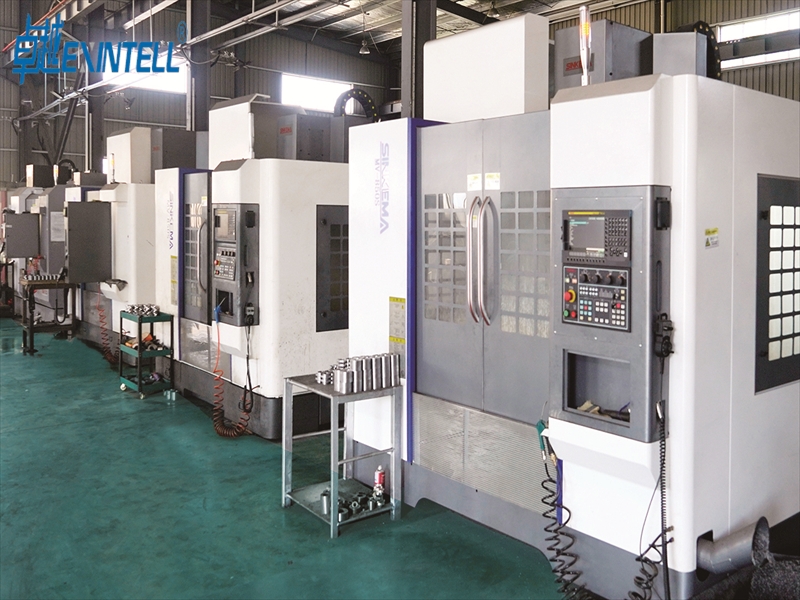
Muaj chaw tsim khoom nrog CNC machinery ua precision hlau Cheebtsam rau extrusion khoom
Lub Ntiaj Teb Twin Screw Extruder Elements Factory Landscape: Leej Twg Ua Dab Tsi thiab Qhov twg
Lub hauv paus tsim rau ntxaib ntsia hlau extruder ntsiab yog concentrated nyob rau hauv ob peb cheeb tsam tseem ceeb, txhua tus muaj qhov sib tw zoo:
Tuam Tshoj: Volume Leader
Tuam Tshoj tuav tus naj npawb loj tshaj plaws ntawm ntxaib ntsia hlau extruder ntsiab factories, Feem ntau pawg hauv Nanjing (Jiangsu xeev), which is often called the "Extruder Capital" ntawm lub ntiaj teb no. Nanjing-based factories xws li Nanjing Jieya Extrusion Equipment Co., Nanjing Haisi Extrusion Equipment Co., Ltd, thiab Nanjing Kerke Extrusion Equipment Co. muab cov ntsiab lus ntsia hlau thoob ntiaj teb. Cov chaw tsim khoom hauv Suav teb muab cov nqi sib tw—feem ntau 40–60% hauv qab European OEM sib npaug—thaum ua kom zoo sib xws los ntawm kev nqis peev hauv CNC sib tsoo chaw (e.g., Lub tsev nyob hauv Niles, Reishauer) thiab kuaj metallurgical labs. Rau cov neeg siv khoom lag luam wholesale, Tuam Tshoj tseem yog lub hauv paus chiv keeb rau cov nqi tsim nyog, kev txiav txim siab ntau.
Lub teb chaws Yelemees: Qhov Precision Benchmark
Pince A Extruder Lub teb chaws Yelemees yog lub tsev rau tus thawj ntxaib ntsia hlau extruder OEMs—Coperion (Stuttgart), KraussMaffei Extrusion (Hannover), thiab Leistritz (Nuremberg). These companies manufacture proprietary screw elements with the tightest tolerances and premium metallurgy. German-made elements command price premiums of 2–4× over Chinese equivalents but are preferred for critical applications in pharmaceuticals, high-performance polymers, and food-contact extrusion where traceability and certification (FDA, EU 1935/2004) are mandatory.
Tebchaws Meskas: Growing Domestic Capacity
US-based manufacturers like Entek (Lebanon, Oregon), Century Extrusion (Traverse City, Michigan), and CPM Extrusion Group supply both OEM and aftermarket screw elements. The reshoring trend, amplified by Section 301 tariffs on Chinese machinery components and the CHIPS and Science Act's broader manufacturing incentives, is encouraging domestic capacity expansion. Txawm li cas los, US factories still represent a small fraction of global output.
Browse our complete catalog of twin screw extruder elements engineered for Coperion, Leistritz, JSW, and Berstorff shaft profiles. Twin Screw Extruder Machine Manufacturer
Trade Policy and Its Impact on Twin Screw Extruder Elements Sourcing
The transatlantic trade relationship between the United States and the European Union is the world's largest bilateral commercial partnership, with goods and services trade exceeding USD 1.3 trillion txhua xyoo raws li cov Office of the United States Trade Representative (USTR) (2024 cov ntaub ntawv). For B2B buyers of twin screw extruder elements, several policy dimensions are directly relevant:
Tariff Structure
Twin screw extruder elements typically fall under HS Code 8477.90 (qhov chaw ntawm cov tshuab ua haujlwm rau roj hmab lossis yas). The US MFN (Ntxim nyiam tshaj plaws) tariff rate for HS 8477.90 is 3.1% for imports from EU member states. EU imports from the US face a comparable rate of 2.7% under the EU Common Customs Tariff. These relatively low tariff rates facilitate bilateral trade in extruder components.
Txawm li cas los, when sourcing from China, US importers face an additional 25% Tshooj 301 tariff on HS 8477.90 goods, yuam txij thaum 2018 thiab tswj los ntawm. Qhov kev sib txawv tariff no tau hloov kho cov tswv yim muab khoom: qee Lag luam wholesale Extruder US compounders tam sim no muab cov ntsiab lus ntsia hlau los ntawm EU cov chaw tsim khoom (tshwj xeeb yog lub teb chaws Yelemees thiab Ltalis) kom tsis txhob suav tariff, thaum lwm tus nqus tus nqi vim qhov tseem ceeb hauv paus-nqi kom zoo dua ntawm Suav cov ntsiab lus. Lag luam wholesale Lab Extruders
EU Carbon Ciam Teb Kho Mechanism (CAM)
The EU's CBAM, uas tau nkag mus rau nws lub sijhawm hloov pauv thaum Lub Kaum Hli 2023 thiab yuav dhau los ua haujlwm tag nrho los ntawm 2026, siv rau imports steel thiab aluminium—cov ntaub ntawv tseem ceeb rau kev tsim cov ntsia hlau. Ib tug ntxaib ntsia hlau extruder ntsiab Hoobkas xa tawm mus rau EU yuav tsum tau tshaj tawm embedded carbon emissions, thiab thaum kawg yuav CBAM daim ntawv pov thawj. Txoj cai no, ntaub ntawv los ntawm cov European Commission – Taxation thiab Customs Union, ntxiv kev ua raws li qhov nyuaj thiab muaj peev xwm tus nqi rau cov tuam txhab uas tsis yog EU, tshwj xeeb tshaj yog cov nyob hauv cheeb tsam nrog carbon-intensive steel ntau lawm.
Trade thiab Technology Council (TTC)
Lub TTC, tsim nyob rau hauv 2021, muaj pab pawg ua haujlwm ntawm cov saw hlau resilience thiab cov qauv kev sib raug zoo. Rau industrial machinery Cheebtsam xws li ntsia hlau ntsiab, the TTC's efforts to harmonize technical standards (e.g., cov ntaub ntawv pov thawj, qhov tolerances) tuaj yeem txo cov kev txwv tsis yog se thiab pab txhawb kev hla ciam teb. Cov International Trade Administration (ITA) muab kev hloov tshiab tsis tu ncua ntawm TTC kev nce qib.

Huab cua pom ntawm qhov chaw nres nkoj loj nyob sab Europe nrog cov nkoj thauj khoom thiab kev thauj mus los txhawb nqa kev lag luam thoob ntiaj teb B2B
B2B Kev Lag Luam Kev Lag Luam rau Twin Screw Extruder Elements hauv Asmeskas thiab EU Kev Lag Luam
Lub convergence ntawm ob peb macro tiam sis yog tsim muaj ntau yam B2B cib fim rau ntxaib ntsia hlau extruder ntsiab factories pab rau US thiab EU:
Muaj cib fim 1: Plastics Recycling Mandates
Dispermat tov khoom The EU's Packaging and Packaging Waste Regulation (PPWR), saws nyob rau hauv 2024, yuam kom tsawg kawg siv cov ntsiab lus hauv cov ntim yas—30% los ntawm 2030 thiab 65% los ntawm 2040. Hauv Teb Chaws Asmeskas, xeev xws li California (SB 54), New Jersey, thiab Oregon tau tshaj tawm lub luag haujlwm ntxiv rau tus tsim khoom (EPR) kev cai lij choj nrog cov ntsiab lus uas yuav tsum tau siv dua tshiab. Mechanical recycling Ib leeg ntsia hlau Extruder Slideshare relies hnyav rau ntawm ntxaib ntsia hlau extruders rau recompounding, thiab hnav tus nqi ntawm cov ntsia hlau ntsiab ua cov khoom siv rov ua dua tshiab (uas muaj cov kab mob, fillers, thiab cov polymers sib xyaw) yog 2–3× siab dua cov khoom siv nkauj xwb. Qhov no ua rau kom lub voj voog hloov pauv thiab nce qhov kev thov rau hnav-tiv taus ntsia hlau ntsiab lus los ntawm cov chaw tsim khoom tshwj xeeb.
Muaj cib fim 2: Pharmaceutical Kub-melt Extrusion
FDA thiab EMA tau pom zoo ntau ntxiv ntawm cov khoom siv tshuaj uas tsim los ntawm kub-melt extrusion (HME). Raws li a 2024 tshuaj xyuas hauv International Journal of Pharmaceutics, dhau 30 cov khoom lag luam tshuaj tam sim no siv HME thev naus laus zis. Pharmaceutical-grade screw elements require specialized surface treatments (e.g., electropolishing to Ra ≤ 0.4 µm), cov ntaub ntawv pov thawj (316L stainless steel or Hastelloy), and full traceability documentation. This high-margin niche favors factories with ISO 13485 or equivalent quality systems.
Muaj cib fim 3: Electric Vehicle (EV) Battery Materials
Twin screw extruders are increasingly used for continuous mixing of cathode and anode slurries in lithium-ion battery production—a process called "dry electrode" kev tsim khoom. With the EU Battery Regulation (2023) and the US Inflation Reduction Act (IRA) driving massive investments in domestic battery production, demand for specialized screw elements (corrosion-resistant, high-torque designs) is emerging as a new growth vector. Blender Extrude A Curve
Kev sib tw 1: Quality Verification ntawm Scale
B2B buyers sourcing from overseas twin screw extruder elements factories face quality verification challenges. Dimensional accuracy, metallurgical composition, thiab kev kho cua sov sib xws tuaj yeem sib txawv ntawm cov khoom siv. Cov tswv yim txo qis suav nrog xav tau daim ntawv pov thawj cov khoom siv (IN 10204 3.1), ua kev tshuaj xyuas ua ntej xa khoom los ntawm cov koom haum thib peb (SGS, Bureau Veritas), thiab thov cov qauv qauv rau kev kuaj kom haum ua ntej cog lus rau ntim xaj.
Kev sib tw 2: Kev txhawj xeeb txog cov khoom ntiag tug
OEM ntsia hlau ntsiab tsim feem ntau yog tswv, nrog tshwj xeeb involute profiles, lub kaum sab xis, thiab ya davhlau geometry. Cov chaw tsim khoom tom qab uas thim rov qab-tus kws tsim qauv tsim qauv ua haujlwm hauv thaj chaw grey raug cai. B2B cov neeg yuav khoom yuav tsum xyuas kom meej tias lawv cov neeg muag khoom muaj cai tsim qauv tsim nyog lossis tab tom tsim kom qhib cov lus qhia tshwj xeeb kom tsis txhob muaj kev cuam tshuam IP, tshwj xeeb tshaj yog thaum importing rau hauv Teb Chaws Asmeskas (qhov twg ITC Section 337 kev tshawb nrhiav tuaj yeem thaiv cov khoom ua txhaum cai ntawm ciam teb).
Xav paub ntau ntxiv txog peb Cov txheej txheem tshuaj xyuas zoo rau ntxaib ntsia hlau extruder ntsiab and how we ensure batch-to-batch consistency.
Geographic and Policy Advantages Enabling B2B Trade in Extruder Components
The US and EU benefit from several structural advantages that facilitate B2B trade in industrial components like twin screw extruder elements:
Logistics infrastructure: The transatlantic shipping corridor is among the world's most efficient. Cov chaw nres nkoj loj—Rotterdam (Europe's largest), Hamburg, Antwerp-Bruges on the EU side; Los Angeles/Long Beach, Savannah, and Newark on the US side—offer frequent sailings with transit times of 10–18 hnub. Containerized shipping costs for machinery parts have normalized post-pandemic, with spot rates on the Asia-Europe and Asia-US routes declining 70–80% los ntawm 2022 peaks according to the Drewry World Container Index (Tsib ).
Regulatory alignment: Both the US and EU maintain robust industrial standards ecosystems. Screw elements manufactured to DIN, ISO, or ASTM standards are broadly interchangeable in specification language, reducing technical barriers. The mutual recognition of calibration certificates (ILAC MRA) and testing laboratory accreditations (ISO/IEC 17025) further streamlines cross-border quality assurance.
Trade finance and payment security: transactions benefit from mature trade finance instruments—tsab ntawv ntawm credit, documentary collections, and trade credit insurance (Euler Hermes, Coface, Muaj nrhiav tau)—that reduce counterparty risk. This is a significant advantage compared to sourcing from regions with less developed financial infrastructure.
Free Trade Zones thiab bonded warehousing: Ob lub US (Foreign Trade Zones program, administered by the ITA) thiab EU (Free Zones nyob rau hauv Union Customs Code) allow importers to defer or reduce duties on components held in inventory, improving cash flow for distributors who stock screw elements for rapid delivery.
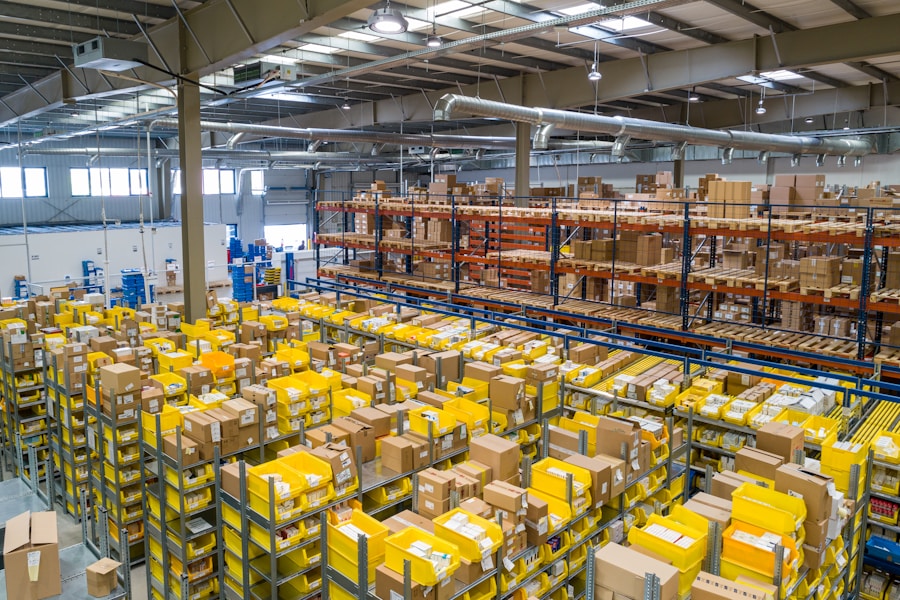
Modern warehouse logistics center with organized inventory shelving for industrial B2B component distribution
Case Study: How B2B Enterprises Succeed in the Twin Screw Extruder Elements Market
Case 1: A Nanjing-Based Factory Expanding into the EU Aftermarket
A mid-sized twin screw extruder elements factory in Nanjing, ua haujlwm kwv yees 120 workers and operating 15 CNC profile grinding machines, recognized that its domestic market was becoming saturated with price competition. Hauv 2023, the company pivoted to target the European aftermarket by:
- Obtaining ISO 9001:2015 certification and investing in a coordinate measuring machine (CMM) rau 100% qhov ntsuas qhov ntsuas.
- Developing screw element profiles compatible with Coperion ZSK, Leistritz ZSE, and Berstorff ZE series extruders—the three most common platforms in European compounding plants.
- Partnering with a logistics provider to offer DDP (Delivered Duty Paid) pricing to EU customers, simplifying the procurement process.
- Attending K Fair (Düsseldorf, October cycle) and Chinaplas to build direct relationships with European compounders.
Hauv 18 hli, the factory grew its EU revenue from near-zero to approximately 25% of total sales, with key accounts in Germany, Poland, and Italy. The company's success hinged on matching OEM dimensional accuracy while offering 45–55% cost savings and 4-week lead times (vs. 8–12 weeks from OEMs).
Case 2: A US Distributor Building a Dual-Source Supply Chain
A specialty industrial distributor based in Houston, Texas, serving the US Gulf Coast petrochemical corridor, historically sourced screw elements exclusively from a single German OEM. When lead times extended to 16 weeks during the 2021–2022 supply chain crisis, the distributor nearly lost key accounts. In response, the company:
- Qualified a second source—a Chinese twin screw extruder elements factory—for standard conveying and kneading elements (approximately 70% ntawm kev thov los ntawm ntim).
- Tuav lub German OEM kev sib raug zoo rau cov ntsiab lus tshwj xeeb (e.g., tshuaj-qib, high-alloy compositions) qhov twg certification thiab traceability justified tus nqi.
- Tsim ib lub tsev khaws khoom sib koom ua ke hauv Teb Chaws Asmeskas Txawv Teb Chaws Trade nyob ze ntawm Chaw nres nkoj Houston, tuav 90-hnub kev ruaj ntseg Tshuag ntawm ceev-tsav lub ntsiab qhov ntau thiab tsawg.
- Ua raws li kev tswj hwm cov khoom lag luam digital tso cai rau cov neeg siv khoom los tshawb xyuas cov khoom muaj nyob thiab tso xaj online.
Qhov kev tawm tswv yim dual-qhov no txo qhov nruab nrab cov sij hawm coj mus rau 3–5 hnub rau cov khoom lag luam thiab 4–6 lub lis piam rau kev txiav txim, thaum txo cov nqi yuav khoom los ntawm kwv yees li 30% ntawm cov khoom txheem. The distributor's revenue grew 40% xyoo dhau xyoo nyob rau hauv 2024, according to the company's published case study.
Case 3: Ib tug Italian Chaw Tsim Tshuaj Leveraging Niche Expertise
Ib tsev neeg muaj precision machining tuam txhab nyob ze Brescia, Ltalis—ib cheeb tsam renowned rau metalworking—Hloov los ntawm dav CNC machining rau tshwj xeeb ntxaib ntsia hlau extruder caij ntau lawm hauv 2019. Lub tuam txhab txawv los ntawm:
- Tsom ntsoov rau kev ua haujlwm siab ntawm cov alloys: PM (hmoov metallurgy) cov cuab yeej steel, tungsten carbide composites, thiab nickel-based superalloys rau corrosive daim ntaub ntawv.
- Muab PVD hauv tsev (Lub cev Vapor Deposition) txheej kev pab cuam (TiAlN, CrN) mus cuag cov khoom hnav lub neej los ntawm 3–5×.
- Muab kev sab laj engineering—tsom xam cov neeg siv khoom' extrusion txheej txheem thiab pom zoo kom optimized ntsia hlau configurations.
Los ntawm 2024, lub tuam txhab tau tsim ib tus neeg siv khoom spanning 14 EU lub teb chaws thiab tau xa tawm mus rau Asmeskas, hais kom tus nqi piv rau German OEMs tab sis nrog kev hloov pauv sai dua (3–4 lis vs. 8–12 lub lis piam). Cov ntaub ntawv no qhia txog yuav ua li cas lub ntxaib ntsia hlau extruder ntsiab Hoobkas tuaj yeem sib tw ntawm tus nqi ntau dua li tus nqi.
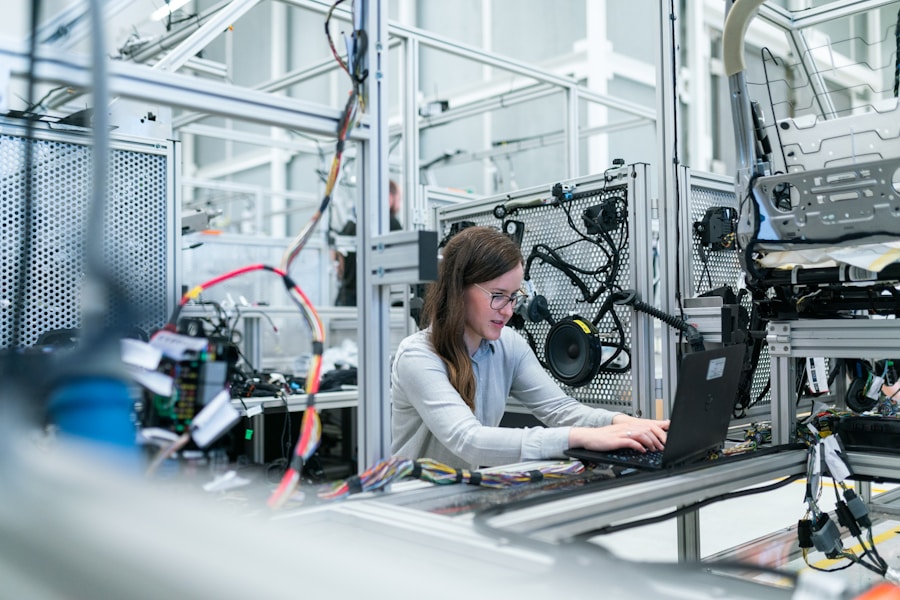
Engineer inspecting precision-machined metal components in a modern manufacturing facility with quality control equipment
Trade Forecasts for Twin Screw Extruder Elements: Q3–Q4 Outlook
Raws li kev ua lag luam tam sim no, kev txhim kho txoj cai, thiab cov ntaub ntawv kev lag luam, the following trends are expected to shape the twin screw extruder elements factory sector over the next 1–2 months and into late:
Huab cua 1: Tariff Volatility Will Persist
Teb Chaws Asmeskas txoj cai kev lag luam ib puag ncig tseem muaj zog. Raws li mid-, Tshooj 301 tariffs on Chinese machinery components (25%) remain in effect, and there is no indication of imminent reduction. Ntxiv thiab, the US administration has signaled potential adjustments to tariff rates on EU steel and aluminum under Section 232, which could indirectly affect screw element pricing if raw material costs shift. B2B buyers should build tariff scenario planning into their procurement models. Cov Teb Chaws Asmeskas Kev lis kev cai thiab kev tiv thaiv ciam teb (CBP) CROSS rulings database is the authoritative source for HS classification guidance.
Huab cua 2: EU CBAM Compliance Will Become a Competitive Differentiator
As the EU CBAM transitions from reporting-only to certificate-purchase requirements (2026), twin screw extruder elements factories that can demonstrate low-carbon steel sourcing and provide verified emissions data will gain a competitive edge in the EU market. Factories in countries with clean electricity grids (e.g., Scandinavia, France) or those using electric arc furnace (EAF) steel will be advantaged. Chinese factories relying on blast furnace steel may face CBAM surcharges equivalent to 5–15% of product value, partially eroding their price advantage.
Huab cua 3: Consolidation in the Aftermarket Segment
The twin screw extruder elements aftermarket is fragmented, with hundreds of small factories globally. Industry analysts expect consolidation through M&A activity, as larger players (e.g., Coperion/Hillenbrand, CPM/IDEX) seek to capture aftermarket revenue and smaller factories face margin pressure. B2B buyers should monitor supplier financial stability and consider long-term supply agreements with well-capitalized factories.
Huab cua 4: Digital Procurement Will Accelerate
B2B e-commerce platforms (Alibaba, ThomasNet, Europages) are increasingly used for initial supplier discovery in the screw elements space. Txawm li cas los, the trend is moving toward configurator-based ordering—where buyers select extruder model, shaft diameter, element type, and material online, receive instant pricing, and place orders digitally. Factories that invest in digital sales infrastructure will capture a growing share of the market, particularly among mid-sized compounders who lack dedicated procurement teams.
Huab cua 5: Recycling-Driven Demand Surge
With the EU PPWR implementation timeline accelerating and major brand owners (Nestlé, Unilever, P&G) committing to recycled content targets, the installed base of recycling extruders in Europe is expected to grow 15–20% annually through 2027, rau Plastics Recyclers Europe estimates. Each new extruder installation represents a recurring screw element replacement opportunity, and the abrasive nature of recycled feedstock ensures high replacement frequency.
Industrial plastics recycling facility with extrusion machinery processing post-consumer materials
Material Science and Wear Protection: Safeguarding Performance and Operator Safety
The performance and longevity of twin screw extruder elements are fundamentally determined by material selection and surface engineering. Rau cov neeg yuav khoom B2B, understanding these factors is critical to optimizing total cost of ownership and ensuring safe, reliable operations. Twin-Screw Extruders Factory
Base Material Options
A professional twin screw extruder elements factory typically offers multiple material grades:
- Nitrided steel (38CrMoAlA): The workhorse material for general-purpose compounding. Nitriding creates a hard surface layer (900–1100 HV) while maintaining a tough core. Cost-effective for non-abrasive applications.
- Tool steel (W6Mo5Cr4V2 / AISI M2): High-speed steel offering superior wear resistance for moderately abrasive compounds (calcium carbonate, talc-filled polymers). Hardness after heat treatment: 62–65 HRC.
- Hmoov metallurgy (PM) hlau (CPM 9V, CPM 10V): Produced by hot isostatic pressing, PM steels offer uniform carbide distribution and exceptional abrasion resistance—3–5× the wear life of conventional tool steels. Preferred for glass fiber-reinforced compounds.
- Nickel-raws li alloys (Hastelloy C-276, Inconel 625): For corrosive applications—processing fluoropolymers, PVC with aggressive stabilizer packages, or reactive extrusion with acidic byproducts.
- Tungsten carbide composites (HIP-clad): Qhov kawg hnav kev daws teeb meem rau kev siv abrasive heev. Tungsten carbide hais nyob rau hauv ib tug hlau matrix muab hardness tshaj 1500 HV. Siv rau hauv daim ntawv thov rov ua dua qhov twg cov khoom noj tsis huv ua rau hnyav hnyav.
Nto Kho Tshuab
Tshaj li kev xaiv cov khoom siv, Kev kho saum npoo txuas ntxiv lub neej thiab txhim kho cov txheej txheem kev ua haujlwm:
- PVD txheej (TiN, TiAlN, CrN): Nyias-film txheej (2–5 µm) thov ntawm qhov kub thiab txias, khaws cia cov khoom substrate. TiAlN txheej txheej muaj oxidation tsis kam rau 800°C, haum rau high-temperature engineering polymer ua.
- Plasma nitriding: Cov txheej txheem tswj nitriding ua ib qho kev sib xws, deep hardened layer without the "white layer" Cov teeb meem tshwm sim hauv cov roj nitriding. Zoo dua rau daim ntawv thov kev sib cuag nrog zaub mov uas qhov kev ncaj ncees ntawm qhov chaw yog qhov tseem ceeb.
- Chrome plating (nyuaj chrome): Traditional surface treatment offering good corrosion resistance and moderate wear protection. Being phased out in the EU due to REACH restrictions on hexavalent chromium (Cr6+), with HVOF (High Velocity Oxy-Fuel) thermal spray coatings emerging as the replacement.
- Laser cladding: Additive manufacturing technique depositing wear-resistant alloy layers (Stellites, Colmonoy) on element surfaces. Enables localized reinforcement of high-wear zones (e.g., kneading block tips) without treating the entire element.
Operator Safety Considerations
While twin screw extruder elements themselves are internal components, their condition directly impacts operational safety:
- Worn elements increase energy consumption: Degraded screw profiles reduce pumping efficiency, requiring higher motor torque and increasing energy costs by 10–25%. Monitoring specific energy consumption (kWh/kg) is a key indicator for element replacement timing.
- Metal contamination risk: Severely worn elements can shed metal particles into the product stream—a critical concern in food and pharmaceutical applications. Regular element inspection and proactive replacement prevent contamination events that could trigger product recalls.
- Shaft damage prevention: Worn elements with loose fits on the shaft can cause fretting corrosion and shaft damage. Shaft replacement costs 10–50× the cost of a single element, making timely element replacement a cost-effective maintenance strategy.
- Process stability: Consistent element geometry ensures stable melt temperature, siab, and output rate. Worn elements cause process variability, leading to off-spec product and potential safety issues in downstream operations (e.g., inconsistent wall thickness in extruded pipe).
Lub luag haujlwm ntxaib ntsia hlau extruder ntsiab Hoobkas muab cov lus qhia ntxaws ntxaws, pom zoo hloov lub sijhawm raws li hom ntawv thov, thiab kev txhawb nqa rau cov ntsia hlau configuration Extruded Pvc Hom A kev ua kom zoo. B2B cov neeg yuav khoom yuav tsum ntsuas cov neeg xa khoom tsis yog ntawm tus nqi qis, tab sis ntawm tag nrho cov nqi lus pom zoo nrog rau kev pabcuam, hnav cov ntaub ntawv, thiab kev txhawb nqa engineering.
Yas Extrusion tuam txhab uas muag Nkag mus rau peb ntsia hlau yam hnav thiab hloov phau ntawv qhia rau cov lus qhia ntxaws txog kev saib xyuas los ntawm hom ntawv thov.

Kaw-up ntawm precision-engineered hlau Cheebtsam uas qhia txog kev kho deg thiab zoo tiav rau cov ntawv thov kev lag luam
Xaiv txoj cai Twin Screw Extruder Elements Factory: A B2B Buyer's Checklist
Rau cov kws tshaj lij kev muag khoom soj ntsuam cov ntsia hlau ntxaib extruder ntsiab Hoobkas, cov txheej txheem hauv qab no yuav tsum qhia kev xaiv tus neeg muag khoom:
- Profile compatibility: Confirm the factory can produce elements matching your specific extruder shaft profile (spline geometry, OD/ID dimensions). Request sample elements for fit-testing.
- Cov ntaub ntawv pov thawj: Require EN 10204 Hom 3.1 material test certificates for every batch. Rau daim ntawv thov zaub mov-hu rau, verify FDA 21 CFR or EU 1935/2004 kev ua raws cai.
- Dimensional inspection capability: The factory should operate calibrated CMMs (koom tes ntsuas tshuab) and provide inspection reports with each shipment. Request Cpk data for critical dimensions.
- Heat treatment control: Verify the factory has in-house or certified heat treatment facilities with temperature uniformity surveys (per AMS 2750 los yog sib npaug).
- Minimum order quantity (MOQ) yooj: Wholesale buyers need volume pricing, but also the ability to order small quantities of specialized elements. Evaluate the factory's MOQ policy across its product range.
- Lead time reliability: Request historical on-time delivery data. A factory with 95%+ OTD (khoom xa tuaj raws sij hawm) performance demonstrates operational discipline.
- Technical support: The best factories offer screw design consultation, wear analysis, and process optimization support—not just component supply.
- Trade compliance: For cross-border procurement, verify the factory's experience with export documentation, HS classification, and destination-country regulatory requirements.
Request a quote from our factory and receive a detailed proposal including material options, lead times, and volume pricing within 24 teev.
Logistics and Shipping Best Practices for Twin Screw Extruder Elements
Twin screw extruder elements are dense, precision-machined metal components that require careful handling during international shipping:
- Ntim: Individual elements should be wrapped in VCI (Vapor Corrosion Inhibitor) paper or film, then placed in compartmentalized wooden crates. Kneading blocks and mixing elements with protruding features require custom foam inserts to prevent contact damage.
- Shipping mode: For standard orders, LCL (Less than Container Load) ocean freight is cost-effective. For urgent orders or high-value pharmaceutical-grade elements, air freight is justified. A typical set of screw elements for a 40mm–90mm extruder weighs 50–300 kg, making air freight feasible.
- Incoterms: B2B buyers should negotiate FOB (Free on Board) or CIF (Nqi, Insurance, Freight) terms for ocean shipments. DDP (Delivered Duty Paid) simplifies the process for buyers unfamiliar with import procedures but typically costs 5–10% more.
- Insurance: Marine cargo insurance (Institute Cargo Clauses A—all risks) is recommended for precision components. The cost is typically 0.3–0.5% of declared value.
- Customs documentation: Ensure the commercial invoice includes accurate HS codes (8477.90.XX), material composition, country of origin, and unit values. Incorrect documentation causes customs delays and potential penalty assessments.
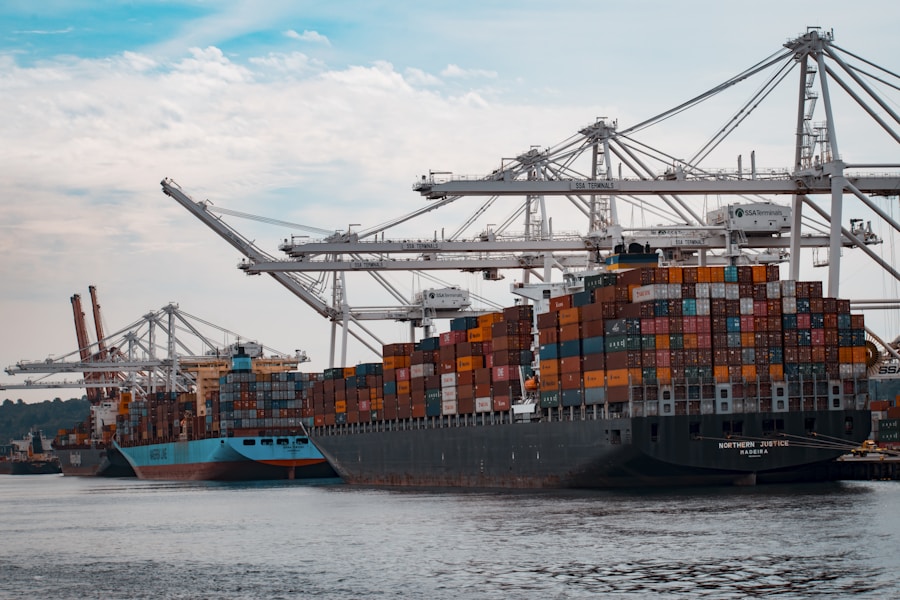
Container port with cargo ships and cranes facilitating global B2B trade logistics for industrial components
Industry Standards and Certifications Relevant to Twin Screw Extruder Elements
Twin Screw Extruder Elements Wholesale: Ua kom tiav B2B Sourcing Guide rau… · Twin Screw Extruder Gearbox Manufacturer Trade Analysis, Kev Lag Luam Kev Lag Luam… · Twin Screw Extruder Gearbox Supplier: Complete B2B Sourcing Guide for T…