

Yas Compounding thiab Pelletizing piv rau niaj hnub Manufacturing
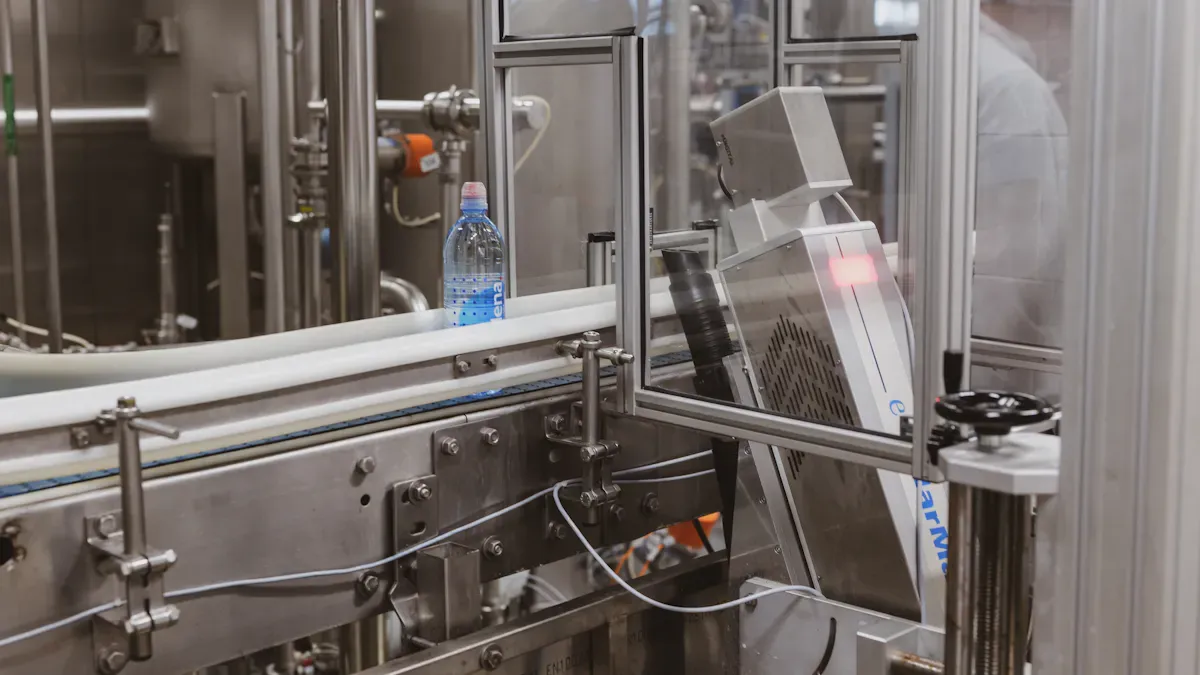
Plastic Compounding customizes puag resins nrog additives, tsim cov ntaub ntawv tsim nyog rau kev siv tshwj xeeb. Pelletizing hloov cov ntaub ntawv sib xyaw ua ke rau hauv cov pellets sib xws, npaj rau kev siv qis qis. Cov neeg tsim khoom thiab cov kws tsim khoom uas nkag siab qhov sib txawv ntawm txhua qhov txheej txheem tuaj yeem txhawb kev ua haujlwm zoo thiab ua kom cov khoom zoo.
Cov ntaub ntawv kev lag luam tsis ntev los no qhia tau hais tias kev lag luam thoob ntiaj teb tus nqi rau cov thev naus laus zis no yuav ncav cuag $82 billion los ntawm 2025 thiab $182 billion los ntawm 2035, tau tsav los ntawm kev loj hlob hauv tsheb thiab ntim khoom lag luam.
| Txheej txheem | Kev cuam tshuam zoo | Yam khoom zoo cuam tshuam |
|---|---|---|
| Kev sib xyaw | Tailors cov ntaub ntawv, txhim khu kev ua tau zoo, txo tus nqi | Pab kom tswj tau qhov zoo |
| Pelletizing | Muab cov ntaub ntawv zoo ib yam rau kev ua | Xyuas kom uniformity nyob rau hauv qhov kawg khoom zoo |
Ntsiab Cai
- Plastic compounding customizes base resins nrog additives los tsim cov ntaub ntawv rau kev siv tshwj xeeb.
- Pelletizing hloov cov ntaub ntawv sib xyaw ua cov pellets kom yooj yim ua thiab tuav.
- Kev nkag siab txog qhov sib txawv ntawm kev sib xyaw thiab pelletizing pab cov tuam txhab txhim kho kev ua haujlwm thiab cov khoom zoo.
- Compounding muaj kev sib tov, yaj, thiab extruding cov ntaub ntawv kom ua tiav cov khoom xav tau.
- Pelletizing tsom rau kev tsim cov pellet zoo ib yam, uas yog qhov tseem ceeb rau kev tsim khoom lag luam.
- Kev tswj kom zoo yog qhov tseem ceeb hauv ob txoj kev los xyuas kom meej tias cov khoom kawg ua tau raws li cov qauv kev lag luam.
- Ob qho tib si sib xyaw thiab pelletizing ua lub luag haujlwm tseem ceeb hauv cov haujlwm xws li tsheb, hluav taws xob, thiab kho mob.
- Kev xaiv cov txheej txheem yog nyob ntawm cov yam ntxwv ntawm cov khoom, kev xav tau ntau lawm, thiab cov nqi txiav txim siab.
Kev txhais thiab qhov txawv
Plastic Compounding txhais
Plastic compounding refers to the process of mixing polymers with additives, fillers, and reinforcements to modify and enhance the physical and chemical properties of the material. Industry standards define this process as a method to tailor a polymer so that it includes all desired features in a single material. Manufacturers use plastic compounding to improve product quality, reduce costs, and increase productivity. The process typically involves melting, blending, and extrusion to achieve a uniform dispersion of components.
A wide range of ingredients and additives play a role in plastic compounding:
- Masterbatch: A concentrated mix of pigments and additives within a carrier resin, ensuring even dispersion.
- Antioxidants: Prevent polymer degradation from heat and oxygen, maintaining strength and flexibility.
- UV Stabilizers: Tiv thaiv cov polymers siv sab nraum zoov los ntawm absorbing los yog dissipating teeb meem ultraviolet hluav taws xob.
- Nplaim Retardants: Inhibit lossis ncua cov nplaim hluav taws, tshwj xeeb tshaj yog tseem ceeb hauv electronics thiab kev tsim kho.
- Cov xim: Tso cai rau kev xaiv xim hauv cov yas sib xyaw.
- Lub zog thiab Flexibility Modifiers: Ua tiav cov khoom siv kho tshuab tshwj xeeb.
- Antimicrobial Additives: Inhibit kab mob loj hlob, tseem ceeb rau cov khoom kho mob.
- Fillers: Xws li talc, iav fiber, thiab calcium carbonate, txhim kho lub zog, reduce costs, thiab txhim khu kev tiv thaiv tshav kub.
- Performance Enhancers: Tailor zog zoo li thermal stability, nplaim retardancy, thiab UV tsis kam.
Cov txheej txheem no ua rau cov tuam txhab tsim cov khoom siv nrog cov yam ntxwv meej rau kev thov kev thov.
Yas Pelletizing txhais
Yas pelletizing yog txheej txheem uas converts raw los yog recycled yas ua me, uniform pellets. This transformation is essential for efficient manufacturing and recycling. The plastic pelletizer converts cleaned and often shredded or molten plastic into uniform pellets, which are then reintroduced into manufacturing processes. Pelletization addresses challenges such as uneven feeding and material handling, making it vital in sectors like automotive and packaging where product quality is critical.
| Type of Evidence | Details |
|---|---|
| Raw Materials | Various types of plastics, including polyethylene (PE) thiab polypropylene (PP) |
| Outputs | Plastic pellets produced through melting, cua txias, and cutting processes |
Pelletization enhances the efficiency of plastic production and allows for the creation of specialized plastics while maintaining ease of handling.
Key Differences Overview
Comparison Table
| Aspect | Plastic Compounding | Plastic Pelletizing |
|---|---|---|
| Main Purpose | Modifies composition and properties of the polymer | Converts material into uniform pellet form |
| Key Steps | Sib tov, yaj, blending, extrusion | Melting, cua txias, txiav |
| Typical Additives | Fillers, colorants, stabilizers, performance enhancers | Not typically added during pelletizing |
| Tso zis | Customized plastic material (can be in various forms) | Uniform pellets |
| Application | Direct use in products or further processing | Used for molding, extrusion, or transport |
Summary Points
- Plastic compounding focuses on altering the composition of the plastic by blending various ingredients, which affects its physical properties.
- Plastic pelletizing converts compounded plastic into uniform pellets, primarily concerned with the physical form for ease of use in manufacturing.
- Compounded plastics can be directly shaped into products, while pelletized plastics are typically used for further processing.
- Both processes play a critical role in modern manufacturing, but they address different needs within the production chain.
Tswv yim: Understanding the distinction between these processes helps manufacturers select the right approach for their specific application, ensuring optimal performance and efficiency.
Plastic Compounding Process

Process Steps
Plastic compounding transforms raw materials into high-performance plastics through a series of precise steps. Manufacturers begin by storing raw materials such as resin, tshuaj ntxiv, and fillers in bags, big bags, or silos. Pneumatic or mechanical systems then convey these materials to the processing area. Operators feed the materials into the press barrel, either continuously or in batches. The compounding process continues with melting and mixing, where the polymer and additives blend to achieve uniformity. The final stage involves shaping, cua txias, and cutting the product, ua raws li kev tswj xyuas kom zoo.
| Kauj ruam | Kev piav qhia |
|---|---|
| 1 | Raw khoom cia hauv hnab, big bags, thiab silos |
| 2 | Pneumatic lossis mechanical material conveying system |
| 3 | Cov khoom pub rau lub thoob xovxwm (tsis tu ncua / tsis tu ncua filling) |
| 4 | Melting thiab mix theem |
| 5 | Cov khoom kawg thiab kev tswj xyuas |
Nco tseg: Insight Polymers leverages ceev turnaround thiab tshwj xeeb compounding kom xa cov kev cai yas compounding daws, optimizing txhua kauj ruam rau efficiency thiab zoo.
Cov cuab yeej siv
Yas compounding chaw cia siab rau cov cuab yeej siv siab heev kom ntseeg tau tias cov txiaj ntsig zoo ib yam. Extruders teem caij rau kev ua thiab ua lub luag haujlwm tseem ceeb hauv kev sib tov thiab sib xyaw. Cov khoom sib txuas txuas ntxiv ua haujlwm nrog extruders los tuav cov ntaub ntawv zoo li acrylics, nylons, thiab PVC. Kev sib xyaw tshuab npaj cov khoom siv ua ntej sib xyaw, thaum dosing systems tau lees paub cov khoom sib xyaw ua ke. Cov khoom siv thev naus laus zis, such as rotary feeders and diverter valves, support the smooth distribution and dosing of bulk materials. Integrated compounding lines combine these systems, allowing for flexible production rates and configurations. Insight Polymers utilizes internal twin-screw extrusion pilot assets to conduct small development batch trials, enabling efficient screening of product and processing parameters.
Types of Compounding
Plastic compounding encompasses several approaches, each tailored to specific application needs. Manufacturers may add colorants to enhance appearance or stabilizers to improve heat and UV resistance. Flame retardants increase safety, especially in construction and electronics. Impact modifiers boost toughness, while fillers and reinforcements adjust cost, stiffness, or strength. Kev cai tsim cov ntsiab lus tseem tuaj yeem suav nrog cov tshuaj tua kab mob rau cov khoom kho mob lossis UV ua kom zoo rau kev siv sab nraum zoov. Insight Polymers tshwj xeeb hauv cov txheej txheem sib xyaw polymer uas hais txog cov hom phiaj kev ua tau zoo, muab masterbatch concentrates thiab kev cai yas compounding rau kev txhaj tshuaj molding, fibers, zaj duab xis, thiab additive manufacturing.
- Xim xaiv rau kev zoo nkauj
- Food-safe formulations rau ntim
- Hluav taws kub retardants rau kev tsim kho
- Lub zog thiab hloov tau yooj yim rau cov khoom siv tshwj xeeb
- Antimicrobial zog rau kev kho mob
- Enhanced UV kam rau ua rau sab nraum zoov
Qhov kev qhia dav dav no ua kom ntseeg tau tias txhua qhov kev daws teeb meem polymer ua tau raws li qhov xav tau ntawm kev tsim khoom niaj hnub no.
Cov ntaub ntawv hauv xeev
Plastic compounding suav nrog ntau lub xeev cov khoom raws li cov khoom xyaw raw hloov mus rau hauv cov khoom sib xyaw ua haujlwm siab. Cov txheej txheem pib nrog cov khoom resins, tshuaj ntxiv, thiab fillers. Cov neeg ua haujlwm pub cov ntaub ntawv no rau hauv qhov system sib xyaw, qhov twg lawv nyob twj ywm hauv daim ntawv granular lossis hmoov. Raws li cov txheej txheem nce, lub extruder heats thiab melts qhov sib tov, hloov nws mus rau hauv viscous, molten xeev. Qhov sib xyaw molten no tso cai rau kev sib xyaw kom zoo thiab tawg ntawm tag nrho cov khoom.
Thaum homogenization tiav, cov khoom tawm ntawm extruder. Nyob rau theem no, nws tuaj yeem siv ntau daim ntawv nyob ntawm daim ntawv thov. Qee cov tuam ntxhab txias thiab txiav cov extrudate rau hauv pellets, thaum lwm tus tuaj yeem tsim cov strands, nplooj ntawv, los yog ncaj qha molded duab. Lub xeev kawg - seb pellet, txoj hlua, los yog daim ntawv-nyob ntawm qhov yuav tsum tau ua hauv qab. Piv txwv li, Insight Polymers often delivers custom plastic compounding in pellet form for easy handling and consistent feeding in injection molding or extrusion lines.
The ability to control material states throughout the process ensures that the final product meets strict performance criteria. This flexibility supports a wide range of applications, from automotive parts to medical devices, and enables rapid adaptation to customer needs.
Kev Tswj Xyuas Zoo
Quality control stands at the core of every successful plastic compounding operation. Manufacturers rely on advanced automatic control systems to maintain consistent pellet characteristics during extrusion. These systems monitor and adjust processing parameters in real time, ensuring that the molten mixture remains homogenized. As a result, pigments and additives disperse evenly, producing a uniform masterbatch compound.
Operators use several practical methods to verify product consistency. Cov water displacement method provides a reliable way to measure density on the shop floor. This technique involves measuring the initial water level, weighing the sample, and calculating density based on the displaced volume. It improves formulation accuracy, prevents material wastage, and ensures consistent product weight. These benefits support better cost control and reduce production quality issues.
A comprehensive quality control program includes a series of tests:
- Color matching tests use spectrophotometers to evaluate color differences and ensure visual consistency.
- Thermal stability tests validate pigment endurance at molding temperatures.
- Dispersion tests confirm even additive distribution through microscopic observation.
- Kev ntsuas kev ua tau zoo txhua yam tshuaj xyuas lub zog tensile thiab cuam tshuam tsis kam.
Insight Polymers koom ua ke cov kev tswj xyuas zoo rau hauv txhua pawg, kom ntseeg tau tias lawv cov kev daws teeb meem polymer muab cov kev ua tau zoo. Qhov kev cog lus rau qhov zoo txhawb kev lag luam uas xav tau precision, xws li automotive, hluav taws xob, thiab kho mob.
Tswv yim: Kev tswj xyuas kom zoo tsis yog tsuas yog txhim kho cov khoom lag luam kev ntseeg siab xwb tab sis kuj ntxiv dag zog rau cov neeg siv khoom kev ntseeg siab hauv kev cai yas compounding cov kev pab cuam.
Cov txheej txheem yas pelletizing

Process Steps
Yas pelletizing transforms raw lossis recycled resin rau hauv cov pellets niaj hnub los ntawm cov kauj ruam uas tau hais kom zoo. Cov neeg ua haujlwm pib los ntawm kev txheeb cov khib nyiab pov tseg raws li hom polymer, xim, thiab qib kis kab mob. Tom qab ntawd lawv txiav cov plastics sorted rau hauv me me flakes, uas txhim kho kev ntxhua khaub ncaws. Tom qab ntxuav, cov flakes huv si txav mus rau theem melting, qhov twg lawv yog rhuab thiab extruded. Cov yas molten hla dhau lub lim kom tshem tawm cov impurities seem. Raws li cov lim yaj tawm los ntawm lub phaj tuag, nws tsim nruam strands. Cov strands no tau ua kom txias sai hauv chav dej da dej lossis cua txias system, stabilizing lawv cov qauv. Thaum kawg, txias strands yog txiav rau hauv pellets, uas yog npaj rau downstream manufacturing.
Kev ua tau zoo pelletizing ua kom zoo ib yam pellet loj thiab zoo, uas yog ib qho tseem ceeb rau kev txhim khu kev qha nyob rau hauv molding thiab extrusion daim ntaub ntawv.
Cov cuab yeej siv
Kev ua haujlwm pelletizing cia siab rau cov tshuab tshwj xeeb kom ua tiav cov txiaj ntsig siab thiab cov txiaj ntsig zoo ib yam. Strand pelletizers tuav lub extrusion ntawm molten yas rau hauv strands thiab txiav lawv mus rau hauv pellets. Underwater pelletizers txiav cov yas molten ncaj qha rau hauv dej, uas instantly txias thiab solidifies cov pellets. Txias pelletizers tsim pellets los ntawm kub extrudate yam tsis siv dej txias. Txhua hom tshuab txhawb cov txheej txheem sib txawv thiab cov yam ntxwv ntawm cov khoom siv. Cov neeg ua haujlwm xaiv cov khoom siv raws li hom resin, lub xub ntiag ntawm additives, thiab cov khoom pellet xav tau.
- Strand pelletizers: Txiav cov extruded strands mus rau hauv ib qho pellets.
- Underwater pelletizers: Txiav thiab txias pellets ib txhij nyob rau hauv ib chav dej.
- Txias pelletizers: Ua pellets tsis muaj dej, haum rau cov ntaub ntawv kub-rhiab heev.
Pelletizing Technology Hom
Cov neeg tsim khoom siv ntau lub tshuab pelletizing, txhua qhov muab qhov tshwj xeeb zoo hauv kev ua haujlwm thiab cov khoom tsim tawm zoo. Strand pelletizing ua haujlwm zoo tshaj plaws rau kev huv, cov ntaub ntawv ruaj khov thiab xa tawm cov khoom zoo. Dej-ntiv nplhaib pelletizing txiav cov yas molten ntawm lub ntsej muag tuag thiab txias nws nyob rau hauv ib tug circulating dej nplhaib, uas txhim kho efficiency. Underwater pelletizing txiav pellets nyob rau hauv dej chamber, kom ntseeg tau tias cov cua txias tsis sib xws thiab cov khoom tsim tau zoo heev.
| Tshuab tshuab pelletizing | Kev piav qhia | Kev ua tau zoo | Cov zis zoo |
|---|---|---|---|
| Strand Pelletizers | Txiav pellets nyob rau hauv strands thiab haum rau cov ntaub ntawv huv si. | Nruab nrab | Siab |
| Tuag-Face Pelletizers | Xws li underwater thiab dej-ring systems, muab qhov txias txias sai. | Siab | Siab heev |
Cov neeg ua haujlwm xaiv cov tshuab tsim nyog raws li hom resin, lub xub ntiag ntawm additives, thiab cov yam ntxwv pellet xav tau. Txoj kev xaiv kom ntseeg tau tias cov pellets ua tau raws li cov qauv zoo rau kev ua hauv qab.
Cov ntaub ntawv hauv xeev
Pelletizing hloov cov yas los ntawm ntau lub xeev cov khoom sib txawv. Cov txheej txheem pib nrog cov khoom noj khoom haus yas, uas tuaj yeem suav nrog nkauj xwb, recycled flakes, los yog regrind. Cov neeg ua haujlwm thauj cov ntaub ntawv no mus rau hauv hoppers lossis feeders. The material then enters the extruder, where heat and mechanical force convert the solid particles into a molten state. This molten plastic flows through the extruder barrel, ensuring thorough mixing and homogenization.
As the molten mass exits the extruder, it passes through a die plate. Nyob rau theem no, the material forms continuous strands or droplets, depending on the pelletizing technology. In strand pelletizing, the molten plastic emerges as long, spaghetti-like strands. These strands move through a cooling system, often a water bath, which solidifies the material rapidly. Once cooled, the solidified strands enter a cutting chamber, where rotating knives chop them into uniform pellets.
Other pelletizing methods, such as underwater or water-ring systems, cut the molten plastic immediately as it exits the die. The pellets cool and solidify almost instantly in the water environment. The final product consists of small, dense pellets with consistent size and shape. Cov pellets no yooj yim los tuav, transport, and feed into downstream manufacturing processes.
Tswv yim: Controlling each material state during pelletizing ensures that the final pellets meet strict quality and performance standards.
Kev Tswj Xyuas Zoo
Quality control in pelletizing plays a critical role in maintaining pellet uniformity and purity. Operators implement several protocols throughout the process to ensure high-quality output:
- Pre-sorting and washing remove contaminants and non-target materials. Automated sorting systems and washing lines help achieve a clean feedstock.
- Drying and decontamination eliminate moisture and impurities. High-temperature drying and vacuum purification prepare the material for extrusion.
- Extrusion and pelletization melt purified flakes or resin into uniform pellets. Twin-screw extruders provide excellent mixing and consistency.
- Vacuum degassing removes gases and volatile compounds under high vacuum conditions. This step prevents defects and improves pellet quality.
- Crystallization and solid-state polymerization (SSP) enhance the intrinsic viscosity of certain polymers, such as PET. These steps ensure that the pellets meet application-specific requirements.
Operators monitor pellet size, shape, and color throughout the process. They use sieves, visual inspection, and automated sensors to detect any deviations. Consistent quality control reduces waste, improves process efficiency, and guarantees that the pellets perform reliably in molding, extrusion, or other applications.
Nco tseg: Txhim khu kev tswj zoo hauv pelletizing txhawb cov tuam txhab tsim cov khoom lag luam zoo rau kev xav tau kev lag luam.
Daim ntawv thov
Compounding Applications
Plastic compounding ua rau cov tuam txhab tsim cov khoom siv nrog cov khoom tsim nyog rau cov kev xav tau. Cov lus hauv qab no tseem ceeb kev lag luam siv:
| Sector | Daim ntawv thov |
|---|---|
| Automotive | Cov khoom siv hnyav, cov yas uas muaj cua sov, cuam tshuam-resistant polymers |
| Electronics | Flame-retardant compounds, thermally conductive plastics, anti-static cov ntaub ntawv |
| Cov khoom siv | Cov yas ruaj khov, khoom noj khoom haus zoo, UV-resistant compounds |
| Cov ntawv thov kev lag luam | Chemical-resistant polymers, reinforced yas, cov ntaub ntawv abrasion-resistant |
Automotive
Automotive manufacturers cia siab rau siab heev tebchaw rau lightweighting thiab structural integrity. Kev ua tau zoo ntawm cov yas sib txuas hloov hlau nyob rau hauv panels sab hauv, bumpers, thiab nyob rau hauv lub hood Cheebtsam. Cov ntaub ntawv no muab piv rau lub zog thiab kev ua haujlwm thermal, uas txhim kho roj efficiency thiab kev nyab xeeb. Insight Polymers muab kev cai sib xyaw rau kev txhaj tshuaj molding, enabling sai prototyping thiab zus tau tej cov automotive qhov chaw uas ua tau raws li nruj kev lag luam qauv.
Electronics
Cov neeg tsim khoom siv hluav taws xob siv cov khoom sib txuas tshwj xeeb rau cov tsev nyob, cov khoom sib txuas, thiab insulators. Nplaim-retardant thiab thermally conductive plastics tiv thaiv cov khoom rhiab los ntawm tshav kub thiab hluav taws xob phom sij. Anti-static cov ntaub ntawv tiv thaiv kev puas tsuaj los ntawm static paug. Insight Polymers txhawb cov tuam txhab hluav taws xob nrog cov masterbatch concentrates uas txhim kho kev nyab xeeb thiab kev ua tau zoo hauv cov neeg siv khoom siv thiab cov tshuab hluav taws xob txuas ntxiv..
Kho mob
Cov cuab yeej siv kho mob xav tau cov khoom sib txuas nrog cov khoom siv kho mob thiab tshuaj lom neeg. Kev cai formulations muab kev tiv thaiv antimicrobial thiab biocompatibility rau cov cuab yeej kuaj mob thiab cov cuab yeej phais. Insight Polymers tsim cov khoom sib txuas tshwj xeeb rau cov fibers thiab cov yeeb yaj kiab siv hauv kev ntim khoom thiab cov khoom siv kho mob, xyuas kom ua raws li cov cai tswj kev noj qab haus huv.
Kev siv pelletizing
Pelletizing hloov cov yas los yog siv dua tshiab rau hauv cov pellets zoo li qub, txhawb ntau yam kev tsim khoom.
Moulding & Extrusion
Pellet ua haujlwm raws li tus standard feedstock rau molding thiab extrusion. Lawv qhov loj thiab cov duab zoo ib yam kom ntseeg tau tias lub tshuab ua haujlwm thiab cov khoom zoo. Cov neeg tsim khoom siv pellets los tsim cov khoom siv niaj hnub xws li cov thoob khib nyiab, cov hangers, thiab paj lauj kaub, nrog rau cov khoom lag luam xws li pallets thiab cov khoom siv hauv tsheb sab hauv.
Rov ua dua
Pelletizing plays lub luag haujlwm tseem ceeb hauv kev rov ua dua tshiab. Cov neeg ua haujlwm xaiv, shred, and melt plastic waste, then re-extrude and pelletize it into high-quality, reusable pellets. This process closes the loop in the plastic lifecycle, allowing manufacturers to reintroduce recycled material into new products. Applications include construction materials like plastic lumber and municipal covers.
By turning plastic waste into a consistent raw material, pelletizing helps close the loop in the plastic lifecycle.
Bulk Handling
Large-scale manufacturers benefit from pelletizing in bulk handling and logistics. The process includes material intake, sorting, shredding, extrusion, pelletizing, thiab ntim. Uniform pellets simplify storage, transport, and return shipping, supporting efficient supply chains. Manufacturers can ship pellets back for reuse or send them to third parties for new product applications.
Insight Polymers 'kev txawj ntse nyob rau hauv kev cai compounding thiab pelletizing txhawb ntau yam kev siv, los ntawm kev txhaj tshuaj molding thiab kev tsim khoom ntxiv rau kev rov ua dua tshiab.
Kev xaiv txheej txheem
Yam uas yuav tau xav txog
Cov neeg tsim khoom yuav tsum ntsuas ntau yam thaum xaiv cov txheej txheem tsim nyog rau lawv cov kev xav tau ntau lawm. Cov kev txiav txim siab no pab xyuas kom meej tias txoj kev xaiv ua raws li cov hom phiaj kev ua haujlwm thiab cov khoom yuav tsum tau ua:
- Cov yam ntxwv ntawm cov khoom ua lub luag haujlwm tseem ceeb. Kev nkag siab txog lub cev thiab tshuaj lom neeg cov khoom ntawm cov khoom nkag txiav txim siab sib haum nrog kev cai yas compounding lossis pelletizing.
- Cov kev xav tau dhau los yuav tsum sib phim lub peev xwm ntawm cov pelletizer thiab cov khoom siv hluav taws xob sab saud. Qhov kev sib raug zoo no tiv thaiv kev tsis sib haum xeeb thiab ua kom muaj txiaj ntsig zoo.
- Pellet quality requirements depend on end-user specifications. Precision in pellet size and shape supports consistent downstream processing.
- Operational environment and available utilities influence system selection. Facilities must support the demands of the chosen process.
- Maintenance and ease of use affect long-term productivity. Machines that require less maintenance and offer higher availability reduce downtime.
- Cost considerations and return on investment guide decision-making. Evaluating total ownership costs, including operating expenses and potential product loss, ensures financial sustainability.
- Companies often require components with exceptional durability. Design flexibility remains essential for meeting unique application needs. Cost efficiency continues to influence the choice of manufacturing methods.
Understanding the unique mechanical properties, tshuaj tiv thaiv, and processing characteristics of different plastics is vital. These factors directly impact durability, cost efficiency, and compliance with industry standards.
Case Studies
| Kev thov cheeb tsam | Evidence of Success | Outcome Description |
|---|---|---|
| Resin Manufacturing and Polymerization | Increased output by 40% with underwater pelletizing system. | Effective for continuous production of consistent pellets. |
| Compounding and Masterbatch Production | Improved color pellet performance in customer processes using underwater systems. | Ideal for color concentrates and filled compounds. |
| Recycling and Reclaim Operations | Customized system for PET bottle recycling to handle changing materials. | Strand systems for consistent scrap; underwater for mixed materials. |
Manufacturers in the medical sector have achieved low extractables profiles hauv cov hlab ntshav los ntawm kev xaiv TPE lossis DEHP-dawb PVC. Cov khoom siv Autoclavable tau txais txiaj ntsig los ntawm TPE compounds, uas tiv thaiv embrittlement thaum rov ua kom tsis muaj menyuam. Tag nrho cov batch genealogy xyuas kom traceability ntawm tag nrho cov Cheebtsam, txhawb kev ruaj ntseg zoo hauv kev tsim khoom siv kho mob.
Kev sib tw & Kev daws teeb meem
Cov neeg tsim khoom feem ntau ntsib teeb meem thaum siv. Kev daws cov teeb meem no sai sai ua kom muaj txiaj ntsig zoo thiab ua haujlwm tau zoo:
- Irregular pellet loj thiab cov duab tuaj yeem tshwm sim. Cov neeg ua haujlwm kho qhov kub thiab txias, tshuaj xyuas cov hniav, thiab teeb tsa qhov sib txawv ntawm qhov tseeb los daws qhov no.
- Kev txo qis los yog tshuab jamming tuaj yeem cuam tshuam kev tsim khoom. Purging tuag qhov, xyuas kom cov khoom ntws zoo ib yam, thiab saib xyuas cov khoom noj seem pab tswj kev ua haujlwm tsis tu ncua.
- Overheating ntawm lub tshuab lossis lub cev muaj zog ua rau muaj kev pheej hmoo. Xyuas cov tshuab cua txias, inspecting for excessive friction, and ensuring proper cutter speed prevent damage.
- Poor pellet quality affects downstream performance. Verifying temperature profiles, implementing strict material handling, and pre-drying hygroscopic materials improve results.
By applying these solutions, companies can optimize their polymer compounding solutions and maintain high standards in custom plastic compounding and extrusion processes.
Pelletizing Technology Trends
Advances in Compounding
Recent advances in compounding have transformed how manufacturers approach material design and production. Companies now use recycled resins and bio-based polymers to txo cov khib nyiab and support sustainability. They rejuvenate old plastic streams, restoring their properties and extending their lifecycle. Cov txheej txheem sib xyaw ua ke zoo tso cai rau cov yas los hloov cov hlau thiab ceramics hauv ntau daim ntawv thov, txhim kho efficiency thiab txo cov nqi.
Cov neeg tsim khoom tau txais txiaj ntsig los ntawm ntau qhov kev txhim kho tseem ceeb:
- Flexibility hauv kev tsim cov khoom tsis muaj cov tsoos tuag lossis cov cuab yeej siv.
- Cov kev daws teeb meem raug nqi rau kev tsim qauv thiab ua haujlwm luv luv.
- Enhanced mechanical zog thiab durability nyob rau hauv cov khoom tiav.
- Kev koom ua ke ntawm nanotechnology los txhim kho cov khoom siv.
- Txais kev lag luam 4.0 technologies rau kev tswj cov txheej txheem zoo dua thiab kho kom haum.
Cov kev tsim kho tshiab no pab kom siv ntau yam khoom ntxiv, suav nrog cov uas txhim kho conductivity, nplaim retardance, thiab cov qauv muaj zog. Kev tsom mus rau cov khoom siv ruaj khov thiab rov ua dua tshiab txuas ntxiv mus rau kev hloov pauv ntawm cov txheej txheem sib xyaw.
Kev tsim kho tshiab hauv Pelletizing
Pelletizing technology has seen significant improvements, especially in quality control and operational efficiency. Leading manufacturers have adopted advanced filtration systems that use multiple filtration stages with finer mesh sizes. This approach removes contaminants and ensures superior pellet quality, protecting downstream equipment.
| Innovation Type | Kev piav qhia |
|---|---|
| Advanced Filtration Systems | Multiple filtration stages for cleaner pellets and equipment protection. |
| Intelligent Control Systems | Real-time monitoring and predictive maintenance via touchscreen interfaces. |
| Dynamic Preconditioning Unit | Single-stage preparation of plastics for extrusion, preserving material properties. |
| IoT and AI Integration | Predictive maintenance and real-time adjustments for improved efficiency and lower costs. |
Dynamic preconditioning units combine several steps into one, npaj cov yas rau extrusion thaum tuav cov khoom zoo kawg. Cov kev tswj xyuas ntse muab cov neeg ua haujlwm nrog cov ntaub ntawv hauv lub sijhawm, tso cai rau kev hloov kho sai rau cov txheej txheem. IoT thiab AI kev koom ua ke txuas ntxiv txhim kho pelletizing los ntawm kev ua kom muaj kev saib xyuas zoo thiab txo qis sijhawm.
Sustainability
Sustainability teg num tau dhau los ua lub hauv paus rau kev txhim kho ntawm ob qho tib si compounding thiab pelletizing tshuab. Cov tuam txhab xws li LyondellBasell tsom rau txhim kho qhov zoo ntawm cov khoom siv yas rov ua dua tshiab los ntawm kev tshawb fawb thiab kev loj hlob. Lawv cov kev siv zog ua kom ntseeg tau tias cov khoom siv rov ua tau raws li cov qauv kev nyab xeeb thiab kev ua tau zoo. Primex qhia tau hais tias kev cog lus rau kev ruaj khov los ntawm kev ua haujlwm nyob rau hauv lub tsev recycling chaw. Qhov chaw no ua cov txheej txheem tom qab kev lag luam thiab cov khoom siv tom qab siv los ntawm kev sau, sorting, shredding, ntxuav, thiab pelletizing. The result is high-quality recycled resin suitable for manufacturing.
Manufacturers now prioritize the use of sustainable additives and recyclable materials in their processes. They design pelletizing systems to handle a variety of recycled plastics, supporting closed-loop recycling and reducing environmental impact. These trends reflect a broader industry shift toward responsible production and resource conservation.
Tswv yim: Embracing new pelletizing technology and sustainable practices helps manufacturers stay competitive while meeting environmental goals.
Manufacturers rely on both processes for different application needs. Plastic compounding creates materials with specific properties, while pelletizing prepares those materials for efficient use. Selecting the right process ensures each application meets quality and performance goals.
- Evaluate the requirements of each application before choosing a process.
- Consult industry experts for guidance on complex applications.
For more information on custom solutions, manufacturers can contact Insight Polymers or review technical resources.
FAQ
What is the main difference between plastic compounding and pelletizing?
Plastic compounding changes the properties of plastics by mixing resins with additives. Pelletizing shapes these materials into uniform pellets for easy processing. Each process serves a unique role in manufacturing.
When should a manufacturer choose custom plastic compounding?
Manufacturers select custom plastic compounding when they need materials with specific properties, such as flame resistance or enhanced strength. Insight Polymers offers rapid, tailored solutions for these requirements.
Pelletizing tuaj yeem txhim kho cov yas zoo dua qub?
Yog lawm. Pelletizing ntxuav, yaj, thiab hloov kho cov yas rov ua dua tshiab rau hauv cov pellets niaj hnub. Cov txheej txheem no tshem tawm cov kab mob thiab txhim kho qhov sib xws, ua cov khoom siv rov ua dua tshiab tsim nyog rau cov khoom tshiab.
Cov khoom siv dab tsi Insight Polymers siv rau kev sib xyaw?
Insight Polymers siv ob-ntsia hlau extruders, advanced mixers, thiab meej dosing systems. Cov cuab yeej no tso cai rau kev sib xyaw kom zoo thiab kev loj hlob sai ntawm cov kev cai sib xyaw.
Yuav ua li cas manufacturers xyuas kom zoo thaum lub sij hawm compounding?
Cov neeg tsim khoom siv kev saib xyuas lub sijhawm, xim txuam, thiab kev sim tshuab. Lawv tshawb xyuas qhov ntom ntom thiab dispersion kom tau txais txiaj ntsig zoo ib yam. Kev tswj xyuas zoo tseem tseem ceeb rau kev txhim kho kev ua tau zoo.
Yog compounded pellets npaj rau kev txhaj tshuaj molding?
Yog lawm. Compounded pellets from Insight Polymers are designed for direct use in injection molding, extrusion, thiab additive manufacturing. Their uniformity ensures smooth processing and high-quality finished parts.
What industries benefit most from these processes?
Automotive, hluav taws xob, kho mob, and packaging industries rely on compounding and pelletizing. These sectors demand materials with precise properties and consistent quality.