

ट्विन स्क्रू एक्सट्रूडर गियरबॉक्स फैक्ट्री: निश्चित B2B सोर्सिंग & खरीददारों के लिए व्यापार गाइड
ट्विन स्क्रू एक्सट्रूडर गियरबॉक्स प्रत्येक सह-घूर्णन या काउंटर-रोटेटिंग ट्विन स्क्रू एक्सट्रूज़न लाइन का यांत्रिक हृदय है. संयुक्त राज्य अमेरिका और यूरोपीय संघ में B2B खरीदारों के लिए, सही का चयन करना ट्विन स्क्रू एक्सट्रूडर गियरबॉक्स फैक्ट्री यह एक ऐसा निर्णय है जो सीधे उत्पादन समय पर प्रभाव डालता है, ऊर्जा दक्षता, और स्वामित्व की दीर्घकालिक कुल लागत. जैसे-जैसे वैश्विक आपूर्ति शृंखलाएं पुनः व्यवस्थित होती जा रही हैं, प्रमुख विनिर्माण केंद्रों और पश्चिमी खरीद बाजारों के बीच व्यापार परिदृश्य को समझना इतना महत्वपूर्ण कभी नहीं रहा. यह व्यापक मार्गदर्शिका ट्विन स्क्रू एक्सट्रूडर गियरबॉक्स उद्योग की वर्तमान स्थिति की जांच करती है, औद्योगिक मशीनरी खरीद को प्रभावित करने वाली व्यापार नीतियों का विश्लेषण करता है, सोर्सिंग के अवसरों और चुनौतियों पर प्रकाश डालता है, और किसी विश्वसनीय के साथ साझेदारी करने के इच्छुक बी2बी निर्णय निर्माताओं के लिए कार्रवाई योग्य खुफिया जानकारी प्रदान करता है ट्विन स्क्रू एक्सट्रूडर गियरबॉक्स निर्माता या ट्विन स्क्रू एक्सट्रूडर गियरबॉक्स आपूर्तिकर्ता.
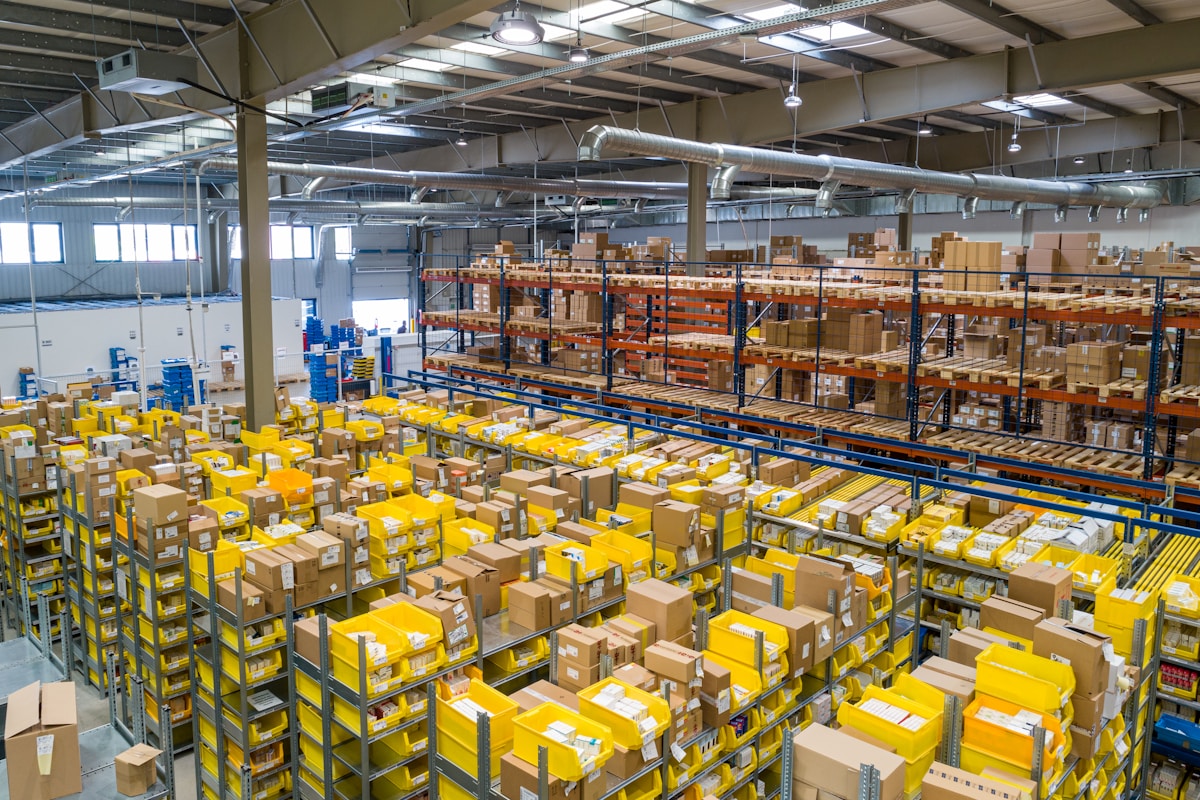
भारी मशीनरी और गियरबॉक्स असेंबली लाइनों के साथ औद्योगिक विनिर्माण सुविधा जो एक ट्विन स्क्रू एक्सट्रूडर गियरबॉक्स का प्रतिनिधित्व करती है
ट्विन स्क्रू एक्सट्रूडर गियरबॉक्स को समझना: मुख्य प्रौद्योगिकी और बाजार की मांग
ट्विन स्क्रू एक्सट्रूड निर्माता ट्विन स्क्रू एक्सट्रूडर गियरबॉक्स एक सटीक-इंजीनियर्ड पावर ट्रांसमिशन इकाई है जिसे एक मोटर इनपुट को दो सिंक्रनाइज़ में विभाजित करने के लिए डिज़ाइन किया गया है, काउंटर-रोटेटिंग या को-रोटेटिंग आउटपुट शाफ्ट. इन गियरबॉक्स को अत्यधिक टॉर्क घनत्व का सामना करना होगा—अक्सर अधिक 11.3 एनएम/सेमी³ आधुनिक उच्च-प्रदर्शन इकाइयों में—सटीक शाफ्ट केंद्र दूरी और घूर्णी तुल्यकालन बनाए रखते हुए. गियरबॉक्स की संख्या लगभग 25 है–35% ट्विन स्क्रू एक्सट्रूज़न सिस्टम की कुल लागत का, यह इसे मशीन का सबसे मूल्यवान घटक बनाता है (प्लास्टिक आज, 2024).
ट्विन स्क्रू एक्सट्रूडर गियरबॉक्स की वैश्विक मांग कई अंतिम-उपयोग उद्योगों द्वारा संचालित है:
- प्लास्टिक कंपाउंडिंग और मास्टरबैच उत्पादन – सबसे बड़ा खंड, से अधिक के लिए लेखांकन 40% गियरबॉक्स की मांग
- भोजन और पालतू भोजन बाहर निकालना – सख्त स्वच्छता और टॉर्क आवश्यकताओं के साथ एक तेजी से बढ़ता हुआ खंड
- फार्मास्युटिकल एक्सट्रूज़न – दवा वितरण प्रणालियों के लिए हॉट-मेल्ट एक्सट्रूज़न के लिए अति-सटीक गियरबॉक्स प्रदर्शन की आवश्यकता होती है
- पुनर्चक्रण और परिपत्र अर्थव्यवस्था अनुप्रयोग – यूरोपीय संघ के नियम प्लास्टिक रीसाइक्लिंग लाइनों में बड़े पैमाने पर निवेश को बढ़ावा दे रहे हैं
- बैटरी इलेक्ट्रोड विनिर्माण – ईवी बैटरी उत्पादन से जुड़ा एक उभरता हुआ एप्लिकेशन
के आंकड़ों के अनुसार ग्रैंड व्यू रिसर्च (2024), वैश्विक ट्विन स्क्रू एक्सट्रूडर बाजार के सीएजीआर से बढ़ने का अनुमान है 5.2% के माध्यम से 2030, बाजार में प्रतिस्थापन की मांग और प्रौद्योगिकी उन्नयन के कारण गियरबॉक्स उप-खंड थोड़ा तेजी से बढ़ रहा है. यह विकास पथ ट्विन स्क्रू एक्सट्रूडर गियरबॉक्स थोक बाजार को बी2बी खरीद टीमों के लिए तेजी से प्रतिस्पर्धी और रणनीतिक रूप से महत्वपूर्ण बनाता है।.
औद्योगिक मशीनरी और गियरबॉक्स घटकों के लिए व्यापार नीति परिदृश्य
The transatlantic trade relationship between the United States and the European Union remains the world's largest bilateral commercial partnership, वस्तुओं और सेवाओं का व्यापार अत्यधिक हो गया है $1.3 सालाना ट्रिलियन (संयुक्त राज्य अमेरिका व्यापार प्रतिनिधि का कार्यालय, 2024). ट्विन स्क्रू एक्सट्रूडर गियरबॉक्स जैसे औद्योगिक मशीनरी घटकों के लिए, नीतिगत वातावरण अवसर और जटिलताएँ दोनों प्रस्तुत करता है.
टैरिफ संरचना और वर्गीकरण
ट्विन स्क्रू एक्सट्रूडर गियरबॉक्स आमतौर पर हार्मोनाइज्ड सिस्टम के अंतर्गत आते हैं (एच एस) कोड 8483.40 (गियर और गियरिंग; गेंद या रोलर पेंच; गियर बॉक्स और अन्य गति परिवर्तक). वर्तमान अमेरिकी टैरिफ अनुसूची के तहत, यूरोपीय संघ के सदस्य देशों से आयातित गियरबॉक्स को सर्वाधिक पसंदीदा राष्ट्र का सामना करना पड़ता है (एमएफएन) शुल्क दरें 2.5–3.5%, जो अपेक्षाकृत है थोक पुनर्चक्रण एक्सट्रूडर कुछ अन्य व्यापारिक साझेदारों पर लागू दरों की तुलना में अनुकूल. The EU's Common External Tariff applies similar rates to US-origin gearboxes entering the European market (यूरोपीय आयोग – महानिदेशक व्यापार, ). अंडरवाटर पेलेटाइजिंग सिस्टम फैक्ट्री
तथापि, व्यापक टैरिफ वातावरण आरंभ में अधिक जटिल हो गया है. The US administration's renewed focus on Section 232 स्टील और एल्युमीनियम पर टैरिफ का गियरबॉक्स निर्माण पर अप्रत्यक्ष लागत प्रभाव पड़ता है, चूँकि उच्च-मिश्र धातु इस्पात एक प्राथमिक कच्चा माल है. यूरोपीय संघ के जवाबी कदम और व्यापार एवं प्रौद्योगिकी परिषद के आसपास चल रही बातचीत (टीटीसी) नियामक परिदृश्य को आकार देना जारी रखें (अंतर्राष्ट्रीय व्यापार प्रशासन, ). वानहाओ I3 मिनी एक्सट्रूडर
मानक और प्रमाणन आवश्यकताएँ
B2B खरीदारों को अलग-अलग प्रमाणन व्यवस्थाओं को अपनाना होगा:
- यूरोपीय संघ बाजार: सीई अंकन अनिवार्य है. गियरबॉक्स को मशीनरी निर्देश 2006/42/ईसी का अनुपालन करना होगा (नए मशीनरी विनियमन में अद्यतन किया जा रहा है 2023/1230 प्रभावी जनवरी 2027), शोर के लिए अधिक प्रासंगिक EN/ISO मानक, कंपन, और सुरक्षा.
- अमेरिकी बाज़ार: जबकि गियरबॉक्स के लिए कोई भी अनिवार्य संघीय प्रमाणन मौजूद नहीं है, ओएसएचए अनुपालन, विद्युत घटकों के लिए यूएल मान्यता, और एजीएमए (अमेरिकन गियर मैन्युफैक्चरर्स एसोसिएशन) प्रमुख ओईएम द्वारा मानकों की अपेक्षा की जाती है.
- दोनों बाजार: आईएसओ 9001 गुणवत्ता प्रबंधन प्रमाणन एक आधारभूत अपेक्षा है. आईएसओ 14001 (पर्यावरण) और आईएसओ 45001 (व्यावसायिक स्वास्थ्य और सुरक्षा) B2B RFQ में तेजी से अनुरोध किया जा रहा है.
ट्रान्साटलांटिक बाजारों में सेवा देने वाली एक विश्वसनीय ट्विन स्क्रू एक्सट्रूडर गियरबॉक्स फैक्ट्री को दोहरी अनुपालन क्षमताएं बनाए रखनी चाहिए, जो विनिर्माण ओवरहेड में जोड़ता है लेकिन एक महत्वपूर्ण प्रतिस्पर्धी विभेदक के रूप में कार्य करता है.
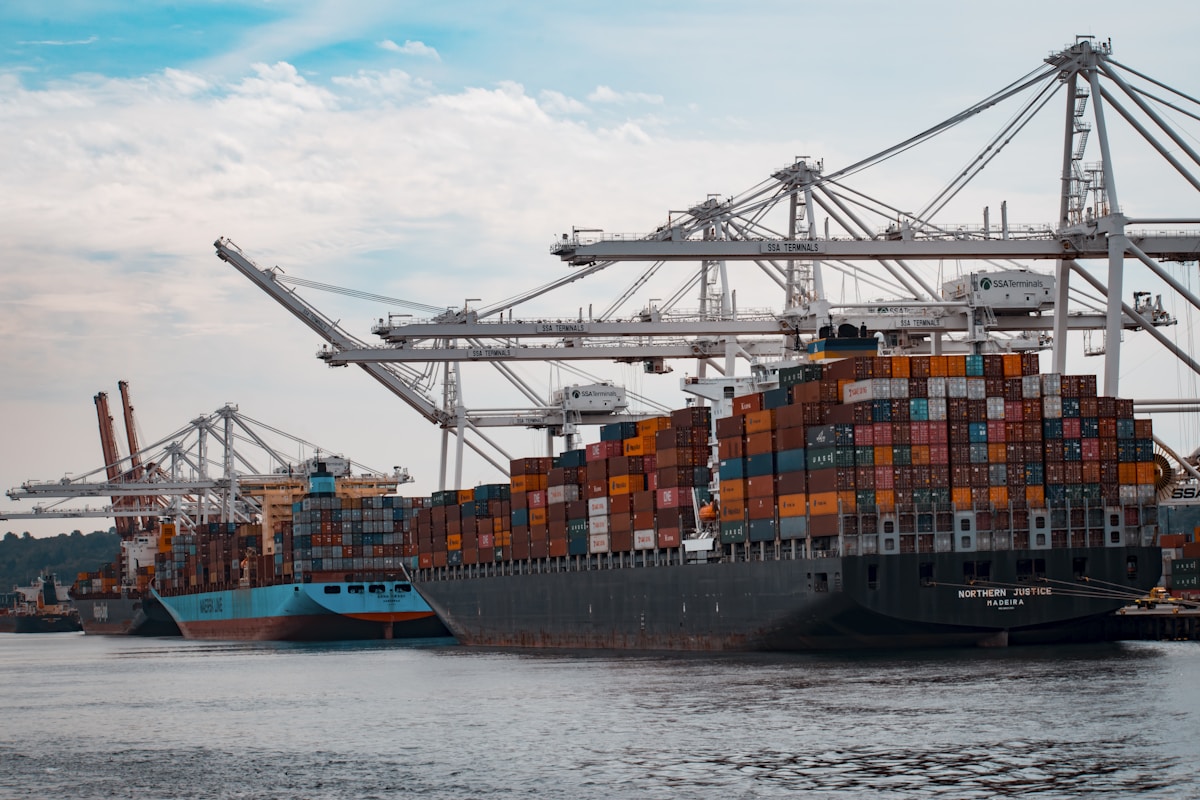
औद्योगिक मशीनरी और गियरबॉक्स कॉम के लिए यूएस-ईयू व्यापार रसद का प्रतिनिधित्व करने वाले एक प्रमुख अंतरराष्ट्रीय बंदरगाह पर शिपिंग कंटेनर
ट्विन स्क्रू एक्सट्रूडर गियरबॉक्स फ़ैक्टरी की सोर्सिंग: में प्रमुख B2B अवसर
ट्विन स्क्रू एक्सट्रूडर गियरबॉक्स के लिए सोर्सिंग परिदृश्य महत्वपूर्ण रूप से विकसित हुआ है. जबकि यूरोपीय निर्माता फ़्लेंडर को पसंद करते हैं (सीमेंस), ईसेनबीस, और ज़ाम्बेलो का ऐतिहासिक रूप से प्रीमियम सेगमेंट पर वर्चस्व रहा है, और चीनी निर्माताओं ने मूल्य खंड पर कब्जा कर लिया है, प्रतिस्पर्धी गतिशीलता उन तरीकों से बदल रही है जो सूचित बी2बी खरीदारों के लिए नए अवसर पैदा करती हैं.
अवसर 1: प्रौद्योगिकी अभिसरण
शीर्ष स्तरीय एशियाई गियरबॉक्स कारखानों और यूरोपीय पदाधिकारियों के बीच गुणवत्ता अंतर काफी कम हो गया है. अग्रणी चीनी और ताइवानी ट्विन स्क्रू एक्सट्रूडर गियरबॉक्स निर्माता अब टॉर्क घनत्व और गियर ग्राइंडिंग परिशुद्धता के साथ गियरबॉक्स पेश करते हैं (डीआईएन कक्षा 4–5) जो सिर्फ पांच साल पहले केवल यूरोपीय निर्माताओं के लिए थे. यह अभिसरण B2B खरीदारों को अधिक बातचीत का लाभ और व्यवहार्य विकल्प देता है (प्लास्टिक मशीनरी & उत्पादन, 2024).
अवसर 2: आफ्टरमार्केट और रिप्लेसमेंट डिमांड
अमेरिका और यूरोपीय संघ में ट्विन स्क्रू एक्सट्रूडर का स्थापित बेस पुराना हो रहा है. 2010 के दौरान कई मशीनें स्थापित की गईं–2018 विस्तार चक्र अब गियरबॉक्स ओवरहाल या प्रतिस्थापन अंतराल के करीब पहुंच रहा है. यह ट्विन स्क्रू एक्सट्रूडर गियरबॉक्स आपूर्तिकर्ताओं के लिए पर्याप्त आफ्टरमार्केट अवसर पैदा करता है जो प्रतिस्पर्धी कीमतों पर बेहतर विशिष्टताओं के साथ ड्रॉप-इन प्रतिस्थापन इकाइयों की पेशकश कर सकते हैं।. आफ्टरमार्केट खंड 30 का प्रतिनिधित्व करने का अनुमान है–35% वैश्विक स्तर पर कुल गियरबॉक्स राजस्व का.
अवसर 3: स्थिरता-संचालित उन्नयन
EU Green Deal regulations and US corporate ESG commitments are pushing manufacturers to upgrade to more energy-efficient extrusion lines. Modern gearboxes with optimized gear tooth profiles, improved bearing arrangements, and advanced lubrication systems can reduce energy losses by 8–15% compared to units manufactured a decade ago. This regulatory push creates a pull-through demand for factory-new gearboxes from any credible twin screw extruder gearbox factory.
Challenges in B2B Procurement of Twin Screw Extruder Gearboxes Across Markets
अवसरों के बावजूद, B2B procurement teams face several significant challenges when sourcing from a twin screw extruder gearbox factory, particularly in the transatlantic context.
चुनौती 1: Supply Chain Complexity and Lead Times
High-performance gearboxes require specialized materials—case-hardened alloy steels (typically 18CrNiMo7-6 or 20MnCr5), precision bearings from manufacturers like SKF or Timken, and high-specification sealing systems. Global supply chain disruptions, while less severe than during 2021–2022, continue to affect lead times for these critical inputs. Average lead times for custom twin screw extruder gearboxes range from 12–20 weeks depending on specification and factory location (Supply Chain Digital, ).
चुनौती 2: बौद्धिक संपदा और डिज़ाइन संरक्षण
Gearbox design involves significant proprietary engineering, particularly in gear tooth optimization, shaft arrangement, and thermal management. B2B buyers sourcing from overseas factories must conduct thorough due diligence on IP protection practices. Reputable factories will have clear IP policies, NDA frameworks, and demonstrable investment in their own R&D rather than relying on reverse engineering.
चुनौती 3: Quality Verification at Distance
Verifying gearbox quality remotely remains a challenge. Key quality parameters—gear contact patterns, bearing preload, housing bore alignment, and noise/vibration signatures—require physical inspection and testing. B2B buyers should insist on:
- Factory acceptance testing (मोटा) with documented test reports
- Third-party inspection by recognized bodies (एसजीएस, टीयूवी, ब्यूरो वेरिटास)
- Video-documented assembly and testing procedures
- Material certificates traceable to steel mill heat numbers
चुनौती 4: मुद्रा और भुगतान जोखिम
Transatlantic transactions involve EUR/USD exchange rate exposure. With currency volatility remaining elevated in, B2B buyers should consider forward contracts or payment terms that mitigate exchange rate risk. Letters of credit remain the gold standard for large gearbox orders from new supplier relationships.
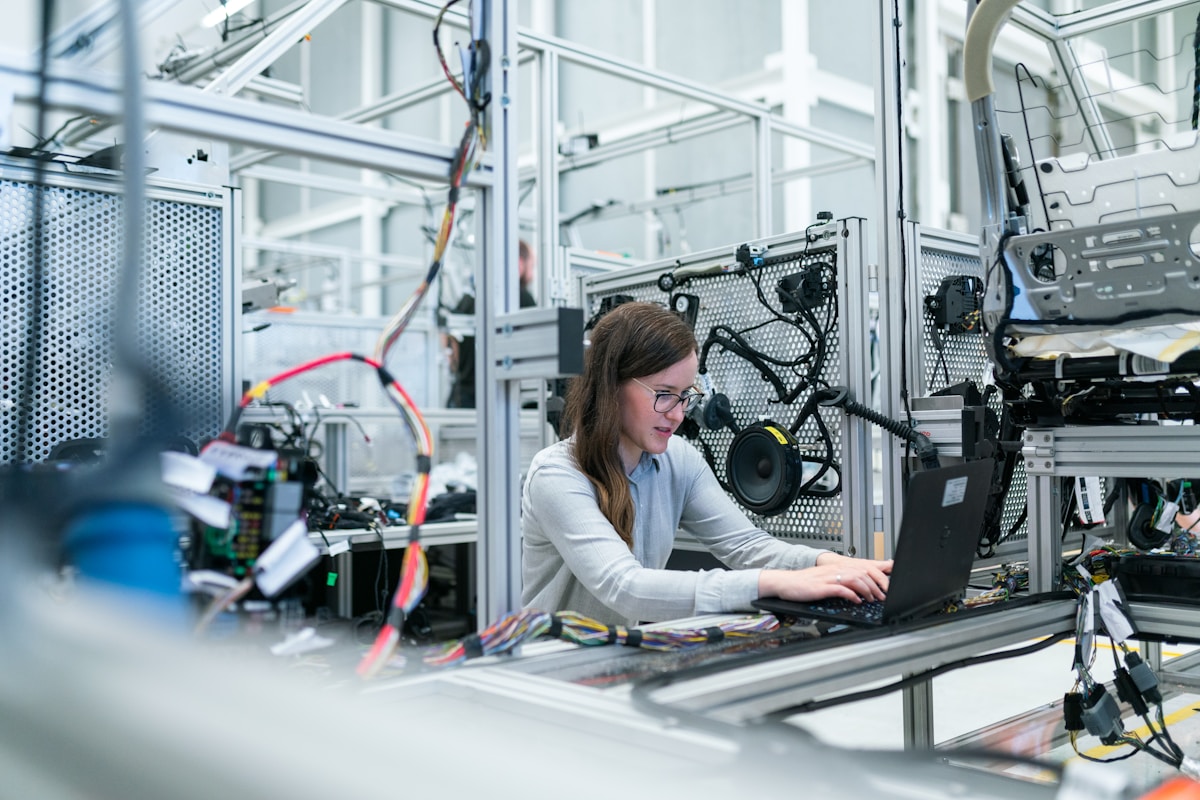
एक्सट्रूडर और नोजल सटीक औद्योगिक मशीनरी का निरीक्षण करते इंजीनियर मेकरगियर एम2 एक्सट्रूडर समस्या गियरबॉक्स फैक्ट्री क्यू का प्रतिनिधित्व करने वाले गुणवत्ता नियंत्रण वातावरण में घटक
भौगोलिक और नीतिगत लाभ: ट्रेड इन्फ्रास्ट्रक्चर कैसे B2B गियरबॉक्स सोर्सिंग का समर्थन करता है
कैड बाहर निकालना व्यापार गलियारे को परिपक्व बुनियादी ढांचे और संस्थागत ढांचे से लाभ होता है जो बी2बी औद्योगिक मशीनरी व्यापार को सुविधाजनक बनाता है.
रसद अवसंरचना: रॉटरडैम जैसे प्रमुख बंदरगाह (Europe's largest), हैम्बर्ग, एंटवर्प-ब्रुग्स, लॉस एंजिल्स/लॉन्ग बीच, और सवाना कुशल समुद्री माल ढुलाई कनेक्टिविटी प्रदान करते हैं. उत्तरी यूरोपीय बंदरगाहों और यूएस ईस्ट कोस्ट बंदरगाहों के बीच कंटेनरीकृत गियरबॉक्स शिपमेंट के लिए पारगमन समय औसतन 10 है–14 दिन, वेस्ट कोस्ट मार्गों पर 25 लग रहे हैं–30 पनामा नहर या स्वेज़ नहर के माध्यम से दिन (वाणिज्य जर्नल, ).
व्यापार सुविधा समझौते: पारस्परिक मान्यता समझौता (एमआरए) for conformity assessment covers certain industrial product categories, potentially reducing duplicate testing requirements. The Customs-Trade Partnership Against Terrorism (C-TPAT) in the US and the Authorized Economic Operator (एईओ) program in the EU provide expedited customs clearance for certified traders.
Trade finance ecosystem: Both markets have deep trade finance ecosystems. निर्यात ऋण एजेंसियां—अमेरिकी निर्यात-आयात बैंक (एग्जिम) और यूलर हर्मीस जैसे यूरोपीय समकक्ष (जर्मनी), चोरी (इटली), and Bpifrance—provide credit insurance and financing that de-risk large B2B gearbox transactions.
Industry associations: Organizations like AGMA in the US, EUROTRANS in Europe, and the Plastics Industry Association provide networking, standards development, and market intelligence that help B2B buyers identify and vet potential twin screw extruder gearbox factory partners.
Case Studies Enterprises Successfully Navigating the Gearbox Sourcing Landscape
Modern industrial factory floor with CNC machining centers and gear manufacturing equipment representing advanced gearbox pro
केस स्टडी 1: German Compounder Diversifies Gearbox Supply Chain
A mid-sized German plastics compounding company operating 14 twin screw extrusion lines faced a critical supply chain challenge in 2023 when their sole European gearbox supplier quoted 24-week lead times for replacement units. The company's procurement team initiated a structured supplier qualification process, evaluating three alternative twin screw extruder gearbox manufacturers—one from Italy, one from China, and one from Taiwan.
After a 6-month qualification process that included factory audits, sample unit testing, and reference checks with existing customers, the company qualified the Taiwanese manufacturer as a secondary supplier. The result: औसत लीड समय कम हो गया 14 हफ्तों, इकाई लागत में कमी आई 18%, और कंपनी ने एक दोहरी-स्रोत रणनीति स्थापित की जिसने आपूर्ति श्रृंखला जोखिम को काफी कम कर दिया. मुख्य सबक यह था कि पहले से ही संपूर्ण आपूर्तिकर्ता योग्यता में निवेश करना—जिसमें ऑन-साइट फ़ैक्टरी दौरे और विस्तारित परीक्षण रन शामिल हैं—लागत और विश्वसनीयता दोनों में लाभांश का भुगतान किया (प्लास्टिक इंटरनेशनल, 2024).
केस स्टडी 2: अमेरिकी पालतू भोजन निर्माता ने हाई-टॉर्क गियरबॉक्स में अपग्रेड किया
एक प्रमुख अमेरिकी पालतू भोजन निर्माता को अपनी ट्विन स्क्रू कुकिंग एक्सट्रूज़न लाइनों पर थ्रूपुट बढ़ाने की आवश्यकता थी 30% नई लाइनें जोड़े बिना. बाधा मौजूदा गियरबॉक्स थी, जो पर संचालित हो रहे थे 85% रेटेड टॉर्क क्षमता का. एक विशेष ट्विन स्क्रू एक्सट्रूडर गियरबॉक्स आपूर्तिकर्ता के साथ काम करना, कंपनी ने टॉर्क घनत्व के साथ कस्टम हाई-टॉर्क रिप्लेसमेंट गियरबॉक्स निर्दिष्ट किया है 13.2 एनएम/सेमी³—ए 25% मूल इकाइयों में सुधार.
The new gearboxes, sourced from a factory with both AGMA and DIN certification capabilities, were designed as dimensional drop-in replacements to minimize installation downtime. The project was completed in three phases over 8 महीने, with each gearbox swap requiring only 3 days of downtime per line. The throughput increase was achieved at approximately 40% of the cost of installing new complete extrusion lines, demonstrating the value of partnering with a technically capable gearbox factory for upgrade projects.
केस स्टडी 3: European Recycling Startup Leverages Wholesale Pricing
A Netherlands-based plastics recycling startup, funded by EU Circular Economy grants, needed to equip four twin screw extrusion lines simultaneously. With capital constraints typical of startups, the procurement team negotiated a twin screw extruder gearbox wholesale package—four identical gearbox units ordered simultaneously from a single factory. The wholesale approach yielded a 12% volume discount compared to individual unit pricing, plus standardized spare parts inventory and a single-source maintenance training program. The startup's approach illustrates how B2B buyers can leverage volume consolidation even when individual unit quantities are modest.
Evaluating a Twin Screw Extruder Gearbox Factory: A B2B Buyer's Checklist
When assessing a potential twin screw extruder gearbox factory, B2B procurement professionals should evaluate the following critical factors:
- Manufacturing capability: Does the factory perform gear grinding, heat treatment, and housing machining in-house, or are critical processes outsourced? Vertical integration generally correlates with better quality control.
- Design engineering capacity: क्या फ़ैक्टरी कस्टम गियरबॉक्स डिज़ाइन प्रदान कर सकती है?, या केवल ग्राहक द्वारा प्रदत्त चित्रों के अनुसार ही निर्माण करें? इन-हाउस FEA वाली फ़ैक्टरियाँ (अनंत तत्व विश्लेषण) और गियर डिज़ाइन सॉफ़्टवेयर (KISSsoft, मस्त) अधिक तकनीकी साझेदारी मूल्य प्रदान करें.
- परीक्षण अवसंरचना: क्या फैक्ट्री में फुल-लोड करने में सक्षम समर्पित गियरबॉक्स टेस्ट स्टैंड हैं, पूर्ण गति परीक्षण? क्या वे कंपन माप सकते हैं, शोर, तापमान वृद्धि, और लोड के तहत दक्षता?
- सामग्री का पता लगाने की क्षमता: क्या फ़ैक्टरी पूर्ण सामग्री प्रमाणपत्र प्रदान कर सकती है? (में 10204 प्रकार 3.1) सभी महत्वपूर्ण घटकों के लिए, कच्चे माल के स्रोत का पता लगाया जा सकता है?
- संदर्भ स्थापनाएँ: क्या फ़ैक्टरी आपके विशिष्ट उद्योग खंड में ओईएम या अंतिम-उपयोगकर्ताओं से संदर्भ प्रदान कर सकती है (प्लास्टिक, खाना, फार्मा, वगैरह।)?
- बिक्री के बाद समर्थन: क्या फ़ैक्टरी फ़ील्ड सेवा प्रदान करती है?, स्पेयर पार्ट्स की उपलब्धता की गारंटी, और आपके समय क्षेत्र और भाषा में तकनीकी सहायता?
- वित्तीय स्थिरता: Is the factory financially stable enough to honor long-term warranty commitments? Request audited financial statements for significant orders.
Business professionals reviewing technical documents and engineering drawings at a B2B trade meeting representing gearbox pro
व्यापार रुझान की भविष्यवाणी: What B2B Gearbox Buyers Should Expect in Mid-
वर्तमान बाजार संकेतकों के आधार पर, नीति विकास, and industry intelligence, here are the key trends B2B buyers of twin screw extruder gearboxes should anticipate over the next one to two months:
रुझान 1: Tariff Uncertainty Will Drive Pre-Ordering
With ongoing US trade policy reviews and potential adjustments to tariff schedules on industrial machinery components, savvy B2B buyers are likely to accelerate purchase orders to lock in current pricing and duty rates. Factories may experience a surge in orders during Q2, potentially extending lead times. Buyers who act early will secure better delivery positions (अंतर्राष्ट्रीय व्यापार प्रशासन, ).
रुझान 2: Raw Material Costs Will Remain Elevated
Alloy steel prices, driven by energy costs in European steel mills and Chinese production controls, are expected to remain 8–12% ऊपर 2023 levels through mid-. This will put upward pressure on gearbox pricing. Buyers should expect 3–5% price increases on new quotations compared to late 2024 स्तरों (विश्व इस्पात संघ, ).
रुझान 3: Sustainability Documentation Will Become Standard in RFQs
EU Corporate Sustainability Reporting Directive (सीएसआरडी) requirements are cascading down supply chains. B2B buyers, particularly those selling into EU markets, will increasingly require gearbox suppliers to provide carbon footprint data, conflict mineral declarations, और पर्यावरणीय उत्पाद घोषणाएँ (ईपीडी). Factories that proactively prepare this documentation will have a competitive advantage.
रुझान 4: Digital Twin and IoT Integration Will Differentiate Premium Suppliers
Leading twin screw extruder gearbox manufacturers are beginning to offer gearboxes with embedded sensors for vibration, तापमान, and oil condition monitoring. These "smart gearboxes" enable predictive maintenance and digital twin integration. While still a premium offering, B2B buyers should evaluate IoT readiness as a forward-looking selection criterion.
रुझान 5: Nearshoring Momentum in Europe
EU industrial policy initiatives, including the European Chips Act and broader reshoring incentives, are creating a favorable environment for European gearbox manufacturing. Several Eastern European countries (पोलैंड, Underwater Pelletizer Supplier चेक रिपब्लिक, Romania) are attracting gearbox factory investments that combine EU-origin status with competitive labor costs. यह प्रवृत्ति B2B खरीदारों को यूरोपीय संघ के सीमा शुल्क क्षेत्र के भीतर नए सोर्सिंग विकल्प प्रदान कर सकती है.
एक्सट्रूज़न वातावरण में औद्योगिक सुरक्षा: जमीनी स्तर से श्रमिकों की रक्षा करना
जबकि ट्विन स्क्रू एक्सट्रूडर गियरबॉक्स एक्सट्रूज़न लाइन का यांत्रिक कोर है, इन शक्तिशाली मशीनों के आसपास काम करने वाले मानव ऑपरेटरों को महत्वपूर्ण व्यावसायिक खतरों का सामना करना पड़ता है. एक्सट्रूज़न सुविधाओं में औद्योगिक सुरक्षा ब्लेंडर ईपीएस एक्सट्रूड मशीन गार्डिंग और लॉकआउट/टैगआउट प्रक्रियाओं से आगे तक फैला हुआ है—इसकी शुरुआत व्यक्तिगत सुरक्षा उपकरण से होती है (पीपीई), और विशेष रूप से, फैक्ट्री के फर्श पर सबसे कमजोर छोर की सुरक्षा के साथ: पैर.

विनिर्माण वातावरण में सुरक्षात्मक जूते सहित औद्योगिक सुरक्षा उपकरण, जो भारत में कार्यस्थल सुरक्षा का प्रतिनिधित्व करते हैं
गियरबॉक्स और एक्सट्रूज़न सुविधाओं में पैरों की सुरक्षा क्यों मायने रखती है
थोक स्क्रू एक्सट्रूडर मशीन ट्विन स्क्रू एक्सट्रूडर गियरबॉक्स भारी होते हैं—90 मिमी एक्सट्रूडर की एक सामान्य इकाई का वजन 1,500 होता है–3,000 किग्रा. इंस्टॉलेशन के दौरान, रखरखाव, और प्रतिस्थापन संचालन, गिरे हुए घटकों से क्रश चोटों का जोखिम महत्वपूर्ण है. इसके अतिरिक्त, एक्सट्रूज़न सुविधाएं कई प्रकार के खतरे पेश करती हैं: एचडीपीई एक्सट्रूज़न
- भारी घटक संचालन: गियरबॉक्स हाउसिंग, गियर शाफ्ट, युग्मन असेंबलियाँ, और मोटर घटकों को रखरखाव कार्यों के दौरान नियमित रूप से स्थानांतरित किया जाता है
- गर्म सामग्री का प्रदर्शन: 180 के तापमान पर पिघला हुआ पॉलिमर–350°सी एक्सट्रूज़न ऑपरेशन के दौरान टपक या फैल सकता है
- फिसलने का ख़तरा: चिकनाई देने वाले तेल, हाइड्रोलिक तरल पदार्थ, और ठंडा पानी फर्श पर फिसलन की स्थिति पैदा करता है
- फोर्कलिफ्ट और क्रेन संचालन: गियरबॉक्स कारखानों और एक्सट्रूज़न संयंत्रों में सामग्री प्रबंधन उपकरण क्रश और रन-ओवर जोखिम पैदा करते हैं
- तीव्र धातु का मलबा: गियरबॉक्स कारखानों में मशीनिंग परिचालन से धातु के चिप्स और स्वार्फ़ का उत्पादन होता है जो मानक जूते में प्रवेश कर सकते हैं
B2B सुरक्षा जूते मानक: अमेरिका और यूरोपीय संघ की आवश्यकताएँ
Both the US and EU have established comprehensive standards for industrial safety footwear:
EU Standard EN ISO 20345:2022 defines safety footwear with toe protection capable of withstanding 200 joules of impact energy and 15 kN of compression force. वर्गीकरण स्तर (S1 through S5) address additional properties including antistatic performance, एड़ी में ऊर्जा अवशोषण, पानी प्रतिरोध, और पंचर प्रतिरोध (इंटरनैशनल ऑर्गनाइज़ेशन फॉर स्टैंडर्डाइज़ेशन, 2022).
US Standard ASTM F2413-18 specifies similar performance requirements, with impact resistance rated at I/75 (75 फुट-पाउंड) and compression resistance at C/75 (2,500 पाउंड). Additional ratings cover metatarsal protection (मीट्रिक टन), प्रवाहकीय (सीडी) और स्थैतिक विघटनकारी (एसडी) गुण, और पंचर प्रतिरोध (जनसंपर्क).
For B2B procurement in the extrusion and gearbox manufacturing industry, the recommended minimum specification is: लैब स्केल एक्सट्रूडर
- यूरोपीय संघ: S3 रेटेड जूते (पैर की अंगुली की सुरक्षा + विरोधी स्थैतिक + ऊर्जा अवशोषण + water penetration resistance + पंचर प्रतिरोधी + क्लीटेड आउटसोल)
- हम: ASTM F2413 I/75 C/75 PR EH rated footwear
बी2बी संचालन में प्रीमियम सुरक्षा जूते के लिए व्यावसायिक मामला
ट्विन स्क्रू एक्सट्रूडर गियरबॉक्स कारखानों और एक्सट्रूज़न सुविधाओं में श्रमिकों के लिए उच्च गुणवत्ता वाले सुरक्षा जूते में निवेश करना केवल एक अनुपालन अभ्यास नहीं है—यह मापने योग्य व्यावसायिक रिटर्न प्रदान करता है:
- कम हुए कर्मचारी' मुआवजे की लागत: पैर और पैर की उंगलियों की चोटें लगभग होती हैं 10% विनिर्माण क्षेत्र में कार्यस्थल पर लगने वाली सभी चोटें, $9,000 की औसत दावा लागत के साथ–$15,000 अमेरिका में प्रति घटना (श्रम सांख्यिकी ब्यूरो, 2024). कंपोजिट या स्टील टो कैप वाले प्रीमियम सुरक्षा जूते वस्तुतः क्रश की चोटों को खत्म करते हैं.
- अनुपस्थिति में कमी: पैर की चोटें आमतौर पर 5 होती हैं–10 खोए हुए कार्य समय के दिन. एक फ़ैक्टरी कार्यबल के पार, इससे महत्वपूर्ण उत्पादकता हानि होती है जो गुणवत्ता वाले जूते की लागत से कहीं अधिक है.
- कर्मचारी आराम और उत्पादकता में सुधार: एर्गोनोमिक इनसोल के साथ आधुनिक सुरक्षा जूते, हल्के मिश्रित टो कैप, और सांस लेने योग्य सामग्री 8 के दौरान थकान को कम करती है–12 घंटे की पाली. अध्ययनों से संकेत मिलता है कि आरामदायक कर्मचारी 5 हैं–8% पैरों में परेशानी का अनुभव करने वालों की तुलना में अधिक उत्पादक.
- विनियामक अनुपालन: दोनों OSHA (हम) और ईयू फ्रेमवर्क निर्देश 89/391/ईईसी के अनुसार नियोक्ताओं को उचित पीपीई प्रदान करना आवश्यक है. अनुपालन न करने पर जुर्माना लगाया जा सकता है $15,625 प्रति उल्लंघन (OSHA) या यूरोपीय संघ के सदस्य राज्य कानून के तहत समकक्ष दंड.
- बीमा प्रीमियम में कटौती: एक व्यापक पीपीई कार्यक्रम का प्रदर्शन, जिसमें गुणवत्तापूर्ण सुरक्षा जूते भी शामिल हैं, कम श्रमिकों के लिए सुविधाओं को अर्हता प्राप्त कर सकते हैं' मुआवज़ा बीमा प्रीमियम.
गियरबॉक्स फ़ैक्टरी और एक्सट्रूज़न प्लांट श्रमिकों के लिए सुरक्षा जूते का चयन
पीपीई के लिए जिम्मेदार बी2बी खरीद टीमों को अपने कार्यबल के लिए सुरक्षा जूते चुनते समय इन कारकों पर विचार करना चाहिए:
- पैर की अंगुली टोपी सामग्री: स्टील टो कैप अधिकतम सुरक्षा प्रदान करते हैं लेकिन वजन बढ़ाते हैं. कम्पोजिट (फाइबरग्लास/कार्बन फाइबर) टो कैप 30 पर समान सुरक्षा मानकों को पूरा करते हैं–40% कम वजन और तापीय चालकता के बिना—गर्म एक्सट्रूज़न वातावरण और ठंडे गोदाम सेटिंग्स दोनों में लाभ.
- एकमात्र निर्माण: दोहरे घनत्व वाला पॉलीयुरेथेन (पीयू) सोल स्लिप प्रतिरोध का सर्वोत्तम संयोजन प्रदान करते हैं, तेल प्रतिरोध, और कारखाने के वातावरण के लिए स्थायित्व. रबर आउटसोल एक्सट्रूडर डाई के पास के क्षेत्रों के लिए बेहतर गर्मी प्रतिरोध प्रदान करते हैं.
- मेटाटार्सल सुरक्षा: गियरबॉक्स असेंबली और भारी घटक हैंडलिंग में शामिल श्रमिकों के लिए, मेटाटार्सल गार्ड (आंतरिक या बाह्य) पैर के अंगूठे के कवर से परे पैर के ऊपरी क्षेत्र को अतिरिक्त सुरक्षा प्रदान करें.
- विद्युत खतरा रेटिंग: विद्युत उपकरण वाली सुविधाओं में (मोटर चलाती है, नियंत्रण पैनल), ईएच-रेटेड जूते बिजली के झटके से द्वितीयक सुरक्षा प्रदान करते हैं.
- फ़िट और आकार देने के कार्यक्रम: बी2बी सुरक्षा फुटवियर आपूर्तिकर्ता जो ऑन-साइट फिटिंग कार्यक्रम और कई चौड़ाई के विकल्प प्रदान करते हैं, श्रमिकों के बीच उच्च अनुपालन दर प्राप्त करते हैं, क्योंकि खराब फिटिंग वाले सुरक्षा जूते ही मुख्य कारण हैं जिनकी वजह से कर्मचारी इन्हें पहनने से कतराते हैं.
The connection between a well-run twin screw extruder gearbox factory and worker safety is direct: factories that invest in comprehensive safety programs, including quality footwear, demonstrate the operational discipline that translates into product quality. B2B buyers conducting factory audits should view the safety footwear and PPE program as an indicator of overall management quality.
How to Start Your B2B Sourcing Journey for Twin Screw Extruder Gearboxes
For B2B buyers ready to identify and qualify a twin screw extruder gearbox factory, here is a structured approach:
- Define your technical specification: Document shaft center distance, torque rating, speed range, gear ratio, mounting configuration, and any special requirements (food-grade lubricants, ATEX compliance, वगैरह।).
- Establish your commercial parameters: Determine budget range, required lead time, order quantity (single unit vs. wholesale), भुगतान की शर्तें, and Incoterms preference (एफओबी, सीआईएफ, DDP).
- Identify candidate factories: उद्योग निर्देशिकाओं का उपयोग करें, trade show exhibitor lists (के शो, नाम, चिनप्लास), and B2B platforms to create a long list of 8–12 potential suppliers.
- Issue RFQ and evaluate responses: Send detailed RFQs to your long list. Evaluate responses on technical compliance, pricing, समय सीमा, quality documentation, and communication quality. शॉर्टलिस्ट 3–4 candidates.
- Conduct due diligence: For shortlisted factories, perform factory audits (in-person or via third-party), check references, verify certifications, and request sample units or test data from comparable projects.
- Negotiate and contract: Finalize pricing, वारंटी शर्तें (न्यूनतम 18 months recommended), spare parts agreements, and after-sales support commitments.

International B2B trade exhibition hall with industrial machinery displays representing trade shows where twin screw extruder
अक्सर पूछे जाने वाले प्रश्नों (अक्सर पूछे जाने वाले प्रश्न)
- किसी कारखाने से कस्टम ट्विन स्क्रू एक्सट्रूडर गियरबॉक्स के लिए सामान्य लीड टाइम क्या है?
- विशिष्टताओं और कारखाने की क्षमता के अनुसार लीड समय अलग-अलग होता है, लेकिन आम तौर पर 12 से लेकर होती है–20 कस्टम इकाइयों के लिए सप्ताह. मानक कैटलॉग मॉडल 6 में उपलब्ध हो सकते हैं–10 हफ्तों. कई समान इकाइयों के थोक ऑर्डर बैच उत्पादन क्षमता से लाभान्वित हो सकते हैं लेकिन आम तौर पर लीड समय को महत्वपूर्ण रूप से कम नहीं करते हैं.
- ट्विन स्क्रू एक्सट्रूडर गियरबॉक्स फैक्ट्री के पास क्या प्रमाणपत्र होने चाहिए??
- न्यूनतम पर, आईएसओ की तलाश करें 9001:2015 गुणवत्ता प्रबंधन प्रमाणीकरण. यूरोपीय संघ के बाजारों के लिए, फैक्ट्री को मशीनरी निर्देश के तहत सीई मार्किंग क्षमता प्रदर्शित करनी चाहिए. एजीएमए सदस्यता या डीआईएन/आईएसओ गियर गुणवत्ता प्रमाणन (कक्षा 5 या सटीक गियरबॉक्स के लिए बेहतर) तकनीकी क्षमता को दर्शाता है. आईएसओ 14001 और आईएसओ 45001 प्रमुख B2B खरीदारों द्वारा इसकी अपेक्षा बढ़ती जा रही है.
- मैं किसी नए आपूर्तिकर्ता से गियरबॉक्स की गुणवत्ता कैसे सत्यापित करूं??
- फ़ैक्टरी स्वीकृति परीक्षण का अनुरोध करें (मोटा) कंपन विश्लेषण सहित रिपोर्ट, तापमान वृद्धि परीक्षण, और लोड के तहत शोर माप. किसी तृतीय-पक्ष निरीक्षण एजेंसी को नियुक्त करें (एसजीएस, टीयूवी, ब्यूरो वेरिटास) स्वतंत्र सत्यापन के लिए. सामग्री प्रमाणपत्र मांगें (में 10204 प्रकार 3.1) सभी महत्वपूर्ण घटकों के लिए. अगर संभव हो तो, फ़ैक्टरी का दौरा करें या वीडियो-दस्तावेज़ीकरण की व्यवस्था करें