

शीर्ष 10 विनिर्माताओं के लिए पुनर्चक्रित प्लास्टिक छर्रों के आपूर्तिकर्ता
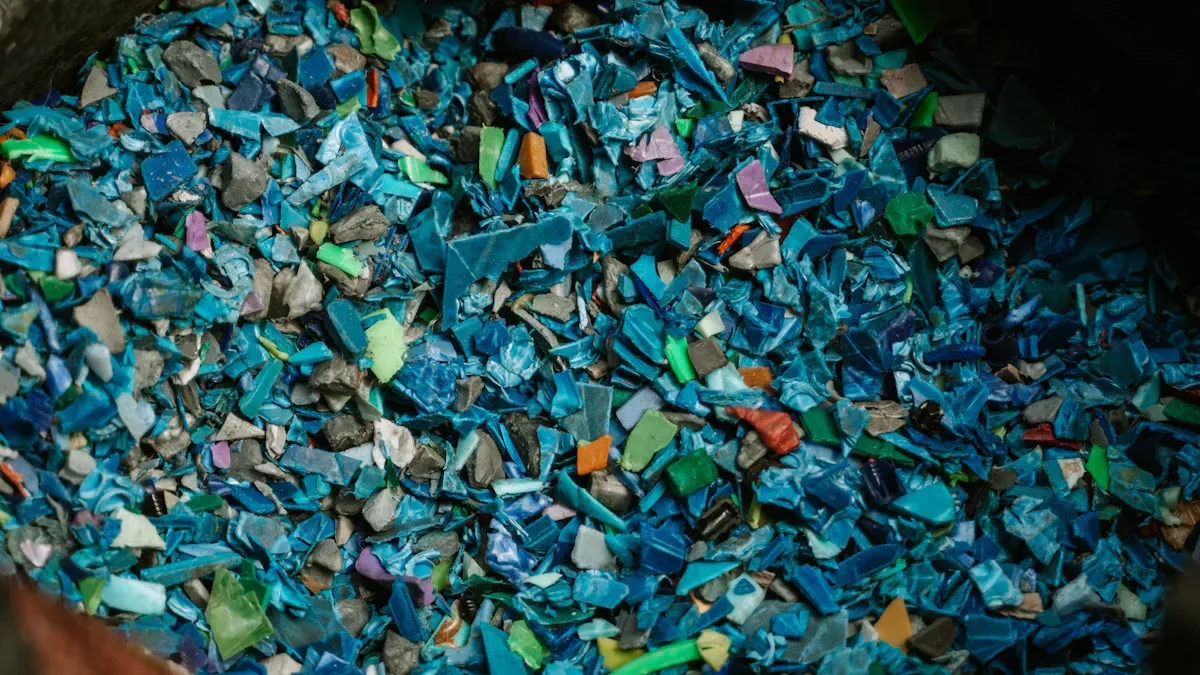
मैं शीर्ष को पहचानता हूं 10 इंडोरामा वेंचर्स के रूप में पुनर्नवीनीकृत प्लास्टिक छर्रों के आपूर्तिकर्ता, वेओलिया, बिफ़ा, किलोवाट प्लास्टिक, प्लास्टिक की कल्पना करें, प्लास्टिपाक होल्डिंग्स, अल्पेक, बेरी ग्लोबल, डॉव इंक. (रिवॉलूप™), और वांडेन रीसाइक्लिंग. ये नेता उच्च शुद्धता वाले आरपीईटी फ्लेक्स के साथ पुनर्नवीनीकरण प्लास्टिक छर्रों के बाजार को चलाते हैं, उच्च गुणवत्ता वाले आरपीईटी गुच्छे, और खाद्य ग्रेड आरपीईटी गुच्छे. वे सेट हो गए महत्वाकांक्षी उत्पादन लक्ष्य और टिकाऊ पैकेजिंग सामग्री चाहने वाले पैकेजिंग निर्माताओं के लिए पुनर्नवीनीकरण प्लास्टिक समाधान प्रदान करना. बाज़ार डेटा दिखाता है पुनर्चक्रित प्लास्टिक छर्रों में तेजी से वृद्धि, उन निर्माताओं द्वारा संचालित जो विश्वसनीय आपूर्ति और स्थिरता को प्राथमिकता देते हैं.
चाबी छीनना
- उच्च गुणवत्ता वाले पुनर्नवीनीकरण प्लास्टिक छर्रों के लिए इंडोरामा वेंचर्स और वेओलिया जैसे शीर्ष आपूर्तिकर्ताओं की पहचान करें.
- आईएसओ जैसे प्रमाणपत्रों के आधार पर आपूर्तिकर्ताओं का मूल्यांकन करें 9001 और गुणवत्ता और स्थिरता सुनिश्चित करने के लिए जीआरएस.
- अपनी विनिर्माण आवश्यकताओं को पूरा करने के लिए आपूर्तिकर्ताओं का चयन करते समय उत्पादन क्षमता और लचीलेपन पर विचार करें.
- उच्च शुद्धता वाले पुनर्चक्रित छर्रों के लिए उन्नत छँटाई और सफाई प्रौद्योगिकियों वाले आपूर्तिकर्ताओं पर ध्यान केंद्रित करें.
- उन आपूर्तिकर्ताओं को प्राथमिकता दें जो चक्रीय अर्थव्यवस्था का समर्थन करते हैं और स्थिरता के प्रति प्रतिबद्धता प्रदर्शित करते हैं.
- चयन प्रक्रिया के दौरान आपूर्तिकर्ताओं की त्वरित और प्रभावी ढंग से तुलना करने के लिए मानदंडों की एक चेकलिस्ट का उपयोग करें.
- संचार बढ़ाने और विश्वसनीय आपूर्ति श्रृंखला सुनिश्चित करने के लिए आपूर्तिकर्ताओं के साथ मजबूत संबंध बनाएं.
- बेहतर सोर्सिंग निर्णय लेने के लिए बाज़ार के रुझानों और तकनीकी नवाचारों के बारे में सूचित रहें.
अग्रणी निर्माताओं का अवलोकन
शीर्ष 10 पुनर्चक्रित प्लास्टिक छर्रों के आपूर्तिकर्ता
मैंने शीर्ष की पहचान कर ली है 10 आपूर्तिकर्ता जो वैश्विक पुनर्नवीनीकरण प्लास्टिक बाजार को आकार देते हैं. ये अग्रणी निर्माता लगातार उच्च गुणवत्ता वाले पुनर्नवीनीकरण छर्रों की आपूर्ति करते हैं और पुनर्चक्रण प्रौद्योगिकियों में नवीनता लाते हैं. मैंने निर्माताओं को मुख्य शक्तियों और अद्वितीय लाभों की तुलना करने में मदद करने के लिए एक त्वरित-संदर्भ तालिका संकलित की.
| आपूर्तिकर्ता का नाम | जगह(एस) | मूल ताकतें | अनोखे फायदे |
|---|---|---|---|
| इंडोरामा वेंचर्स | बैंकाक, थाईलैंड; वैश्विक | उच्च क्षमता, उन्नत छँटाई | कस्टम गोली गुण, विश्वव्यापी पहुँच |
| वेओलिया | पेरिस, फ्रांस; वैश्विक | वहनीयता, कठोर परीक्षण | मजबूत प्रमाणपत्र, आपूर्ति श्रृंखला का पता लगाने की क्षमता |
| बिफ़ा | Seaham, यूके; शेरबर्न, यूके | लगातार गुणवत्ता, खाद्य ग्रेड छर्रों | उन्नत सफ़ाई, यूके मार्केट लीडर |
| किलोवाट प्लास्टिक | ट्रॉय, Alabama, यूएसए | बड़ी पैमाने पर, उत्तर-औद्योगिक राल | ग्रीनसर्किल प्रमाणित, बैच स्थिरता |
| प्लास्टिक की कल्पना करें | रीड्सविले, एनसी, यूएसए; चीनो, सी.ए, यूएसए | पीसीआर विशेषज्ञता, लचीला उत्पादन | कस्टम रंग, एफडीए अनुपालन |
| प्लास्टिपाक होल्डिंग्स | प्लीमेट, एमआई, यूएसए; वैश्विक | उच्च परिमाण, नवाचार | बंद-लूप रीसाइक्लिंग, वैश्विक आपूर्ति |
| अल्पेक | मॉन्टेरी, मेक्सिको; वैश्विक | पीईटी रीसाइक्लिंग, क्षमता | एकीकृत आपूर्ति श्रृंखला, वहनीयता |
| बेरी ग्लोबल | इवांसविले, में, यूएसए; वैश्विक | विविध राल पोर्टफोलियो | परिपत्र अर्थव्यवस्था फोकस, प्रमाणपत्र |
| डॉव इंक. (रिवॉलूप™) | समुद्र से दूर, एमआई, यूएसए; वैश्विक | प्रौद्योगिकी चालित, पीसीआर समाधान | उन्नत छँटाई, विश्वव्यापी पहुँच |
| वांडेन पुनर्चक्रण | हंटिंगटन, यूके; हांगकांग, चीन | लचीली सोर्सिंग, त्वरित प्रतिक्रिया | कस्टम समाधान, वैश्विक पुनर्नवीनीकरण प्लास्टिक बाजार तक पहुंच |
अग्रणी निर्माता उन्नत छँटाई के माध्यम से खुद को अलग करते हैं, सफाई, और गोली बनाने की तकनीकें. मैं देखता हूं कि वे किस पर ध्यान केंद्रित करते हैं कठोर परीक्षण और प्रमाणीकरण उद्योग मानकों को पूरा करने के लिए. वे विशिष्ट अनुप्रयोगों के लिए पेलेट गुणों को अनुकूलित करते हैं, जो उन्हें अन्य आपूर्तिकर्ताओं से अलग करता है.
मैंने देखा है कि आधुनिक रीसाइक्लिंग प्रौद्योगिकियाँ हैं पुनर्चक्रित छर्रों की गुणवत्ता में सुधार हुआ. ये प्रगति सुनिश्चित करती है कि छर्रे ब्लो फिल्म निर्माण जैसे अनुप्रयोगों के लिए कठोर आवश्यकताओं को पूरा करते हैं. संदूषकों को हटाना और कठोर परीक्षण सुरक्षा और प्रदर्शन की गारंटी देता है.
आपूर्तिकर्ता चयन मानदंड
निर्माताओं को चाहिए स्पष्ट मानदंडों का उपयोग करके आपूर्तिकर्ताओं का मूल्यांकन करें. मैं सर्कुलर इकोनॉमी के लिए विश्वसनीय सोर्सिंग और समर्थन सुनिश्चित करने के लिए इन कारकों पर भरोसा करता हूं.
| मानदंड | मुख्य प्रश्न |
|---|---|
| मानकों & प्रमाणपत्र | क्या आपूर्तिकर्ता के पास जीआरएस प्रमाणन है? क्या वे आपूर्ति श्रृंखला ट्रैसेबिलिटी प्रदर्शित कर सकते हैं?? तृतीय-पक्ष ऑडिट? |
| गुणवत्ता & स्थिरता | क्या तकनीकी डेटा शीट और प्रयोगशाला परीक्षण रिपोर्ट उपलब्ध हैं?? कौन सी गुणवत्ता नियंत्रण प्रणालियाँ मौजूद हैं? बैच संगति? |
| कच्चे माल की सोर्सिंग | फीडस्टॉक सामग्री की उत्पत्ति क्या है? क्या पूर्ण पता लगाने की क्षमता प्रदान की गई है? पीसीआर या पीआईआर सामग्री? छँटाई और सफाई प्रोटोकॉल? |
| उत्पादन क्षमता & FLEXIBILITY | मासिक उत्पादन क्षमता कितनी है? कस्टम विशिष्टताएँ? न्यूनतम आदेश मात्रा? |
| वहनीयता & पर्यावरणीय प्रभाव | क्या कार्बन फ़ुटप्रिंट डेटा का खुलासा किया गया है?? अपशिष्ट न्यूनीकरण कार्यक्रम? रासायनिक अनुपालन परीक्षण रिपोर्ट? |
- आईएसओ 9001 गुणवत्ता प्रबंधन के लिए
- आईएसओ 14001 पर्यावरण प्रबंधन के लिए
- एफडीए, ईएफएसए, पहुँचना, पीआरसी प्रमाणपत्र
ग्रीनसर्किल प्रमाणित: हमारे पीपी और एचडीपीई पुनर्नवीनीकरण रेजिन अब ग्रीनसर्कल प्रमाणित हैं, मतलब पारदर्शी सोर्सिंग और प्रसंस्करण, सत्यापित पुनर्नवीनीकरण सामग्री प्रतिशत, और खरीद टीमों और स्थिरता अधिकारियों के साथ विश्वसनीयता.
मैं हमेशा उन आपूर्तिकर्ताओं को प्राथमिकता देता हूं जो चक्रीय अर्थव्यवस्था का समर्थन करते हैं और स्थिरता में नेतृत्व प्रदर्शित करते हैं. वैश्विक पुनर्नवीनीकरण प्लास्टिक बाजार पारदर्शिता की मांग करता है, पता लगाने की क्षमता, और लगातार गुणवत्ता. मेरा सुझाव है कि निर्माता इन मानदंडों का उपयोग ऐसे भागीदारों का चयन करने के लिए करें जो उनके रीसाइक्लिंग लक्ष्यों और उत्पादन आवश्यकताओं के अनुरूप हों.
पुनर्चक्रित प्लास्टिक छर्रों के अग्रणी निर्माता
इंडोरामा वेंचर्स
जगह
मैं इंडोरामा वेंचर्स को एक वैश्विक नेता के रूप में मान्यता देता हूं जिसका मुख्यालय बैंकॉक में है, थाईलैंड. कंपनी पूरे एशिया में सुविधाएं संचालित करती है, यूरोप, और उत्तरी अमेरिका. यह अंतर्राष्ट्रीय उपस्थिति मुझे प्रमुख विनिर्माण क्षेत्रों में उनके उत्पादों तक पहुंचने की अनुमति देती है.
मूल ताकतें
इंडोरामा वेंचर्स उच्च गुणवत्ता वाले आरपीईटी छर्रों के उत्पादन में अपनी विशेषज्ञता के लिए जाना जाता है. The company invests heavily in advanced sorting and cleaning processes. I value their commitment to quality assurance and their ability to deliver consistent rpet for demanding applications.
उत्पादन क्षमता
- Indorama Ventures has an annual production capacity of more than 350,000 tonnes per year of recycled plastic pellets (rpet).
- This scale ensures a reliable supply for large manufacturers and supports global brands seeking sustainable solutions.
Unique Technologies
Indorama is big in mechanical recycling, but in our facility we are also doing chemical recycling which gives excellent properties to the products.
I see that Indorama Ventures combines mechanical and chemical recycling. This approach enhances the properties of rpet and expands its use in food-grade and high-performance packaging.
Key Advantages for Manufacturers
Manufacturers benefit from Indorama Ventures’ global reach and technical expertise. I find their ability to customize rpet pellet properties valuable for specialized applications. Their large-scale operations and dual recycling technologies provide flexibility and security for supply chains.
वेओलिया
जगह
Veolia operates from Paris, फ्रांस, with a strong presence in the UK and other global markets. I can source their recycled products from multiple continents, which helps me manage logistics and lead times.
मूल ताकतें
Veolia excels in sustainability and supply chain transparency. The company implements rigorous testing and certification for all rpet pellets. I trust their traceability systems and appreciate their leadership in ecological transformation.
उत्पादन क्षमता
- Veolia UK plans to process 80,000 tonnes of plastic annually at a new recycling plant near Shrewsbury.
- कंपनी वैश्विक स्तर पर लाखों टन प्लास्टिक का प्रसंस्करण करती है, निर्माताओं के लिए आरपीईटी की स्थिर आपूर्ति सुनिश्चित करना.
Unique Technologies
- डेगनहम में वेओलिया की अत्याधुनिक सुविधा एक बंद-लूप दूध की बोतल रीसाइक्लिंग प्रक्रिया को दो सप्ताह के भीतर पूरा करने में सक्षम बनाती है।.
- The बंद-लूप प्रणाली एकत्रित प्लास्टिक की बोतलों को कुशलतापूर्वक पुनर्नवीनीकृत छर्रों में परिवर्तित करके एक चक्रीय अर्थव्यवस्था का समर्थन करता है.
- सतत प्लास्टिक पहल में भागीदारी (SusPla) पुनर्नवीनीकरण प्लास्टिक बाजार का विस्तार करना.
- प्रयास अपशिष्ट प्रबंधन से परे पारिस्थितिक परिवर्तन और स्थिरता पर केंद्रित हैं.
मैं देखता हूं कि वेओलिया के बंद-लूप सिस्टम और तेज़ प्रसंस्करण समय उन्हें अलग करते हैं. सर्कुलरिटी और बाज़ार विस्तार पर उनका ध्यान मेरे स्थिरता लक्ष्यों के अनुरूप है.
Key Advantages for Manufacturers
वेओलिया के साथ काम करने वाले निर्माताओं को आरपीईटी और पुनर्नवीनीकरण छर्रों की मजबूत आपूर्ति तक पहुंच प्राप्त होती है. I value their closed-loop processes, which reduce environmental impact and support my company’s sustainability commitments. Their global operations and advanced facilities ensure consistent quality and supply.
बिफ़ा
जगह
Biffa operates major recycling facilities in Seaham and Sherburn, यूके. I find their strategic locations ideal for serving the UK and European markets.
मूल ताकतें
Biffa specializes in producing food-grade rpet pellets. The company uses advanced cleaning and sorting technologies to deliver consistent quality. I rely on their expertise for applications that require strict compliance and traceability.
उत्पादन क्षमता
Biffa’s facilities process significant volumes of post-consumer plastics. Their investments in automation and quality control help me secure a steady supply of rpet for packaging and manufacturing.
Unique Technologies
बिफ़ा उन्नत धुलाई और एक्सट्रूज़न सिस्टम का उपयोग करता है. ये प्रौद्योगिकियाँ दूषित पदार्थों को हटाती हैं और सुनिश्चित करती हैं कि आरपीईटी छर्रे खाद्य सुरक्षा मानकों को पूरा करते हैं. मैं नवाचार और निरंतर सुधार पर उनके फोकस की सराहना करता हूं.
Key Advantages for Manufacturers
| फ़ायदा | विवरण |
|---|---|
| पुनर्नवीनीकरण सामग्री का विश्वसनीय स्रोत | बिफ़ा एक प्रदान करता है उच्च गुणवत्ता वाले पुनर्नवीनीकरण पीईटी छर्रों की लगातार आपूर्ति निर्माताओं के लिए. |
| पर्यावरणीय जिम्मेदारी | साझेदारी स्थिरता को बढ़ावा देती है और निर्माताओं के लिए कार्बन फुटप्रिंट को कम करने में मदद करती है. |
| चक्रीय अर्थव्यवस्था के लिए समर्थन | एस्टरफॉर्म के साथ बिफ़ा का सहयोग कचरे को मूल्यवान संसाधनों में बदलने में सक्षम बनाता है, एक सर्कुलर प्लास्टिक पैकेजिंग व्यवसाय का समर्थन करना. |
मैं उन निर्माताओं के लिए बिफ़ा की अनुशंसा करता हूं जो विश्वसनीयता को प्राथमिकता देते हैं, पर्यावरणीय जिम्मेदारी, और चक्रीय अर्थव्यवस्था के लिए समर्थन. उनकी साझेदारियाँ और उन्नत प्रक्रियाएँ मुझे गुणवत्ता और स्थिरता दोनों लक्ष्य हासिल करने में मदद करती हैं.
किलोवाट प्लास्टिक
जगह
मैं KW प्लास्टिक के साथ काम करता हूँ, जो ट्रॉय से संचालित होता है, Alabama, यूएसए. दक्षिणपूर्वी संयुक्त राज्य अमेरिका में उनका केंद्रीय स्थान मुझे उनके उत्पादों तक विश्वसनीय पहुंच प्रदान करता है और उत्तरी अमेरिकी निर्माताओं के लिए कुशल लॉजिस्टिक्स का समर्थन करता है.
मूल ताकतें
KW प्लास्टिक उच्च-घनत्व पॉलीथीन के दुनिया के सबसे बड़े रिसाइक्लर के रूप में खड़ा है (एचडीपीई) और पॉलीप्रोपाइलीन (पीपी). मैं पोस्ट-इंडस्ट्रियल और पोस्ट-कंज्यूमर रेज़िन उत्पादन में उनकी गहरी विशेषज्ञता को महत्व देता हूं. गुणवत्ता और निरंतरता के प्रति उनकी प्रतिबद्धता उन्हें मांग वाले विनिर्माण अनुप्रयोगों के लिए एक विश्वसनीय भागीदार बनाती है.
उत्पादन क्षमता
KW प्लास्टिक उद्योग में उच्चतम उत्पादन क्षमताओं में से एक को बनाए रखता है. उनकी सुविधाएं हर साल करोड़ों पाउंड प्लास्टिक का प्रसंस्करण करती हैं. यह पैमाना सुनिश्चित करता है कि मैं अपनी परियोजनाओं के लिए बड़ी मात्रा में पुनर्नवीनीकरण राल सुरक्षित कर सकता हूं, यहां तक कि जब मांग बढ़ती है.
Unique Technologies
KW प्लास्टिक उपकरण a मालिकाना आठ-टैंक इन-हाउस सिस्टम जो उन्हें अलग करता है.
- वे प्लास्टिक को अच्छी तरह से साफ करने के लिए आक्रामक घर्षण धुलाई का उपयोग करते हैं.
- थर्मल और रासायनिक उपचार सामग्री को और अधिक शुद्ध करते हैं.
- निक्षालन प्रकाश संदूषकों को हटा देता है, जबकि पिघला हुआ निस्पंदन और बाहर निकालना प्लास्टिक को परिष्कृत करता है.
- योजक सम्मिश्रण अंतिम उत्पाद के गुणों को बढ़ाता है.
यह प्रक्रिया अल्प-जीवन पैकेजिंग को अधिकतम जीवनकाल वाले टिकाऊ घटकों में बदल देती है 12 साल. मैं खनिजों के साथ कस्टम मिश्रण का अनुरोध कर सकता हूं, प्रभाव संशोधक, या रंगीन, जो तकनीकी और ऑटोमोटिव अनुप्रयोगों के लिए विशेष रूप से मूल्यवान है.
Key Advantages for Manufacturers
मैं KW प्लास्टिक को उनकी लगातार डिलीवरी करने की क्षमता के लिए चुनता हूं, बड़े पैमाने पर उच्च गुणवत्ता वाले पुनर्नवीनीकरण रेजिन. उनके उन्नत सफाई और अनुकूलन विकल्प मुझे सख्त तकनीकी आवश्यकताओं को पूरा करने की अनुमति देते हैं. उनकी स्वामित्व प्रक्रिया यह सुनिश्चित करती है कि मेरे द्वारा उपयोग की जाने वाली पुनर्नवीनीकरण सामग्री विश्वसनीय और बहुमुखी दोनों हैं, विनिर्माण आवश्यकताओं की एक विस्तृत श्रृंखला का समर्थन करना.
प्लास्टिक की कल्पना करें
जगह
एनविज़न प्लास्टिक्स रीड्सविले में सुविधाएं संचालित करता है, उत्तरी केरोलिना, और चीनो, कैलिफोर्निया. उनकी द्वितटीय उपस्थिति मुझे पुनर्नवीनीकृत एचडीपीई छर्रों को कुशलतापूर्वक प्राप्त करने की अनुमति देती है, संयुक्त राज्य अमेरिका में मेरे विनिर्माण स्थान की परवाह किए बिना.
मूल ताकतें
एनविज़न प्लास्टिक्स ने खुद को एक के रूप में स्थापित किया है पुनर्नवीनीकरण एचडीपीई छर्रों बाजार में अग्रणी. मैं उनकी उन्नत प्रसंस्करण प्रौद्योगिकियों पर भरोसा करता हूं, जिससे उनके पुनर्चक्रित एचडीपीई छर्रों की गुणवत्ता में सुधार हुआ है और पैकेजिंग और अन्य अनुप्रयोगों में मांग में वृद्धि हुई है.
उत्पादन क्षमता
टेक्नोलॉजी में एनविज़न प्लास्टिक्स के निवेश ने उन्हें बाज़ार की बढ़ती ज़रूरतों को पूरा करने में सक्षम बनाया है. Their facilities produce significant volumes of recycled HDPE, making them a dependable supplier for my large-scale projects.
Unique Technologies
| कंपनी | Focus on Innovative Technologies | Specialization |
|---|---|---|
| Envision Plastics Industries | हाँ | Post-consumer HDPE recycling |
Envision Plastics specializes in post-consumer HDPE recycling. वे ध्यान केंद्रित करते हैं innovative recycling technologies that enhance product performance, especially for food-contact applications. I appreciate their commitment to continuous improvement and their ability to deliver safe, high-quality pellets.
Key Advantages for Manufacturers
I benefit from Envision Plastics’ flexible production and custom color options. Their FDA-compliant products allow me to create packaging that meets strict regulatory standards. Their focus on innovation and quality gives me confidence in the reliability of their recycled materials.
प्लास्टिपाक होल्डिंग्स
जगह
Plastipak Holdings is headquartered in Plymouth, Michigan, एक वैश्विक पदचिह्न के साथ जिसमें उत्तरी अमेरिका और यूरोप के प्रमुख रीसाइक्लिंग केंद्र शामिल हैं. टोलेडो में उनकी नई सुविधा, स्पेन, का उत्पादन 20,000 सालाना टन खाद्य-ग्रेड आरपीईटी छर्रे. यह विस्तार यूरोप में खाद्य-ग्रेड आरपीईटी के सबसे बड़े उत्पादक के रूप में उनकी स्थिति को मजबूत करता है, वार्षिक क्षमता से अधिक के साथ 150,000 टन.
मूल ताकतें
| मूल ताकतें | विवरण |
|---|---|
| स्थिरता प्रतिबद्धता | प्लास्टिपाक का मिशन पुनर्नवीनीकरण सामग्री को बढ़ाने और नई टिकाऊ सामग्री विकसित करने का समर्थन करता है. |
| स्थिरता फोकस | वे उपभोक्ता के बाद पुनर्चक्रित राल के पुनर्चक्रण और उत्पादन में अग्रणी हैं. |
| नवप्रवर्तन फोकस | कंपनी उत्पादों और प्रक्रियाओं को बढ़ाने के लिए नए तरीके खोजती है, विशेषकर स्थिरता में. |
| पुनर्चक्रण प्रतिबद्धता | आरपीईटी उत्पादन और उन्नत रीसाइक्लिंग प्रौद्योगिकियों में महत्वपूर्ण निवेश किए गए हैं. |
| वैश्विक पुनर्चक्रण केंद्र | पाँच केन्द्र संचालित करता है, एक चक्रीय अर्थव्यवस्था के प्रति अपनी प्रतिबद्धता को सुदृढ़ करना. |
I see Plastipak Holdings as a pioneer in sustainability and innovation. Their focus on increasing recycled content and developing new materials aligns with my own sustainability goals.
उत्पादन क्षमता
Plastipak’s global network of recycling centers ensures a steady supply of rpet pellets. Their European operations alone exceed 150,000 tons annually, making them a reliable partner for large-scale manufacturing.
Unique Technologies
Plastipak invests in advanced recycling technologies that support closed-loop systems. Their facilities can produce food-grade rpet suitable for direct food contact. I value their ongoing research and development, which keeps them at the forefront of the recycled plastics industry.
Key Advantages for Manufacturers
I choose Plastipak Holdings for their unmatched capacity and global reach. स्थिरता और नवाचार के प्रति उनकी प्रतिबद्धता मुझे नियामक और पर्यावरणीय दोनों लक्ष्यों को पूरा करने में मदद करती है. दुनिया भर में उच्च गुणवत्ता वाले आरपीईटी छर्रों की आपूर्ति करने की उनकी क्षमता यह सुनिश्चित करती है कि मैं लगातार उत्पादन बनाए रख सकूं, इससे कोई फ़र्क नहीं पड़ता कि मेरी गतिविधियाँ कहाँ आधारित हैं.
अल्पेक
जगह
मैं अल्पेक के साथ काम करता हूं, जिसका मुख्यालय मॉन्टेरी में है, मेक्सिको. कंपनी विश्व स्तर पर काम करती है, उत्तरी अमेरिका में प्रमुख सुविधाओं के साथ, दक्षिण अमेरिका, और यूरोप. यह अंतर्राष्ट्रीय उपस्थिति मुझे मेरी विनिर्माण आवश्यकताओं के लिए कुशलतापूर्वक आरपीईटी छर्रों का स्रोत बनाने की अनुमति देती है.
मूल ताकतें
एल्पेक पीईटी और पॉलिएस्टर रीसाइक्लिंग में अपनी विशेषज्ञता के लिए जाना जाता है. मैं उनकी एकीकृत आपूर्ति श्रृंखला को महत्व देता हूं, जो संग्रह से लेकर गोली उत्पादन तक की पूरी प्रक्रिया को कवर करता है. स्थिरता और नवाचार के प्रति उनकी प्रतिबद्धता मुझे सख्त पर्यावरणीय लक्ष्यों को पूरा करने में मदद करती है. Alpek’s technical support team provides guidance on material selection and application, which I find essential for complex projects.
उत्पादन क्षमता
- Alpek Polyester has an annual recycled plastic pellet production capacity of approximately 394,000 tonnes.
- This scale ensures I can secure a reliable supply of rpet for large-scale manufacturing and packaging operations.
Unique Technologies
Alpek invests in advanced mechanical and chemical recycling technologies. I see that their facilities use state-of-the-art sorting and cleaning systems to produce high-purity rpet pellets. Their research and development team focuses on improving pellet quality and expanding the range of applications. I benefit from their ability to deliver food-grade rpet that meets international safety standards.
Key Advantages for Manufacturers
I choose Alpek for their large production capacity and global reach. Their integrated supply chain reduces lead times and ensures consistent quality. I appreciate their focus on sustainability, which aligns with my company’s environmental goals. Their technical expertise and customer support make them a reliable partner for manufacturers seeking high-quality rpet solutions.
बेरी ग्लोबल
जगह
Berry Global operates from Evansville, Indiana, and maintains a global network of manufacturing and recycling facilities. I can access their products in North America, यूरोप, and Asia, which supports my international supply chain.
मूल ताकतें
Berry Global offers broad manufacturing capabilities. I rely on their expertise in flexible packaging, blown and cast film, and advanced converting processes. Their product validation ensures safety and high performance, which is critical for my applications. Berry’s commitment to sustainability stands out, especially with innovations like the CleanStream® closed-loop recycling system and the Sustane® range.
उत्पादन क्षमता
Berry Global maintains one of the largest production footprints in the industry. Their facilities process significant volumes of post-consumer and post-industrial plastics. This capacity allows me to secure a steady supply of rpet and recycled materials for my projects.
Unique Technologies
Berry Global leads with several innovative technologies:
- CleanStream® closed-loop recycling system delivers high-purity recycled material.
- Sustane® range demonstrates recycled content with performance comparable to virgin materials.
- Omni® Xtra+ PE Cling Film provides a recyclable alternative to traditional PVC cling film.
I use these technologies to enhance the sustainability and performance of my packaging solutions.
Key Advantages for Manufacturers
| Unique Selling Point | विवरण |
|---|---|
| Broad Manufacturing Capabilities | Extensive flexible packaging solutions, including bag making, blown and cast film, slitting, converting, and corona treating. |
| Innovative Product Development | Product validation processes ensure safety and high performance before market release. |
| स्थिरता पहल | Innovations like CleanStream® and high-quality post-consumer recycled plastics. |
| Comprehensive Service Offerings | On-site evaluation, समस्या निवारण, and validation for efficient manufacturing. |
| Dimensional Decoration Services | Debossing, embossing, and braille printing to enhance packaging appeal. |
| Regulatory Monitoring | Support for regulatory monitoring and adjustments to meet new requirements. |
| Fast Delivery Times | Fast delivery and accessible order quantities. |
| Full-Service Solution | Product design, उत्पादन, delivery, and decoration services. |
I choose Berry Global for their full-service approach and fast delivery times. Their regulatory monitoring and comprehensive service offerings help me stay ahead of industry changes. Their focus on sustainability and innovation supports my commitment to the circular economy.
डॉव इंक. (रिवॉलूप™)
जगह
डॉव इंक. operates from Midland, Michigan, with a global presence in North America, यूरोप, and Asia. I can source REVOLOOP™ rpet pellets from multiple regions, which supports my international manufacturing operations.
मूल ताकतें
डॉव इंक. excels in technology-driven recycling solutions. I rely on their expertise in advanced sorting and processing to deliver high-quality rpet pellets. Their focus on post-consumer recycled content helps me meet sustainability targets and regulatory requirements.
उत्पादन क्षमता
डॉव इंक. maintains a robust production capacity for rpet and recycled plastic pellets. Their global network ensures I can access consistent supply, even for large-scale projects. Their investments in capacity expansion support the growing demand for sustainable materials.
Unique Technologies
Dow’s REVOLOOP™ platform uses advanced mechanical recycling and proprietary sorting technologies. I benefit from their ability to produce rpet pellets with properties tailored for specific applications, including packaging and industrial uses. Their research team continuously improves pellet quality and expands the range of recycled products.
Key Advantages for Manufacturers
I choose Dow Inc. for their global reach and technical innovation. Their REVOLOOP™ rpet pellets offer reliable performance and meet strict quality standards. Their commitment to sustainability and advanced recycling technologies helps me deliver products that support the circular economy.
वांडेन पुनर्चक्रण
जगह
I work with Vanden Recycling, which operates from Huntingdon, यूके, and Hong Kong, चीन. Their global presence gives me access to recycled plastic pellets in both European and Asian markets. I find their strategic locations ideal for manufacturers who require reliable sourcing across continents.
मूल ताकतें
Vanden Recycling focuses on supplying high-quality, specification-matched recycled feedstock to manufacturers. I rely on their technical expertise in materials like PET, पीपी, और एचडीपीई. Their team understands the requirements of different manufacturing processes and delivers feedstock that meets strict industry standards. I value their commitment to transparency and traceability, which supports my sustainability goals.
Vanden Recycling has partnered with the University of Oxford to co-develop advanced plastic sorting technologies. This collaboration enhances their technical capabilities and ensures that I receive feedstock solutions that are both technically suitable and commercially viable. I see this partnership as a sign of their dedication to innovation and continuous improvement.
उत्पादन क्षमता
Vanden Recycling maintains flexible sourcing and rapid response capabilities. Their global network allows me to secure consistent supply, even when demand fluctuates. I benefit from their ability to deliver material in the right quantities at the right time. Their production capacity supports manufacturers who need to scale operations quickly and confidently.
Unique Technologies
I notice that Vanden Recycling invests in advanced sorting and cleaning technologies. Their partnership with the University of Oxford has led to the development of innovative plastic sorting methods. These technologies improve the purity and quality of recycled pellets, making them suitable for demanding applications. I appreciate their focus on technical excellence and their willingness to adopt new solutions that enhance product performance.
Key Advantages for Manufacturers
I choose Vanden Recycling for several reasons. उनका stability in pricing, supply consistency, and support for growth make them a valuable partner. I have summarized these advantages in the table below:
| फ़ायदा | विवरण |
|---|---|
| Stability in Pricing | Long-term contracts protect value by securing stable pricing and reducing risk. |
| Supply Consistency | Ensures material is delivered in the right quantities at the right time. |
| Support for Growth | Provides transparency needed for manufacturers to scale confidently. |
- Vanden Recycling supplies high-quality, specification-matched recycled feedstock.
- Their technical expertise covers PET, पीपी, और एचडीपीई.
- They deliver transparency and traceability for all materials.
I recommend Vanden Recycling to manufacturers who value technical innovation, reliable supply, and transparent sourcing. Their global reach and advanced technologies help me meet production targets while supporting sustainability initiatives.
Comparison of Recycled Plastic Pellet Suppliers
Supplier Comparison Table
I often compare recycled plastic pellet suppliers using clear metrics. I focus on production capacity, विश्वव्यापी पहुँच, quality certifications, and sustainability initiatives. I created a table that summarizes these factors for the top suppliers. This table helps me make quick decisions when selecting partners for manufacturing projects.
| देने वाला | उत्पादन क्षमता | Global Reach | प्रमाणपत्र | स्थिरता पहल |
|---|---|---|---|---|
| इंडोरामा वेंचर्स | 350,000+ tonnes | Worldwide | आईएसओ 9001, GRS | यांत्रिक & chemical recycling |
| वेओलिया | 80,000+ tonnes UK | Worldwide | आईएसओ 14001, GRS | Closed-loop systems |
| बिफ़ा | उच्च (यूके) | यूके, यूरोप | Food-grade, GRS | Circular economy partnerships |
| किलोवाट प्लास्टिक | Largest in USA | यूएसए | GreenCircle, आईएसओ 9001 | Aggressive cleaning tech |
| प्लास्टिक की कल्पना करें | उच्च (यूएसए) | यूएसए | एफडीए, आईएसओ 9001 | कस्टम रंग, PCR focus |
| प्लास्टिपाक होल्डिंग्स | 150,000+ tonnes EU | Worldwide | आईएसओ 14001, GRS | बंद-लूप रीसाइक्लिंग |
| अल्पेक | 394,000+ tonnes | Worldwide | आईएसओ 9001, GRS | एकीकृत आपूर्ति श्रृंखला |
| बेरी ग्लोबल | Largest footprint | Worldwide | आईएसओ 14001, एफडीए | CleanStream®, Sustane® |
| डॉव इंक. (रिवॉलूप™) | मज़बूत | Worldwide | आईएसओ 9001, GRS | Advanced sorting tech |
| वांडेन पुनर्चक्रण | लचीला | यूरोपीय संघ, Asia | GRS, आईएसओ 9001 | Oxford sorting partnership |
I use this table to evaluate which supplier matches my production needs and sustainability goals. I look for certifications like ISO 9001 and GRS because they signal consistent quality and responsible sourcing.
Unique Selling Points
I always consider unique selling points when choosing a recycled plastic pellet supplier. These points help me identify which company offers the best value for my manufacturing projects. I summarized the most important selling points in the table below.
| Unique Selling Point | विवरण |
|---|---|
| प्रभावी लागत | Reduces material procurement costs compared to virgin resin. |
| Eco-appeal | Strong commitment to sustainability and reducing plastic waste. |
| Circular advantage | Supports long-term environmental stewardship by closing the loop. |
- Indorama Ventures delivers cost-effective solutions with high production capacity.
- Veolia stands out for eco-appeal through closed-loop recycling and strong certifications.
- Biffa offers circular advantage by transforming waste into food-grade pellets.
- KW Plastics provides cost-effective and consistent batches for technical applications.
- Envision Plastics specializes in eco-appeal with FDA-compliant, custom-colored pellets.
- Plastipak Holdings leads with circular advantage and global supply.
- Alpek combines cost-effectiveness with integrated sustainability.
- Berry Global excels in eco-appeal and innovative recycling systems.
- डॉव इंक. (रिवॉलूप™) brings circular advantage with advanced sorting technology.
- Vanden Recycling offers flexible sourcing and circular advantage through technical partnerships.
I recommend that manufacturers focus on these unique selling points. They help me align supplier selection with both budget and sustainability targets. I always choose partners who support the circular economy and provide reliable, high-quality recycled pellets.
Recycling Trends in Recycled Plastic Products
Technology Innovations in Recycling
I have seen rapid advancements in technology that continue to transform recycled plastic products. Modern recycling facilities now use near-infrared and ultraviolet-visible sensors for color separation. These sensors achieve purity levels between 85% और 95%, which improves the quality of recycled plastic products. I rely on material enhancement techniques, such as compatibilizers and solid-state polymerization, to restore the properties of plastics for multiple recycling cycles. Digital monitoring systems allow me to optimize the recycling process in real time, which increases efficiency and reduces plastic waste.
Here is a summary of the latest innovations I have observed:
| Innovation Type | विवरण |
|---|---|
| Sorting Technologies | Near-infrared and UV-visible sensors for color separation, achieving 85-95% purity. |
| Material Enhancement Techniques | Compatibilizers and solid-state polymerization restore properties for multi-cycle use. |
| Digital Monitoring | Real-time optimization in the recycling process. |
| Advanced Cutter Compactors | Equipment that integrates crushing, सुखाने, and densification for low-density materials. |
| Bio-derived Fillers | Lignin-based fillers reduce costs and enhance biodegradability. |
| Collaboration in Research | Joint efforts refine production processes and develop new materials. |
I also use pre-treatment steps like shredding and granulation to reduce the size of plastic waste. Washing and purification remain essential before pelletizing. Advanced compaction techniques help me improve the bulk density of low-density materials, making the recycling process more efficient.
स्थिरता पहल
I have noticed a strong focus on sustainability in the recycled plastic products industry. Companies like Faerch aim to increase recycled content in their products to 40%. This commitment supports sustainable packaging solutions and reduces plastic waste. I have followed the collaboration between Leadec and Jayplas, which developed a closed-loop recycling system for LDPE film waste. This system creates 100% recycled plastic sacks and prevents 32.5 tonnes of plastic waste from reaching landfills each year.
The partnership between Leadec and Jayplas shows how companies can work together to create sustainable solutions. I believe these recycling initiatives demonstrate the potential for a circular economy in manufacturing. I see more manufacturers adopting similar strategies to reduce their environmental impact and support the responsible use of recycled plastic products.
Market Developments
I track several market developments that shape the future of recycled plastic products. Demand for high-quality recycled pellets continues to grow as more brands set ambitious sustainability targets. I see governments introducing stricter regulations on plastic waste, which drives investment in advanced recycling technologies. The market now values transparency and traceability, so I work with suppliers who provide clear data on recycled content and sourcing.
I have observed that collaboration between industry leaders, research institutions, and technology providers accelerates innovation. These partnerships help me access new materials and processes that improve the performance of recycled plastic products. As the market evolves, I expect continued growth in recycling capacity and the adoption of new recycling initiatives that address the global challenge of plastic waste.
How Manufacturers Choose Recycled Plastic Pellet Suppliers
Evaluating Supplier Quality
I always start my supplier selection process by evaluating quality. I request recent samples of recycled plastic pellets and review technical data sheets. I check for consistency in color, melt flow index, and contamination levels. I also ask for lab test reports that show compliance with industry standards. When I visit supplier facilities, I observe their sorting and cleaning processes. I look for advanced equipment and strict quality control systems. I believe that reliable suppliers invest in technology that improves recycling efficiency and pellet purity.
I also speak with other clients who have worked with the supplier. Their feedback helps me understand the supplier’s track record. I value suppliers who respond quickly to questions and provide transparent information about their processes. I know that high-quality pellets reduce production issues and improve the final product.
Certifications and Standards
Certifications play a key role in my decision-making. I always check if a supplier holds recognized certifications like ISO 9001 for quality management and ISO 14001 पर्यावरण प्रबंधन के लिए. I also look for the Global Recycled Standard (GRS) and FDA or EFSA approvals for food-contact applications. These certifications show that the supplier meets strict requirements for recycling and product safety.
I ask suppliers to provide copies of their certificates and details about third-party audits. I review audit reports to confirm ongoing compliance. I also check if the supplier participates in industry initiatives that promote responsible recycling. I know that certifications give me confidence in the supplier’s commitment to quality and sustainability.
बख्शीश: I recommend keeping a checklist of required certifications for each project. This helps me compare suppliers quickly and ensures I do not miss important standards.
Negotiating Contracts
When I negotiate contracts, I focus on clear terms and mutual understanding. I define the specifications for recycled plastic pellets, including color, आकार, and contamination limits. I set expectations for delivery schedules and minimum order quantities. I include clauses for quality assurance and dispute resolution. I also discuss pricing structures and payment terms.
I prefer long-term contracts with suppliers who demonstrate reliability and flexibility. These agreements help me secure stable pricing and supply. I also include provisions for regular quality checks and audits. I believe that strong contracts protect both parties and support long-term partnerships in the recycling industry.
Ensuring Supply Chain Reliability
I always prioritize supply chain reliability when selecting a recycled plastic pellet supplier. Reliable supply chains help me avoid production delays and maintain consistent quality. I have learned that disruptions can impact my operations and increase costs. I use several strategies to ensure that my supply chain remains stable and responsive.
पहला, I evaluate the supplier’s logistics capabilities. I check if the supplier has multiple production sites and distribution centers. This reduces the risk of interruptions caused by local issues. I also review their inventory management systems. Suppliers with real-time tracking and automated replenishment can respond quickly to changes in demand.
I ask suppliers about their contingency plans. I want to know how they handle unexpected events such as equipment failures or transportation delays. I look for suppliers who maintain safety stock and have backup transportation options. These measures help me secure material even during disruptions.
I monitor lead times and delivery performance. I track how often the supplier meets promised delivery dates. Consistent on-time delivery builds trust and allows me to plan production schedules with confidence. I also request regular updates on order status. Clear communication helps me anticipate potential issues and adjust my plans.
I use a table to compare supply chain reliability factors:
| कारक | What I Look For | Why It Matters |
|---|---|---|
| Multiple Facilities | Production in different regions | Reduces risk of local disruption |
| Inventory Management | Real-time tracking, safety stock | Ensures material availability |
| Contingency Planning | Backup systems, alternative transport | Maintains supply during crises |
| Delivery Performance | On-time delivery, status updates | Supports production schedules |
बख्शीश: I recommend building relationships with suppliers. Strong partnerships encourage transparency and quick problem-solving. I often visit supplier facilities to understand their operations and meet their logistics teams.
I also diversify my supplier base. I avoid relying on a single source for recycled pellets. I work with multiple suppliers to reduce risk and increase flexibility. This approach helps me adapt to market changes and maintain steady material flow.
Recycling supply chains require careful management. I track material origin and ensure traceability. I verify that suppliers follow strict sorting and cleaning protocols. These steps protect my production from contamination and quality issues.
I believe that supply chain reliability is essential for successful recycling operations. I invest time in evaluating logistics, contingency plans, and communication. I build strong partnerships and diversify my sources. These actions help me maintain consistent production and support my sustainability goals.
Selecting the right recycled plastic pellet supplier shapes the success of my manufacturing projects. I always evaluate suppliers based on quality, प्रमाणपत्र, and supply chain reliability. Industry trends like advanced recycling and sustainability initiatives influence my choices.
- I compare suppliers using clear tables and criteria.
- I stay informed about new technologies and market shifts.
I encourage you to use these insights and tools to make confident, informed decisions for your business.
अक्सर पूछे जाने वाले प्रश्न
What are recycled plastic pellets?
I use recycled plastic pellets as raw materials made from post-consumer or post-industrial plastics. These pellets replace virgin resin in manufacturing. They help me reduce costs and support sustainability goals.
How do I verify the quality of recycled pellets?
I always request technical data sheets and lab test reports. I check for certifications like ISO 9001 and GRS. I also review sample batches for color, melt flow, and contamination.
Can recycled pellets be used for food packaging?
हाँ, I source food-grade recycled pellets from suppliers with FDA or EFSA approval. These pellets meet strict safety standards. I always confirm compliance before using them in food-contact applications.
What certifications should I look for in a supplier?
I look for ISO 9001, आईएसओ 14001, GRS, and FDA or EFSA certifications. These show that the supplier meets quality, पर्यावरण, and safety standards. I also check for third-party audit reports.
How do recycled pellets impact product performance?
I find that high-quality recycled pellets perform well in most applications. Advanced processing and material enhancement techniques restore properties close to virgin resin. I always test materials for my specific needs.
Are recycled plastic pellets cost-effective?
हाँ, I often reduce material costs by using recycled pellets. They offer a price advantage over virgin resin. I also benefit from lower environmental compliance costs and improved brand reputation.
How do I ensure a reliable supply of recycled pellets?
I work with suppliers who have multiple facilities and strong logistics. I review their inventory management and contingency plans. I also diversify my supplier base to reduce risk.
What is the difference between PCR and PIR content?
I use PCR (post-consumer recycled) content from consumer waste, like bottles. PIR (post-industrial recycled) content comes from manufacturing scrap. I choose based on application requirements and sustainability goals.