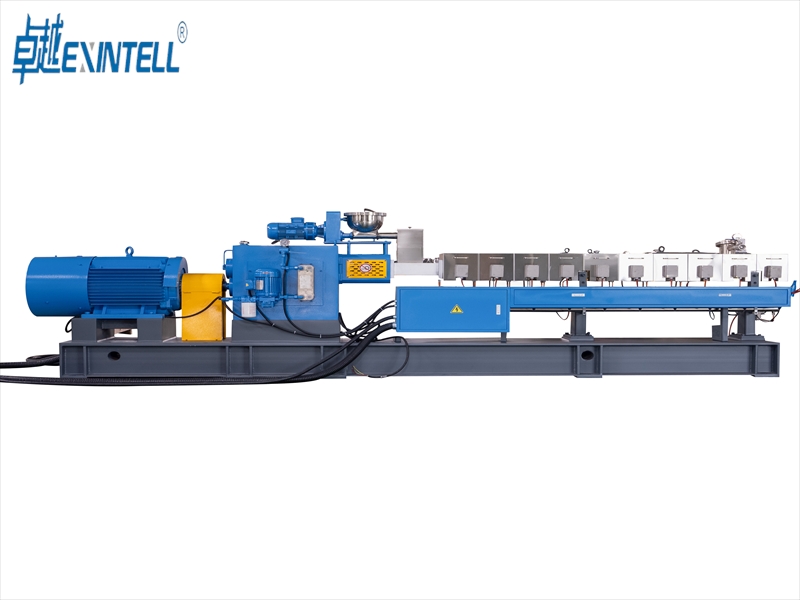
पेलेटाइजिंग एक्सट्रूडर चरण दर चरण कैसे काम करते हैं
विषयसूची
पेलेटाइजिंग एक्सट्रूडर चरण दर चरण कैसे काम करते हैं
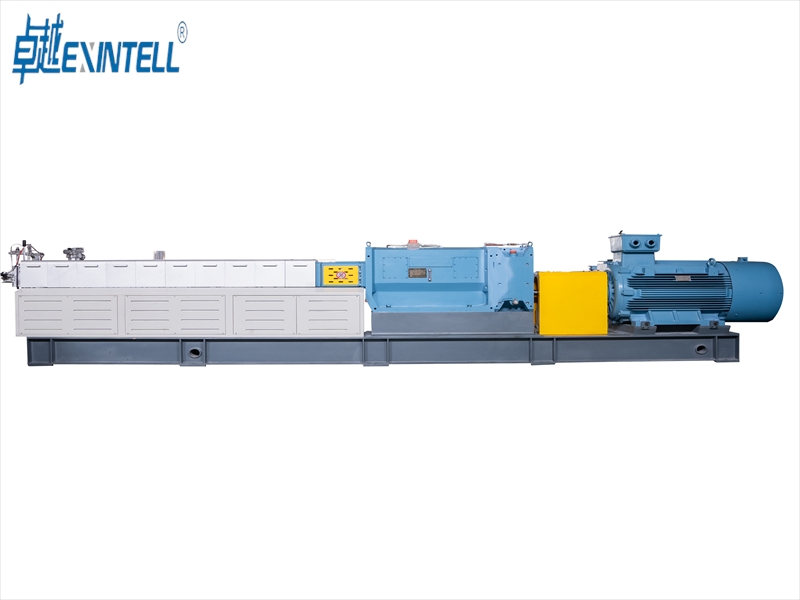
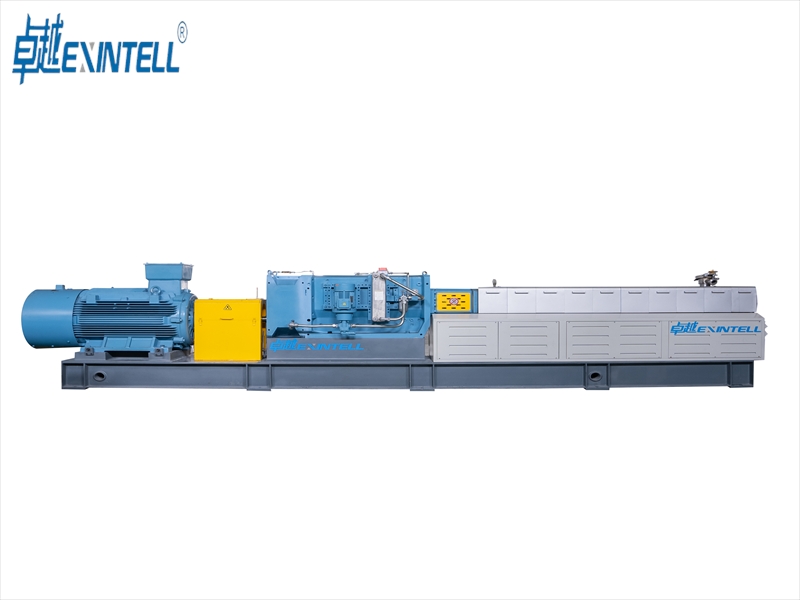
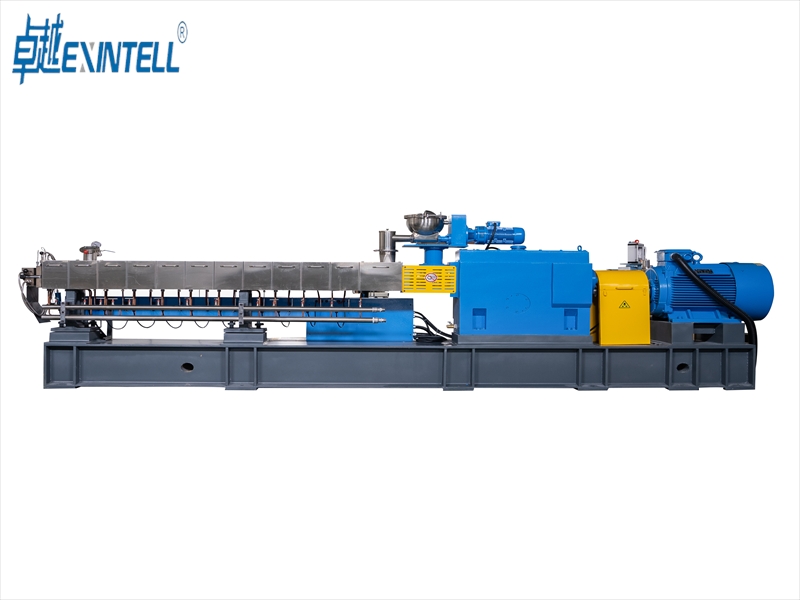
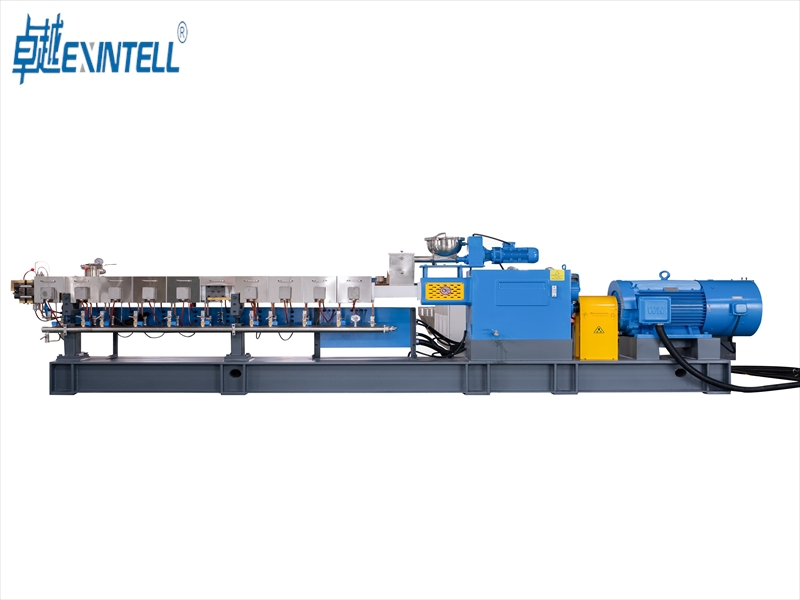
जब आप a का उपयोग करते हैं पेलेटाइज़िंग एक्सट्रूडर, आप स्पष्ट चरणों का पालन करके कच्चे माल को छर्रों में बदलते हैं. आप एक्सट्रूडर में सामग्री डालते हैं. मशीन उसे पिघलाकर मिला देती है. तब, यह छर्रों को बनाने के लिए सामग्री को डाई के माध्यम से धकेलता है. मजबूत और समान छर्रे बनाने के लिए प्रत्येक चरण महत्वपूर्ण है. यदि आप जानते हैं कि गोली बनाना कैसे काम करता है, आप अपने एक्सट्रूडर को बेहतर बना सकते हैं और समस्याओं को तेजी से ठीक कर सकते हैं.
Check the material’s properties to make the pelletizing process work best for different plastics.
What Is A Pelletizing Extruder
Main Function
ए पेलेटाइज़िंग एक्सट्रूडरturns raw plastic or polymer into small pellets. The machine lets you control how big and round each pellet is. Manufacturers usepellet extrudersto make products that meet strict rules. You can change waste pieces or new resin into pellets that flow well and work in other machines.
Pelletizing extrudersare important in making plastic and polymer. They help you work faster, waste less, and get steady results.
Here is a table showing what aपेलेटाइज़िंग एक्सट्रूडरdoes:
आकृतियों ने प्लास्टिक को पिघला दिया, गोली की मोटाई और दबाव को नियंत्रित करता है
शीतलन प्रणाली
छर्रों को कठोर बनाता है, उन्हें आकार बदलने से रोकता है
घूमने वाली चाकू प्रणाली
ठंडे छर्रों को एक ही आकार और आकार में काटें
आप अपनी आवश्यकताओं के अनुरूप इन भागों का डिज़ाइन बदल सकते हैं. स्वचालन प्रणालियाँ आपको गर्मी को नियंत्रित करने में मदद करती हैं और समस्याओं के बारे में चेतावनी देती हैं. शीतलन और सुखाने की प्रणालियाँ छर्रों को मजबूत रखती हैं और उनकी गुणवत्ता की रक्षा करती हैं.
पेलेटाइजिंग एक्सट्रूडर प्रक्रिया
पेलेटाइजिंग एक्सट्रूडर चरणों में काम करता है. प्रत्येक चरण में कच्चे माल को समान दिखने वाले छर्रों में बदल दिया जाता है. पाने के लिए आपको हर चरण को जानना होगा अच्छे छर्रे.
सामग्री खिलाना
पहला, आप एक्सट्रूडर में कच्चा माल डालते हैं. हॉपर सामग्री रखता है. यह सामग्री प्लास्टिक के टुकड़े हो सकते हैं, granules, या पाउडर. कुछ सामान्य सामग्रियां पॉलीथीन हैं, polypropylene, पेट, नायलॉन, और पीएलए. आप यह नियंत्रित करने के लिए विशेष फीडर का उपयोग कर सकते हैं कि कितनी सामग्री अंदर जाती है. कभी-कभी, आपको पहले सामग्री को सुखाना होगा. पानी सोखने वाले प्लास्टिक को सुखाना महत्वपूर्ण है. सुखाने से छर्रों में बुलबुले और अन्य समस्याएं बंद हो जाती हैं.
फीडिंग सिस्टम नियंत्रित करता है कि कितनी सामग्री अंदर जाती है. यदि आप हर बार समान मात्रा में भोजन करते हैं, छर्रे बेहतर हैं. टुकड़ों का आकार और वे कितने गीले हैं, यह भी मायने रखता है. छोटे टुकड़े और सही मात्रा में पानी मजबूत छर्रे बनाने में मदद करते हैं.
पिघलना और समरूपीकरण
अगला, पेंच सामग्री को आगे की ओर धकेलता है. बैरल गर्म हो जाता है और प्लास्टिक को पिघला देता है. पेंच का आकार यहां महत्वपूर्ण है. कुछ स्क्रू सामग्री को बेहतर ढंग से मिलाते हैं और गर्मी को समान बनाए रखते हैं. मिश्रण से रंग या स्टेबलाइज़र जैसी चीजों में मिश्रण करने में मदद मिलती है.
आपको प्रत्येक प्लास्टिक के लिए सही ताप निर्धारित करना होगा. उदाहरण के लिए, पॉलीप्रोपाइलीन 200°C और 260°C के बीच पिघलता है. एबीएस 210°C और 250°C के बीच पिघलता है. The table below shows melt temperatures for different plastics:
प्लास्टिक पॉलिमर
व्यावहारिक पिघल तापमान रेंज (डिग्री सेल्सियस)
पेट (एक्रिलोनिट्राइल ब्यूटाडीन स्टाइरीन)
210 – 250
पॉलीकार्बोनेट (पीसी)
280 – 320
polypropylene (पीपी)
200 – 260
नायलॉन 66 (पीए66)
280 – 310
polyethylene (एचडीपीई)
210 – 260
polyoxymethylene (पोम)
190 – 220
Good melting and mixing make the melted plastic smooth. This step removes air bubbles and mixes everything together. Now the melted plastic is ready for the next step.
मरने के माध्यम से बाहर निकालना
The melted plastic moves to the die system. The die shapes the plastic into strands or other forms. The die works like a mold. It controls the size and shape of the pellets. The shape of the die is important. It decides how thick and wide the pellets are. A good die gives you pellets that all look the same.
The pressure and speed here change how good the pellets are. You need to keep these steady for the best pellets.
शीतलन प्रणाली
After leaving the die, the plastic is still hot and soft. The cooling system makes the pellets hard and keeps their shape. Water cooling is used a lot because it cools fast and evenly. Some machines use air cooling for plastics that melt at lower heat. Underwater cutting cools the pellets right away. This is good for plastics that melt easily.
ठंडा करने की विधि
विवरण
Suitable Polymers
Water Cooling
Uses water to cool pellets fast and keep them good.
Many plastics that need even cooling.
Air Cooling
Not as fast, used for plastics that melt at low heat.
Plastics with low melt index.
पानी के अंदर काटना
Cuts and cools pellets in water right away.
PP nonwoven, melt-blown fabrics.
Cooling must be even. If you cool too fast or too slow, pellets can break or change shape. Good cooling keeps pellets strong and looking right.
Cutting Into Pellets
When the pellets are cool, they go to the cutter. The rotating knife cuts the strands into pellets. The speed and type of blade change how long and thick the pellets are. More blades or faster cutting make shorter pellets. Where you put the cutter matters too. If it is too close to the die, it wears out fast. If it is too far, the pellets are not even.
You can cut pellets in different ways:
Strand pelletizing: Cut after cooling in water.
Hot-cut pelletizing: Cut right at the die face.
Underwater pelletizing: Cut in water for fast cooling.
Each way works best for certain plastics and jobs.
Collection And Quality Control
You collect the finished pellets at the end. कभी-कभी, you need to dry them to remove water. This is where you check the pellets for size, आकार, and purity. You test the pellets and remove any bad ones. Some companies use special tests for plastics that need to be very pure.
यह सुनिश्चित करने के लिए कि आपके छर्रे अच्छे हैं, आपको विश्व नियमों का पालन करना चाहिए. अच्छी जांच का मतलब है कि आपके छर्रे अन्य मशीनों में भी अच्छा काम करेंगे.
बख्शीश: जब आप छर्रों को इकट्ठा करें तो अक्सर उनकी जांच करें. इससे आपको समस्याओं का शीघ्र पता लगाने में मदद मिलती है और आपकी मशीन अच्छी तरह काम करती रहती है.
यदि आप प्रत्येक चरण का पालन करते हैं, आप कच्चे माल को अच्छे छर्रों में बदल देते हैं. अंतिम उत्पाद बनाने के लिए प्रत्येक चरण महत्वपूर्ण है.
पेलेटाइज़िंग को प्रभावित करने वाले कारक
जब आप पेलेटाइज़िंग एक्सट्रूडर का उपयोग करते हैं, आपको कुछ चीजों पर नियंत्रण रखना होगा. ये चीजें आपको मजबूत और समान छर्रे पाने में मदद करती हैं. आपको तापमान पर नजर रखनी होगी, पेंच गति, और आपकी सामग्री के गुण. प्रत्येक आपके छर्रों का स्वरूप बदल सकता है. वे इस बात पर भी प्रभाव डालते हैं कि आपकी मशीन कितनी अच्छी तरह काम करती है.
तापमान नियंत्रण
आपको हर समय तापमान की जांच करनी होगी. सही तापमान छर्रों को अच्छी तरह से एक साथ चिपकने में मदद करता है. When the temperature is near a special point calledT*, time in the die matters. This time changes how tough your pellets are. If you go over T*, pellets stick faster but get weaker. Good temperature control makes pellets last longer and not break. It also keeps your pellets good and stops waste.
बख्शीश: Use sensors to check temperature often. This helps you fix problems fast.
पेंच गति
The screw’s speed changes how fast you make pellets. If the screw goes too fast, pellets may not look even. They can also get air bubbles. If the screw is too slow, you make fewer pellets. You need to find the best speed for your material and machine. Try different speeds and look at your pellets often. This helps you keep pellet quality the same and stop problems.
Material Properties
The kind of material you use is important too. You should think about moisture and viscosity. Here is how these things change your pellets:
More water makes pellets wetter and stronger, but they look darker.
Smaller pieces make the material thicker and harder to push.
You can change your extruder for different materials. उदाहरण के लिए, you can use a special die shape. The table below shows how you can change your process:
Use computer models to design dies for hard shapes.
You can also use co-extrusion systems. These let you mix materials and make layered pellets for special uses.
If you control these things, you make better pellets. You also keep your pelletizing process working well.
Pellet Extruder Troubleshooting
Common Pellet Quality Issues
कभी-कभी, you see problems with your pellets. These problems can change how your pellets look or work. Here are some issues you might find:
Agglomeration or big clumps happen if pellets get too hot or water is too low.
Fines and angel hair show up if orifice tips break or the knife does not move right.
Twins, triplets, and chains form if the knife is too fast or the product is too hot.
Dog bones and dumbbells appear if blades are worn out or the material is not thick enough.
Tails form if the gap between the knife and die is too big or the die is not flat.
Longs and elbows happen if the knife is too slow or the extrusion rate is high.
Internal voids and popcorn can show up if the polymer has water or cools too fast.
यदि उत्पाद बहुत तेजी से सिकुड़ता है या भंगुर होता है तो डिंपल और धूल दिखाई देती है.
यदि बाहर निकालना दर अधिक है या चाकू को अक्सर समायोजित नहीं किया जाता है तो सतह या पिघल फ्रैक्चर और कचरा या छीलन होती है.
जो छर्रे एक जैसे नहीं दिखते वे तापमान परिवर्तन या असमान डाई हीटिंग से आ सकते हैं.
आप जैसे टूल का उपयोग कर सकते हैं इशिकावा मछली की हड्डी का आरेख या 5 क्या गलत है इसका पता लगाने के लिए व्हाईज़ तकनीक. ये उपकरण आपको कारणों को सूचीबद्ध करने और समस्या को गहराई से देखने में मदद करते हैं.
यांत्रिक और प्रक्रिया संबंधी समस्याएं
यांत्रिक और प्रक्रिया संबंधी समस्याएं भी गोली बनाने को नुकसान पहुंचा सकती हैं. आप असमान आउटपुट देख सकते हैं, कम उत्पादन, या ख़राब छर्रे. यहां कुछ समस्याएं और उन्हें ठीक करने के तरीके दिए गए हैं:
यदि गोली का आकार और आकार सही नहीं है, डाई तापमान बदलें, ब्लेड तेज रखें, और ब्लेड गैप की जाँच करें.
यदि आपको कम आउटपुट या जाम दिखाई देता है, look for blocked die holes and make sure material moves well in the hopper.
If the extruder or motor gets too hot, check the cooling system and look for friction or a motor working too hard.
If pellets are not good, check the temperature, handle materials with care, and dry materials that take in water.
You should also check for screw wear, strange sounds, and shaking. These signs can mean parts are worn or there is something in the material that should not be there. Checking and fixing things often keeps your pelletizing smooth and your pellets the same.
बख्शीश: Write down problems and how you fix them. This helps you see patterns and fix things faster next time.
You can learn each step of the pelletizing extruder process. Controlling temperature and cooling helps make strong, uniform pellets. Improving how you run your machine reduces waste and saves money. When pellets flow smoothly, jams are less likely, and work stays steady. Proper melting and mixing create pellets that meet high standards. This also helps cut material loss and makes production faster. Whether you’re new or experienced, keep practicing to make the best pellets every time.
Even melting and mixing produce consistent pellets.
Pelletizing saves material and increases efficiency.
अक्सर पूछे जाने वाले प्रश्न
What materials can you use in a pelletizing extruder?
You can usemany kinds of plastic. कुछ उदाहरण पॉलीथीन हैं, polypropylene, पेट, नायलॉन, और पीएलए. Some machines can also use recycled plastic or blends. हमेशा सुनिश्चित करें कि आपका एक्सट्रूडर आपकी सामग्री के साथ काम करता है.
आप छर्रों को आपस में चिपकने से कैसे बचाते हैं??
अपनी सामग्री डालने से पहले उसे सुखा लें. अपने प्लास्टिक के लिए सर्वोत्तम शीतलन विधि चुनें. तापमान समान रखें. ये चरण आपको प्राप्त करने में सहायता करते हैं मजबूत छर्रे जो चिपकते नहीं.
छर्रों का आकार कभी-कभी असमान क्यों होता है??
यदि डाई या कटर में कोई समस्या है तो छर्रे असमान दिख सकते हैं. जांचें कि क्या ब्लेड घिस गए हैं या डाई होल अवरुद्ध हो गए हैं. गलत स्क्रू स्पीड भी इसका कारण बन सकती है. छर्रों को एक समान बनाने के लिए इन चीज़ों को ठीक करें.
आपको अपने पेलेटाइजिंग एक्सट्रूडर को कितनी बार साफ करना चाहिए??
हर बार जब आप छर्रे बनाना समाप्त कर लें तो अपने एक्सट्रूडर को साफ करें.
बची हुई सामग्री को बाहर निकालें और किसी भी प्रकार के संचय की तलाश करें.
अक्सर सफाई करने से आपके छर्रे अच्छे रहते हैं और आपकी मशीन अच्छी तरह काम करती है.