

Masterbatch Machine Showdown Twin-Screw Extruders and Kneader Machines
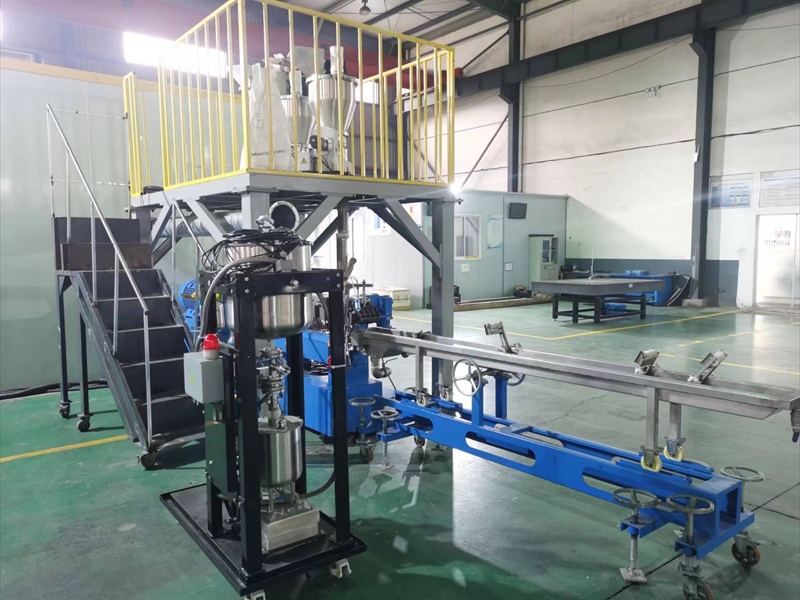
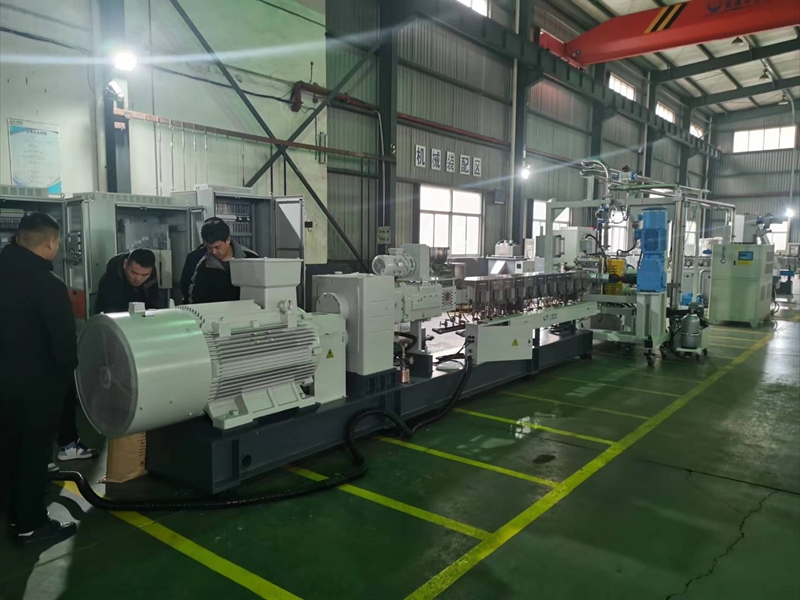
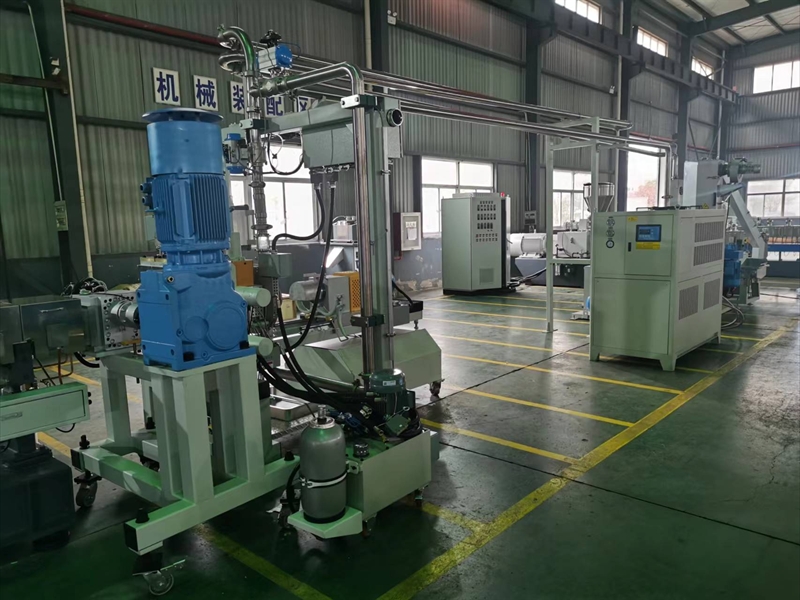
Manufacturers in the masterbatch industry often select co-rotating twin-screw extruders for their ability to deliver superior mixing and consistent results. They rely on kneader machines when handling sensitive or high-value materials that demand gentle processing. Machine selection plays a pivotal role in every Masterbatch Machine operation. The right choice directly influences production quality and efficiency, as modern extruders and supporting equipment streamline production flow and support reliable delivery.
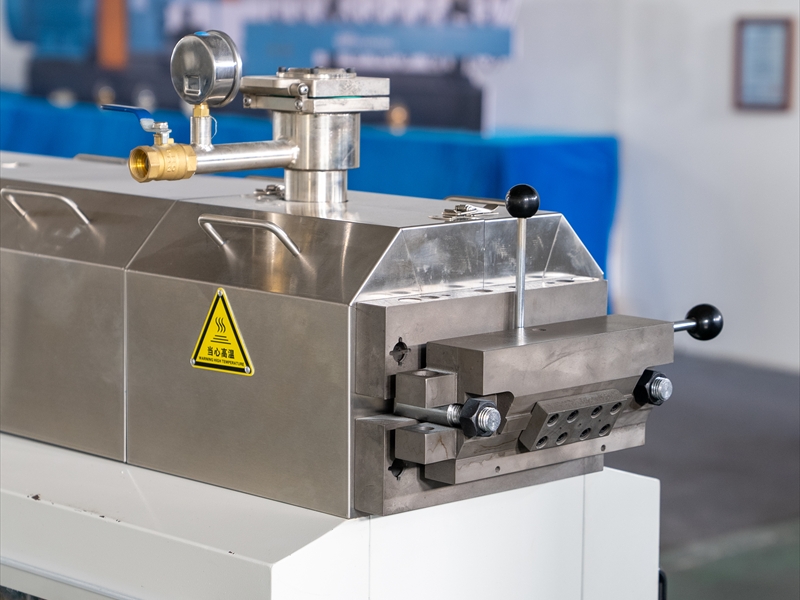
- Proper equipment selection optimizes both product quality and production efficiency.
-
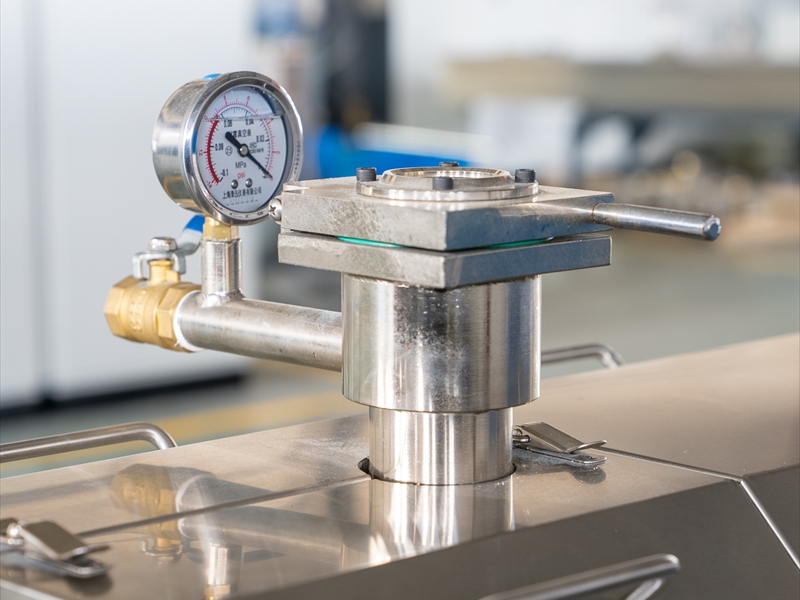
Advanced machinery reduces operational costs and bottlenecks, ensuring better throughput and customer satisfaction.
- התאמת בחירת המכונה ליכולת הייצור ומפרטי החומרים מבטיחה תוצאות עקביות.
טייק אווי מפתח
- בחר את המכונה הנכונה לצרכים שלך. מכבשי ברגים כפולים מצטיינים בערבוב ותפוקה, בעוד שמכונות לישה הן אידיאליות עבור חומרים רגישים.
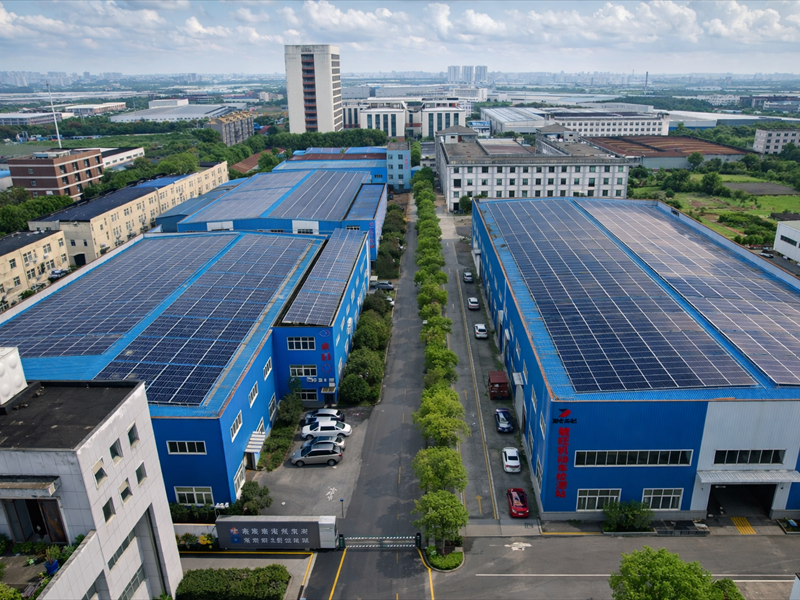
- תעדוף את איכות הייצור. בחירת ציוד נכונה משפיעה ישירות על העקביות והביצועים של המאסטראצ' שלך.
-
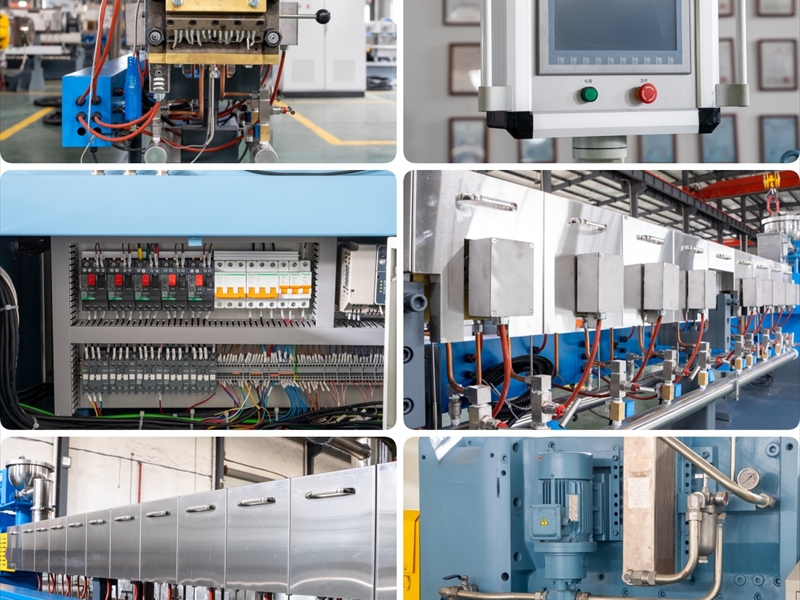
מקסימום יעילות עם מכונות מתקדמות. מכבשי ברגים כפולים מפחיתים עלויות תפעול ומשפרים את זרימת הייצור.
- ודא תאימות חומרים. ערכו בדיקות קפדניות כדי לאשר שפיגמנטים ותוספים משתלבים היטב לקבלת תוצאות מיטביות.
- התמקדו בעקביות הפיזור. תרכובת איכותית מונעת פגמים ומבטיחה צבע אחיד במוצרי פלסטיק.
- שקול את צרכי התחזוקה. מכבשי ברגים כפולים דורשים תחזוקה רבה יותר, בעוד שמכונות לישה מציעות שגרות תחזוקה פשוטות יותר.
-
Evaluate your budget carefully. Twin-screw extruders involve higher initial costs, but their efficiency can offset expenses over time.
- Plan for scalability. Twin-screw extruders can easily adapt to increased production demands, while kneader machines may require additional units.
Masterbatch Manufacturing Overview
What Is Masterbatch
Masterbatch manufacturing creates concentrated mixtures of pigments, תוספים, and carrier resins. These mixtures, called masterbatch, are used to color or enhance the properties of plastic products. The process involves blending raw materials, compounding them through extrusion, and forming pellets for easy handling. Manufacturers rely on masterbatch to achieve consistent color, improved durability, and specialized performance in plastic applications. The masterbatch industry supports a wide range of sectors, including packaging, רכב, ומוצרי צריכה.
תהליך ייצור המאסטרבץ' דורש בקרה קפדנית בכל שלב. כל שלב, מבחירת חומרי הגלם ועד האריזה הסופית, משפיע על האיכות והביצועים של המוצר המוגמר. הטבלה שלהלן מתארת את השלבים העיקריים ושלהם דרישות קריטיות:
| שָׁלָב | דרישות קריטיות |
|---|---|
| בחירת חומרי גלם | השתמש ללא אבק, לחות נמוכה, ומרכיבים יציבים מבחינה תרמית לאיכות עקבית. |
| שקילה וערבוב מדויקים | מערכות מינון אוטומטיות לדיוק; מיקסרים מהירים לתרכובת קדם אחידה. |
| שחול והרכבה | יישום חום מבוקר ומיזוג בגזירה גבוהה לפיזור יסודי של תוספים. |
| קירור ויצירת גלולות | קירור מהיר וחיתוך של גדילי שחול לכדורים אחידים. |
| בדיקת איכות קפדנית | בדיקות איכות מרובות כולל אחידות צבע ובדיקות תאימות. |
| אריזה ואספקה בזמן | Store in clean, temperature-controlled facilities and focus on on-time delivery. |
Key Production Needs
Dispersion Consistency
Dispersion consistency stands as a core requirement in masterbatch manufacturing. Uniform dispersion of pigments and additives ensures that every plastic product displays the intended color and properties. High-quality compounding prevents the formation of hard lumps or impurities, which can cause defects in the final masterbatch. Manufacturers use advanced mixing and compounding extrusion technologies to achieve excellent dispersion. Consistent dispersion also improves surface finish and reduces production issues, making it essential for reliable masterbatch performance.
תפוקה
Throughput measures the amount of masterbatch produced within a specific time frame. תפוקה גבוהה תומכת בייצור בקנה מידה גדול ועונה על ביקוש השוק ביעילות. תהליך ההרכבה חייב לאזן בין מהירות לאיכות, שכן ייצור מהיר לא אמור לפגוע בפיזור או באחידות. קווי ייצור מודרניים של מאסטראצ'ים משתמשים במערכות אוטומטיות ובמכבשים בעלי קיבולת גבוהה כדי למקסם את התפוקה. מערכות קירור ופירוט יעילות מייעלות את התהליך עוד יותר, להבטיח עמידה ביעדי הייצור מבלי לוותר על האיכות.
תאימות חומרים
תאימות חומרים ממלאת תפקיד חיוני בייצור מאסטראצ'ים. הפיגמנטים שנבחרו, תוספים, שרפים נשא חייבים להתערבב היטב במהלך ההרכבה. חומרים שאינם תואמים עלולים להוביל לפיזור לקוי, פסי צבע, או ביצועי פלסטיק מופחתים. היצרנים עורכים בדיקות איכות קפדניות, כולל התאמת צבעים וניתוח פיזור, כדי לאשר תאימות. This step ensures that the masterbatch integrates smoothly into various plastic applications, supporting consistent results across different production runs.
פֶּתֶק: High-quality masterbatch manufacturing depends on precise control of compounding, thorough mixing, and careful selection of materials. These factors guarantee that the final masterbatch meets industry standards for color, עֲמִידוּת, and processing behavior.
Twin Screw Extruder in Masterbatch Machine
Twin Screw Extruder Types
Twin-screw extruders have become the backbone of modern masterbatch manufacturing. They offer unmatched flexibility and control compared to single screw designs. The table below highlights the operational differences between single and twin screw extruders, emphasizing why the twin configuration dominates masterbatch production:
| תכונה | מכבש בורג יחיד | מכבש בורג כפול |
|---|---|---|
| יכולת ערבוב | מוּגבָּל | משופר |
| גְמִישׁוּת | נָמוּך | גָבוֹהַ |
| Control over Material Flow | לְמַתֵן | גָבוֹהַ |
| Ideal for Complex Recipes | לֹא | כֵּן |
| Application in Masterbatch | מוּגבָּל | Extensive |
Co-Rotating
Co-rotating twin screw extruders feature screws that rotate in the same direction. This design maximizes the mixing and compounding efficiency. The co-rotating action ensures that materials experience both dispersive and distributive mixing, which is essential for producing high-quality masterbatch. Manufacturers prefer this type for its ability to handle complex formulations and maintain consistent output.
Intermeshing vs Non-Intermeshing
Twin screw extruders can be intermeshing or non-intermeshing. Intermeshing designs allow the screws to overlap, creating a self-wiping effect that reduces material build-up and improves self-cleaning. This feature supports continuous operation and minimizes downtime. סוגים שאינם משתלבים שומרים את הברגים בנפרד, שיכולים להתאים לצרכים ספציפיים של תרכובות אבל בדרך כלל מציעים ערבוב פחות אינטנסיבי.
תכונות של מכבש בורג טווין
עיצוב מודולרי
משתמשים במחלצי בורג כפול אלמנטי בורג מודולריים. תכונה זו מאפשרת למפעילים להתאים אישית את מערכת האקסטרוזיה למתכוני מאסטראצ' שונים. עיצוב מודולרי תומך בהעברת אנרגיה מכנית אופטימלית ומאפשר שינויים מהירים בהגדרת התהליך. היצרנים יכולים להתאים את מערכת האקסטרוזיה לחומרים חדשים או לדרישות המוצר ללא זמן השבתה גדול.
בקרת גזירה ולחץ
שליטה מדויקת על גזירה ולחץ מגדירה את יעילות המכבש הכפול. המפעילים יכולים להתאים מהירות בורג, תְצוּרָה, וטמפרטורת החבית כדי לכוונן את תהליך ההרכבה. בקרה זו מבטיחה פיזור אחיד של פיגמנטים ותוספים, וכתוצאה מכך איכות מאסטרבאץ' עקבית. מערכת האקסטרוזיה שומרת גם על לחץ יציב, אשר מגן על מרכיבים רגישים ומשפר את התכונות המבניות של המוצר הסופי.
יתרונות
ערבוב מעולה
מכבשים עם שני ברגים מספקים ערבוב פיזור וחלוקתי חזק. יכולת זו מבטיחה שפיגמנטים ותוספים מתמזגים היטב במהלך ההרכבה. התוצאה היא מאסטרבאץ' עם צבע וביצועים אחידים.
תפוקה גבוהה
היצרנים מסתמכים על מכבשים עם בורג כפול לתפוקה גבוהה. מכונות אלה מעבדות כמויות גדולות של מאסטרבאץ' ביעילות, עונה על הדרישות של ייצור בקנה מידה תעשייתי. העיצוב תומך בהזנה יציבה של פיגמנטים אבקה ותוספים, מה שמגביר את הפרודוקטיביות.
ניקוי עצמי
פעולת ההשתלבות בהרבה מכבשי בורג תאומים מספקת אפקט ניקוי עצמי. This feature reduces material residue, minimizes contamination risks, and shortens changeover times between different masterbatch formulations.
עֵצָה: The advantages of twin screw extruder technology extend beyond mixing. These machines optimize material utilization and support precise control over every stage of the compounding process.
חסרונות
עֲלוּת
Twin screw extruder systems require a significant initial investment. Manufacturers often face higher upfront costs compared to single screw machines. The advanced engineering and modular design of twin extruders contribute to this expense. Many facilities must also invest in specialized auxiliary equipment to support the twin screw extruder. These costs can challenge small-scale producers or those with limited budgets. לאורך זמן, היעילות והתפוקה של טכנולוגיית מכבש בורג כפול יכולים לקזז את ההוצאה הראשונית, אבל מחסום הכניסה נשאר גבוה יותר מאשר עם מכונות פשוטות יותר.
תַחזוּקָה
תחזוקה של ציוד מכבש עם בורג כפול דורשת טכנאים מיומנים ותשומת לב קבועה. הברגים המשתלבים והרכיבים המודולריים חווים בלאי במהלך פעולה רציפה. על המפעילים לפקח על מצב הברגים, חביות, ואטמים למניעת השבתה. תחזוקה מתוזמנת והחלפת חלקים עוזרים לשמור על ביצועים עקביים, אבל הם מוסיפים לעלויות התפעול. מכלולים מורכבים במערכות אקסטרודר עם בורג כפול יכולים להגדיל את הזמן הנדרש לניקוי ותיקונים. מתקנים המעבדים חומרים שוחקים או מלאים מאוד עשויים לראות בלאי מואץ, דורש תחזוקה תכופה עוד יותר.
פֶּתֶק: Regular maintenance ensures that twin screw extruder machines deliver reliable results and extend their service life. Neglecting upkeep can lead to inconsistent masterbatch quality and unexpected production stops.
Application of Twin Screw Extruder
צבע מאסטרבאץ'
Twin screw extruder technology plays a central role in color masterbatch production. The twin screws provide intensive mixing, which ensures pigments disperse evenly throughout the carrier resin. This process creates pellets with uniform color, essential for high-quality plastic products. Manufacturers rely on the twin screw extruder to handle a wide range of pigment types and concentrations. The flexibility of the twin design allows for quick changeovers between different color formulations, supporting diverse customer requirements.
Additive Masterbatch
היישום של מערכות אקסטרודר עם בורג כפול משתרע על ייצור מאסטראצ'ים תוספים. מכונות אלו משלבות תוספים פונקציונליים - כגון מייצבי UV, מעכבי בעירה, או חומרים אנטי-סטטיים - לתוך מטריצת הפולימר. הברגים התאומים מבטיחים פיזור יסודי, מה שממקסם את היעילות של כל תוסף. ערבוב עקבי מונע הצטברות ומבטיח שכל גלולה מספקת את הביצועים המיועדים. העיצוב המודולרי של מכבש הבורג הכפול מאפשר למפעילים להתאים את התהליך לסוגי תוספים וטעינות שונות.
הטבלה שלהלן מסכמת את תחומי היישום העיקריים של מערכות אקסטרודר עם בורג כפול בייצור מאסטראצ':
| בַּקָשָׁה | תֵאוּר |
|---|---|
| הפקת מאסטרבאץ' | מבטיח פיזור אחיד של פיגמנטים ותוספים עבור צבע ואבץ פונקציונלי. |
| צבע מאסטרבאץ' | Provides consistent color distribution and supports rapid formulation changes. |
| Additive Masterbatch | Delivers precise incorporation of functional additives for enhanced plastic properties. |
Twin screw extruder machines support a wide range of masterbatch applications. Their versatility and control make them the preferred choice for both color and additive masterbatch production. The application of twin screw extruder technology continues to expand as manufacturers seek higher quality and efficiency.
Kneader Machine for Masterbatch Manufacturing
Kneader Machine Types
Kneader machines play a vital role in masterbatch manufacturing, especially when handling high-value or sensitive materials. Several types of kneader machines serve the industry, each designed for specific compounding needs:
- Banbury Mixers: These machines excel at compounding polymers and additives, making them a staple in masterbatch production.
- Dispersion Kneaders: Manufacturers use these for achieving uniform dispersion, which is essential for consistent masterbatch quality.
- Internal Mixers: Laboratories often rely on internal mixers for small-scale research and development. These machines allow precise control over mixing parameters.
- Sigma Blade Kneaders: Designed for high-viscosity materials, sigma blade kneaders ensure thorough mixing and are ideal for challenging compounding tasks.
Kneader machines operate by mixing materials under controlled temperature and shear conditions. This approach ensures uniform dispersion and effective compounding, which are critical for producing high-quality masterbatch.
Features of Kneader Machine
Intensive Mixing
Kneader machines deliver intensive mixing, which enables precise dispersion and blending of pigments, תוספים, ושרף. תכונה זו מתגלה כחשובה במיוחד בייצור מאסטרבאץ', כאשר חומרים מותאמים במילוי גבוה ובביקוש גבוה דורשים הפצה אחידה. פעולת הערבוב החזקה מונעת צבירה ומבטיחה שכל אצווה של מאסטרבאץ' עומדת בתקני איכות מחמירים.
יעילות אנרגטית
יעילות אנרגטית בולט כיתרון מרכזי של מכונות לישה. העיצוב שלהם ממזער את צריכת האנרגיה במהלך ההרכבה, מה שעוזר ליצרנים להפחית עלויות תפעול. המכונות שומרות על תפוקה יציבה תוך עיבוד מגוון רחב של חומרים, מה שהופך אותם למתאימים לייצור מאסטרבאץ' בקנה מידה גדול וגם לייצור מיוחד.
תפעול אצווה
מכונות לישה פועלות בדרך כלל במצב אצווה. שיטה זו מאפשרת התאמת פרמטרים גמישים, תמיכה בייצור ניסוחי מאסטרבאץ' מגוונים. Batch operation also provides stable output, which is crucial for maintaining consistency when processing sensitive or high-value materials. Operators can closely monitor each batch, ensuring that the compounding process meets the required specifications.
יתרונות
Precision Mixing
Kneader machines offer precision mixing, which is essential for masterbatch manufacturing involving complex or sensitive ingredients. The machines’ ability to achieve uniform dispersion ensures that pigments and additives integrate seamlessly into the carrier resin. This precision supports the production of masterbatch with consistent color and performance.
Lower Energy Consumption
Manufacturers value kneader machines for their lower energy consumption compared to other compounding equipment. The efficient design reduces heat generation and minimizes material degradation, מה שמטיב עם ניסוחי מאסטר רגישים לחום. שימוש נמוך יותר באנרגיה תורם גם לתהליך ייצור בר-קיימא יותר.
איתנות
מכונות הלישה מפגינות חוסן יוצא דופן. הבנייה שלהם עומדת בדרישות של תרכובות אינטנסיביות, גם בעת עיבוד חומרים שוחקים או מלאים מאוד. עמידות זו מבטיחה פעולה אמינה ומאריכה את חיי השירות של הציוד, מה שהופך את מכונות הלישה להשקעה נכונה עבור מתקני ייצור מאסטראצ'ים.
פֶּתֶק: מכונות לישה משלבות ערבוב אינטנסיבי, יעילות אנרגטית, ובנייה חזקה, מה שהופך אותם לאידיאליים לייצור מאסטרבאץ' הדורש חיבור מדויק ותפוקה יציבה.
חסרונות
תפוקה נמוכה יותר
מכונות לישה פועלות במצב אצווה, מה שמגביל את התפוקה שלהם בהשוואה למערכות אקסטרוזיה רציפה. המפעילים חייבים לטעון, לְעַרְבֵּב, and discharge each batch before starting the next cycle. This process restricts the volume of masterbatch produced within a given timeframe. Facilities that require high production rates often find kneader machines less suitable for large-scale manufacturing. The batch operation also increases downtime between cycles, which can affect overall efficiency. Manufacturers who prioritize speed and volume may prefer extruders for their ability to deliver consistent output without interruption.
Limited Flexibility
Kneader machines offer less flexibility when adapting to new formulations or rapid product changes. The batch process requires manual adjustments for each recipe, which slows response to shifting market demands. Operators must clean and prepare the machine between batches, especially when switching between different materials. This limitation makes kneader machines less ideal for facilities that handle frequent changes in masterbatch composition. The design suits stable production environments but presents challenges for manufacturers seeking versatility in their application range.
פֶּתֶק: Kneader machines excel in precision mixing and energy efficiency, but their lower throughput and limited flexibility can restrict their use in fast-paced or highly variable production settings.
יישומים אופייניים
Highly Filled Masterbatch
Kneader machines demonstrate exceptional performance in highly filled masterbatch production. These machines handle ultra-high loading levels, often exceeding 85% תוכן מילוי. The intensive mixing action ensures difficult-to-disperse additives integrate thoroughly into the carrier resin. Manufacturers select kneader machines for filler masterbatch compounding because they maintain uniform dispersion and prevent agglomeration, even with challenging materials. The table below highlights the primary application type and its characteristics:
| סוג יישום | מאפיינים |
|---|---|
| Filler Masterbatch Compounding | Ultra-High Loading, >85% filling levels, difficult-to-disperse additives |
This application requires robust mixing and stable output, which kneader machines provide. Operators achieve consistent quality in batches with high filler content, supporting demanding industrial requirements.
Rubber Compounds
Rubber compound production represents another key application for kneader machines. The equipment processes elastomers, חומרי מילוי, and additives under controlled temperature and shear conditions. Kneader machines deliver uniform dispersion, which enhances the physical properties of rubber products. Manufacturers rely on kneader machines for their ability to handle viscous materials and maintain batch-to-batch consistency. The process supports specialty rubber applications, including automotive parts, חותמות, and industrial components.
עֵצָה: Facilities that produce highly filled masterbatch or rubber compounds benefit from the kneader machine’s robust mixing and stable batch operation. These applications demand precision and reliability, which kneader machines consistently deliver.
Difference Between Single and Twin Screw Extruder
Mixing Quality
Mixing quality stands as a critical factor in masterbatch manufacturing. The single screw extruder provides mainly distributive mixing. This means it spreads materials but does not break down agglomerates as effectively. Twin screw extruders deliver both dispersive and distributive mixing. They can break down pigment clusters and distribute additives evenly. This capability results in a more homogeneous masterbatch, which is essential for high-performance applications.
The table below highlights the main differences in mixing capability:
| תכונה | מכבש בורג יחיד | מכבש בורג כפול |
|---|---|---|
| יכולת ערבוב | נָמוּך (בעיקר חלוקתי) | גָבוֹהַ (מפזר & חלוקתי) |
Manufacturers often choose twin screw extruders for compounding tasks that require intensive mixing, such as blending glass fibers, מעכבי בעירה, or pigments into resins. The single screw extruder works best for simpler formulations where basic mixing suffices.
עֵצָה: For masterbatch products that demand uniform color and additive distribution, twin screw extruders offer a clear advantage.
תפוקה
Throughput measures how much material a machine can process in a given time. The single screw extruder excels in continuous, straightforward processes. It handles large volumes efficiently when the formulation does not require complex mixing. מכבשי בורג כפול, מִצַד שֵׁנִי, provide superior throughput for complex masterbatch production. Their design supports excellent material conveying, עִרבּוּב, and shear dispersion.
The following table compares throughput capabilities:
| סוג אקסטרודר | Throughput Capability |
|---|---|
| בורג בודד | More efficient for simpler, continuous processes |
| בורג תאום | ערבוב מעולה, ideal for complex masterbatch tasks |
- מכבש בורג יחיד: Best for high-volume, simple recipes.
- מכבש בורג כפול: Preferred for high-intensity mixing and advanced formulations.
Production lines that require both speed and advanced mixing often rely on twin screw extruders. Facilities focused on basic compounding may select the single screw extruder for its efficiency.
היקף היישום
The application scope defines where each machine performs best. The single screw extruder suits basic plastic processing, כגון ייצור צינורות, סרטים, or simple compounds. It offers reliability for straightforward tasks. מכבשי בורג כפול handle a broader range of applications. They excel in masterbatch production, especially when recipes involve multiple additives or require precise dispersion.
Key application areas include:
- מכבש בורג יחיד: Used for continuous processes with minimal mixing needs.
- מכבש בורג כפול: Essential for masterbatch, compounding with glass fibers, פיגמנטים, or flame retardants.
The difference between single and twin screw extruder technology shapes the choice for manufacturers. Those who need advanced mixing and flexibility select twin screw extruders. Those who prioritize simplicity and volume often choose the single screw extruder.
פֶּתֶק: Selecting the right extruder depends on the complexity of the formulation, desired throughput, and end-use requirements.
Masterbatch Machine Comparison
ביצועים
Performance defines the core value of any masterbatch machine. Twin-screw extruders set the industry standard for high-performance compounding. These machines handle complex recipes with ease. Operators can adjust process parameters quickly, which supports consistent output. The twin design ensures stable feeding and precise temperature control. This leads to reliable production of masterbatch with uniform properties.
Kneader machines excel in specific scenarios. They deliver outstanding results when processing highly filled or sensitive materials. Their robust construction allows them to withstand demanding conditions. אוּלָם, batch operation limits their overall speed. Facilities that require continuous, high-volume production often prefer the twin screw extruder for its superior performance.
Single screw extruder systems offer reliable performance for basic tasks. They suit straightforward masterbatch formulations. These machines do not match the advanced capabilities of twin-screw extruders or kneader machines in complex compounding.
פֶּתֶק: Selecting the right masterbatch machine depends on the desired balance between speed, עֲקֵבִיוּת, and material requirements.
Mixing Quality
Mixing quality remains a critical factor in masterbatch manufacturing. Twin-screw extruders provide both dispersive and distributive mixing. This means they break down pigment clusters and distribute additives evenly. The result is a homogeneous masterbatch with consistent color and performance. Operators can fine-tune the extrusion system to match the needs of each recipe.
מכונות לישה מספקות גם איכות ערבוב גבוהה, במיוחד לחומרים מאתגרים. פעולת הערבוב האינטנסיבית שלהם מבטיחה פיזור יסודי. זה מוכיח את עצמו חיוני עבור תרכובות מאסטר או גומי מלאות במיוחד. אוּלָם, פעולת אצווה יכולה להציג שינויים קלים בין המחזורים.
מכונות אקסטרודר עם בורג יחיד מציעות ערבוב חלוקתי בסיסי. הם עובדים היטב עבור ניסוחים פשוטים אבל נאבקים עם מתכונים מורכבים. מכונות אלו אינן יכולות להגיע לאותה רמה של פיזור פיגמנטים כמו מחלצים או מכונות לישה עם שני ברגים.
הטבלה שלהלן מסכמת את איכות הערבוב בין סוגי מכונות מאסטראצ' שונות:
| סוג מכונה | Mixing Quality | מקרה השימוש הטוב ביותר |
|---|---|---|
| מכבשי ברגים כפולים | מְעוּלֶה (מפזר & חלוקתי) | מאסטרבאץ' מורכב, צֶבַע, תוספים |
| Kneader machines | גָבוֹהַ (אִינטֶנסִיבִי) | מלא מאוד, חומרים רגישים |
| מכבש בורג יחיד | בְּסִיסִי (חלוקתי) | מאסטרבאץ' פשוט |
גְמִישׁוּת
הגמישות קובעת באיזו מידה מסתגלת מכונת מאסטר לצורכי הייצור המשתנים. מכבש בורג כפול מערכות מתבלטות בזכות הרבגוניות שלהן. הם מאפשרים למפעילים לשנות את תצורות הברגים, להתאים את רמות הגזירה, ולשלוט בזמן השהייה. יכולת הסתגלות זו תומכת במגוון רחב של ניסוחים מאסטרבאץ'. היצרנים יכולים לעבור בין מתכונים עם זמן השבתה מינימלי. ה יכולות ערבוב חזקות של מכבשי ברגים כפולים משפרים את הגמישות, מה שהופך אותם לחיוניים לאיכות צבע עקבית וייצור יעיל.
מכונות לישה מציעות גמישות מתונה. הם מטפלים בחומרים וברמות מילוי שונות אך דורשים התאמות ידניות בין אצווה. תהליך זה יכול להאט את התגובה לדרישות השוק החדשות. תפעול אצווה גם מגביל את מהירות השינויים במתכון.
מכונות אקסטרודר עם בורג בודד מספקות את הגמישות הפחותה ביותר. הם מתאימים יציב, ייצור בנפח גבוה של מאסטרבאץ' פשוט. מכונות אלו אינן תומכות בשינויים מהירים בניסוח או במשימות שילוב מתקדמות.
עֵצָה: מתקנים המייצרים מספר רב של סוגי מאסטרבאץ' נהנים מהגמישות של טכנולוגיית מכבש בורג כפול. יתרון זה תומך בחדשנות ובהתאמה מהירה לצרכי הלקוח.
תפוקה
תפוקה מודדת את נפח החומר המעובד על ידי מכונת מאסטרבאץ' בתוך תקופה מוגדרת. מכבשי בורג כפול מספקים תפוקה גבוהה, תמיכה בסביבות ייצור בקנה מידה גדול. מפעילים יכולים להשיג שיעורי תפוקה מ 30 קילוגרמים לשעה עד 4000 קילוגרמים לשעה. יכולת זו מאפשרת ליצרנים לעמוד בלוחות זמנים תובעניים ולשמור על אספקה עקבית. מכונות הלישה פועלות ברמות תפוקה נמוכות יותר, עם תפוקה מקסימלית שמגיעה עד 1000 קילוגרמים לשעה. פעולת אצווה מגבילה את מהירותם, מה שהופך אותם למתאימים לייצור מאסטרבאץ' מיוחד או בעל ערך גבוה.
The table below compares throughput capacity:
| Equipment Type | קיבולת פלט |
|---|---|
| מכבש בורג כפול | 30kg/h to 4000kg/h |
| Kneader Machine | Up to 1000kg/h |
Twin screw extruders dominate high-volume masterbatch manufacturing. Kneader machines excel in applications where precision and material sensitivity outweigh speed.
תַחזוּקָה
Maintenance requirements differ significantly between twin screw extruders and kneader machines. Twin screw extruders demand regular attention due to their complex design and high operational loads. Operators must monitor screw wear, gearbox integrity, and seals. After-sales service contracts typically cost בֵּין 2% ו 5% of the machine’s value בכל שנה. For a $200,000 אקסטרודר, annual maintenance expenses range from $4,000 אֶל $10,000. Spare parts add to the cost, with screw sets priced from $15,000 אֶל $25,000 and gearbox replacements costing $30,000 אֶל $50,000. Preventive maintenance extends the interval between major overhauls from five years to seven years, reducing long-term expenses.
- Twin screw extruders require frequent inspections and specialized technicians.
- Kneader machines feature robust construction and simpler maintenance routines.
- Preventive maintenance increases reliability and reduces downtime for both machine types.
Facilities that operate twin screw extruders must budget for higher maintenance costs and plan for regular service intervals. Kneader machines offer easier upkeep, making them attractive for smaller operations or specialty production.
עֲלוּת
Cost plays a decisive role in masterbatch machine selection. Twin screw extruders involve substantial initial investment. Manufacturers pay for advanced engineering, modular components, and auxiliary equipment. Ongoing maintenance and spare parts further increase operational expenses. Kneader machines present lower upfront costs and reduced maintenance requirements. Their batch operation suits facilities with limited budgets or those focused on specialty masterbatch production.
Operators must weigh the benefits of high throughput and flexibility against the financial commitment required for twin screw extruders. Kneader machines provide a cost-effective solution for precision mixing and stable output, especially in applications where speed is not the primary concern.
עֵצָה: Careful cost analysis ensures that manufacturers select the masterbatch machine best suited to their production goals and financial resources.
מדרגיות
Scalability determines how well a masterbatch machine supports growth and adapts to increased production demands. Manufacturers often evaluate scalability when planning for expansion or responding to market changes. Twin screw extruders and kneader machines offer distinct advantages and limitations in this area.
Twin Screw Extruder Scalability
Twin screw extruders excel in scalable production environments. Operators can increase output by upgrading screw diameter, מֶשֶׁך, or motor power. Modular design allows for easy expansion and customization. Facilities can add auxiliary equipment, such as feeders or pelletizers, to boost capacity. Manufacturers often choose twin screw extruders for their ability to handle both small and large batch sizes without sacrificing quality.
- Modular configuration supports rapid adaptation.
- Upgrades enable higher throughput and advanced formulations.
- Integration with automated systems streamlines scaling.
Kneader Machine Scalability
Kneader machines present challenges in scalability. Batch operation limits continuous output. Operators must process each batch separately, which restricts overall capacity. Scaling up often requires purchasing additional machines rather than expanding a single unit. This approach increases floor space and operational complexity. Kneader machines suit specialty production where precision matters more than volume.
- Batch processing restricts seamless scaling.
- Expansion involves adding more units, not upgrading existing ones.
- Best suited for stable, low-to-medium volume production.
פֶּתֶק: Facilities planning for rapid growth or fluctuating demand benefit from the scalable design of twin screw extruders. Kneader machines fit environments with consistent, specialty production needs.
Scalability Comparison Table
| סוג מכונה | Scalability Features | Expansion Method | Ideal Production Scale |
|---|---|---|---|
| מכבש בורג כפול | Modular, upgradeable, automation-ready | System upgrades, add-ons | Small to large-scale |
| Kneader Machine | מוּגבָּל, batch-based | Additional machines | Specialty, low-to-medium |
Manufacturers seeking flexible, high-volume production often select twin screw extruders. Kneader machines remain valuable for niche applications where batch consistency and precision outweigh the need for rapid scaling.
עֵצָה: Evaluate future production goals before investing in masterbatch machinery. Twin screw extruders offer a pathway to growth, while kneader machines deliver reliability for specialized operations.
Choosing the Right Masterbatch Machine
Decision Factors
Selecting the optimal masterbatch machine requires careful evaluation of several core factors. Each facility must align its equipment with operational goals and material demands.
נפח ייצור
Production volume determines the scale and speed of manufacturing. Facilities with high production capacity need machines that can sustain continuous output. מכבשי בורג כפול excel in large-scale environments. They process significant quantities of masterbatch without frequent interruptions. Kneader machines suit smaller batches or specialty runs. Operators should match machine throughput to their target production levels.
סוג חומר
Material type influences machine selection. Some masterbatch recipes use wood, bamboo, or straw fibers. Others require advanced additives for mechanics, degradability, or unique functionality. Twin screw extruders handle a wide range of plastic resins and complex formulations. Kneader machines perform well with sensitive or high-value materials. The choice depends on the compatibility of the machine with the raw materials and the desired properties of the final product.
Quality Requirements
דרישות האיכות מעצבות את תהליך ההרכבה. יצרנים המייצרים מאסטראצ' ליישומי פלסטיק בעלי ביצועים גבוהים חייבים להבטיח פיזור אחיד ועקביות צבע. מכבשי בורג כפול מספקים ערבוב מעולה ושליטה מדויקת. מכונות הלישה מספקות מיזוג אינטנסיבי למילוי מאוד או קבוצת מאסטר מיוחדת. מתקנים צריכים להעריך את רמת האיכות הדרושה למוצרים לשימוש הקצה שלהם.
תַקצִיב
התקציב נותר גורם מכריע בהשקעת ציוד. מכבשי בורג כפול דורשים עלויות ראשוניות גבוהות יותר ותחזוקה שוטפת. מכונות הלישה מציעות נקודת כניסה נמוכה יותר ותחזוקה מופחתת. תכנון פיננסי חייב לקחת בחשבון הן הוצאות מראש והן עלויות תפעול ארוכות טווח. ההחלטה הסופית צריכה לאזן בין יעדי ייצור למשאבים זמינים.
עֵצָה: The selection process involves more than just machine specifications. Operators must consider the type of fiber, desired masterbatch performance, and financial constraints to make the best choice.
Twin screw extruders deliver high throughput and superior mixing, making them ideal for complex, large-scale masterbatch production. Kneader machines excel with sensitive or highly filled materials, offering precision and energy efficiency. Aligning machine choice with production goals and תאימות חומרים ensures consistent quality, smooth processing, and fewer defects. Manufacturers who match machine capabilities with resin and polymer systems achieve better surface finish, stable output, and long-term success in masterbatch manufacturing.
שאלות נפוצות
What is the main advantage of a twin-screw extruder in masterbatch production?
מכבשי ברגים כפולים provide superior mixing and high throughput. הם מטפלים בניסוחים מורכבים בקלות. היצרנים מסתמכים עליהם עבור איכות עקבית וייצור יעיל בקנה מידה גדול.
מתי יצרן צריך לבחור מכונת לישה?
יצרן צריך לבחור מכונת לישה למילוי גבוה, רָגִישׁ, או חומרים מיוחדים. מכונות לישה מציעות ערבוב מדויק ויעילות אנרגטית, מה שהופך אותם לאידיאליים עבור יישומים תובעניים או באצווה קטנה.
מה ההבדל בין תחזוקה בין מכבשים עם צמד ברגים לבין מכונות לישה?
מכבשי ברגים כפולים דורשים בדיקות תכופות וטכנאים מומחים. למכונות הלישה יש שגרות תחזוקה פשוטות יותר ומבנה חזק. מתקנים עם צוות טכני מוגבל מעדיפים לעתים קרובות מכונות לישה לתחזוקה קלה יותר.
האם מכבש עם בורג אחד יכול לייצר מאסטראצ'?
מכבש עם בורג אחד יכול לייצר ניסוחים פשוטים של מאסטראצ'. זה לא יכול להשיג את אותה איכות ערבוב או גמישות כמו מכבשים עם שני ברגים. היצרנים משתמשים במכונות עם בורג אחד לבסיס, משימות בנפח גבוה.
אילו גורמים משפיעים על העלות של מכונת masterbatch?
גודל מכונה, רמת אוטומציה, ועלות השפעה של ציוד עזר. למחולצים עם בורג כפול יש הוצאות ראשוניות ותחזוקה גבוהות יותר. מכונות הלישה מציעות עלויות כניסה נמוכות יותר, אך עשויות לדרוש יותר יחידות עבור קנה מידה.
איזו מכונה מציעה מדרגיות טובה יותר לצרכי ייצור הולכים וגדלים?
מכבשי ברגים כפולים מציעים שדרוגים מודולריים ואפשרויות אוטומציה. הם מתרחבים בקלות לתפוקה מוגברת. מכונות לישה דורשות יחידות נוספות להרחבה, מה שמגביר את המורכבות התפעולית.
האם מכונות לישה מתאימות לייצור מאסטראצ' צבעוני?
מכונות לישה יכולות לייצר אבאצ' צבעוני, במיוחד למילוי גבוה או אצוות מיוחדות. Twin-screw extruders remain the preferred choice for high-volume, consistent color masterbatch production.