How Different Types of Plastic Pelletizer Systems Compare
תוֹכֶן הָעִניָנִים
How Different Types of Plastic Pelletizer Systems Compare
When I face the challenge of selecting a plastic pelletizer for a new production line, I ask myself which system will truly optimize my operation. The main plastic pelletizer systems—underwater, water-ring, and strand—each offer unique strengths. I consider several factors before making a choice:
Manufacturer’s technical strength and industry reputation
ביצועים, עֲלוּת, איכות גלולה, and application suitability shape my final decision.
טייק אווי מפתח
Underwater pelletizers deliver high output and produce uniform, round pellets, making them ideal for large-scale, continuous production.
Water-ring pelletizers offer a compact, easy-to-maintain solution with good pellet quality, suited for medium-scale recycling and film processing.
Strand pelletizersprovide a cost-effective, versatile option for smaller operations and recycling many types of plastics, though pellet quality is less consistent.
Choosing the right pelletizerdepends on your production volume, material types, budget, and maintenance capacity to ensure efficient and reliable operation.
Regular maintenance, proper material matching, and evaluating long-term costs help optimize pelletizer performance and support sustainable plastic recycling.
Plastic Pelletizer Systems Overview
What Is a Plastic Pelletizer
I often rely on a plastic pelletizer totransform raw or recycled plasticinto uniform pellets. This process plays a vital role in recycling and compounding industries. When I use a plastic pelletizer system, I can convert waste plastic into reusable pellets. These pellets return to the manufacturing process, מה שעוזר לפעולה שלי להפחית פסולת ולמחזר גרוטאות פנימיות ביעילות.
Pelletizing systems (strand, die-face cutting, underwater)
Each pelletizer system uses these components in unique ways to achieve specific results.
Key Differences
I compare the main types of plastic pelletizer systems based on their operation and output. ה table below summarizestheir strengths and best use cases:
Pelletizing System
Benefits
מקרה השימוש הטוב ביותר
Strand Pelletizing
Works well with high melting materials
Recycling high melting index materials
Water-ring Pelletizing
Simple to use, stable, easy to maintain
Processing films, raffia, regrind
Underwater Pelletizing
Handles large jobs, makes even pellets
Large-scale polymer production
This overview helps me match the right plastic pelletizer system to my production needs.
מערכת פלטת תת-מימית
How Underwater Pelletizers Work
When I operate an underwater pelletizer, אני מתחיל בהזנת פולימר מותך דרך צלחת תבנית. התבנית יושבת שקועה בתא מים. כאשר הפולימר יוצא מהתבנית, סכינים מסתובבות חותכות את הגדילים לכדורים מיד. המים מקררים ומעבירים את הכדורים הרחק מאזור החיתוך. אני משתמש במייבש צנטריפוגלי כדי להפריד מים מהכדורים המוגמרים לפני אריזה או עיבוד נוסף. שיטה זו יוצרת כדורים אחידים ותומכת בייצור מתמשך. אני סומך על המערכת הזו בשביל פעולות בתפוקה גבוהה וכאשר אני צריך איכות גלולה עקבית.
אני יכול לעבד מגוון רחב של פולימרים, כולל חומרים בעלי חוזק התכה נמוך.
המערכת מייצרת חלק, כדורים אחידים עם מינימום אבק.
אני משיג תפוקה גבוהה, שמתאים לייצור בקנה מידה גדול.
The closed water system helps control temperature and reduces thermal degradation.
I find the process efficient for both virgin polymer production and recycling applications.
עֵצָה: I often recommend underwater pelletizing when I need to handle sticky or heat-sensitive materials that might not work well with a strand pelletizing system.
Limitations of Underwater Systems
Despite the benefits, I encounter some challenges with underwater pelletizers:
Temperature variations sometimes cause die faces to bow, which affects alignment and pellet quality.
Different materials require specific die specifications. If I use the wrong die, I see poor pellet shape and excessive fines.
אני מטפל בבעיות אלו על ידי ביצוע תחזוקה שוטפת ובחירת התבנית המתאימה לכל חומר. אני גם עוקב אחר הטמפרטורה מקרוב כדי למנוע בעיות יישור. בעוד שמערכות תת-מימיות מציעות יתרונות רבים, אני תמיד שוקל את המגבלות האלה לפני קבלת החלטה סופית.
מערכת פלטיזר טבעת מים
כיצד פועלים פלטיזרי מים עם טבעות מים
כאשר אני מפעיל מערכת כדורי מים, אני מתחיל בהזנת פולימר מותך דרך צלחת תבנית. גדילי הפולימר יוצאים מהתבנית ומיד נתקלים בסכין מסתובבת. הסכין חותכת את הגדילים לכדורים ממש על פני התבנית. מתיז מים על אזור החיתוך, יצירת טבעת סביב הקוביה. מים אלה מקררים את הכדורים ומרחיקים אותם מתא החיתוך. אני משתמש במייבש צנטריפוגלי כדי להפריד את המים מהכדורים לפני האריזה. התהליך פועל באופן רציף ומתאים לסוגים רבים של פולימרים. I rely on this system when I need a balance between efficiency and simplicity.
Advantages of Water-Ring Systems
I prefer the water-ring pelletizing system for several reasons:
I find the system easy to operate and maintain.
The compact design saves space in my facility.
The process produces stable pellet sizes with minimal dust.
I can switch between different materials quickly.
The water-ring pelletizing system works well for film, raffia, and regrind materials.
פֶּתֶק: I often recommend this system for small to medium-scale operations. It fits well with recycling lines that handle a variety of feedstocks.
Limitations of Water-Ring Systems
Despite its strengths, the water-ring pelletizing system has some drawbacks. I notice thatpellet quality can varyif the water flow or knife speed changes. The system may struggle with sticky or low melt-strength polymers. I sometimes see uneven cooling, which affects pellet shape. Maintenance becomes important because worn knives or clogged water rings reduce efficiency. I address these issues by monitoring the process closely and scheduling regular maintenance.
Limitation
Impact on Production
Variable pellet quality
Inconsistent product output
Difficulty with sticky materials
Reduced throughput
Maintenance needs
Increased downtime
I always weigh these factors when choosing a plastic pelletizer for my operation. The water-ring pelletizing system offers a practical solution for many applications, especially in recycling, but I must consider its limitations before making a final decision.
Strand Pelletizer System
How Strand Pelletizers Work
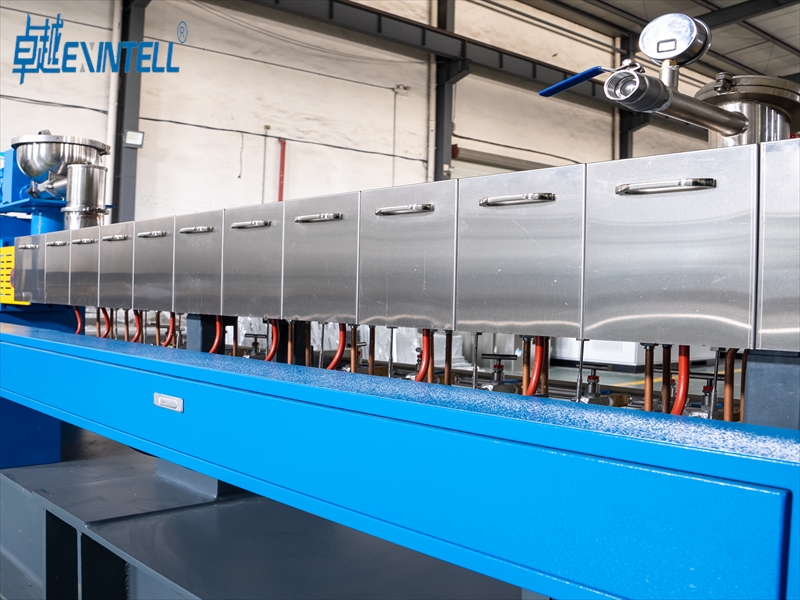
When I operate a strand pelletizer, I follow a straightforward process that delivers consistent results. I start by melting the plastic material in the extruder. The molten plastic then forms into continuous strands as it exits the die. I guide these strands through a water bath, which cools them rapidly. Once cooled, the strands move into the cutting chamber, where rotating knives slice them into uniform pellets. This sequence ensures that the final pellets meet the quality standards required for further processing.
The main steps in the strand pelletizing system include:
I often choose a strand pelletizer for its versatility and environmental benefits. The system supports my recycling efforts by transforming plastic waste into a consistent raw material. This approach reduces landfill waste and conserves valuable resources, which aligns with the principles of a circular economy. I can process a variety of polymers, such as HDPE, LDPE, ו-PET, each with unique advantages. לְדוּגמָה, pelletized HDPE becomes new bottles, צינורות, or plastic lumber due to its toughness. LDPE pelletizing allows me to convert post-consumer films into usable raw materials. PET’s low melting point makes it energy-efficient to process, and recycled PET pellets find new life in fibers for clothing and packaging.
It transforms plastic waste into a consistent raw material, closing the loop in the plastic lifecycle.
HDPE, when pelletized, is used to create new bottles, צינורות, and plastic lumber due to its toughness and chemical resistance.
LDPE pelletizing converts post-consumer films into usable raw materials for new products.
PET’s low melting point makes it energy-efficient to process, and recycled PET pellets are utilized in fibers for clothing and packaging.
Limitations of Strand Systems
While the strand pelletizing system offers many advantages, I also face several operational challenges. Price volatilitycan affect my raw material costs and energy expenses, making it difficult to manage margins. I must navigate supply chain fragmentation, which introduces unpredictability in procurement and inventory. Regulatory compliance costs continue to rise as environmental standards tighten. אני גם רואה לחצים תחרותיים עזים מצד יצרנים בעלות נמוכה וטכנולוגיות חדשות. הפרעה טכנולוגית מחייבת אותי להשקיע בציוד חדש כדי להישאר תחרותי. צווארי בקבוק של חדשנות יכולים להאט את האימוץ שלי של חומרים ותהליכים חדשים. חסמי כניסה גבוהים, כגון דרישות הון ואישורים רגולטוריים, לרכז כוח שוק בקרב שחקנים מבוססים.
אֶתגָר
תֵאוּר
תנודתיות מחירים
תנודות בעלויות חומרי גלם ומחירי אנרגיה מסבכים את ניהול המרווחים ואסטרטגיות תמחור ארוכות טווח.
פיצול שרשרת אספקה
פערים אזוריים וצווארי בקבוק תחבורתיים מכניסים חוסר חיזוי לרכש וניהול מלאי, מה שמוביל להגדלת העלויות והעיכובים.
כניסתם של יצרנים בעלות נמוכה ומחדשים טכנולוגיים דוחסת רווחים ומניעה את הצורך בחדשנות מתמשכת.
הפרעה טכנולוגית
התקדמות בשיטות אלטרנטיביות לפילטציה מאיימת על הציוד הקיים, דורש השקעה משמעותית כדי להישאר תחרותי.
צווארי בקבוק של חדשנות
אימוץ איטי של חומרים חדשים ושיפורי תהליכים מגביל את הבידול ופוטנציאל הצמיחה, במיוחד בקטעים בעלי ביצועים גבוהים.
מחסומי כניסה
דרישות הון גבוהות ואישורים רגולטוריים מחמירים מגבילים מצטרפים חדשים, ריכוז כוח שוק בקרב שחקנים מבוססים והגברת הלחצים התחרותיים.
I address these challenges by staying informed about industry trends and investing in process improvements. This approach helps me maintain the reliability and efficiency of my plastic pelletizer operations.
Comparing Plastic Pelletizer Systems
Performance and Efficiency
When I evaluate the performance and efficiency of each pelletizing system, I focus on throughput rates and energy consumption. Underwater pelletizing systems deliver thehighest throughput. I can process several tons per hour with a single machine, which makes this systemideal for large-scale operations. Water-ring pelletizing systems also offer strong performance, especially for polyolefins and recycled materials. Their compact design and efficient cooling help me achieve excellent energy efficiency. Strand pelletizing systems provide moderate throughput. I notice that strand breakage can limit capacity, and the energy efficiency is only medium compared to the other two systems.
Pelletizer System
תפוקה / יְכוֹלֶת
יעילות אנרגטית
Strand Pelletizing
לְמַתֵן; limited by strand breakage
Medium
Water Ring Pelletizing
לְמַתֵן; efficient for many polymers
Excellent
Underwater Pelletizing
גָבוֹהַ; several tons per hour possible
Excellent
פֶּתֶק: I choose underwater pelletizing when I need maximum output and energy savings. For moderate production, water-ring systems balance efficiency and capacity. Strand systems suit smaller or specialized runs.
Cost and Maintenance
Cost and maintenance play a major role in my decision. Strand pelletizing systems have the lowest initial investment. I find them simple to operate and maintain, which reduces my long-term expenses. Underwater and water-ring pelletizing systems require higher startup costs. Their advanced technology and complex design increase operational complexity. אני משקיע יותר זמן ומשאבים בתחזוקה של מערכות אלו, במיוחד בעת טיפול בפולימרים שונים או שינויים תכופים בחומרים.
טכנולוגיית פלטיזציה
עלות ראשונית
מורכבות תפעולית
גמישות חומרית
Strand Pelletizing
לְהוֹרִיד
פָּשׁוּט
גָבוֹהַ
Underwater Pelletizing
גבוה יותר
מוּרכָּב
לְמַתֵן
טבעת מים
גבוה יותר
מוּרכָּב
לְמַתֵן
לעתים קרובות אני ממליץ על נטילת גדילים עבור פעולות עם תקציבים מצומצמים או כאשר הפשטות היא בראש סדר העדיפויות. כשאני צריך תכונות מתקדמות או פלט גבוה יותר, אני מקבל את העלויות הגבוהות יותר של מערכות תת-מימיות או טבעת מים.
איכות גלולה
איכות הכדורים משפיעה על העיבוד במורד הזרם ועל עקביות המוצר. מערכות תת-מימיות מייצרות כדורים כדוריים בעלי עקביות גבוהה. כדורים אלו זורמים היטב ומפחיתים אבק, מה שמטיב עם תהליכי ההרכבה והיציקה שלי. מערכות כדורי כדורי מים יוצרות כדורים פחוסים מעט. האיכות נשארת טובה, אבל אני רואה פחות עקביות בהשוואה למערכות תת-מימיות. מערכות כדורי גדיל מייצרות כדורים גליליים. I notice more dust and fines, which can impact overall quality and require additional cleaning steps.
Underwater pelletizing: Spherical, highly consistent pellets; best flow characteristics.
Water-ring pelletizing: Slightly flattened, good quality, moderate consistency.
גדיל כדורי: Cylindrical, more dust and fines, lower consistency.
עֵצָה: I select underwater pelletizing when pellet uniformity and flow are critical. For less demanding applications, water-ring or strand systems may suffice.
Application Suitability
I match each pelletizing system to specific applications based on their strengths. Underwater pelletizers excel in high-output, continuous polymer processing. I use them for large-scale compounding and specialty polymers. Water-ring pelletizing systems work well for polyolefins and recycled materials. Their versatility supports a range of recycling applications. Strand pelletizing systems offer high material flexibility. I process a wide variety of polymers, including those with high melt strength, and I often use this system for smaller batches or when I need to minimize costs.
Underwater pelletizers: Best for high-output, continuous production, ופולימרים מיוחדים.
Water-ring pelletizing systems: Ideal for polyolefins, חומרים ממוחזרים, and moderate production volumes.
Strand pelletizing systems: Suitable for high melt strength materials, flexible for many polymers, and cost-effective for smaller operations.
I always consider the specific needs of my operation before choosing a pelletizing system. לְדוּגמָה, if I focus on recycling and need to process many types of materials, strand pelletizing gives me the flexibility I need. When I require high throughput and top pellet quality, I rely on underwater pelletizing.
Highlighting Differences: Strand vs. Underwater Pelletizing
The most significant differences between strand and underwater pelletizing systems appear in performance, עֲלוּת, and pellet quality. Strand pelletizing offerslower initial costsand simple operation. I can process a wide range of materials, but I accept moderate throughput and more dust in the final product. Underwater pelletizing requires a higher investment and more complex operation. In return, I achieve the highest throughput, excellent energy efficiency, and the most consistent pellet quality. My choice depends on whether I prioritize cost and flexibility or output and pellet uniformity.
Choosing a Plastic Pelletizer System
Assessing Production Needs
When I select a pelletizer, I always start by defining my production requirements. I ask myself several key questions:
What types of plastics will I process?
How much material do I need to pelletize each hour or day?
Will my production volume increase in the future?
Do I need to switch between different materials often?
I calculate my current and projected throughput. This step helps me avoid under-sizing or over-investing in equipment. For high-output operations, I lean toward underwater pelletizing systems because they handle large volumes efficiently. For smaller or more flexible production, strand or water-ring systems often fit better.
I also consider the maintenance needs and blade durability. Easy access for cleaning and blade changes reduces downtime. I check if the pelletizer offers robust cutter assemblies, especially when I plan to process abrasive or filled compounds.
תאימות חומרים
Material compatibility plays a critical role in my decision. Different polymers behavein unique ways during processing. לְדוּגמָה, פ, עמ', לְלַטֵף, and filled composites each require specific pelletizer features. I look for these factors:
High-viscosity materials need pelletizers with higher torque gearmotors and reinforced cutter assemblies.
Abrasive filled compounds demand die plates and cutters made from durable materials, such as carbide-tipped blades.
Some pelletizers handle sticky or low melt-strength materials better than others.
I always match the pelletizer design to the materials I plan to process. This approach prevents excessive wear, reduces downtime, and ensures consistent pellet quality. When I focus on recycling, I choose a system that can handle a wide range of feedstocks, including post-consumer and post-industrial plastics.
Budget Considerations
Budget remains a major factor in my selection process. אני מסתכל מעבר למחיר ההתחלתי ולוקח בחשבון את עלות הבעלות הכוללת. יצרנים רבים עושים את הטעות כשהם מתמקדים רק במחיר הרכישה. אני נמנע מזה על ידי ניתוח הוצאות לטווח ארוך, כמו צריכת אנרגיה, תַחזוּקָה, וחלקי חילוף.
השקעה הון ראשונית נמוכה משמעותית; ציוד פשוט יותר מבחינה מכנית.
Underwater Pelletizing
השקעה ראשונית גבוהה יותר הודות לרכיבים מהונדסים דיוק; טביעת רגל קומפקטית יותר.
אני גם מביא בחשבון את עלויות התפעול. מערכות תת-מימיות ומערכות טבעת מים עשויות לעלות יותר מראש, אבל האוטומציה והיעילות שלהם יכולים להוריד את הוצאות העבודה והאנרגיה לאורך זמן. אני תמיד מאמת את אישורי היצרן ואישורי האיכות. תמיכה אמינה לאחר המכירה וזמינות חלקי חילוף מגנים על ההשקעה שלי ומצמצמים את זמן ההשבתה.
עֵצָה: אני עורך ביקורת מפעל ובדיקות ציוד לפני קבלת החלטה סופית. שלב זה עוזר לי להימנע מטעויות יקרות.
גורמים מעשיים אחרים
מספר שיקולים מעשיים משפיעים על הבחירה הסופית שלי. אני מעריך את דרישות המקום, רמת מיומנות המפעיל, וצרכי אוטומציה. הטבלה שלהלן מסכמת את הגורמים הללו עבור כל סוג גלולה:
גוֹרֵם
Strand Pelletizer
פלטיזר טבעת מים (WRP)
פלטיזר תת מימי (UWP)
דרישות מקום
טביעת רגל גדולה בשל שוקת קירור וחלקי ייבוש
טביעת רגל קומפקטית
טביעת רגל קומפקטית יחסית
רמת מיומנות מפעיל
עתיר עבודה; דורש יותר התערבות ותשומת לב ידנית, במיוחד במהלך הפעלה ושבירת גדיל
אוטומציה בינונית עד גבוהה; צריך פחות עבודת כפיים
אוטומציה גבוהה; פעולה מורכבת הדורשת מפעילים מיומנים
מורכבות תחזוקה
לְמַתֵן; יש צורך בהחלפת סכינים וניקוי
לְמַתֵן; תחזוקה של טבעת מים וחותך
מורכב יותר; תחזוקה של לוחית ותא חיתוך יכולה להיות מאתגרת
רמת אוטומציה
אוטומציה נמוכה יותר
אוטומציה בינונית עד גבוהה
אוטומציה גבוהה
שיקולים נוספים
פוטנציאל לשבירת גדילים וקנס/אבק אם לא מתוחזק היטב
מגבלות חומריות (לְמָשָׁל, לא אידיאלי עבור חומרים דביקים)
עלות ראשונית גבוהה יותר ותפעול מורכב
אני חושב על אילוצי מרחב עבודה, רגישות לרעש, ודרישות בקרת אבק. אני מנתח גם יעילות אנרגטית ועלויות תפעול. אני אף פעם לא מתעלם מתמיכה לאחר המכירה או זמינות חלקי חילוף. גורמים אלו מבטיחים פעולה חלקה ואמינות לטווח ארוך.
פֶּתֶק: אני משתמש ברשימת בדיקה כדי להנחות את ההחלטה שלי:
הגדר חומרים וצורות לעיבוד.
חשב את צרכי התפוקה.
הערכת תחזוקה והחלפת להב.
שקול סביבת עבודה ואוטומציה.
ניתוח עלויות לטווח ארוך.
הערכת תמיכת יצרן.
על ידי ביצוע גישה מובנית זו, אני בוחר את מערכת הפילטרים מפלסטיק המתאימה ביותר למטרות הייצור שלי, צרכים חומריים, ותקציב. שיטה זו עוזרת לי להימנע ממלכודות נפוצות ומבטיחה שהפעילות שלי מתנהלת ביעילות במשך שנים רבות.
אני משווה מערכות פלטיזציה מפלסטיק לפי החוזקות וההתאמה שלהן לסרט פלסטיק, מִחזוּר, ומחזור מכני. הטבלה שלהלן מדגישה את היתרונות שלהם לקיימות ולכלכלה מעגלית:
מַעֲרֶכֶת
חוזקות
הַתאָמָה
גָדִיל
רַב צְדָדִי, חסכוני
עבודות קטנות, קווי מיחזור
טבעת מים
קוֹמפָּקטִי, משטח גלולה טוב
מערכת יעילה לעיבוד פלסטיק, הפקת סרטים
מתחת למים
כדורים אחידים, אוטומציה גבוהה
מפעלים גדולים, חומרים קשים
הבנת ההבדלים הללו עוזרת לי לייעל את פעולת המיחזור שלי. I always evaluate material needs, production goals, and process stability before choosing a system.
I focus on durability and energy efficiency for long-term success.
I recommend assessing your requirements carefully to ensure the best fit for your operation.
שאלות נפוצות
What is the main difference between strand and underwater pelletizing?
I see the biggest difference in pellet shape and system complexity. Strand pelletizers make cylindrical pellets and use a simple process. Underwater pelletizers create round pellets and require more advanced equipment.
How do I choose the right pelletizer for recycled plastics?
I always check material type, contamination level, and output needs. Strand pelletizers work well for mixed or high-melt materials. Water-ring systems handle films and regrind efficiently. Underwater systems suit clean, מיחזור בנפח גבוה.
באיזו תדירות עלי לבצע תחזוקה על הגלולה שלי?
אני בודק את הגלולה שלי מדי שבוע לבלאי ויישור. אני מתזמן החלפות להבים וניקיון מדי חודש. למערכות תת-מימיות, אני בודק צלחות וסכינים לעתים קרובות יותר בגלל מורכבות גבוהה יותר.
האם פלטיזר אחד יכול להתמודד עם כל סוגי הפלסטיק?
מניסיוני, אף פלטיזר אחד לא מתאים לכל פלסטיק. אני מתאים את המערכת לחוזק ההיתוך של הפולימר, דְבִיקוּת, וזיהום. אני מתייעץ עם היצרן לקבלת התוצאות הטובות ביותר.